Mother Nature doesn’t play favorites in winter. That perfectly clear stretch of highway can transform into a dangerous mix of black ice and blowing snow faster than you can downshift. When weather reports talk about “challenging conditions,” they’re usually understating what you’ll actually face on the road.
Understanding winter hazards isn’t just about watching for the obvious, like snow and ice. It’s about spotting the sneaky ones: steam from industrial plants freezing on bridges, drainage problems creating isolated slick spots, or snow plows inadvertently creating wind tunnels between lanes.
These hazards rarely make the evening forecast. And today, we’ll discuss how to spot them.
Black Ice: The Invisible Threat
Black ice isn’t really black at all – it’s a crystal-clear layer of ice that makes the road surface look deceptively bare and wet. What makes it particularly treacherous is how it forms: moisture or light snow melts during the day, then freezes into a paper-thin sheet when temperatures drop.
You won’t see it until you’re on it, and sometimes not even then.
Watch for black ice in predictable places: bridge decks that get cold from above and below, shaded sections of road, areas near lakes or rivers, and the bottom of hills where water collects. In Minnesota, where black ice is a winter regular, drivers know their biggest risk comes when temperatures hover just below freezing, especially around dawn and dusk.
If you hit black ice, avoid sudden movements. Don’t hit the brakes! Ease off the throttle and keep your steering wheel straight. Slight steering adjustments are fine, but overcorrection will make things worse. Let the truck slow naturally until you feel traction return.
Snow-Packed Roads
Snow-packed roads aren’t just about reduced traction – they’re about how that traction changes as you drive. Fresh snow acts differently from compacted snow, and what starts as powder can turn to polish under heavy traffic.
Those wheel ruts that seem to guide your truck? They can grab your tires and pull you off your intended path.
Watch for sudden changes in surface texture. Dark patches might mean ice underneath, while dull white areas often provide a better grip. The real danger comes when changing lanes – breaking free from those ruts requires careful timing and steady steering.
Reduced Visibility: When Winter Hides the Road
Winter throws multiple challenges at your visibility – dense fog, heavy snow, freezing rain, and blowing snow can all turn a clear view into a guessing game.
Each type of precipitation affects your vision differently: fog creates a wall of white, snow can hypnotize with its constant motion, and freezing rain builds up on your windshield faster than wipers can clear it.
Your visibility strategy starts with proper lighting. Low beams work better than high beams in snow and fog, lighting up the road without reflecting back into your eyes. Keep your windshield clear inside and out, and remember that speed ratings for conditions assume clean wipers and working defrosters. If conditions deteriorate, trust your judgment about when to find a safe haven and wait it out.
Bridges and Overpasses
The signs warning “Bridge Freezes Before Road” aren’t just there for decoration. Bridges and overpasses lose heat from both above and below, making them prime spots for ice formation even when regular roads stay clear. Add in wind exposure from all angles, and you’ve got a recipe for rapidly changing conditions.
Expansion joints – those metal gaps in bridge surfaces – deserve extra attention. They can collect moisture and freeze, creating unexpected bumps that can throw off your steering just when you need control most. What looks like a perfectly clear bridge deck can hide patches of ice around these joints.
Traffic Hazards: Everyone’s Driving a Different Winter
Winter brings out different driving styles – from the over-confident speeders to the white-knuckle crawlers. Four-wheelers dart between lanes looking for the clearest path, while some drivers park themselves in the middle of two snow-cleared tracks, blocking both lanes.
Snow plows create their own challenges. That wall of snow they throw can temporarily blind you, and the mix of salt and sand they spread can pepper your windshield without warning. The real trick isn’t just watching the traffic you can see – it’s anticipating sudden moves from vehicles battling the same conditions you are.
Mountain Driving
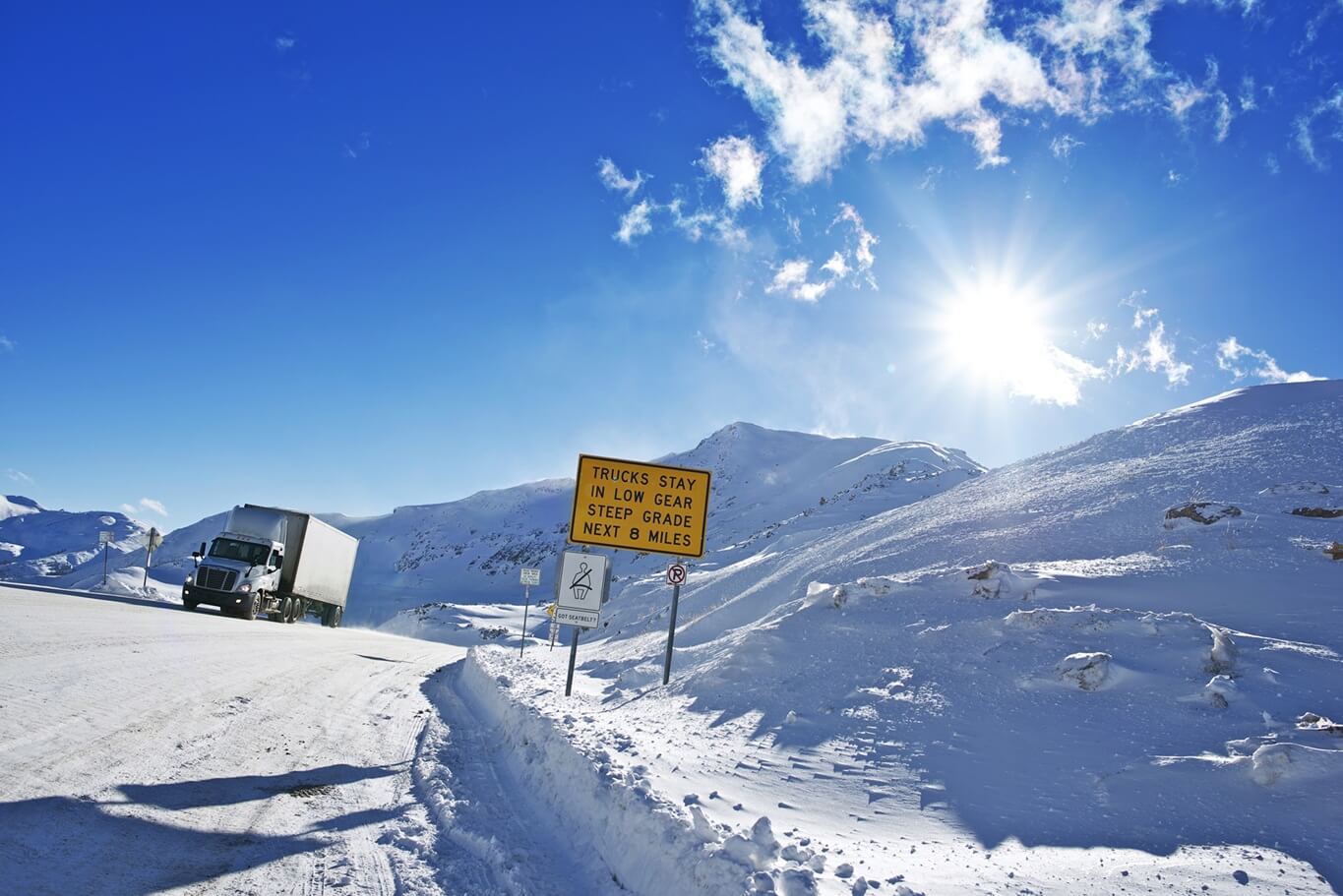
Mountain passes add a whole new dimension to winter hazards. What starts as rain in the valley can be heavy snow at higher elevations, and conditions can change dramatically between sunny and shaded slopes. Experience teaches drivers to watch for subtle signs of deteriorating conditions like snow starting to stick to guardrails or changes in the sound of their tires.
Those steep grades through Wyoming’s high country demand extra respect in winter. Keep your speed in check on downgrades, stay in the right gear before you need it, and remember that momentum on upgrades is crucial – once you lose it on slick roads, it’s hard to get back. Watch for changing conditions near the summit, where wind and elevation often combine to create the worst conditions.
Strong Winds and Blowing Snow
The wind might not seem like a typical winter hazard, but add snow or ice to the equation, and everything changes. Empty trailers become sail-like targets in strong gusts, while packed snow suddenly airborne across open plains can blind you in seconds. What makes wind especially tricky is how it can change from a steady push to violent gusts without warning.
Crosswinds demand constant steering correction, but overcorrecting when that gust suddenly stops can lead to jackknifing. The key is smooth, steady movements. Quick steering corrections make the trailer swing worse.
Keep both hands firmly on the wheel, maintain a steady speed, and watch for telltale signs: snow snakes across the road, drifting patterns in open areas, or trucks ahead taking a slight sideways stance.
Overnight Parking in Cold Weather
Winter parking isn’t just about finding a space – it’s about picking a spot where you won’t be stuck until spring thaw. Low spots that collect snow, areas where plows pile up drifts, or spaces where wind creates deep snow banks can all turn your parking spot into a trap.
This is where Truck Parking Club’s network of well-maintained facilities makes a real difference. When temperatures plummet and parking spots become scarce, having a guaranteed space at a maintained facility isn’t just convenient – it’s essential.
Stay Ahead of Winter’s Challenges
Winter hazards don’t announce themselves with flashing lights and sirens. Each one requires awareness, preparation, and respect. Understanding these challenges is your first step toward handling them safely.
Join Truck Parking Club and always have a well-maintained spot waiting, no matter what winter throws your way.
BECOME A TRUCKER MEMBER TODAY!
The information published herein is for general informational purposes only. Truck Parking Club does not make any representations or warranties about the completeness, reliability, legality, and accuracy of this information. Any reliance placed on such material is strictly at the user’s own risk. Truck Parking Club shall not be responsible for any losses or damages incurred in connection with the information published herein.