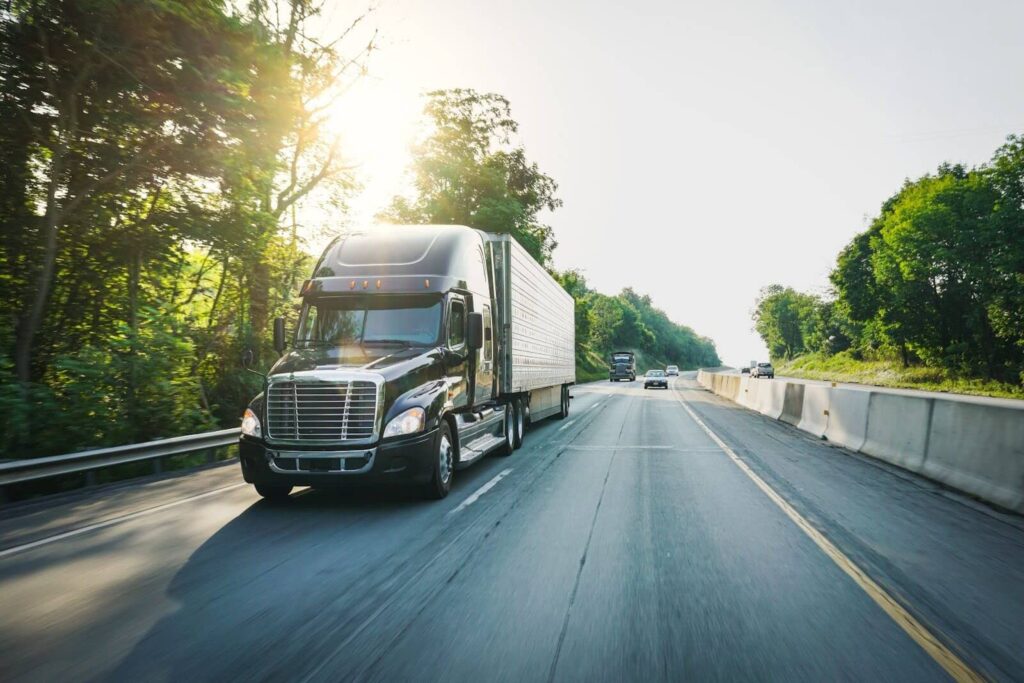
URGENT: ONLY 5 DAYS LEFT! The Commercial Vehicle Safety Alliance’s (CVSA) International Roadcheck is scheduled for May 13-15, 2025. This 72-hour enforcement initiative will take place across North America with inspectors conducting thorough vehicle and driver compliance checks.
Key Focus Areas for 2025
This year’s Roadcheck will emphasize two critical areas:
1. Driver Focus: Hours-of-Service (HOS) & Records of Duty Status
Inspectors will pay special attention to drivers’ record of duty status (RODS) and hours-of-service compliance. Make sure your logs are accurate and up-to-date to avoid out-of-service violations.
2. Vehicle Focus: Tire Safety
Inspectors will thoroughly examine tires for:
Proper tread depth
Correct inflation
Damage (air leaks, cuts, bulges)
Improper repairs
Tread separation
Sidewall damage
What to Expect During Inspection
Inspectors will primarily conduct the North American Standard Level I Inspection – a comprehensive 37-step procedure checking both driver requirements and vehicle mechanical fitness.
Vehicles passing inspection without critical violations will receive a CVSA decal valid for three months. Those with out-of-service violations will be restricted from operating until all issues are properly addressed.
Secure Your Parking Now
⚠️ TIME IS RUNNING OUT! With only 5 days left before Roadcheck begins and increased enforcement activity expected at weigh stations and mobile inspection sites, having guaranteed, secure parking will be more important than ever. Spots are filling fast – book your parking today through Truck Parking Club to ensure you have a safe place to park during the Roadcheck period.
When most people think of truck driving, they imagine long-haul trips spanning thousands of miles, with drivers spending weeks away from home. But there’s more to trucking than just over-the-road (OTR) jobs. Regional trucking strikes a balance between the adventure of OTR and the stability of local routes, offering drivers a middle-ground career with regular home time and solid earning potential.
This article explores what is regional trucking, how it works, and why it might be the perfect fit for your trucking career.
What Is Regional Truck Driving?
Regional trucking involves transporting goods within a defined geographical region, typically within a 1,000-mile radius of the driver’s home base. Unlike OTR trucking, which involves cross-country hauls, regional truck driving keeps drivers closer to home while still offering longer routes than local jobs.
Regional routes are often pre-assigned and consistent, meaning drivers frequently travel the same roads and visit the same customers. This familiarity can reduce stress and make the job more manageable compared to the unpredictability of OTR trucking.
One of the most significant advantages of regional trucking is its balance between time on the road and time at home. Drivers are typically home on weekends and sometimes even during the week, making it a great option for those who value a steady work-life balance.
A Day in the Life of a Regional Truck Driver
The typical day for a regional truck driver begins with receiving a delivery route and preparing the truck. Depending on the distance of the delivery, you might complete the trip in one day or need to stop overnight to comply with federally mandated Hours of Service regulations.
Unlike OTR drivers, who often spend weeks away from home, regional drivers return home much more frequently. However, regional routes are longer than local ones, so drivers still experience the excitement of the open road without the lengthy separations from home associated with OTR trucking.
Turnaround time for regional jobs is generally quick. Once one delivery is complete, the next assignment is usually ready, ensuring a steady workflow for drivers.
Why Choose Regional Trucking?
Regional trucking offers several benefits that make it an appealing option for many drivers:
More Home Time
One of the biggest draws of regional trucking is the opportunity to return home regularly. Most regional drivers are home every weekend, and some even have weekday nights at home. This makes it ideal for those who want to maintain strong connections with family and friends.
Competitive Pay
Regional drivers earn an average salary of $67,000 per year, which is significantly higher than the $52,000 average for local trucking jobs. While OTR drivers can earn more, the trade-off is far less time at home. For many, the pay-to-lifestyle ratio of regional trucking is just right.
Familiar Routes
Regional drivers often work dedicated routes, allowing them to become familiar with the traffic patterns, weather conditions, and customers in their area. From navigating Oregon’s mountain passes to managing Minnesota’s winter conditions. This familiarity can make the job more efficient and less stressful compared to the unpredictability of OTR trucking.
A Balanced Lifestyle
For drivers who want the independence of trucking without sacrificing personal life, regional truck driving offers a perfect compromise. You get the thrill of the road with the comfort of knowing you’ll be home regularly.
Regional Trucking vs. OTR and Local Trucking
To fully understand what is regional trucking, it helps to compare it to other types of trucking jobs:
Regional Trucking
Operates within a 1,000-mile radius.
Drivers are home on weekends and possibly during the week.
Offers predictable schedules and consistent routes.
Pays more than local trucking but slightly less than OTR.
Over-the-Road (OTR) Trucking
Involves cross-country trips that can last weeks or months.
Drivers are rarely home, with limited opportunities for personal time.
Offers the highest pay of all trucking jobs.
Local Trucking
Focuses on deliveries within a single city or metropolitan area.
Drivers return home daily, with the most predictable schedules.
Pays less than regional or OTR trucking but is ideal for those seeking stability and routine.
By blending elements of both OTR and local trucking, regional trucking offers drivers the best of both worlds.
The Growing Demand for Regional Trucking
As the trucking industry evolves, regional trucking has become increasingly popular among carriers and drivers alike. Companies are focusing on regional routes to meet demand while addressing drivers’ growing need for work-life balance.
With the rise of e-commerce, the need for efficient delivery networks has grown, making regional truck driving a crucial part of modern logistics. These jobs not only allow goods to move quickly across shorter distances but also help companies retain drivers by offering them more stable schedules.
Is Regional Trucking Right for You?
For drivers seeking a balance between the freedom of the open road and regular home time, regional trucking is an excellent choice. It offers competitive pay, manageable schedules, and the chance to work in a more localized area. Whether you’re new to trucking or transitioning from OTR or local routes, regional truck driving provides a fulfilling career path that complements both professional and personal goals.
Understanding regional trucking is essential for anyone exploring options in the trucking industry. It’s an opportunity to achieve balance, stability, and satisfaction in a demanding yet rewarding field.
If you’re ready to hit the road while staying close to home, regional trucking might be the perfect route for you.
And no matter which region you choose to serve, having reliable parking is essential for maintaining those regular schedules that make regional driving so attractive.
Truck Parking Club makes securing parking spots throughout your regional routes easy, helping you stay on schedule and get home on time. Find guaranteed parking across your service area become a Trucker Member Today
The information published herein is for general informational purposes only. Truck Parking Club does not make any representations or warranties about the completeness, reliability, legality, and accuracy of this information. Any reliance placed on such material is strictly at the user’s own risk. Truck Parking Club shall not be responsible for any losses or damages incurred in connection with the information published herein
The trucking industry is vital to the economy, transporting goods that keep our lives running smoothly. However, misconceptions about trucking often cloud public understanding, negatively impacting the industry’s reputation and those who work within it. Let’s debunk some of the most common myths about trucking to reveal the truth about trucking and uncover the reality of being a truck driver.
Myth #1: Parking Isn’t a Big Problem
Reality:
Truck parking is one of the most pressing challenges truckers face. Limited parking spaces force drivers to spend valuable time searching for spots, cutting into federally mandated rest periods. This shortage affects drivers’ safety and adds stress to an already demanding job.
Apps like Truck Parking Clubprovide innovative solutions, connecting truckers with property owners with available parking. These platforms help drivers secure safe, legal parking spots while allowing property owners to monetize unused space. By addressing this issue, such apps improve safety, efficiency, and the reality of being a truck driver.
Myth #2: Truckers Have No Time for Family
Reality:
The notion that truck drivers spend all their time on the road, rarely seeing their families, is misleading. Time spent away from home depends on the type of route a driver chooses. Over-the-road (OTR) drivers may travel for weeks, but regional or local drivers often return home daily or on weekends. Modern trucking companies also offer flexible schedules to help drivers maintain a healthy work-life balance, further illustrating the reality of being a truck driver.
Myth #3: Truck Drivers Are Always Exhausted
Reality:
Concerns about overworked drivers are valid but largely outdated. Federal Motor Carrier Safety Administration (FMCSA) regulations limit drivers’ hours on the road, requiring rest breaks and ensuring adequate downtime. These laws protect the drivers and the public, ensuring safety on the road. Modern tools like GPS route planners and scheduling apps further reduce stress and optimize workload. This is another aspect of the truth about trucking.
Myth #4: Only Men Can Be Truckers
Reality:
Trucking is no longer a “man’s world.” Increasing numbers of women are joining the industry, driven by better support systems, inclusivity initiatives, and career opportunities. Women are excelling as truck drivers, business owners, and leaders in trucking, helping the industry become more diverse and dynamic. The reality of being a truck driver includes opportunities for everyone.
It’s a common myth that truck drivers speed or engage in unsafe driving to meet tight deadlines. However, professional truckers undergo rigorous training and are held to higher safety standards than most drivers. Their awareness of the dangers of the road makes them some of the most cautious and skilled drivers out there. Accidents involving trucks often stem from unsafe driving by other motorists, not truckers. This highlights the truth about trucking as a safety-conscious industry.
Myth #6: Trucking Salaries Are Low
Reality:
A widespread misconception is that truck drivers earn low wages, making trucking seem unappealing. In truth, the average trucking salary aligns closely with the national average, and experienced drivers, especially those with specialized skills, can earn significantly more. Factors like a clean driving record, certifications, and hauling specialty loads boost earning potential. Trucking is a career that rewards skill and dedication, reflecting the truth about trucking.
Myth #7: Autonomous Trucks Will Replace Drivers
Reality:
The rise of self-driving technology has sparked fears about the future of trucking jobs. While autonomous trucks are advancing, they still require human oversight for tasks like error correction, decision-making, and handling unexpected events. Far from eliminating jobs, technology in trucking aims to support drivers by reducing fatigue and enhancing safety. Human drivers remain irreplaceable in the foreseeable future, reinforcing the truth about trucking.
Myth #8: Truckers Are Rough and Tough Loners
Reality:
The stereotype of the solitary, gruff trucker is outdated. Today’s truck drivers come from diverse backgrounds and lead varied lifestyles. Many are family-oriented individuals who enjoy the independence of their work but maintain strong community ties. Technology, including social media and communication apps, allows drivers to stay connected to loved ones and build camaraderie with fellow truckers. This shows the evolving reality of being a truck driver.
Myth #9: Trucking is Stuck in the Past
Reality:
Modern trucking embraces cutting-edge technology to improve efficiency and safety. From fuel-efficient trucks to GPS routing systems and mobile apps, the industry continually innovates to meet changing demands. Tools like Truck Parking Club and Truck Stop Finder exemplify how digital solutions are reshaping the industry, addressing long-standing issues like parking shortages with modern, user-friendly platforms. This is part of the dynamic truth about trucking.
Myth #10: Trucking is a Dying Industry
Reality:
Despite fears of decline, the trucking industry is thriving. E-commerce growth and the increasing need for fast, efficient goods transportation have boosted demand for trucking services. Companies are also taking on more sustainable practices, such as electric and hybrid trucks, showing the industry’s commitment to innovation and environmental responsibility. The reality of being a truck driver is one of adaptation and growth in a thriving industry.
Myth #11: Truckers Are Always Unhealthy
Reality:
While trucking presents challenges to maintaining a healthy lifestyle, many drivers actively prioritize their well-being. Gyms at truck stops, healthier dining options, and employer wellness programs are becoming more common. Drivers also leverage mobile fitness apps to stay active on the road. A healthy lifestyle is increasingly recognized as essential for success in trucking, shedding light on the truth about trucking.
Busting Myths to Highlight Reality
Trucking is a dynamic and essential industry that continues to evolve, embracing diversity, technology, and sustainability. Dispelling these myths helps improve the public’s understanding of trucking and showcases truckers’ hard work and professionalism.
Platforms like Truck Parking Club further highlight how modern solutions are transforming the industry, addressing critical challenges like parking shortages. Together, these efforts pave the way for a safer, more efficient, and respected trucking industry and reveal the truth about trucking and the genuine reality of being a truck driver.
The information published herein is for general informational purposes only. Truck Parking Club does not make any representations or warranties about the completeness, reliability, legality, and accuracy of this information. Any reliance placed on such material is strictly at the user’s own risk. Truck Parking Club shall not be responsible for any losses or damages incurred in connection with the information published herein
According to estimates, there are over 3.5 million truck drivers in the United States, a number that’s been rising in the past few years. Truck driving involves much more than having a special driving license. You’ll travel to distant and unknown locations, facing different road and weather conditions, day and night.
That’s why truckers need a range of trucking navigation systems to drive safely wherever they go. Here’s how new truckers can go anywhere without ever getting lost.
Finding Your Place In The World
The days of huge and confusing paper maps are gone, and that’s excellent news for truck drivers. Nowadays, every smartphone has a GPS, but digital technologies can still do much more for trucker navigation. Here are a few technologies and systems that truckers can never go without.
Essential Apps
Truck driver navigation requires much more than your smartphone’s native GPS. For those who live on the road, it’s essential to get updates on maps, weather, and road conditions. Since trucks aren’t easy to park, it’s also advisable to platforms such as Truck Parking Club to find the most convenient parking slots for trucks along the itinerary.
CB Radio
CB radios, also known as two-way radios, are excellent communication options when there’s no mobile network available. Such radios allow drivers to get real-time updates about the driving conditions ahead, keep in touch with other drivers on the road, and call emergency services when necessary.
ELD (Electronic Logging Device)
ELDs aren’t directly connected to navigation, but they guarantee drivers will remain compliant with their Hours of Service, thus avoiding hefty fines. Many user-friendly options are available, which also provide seamless integration with other vehicle systems. There are also ELD apps for smartphones.
Mobile Hotspot
The downside of most navigation systems is that they only work when connected to the internet. It can be challenging in remote areas with poor or no coverage, leaving truckers driving without guidance. Indeed, it can be dangerous for new drivers traveling to places they don’t know yet. So, it’s advisable to have a mobile hotspot, ensuring it’ll be possible to use navigation and other apps anywhere.
Preparation Is Vital
Not even the most advanced technologies can save drivers who don’t plan their trips ahead of time. GPS and other mapping systems are more accurate than ever, but it doesn’t mean that drivers should play by ear. Modern trucks have road sign recognition systems, but drivers should pay attention to road signs anyway.
Road signs carry critical information, such as sudden route changes that the navigation systems have yet to update. They also alert people about accidents and other conditions that may affect driveability at that point. Above all, it’s essential to stay connected during the whole journey so you can communicate with employers and fellow drivers on the road.
The first year on the road can be tough and dangerous for new truckers. That’s why truckers are advised to find a mentor for their first journeys. An experienced driver can do a lot for first-timers, especially in real-life experiences that training courses could never provide. For once, a mentor can teach you everything a driver needs to know to avoid getting lost or caught up in dangerous situations on the road.
While planning a journey, drivers must consider various factors. This includes peak hours, road conditions, and the availability of truck stops and gas stations along the way. Additionally, it’s advisable to check the weather conditions at different points of the itinerary, which may require specific gear. Nobody wants to use paper maps these days, but it’s a good idea to have one as a backup in case digital navigation tools fail.
Navigating Urban Areas
Planning ahead of the journey is even more important if urban areas are part of the itinerary. Restricted zones, narrow streets, and low bridges may force drivers to choose different paths. Moreover, city streets have obstacles that roads don’t: cyclists, pedestrians, and small vehicles. Modern trucks have collision warning systems with pedestrian detection. Still, drivers must keep an eye on the mirror at all times.
Those driving big trucks must be extra careful and patient while moving around crowded streets, whether navigating Chicago’s complex Illinois thoroughfares or dealing with Texas’s sprawling metropolitan areas. In this case, it’s particularly difficult to back up or make narrow turns. Drivers are advised to drive slowly and very patiently in such situations.
Traffic jams are also much more common in city areas, which can cause delays and a lot of stress. Nevertheless, truckers should stay calm and drive safely, respecting restricted zones, as well as weight and height limits.
Setting Yourself Up for Success
Navigation is just one piece of the puzzle for new truckers. From mastering technology to planning routes effectively, success on the road comes from combining the right tools with smart preparation. While you can’t control every aspect of your journey, you can eliminate unnecessary stress by planning ahead.
One of the biggest challenges for any trucker, new or experienced, is finding reliable parking along their routes. That’s where Truck Parking Club comes in. Whether you’re navigating unfamiliar cities or planning regular routes, having guaranteed parking spots takes one more variable out of the equation.
Ready to make your navigation easier with secure, pre-planned parking? Find and reserve spots along your route.
The information published herein is for general informational purposes only. Truck Parking Club does not make any representations or warranties about the completeness, reliability, legality, and accuracy of this information. Any reliance placed on such material is strictly at the user’s own risk. Truck Parking Club shall not be responsible for any losses or damages incurred in connection with the information published herein
Driving on snowy roads is never easy, regardless of the size of the vehicle. However, driving on snowy roads without the proper truck tire chains can be life-threatening. The good news is that you don’t need to take your semi-truck to a garage to do this job, but you really need to know what you’re doing for your safety.
That time of the year is here again, which means it’s time to defrost your knowledge about semi truck tire chains.
Chaining Up For The Challenge
Knowing how to put chains on tires is a survival skill for truck drivers. During long winter journeys, drivers can be surprised by a blizzard at any moment. Whenever it happens, there’s no reason for panic. The first thing to do is to find a safe place for parking. It can be tricky for semi-truck drivers, given the size of their vehicles.
Luckily, truckers can count on platforms like Truck Parking Club, which help them find truck parking locations nearby. This tool is particularly useful in such conditions because you can’t put chains on your tires before finding an adequate parking spot. The next step is to lay out the chains on the ground, checking whether all tensioners are open and all hooks are facing up.
Since you need to cover the tires with those chains, it may be necessary to go under the vehicle. Spread the links evenly across the inner and outer parts for enhanced balance and grip. Use a chain tensioner to finish the job.
Safety Tips
Chains are only recommended under extreme conditions when there’s ice and snow on the road. They’ll ensure your vehicle won’t bobsled down the slope, but you’ll have to drive at very slow speeds. Indeed, the most cautious drivers won’t go faster than 30 mph while driving on tire chains.
Brakes must be used very judiciously, and wheel spin must be kept to a minimum. This is especially important in states like Colorado and Montana, where mountain passes can be treacherous.
Even experienced drivers need to stay cautious when navigating snowy conditions. It’s also advisable to stay updated about weather conditions on the path ahead so that you can prepare your truck in advance.
Tire chains are quite heavy: if you use six chains on your truck, it’ll be 1,000 pounds heavier than normal. Winter socks may be lighter than chains, but chains are still the best option if you’re driving on mountainous roads. It’s necessary to observe the truck’s clearance before deciding on the thickness of the chains.
Finding The Right Chains
There isn’t a one-size-fits-all solution regarding tire chains. Drivers need to observe mesh patterns and size. Notice that ladder and diamond patterns have different features. While diamond patterns improve driveability in all directions, ladder patterns are excellent for reverse driving but not so much for sideways.
It’s also important to pay attention to the material. Hardened steel chains are more expensive and more wear-resistant, but they increase road wear on wheels. Tensioning the chains is a crucial step of the process, which can be made easy by user-friendly tensioning mechanisms. Some drivers also choose steel wire instead of chains to cover the tire. This is a lightweight option, but it’s not suitable for heavy vehicles like semi-trucks.
Legal Issues
According to current laws, it’s not mandatory to chain up all tires for the winter. Indeed, chaining only one of the axles is enough to ensure road safety. Still, many drivers prefer to use four chains, or two sets, while driving a 4×4 semi-truck.
Removing the Chains
You should park your truck and remove the chains as soon as you encounter dry road conditions. Driving on tire chains over dry roads will ruin your tires pretty quickly and be dangerous. The removal process is as simple as the installation, and you will also need to get under the vehicle to finish the task.
A high-quality set of tire chains can be quite expensive, which means they should be handled with care to increase their lifespan. Even hardened materials must be cleaned after being removed. Debris, grit, salt, and dirt can damage the chains over time. The application of rust-inhibiting lubricants can make them last even longer.
Drivers must also check for damage before storing tire chains. Typically, if well-preserved, tire chains can last up to 2,000 miles. Durability may also depend on the material quality, using the right chains, and never driving at high speeds.
Be Prepared for Any Season
Proper preparation is key to safe driving, whether chaining up in the snowy mountains or navigating clear highways. Maintaining your tire chains and properly using them can make the difference between a successful run and a dangerous situation.
Come snow, rain, or shine, finding safe and accessible parking shouldn’t add to your worries. Truck Parking Club ensures you’ll have a secure spot waiting for you, whatever the weather brings. Our network of parking locations means you’ll always have a safe place to chain up or down when conditions demand it.
Ready to take the stress out of parking in any weather?
The information published herein is for general informational purposes only. Truck Parking Club does not make any representations or warranties about the completeness, reliability, legality, and accuracy of this information. Any reliance placed on such material is strictly at the user’s own risk. Truck Parking Club shall not be responsible for any losses or damages incurred in connection with the information published herein
Truck drivers face unique challenges that make their work both demanding and rewarding. Long hours, tight schedules, and the responsibility of safely transporting goods create a high-pressure environment. Managing stress is essential not only for their health but also for their ability to perform their duties effectively and safely. Let’s look at what a driver can do to reduce stress while driving.
The Weight of Stress in Trucking
Let’s start by asking the question, is truck driving stressful?
From a truck driver’s perspective – and I can already hear the knowing chuckles from experienced drivers truck driving is indeed highly stressful.
Drivers often contend with heavy traffic, unpredictable weather, and strict delivery timelines. Add to this the long hours of sitting behind the wheel, limited physical activity, and the isolation of being away from loved ones, and it’s clear why stress is a significant concern.
Truck parking is a persistent source of frustration, often requiring time and effort to find safe and legal spots. Proactive parking management can ease this burden. Platforms like Truck Parking Club streamline the search for available spaces, reducing the time spent circling for parking and helping you relax sooner, making the life of truckers at least a bit easier.
Planning to Minimize Stress
Being proactive is one of the most effective ways to reduce the strain of life on the road. By staying organized and anticipating potential obstacles, drivers can maintain a sense of control over their schedules:
Route Optimization: Plan routes carefully to account for potential delays from traffic or construction. Staying informed with real-time updates can help drivers avoid unnecessary stress.
Break Scheduling: Regular stops to stretch, grab a meal, or simply rest the eyes can keep both body and mind in better shape.
Stay Prepared: Keeping important documents, schedules, and contact information organized saves time and prevents last-minute scrambles.
Adaptability: Plans don’t always go smoothly. Preparing for possible disruptions ensures that unexpected changes don’t derail an entire day.
By managing time effectively, drivers can approach their work with greater confidence and focus.
Easing the Stress of Parking
Finding safe parking at the end of a long day can be a significant source of frustration for truck drivers, especially in high-traffic states like New York. Searching for a legal spot often takes time and adds unnecessary stress. Using tools that simplify parking searches can make a big difference. By reducing time spent hunting for parking, drivers can wind down sooner and focus on resting.
Maintaining Physical Wellness on the Road
Long hours in the driver’s seat can take a toll on the body, but incorporating healthy habits into your daily routines can counteract the effects of a sedentary lifestyle and lower the existing truck driver stress:
Stay Active: Stretching during rest stops or engaging in light exercises such as walking or squats can improve circulation and ease muscle tension. Even a few minutes of movement can make a difference.
Eat Smart: Access to healthy meals isn’t always easy, so planning is key. Packing nutrient-rich snacks like fruits, nuts, and whole grains can help drivers maintain steady energy levels.
Prioritize Sleep: Sleep is vital for focus and safety. Creating a consistent sleep routine, even on the road, can improve overall health and reduce stress levels.
Physical health plays a significant role in managing stress, and small, consistent changes can have a lasting impact.
Cultivating Mental Resilience
Mental well-being is just as important as physical health for truck drivers. Developing simple techniques to calm the mind and stay positive can make the demands of the job more manageable:
Mindful Breathing: Taking a few deep, intentional breaths during moments of tension can reduce anxiety and refocus the mind.
Visualization and Positivity: Imagining positive outcomes or repeating encouraging affirmations can help maintain an optimistic outlook.
Social Connections: Staying in touch with family, friends, or fellow drivers can combat loneliness. Online communities are a great way to share experiences and support.
Mental exercises like these build resilience, helping drivers handle challenges with a clearer head and steadier nerves.
Building a Better Balance
Stress is an unavoidable part of truck drivers’ lives, but it doesn’t have to overwhelm you. By taking steps to manage time effectively, prioritize physical health, and maintain mental well-being, drivers can stay more balanced and focused.
Coping with stress is about thoughtful adjustments to daily routines. Whether it’s a five-minute stretch, a healthy meal, or a quick check-in with a loved one, small actions can make the road feel less daunting. When stress becomes too much, seeking support—whether from a professional or a peer—can provide the relief needed to keep moving forward.
For truck drivers, success isn’t just about reaching the destination. It’s about taking care of themselves along the way, ensuring that their journey is as safe and healthy as it is productive.
Taking Control of Your Journey
By implementing these strategies and taking advantage of modern solutions, you can make your time on the road more enjoyable and less stressful.
Join Truck Parking Club today and take one major stressor off your plate. With secure spots nationwide.
The information published herein is for general informational purposes only. Truck Parking Club does not make any representations or warranties about the completeness, reliability, legality, and accuracy of this information. Any reliance placed on such material is strictly at the user’s own risk. Truck Parking Club shall not be responsible for any losses or damages incurred in connection with the information published herein
In the trucking industry, cost control plays an important role in the owner-operator business for financial sustainability and higher business returns. In this detailed guide, you will learn about operating cost control and optimization. This article will also take you through the most important trucking expenses in running an owner-operator business.
Understanding Essential Expenses for Owner Operators
There are many costs associated with being an owner-operator in the trucking business, and many of them can really cut into your bottom line. Here’s a breakdown of the key expenses associated with being an owner-operator:
Fuel Costs
This remains one of the main owner operator trucking costs. Learning to recognize fuel costs, practicing effective fuel economy, and identifying rational routes can help cut costs. The Truck Parking Club (TPC) can also help owner-operators find the best truck parking lots and improve route planning.
Insurance
Commercial truck insurance is essential for the owner-operator to ensure the business is safeguarded. Find the best rates and try to take several insurance services at once.
Truck Payments
If you have taken a loan on your truck, your monthly installments are fixed. One way to eliminate this cost is to refinance the loan for a truck at a better term or search for better interest rates.
Maintenance
Maintenance should always be conducted to ensure that your truck is in the right condition. Adopt a routine for checkups and repairs to avoid a surge of breakdowns and prolong the car’s lifespan.
Taxes
Owner-operators are liable to pay numerous taxes. Seek advice from a tax accountant to make the most of the legislated deductions and credits to reduce the tax bill.
Strategies to Reduce Expenses
To effectively manage these expenses as an owner-operator, consider the following strategies:
Budgeting: Prepare a budget plan that will help to monitor the income and expenditure of the business.
Expense tracking: Check your expenditures regularly using accounting software or useful applications. This can help you track expenditures and compare them with necessary costs.
Negotiation: Discuss with vendors, suppliers, and service providers for better prices or a free delivery agreement.
Cost-cutting measures: Look to outsource certain activities that show less profitability by obtaining equipment on hire rather than purchasing or incorporating ways and means of using technology to increase efficiency levels.
Tracking and Analyzing Expenses
Owner-operators must monitor and control all their expenses very carefully if they are to achieve good financial results. Here is an in-depth look at how expense management can benefit owner-operators and how technology can assist in this process.
Identifying spending patterns: Understanding expenses enables tracking spending patterns, and some of the costs may be adjusted to benefit the owner-operators.
Budgeting: Recording a detailed budget enables one to prepare realistic forecasts, hence establishing realistic financial control.
Monitoring cash flow: Expense tracking helps owners understand the financial conditions of the business and their adequacy to cover expenses, thereby making the right financial decisions.
Utilizing Expense Tracking Software and Apps
Automation: The use of expenditure or expense tracking tools can help reduce the burden on owner-operators to write down expenses.
Categorization: These tools enable the grouping of costs into logical categories such as fuel, maintenance, and insurance, and yes, they show you where the money has been spent.
Real-time data: Expense tracking software offers up-to-minute details about spending habits and enables owner-operators to change their management strategies regarding spending.
Analysis and Optimization
Regular review: Owner-operators should check their data periodically to find trends, spikes, or potential savings.
Identifying cost-saving opportunities: If an owner-operator really examines their cost structure, they will see where fat needs to be trimmed and can start negotiating better deals with vendors or seeking out a more efficient means of acquiring the equipment they need.
Fuel Efficiency and Cost Reduction
fuel prices aren’t getting any cheaper. Whether you’re running coast to coast from California to New York or staying regional, the key is to squeeze every mile possible out of each gallon. Smart operators know it’s not just about finding the cheapest diesel – it’s about how you run your truck.
Keep your truck in top shape and watch those tire pressures. A good fuel card program can save a few cents per gallon, but it also helps you track your spending and find the best deals along your routes.
Setting Aside Funds for Truck Maintenance and Repairs
It is important to keep an emergency or truck repair and maintenance fund because they are unpredictable and necessary. By allocating the amount of money that you would like to save monthly and the money to be set aside for the general maintenance of the truck, as well as other unseen circumstances, you will be safeguarding your pockets and your truck.
Establishing a Savings Plan for Unexpected Costs
Budgeting for unpredictable expenses that may crop up throughout your business, including equipment failure or regulatory violations, is another core component of how an owner-operator should approach the financial side of their business. For this reason, it is easy for one to seek assistance from a financial advisor or an accountant so that they can be advised on the best way to save money.
Making Your Life Easier with Truck Parking Club
Finding parking shouldn’t be the hardest part of your day. That’s why more owner-operators are turning to Truck Parking Club. Instead of burning fuel and time looking for spots, you can plan your routes knowing exactly where you’ll park. From major cities to key transit corridors, having access to guaranteed parking spots means one less thing to worry about.
Taking Action
The difference between surviving and thriving as an owner-operator often comes down to how well you manage your expenses. Start by tracking everything for a month – every purchase, every fuel stop, every repair. Look for patterns and places you can save. Use tools like Truck Parking Club to eliminate wasteful spending on parking searches.
Being a successful owner-operator isn’t about penny-pinching every expense – it’s about spending smart and investing in things that will save you money in the long run. Ready to start cutting one of your biggest hidden costs? Visit Truck Parking Club to see how much you could save with guaranteed parking nationwide.
The information published herein is for general informational purposes only. Truck Parking Club does not make any representations or warranties about the completeness, reliability, legality, and accuracy of this information. Any reliance placed on such material is strictly at the user’s own risk. Truck Parking Club shall not be responsible for any losses or damages incurred in connection with the information published herein
Over-the-Road (OTR) trucking is a vital segment of the transportation industry that involves long-haul freight delivery across state lines and sometimes across the entire country. This comprehensive guide will explore everything you need to know about OTR trucking, from its fundamental aspects to career opportunities and lifestyle considerations.
Definition and Basic Concepts
OTR trucking refers to commercial truck driving that involves hauling loads over long distances, typically exceeding 250 miles per delivery. These routes often require drivers to be away from home for extended periods, ranging from a few days to several weeks at a time.
Higher mileage compared to local or regional routes
Various cargo types and trailer configurations
Cross-country travel requirements
Qualifications and Licensing
The life of an OTR trucker demands specific qualifications and a strong commitment to safety and professionalism. To begin a career in OTR trucking, drivers must obtain a Commercial Driver’s License (CDL) Class A, which requires passing both written and skills tests. Additional endorsements may be necessary depending on the type of cargo being transported, such as HAZMAT certification for handling dangerous materials or tanker endorsements for liquid cargo.
Earning Potential and Compensation
OTR trucking can offer substantial earning potential, particularly for experienced drivers. Many companies offer competitive per-mile rates, with additional incentives for safety records and fuel efficiency.
Regional and local drivers are generally paid less than OTR drivers due to the latter operating for many more hours on the road and appearing to travel longer distances. Their pay is directly related to the distance covered, especially by km. This pay model depicts the challenging OTR driving job that involves long hauls as well as scheduled delivery timeframes.
The best-paid class is the OTR truck drivers, who earn an average of $77,090 annually, though the wages may be between $56,000 and $104,000. This variation is down to experience, the type of freight hauled, the company they work for, and the areas they cover. Moreover, the OTR drivers earn between $24 and $44 per hour based on similar determinants.
Life on the Road
Life on the road presents unique challenges and opportunities. OTR drivers traveling through states like Montana and Wyoming often encounter dramatic seasonal weather changes that require advanced planning and safety consciousness.
Modern trucks are equipped with comfortable sleeping quarters, entertainment systems, and communication technology that helps make extended trips more manageable. Many drivers develop efficient systems for meal preparation, exercise, and rest periods to maintain their health and well-being during long hauls.
Technology in Modern Trucking
Technology plays an increasingly important role in OTR trucking. Electronic logging devices (ELDs) have become mandatory, helping drivers comply with hours-of-service regulations while improving route efficiency.
GPS systems and route-planning software assist in navigation and help drivers avoid congested areas or roads with truck restrictions. These technological advances have made the profession more efficient and safer than ever before.
Common Challenges and Solutions in OTR Trucking
The life of an OTR trucker comes with its unique set of challenges that require resilience and adaptability.
While hours-of-service regulations provide a framework for rest periods, adapting to changing sleep schedules and finding quality rest can be difficult. Many drivers combat this by developing strict sleep routines and using blackout curtains in their sleeper berths for better rest quality.
Loading and unloading delays, often referred to as “detention time,” can significantly impact a driver’s schedule and earnings. While some companies offer detention pay, these unexpected delays can still disrupt carefully planned routes and affect subsequent deliveries. Successful drivers learn to build buffer time into their schedules and maintain open communication with dispatchers and receiving facilities.
The irregular nature of OTR work can also strain personal relationships and make it difficult to maintain a consistent home life. Many drivers address this through scheduled home time, regular video calls, and finding creative ways to participate in family life remotely
The Parking Challenge and Solution
One of OTR drivers’ most significant challenges is finding safe and reliable parking for mandatory rest periods. Truck Parking Club has emerged as a game-changing solution for the industry. This innovative service provides drivers access to a network of secure parking locations across the country, offering peace of mind and convenience during required breaks and overnight stays.
Members gain access to reserved parking spots in high-demand areas, eliminating the uncertainty of finding parking during peak hours.
Time Management and Planning
Time management becomes significantly easier with Truck Parking Club, as drivers can plan their routes around guaranteed parking availability. This is particularly valuable in heavily trafficked areas or during major shipping seasons when traditional truck stops and rest areas quickly fill up.
The service also helps drivers comply with hours-of-service regulations by ensuring they have a safe place to park when they need to take their mandatory breaks.
Industry Trends and Future Outlook
New developments in the OTR trucking industry continue to emerge, with alternative fuel vehicles gaining traction and autonomous technology being tested on select routes. However, the human element remains crucial, with experienced drivers essential for complex delivery situations and customer relations.
Join Truck Parking Club Today
Ready for a better OTR trucking experience? Join Truck Parking Club today and gain access to secure, reliable parking nationwide. Take the stress out of finding safe parking during your routes. Don’t let parking uncertainty affect your schedule. Join thousands of satisfied drivers who rely on Truck Parking Club for their parking needs.
The information published herein is for general informational purposes only. Truck Parking Club does not make any representations or warranties about the completeness, reliability, legality, and accuracy of this information. Any reliance placed on such material is strictly at the user’s own risk. Truck Parking Club shall not be responsible for any losses or damages incurred in connection with the information published herein
Environmentally friendly procedures in transport sectors cannot be overemphasized. Truck drivers occupy a central position in managing the sustainability of freight transport economies, and the use of environmentally friendly trucking practices is essential in saving costs associated with fuel consumption, as well as mitigating negative effects on the natural environment.
This article provides essential insights and recommendations that may help truckers achieve sustainability in their performance in order to improve the environmental conditions as well as increase the efficiency of their operations. Find out how simple changes in driving, eco-friendly, and green advancements can make a big difference in the transportation industry.
Optimize Your Route
Optimal routing is one of the essential aspects of successful management of an organization’s transportation solutions that observe trucking sustainability. By applying the approaches that help to optimize your route, it can reduce carbon emissions and fuel consumption.
Truck Parking Club improves route optimization by connecting truck drivers with safe and secure parking options along their routes. This ensures compliance with rest regulations and reduces unnecessary detours and idling, further contributing to fuel efficiency and sustainability.
Maintain Proper Tire Pressure
One of the most effective fuel-saving strategies is the right tire pressure. Tire pressure that’s too high can cost money and performance. If the tires are overinflated, fuel efficiency increases by 3%. Drivers should regularly check tire pressure to maintain environment-friendly autonomous transportation. If the manufacturer’s guidelines are followed, truckers can lessen carbon emissions and enhance fuel efficiency.
Drive Smoothly
Speeding also causes the vehicle to use up more fuel and wear out more than it should. Maintaining a constant speed and anticipating traffic signals would reduce fuel consumption and help maintain environmental friendliness. Truckers can increase the durability of the vehicles employed in the transport sub-sector by avoiding overspeeding.
Use Cruise Control
Cruise control is an effective method for controlling the speed and efficiency as well as the consumption of fuel, especially when the truck is on the highway for a long time. Through the use of the cruise control feature, truckers can exercise considerable control over fuel consumption and emission impacts. This promotes efficiency and makes for a safe driving environment.
Reduce Idling Time
Reducing the amount of time trucks spend idling is a crucial aspect of environmentally friendly commercial vehicle driving. Idling is very costly in terms of fuel consumption and greenhouse gas emissions. Measures can be taken, such as switching off the engine during long stops or using auxiliary power units (APUs), where the main engine can be stopped, but other small electrics are needed. This leads to saving fuel and reducing emissions.
Regular Vehicle Maintenance
Proper maintenance of trucks is central to adequate fuel conservation and proper transport operations. An annual service, appropriate oil changes, and thorough check-ups will assist in rectifying any problems as they arise and thus optimize the results of using the vehicles. Effective vehicle management not only contributes to better performance in the trucking industry but also impacts cost efficiency and system reliability.
Choose Eco-Friendly Products
Including environmentally friendly products would also go a long way in enhancing eco-friendly trucking. Adopting the use of environmentally friendly cleaners and lubricants goes a long way in keeping the engine running well.
Reduce Aerodynamic Drag
Common improvements on the truck and trailer external parameters, including side skirts and trailer tails, can improve aerodynamic drag and hence increase fuel consumption. Correct positioning of the truck parts similarly decreases resistance and fuel usage, which is necessary for sustainable driving and environmental preservation.
Practice Smart Loading
Effective truck loading, with the intent to distribute weight and load on different parts of the truck to minimize aerodynamic drag, is one way of achieving environmentally friendly driving. The absence of overloading, which elevates fuel intake and stress on the vehicle, allows the trucker to reduce injury and enhance operation sustainability.
Explore Alternative Fuels
Addressing biodiesel availability or providing a natural gas option provides environmentally sensitive truck drivers with a chance to effect environmentally friendly change on the long haul. Current trends in the consumption of various fuels indicate that many of the existing truck stops provide these options, so adopting these environmentally friendly fuels can translate to impressive gains.
Many truck stops in California, and Texas now offer biodiesel and natural gas options, making it easier for truckers to adopt alternative fuels and support eco-friendly practices
Join the Green Trucking Revolution
Responsibility for implementing environmentally friendly initiatives in the transportation industry is more crucial than ever. By adopting efficient fuel strategies, maintaining proper vehicle care, and embracing sustainable practices, truckers can minimize emissions, reduce fuel expenses, and contribute to a healthier environment.
Start your journey towards greener trucking today. Truck Parking Club helps drivers and connects property owners with truckers needing secure parking spaces. Together, we can create a more efficient and sustainable trucking ecosystem.
The information published herein is for general informational purposes only. Truck Parking Club does not make any representations or warranties about the completeness, reliability, legality, and accuracy of this information. Any reliance placed on such material is strictly at the user’s own risk. Truck Parking Club shall not be responsible for any losses or damages incurred in connection with the information published herein
Understanding your fleet’s trucking cost per mile (CPM) is essential for running a profitable and efficient trucking operation. The CPM reflects the total cost of operating your fleet per mile driven, making it a key metric for identifying inefficiencies and setting competitive freight rates.
In this article, we’ll show you how to calculate the cost per mile for trucking, explore the main factors that impact it, and provide actionable strategies to optimize your operations.
Whether you’re navigating the busy highways of Texas or managing routes through the challenging terrains of Colorado, By mastering these insights, you can reduce costs, improve profitability, and gain a competitive edge in the trucking industry. Let’s dive into optimizing your fleet’s CPM!
How to Calculate Cost Per Mile for Trucking
Calculating your fleet’s CPM begins with a straightforward formula:
Total Operating Costs ÷ Total Miles Driven = Cost Per Mile
Fixed costs remain constant regardless of how many miles your fleet drives, such as vehicle payments, insurance, and permits. Variable costs fluctuate based on mileage, including fuel, maintenance, and tire wear.
Once you have your total operating costs, track the total miles driven by your fleet within the same period. Divide the total costs by the total miles to get your CPM.
For example, if your operating costs are $100,000 and your fleet drove 50,000 miles, your CPM is $2.00. Understanding how to calculate cost per mile for trucking allows you to set appropriate freight rates and identify cost-saving opportunities.
Key Factors That Impact Your Fleet’s CPM
Your fleet’s Cost Per Mile (CPM) is influenced by several critical factors that can significantly affect your overall expenses. Fuel efficiency is a primary driver, as fluctuating fuel prices and the fuel economy of your vehicles directly impact your costs.
Improving fuel efficiency through better vehicle maintenance and driver training can lead to substantial savings. Maintenance and repairs also play a crucial role. Regular upkeep prevents expensive breakdowns and minimizes downtime, ensuring your fleet remains operational and efficient.
Driver behavior is another key element—habits such as hard braking, rapid acceleration, and excessive idling can lead to higher fuel consumption and increased vehicle wear and tear.
Route efficiency is also essential; inefficient or congested routes can result in longer miles driven and higher fuel expenses. Additionally, regulatory compliance costs must be considered, as adhering to transportation laws and safety standards can add to your overall operating expenses if not properly managed.
Effective Strategies to Optimize Your Fleet’s CPM
Optimizing your fleet’s CPM requires a multifaceted approach that targets cost reduction and efficiency enhancement. Implementing advanced route planning is crucial; leveraging cutting-edge technology allows you to identify the most efficient paths, thereby minimizing mileage and fuel consumption.
Enhancing fuel management is equally important—you can achieve substantial savings by closely monitoring fuel usage and training your drivers in fuel-efficient driving techniques. Regular maintenance schedules are essential to prevent unexpected repairs and reduce downtime, ensuring your vehicles run smoothly and last longer.
Investing in comprehensive driver training programs can significantly improve driving behaviors, leading to lower fuel consumption and reduced maintenance costs. Additionally, sophisticated fleet management software provides real-time data and analytics, empowering you to make informed decisions that optimize your operations.
The Role of Better Route Planning and Truck Parking Solutions in Reducing CPM
Better route planning is vital for optimizing your fleet’s CPM. Efficient routing minimizes unnecessary mileage, reduces fuel consumption, and decreases vehicle wear and tear. Incorporating reliable truck parking solutions into your route planning can further enhance efficiency.
At Truck Parking Club, we offer a network of secure and convenient parking locations that can be seamlessly integrated into your routes. Reducing the time drivers spend searching for parking decreases fuel usage and minimizes delays. Our services help you maintain compliance with hours-of-service regulations, reducing the risk of costly fines.
Optimal parking solutions also improve driver satisfaction, retention rates, and productivity. When drivers have access to safe and accessible parking, they can rest properly and adhere to their schedules, improving your fleet’s efficiency and reducing the overall trucking cost per mile.
Optimize Your Fleet’s Total CPM Today
Understanding and optimizing your fleet’s Cost Per Mile (CPM) is essential for maintaining profitability in the competitive trucking industry. Calculating your CPM, addressing inefficiencies, and implementing effective strategies like advanced route planning, fuel management, and driver training can significantly reduce costs and enhance your operations.
Incorporating reliable truck parking solutions into your approach is another impactful way to streamline operations and further reduce CPM. With secure parking options and optimized routes, your fleet can operate more efficiently, ensuring drivers stay compliant and productive.
Take control of your fleet’s costs with Truck Parking Club. Our network of secure and convenient truck parking locations makes route planning easier, saves fuel, and improves driver satisfaction. Experience the benefits of smarter parking solutions for your trucking operations.
The information published herein is for general informational purposes only. Truck Parking Club does not make any representations or warranties about the completeness, reliability, legality, and accuracy of this information. Any reliance placed on such material is strictly at the user’s own risk. Truck Parking Club shall not be responsible for any losses or damages incurred in connection with the information published herein