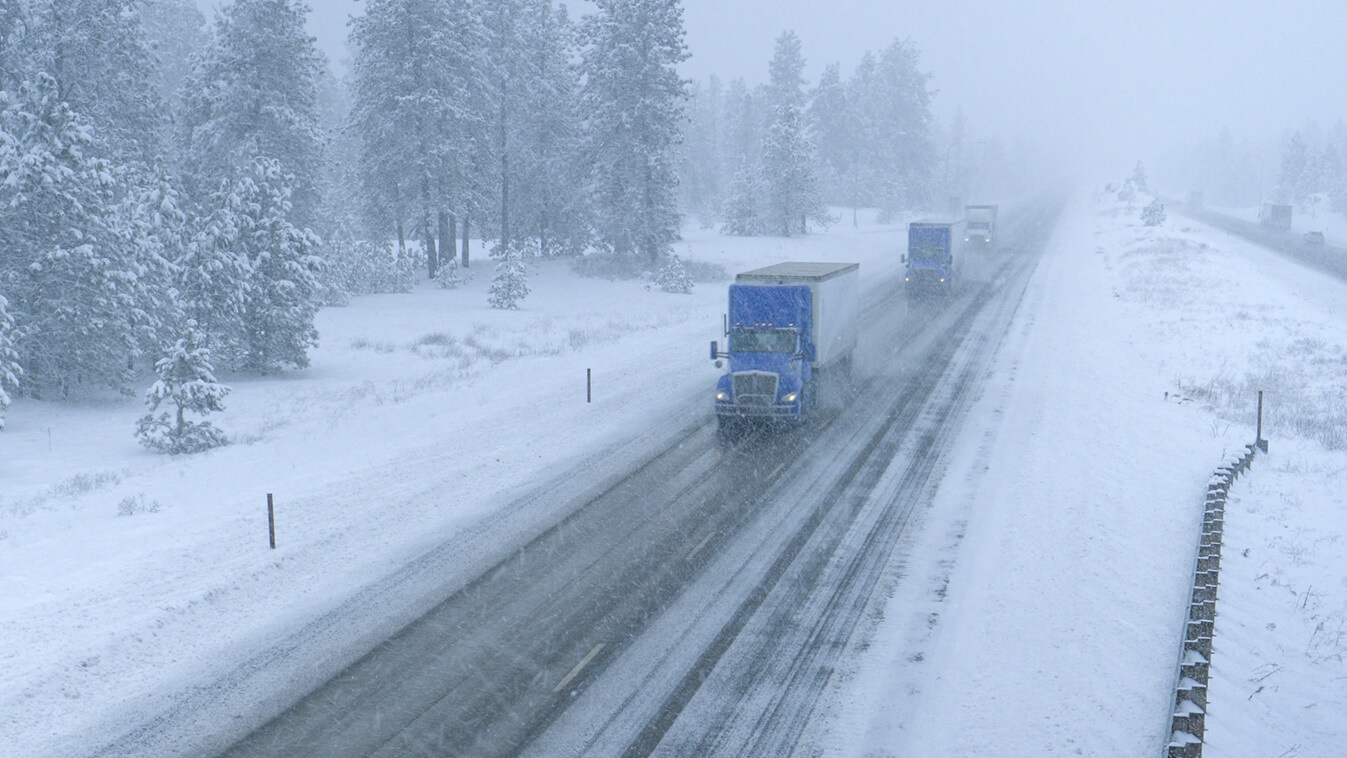
Even the most experienced truck drivers know that winter weather changes everything on the road. When temperatures drop, and the snow starts falling, the margin for error gets as thin as black ice.
It’s not just about driving differently – it’s about being ready before you ever put the key in the ignition.
These aren’t your typical safety tips that tell you to “slow down in bad weather.” Instead, we’re talking about real-world preparation that makes a difference when you’re facing a January run through the mountains or an overnight park in freezing temperatures.
Let’s walk through the ten essential areas of winter preparation that savvy truck drivers focus on before the first snowflake falls.
1. Battery and Electrical Systems
Winter puts extra strain on your electrical system. Your battery loses about half its cranking power when the temperature hits zero. At the same time, the cold engine needs about twice as much power to turn over.
So yes, a dead battery in cold weather is more than just an inconvenience.
Start with a thorough battery check – looking for corrosion, checking connections, and testing the charge. If your battery is more than three years old, consider replacing it before the winter months arrive. Clean terminals and tight connections become crucial when every amp counts.
Don’t forget your alternator and starter. A marginal alternator might keep you running in summer, but winter’s extra electrical demands – heated mirrors, extra lights, plug-in heaters – can push it past its limits.
2. Fuel System Care
Most truck drivers learn about diesel fuel behavior in winter conditions the hard way. As temperatures drop, paraffin in diesel fuel begins to crystallize, turning your fuel into a gel that can clog filters and stop you cold.
Switch to winter-blend fuel when temperatures start dropping, and keep anti-gel additives on hand. And don’t wait until you’re already having problems using them. Treat your fuel before you hit the cold weather, and keep your tanks as full as possible to minimize condensation.
3. Tire and Chain Preparation
Winter driving demands more from your tires than any other season. Check your tread depth regularly – what’s legal in summer might not cut it on snow-packed roads. Don’t forget to adjust tire pressure frequently, as every 10-degree drop in temperature means a drop in pressure.
Keep your chains easily accessible, too, and practice installing them before you need them. Nothing’s worse than figuring out chain placement for the first time in a snowstorm on the side of the road. Check for wear, missing links, and broken tensioners while the weather’s still good.
4. Brake System Maintenance
Your brake system needs extra attention during cold temperatures. Moisture in air lines can freeze, turning your brake system into a mess of problems. Check your air dryer regularly and drain those tanks daily – even if you think you don’t need to.
Make sure your drums, shoes, and linings are within spec before cold weather hits. A brake adjustment that’s marginal in summer becomes dangerous when ice enters the equation. Check gladhand seals and replace any that show signs of cracking or have broken edges.
5. Emergency Kit Essentials
Every professional driver knows the basics, but winter demands extra preparation. Beyond the usual flashlights and tools, pack essentials that could save your day – or your life – in extreme weather. A sleeping bag rated for below-zero temperatures, extra warm clothing, and high-calorie snacks are all winter-season must-haves.
Pack a folding shovel, extra windshield washer fluid, and sand or cat litter for traction. A good first aid kit, backup phone charger, and emergency flares round out your winter survival gear. Remember – help might be hours away in bad weather.
6. Route Planning
Planning your winter routes means thinking three steps ahead. Monitor weather patterns along your entire route, not just your destination. Know where the safe havens are – places with reliable parking, facilities, and shelter if conditions deteriorate.
Keep alternative routes in mind, especially around mountain passes like in Colorado and Wyoming. Having a Plan B (and C) already mapped out saves critical time when the weather forces you to change course.
Winter weather can change fast, so build extra time into your schedule for unexpected delays.
7. Secure Winter Parking
Finding safe parking becomes especially challenging in winter weather. This is where Truck Parking Club makes a real difference. Rather than wasting time and fuel hunting for spots in crowded lots or risking getting stuck in an unplowed area, you can reserve spots at reliable facilities that maintain their lots throughout winter.
With access to secured, well-lit locations and 24/7 facilities, you can focus on your route instead of worrying about where you’ll park.
8. Load Management
Winter weather changes how you need to think about your load. Weight distribution requires extra attention on slick winter roads. Take extra time securing your cargo when you’re dealing with ice and snow.
Pay special attention to temperature-sensitive freight. A thorough pre-trip inspection becomes essential, especially checking your tarps and cargo protection from the elements. Know your load’s cold weather requirements and plan stops accordingly. Double-check your equipment – tarps need to be in good condition, and you might need extra straps or chains depending on your cargo.
9. Communication Protocol
Staying connected takes on new importance during winter months. Keep dispatch updated on your location and conditions more frequently than usual. Weather can change rapidly, so regular check-ins aren’t just procedure – they’re a lifeline if things go wrong.
Set up weather alerts on your phone, and keep a backup communication device charged. CB radio becomes invaluable when cell service gets spotty in remote areas or in bad weather. Make sure your emergency contact list includes local authorities and repair services along your regular routes.
10. Personal Preparedness
Taking care of your truck is only half the equation. You also must take care of yourself. Pack high-energy snacks and extra water in case you get stranded during adverse weather conditions. Layer your clothing instead of relying on one heavy coat, and keep spare warm gear easily accessible, not buried in your storage.
Stay rested and alert. Winter driving demands more concentration and quick decision-making. Give yourself extra time for breaks, and don’t push through deteriorating conditions just to make up time. A thermos of hot coffee might keep you warm, but it won’t make up for proper rest.
Ready for Winter’s Challenges?
These tips for truck drivers aren’t just about getting through winter – they’re about staying ahead of it. Smart planning and proper preparation can turn a challenging season into a manageable one.
As any experienced truck driver knows, winter success starts long before the first snowfall. From maintaining your equipment to securing reliable parking, each step you take toward preparation helps ensure you’ll keep rolling safely when others are stuck.
Take one major winter worry off your mind. Discover how easy it is to guarantee your spot throughout the season – BECOME A TRUCKER MEMBER TODAY.
The information published herein is for general informational purposes only. Truck Parking Club does not make any representations or warranties about the completeness, reliability, legality, and accuracy of this information. Any reliance placed on such material is strictly at the user’s own risk. Truck Parking Club shall not be responsible for any losses or damages incurred in connection with the information published herein.