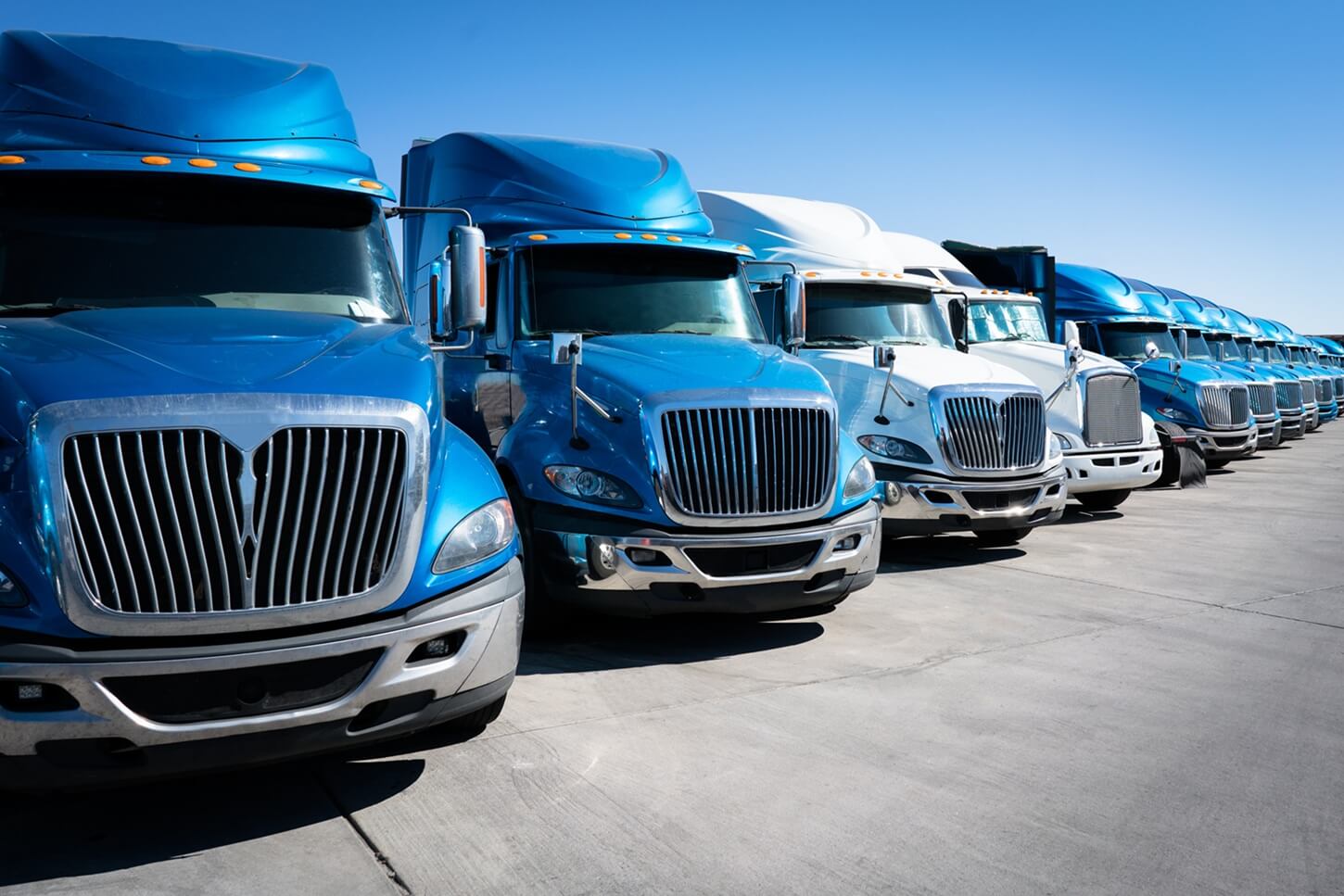
A fleet manager, a company juggler who oversees and optimizes fleet operations from start to finish, is responsible for planning, directing, coordinating, maintaining, and more.
In a work environment where the unexpected is the norm, a fleet manager must not only multitask but also anticipate potential issues and stay prepared to address them swiftly when they arise.
Improving fleet efficiency will further streamline operations and ensure exceptional customer service. Wondering how to achieve it? Check out the best strategies below!
6 Ways to Improve Fleet Efficiency
Enhancing fleet efficiency does not have to involve major changes like purchasing better rigs or hiring more experienced staff. Even a small change in how you coordinate the processes can make a difference and save the company time and money.
Read the following 6 strategic ways to improve fleet efficiency and consider incorporating them into your daily operations:
Prioritize Preventative Maintenance
If you only check your rugs when there is something wrong with them–you could be losing money, and not only on repairs. While arranging preventative maintenance may take some planning, it ensures your drivers stay operational and avoid unexpected breakdowns on the road.
Preventative maintenance also ensures that every delivery will be on time as promised and won’t damage your company’s reputation because you skipped regular maintenance.
Scheduled maintenance doesn’t have to check every part of the rig but only inspect the basic things, for example:
- Inspecting tires
- Checking fluid levels
- Changing oil
- Changing air filters
- Inspecting breaks
For regular maintenance, you can schedule a minor service every half-year or after 6000 miles, while an in-depth check should be done at least once a year.
Choose the Best Route
You may know the route by heart, but it never hurts to check for alternative ways. Alternative routes may be shorter or less congested, saving you fuel money and reducing the risk of a delay.
GPS is a must-have for any truck driver, and as a fleet manager, you should ensure they use the most optimal route to their destinations. By leveraging advanced technology, you can minimize delays and help drivers reach their destinations faster.
Monitor Drivers’ Behavior and Habits
Fleet managers should pay attention to drivers’ behavior and habits as closely as they do to planning. Each driver operates differently, and understanding what works best for each individual allows you to maximize their potential and ensure they perform at their best.
Minor changes to schedules or destinations may have a big impact on the drivers’ performance and yield great results.
We would also like to highlight that it is as equally important to listen to your drivers, their concerns and suggestions, and make changes based on what they share.
Communication is a two-way street. Fleet managers should maintain open and direct contact with drivers, keeping them informed about schedules, updates, and expectations while also listening to their feedback and concerns. This mutual exchange fosters trust and ensures smoother operations.
Reduce Idle Time
For some fleet managers, idle time means losing money when drivers are not working for any reason. While in some cases, idle time is a legal right of drivers, if it happens too often, there may be a problem.
As a fleet manager, you should investigate when drivers are not working and why the work is not being done. Whether the drivers face challenges or struggles or a technical issue causes delays, all these idle-causing problems need to be resolved as soon as possible.
Take Care of Paperwork on Time
Paperwork is a big part of the freight business, and your drivers may be overloaded with documents to fill out. As a fleet manager, you should help truckers organize a day for managing the legal side of their work and ensuring everything is done on time.
Whether it is a fleet inspection or registration of updates, the drivers should be up to date with everything.
Make Sure Truck Drivers Get Enough Rest
Finally, as a fleet manager, you ensure your drivers have GPS to find the most efficient route. You should also ensure truckers are well-rested and make as many stops as they are required to.
The scarcity of truck parking lots is not a new topic and causes problems for truckers, forcing them to park in unsafe locations. Luckily, dangerous parking can be avoided with Truck Parking Club, a platform that connects truckers with parking lots. With our app, you can reserve a spot for your rig that suits your schedule and budget.
Final Words
Increasing the efficiency of your trucking fleet starts with effective communication, proper route planning, and securing truck parking on time. Combined with monitoring driver habits and prioritizing preventative maintenance, these strategies ensure smoother operations, reduced costs, and improved driver performance.
Truck parking is currently the biggest issue for drivers because limited availability leads to wasted time, increased stress, and safety concerns. Take the hassle out of finding parking by joining Truck Parking Club, where you can easily locate secure spots for your rig.
The information published herein is for general informational purposes only. Truck Parking Club does not make any representations or warranties about the completeness, reliability, legality, and accuracy of this information. Any reliance placed on such material is strictly at the user’s own risk. Truck Parking Club shall not be responsible for any losses or damages incurred in connection with the information published herein.