Author: William Goudelock

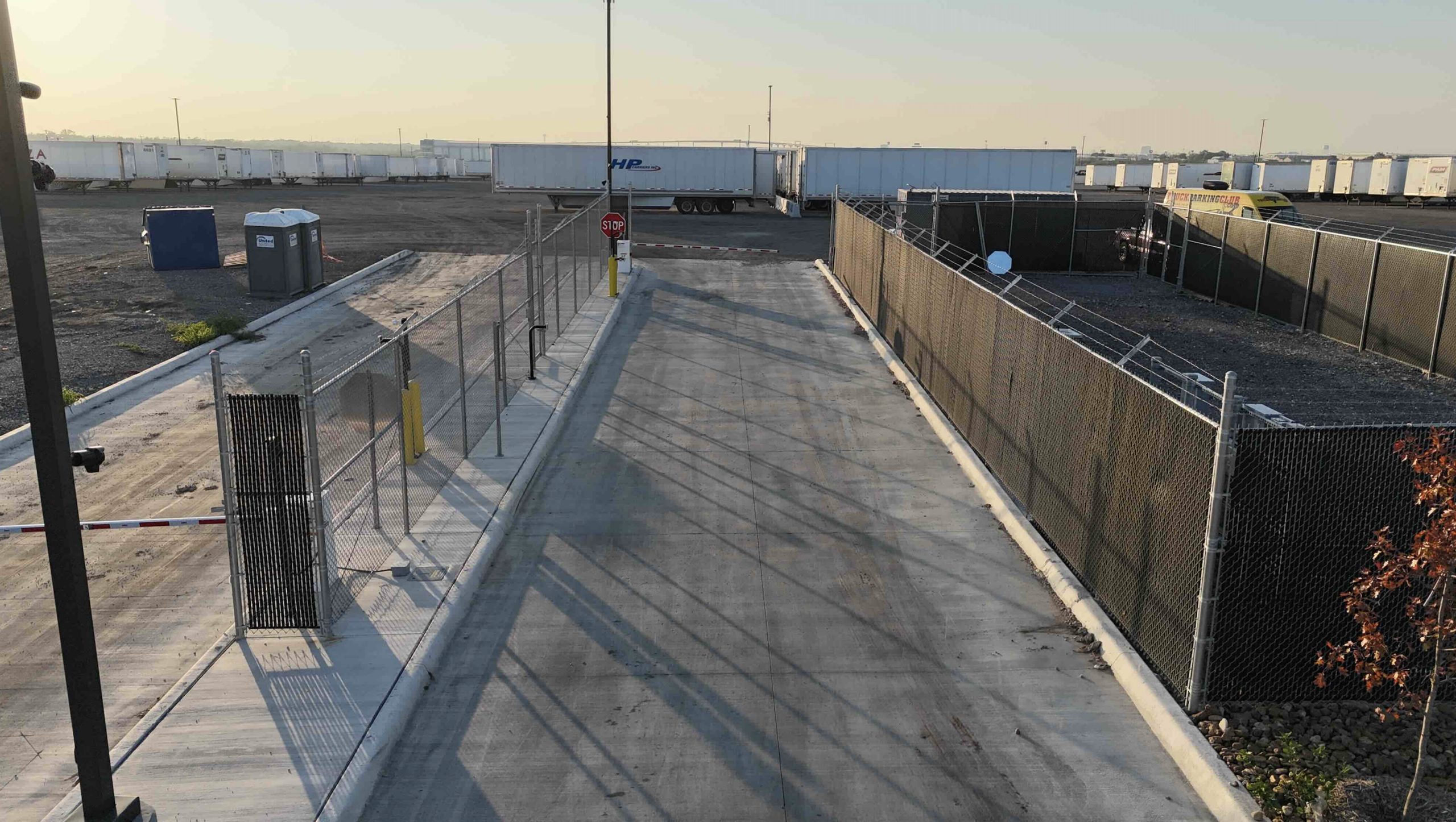
  • Cameras, Gates, and Security Options for Drop Yards & Trailer Storage

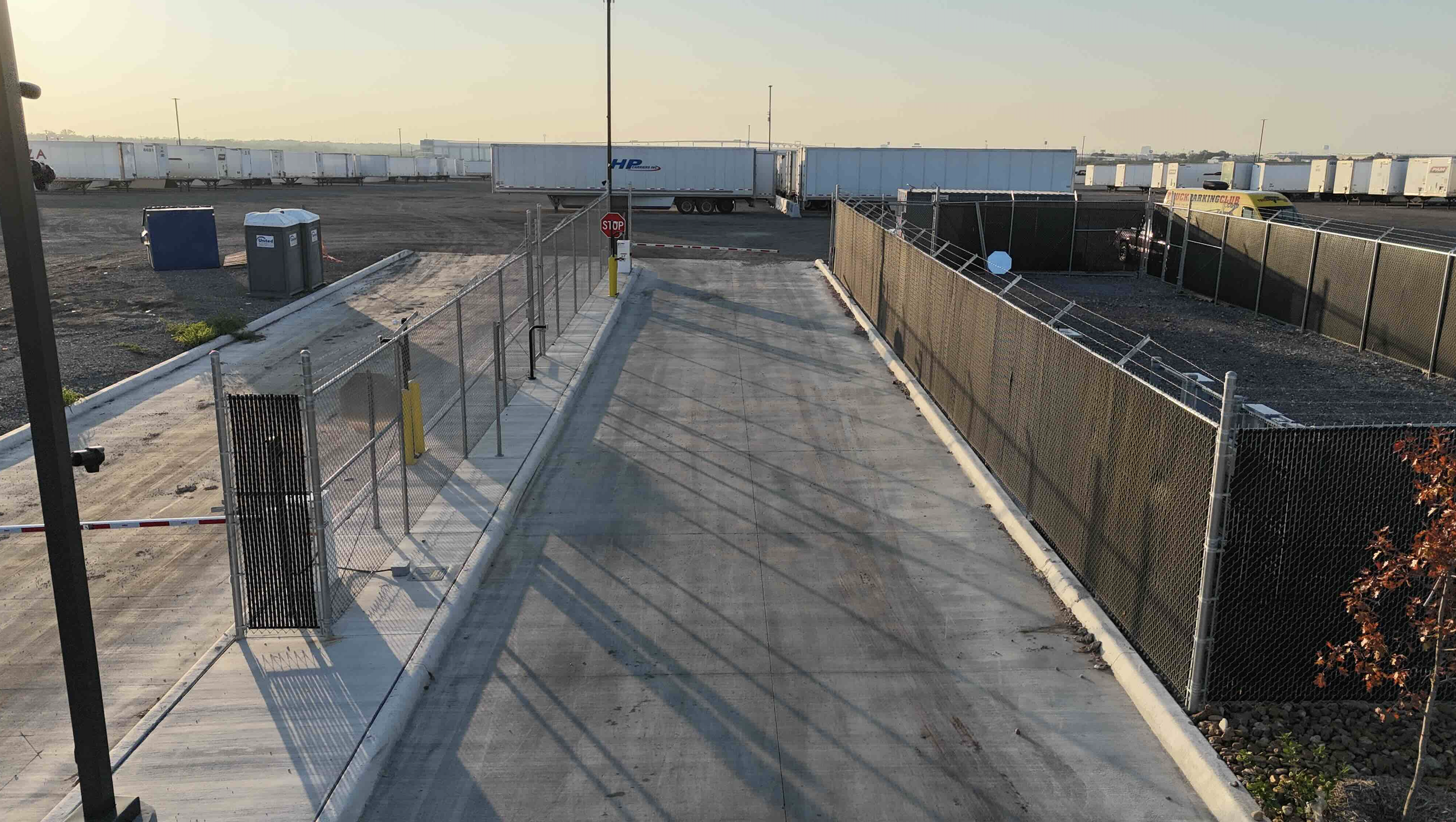
    Cameras, Gates, and Security Options for Drop Yards & Trailer Storage

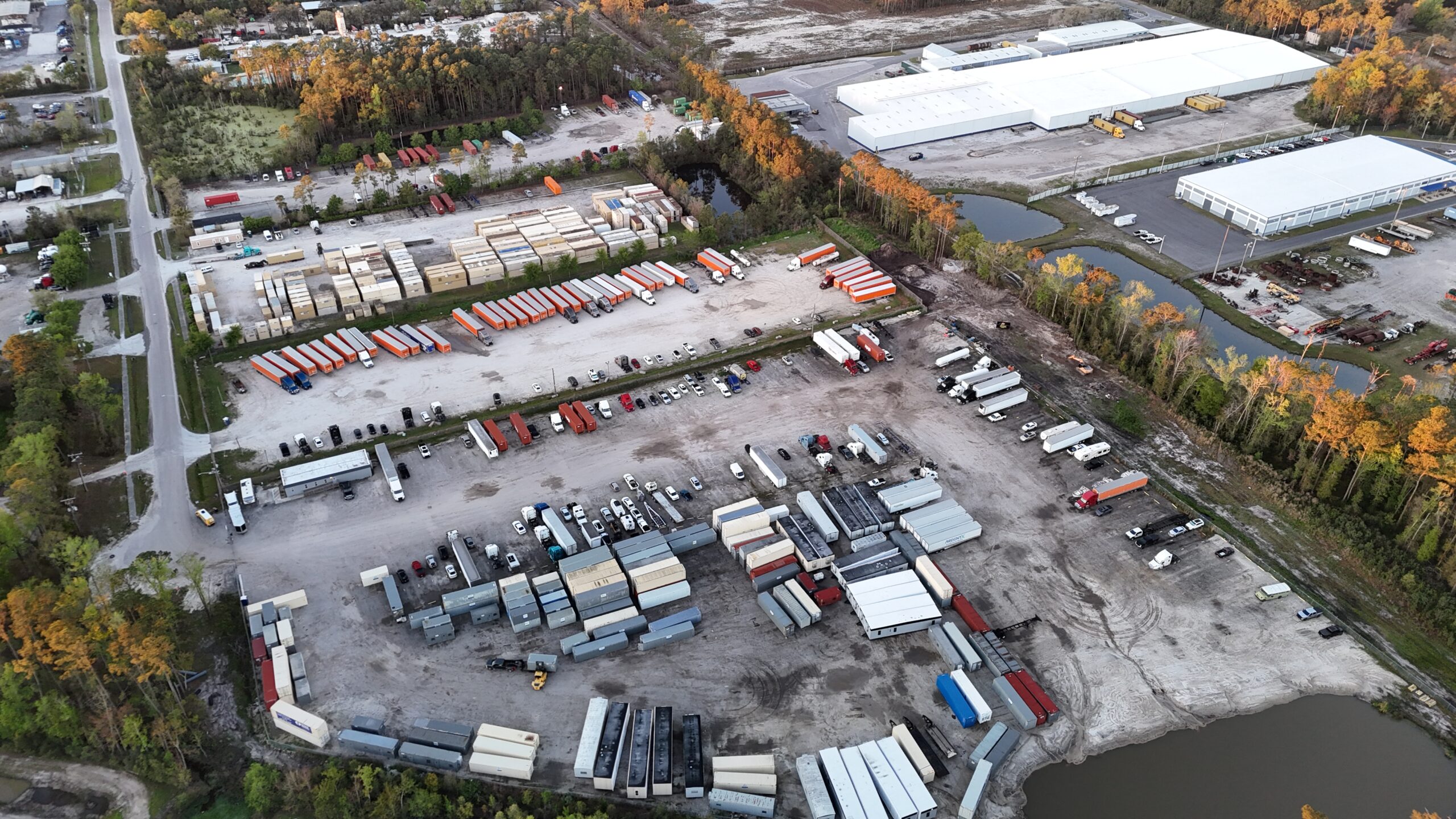
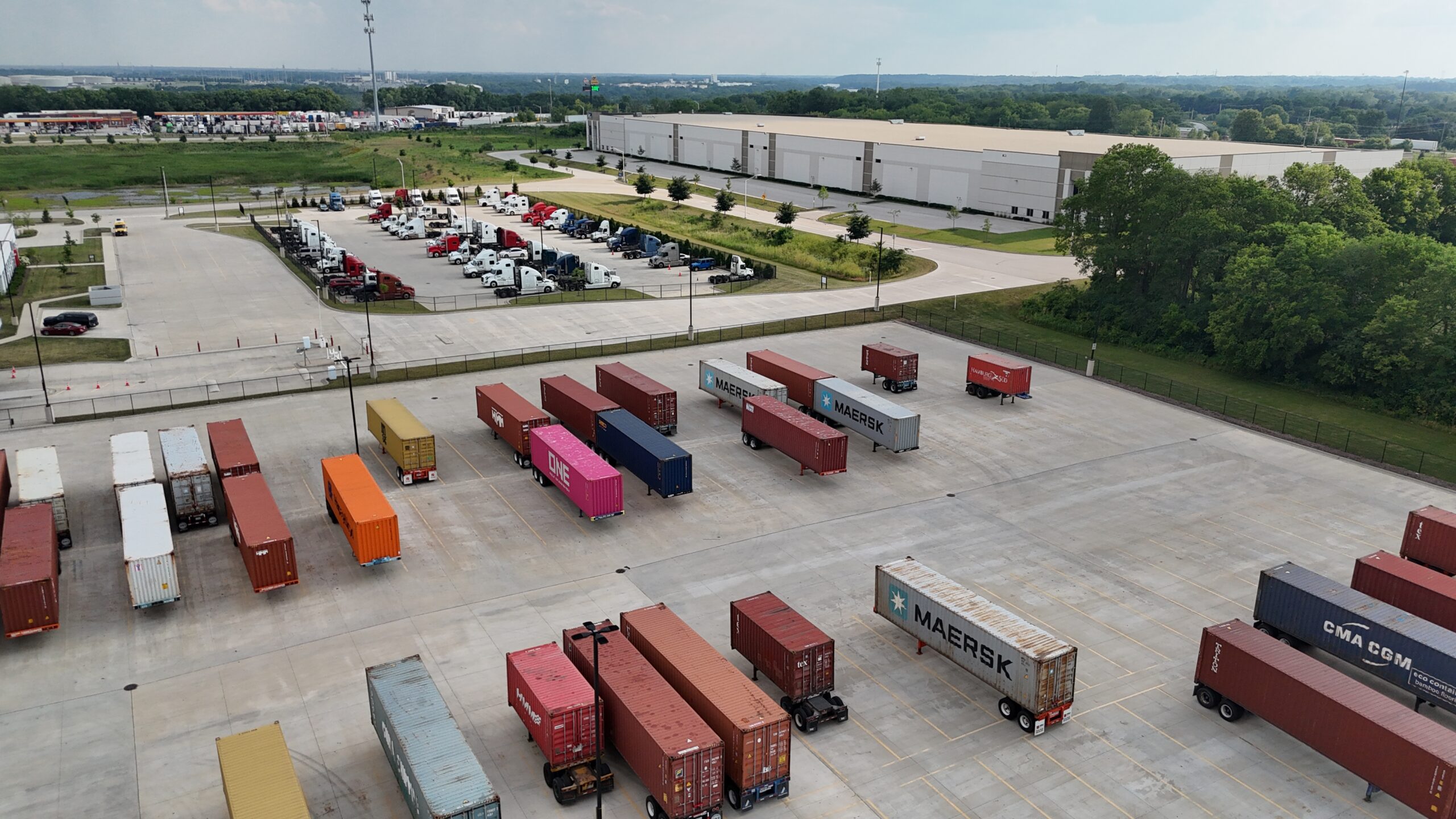
    One of the most important ideas behind Truck Parking Club is flexibility. Drivers and fleets do not all need the same setup—and truck parking should reflect that reality.

    Rather than forcing every location to offer identical features, Truck Parking Club allows amenities to be selected and filtered based on operational needs. This is especially critical for use cases like drop yards and trailer storage, where security expectations are often higher and more specific than standard overnight parking.


    Security as a Selectable Amenity

    On Truck Parking Club, security features are treated as browseable, selectable amenities. That means:

    • Not every location offers every security feature
    • Drivers and fleets can filter locations based on what matters most to them
    • Property owners can list locations that match their actual infrastructure

    This approach creates transparency and efficiency. A local overnight driver may prioritize lighting and cameras, while a fleet storing trailers long-term may require fencing, gates, and controlled access.


    Why Security Matters for Drop Yards and Trailer Storage

    Drop yards and trailer storage locations typically support:

    • Relay operations
    • Drop-and-hook freight
    • Long-term trailer staging
    • Dedicated fleet parking

    These use cases often involve unattended equipment for extended periods. As a result, fleets place a premium on controlled access, monitoring, and deterrence—all of which are addressed through selectable security amenities on the platform.


    Top Security Amenities on Truck Parking Club (By Adoption)

    Below is a breakdown of the most common security-related amenities across the Truck Parking Club network and the percentage of locations that offer each one:

    Security Amenity% of Locations
    Lights70.76%
    Cameras64.27%
    Fenced42.85%
    Full-time Secured Gate26.92%
    Roaming Security14.41%
    Security at Gate4.96%
    Limited Entry / Exit Times3.31%

    This distribution highlights an important reality: security is layered, and different locations emphasize different controls.


    Cameras: Visibility and Asset Protection

    With over 64% of locations offering cameras, surveillance is one of the most common security features on the platform.

    Cameras are especially valuable for:

    • Trailer storage yards
    • Drop yards with overnight dwell time
    • High-volume industrial areas

    They provide both deterrence and documentation, helping protect assets and reduce disputes if incidents occur.


    Gates and Controlled Access for Fleet Operations

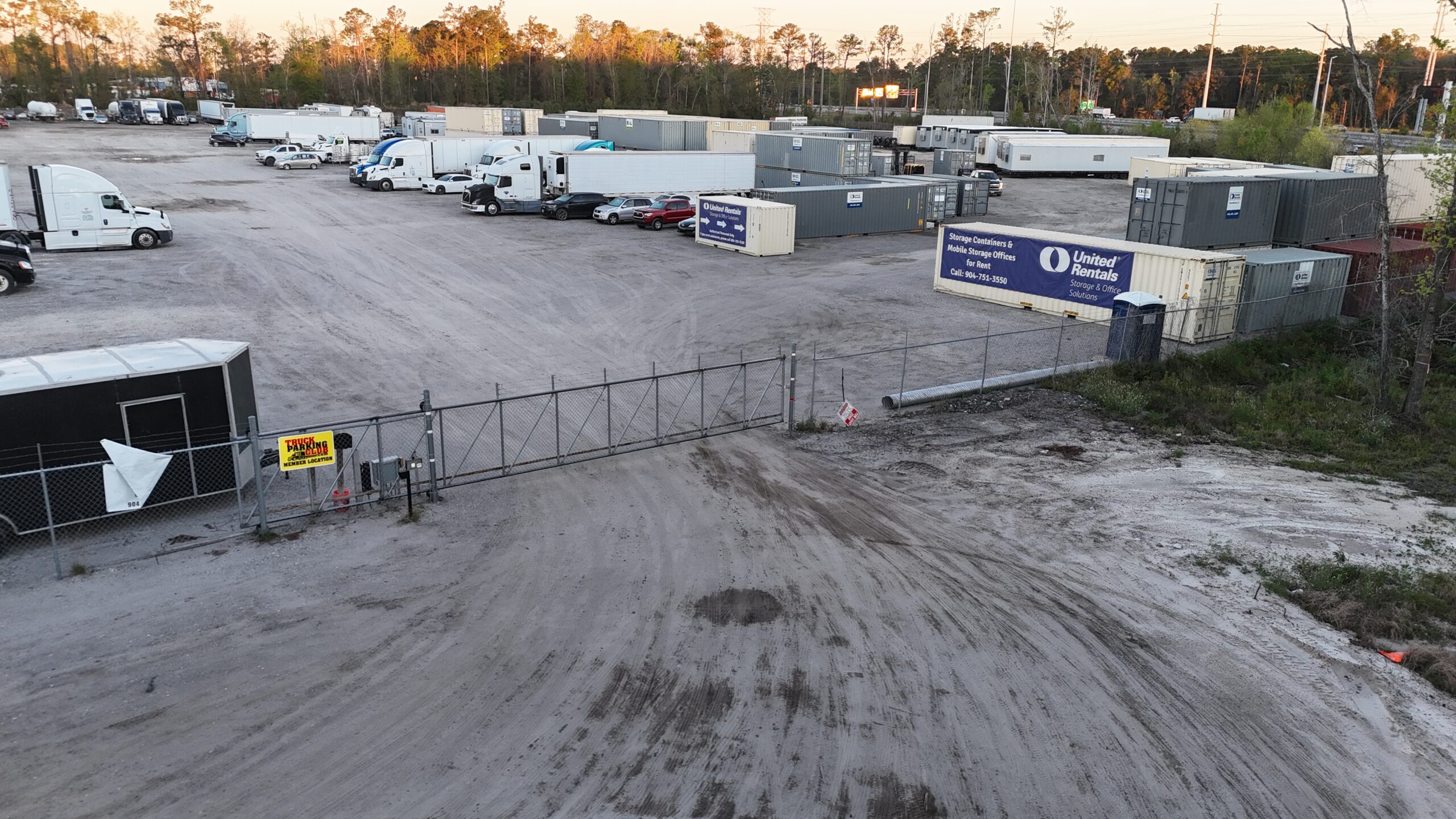
    Gated access—particularly full-time secured gates—is a defining feature for many drop yards.

    These locations often support:

    • Dedicated fleet parking
    • Long-term trailer storage
    • Drop-and-hook operations

    Controlled access limits entry to authorized drivers only and is frequently paired with access codes or scheduled entry windows.


    Fencing: Perimeter Control for Trailer Storage

    Nearly 43% of locations are fenced, making fencing one of the most important baseline security features for trailer storage.

    Fenced yards help:

    • Define parking boundaries
    • Deter unauthorized entry
    • Support insurance and compliance requirements

    For fleets leaving trailers for days or weeks at a time, fencing is often a non-negotiable requirement.


    Lighting: The Foundation of Safe Truck Parking

    Lighting is the most common security amenity on the platform, present at over 70% of locations.

    Good lighting improves:

    • Driver safety during arrivals and departures
    • Camera effectiveness
    • Overall visibility and comfort

    For overnight drop yards and trailer storage, lighting is often the first layer of security.


    Matching the Right Yard to the Right Use Case

    The key advantage of Truck Parking Club is choice. Fleets can source:

    • Lighted, camera-monitored yards for short-term staging
    • Fully fenced, gated facilities for long-term trailer storage
    • Drop yards with layered security for relay operations

    Drivers and fleet managers can evaluate these features upfront, reducing uncertainty and improving operational planning.


    Security That Scales With Your Operation

    From basic lighting and cameras to fully gated, access-controlled drop yards, Truck Parking Club supports a wide range of security configurations across thousands of locations nationwide.

    By treating security as a selectable amenity, the platform enables smarter decisions—for drivers, fleets, and property owners alike.

    Looking for secure drop yards or trailer storage?
    Browse locations and filter by security amenities at truckparkingclub.com.
  • How Warehouses Are Turning Empty Yard Space Into Revenue

    How Warehouses Are Turning Empty Yard Space Into Revenue

    (Insights from Supply Chain Leaders, Truck Parking Club, & American Chain of Warehouses)

    America is facing a truck parking crisis—one that affects every part of the supply chain, including warehouses, shippers, and recievers. Drivers lose nearly an hour every day searching for safe parking, costing the industry an estimated $125 billion per year in lost productivity, fuel, delays, and turnover.

    But what most warehouse leaders don’t realize is this:

    Warehouses collectively hold the key to solving the parking shortage—while generating meaningful passive income from underutilized yard space.

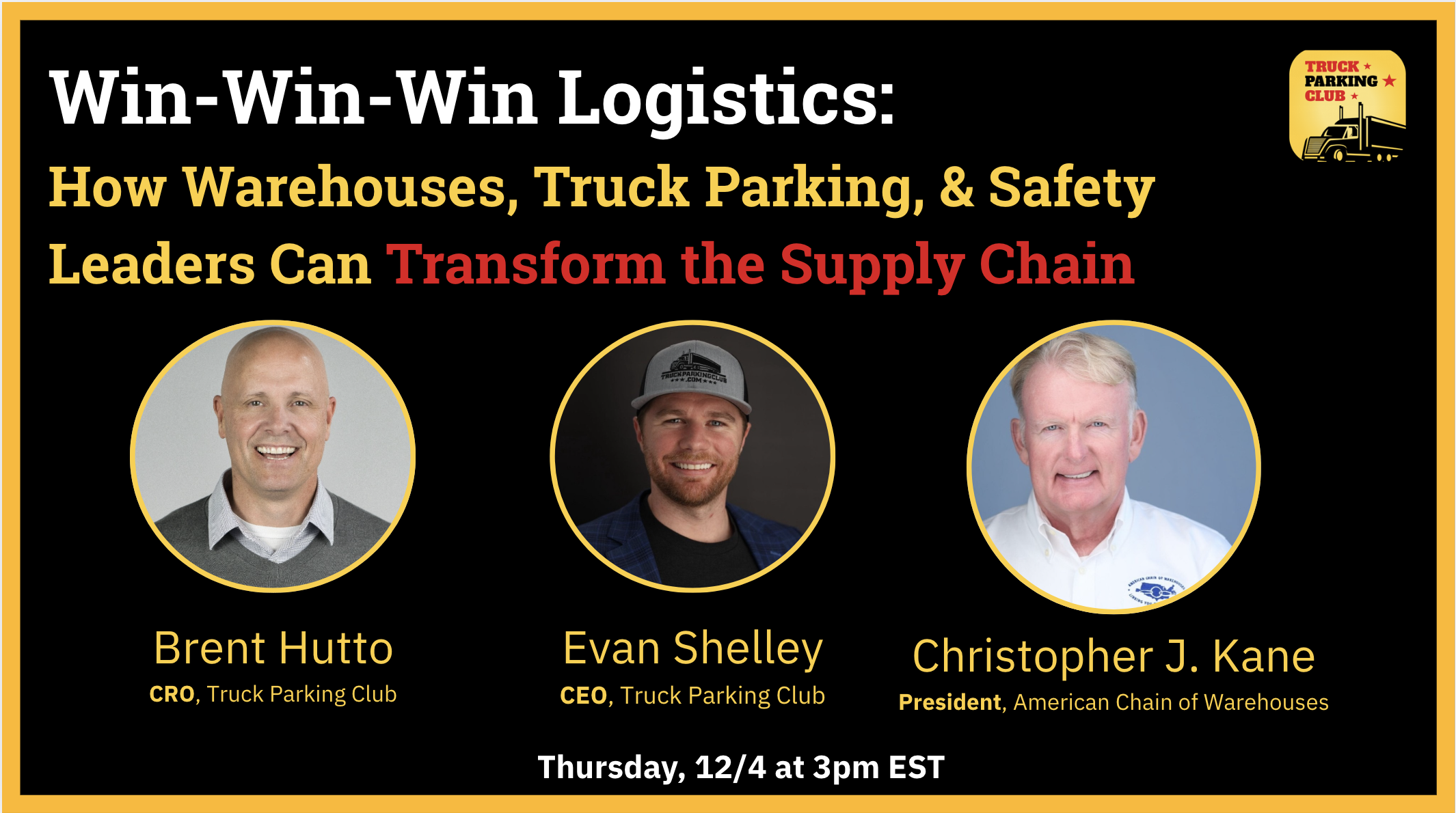
    That was the takeaway from a recent industry webinar hosted by Truck Parking Club’s Chief Relationship Officer Brent Hutto, featuring CEO & Co-Founder Evan Shelley and Chris Kane, President of the American Chain of Warehouses (ACW).

    This blog summarizes the biggest learnings, revenue opportunities, and operational benefits discussed in that session—so warehouse operators can fully understand why truck parking is emerging as one of the easiest new income streams available today.


    The State of Truck Parking: A Growing Crisis

    Truck parking has become one of the top 2 concerns for U.S. truck drivers according to ATRI. The causes are well known:

    • 1.7 million additional truck parking spaces are needed nationwide.
    • Municipal zoning often blocks new truck parking developments.
    • Construction costs make dedicated parking financially unviable for many operators.
    • Drivers burn 56 minutes a day searching for a spot—wasting fuel and HOS time.
    • Two-thirds of drivers resort to illegal or unsafe parking on shoulders, ramps, and residential areas.

    These inefficiencies ripple into your warehouse operations:

    • No-shows rise due to drivers unable to find legal parking near the facility.
    • Appointment windows tighten.
    • Detention charges increase.
    • Loads arrive late, stressed, or unexpectedly early.

    As Chris Kane noted during the webinar:

    “We used to see 20% no-show rates. A rested driver is a safe driver—and without parking, it’s nearly impossible for them to stay compliant.”


    Why Warehouses Hold the Solution

    U.S. warehouses and distribution centers collectively control millions of acres of industrial-zoned space—much of it underutilized or unused overnight.

    Truck Parking Club’s research uncovered a striking insight:

    Over 15 million potential truck parking spaces exist on shipper and warehouse lots. Yet only ~2% are currently accessible to drivers.

    That unused concrete is a goldmine.

    Warehouses already operate in industrial zones, where parking is usually permitted. They already have:

    • Level ground
    • Lighting
    • Camera systems
    • Controlled gates
    • Staff onsite
    • Dock space empty after hours

    As Evan Shelley explained:

    “If warehouses unlocked even 10% of their available capacity, the truck parking shortage would be drastically reduced.”

    Read the full research report here: truckparkingclub.com/research


    How Monetizing Your Truck Parking Works

    Truck Parking Club operates a two-sided marketplace connecting warehouse owners with hundreds of thousands of drivers, dispatchers, brokers, and fleet managers.

    The model is simple:

    1. List your available spaces (yard spots, dock doors, overflow areas).
    2. Drivers book them on-demand via app or website.
    3. You earn passive revenue with no operational burden.

    What makes it especially appealing for warehouses is the flexibility:

    • No leases
    • No long-term commitments
    • Adjust your available spaces anytime
    • Turn the program on and off as operations shift

    “Every day looks different for a warehouse,” Kane added. “The ability to update availability in real time is invaluable.”


    The Revenue Opportunity for Warehouses

    This is the question every warehouse leader asks:

    How much money can we make from truck parking?

    Across Truck Parking Club’s 206 warehouse partners:

    • Spaces generate hundreds of dollars per month each.
    • One top-performing warehouse earned over $12,000 in 30 days.
    • Another operator, Logistics Plus, earned $13,000 in their first 60 days across nine locations.

    And remember: These dollars come from assets currently making $0.

    As Shelley put it:

    “You’re earning net new revenue on space that’s sitting unused. This is pure margin.”


    Operational Benefits for Warehouses

    Paid parking isn’t just a revenue play. It also improves warehouse performance.

    1. More On-Time Arrivals & Fewer No-Shows

    Drivers can stage near your location, making morning appointments far more reliable.

    2. Reduced Congestion & Unauthorized Parking

    Instead of lining industrial parks or road shoulders, drivers have a legal, safe spot.

    3. Fewer Detention Disputes

    Drivers staged early aren’t rushing from across town to make a window.

    4. Improved Safety & Lower Liability

    Illegal parking around your facility often becomes your problem.

    5. Protect Your Property

    Truck Parking Club includes:

    • 24/7 customer service from former drivers
    • A two-way rating system for accountability
    • Up to $25,000 in damage protection

    Incidents are extremely rare—but the protection is there.


    How Pricing Works

    Warehouse partners set their own prices. The market naturally determines demand.

    Typical rates:

    • $10–$15/day in Midwest and low-density markets
    • $20–$40/day in high-demand regions
    • $150–$400/month for dedicated monthly spaces
    • Premium rates for secure or gated yards

    Truck Parking Club provides market guidance, but owners stay in control.


    Case Study: Logistics Plus

    A large 3PL with nationwide facilities, Logistics Plus approached Truck Parking Club with excess yard space.

    Results within 60 days:

    • 100+ bookings
    • $13,000 earned
    • Zero operational lift from staff
    • Full visibility of who is parking and when

    If a sophisticated national operator can easily deploy this model, so can any regional or local warehouse.


    What About Safety, Trash, or Damage?

    This is the most common concern among warehouse operators.

    Truck Parking Club addresses it head-on:

    • 24/7 staffed support line
    • Marketplace reviews for drivers and property owners
    • Rapid resolution of driver issues
    • Up to $25,000 damage protection
    • Detailed booking info: truck type, trailer type, hazmat, reefer, plate numbers

    You stay fully in control of who parks on your property.


    Zoning Requirements

    Every municipality uses different industrial zoning designations (I-3, I-4, M-1, etc.). Warehouses are typically already zoned correctly.

    Truck Parking Club helps owners understand local nuances and avoid compliance issues.


    Why This Opportunity Is Growing Faster Every Month

    The truck parking market is scaling rapidly as more fleets embrace strategic parking:

    • Drivers are increasingly required to park legally.
    • Fleets rely on staged parking near shipper locations.
    • Carriers want safer options than overcrowded truck stops.
    • Brokers use parking reservations to keep loads on schedule.

    As Hutto explained:

    “This marketplace is just beginning. What the revenue looks like today is a fraction of what it will be 12–36 months from now.”

    Warehouses are entering the opportunity at the perfect time.


    Key Takeaways for Warehouse Owners

    ✓ A national parking shortage is costing your partners billions—and hurting your operations.

    ✓ Warehouses control the real estate that can fix the problem.

    ✓ Monetizing unused yard or dock space generates passive income with zero friction.

    ✓ Truck Parking Club handles everything: bookings, payments, support, and protections.

    ✓ You maintain full control of capacity, pricing, and who can park.

    ✓ Early adopters are already earning thousands per month in new revenue.

    As Chris Kane summarized:

    “This is a win for safety, a win for warehouses, and a win for the trucking community. It’s rare to find an opportunity that benefits everyone.”

    Want to Monetize Your Warehouse’s Parking?

    It takes less than 10 minutes to determine if your location is a fit.

    📌 Get started with Truck Parking Club:
    truckparkingclub.com/warehouse
    or email: [email protected]

  • How Fleets Can Cut Costs With Strategic Monthly Truck Parking

    How Fleets Can Cut Costs With Strategic Monthly Truck Parking


    Why Monthly Truck Parking Matters More Than Fleets Realize

    For many carriers, parking is treated as a fixed cost — but scattered yards, street parking, and inconsistent capacity quietly drain thousands of dollars every month.
    As freight becomes more dynamic, fleets need predictable, secure monthly truck parking that scales with their operations and reduces waste.

    In this guide, we break down how fleets overspend today, and how shifting to a national monthly truck parking network can dramatically cut costs.


    The Hidden Costs of Disorganized Fleet Parking

    Fleets operating without a structured parking strategy end up paying more across multiple areas of their business.

    1. Scattered Yards Drive Up Costs

    Many fleets spread equipment across random yards, pay different landlords, or rely on inconsistent month-to-month availability.

    This leads to:

    • Higher monthly parking rates
    • Multiple vendor relationships
    • Extra deadhead miles between yards
    • Driver inefficiency caused by unpredictable access

    A consolidated fleet parking solution eliminates this fragmentation and reduces total cost.


    2. Street Parking Creates Fines, Risk, and Downtime

    Street parking feels “free,” but it’s actually a major liability:

    • Towing & impound fees
    • City fines
    • Cargo theft exposure
    • Unmonitored trailer access
    • Poor driver safety

    Compared to secure truck storage, street parking is one of the highest-risk and most expensive “free” choices a fleet can make.


    3. Lack of Drop Trailer Yards Increases Detention

    Without dedicated drop trailer yards, fleets pay in:

    • Detention fees
    • Idle driver time
    • Longer trailer turn cycles
    • Congested shipper yards

    The cost impact compounds as freight volume grows.


    Why Fleets Are Switching to Monthly Truck Parking Networks

    A structured, centralized approach to monthly truck parking unlocks operational and financial benefits that ad-hoc solutions can’t match.

    1. Predictable Monthly Fleet Costs

    With one network providing all parking:

    • Bills are consolidated
    • Costs are stable
    • Forecasting becomes easier
    • Administrative overhead drops

    This is especially important for fleets expanding rapidly or operating in multiple states.


    2. Guaranteed, Reserved Spaces for Tractors & Trailers

    Fleets using monthly truck parking networks get:

    • Guaranteed capacity
    • Reserved spaces in high-demand markets
    • Faster driver turn times
    • Reduced end-of-shift parking stress

    Predictable availability = predictable operations.


    3. Secure Truck Storage Reduces Theft & Claims

    With the rise in cargo theft—especially in California, Florida, Illinois, and New Jersey—fleets need parking locations with:

    • Gates
    • Cameras
    • Fencing
    • On-site / roaming security

    Truck Parking Club’s network reports that 76% of locations have at least one major security feature, making it one of the most secure truck storage options available.


    How Monthly Truck Parking Lowers Total Operational Costs

    When fleets transition to structured monthly parking, savings appear across the entire operation:

    • Lower parking rates with network pricing
    • Reduced losses due to theft or damage
    • Elimination of fines and towing fees
    • Reduced fuel and deadhead miles
    • Higher trailer turn efficiency
    • Less driver downtime

    Monthly parking isn’t just cheaper — it’s more efficient.


    Fleet Parking Solutions Built for Modern Operations

    Truck Parking Club provides fleets with a nationwide network of monthly truck parking, drop trailer yards, and secure truck storage designed to scale with their needs.

    A Nationwide Parking Network

    Fleets gain access to:

    • Thousands of locations across 49 states
    • Long-term & short-term monthly parking
    • Dedicated tractor + trailer capacity
    • Flexible options for 5–500+ spaces

    Whether a fleet needs a single drop lot or multi-state coverage, the network adapts.


    Primary Fleet Use Cases We Solve

    1. Dedicated Fleet Parking

    Reserve guaranteed monthly parking for recurring lanes and predictable operations.

    2. Drop Trailer Yards for Relay & Transfer Operations

    Create regional drop yards without leases, infrastructure investment, or long-term commitments.

    3. Expanding into New Markets

    Use monthly truck parking as a low-risk, fast way to enter new service regions.

    Instead of signing an industrial lease, fleets place a trailer and start serving customers immediately.


    Real-World Applications (SEO-Boosting Local Examples)

    Fleets commonly use monthly parking in:

    • Houston monthly truck parking to support port drayage routes
    • Atlanta secure truck storage for drop-and-hook distribution
    • Los Angeles monthly trailer parking to protect against rising cargo theft
    • New Jersey fleet drop yards for port of Newark/Elizabeth operations

    These examples help Google rank the article for local-intent searches.


    The Bottom Line: Strategic Monthly Parking Cuts Waste

    Fleets that transition from scattered yards and ad-hoc parking to a single structured monthly parking network consistently reduce:

    • Parking overhead
    • Fuel spend
    • Theft risk
    • Detention
    • Administrative complexity
    • Driver downtime

    Monthly truck parking has become a competitive advantage, not just a place to park.

    If your fleet needs scalable, secure, and cost-efficient monthly truck parking solutions, explore our network today:

    👉 truckparkingclub.com/fleet-parking

  • Secure Drop Yards for High-Value Loads: Protect Your Fleet During Holiday Cargo-Theft Season

    Secure Drop Yards for High-Value Loads: Protect Your Fleet During Holiday Cargo-Theft Season

    default

    As the holidays approach, carriers hauling high value trailers face one of the riskiest times of the year. Thanksgiving through Christmas consistently brings a surge in cargo theft—especially in hot-spot states like California, Florida, Illinois, and New Jersey, where organized theft rings intensify operations around high-demand consumer freight.

    For fleets relying on drop lots, relay operations, and short-term secure trailer storage, finding safe, reservable parking isn’t optional—it’s essential. That’s where Truck Parking Club provides a critical operational advantage.


    Why the Holidays Pose a Major Threat for High Value Loads

    Every holiday season, freight theft spikes for three reasons:

    1. Higher volume of retail freight—electronics, consumer goods, apparel, alcohol, tools, and other high-value commodities.
    2. More unattended trailers—drivers taking holiday breaks or parking overnight in unfamiliar areas.
    3. Organized cargo-theft operations—thieves targeting predictable parking patterns in major freight hubs.

    High-value loads are most vulnerable when trailers are left idle—even for short periods—making secure drop yards and secure trailer storage a non-negotiable part of your holiday operating plan.


    Truck Parking Club: A Nationwide Network of Secure Drop Lots

    Today, 76% of all Truck Parking Club locations include security amenities such as:

    • Security at Gate
    • Surveillance Cameras
    • Roaming Security
    • Secure Fencing
    • Full-Time Staffed Gates

    This makes it the largest, most accessible network of secure trailer parking in the country—available to book instantly online or through the app.

    Security Coverage in Key High-Risk States

    State% of Secure Locations% of Secure Parking Spaces
    California90%92%
    Florida81%85%
    Illinois80%91%
    New Jersey95%95%

    These states represent the areas where fleets hauling high value loads most urgently need secure drop yards, especially for holiday relay points and multi-day trailer storage.


    Reserve Parking Based on the Security Features You Need

    Truck Parking Club makes it simple for:

    • Drivers needing a safe place to park a loaded trailer
    • Dispatchers looking for holiday relay points
    • Fleets staging equipment or storing high-value trailers

    You can search by:

    • Fencing
    • Cameras
    • Roaming security
    • Full-time staffed security
    • Lighting
    • 24/7 access

    With filters built around the amenities that matter most, you can instantly locate secure drop lots designed to protect high-value freight during peak theft periods.


    Why Secure Trailer Parking Matters Even More During the Holidays

    1. Reduce Idle-Time Theft Risk

    Most theft occurs when a trailer is left unattended at an unsecured or publicly accessible location. Reserving a vetted, secure drop yard dramatically cuts exposure.

    2. Avoid “Emergent” Parking Decisions

    Holidays mean tighter delivery windows and unpredictable delays. With Truck Parking Club, drivers can reserve secure parking in advance, preventing risky last-minute parking decisions.

    3. Safeguard High Value Trailers During Layovers

    If a trailer must sit for hours—or even days—between legs of a relay, secure trailer storage ensures it stays protected until the next driver arrives.

    4. Minimize Losses & Operational Disruption

    Cargo theft doesn’t just cost fleets the value of the trailer’s contents—it disrupts loads, damages carrier reputations, and increases insurance costs.


    Make Holiday Operations Safer With Secure Drop Yards

    This holiday season, don’t rely on chance. With rising cargo theft risks and higher volumes of high-value freight, carriers need a simple way to book secure trailer parking anywhere in the country.

    Truck Parking Club offers:

    • The largest network of secure drop yards in the U.S.
    • Locations across 49 states
    • A platform built for drivers, dispatchers, and fleets
    • The ability to reserve based on specific security amenities
    • Thousands of secure parking spaces, available instantly

    Whether you’re protecting a high value trailer, staging freight for a drop-and-hook, or storing equipment over the holidays—you’re covered.


    Book Secure Trailer Parking for the Holidays

    Ensure your high-value loads stay protected this season.

    👉 Reserve secure drop lots here:
    https://truckparkingclub.com/trailer-parking

  • How Trailer Parking and Drop Lots Power Relay Points in Trucking

    How Trailer Parking and Drop Lots Power Relay Points in Trucking

    In an industry where time is money, fleets are rethinking how they move freight. One of the most effective, yet often underutilized, methods is the relay point model, supported by flexible trailer parking and drop lot networks.

    By leveraging this system, carriers can move freight faster, reduce idle time, and give drivers a better quality of life — all while cutting costs and emissions.


    What Are Relay Points and How Do They Work?

    Relay points are strategic locations where one driver drops a trailer and another driver picks it up to continue the trip. This “handoff” model, sometimes called relay trucking, allows freight to move almost continuously while keeping each driver within legal Hours-of-Service (HOS) limits.

    Relay trucking can deliver goods 40–70% faster than traditional long-haul methods, thanks to its non-stop, multi-driver system.

    In practice, this means:

    • Driver A hauls the load from City 1 to a relay point or drop lot.
    • Driver B picks up the trailer and continues to City 2.
    • The trailer moves 24/7 — even while individual drivers rest.

    Why Fleets Are Turning to Trailer Parking Networks for Relay Operations

    Relay trucking only works if carriers have reliable, safe, and strategically located trailer parking and drop lots for handoffs. That’s where platforms like Truck Parking Club come in — offering hourly, daily, weekly, and monthly reservable parking that can serve as flexible relay nodes across the country.

    These parking networks allow fleets to:

    • Book short-term trailer parking for time-sensitive relays
    • Establish long-term drop lots through monthly leases
    • Secure consistent relay hubs without the overhead of property ownership

    By transforming underutilized land into functional relay yards, Truck Parking Club enables fleets to scale their relay operations wherever freight demand shifts — seamlessly connecting drivers, trailers, and routes.


    The Data Behind Relay Systems and Fleet Efficiency

    The numbers behind relay trucking are hard to ignore:

    • 40–70% Faster Delivery: Baton Transport reports that non-stop relay operations cut transit times nearly in half.
    • Up to 50% Shorter Travel Times: MIT’s Center for Transportation & Logistics found that relay systems can reduce total trip duration by up to 50%.
    • 25–40% Higher Driver Productivity: Implementing relay strategies boosts driver productivity by 25–40%, especially in markets with tight scheduling or appointment gaps.
    • Reduced Idling and Emissions: The American Transportation Research Institute (ATRI) estimates that long-haul trucks idle up to 40% of their operating time, burning excess fuel and increasing emissions. By reducing idle periods through relays and drop lots, fleets save fuel and reduce environmental impact.

    In short — relay points powered by flexible trailer parking create measurable efficiency gains in time, cost, and sustainability.


    Maximizing Driver Utilization

    Federal Hours-of-Service (HOS) rules cap how long a driver can operate each day. Relay systems are one of the few ways to keep freight moving around the clock while staying compliant.

    Instead of one driver hauling a load across the country, several regional drivers each handle a segment, handing off at designated relay points or drop lots.
    This model keeps trailers rolling continuously and drivers productive within their legal daily limits — helping fleets move more freight with the same driver base.


    Creating Regional Route Balance

    Relay systems naturally divide the country into manageable regional zones, giving drivers a better work-life balance and fleets greater scheduling control.

    Drivers stay closer to home, which:

    • Reduces turnover and improves retention
    • Cuts hotel and lodging costs
    • Minimizes fatigue and improves safety

    For carriers, this creates a hybrid network that combines long-haul efficiency with regional reliability, powered by strategically placed trailer parking locations and drop lots across key freight corridors.


    Reducing Idle and Dwell Time

    Traditional trucking often involves hours of waiting at docks or distribution centers. Relay systems change that.

    At a relay point, one driver drops an inbound trailer while another hooks a preloaded outbound one — keeping trucks moving in minutes instead of hours.

    This drop-and-hook efficiency not only minimizes dwell time but also dramatically improves asset utilization, ensuring that trailers, tractors, and drivers stay productive instead of parked.


    The Role of Trailer Parking Networks in Modern Relay Operations

    Truck Parking Club plays a vital role. As fleets embrace relay operations and drop-and-hook strategies, having access to reliable, reservable trailer parking becomes a critical piece of the puzzle.

    Truck Parking Club’s nationwide network of hourly, daily, and weekly reservable parking locations provides fleets with flexible relay points wherever freight moves. Whether crossing state lines or balancing short regional hauls, these locations function as temporary drop lots that enable seamless trailer swaps.

    For fleets seeking more consistency, monthly truck and trailer parking can transform specific lots into permanent relay hubs — offering:

    • Predictable locations for driver handoffs
    • Secure, gated areas for drop trailers
    • Simplified route planning
    • Lower overhead compared to maintaining a dedicated yard

    Rather than investing in real estate or managing multiple lease agreements, fleets can use Truck Parking Club’s network to scale relay capacity dynamically — wherever demand shifts.


    Real-World Example: Atlanta to Dallas

    Consider a carrier moving freight from Atlanta, GA → Dallas, TX:

    • Driver A hauls to Birmingham, AL (Relay Point 1).
    • Driver B continues to Shreveport, LA (Relay Point 2).
    • Driver C completes the route to Dallas.

    Each driver operates regionally and returns home daily — while the trailer arrives in under 24 hours.
    By using Truck Parking Club locations as relay points, fleets gain predictable, reservable, and secure handoff sites that keep freight moving 24/7.


    Final Thoughts

    Relay points, trailer parking, and drop lots are redefining how freight moves across America.
    Instead of being constrained by fixed terminals or inconsistent parking, fleets can now use Truck Parking Club’s network to establish scalable, cost-effective relay systems nationwide.

    By combining operational flexibility with modern infrastructure, Truck Parking Club is powering a new era of 24/7, data-driven trucking — one where freight never stops moving, drivers stay productive, and sustainability is built into the journey.

    For more information, head over to truckparkingclub.com/trailer-parking to learn more and get started parking.

  • The Growing Need for Trailer Parking and Drop Lots in Modern Logistics

    The Growing Need for Trailer Parking and Drop Lots in Modern Logistics

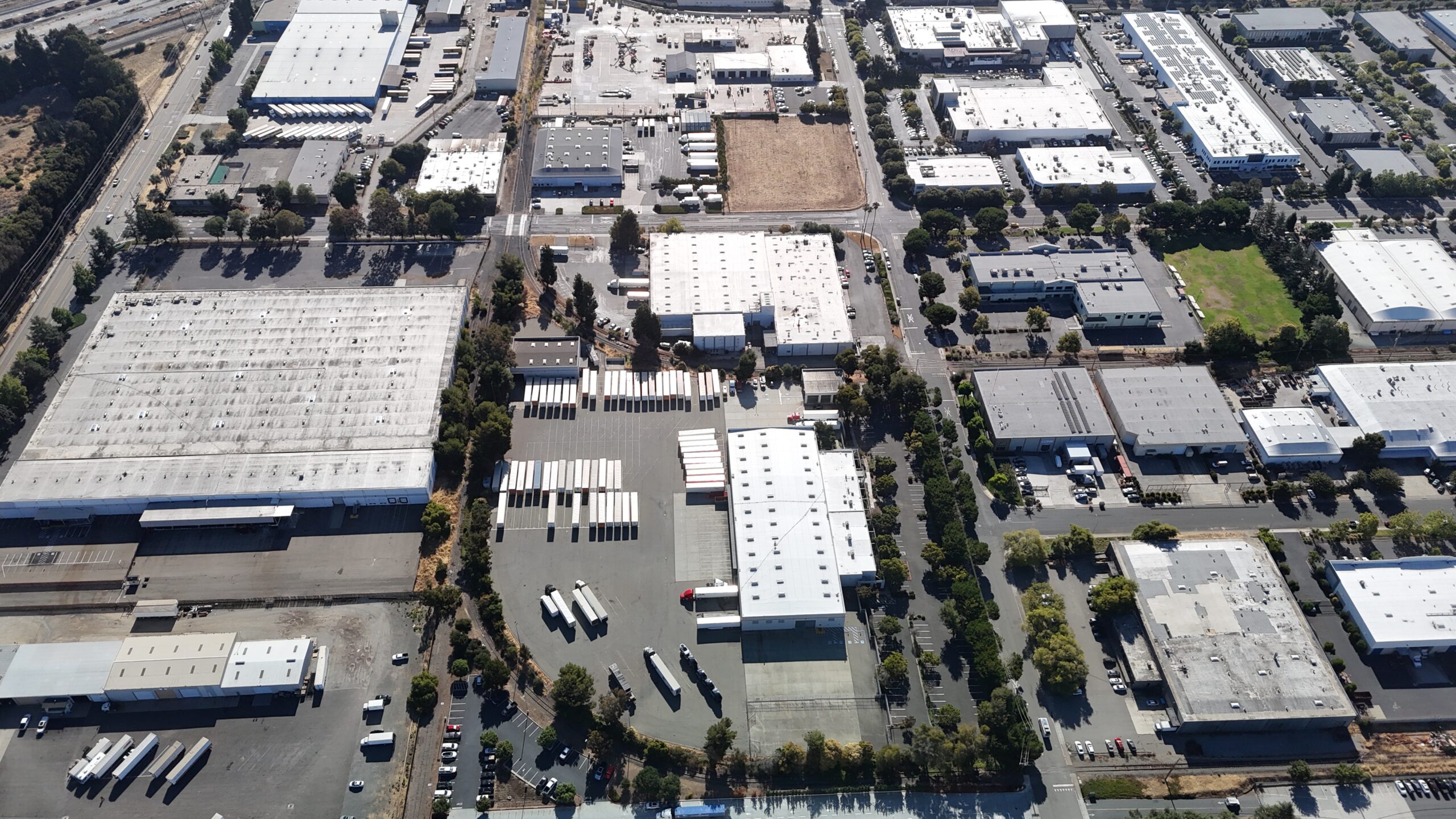
    A Truck Parking Club location in Union City, CA

    As the logistics and transportation industry evolves, the importance of trailer parking and drop lots has never been greater. With more trailers on the road than ever before and efficiency becoming the cornerstone of supply chain operations, secure, public, and readily accessible parking for trailers is a critical piece of infrastructure that many fleets are still struggling to find.

    This article explores why demand for trailer parking continues to rise, how drop lots are reshaping fleet operations, and the substantial productivity gains that come from nationwide access to trailer parking solutions.


    Why Trailer Parking Demand is Growing

    One little-known fact about the trucking industry: there are more trailers than tractors. Current estimates show that the industry has 1.1 to 1.6 trailers for every truck on the road. The primary reason? Trailers aren’t just for hauling—they’re also a cheaper alternative for short-term storage compared to expensive warehouse space.

    Additionally, modern supply chain practices like drop-and-hook operations rely heavily on this surplus of trailers. In these operations, a truck driver can unload a trailer, drop it, and immediately hook onto another pre-loaded trailer—all in a fraction of the time it would take for a traditional live load.

    But here’s the catch: all of these trailers require secure space to park.


    The Rise of Drop Lots and Their Operational Benefits

    At the heart of today’s efficiency gains is the drop lot—a secure, often fenced area where unattached trailers can sit waiting for a tractor. These drop lots allow for:

    • Rapid turnarounds: Instead of waiting hours at a dock, drivers can disconnect an empty trailer and be back on the road with a loaded one in minutes.
    • Pre-loaded flexibility: Shippers can load trailers at their convenience, well before the truck arrives.
    • Driver relief: With drop-and-hook operations, drivers avoid long detention times and get paid for driving—not waiting.

    And while shippers and receivers often provide on-site trailer parking, carriers increasingly use publicly available trailer parking spaces and drop lots to execute these efficiencies—especially when coordinating handoffs between local and long-haul tractors.


    En Route Trailer Parking: A Critical Component for Relays

    Carriers also rely on trailer parking for relay operations, where two drivers meet halfway to exchange trailers. This allows drivers to return home more frequently while keeping freight moving around the clock. However, it requires reliable mid-route drop lots where these swaps can safely occur.

    Unfortunately, despite substantial increases in demand, publicly accessible trailer parking remains severely limited. Drivers and fleets struggle to find secure spaces—especially at key transit points—creating operational bottlenecks and unnecessary delays.


    How Trailer Parking Impacts Supply Chain Efficiency

    Efficient trailer parking and drop lot availability deliver measurable benefits:

    • Reduced detention and dwell time
    • Lower fuel and deadhead miles
    • Faster turnaround times
    • Improved driver retention and safety
    • Higher asset utilization across tractors and trailers

    With more companies adopting drop-and-hook and relay models, the ability to park trailers at scale becomes a competitive advantage. Yet until now, fleets have had to piece together ad hoc solutions or rely on long-term leases—both of which lack the flexibility and coverage needed for modern freight operations.


    Bridging the Gap: Public Trailer Parking with Truck Parking Club

    To solve this growing challenge, Truck Parking Club is expanding a nationwide network of trailer parking and drop lots—providing fleets with:

    • On-demand booking (hourly, daily, weekly, &  monthly)
    • Secure, gated locations suited for high-value loads
    • Options for bulk trailer drops
    • Real-time availability and transparent pricing

    With thousands of parking spaces across 49 states, we’re partnering with property owners, carriers, and logistics operators to create the first scalable solution for trailer parking.

    As demand for drop lots surges, we’re committed to building the infrastructure required to keep America’s supply chain moving—one trailer, one location at a time.


    Final Thoughts

    The rise of trailer parking and drop lots is not a fad—it’s a structural shift in how freight is moved. As carriers push for faster turnarounds and greater operational efficiency, safely storing unattached trailers becomes mission-critical. By making trailer parking public, accessible, and reservation-based, platforms like Truck Parking Club are helping fleets reclaim time, improve margins, and reduce driver frustration.

    Ready to explore trailer parking solutions?
    Visit truckparkingclub.com to browse drop lots and secure space today.