Author: Evan Shelley

  • How to Pay Less for Truck Parking: Tips and Tricks for Truckers

    How to Pay Less for Truck Parking: Tips and Tricks for Truckers

    As a truck driver, you know that parking can get expensive, especially in high-traffic areas – not to mention that it often takes time before you’re even able to find an empty parking spot for you to rest, as many drivers reserve spots days, if not weeks in advance.
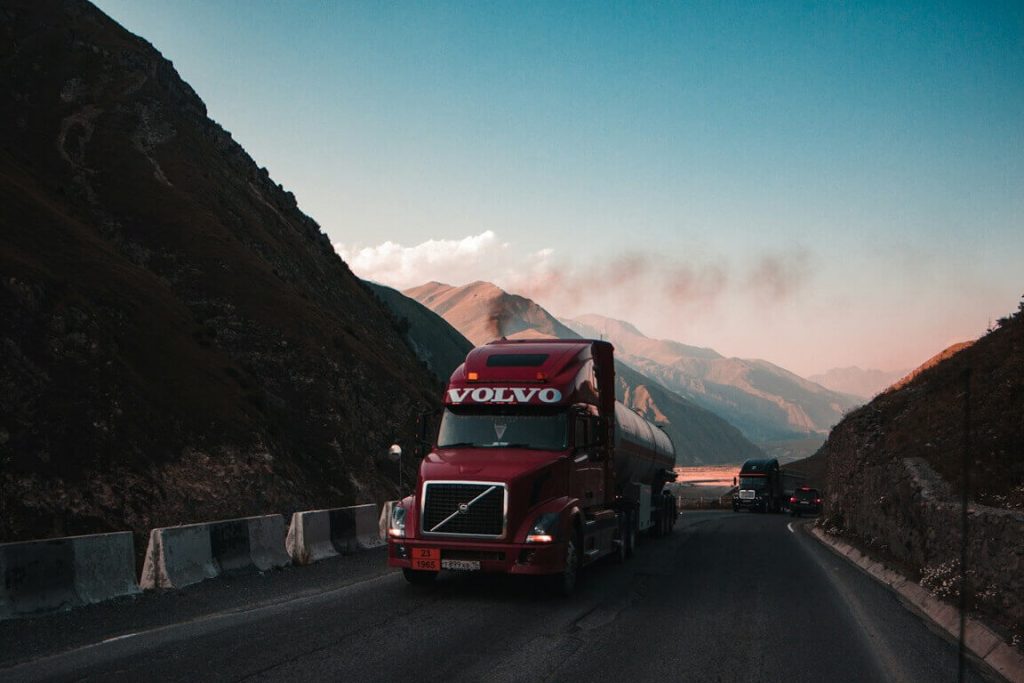
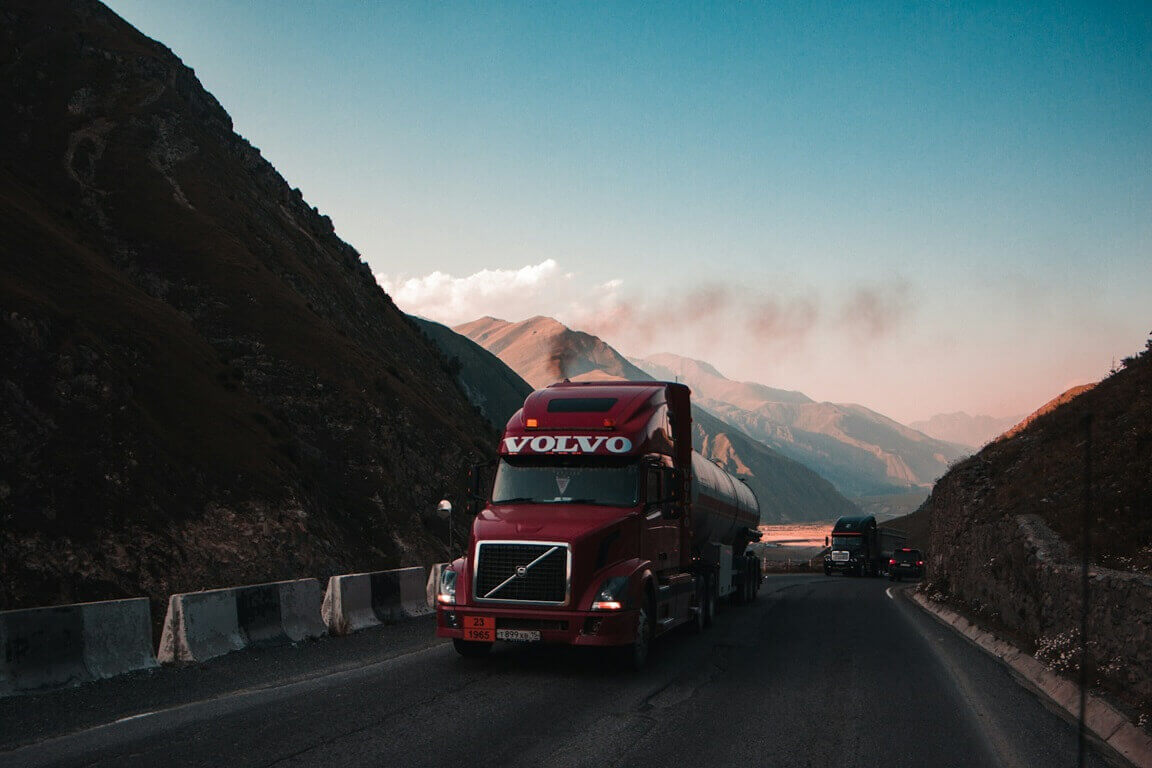
    red volvo truck

    However, there are some ways to help you save money on truck parking. 

    And while they might not work 100% of the time, there’s still a good chance you’ll be able to save some in the long run.

    How Much Does Truck Parking Cost? 

    There are several factors that influence how much truck parking will cost you, including the time of day, geographical location (parking in urban areas tends to be more expensive than in rural areas), and demand. 

    In general, you should expect to pay between $10 and $20, with some parking lots charging as much as $40. 

    If a parking location offers additional services, such as electrical hookups, or if you need a late checkout, in case you want to leave the parking spot later but don’t want to pay another daily fee, you might have to pay extra for them – although this isn’t a rule and often depends on the specific parking facility. 

    Tips and Tricks for Truckers to Save Money on Parking

    As mentioned, there’s no guarantee that the tricks we share will work every time – however, there’s no harm in trying, is there? So, what can you, as a driver, do to pay a little less for parking? 

    Do Your Research In Advance 

    Affordable parking spaces often tend to be reserved well in advance, which is why if you want to save money, it’s best to do so too. However, you can’t book a spot if you don’t even know where to look, which is why the most important thing that can help you save money on parking is doing research before hitting the road

    Don’t wait to find an empty parking space once you’re close to exceeding your HOS. Not only will you be forced to park on the next available spot, which, depending on the location, can prove to be expensive, but if you’re unable to find it before you go over your hours of service, you’re also risking getting a decently-sized fine. If it happens a few times, it might actually affect your company’s CSA (compliance, safety and accountability) score. 

    Use Apps to Help You Find Parking 

    Technology is supposed to make your life easier, and it can do the same for truck drivers looking for low-cost parking options, so why not take advantage of it? 

    Our very own Truck Parking Club app is a great choice for that, and with how straightforward the signing-up process is, you can start looking for a parking spot almost right away. 

    Thanks to the app, you can find the nearest available parking places and find information about the available amenities they offer, as well as the pricing, allowing you to compare them and decide which one suits not only your budget but also your needs the best. 

    If you already know a space you’d like to park at but aren’t sure if there are any available spots, and you don’t want to go there only to be met with not even one space available, our app can help you with that as well. 

    Knowing where to go from the start instead of driving around aimlessly can help you save money on gas, making the overall cost of finding parking that much lower. All it takes to start is creating a free Trucker Member account!

    Avoid High-Traffic Areas 

    Not all truck parking lots are created equal, and the pricing can vary significantly depending on where you decide to park. For example, parking in high-traffic areas with high population densities, such as cities, can often be more expensive than parking in less-populated places. 

    The same goes for states. Depending on your route, you might cross state lines, and it’s no secret that some states are more expensive than others, and the same goes for their parking costs. For instance, you’re probably going to pay more for parking in California than you would in Arizona. New York might also be more expensive compared to Pennsylvania. 

    Look for Discounts and Loyalty Programs 

    Some truck parking facilities might offer discounts to those who buy petrol from their gas station or buy things from their stores. There might also be loyalty programs available for drivers who frequently book specific locations. 

    The rewards you get for participating in them vary, with some offering only partial discounts, while others allow you to collect points and waive the parking fee completely once you collect enough of them. 

    Consider Long-Term Parking Options 

    If you’re frequently doing the same route, you should consider renting the truck parking space for a longer period of time than just one day – for example, for a week or a month. In some cases, drivers who book the truck or semi-truck parking spot long-term are offered more competitive rates, saving money in the long run despite the higher initial cost. 

    The Bottom Line 

    As you can see, there are quite a few things that might be able to help you save some money on truck parking. Will they work every time? There’s no guarantee. Still, you won’t know until you try, so why give it a go anyway? The worst that can happen is that you’ll pay full price, which you’d already be doing without our tips. 

    At Truck Parking Club, we understand the need for affordable and available parking, which is why we created an app that gives you all the information you need to find one in your area. With just a few clicks, you can find a place to rest and get well-rested before you hit the road again. 
    Have any questions or problems? Don’t hesitate to reach out to us by calling our 24/7/365 phone number (888) 899-7275 or using our online contact form. We’ll get back to you as soon as we can.

    The information published herein is for general informational purposes only. Truck Parking Club does not make any representations or warranties about the completeness, reliability, legality, and accuracy of this information. Any reliance placed on such material is strictly at the user’s own risk. Truck Parking Club shall not be responsible for any losses or damages incurred in connection with the information published herein.
  • 8 Biggest Trucking Industry Challenges for 2024

    8 Biggest Trucking Industry Challenges for 2024

    From truck stop cafes to corporate executive suites, speculation about rising issues has always been rife in the transport sector. While you could say the same about any industry, the transport sector specifically does tend to boast a well-oiled rumor mill, more than most.

    But as we roll towards 2024, predictions about various industry challenges currently seem far more based on concrete data analysis and obvious inevitability. The bottom line is this: there does not appear to be smooth highways ahead for the trucking sector in 2024. If anything, the road ahead looks a little on the bumpy side, with a mixed bag of challenges.

    From economic changes affecting everything from freight rates to the average truck driver salary – and the relentless rise of technology reshaping the industry – there’s a lot on the truck driver’s mind at the moment. 

    Through this article, we shall consider the biggest challenges for the trucking industry as we head into 2024.

    1. Fluctuating Economy

    Currently, the trucking industry finds itself struggling with the uncertainty of an unpredictable economy. But these are not mere numbers on a chart; we can expect tangible, real-world impacts on freight demand and the costs of keeping those big wheels turning along the highways. 

    Freight demand responds in real time to economic shifts. In a booming economy, there’s plenty to haul, but when things slow down, trucks are usually left chasing fewer loads over shorter distances. And then there is the cost of doing business. From the price of truck parts to the average truck driver salary, everything seems to be going upwards at the moment. As a result, the greatest trucking industry challenges will be in dealing with these economic struggles.

    1. Fuel Prices and Operational Challenges

    Fuel prices have been a problem for the industry In recent years, and when fuel costs increase, the trucking industry obviously feels it more than most.

    It isn’t difficult to understand why. Higher fuel costs simply mean that haulage costs increase as a result, and these aren’t insignificant numbers we are talking about – overheads are increasing in a big way. Aside from the large industry titans, the independent operators feel the impact of this the most, most of whom are counting every mile and every drop of diesel. 

    The issue also goes beyond fuel. The rising cost of tires, maintenance, insurance, and a whole host of other expenses all add up and contribute to increasing overheads.

    1. Driver Shortage and Recruitment Efforts

    The industry is facing a familiar problem that seems to be increasing every year: a shortage of truck drivers. It’s an issue that has been idling in the background for years but is becoming more and more problematic. 

    But why the shortage? Essentially, the issue stems from a mix of an aging workforce hanging up their keys for good and a younger generation that’s not quite rushing to replace them. The industry needs to focus on ways to make trucking appealing to the next wave of drivers by tapping into new demographics, like reaching out to more women drivers and younger people. 

    We need to demonstrate that trucking isn’t just a job; it is a viable career that pays very well indeed. Further strategies could range from ramped-up recruitment campaigns to partnerships with training schools in order to fill those driver seats and keep the industry moving forward.

    1. Rising Truck Driver Salary and Retention Strategies

    However, the flip side to this is a rise in the average truck driver salary figures. As the driver shortage continues, companies are paying over and above the usual rates to keep and attract talent. While this is something we applaud, we believe other areas also need to be addressed relating to truck driver incentivization. In other words, throwing money at the problem isn’t a fix-all solution. 

    The industry basically needs to consider what makes drivers want to stay in employment. Is it more time at home? Better routes? A sense of belonging to the company? We need to create a workplace where drivers don’t just come for the paycheck but stay for job satisfaction. It isn’t a complicated notion: a happy driver is a loyal driver, and in an industry that’s running on a tight employment pool, retaining truck drivers will become one of the bigger trucking industry challenges of 2024.

    1. Changing Labor Regulations

    Further trucking industry challenges relate to the new landscape of labor regulations, especially those marked by California’s Assembly Bill 5 – legislation that reframes the distinction between employees and independent contractors – causing change across the industry as a result. 

    For many trucking companies (particularly in California, of course) this means reevaluating their general workforce structure, challenging the traditional model of independent trucking. A real change in how transport companies classify and manage their drivers is expected, meaning a fundamental shift in the business model for many in the sector.

    1. Technological Advancements 

    On the technological front, autonomous trucks are no longer just a concept; they are slowly but surely becoming a reality that will eventually reshape long-haul transport at some point. How long it will take to become widespread, only time will tell – but 2024 should be the year when a marked improvement is made in that type of technology.

    These inevitable self-driving giants offer potential benefits in efficiency and safety, reducing human error and increasing logistics capabilities. But how will the industry adjust? And is it a good or bad thing? Personally, we believe there should be more drivers on the road and less automation, but again, it seems inevitable at some point, so we must find a way to embrace it on some level.

    1. Green Trucking Evolution

    We are also witnessing a green revolution, with green trucking initiatives, including the use of alternative fuels and electric vehicles, gaining ground. Some may view this as an eco-friendly drive and nothing more, but there is also an element of future-proofing here. 2024 might be the year when a greater number of technological changes than ever will be embraced. Whether that will be for better or for worse, only time will tell.

    1. Parking

    Saving the most pressing concern for last, parking is easily one of the biggest challenges for the trucking industry in 2024. An inadequate number of official truck parking spaces is causing incredible harm to the industry, with an estimated 350,000 truck parking spaces available for a staggering 3.5 million trucks on our roads.

    The negative implications of this are everywhere and in plain sight. With the majority of truck stops and rest areas full by mid-afternoon, truckers are spending hours each week needlessly burning fuel and wasting precious time endlessly circling parking lots looking for truck parking spaces that simply don’t exist.

    As a result, less-than-ideal parking spots are sought instead: exit ramps are often nose to tail, unsafe underpasses are being used as a last resort, and the sight of trucks parked in residential areas is becoming more and more common. Traditional trucker-friendly parking lots such as Walmarts and various Casinos are starting to refuse drivers more commonly, forcing them to park in even more dangerous areas.

    This ongoing crisis not only affects individual drivers but also causes harm through the entire supply chain, and with local municipalities and the federal government seemingly doing very little to address the issue, the problem is set to grow worse through 2024. 

    The Truck Parking Club Solution

    Our direct experience with the parking issue is evidenced by the growing popularity of our service, with thousands of truckers now using Truck Parking Club to reserve private parking spaces on commercial land throughout the country.

    With such affordable parking rates in widespread locations, the stress and uncertainty with parking have been reduced for many truckers. While that may sound like a contrived promotional line, we believe it is a genuine reflection of our impact on the industry’s parking crisis. We have helped make a real difference. 

    Truck drivers everywhere are vouching for the effectiveness and reliability of Truck Parking Club, and we are pleased to have made such a positive effect on the parking nightmare that is plaguing our industry.

    Our platform not only simplifies the search for secure parking but also ensures that drivers have access to dependable spots – many with amenities and some with perimeter parking – making their days far more convenient and efficient.

    Register Now For Convenient Truck  Parking

    It takes less than a minute to register, and then once you are a member of our truck parking community, everything is incredibly straightforward and beautifully convenient.

    First Step

    After registering, you will gain access to a nationwide list of convenient and comfortable parking options, most with added amenities. Use the location filter to pinpoint the perfect spot for you.

    Second Step

    Browse and reserve truck parking spaces, either immediately or up to one month in advance. Filter by amenities if you wish. Find your perfect spot. You can even communicate with property owners directly through the app if you have any queries.

    Third Step

    Drive to your reserved parking space. Settle in. Relax. Eat. Enjoy a peaceful night’s sleep, knowing you’re in a convenient and comfortable location

    That’s all there is to it. We didn’t just make Truck Parking Club affordable – we made the whole process streamlined, simple, and fast. 

    With so many trucking industry challenges ahead of us in 2024, the last thing our truckers need is the added headaches of parking spaces. Truck Parking Club is helping to change that.

    Register now for peace of mind, knowing that great parking is just a few clicks away.

    The information published herein is for general informational purposes only. Truck Parking Club does not make any representations or warranties about the completeness, reliability, legality, and accuracy of this information. Any reliance placed on such material is strictly at the user’s own risk. Truck Parking Club shall not be responsible for any losses or damages incurred in connection with the information published herein.
  • How to Pass the Time at a Truck Parking Lot

    How to Pass the Time at a Truck Parking Lot

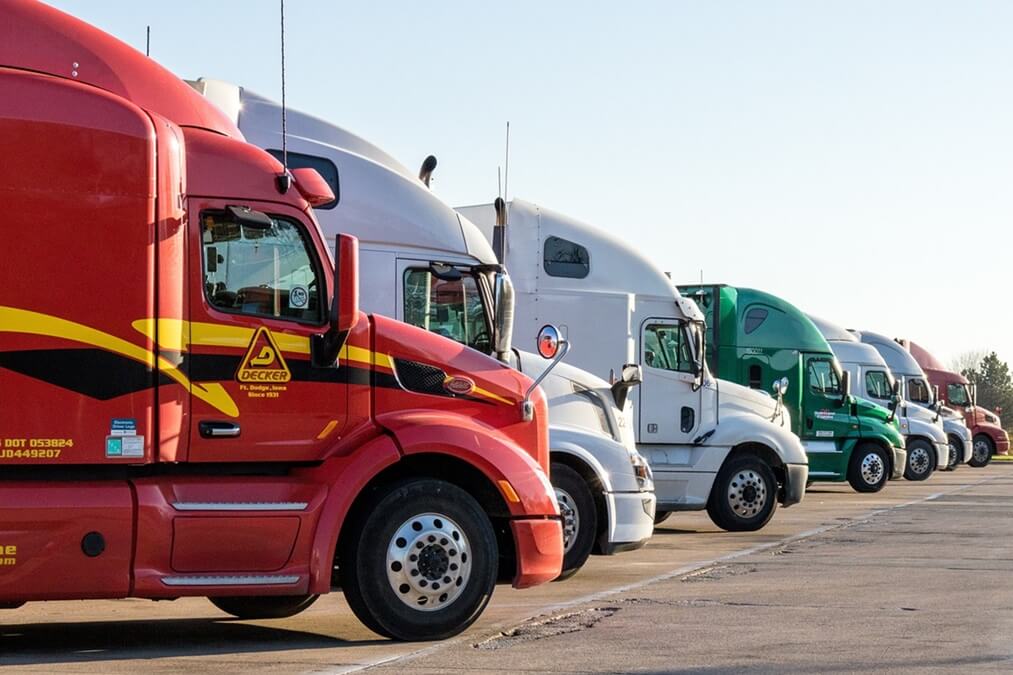
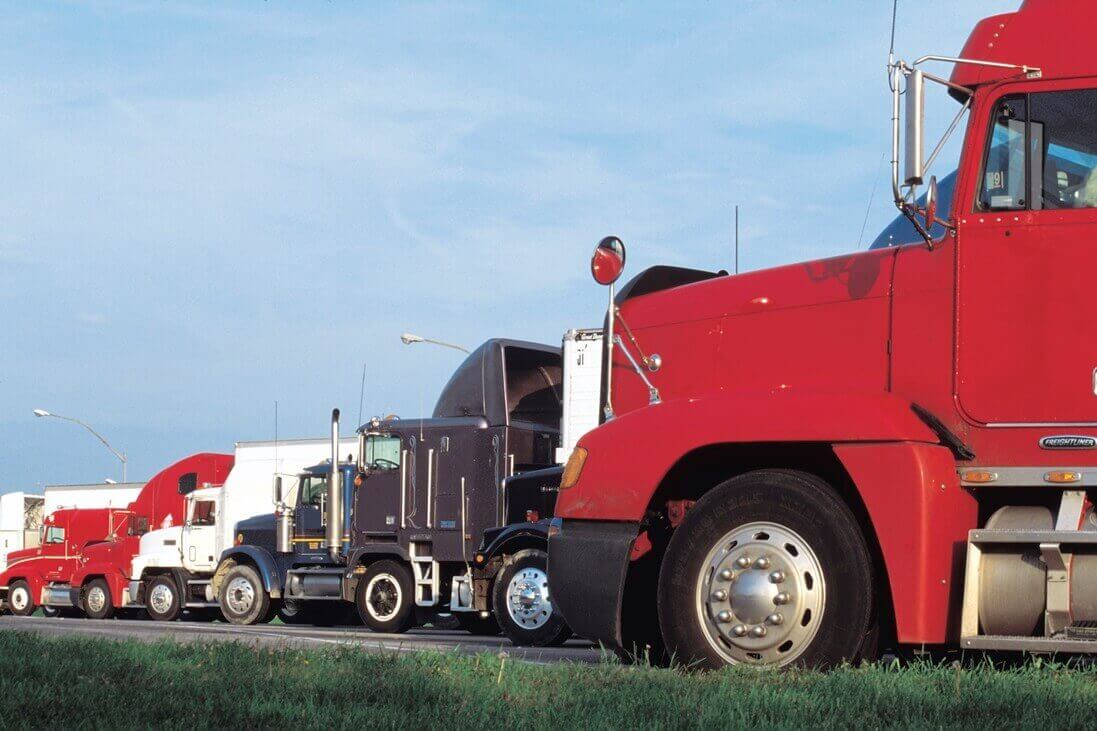
    row of parked semi trucks

    One thousand, eight hundred and twenty hours…

    That’s the approximate length of time the average trucker spends overnight parking at truck stops, rest areas, or other parking spots while on breaks. Every year. 

    Given that truck stops are such a huge part of our lives, we thought it might be helpful to run through a few suggestions on how to make the best use of this time.

    So here it is. Fifteen suggestions for how to pass the time when overnight truck parking. There are some good practical tips here, along with one or two that might be described as a little ‘out there.’ 

    Either way, we hope they help make overnight parking a little more…. bearable. We just hope you brought a shovel…

    1. Browse YouTube

    Starting with the most obvious, YouTube has come a long way from its early years of “cats falling off things” and is now a vast entertainment platform covering everything from series and documentaries to movies, vlogs, and music. An essential tool for overnight truck parking.

    2. Watch Big Rig 

    For those who haven’t seen it, ‘Big Rig’ is a thoroughly entertaining documentary about the life of truckers, currently streaming on YouTube. It’s one hour and thirty-five minutes of highly relatable stories with some lovable characters and a pretty awesome soundtrack.

    3. Get Smarter

    Alternatively, don’t waste precious time watching YouTube. Instead, learn something new. Read a book or start an online course and maybe pick up a new skill. That’s assuming you aren’t mentally exhausted from the 8-hour, 400-mile journey you have just completed in torrential rain and biting wind, that is. 

    4. Pretend to Be Somewhere Else

    Release yourself from the truck stop by closing your eyes and pretending you’re on a beach in the Maldives. See if any other truckers are imagining the same by winding down the window and shouting, quite loudly, “Anyone down for a dip?”

    5. Nintendo Switch

    Nintendo Switch and Sony’s PSP are compact handheld gaming devices, perfect for those enjoyable late-night gaming sessions while overnight truck parking. Because zapping away at zombies while lying on your bunk at 1 am is way more fun than you might imagine.

    6. Learn an Instrument

    You always wanted to learn the guitar, so now’s your chance. Seriously, why not? If you practice for just one hour per evening while overnight truck parking, you will be nailing down a pretty decent rendition of “On the Road Again” in just three months.

    7. Knitting or Crochet

    Stitch yourself a lovely crochet Maldives beach scene with windswept palm trees and cute wooden huts, then stare at it and pretend you are there. You might think it’s a strange idea, but do you realize how many truckers are secretly cozied up in their cabs right now, crocheting? None, probably, but don’t let that stop you. 

    8. Basic Maintenance

    Another obvious one while overnight truck parking is to run out a few basic checks like tire pressure, oil levels, and… Well, you’re an experienced trucker. You don’t need us to tell you how to kick a tire. 

    9. Clean the Cab

    Joyfully whistle the Convoy theme tune while moving a damp cloth in a circular motion. 

    10. Cockpit Dreams

    Pretend your current dwelling is not a Freightliner Cascadia or Peterbilt 579 but is instead the cockpit of your very own private jet, and you are expertly piloting it to the Maldives with your orangutan co-pilot, Clive. That isn’t a trailer behind you, loaded with canned asparagus. Nope. It’s the luxurious cabin of a G6, with leopard print upholstery and a water bed. 

    11. Build a Model Kit

    This is a brilliant suggestion from one of our Truck Parking Club members. Brands like Airfix and Revell have some amazing little kits available, from trucks and cars to fighter jets and tanks. Zone out and enter a zen-like state as you focus on the intricate build. 

    12. Go For a Walk

    Kill two birds with one stone when overnight truck parking by giving your legs a stretch. Firstly, it’s good exercise. Secondly, you can actually pick up a few nasty afflictions from sitting down all day. Truckers, just like office workers, are in a higher percentile for leg-related issues, so go out and get those pins moving.

    13. Podcasts and Audiobooks

    For anyone who has been living in a cave, a podcast is a digital audio show available for streaming or downloading through a smartphone or tablet. Popular shows among truckers include Joe Rogan, Jocko Willink, Big Rig Banter, and This American Life. 

    14. Catch up on Emails

    Use some of your downtime replying to emails or social media messages. Still haven’t replied to that 3000-word mega-email your Great Aunt Sue sent weeks ago? Now’s your chance.

    14. Get Digging

    Grab a shovel and start digging exactly 132.57 degrees south. Assuming you can manage one cubic meter per hour, you should pop up in the Maldives around 8,629 years from now, give or take a few decades. It depends how stubborn that tough iron-rich inner core is, obviously. 

    15. Plan Your Route 

    Let’s round things up with a boring but necessary tip: Take some time to plan your route, check for traffic updates, and monitor weather conditions for the road ahead. Another painfully obvious one but we are running out of ideas, and fifteen is a nice round number. 

    Embrace the Experience!

    Alternatively, just kick back, do nothing, and enjoy being at the truck stop.

    Most truck stops are busy and overcrowded, with trailers parked inches from each other and a constant churn of frustrated drivers circling the lot looking for spaces that are always taken. 

    But you really can find less hectic overnight parking for trucks that are better looked after and generally roomier than your typical cramped, busy, noisy environments. It doesn’t even take any effort to find them – if you know how to look, that is.

    But we’ve got you. Just browse our massive list of private truck parking spaces and find something far more convenient. You can book a truck parking space at the last minute or up to one month ahead. It’s simple, affordable, and takes seconds to register for Truck Parking Club

    It’s seriously going to make your life a whole lot easier. Trucking is a stressful job. You shouldn’t have to worry about parking. And at Truck Parking Club, you never need to, ever again. 

    With private truck parking spaces all over America, there is room for everyone…

    The information published herein is for general informational purposes only. Truck Parking Club does not make any representations or warranties about the completeness, reliability, legality, and accuracy of this information. Any reliance placed on such material is strictly at the user’s own risk. Truck Parking Club shall not be responsible for any losses or damages incurred in connection with the information published herein.
  • Truck Parking Safety Improvement Act: What Is It and How Does It Address the US Truck Parking Shortage?

    Truck Parking Safety Improvement Act: What Is It and How Does It Address the US Truck Parking Shortage?

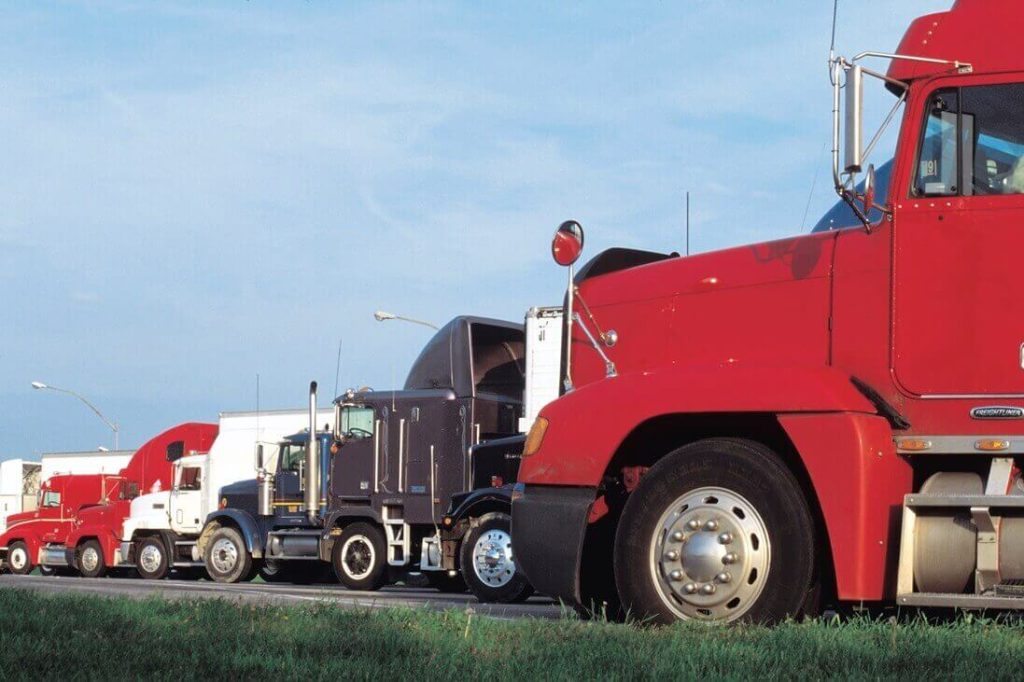
    truck parking in the us

    After years of negligence, the US government finally became interested in resolving the growing truck parking shortage problem. In March 2023, the Senate introduced the Truck Parking Safety Improvement Act, which aims to increase the number of truck parking spaces within the upcoming years. 

    The new legislation has caused a lot of commotion in the trucking industry. On the one hand, the act has gained a lot of support from truckers and fleet owners. On the other, there are concerns about the act’s effectiveness, with some believing it may not be enough to resolve the nationwide parking crisis. 

    Is Truck Parking Shortage a Concern?

    Before we explain the Truck Parking Safety Improvement Act, let’s lay some background, namely – is the truck parking shortage that severe?

    It is. According to various studies, the lack of available parking spaces is the number one concern for professional truck drivers. According to the Owner-Operator Independent Drivers Association, there’s currently a shortage of over 40,000 parking spaces nationwide. That’s merely 1 space per 11 drivers. 

    That insufficient number of safe truck parking spaces has a detrimental effect on the entire trucking industry, leading to delays, logistical challenges, higher costs for companies, and increased environmental impact. 

    This issue would be much more severe if it weren’t for platforms like our very own Truck Parking Club, which allows truckers to quickly find available private parking lots listed by reliable owners encouraged to transform their vacant properties into truck parking lots. 

    The private sector can’t do it all alone, though, which is why it’s a good thing that the government has finally decided to step in and aid truck parking businesses in their battle for a better future for the trucking industry. 

    What Is the Truck Parking Safety Improvement Act?

    To address the ongoing truck parking shortage, the US Department of Transportation (DOT) introduced the Truck Parking Safety Improvement Act. The legislation aims to allocate a total of $755 million for truck parking projects spread across three fiscal years:

    • $175 million in 2024
    • $260 million in 2025
    • $320 million in 2026

    The legislation will act as a grant program, awarding commercial truck parking projects on a competitive basis. To take advantage of available funding, a truck parking business would need to submit a proposal to DOT, which will then assess it and determine whether to grant them funds. 

    The primary objective of the Truck Parking Safety Improvement Act is to increase the number of safe and secure truck parking spaces across the United States by constructing new parking facilities and converting existing rest areas and weigh stations into functional truck parking lots. 

    The good news is that the federal funding will also supplement truck parking projects that are already underway, both private and public, such as the ongoing Love’s Travel Stops initiative. 

    The program aims to add approximately 1,600 truck spaces throughout its stops across the US by the end of 2023, further expanding this number in the upcoming years. The funds from the Truck Parking Safety Improvement Act will significantly speed up this process. 

    Will It Be Enough? Our Take on the Truck Parking Safety Improvement Act

    And that’s the Truck Parking Safety Improvement Act, the new government’s solution for the ongoing truck parking shortage crisis. Will it be enough? Only time will tell, but it’s definitely a step in the right direction after years of negligence. 

    The program’s grants will undoubtedly significantly help truck parking businesses grow, as well as attract vacant property owners to turn their properties into functional truck parking lots. This, combined with local efforts, should help resolve the truck parking shortage problem. If, of course, the program does its work. 

    There’s, however, a concern that this project hasn’t been given the deserved priority. Some also worry that the program puts too much trust in private parking lot owners, who may misuse these funds or not use them effectively enough.

    Still, despite these concerns, the majority of the trucking industry, including ourselves, has reacted positively to the legislation, hoping it will increase public awareness of the problem truckers face every day. 

    That said, if you were thinking about opening a truck parking lot, now might be the best time to do that, especially with the potential for having your project funded. To help you get started, be sure to use Truck Parking Club to list your available parking lot. Join our trucking community and become the future of the truck parking industry. Create your free property owner account today!

    The information published herein is for general informational purposes only. Truck Parking Club does not make any representations or warranties about the completeness, reliability, legality, and accuracy of this information. Any reliance placed on such material is strictly at the user’s own risk. Truck Parking Club shall not be responsible for any losses or damages incurred in connection with the information published herein.

  • Why Transform Your Property Into a Truck Parking Lot: Benefits of Starting a Truck Parking Business

    Why Transform Your Property Into a Truck Parking Lot: Benefits of Starting a Truck Parking Business

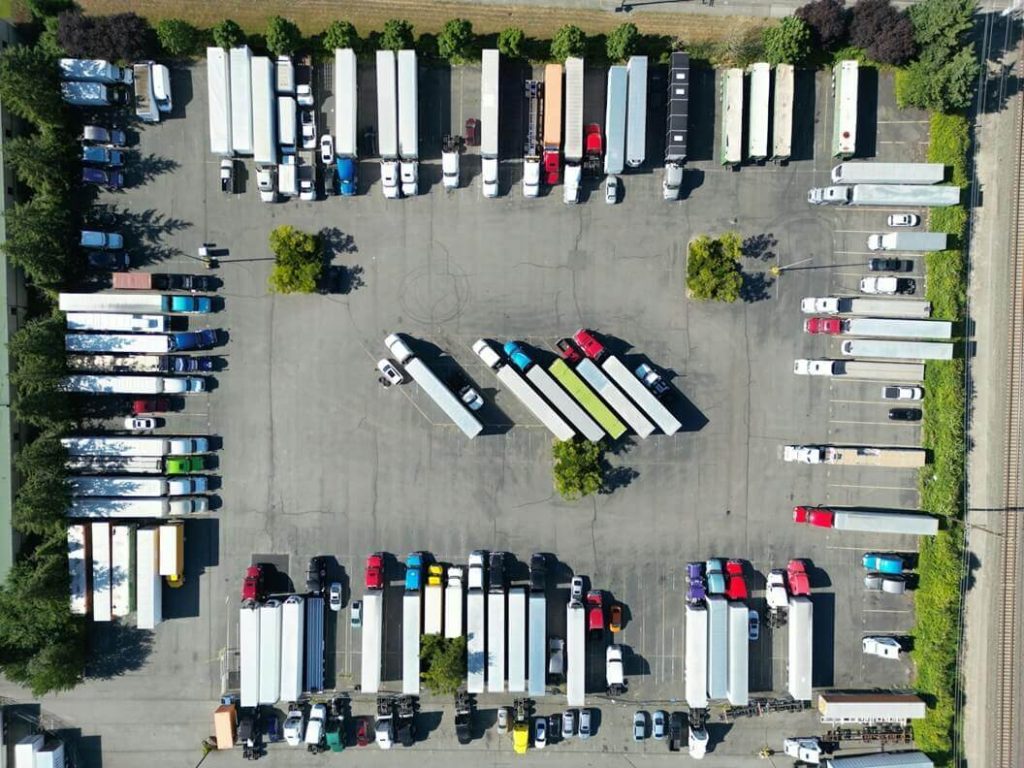
    a row of parked trucks

    As the owner of vacant commercial land, you may have considered various ways to generate revenue from your asset but have yet to arrive at anything ideal.

    You are not short on ideas, but all possibilities seem to require a substantial commitment in terms of time, money, and ongoing management. Construction. Entertainment. Retail Development. Hospitality. The possibilities are endless, but so are the investment, effort, and management requirements.

    As a result, many commercial landowners choose to leave their property in a redundant state, knowing that the asset will increase in value over time. While that is a perfectly reasonable approach, there is usually an unavoidable, nagging fact accompanying that conclusion: in some unknown way, a lucrative revenue stream is probably being left on the table. 

    Release the Potential

    We are going to suggest a way to solve that dilemma and generate immediate ongoing profits from your land through an idea that is proving extremely lucrative for commercial landowners all over America. It is a fairly new concept with extremely high demand, and if you have any experience in business, you will know those two things are something of a holy grail in terms of opportunity. Better still, it requires very little investment (if any at all) and barely any management. 

    We are talking about the next big thing in commercial property capitalization: truck parking. If you aren’t involved, we would like to explain why you probably should be.

    To do so, we need to address three of the most important criteria at the heart of most good business ideas: What is the Problem that needs solving? What is the solution? And How can you provide that solution?

    The Problem

    A truck on the highway at dusk

    The transport industry has been experiencing a severe issue over the last decade or so, with a severe lack of designated truck parking spots. Currently, there are approximately 350,000 truck parking spaces available for 3.5 million commercial trucks, creating a huge disparity that is causing major turmoil in the industry.

    Truckers are governed by strict regulations stating they must park and rest for a minimum of eight hours every eleven hours of driving. To do so, they need to park at a truck stop or a rest area. Given the shortage of truck parking spaces, most truck stops are full by mid-afternoon, which means drivers are forced to seek alternatives, none of which are ideal. 

    Exit ramps, urban underpasses, unsafe urban supermarket car parks, and even highway shoulders are the most common alternatives, each of which poses several issues related to safety and expensive violation ticketing. Truckers want convenient parking options, but they simply aren’t available in adequate numbers. 

    Truck Parking Crunch

    In hindsight, this problem has been years in the making. As e-commerce boomed, so did the number of trucks delivering goods across the country, and while the national fleet grew rapidly, the infrastructure didn’t keep up. Couldn’t keep up. In addition, with the average truck driver’s salary increasing quite generously each year, more new drivers are entering the industry which again means more truck drivers. 

    It’s a simple case of too many trucks chasing too few spots, and the government is simply not addressing the issue effectively.

    The Solution

    A beautiful truck parked

    The obvious solution would be for the government to build more truck stops, and while promises have been made during election campaigns, rarely do they come to fruition. By the same token, the industry probably needs to do more, possibly by collaboratively funding truck stops as an operational expense. But with rising industry overheads, you will forgive them for feeling that this is the government’s responsibility and not theirs. 

    This shifts the attention to the private construction sector, but the idea of developing 30-acre truck stops is often dismissed in favor of more conventional ventures.

    Emerging Niche

    Just as all roads seem exhausted, a new niche has emerged, and with it, we may be in the early days of an extremely lucrative boom.

    Commercial landowners can now monetize their idle land by renting out dedicated parking spaces on an ad-hoc or permanent basis, affording truckers more convenient parking in the process. It is a firm win-win solution, and it’s making a notable dent in the truck parking problem.

    Through our growing network of private landowners – equating to an area the size of a small city – truckers can browse and book truck parking spaces in real-time, while commercial landowners are generating extremely healthy ongoing revenues in the process. 

    How Do You Provide That Solution?

    So, how does this apply to you as a commercial landowner? And are we suggesting you build an actual truck parking lot on your spare land?

    Not really, no. While certain terms and compliance standards must be adhered to, our scheme is easily accessible for truck parking business benefits. If you have commercial land with appropriate surfacing in the form of concrete, gravel, asphalt, or stabilized ground, you probably qualify for instant land monetization by offering it to drivers in need of truck parking spaces for a fee.

    We made the process of joining the program effortless. Just sign up as a host on our platform, add your property details, and connect to a Stripe account during the quick sign-up process, and with that, you are now ready to welcome truckers. Our system handles all bookings and then notifies you via email or text, and if you need to communicate with the driver, you can do so via the Truck Parking Club app.

    You set the terms with daily or monthly parking as suits your schedule, and our support team is always on hand to help with any queries. The whole thing is simple, effortless, and lucrative.

    Benefits

    An empty parking lot

    There are solid, logical reasons why this business model has become popular among landowners across America. Some of the truck parking business benefits include:

    1. Effortless Income Generation

    Turn Idle Land into Profit: Transform land that was previously idle or underperforming into a consistent, reliable source of income.

    Set Your Terms: You control the availability of your land, offering flexibility in daily or monthly parking options.

    Streamlined Process: Our platform handles the bookings and notifications, simplifying the management for you.

    1. Low Investment, High Return

    Minimal Upfront Costs: Joining our program requires little to no initial investment, just the existing infrastructure of your land.

    Steady Revenue Stream: With a high demand for truck parking, your land can quickly become a lucrative asset.

    1. Support and Ease of Use

    User-Friendly Platform: Easy sign-up and simple interface for managing your listings.

    Dedicated Support: Our team is always ready to assist with any questions or concerns, providing a smooth experience for both you and the truckers.

    1. Positive Community Impact

    Aiding the Trucking Industry: You’re providing a much-needed service to truckers, contributing to safer and more efficient logistics.

    Environmental Benefits: Well-located truck stops can reduce unnecessary driving, contributing to lower emissions.

    Bottom Line

    You can make an immediate, positive difference to the truck parking fiasco that has been sweeping America for the last decade or so. By the same token, the potential revenues in this emerging niche are extremely lucrative. Seriously. Landowners are making an incredibly healthy monthly income through Truck Parking Club, right at this very moment.

    Also at this very moment, there are truck drivers in your immediate vicinity who need a truck parking space and are more than happy to pay for it. Capitalizing on this demand makes perfectly logical sense. 

    Again… as you read this, right now, there are probably several truck drivers passing through who are ready to pay you for a space if you would allow them to.
    Join Truck Parking Club and watch as your once idle land becomes a key player in resolving the truck parking crisis while generating notable profits each month, every month, by signing up now. Alternatively, if you need further information, our support desk is on hand to answer any questions you may have.

    The information published herein is for general informational purposes only. Truck Parking Club does not make any representations or warranties about the completeness, reliability, legality, and accuracy of this information. Any reliance placed on such material is strictly at the user’s own risk. Truck Parking Club shall not be responsible for any losses or damages incurred in connection with the information published herein.
  • How to Keep Your Truck Parking Lot Secure?

    How to Keep Your Truck Parking Lot Secure?

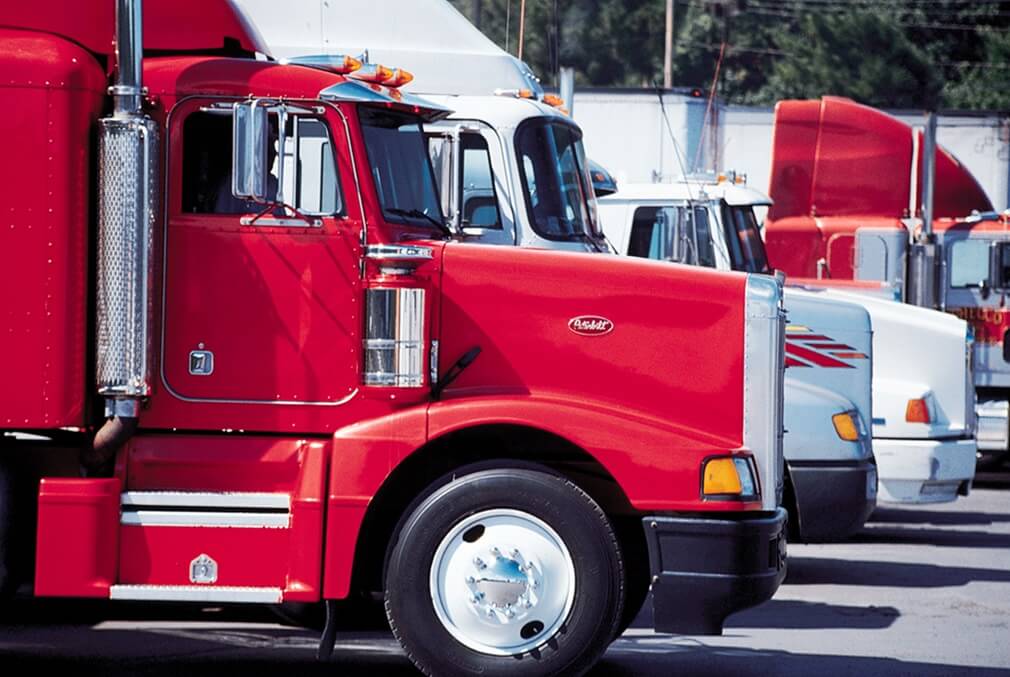
    private truck parking lot

    As a truck parking lot owner, you’re responsible for keeping your visiting truckers and the freight they haul safe and sound. If anything bad happens, for example, the cargo gets stolen, you have a lawsuit coming your way. 

    In the best-case scenario, you pay a fine and hope they don’t report the case further. Worst-case scenario, and a more likely one, unfortunately, you lose credibility, truckers avoid your parking lot, and you’re forced to close up shop. 

    That is why investing in proper protection measures is vital to secure your truck parking lot. Doing that will significantly reduce the risk of anything wrong happening, building your credibility within the trucking community. 

    So, if you want your truck parking business to flourish, be sure to invest in the following safety measures.

    Consider Local & State Regulations

    Your truck parking lot needs to meet specific state and local regulations, such as zoning permits and building codes. Furthermore, a truck parking lot needs to follow strict rules regarding layout and dimensions

    You must also ensure that you follow the government fire safety standards and signage. And yes, we know that following all these rules can get annoying when designing your lot. These are, however, absolutely necessary when it comes to increasing your lot’s safety and convenience. 

    Protect Your Property with a Proper Fence

    Your perimeter fence is your first line of defense. It will scare potential intruders and make your parking lot seem more trustworthy to truckers. The fence itself should be high and robust, making it as challenging as possible for intruders to go through to steal cargo or damage parked trucks. 

    Invest In Reliable Surveillance Cameras

    The 24/7 surveillance system is becoming a standard among truck parking businesses. Investing in such a system is a must, as even several strategically placed cameras can make a lot of difference. 

    Of course, how complex your surveillance system should be depends on your location, turnover, and lot size. If you own a bigger lot near a main highway, then it’s best to invest in a robust 24/7 surveillance system with cameras, motion detectors, and on-site security personnel. 

    On the other hand, if you own a small lot that isn’t as close to the main road, a standard set of cameras and basic motion sensors should be more than enough to protect your business. 

    Keep Your Parking Lot Well-Lit

    Lighting plays a vital role in keeping your truck parking lot secure. Yet, many owners underestimate its value, which, once you start thinking about it, is a foolish thing to do. 

    Adequate lighting throughout your parking lot will help deter trespassers, increasing the security of truckers and their rigs. It will also help them navigate better when parking at night, decreasing the risk of accidents. 

    Hire Security Guards

    If you have a large truck parking lot, it’s definitely beneficial to hire on-site security personnel to monitor the security and patrol your premises. This adds an extra layer of protection to your lot, further deterring trespassing.

    On-premise security personnel also works as an incentive for truckers hauling more valuable cargo to park at your lot, even if they need to pay a few extra bucks to stay overnight. 

    Invest in Truck Parking Insurance

    You can own the most secure truck parking lot in the US, but making it 100% bulletproof is impossible. Despite your every effort, accidents will happen. What you can do, however, is minimize the risk of such accidents damaging your finances. This means investing in a proper insurance policy.

    Truck parking insurance will cover any legal costs and pay for damages caused by any on-premise theft, injury, or damages, which can be challenging to handle on your own, especially if you’ve only started your truck parking business

    Grow Your Truck Parking Lot Business with Truck Parking Club

    So, to wrap up, securing your truck parking lot is absolutely necessary. Through proper protection measures, such as a fence, surveillance system, or adequate lighting, you can significantly reduce the risk of cargo theft, truck damage, or trucker injuries. 

    That higher guarantee of safety is more important than you may think. With the right security measures in place, truckers will be more willing to trust you and choose your lot to spend a night, even if they were to pay a few dollars more for a spot. 

    This, combined with great on-site amenities, is a recipe for success in the private truck parking industry. So, don’t try to save a buck when investing in your truck parking security. And once you’re ready to open your lot for business, be sure to work with us.Register your free account at Truck Parking Club, list your parking lot through our platform, and watch your business grow with truckers booking spots at your secure truck parking lot using our app!

    The information published herein is for general informational purposes only. Truck Parking Club does not make any representations or warranties about the completeness, reliability, legality, and accuracy of this information. Any reliance placed on such material is strictly at the user’s own risk. Truck Parking Club shall not be responsible for any losses or damages incurred in connection with the information published herein.

  • Overnight Truck Parking Safety Tips

    Overnight Truck Parking Safety Tips

    a truck driver standing in front of a parked semi truck

    Many truck drivers spend the night worrying about the safety of their cargo. It shouldn’t be that way. Parking your semi truck overnight should be all about resting after the day on the road. 

    Unfortunately, that’s not something all truck stops or truck parking lots in the US can provide. Many of the lots you pass along the road lack even the basic necessary protection measures, such as a fence or security cameras. 

    This is one of the many reasons why we created Truck Parking Club, providing truckers with reliable private parking lots, many of which guarantee peace of mind that your truck and cargo remain secure. 

    And for those who want to take their overnight truck parking security to the next level, we’ve prepared the following guide. 

    Spend Time Researching Available Parking Options

    Finding a secure truck parking spot can be mighty difficult while on the road, especially at the end of the day. Therefore, to avoid any mishaps, it’s best to do some research while planning your route to identify the best potential locations to park your rig. 

    The best way to do that is through our very own Truck Parking Club platform. Using our app, you’ll be able to quickly narrow down the best truck parking lots along your route and book them in advance to ensure there’s a beautiful spot waiting for you when needed. 

    Most importantly, though, most of our available parking lots come with the necessary security features, such as cameras and fences. Some lots even hire security guards to patrol their premises. To find such spots, simply click on the ‘Amenities’ filter and choose the security measures you want from a lot. 

    Park Your Rig Strategically

    When the sun dips below the horizon, it’s time to be strategic about your pit stops, especially if you haven’t got a space booked. 

    Opt for well-lit and busy truck stops or rest areas. These areas tend to have better security measures in place, including surveillance cameras and on-site security personnel. A bustling location also acts as a deterrent for potential troublemakers.

    Also, remember that parking isn’t just about finding an empty spot; it’s about positioning yourself for safety. Back your truck into the parking space, allowing for a quick and easy exit if needed. This not only helps in emergencies but also discourages theft, as it’s harder for someone to access the trailer.

    Employ Additional Safety Measures

    Consider investing in additional security measures for your rig. Simple things like wheel locks, kingpin locks, and air brake locks can make your truck less appealing to thieves. While it might seem like an extra expense, it’s a small price to pay for the peace of mind that comes with knowing your cargo and livelihood are secure.

    A good idea is also to embrace technology as your ally. Consider installing security cameras in and around your truck to monitor activity. Many modern systems allow you to access live footage remotely, providing an extra layer of security and peace of mind your rig is safe while you’re not around. 

    Perform On-Site Due Diligence

    A trucker’s best tool for safety is keen awareness. When you park for the night, take a moment to survey your surroundings. Look for emergency exits, note the locations of other truckers, and be aware of any potential hazards. Trust your instincts; if something doesn’t feel right, it probably isn’t.

    Other than that, familiarize yourself with emergency procedures, including the location of fire extinguishers, emergency exits, and first aid kits at rest stops and truck stops. Being prepared for unexpected situations can make all the difference. 

    Don’t Forget About Your Personal Safety

    When thinking about truck parking safety, it’s easy to overlook the personal aspect. Indeed, most guides focus specifically on cargo security. With that in mind, we’d like to dedicate these next few paragraphs to trucker safety. 

    So, how do you ensure you’re as safe as the cargo you’re responsible for? Well, for starters, be sure to always have your rig doors locked. It’s easy to forget about it as you go to sleep after a tiring day on the road. You should also pull down blinds and hide any valuables. It’s better to be safe than sorry. 

    A good idea is also to equip yourself with a pepper spray. Some truckers opt for a gun instead. If you’re considering the latter, be sure to familiarize yourself with the state laws regarding weapons to avoid unpleasant surprises. 

    It’s also better if you didn’t discuss your freight with too many people. Not all truckers you meet on the road are to be trusted. Sharing with them that you carry valuable cargo isn’t the best idea. 

    And finally, remember to share your location with a trusted friend or family member so they know where you are at all times. Having a reliable communication device is crucial not just for emergencies but also for staying connected with loved ones during those long nights on the road.

    Wrapping Up

    As the night envelops your truck in darkness, let these safety tips be the guiding light on your journey. Your rig isn’t just a vehicle; it’s your home away from home, and ensuring its safety is paramount. 

    By being proactive, vigilant, and embracing the available resources and technology, you can turn every overnight stop into a secure haven. The road is your domain, so drive smart, park smarter, and sleep soundly, knowing you’ve taken the necessary steps to safeguard your precious cargo and yourself. 

    And remember, Truck Parking Club is here to meet all your truck parking needs. So, don’t hesitate to join our growing trucking community today. Register your free trucker account with us today, browse available parking spots, and park your rig at reliable private truck parking lots.

    Safe travels, road warriors!

    The information published herein is for general informational purposes only. Truck Parking Club does not make any representations or warranties about the completeness, reliability, legality, and accuracy of this information. Any reliance placed on such material is strictly at the user’s own risk. Truck Parking Club shall not be responsible for any losses or damages incurred in connection with the information published herein.
  • Benefits of Private Truck Parking Lots: Why You Shouldn’t be Afraid to Park at a Private Parking Lot

    Benefits of Private Truck Parking Lots: Why You Shouldn’t be Afraid to Park at a Private Parking Lot

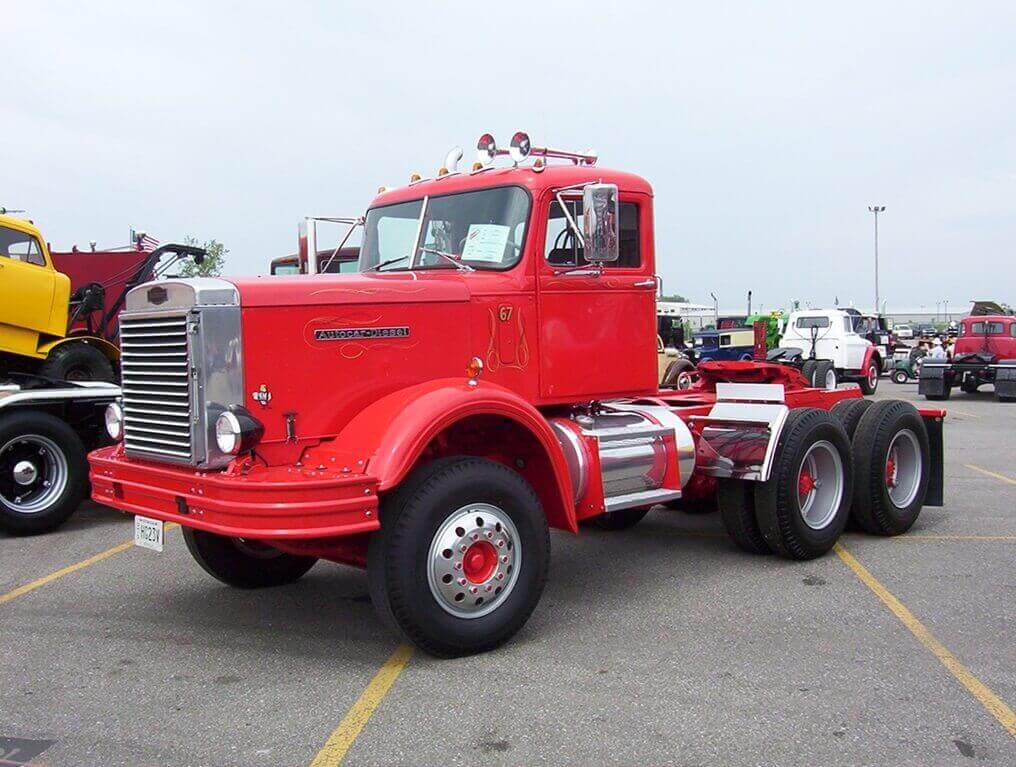
    semi truck parked on a-private parking lot

    Let’s face it – finding a free truck parking space to rest or sleep has never been easy in this country. However, the ongoing nationwide truck parking shortage has made it even more challenging. 

    And since parking a truck on the side of a highway or a ramp is illegal, that doesn’t leave a trucker too much wiggle room when searching for a free parking spot. 

    In such instances, the only option left is private truck parking. 

    Yes, the private truck parking that many truckers treat as the last resort, believing such spots to be expensive and unreliable. The truth is, though, that private truck parking holds numerous advantages over public parking spots.

    So, without further ado, let’s discuss the many benefits of private truck parking lots and how Truck Parking Club can help you find them. 

    5 Key Advantages of Private Truck Parking Lots

    The five key benefits private truck parking lots offer include:

    • enhanced security,
    • a broader range of on-site amenities,
    • better rest,
    • more flexible scheduling,
    • and reduced travel time.

    Let’s discuss these in more detail.

    Enhanced Security

    Security is a top priority for most truck drivers. You want your cargo to stay secure during the night, allowing you to rest without the constant fear something might happen to your truck, cargo, or yourself. 

    Private truck parking lots can guarantee that. Well, not all, of course, but most parking lots you can find through our platform are equipped with surveillance cameras and other protection measures, such as on-premise security guards. 

    Don’t know how about you, but we think that that extra layer of protection is worth those extra few bucks. 

    Wide Range of Available Amenities

    Many private truck parking lots offer truckers a wide range of amenities, such as showers, Wi-Fi, truck washes, repair shops, bars, food trucks, vending machines, washing machines, etc. 

    These may not seem like much, but they can significantly improve your life on the road, making it more comfortable and homelike. They can help you rest better and feel rejuvenated after a long day on the road. That’s not something truckers can usually take for granted when setting out on the route. 

    Better Rest

    The enhanced security and access to amenities translate to much better rest. They allow you to relax more and enjoy the available amenities without worrying about your cargo getting stolen. 

    What’s more, private parking lots are often reserved for truckers, meaning you’ll be surrounded by people who park with the same goal – rest well for the upcoming day on the road. That means a more tranquil and quiet space that allows you to sleep well and wake up refreshed and ready for the day ahead. 

    Flexible Scheduling

    Many public parking lots or truck stops are not available 24/7, forcing truckers to seek nearby alternatives. Private truck parking lots, on the other hand, are usually open 24 hours a day, seven days a week. They also allow truckers to book spaces in advance. 

    That gives you a lot of flexibility in planning your route, avoiding delays, and making your work more efficient. It will also allow you to avoid delays caused by the lack of available parking spots or truck stops. 

    And speaking of decreasing downtimes…

    Reduced Roadtime

    Public parking lots and truck stops tend to be crowded. This means that even if you miraculously find an available parking spot at one of such locations, you’ll likely face long lines to restrooms, showers, or bars, especially during peak hours. 

    With private parking lots being less crowded, you can significantly reduce the time spent waiting in lines, allowing you to rest and recharge at your own pace without worrying about potential downtimes.

    trucks parked at a private truck parking lot

    Downsides of Private Truck Parking

    We discussed the benefits, but what about the cons? Well, there’s one drawback that some truckers believe to be a deal breaker. And that is, of course, the fact that private truck parking isn’t free. 

    Is it really a downside, though? Think about it. If you’re paying for something, it usually means you get something extra in exchange. And, as we already discussed, that’s precisely what private truck parking lots offer. 

    For that few extra bucks, you can enjoy enhanced security and a broad range of amenities, resulting in better rest and reduced travel time. 

    Furthermore, once you start scrolling through our available truck parking spaces, you’ll quickly notice that the costs aren’t really that scary, with many parking owners charging as low as $10 per day. 

    That’s not much. You can also further decrease these daily costs by booking a weekly or monthly parking spot. 

    The trick, however, is to know how to find such spaces. And here’s where Truck Parking Club comes in…

    Find Affordable Private Parking Lots with Truck Parking Club

    So yes, as you can see, private truck parking lots aren’t as scary as some truckers paint them to be. But, of course, everything depends on the lot you find. 

    This is precisely why we created Truck Parking Club. Our platform connects truckers with private truck parking owners through the one-stop app that allows you to quickly find and book available truck parking spaces across the US. 

    All you have to do is register a free trucker account. Once you do that, you’ll gain immediate access to all our platform’s features. 

    Find the spaces that suit your needs, book them in advance, and make your life on the road that much easier. Join Truck Parking Club today!

    The information published herein is for general informational purposes only. Truck Parking Club does not make any representations or warranties about the completeness, reliability, legality, and accuracy of this information. Any reliance placed on such material is strictly at the user’s own risk. Truck Parking Club shall not be responsible for any losses or damages incurred in connection with the information published herein.

  • NYC Truck Parking Rules

    NYC Truck Parking Rules

    New York City

    It’s top of the heap and king of the hill, according to Frank Sinatra. Robert De Niro thinks it is the most exciting city in the world. Most people, actually, seem to love the place.

    We don’t disagree. But we can only assume that Ol Blue Eyes and Bobby D never had cause to drive a 70-footer with a sticky fourth gear and squeaky brakes through Manhattan or Fifth Avenue. If they had, their Big Apple opinions may have been markedly different.

    While there is no disputing the beauty and buzz of this incredible world-famous city, it can be something of a nightmare from the perspective of a truck driver. 

    Parking? That’s even worse. Basically, NYC truck parking is simply not allowed, period. With a few exceptions, here and there, that is. 

    The Main Rules – Broken Down

    Which brings us to the purpose of this blog post about commercial truck parking in NYC. The truth is, we were tempted to write a two-word article starting with “don’t” and ending with “even,” but we realized that some of you probably have no option but to figure out truck parking in NYC, so we decided a little more effort might be required. 

    With that in mind, we shall address the main rules of NYC truck parking as taken from the official DOT outline, and break them down into digestible terms. But first, what constitutes a ‘truck,’ as far as the DOT is concerned? 

    Commercial Vehicle Definition

    If you have a commercial plate, you are a commercial truck falling into specific truck parking rules in NYC. Rocket science, it most certainly isn’t. 

    Other than that, if your vehicle is modified for transporting goods (with seats and fittings removed), you also fall into the commercial category, as are vehicles with name and address displayed three inches high on both sides of the vehicle, in contrasting colors.

    We doubt you needed that definition, as you probably know what a truck looks like, but there it is, anyway.

    Parking, Standing, and Stopping Rules

    The following stipulations (which are particularly stringent in midtown Manhattan) outline where and how commercial vehicles can park or stand.

    Parking of Unaltered Commercial Vehicles Prohibited

    Commercial truck parking in NYC is not allowed UNLESS the vehicle has been permanently modified by removing all seats and seat fittings behind the front seats. If the vehicle is designed with a separate passenger cab and cargo area, the seats in the cab don’t count towards this rule.

    No Standing Except for Trucks Loading and Unloading

    With NYC truck parking specifically, if you see a sign saying “No Standing Except Trucks Loading and Unloading,” it is basically a special zone just for commercial or service vehicles. These spots are designed for quick stops from 7 am to 7 pm.

    Angle Standing or Parking of Commercial Vehicles

    Commercial vehicles can park or stand at an angle to the curb in designated areas ONLY if necessary for loading or unloading. This is allowed only for the time reasonably needed to perform these activities. 

    Parking of Trailers

    You can’t park trailers or semi-trailers on streets or highways unless they’re actively being loaded or unloaded. However, in industrial zones, trailers or semi-trailers can be parked unattached if signs allow it, but ONLY for the time specified on these signs. 

    Street Storage of Commercial Vehicles Prohibited

    When parking is not otherwise restricted, no commercial truck parking in NYC is allowed in any area, including a residential area, longer than three hours.

    Nighttime Parking of Commercial Vehicles

    Commercial truck parking in NYC is not allowed on residential streets from 9 pm to 5 am. There is a caveat, however: this rule doesn’t apply to vehicles related to gas or oil heat supply, maintenance, or public utilities.

    Vehicles With Platform Lifts

    Commercial vehicles may not be parked on any City street with a platform lift set in a lowered position while the vehicle is unattended.

    Double Parking

    For commercial truck parking in NYC, double parking is usually not allowed in the majority of cases. However, commercial vehicles can briefly double park for pickups, deliveries, or service calls if there’s no free curb space within 100 feet and they follow police or flagperson instructions.

    Bottom Line

    If your truck isn’t altered for cargo transport, you can pretty much forget about commercial truck parking in NYC. Other than that, look for signs that say ‘No Standing Except Trucks Loading and Unloading’ for quick stops. Remember, Midtown Manhattan is extra strict, especially during peak hours. Night parking on residential streets is a no-go for commercial vehicles, and trailers can only park while loading, unloading, or if attached to a truck. 

    Alternatives

    You do have some options, however. There is a truckstop in Kearny, for example, but unless you are using Truck Parking Club to book your space there, they are usually full after 2 pm most days. 

    There are plenty of truck stops in New Jersey, but the same applies: unless you are booking through Truck Parking Club, you might find yourself out of luck. 

    In the worst-case scenario, You might get lucky at one of the service plazas off the turnpike, but only if you are early and enjoy the sight of discarded trash everywhere, along with quite a nasty, distinct toilet-like smell in the air, or so we are told.

    Truck Parking Club

    Either way, your best option is to use Truck Parking Club to browse for truck parking spaces on privately owned land in the NYC or NJ area. Many drivers are turning to our service as an option for NYC truck parking as we have a system that is both affordable and convenient. It just works.

    If you have never used Truck Parking Club before, you will find it useful not only for New York and New Jersey but for the entire country. Just create an account (it takes under a minute) and browse for a convenient parking spot, either as a last-minute option or in advance. 

    Most of our spots come with amenities of various descriptions, many of them are fenced and gated, and all of them are incredibly convenient. 

    We have partnered with private landowners all over the states to bring you truck parking spaces, so you never need to worry about finding a spot again. Just open the app, search for a truck parking space by location, and book your spot. Simple!

    With Truck Parking Club, there is room for everyone.

    The information published herein is for general informational purposes only. Truck Parking Club does not make any representations or warranties about the completeness, reliability, legality, and accuracy of this information. Any reliance placed on such material is strictly at the user’s own risk. Truck Parking Club shall not be responsible for any losses or damages incurred in connection with the information published herein.
  • What Is Jason’s Law in Truck Parking?

    What Is Jason’s Law in Truck Parking?

    Imagine visiting a grocery store for your weekly shop. Faced with an empty cart bay, an attendant springs into view, cheerfully informing you that grocery stores everywhere now have one cart available per ten customers. With eight people waiting ahead of you, it could be a long evening. 

    That would be preposterous, wouldn’t it.

    Let’s further imagine your kids returning home from school complaining of aching feet because each class provides one chair for every ten students. The other nine must stand around all day, hoping for a vacant chair to appear.

    You would be enraged, wouldn’t you.

    If you find neither of those scenarios ridiculous enough, let’s try this: Imagine one truck parking space for every ten trucks in America. This would equate to potentially nine truck drivers without a parking space for every single truck driver who has one. 

    It turns out you need not imagine – because this final scenario is real. 

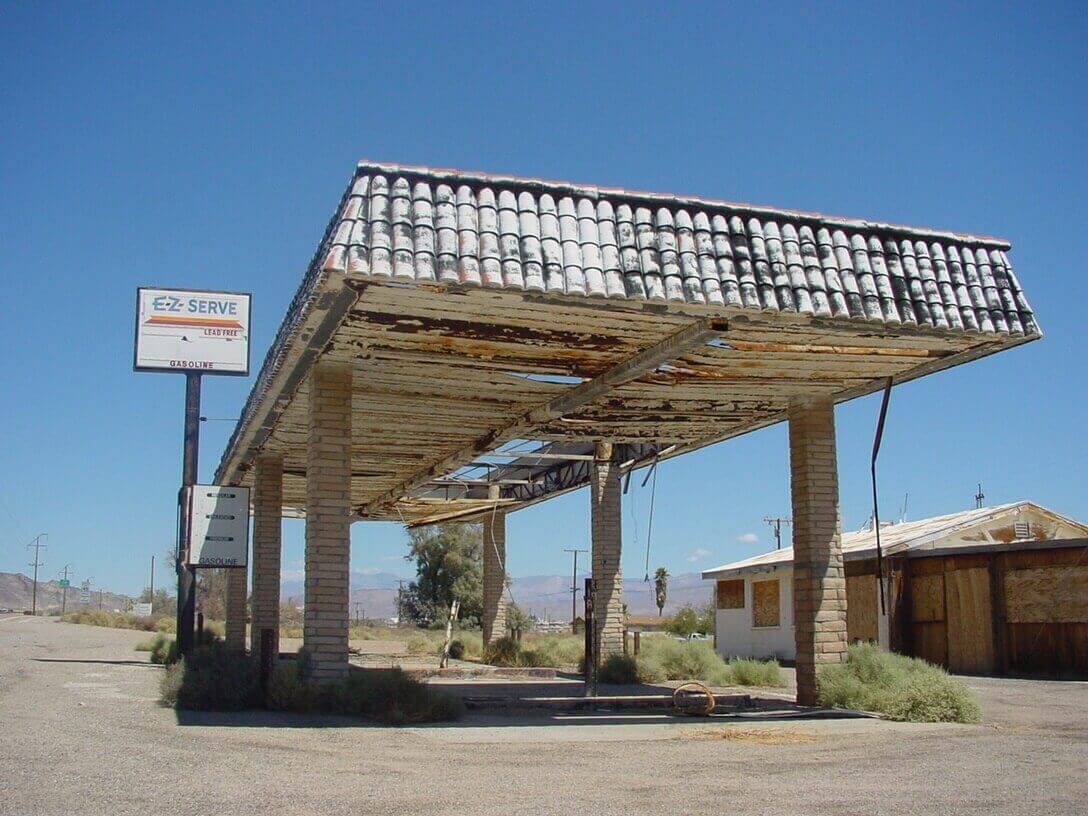
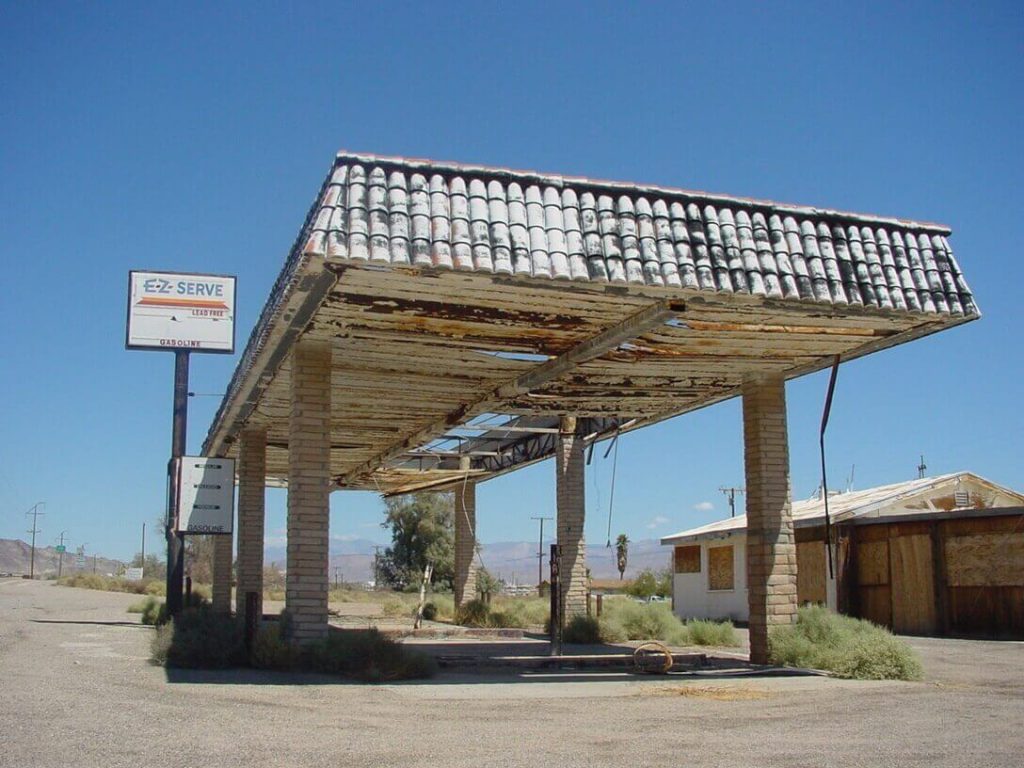
    More specifically, just under 350,000 truck parking spaces accommodate 3.5 million trucks on our nation’s roads. Drivers waste hours each week looking for designated truck parking spaces, burning fuel needlessly while doing so, often resorting to hazardous off-ramps, abandoned gas stations, or unwelcoming Walmarts (among others) for their legally required rest stop.

    The issue is causing real problems in the trucking industry, danger on our highways, and, in the case of Mr. Jason Rivenburg, profound tragedy.

    Jason Rivenburg

    We will never know what kind of day Jason expected to have on March 5, 2009, but we can confidently assume he didn’t foresee his life being taken while resting in his truck at a deserted gas station after a tough day on the busy roads.

    Jason was one of the statistical nine out of ten who, presumably, couldn’t find a truck parking space along his route. Either that, or he was unwilling to waste expensive fuel and precious time looking for one, knowing they are so elusive. Again, sadly, we will never know.

    What we do know is that Jason was ahead of schedule that day, and his final destination would not receive him until the appointed drop time. They also wouldn’t allow trucks to park and wait on their property. In limbo and starved of adequate truck parking options, he chose to rest at the lonely confines of a gas station 12 miles from his drop. 

    There, he would run into Wille Pelzer. Or rather, Wille Pelzer would run into him. Loitering ominously outside a convenience store, looking for someone to rob, Pelzer noticed the truck parking in the gas station. Recognizing a potential victim, he approached, snaked his way under the greasy belly of the huge truck, and waited. Eventually, he crawled out, climbed onto the cab, and shot the 35-year-old husband and father in the head with a .45 caliber.  

    Pelzer’s ‘reward’ for creating a young widow and leaving three children fatherless was the paltry sum of seven dollars, taken from the dashboard. 

    Jason’s Law

    In the wake of Jason’s tragic murder, his widow, Hope Rivenburg, became an advocate for change, leading to the proposal of Jason’s Law. But this wasn’t a knee-jerk gesture born out of grief. Through Jason’s passing, she learned of the industry’s truck parking issues and committed herself to effect change. This remarkable person campaigned through her grief doggedly, diligently, and without respite to force actual legislation. She was successful in her endeavors. 

    Aimed to address the critical shortage of safe truck parking spaces across the United States, Jason’s Law (officially part of the Moving Ahead for Progress in the 21st Century Act) was enacted in 2012. The act provided federal funding for creating and expanding parking facilities for commercial motor vehicles, aiming to make highways safer for truck drivers who, like Jason, often found themselves in vulnerable situations due to inadequate parking options. 

    But while Hope must be applauded for forcing change, the federal government must do far more. With a record number of truckers on the road and a still woefully underserved truck parking infrastructure, there is an urgent, almost desperate need for increased investment.

    The Problem Continues

    Truckers are the backbone of our supply chain — the lifeblood of commerce, keeping everything stitched together. Without them, the country would simply grind to a halt. With that in mind, you would assume truckers are afforded adequate parking so they can adhere to the various regulations relating to driver hours and rest breaks. 

    They aren’t. Truck stops and rest areas are scarce and mostly full by late afternoons, which is a problem for two reasons. Firstly, an exhausted trucker is not a safe trucker, and secondly, regulations state that drivers must take a mandatory 10-hour rest after 11 hours of driving within a 14-hour workday.

    Without a sufficient number of designated truck parking spaces nationwide, their options are few. Gas stations. Exit ramps. Dark underpasses. Dangerous urban areas. None of the alternatives are legitimately secure, and as such, there has been a rise in the number of crimes and attacks against truck drivers of late.

    A Neglected Industry 

    This happens in no other industry. Pilots, for example, are legally required to take a lengthy break following a long flight. Upon landing at a remote destination, they are not directed toward the nearest park bench to seek rest. Of course not. They are directed toward the nearest hotel, where they can sleep before resuming their job: a job that could be tragic beyond words if a pilot is not suitably rested. 

    It may sound like a far-reaching comparison, and we certainly do not wish to be flippant, but an abandoned gas station or sinister underpass is nothing more than a metaphorical park bench, and our nation’s truck drivers deserve better. We are not suggesting they are given the president suite at the local Marriot after each shift – but an abundance of well-maintained truck stops is surely not too much to ask.

    Final Thoughts

    Jason’s story clearly demonstrates the need for better parking arrangements in our community, and while measures are being taken to improve the situation, more needs to be done. Whichever way you look at it, the awful truth is this: If the transport industry were blessed with adequate parking spaces, Jason might still be alive today.

    In the meantime, Truck Parking Club will continue striving for truck drivers everywhere to have more convenient places to park. No one should have to resort to abandoned gas stations, exit ramps, and dangerous urban areas. At Truck Parking Club, we believe there should be room for everyone.

    Register Now

    If you are a truck driver and haven’t yet tried Truck Parking Club, just know we are here if you need us. Through our vast network of private commercial landowners, truckers can choose convenient, spacious, designated parking over less-than-ideal alternatives.
    The registration process is simple, and our parking app is incredibly user-friendly. Whether planning ahead or needing a spot right now, just browse for a truck parking space, book, and relax.

    The information published herein is for general informational purposes only. Truck Parking Club does not make any representations or warranties about the completeness, reliability, legality, and accuracy of this information. Any reliance placed on such material is strictly at the user’s own risk. Truck Parking Club shall not be responsible for any losses or damages incurred in connection with the information published herein.