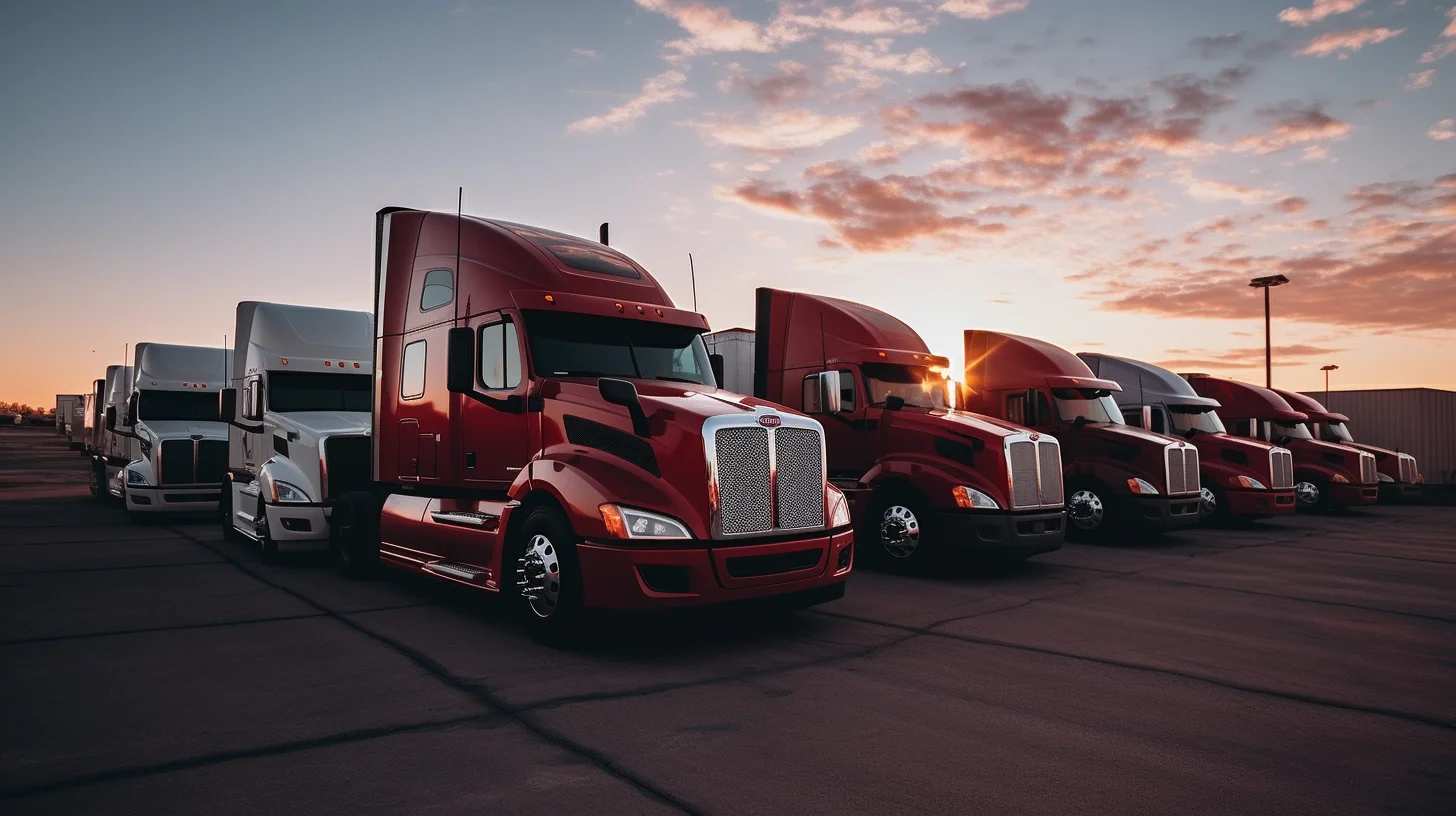
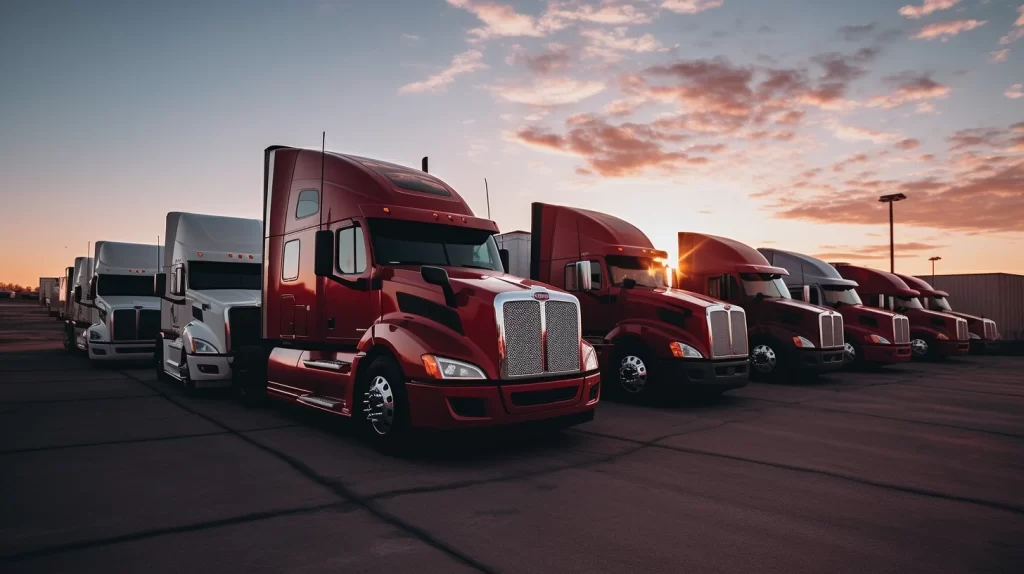
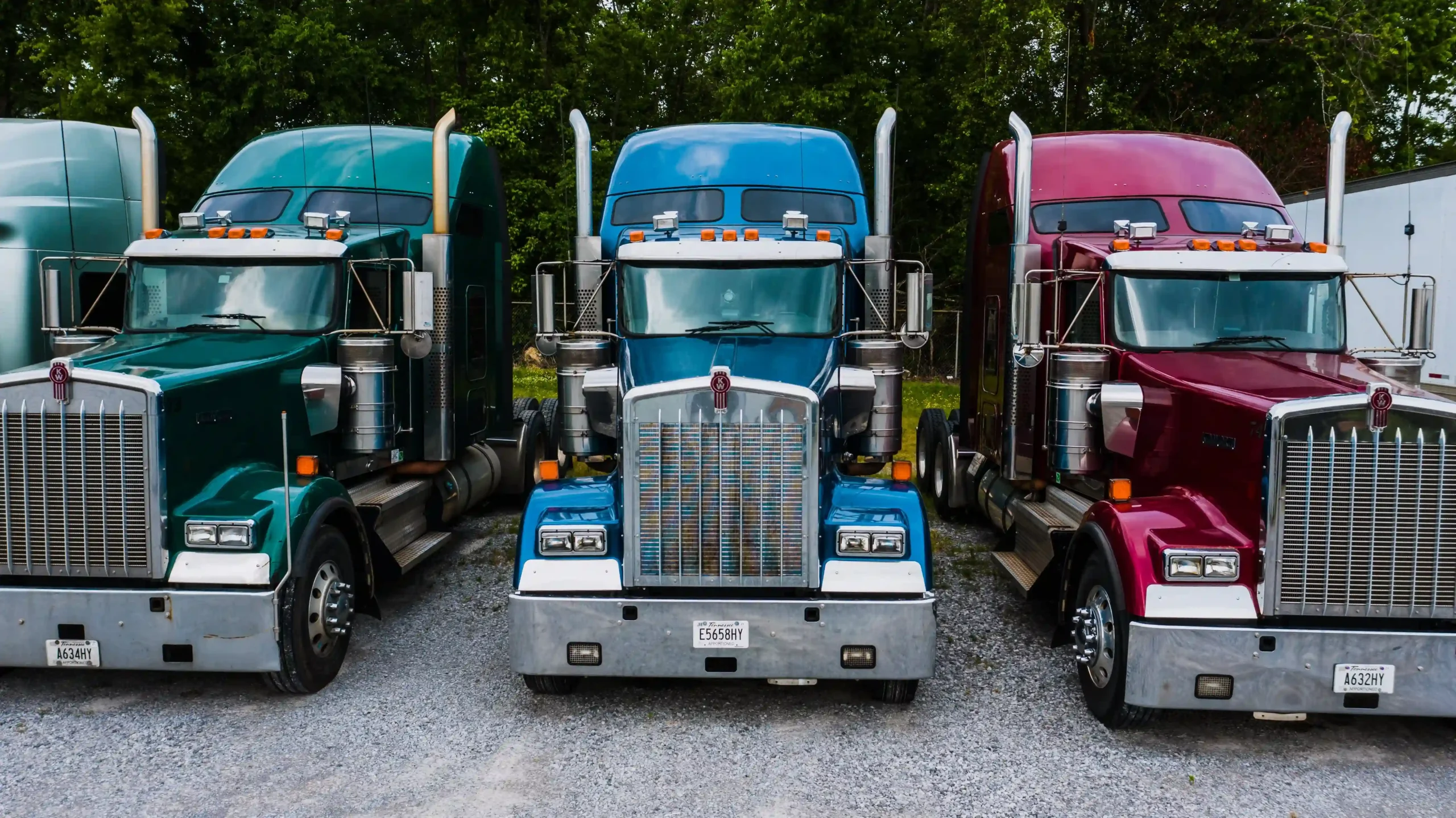
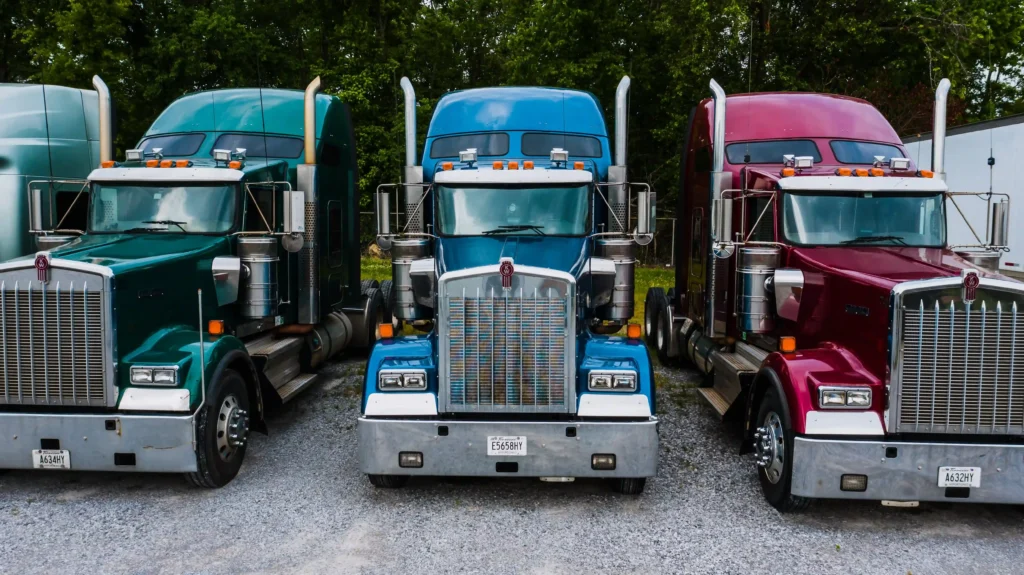
Finding a spot for your semi truck can quickly get frustrating, especially as you approach the end of your daily driving time limit. This is where the desperation starts to kick in. And when it does, you may be tempted to become a bit more ‘creative’ when parking your rig.
And we get this. Finding a secure truck parking lot in the heat of the battle is difficult. However, it doesn’t mean you can park your truck anywhere just because you could not find an overnight parking spot. There are commercial truck parking regulations truckers must obey.
That said, let’s discuss where you can and where you can’t park your semi-truck.
Where Can I Park My Semi-Truck Overnight?
Obviously, a truck parking lot should always be your first choice. Such facilities usually come with robust security measures and useful amenities for truckers, such as showers, bars, or repair shops.
The problem is, though, that such spots can be tricky to find, given their limited number. Also, even when found, there may be no free parking spaces available.
In such instances, you must look for an alternative. Fortunately, there are plenty, including:
Truck Stops While often confused with truck parking lots, truck stops aren’t the same. However, they are still a good option for truckers requiring an overnight parking spot and access to valuable amenities. They tend to fill up quickly, though, especially during peak hours.
Truck Rest Areas Conveniently located along highways, rest areas are a good and free alternative to private truck parking lots. However, they usually offer only basic amenities (if any) without comprehensive security measures. Plus, like truck stops, they tend to fill up fast.
Retail Store Parking Lots Some retail stores and malls allow truckers to park overnight at their parking lots. Walmart is the best-known retailer to offer truckers free parking spaces, although it heavily depends on the store’s management and local regulations.
Commercial Parking Lots Some car parking lots allow truckers to park their rigs. They aren’t as well-lit and don’t come with overly robust security measures and amenities, though.
Truck Parking Restrictions and Regulations
Okay, we’ve covered where you can park your truck overnight. Now, let’s discuss the restrictions and regulations to follow when searching for a spot that isn’t a truck stop or a Walmart parking.
Can I Park a Commercial Truck at Home?
It’s a common question among truckers. And the answer is… no. However, it may depend on the specific city regulations. In most instances, though, cities have strict ordinances restricting semi-truck parking in residential areas and driveways.
The reason for that is to keep these areas safe and visually appealing for residents. Usually, the only exception is parking temporarily for loading or unloading purposes, although that depends on local rules and restrictions. Spending a night is, however, impossible.
What About Parking on the Side of the Highway?
You might be tempted to park on the side of the highway. For those, we have a short answer – DON’T.
Not only is it prohibited to do so, but it’s also incredibly dangerous for you, your rig, and other vehicles. The only valid reason to stop on the side of a road is due to a defect that makes your truck dangerous or impossible to drive or there’s a medical emergency.
Semi Truck Parking Permits and Restrictions
Another thing to consider when looking for a place to park your rig is potential permits. Some areas require a pass to park a truck on the street or in a commercial zone overnight.
Obtaining such a permit may not be cheap, so be sure to explore local laws and policies to find the most cost-effective option. Also, be aware that some cities have dedicated truck parking areas, usually located on the outskirts, to keep the trucks from crowded residential areas.
Potential Fines and Consequences
Parking your semi truck in an authorized area isn’t only ‘not recommended.’ It can lead to hefty fines and even more severe consequences.
For instance, an illegally parked truck can be reported to the Department of Transportation (DOT). This can have a massive impact on your driving record, which may result in job loss and future employment difficulties in trucking.
That said, do yourself a favor and adhere to the strict truck parking rules. It’s more important than you might think.
How to Stay Ahead of the Truck Parking Shortage Problem?
So yes, there’s much to remember when searching for a reliable truck parking spot. The truth is, though, that it’s possible to avoid all this fuss. Just follow these three simple tips.
Plan Your Routes
The simplest way is to plan your route thoroughly. Look at the available stops, rest areas, and parking lots along the way to ensure you can quickly find the closest place to stop and serve your mandatory break.
This approach will provide several parking options, increasing your chances of finding a reliable spot. On the other hand, planning isn’t enough to ensure there’s a space available. Luckily, you have us.
Use a Truck Parking Finder App
Through the Truck Parking Club app, you’ll be able to quickly find and book available spots at reliable private truck parking lots. To do so, simply create a free trucker account, browse truck parking spaces, and book an available spot to ensure you have a place to park your semi truck overnight.
Consider Monthly Truck Parking
If you drive a certain route frequently (more than twice a month), a good idea might be to book a monthly parking spot. That way, you’ll be assured there’s always a reliable parking space available, saving you time and nerves lost on panic searching for a free spot.
Furthermore, while it may seem more expensive than daily truck parking, renting a monthly spot is much more cost-effective in the long run. Browse available monthly parking spots through Truck Parking Club today and stay on top of the truck parking shortage problem.
Wrapping Up
At Truck Parking Club, we know how challenging it can be to find a reliable parking location for your truck. That’s why we created our truck parking finder platform, connecting truckers with private truck parking lot owners. Using our app, you’ll be able to quickly find and book parking spots, ensuring there’s always a place available for you to park your rig.
Also, remember that when unable to find an available parking spot near your route, you can consider truck parking alternatives, such as rest areas or mall parking lots. These, however, may not offer security measures and amenities standard among private truck parking lots. You will also need to adhere to strict local truck parking regulations and restrictions.
All that being said, Truck Parking Club remains your best shot for finding a reliable overnight truck parking space. Become a member today and take your trucking experience to the next level!
The information published herein is for general informational purposes only. Truck Parking Club does not make any representations or warranties about the completeness, reliability, legality, and accuracy of this information. Any reliance placed on such material is strictly at the user’s own risk. Truck Parking Club shall not be responsible for any losses or damages incurred in connection with the information published herein.
Gender imbalance isn’t the only rising issue in the trucking industry – trucking companies expand significantly every year, leading to nationwide shortages of employees. At the same time, women, ready and able to work to fill the supply chain, either miss out on the opportunity or face serious obstacles preventing them from joining the transportation niche.
Keep reading to find out what causes the gender imbalance: unattractiveness of the job or the industry being highly oriented toward male candidates?
How It Started: History of Women in Trucking
A predominantly male-dominated industry of trucking supposedly would never be impacted by women until the real need for it arose. Although trucking jobs were all occupied by men while women were expected to fulfill their roles as home caretakers, female counterparts had to step up their game when men were drafted into the military during World War I.
Trucking was one of many industries where women had to join the workforce while their men fought, and unsurprisingly, they proved to be as capable as their fellows. Sadly, once the war ended and men returned, women were once again expected to continue their traditional role of homemakers.
Even during the relatively short time for the industry, a number of female truck drivers had a strong say in shaping the trucking industry and will always be remembered for their input.
Succeeding in the Male-Dominant Industry
Women truckers who paved the way for future generations despite being outnumbered are just a few but some of the most iconic pioneers in trucking. Thanks to their bravery and competence, they opened up new opportunities in the transportation industry, showing that gender has nothing to do with skill and expertise.
Mary Fields
Mary Fields was better known as “Stagecoach Mary” and was the second woman to be hired by the U.S. Postal Service as a mail carrier.
Fields didn’t have an easy life – she was born a slave around 1832 and had to make ends meet doing all sorts of jobs. Only in her early 60s did she get an opportunity to have, what we call, a secure job with a stable income.
Winters back then were tough, and when her horses and a mule couldn’t carry the stagecoach any farther through the deep snow, she would continue the route on her snowshoes.
Luella Bates
Luella Bates was the first licensed truck driver, effortlessly steering a Model B truck for Four Wheel Drive Company. She received her license in 1920 in New York after dedicating two years to the company during World War I. Out of six other females, she was chosen to become a test driver.
Initially, she was responsible for making parts, and when vacancies appeared, she was chosen to fill one of them within the company. Even after the war ended and the majority of women had to leave their jobs to tend to home, she continued driving across states.
In fact, she was sent on three transcontinental tours to promote that steering a truck was easy since a woman could do it.
Lillie Elizabeth McGee Drennan
Lillie Elizabeth McGee Drennan was another pioneer of female trucking with an excellent driving record.
Drennan got into trucking with her second husband, with who she established a company transporting supplies to oil fields. Drennan Truck Line didn’t take long to expand and grow. After their divorce, Lillie overtook the company and became its sole owner in 1929.
Even as an owner, her position didn’t stop her from acquiring a driver’s license in Texas. However, the Railroad Commission was puzzled about it at first, taking into consideration that Lillie had a hearing impairment.
Throughout her career, Drennan received recognition and awards for her safe driving. In fact, she could even drive 48 hours with no sleep or break for rest. Obviously, we do not encourage anyone to repeat her practices. It’s much more convenient and easier to find a comfy spot to rest your eye with Truck Parking Club.
Mazie Lanham
Mazie Lanham was yet another woman to join the trucking industry during World War II. When men were drafted into the military again and vacancies needed to be filled in, Mazie was the first woman to be hired by UPS in 1943. She was responsible for driving package cars.
Later, the recruitment spread, and more women were hired to sort, route, or load packages.
Adriesue “Bitsy” Gomez
Andriesue Gomez always knew she wanted to become a truck driver. The only thing stopping her from following her passion was not enough funds to sponsor her own truck. She and her three children moved to California, where she worked with trucks but had not yet driven them. She was loading and unloading trucks up until she met another woman who owned one.
She then became a relief truck driver and only later realized how discriminating the industry was. Hence, she established the Coalition of Women Truck Drivers, which was joined by 150 members who collectively fought against sexism and discrimination.
The coalition’s very first achievement was upgrading truck stops with female bathrooms. Their demands for making the industry more female-friendly didn’t stop there. Throughout her career, Gomez was a big role model and an advocate for making trucking more advantageous for women.
Challenges Faced by Women in Trucking
Many prominent women truckers tried to fight discrimination and make the industry more welcoming to female truck enthusiasts. After so many years of women in trucking, there are still a number of issues they face, gender imbalance being one of them.
In the US, obtaining a license doesn’t guarantee you a job. Most trucking companies hire entry-level drivers to co-drive with more experienced colleagues. But here, a couple of problems arise. Due to the inexperience of a new employee, a trainer often makes a decision when it is time for a shower or bathroom break. The same trainer commonly shares a tight small space with a female co-driver that may feel unsafe, especially when they have to sleep close to each other.
In case of sexual abuse, some trucking companies may also require a witness to confirm an incident took place, which is almost impossible in most cases.
It takes a lot of time and effort to afford your own truck and feel safe on the road. And in order to become independent, new truck drivers require another driver to gain experience from.
Other challenges and obstacles women truckers face include harassment and safety concerns, work-life balance, and gender bias, despite more women joining the industry than ever before.
Organizations Empowering Women Truckers
If you are considering joining the trucking industry but aren’t sure of what to expect, there are a number of organizations that provide support and educational opportunities from like-minded women truckers. These organizations include:
The U.S. Department of Transportation helps communities gain new experiences and opportunities with various programs and projects they regularly post.
Women in Trucking is a non-profit organization that helps women realize their dreams of becoming professional truck drivers. The organization offers three different types of scholarships. You can be eligible to receive a one-time payment of $1000 to elevate your skills and expertise in the trucking industry.
Final Word
The historical accounts of pioneering women in trucking, such as Mary Fields, Luella Bates, Lillie Elizabeth McGee Drennan, Mazie Lanham, and Andriesue Gomez, demonstrate that gender has no bearing on skill and expertise in driving trucks. These trailblazers shattered stereotypes and opened doors for future generations of women in the industry.
However, challenges persist. There are organizations that provide support and numerous educational opportunities for women to excel in the industry.
Efforts to promote inclusivity and gender diversity in trucking must continue. It is crucial to challenge societal stereotypes, provide comprehensive training programs, address safety concerns, and foster an environment that values and supports women in trucking.
The information published herein is for general informational purposes only. Truck Parking Club does not make any representations or warranties about the completeness, reliability, legality, and accuracy of this information. Any reliance placed on such material is strictly at the user’s own risk. Truck Parking Club shall not be responsible for any losses or damages incurred in connection with the information published herein.
If you think about it, the words ‘OTR truck driver’ and ‘good night’s sleep’ are rarely used in the same sentence together. For the most part, sleeping in a truck all night is not naturally conducive to deep, heavy sleep.
Rarely will you see a truck driver spring out of a semi cab on a crisp winter morning, looking well-rested and suitably energized, boasting of how they slept like a baby.
That’s not to say it never happens, but it does seem as though there are two extremes when it comes to truck driver sleeping, and as a trucker, you probably fall into one of them: those who spend half the night tossing, turning, and praying to the trucker Gods for a decent bit of shut-eye, and those who will indeed sleep like the proverbial baby.
It’s an aspect of trucker life that lacks middle ground, and if you are a new trucker, it is pretty much a coin toss about which extreme you will fall into, regardless of how well you sleep at home.
Thankfully, however, it is fixable, and we will show you how.
Routine
This is a problem that exists mostly for ‘over the road’ truckers (or OTR, for short), who spend days or weeks away from the comfort of their home bedroom, although regional drivers must also deal with sleeping in a truck from time to time.
For anyone who does have a hard time with truck sleeping, the problem usually stems from a shift in our natural routine. Humans are creatures of habit, and for many people, anything that disturbs our ‘normal’ routine can have knock-on effects in various ways: one of which is how well we sleep.
Solutions
Fortunately, all is not lost, and it can be corrected. If you do have trouble sleeping in the truck and are unable to enjoy a well-earned rest, there are a few things you can do that will greatly improve your chances of successfully hitting the hay.
And we are not just talking about counting sheep, although, if that helps, more power to you.
Through this blog post, we are going to suggest 10 things that will help you achieve a far better night’s sleep. One or two of the suggestions might be a little obvious (although you would be surprised how commonly overlooked they are), while a few of them might be things you have never tried before but probably should.
Either way, this blog post aims to help with your truck sleeping woes. But first, we should state a few truck sleeping essentials that will help you avoid extreme levels of drowsiness.
Main Steps to Combat Drowsiness
Get Sufficient Rest
Always aim for a minimum of seven hours of slumber every night. Inadequate or disturbed sleep is a primary culprit behind tiredness when driving, and anything less than six or seven hours will contribute to that.
Abstain From Alcohol
This is quite an obvious one that you almost certainly do not need reminding of, but let’s put it out there anyway: consuming alcoholic drinks can, of course, lead to sleepiness. Driving a truck post-alcohol consumption is a strict no-no.
Review Your Medications
Certain drugs can enhance feelings of drowsiness, so make sure you inspect the labels of your medications for any potential side effects. In most cases, your healthcare professional can suggest alternative meds that do not come with drowsy side effects.
Caffeine Is Your Friend
Consider indulging in a cup of coffee (or another caffeine-rich beverage) for that welcome jolt of momentary energy when you need it. Caffeine isn’t a long-term solution for fatigue and doesn’t replace genuine rest, but it will help occasionally.
The trick is to abstain from coffee for a few days and only drink it when you need to. If you can, avoid that daily first-morning cup and treat coffee more as a weapon in your truck-driving armory than a habit.
Do not consume any caffeine 6 hours before bedtime, though.
Short Bursts of Sleep
A brief 20-minute ‘power nap’ can work wonders in firing up your energy levels. When exhaustion hits, find a secure spot to park and indulge in a well-earned sleep. Set a timer for 20 to 30 minutes to ensure you don’t oversleep.
Short naps provide a whole list of fatigue-busting benefits, such as improved cognitive function and the restoration of alertness, all while resetting your reaction times.
10 Tips For Better Truck Sleeping
Now, let’s take a look at more specific tips and tricks for sleeping in a truck. Again, most of these tips apply to OTR truckers who have actual truckers sleeping quarters and spend regular nights away from home.
local and regional drivers can also benefit should they spend the occasional night away from home.
Select the Right Parking Spot: The choice of your resting place greatly affects your sleep quality. Ramp parking might seem like a bright idea at the time, but if you are going to spend half the night worrying about someone hitting your trailer, you are not going to sleep too great.
Always avoid sleeping on road shoulders and on-ramps, which are a possible safety threat and could lead to fines. For the best truck driver sleeping conditions, aim for truck stops, travel plazas, designated rest zones, or private parking (more on that towards the end of this guide)
Improve Your Sleeping Area: Given that sleeping in a truck is part of your daily life, investing in your semi truck sleeping area (or whatever rig you are driving) is a wise move. A luxurious pocket-sprung mattress or a nice latex topper can make an incredible difference to your sleep.
Expensive? Yes. But so very worth it. Especially if it means increased sleeping hours each week. A high-quality mattress can make a remarkable difference to that.
Personalize Your Bedding: Although truckers sleeping quarters may never match the homely comfort of your own bedroom, a touch of customization can make a surprising difference.
Consider upgrading to plush pillows or duck-down bedding. Weighted blankets can be particularly therapeutic, proving helpful for many truckers who use them.
Ensure Darkness with Shades: There are times when truckers need to rest during daylight hours or maybe under glaring depot lights. Installing curtains or shades can keep your truck sleeping environment dim, signaling to your body that it’s bedtime.
For those stubborn rays of light, an eye mask might be a worthy addition to your bag of sleeping tricks.
Noise Control: The hustle and bustle of the outside world can easily penetrate the walls of your semi-truck sleeping area. Combat these disruptive noises by using foam earplugs or trying a white noise app.
They actually do work very well for most truckers who have tried them, forming a digital barrier against outside noise, including barking dogs, beeping horns, and loud chatter.
Keep Devices Away: To ensure a peaceful rest, switch your phone off or use the silent feature. For urgent matters, assign certain contacts as “priority,” so their calls or texts can still reach you.
Limit Pre-Sleep Screen Time: The stimulating blue light emanating from our screens hinders the secretion of melatonin, our sleep-inducing hormone. Swap your nightly scroll with more sleep-friendly activities, like reading a magazine or a good book. It makes a difference, really.
Start a Sleep Ritual: When the day’s trucking is over, and you are preparing for a sound sleep in your truck, sticking to a nightly routine signals your brain that it is time to unwind.
Simple rituals, whether it’s cleansing your face, slipping into pajamas, or brushing your teeth, can become cues that prompt a restful night in the truck’s sleeping quarters.
Don’t Push Yourself: Pushing yourself to the brink of exhaustion on the road might lead to a deceptive ‘second wind’ type of feeling, but will not help you later in the day when it is time to sleep.
This unnaturally forced state masks your attention and slows reflexes, making potentially lethal and unexpected micro-sleeps likely. Even if you feel alert, your actual performance is compromised. For the safety of everyone on the road, recognize and respect your body’s limits.
Mind Your Night-Time Nourishment: For many truckers, staying awake requires a little ingenuity, and as noted earlier, caffeine can really help. However, you need to regulate caffeine consumption. That mid-afternoon energy boost is a potential sleep disruptor come nighttime if you go too overboard.
By the same token, truck drivers should steer clear of rich or spicy evening meals and curb nicotine use before bedtime. This one, in particular, makes a huge difference. So many truckers eat immediately before bed, and it is a terrible practice for so many reasons, including sleep.
Why Good Sleep Matters For Truck Drivers
Obviously, sleep matters for everyone. But there are certain professions and occupations that could lead to dangerous situations if a good night’s rest has not been had the night before.
For example, doctors, pilots, train drivers, and law enforcement officers (to name only a few) all require good sleep routines in order to perform professional duties safely. Truck drivers probably sit near the top of that list, second only to pilots.
Skimping on sleep doesn’t only result in truck driver drowsiness, however. It has lasting effects on overall wellness, both mentally and physically.
Physical Well-being
Alarmingly, and according to various studies and reports, almost 70% of long-haul truckers struggle with obesity, together with an elevated risk of high blood pressure and diabetes.
Lengthy sedentary hours coupled with scarce access to exercise and wholesome food are the obvious factors here and always have been in this industry.
Sleep deprivation only serves to exacerbate the issue. A poor night’s sleep, coupled with any other possible health issues, could equal a potential timebomb for some truckers. While these other health factors can be addressed, they take time to fix – usually through diet, exercise, and medication.
Sleep, however, is something that your average truck driver can remedy immediately by making a few adjustments here and there and improving sleep patterns right away.
Drivers and Drowsiness
Factors like nighttime driving can naturally induce feelings of sleepiness, making droopy eyelids while driving a real concern. Combine this with extensive stretches of road, and you’ve set the stage for sleep-deprived driving.
But there’s more. Truckers face cramped spaces, scanty access to healthy meals, limited mobility, and even subpar bedding. Proper healthcare? Another challenge on the long-haul road.
As a truck driver, if you can find a way to improve your sleep – using any of the methods suggested in this blog post – we really encourage you to do so. A solid 7 or 8 hours of deep, comfortable, undisturbed rest will put a real dent in those awful feelings of sleepiness during late and long stretches of driving.
Safe & Secure Truck Parking
We did mention this briefly as our first tip, but this is a point that definitely needs discussing in a little more detail because, without a good parking spot, all other efforts at having a solid night’s sleep could be rendered useless.
In other words, none of the previously suggested tips are going to help you if your overnight parking spot is a poor one. Good parking is the absolute key to a good night’s rest.
That is where we can help you, and we will get to that. But first, why is your truck parking spot so important?
Finding Good Parking Is Becoming Harder
If it seems like there are more trucks on the road these days, that’s because there are. Way more, In fact. With just under 14 million trucks (weighing over 10,000 pounds) registered in the US, there is a notable increase from just a decade or two ago.
That’s a lot of trucks, and they all need a parking spot.
Couple that with increasingly crowded freight corridors and a surging increase in freight movement, and you have a real problem when it comes to truck parking.
Never-Ending Lot Circling
In years gone by, truck parking was never a serious issue. Seasoned drivers would usually highlight truck parking spots in an atlas and keep an old notepad full of handwritten notes on good spots to park. It was simple, effective, and without worry.
Those days are now gone, as most rest stops and travel plazas are full by late afternoon, and even more risky parking spots, such as exit ramps, are ‘nose to tail’ at certain times of the day.
Truck drivers seem to spend half of the day nervously keeping one eye on the clock as they worry about finding a good place for sleeping in the truck, hoping to avoid a dreaded HOS violation.
Arriving at a truck spot past 4 or 5 pm usually leads to endlessly circling the lot, hoping to get lucky with a spot that no one else has noticed.
The situation is far from ideal, to say the least.
Where Do Truckers Sleep?
So, with the problem only growing worse, where do truck drivers sleep these days? With truck spots so constantly full and even Walmarts often at capacity, many drivers turn to more risky parking spots, such as highway ramps.
Aside from being dangerous, this often leads to law enforcement angrily rapping the driver’s window at ungodly hours, waking drivers from their well-earned slumber.
But it gets worse. Many drivers are now taking a chance on private land, bridge underpasses, and even secluded or remote areas: none of which are safe, and some of which are illegal.
Simple & Effective Solution
You know, It really doesn’t have to be quite so difficult.
By using Truck Parking Club, drivers can now stop worrying about truck parking and put an end to the endless search for suitable, safe, and comfortable spots.
Our user friendly online platform places property owners who have secure parking available, with truckers in need of reliable parking: all in real-time.
Truckers now have a range of parking options all over America – displayed live on an interactive map – meaning no more stressful circling parking lots or racing against the clock.
You simply browse, book, and secure your space either in advance or on the spot. It’s completely effortless, and with rates starting at $8 per night, it’s also great value.
Tailored Amenities
With Truck Parking Club, drivers also have instant access to handy information about each parking location’s amenities. From well-lit areas and security systems to repair shops, truck washes, restrooms, and eating facilities, drivers now have the power to choose what suits them best.
Peace of Mind
Truck Parking Club ensures that your reserved spot is truly yours when you arrive. Real-time availability tracking guarantees that your chosen spot will be ready and waiting without argument.
Plus, every listed location is internally vetted for your safety and convenience. With Truck Parking Club, you can trust that your rest break will truly be restful.
Bottom Line
By making a little extra effort, it is possible to achieve a good night’s rest while out on the road. You deserve it, after all, and so you should do everything within your power to achieve it.
That includes securing a safe parking spot – without too much effort. Don’t let parking hassles overshadow your hard work on the road. Join Truck Parking Club today and enjoy the sheer freedom of secure, convenient, and hassle-free parking.
The information published herein is for general informational purposes only. Truck Parking Club does not make any representations or warranties about the completeness, reliability, legality, and accuracy of this information. Any reliance placed on such material is strictly at the user’s own risk. Truck Parking Club shall not be responsible for any losses or damages incurred in connection with the information published herein.
Becoming a truck parking owner can be rewarding and highly profitable, especially in today’s trucking industry landscape, where each truck parking space is worth its weight in gold.
Indeed, if you have an available property that you can turn into truck parking, now is the time to do it. And while it will require some effort, opening a truck parking spot in the right location can be an incredible source of revenue.
Location is one thing, though. If you want to make the most out of your truck parking business, you’ll also need to ensure that truckers receive all the care and attention they need. In other words, you’ll need to invest in the right amenities.
And sure, it might seem like an unnecessary effort. After all, a truck driver in despair will park anywhere. However, investing in additional amenities will allow you to – A, charge higher parking rates, and B, attract more drivers (including recurring ones!).
Which amenities will help you maximize your truck parking revenues? Let’s take a look.
#1 Showers
There’s nothing better than a hot shower after ten hours on the road. Providing truckers with a place where they can shower and satisfy other cleaning and toilet needs is a must-have for any truck parking location. Or, at least, it should be.
As for whether you charge for shower services, that depends on you. Many parking lots, for instance, require some kind of a refundable deposit for using showers. One thing for sure is that truckers will more than appreciate a chance to take a refreshing shower, increasing the chances of them stopping at your parking lot.
#2 Bar/Restaurant
This one is a no-brainer. If you want to attract more truckers to stop by and park at your lot, investing in a bar or restaurant is one of the best ideas you can have.
First of all, it adds a lot of convenience to trucker’s stay, allowing them to enjoy a hot meal or their favorite beverage. Secondly, it provides your lot with an additional source of income, allowing you to charge for meals and drinks in addition to parking fees.
Plus, of course, having a bar or restaurant works like a magnet, attracting more truckers willing to stay at your lot. So yes, even if it requires more major investment, building a bar or renting a part of your space to accommodate one is an excellent way to maximize your truck parking business earnings.
#3 Wireless Internet
Offering free Wi-Fi should be a standard among truck parking lots and stops. Yet, many locations have yet to introduce it. And while it might seem like an insignificant detail, letting truckers use free Wi-Fi adds another layer of convenience to your parking lot.
Using it, truck drivers will be able to relax by watching movies, TV shows, or sports events. They’ll also be able to scroll through social media without sacrificing the data packages needed for their daily navigation and road updates.
Furthermore, it’s an amenity that doesn’t require significant investments, providing your truck parking lot with a boost without putting a dent in your finances.
#4 Laundry Service
Many truckers spend weeks on the road, and there are only as many clothes as they can fit into their rig. Offering truck drivers a chance to do their laundry while at your parking lot is, therefore, a massive advantage.
On the one hand, investing in several washing machines, dryers, and folding tables may be costly. On the other hand, it will allow you to earn extra bucks as you can charge a fee for using a laundry service.
#5 ATM
Many truck drivers prefer to have cash on hand for various expenses, such as fuel, food, tolls, and parking fees. An ATM at the truck parking facility allows them to easily withdraw cash without leaving the area, reducing the need to search for nearby ATMs or banks.
Additionally, truck drivers with ready access to cash are more likely to spend money on services and goods offered at your truck parking lot, such as showers, restaurants, convenience stores, and maintenance services, contributing to your revenue.
Take Your Truck Parking Business to the Next Level
Of course, there are many more amenities you can introduce to your parking lot, such as gas stations, driver lounges, convenience stores, or even a gym. You should also ensure proper security measures and provide truckers with enough parking space.
By investing in such amenities, you’ll be attracting more truckers to your parking lot while also diversifying your parking revenue streams.
And to take full advantage of your truck parking business, sign up for Truck Parking Club, where you can list your parking lot for truckers to book and join hundreds of other truck parking owners who make our community.
Together, we can build a better future for the truck parking landscape!
The information published herein is for general informational purposes only. Truck Parking Club does not make any representations or warranties about the completeness, reliability, legality, and accuracy of this information. Any reliance placed on such material is strictly at the user’s own risk. Truck Parking Club shall not be responsible for any losses or damages incurred in connection with the information published herein.
As a truck driver, you know better than anyone how frustrating finding an available truck parking space can be in the US. The issue here, though, is that, unlike ordinary drivers, truckers can’t spend hours cruising around searching for a spot.
You have to follow DOT Hours of Service. If you fail to comply, you’re toast. That’s why the nationwide shortage of truck parking spaces is more than just an inconvenience for truckers.
And while many entities are doing everything in their power to solve this problem (including ourselves at Truck Parking Club), the demand for truck parking spots is still several times higher than the supply.
However, this issue has become much more severe in some states and areas than others. Here are the top US states and regions with the worst truck parking availability.
US Areas with the Worst Truck Parking Availability
Some time ago, Trucker Path posted a report regarding the areas with the lowest truck parking availability. It based its ranking on the app user data. More specifically, the company looked at where truckers report “no parking spaces available” the most.
Their findings were surprising to some, with the Southeast earning the infamous title of the #1 worst US region for truck parking, followed by the Northeast and South Central.
Here’s a more detailed look at the report’s findings:
Southeast – no parking available reported 23% of the time.
Northeast – no parking available reported 21% of the time.
South Central – no parking available reported 20% of the time.
West – no parking available reported 19% of the time.
Midwest – no parking available reported 17% of the time.
North Central – no parking available reported 15% of the time.
So yes, it’s the Eastern Coast that seems to be the least truck parking-friendly US region. What are the reasons for that? High traffic and dense metro areas are probably the leading causes. Many people there also have the NIMBY (not in my backyard) attitude, which makes developing new truck parking locations more challenging.
10 Worst States for Truck Parking
When it comes to the worst states for truck parking, there are numerous studies and polls out there, with each displaying different results. Still, some states come up more frequently than others.
After analyzing these polls and performing our own research, here’s the list of the top 10 worst states for truck parking:
Many truckers also mention California, New York, New Jersey, and Florida as some of the states with the highest truck parking shortage. There’s also the difference between day and night parking availability, with more truckers struggling to find parking spaces at night due to higher demand.
Long story short, the issue of the US truck parking shortage is incredibly complex. And while most states struggle with the lack of truck parking locations, the ones above are mentioned the most frequently as the states with the worst truck parking availability.
How to Find Truck Spaces in These Areas?
So yes, finding available truck parking spots in these states isn’t an easy task. Well, what happens if you find yourself there when on the road? How do you find an available truck parking spot in an area known for lacking truck parking spaces?
The answer is Truck Parking Club.
As one of the leading truck parking platforms in the US, we aim to connect truckers with reliable truck parking owners nationwide. Whenever you struggle with finding a truck parking space near you, you can quickly find and book available spots via Truck Parking Club, no matter the state.
All it takes is to create your free trucker account. Once you do that, you’ll gain access to all our platform’s features, allowing you to browse and book truck parking spots, both in real-time and in advance.
Wrapping Up
The US truck parking shortage is a nationwide problem. Still, some states struggle with worse truck parking availability than others, making it incredibly challenging for truckers to find available spaces to spend their mandatory sleeping breaks.
This is where the idea for Truck Parking Club came from. We strive to build a community of truckers and parking owners, creating a safe and reliable space for property owners to list their truck parking locations truckers can then quickly find and book.
So, whenever you find yourself in any of the above states struggling to find an available truck parking space, you can rest assured you will find one through Truck Parking Club. Create your free trucker member account today and become a member of the ever-growing trucking community!
The information published herein is for general informational purposes only. Truck Parking Club does not make any representations or warranties about the completeness, reliability, legality, and accuracy of this information. Any reliance placed on such material is strictly at the user’s own risk. Truck Parking Club shall not be responsible for any losses or damages incurred in connection with the information published herein.
Choosing the right parking arrangements for your rig is a crucial aspect of every route for any truck driver. You want to rest easy, knowing that you’ve got a parking space booked and waiting for you as you get out on the road.
In recent years, booking a truck parking spot for an entire month has gained quite a bit of popularity, especially among over-the-road (OTR) truckers. Is it really that much of an upgrade over simple daily reservations? Well, that depends on who you ask. In this article, we’ll go over both truck parking options and help you decide which one is right for you.
Monthly and Daily Truck Parking At a Glance
The key difference between monthly and daily truck parking is, of course, the duration of your reservation. The latter allows you to book a spot just for the next 24 hours. The former, on the other hand, lets you keep a parking space for an entire month, giving you the freedom to stop your rig there whenever you want over the next four weeks.
So, which option is better? There is no definitive answer to this question. It all depends on the type of trucker you are, your typical routes, as well as your budget. Below, we’ve outlined some of the main advantages of both choices. They should give you a surface-level idea of what to expect.
Benefits of Daily Truck Parking
Flexibility: When you book daily truck parking spots, you are not tied to a single location. You can freely change up your rest stops depending on your current needs. Sometimes, you might want to opt for the cheapest facility, with just a parking space and a bathroom. During longer routes, you might decide to stop at a place that also offers a wider choice of food options, a store, gas station, and other facilities.
Lower upfront costs: With prices starting at roughly $10 per day, daily truck parking reservations are great if you don’t want to spend too much money upfront.
Great option for local and regional truckers: As a local or regional trucker, your routes are significantly shorter, you frequently make a few deliveries per day, and often have a brief rest stop at the end of each one. Most local truckers sleep at home every night, and simply have no need for lengthy stays at a truck stop. Regional drivers do spend a fair bit of time away from home, but not as much as to warrant booking a parking space for an entire month. That’s why daily truck parking is a great choice if you’re never on the road for weeks at a time.
Benefits of Monthly Truck Parking
Long-term savings: While you’ll have to shell out a few hundred dollars upfront for your monthly truck parking reservation, the actual price per day is much, much cheaper than what you’d pay if you were to book the same parking spot for 24 hours each time you needed it. Even if you don’t use it every day (let’s face it: you most likely won’t), you’ll save a fair bit of money.
Route optimization: Knowing that you have a pre-booked parking spot for the entire month allows you or your dispatcher to plan your route ahead of time so that you’ll drive past the truck stop on your way to the final destination. It will save a lot of time that you’d otherwise have to spend to get to a new parking space every time you get out on the road.
Fantastic value for OTR truckers: As an over-the-road trucker, you spend days on end driving your rig across multiple states or even making coast-to-coast deliveries. These long hauls can get exhausting. Having a steady place to stop along your route can go a long way in ensuring that you’re well-rested and ready to take on the remainder of your route.
Daily vs. Monthly Truck Parking Cost Analysis
The benefits we just listed above are all quite important aspects of deciding whether to go for a long- or short-term truck parking solution. However, most of them will go right out of the window if the choice doesn’t make financial sense for you.
To help you assess the costs of daily and monthly truck parking, we’ve put together this real-life example of parking space available at Truck Parking Club. Use this analysis as a template for your future decisions – it will help you gauge whether or not to go for monthly or daily truck parking at other facilities.
Hazelwood, Missouri Truck Parking Example
One of the many Missouri properties listed in our service offers daily and monthly truck parking at a large lot in Hazelwood. The daily price is $25, whereas if you want to rent it out for a full month, it will cost you $200.
To choose the most financially reasonable option, you’ll need to ask yourself the following question: how many times do I expect to need this space in the coming month?
Let’s say that you expect to need a pit stop in this part of Missouri at least 9 times in the next 30 days. Let’s do the math:
9 x $25 (the daily rate) = $225
This is $25 more than the price of a monthly truck parking reservation at this Hazelwood, MO property. Therefore, in this particular scenario, the answer is simple: go for the monthly arrangement. That way, you’ll pay less for the nine times you expect to use this stop. On top of that, you’ll have plenty of additional stays for the same price, should you end up needing them!
Always estimate roughly how many times in a month you’ll need a parking space in a particular area before making the final decision. This is the single biggest factor that will help you decide on the arrangement you should make. And if, by any chance, you’re in need of truck parking in Missouri, check out the listing we’ve based this cost analysis on by clicking here.
Truck Parking Club: Your Long- and Short-Term Truck Parking Solution
Whether you’re looking for daily, weekly, or monthly truck parking solutions, Truck Parking Club has got you covered! We operate in most states in the US, and our already long list of available parking spaces is being constantly updated with new facilities.
Our mission is to provide safe, affordable, and convenient parking for hard-working American truckers, all the while helping landlords monetize their vacant properties. Download our app today and find out for yourself how easy it can be to find a parking space with Truck Parking Club!
The information published herein is for general informational purposes only. Truck Parking Club does not make any representations or warranties about the completeness, reliability, legality, and accuracy of this information. Any reliance placed on such material is strictly at the user’s own risk. Truck Parking Club shall not be responsible for any losses or damages incurred in connection with the information published herein.
If you drive trucks for a living, then one of the most pertinent questions you are likely to ask yourself is, “Where can I park my truck?” This is one of the most common questions among truck drivers, who often find themselves far from home and may not know safe areas where they can park their trucks.
In this article, we will take a look at some of the most commonly asked questions, like “Where can I park my truck for free?” and answer the question, “Where can I park my truck near me?”
Things to Consider about Safety
When you’re on the road, you’re pondering the question, “Where can I park my semi-truck overnight?” You need to take into consideration the safety aspect of parking your truck.
There are many places where you can legally park your truck, but that doesn’t mean that each of them is a safe option. Whenever you’re parking your truck in a location to get a night’s rest, you should always ensure that you take basic safety precautions such as:
Checking your surroundings for any types of suspicious activity
Ensuring that you only use well-lit areas that aren’t too far from other people
Locking your doors and windows when you are outside the truck
Remaining vigilant at all times and parking in such a way that you have an unobstructed view of the area around you.
When trying to choose a place to park your truck overnight, you may also want to consider using facilities that offer the following:
24/7 on-site security
Dedicated truck stops or truck parking areas
Parking that has plenty of lights, preferably with backup power
Other security measures you may wish to take include surveillance systems, wheel and tire locks, alarm systems, and GPS tracking devices.
Where Can I Park My Semi-Truck Near Me? Suggested Options
There are many different places where you could potentially park your truck. However, some of these are safe, while others aren’t. Additionally, some of them are legal, while others are not.
For instance, in most regions and jurisdictions, it is not legal to park your truck in a residential area or driveway. This is because most residential areas have strict bylaws regarding safety and appearance.
While you should always check regional bylaws before parking anywhere, have a look at some of our favorite possible places to park your truck overnight.
Truck Stops
Naturally, one of the most obvious places to park your truck overnight is at a truck stop. These specifically designated areas offer wide open spaces where trucks can park for the night or for other parts of the day as required.
Depending on the specific truck stop, it may give you access to a range of facilities, including a diner or an outdoor cooking area. More often than not, they’ll also incorporate bathroom facilities, even if they are in the form of porta-potties.
Mall Parking Lots
Several different chain stores are more than willing to allow truck drivers to spend the night in their parking lots. One advantage of this kind of arrangement is that most retail lots have 24-hour security. Typically, these parking lots will also have extremely good lighting.
It’s worth considering that you may need to get permission from store management before spending the night in your truck in their parking lot.
It’s worth noting that most chain stores leave the ultimate decision about whether truckers can use their lots over to the individual store’s management. For this reason, you can’t simply assume that you can park in any Walmart or Costco parking lot.
Commercial Parking Lots
Paid parking lots are another option if you simply want a place to spend the night. While they’re generally safe and have security, they may not be as well-lit as a truck stop or mall parking lot. Additionally, they really don’t have anything along the lines of amenities. You’ll have to travel to a nearby store or other institution to find bathroom and dining facilities.
Rest Areas
Another useful option for a place to park your truck overnight is rest areas, which can be found along most major highways. Generally, there are no charges associated with this kind of rest area. Additionally, you won’t have to deviate from your set route in order to reach them.
The downside to using these rest areas is that they rarely have access to either dining or bathroom facilities.
Monthly Truck Parking Rental
If you know that you’re going to be in an area regularly and require a parking space for your truck, it might be worth considering a monthly parking rental. This means that you’ll pay a once-off fee every month and always have a safe, secure location to park your truck.
This is especially worthwhile in the city where you have your home base if you run regular short routes rather than long cross-country trips.
The advantages of using this type of longer-term parking arrangement include the following:
These facilities generally have excellent lighting
Most truck parking rental companies have 24/7 security
You’ll have a reliable and consistent place to park your truck
Truck parking that’s available for long-term rental will be sized to an appropriate dimension for semi-trucks
Naturally, the disadvantage of this kind of arrangement is that it is not a practical solution for parking your truck for only one night.
Construct a Varied Schedule
One of the most practical options for parking your truck overnight is to use a variety of different potential rest areas. If you plan your route well, you should be able to take advantage of an array of different options.
By combining some or all of the options listed above, you should be able to find somewhere to sleep each night at little to no cost.
The downside to such a haphazard approach, of course, is that there may not be any spots available by the time you reach a specific rest area, truck stop, or parking lot. It would be a lot better if you could plan your sleeper berths ahead of time so that you’re assured of a place to sleep each night.
So, how do you plan and find where to park your truck overnight? Well, you could use the Truck Parking Club app or service.
Using The Truck Parking Club App
One excellent way to ensure that you have a place to park your truck before you hit the road is to book your spaces in advance. While you could just go on the internet and search for “places to park my truck near me,” the Truck Parking Club service is a lot more convenient.
Simply enter the places on your route where you’d like to park for the night, select one of the available options, and book. It really is that simple.
By using the app, available on both iPhone and Android, you can choose to book your spot ahead of time or even earlier on the same day. This means that you’ll always be assured of a place to spend the night.
If you’re a planner and know when your route will take you where, you can even book sleeper berths for your entire trip ahead of time.
Final Thoughts
If you’ve been wrestling with the question, “Where can I park my truck overnight?” your questions have now been answered. There are many safe, legal places where you can park your truck overnight.
From truck stops to rest areas, commercial parking lots, and retail parking lots, there are many options. However, you have no guarantees that you’ll manage to find a spot once you reach one of these places.
Another option worth considering in towns that you visit regularly is to take advantage of monthly truck parking rental companies. This is ideal for your home base or towns that you visit regularly on your routes.
Additionally, not every retail store in a chain allows truckers to use their parking lot. So, just because there’s a Walmart or a Costco in an area doesn’t mean you’ll definitely have a place to sleep.
For these reasons, and more like them, it’s always better to plan your route and intended parking spots before you leave. You can do this quickly and easily using the Truck Parking Club app.
FAQs
Where Can I Park a Truck Overnight?
There are many places where you can park a truck overnight. Some of the most commonly used include rest areas along highways, truck stops, commercial parking lots, and the parking lots of retail stores.
Overnight Truck Parking at Walmart?
If you’ve been asking, “Does Walmart allow overnight truck parking?” The answer is usually yes. However, it’s worth bearing in mind that you may have to get permission from the particular store’s management.
Overnight Truck Parking at Costco?
Many Costco stores will allow truck drivers to park in their lots overnight. However, as with Walmart, you’ll need to check with the management of the particular store where you want to park.
The information published herein is for general informational purposes only. Truck Parking Club does not make any representations or warranties about the completeness, reliability, legality, and accuracy of this information. Any reliance placed on such material is strictly at the user’s own risk. Truck Parking Club shall not be responsible for any losses or damages incurred in connection with the information published herein.
Truckers make the world go round. From food items, through clothing, all the way to critical gear and equipment, everything that our society needs to function correctly is, at one point or another, delivered to its final destination by truck.
The supply chain is much more complex than most people think. Aside from all of the strategic, logistic, and economic implications, one of the most overlooked factors affecting deliveries are the road conditions and facilities available to truck drivers. Parking, in particular, plays a major role.
According to numerous sources, the US has found itself in a truck parking shortage. If it goes on for too long, this shortage can have dire consequences for supply chain management, and, perhaps more importantly, the safety and well-being of truck drivers.
Truck Parking Shortage: Key Facts
The Owner-Operator Independent Drivers Association reports that there is currently a shortage of over 40,000 parking spaces nationwide
To put things into perspective, for every 11 truckers currently on the road, there is only 1 available parking spot
Over 50% of Americans are unaware of the truck parking shortage and its potential consequences
More than 90% of truckers claim that the shortage of parking spots is having a negative effect on their quality of life while on the road
The Impact of Truck Parking Shortage on the Industry
The availability of safe and legal truck parking is more important to the logistics of global supply chains than you might think. Without enough spots to take a break at, truckers are forced to make decisions that are detrimental both to themselves and the shipment they’re currently transporting.
Delayed Deliveries
When a truck driver finds themselves unable to make pit stops within the recommended time frames, they’ll have to drive for much longer stretches of time, which in turn inevitably leads to a prolonged period of rest whenever they do find an available parking spot. The result? Delayed deliveries of shipments. In most industries, even the slightest hiccup can set an entire supply chain way off schedule, resulting in product shortages and production delays.
Logistical Challenges
Every single delay is accounted for, with no small challenge to the fleet managers, who are responsible for organizing the flow of trucks and their shipments in a timely manner to meet deadlines.
Without enough parking spots, they’ll have to plan different, often longer routes to ensure that there will be enough places for drivers to stop at. Longer routes mean even further delays, and with the scale of the truck parking shortage reaching such vast proportions, fleet managers find themselves stuck between a rock and a hard place.
Increased Environmental Impact
Fewer parking spots mean more trucks having to stay on the road for extended periods of time. This, of course, means an increase in greenhouse gas emissions. The impact of an additional few hours of driving time for one truck may seem insignificant. However, we need to bear in mind that for every trucker who snags an available parking space, there are ten other drivers who need to stay on the road.
With an average of 8 million trucks being en route at any given time in the US, the truck parking shortage is a perfectly avoidable and unfortunate problem that contributes to a fair amount of the industry’s greenhouse gas emissions.
Larger Costs
The increase in expenditures due to the truck parking shortage affects everybody along the supply chain, from the drivers themselves all the way to distribution companies. Truckers are oftentimes forced to park at places where rest stops are not permitted, and run the risk of receiving a hefty fine. Their employers, on the other hand, might be subject to refunding the shipping costs to clients.
Finally, the cost of the shipped materials needs to be factored in, as well. In many cases, truckers transport time-sensitive goods, such as event equipment or merchandise, which simply goes to waste when not delivered in time, incurring significant costs on the client’s side.
Truck Drivers Face a Truck Parking Shortage, and It’s Putting Them at Risk
We know that the truck parking shortage affects everyone along the supply chain. From distributors through manufacturers, all the way to the customers, the lack of parking spaces for truckers causes delays that result in significant costs for everybody.
Of course, the ones who suffer the most from this situation are the truck drivers. Shipment delays aside, the lack of available rest stops makes truckers’ jobs more difficult and dangerous than it already is.
There are strict rules regarding how long a trucker can drive for:
For every 8 hours of driving, they need to take a 30-minute break
After 14 hours on duty, a trucker needs to rest for at least 10 hours
These rules are not just a bureaucratic requirement. They are there to protect the well-being and safety of truck drivers in the United States. However, in order for them to be able to get their much needed rest, they need to have a safe, legal place to park their truck. These days, this is easier said than done, leaving many truck drivers forced to ride on for much longer than 8 hours at a time, frequently exceeding their on-duty time far beyond the 14 hours.
Without getting enough rest, one’s ability to drive safely decreases substantially. This, in turn, creates unsafe road conditions, putting the truckers and everybody around them at risk of totally avoidable accidents. Even if they do manage to drive safely over prolonged periods of time, it comes at the cost of increased stress levels, which is greatly detrimental to a person’s physical health.
Simply put, the truck parking shortage is everybody’s problem. We simply cannot afford to have whole fleets of trucks being operated by overworked drivers who’ve been driving for way too long through no fault of their own.
Truck Parking Shortage Solutions
How do we go about solving this massive issue? The US Congress has proposed a fix in the form of allocating $775 million to creating new truck parking spots and expanding the existing ones under the Truck Parking Safety Improvement Act of 2021. You’d think that such a truckload of money (pun very much intended) would at least alleviate the problem a bit, right?
And yet, fast forward two years later, and the truck parking shortage is still raging on, affecting millions of currently active truckers in the US. It’s clear that the Federal government isn’t doing enough to resolve the shortage despite earmarking hundreds of millions of taxpayer dollars for the cause.
This is not to say that the public sector is completely useless. There have been certain state-wide solutions that seem to work quite well in terms of helping drivers find a parking spot, such as:
The Truck Parking Information Management System: States like Indiana, Kentucky, Wisconsin, and Iowa, among others, have implemented a digital system that gives truck drivers the ability to look up up-to-the-minute information about the availability of parking spaces along the main routes. It seems to work quite well, as evidenced by the fact that California, New Mexico, and Texas are working to implement this system, as well.
Property conversion in Arkansas: Arkansas is a state where the truck parking shortage is particularly high. The state’s Department of Transportation has distributed significant amounts of funding to properties like welcome centers and inspection stations so that they can add truck parking spots to their facilities.
Local investments in Canada: Provincial governments in Canada have radically increased their funding for building new parking spaces along the major freight routes, as well as expanding the spaces available at the ONroute travel plazas.
As you can see, local governments are more than capable of deploying effective solutions to the truck parking shortage crisis, greatly helping countless truckers in dire need of rest stops. While these efforts are definitely a step in the right direction, more still needs to be done. This is where private solution providers step in. Governmental programs are important, but business initiatives have proven far better at expanding trucking infrastructure and making things easier for drivers on the road.
Truck Parking Club: a Quick, Convenient Way to Find Parking
Here at Truck Parking Club, we strive to help drivers find conveniently located truck parking near their current location. If you’re a trucker, our website or mobile app will help you quickly locate a parking facility with a variety of amenities. We keep on expanding our available parking spaces through cooperation with property owners across all of the United States.
If you own a vacant property and want to monetize it without too much hassle, contact us! We can help you transport it into a vibrant truck parking facility, turning it into a steady, reliable source of passive income. All you’ve got to do is create an account with Truck Parking Club and list your property as a host. By working with us, you’ll contribute to alleviating one of the most pressing issues that the trucking industry faces today.
How to Find a Parking Spot With Us
On the road and struggling to find a rest spot? With Truck Parking Club, you can find an affordable, convenient parking space in a matter of minutes. There are a few ways to go about it. You can:
Use our Android or iOS application to book a spot
Head over to our website and find a space on the map
Call (888) 899-7275, inquire about availability in your area, and make the arrangements on the phone
Truck Parking Club: a truck parking shortage solution that works
On average, American truckers spend 56 minutes per day looking for an available parking spot. With ever-growing supply chains and consistently rising demand for the transportation of goods, the truck parking shortage is a problem nobody can afford. It endangers not just truckers but all drivers and weighs heavily on the budgets of transportation companies and manufacturers alike. The pressing need for rest stops requires unique, innovative solutions. Solutions such as the Truck Parking Club. Join us today and help us make the American trucking industry safer and more efficient for all!
The information published herein is for general informational purposes only. Truck Parking Club does not make any representations or warranties about the completeness, reliability, legality, and accuracy of this information. Any reliance placed on such material is strictly at the user’s own risk. Truck Parking Club shall not be responsible for any losses or damages incurred in connection with the information published herein.
The trucking industry needs more places for truck drivers to park their rigs and rest during long hauls. With a shortage of truck parking spaces nationwide, drivers often end up in unsafe areas when they can’t find an open spot. This demonstrates the profitable business opportunity of starting a truck parking lot to meet an essential demand.
Truck parking provides a dedicated place for truckers to park legally and meet federally mandated rest requirements. Lots can be basic paved spaces or full truck stops with amenities. At minimum, they allow drivers to get off the road when tired or out of driving hours.
In this article, we cover the key steps to launching a successful truck parking business. From scouting locations to establishing facilities, policies, and pricing to marketing your services, you’ll have a roadmap to provide essential parking capacity and serve truck drivers in your community. We’ll also look at how Truck Parking Club connects drivers with alternative parking options.
By helping truckers keep on trucking safely, you also stand to make some handsome profits – a win-win situation!
If building a lot from the ground up sounds daunting, the fastest way to start earning is to list existing land for truck parking on a marketplace that already has drivers searching — no construction required to begin.
The Truck Parking Crisis
With limited space and swelling numbers of trucks on the highways, parking has become painfully scarce. This crisis is draining driver health, hurting businesses, and risking safety.
According to the American Transportation Research Institute, nearly two-thirds of drivers struggle to find adequate parking every day. Over 90% say the shortage decreases their quality of life on the road. Without spots to pull over, many end up parked unsafely on highway shoulders and ramps. This provokes accidents, injuries, and fines.
The Federal Highway Administration estimates a shortage of over 40,000 parking spaces nationwide. With freight demand projected to continue to grow, the lack of rest stops and truck lots will only worsen.
It’s clear additional parking capacity will provide immense benefits. But major public projects take time. This is why private businesses have an opportunity to fill the gap faster by converting available land into potential truck parking facilities.
Why Start a Truck Parking Lot Business?
In business, you’ve got to seize the right opportunity at the right time. And there’s no better time than when demand is high and supply is critically low. That’s exactly the case when it comes to truck parking today.
As outlined already, the trucking industry is facing a severe shortage of safe, accessible truck parking lots. This imbalance of high demand and constrained supply creates the perfect opening to step into this highly favorable supply-demand gap.
Reliable Income Stream
Now that we’ve established this as a likely profitable venture, what other benefits come with this business, you ask? For starters, you can count on a steady stream of income. By providing in-demand parking spaces and charging daily or monthly fees, the cash keeps rolling in reliably each month. It’s not a quick flash-in-the-pan revenue source but a steady, recurring income you can take to the bank.
Low-Maintenance Business
There’s also minimal stress and effort involved to keep the operation humming. This isn’t rocket science – it’s parking! While it takes some effort to get up and running, once built, day-to-day operations are pretty straightforward.
You’ll need a small staff for maintenance, fee collection, and security. But the business itself mostly runs on auto-pilot if you’ve got a good system in place. It doesn’t require complex oversight, and you’ll avoid the hassles and stress of more complicated businesses.
How Truck Parking Club Can Help
Truck Parking Club is an innovative new platform launched in 2022 that connects truck drivers with private property owners willing to rent out parking spaces. This allows for better utilization of existing spaces at businesses with extra room.
Drivers can search for available parking spots across the country all in one place. Real-time listings show immediate parking availability.
Advance reservations can be made from days ahead to the last minute. This gives drivers flexibility and peace of mind, knowing they have a guaranteed spot.
Property owners can generate income by renting underutilized land or excess parking capacity to truckers. The site vets and registers participating locations.
Owners set their own competitive rates and manage individual bookings and transactions. Reviews help build reputations.
The service targets a wide range of property types – trucking companies, industrial sites, storage facilities, vacant land, etc. Thousands of new spaces can be added this way.
The first step in starting your truck parking lot business is to thoroughly research the local market. This will help you determine if there is sufficient demand in your area to support a profitable parking lot operation.
You’ll want to begin by assessing if there is indeed a shortage of truck parking spaces in your city or region. Look at any data on parking availability, complaints from truckers, and rates of illegal truck parking to gauge the unmet need. Driving major freight transportation routes yourself can also reveal any obvious lack of truck parking lots.
Evaluate traffic patterns to estimate the number of trucks passing through daily that could utilize your lot. Proximity to highways, distribution centers, and other freight hubs is ideal.
Research existing competitors in the vicinity. Make notes on their location, number of spaces, amenities, condition, and pricing. This can help you identify shortcomings or untapped opportunities in the local market.
Interviewing local truckers directly can offer invaluable insight into parking pain points and what they look for in a parking facility.
Develop a Business Plan
After researching the viability of your local market, the next step is to put together a comprehensive business plan. This will outline all the key details and financial projections for your proposed truck parking operation.
Start by clearly describing your parking lot concept and layout. You’ll need to factor in the number of spaces and on-site amenities as well as requirements like fencing, lighting, and paving.
Determine your location criteria based on proximity to major freight routes and hubs. Assess any zoning regulations and permitting requirements for potential sites.
Outline your target customers and parking lot policies. Will you cater to long-haul truckers, local deliveries, or a mix? What are your payment terms, and how will you promote occupancy?
Project your operating expenses, including land purchase or lease, construction, staffing, maintenance, insurance, taxes, and other ongoing costs. Then, estimate your income from parking fees and other potential revenue streams.
Develop financial projections showing expected startup costs, ROI timeframes, and ongoing profit and loss.
Also, factor in financing options and a timeline to get up and running. Determine if you need small business loans or investors to fund the launch and initial operating costs.
Find a Location
You’ll want to secure a site that’s both affordable and ideally positioned to attract truckers passing through.
Look for inexpensive, undeveloped land along major highways and freight routes. Check zoning laws to ensure parking lots are permitted uses for properties you’re considering.
Being near freight hubs like industrial parks, distribution centers, and intermodal facilities provides a natural customer base. Proximity to food, fuel, and other trucker amenities is also ideal.
The site should allow for easy highway access and exit without requiring tricky maneuvers for big rigs. Make sure there is enough acreage to accommodate your planned parking capacity and on-site facilities.
Evaluate noise ordinances, environmental impact rules, and community relations. You may encounter some not-in-my-backyard (NIMBY) resistance that needs addressing.
Look into any state or local economic development incentives available for new transportation-related businesses.
Survey the site drainage and terrain. Factoring in paving, grading, and lighting costs early allows for more accurate budgeting.
Secure any required permits and licenses for development and operation based on local regulations. These may include zoning variances, building permits, or special use allowances.
Leverage legal and real estate professionals to review title claims, boundary surveys, purchase agreements, and property leases to protect your interests.
Set Up Facilities & Operations
Once you’ve secured the right truck parking lot location, it’s time to set up the physical facilities and standard operating procedures.
Start by grading the land and paving the parking surfaces. Asphalt or concrete provide durable options able to withstand heavy truck traffic. Proper drainage is key to avoid pooling water.
Install sturdy fencing around the perimeter along with security cameras, lighting, and alarm systems. This keeps the lot and parked trucks safe.
Construct any buildings needed for site offices, restrooms, showers, etc. Obtain proper permits and comply with codes.
Designate parking spaces with painted lines and numbering. This allows for assigning and tracking specific spots. Consider angles and sizes that optimize capacity.
Post clear signage regarding policies, fees, entry & exit points, speed limits, and other usage guidelines. Signs should be visible from the road to direct truckers in.
Hire staff for security, maintenance, cleaning, and fee collection.
Implement a parking management system to assign spaces, track occupancy, and process payments.
Prominently display contact information so drivers can get assistance and provide feedback.
Regularly evaluate operations to identify any potential safety risks or areas for improvement. Stay responsive to user feedback.
Legal and Compliance
It is vitally important that you get all your legal and compliance boxes ticked before opening up your parking lot.
Choose a business structure that offers the right level of liability protection. Common options include sole proprietorship, partnership, corporation, or LLC. Consult professionals to determine the best fit.
Register your business name and establish federal and state tax IDs. You may need special licenses and permits to operate a parking facility in your area.
Look into zoning laws, land use regulations, environmental impact studies, and transportation codes that could apply to your parking lot.
Make sure to obtain necessary permits and licenses for development, construction, and operation. Common ones may include building permits, special use allowances, stormwater management plans, signage approvals, etc.
Have lawyers review any business contracts, loan agreements, lease documents, and liability insurance policies. This protects your interests. Consult lawyers experienced in transportation industry laws and regulations.
Implement accounting systems to handle taxes, document income/expenses, manage payroll, and track other financials. Stay compliant with regular filings and payments.
Maintain adequate insurance policies covering general liability, property damage, worker’s compensation, employer’s liability, and commercial auto. Review annually.
Market Your Truck Parking Services
It’s now time to get the word out about your new truck parking facility and attract drivers.
Create a website highlighting your location, parking availability, amenities, and fees. This is often the first place truckers will look for parking options.
Run ads in trucking publications.
Place prominent roadside signage and billboards along highways leading to your lot. These catch the eye of passing truckers.
Partner with nearby businesses like distribution centers, truck washes, restaurants, and motels to advertise or offer referral discounts.
Leverage social media by creating business pages on Facebook, X (formerly Twitter), etc.
Offer promotions like discounted weekly/monthly rates when starting out to build your customer base.
Make sure your lot can be easily found on Google Maps and GPS systems that truckers rely on to navigate.
Encourage customer reviews on platforms like Yelp to build credibility. Respond promptly to any concerns.
Provide referral rewards to existing customers who recommend your lot to other drivers. Strong word-of-mouth is powerful.
Stay in contact with regular customers to ensure satisfaction.
Leverage platforms like Truck Parking Club to extend your reach.
Expanding Your Business
Once your first truck parking lot is up and running smoothly, you’ll have all the knowledge needed to build an empire of trucking parking lots by replicating the process we’ve outlined.
Maybe you are happy enough with just one truck parking lot, but you can still diversify your offerings if you want more profits. Adding complementary services like a truck wash, repair shop, or food court brings in added revenue streams.
We’ve covered all the steps needed to start a truck parking lot business – it’s now up to you to put the advice into drive.
Remember, at Truck Parking Club, we’re always here to support your parking lot venture. Once you’re up and running, join our platform to extend your reach. List your new facility to tap into our vast trucker network, seeking safe parking options.
The information published herein is for general informational purposes only. Truck Parking Club does not make any representations or warranties about the completeness, reliability, legality, and accuracy of this information. Any reliance placed on such material is strictly at the user’s own risk. Truck Parking Club shall not be responsible for any losses or damages incurred in connection with the information published herein.
Have land near a freight corridor or industrial area?
TruckParkingClub turns vacant land into income — we bring the truckers, handle bookings and payments, and offer free mobile-activated access control. Listing takes minutes.
Finding a truck parking space in the US can often be extremely frustrating. Many states struggle with truck parking shortages, causing truckers to spend their precious time searching for available parking spaces to spend a night.
That need for a parking space can quickly become desperation many parking owners try to exploit. They jack up the prices for overnight parking, forcing desperate truckers to spend their hard-earned money on truck parking that is often far from perfect.
Of course, that doesn’t apply to all truck parking lots. At Truck Parking Club, we only cooperate with truck parking operators who offer safe and secure parking at reasonable rates, ensuring truckers don’t overspend when searching for a parking space.
However, the exact truck parking costs will depend on numerous factors, such as the location, time of year, demand, etc. How much should you expect to pay when driving through the US? Let’s find out.
How Much Is Truck Parking? A Quick Answer
The average truck parking rate in the US ranges from $15-25 per night. These prices, however, will vary depending on the location, demand, and amenities offered, with some truck parking lots charging less or more.
What Factors Affect Truck Parking Rates?
As covered, several factors affect truck parking costs. Namely, its location, seasonal demand, and amenities. Let’s discuss these in more detail:
Location
As you drive throughout the states, you’ll notice that truck parking rates depend on the state and area you’re currently in. In general, urban states, such as California or New York, tend to be more expensive than rural locations and states due to higher property prices and increased demand.
For instance, truck parking costs in California can reach up to $45-50 per day, with truck parking lots in Texas or Illinois charging $10-15 per night. Keep that in mind when planning your route to ensure you don’t overspend on truck parking when driving through several states.
Another location-related factor is where the parking lot is physically located. For instance, truck stops and parking lots near main highways and larger cities will charge higher parking rates than those in more remote areas.
Seasonal Demand
Some times of the year are busier than others. And when it gets busy on the road, the demand for truck parking increases and, with it, parking rates. Indeed, it’s not uncommon for truck parking owners to charge more for truck parking during specific periods, so be sure to keep that in mind when planning your routes to avoid unexpected fees.
Amenities & Additional Fees
Generally, the more exclusive the parking lot and the more amenities it offers, the more you can expect to pay for an overnight stay. However, some truck parking lots may collect lower rates, charging extra for using the available amenities. For instance, a truck parking spot may cost $20, but you’ll have to pay $5 to take a shower or pay an extra fee to access Wi-Fi.
States with the Most and Least Expensive Truck Parking Rates
So yes, as explained, truck parking rates vary from one state to another. But which states are the most expensive when it comes to truck parking?
According to the 2022 survey from the American Transportation Research Institute (ATRI), the top five states with the highest truck parking rates are California, New York, Connecticut, Massachusetts, and Oregon. The average cost of an overnight truck parking spot in these states can range from $30 to $40, often exceeding forty dollars.
What makes these states so expensive for truck drivers? One reason is that all these states have high population densities and high-traffic urban areas. They also tend to have higher operating costs due to differences in taxes, property values, and higher labor costs.
Okay, but what about the states with the least expensive truck parking rates? According to the same survey, the five states with the lowest truck parking costs are South Dakota, North Dakota, Nebraska, Iowa, and Wyoming, where the average truck parking rate ranges from $12 to $15 per night.
What are the reasons for these lower rates? Well, opposite to the most expensive states, these aren’t as densely populated. The traffic is, therefore, lower, meaning the demand for truck parking isn’t as high as in more urban states (e.g., California or New York). The operating costs also tend to be lower there, further decreasing truck parking rates.
Of course, keep in mind that we’re talking averages here. There can be instances where truck parking in Dakota will cost more than in New York. On average, though, you should expect to pay more for truck parking in certain states than others.
Fortunately, there are several ways to find more affordable truck parking without sacrificing overall security and convenience.
How to Find the Most Affordable Truck Parking Spots?
What if we told you that finding affordable and reliable truck parking doesn’t have to be challenging? That in a matter of minutes, if not seconds, you’ll be able to find and book available parking spots in any US state?
All it takes is to use Truck Parking Club. Through our platform, you’ll be able to browse available parking lots across the US, find those with affordable pricing, and then book them in advance for peace of mind that you have a safe spot to spend a night when on the road.
As the #1 truck parking app in the US, Truck Parking Club is the perfect solution for truckers searching for safe parking locations nationwide. All you have to do to book your spot is to create a free trucker account. Once you do that, you’ll gain access to all our platform’s features, allowing you to quickly find and book available spots.
So yes, using our truck parking app is one solution for finding affordable truck parking. There are more tips you can use to boost your chances of finding a parking spot without putting a dent in your finances. Namely:
Plan routes in advance. Although it’s not always possible to plan ahead, if you can, planning your route and stops is the best way to ensure you find a place to serve your mandatory break and that you don’t overspend. For instance, if your route takes you through several states, you can plan your stops strategically and park in states and areas with lower truck parking rates.
Do your research. When in a hurry, it’s natural that you’ll choose the first stop that pops up as an answer to your “truck parking near me” query. We’d spend some time on research, though. There’s a high chance you’ll find a more affordable option in a more remote location or without luxurious amenities.
Opt for weekly or monthly parking options. Most locations at Truck Parking Club offer daily, weekly, and monthly truck parking payment options. If you, for instance, drive specific routes regularly, opting for a weekly or monthly parking option will turn out cheaper than paying a daily parking fee.
What About Free Truck Parking?
This is a question many truckers, especially younger ones, ask – can I park my truck for free? The short answer is yes. Some spots, such as truck stops or public parking lots, allow truckers to park for free. Many truckers also go off-road to find some spots where they can sleep. In general, though, it’s not the best option around.
First of all, it’s not safe. One of the reasons why dedicated truck parking lots charge extra fees is due to them being more secure. They often come with monitoring and other security measures, ensuring that truckers and their cargo remains safe. It’s also not very convenient, as you don’t have access to even the most basic amenities, such as a toilet or a bar.
So yes, while finding free truck parking in the US is possible, it’s not something we’d recommend. If you want to stay safe and relaxed on the road, it’s better to spend those 15/20 bucks and enjoy peace of mind that your cargo is secure and that you can satisfy your basic needs in more civilized conditions.
Key Takeaways
Many truck drivers complain about high truck parking rates in the US. And true, some parking lots charge high rates for overnight parking. These costs, however, heavily depend on the lot’s location and the demand for truck parking spaces.
On average, you should expect to pay around 15/25 bucks per night for a truck parking spot in the US. As covered, though, these costs can be higher or lower depending on specific factors.
Generally speaking, if you want to ensure you don’t overspend on truck parking while also staying in a secure and reliable lot, the best idea is to use our truck parking app. Using Truck Parking Club, you’ll be able to browse, find, and book secure truck parking spots nationwide, all available at competitive rates from reliable private truck parking owners. Create your free trucker member account today!
The information published herein is for general informational purposes only. Truck Parking Club does not make any representations or warranties about the completeness, reliability, legality, and accuracy of this information. Any reliance placed on such material is strictly at the user’s own risk. Truck Parking Club shall not be responsible for any losses or damages incurred in connection with the information published herein.