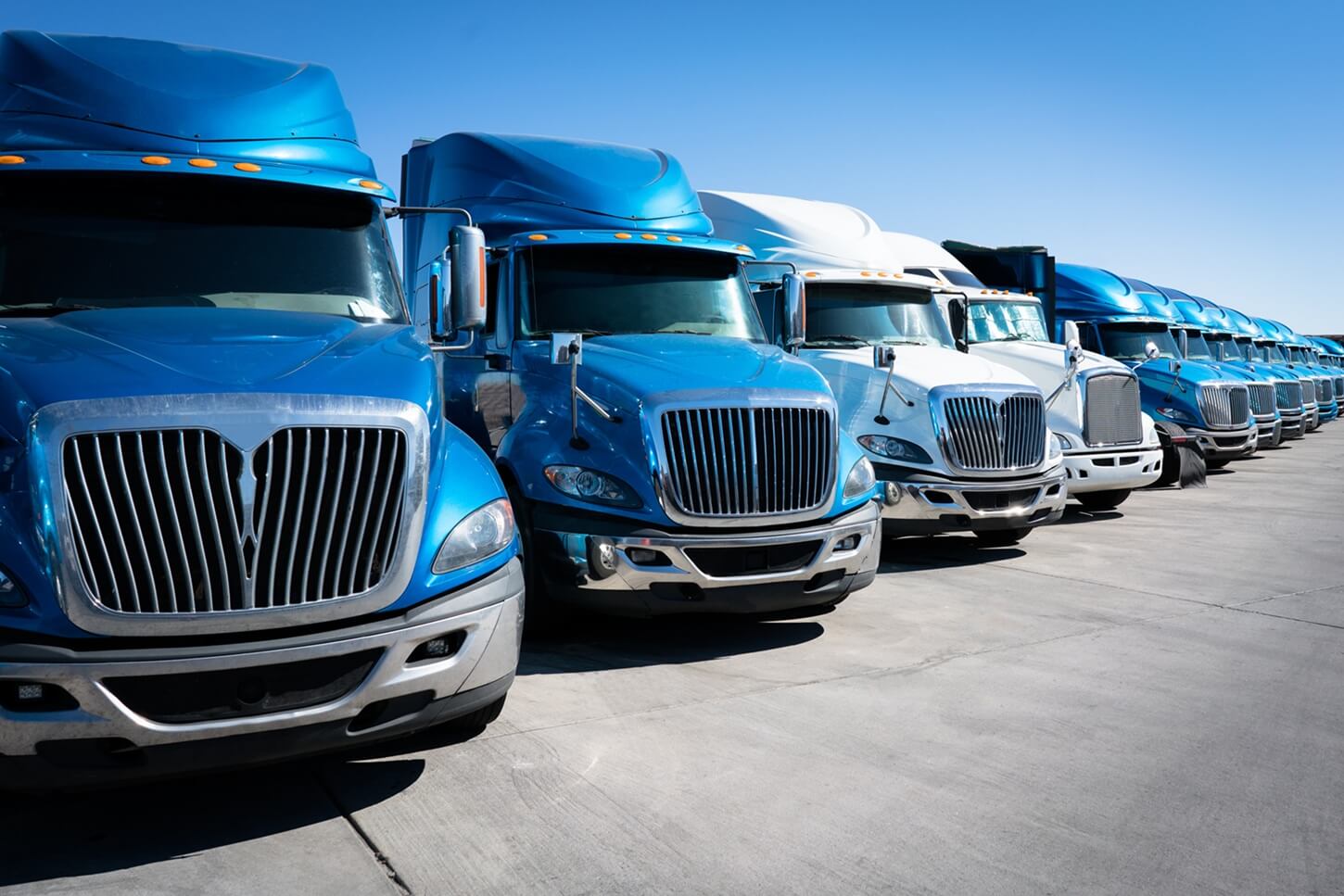

About 1.7 million truck drivers in the United States are owner-operators. That’s roughly one in every seven drivers who’ve decided to take control of their own rig and their own business.
If you’re thinking about joining their ranks – or you’re already managing your own operation – you know it’s not just about the freedom of being your own boss. It’s about watching every dollar, understanding your costs, and making smart decisions that keep your business rolling.
From that monthly truck payment to that midnight coffee receipt, every expense counts when you’re running your own show. Let’s break down what you really need to know about the costs of being an owner-operator.
Fixed Costs
These are the expenses you can set your watch by – the ones that show up whether your truck’s rolling or sitting. First up is that truck payment. Whether you’re financing or leasing, it’s probably the biggest number on your monthly statement, typically running anywhere from $1,500 to $3,000, depending on your truck.
Insurance isn’t far behind. You’re looking at several types: primary liability (required), physical damage (protects your investment), cargo (for what you’re hauling), and bobtail (for when you’re running empty). Combined, these can easily hit $2,000 or more per month.
Then there’s the paperwork. Your annual registration, permits, UCR fees, and IFTA reporting might not be monthly bills, but you need to budget for them like they are. Spread across 12 months, you’re usually looking at a few hundred dollars per month to stay legal and compliant.
Variable Operating Costs
This is where savvy owner-operators can really make a difference to their bottom line. Unlike those fixed costs we just talked about, this is one area where your choices behind the wheel make a real difference.
Fuel leads the pack, eating up about 30-40% of your revenue. Fuel prices tell different stories across the country. What you pay in California can be dollars more per gallon than in Oklahoma.
That $250 oil change might sting, but it’s much cheaper than a blown engine. Set aside at least 10-15 cents per mile for maintenance, and don’t forget to budget for the big stuff like tires, which can run you $4,000 or more for a full set.
Speaking of tires, they’re their own special category of expense. Even with good driving habits and regular rotation, you’ve got to consider replacing them every 100,000 miles or so. And let’s be real – it’s never just one tire that needs attention!
Daily Operation Expenses
Here’s where a lot of new owner-operators get caught off guard. It’s not the big bills that surprise you – it’s the small ones you least expect. Scale tickets, tolls, DEF fluid, truck washes. Seems small when you’re swiping the card, but check your statement at the end of the month, and these “little” expenses can add up to hundreds.
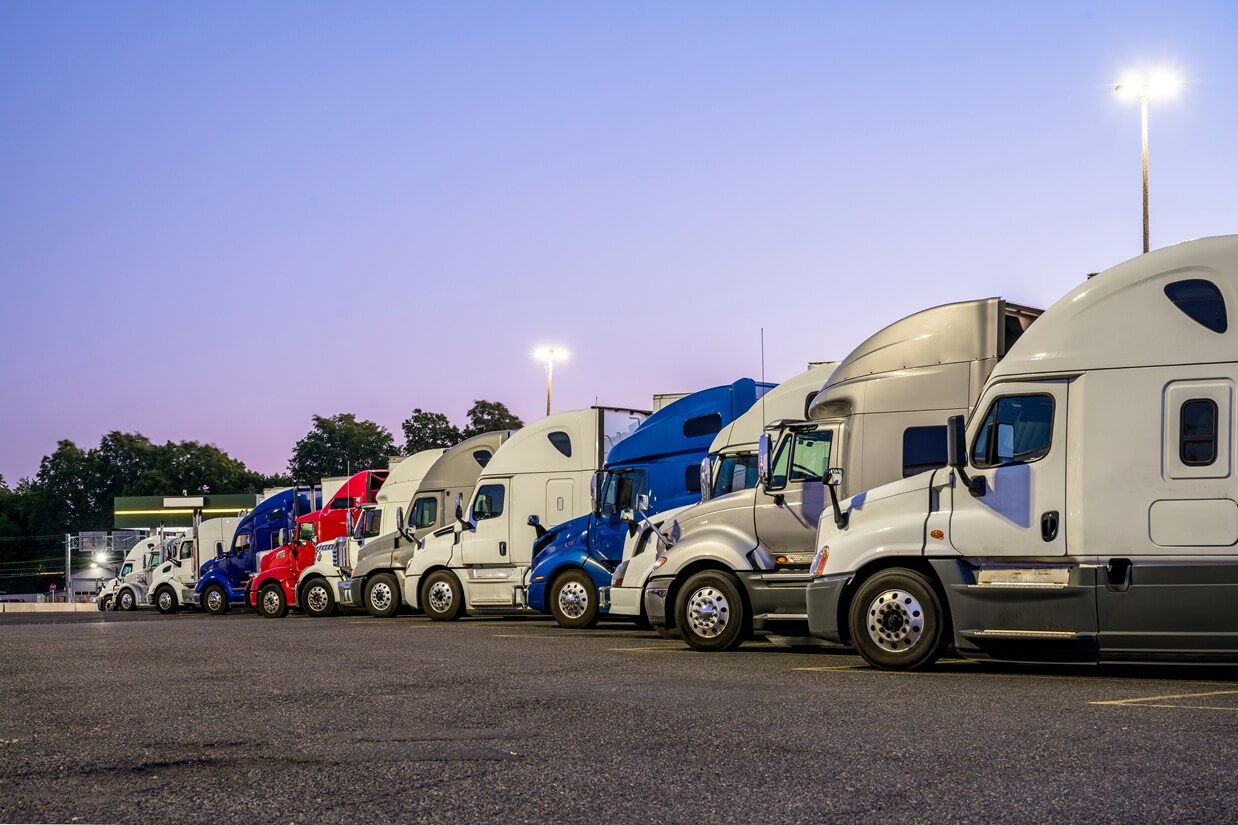
Parking is another sneaky expense that catches people off guard. Finding spots can be challenging – often, you’ll either waste fuel circling truck stops or end up paying premium rates for last-minute parking at private facilities
This is where services like Truck Parking Club start to make sense. Knowing your spot is reserved means you can plan your stops around your route, not around parking availability.
Business Operation Costs – The Back Office Stuff
Even when you’re not behind the wheel, your business keeps spending. A good accountant isn’t cheap, but they’re cheaper than an IRS audit. Plan on $200-400 a month for accounting services, more during tax season. And speaking of taxes – setting aside money for those quarterly payments isn’t optional.
Load boards and broker fees take another bite. Sure, there are free load boards out there, but the good ones with consistent, quality loads? They’ll run you $30-100 per month. In credit checks and factoring fees (2-5% of each load), and suddenly finding work has its own price tag.
Your mobile office needs juice too. Phone plans, tablet data, and ELD subscriptions might seem small individually, but bundle them together, and you’re looking at another couple hundred monthly. And don’t forget about the software you need to run your business – accounting programs, route planning tools, and fleet management apps all add up.
Making Every Dollar Count
This is where the rubber meets the road – turning all these expenses into a profitable operation. The most successful owner-operators treat fuel stops like a strategy game. They’re not just filling up wherever they happen to be empty; they’re planning routes around the best fuel prices and making sure they’ve got guaranteed parking at the end of their run.
Think about this: every time you waste 30 minutes looking for parking, you burn fuel, hours of service tick away, and money evaporates. Successful operators plan their entire route, including rest stops, before putting the key in the ignition.
Maintenance is another place where thinking ahead pays off. That “minor” issue you can hear in your engine? It’s not going to fix itself, and it’s definitely not going to get cheaper. The most profitable owner-operators have a maintenance fund and a schedule – they’re not waiting for things to break.
The Not-So-Obvious Costs
Success isn’t just about covering the obvious bills. Your truck’s value drops every mile you drive – that’s depreciation eating away at your investment. Set aside money for the day you’ll need to upgrade or replace equipment.
Personal insurance hits harder than most expect. Not just health coverage, but disability insurance too – because if you can’t drive, you can’t earn. And those “quick” doctor visits? They mean lost driving time on top of the medical bills.
And here’s one that catches even experienced operators off guard: building and maintaining business credit. Good credit scores mean better insurance rates, easier financing for your next truck, and more favorable fuel card terms. However, building that credit often means higher initial costs and security deposits.
Making It All Add Up
Running a successful operation isn’t just about knowing your costs – it’s about controlling them. Smart spending, strategic planning, and cutting waste can mean the difference between surviving and thriving as an owner-operator.
Take parking expenses, for example. The cost isn’t just the spot itself – it’s the wasted fuel hunting for spaces, the lost driving time, and the stress of uncertain availability.
Trucker members know that guaranteed parking isn’t an expense – it’s an investment in efficiency.
Ready to cut one major cost from your operation? See how much time and money you could save with guaranteed parking spots nationwide.
Sign up with Truck Parking Club Today
The information published herein is for general informational purposes only. Truck Parking Club does not make any representations or warranties about the completeness, reliability, legality, and accuracy of this information. Any reliance placed on such material is strictly at the user’s own risk. Truck Parking Club shall not be responsible for any losses or damages incurred in connection with the information published herein.