Short-Haul Trucking Boom Highlights Growing Need for Flexible Parking Solutions
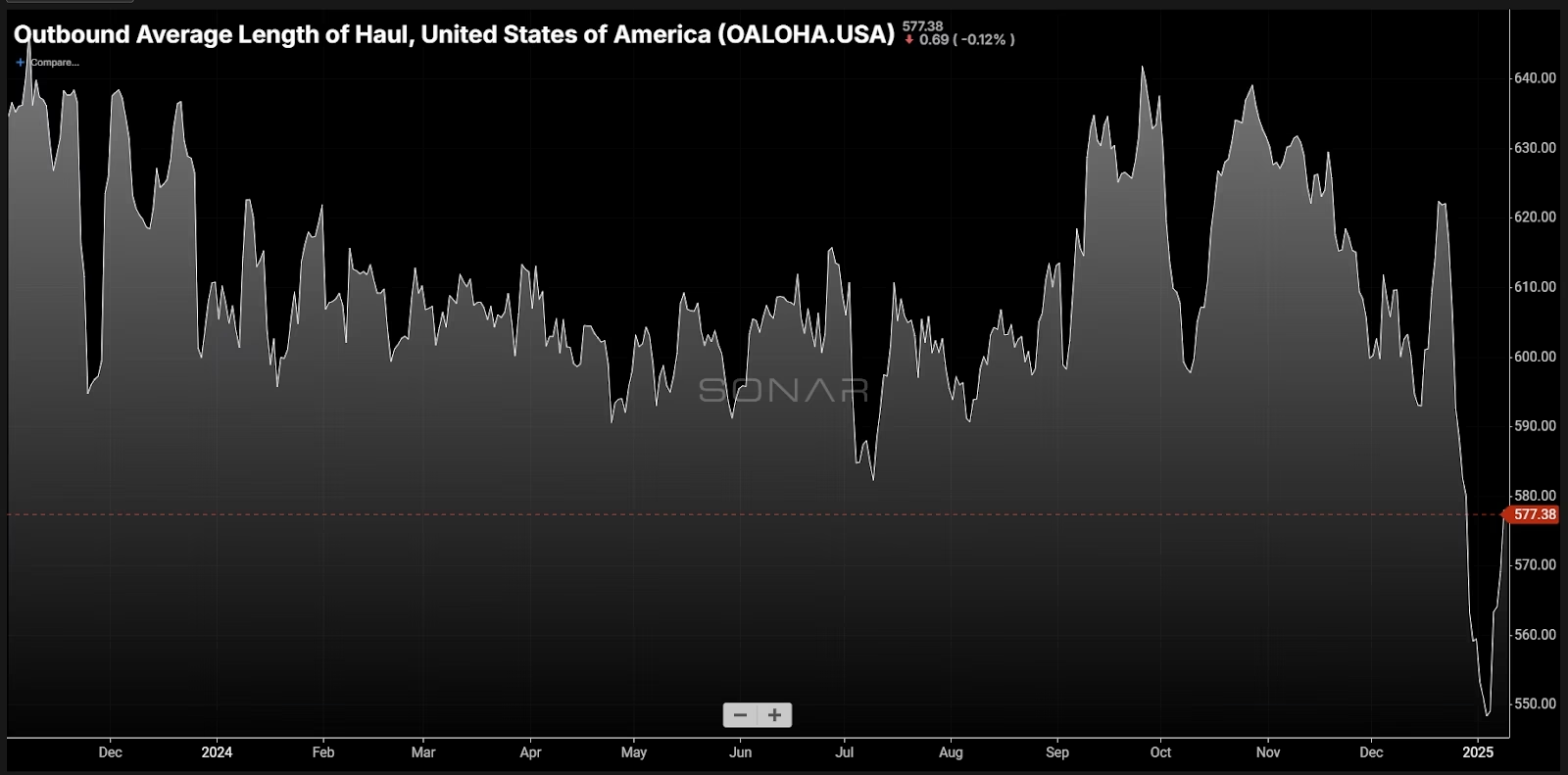
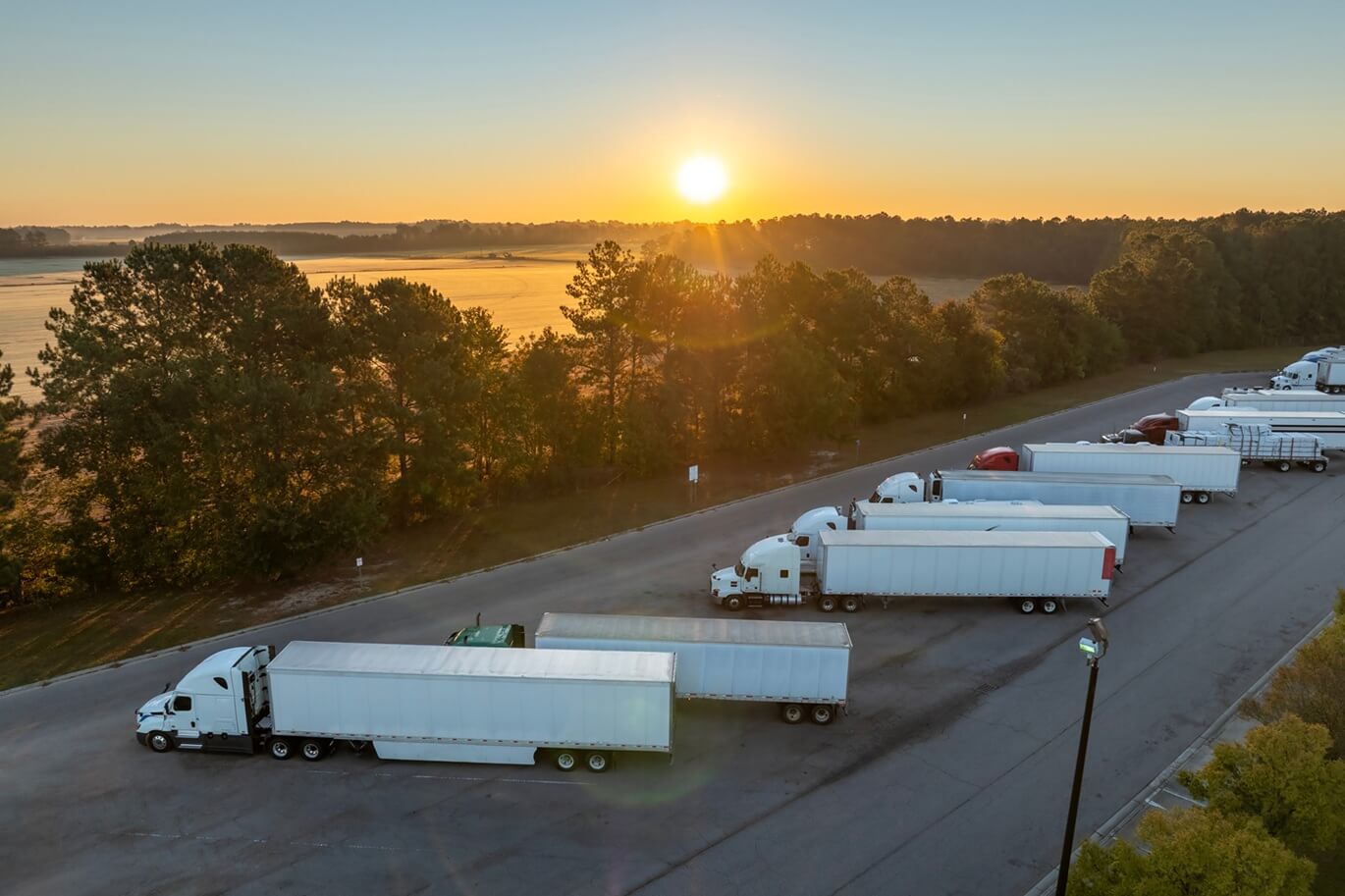
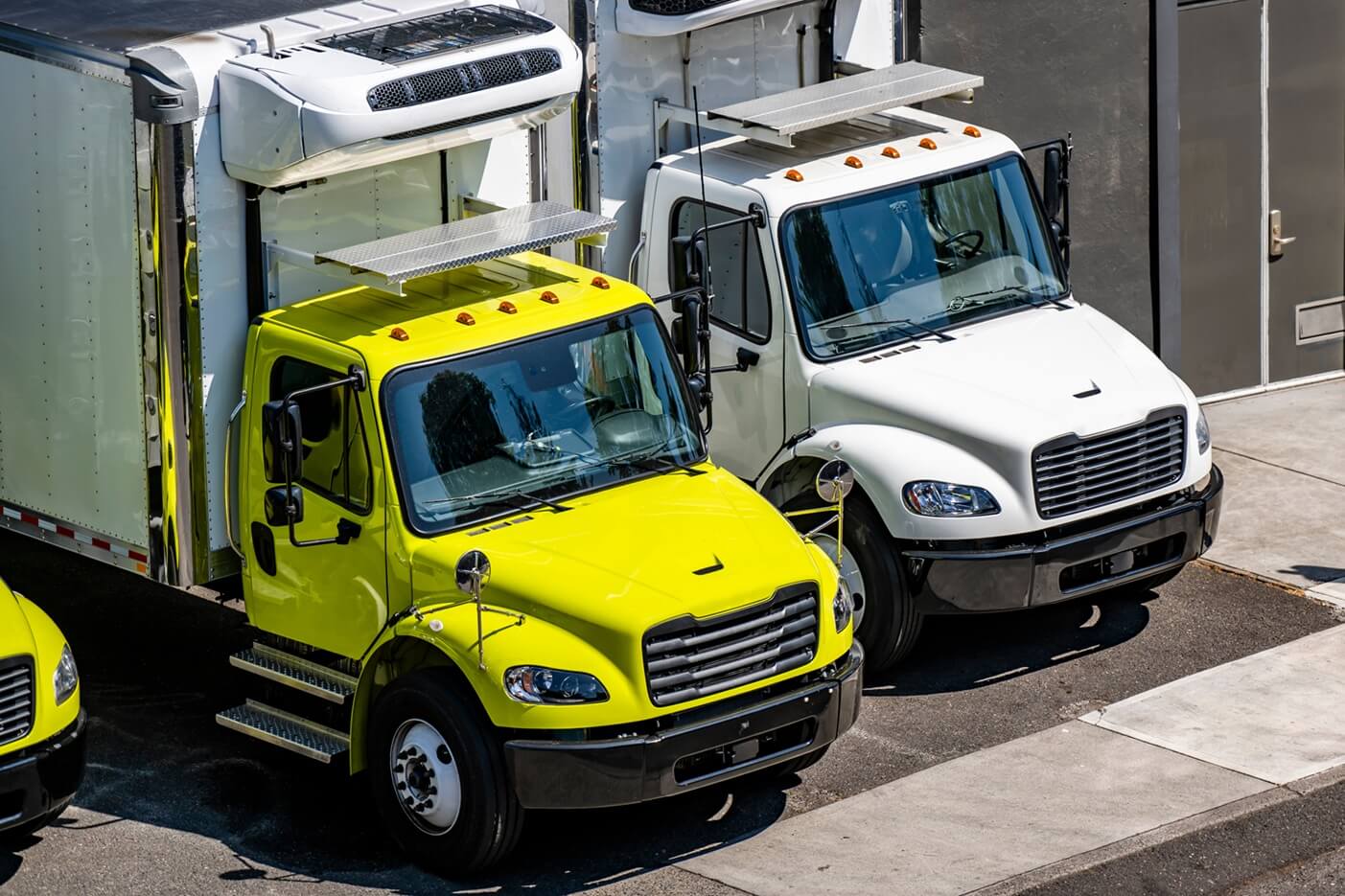
As FreightWaves reports, the trucking industry is undergoing a significant shift, with short-haul deliveries posting record-breaking growth. This rise in short-distance routes creates new challenges and opportunities—especially in urban and suburban areas where demand for flexible truck parking options has never been higher.
A Shift Toward Short-Haul Routes
Recent data shows:
A 13% year-over-year increase in short-haul truckload demand.
An 8% decrease in the average length of haul compared to early 2024.
These figures reflect changing supply chain strategies driven by booming e-commerce and evolving customer expectations.
E-Commerce Redefines Trucking Operations
The exponential growth of e-commerce is reshaping the logistics landscape. Companies are placing distribution centers closer to consumers, leading to:
Rising demand for local routes under 100 miles
More frequent urban and suburban deliveries
A greater need for short-term, flexible parking options near fulfillment centers
Why Parking Demand Is Surging
1. Urban Area Pressure
With more trucks moving around metropolitan areas, parking shortages and congestion are on the rise. Traditional truck stops along interstates may not meet the needs of short-haul drivers who operate primarily in or near cities.
2. Flexible Duration Requirements
Short-haul drivers have diverse parking needs:
Hourly parking for rapid drop-offs and pickups
Day-use parking for mid-shift stops
Secure overnight options for early morning routes
3. Strategic Location Matters
As distribution and fulfillment centers relocate to be closer to consumers, parking facilities near these hubs become crucial. Locations adjacent to major cities, e-commerce warehouses, and retail distribution centers are in particularly high demand.
Preparing for the Future
As the trucking industry continues to adapt to shorter hauls and more frequent deliveries, the demand for smart, tech-enabled parking solutions will continue to grow. Property owners with available space—especially in or near major metros—can capitalize on this trend by offering convenient, secure parking spots to short-haul drivers.
Market Opportunities
Urban parking facilities catering to local fleets
Flexible booking platforms for short-term needs
Secure, gated lots with enhanced technology features
Partnerships with retailers and e-commerce players to provide last-mile solutions
Industry Implications
While long-haul trucking faces growing intermodal competition, short-haul remains a bright spot. This upsurge creates a compelling opportunity for anyone positioned to offer suitable parking solutions. With e-commerce continuing to reshape delivery routes, providing easily accessible urban parking spots will become even more valuable.
Need Truck Parking in Metro Areas?
TruckParkingClub.com connects drivers and fleets to secure and convenient truck parking in cities and surrounding areas.
If you run a truck parking lot business or are considering starting one, you are probably aware of the high demand for reliable, convenient parking spaces. The truck parking crisis shows no signs of abating, and with just one space available for every ten trucks on the road, there has never been a greater urgency for more parking lot businesses.
Unfortunately, the ongoing crisis isn’t enough to keep those spots filled. You need a solid, forward-thinking strategy to draw truckers to your parking lot and ensure they favor your location over the competition.
This is a subject we happen to be very familiar with, and in this short guide, we will present ten proven, dependable techniques to boost your parking lot advertising and bring in more business.
1. List Your Lot on Truck Parking Club
One of the easiest (and most obvious) ways to advertise your truck parking lot is by listing on Truck Parking Club. Our popular platform connects truckers with available parking spaces, meaning that truckers will find your lot whenever they need a space in the area.
By creating a free Property Member account, you will instantly put your lot on the radar of truckers searching for a place to park. Adding a detailed description of amenities (if any) and clear photos of the lot can also help your lot stand out from the competition.
2. Use Eye-Catching Signage
Clear and professional signage can be highly effective in attracting truckers. Make sure your lot is well-labeled from the road so drivers can easily spot it from a distance. Consider adding a few signs that speak to your lot’s amenities, such as security features, showers, and food services (if any).
This type of parking lot advertising is most effective when linked with a solid online presence to ensure truckers know where they’re headed, and while it may sound like a basic strategy, you would be surprised how many parking lot businesses fall short in this regard, displaying old signage or even none at all.
3. Take Advantage of Local Radio Ads
Never underestimate the power of radio advertising – it can be a useful tool for promoting your truck parking lot. Most truckers listen to the radio for hours each day, and many tune into local radio for the latest local traffic news.
For a cost-effective way to ensure your parking lot advertising reaches the right audience, think about targeting ads on stations popular with truck drivers in your area.
4. Create a Simple, Optimized Website
Having an easy-to-navigate, no-nonsense website can go a long way in helping truckers find your lot. Make sure your website includes vital information such as rates, amenities, and the exact location of your lot, and think about loud, bold creatives with simple messaging.
Optimizing your website for search engines is huge also. Truckers can find you when they search for a parking lot business in your area with simple search terms like ‘truck parking Charlottesville,’ for example. The problem is that other parking lot businesses might occupy a stronger presence and draw most of the eyeballs if your website isn’t optimized for search.
5. Take Advantage of Social Media
Social media platforms are another essential way to boost your parking lot advertising, and if you are not making the most of TikTok, Facebook, Twitter and Instagram (to name a few), you are losing customers.
Get into the habit of sharing updates, promotions, or even behind-the-scenes content about your parking lot as often as possible—several times each week, if possible. Engage with truckers by offering discounts for first-time customers or hosting giveaways.
Building an online presence not only keeps your lot visible but also helps create a loyal customer base.
6. Offer Loyalty Programs
Another way to ensure truckers keep coming back to your parking lot business is to offer trucker loyalty programs. Create a system where returning customers can earn discounts or even perks for using your lot regularly. With rising fuel costs, truckers always appreciate the opportunity to save a few bucks; a well-structured loyalty program might keep them choosing your lot over local competition.
7. Get Listed on Google My Business
To increase your online presence, make sure your lot is listed on Google My Business. This makes your location easily accessible through Google Search and Google Maps, presenting the important details about your business instantly. Accurate listings (with great reviews) are another solid form of parking lot advertising.
8. Build Partnerships with Local Businesses
Forming community partnerships with nearby businesses, such as restaurants or gas stations, can help steer more truckers to your parking lot. You could offer exclusive discounts for truckers who visit partnered businesses or provide them with flyers advertising your parking lot.
Community partnerships are a more traditional way of promoting your business – especially when compared to more modern, digital counterparts, but there are good reasons why many truck stops partner with local businesses; it is a strategy that works.
9. Use Flyers at Important Locations
Other traditional advertising methods, like flyer distribution, can also be incredibly effective. Leave flyers at truck stops, gas stations, and rest areas near your lot to attract the attention of drivers who may need parking in the area in the future. A well-designed flyer with a solid call to action is a solid parking lot advertising strategy.
Pro Tip: avoid mundane creativity and copy – think outside the box and throw in a little humor and mild satire to grab your prospect’s attention. Life is hard for many truckers at the moment – they will appreciate the fact you made them smile.
10. Promote Special Offers and Seasonal Discounts
Again, trucking is quite challenging at the moment, with tight margins and growing overheads. As a result, truckers are always on the lookout for good deals. Offer special promotions, such as discounted rates for long-term parking or reduced fees during the off-peak seasons. Promote these deals through your website, social media (or even those local radio ads we mentioned earlier) for a solid parking lot advertising strategy.
Bottom Line
While these tips are well-established and qualified, they do require time, effort, and financial resources to implement. In an ideal world, truck parking businesses would have truckers visiting their lot without having to juggle various advertising strategies.
But if you join Truck Parking Club today, you will have instant access to thousands of truckers who are starved of convenient parking and need solutions instantly.
By using our platform, truckers actively search for truck parking in your area, meaning you don’t have to stress about finding customers – Truck Parking Club does most of the work for you.
Ready to start? Become a property member today and watch your bookings grow almost instantly with Truck Parking Club.
The information published herein is for general informational purposes only. Truck Parking Club does not make any representations or warranties about the completeness, reliability, legality, and accuracy of this information. Any reliance placed on such material is strictly at the user’s own risk. Truck Parking Club shall not be responsible for any losses or damages incurred in connection with the information published herein.
You might remember those ancient, dusty truck parking lots with nothing but a small greasy spoon and a payphone that is permanently out of service. Some of you might even remember with a degree of nostalgia.
But the truth is, truck parking lots have come a long way since the early days when parking lots were few in number, and most truckers had to rely on whatever random, wide-open space they could find.
Now, modern truck parking lots are an essential aspect of trucking – so much so that road freight would grind to a depressing halt without them. But where did truck parking begin, and how has it evolved into the gigantic industry we have today?
In this short blog post, we will cover the history of truck parking lots, starting with the first truck stop in America, before looking at the vast options currently available to truckers.
The First Truck Stop in America
In the very early days of trucking, there weren’t really any dedicated spots where truckers could safely rest. Long stretches of highways with only one or two gas stations left drivers with no option but to park wherever they could find room.
Then came the first ‘official’ truck stop in America – credited to the early 1940s – when a small fuel station in Grand Island, Nebraska, expanded to provide parking space and basic amenities for drivers to refuel both their rigs and themselves.
It’s hard to imagine now, but this first truck in America was considered revolutionary despite the rudimentary nature of the service.
Pioneering
Thanks to a certain Fred Bosselman – the owner and namesake of Bosselman and Eaton Truck Stop – freight drivers in the area now had convenient truck parking, affording much-needed rest for those who needed it.
With that, the floodgates opened, and more truck stops followed suit. What was once an unorganized, chaotic scramble for parking on abandoned private land or exit ramps evolved into a more structured system that identified the needs of long-haul drivers.
Expansion and Growing Demand
As the trucking industry grew in the decades following World War II, so did the demand for more dedicated parking lots. With the launch of the Federal Interstate Highway Act (and the subsequent 41,000 miles of highway that followed), truck stops suddenly started springing up everywhere.
These early truck stops started out as mere places to park but quickly evolved into mini-hubs with restaurants, repair services, and basic shower facilities. During the ’60s, larger and better-equipped truck stops began sprouting across the entire country.But even as more parking lots were built, the problem remained: demand always exceeded supply. Truck drivers were constantly searching for a safe place to rest, especially as regulations around driver rest periods became more stringent.
24-Hour Truck Stops
The 1970s saw a huge rise in 24-hour truck stops, with facilities that offered a wide range of services, including fast food, lodging, parking, and truck washes. You might describe this period as the golden era of truck parking facilities.
Truck stop parking in those days was usually free or incredibly cheap, premised on the idea that truckers would pay for services. As a result, truck stops were always launched with a wide range of additional services to draw truckers in.
Predictably, as the trucking industry continued to boom, so did the parking shortage. The balance between supply and demand remained completely uneven. Finding a spot to park became a relentlessly frustrating aspect of trucking (although not on the same dire levels as the current truck parking shortage).
The Modern Era
Skip forward to the present day, and technology has dramatically reshaped how truck parking lots function through the rise of truck parking apps and similar services.
No longer do truckers need to waste time endlessly circling parking lots, hoping for a spot to become available. With services like Truck Parking Club, the whole process has become far more efficient, organized, and stress-free.
Truck Parking Club allows property owners to list their unused spaces, affording a vast range of national parking options that truckers can book in advance. The service is nothing short of revolutionary, helping to put a significant dent in the current truck parking crisis gripping North America.
Convenience
Private parking spots like Truck Parking Club are a huge improvement from the old days, where finding a spot was essentially a massive gamble.
With tough Hours of Service regulations restricting the amount of time drivers can spend on the road, the traditional end-of-day hustle to find a parking space has turned into a last-minute scramble as drivers race against the clock, desperate to avoid penalties.
Now, truckers can simply whip out their phones, browse for nearby lots, and book a safe and secure parking space in seconds – completely eliminating that end-of-day scramble.
What started with the first truck stop in America all those years ago has grown into a system supported by cutting-edge technology that delivers more convenient options for today’s truckers.
The Future of Truck Parking
What makes Truck Parking Club so special is how effortlessly it connects property owners with truck drivers. The user-friendly app allows truckers to find available spaces near their location, book instantly, and avoid the frustration of driving in circles to find a place to rest.
With the parking shortage still a huge concern in most areas, Truck Parking Club is helping to relieve some of the pressure. More and more property owners are listing their spaces, providing truckers with more choices and greater peace of mind while on the road.
Bottom Line
Although we owe a lot to the first truck stop in America, the convenience truckers enjoy today is light years ahead of those early days. With the launch of convenient services like Truck Parking Club, finding a place to rest has never been so effortless, despite the ongoing truck parking fiasco.
Interested in using our service? Register with Truck Parking Club today, then simply browse for a space to reserve your spot in minutes. Our service is great value and utterly hassle-free.
Curious about becoming a property member? With Truck Parking Club, you can turn your vacant commercial land into a lucrative revenue stream with a steady flow of truckers – all of whom are in need of convenient parking. Find out how right here.
The information published herein is for general informational purposes only. Truck Parking Club does not make any representations or warranties about the completeness, reliability, legality, and accuracy of this information. Any reliance placed on such material is strictly at the user’s own risk. Truck Parking Club shall not be responsible for any losses or damages incurred in connection with the information published herein.
Smart parking technology has utterly transformed the way truck parking lots operate their businesses and interact with customers. Over the last decades or so, it has become far easier for lot owners to keep things organized and truckers to find a safe place to park.
With the ongoing truck parking crisis causing a mass scramble for parking spots, upgrading to a smart system is a clever, forward-thinking move for lot owners. Some would even argue it is becoming a necessity.
In this brief blog post, we will take a look at the essential steps to set up an efficient and reliable smart truck parking system, step by step. Let’s get to it.
1. Understand the Basics of Smart Parking
Smart parking may seem like a radical, complicated improvement, but the premise and execution are actually quite simple. Smart parking is simply about designing a system that helps truckers find spaces quickly, pay easily, and have the peace of mind they need.
Ultimately, for truck parking lot owners, this means adopting technology that simplifies the entire process—from booking to billing and everything in between.
To begin with, you need to define your lot’s specific needs and goals. How many spaces do you have, for example, and what’s the layout? Are there any unique challenges, like tight corners or mixed vehicle types? Once you have this fundamental grasp, you will be better prepared to choose the right tech.
2. Define Your Requirements and Select the Right Tech
Start by conducting a simple survey of your existing infrastructure. This allows you to identify which core elements of your parking lot business are ready for upgrades and where you’ll need new installations. You should be considering the following elements:
Vehicle detection sensors to track space availability.
Real-time availability displays that show truckers which spaces are open.
License plate recognition cameras for smooth entry and exit.
Advanced payment options through apps or secure kiosks.
Once you’ve mapped out your needs, you should then select the right technology. Keep in mind that integrating with popular parking apps is a central part of a smart parking system – this helps truckers locate your lot and secure a spot quickly, making your lot a more appealing option in a sea of competitors.
3. Install and Configure Your Smart Parking Hardware
The next step involves the installation of hardware like sensors, displays, and cameras. Proper installation will ensure your system runs smoothly from day one. However, there are a few key things to be mindful of here:
Power Reliability: Ensure that all hardware has dependable power sources with backups in place.
Positioning and Calibration: Place sensors and cameras in locations that maximize coverage. Blind spots lead to inefficient monitoring.
Weatherproofing: Protect any outdoor components from the elements to avoid long-term issues.
As always, thorough planning and careful placement will save you from a lot of future headaches.
4. Implement and Test the Software
Once your hardware is in place, you can implement the software that runs the show. This software should integrate seamlessly with your chosen hardware and be able to connect with third-party platforms like Truck Parking Club’s app. Conduct several tests to confirm that the data is flowing correctly and that parking space availability updates in real-time.
Troubleshoot before going live to avoid and contend with hiccups. A smooth rollout is paramount to maintaining trust with your team and the drivers using your lot.
5. Rollout and Optimize Your Smart System
After testing, your smart parking system is ready to be rolled out. But the work doesn’t stop here. Regularly monitor the data generated by your system and look for opportunities to fine-tune it. Is traffic flowing efficiently? Are payments being processed without a hitch? Keep tweaking things to enhance both profitability and customer satisfaction.
This ongoing optimization will not only help you run a more efficient lot but will also future-proof your business, setting you up for success ahead.
Bottom Line
Successful truck parking lot businesses usually share a common belief when it comes to the industry as a whole: they believe that smart parking, in whatever form that takes, is the future of the industry.
It makes sense to embrace smart parking. With the right system in place, you will offer truckers a smooth, hassle-free experience and make your lot a popular choice in a crowded market.
However, if you really want to maximize your investment, partnering with Truck Parking Club can take things even further.
If you have vacant commercial land, the benefits of starting a parking lot business with Truck Parking Club are incredibly lucrative. Our platform connects property members with truckers actively searching for parking, helping you fill those spaces effortlessly.
Interested? Sign up today and be part of the next generation of smart parking solutions with Truck Parking Club.
The information published herein is for general informational purposes only. Truck Parking Club does not make any representations or warranties about the completeness, reliability, legality, and accuracy of this information. Any reliance placed on such material is strictly at the user’s own risk. Truck Parking Club shall not be responsible for any losses or damages incurred in connection with the information published herein.
While running a truck parking business is relatively straightforward, a successful operation consists of more than just offering a place for truckers and their rigs to rest. Savvy operators will maximize every opportunity to increase revenue and keep truckers happy.
As you might imagine, this is a subject we happen to be extremely familiar with. Through this article, we shall look at how to increase the profitability of your truck parking business with strategies you may want to consider. Let’s get to it.
1. Offer Flexible Price Rates
One of the simplest ways to increase your revenue is by launching a flexible pricing model. With many truck parking businesses charging different rates based on peak and off-peak hours, weekends, or even seasons, if you are not embracing the same tactic, your revenue is possibly suffering as a result.
The premise is quite straightforward. Weekday rates, for example, might be higher due to increased demand, while discounts during weekends or late-night hours can attract truckers when business is a little slower. It sounds like a simple approach, but you might be surprised at how many empty spaces you will fill during quieter times by making specific rates more appealing.
2. Invest in Quality Amenities
To encourage repeat business, think about investing in higher-quality amenities. Consider adding features like 24-hour security, Wi-Fi, shower facilities, or even small convenience stores. For the latter, we mean nothing overboard – just the essentials like snacks and hygiene products.
These extra touches can set your truck parking business apart and give drivers a reason to choose your lot over others. The cost of installing these amenities isn’t usually too extreme and usually pays off fairly quickly in the form of increased customer satisfaction and return visits.
3. Use Technology to Streamline Operations
Adopting technology like parking management software or connecting with truck parking apps is always a lucrative move for your truck parking business. With real-time monitoring and advanced booking capabilities, this software lets you track occupancy, manage pricing, and optimize your lot’s operations.
Integrating with parking apps like Truck Parking Club makes it easier for truckers to find and book spaces at your lot. Not only does this improve bookings, but it also opens up your business to a much larger audience. In this day and age, parking apps are a pre-requisite for any truck parking business.
4. Implement a Loyalty Program
Not enough truck parking businesses make the most of this strategy, but they should. Repeat customers are important to any business, and truck parking is no exception. Implementing a loyalty program where drivers can earn discounts or points for each stay encourages them to return regularly.
Aside from increasing revenue, this also builds a base of loyal customers who are more likely to recommend your business to others in the industry. Over time, you will also build a marketing list, meaning you can reach out to loyalty customers with special offers.
5. Adjust and Review Your Rates Regularly
It’s easy (and very tempting) to set rates and forget about them, but it’s important to stay competitive. To that end, keep an eye on what other lots in your area are charging and adjust your prices accordingly. You might also consider offering monthly truck parking rates, which can provide a steady source of income and attract truckers who need more permanent parking solutions.
6. Increase Security Features
A well-secured lot is a key aspect of attracting and retaining customers. Unfortunately, industry crime is on the rise, and drivers need to know that their rigs and cargo will be safe overnight. Adding features like surveillance cameras, well-lit areas, and secure entry gates can make a huge difference in building trust.
When truckers feel secure, they’re more likely to choose your lot. They may even pay a premium for that peace of mind. Many truckers are now avoiding supermarket lots and abandoned properties, as they simply do not feel safe anymore. Capitalize on this by making your truck parking business appear more secure.
7. Diversify Your Revenue Streams
Thinking outside the box is fundamental to maximizing your truck parking business revenue. For example, you might consider selling ad space on your lot or partnering with local businesses. Nearby restaurants, truck stops, or repair shops will almost certainly be interested in reaching your customers, creating a symbiotic relationship.
8. Make Booking and Payment Simple
Offering multiple digital payment options, such as credit cards, mobile apps, and contactless payments, can help speed up transactions. The idea is to minimize friction among tired drivers who just want to get their spots booked without hassle or hindrance. Using online booking tools ensures truckers can easily find a spot in your lot without unnecessary hassle or delays, so make sure you are connected with a popular truck parking app.
9. Promote Your Lot Effectively
Effective marketing should be a priority for increasing revenue in any business. For your truck parking business, this could mean listing your lot on popular apps like Truck Parking Club, using social media to promote your various amenities, and even running local radio ads. The goal is to get the word out about your lot and highlight why it’s the best choice for drivers in the area.
10. Monitor Customer Feedback and Adjust
Finally, listen to your customers! Monitor online reviews and actively seek feedback to understand what truckers appreciate and where you can improve. A few small changes based on their input could lead to more business and a better overall reputation for your lot.
Bottom Line
Increasing your truck parking business revenue takes less effort than you might imagine. Ultimately, this is a simple but lucrative business that only requires basic strategies. Either way, careful planning, strategic investments, and a focus on customer satisfaction should be among your priorities.
Adopt these basic practices, and you will soon be driving towards a more profitable and successful lot. Seriously, it will make a real difference.
If you are a property owner with unused land, there’s an even easier way to maximize your bookings: become a property member with Truck Parking Club.
Truck Parking Club connects you with truckers actively searching for parking, helping you turn your spare land into a steady revenue stream. Register today to begin listing your lot and reap the financial rewards of this underserved market!
The information published herein is for general informational purposes only. Truck Parking Club does not make any representations or warranties about the completeness, reliability, legality, and accuracy of this information. Any reliance placed on such material is strictly at the user’s own risk. Truck Parking Club shall not be responsible for any losses or damages incurred in connection with the information published herein.
In an industry where timing is absolutely everything, finding a convenient place to park your truck can mean the difference between success and failure. Well-rested truck drivers who haven’t wasted several hours each week looking for spaces tend to service their routes far better than those who don’t.
But with truck parking spaces in the U.S. at a critical low – and some reports suggesting just one parking space exists for every ten trucks on the road – finding a spot is becoming increasingly farcical.
As a result, many truckers need to start looking for a space incredibly early in the day. But how early are we talking? In this short blog post, we will take a look. Toward the end, we will present a far better solution, one that means you never need to worry about looking for a parking space ever again.
But first, a quick explanation as to why we are in this mess.
What’s Behind the Truck Parking Crisis?
Over the last decade or so, the truck parking crisis has caused woefully inadequate levels. As the number of trucks on the road has continued to surge every year, the available parking spaces simply haven’t kept up at an adequate pace.
There are a few reasons for this:
Increased Commerce: In simple terms, the boom in e-commerce and the subsequent growing supply chain have resulted in more trucks on the road than ever before. It’s great that business is booming, but the number of designated truck parking spaces hasn’t followed suit, and that’s not so terrific for the wonderful truckers of America, many of whom are starved of parking.
Lack of Investment in Truck Stops: Despite the increase in trucks, the government hasn’t expanded infrastructure anywhere near quickly enough. As a result, many truckers are left scrambling to find parking each evening, often resorting to dangerous alternatives like abandoned gas stations or even dangerous exit ramps. In the worst case, truckers are literally losing their lives while parked in unsafe areas.
Stricter Hours of Service Regulations: Changes in federal hours of service regulations a few years ago have forced truckers to adhere to even stricter rules regarding their driving windows. This lack of flexibility leaves many drivers desperately searching for parking as their hours run out, unable to push on to find a safe location.
While other factors exist, these three issues are the main precursors for turning truck parking into a relentless daily battle. For many drivers, it’s not uncommon to start looking for a space as early as mid-afternoon – that means less priority is afforded to the routes they are working, which, in turn, has a direct effect on the industry as a whole.
When Should You Start Looking?
So, at what time of the day should you start to find truck parking? Realistically, the answer depends on various factors, mostly pertaining to your route and schedule. Having said that, there is a general approach that most experienced drivers seem to be following these days.
Suggested Search Times for Different Types of Drivers:
Long-Haul Drivers: If you are an OTR driver, you may want to start searching for a spot as early as 3:00 p.m. to 4:00 p.m. Assuming you start mid-afternoon, you should find truck parking within a couple of hours. While that is by no means ideal, with most truck stops filling up by early evening, beginning your search in mid-afternoon is your best option.
Shorter Routes or Day Drivers: Drivers covering shorter routes may have a bit more flexibility, but the earlier you start, the better. If you aim to secure a spot by 5:00 p.m., you are simply more likely to find parking at popular stops if you start mid-afternoon.
Drivers Near Major Hubs: If you want to find truck parking near large cities or major distribution centers, you should probably start looking for truck parking even earlier – sometimes as early as 2:00 p.m. Parking near these busy areas tends to fill up quickly due to heavy traffic and increased demand.
Starting this early in the day may seem a little extreme to some, but if you work a busy route, you will know it is necessary to avoid being stuck without a spot at the end of a long day.
There Is a Better Way…
Despite the truck parking situation that has plagued the industry for some time, it really doesn’t have to be this way. Many truckers are now turning to private parking solutions like Truck Parking Club, which provides an effective alternative to the headache of public truck stops through convenient private parking.
Contrary to popular belief, private parking is now quite affordable and much more accessible than it used to be. Through Truck Parking Club, truckers can easily book a spot in advance or find truck parking on the go using the app. With thousands of private locations available, it takes the pressure out of securing a safe place to park.
You simply browse for a space, book it, and enjoy your day knowing you have secured a comfortable place to park. No more risking it at abandoned gas stations or dealing with the stress of timing regulations – just convenient, affordable parking.
Bottom Line
Ultimately, if you want to find truck parking in this current climate, you have little option but to plan way ahead and start your search really early.
But with popular services like Truck Parking Club, truckers have a convenient way to secure parking without endless frustration. Why not make things easier on yourself? Avoid the drama, book a spot, and hit the road knowing your parking is already sorted.
The information published herein is for general informational purposes only. Truck Parking Club does not make any representations or warranties about the completeness, reliability, legality, and accuracy of this information. Any reliance placed on such material is strictly at the user’s own risk. Truck Parking Club shall not be responsible for any losses or damages incurred in connection with the information published herein.
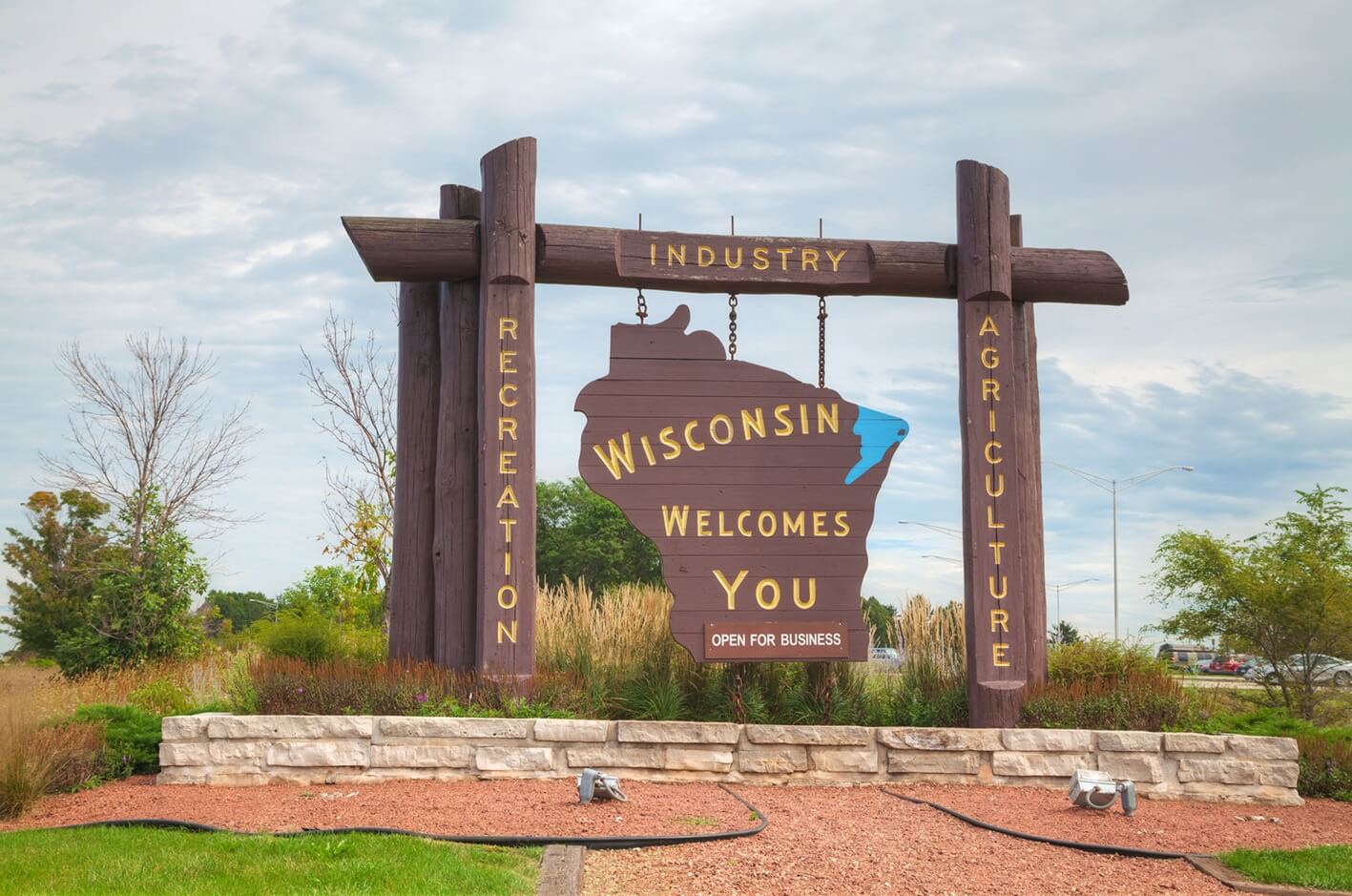
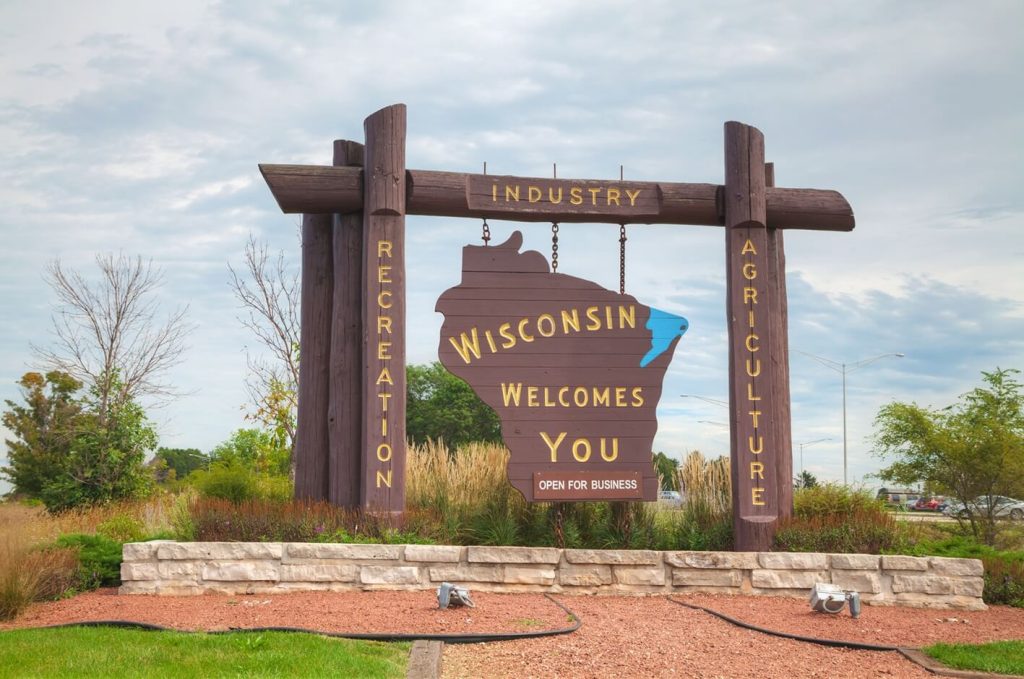
Wisconsin is taking a huge step towards improving road safety and addressing the truck parking shortage with a $12.5 million federal grant. Governor Tony Evers recently announced the funding, awarded by the U.S. Department of Transportation’s Infrastructure for Rebuilding America program, will be used to revitalize two aging rest areas along the busy I-43 corridor.
The project focuses on reconstructing and modernizing the Maribel and Denmark rest areas, which are over 40 years old. The upgrades will not only improve safety and accessibility for all travelers but also greatly expand truck parking capacity by almost 300%, adding over 70 new spaces for commercial vehicles.
This investment comes as a welcome relief for truck drivers who often struggle to find convenient truck parking along this crucial freight route. The lack of adequate truck parking has been a persistent issue nationwide, forcing drivers to park in unsafe locations or risk violating hours-of-service regulations.
Modernizing Rest Areas for the Future
Aside from expanding truck parking, the project will also bring much-needed improvements to the rest areas. Both facilities will be made fully ADA-compliant, with the addition of universal charging stations. The upgrades will also address roadway deficiencies, improve lighting for improved security, and add an oversized/overweight staging area for trucks hauling large loads.
These modernization efforts aim to create a more welcoming and accommodating environment for all travelers, including truck drivers who rely on rest areas for breaks and overnight stays.
A Collaborative Effort to Enhance Safety and Efficiency
This project is a testament to the collaborative efforts of state and federal agencies, with strong advocacy from U.S. Senator Tammy Baldwin playing a crucial role in securing the funding. The investment highlights a growing recognition of the importance of infrastructure improvements, particularly in addressing the truck parking crisis and enhancing safety for the trucking industry.
As the I-43 corridor continues to see increased traffic, these upgrades will benefit truck drivers and contribute to the overall convenience and safety of the transportation network. By providing adequate and well-maintained rest areas, Wisconsin is demonstrating its commitment to supporting the trucking industry and ensuring the smooth flow of goods and services across the state.
Bottom Line: Wisconsin’s Investment is a Step in the Right Direction
Wisconsin’s commitment to expanding truck parking is commendable, but it highlights the ongoing need for more parking solutions nationwide. Truck Parking Club is helping to fill this gap by connecting truck drivers with convenient private truck parking across the US.
Find Your Truck Parking Solution Today
Drivers:Browse for a space and secure your parking spot with Truck Parking Club.
Property Owners: Become a property member by signing up with Truck Parking Club and earning extra income from your vacant land.
The information published herein is for general informational purposes only. Truck Parking Club does not make any representations or warranties about the completeness, reliability, legality, and accuracy of this information. Any reliance placed on such material is strictly at the user’s own risk. Truck Parking Club shall not be responsible for any losses or damages incurred in connection with the information published herein.
The Biden-Harris Administration has announced over $80 million in new grants to improve highway safety and truck parking access.
This funding, distributed by the Federal Motor Carrier Safety Administration (FMCSA) and supported by the Bipartisan Infrastructure Law, focuses on critical areas such as increasing parking spaces for truck drivers, implementing advanced technology, and enhancing overall road safety.
With expanded parking solutions and high-tech advancements, this initiative aims to reduce commercial vehicle crashes and improve the quality of life for truckers nationwide.
Expanding Truck Parking Access Nationwide
Among the significant aspects of this funding is a 65% increase in truck parking projects over last year. Truck drivers face a daily shortage of safe parking spaces, leading to increased stress and safety risks.
To tackle this, the FMCSA is supporting innovative solutions like real-time parking availability updates along key highways in Kentucky, Delaware, and Indiana.
Drivers will be alerted to available spaces through dynamic highway signs, helping them find safe rest areas promptly, reducing driver fatigue, and boosting compliance with Hours-of-Service (HOS) regulations.
Highlighted parking projects benefiting from this funding include:
Caldwell County, Texas: Receiving a $22.9 million RAISE grant, this project will develop a truck parking plaza featuring both short- and long-term parking options with amenities like lighting, fencing, restrooms, shower facilities, and 24-hour security.
Caldwell Parish, Louisiana: A $10.5 million grant will go toward a parking facility for 50 trucks and 100 cars, equipped with electric vehicle (EV) charging stations and auxiliary power to reduce idling and emissions.
I-4 Corridor, Florida: A $15 million INFRA grant will support a 120-space truck parking facility between Tampa and Orlando. It will feature electric charging stations and pedestrian pathways to nearby commercial amenities.
I-40, Near Memphis, Tennessee: A $22 million INFRA grant will add 125 parking spaces along this key freight route and upgrade bridge infrastructure, enhancing safety and capacity for freight movement.
Broader Safety and Educational Initiatives
In addition to infrastructure improvements, part of this funding will support initiatives that address human trafficking. Given their extensive travel and time on the road, truck drivers are in a unique position to recognize and report suspicious activity, playing a key role in combating trafficking. Outreach and education programs will train drivers to recognize and safely report incidents, leveraging their presence on highways as an asset to public safety.
A Step Toward Safer Roads and Enhanced Trucking Conditions
This $80 million investment is part of the Biden-Harris Administration’s National Roadway Safety Strategy, which aims to eliminate roadway fatalities.
By improving infrastructure and equipping truck drivers with real-time data, these grants address long-standing industry challenges while advancing safety goals. As U.S. Secretary of Transportation Pete Buttigieg stated, “We depend on truck drivers every day, and we have a national responsibility to support their safety and job quality.”
Increased funding for truck parking and cutting-edge technology will help alleviate the stress that truckers experience when searching for safe rest areas.
This funding will also improve adherence to safety regulations, reduce fatigue-related incidents, and create a more secure driving environment for all road users.
The information published herein is for general informational purposes only. Truck Parking Club does not make any representations or warranties about the completeness, reliability, legality, and accuracy of this information. Any reliance placed on such material is strictly at the user’s own risk. Truck Parking Club shall not be responsible for any losses or damages incurred in connection with the information published herein.
With the ongoing shortage of truck parking, the federal government’s recent allocation of $4.2 billion for infrastructure upgrades promises significant relief for the trucking industry.
This funding, derived from the National Infrastructure Project Assistance (Mega) grant and the Infrastructure for Rebuilding America (INFRA) grant, is set to create 260 much-needed truck parking spaces nationwide. Enhanced by the Bipartisan Infrastructure Law, these initiatives aim to boost safety, mobility, and economic growth through vital infrastructure projects.
Federal Investment in Truck Parking Safety
Transportation Secretary Pete Buttigieg announced that the funding round would support 44 key infrastructure projects designed to enhance transportation safety and efficiency. Along with bridge and port expansions, a notable portion of these funds is dedicated specifically to new and upgraded truck parking facilities.
Here are some of the highlighted projects expected to make a big impact:
1. Ohio Truck Parking Expansion Project
Ohio will receive $17.9 million to convert two former rest areas into new truck parking facilities in Trumbull and Preble Counties. The locations, one on I-70 eastbound near New Paris and another on I-80 eastbound near Hubbard, will offer a total of 138 parking spaces.
Both sites will include video surveillance and integrate with the Truck Parking Information Management System (TPIMS), providing truckers with real-time parking availability updates while also enhancing safety and convenience.
2. Wisconsin I-43 Truck Parking Expansion
Wisconsin will benefit from a $12.5 million investment in two rest area facilities along I-43 in Manitowoc County. Rest Area 51 in Maribel and Rest Area 52 in Denmark will see improvements, including new buildings, maintenance garages, and an additional 72 truck parking spaces.
The project will also improve lighting, roadway conditions, and pavement while integrating TPIMS technology, allowing drivers to check parking availability remotely.
3. Nevada I-80 Lane Addition and Truck Parking
A $275 million project in Washoe County, Nevada, will widen I-80 between Vista Boulevard and USA Parkway, adding an additional lane in each direction and expanding shoulders to create 50 new truck parking spaces.
This development not only increases truck parking availability but also eases congestion, benefiting overall traffic flow.
A Critical Step Toward Solving Truck Parking Challenges
The recent funding allocation marks a major step toward resolving the severe truck parking shortage that has long plagued the industry.
Todd Spencer, President of the Owner-Operator Independent Drivers Association (OOIDA), underscored the importance of this initiative:
“The lack of safe truck parking has been a top concern for truckers for decades,” Spencer said. “Truck drivers are often left with difficult choices — either park in unsafe areas or drive while fatigued, putting themselves and others at risk. This funding will alleviate some of these pressures, providing safer options.”
The Broader Impact of New Truck Parking
In addition to safety improvements, expanded truck parking has far-reaching benefits, including compliance with Hours-of-Service (HOS) regulations. Under HOS rules, truckers are required to stop driving after a set number of hours, often leading to a search for safe parking with limited options.
These new facilities will reduce the risk of violations and support drivers in following federal safety guidelines.
The Bipartisan Infrastructure Law has provided a critical funding boost, and with projects like those in Ohio, Wisconsin, and Nevada, truckers can look forward to safer, more accessible parking options across the nation.
For an industry that delivers essential goods across the country, this increase in parking availability is a long-overdue step in the right direction, supporting the well-being of drivers and the efficiency of supply chains.
As these projects progress, drivers will gain access to real-time parking data and added security features, ultimately enhancing their work environment and promoting a safer highway network.
The information published herein is for general informational purposes only. Truck Parking Club does not make any representations or warranties about the completeness, reliability, legality, and accuracy of this information. Any reliance placed on such material is strictly at the user’s own risk. Truck Parking Club shall not be responsible for any losses or damages incurred in connection with the information published herein.
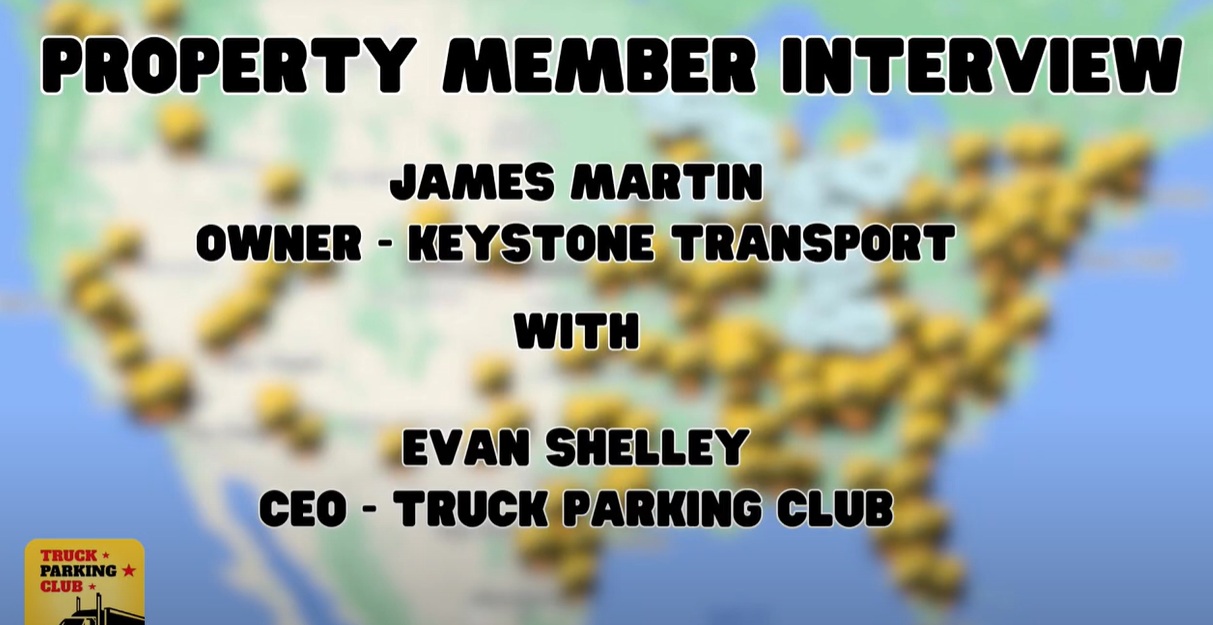
In this installment of our Member Interview series, we spoke with James Martin of Keystone Transport, one of Truck Parking Club’s earliest property members, who shared his experience with the platform and insights into its growth.
What’s In This Interview?
In this conversation, James and Evan discuss:
How as someone who owns a fleet and commercial property with extra space, James was naturally interested in optimizing the use of his property. Upon discovering Truck Parking Club, he decided to give it a try. His decision turned out to be beneficial as the platform began to gain traction.
How James has seen significant growth and numerous benefits from using Truck Parking Club. He highlighted its automated functionality that makes the process hassle-free for both property owners and drivers.
James’s background is in furniture manufacturing, which later evolved into running a transport company. His entrepreneurial spirit extended to offering drivers parking spaces at his facility, coupled with access to repair services and self-storage units.
How positive feedback James received from truck drivers underscores the success of the Truck Parking Club.
A new marketing approach to provide property owners with custom links to promote their spaces independently offering significant rate discounts for self-generated bookings while maintaining full platform support.
James showed particular interest in integrating these marketing features with his existing systems, recognizing the potential to streamline his operations while maintaining marketing control.
James praised the responsiveness of Truck Parking Club’s support team. He specifically commended team member Jess for her outstanding service.
James and Evan discussed the critical parking challenges in the Northeast region and how Truck Parking Club is successfully addressing this significant demand.
Evan revealed Truck Parking Club’s goal to reach critical mass by expanding to over 10,000 locations.
The information published herein is for general informational purposes only. Truck Parking Club does not make any representations or warranties about the completeness, reliability, legality, and accuracy of this information. Any reliance placed on such material is strictly at the user’s own risk. Truck Parking Club shall not be responsible for any losses or damages incurred in connection with the information published herein.