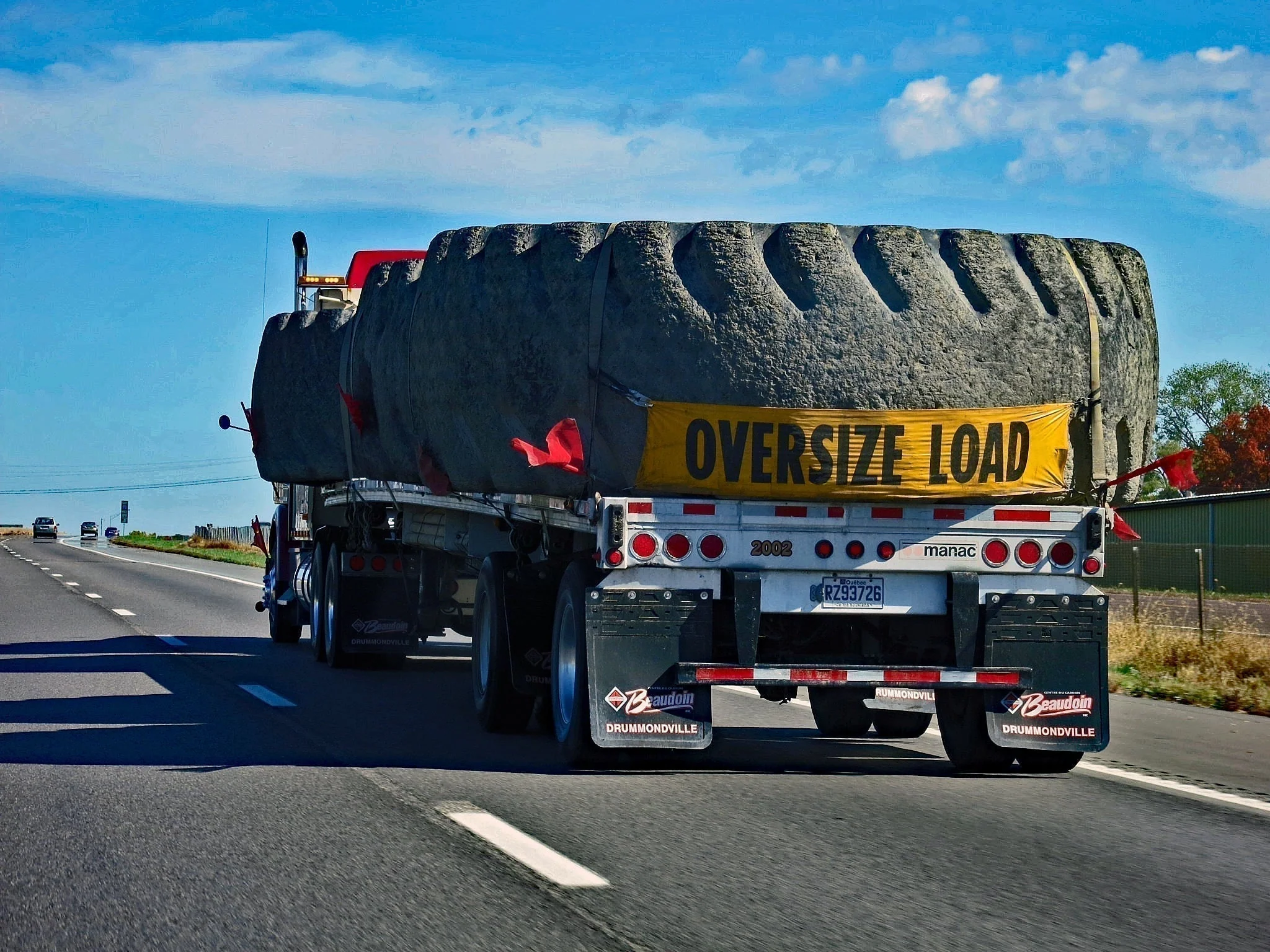
If you run a standard 53-foot dry van, finding parking is already a nightmare. Now imagine you’re 14 feet wide, 150 feet long, and hauling 180,000 pounds of construction equipment through three states on a permitted route with escort vehicles and daylight-only travel restrictions.
You don’t get to figure it out when you get there. You don’t get to circle a truck stop hoping a spot opens up. And you definitely don’t get to park on a ramp.
For oversize and heavy haul carriers, every parking stop has to be planned, verified, and locked in before the truck ever leaves the yard. There is no Plan B when your load doesn’t fit.
The Scale of Oversize Freight in America
This isn’t a niche corner of the industry. Oversize and overweight loads account for roughly 6% of all truck freight tonnage in the United States, about 600 million tons every year. That freight includes wind turbine blades, industrial transformers, mining equipment, prefabricated building modules, military vehicles, and heavy construction machinery.
The market is growing fast. The global oversized cargo transportation sector hit $300 billion in 2025, with about a third of U.S. oversized shipments tied directly to construction and energy infrastructure projects. Renewable energy alone is driving massive demand, with wind turbine components and offshore foundations pushing the size and weight envelope further every year.
Every one of those loads needs somewhere to park. And the standard truck parking infrastructure was never built for them.
Why Standard Truck Parking Doesn’t Work for Oversize Loads
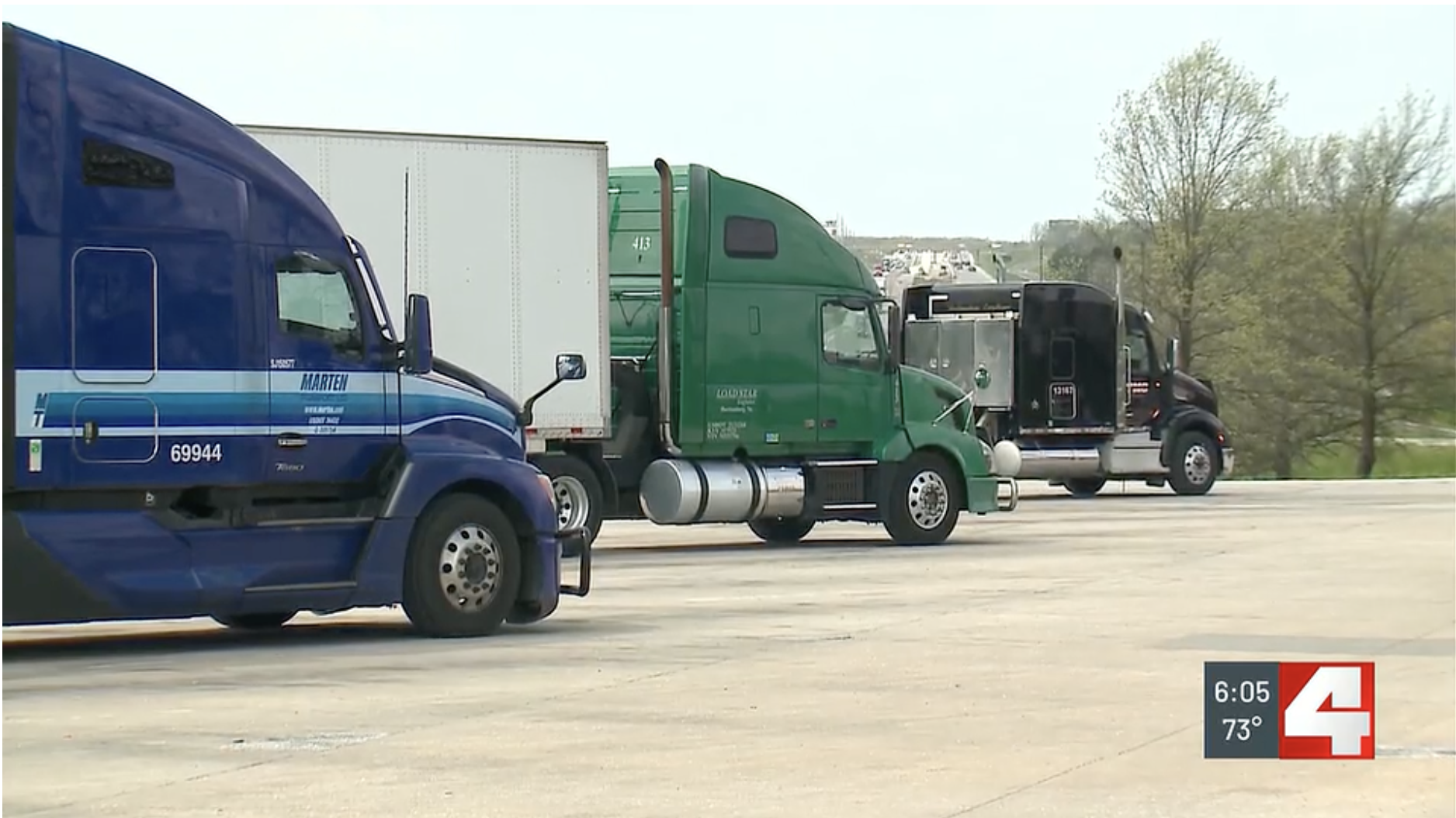
A typical truck stop parking space is designed for a standard tractor-trailer: roughly 12 feet wide and 75 feet long. An oversize load can easily exceed that in every dimension. Here’s what heavy haul drivers are dealing with:
Clearance restrictions. Low-hanging signs, canopies, power lines, and fuel island overhangs can make it physically impossible to enter a facility, let alone park.
Weight limits. Many parking surfaces, especially older lots, aren’t engineered to support 120,000+ pound loads sitting stationary for 10 hours. Cracked asphalt and damaged drainage systems aren’t just a property owner’s problem. They’re a liability issue for the carrier.
Maneuvering space. An oversize load needs wide turns, clear sight lines, and enough room to enter and exit without getting boxed in by other trucks. Standard truck stop layouts don’t account for this. One driver parks too close, and you’re stuck until morning.
Legal restrictions. Many states have specific parking regulations for oversize loads, including where they can stop, for how long, and whether the load must remain attended. Violating these can mean fines, permit revocations, or worse.
Travel time windows. Most oversize permits restrict travel to daylight hours only and prohibit movement on weekends and holidays. When the sun goes down, you need to be parked somewhere legal and safe. No exceptions.
The Planning Problem Heavy Haul Dispatchers Face
Here’s what the logistics team at a heavy haul carrier actually has to do before a load moves:
Pull the permitted route. Calculate drive time within the daylight travel window. Identify every required overnight stop. Then find parking at each stop that can physically accommodate the load, that’s accessible from the permitted route, that won’t create a liability issue, and that’s actually available on the dates they need it.
And they need backups. Because if a primary stop falls through, pulling a 16-foot-wide load off a highway and circling the block isn’t an option.
“I have 2-3 contingency parking spots for every stop, on every load. Take your time to find those backups throughout the day for the next day.” — Heavy Haul Owner Operator
This is where most carriers have historically relied on phone calls, personal relationships with property owners, and institutional knowledge passed down between dispatchers. It works until it doesn’t. And when it doesn’t work at 6 PM on a Tuesday with an oversize load sitting on the shoulder of I-10, the consequences are serious.
How Truck Parking Club Solves Heavy Haul Parking
We’ve been hearing from oversize and heavy haul carriers more and more over the past year. The conversations all start the same way: “We need guaranteed parking, and we need to know it’ll actually fit our equipment before we show up.”
That’s exactly what Truck Parking Club delivers.
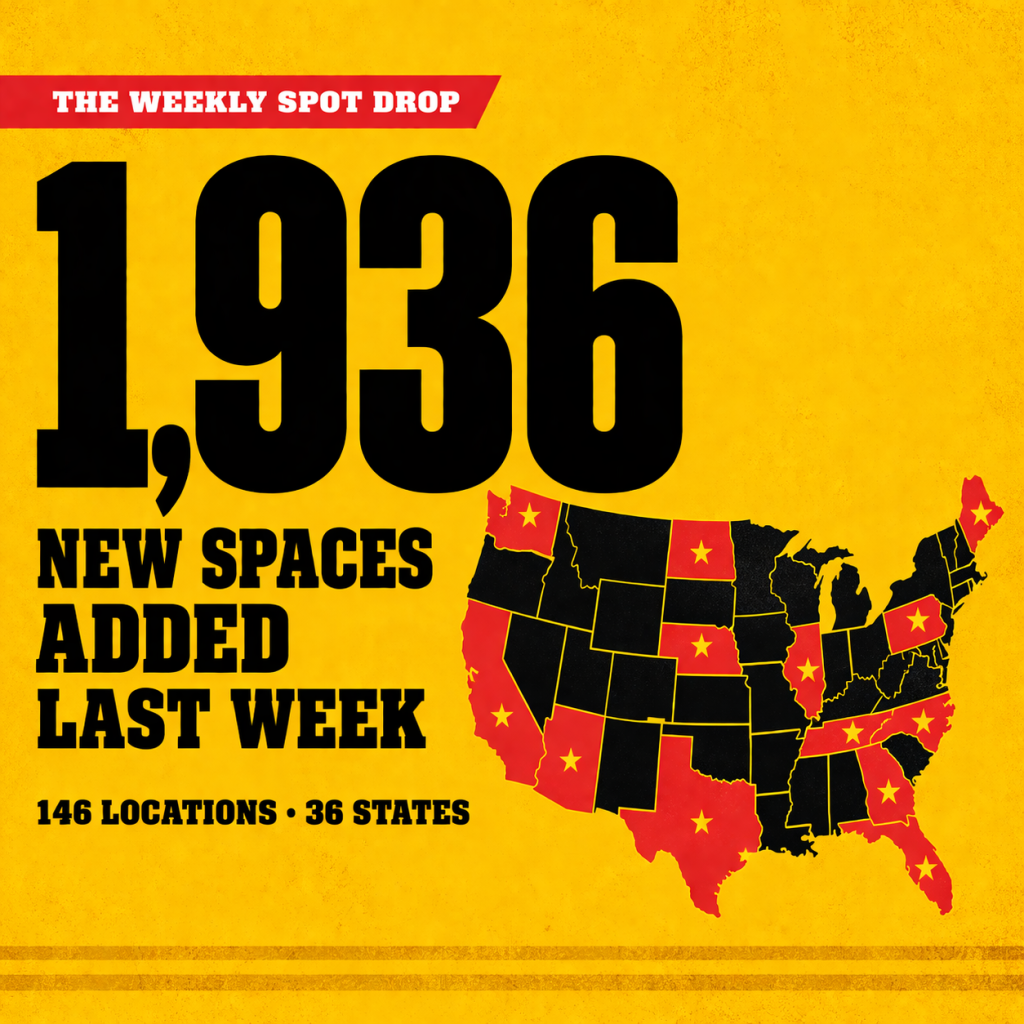
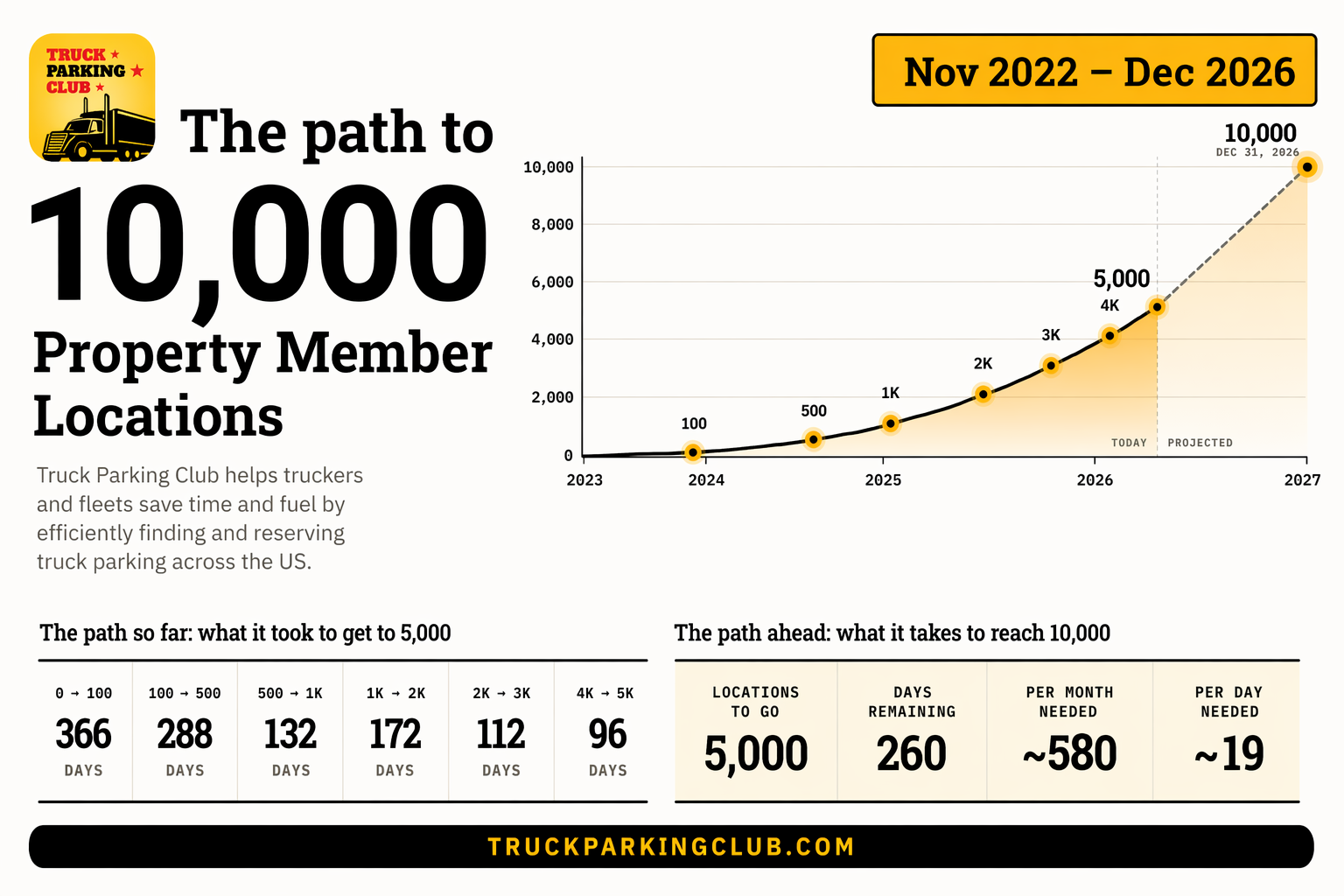
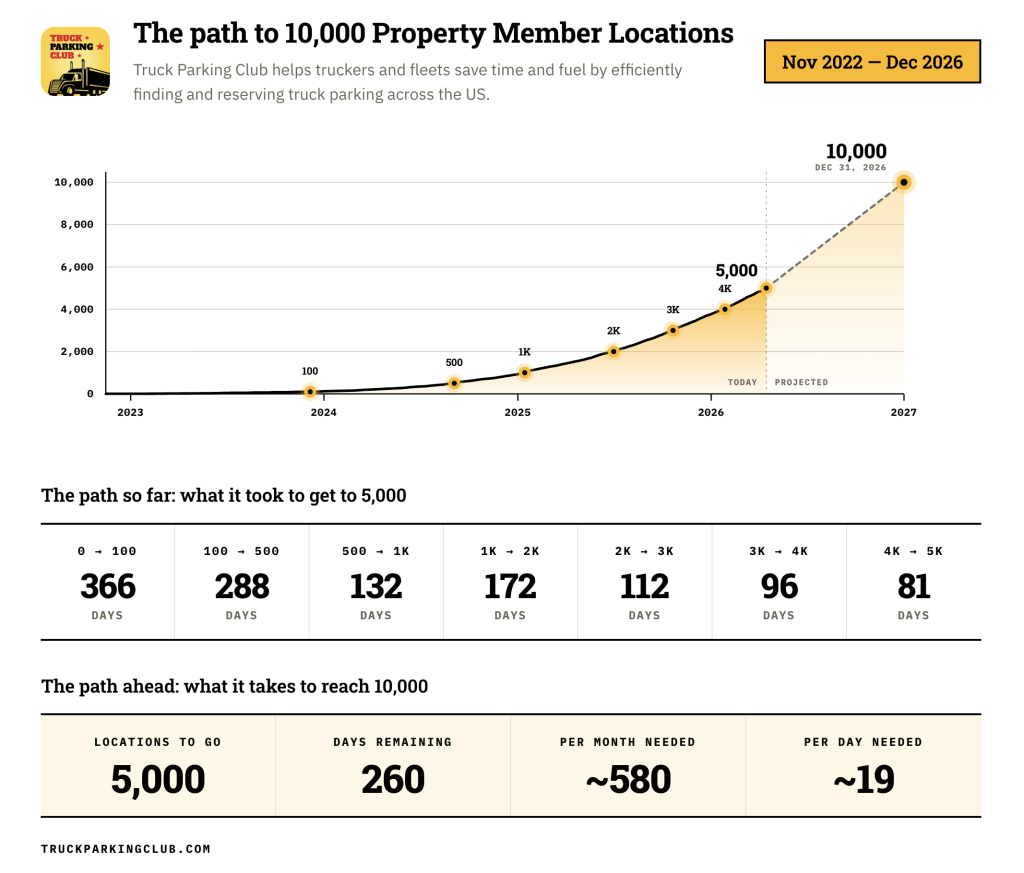
Our network includes over 1,400 Property Member locations that can accommodate oversize loads, across 5,000+ total locations in 49 states. Here’s why that matters for heavy haul operations:
Reserve in advance. Lock in your parking days or weeks before the load moves. No more hoping for the best. For oversize carriers, a confirmed reservation isn’t a convenience. It’s a requirement.
Verify dimensions before arrival. Our Property Member listings include details on lot size, surface type, and entrance and exit configuration. Carriers can confirm that their specific load will fit before committing to a stop. Several Property Members have provided walkthrough photos and videos of their entrances specifically so oversize drivers know exactly what to expect when they pull in after dark.
Plan the full route. With locations in 49 states, carriers can map out every overnight stop along a permitted route and build in backup options at nearby properties. The days of scrambling at sundown are over.
Private, uncrowded properties. Many of our Property Member locations are industrial yards, warehouse lots, and private commercial properties. Not packed truck stops. These are properties with open space, room to maneuver, and no risk of getting blocked in by other vehicles. (See why warehouses are the best locations for truck parking.)
“I reached out, asked if they could accommodate my 17ft wide load, they verified for me, and once I got here I just backed into my spot.” — Chuck Hinton, Canadian Flatbed
The Parking Crisis Hits Oversize Carriers Hardest
The national truck parking shortage affects everyone. But for oversize carriers, the margin for error is zero. A standard trucker who can’t find a spot might end up on a ramp or in an overflow area. An oversize load that can’t find a spot is a highway safety incident.
When highway bottlenecks burn through your HOS, the scramble at sundown gets even worse for oversize loads that can’t just duck into any open space. With 92 of the top 100 trucking companies already using our platform and over 50,000 drivers searching our marketplace every week, Truck Parking Club is the largest and most trusted truck parking network in the country. And for the heavy haul segment, we’re building out our oversize-capable inventory every single day.
If you’re a heavy haul carrier, fleet manager, or logistics planner who’s tired of the phone call shuffle and the stress of hoping a spot works out, it’s time to try a better approach.
For Heavy Haul Carriers and Fleet Managers
Stop guessing. Start reserving. Browse oversize-capable locations and lock in your parking before the load leaves the yard.
Find Your Spot Now → https://truckparkingclub.com
For Property Members
If your property can accommodate oversize loads, make sure your listing reflects it. Update your lot dimensions, entrance details, and clearance information. Heavy haul carriers are actively searching for properties like yours, and they’re willing to pay a premium for guaranteed space.
List Your Space Today → https://truckparkingclub.com/become-property-member
References
[1] Oversize.io. Wide Load Regulations, Rules, Flags and Permit Costs by State. https://oversize.io/regulations/maximum-width-by-state
[2] Mordor Intelligence. (2025). Oversized Cargo Transportation Market Size, Share & 2030 Growth Trends Report. https://www.mordorintelligence.com/industry-reports/oversized-cargo-transportation-market
[3] Global Growth Insights. (2025). Oversized Cargo Transportation Market Share & Trends. https://www.globalgrowthinsights.com/market-reports/oversized-cargo-transportation-market-121535