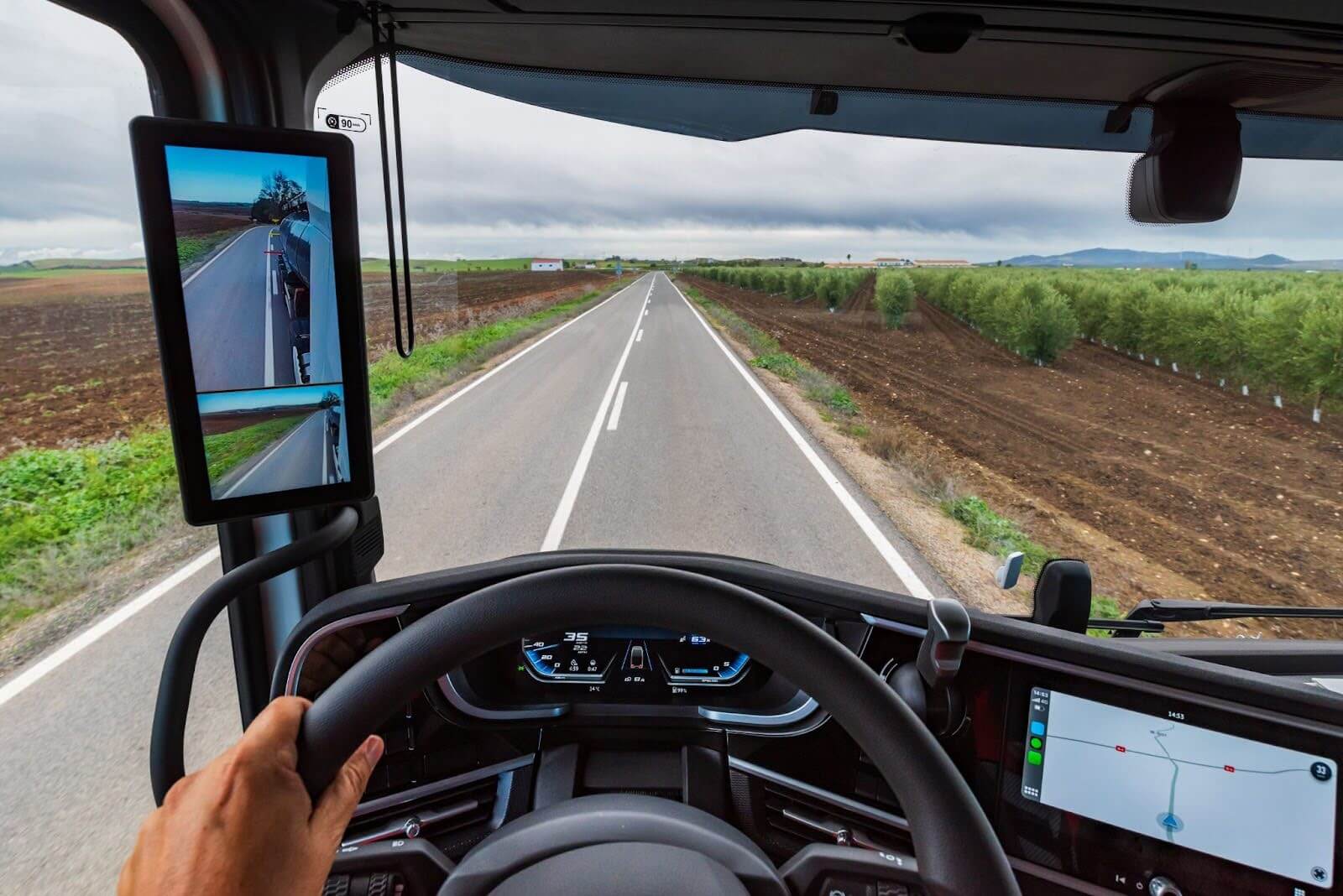
According to estimates, there are over 3.5 million truck drivers in the United States, a number that’s been rising in the past few years. Truck driving involves much more than having a special driving license. You’ll travel to distant and unknown locations, facing different road and weather conditions, day and night.
That’s why truckers need a range of trucking navigation systems to drive safely wherever they go. Here’s how new truckers can go anywhere without ever getting lost.
Finding Your Place In The World
The days of huge and confusing paper maps are gone, and that’s excellent news for truck drivers. Nowadays, every smartphone has a GPS, but digital technologies can still do much more for trucker navigation. Here are a few technologies and systems that truckers can never go without.
Essential Apps
Truck driver navigation requires much more than your smartphone’s native GPS. For those who live on the road, it’s essential to get updates on maps, weather, and road conditions. Since trucks aren’t easy to park, it’s also advisable to platforms such as Truck Parking Club to find the most convenient parking slots for trucks along the itinerary.
CB Radio
CB radios, also known as two-way radios, are excellent communication options when there’s no mobile network available. Such radios allow drivers to get real-time updates about the driving conditions ahead, keep in touch with other drivers on the road, and call emergency services when necessary.
ELD (Electronic Logging Device)
ELDs aren’t directly connected to navigation, but they guarantee drivers will remain compliant with their Hours of Service, thus avoiding hefty fines. Many user-friendly options are available, which also provide seamless integration with other vehicle systems. There are also ELD apps for smartphones.
Mobile Hotspot
The downside of most navigation systems is that they only work when connected to the internet. It can be challenging in remote areas with poor or no coverage, leaving truckers driving without guidance. Indeed, it can be dangerous for new drivers traveling to places they don’t know yet. So, it’s advisable to have a mobile hotspot, ensuring it’ll be possible to use navigation and other apps anywhere.
Preparation Is Vital
Not even the most advanced technologies can save drivers who don’t plan their trips ahead of time. GPS and other mapping systems are more accurate than ever, but it doesn’t mean that drivers should play by ear. Modern trucks have road sign recognition systems, but drivers should pay attention to road signs anyway.
Road signs carry critical information, such as sudden route changes that the navigation systems have yet to update. They also alert people about accidents and other conditions that may affect driveability at that point. Above all, it’s essential to stay connected during the whole journey so you can communicate with employers and fellow drivers on the road.
The first year on the road can be tough and dangerous for new truckers. That’s why truckers are advised to find a mentor for their first journeys. An experienced driver can do a lot for first-timers, especially in real-life experiences that training courses could never provide. For once, a mentor can teach you everything a driver needs to know to avoid getting lost or caught up in dangerous situations on the road.
While planning a journey, drivers must consider various factors. This includes peak hours, road conditions, and the availability of truck stops and gas stations along the way. Additionally, it’s advisable to check the weather conditions at different points of the itinerary, which may require specific gear. Nobody wants to use paper maps these days, but it’s a good idea to have one as a backup in case digital navigation tools fail.
Navigating Urban Areas
Planning ahead of the journey is even more important if urban areas are part of the itinerary. Restricted zones, narrow streets, and low bridges may force drivers to choose different paths. Moreover, city streets have obstacles that roads don’t: cyclists, pedestrians, and small vehicles. Modern trucks have collision warning systems with pedestrian detection. Still, drivers must keep an eye on the mirror at all times.
Those driving big trucks must be extra careful and patient while moving around crowded streets, whether navigating Chicago’s complex Illinois thoroughfares or dealing with Texas’s sprawling metropolitan areas. In this case, it’s particularly difficult to back up or make narrow turns. Drivers are advised to drive slowly and very patiently in such situations.
Traffic jams are also much more common in city areas, which can cause delays and a lot of stress. Nevertheless, truckers should stay calm and drive safely, respecting restricted zones, as well as weight and height limits.
Setting Yourself Up for Success
Navigation is just one piece of the puzzle for new truckers. From mastering technology to planning routes effectively, success on the road comes from combining the right tools with smart preparation. While you can’t control every aspect of your journey, you can eliminate unnecessary stress by planning ahead.
One of the biggest challenges for any trucker, new or experienced, is finding reliable parking along their routes. That’s where Truck Parking Club comes in. Whether you’re navigating unfamiliar cities or planning regular routes, having guaranteed parking spots takes one more variable out of the equation.
Ready to make your navigation easier with secure, pre-planned parking? Find and reserve spots along your route.
The information published herein is for general informational purposes only. Truck Parking Club does not make any representations or warranties about the completeness, reliability, legality, and accuracy of this information. Any reliance placed on such material is strictly at the user’s own risk. Truck Parking Club shall not be responsible for any losses or damages incurred in connection with the information published herein