Category: General Freight

  • New Research Shows Rising Congestion Costs Highlight Critical Need for Truck Parking Solutions

    New Research Shows Rising Congestion Costs Highlight Critical Need for Truck Parking Solutions

    The American Transportation Research Institute (ATRI) has just released its 2024 Cost of Congestion analysis, revealing that traffic congestion cost the trucking industry a staggering $108.8 billion in 2022 – a 15% increase from 2021. This massive financial burden translates to over 1.2 billion hours of lost productivity, equivalent to 435,686 truck drivers sitting idle for an entire year.

    The Hidden Connection Between Congestion and Parking

    While the ATRI report focuses on highway congestion, there’s a critical related challenge that amplifies these costs: the severe shortage of truck parking across America. When drivers can’t find safe, reliable parking, they often face impossible choices that worsen congestion:

    • Continuing to drive while fatigued, contributing to slower speeds and increased congestion
    • Parking in unsafe or unauthorized locations, creating additional traffic hazards
    • Arriving early to destinations to secure parking, leading to inefficient route planning
    • Spending valuable drive time searching for parking instead of covering miles

    The Numbers Tell the Story

    ATRI’s research shows that in 2022:

    • Individual carriers and owner-operators faced congestion costs of $7,588 per truck
    • The industry wasted 6.4 billion gallons of diesel due to congestion
    • Major freight corridors in Texas, California, Florida, and New York accounted for nearly 30% of national congestion costs

    These statistics highlight why guaranteed truck parking is no longer just a convenience – it’s a critical tool for fighting the rising costs of congestion.

    How Truck Parking Club is Part of the Solution

    At Truck Parking Club, we’re tackling this challenge head-on by:

    1. Providing Reservable Truck Parking Spots: Our network of 1100+ Property Member locations gives drivers confidence in knowing exactly where they’ll park, eliminating inefficient searching and contributing to better route planning
    2. Strategic Location Coverage: We focus on major freight corridors and urban areas where ATRI’s research shows congestion is most severe
    3. Flexible Duration Options: Whether drivers need hourly parking to wait out peak congestion periods or monthly parking for regular routes, our platform offers the flexibility to match real operational needs
    4. Digital Efficiency: Our instant booking platform reduces the friction and uncertainty around finding parking, helping drivers maximize their available drive time

    Turn Your Property into Revenue: Join Our Network

    As congestion costs rise, the need for parking solutions grows more urgent. If you own property that could accommodate truck parking, you can be part of the solution while generating new revenue:

    • Property Types Welcome: Whether you operate a trucking yard, towing company, storage facility, or repair shop, if you have extra space, we invite you to list their property
    • Automated Management: Our platform handles bookings and payments automatically, minimizing administrative work
    • Access Our Network: Tap into our extensive network of trucking companies and owner-operators looking for parking
    • Marketing Support: We help promote your location to our growing user base
    • Flexible Options: Choose how many spots to list and what hours they’re available

    Looking Forward

    As congestion costs continue rising, the industry needs innovative solutions that address both traffic flow and the infrastructure that supports efficient freight movement. Guaranteed truck parking isn’t just about compliance or convenience – it’s a vital tool for helping carriers control costs and improve efficiency in an increasingly challenging operating environment

    Drivers and fleets in need of parking can easily search for and book parking on Truck Parking Club’s app or website.

    Property owners with space adequate for parking can easily list their location here!

  • The allure of the open road: Xbox’s new release is the latest in popular trucking simulator games

    The allure of the open road: Xbox’s new release is the latest in popular trucking simulator games

    Teenager playing on truck driving simulator in front of a computer.
    Benedek Alpar // Shutterstock

    The allure of the open road: Xbox’s new release is the latest in popular trucking simulator games

    Right now, probably hundreds are playing a new trucking-centered Xbox game: Star Trucker, which launched in September 2024. It’s the latest in a diverse collection of trucking simulation games that glamorize the open road—or, in this case, the open galaxy.

    Trucking sims are nearly as old as video games themselves, and they have amassed a sizable and committed following.

    Truck Parking Club analyzed the intersections between trucking and the U.S. gaming industry, looking at their history, popularity, and use for personal leisure and commercial recruitment and training.

    Like any game, players are drawn to semitruck simulations for several reasons: for the fun of it, for a mental escape, or as a relaxing pastime. Virtual long hauls with near-empty roads and beautiful views—and the sense of connection from meeting other travelers and swapping stories—are some of the attractive elements of trucking simulations, as gamers have noted on discussion boards. One Star Trucker player commented that they were a truck driver, and wanted to experience trucking in a new and unique setting: flying through space.

    Simulator games are built to let players experience what it’s like to do the activities they’re built around, often trying to create a somewhat realistic replica of the process—though in gamifying, some veer into more fantastical representations.

    PARK YOUR TRAILER WITH NO HASSLE

    Store your trailer in a safe place with a state-of-the-art platform that locates trailer parking near me.

    The appeal of virtual trucking: More than just a game

    Possibly the earliest trucking simulation game was 1985’s Crosscountry USA, in which players drove an 18-wheeler across the nation, picking up and delivering trade goods. This game was primarily developed to help children learn the United States’ geography but also included many standard activities for truck drivers, like getting gas, reading maps, resting, repairing parts, and more. It developed into an entire series of games navigating semis in the U.S. and Canada, sometimes partnering with state governments to build specific versions for their public school curriculum. There are games for British Columbia, California, Texas, and North Dakota.

    These early games set the groundwork for future games. A handful of trucking simulators and trucking-related games exist, spanning a wide range of devices, genres, and target audiences.

    Some are more playful, like 2002’s Big Mutha Truckers and its 2005 sequel. This series features racing and a campy, character-driven plot focused on a Southern family’s trucking business. Others, like the popular SCS Software Truck Simulator series, try to replicate trucking more earnestly while offering high-quality renderings of gorgeous scenery along shipping routes.

    Measuring game popularity is challenging, as people play the same games in several formats. As of November 2024, Star Trucker had nearly 2,700 mostly positive reviews on gaming platform Steam and another 1,200 on Xbox. By then, 2016’s American Truck Simulator had over 133,500 overwhelmingly positive reviews on Steam.

    These games have the capacity to show people what it’s like to be a truck driver. Some players use foot pedals, joysticks (emulating a manual transmission), force feedback steering wheels, or virtual reality headsets for a more authentic experience. They also incorporate the strategic elements of trucking: when to get gas or park and rest, thinking through how to navigate challenging driving and parking situations, pulling into weigh stations, and other habits and considerations actual truckers make during their workday.

    PREVIOUSLY INACCESSIBLE TRUCK PARKING

    Take care of your truck and trailer parking needs with new locations added daily. 

    From simulation to recruitment: Real-world applications of trucking games

    Today, simulations are actually being used to recruit and help train truckers. Trucking company Schneider National ran ads on virtual billboards within the American Truck Simulator game, anticipating players who enjoy virtual trucking might be interested in doing it in the real world. Leading truck operators like UPS, FedEx, and XPO logistics have invested millions into virtual reality and augmented reality training solutions, The Inside Lane reported. These include things like simulated predrive inspections or practicing responses to challenging road conditions and emergencies. The latter provides experience in a safe environment that may help drivers build muscle memory and quicker response times for potentially dangerous situations, which could prevent on-road accidents and make roads safer.

    Still, games are games: They can’t yet fully represent reality. People aren’t going directly from computer games to the open road. Some truckers have noted that American Truck Simulator and others in the series are helpful for learning mechanisms like how to turn or back up with a trailer but don’t replicate the feeling of driving over rough roads from the cab of a semi. It doesn’t fully capture the experience of navigating warehouses, small businesses, truck stops, and other complex destinations.

    And, of course, truckers aren’t yet delivering in space.

    Nevertheless, trucking simulator games are giving people a taste of what it’s like to drive trucks, and have inspired at least a few people to pursue the profession. As AR and VR technology progresses, and as the trucking industry observes how these simulations work for early testers, they could become a larger part of the trucking industry employment pipeline.

    FIND DAILY TRUCK PARKING IN NEARLY EVERY STATE

    On the road and looking for a daily truck parking space? Find the closest daily parking spot in a

    matter of seconds.

    Story editing by Alizah Salario. Additional editing by Kelly Glass and Elisa Huang. Copy editing by Paris Close. Photo selection by Clarese Moller.

    Written by: Paxtyn Merten

  • 10 celebrities who were professional truck drivers

    10 celebrities who were professional truck drivers

    Charles Bronson sitting in the cab of a truck in ‘Mr. Majestyk’.
    Michael Ochs Archives // Getty Images

    10 celebrities who were professional truck drivers

    Celebrities, they’re just like us! Many came from humble backgrounds and did what was necessary to make ends meet while honing their craft. Their odd jobs can get pretty odd—actor Sean Connery once worked as a coffin polisher—but several artists, including Connery, took up truck driving before making it big.

    To some, sitting behind the wheel of a big rig may seem like a peculiar job for creatives, but it’s actually a good fit. Truckers spend countless hours on the road, meaning more time alone with their thoughts. Filmmaker James Cameron spent his time on routes thinking up screenplays, pulling over to write down the good ones. Other truckers-turned-celebrities, like Jason Aldean, have found the lifestyle inspiring.

    “My grandfather was a truck driver. Going all the way back, even on my first album there was a song called ‘Asphalt Cowboy’ that talked about that,” Aldean told Billboard magazine in a 2019 interview. “It’s one of those professions that [is] underappreciated.”

    Truck Parking Club compiled a list of 10 celebrities who worked as truck drivers before they rose to fame. Read to learn more about their early careers.

    PARK YOUR TRAILER WITH NO HASSLE

    Store your trailer in a safe place with a state-of-the-art platform that locates trailer parking near me.

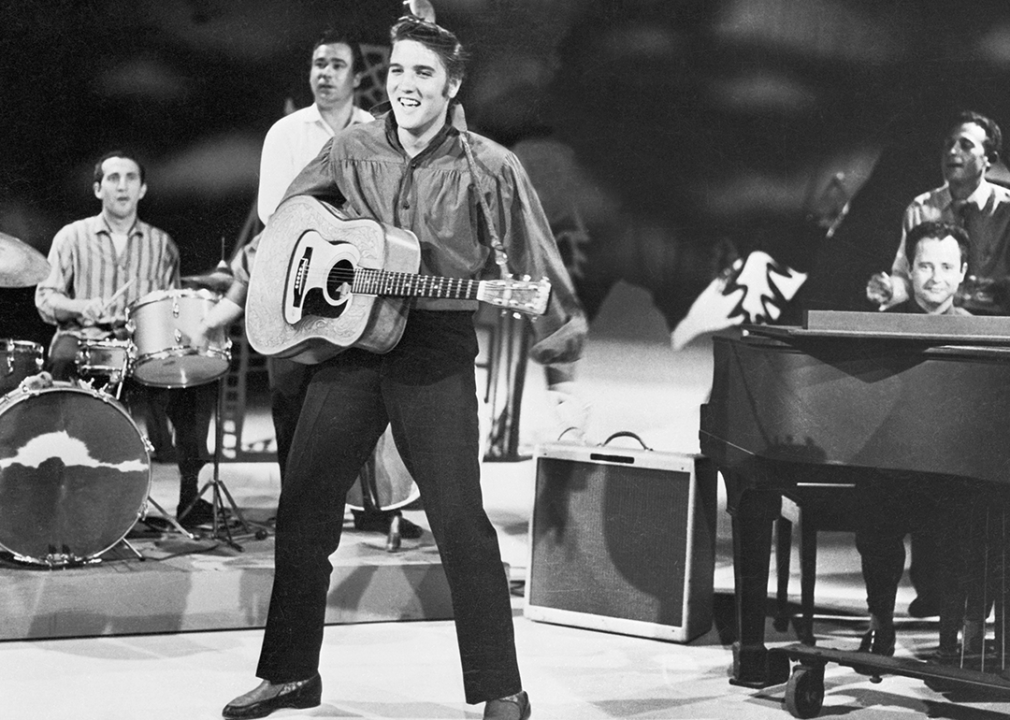
    Elvis Presley with guitar rehearses for performance.
    Bettmann // Getty Images

    Elvis Presley

    – Primary career: Singer and actor
    – Birth year: 1935 (deceased)
    – Trucking experience: Truck driver for Crown Electric

    Before being crowned the King of Rock ‘n’ Roll, Elvis Presley followed in his father’s footsteps and got a job driving for Crown Electric in 1954. That same summer, the teenager took his first shot in the music industry—and it did not go well. Presley auditioned for rockabilly icon Eddie Bond, and he was not impressed.

    Bond told him to stick to driving a truck because he was “never going to make it as a singer,” according to the fellow Memphis musician’s obituary. Of course, Bond ended up eating his words: Presley became far more famous than he ever did.

    James Cameron speaks at a press conference.
    Stephane Cardinale – Corbis/Corbis via Getty Images

    James Cameron

    – Primary career: Filmmaker
    – Birth year: 1954 (age 70)
    – Trucking experience: Truck driver in Southern California

    James Cameron has written and directed some of the biggest blockbusters in box-office history, from “Titanic” to “Avatar.” Before his big break came, though, he was a truck driver. During his routes, the aspiring filmmaker would think of screenplay ideas, and—after watching “Star Wars” in 1977—quit his job after the iconic sci-fi movie inspired him to go all-in on filmmaking.

    Liam Neeson attends the ‘Marlowe’ premiere during 70th San Sebastian International Film Festival.
    Carlos Alvarez // Getty Images

    Liam Neeson

    – Primary career: Actor
    – Birth year: 1952 (age 72)
    – Trucking experience: Forklift truck driver for Guinness Brewery

    Long before he was driving 18-wheeler Kensworths across the frozen tundra in “The Ice Road,” actor Liam Neeson was driving forklift trucks at the Guinness bottling plant. Neeson, who also starred in the Oscar-winning “Schindler’s List,” recalled his truck driving experience during a 2021 Den of Geek interview promoting “The Ice Road.”

    Neeson revealed that Kensworth experts instructed him on maneuvering the massive rigs, which were driven on real ice during production. “Actually being on the ice, which then was about 30 to 40 inches thick—so it was fairly safe, but still scary—and driving these things was an amazing experience,” he told the movie review site.

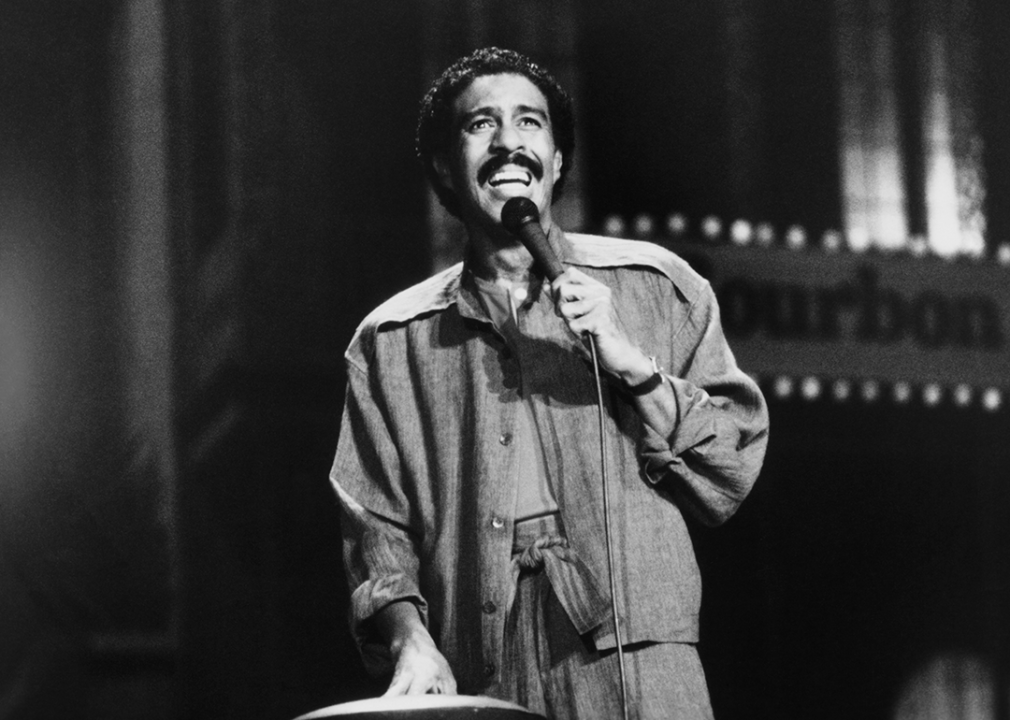
    Richard Pryor performing on stage in ‘Here and Now’.
    Bettmann // Getty Images

    Richard Pryor

    – Primary career: Comedian and actor
    – Birth year: 1940 (deceased)
    – Trucking experience: Truck driver

    Richard Pryor will go down in history as one of the most influential comedians ever. Long before winning five Grammys for his stand-up sets, the funnyman drove trucks. Pryor also served in the Army between 1958 and 1960, performing numerous amateur shows. He went on to star in classic comedies like “Stir Crazy” and “Brewster’s Millions.”

    Jason Aldean performs onstage.
    Joshua Applegate // Getty Images

    Jason Aldean

    – Primary career: Country singer
    – Birth year: 1977 (age 47)
    – Trucking experience: Pepsi delivery driver

    Country star Jason Aldean is famous for championing trucker culture, and that’s because he knows firsthand what goes into the job. Before getting his big break in the mid-aughts, Aldean worked as a delivery driver for Pepsi in Georgia. He’s opened up about the job in the past, recalling how he’d take off Thursdays and Fridays to play gigs in Florida. Aldean paid tribute to the profession on his 2005 self-titled debut album with a song called “Asphalt Cowboy.”

    FIND DAILY TRUCK PARKING IN NEARLY EVERY STATE

    On the road and looking for a daily truck parking space? Find the closest daily parking spot in a

    matter of seconds.

    Sean Connery poses as James Bond next to his Aston Martin DB5.
    Michael Ochs Archives // Getty Images

    Sean Connery

    – Primary career: Actor
    – Birth year: 1930 (deceased)
    – Trucking experience: Truck driver in Scotland; milkman

    Sean Connery is perhaps best known as the original James Bond in the long-running 007 film franchise. But before becoming an Oscar-winning actor, the late star followed in his father’s footsteps as a trucker in his birthplace of Scotland. Before acting, he was also in the Navy, working as a lifeguard, milkman, and an artist model, among others.

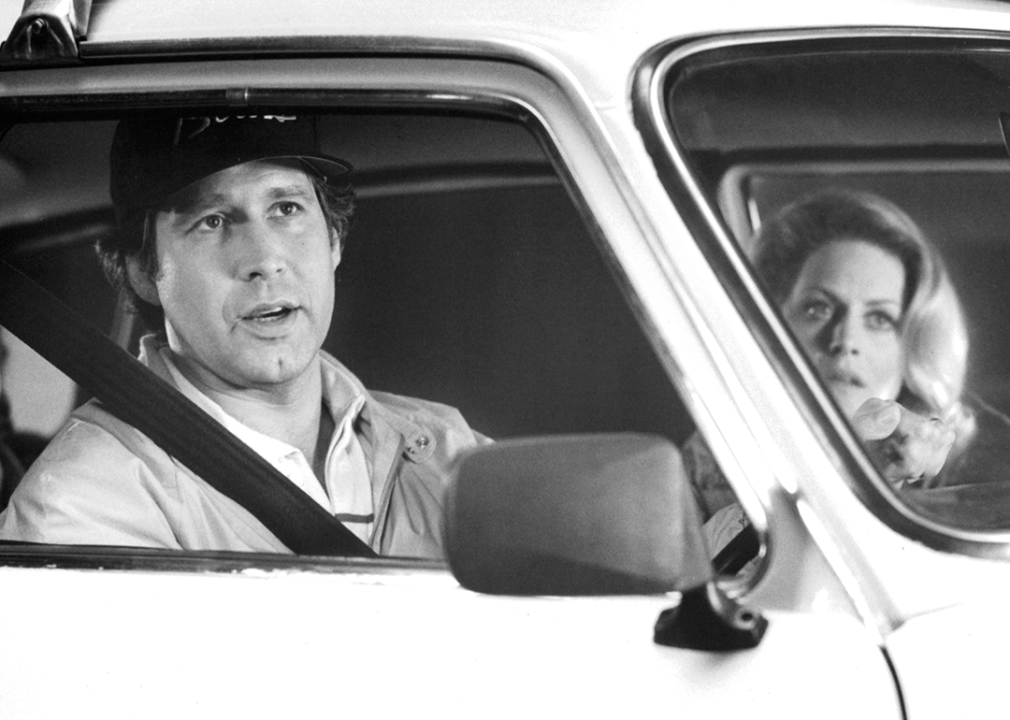
    Chevy Chase and actress Beverly D'Angelo in National Lampoon's "European Vacation”.
    Michael Ochs Archives // Getty Images

    Chevy Chase

    – Primary career: Comedian and actor
    – Birth year: 1943 (age 81)
    – Trucking experience: Semitruck driver

    One of Chevy Chase’s most iconic characters is Clark Griswold from the “National Lampoon’s Vacation” franchise. Before he played the station wagon-driving dad, the comedian drove semitrucks as a delivery driver. It was one of many jobs Chase worked until getting his big break on “Saturday Night Live” in 1975.

    Robert Duvall poses for a portrait in a film editing suite.
    Chuck Fishman // Getty Images

    Robert Duvall

    – Primary career: Actor
    – Birth year: 1931 (age 93)
    – Trucking experience: Truck driver

    Picture this: Robert Duvall and Gene Hackman splitting the rent in a New York City apartment, where Dustin Hoffman occasionally slept on the kitchen floor. Although all three became hugely successful actors, they had humble beginnings as classmates at New York City’s famed Neighborhood Playhouse. During his time at acting school, Duvall worked a handful of odd jobs that included driving a truck.

    Viggo Mortensen on the red carpet at Rome Film Fest 2024.
    Massimo Insabato/Mondadori Portfolio via Getty Images

    Viggo Mortensen

    – Primary career: Actor
    – Birth year: 1958 (age 66)
    – Trucking experience: Truck driver in Denmark.

    Viggo Mortensen was born in New York; however, his father was Danish. Before pursuing a career in acting, he drove trucks and sold flowers in Denmark. Mortensen got his first movie role in 1985 and eventually became immortalized as Aragorn in the “Lord of the Rings” film trilogy. Mortensen is a man of many talents and has also produced volumes of poetry, music, photography, and paintings.

    PREVIOUSLY INACCESSIBLE TRUCK PARKING

    Take care of your truck and trailer parking needs with new locations added daily. 

    Charles Bronson seated on the banks of the East River.
    Bettmann // Getty Images

    Charles Bronson

    – Primary career: Actor
    – Birth year: 1921 (deceased)
    – Trucking experience: Army and civilian truck driver

    After driving Army trucks during World War II, Charles Bronson tried out various jobs and eventually became a civilian truck driver. Eventually, he got hired at a theater company and pursued a career in acting. That ended up being a good move, as the film legend went on to star in movies like “Death Wish” and “Once Upon a Time in the West.”

    Story editing by Alizah Salario. Additional editing by Kelly Glass. Copy editing by Paris Close.

    Written by: Katrina Sirotta

  • Here’s why US electric vehicle infrastructure has tripled in 5 years, and where it’s most common

    Here’s why US electric vehicle infrastructure has tripled in 5 years, and where it’s most common

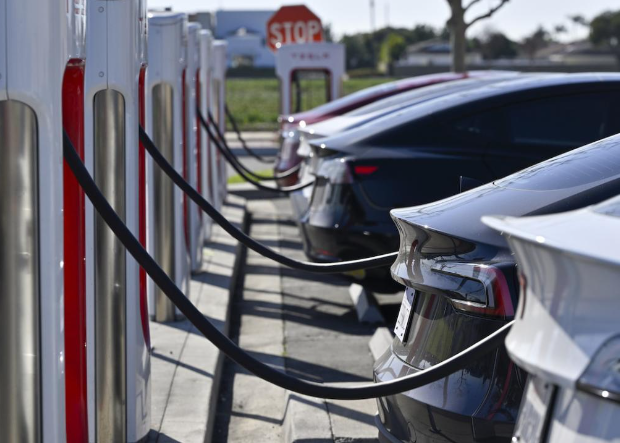
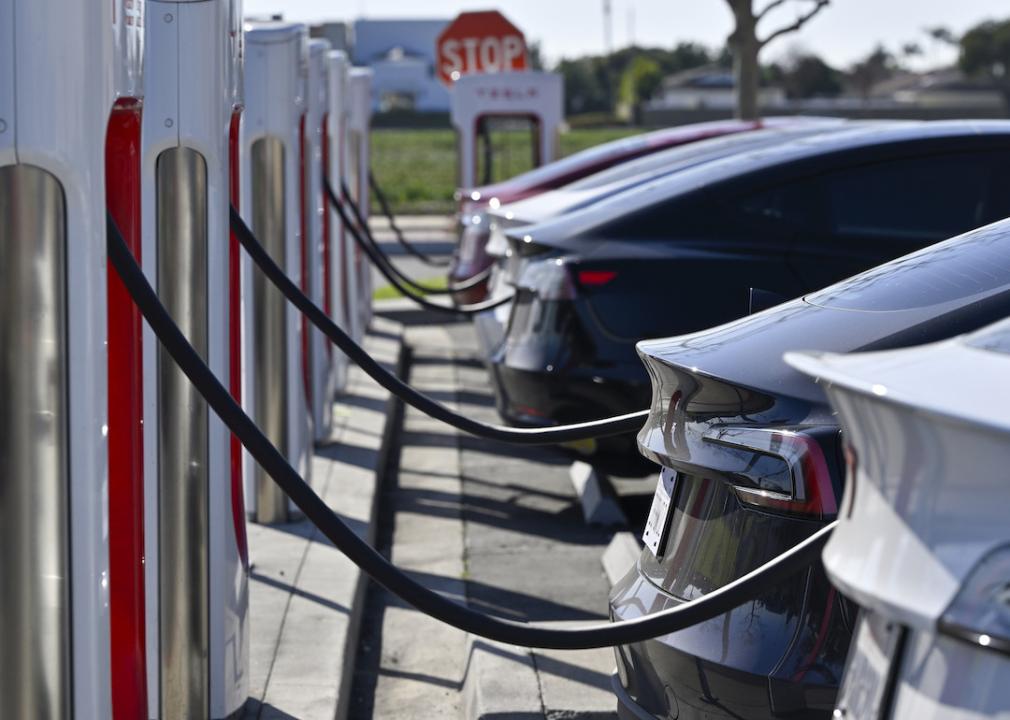
    Drivers charge their Teslas in Fountain Valley, California.
    Jeff Gritchen/MediaNews Group/Orange County Register via Getty Images // Getty Images

    Here’s why US electric vehicle infrastructure has tripled in 5 years, and where it’s most common

    Car buyers weary of electric vehicles often share the same concern: “What if I run out of juice and there’s nowhere to charge my car?”

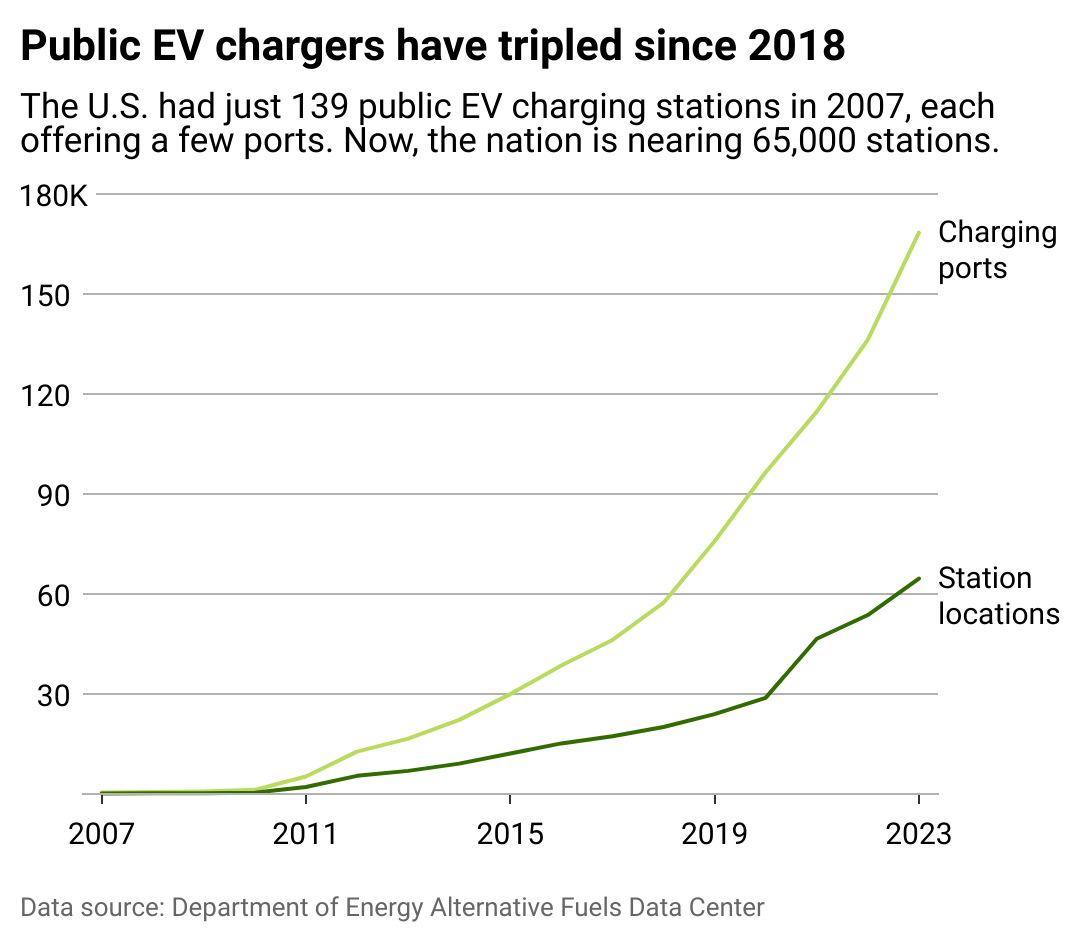
    That was a fair question in 2007. At the time, there were only 139 public EV charging stations. But in the years since, public and private entities have invested billions into building out charging infrastructure to make EVs a more practical option.

    As of 2023, there are over 64,000 public EV charging stations across the U.S.—more than twice the number in 2020 and three times the number in 2018. Some areas have particularly high concentrations of stations, including in the California Bay Area and Seattle metro, where EVs are more popular than in many other parts of the country.

    To provide a broader picture of U.S. electric vehicle charging infrastructure, Truck Parking Club tapped into the Department of Energy’s Alternative Fuels Data Center and White House investments data to chart its considerable expansion.

    EV infrastructure has expanded under the Biden administration, with recent funding continuing to enhance EV adoption spurred by funds allocated in the 2021 Bipartisan Infrastructure Law and 2022 Inflation Reduction Act. However, President-elect Donald Trump has vowed to roll back clean-energy initiatives, including the $7,500 tax credit for Americans buying EVs. It’s unclear whether the president-elect would cut infrastructure expansion funds.

    FIND DAILY, WEEKLY, AND MONTHLY TRUCK PARKING

    On the road and looking for a daily truck parking space? Operated by truckers, we source the best parking spots across the nation to ease your trip planning.

    A line chart showing the number of public EV charging stations and ports over time.
    Truck Parking Club

    EV infrastructure grows exponentially

    While most EV owners will predominantly charge their vehicles at home, public charging can save them in a pinch. At the same time, the presence of public chargers generates positive opinions of EVs among those who live nearby, Pew Research polling shows.

    The biggest year for new public EV stations was 2021, when more than 17,700 public stations were added to the national footprint. That was the same year the Bipartisan Infrastructure Law provided $7.5 billion for states and communities to build out their charging infrastructure. However, the first BIL-funded EV charger didn’t break ground until 2023, Politico reports.

    Currently, much of the U.S. public EV infrastructure is privately owned—largely by EV market leader Tesla. Of EV stations mapped in the alternative fuels database, most didn’t have owner information. Those that did mostly listed private ownership. Of 22,000 public fast chargers in the U.S. in 2022, nearly 3 in 5 were Tesla superchargers, according to the International Energy Agency’s 2022 Global EV outlook.

    EV companies have incentive to build out public infrastructure, as accessibility is a major draw for potential customers. Despite a slow start to government projects, other federal efforts have incentivized these expansions, such as IRA-funded tax credits for individuals and businesses to install EV chargers in certain areas.

    PREVIOUSLY INACCESSIBLE TRUCK PARKING

    Take care of your truck and trailer parking needs with new locations added daily. 

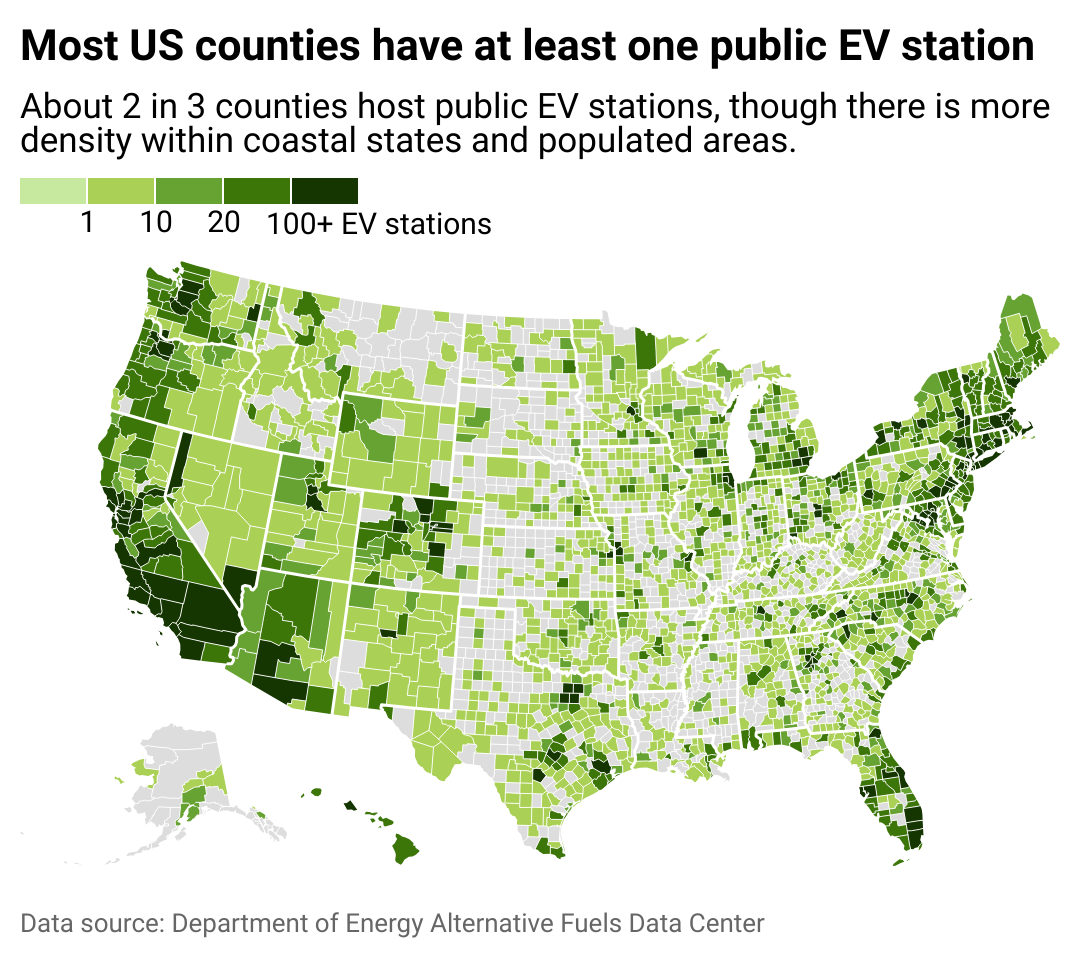
    A heat map showing the number of public EV charging stations by county in 2024.
    Truck Parking Club

    Mapping public EV charging

    A majority of counties in the U.S. host public EV charging—a huge feat for a relatively new phenomenon. Several counties even boast over 1,000 public stations, including a few in California and the most populous counties in Washington and Massachusetts.

    About 64% of Americans live within 2 miles of a public charging station, according to Pew. These individuals are more likely to own an electric or hybrid vehicle, consider buying one, and favor phasing out new gasoline car production—even when accounting for partisanship or community type, its research shows.

    Still, substantial gaps remain in EV charging access, which both reflects and reinforces EV hesitancy. Pew Research data from 2024 shows that while 60% of urban residents live within a mile from the nearest public EV charger, that figure drops to 41% for suburban Americans and just 17% for rural Americans.

    DOE data shows similar trends, with large gaps in EV charging infrastructure in the central U.S. and Alaska, largely rural areas where EVs are unpopular at best. The IRA tax credit targeted these areas in particular for charging incentives, and in turn charging station growth has been slightly faster in rural areas than in urban areas since 2022. Further public investments, if they remain on the table, intend to supercharge those areas and widen the range for EVs.

    PARK YOUR TRAILER WITH NO HASSLE

    Store your trailer in a safe place with a state-of-the-art platform that locates trailer parking near me.

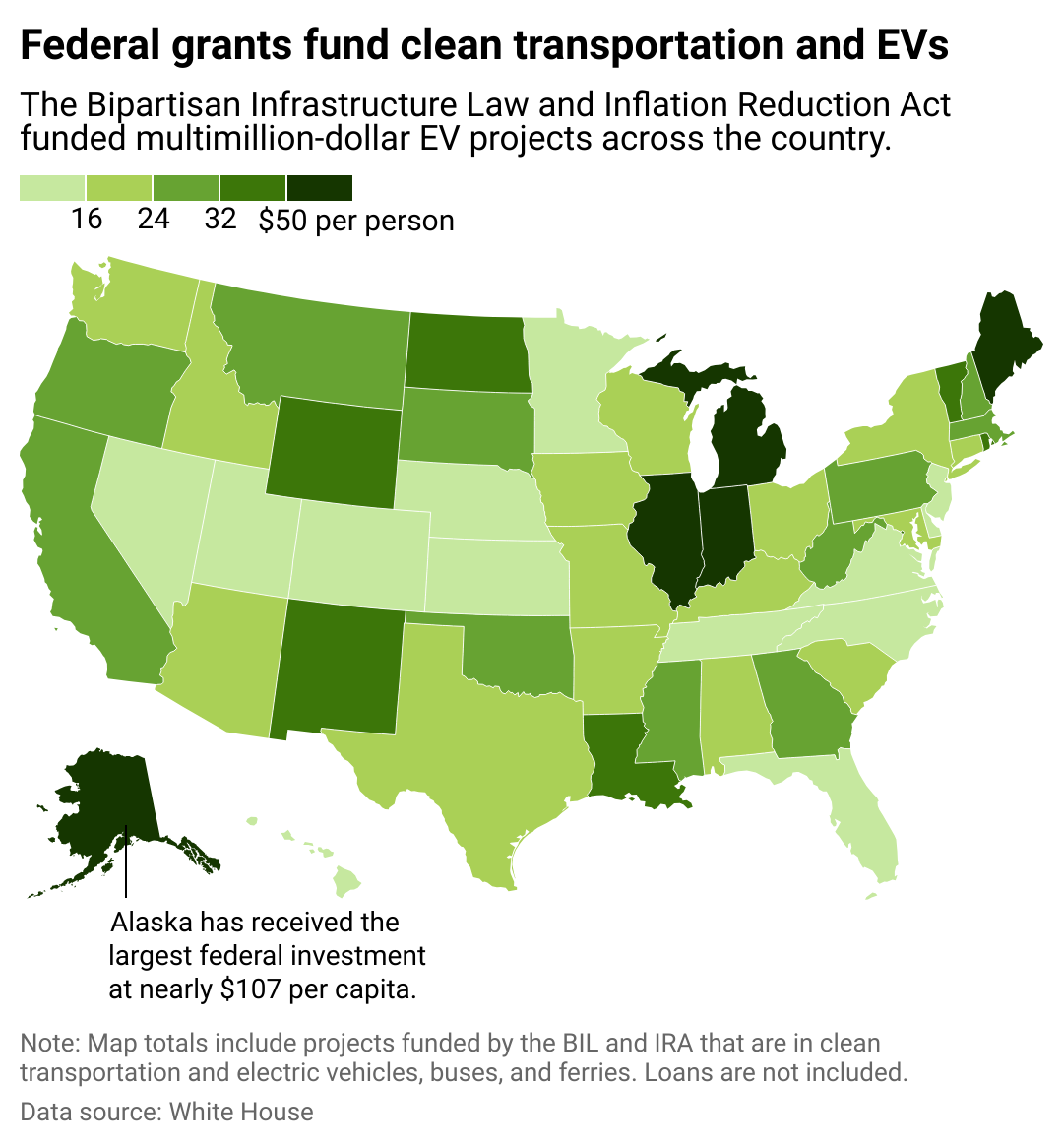
    A heat map showing continued investments in clean transportation infrastructure and electric vehicles, trucks, and ferries from the Bipartisan Infrastructure Law and Inflation Reduction Act.
    Truck Parking Club

    Continued investments

    Funds from the IRA and BIL are still being doled out for clean transportation and EV projects across the nation. Alaska, which has some of the most sparse EV infrastructure in the nation, is slated to receive the most federal funding per capita among projects announced so far. That includes $31.5 million for EV infrastructure projects.

    Other highlights for ongoing federal funding include several of the states surrounding Lake Michigan, which joined into an agreement to build out EV charging infrastructure along the lake’s coastline for seamless EV travel and tourism. Maine is another major recipient, with funds largely centered around electrifying its school bus fleets.

    The laws providing these funds came to fruition under the Biden administration, but ultimately received bipartisan support. Meanwhile, President-elect Trump has been vocal on the campaign trail about reversing EV initiatives. His plan to eliminate the tax credit for people who buy EVs is supported by some oil industry leaders, as well as Tesla CEO Elon Musk, as it would hurt competitors in the EV space, according to New York Times reporting. However, major organizations representing U.S. carmakers and auto workers oppose eliminating the credit.

    Reuters reports that Trump and his energy allies think some clean energy policies will be more challenging to cut, as they are pumping money into Republican-run states where Trump won at the polls—with infrastructure projects in Trump-supporting Alaska, Michigan, and Indiana chief among them.

    Musk has scorned federal EV infrastructure spending in the past, despite Tesla being the recipient of substantial funds from the National Electric Vehicle Infrastructure program. At the moment, it remains unclear where the incoming administration will land on funding for EV charging.

    Regardless, any cuts to Biden-era EV policies will raise costs for EV owners and slow their adoption. With less government support for EVs in general, it’s unlikely that infrastructure will continue to follow the current growth trajectory. Maintenance of existing public chargers could also drop off as subsidies and industry growth stalls.

    Overall, current trends may lead to a much bleaker picture for EV charging in four years’ time.

    Story editing by Alizah Salario. Additional editing by Kelly Glass. Copy editing by Tim Bruns.

    Written by: Paxtyn Merten

  • Biggest Truck Stops in the US

    Biggest Truck Stops in the US

    When you’re on the road for hours, the best truck stops in the US can feel like a second home. Let’s see some of the biggest truck stops in the US that offer exceptional services and amenities, making them the top truck stops in the US.

    Iowa 80 Truck Stop, Walcott, Iowa

    Known as the “World’s Largest Truck Stop,” Iowa 80 is a must-visit. It offers amenities like a dentist, barbershop, movie theater, and trucking museum. Here, you can take care of personal needs and enjoy some downtime, making it one of the best truck stops in the US.

    Jubitz Travel Center, Portland, Oregon

    The Jubitz Travel Center provides luxury accommodations in Portland, including a hotel, cinema, lounge, and a full-service truck maintenance shop. It’s a stop where you can rest comfortably and ensure your rig is in top condition, solidifying its place among the top truck stops in the US.

    Petro Truck Stop, Reddick, Florida

    Renowned for its extensive parking and variety of dining options, the Petro Truck Stop in Florida includes a fitness center and laundry facilities. It caters to your well-being on the road and is considered one of the best truck stops in the US for its comprehensive services.

    Whiskey Pete’s, Primm, Nevada

    Whiskey Pete’s combines a truck stop with a casino resort, offering entertainment and dining all in one place—a perfect spot to unwind after long hours of driving. Its unique blend of services makes it one of the biggest truck stops in the US in terms of offerings.

    South of the Border, Hamer, South Carolina

    This unique stop in South Carolina features amusement attractions, overnight parking, and multiple restaurants. It’s one of the top truck stops in the US, where you can take a break from the monotony of the road and enjoy some fun activities.

    Benefits of Stopping at the Largest Truck Stops in the US

    Visiting the biggest truck stops in the US provides you with comprehensive services all in one location. You can fuel up, enjoy a hearty meal, rest in comfortable facilities, and take care of vehicle maintenance without making multiple stops. 

    These truck stops often have showers, laundromats, and rest lounges, ensuring you have everything you need to stay refreshed and alert. They also offer opportunities for community and networking. 

    You can meet fellow truckers, share experiences, and even participate in trucker events and promotions. Safety and security are prioritized, with well-lit parking areas and security patrols giving you peace of mind while you rest.

    How to Find Accurate Information on Truck Stops Online

    In today’s digital age, finding accurate information about the best truck stops in the US is at your fingertips. By utilizing our trusted platform and app dedicated to truck stop information, you can access up-to-date listings for amenities and services. 

    Reading reviews and ratings from other truckers provides valuable insights into their experiences, helping you make informed decisions about where to stop. Planning is essential. 

    By mapping out your route with planned stops, you avoid surprises and ensure that the truck stops you choose meet your needs. Confirming details beforehand saves you time and reduces stress on the road.

    Why Choose Private Parking Lots Over Traditional Truck Stops

    Private parking lots offer a range of benefits that traditional truck stops often can’t match. One of the biggest advantages is guaranteed availability. 

    With private parking, you can reserve your spot ahead of time, avoiding the frustration of arriving at a fully occupied truck stop after a long day on the road. Time efficiency is another key benefit, as you can head directly to your reserved spot without wasting time searching for parking.

    Security is also enhanced, as many private lots offer controlled access and are monitored, ensuring the safety of your vehicle and cargo. Additionally, private lots often provide cost-effective options, especially if you do not need all the extra amenities traditional truck stops offer.

    Let’s Help You Find the Ideal Truck Stop

    At Truck Parking Club, we believe in connecting you—whether you’re a trucker or a property member—to create a seamless parking experience. If you have any questions regarding your booked space, we encourage you to contact your host directly using the provided number; they’re trusted partners ready to assist you. 

    We’re here for you throughout the process. If you encounter any issues or have additional reservation inquiries, please contact us at (888) 899-7275 or through our online contact form

    Together, we’re enhancing the journey for everyone on the road by taking care of your parking needs so you can focus on what you do best.

    The information published herein is for general informational purposes only. Truck Parking Club does not make any representations or warranties about the completeness, reliability, legality, and accuracy of this information. Any reliance placed on such material is strictly at the user’s own risk. Truck Parking Club shall not be responsible for any losses or damages incurred in connection with the information published herein.

  • Landslides are a threat to US infrastructure and safety. Here’s where they pose the biggest threat.

    Landslides are a threat to US infrastructure and safety. Here’s where they pose the biggest threat.

    Home destroyed by a landslide.
    IrinaK // Shutterstock

    Landslides are a threat to US infrastructure and safety. Here’s where they pose the biggest threat.

    Hurricane Helene wrought devastation across the Southeast. The storm’s high winds and flooding killed more than 230 people, and the damage to property, infrastructure, and other economic impacts is estimated to be worth tens of billions of dollars.

    But heavy rains and destructive winds weren’t the only natural disasters out in force: The hurricane also activated nearly 2,000 landslides, of which over half have impacted roads, rivers, and structures, according to early estimates.

    Even on their own, landslides are a deadly and costly natural disaster. There were 310 fatal landslides globally in the first half of 2024 alone, which killed 2,315 people—unusually high numbers compared to previous years. In the U.S., 25 to 50 people on average are killed by landslides each year, according to the Department of Interior.

    Landslides from Hurricane Helene alone killed 20 people in North Carolina, which endured the worst of the storm’s landslides. A combination of fast-moving mud and water destroyed roads, rail links, water access, homes, and businesses across the state.

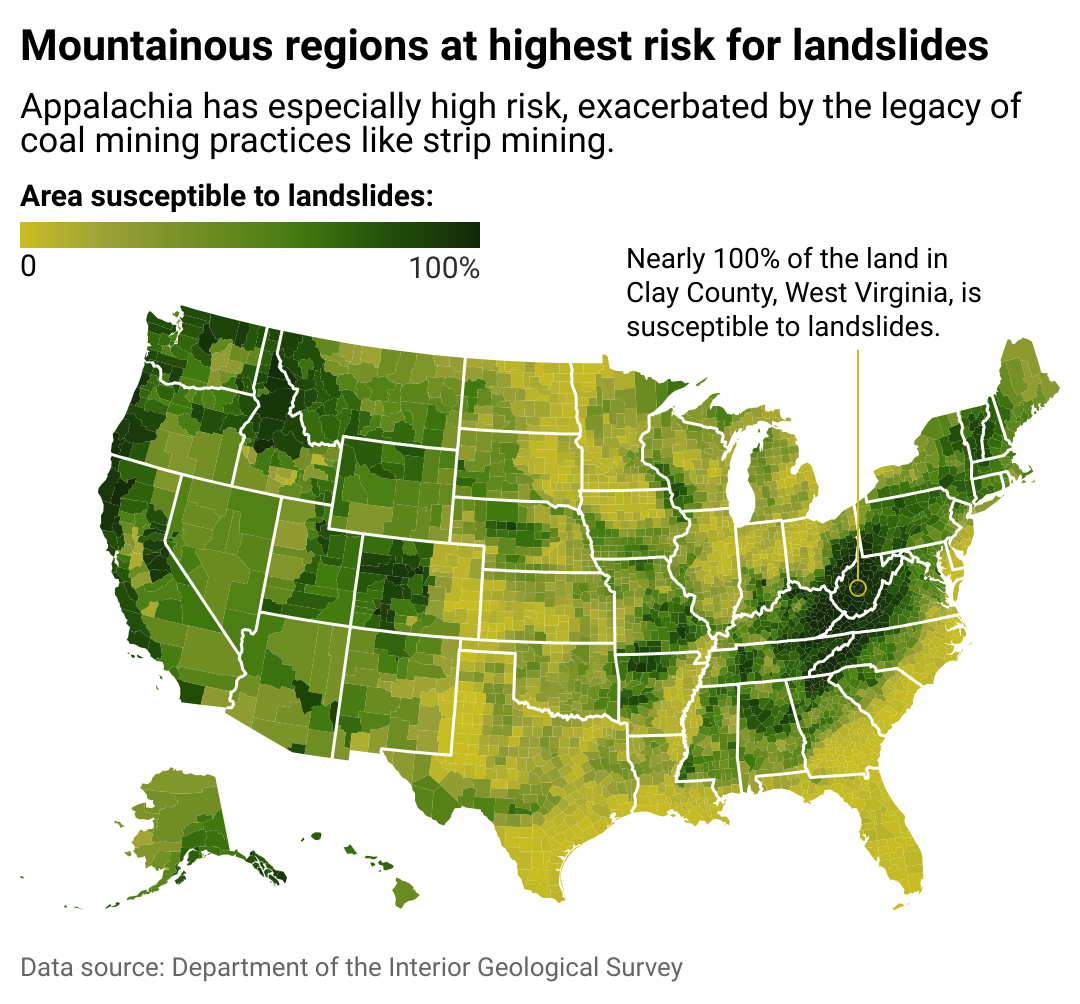
    As climate change strengthens hurricanes and increases the frequency and severity of extreme rain events, the risk of landslides is also rising. To get a clearer picture of where the risk is greatest, Truck Parking Club mapped county-level data from the Department of the Interior Geological Survey, published in September 2024. Counties are displayed by the share of their land area that is susceptible to landslides.

    PARK YOUR TRAILER WITH NO HASSLE

    Store your trailer in a safe place with a state-of-the-art platform that locates trailer parking near me.

    A heat map showing the share of land in each U.S. county that is susceptible to landslides.
    Truck Parking Club

    Counties within mountain ranges have high landslide susceptibility

    A landslide occurs when rock, debris, or earth moves down a slope. Inclines like hills and bluffs are a critical component of slides, meaning mountainous regions are at higher risk. Typically, landslides are triggered by other forces like heavy rainfall, snowmelt, earthquakes, volcanic activity, human activities, or some combination of factors. They’re often impossible to predict.

    According to the Geological Survey, places where weak or fractured earth materials sit on steep slopes are likely to experience landslides—for example, areas with a history of strip mining. In Appalachia, about 1,400 square miles of land are scarred by strip mining within the Ohio River basin, according to an Inside Climate News analysis of satellite imagery. Together, the “waste rock” left behind, increasing stream flows, and heavy rainfalls brought on by climate change create a deadly recipe for landslides. This part of Appalachia is also near the Gulf of Mexico, where fast-warming waters stir up exceptionally wet and fast-growing storms, as was the case with Hurricane Helene.

    FIND DAILY, WEEKLY, AND MONTHLY TRUCK PARKING

    On the road and looking for a daily truck parking space? Operated by truckers, we source the best parking spots across the nation to ease your trip planning.

    Combined, these elements create the highest vulnerability to landslides in the region. Much of West Virginia, in particular, is at risk: In 47 of the state’s 55 counties, more than 90% of the land is susceptible to slides. Parts of Virginia, Kentucky, Ohio, Tennessee, and North Carolina are also exceedingly vulnerable.

    The California coast has also been plagued by high-profile landslides. Earlier this year, a rockslide destroyed part of Highway 1 along the state’s famed Big Sur. The earth below the highway isn’t sturdy, and wetter storms are further weakening it and contributing to more frequent and severe landslides. It’s an iconic road trip and tourism destination, where the highway winds along cliffs above the Pacific Ocean, but it was forced to close to most traffic and still offers just one lane of traffic at some points.

    Other landslide risk factors include population growth, rapid land use changes, urbanization, heavy logging and deforestation, and inappropriate use of lands—slopes in particular. Wildfires also generate landslide hazards, leaving behind excess debris to get dragged down during floods, as Big Sur has experienced.

    The heightened frequency and severity of landslides are a direct consequence of logging, mining, and climate change, with massive repercussions for safety and critical infrastructure in the U.S. and across the world.

    Hazard maps like those from the Geological Survey are a tool that federal, state, and local governments can use to identify landslide vulnerabilities and prepare for them. Preparation and mitigation efforts might include landslide drills, evacuation plans, improved drainage systems, and slope stabilization. Governments in susceptible areas can adopt disaster-resilient building codes and standards, as well as restrictions on mining and logging.

    In some cases, such as Highway 1, there are no conceivable solutions to fully protect against landslides. Still, with increased awareness and response plans, people can make more informed decisions on where to live (or safely visit) and can prepare themselves for landslides and their aftermath.

    PREVIOUSLY INACCESSIBLE TRUCK PARKING

    Take care of your truck and trailer parking needs with new locations added daily. 

    Story editing by Carren Jao. Additional editing by Kelly Glass. Copy editing by Tim Bruns. 

    Written by: Paxtyn Merten

  • Truck Routing & Parking Guide for Fleet Owners

    Truck Routing & Parking Guide for Fleet Owners

    Truck routing is a crucial aspect of truck driving. It ensures you plan your route efficiently with scheduled stops for rest and refueling. By selecting the right highways and choosing reliable parking lots, you can help ensure timely deliveries with minimal delays. Whether you’re an independent driver or working for a company, effective truck routing, and parking are responsibilities that directly impact your success.

    This guide covers essential tips and strategies for improving your truck routing and parking, helping you boost your reliability and reputation in the industry.

    What Is Truck Routing and Parking?

    Truck routing and parking differ significantly from planning a car trip. While personal vehicles can travel on most roads, trucks face unique restrictions and regulations. When planning a truck route, drivers must consider road limitations, weight restrictions, and legal regulations that dictate where and how trucks can travel.

    The goal is to choose the safest and most efficient route to ensure the timely delivery of cargo. Given that trucks vary in size and type, drivers must account for height, weight, and speed restrictions, as well as the necessity of scheduled breaks to stay alert and comply with safety standards.

    How to Plan Truck Routes Effectively 

    Most commercial truck drivers rely on route planning software that factors in the truck’s specifications and cargo load to determine the optimal route. These platforms are user-friendly and save valuable time, allowing drivers to focus on essential inspections and preparations.

    Truck planning apps use real-time data to account for various factors like road conditions, traffic, and weather, helping drivers choose the best possible route. Additionally, many of these tools let you personalize preferences, such as avoiding congested roads or setting estimated delivery times.

    However, one limitation of some of these apps is the lack of parking information. Many can’t provide details on operating truck parking lots, including spot availability, prices, and amenities. Fortunately, there’s a solution, which we’ll explore later in this article.

    Tips to Improve Your Truck Routing and Parking 

    These tips will help you improve your truck route planning skills and ensure you always have a place to rest while on the road:

    1. Use Truck Parking Club: Our intuitive application provides effective parking solutions across states that allow truckers to find a parking lot packed with amenities to meet their comfort needs and budget. 
    2. Consider vehicle specifications: When planning routes, always account for your truck’s size, weight, and height restrictions. This ensures that you avoid obstacles like low-clearance bridges or weight-limited roads, which can cause costly detours and delays.
    3. Optimize fuel consumption: Effective route planning allows you to reach your destination on time or even earlier while minimizing fuel usage. Route planning software can identify the best roads to avoid traffic and reduce delays, helping you save fuel and time.
    4. Monitor real-time traffic conditions: It’s worth investing in an application that detects congested roads and reroutes your map so that you don’t waste your time in a traffic jam. 
    5. Always check your routes: Even if you’re familiar with a route, it’s essential to review it regularly for potential changes or unexpected road conditions. Adopting a flexible approach allows you to adjust your route when necessary, ensuring smoother travels when your usual path encounters issues.

    Why Should You Prioritize Truck Routing and Parking?

    Truck routing and parking are about much more than just finding your way. Proper planning ensures that your truck stays on safe, accessible roads, allowing you to optimize fuel consumption, avoid rough terrain that can damage your vehicle, and, most importantly, safeguard both yourself and your cargo. But are those the only benefits? Not really: 

    • Truck routing can save you costs on fuel by avoiding busy roads 
    • You can enhance your comfort by knowing where to stop for a break and where the road conditions are adequate. 
    • You can increase efficiency and your reputation by cutting down on mileage and fuel costs while delivering cargo on time. 

    Commercial Truck Routine Made Simple 

    Simplifying truck routing is essential for improving the overall performance of your fleet. With tools like Truck Parking Club and route optimization software, planning routes and parking stops has never been easier. 

    By prioritizing safety, efficiency, and convenience, you ensure that you are supported, your deliveries are on time, and your reputation as a reliable carrier is solidified.

    Become a Trucker Member today and unlock the full range of benefits tailored to make your journey smoother and more efficient!

    The information published herein is for general informational purposes only. Truck Parking Club does not make any representations or warranties about the completeness, reliability, legality, and accuracy of this information. Any reliance placed on such material is strictly at the user’s own risk. Truck Parking Club shall not be responsible for any losses or damages incurred in connection with the information published herein.

  • 10 classic trucking movies

    10 classic trucking movies

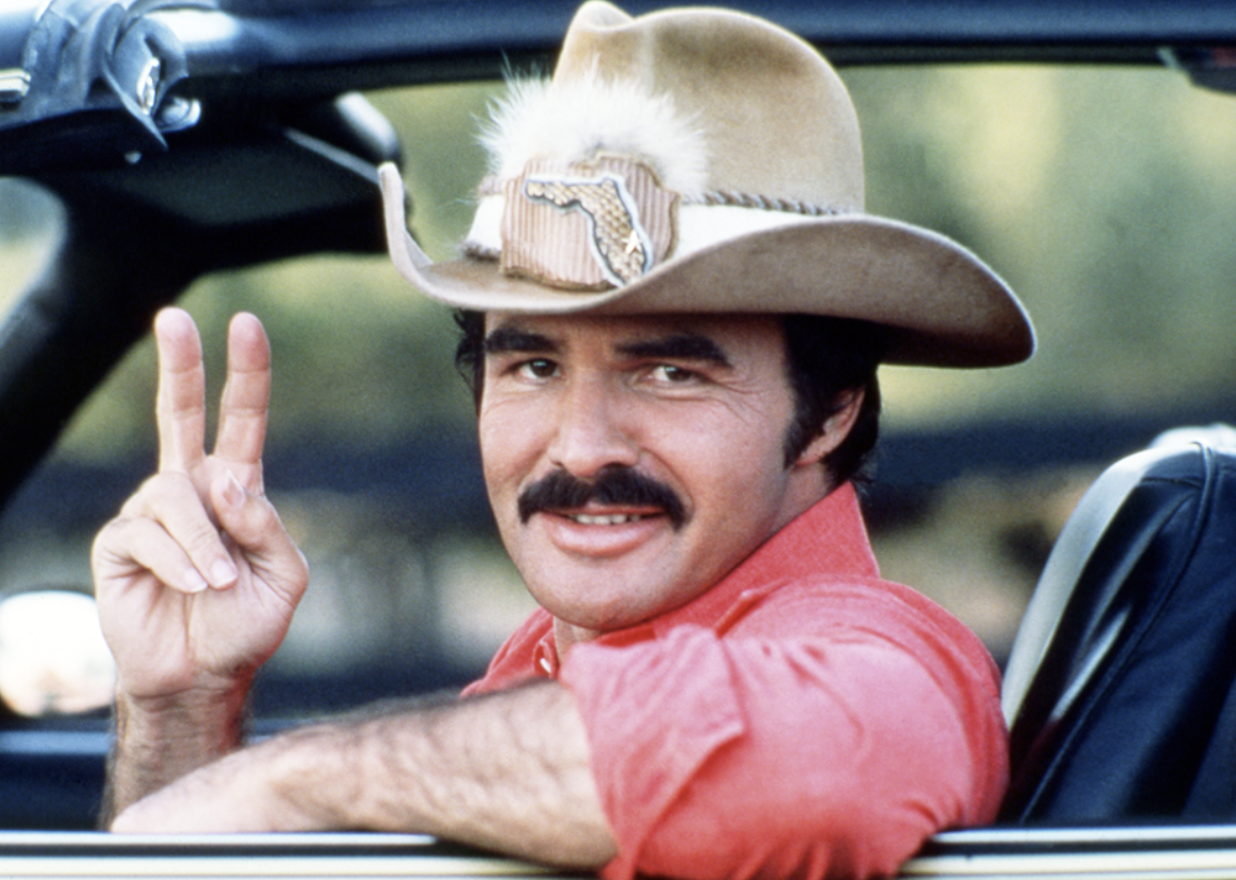
    Burt Reynolds as Bo 'Bandit' Darville in 'Smokey and the Bandit'
    Silver Screen Collection // Getty Images

    10 classic trucking movies

    Trucking is an integral part of American culture. These drivers haul and deliver goods all over the country, and the occupation is one of the most common in the U.S.

    Though normalized over the years, truckers are often perceived in pop culture as rebellious wanderers of the open road, akin to modern-day cowboys. It was the 1970s that saw a burst of interest in the lifestyle. People were fascinated by the camaraderie and thrill of the trucking community, and citizens band radios, or CB radios, were all the rage. Trucking films also saw a boom during that decade with iconic ’70s films like “Smokey and the Bandit” and “Convoy.”

    The CB radio craze fizzled out in the 1980s with the rise of cell technology, but truckers continue to be unlikely protagonists in the film world.

    Truck Parking Club analyzed numerous film databases to compile a list of 10 classic movies paying homage to the trucking industry. The releases range from the 1930s through the 2020s; however, it’s worth noting that 2 in 5 items on this list came from trucking culture’s heyday in the ’70s.

    FIND DAILY TRUCK PARKING IN NEARLY EVERY STATE

    On the road and looking for a daily truck parking space? Find the closest daily parking spot in a

    matter of seconds.

    Ralph Byrd, Doris Weston, and Ward Bond in ‘Born to Be Wild.'
    LMPC via Getty Images

    Born to Be Wild (1938)

    Ralph Byrd and Ward Bond star as truck drivers Steve Hackett and Bill Purvis, respectively, in “Born to Be Wild.” The action film begins with the two truckers getting fired after they decide not to shift to a lower gear while driving downhill on a steep grade. After losing their jobs, Hackett and Purvis’ boss asks them to haul what they’re told is a load of lettuce for a whopping $1,000. The cargo ends up being dynamite, and the duo ends up on an unsuspecting adventure to help save a town from ruin.

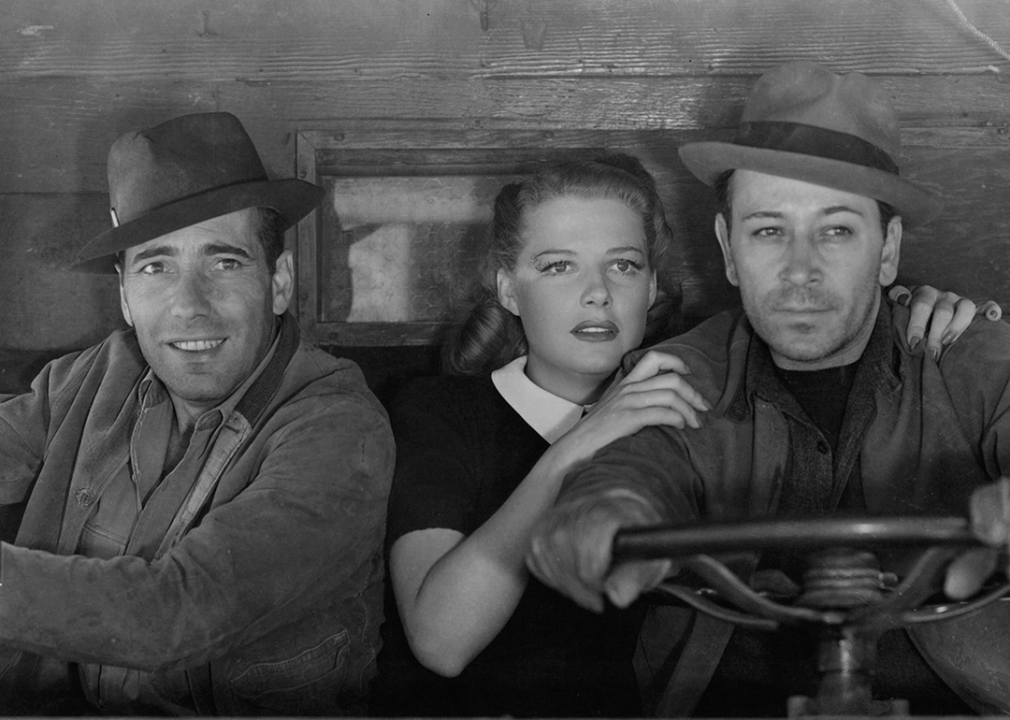
    Humphrey Bogart, Ann Sheridan, and George Raft in ‘They Drive By Night.'
    Warner Brothers // Getty Images

    They Drive by Night (1940)

    “They Drive by Night” was one the last movies featuring Humphry Bogart in a supporting role before his career blew up as a lead actor. It’s also one of his most underrated. The film noir stars George Raft as Joe Fabrini and Bogart as his brother, Paul Fabrini. The siblings work as delivery truck drivers with dreams of owning their own business. One night, Paul falls asleep at the wheel and loses his arm in an accident. Joe then gets offered a job with another trucking company. Things go awry when the owner’s wife (Ida Lupino) falls for him and kills her husband. She then frames Paul for murder when he refuses to be with her. “They Drive by Night” has stood the test of time and has a 92% Tomatometer on Rotten Tomatoes taken from 26 reviews.

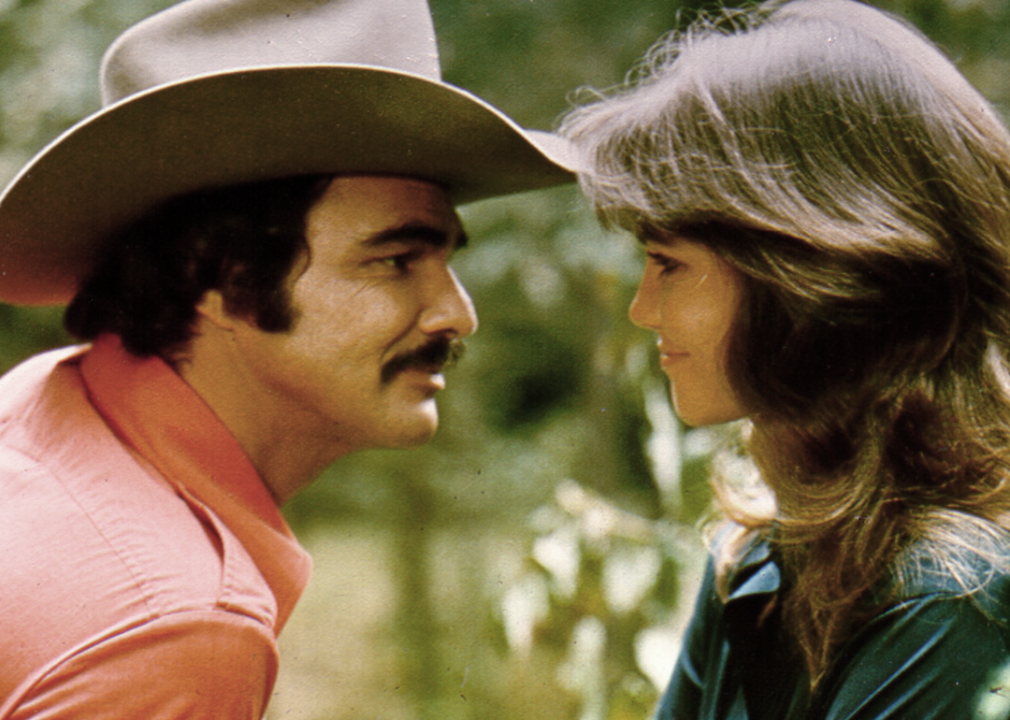
    Burt Reynolds and Sally Field in the film 'Smokey and the Bandit'.
    Michael Ochs Archives // Getty Images

    Smokey and the Bandit (1977)

    Burt Reynolds stars as a truck-driving bootlegger nicknamed Bandit in this action comedy. The adventure begins when Bandit agrees to smuggle beer over state lines and heats up when he picks up hitchhiker Carrie (Sally Field), gaining the attention of Sheriff Buford T. Justice. “Smokey and the Bandit” was the second-highest-grossing film of 1977 and spawned two sequels.

    Chuck Norris in ‘Breaker! Breaker!’.
    LMPC via Getty Images

    Breaker! Breaker! (1977)

    Trucking culture’s heyday was in the ’70s, and “Breaker! Breaker!” glorifies everything about the public’s romanticized perception of truck drivers. The movie stars Chuck Norris as J.D. Dawes—a big rig driver searching for his brother, who disappeared in a desert town run by a corrupt, trucker-hating judge. The film’s title also plays to the love of CB radios at the time (“breaker, breaker” is what truckers say when they want to speak on a channel). In typical Norris fashion, the villains get what’s coming to them in a harsh way.

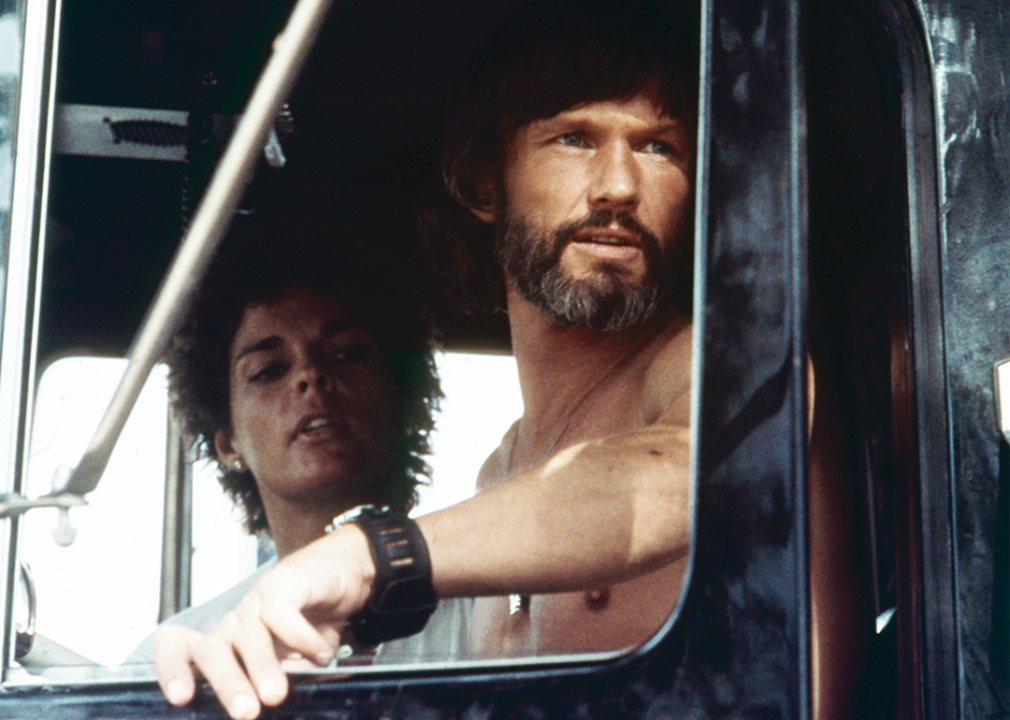
    Kris Kristofferson and Ali MacGraw in ‘Convoy’.
    Silver Screen Collection // Getty Images

    Convoy (1978)

    Rarely does a theme song predate a movie, but “Convoy” is based on C.W. McCall’s 1975 chart-topping country anthem of the same name. The film stars Kris Kristofferson as trucker Martin “Rubber Duck” Penwald and leans heavily on the decade’s fascination with trucking culture and CB radios. When a devious sheriff begins tricking drivers using their CB radios to alert each other about police presence, a group of truckers led by Rubber Duck use them to form a milelong convoy in protest.

    PREVIOUSLY INACCESSIBLE TRUCK PARKING

    Take care of your truck and trailer parking needs with new locations added daily. 

    Sylvester Stallone portrait.
    Michael Putland // Getty Images

    Over the Top (1987)

    “Over the Top” is a fitting title for Sylvester Stallone’s foray into trucking culture. The famed actor stars as Lincoln Hawk—a trucker striving to rekindle his relationship with his son after his estranged wife dies. Hawk’s other goal is to prevail at the arm wrestling championship and win enough money to buy a new semi. This film takes Stallone’s classic underdog archetype to new levels and sees him square off against some over-the-top rivals, including one who drinks a can of motor oil before their big arm wrestling match.

    Liam Neeson attends premiere.
    Samuel de Roman/WireImage // Getty Images

    The Ice Road (2021)

    “The Ice Road” turns trucking into a rescue mission in this action thriller. Liam Neeson stars as Mike McCann, an ice road big rig driver who helps lead a team of truckers over a frozen lake in an attempt to save workers who’ve been trapped after a diamond mine collapses in a remote area of northern Canada. Laurence Fishburne also stars in the Netflix movie as Jim Goldenrod, the trucker who leads the risky mission.

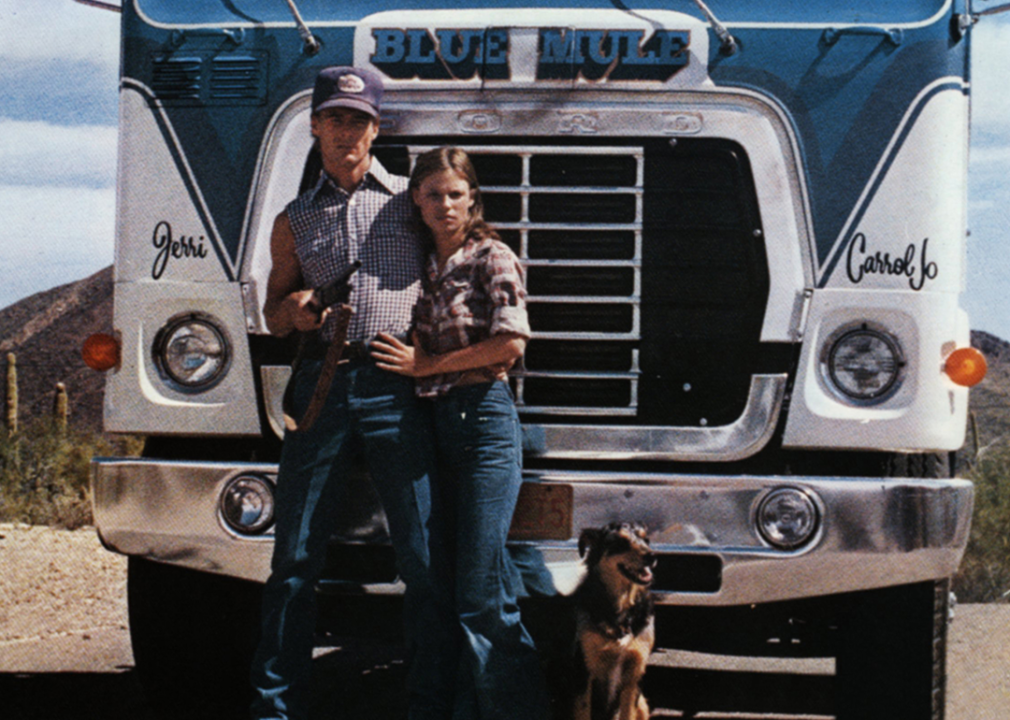
    Jan-Michael Vincent and Kay Lenz in a scene from ‘White Line Fever’.
    FilmPublicityArchive/United Archives via Getty Images

    White Line Fever (1975)

    Jan-Michael Vincent stars in “White Line Fever” as a Vietnam veteran-turned-independent-long-haul trucker Carrol Jo Hummer. After borrowing money for his own truck, Hummer is told he must repay his debt by smuggling goods on his drives. The young hero is appalled by the corruption and risks his life to stop it.

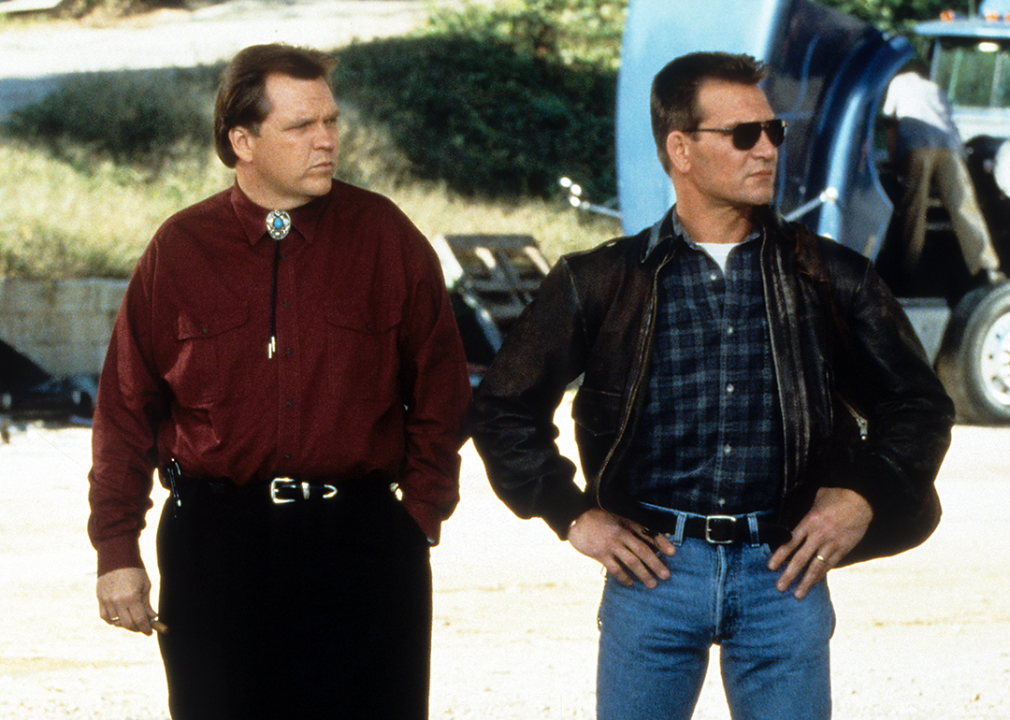
    Meat Loaf and Patrick Swayze in a scene from the film 'Black Dog’.
    Universal Pictures // Getty Images

    Black Dog (1998)

    Formerly incarcerated trucker Jack Crews (Patrick Swayze) takes a dangerous cash job to support his family in “Black Dog.” When he realizes the truck is filled with assault weapons, Crews knows the stakes are high. The action thriller’s climax comes in the form of a high-speed chase that includes a convoy of 18-wheelers and some impressive truck driving.

    PARK YOUR TRAILER WITH NO HASSLE

    Store your trailer in a safe place with a state-of-the-art platform that locates trailer parking near me.

    James Mottern, Michelle Monaghan, Jimmy Bennett, Joey Lauren Adams and Brandon Hanson attend the premiere of “Trucker".
    Scott Wintrow // Getty Images for Tribeca Film Festival

    Trucker (2008)

    In an industry dominated by men, “Trucker” stars Michelle Monaghan as Diane Ford, a woman trucker living life on the open road. Her world turns upside down when she is forced to reunite with her 11-year-old son, whom she deserted as an infant. The drama explores Ford’s inner struggle to balance her carefree life with raising a child and illuminates the challenges many truckers face with a life on the road.

    Story editing by Carren Jao. Additional editing by Kelly Glass. Copy editing by Paris Close.

    Written by: Katrina Sirotta

  • Lonely road: These are the states where people drive to work alone the most

    Lonely road: These are the states where people drive to work alone the most

    A close up of a young woman sitting in the driver’s seat of a car, smiling warmly.
    Photoroyalty // Shutterstock

    FIND DAILY, WEEKLY, AND MONTHLY TRUCK PARKING

    On the road and looking for a daily truck parking space? Operated by truckers, we source the best parking spots across the nation to ease your trip planning.

    Lonely road: These are the states where people drive to work alone the most

    Rush hours are infamous for densely packed streets, seas of brake lights, and raging commuters—all products of a population that mostly drives alone.

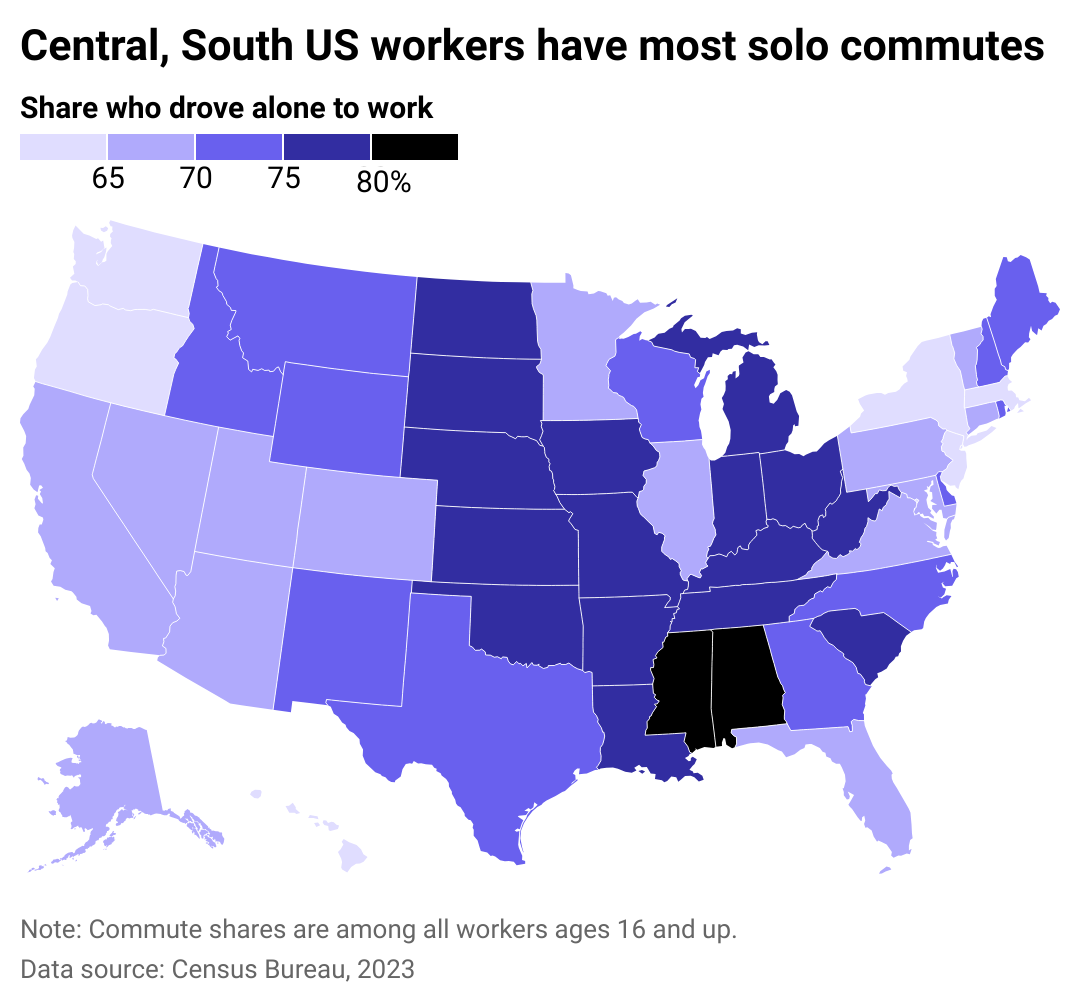
    About 7 in 10 Americans drive alone to work. That marks a new standard for the country in the wake of the COVID-19 pandemic, which caused drive-alone commutes to drop as telecommuting became more widespread. Even so, driving alone remains the primary commuting method in the nation.

    To identify areas where solo commutes remain most common, Truck Parking Club used Census Bureau data to map states by the share of people who drive to work alone. The analysis draws on other surveys and research to identify why these areas have more solo commuters and how it impacts individuals and their communities.

    Americans drive alone to work more than their counterparts in peer nations. Across a selection of six countries, including China, Germany, and Brazil, the share of U.S. commuters who drove alone led the other nations by at least 10 percentage points in 2022, according to Statista’s Global Consumer Survey. Research published by Nature in 2021 shows that most American cities have less access to jobs by walking or cycling than in European cities, and transit access to jobs falls behind other major cities throughout the world.

    Driving is often the fastest commute method. However, research shows that these driving habits often lead to physical inactivity, stress, anxiety, air-quality related health concerns, and higher car accident risk. Large volumes of people driving their own cars also creates congestion, which comes at a cost. Americans lost $733 worth of time on average in 2023 while spending 42 hours in traffic, according to data from transportation research company Inrix. Some U.S. city economies lost billions in productivity and supply chain delays.

    U.S. drive-alone rates hovered between 76% to 78% for decades, but dropped in step with COVID-19 pandemic remote work habits, falling to 68% in 2021. The rates have continued to hover below 70% through 2023, mitigating the adverse effects of driving alone. What’s more, younger Americans acquire driver’s licenses less often than previous generations, according to an analysis of Census data by the Washington Post published in 2023, meaning there are fewer drivers among the working-age population.

    Still, the drop in drive-alone commutes has not happened evenly. Read on to see where Americans continue driving alone to work at the highest—and lowest—rates.

    A heat map showing the share of commuters who drive alone to work in each state.

    PREVIOUSLY INACCESSIBLE TRUCK PARKING

    Take care of your truck and trailer parking needs with new locations added daily. 

    In the Northwest and mid-Atlantic, people drive to work alone at the lowest rates

    In general, states in the central part of the country had the highest rates of drive-alone commutes, between the central South and Midwest. Mississippi and Alabama were the top states for solo commutes, with about 8 in 10 people driving alone to work. They were followed closely by neighboring Louisiana and Arkansas, where 78.7% and 78.3% of commuters drove alone, respectively.

    As of 2023, these states had below-average rates of remote work as compared to the rest of the nation. In Mississippi, for instance, only 5.5% of people worked from home, compared to 15.2% nationally. Lacking opportunities to work remotely, commuters in these states maintained their solo drives.

    Most leading states also have below-average gas prices, making drive-alone commutes more affordable. And with lower population density, there is more space between homes and workplaces, making other transportation modes less feasible.

    Meanwhile, states in the Northeast and Northwest have lower drive-alone rates. In New York, fewer than half of workers drive alone to work. Solo drivers comprise between 62% and 65% of commuters in Massachusetts, New Jersey, Hawai’i, Oregon, and Washington. Each has some combination of population density, heightened environmental consciousness, existing or expanding infrastructure for public transit, cycling, and walkability, and incentives for carpooling. As a result, residents of the Northeast and Northwest are more likely to use alternative commute methods.

    Additionally, the Northeast and Northwest offer plentiful jobs in business, finance, information, and other professional services—industries with more capabilities for remote work, per 2023 data from the Bureau of Labor Statistics. Most employers in these industries increased telework after the pandemic’s onset and continue to offer it at higher rates than the economy overall, BLS data shows. This further minimizes the need for drive-alone commutes in those areas.

    Remote work opportunities have fallen since the pandemic’s peak, and some have reverted back to their former driving habits. However, as the return of heavy traffic harms people’s health, the economy, and the planet, and as gas prices in most areas of the country remain high, individuals and communities may continue seeking ways to cut down on their driving trips.

    FIND DAILY TRUCK PARKING IN NEARLY EVERY STATE

    On the road and looking for a daily truck parking space? Find the closest daily parking spot in a

    matter of seconds.

    Story editing by Alizah Salario. Additional editing by Elisa Huang. Copy editing by Kristen Wegrzyn.

    Written by: Paxtyn Merten

  • What a brief port strike on the East Coast means for your holiday shopping

    What a brief port strike on the East Coast means for your holiday shopping

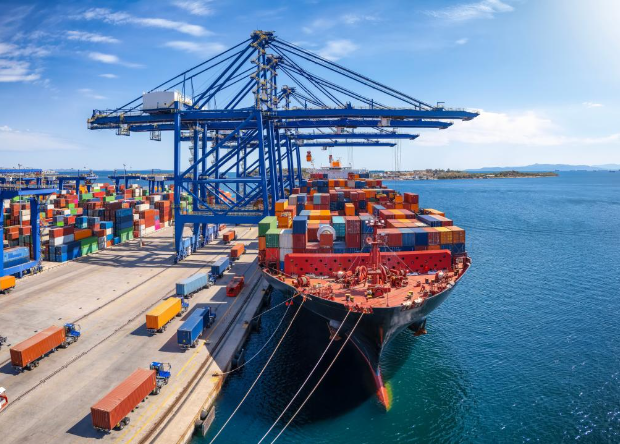
    A large container cargo ship is being unloaded in a commercial dock.
    Sven Hansche // Shutterstock

    FIND DAILY TRUCK PARKING IN NEARLY EVERY STATE

    On the road and looking for a daily truck parking space? Find the closest daily parking spot in a

    matter of seconds.

    What a brief port strike on the East Coast means for your holiday shopping

    On Oct. 1, thousands of dockworkers with the International Longshoremen’s Association, the union overseeing dockworkers across East Coast and Gulf Coast ports in the U.S., went on strike. Forecasts warned it could cost the U.S. economy billions of dollars a day and cause supply chain disruptions at a time when retailers are stocking up for the holiday season. However, within three days, the strike had been suspended, and goods ranging from fruit to furniture were again being moved in and out of the ports, which account for over half of all container imports to the U.S.

    While the strike’s short length may have caused a sigh of relief among supply chain managers, it still left ripple effects on U.S. trade. Truck Parking Club examined data from the Bureau of Transportation Statistics to uncover the impact of the dockworkers strike on the supply chain.

    “The U.S. port strike has ended, but the impacts are far from over,” Mia Ginter, director of North American Ocean Shipping at the logistics company C.H. Robinson, told Supply Chain Dive. “A week of disruption typically leads to at least a month of delays at the ports, and these delays increase as you move inland.”

    Fortunately, retailers’ bulking up on inventories and the stoppage’s quick resolution may have helped avoid the worst outcomes for holiday shoppers. Even so, read on to understand how this interruption in operations works its way up to consumers.

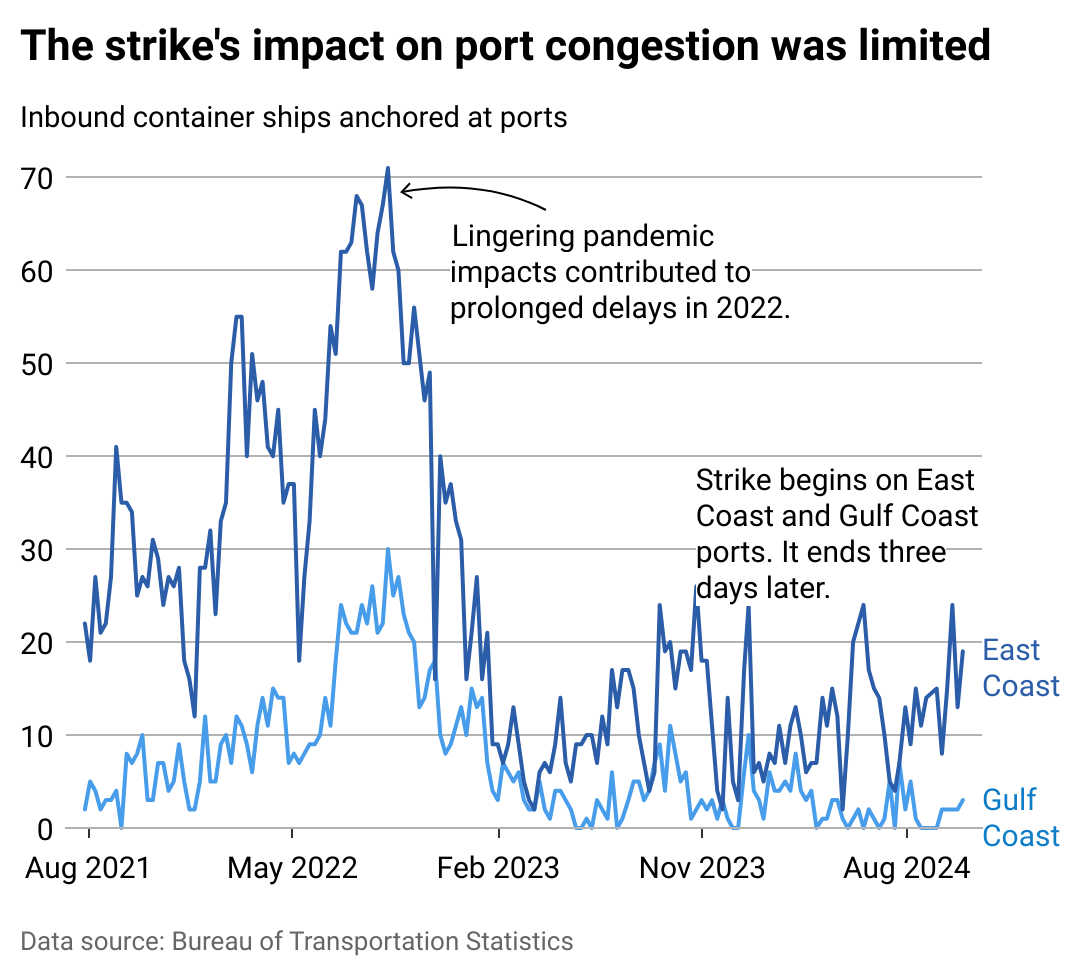
    Line chart showing the port strike's impact on port congestion was limited. The number of containerships anchored outside of ports was far lower in the aftermath of the strike than during supply chain backups in 2022.

    PARK YOUR TRAILER WITH NO HASSLE

    Store your trailer in a safe place with a state-of-the-art platform that locates trailer parking near me.

    Delays were mostly avoided

    In 2022, port congestion and supply chain backups reached high levels. Across ports on all coasts, ships spent longer time awaiting berths, and more ships were anchored near ports. Still, logistics professionals may have learned their lesson from the prolonged backups in the aftermath of the COVID-19 pandemic.

    McKinsey surveys among supply chain leaders showed more were bulking up inventories and relying on multiple sources for raw materials to maximize resilience in the aftermath of the pandemic.

    Similarly, leading up to the October 2024 strike, more companies ramped up their stock before a stoppage was officially announced. This front-loading of imports was a reaction to both a looming deadline for an ILA contract and a way to cushion any effects from the latest round of tariff increases on imports from China.

    Major toy manufacturers Hasbro and Mattel, which routed most of their goods through West Coast ports, hit peak production and shipments during August and September, meaning the strike will likely have little impact on hot 2024 holiday toys.

    As the risk of a strike progressed, some companies also leaned more on West Coast ports. Costco and Levi Strauss & Co. were among the brands that shifted imports to West Coast ports from the East Coast.

    Amid front-loading and rerouting, the Ports of Los Angeles and Long Beach, California, experienced their busiest month on record in July and August, respectively, handling over 900,000 20-foot equivalent containers each. Officials say the Port of Los Angeles has the capacity to handle 1.2 million containers a month, and data shows there hasn’t yet been a bump in the number of container ships awaiting berths.

    Across the West Coast, officials aren’t forecasting delays that would impact holiday shopping. Rerouted imports would likely arrive as peak shipping season is wrapping up, meaning ports will be more prepared to absorb any additional goods.

    Still, efficient ports are just one part of the supply chain.

    Matt Smith, head analyst at the trade data and analytics firm Kpler, told Stacker: “It’s not just about getting the container ship in, it’s all of the other logistics that are set up as a series of dominoes to be actioned once that cargo is discharged.”

    Front-loading and redirected ships added warehousing and transportation costs to goods that otherwise would’ve been shipped later on the East Coast.

    In the aftermath of the strike, load-to-truck ratios—an indicator of how many shipments there are relative to trucks—increased at the national level but cooled the following week. Spot rates, what shippers pay to move goods, are up slightly in October, but still below rates seen at the start of the peak season.

    These increases may be partially connected to the strike but are also likely tied to the simultaneous arrivals of two major hurricanes in the Southeast.

    Luckily for consumers, the disruptions are expected to be minimal. The National Retail Federation expects no impact from the strike on the holiday shopping season.

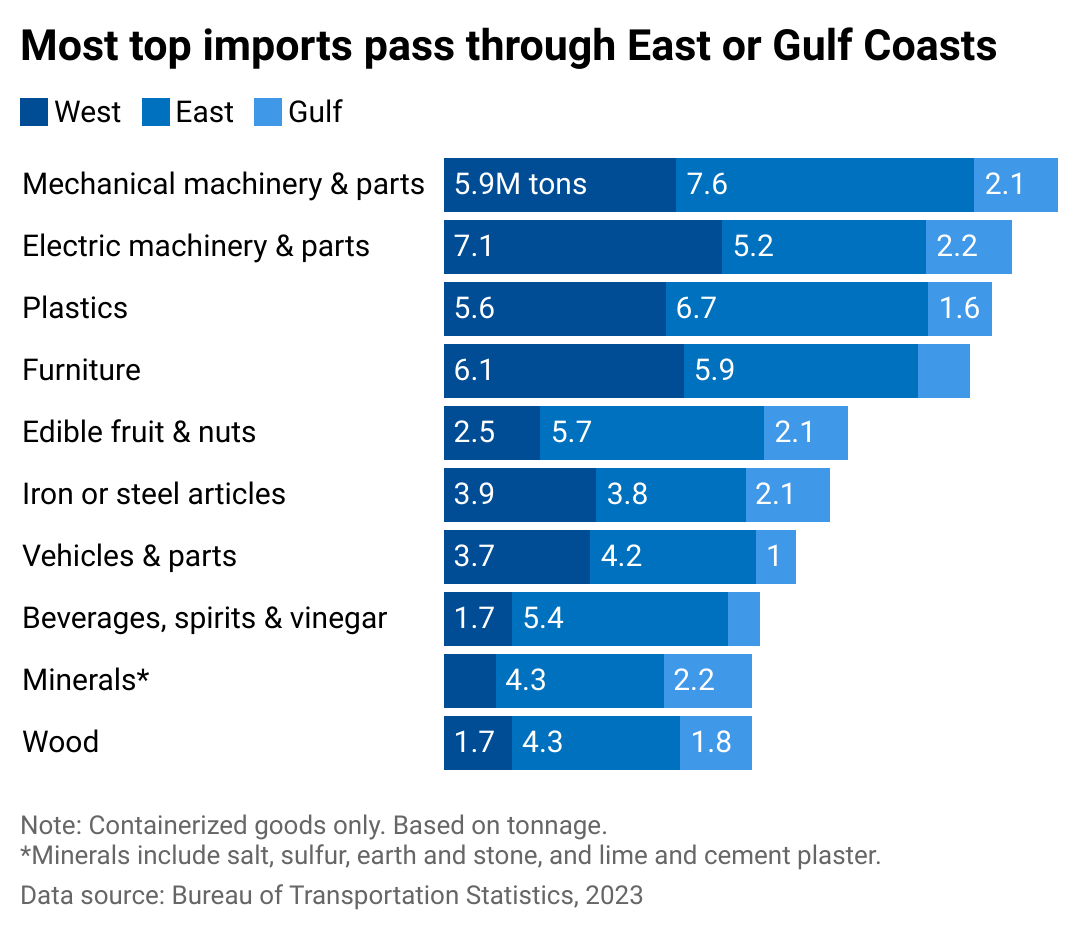
    Bar chart showing the top 10 commodities imported, and which coasts they arrive.

    PREVIOUSLY INACCESSIBLE TRUCK PARKING

    Take care of your truck and trailer parking needs with new locations added daily. 

    Which goods come through each coast?

    East Coast and Gulf Coast ports already account for more than half (56%) of container imports, but their dominance is even more pronounced for certain goods. When it comes to minerals, beverages, wood, and fruits or nuts, the two regions account for over 75% of imports, meaning prolonged disruptions could have had stark effects on those goods.

    While a prolonged strike was avoided, the ILA and the United States Maritime Alliance haven’t technically agreed on a new contract. Their October agreement set new wages and extended the current contract until Jan. 15, 2025. Supply chain managers will likely be watching the negotiations closely to prepare for future potential stoppages.

    Even if a new contract is signed by January, the risks of supply chain backups are never far away. Whether it’s the Red Sea crisis, a drought in the Panama Canal, or devastating hurricanes, a number of geopolitical and natural forces can impact trade and port congestion.

    “There’s a whole manner of different things that can cause supply chain disruptions. Some are visible, and some you just cannot prepare for,” Smith said.

    Story editing by Carren Jao. Additional editing by Kelly Glass. Copy editing by Paris Close. Photo selection by Clarese Moller.

    Written by: Emma Rubin