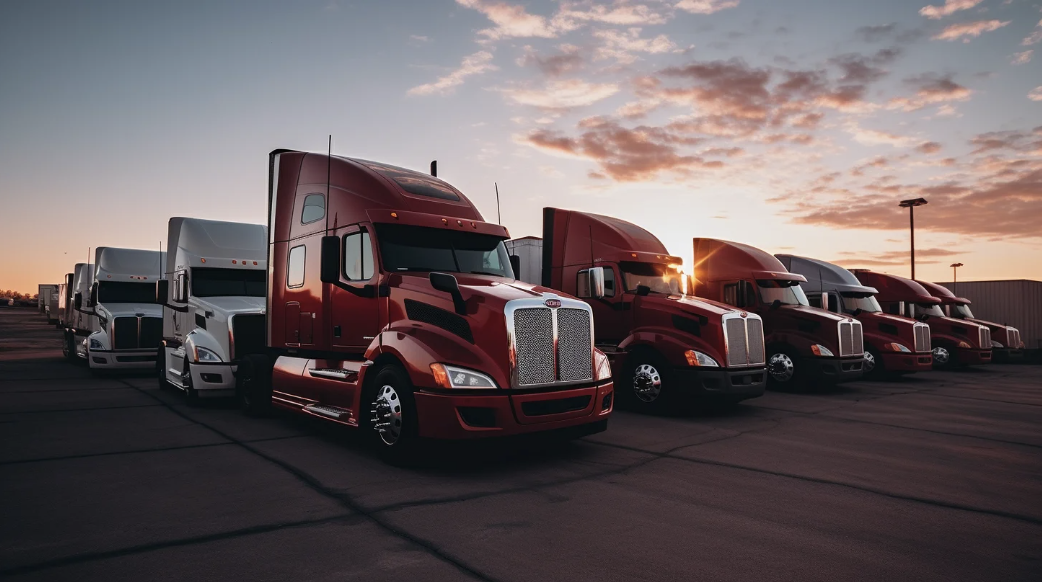
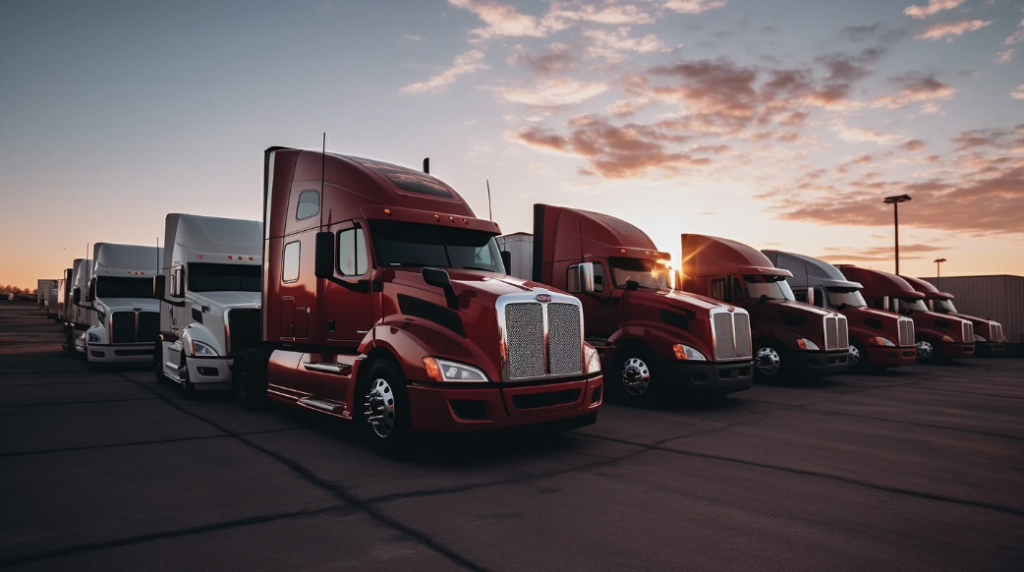
The rumble of diesel engines and the hiss of air brakes have long been the soundtrack of American commerce. But today, a new sound is emerging: the frustrated sighs of truck drivers searching for a place to park.
As e-commerce reshapes retail and supply chains stretch to meet ever-growing demands, an unexpected challenge has rolled into view. It’s not about streamlining warehouses or optimizing delivery routes—it’s about finding a safe spot for an 18-wheeler to rest.
Across the nation, from busy urban centers to remote highways, the shortage of truck parking spaces has become a major issue. This isn’t merely a logistical hiccup; it’s a problem that touches on driver safety, industry efficiency, and the smooth flow of goods we all depend on.
The search for solutions is spurring innovation and forcing us to reconsider how we use our urban and roadside spaces. Let’s explore why truck parking has become such a pressing concern and how it’s driving change.
The Parking Predicament By the Numbers
To understand the scope of the truck parking challenge, we need to look at the hard data. Currently, approximately 313,000 truck parking spots are available across the United States. At first glance, this might seem like a substantial number. However, when we consider that about 3 million trucks traverse our highways, the imbalance becomes clear.
This disparity translates to a stark reality: there’s only one parking spot for every 11 trucks on the road. The situation becomes even more complex when we break down these spaces by type. Of the total spots, a mere 40,000 are located in public rest areas. The lion’s share—about 273,000 spaces—are found in private truck stops.
The Root of the Problem
Several factors have converged to create this parking crunch:
E-commerce Explosion
The meteoric rise of online shopping has dramatically increased the volume of freight on our roads. More goods in transit mean more trucks needing places to park for mandated rest periods.
Regulation Requirement
In recent years, driver rest periods have been stricter enforced. While these regulations are crucial for safety, they’ve intensified the need for accessible and legal parking options.
Infrastructure Inertia
Despite the growth in trucking activity, investments in highway infrastructure—including parking facilities—have not kept pace. This lag has left many areas woefully underequipped to handle current parking demands.
These factors have created a perfect storm, transforming truck parking from a minor inconvenience into a major industry challenge.
The Ripple Effects of Inadequate Parking
The shortage of truck parking spaces isn’t just an inconvenience—it’s a problem with far-reaching consequences:
Safety Concerns
When proper parking isn’t available, drivers may resort to unsafe alternatives. Parking on highway shoulders, exit ramps, or in unlit areas puts both drivers and other motorists at risk. Fatigue-related accidents become more likely as drivers push beyond their limits to find suitable rest spots.
Economic Impact
The time spent searching for parking is time not spent moving freight. This inefficiency translates to increased costs for trucking companies and, ultimately, higher prices for consumers. The American Transportation Research Institute estimates that drivers lose an average of 56 minutes of available drive time per day due to parking issues, equating to over $4,600 in lost annual compensation per driver.
Environmental Considerations
Trucks idling while waiting for parking spots or circling to find spaces contribute to unnecessary fuel consumption and emissions, contradicting efforts to make the logistics industry more environmentally friendly.
Solutions to the Parking Crunch
Technology-Driven Solutions
Real-Time Parking Information: Platforms like Truck Parking Club are simplifying how drivers find spots. With real-time updates on parking availability and drivers able to reserve spaces in advance, the stress and time wasted in searching for parking is greatly reduced.
Predictive Analytics: Advanced algorithms are being developed to forecast parking demand based on historical data, traffic patterns, and weather conditions. These systems can guide drivers to areas likely to have available spots, optimizing route planning and reducing unnecessary mileage.
IoT Sensors: Some parking facilities are implementing Internet of Things (IoT) sensors to monitor occupancy accurately. This data feeds into mobile apps, giving drivers up-to-the-minute information on space availability.
Repurposing Urban Spaces
Warehouse Conversions: In a clever twist of urban renewal, defunct warehouses and industrial sites are finding new life as secure truck parking facilities.
Retail Partnerships: Forward-thinking retailers are turning their vast parking lots into overnight havens for truckers. By allowing overnight parking during off-hours, these businesses are maximizing the use of their existing infrastructure while providing a valuable service to the trucking community.
Multi-Use Developments: Some urban planners are exploring the concept of mixed-use facilities that combine truck parking with other commercial or industrial uses, creating efficient hubs that serve multiple needs.
Government Initiatives
The Truck Parking Safety Improvement Act: This proposed legislation aims to dedicate $755 million over three years to expand truck parking facilities.
State-Level Programs: Several states are implementing their own initiatives, from expanding rest areas to creating truck-only parking zones.
Public-Private Partnerships: Collaborations between government agencies and private businesses are creating new models for funding and operating truck parking facilities.
The Road Ahead
The truck parking shortage isn’t going away overnight, but the industry is far from idling on this issue. The future of truck parking will likely involve a mix of smart infrastructure, data-driven planning, and flexible policies that can adapt to the logistics industry’s ever-changing requirements.
One standout solution to address rising demands is our platform, Truck Parking Club. We are tackling the parking crunch head-on. Drivers can find and secure parking spots across the country. With over 800 locations and counting, we are rapidly expanding our network to serve drivers nationwide.
We show real-time updates on availability, pricing, and amenities at each location. Drivers can book their spots directly through the app using a credit card, choosing from daily, weekly, or monthly options.
Take control of your parking: Browse parking spots and sign up free today
The information published herein is for general informational purposes only. Truck Parking Club does not make any representations or warranties about the completeness, reliability, legality, and accuracy of this information. Any reliance placed on such material is strictly at the user’s own risk. Truck Parking Club shall not be responsible for any losses or damages incurred in connection with the information published herein.