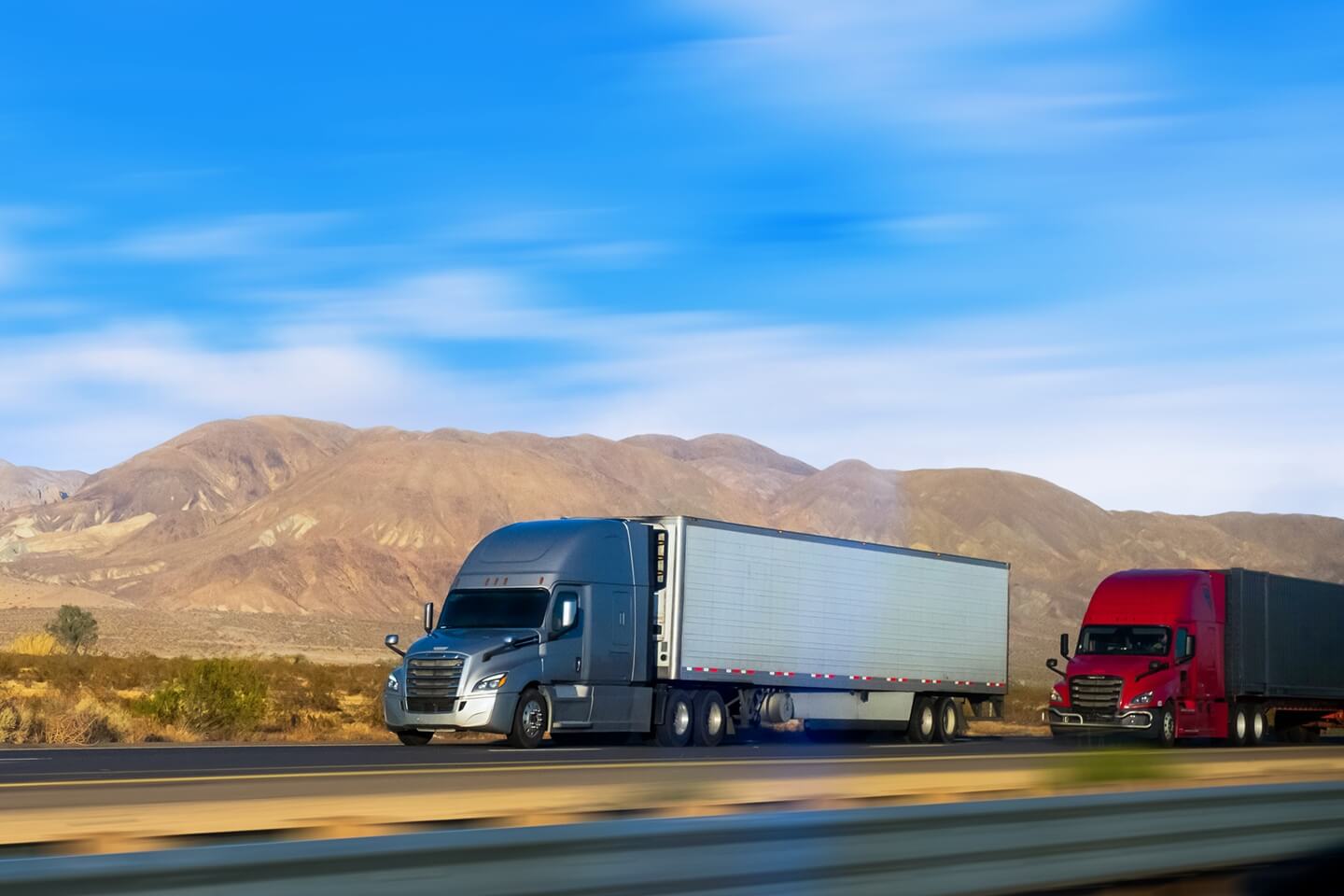
The trucking industry forecast 2025 reveals a landscape of rapid innovation and significant transformation for stakeholders across the United States. As the backbone of the nation’s economy, the trucking sector is set to experience substantial changes driven by technological advancements, regulatory updates, and evolving market demands.
Staying informed about these trucking industry trends is essential for fleet managers, drivers, and businesses aiming to maintain competitiveness and operational efficiency. This article explores the key trends shaping the trucking landscape in 2025, with a particular emphasis on truck parking and the increasing role of technological solutions like the Truck Parking Club.
Navigating the Future: The Evolution of Truck Parking
One of the most significant trucking trends for 2025 is the increasing demand for truck parking. As freight volumes surge, ample, strategically located parking spaces become increasingly critical for drivers and fleet managers.
Truckers frequently face difficulty locating suitable parking, resulting in driver fatigue, operational delays, and decreased productivity. The limited availability of parking options affects driver well-being and hampers the overall efficiency of trucking operations.
To overcome these obstacles, the industry is embracing innovative solutions that enhance parking accessibility and convenience. Advanced truck parking facilities are being developed with superior amenities, optimal locations, and cutting-edge security features to cater to the evolving needs of the trucking community.
Technology-driven platforms like the Truck Parking Club are revolutionizing how truckers find and reserve parking spots, ensuring drivers spend less time searching and more time on the road.
Why You Should Invest in Advanced Truck Parking Technologies
Embracing advanced technologies is pivotal to the trucking industry trends shaping 2025. Investing in smart parking solutions can significantly optimize truck parking management, ensuring you make the most of available resources.
Platforms like the Truck Parking Club offer cutting-edge tools that simplify parking, enabling drivers to easily find and reserve spots. These technological solutions enhance accessibility, bolster security, and maximize the utilization of parking spaces.
Furthermore, data analytics are crucial in refining parking strategies, allowing fleet managers to make informed decisions that boost operational efficiency and minimize downtime. By leveraging these technologies, you can ensure a smoother, more reliable trucking operation that meets the demands of today’s dynamic market.
The Rise of Smart Infrastructure in Trucking
Smart infrastructure is at the forefront of the trucking industry forecast for 2025, fundamentally transforming how the sector operates. Integrating advanced technologies into infrastructure creates more efficient and responsive systems as part of the latest trucking industry trends.
In truck parking, smart facilities are equipped with Internet of Things (IoT) devices and real-time monitoring systems, providing up-to-the-minute information on parking availability and facility status.
These innovations enable fleet managers to track parking usage, optimize space allocation, and ensure drivers can access the most efficient routes and parking options. Additionally, smart infrastructure enhances security through automated surveillance and access controls, reducing the risk of theft and unauthorized access.
Maintenance is also streamlined with predictive analytics that anticipate and address issues before they escalate, minimizing downtime and disruptions. For truckers, the benefits include smoother operations, reduced wait times, and improved overall productivity.
As trucking trends evolve, adopting smart infrastructure will be crucial in driving operational excellence and sustaining growth within the industry. Embracing these technologies not only boosts efficiency but also positions businesses to meet the future demands of the trucking landscape with confidence and agility.
Sustainable Practices: Embracing Green Truck Parking Solutions
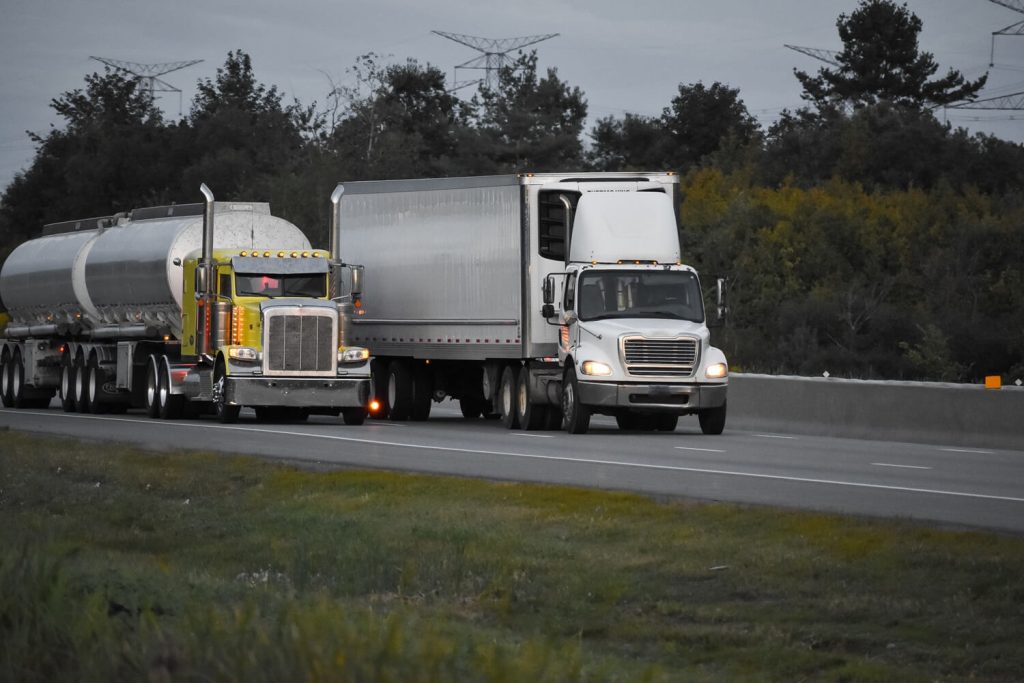
Sustainability has become a pivotal aspect of the trucking trends shaping 2025. The industry is increasingly adopting eco-friendly truck parking solutions that help reduce the carbon footprint and deliver substantial economic advantages.
Solar-powered parking facilities and electric charging stations are emerging as standard features, offering drivers access to renewable energy sources and supporting the shift toward electric and hybrid trucks. These green initiatives significantly lower operational costs by decreasing energy consumption and minimizing reliance on fossil fuels.
Sustainable truck parking solutions also play a crucial role in environmental preservation, aligning with broader corporate social responsibility objectives and regulatory requirements. By integrating these sustainable practices, the trucking industry can enhance its operational efficiency while contributing positively to the environment.
Embracing green truck parking meets the growing demand for environmentally conscious operations and positions businesses as leaders in sustainability, fostering long-term viability and compliance with evolving environmental standards.
Discover the Best Truck Parking Solutions for Your Needs
As you navigate these transformative trucking industry trends, finding the right truck parking solution is essential. At Truck Parking Club, we provide comprehensive parking options tailored to truckers and property members.
Whether you’re a driver seeking convenient, technologically optimized parking or a property owner offering trusted parking spaces, our platform connects you seamlessly.
The information published herein is for general informational purposes only. Truck Parking Club does not make any representations or warranties about the completeness, reliability, legality, and accuracy of this information. Any reliance placed on such material is strictly at the user’s own risk. Truck Parking Club shall not be responsible for any losses or damages incurred in connection with the information published herein