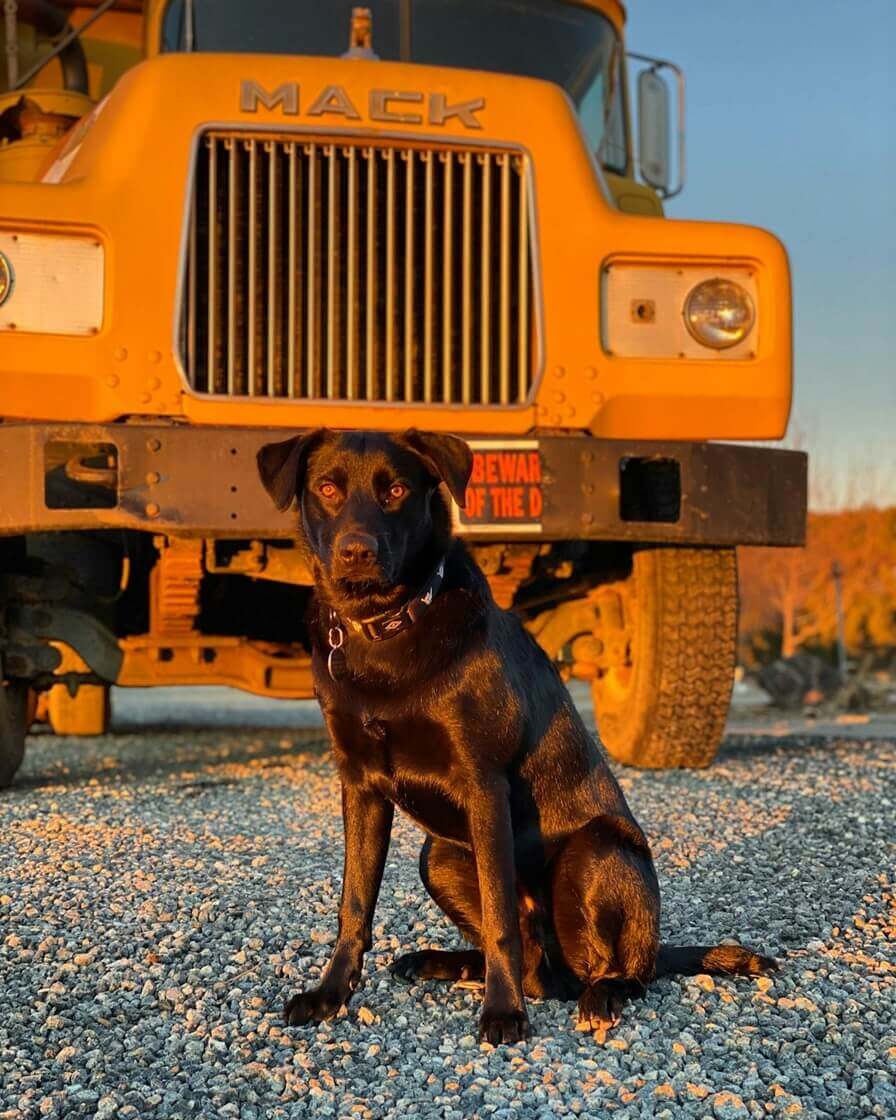
While trucking with dogs and other pets may seem unusual, surveys have shown that roughly 50% of truck drivers take their furry friends with them. The reasoning behind this is easy to understand since truck drivers spend so much time on their own.
Having a dog or other pet in the car can help them to feel less alone, and make the hours on the road more tolerable.
But which considerations come into play when trucking with these pets? In this article, we’ll take a closer look at what it takes to take your dog on the road with you.
Advantages of Trucking with Dogs
Studies have shown that owning pets offers a range of benefits, and trucking with dogs is no different. Some of the advantages you may expect when you take your furry friend on the road with you include the following:
- Additional Security – Dogs often stay alert while their owners are asleep. So, having your furry friend on the road with you will add an extra layer of security to your trucking experience. They’ll bark and wake you up when confronted by intruders or attempted burglary.
- Health Benefits – Research has shown that owning and interacting with pets can have significant positive impacts on your health. It can help to lower cholesterol and blood pressure, for instance. It may also lead to a decreased heart rate and lower triglyceride levels.
- Improved Mental and Emotional Health – Pet ownership can lead to better mental health and improve your emotional state. Trucking with dogs may reduce stress and anxiety and reduce the risk of depression. Petting your dog also leads to an increase in positive hormones like serotonin and dopamine.
- Reduced Risk of Drowsy Driving – Because dogs need to get out of the cab regularly, they help to keep their owners more active. Regular stops for your pet mean that you’ll move around more, cutting down on driver fatigue and the potential for drowsy driving.
- Better HoS Cooperation – Many drivers struggle to adhere to their Hours of Service. However, truck drivers with pets may find it easier to stop and take some of their breaks. The presence of their pet will encourage them to take breaks, even if it’s only for the sake of their furry friend.

Trucking with Dogs: Training
Unless your dog is already used to being in a vehicle for extended periods, there will be a vital training period where you prepare your dog for life on the road.
They’ll need to get used to restrictions and restraints, for example. Pet crates, harnesses, leashes, and any other control devices need to become customary to your pet before you take them in the truck.
You’ll also need to ensure that your dog has all the behavioral training it needs to not put itself in harm’s way. For instance, learning not to jump out of the cab as soon as the door opens. Also, not running away from you, but obeying your commands.
Let’s take a closer look at some vital training areas for trucking dogs.
1- Cab Exit Behavior
One of the first and most important things that your dog needs to learn about the truck is that it should only get out when you give the command.
Exit the cab with the leash and some treats. Reward your canine companion for calm behavior and patient obedience while you’re clipping on the leash. However, if they don’t comply, stop what you’re doing and force them to wait. As soon as they’re calm, start the process again.
Once the leash is in place, give a verbal cue and lift your dog out of the cab. Next, spend some time keeping the dog calm and in place before you leave. Reward positive behavior with treats.
For your pet’s safety, it’s vital that you remain in control every step of the way. A well-controlled dog is a safe dog, and they’ll quickly learn that being calm, patient, and obeying your verbal cues gets them where they want to be faster.
Bathroom Manners
If your dog isn’t used to it yet, you may need to potty train them on the road. Fortunately, this is usually a relatively quick process.
Start by lining your passenger seat with puppy pads, towels, or other absorptive materials. Then, place the pet carrier or crate on the seat for your puppy or dog.
Stop regularly and take your dog for walks on a leash, rewarding them when they do their business outdoors. Whether you have a puppy or an older dog, this may be necessary to get them used to the truck rules.
There may be a few accidents at first, but sooner or later, they’ll get the hang of it.
Legal Requirements and Other Considerations
As with many other things, there are some legal requirements to consider when driving with a dog, as well as some professional ones.
The first thing you’ll need to look into is whether your particular trucking company makes allowance for driving with pets. Not every truck company approves of driving with pets, though many make room for it. As long as your company doesn’t mind and you keep the truck clean, you’re off to a good start.
That said, many companies may require a damage payment, just in case the dog damages something. There may also be restrictions about the size and breed of dog you can have with you.
Legally, you’ll need to ensure that your dog’s vaccinations are up-to-date. For certain areas, you may also need to get your pet special vaccinations. Pay special attention to rabies vaccinations, and ensure that you have the dog’s vaccination record with you.
You may also need to get a Certificate of Veterinary Inspection from a licensed vet to say that your pet is 100% healthy and fit to travel with you.
The Federal Motor Carrier Safety Administration doesn’t have specific guidelines for driving with pets but does demand that a safe driving environment is maintained at all times.
The final consideration is in terms of stops. Whether it’s rest areas, customers, or hotels, ensure that these facilities are pet-friendly. For some customers, animals may not be allowed on the premises, or they may have to stay in the truck.
Tips for Trucking with Dogs
Driving around with your dog can be a full-time job under normal circumstances. The challenges and requirements are amplified when driving really is your full-time employment. Below, we’ll share some hints and tips on how to keep your dog safe and happy on the road.
Ensure That They Have Their Own Space
To ensure that your dog is happy and healthy, it’s important that they have their own space. A good way to do this is to have a crate or carrier that they can get accustomed to at home before you ever take them in the truck.

This will help to give them a sense of belonging, and make it easier to control their movements. Ensure that they have some prized possessions as well, such as favorite chew toys or a comfy blanket that they love.
Ensure That They’re Restricted to Safe Spaces
It’s vital, when trucking with dogs, to ensure that they can’t go places where they don’t belong. You can use crates, pet barriers, and other techniques to ensure that they can’t get to the door on your side of the cab.
Also, try to ensure that they’re either in the back of the truck or on the floor, where the airbags won’t be able to reach them.
Ensure That They Have a Collar With All Their Details
If your pet ever gets away from you, you need to ensure that anyone who finds them will be able to return them to you. For this reason, they should always wear a collar with a tag that has all your pet’s details on it.
As a minimum, it should have their name, your name, and your contact number on it. You may also want to consider microchipping your pet so that they can be identified by any vet or animal control facility.
Ensure Your Dog is Leash Trained, and Use the Leash
For your dog’s safety, it needs to be fully leash-trained. Trucking with dogs is a lot simpler when your pet is properly trained. Unless you’re in a dog park or another safe, designated area, your dog should always be on the leash when you take it out of the truck.
What to Look For in Dogs for Truckers
While many people love large-breed dogs, they’re not particularly well suited to the small confines of a truck cab. The same can be said for dogs with extreme energy levels. These types of breeds may find life on the road to be too sedentary for their liking since they won’t get a lot of exercise.

So, what should you look for in a breed when you’re trucking with your pets?
First, you should look for a small breed dog. They’ll be a lot easier to control, won’t require as much space, and won’t find the truck as confining.
Second, you should look for a breed that is easy to train and responds well to commands. Obedience training is an essential part of trucking with dogs, and you want a breed that will make it easier rather than harder.
Finally, you want to choose a breed that will thrive on short breaks with lots of exercise rather than needing hours of exercise and play every day.
Here’s our shortlist of ideal breeds to accompany you on the road:
- Boston Terriers
- Bulldogs
- Chihuahuas
- Dachshunds
- Miniature Pinschers
- Miniature Poodles
- Miniature Schnauzers
- Pugs
- Shih Tzus
- Yorkshire Terriers
You probably want to avoid small breeds bred for hunting or herding, like corgis, jack russells, and rat terriers. These types of breeds tend to have high energy and while adorable, they require far more exercise.
Final Thoughts About Trucking with Dogs
Having a dog on the road with you can be a wonderful experience. It can help make the road seem shorter, diminish feelings of loneliness, and generally brighten your routes.
However, it’s important to understand that trucking with a dog is a major responsibility. You need to ensure that all of the legal, professional, and safety requirements are met so you can travel in safety and comfort with your canine companion.
If you’re looking for pet-friendly truck parking spaces where you can take your dog, take a look at the options on Truck Parking Club. This platform has access to hundreds of spaces that most people don’t even know about.
Take your truck parking game to the next level; register your Truck Parking Club account today.
The information published herein is for general informational purposes only. Truck Parking Club does not make any representations or warranties about the completeness, reliability, legality, and accuracy of this information. Any reliance placed on such material is strictly at the user’s own risk. Truck Parking Club shall not be responsible for any losses or damages incurred in connection with the information published herein.