Author: Evan Shelley

  • Truck Parking During Holidays

    Truck Parking During Holidays

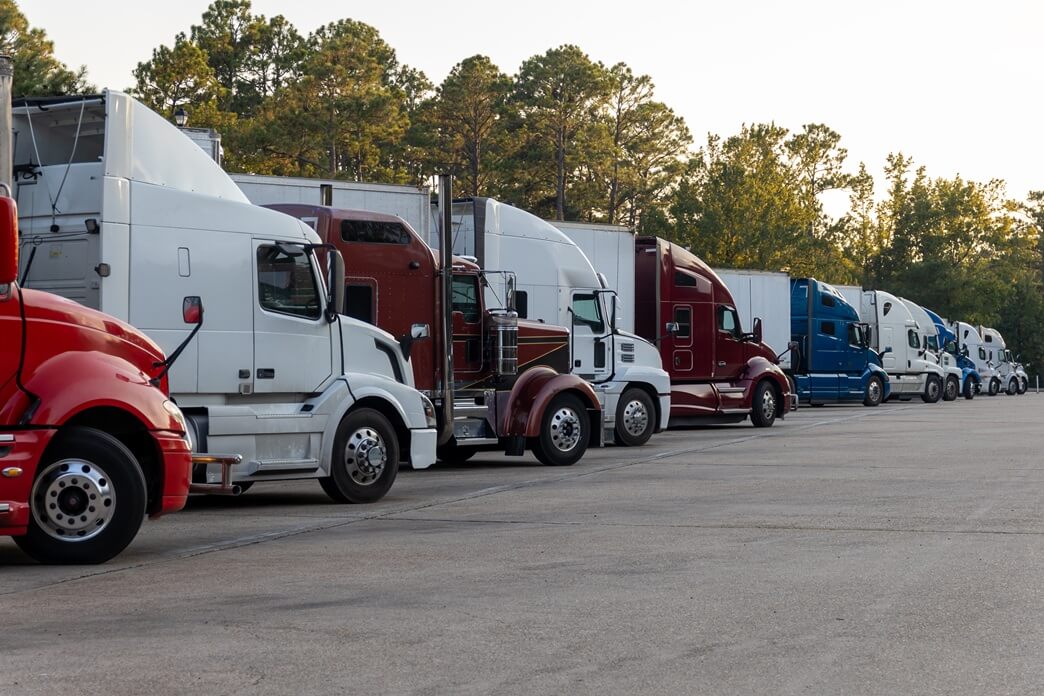
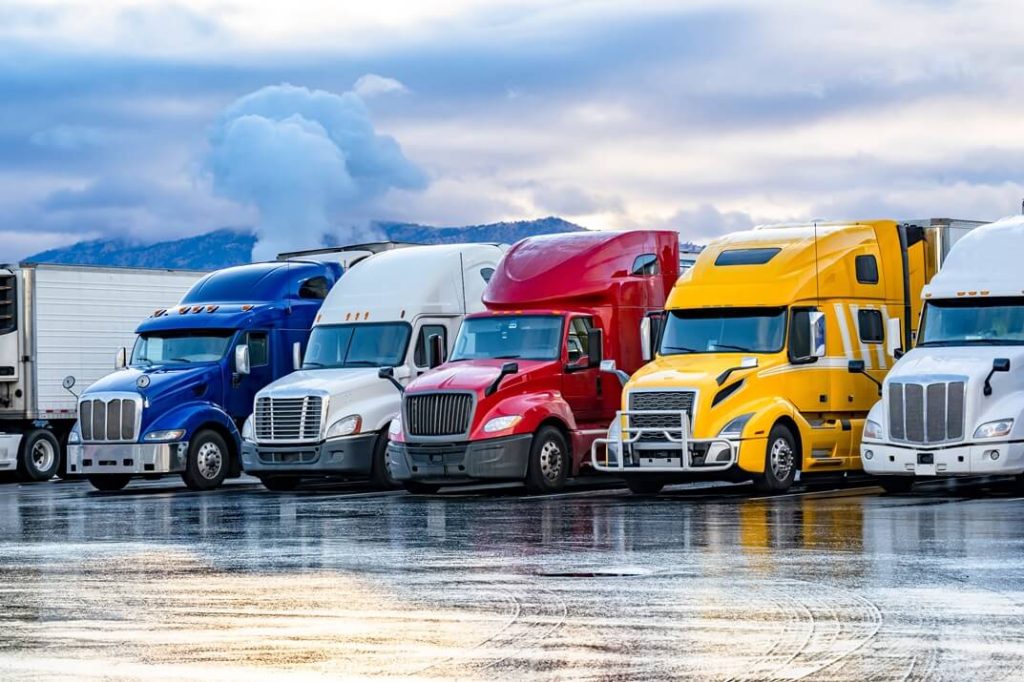
    big rigs parked next to each other

    The holidays may be the busiest time of the year for truckers, working hard to deliver the festive mood to stores all over the country. You, along with millions of other truckers, hit the road during Christmas and New Year, ensuring shelves are stocked, and celebrations go off without a hitch. However, for many, the holiday season also means getting stuck in traffic, finding a free space in crowded parking lots, and spending time away from the family. 

    In this article, we share practical tips for truck drivers working through the holidays. At Truck Parking Club, our mission is to make life on the road easier and help truckers navigate the busiest time of the year with less stress.

    Find and Book a Safe Truck Parking Lot 

    Planning a day ahead is not only recommended to add to your working routine but also a must during holidays. Without proper planning, you risk parking on the shoulder of the highway, choosing truck parking lots without good amenities, and spending nights in discomfort, all of which can be easily avoided. 

    Despite high traffic and crowded parking lots, you can book parking spaces ahead of time without having to overpay on the spot. Moreover, you will avoid the headache of finding a place to rest last minute. 

    Monitor Your Hours of Service 

    The next important tip is to pay attention to the hours of service. While every truck driver wants to reach the destination as soon as possible and return home ASAP, the only thing that could really spoil your mood is a violation. 

    Pick Truck Parking Lots with Good Amenities

    Just because most truck parking lots will be packed with rigs, it doesn’t mean you should stop at any lot. Using our free-of-charge app or official website, you can search for a truck parking place with the amenities that will make your stay comfortable and restful. From free showers to laundry machines and more, you can filter the truck parking lots by favored amenities. 

    Avoid Unsafe Parking Locations

    Avoiding parking on the shoulder of the highway or offramps is a rule you’ve likely heard often—and for good reason. Parking in unsafe areas can put both your cargo and your safety at risk, especially during the holidays when the hustle and bustle might lower your guard.

    It’s enough to register at Truck Parking Club for free and reserve a spot in the nearest location–and we add new parking lots almost weekly!  

    Lock Your Rig Before Sleeping 

    No matter how safe-looking, gated, and monitored the parking lot is, you shouldn’t leave your rig unattended, especially before sleeping. Always lock all doors and windows, hide away valuables, and make sure your cargo is secure before you rest your eyes. 

    At Truck Parking Club, you can find truck parking lots equipped with CCTV cameras for maximum security. Alternatively, consider investing in a dash cam, which can act as a deterrent for potential thieves.

    How Truck Parking Club Can Help Truckers During Holidays 

    The holiday season can be a challenging time for truckers, but Truck Parking Club is here to make things easier. Our app is completely free for truckers, and signing up as a Trucker Member is quick and simple.

    Once registered, members gain access to an extensive network of truck parking lots across the country. Whether you need a secure spot for a day, a week, or even a month, our platform lets you find and reserve parking with ease.

    With Truck Parking Club, you can focus on delivering the holiday cheer, knowing your truck and cargo are safe and secure. Join today and take the stress out of parking this holiday season!

    Final Words

    Finding reliable truck parking during the holidays can be challenging, especially with the increased demand from the busy trucking season. However, Truck Parking Club is here to make it easier. With our free app, you can access a wide network of secure parking spots and reserve them hassle-free, whether for a day, a week, or longer.

    Don’t let crowded lots slow you down—join Truck Parking Club today and make your holiday hauls smoother and safer!

    The information published herein is for general informational purposes only. Truck Parking Club does not make any representations or warranties about the completeness, reliability, legality, and accuracy of this information. Any reliance placed on such material is strictly at the user’s own risk. Truck Parking Club shall not be responsible for any losses or damages incurred in connection with the information published herein.

  • The allure of the open road: Xbox’s new release is the latest in popular trucking simulator games

    The allure of the open road: Xbox’s new release is the latest in popular trucking simulator games

    Teenager playing on truck driving simulator in front of a computer.
    Benedek Alpar // Shutterstock

    The allure of the open road: Xbox’s new release is the latest in popular trucking simulator games

    Right now, probably hundreds are playing a new trucking-centered Xbox game: Star Trucker, which launched in September 2024. It’s the latest in a diverse collection of trucking simulation games that glamorize the open road—or, in this case, the open galaxy.

    Trucking sims are nearly as old as video games themselves, and they have amassed a sizable and committed following.

    Truck Parking Club analyzed the intersections between trucking and the U.S. gaming industry, looking at their history, popularity, and use for personal leisure and commercial recruitment and training.

    Like any game, players are drawn to semitruck simulations for several reasons: for the fun of it, for a mental escape, or as a relaxing pastime. Virtual long hauls with near-empty roads and beautiful views—and the sense of connection from meeting other travelers and swapping stories—are some of the attractive elements of trucking simulations, as gamers have noted on discussion boards. One Star Trucker player commented that they were a truck driver, and wanted to experience trucking in a new and unique setting: flying through space.

    Simulator games are built to let players experience what it’s like to do the activities they’re built around, often trying to create a somewhat realistic replica of the process—though in gamifying, some veer into more fantastical representations.

    PARK YOUR TRAILER WITH NO HASSLE

    Store your trailer in a safe place with a state-of-the-art platform that locates trailer parking near me.

    The appeal of virtual trucking: More than just a game

    Possibly the earliest trucking simulation game was 1985’s Crosscountry USA, in which players drove an 18-wheeler across the nation, picking up and delivering trade goods. This game was primarily developed to help children learn the United States’ geography but also included many standard activities for truck drivers, like getting gas, reading maps, resting, repairing parts, and more. It developed into an entire series of games navigating semis in the U.S. and Canada, sometimes partnering with state governments to build specific versions for their public school curriculum. There are games for British Columbia, California, Texas, and North Dakota.

    These early games set the groundwork for future games. A handful of trucking simulators and trucking-related games exist, spanning a wide range of devices, genres, and target audiences.

    Some are more playful, like 2002’s Big Mutha Truckers and its 2005 sequel. This series features racing and a campy, character-driven plot focused on a Southern family’s trucking business. Others, like the popular SCS Software Truck Simulator series, try to replicate trucking more earnestly while offering high-quality renderings of gorgeous scenery along shipping routes.

    Measuring game popularity is challenging, as people play the same games in several formats. As of November 2024, Star Trucker had nearly 2,700 mostly positive reviews on gaming platform Steam and another 1,200 on Xbox. By then, 2016’s American Truck Simulator had over 133,500 overwhelmingly positive reviews on Steam.

    These games have the capacity to show people what it’s like to be a truck driver. Some players use foot pedals, joysticks (emulating a manual transmission), force feedback steering wheels, or virtual reality headsets for a more authentic experience. They also incorporate the strategic elements of trucking: when to get gas or park and rest, thinking through how to navigate challenging driving and parking situations, pulling into weigh stations, and other habits and considerations actual truckers make during their workday.

    PREVIOUSLY INACCESSIBLE TRUCK PARKING

    Take care of your truck and trailer parking needs with new locations added daily. 

    From simulation to recruitment: Real-world applications of trucking games

    Today, simulations are actually being used to recruit and help train truckers. Trucking company Schneider National ran ads on virtual billboards within the American Truck Simulator game, anticipating players who enjoy virtual trucking might be interested in doing it in the real world. Leading truck operators like UPS, FedEx, and XPO logistics have invested millions into virtual reality and augmented reality training solutions, The Inside Lane reported. These include things like simulated predrive inspections or practicing responses to challenging road conditions and emergencies. The latter provides experience in a safe environment that may help drivers build muscle memory and quicker response times for potentially dangerous situations, which could prevent on-road accidents and make roads safer.

    Still, games are games: They can’t yet fully represent reality. People aren’t going directly from computer games to the open road. Some truckers have noted that American Truck Simulator and others in the series are helpful for learning mechanisms like how to turn or back up with a trailer but don’t replicate the feeling of driving over rough roads from the cab of a semi. It doesn’t fully capture the experience of navigating warehouses, small businesses, truck stops, and other complex destinations.

    And, of course, truckers aren’t yet delivering in space.

    Nevertheless, trucking simulator games are giving people a taste of what it’s like to drive trucks, and have inspired at least a few people to pursue the profession. As AR and VR technology progresses, and as the trucking industry observes how these simulations work for early testers, they could become a larger part of the trucking industry employment pipeline.

    FIND DAILY TRUCK PARKING IN NEARLY EVERY STATE

    On the road and looking for a daily truck parking space? Find the closest daily parking spot in a

    matter of seconds.

    Story editing by Alizah Salario. Additional editing by Kelly Glass and Elisa Huang. Copy editing by Paris Close. Photo selection by Clarese Moller.

    Written by: Paxtyn Merten

  • Winter Trucking Safety Tips

    Winter Trucking Safety Tips

    Even the most experienced truck drivers know that winter weather changes everything on the road. When temperatures drop, and the snow starts falling, the margin for error gets as thin as black ice. 

    It’s not just about driving differently – it’s about being ready before you ever put the key in the ignition.

    These aren’t your typical safety tips that tell you to “slow down in bad weather.” Instead, we’re talking about real-world preparation that makes a difference when you’re facing a January run through the mountains or an overnight park in freezing temperatures.

    Let’s walk through the ten essential areas of winter preparation that savvy truck drivers focus on before the first snowflake falls.

    1. Battery and Electrical Systems

    Winter puts extra strain on your electrical system. Your battery loses about half its cranking power when the temperature hits zero. At the same time, the cold engine needs about twice as much power to turn over. 

    So yes, a dead battery in cold weather is more than just an inconvenience.

    Start with a thorough battery check – looking for corrosion, checking connections, and testing the charge. If your battery is more than three years old, consider replacing it before the winter months arrive. Clean terminals and tight connections become crucial when every amp counts.

    Don’t forget your alternator and starter. A marginal alternator might keep you running in summer, but winter’s extra electrical demands – heated mirrors, extra lights, plug-in heaters – can push it past its limits.

    2. Fuel System Care

    Most truck drivers learn about diesel fuel behavior in winter conditions the hard way. As temperatures drop, paraffin in diesel fuel begins to crystallize, turning your fuel into a gel that can clog filters and stop you cold.

    Switch to winter-blend fuel when temperatures start dropping, and keep anti-gel additives on hand. And don’t wait until you’re already having problems using them. Treat your fuel before you hit the cold weather, and keep your tanks as full as possible to minimize condensation.

    3. Tire and Chain Preparation

    Winter driving demands more from your tires than any other season. Check your tread depth regularly – what’s legal in summer might not cut it on snow-packed roads. Don’t forget to adjust tire pressure frequently, as every 10-degree drop in temperature means a drop in pressure.

    Keep your chains easily accessible, too, and practice installing them before you need them. Nothing’s worse than figuring out chain placement for the first time in a snowstorm on the side of the road. Check for wear, missing links, and broken tensioners while the weather’s still good.

    4. Brake System Maintenance

    Your brake system needs extra attention during cold temperatures. Moisture in air lines can freeze, turning your brake system into a mess of problems. Check your air dryer regularly and drain those tanks daily – even if you think you don’t need to.

    Make sure your drums, shoes, and linings are within spec before cold weather hits. A brake adjustment that’s marginal in summer becomes dangerous when ice enters the equation. Check gladhand seals and replace any that show signs of cracking or have broken edges.

    5. Emergency Kit Essentials

    Every professional driver knows the basics, but winter demands extra preparation. Beyond the usual flashlights and tools, pack essentials that could save your day – or your life – in extreme weather. A sleeping bag rated for below-zero temperatures, extra warm clothing, and high-calorie snacks are all winter-season must-haves.

    Pack a folding shovel, extra windshield washer fluid, and sand or cat litter for traction. A good first aid kit, backup phone charger, and emergency flares round out your winter survival gear. Remember – help might be hours away in bad weather.

    6. Route Planning

    Planning your winter routes means thinking three steps ahead. Monitor weather patterns along your entire route, not just your destination. Know where the safe havens are – places with reliable parking, facilities, and shelter if conditions deteriorate.

    Keep alternative routes in mind, especially around mountain passes like in Colorado and Wyoming. Having a Plan B (and C) already mapped out saves critical time when the weather forces you to change course.

    Winter weather can change fast, so build extra time into your schedule for unexpected delays.

    7. Secure Winter Parking

    Finding safe parking becomes especially challenging in winter weather. This is where Truck Parking Club makes a real difference. Rather than wasting time and fuel hunting for spots in crowded lots or risking getting stuck in an unplowed area, you can reserve spots at reliable facilities that maintain their lots throughout winter.

    With access to secured, well-lit locations and 24/7 facilities, you can focus on your route instead of worrying about where you’ll park.

    8. Load Management

    Winter weather changes how you need to think about your load. Weight distribution requires extra attention on slick winter roads. Take extra time securing your cargo when you’re dealing with ice and snow.

    Pay special attention to temperature-sensitive freight. A thorough pre-trip inspection becomes essential, especially checking your tarps and cargo protection from the elements. Know your load’s cold weather requirements and plan stops accordingly. Double-check your equipment – tarps need to be in good condition, and you might need extra straps or chains depending on your cargo.

    9. Communication Protocol

    Staying connected takes on new importance during winter months. Keep dispatch updated on your location and conditions more frequently than usual. Weather can change rapidly, so regular check-ins aren’t just procedure – they’re a lifeline if things go wrong.

    Set up weather alerts on your phone, and keep a backup communication device charged. CB radio becomes invaluable when cell service gets spotty in remote areas or in bad weather. Make sure your emergency contact list includes local authorities and repair services along your regular routes.

    10. Personal Preparedness

    Taking care of your truck is only half the equation. You also must take care of yourself. Pack high-energy snacks and extra water in case you get stranded during adverse weather conditions. Layer your clothing instead of relying on one heavy coat, and keep spare warm gear easily accessible, not buried in your storage.

    Stay rested and alert. Winter driving demands more concentration and quick decision-making. Give yourself extra time for breaks, and don’t push through deteriorating conditions just to make up time. A thermos of hot coffee might keep you warm, but it won’t make up for proper rest.

    Ready for Winter’s Challenges?

    These tips for truck drivers aren’t just about getting through winter – they’re about staying ahead of it. Smart planning and proper preparation can turn a challenging season into a manageable one.

    As any experienced truck driver knows, winter success starts long before the first snowfall. From maintaining your equipment to securing reliable parking, each step you take toward preparation helps ensure you’ll keep rolling safely when others are stuck.

    Take one major winter worry off your mind. Discover how easy it is to guarantee your spot throughout the season – BECOME A TRUCKER MEMBER TODAY.

    The information published herein is for general informational purposes only. Truck Parking Club does not make any representations or warranties about the completeness, reliability, legality, and accuracy of this information. Any reliance placed on such material is strictly at the user’s own risk. Truck Parking Club shall not be responsible for any losses or damages incurred in connection with the information published herein.
  • Winter Driving Hazards: A Guide for Truck Drivers

    Winter Driving Hazards: A Guide for Truck Drivers

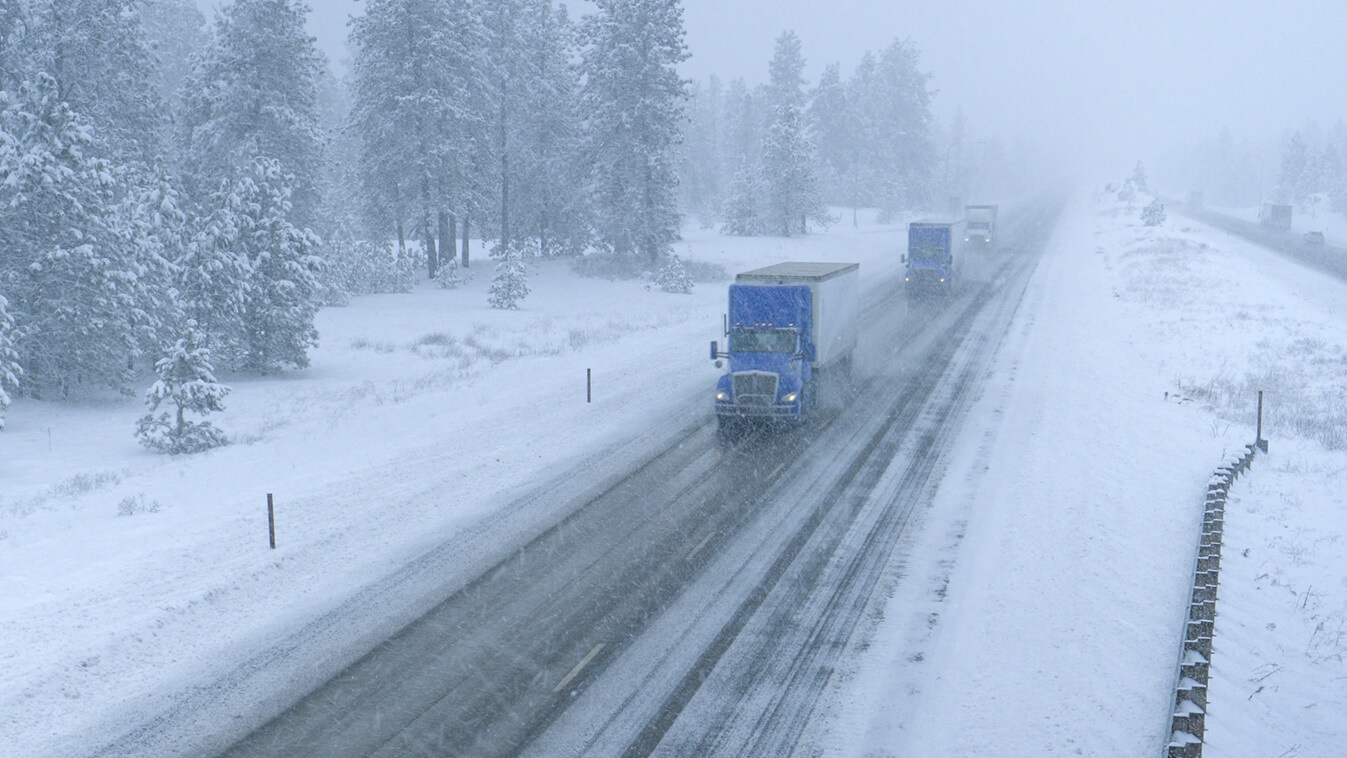
    Mother Nature doesn’t play favorites in winter. That perfectly clear stretch of highway can transform into a dangerous mix of black ice and blowing snow faster than you can downshift. When weather reports talk about “challenging conditions,” they’re usually understating what you’ll actually face on the road.

    Understanding winter hazards isn’t just about watching for the obvious, like snow and ice. It’s about spotting the sneaky ones: steam from industrial plants freezing on bridges, drainage problems creating isolated slick spots, or snow plows inadvertently creating wind tunnels between lanes. 

    These hazards rarely make the evening forecast. And today, we’ll discuss how to spot them. 

    Black Ice: The Invisible Threat

    Black ice isn’t really black at all – it’s a crystal-clear layer of ice that makes the road surface look deceptively bare and wet. What makes it particularly treacherous is how it forms: moisture or light snow melts during the day, then freezes into a paper-thin sheet when temperatures drop. 

    You won’t see it until you’re on it, and sometimes not even then.

    Watch for black ice in predictable places: bridge decks that get cold from above and below, shaded sections of road, areas near lakes or rivers, and the bottom of hills where water collects. In Minnesota, where black ice is a winter regular, drivers know their biggest risk comes when temperatures hover just below freezing, especially around dawn and dusk.

    If you hit black ice, avoid sudden movements. Don’t hit the brakes! Ease off the throttle and keep your steering wheel straight. Slight steering adjustments are fine, but overcorrection will make things worse. Let the truck slow naturally until you feel traction return.

    Snow-Packed Roads

    Snow-packed roads aren’t just about reduced traction – they’re about how that traction changes as you drive. Fresh snow acts differently from compacted snow, and what starts as powder can turn to polish under heavy traffic. 

    Those wheel ruts that seem to guide your truck? They can grab your tires and pull you off your intended path.

    Watch for sudden changes in surface texture. Dark patches might mean ice underneath, while dull white areas often provide a better grip. The real danger comes when changing lanes – breaking free from those ruts requires careful timing and steady steering.

    Reduced Visibility: When Winter Hides the Road

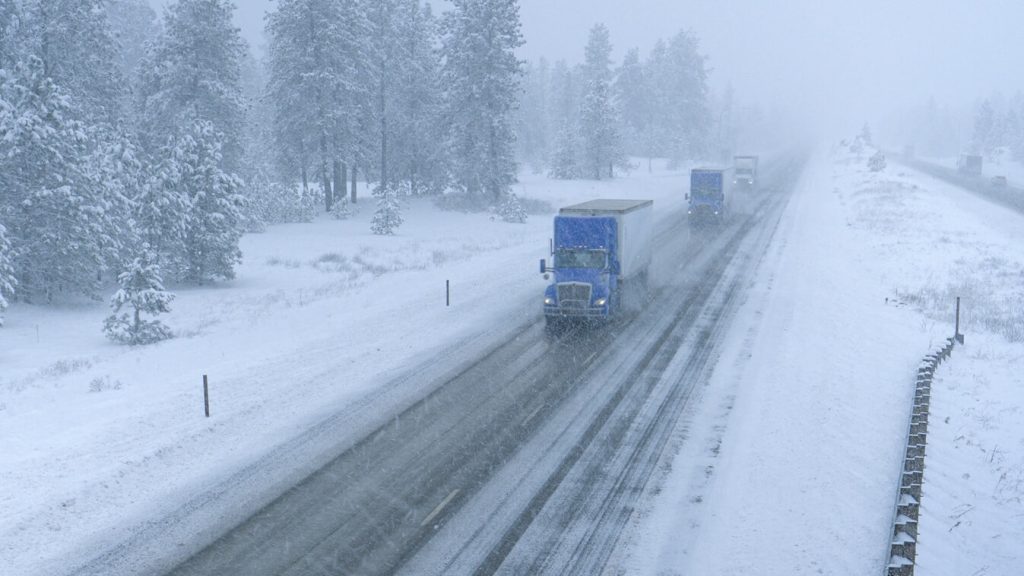
    Winter throws multiple challenges at your visibility – dense fog, heavy snow, freezing rain, and blowing snow can all turn a clear view into a guessing game.

    Each type of precipitation affects your vision differently: fog creates a wall of white, snow can hypnotize with its constant motion, and freezing rain builds up on your windshield faster than wipers can clear it.

    Your visibility strategy starts with proper lighting. Low beams work better than high beams in snow and fog, lighting up the road without reflecting back into your eyes. Keep your windshield clear inside and out, and remember that speed ratings for conditions assume clean wipers and working defrosters. If conditions deteriorate, trust your judgment about when to find a safe haven and wait it out.

    Bridges and Overpasses

    The signs warning “Bridge Freezes Before Road” aren’t just there for decoration. Bridges and overpasses lose heat from both above and below, making them prime spots for ice formation even when regular roads stay clear. Add in wind exposure from all angles, and you’ve got a recipe for rapidly changing conditions.

    Expansion joints – those metal gaps in bridge surfaces – deserve extra attention. They can collect moisture and freeze, creating unexpected bumps that can throw off your steering just when you need control most. What looks like a perfectly clear bridge deck can hide patches of ice around these joints.

    Traffic Hazards: Everyone’s Driving a Different Winter

    Winter brings out different driving styles – from the over-confident speeders to the white-knuckle crawlers. Four-wheelers dart between lanes looking for the clearest path, while some drivers park themselves in the middle of two snow-cleared tracks, blocking both lanes.

    Snow plows create their own challenges. That wall of snow they throw can temporarily blind you, and the mix of salt and sand they spread can pepper your windshield without warning. The real trick isn’t just watching the traffic you can see – it’s anticipating sudden moves from vehicles battling the same conditions you are.

    Mountain Driving

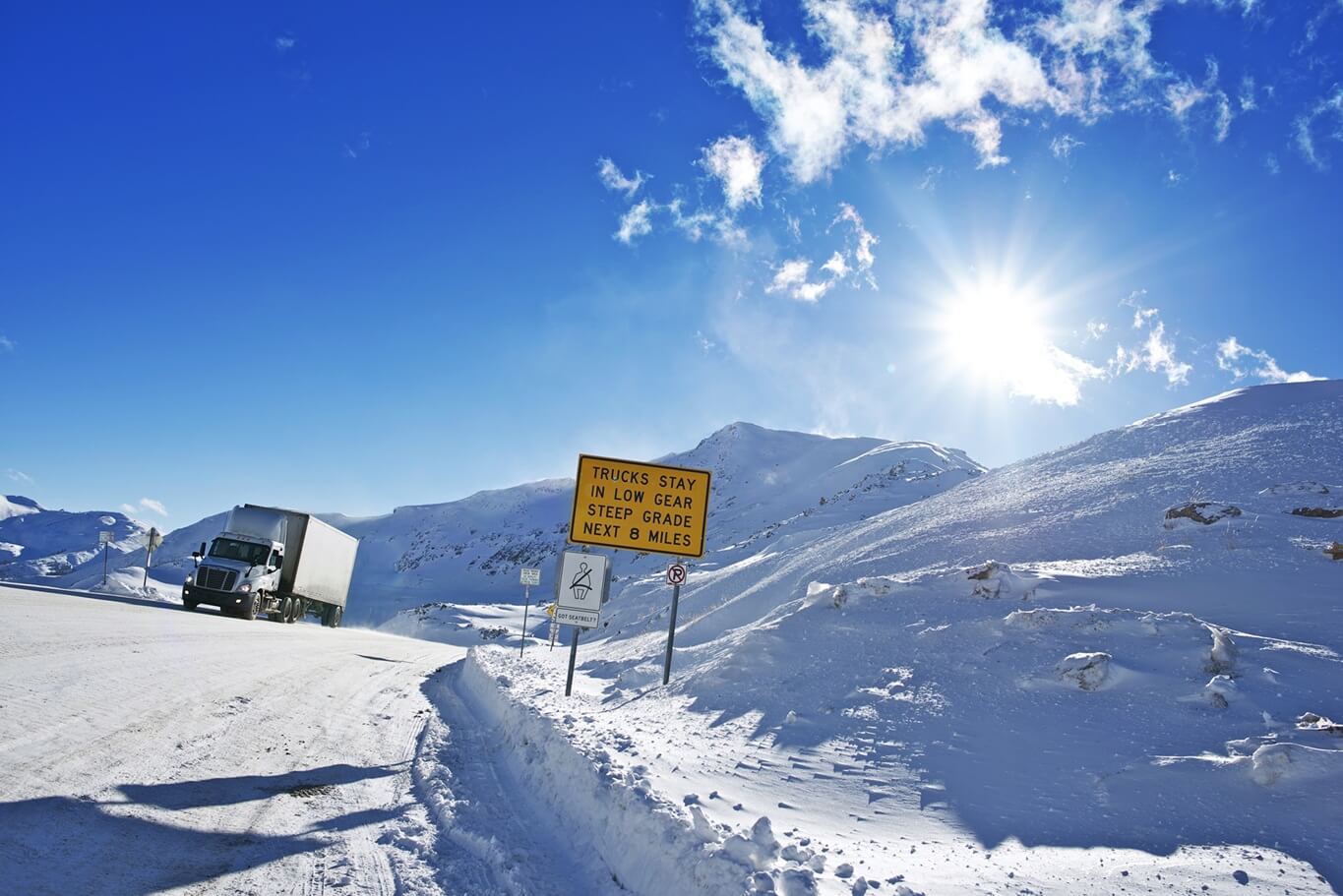
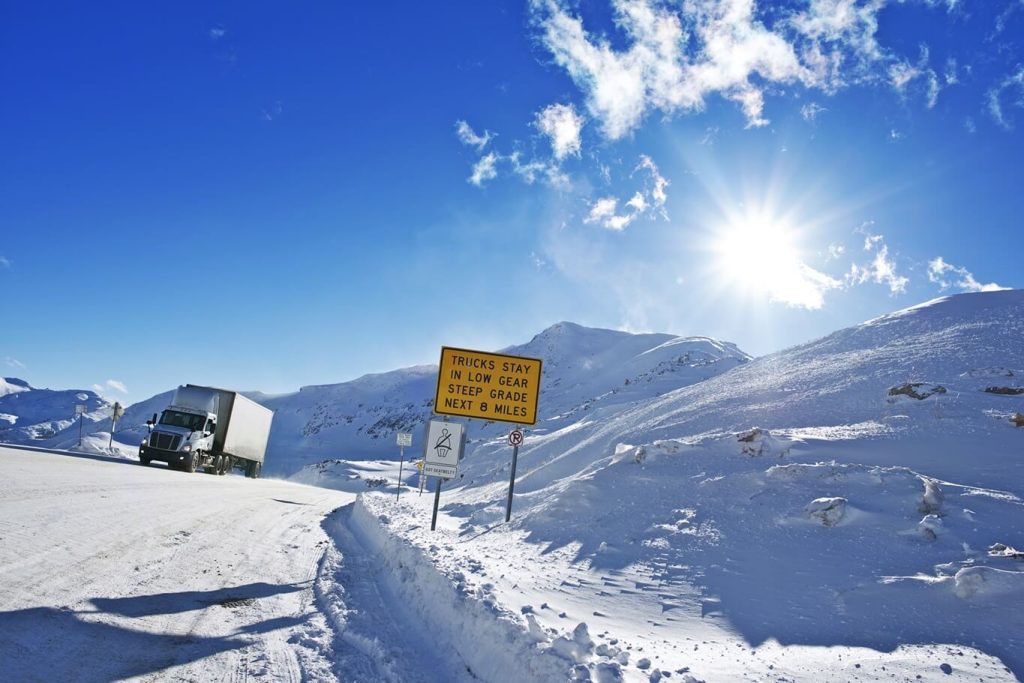
    Mountain passes add a whole new dimension to winter hazards. What starts as rain in the valley can be heavy snow at higher elevations, and conditions can change dramatically between sunny and shaded slopes. Experience teaches drivers to watch for subtle signs of deteriorating conditions like snow starting to stick to guardrails or changes in the sound of their tires.

    Those steep grades through Wyoming’s high country demand extra respect in winter. Keep your speed in check on downgrades, stay in the right gear before you need it, and remember that momentum on upgrades is crucial – once you lose it on slick roads, it’s hard to get back. Watch for changing conditions near the summit, where wind and elevation often combine to create the worst conditions.

    Strong Winds and Blowing Snow

    The wind might not seem like a typical winter hazard, but add snow or ice to the equation, and everything changes. Empty trailers become sail-like targets in strong gusts, while packed snow suddenly airborne across open plains can blind you in seconds. What makes wind especially tricky is how it can change from a steady push to violent gusts without warning.

    Crosswinds demand constant steering correction, but overcorrecting when that gust suddenly stops can lead to jackknifing. The key is smooth, steady movements. Quick steering corrections make the trailer swing worse. 

    Keep both hands firmly on the wheel, maintain a steady speed, and watch for telltale signs: snow snakes across the road, drifting patterns in open areas, or trucks ahead taking a slight sideways stance.

    Overnight Parking in Cold Weather

    Winter parking isn’t just about finding a space – it’s about picking a spot where you won’t be stuck until spring thaw. Low spots that collect snow, areas where plows pile up drifts, or spaces where wind creates deep snow banks can all turn your parking spot into a trap.

    This is where Truck Parking Club’s network of well-maintained facilities makes a real difference. When temperatures plummet and parking spots become scarce, having a guaranteed space at a maintained facility isn’t just convenient – it’s essential.

    Stay Ahead of Winter’s Challenges

    Winter hazards don’t announce themselves with flashing lights and sirens. Each one requires awareness, preparation, and respect. Understanding these challenges is your first step toward handling them safely.

    Join Truck Parking Club and always have a well-maintained spot waiting, no matter what winter throws your way.  

    BECOME A TRUCKER MEMBER TODAY!

    The information published herein is for general informational purposes only. Truck Parking Club does not make any representations or warranties about the completeness, reliability, legality, and accuracy of this information. Any reliance placed on such material is strictly at the user’s own risk. Truck Parking Club shall not be responsible for any losses or damages incurred in connection with the information published herein.
  • Top Destinations for Rhode Island Freight: Where Are All the Trucks Headed?

    Top Destinations for Rhode Island Freight: Where Are All the Trucks Headed?

    truck on the freeway

    Have you ever wondered where the trucks you see on the highways are taking all their cargo? For trucks starting their journeys in Rhode Island, the answer may surprise you. A recent analysis using data from the Bureau of Transportation Statistics reveals the top destinations for freight originating in Rhode Island. As part of a broader national study, this analysis focuses exclusively on domestic freight.

    Rhode Island’s Unique Freight Patterns

    Unlike most U.S. states, where the majority of freight stays within state lines, Rhode Island is an exception. As the smallest state in the country, it lacks the internal infrastructure and destinations to keep freight local. This means that Rhode Island’s trucks often hit the open road destined for other states across the nation.

    Changing Dynamics of Freight

    The nature of freight deliveries has been shifting in recent years. The rise of e-commerce, particularly with companies like Amazon, has shortened average haul distances. More regional warehouses and distribution centers mean trucks no longer need to cover vast distances to get products to consumers. The COVID-19 pandemic accelerated this trend, with supply-chain disruptions and an increase in online shopping, making quick, regional deliveries the norm.

    Top 20 Freight Destinations from Rhode Island

    Here’s a look at where Rhode Island’s freight is headed:

    1. Massachusetts – $17.8 billion in freight (28.4%)
    2. Rhode Island (in-state) – $15.6 billion (24.9%)
    3. Connecticut – $6.2 billion (9.8%)
    4. New York – $2.6 billion (4.1%)
    5. Texas – $1.8 billion (2.8%)
    6. New Jersey – $1.8 billion (2.8%)
    7. New Hampshire – $1.6 billion (2.6%)
    8. California – $1.3 billion (2.1%)
    9. Pennsylvania – $1.2 billion (2.0%)
    10. Ohio – $1.2 billion (1.8%)
    11. Florida – $1.1 billion (1.8%)

    These destinations represent key economic hubs across the United States, and it’s no surprise that states like Massachusetts and New York rank so highly given their proximity to Rhode Island and their bustling economies, not to mention the availability of truck parking lots for truckers.

    Key Drivers of Rhode Island Freight

    The types of goods transported from Rhode Island reflect national trends. Trucks commonly carry construction materials, gas and oil, food products, and agricultural goods. Regional demand for these essential commodities plays a significant role in determining where freight is sent. Rhode Island’s economy, driven in part by its ports and manufacturing, also contributes to the flow of goods to various parts of the country.

    Why Massachusetts Leads the Pack

    With nearly 28.4% of Rhode Island’s freight heading to Massachusetts, this neighboring state is the top destination. Massachusetts’ proximity, robust economy, and large population create an ideal environment for receiving a wide range of products. Whether it’s raw materials, goods for retailers, or food products, trucks from Rhode Island are frequent visitors to the Bay State.

    Conclusion

    Trucks leaving Rhode Island travel far and wide, with destinations ranging from nearby Massachusetts to distant Texas and California. As e-commerce continues to shape the logistics landscape, the flow of freight from Rhode Island remains a key part of the broader U.S. economy. 

    Whether delivering critical goods or supporting local industries, these trucks help keep the wheels of commerce turning. Truck Parking Club makes it even easier by helping drivers not only find but also reserve parking spots at nearby locations, ensuring they have a secure and convenient place to rest while on the road.

    BECOME A TRUCKER MEMBER 

    Source: Where are all these trucks headed? The top destinations for Rhode Island freight

    The information published herein is for general informational purposes only. Truck Parking Club does not make any representations or warranties about the completeness, reliability, legality, and accuracy of this information. Any reliance placed on such material is strictly at the user’s own risk. Truck Parking Club shall not be responsible for any losses or damages incurred in connection with the information published herein.
  • DC Takes Action to Crack Down on Predatory Towing

    DC Takes Action to Crack Down on Predatory Towing

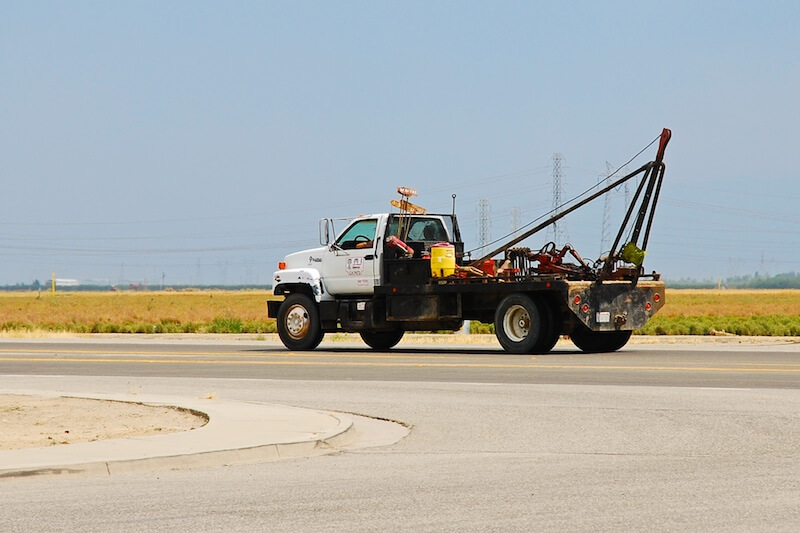
    a tow truck on a highway

    Predatory towing has long been a problem for the trucking industry, with carriers often facing outrageous charges, delays in retrieving their trucks and cargo, and other unfair practices. The good news is that change is on the horizon.

    Recent efforts by the federal government aim to address this issue, providing much-needed relief for truckers and the companies they work for.

    The Federal Response: Cracking Down on Predatory Towing 

    On July 10, 2024, the House Appropriations Committee took a major step forward by advancing a bill aimed at curbing predatory towing practices. 

    The bill, part of the fiscal year 2025 transportation funding package, seeks to empower the Federal Motor Carrier Safety Administration (FMCSA) to work with local and state governments, as well as private stakeholders, to establish uniform towing regulations nationwide.

    This legislation couldn’t come at a better time. Truckers across the country have suffered from towing companies that charge exorbitant fees, delay the release of vehicles and cargo, and operate without proper oversight. 

    According to a study by the American Transportation Research Institute, 82.7% of motor carriers have experienced excessive towing rates, while 81.8% have dealt with unjustified extra service charges.

    FMCSA and FTC Join Forces Against Predatory Towing 

    The FMCSA is also working alongside the Federal Trade Commission (FTC) to combat these unfair practices. In 2023, the FTC proposed a ban on “junk fees,” which includes many of the hidden and unjust towing charges truckers often face. FMCSA officials have expressed strong support for the FTC’s proposal and have even offered additional suggestions for protecting truckers.

    Some of these recommendations include:

    • Banning Junk Fees for Unnecessary Services: Towing companies should not charge for equipment they already own or services that provide no additional value.
    • Limiting Excessive Fee Practices: FMCSA suggests restricting the number and cost of towing fees to prevent financial exploitation.
    • Treating Each Violation Individually: FMCSA encourages the FTC to treat each illegal junk fee as a separate violation to hold companies accountable.

    These efforts are backed by major industry voices, including U.S. Transportation Secretary Pete Buttigieg, who has called for an end to the predatory practices that harm truckers’ livelihoods.

    How Predatory Towing Impacts Truckers 

    Truckers depend on their vehicles to earn a living, and when their trucks are towed, they can’t work until they get them back. Predatory towing not only affects drivers but can also cause significant disruptions to the supply chain. Trucking companies have reported instances where cargo is held hostage by towing companies, creating costly delays and logistical nightmares.

    As David Heller, Senior VP of Safety and Government Affairs for the Truckload Carriers Association, noted, some towing bills are so high that they exceed the value of the truck itself. This leaves truckers and companies at the mercy of towing operators with little recourse.

    Industry Leaders Push for Reform 

    The Truckload Carriers Association and the American Trucking Associations (ATA) have both expressed strong support for the government’s efforts. ATA President Chris Spear emphasized that reforms are essential to creating more transparency and fairness in the towing industry and highlighted the importance of holding unscrupulous towing companies accountable for their actions.

    What This Means for Truckers 

    For truckers and fleet managers, these efforts signal hope for a future with fewer headaches related to towing. With clearer regulations and stronger enforcement, drivers can focus more on what they do best: keeping America moving.

    At Truck Parking Club, we understand the challenges truckers face on the road. As a trusted partner for truck parking solutions, we’re committed to helping drivers avoid unnecessary complications and get the support they need. 

    As the industry moves toward reform, Truck Parking Club is here to provide reliable parking solutions and help drivers stay focused on what matters most.

    BECOME A TRUCKER MEMBER TODAY

    Link to the original article: https://www.thetrucker.com/trucking-news/truckload-authority/government-affairs/work-is-underway-in-dc-to-lower-the-boom-on-predatory-towing 

    The information published herein is for general informational purposes only. Truck Parking Club does not make any representations or warranties about the completeness, reliability, legality, and accuracy of this information. Any reliance placed on such material is strictly at the user’s own risk. Truck Parking Club shall not be responsible for any losses or damages incurred in connection with the information published herein.
  • UConn Develops App to Combat Truck Parking Problems in the Northeast

    UConn Develops App to Combat Truck Parking Problems in the Northeast

    top view of a truck parking lot

    The shortage of safe parking for commercial motor vehicle (CMV) drivers is a critical issue, especially in the densely populated northeast U.S. As highways become increasingly congested and the demand for goods rises, truck drivers face significant challenges in finding parking spots that meet federal rest requirements

    Addressing this problem head-on, researchers from the Connecticut Transportation Safety Research Center (CTSRC) at UConn are working to develop a solution: a real-time app that helps truck drivers locate safe parking spots.

    The Parking Shortage Crisis

    The shortage of truck parking has become a national concern, impacting driver safety and road efficiency. In the northeast, this issue is compounded by limited space and high real estate costs. As highways were originally built in the 1950s, the infrastructure hasn’t kept up with the growing demands of today’s trucking industry. According to Eric Jackson, director of CTSRC, “Parking in the northeast has always been an issue because our interstates were built in more densely populated areas.”

    The lack of parking forces truck drivers to either park illegally on highway shoulders or ramps or continue driving past their regulated hours in search of a safe spot. This not only poses safety risks but also puts drivers at risk of violating FMCSA hours-of-service (HOS) regulations, which are designed to ensure drivers remain well-rested and alert on the road.

    UConn’s Solution: A Smart Parking App

    To alleviate this issue, UConn researchers, led by Eric Jackson and Mohammad Razaur Rahman Shaon, are developing a Truck Parking Information Management System (TPIMS) app. This app, funded by a $1.46 million federal grant from the U.S. Department of Transportation (DOT) and additional funding from the Connecticut DOT, will provide real-time data on available parking spots for truckers in the northeast.

    The system will collect data from a variety of sources, including video cameras, infrared sensors, and radar installed at key locations, and process it using an advanced traffic management system. The app will then disseminate parking availability information to drivers via mobile apps, in-cab electronic logging devices (ELDs), and digital message boards, allowing them to make informed decisions about where to park and rest safely.

    Why Technology is Key

    As the trucking industry continues to grow—72.5% of domestic goods were transported by truck in 2019—the need for smarter parking solutions has become apparent. By integrating cutting-edge technology like Dedicated Short Range Communication (DSRC) units, UConn’s app will provide real-time parking updates to truckers, reducing the time they spend searching for parking and minimizing the risk of unsafe parking practices.

    As Shaon puts it, “If we can provide parking information beforehand, drivers may decide they want to take a break before they get to Connecticut. This will allow them to make more informed decisions about their itinerary, routes, and connections.” The app will not only help truckers in Connecticut but will also integrate parking information from neighboring states, making it a regional solution to a national problem.

    A Critical Step Forward for Truck Parking

    The development of UConn’s smart parking app is a significant step toward solving the truck parking shortage in the northeast. By providing real-time parking information, the app will enhance safety for truck drivers and help them comply with federal regulations, reducing stress and improving overall road safety. 

    While the UConn app is still in development, Truck Parking Club is already fully operational, providing truck drivers with convenient access to nearby parking locations. Our user-friendly, driver-focused app allows truckers to easily search for parking spots that offer the amenities they need for a comfortable rest. With just a few taps, drivers can find the perfect place to relax and recharge, making Truck Parking Club the go-to solution for on-the-road convenience.

    BECOME A TRUCKER MEMBER 

    Source: Reducing Big Rig Parking Problems

    The information published herein is for general informational purposes only. Truck Parking Club does not make any representations or warranties about the completeness, reliability, legality, and accuracy of this information. Any reliance placed on such material is strictly at the user’s own risk. Truck Parking Club shall not be responsible for any losses or damages incurred in connection with the information published herein.

  • How to Stay Entertained During Long Parking Stops

    How to Stay Entertained During Long Parking Stops

    truck driver leaning by his vehicle and using phone

    Truck drivers, we’ve all been there. You’ve been cruising down the highway for hours, and suddenly, you’re faced with a long parking stop. If you’ve nothing to entertain you, these stops can feel like they stretch on forever.

    But these downtimes don’t have to be a drag. A bit of fun can refresh your mind, boost your mood, and make those long hauls feel more manageable. If you often find yourself twiddling your thumbs or staring at the ceiling of your cab, it’s time to shake things up.

    We’ve got a truckload of ideas to keep your mind engaged and your spirits high during those inevitable parking lot pit stops.

    Podcasts and Audiobooks

    Let’s start with the obvious – podcasts and audiobooks. Sure, you might’ve been listening to these on that long haul from California to Texas, but hear us out. If you’ve been tuning in for hours on the road, you might be ready for a change of pace during your stop. But for those who can’t get enough, there’s a whole world of content out there.

    True crime addicts can dive into the latest unsolved mysteries. For industry insights, trucking lifestyle podcasts offer a treasure trove of tips and stories from the road. If you’re looking to expand your knowledge, educational podcasts can turn your cab into a classroom on wheels.

    Switching up your listening material during stops can keep things fresh and give your ears a break from what you’ve been hearing on the road.

    Mobile Gaming

    When you’re parked up and looking for some quick entertainment, your smartphone can be a pocket-sized arcade. As data isn’t always plentiful on the road, we’ve got some game suggestions that won’t eat up your monthly allowance.

    Offline puzzle games like Sudoku and Crosswords can also keep your mind sharp without needing a signal. 

    For a laugh, why not try out a truck-driving simulation game? If backing up your rig into tight spots is your superpower and you want to show off your virtual skills, games like Truck Parking Simulator or Euro Truck Simulator might be right up your alley. 

    Still, you might have had enough of staring at highways for one day – in that case, how about strategy games like Mini Metro or Polytopia that don’t have heavy data usage?

    A quick game can be a great way to relax and reset your mind, but don’t let it eat into your rest time. Set a timer if you need to. While that “one more level” might be tempting, your rig isn’t going to drive itself tomorrow. At least, not until those self-driving trucks take over – but until then, it’s up to you to hit the road refreshed and ready to roll.

    Mindfulness & Meditation Apps

    A truck driver’s job can be seriously stressful. Long hours, tight deadlines, and unpredictable road conditions can take their toll. A long truck stop gives you the time to unwind and decompress.

    Meditation and mindfulness apps like Headspace or Calm can be surprisingly effective, even for the most skeptical truck driver. These aren’t about floating away on a cloud – they’re practical tools to help you clear your mind and reduce stress. Start with just five minutes of guided breathing or body scan meditation. You might be surprised how much clearer your head feels afterward.

    If meditation isn’t your style, give ASMR videos or recordings a shot. These soothing sounds can range from gentle whispers to the satisfying crinkle of paper. It might sound odd, but many find these sounds incredibly relaxing. Pop in your earbuds, close your eyes, and let the calming audio wash over you.

    Workouts Outside Your Truck

    After sitting in your cab all day, your body is probably screaming for some movement. Those long hours behind the wheel can take a toll on your health, but a quick workout during your stops can make all the difference.

    Start with some simple stretches to get your blood flowing. Resistance bands are a trucker’s best friend – they’re lightweight, take up minimal space, and can give you a full-body workout right next to your rig. Don’t have equipment? No problem. Bodyweight exercises like push-ups, squats, and lunges can be just as effective.

    Take advantage of that vast parking lot with a brisk walk or light jog around the perimeter for a change of scenery. Just be sure to watch out for other trucks – you’re aiming for fitness, not a game of real-life Frogger!

    Fitness apps can be great motivators. They track your progress and offer quick, trucker-friendly workouts. Apps like Iron Trucker Fitness are designed with your lifestyle in mind.

    Your body will thank you for breaking up all that seat time, and you might even find yourself looking forward to these active breaks.

    Learn Unexpected Skills on the Road

    Who says you can’t teach an old truck driver new tricks? Long stops are the perfect opportunity to pick up a hobby you’ve always been curious about but never had the time for. There’s a whole world of hobbies out there, and everyone’s interests are different, but here are a few ideas to get your creative engines running:

    Ever thought about juggling? It’s not just for circus performers. Learning to keep three balls in the air can improve hand-eye coordination and provide a fun way to impress fellow drivers at rest stops.

    Or how about trying your hand at stand-up comedy? Use your downtime to jot down those funny observations from life on the road. Who knows, you might become the next great trucking comedian, turning your CB handle into a stage name.

    The beauty of picking up a new hobby is that it gives you something to look forward to while breaking up the routine of life on the road. So go ahead and surprise yourself (and your fellow drivers) with your newfound talents.

    Wrapping Up

    From podcasts to push-ups, comedy to juggling, there’s no shortage of ways to make your downtime enjoyable and productive. These stops don’t need to be idle time—they’re opportunities to recharge, learn, and even discover new passions.

    Speaking of making the most of your stops, why not book a lot with all the amenities you need?

    Truck Parking Club connects drivers with available parking spaces across the United States, many of which offer a range of facilities to make your stay more comfortable. 

    Create a free account and book a space as a Trucker Member here

     If you’re a property owner with extra space, why not turn that unused land into a lucrative opportunity and list it with us?

    Become a Property Member Here

    The information published herein is for general informational purposes only. Truck Parking Club does not make any representations or warranties about the completeness, reliability, legality, and accuracy of this information. Any reliance placed on such material is strictly at the user’s own risk. Truck Parking Club shall not be responsible for any losses or damages incurred in connection with the information published herein.

  • Can You Park Your Semi in a Reserved Place?

    Can You Park Your Semi in a Reserved Place?

    semi trucks parked in at a truck parking facility

    If you’ve spent any time on the road as a trucker, you know that finding a parking spot can be one of the most frustrating parts of the job. After a long day behind the wheel, nothing is worse than pulling into a truck stop, seeing that “full” sign lit up, and realizing you’re out of time on your clock. In those moments, you might notice a few empty reserved parking spots and think, “Should I just park here?”

    Before you make that decision, it’s important to understand how reserved parking works, why it exists, and what the consequences are if you park there without paying. This guide will walk you through everything you need to know.

    What Is Reserved Truck Parking?

    Reserved truck parking is pretty much what it sounds like – parking spaces set aside for truckers who pay in advance. These spaces are typically located at truck stops, rest areas, and private parking facilities, offering a guaranteed place to park when the general parking area fills up. Think of it as a “fast pass” for parking: you pay ahead of time, and you’re guaranteed a spot when you arrive.

    Reserved parking can be a lifesaver for drivers who are running low on hours and want to avoid the stress of searching for a space. It’s especially helpful in high-traffic areas or during peak hours when parking fills up fast.

    Why Reserved Parking Exists

    Reserved parking was created to help drivers who plan ahead. The idea is simple: truck stops realized that parking was becoming increasingly scarce, so they set aside a few spots for drivers who wanted to guarantee they’d have a place to park when their driving hours ran out.

    These reserved spots are particularly useful for long-haul drivers who need to manage their hours of service (HOS) and can’t afford to keep driving around looking for parking. It’s about safety, legality, and convenience—ensuring you can park when you need to and stay within your hours.

    🚛How to Reserve a Spot with Truck Parking ClubMake your stop planning a breeze with Truck Parking Club. Browse our available private parking facilities and easily reserve your spot in advance in just a few simple steps to ensure you won’t be left circling the lot at the end of a long shift, hoping for a miracle. Find Truck Parking

    What Happens If You Park in a Reserved Spot Without Paying?

    Parking in a reserved spot without paying might seem harmless at first, but it can lead to some pretty big problems.

    In the best-case scenario, you’ll only be asked to move your rig if the driver who paid for the spot shows up. Still, imagine you’ve just settled in for the night, and suddenly, you’re being asked to leave. You’ll have to get back on the road and find another spot, which might be even harder at that point.

    Things, however, can get uglier. Some truck stops and parking facilities enforce these reserved spots pretty strictly. If you park there without paying, they could issue a fine or even have your truck towed. 

    Also, it’s not really fair to other drivers. When you park in a reserved spot without paying, you’re taking a space away from someone who did. That driver planned ahead, paid for the spot, and might be in the same desperate situation as you. 

    It’s frustrating for everyone involved when the system doesn’t work as intended. Plus, it goes against the basic parking etiquette. 

    Alternatives to Parking in a Reserved Spot Without Paying

    So, what do you do when you’re out of hours and there’s nowhere to park? Here are a few tips to avoid parking in a reserved spot without paying:

    • Plan Your Parking Ahead: One of the best things you can do as a driver is plan your parking in advance. If you struggle with that, Truck Parking Club will come in handy, helping you find and reserve parking spots along your route so you don’t have to scramble at the last minute.
    • Check for Nearby Parking: Sometimes, if a truck stop is full, there might be a private lot, rest area, or warehouse nearby where you can park. Again, Truck Parking Club can help here. Simply open our app and find alternative options nearby that might not be on your usual apps.
    • Talk to the Truck Stop Staff: If you’re in a real bind, it’s always worth asking the truck stop staff if they can help. They might know when a space will open up or have suggestions for where you can park safely overnight.

    Why Paying for Reserved Parking Can Be Worth It

    I get it—nobody likes paying extra for parking. But in some cases, reserved parking can be a smart investment. Here’s why:

    • It Guarantees You a Spot: When you pay for reserved parking, you eliminate the stress of wondering whether you’ll find a place to park at the end of your shift. You can plan your route, drive confidently, and focus on the road, knowing you’ll have a safe, legal spot to park when you’re done.
    • It’s Safer: Desperately searching for parking at the end of a long day is not just stressful – it’s dangerous. When you reserve a spot, you can park, rest, and get back on the road fully refreshed without the risk of driving tired or violating HOS rules.
    • It Saves Time: Think about how much time you’ve spent circling truck stops, looking for a spot. With a reserved space, you pull in, park, and you’re done. No wasting fuel, no wasted time, and no unnecessary stress.

    Reserve Your Truck Parking with Truck Parking Club

    While the temptation to park in a reserved spot without paying is real, it’s rarely worth the risk. Not only could you face fines, towing, or being asked to move, but it’s also unfair to other drivers who rely on those spots. 

    Don’t take any chances. Join our community here at Truck Parking Club today and have peace of mind there’s always a spot waiting for you whenever and wherever the road takes you. 

    By using Truck Parking Club, you can:

    • Search for parking based on your location.
    • Reserve a spot in advance so you know you’ll have a place to park.
    • Avoid the stress of parking in unauthorized or reserved spots without paying.

    It’s a simple, effective way to ensure you’re never left scrambling at the end of a long day on the road. Stay safe, plan ahead, and keep the rubber side down!

    BECOME A TRUCKER MEMBER

    The information published herein is for general informational purposes only. Truck Parking Club does not make any representations or warranties about the completeness, reliability, legality, and accuracy of this information. Any reliance placed on such material is strictly at the user’s own risk. Truck Parking Club shall not be responsible for any losses or damages incurred in connection with the information published herein.
  • Truck Parking for Long-Haul vs. Short-Haul Drivers

    Truck Parking for Long-Haul vs. Short-Haul Drivers

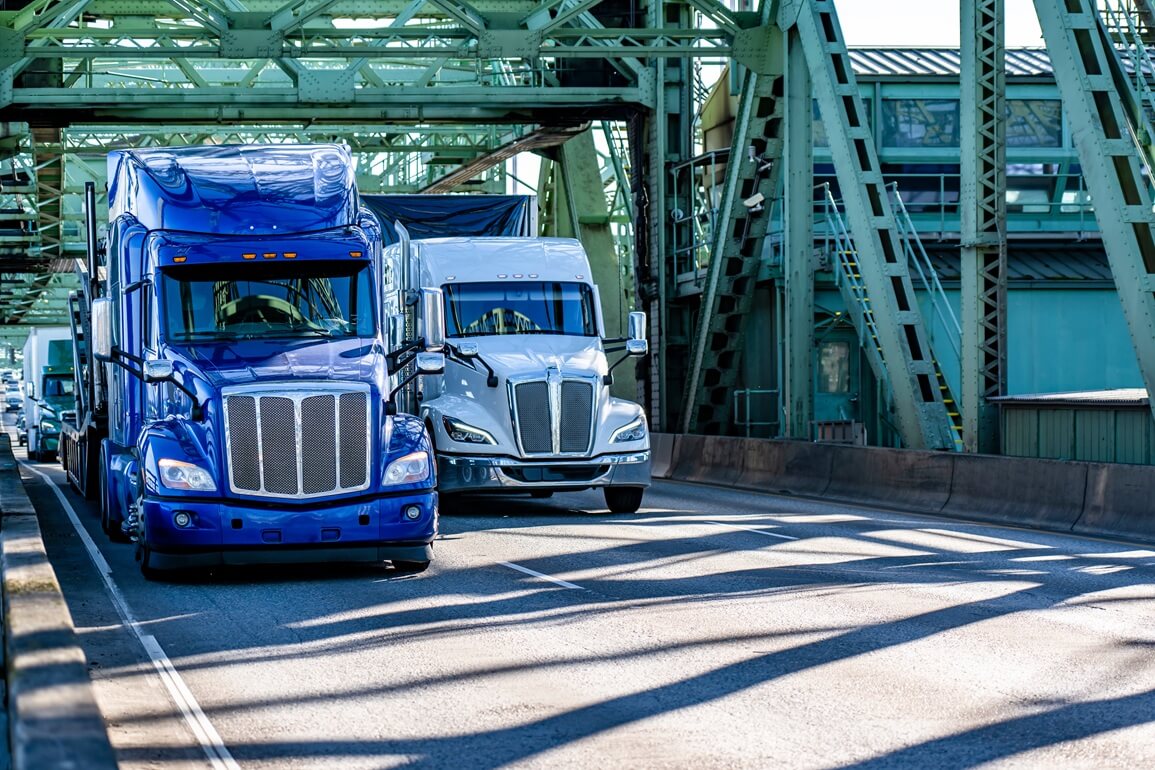
    two semi-trucks crossing the bridge

    Truck driving is no easy job, especially when you have to adjust your day according to your working schedule. While short-haul drivers can typically expect to be home sooner, long-haul drivers have more complex needs and challenges to navigate.

    In this article, we will explore the main differences between parking for long-haul and short-haul truck drivers in detail. Whether you’re considering one of these career paths or are a seasoned trucker looking to better understand the parking landscape, keep reading to learn more.

    Hourly vs. Overnight Parking at Truck Stops

    Parking for short- and long-haul truck drivers is rather different than what you might have thought. There is a huge distinction between stopping for an hour to stretch your legs before embarking on the road and actually finding a spot to leave your rig on for the night. 

    The difference lies not only in the price of this respite, as some truck parking lots are completely free, and others may charge as little as $1 per hour and $10 per day, but also in the availability of spots. 

    It’s no secret that it is significantly easier to find a parking place for a few hours versus for the entire night, especially during peak hours.

    Unbalanced Lifestyle

    Although not every company assigns ideal schedules, short-haul drivers generally have it easier when it comes to maintaining a balanced lifestyle. In fact, long-haul drivers transporting valuable goods across the country don’t always have access to basic needs of adequate quality. Here, we’re talking about the number of fast food restaurants serving fatty, unhealthy meals and sometimes the lack of hotels or motels to get a good night’s sleep

    Short-haul drivers face similar issues occasionally, but long-haul truckers tend to deal with these challenges more frequently due to their extended time on the road.

    Truck Parking Lot Amenities 

    Another important difference lies in the amenities offered at truck stops. Short-haul drivers typically don’t rely on these amenities as much because their trips are shorter, and they don’t need to stop as often. Long-haul drivers, however, depend on truck stops to provide essential services such as showers, restaurants, and secure parking.

    Unfortunately, not all parking lots are equipped to support a healthy lifestyle for truckers. Some truck stops may lack showers, have poor food choices, or be located in areas with insufficient security. For long-haul drivers, planning stops that offer these necessary amenities is crucial to maintaining comfort and well-being during extended trips.

    Safety Risks 

    Both short-haul and long-haul truck drivers should be aware of their surroundings and choose parking stops wisely, judging by the amenities and CCTV cameras available. 

    Short-haul drivers, with their shorter shifts, often don’t need to worry about overnight stops. However, long-haul truckers face a greater risk as they need sufficient rest to safely continue driving the next day. Fatigue can lead to accidents, but it can be difficult to get a good night’s sleep if a driver feels unsafe or stressed about potential theft or other threats while parked.

    To mitigate these risks, long-haul drivers can avoid vulnerable areas by planning ahead and choosing secure, gated truck parking lots. Apps like Truck Parking Club can help locate gated and trusted parking stops, allowing drivers to focus on rest without worrying about security.

    Planning Ahead for Your Own Comfort

    Both short-haul and long-haul truck drivers face different challenges when it comes to parking and lifestyle. Long-haul drivers should prioritize planning ahead their routes to access monitored parking lots with necessary amenities. Short-haul drivers can enjoy better flexibility in their choices but should always be mindful of parking options, even for a few 

    hours during peak time. 

    Whether you prefer to be a short- or long-haul driver, understanding the parking landscape is important. To avoid problems with finding a spot for your rig and ensure a smoother experience, register at Truck Parking Club. As a Trucker Member, you will be able to search for the nearest parking locations and filter them by the price and amenities you want to have. 

    Become a Truck Member now to speed up your route planning

    The information published herein is for general informational purposes only. Truck Parking Club does not make any representations or warranties about the completeness, reliability, legality, and accuracy of this information. Any reliance placed on such material is strictly at the user’s own risk. Truck Parking Club shall not be responsible for any losses or damages incurred in connection with the information published herein.