
Category: Tips For Truckers

  • Guide to Truck Parking in Texas

    Guide to Truck Parking in Texas

    The flag of Texas

    Texas, the land where everything is bigger. Where oil tycoons hang with cowboys in creaky BBQ shacks. Where football is worshiped, and the music is loved worldwide. Where the history is rich, and endless highways stretch under country skies.

    And where truck parking is an absolute living nightmare. 

    Given the current national truck parking crisis in which just one parking space is available for every ten trucks on the road, you would imagine a state notorious for doing everything bigger would have adequate truck parking.

    But it doesn’t. Texas is actually worse than most other states when it comes to truck parking. 

    Trucker Troubles

    We love Texas, but the truck parking in this gloriously fun state is almost shameful, given how crucial our truckers are to society and the economy. 

    Truckers rolling through the vast lands of Texas frequently find themselves stressed out when it comes to parking their rigs – always with HOS regulations lingering in the back of their minds – as they search high and low for a place to take a legally required eight-hour rest.

    And it’s not getting any easier. In fact, truck parking in Texas has grown worse over the last few years, and drivers are struggling because of it.

    Stricter Enforcements

    Evidence of this is everywhere. Supermarkets, for example, have toughened up in recent times. Truck parking at Walmarts used to be a given, but many store managers have started making truckers quite unwelcome for some reason. Truck stops are far too spread out, and most are rammed-full by late afternoon. The same goes for rest areas.

    Local police seem to have gone on a ticketing frenzy, issuing tickets left, right, and center for truckers parked on shoulders, exit ramps, and underpasses. Even the state government has passed a new ordinance, resulting in $500 fines for any truck driver having the nerve to park on abandoned, unused property and lots. 

    You read that correctly… Five hundred buckeroos. 

    TPC to the Rescue

    It isn’t all doom and gloom, however. Those of you who know about Truck Parking Club will know that we are almost single-handedly saving truckers from their parking dramas by ensuring private truck parking all over the Lone Star State at very affordable rates. 

    From giant mega lots to small, cozy, private parking owned by commercial landowners, our app ensures truckers are headache-free when it comes to parking their rigs. With Truck Parking Club, finding parking spaces is effortless. Maybe even fun.

    More on that later. For now, let’s look at a few tips and ideas to ensure better truck parking in Texas for you.

    Planning with Route Optimization

    Success with Texas truck parking is all about thinking forward and planning ahead. Making the most of advanced GPS systems designed for trucks will prove helpful as they provide height and weight limits and even suggest truck-friendly routes with available parking lots (although there is no way of knowing if these parking lots are full or not, of course.)
    When it comes to parking a truck in Texas, you really need to include parking (or the lack of it) in your daily route planning as a priority. Not just to ensure your drops and pickups are on schedule but also to avoid HOS regulations. Factoring in time spent searching for parking should form a central part of the daily route plan.

    a highway in Texas

    State Resources

    While the state hasn’t been particularly helpful in providing convenient truck parking in Texas, The Department of Transportation (TxDOT) is a wealth of information for truckers and could prove helpful to some degree.

    Their resources are handy for locating rest areas, weigh stations, and truck parking facilities across the state, and if you check out the information – either through their website or mobile app – you can get up-to-date details on parking spaces and amenities. 

    Online resources are useful, but what the state needs is more physical parking spots – that’s how they can really solve the truck parking issue in Texas. That said, if you have never visited the TxDOT before, you should find the information more helpful than you might imagine.

    Staying Informed through Social Media

    Social media is far more than just a platform for showing off what you had for lunch – it’s also a very useful tool for truckers on Texan roads.  Platforms like Facebook and Twitter have become quite handy for real-time information, as truckers share updates on parking availability, road conditions, and tips for the best rest spots. 

    Look out for the online trucker communities and maybe start creating a few alerts relative to the areas you cover. On a good day, you can tap into a fair amount of shared knowledge.

    There Is a Better Way

    There is one final way to put all of your truck parking issues to rest and never have to worry about truck parking in Texas again: by using the revolutionary Truck Parking Club app.

    If you are reading this article and not using Truck Parking Club, you probably should be. Our service is simple, affordable, and helps thousands of truckers all over the country find convenient parking effortlessly.

    No more endlessly circling parking lots and truck stops or parking on dangerous highways and exits. No more HOS violations or missed drops. Just lots of great parking for truckers in multiple convenient locations. 

    Sign Up Today

    Truckers love using our app to find great parking spots, and you will, too. Start by signing up for a free account; it takes seconds. 

    You can then browse and book thousands of truck parking spaces all over America. Each listing shows location, parking lot size, amenities, price, and more. 

    After booking, you will receive an instant confirmation through the Truck Parking Club app. All you need to do next is arrive and enjoy your overnight rest. We didn’t just make Truck Parking Club affordable. We made it effortless, too.

    Come join the truck parking revolution today – you will be glad you did! 

    The information published herein is for general informational purposes only. Truck Parking Club does not make any representations or warranties about the completeness, reliability, legality, and accuracy of this information. Any reliance placed on such material is strictly at the user’s own risk. Truck Parking Club shall not be responsible for any losses or damages incurred in connection with the information published herein.


  • The Many Challenges of Trucking in Alaska

    The Many Challenges of Trucking in Alaska

    alaskan ice road

    They call Alaska ‘the last frontier’ with very good reason. Plenty of good reasons, actually.

    With perilous ice roads, thousands of miles of lonely highways, teeth-chattering minus 40° temperatures, and the occasional suicidal moose to contend with, Alaska is certainly not a job for the faint-hearted when it comes to truck driving. 

    Make no mistake about it – trucking in Alaska is a tough gig. 

    By the same token, trucking in Alaska is very well paid, mercilessly free of roadworks or congestion, and there is lots of work. It’s a hard job, but many truckers absolutely love working in The Great Land and wouldn’t have it any other way.

    The Land of the Midnight Sun

    However, we noticed that the subject of truck driving in Alaska isn’t especially well covered. Being the thoughtful folks that we are here at Truck Parking Club, we decided a quick blog post might be useful to anyone considering becoming a truck driver in Alaska. 

    Or rather, the challenges associated with truck driving in Alaska. You are already aware of the region’s sheer beauty and that it pays very well (generally speaking), so the purpose here is to cover the issues you might face when you are out there.

    So here it is. The Truck Parking Club guide to the challenges of driving in Alaska.

    But first, let’s just break down where you are likely to find yourself trucking in Alaska.

    Truck Driving Alaskan Highways

    Alaska’s huge territory consists of over 14,000 miles of public roads, winding through breathtaking national parks, challenging terrains, and far-flung isolated communities.

    The roads are usually narrow and often without shoulders, requiring constant attentiveness, expertise, and dogged resilience. Trucking in Alaska is certainly not something you should ever underestimate.

    However, drivers are blessed with more relaxed HOS regulations of up to 20 hours per shift, owing to the severe lack of accessible truck parking in Alaska (more on that below).

    The majority of truck drivers in Alaska will find themselves using the following roads and highways for the most part.

    ALASKA HIGHWAY

    Originally a rugged wilderness route, the Alaska Highway stretches over 1,500 miles from Dawson Creek to Delta Junction in Alaska. This is a commonly used highway, mostly used for transporting essential supplies from the United States to various Alaskan destinations.

    DENALI HIGHWAY

    Linking Paxson and Cantwell, the 136-mile Denali Highway is another critical road for cross-state transportation. This highway is actually closed each winter, so a little extra planning and adaptability might be required during the off-season. 

    KUSKOKWIN ICE ROAD

    An absolute feat of genius civil engineering, this 300-mile ice road covers 17 remote towns and provides vital access to oil fields during winter. Built entirely on ice, this road is a remarkable lifeline for seasonal cargo transportation – without impacting the Arctic environment in any way.

    DALTON HIGHWAY

    Spanning over 400 miles, the Dalton Highway is another crucial link to Alaska’s oil fields. This world-famous gravel road runs alongside the Trans-Alaska Pipeline and is restricted from public access at all times. This is a key route for Alaskan truck drivers heading to the northernmost regions.

    SEWARD HIGHWAY

    Known for its awe-inspiring scenic views, the Seward Highway begins in the harbor city of Seward before stretching out to Anchorage, Alaska’s largest city.

    NOME ROAD SYSTEM

    While inaccessible by road from outside, Nome boasts over 300 miles of roads and is used mostly for delivering goods to remote communities within the region.

    An Alaskan highway

    Common Challenges of Truck Driving in Alaska

    1. Extreme Weather: Drivers often navigate through harsh weather conditions, including heavy snowfall, ice, and extremely low temperatures. Driving can be quite hazardous at times.
    1. Isolated Routes: Many routes in Alaska are isolated with limited access to amenities, requiring drivers to be self-sufficient and well-prepared for emergencies.
    1. Wildlife Hazards: Encounters with wildlife – especially moose and bears – can be a serious threat, leading to potential accidents and delays.
    1. Limited Daylight: In winter, Alaska experiences very limited daylight hours, challenging drivers to navigate in darkness for extended periods.
    1. Road Conditions: Alaska’s roads can be treacherous, with unpaved, gravel, or icy surfaces demanding high levels of driving skill and concentration.
    1. Long Distances: Vast distances between destinations can lead to fatigue and require careful time management, especially with relaxed HOS regulations.
    1. Communication Issues: Remote areas often lack cell phone reception, posing challenges in communication and access to emergency assistance.
    1. Load Security: Securing loads is critical, especially on rugged terrains and ice roads, to prevent cargo from shifting or falling.
    1. Mechanical Failures: The extreme cold can lead to frequent mechanical issues, requiring drivers to have basic repair skills and tools.
    1. Health Challenges: The physical and mental strain of driving under such conditions can impact drivers’ health, necessitating regular checks and breaks.
    remote road in Alaska

    Truck Parking in Alaska

    Last but by no means least, adequate truck parking in Alaska is one of the more commonly shared issues among drivers. With a severe lack of rest areas and truck stops in this beautiful but remote region, finding suitable truck parking spots can be quite stressful.

    But we can help.

    At Truck Parking Club, we have a wide range of convenient truck parking spots in Alaska, all available to book in advance or up to the very last minute.

    It’s simple, hassle-free, and takes a load off your mind knowing you have a great parking spot in Alaska at the end of a long day. From single spaces on private land to huge rest areas, Truck Parking Club has spaces all over America at an affordable price. 

    Just use our app to browse for truck parking in Alaska, reserve your preferred spot, and arrive. That’s all there is to it! We didn’t just make it affordable – we made it incredibly user-friendly and simple, too.

    Come and rest comfortably with the Truck Parking Club by signing up today. We can’t wait to see you. 

    The information published herein is for general informational purposes only. Truck Parking Club does not make any representations or warranties about the completeness, reliability, legality, and accuracy of this information. Any reliance placed on such material is strictly at the user’s own risk. Truck Parking Club shall not be responsible for any losses or damages incurred in connection with the information published herein.

  • What Is a Truck Parking Information Management System?

    What Is a Truck Parking Information Management System?

    Red truck parked up

    Truck parking shortage has always been a priority issue for truckers. But it’s not just about the lack of parking spots. It’s also about the challenges of finding those that are available as quickly as possible. 

    When it comes to that, more and more truck parking lots are leveraging new technologies. A good example is our very own Truck Parking Club app, which connects truck parking owners with truckers, allowing drivers to quickly find and book listed parking spots. 

    The good news is that we’re not the only ones trying to resolve this issue. Some states, such as Michigan or Wisconsin, have also introduced an interesting solution for truckers looking for available parking spots – the Truck Parking Information Management System (TPIMS)

    What Is the Truck Parking Information Management System?

    The Truck Parking Information Management System uses sensors and cameras installed at truck stops, rest areas, and truck parking lots to create real-time data about truck parking availability. 

    This information is displayed using tools like dynamic road signs and navigation apps, providing commercial truck drivers with relevant information regarding truck parking. This way, they can better plan their route on the go without wasting their time looking for available spots. 

    How does this system work? Simple:

    • The TPIMS uses sensors and cameras strategically installed at a truck parking lot, rest area, or truck stop to monitor real-time traffic;
    • The information about parking availability is displayed on electronic message boards located along the highways and heavy–traffic roads, giving commercial truckers a quick insight into the parking situation ahead. 

    The Benefits of TPIMS

    The primary goal behind the Truck Parking Information Management System is to improve safety and efficiency for commercial truckers. The system allows truck drivers to quickly get an idea regarding available parking spots, sparing them the need to drive around searching for free spots. 

    However, while the system was made with primarily truckers and their safety in mind, it can also benefit one’s truck parking business. Integrating the TPIMS in your truck parking lot will help you reach more truckers, especially those who still heavily rely on the information displayed on road signs. 

    Where Is TPIMS Used?

    Although the Truck Parking Information Management System has been live for some time now, so far, it’s been only introduced by eight US states – Indiana, Kansas, Michigan, Wisconsin, Kentucky, Minnesota, Ohio, and Iowa. 

    Whether more states decide to join this federally funded program remains to be seen, but its benefits are clear. Of course, this system won’t resolve the truck parking shortage problem, but it’s a step in the right direction when it comes to improving road safety. 

    Truck Parking Information Management System vs. Truck Parking Club

    TPIMS is an excellent system for truckers and truck parking lots. 

    Drivers can benefit from a better overview regarding the truck parking situation ahead, while parking lots can reach more truckers who might be willing to spend the night at their premises. 

    However, learning whether there are free parking spots available doesn’t mean they won’t be taken once the driver arrives at the parking lot. Here’s where Truck Parking Club comes in handy.

    Using our app, truckers can quickly find nearby available parking spots and book them immediately. This way, they won’t waste time driving to the location only to find out the supposedly ‘available spots’ are already taken. 

    Not only that, Truck Parking Club also provides truckers with all the necessary information about the location, giving them an overview of on-site amenities, parking costs, and even feedback from other truckers.

    Wrapping Up

    The implementation of the Truck Parking Information Management System across the US is definitely a good sign. It shows that state governments are finally becoming aware of the truck parking issue and are ready to invest in technology aiming to provide a solution. 

    The problem is that this system isn’t enough. The availability at truck parking lots and truck stops fluctuates massively throughout the day. This means that the sign that shows there are 20 spaces available in a specific location might no longer be relevant 10 minutes from a truck driver passing it. 

    This is where Truck Parking Club shines. Our app not only provides truckers with real-time information about parking availability but also allows them to book these spots, ensuring there’s a parking spot waiting for them once they arrive at the location. 

    Create your free trucker member account today and ensure you always have a place to park your truck, no matter where the road takes you!

    The information published herein is for general informational purposes only. Truck Parking Club does not make any representations or warranties about the completeness, reliability, legality, and accuracy of this information. Any reliance placed on such material is strictly at the user’s own risk. Truck Parking Club shall not be responsible for any losses or damages incurred in connection with the information published herein.

  • 8 Truck Parking Club Benefits for Truck Drivers

    8 Truck Parking Club Benefits for Truck Drivers

    truck driving in mountainous terrain

    The Truck Parking Club is a revolutionary service that makes it easier for truck drivers to find a place to stay overnight. From the simple booking to the great services, there are many excellent advantages. But exactly which benefits can you expect as a trucker? Let’s take a closer look.

    Key Takeaways

    • Truck Parking Club offers one of the most comprehensive networks in the United States, ranging from the far south to the high north.
    • You can easily access this service on mobile by using the Truck Parking App.
    • It’s easy to find appropriate parking options by using the great search tools on the site and app.
    • There are easy payment options where you can pay simply and easily online.
    • Truck Parking Club offers monthly subscriptions so that you can easily book monthly parking Access in areas where you park repeatedly.
    • This service gives you access to many parking spaces that would not be available on most services.

    Benefits of Truck Parking Club for Truckers

    When you use the Truck Parking App or website, you can count on many benefits from a truck driver’s perspective. Below, we’ll list some of the advantages and mention how the service compares to competitors.

    1. Network Coverage

    While there aren’t many similar services in the US, Truck Parking Club has one of the widest networks of truck parking options in the United States. From Oregon and Georgia all the way to Vermont, you can find Truck Parking Club stops in almost every state. 

    This is a key benefit for truckers who often travel long and varied routes covering multiple States.

    Many other services cover a specific state or region, which is fantastic for regional trucking companies. However, in the case of national trucking companies, these services aren’t of great value. Thanks to its broader reach, Truck Parking Club is an excellent option for truck drivers who need to meet the needs of a more distributed client base.

    2. Fantastic Search Options

    The Truck Parking Club website offers an array of useful search options. From the interactive map to the search bar, this service makes it easy for truckers to find what they’re looking for even on the go.

    Many similar services are much harder to navigate, making Truck Parking Club the ideal option for busy and hard-working truckers. Whether you want a specific region or certain types of amenities, you can easily find what you’re looking for by using the search bar and the filters the app or website offers.

    3. Convenient Payment Options  

    One of the most important aspects today is that most people want to be able to pay quickly and easily. With Truck Parking Club, you can. Whether you’re using the Truck Parking App or booking on a desktop, you can make a secure payment online in a matter of minutes.

    Naturally, when trying to book ahead, this is a particularly important aspect and considerably more circumspect than having to pay with cash.

    4. Monthly Subscriptions

    One of the most impressive features of the Truck Parking Club is that it allows you to subscribe monthly to parking spaces. This means that if you drive a route regularly, you’re always assured of a parking space when you reach a certain area.

    Many of the similar services ask for monthly fees but don’t give you access to monthly subscriptions. This means that when you’re headed to a certain area, you still need to join the pool, vying for access to a limited number of spaces.

    5. Access to Reviews

    Many services of this kind don’t give you access to reviews of how others have experienced the service. With Truck Parking Club, you have access to reviews left by other truck drivers, making it easy for you to determine whether or not a specific parking option is right for you.

    However, it’s also important to gauge each review carefully. While negative reviews can be far more noticeable and damaging, that doesn’t necessarily mean they’re more accurate. 

    6. Fees

    Many services of this kind require several different types of fees. There are monthly membership fees, registration fees, and a range of other fees as well. When you use the Truck Parking App or site, you only pay for the parking spaces that you use. Whether that be per space or monthly subscriptions, you only need to pay for what you use. 

    7. Access to Hidden Gems

    Thanks to the unique design and structure of this service, it offers truck drivers access to many hidden gems that other truck parking services don’t have access to. Owner members who have appropriate properties can easily sign up to register their property as a parking space. As a result, the Truck Parking App has access to a far larger number of spaces than some other services.

    8. Mobile Accessibility

    Thanks to the Truck Parking App, this service is one of the most accessible truck parking services on mobile. You can easily make your bookings and payments at the click of a button, no matter where you are.

    This is an essential aspect for truck drivers who spend large amounts of time on the road. Sudden route changes, diversion due to problems, and other issues may lead to a driver needing to find a new space to park overnight. The Truck Parking App makes it easy for drivers to find a space in their area, even with little notice.

    Final Thoughts

    There are many excellent reasons to use Truck Parking Club, and truck drivers can typically benefit from it. Whether it’s the advantage of being able to book spaces ahead of time, the ability to read reviews left by other clients, or the savings from not having to pay membership fees, it’s well worth it.  

    There are many other advantages as well, but some of them will be the best if you discover them for yourselves. If you’d like to take advantage of the many excellent benefits provided by this service, sign up now using our quick and easy application form.

    The information published herein is for general informational purposes only. Truck Parking Club does not make any representations or warranties about the completeness, reliability, legality, and accuracy of this information. Any reliance placed on such material is strictly at the user’s own risk. Truck Parking Club shall not be responsible for any losses or damages incurred in connection with the information published herein.
  • The Biggest Challenges of Being a Trucker in 2024

    The Biggest Challenges of Being a Trucker in 2024

    Being a truck driver, while a rewarding job, is also a difficult one with plenty of challenges ahead of anyone pursuing this career path – some of which they will be unable to overcome on their own, as they are associated more with the industry as a whole rather than a person. Everyone considering becoming a truck driver should be aware of them so that they have a realistic image of what being a modern truck driver entails.

    So, what are some of the current biggest truck driver challenges? Let’s take a look, shall we? 

    #1 Driver Shortage 

    Probably one of the biggest challenges the industry is facing these days is the fact that there’s a drivers shortage. According to a recent study, the US would need more than 80,000 truck drivers in order to make up for the current shortage.  

    This can be both a curse and a blessing, depending on how you look at it. 

    On the one hand, you won’t have to worry as much as some other professions about not being able to find a job – you’re not forced to choose a company you’re not really looking forward to because it’s the only option available. It’s quite the opposite, and instead of employees having to work for the company’s approval of their employment, it’s now often the company that has to “sell themselves” harder in order to land the right employee. 

    At the same time, however, since companies don’t have enough drivers to always keep them in the same region, you might be required to take up routes you don’t particularly enjoy – not to mention that the shortage often results in drivers having to work more hours than they would if companies had enough employees. 

    What are the reasons behind it? Well, there are a few, including a retiring workforce, high demand, and fewer drivers coming into the industry than before. Unfortunately, it doesn’t look like the situation is going to be changing for the better anytime soon.  

    #2 Truck Parking Shortage 

    Aside from driver shortage, the industry is facing another major shortage that impacts those who are already a part of the workforce – and that is the lack of truck parking spots

    Without proper tools, finding a free parking spot can take hours, which is not only inconvenient for the driver but also dangerous, as tiredness can lead to careless driving, which can then lead to accidents. Not to mention that driving for too many hours can cause an HOS violation and result in a fine for the driver’s company. 

    Tools like Truck Parking Club can help with that, at least to some extent. By becoming a trucker member, you’ll gain access to the list of available free truck parking spots along your route that you can book on an hourly, daily, weekly, or monthly basis, saving you the time you would spend on looking for available parking. 

    #3 Job Pressure 

    Another issue truck drivers face is job pressure. Truck drivers are the backbone of many industries, which is why it’s crucial that their job is done in a timely manner. The clients expect their goods to arrive not only in ideal condition but also on time. Unfortunately, that might not always be possible due to things that cannot be controlled by the driver, such as weather conditions, traffic, or unfavorable road conditions. Very often, drivers might also be held up at customer facilities rather than on the road. 

    #4 Lack of Work-Life Balance 

    Many truck drivers struggle with maintaining a healthy work-life balance due to long periods spent on the road, which makes spending time with their families or engaging in things they enjoy harder. 

    There are, however, a few things that can help them in improving it, including: 

    • Setting boundaries – Working overtime can seem appealing in the beginning due to financial perks, but in the long run, it can lead to a blur in boundaries between what you can do and what the company expects you to do. That’s why it’s important to set boundaries for yourself and stick to them. Don’t overwork yourself, and learn how to say “no.” 
    • Leave your work behind – Your work and your home should be two spaces that don’t interfere with each other, meaning that once you reach home, you leave your work behind and vice versa. It might be hard in the beginning, but you shouldn’t let yourself stress over work-related things when at home. 
    • Keep in touch with your family and friends even on the road – Your friends and family will be your support system, which is why it’s important that you talk to them even when on the road. Thankfully, we live in times when keeping in touch is easier than ever – with video calls and phone calls, your loved ones are just one click away. It might also be worth trying to make friends with others in your industry, especially other drivers, as oftentimes, no one can understand what you’re going through better than someone who is dealing with the same things as you do. 

    #5 Health Issues 

    Just like many other professions, being a truck driver can also have consequences on a person’s health. Some of the job-related health issues common among truck drivers include high blood pressure, type II diabetes, musculoskeletal problems, or obstructive sleep apnea. 

    To minimize the risk of developing any of them, you should implement preventive measures, such as: 

    • Regular exercise and stretching to prevent muscle stiffness and “driver’s knee” 
    • Stress reduction through walks, rest, and relaxing activities
    • Getting a good night’s sleep before hitting the road
    • Keeping a relaxed posture while driving 
    • Regular doctor visits to diagnose and treat issues as soon  as possible 

    #6 Poor Infrastructure

    It’s no secret that some of the country’s infrastructure is not in the greatest condition, which results in higher vehicle operating costs, such as fuel consumption, deterioration, or tire wear. That’s one of the issues that are not dependent on the drivers themselves – unless the government or private owners take care of the roads, the issue will persist. 

    #7 Safety Hazards 

    Truck drivers might be faced with several safety hazards. First of all, there’s the risk of highway accidents – as mentioned, tiredness caused by long driving hours can cause the driver to become distracted. But that’s not all – accidents can also be caused by other drivers or bad weather conditions, such as heavy rain or snowstorms. 

    There are also risks associated with loading and unloading the cargo or exposure to toxic substances when transporting hazardous materials, as well as vehicle malfunctions or overnight parking in unsafe conditions, which is connected to what we mentioned above about the truck parking shortage. 

    #8 Irregular Schedule 

    Another challenge that truck drivers face in their jobs is irregular working times. When you work a 9 to 5, it’s easy to plan things, and you know that once the 8 hours are up, you can go home until the next day. With truck driving, however, the matter is not as simple – truck driving often entails being on the move for several days. Not to mention that if a need arises, you might have to hit the road as soon as possible. 

    Is Being a Truck Driver Difficult? 

    Just like most jobs, being a truck driver also has its pros and cons. However, the answer to the question of how difficult of a job it is will heavily depend on the person. 

    For example, some people don’t mind spending days on the road – quite the opposite, they might like the solitude and actually enjoy it. For others, on the other hand, it might be the hardest part about being a truck driver. 

    So, is being a truck driver hard? It can be. 

    The Bottom Line 

    Truck drivers face a number of challenges, many of which cannot be fixed by them and have to do with the state of the industry. There are, however, as you can see, some things that can easily be fixed. 

    At Truck Parking Club, we can help with at least one of them – specifically truck parking shortage. Register today, and you’ll find that finding an empty parking spot has never been easier. And if you have any questions, don’t hesitate to get in touch with us – we’ll be more than happy to help. 

    The information published herein is for general informational purposes only. Truck Parking Club does not make any representations or warranties about the completeness, reliability, legality, and accuracy of this information. Any reliance placed on such material is strictly at the user’s own risk. Truck Parking Club shall not be responsible for any losses or damages incurred in connection with the information published herein.
  • Common Truck Parking Scams & How to Avoid Them

    Common Truck Parking Scams & How to Avoid Them

    semi truck parked on a-private parking lot

    The following statement might sound a little cliched or overly dramatic, but it is with heartfelt sincerity that we say truck drivers are the absolute backbone of our nation. In our eyes, truckers are right up there with nurses, teachers, and firefighters for how essential they are to society.

    We really mean it. If it weren’t for our highway’s finest road warriors, the country would grind to a pretty sudden halt. Commerce would cease to exist in the way that we know it currently, as would construction, fuel, groceries, and a whole host of other necessities. 

    Truckers face many challenges, often spending large amounts of time away from their loved ones, all whilst under immense pressure as they battle the clock, trying their best to meet hours of service regulations on the one hand and strict delivery schedules on the other.

    Highway Hustle

    With that in mind, you would imagine truckers are among the last group of people who deserve to be targeted by scammers. As we all know, however, scammers are hardly known for their moral code, and truckers are considered fair game. If anything, they are considered the perfect game, owing to how tired and weary they are half the time.

    You might be surprised to know that truckers are scammed pretty regularly, and that is something that we find deeply concerning here at Truck Parking Club HQ. We hate the fact that these hard-working stalwarts of the transport industry are so easily preyed upon. 

    To that end, we decided to publish a quick blog post highlighting a few of the common truck driver scams, deceptions, hustles, and swindles. Hopefully, we can save a few newer truck drivers some underserved stress by making them more aware.

    Cargo and Fuel Theft 

    Starting with the oldest truck parking scam of them all, cargo and fuel theft at unsecured parking locations is a common issue in the trucking industry, mostly occurring when trucks are parked in isolated or poorly monitored areas. Thieves usually strike at night or during weekends when there is less general activity, when they will siphon fuel or break into cargo spaces to steal valuable goods. 

    The impact of trucker driver scams like this is not only financial but also includes the loss of time and resources in dealing with the aftermath. The frequency of these incidents has been on the rise over the last few years – probably owing to higher unemployment rates and a poor economy – although many drivers report multiple instances of theft over their careers. 

    Fake Repair Shops or Towing Businesses

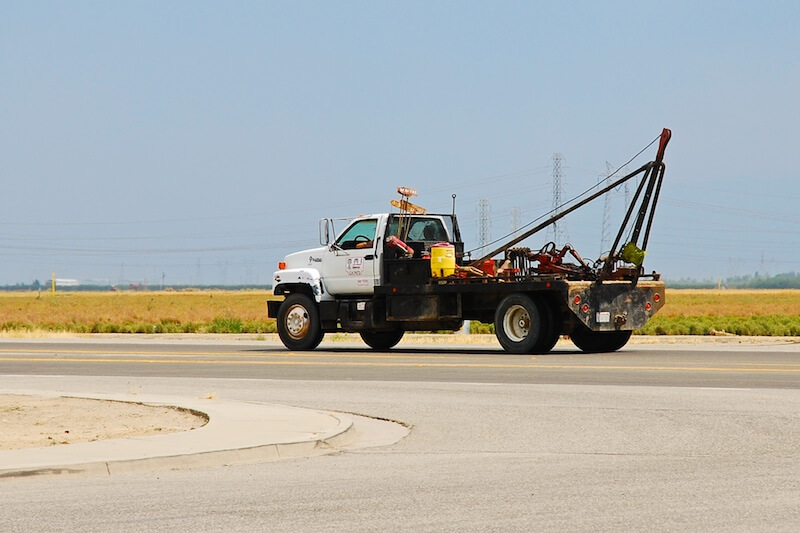
    a tow truck on a highway

    Your truck grinds to a halt on a lonely highway, and you are seemingly stranded. Good fortune is on your side as a tow truck appears and offers to “have a quick look.” Unable to find the issue, they will offer to tow your truck to the shop – where they will proceed to charge exorbitant fees for the towing. In some cases, they even charge for services that were never performed. 

    The scam is two-fold: in the worst case, scammers may have tampered with your truck at the last unsecured truck stop – knowing you will break down within an hour or so – all while they maintain distance a few kilometers behind, waiting to pounce as soon as your rig fails. Either that, or they simply drive around keeping one eye open for a broken-down truck. When it comes to the crunch, it’s your word against theirs – and they have your truck. 

    Predatory Towing

    In a similar vein to the aforementioned truck parking scam, watch out for ‘predatory towing’ scammers who circle private parking lots looking for unscrupulous victims. They will have your rig hooked up onto the tow truck in minutes – and then demand extortionate fees to release it – while referring you to a “NO PARKING PRIVATE LOT” sign that has magically appeared on the lot wall. 

    Advanced Payment Scams

    Advanced payment scams involve fraudsters creating fake listings for truck parking spaces. They advertise these non-existent spots online or via direct communication, convincing truckers to pay in advance for the reservation. 

    Once the payment is made, the scammer disappears, and the driver is left out of pocket with no parking space. These scams prey on the current high demand for truck parking, especially in areas where parking is scarce.

    Fake Gold

    A new scam has been doing the rounds lately involving hawkers who will approach your cab clutching a fistful of gold jewelry for sale at a bargain price. They had planned to pawn the gold, apparently, but with a busy schedule and zero parking options close to the pawn shop, they were unable to do so. Desperate for fast cash, they are willing to sell them to you at a very attractive rate, however.

    Obviously, they are not truck drivers, and of course, the gold isn’t real. You probably don’t need us to tell you this, but if you do stumble upon a gold bargain at a truck stop, don’t get sucked in. It’s a scam. 

    Choose Your Parking Wisely

    You can avoid all of these scams by using Truck Parking Club to find convenient, private truck parking spaces far away from the fraudsters, scammers, and other shady characters that often linger around truck stops and rest areas.

    What’s more, we always have room. The days of endlessly circling lots looking for spaces can be a thing of the past if you book a truck parking spot with us. Through our network of property members all over America, we have thousands of spaces available in more secure, convenient, private lots. 

    Sign up with Truck Parking Club today… our service is convenient and easy to book, with not a sketchy tow truck company, fuel thief, or gold hustler in sight!

    The information published herein is for general informational purposes only. Truck Parking Club does not make any representations or warranties about the completeness, reliability, legality, and accuracy of this information. Any reliance placed on such material is strictly at the user’s own risk. Truck Parking Club shall not be responsible for any losses or damages incurred in connection with the information published herein.
  • How to Save Money when on the Road? 9 Money Saving Tips for Truck Drivers

    How to Save Money when on the Road? 9 Money Saving Tips for Truck Drivers

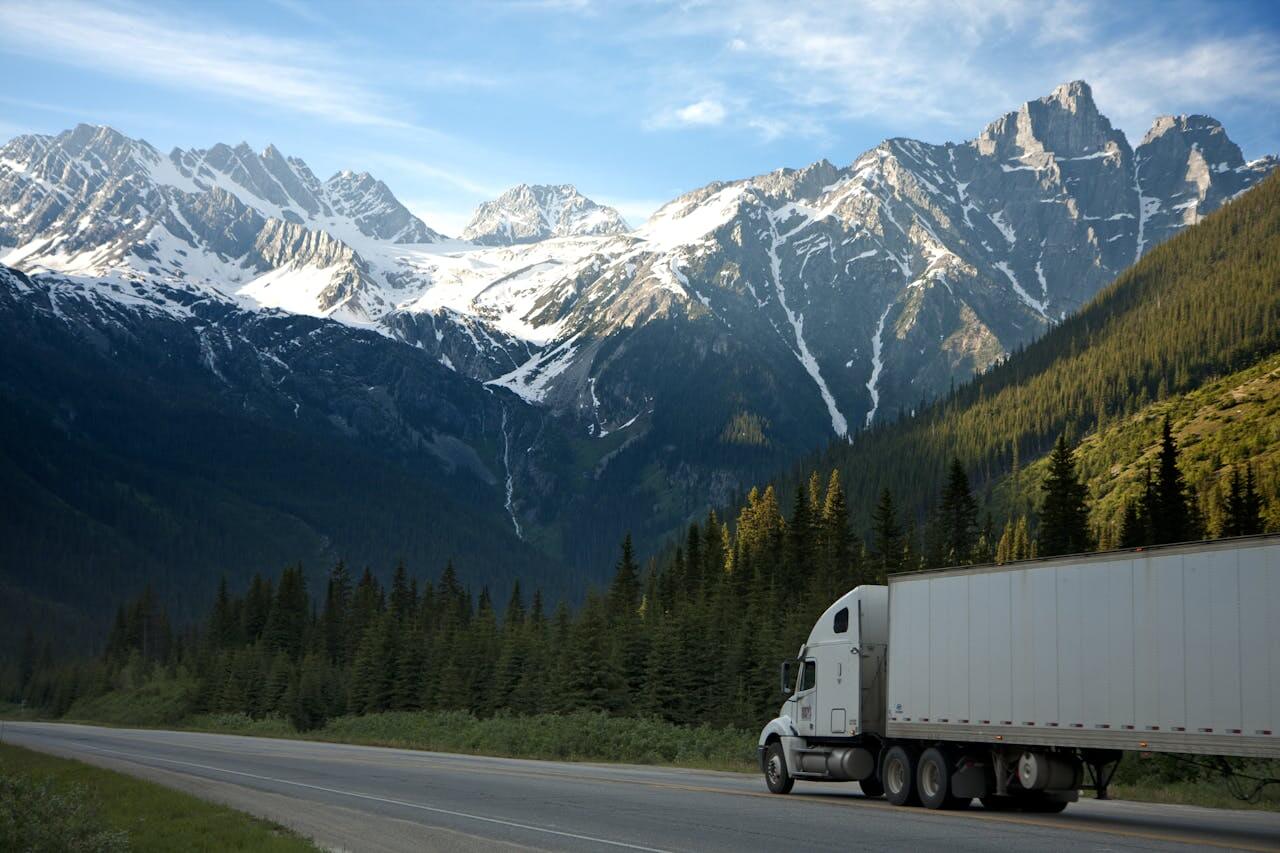
    a truck driver on the road

    The life of a truck driver is filled with days and weeks of being on the road. And when you sit for most of the day, you naturally want to treat yourself to something nice. A dinner in a restaurant, a coffee from a petrol station, souvenirs to decorate your truck, and so on. As pleasant as these things are, they may eventually drain your budget to naught. 

    This article doesn’t suggest eliminating snacks and gifts from your life – enjoying life to the fullest is important, after all. Rather, it provides money-saving tips specifically tailored for truck drivers.

    Purchase a Monthly Truck Parking Space

    Getting the most out of truck stops is one of the best money-saving tips for truck drivers. When on the road, a truck parking stop is the place to eat, shower, and recharge the batteries before hitting the road again. 

    Most truck parking stops have amenities that you wouldn’t find in motels. These may include showers, restaurants, exercise rooms, repair shops, truck washes, and more. Even if a rest stop doesn’t offer places of entertainment, the least it provides is 24/7 access, a gated area, and surveillance cameras. 

    The truck parking price greatly varies on the amount of amenities and locations of the parking. One thing we know for a fact is that most of these places are significantly cheaper when your spot is reserved for a month. 

    Suppose your final destination remains the same for a few weeks, and you know there is a truck parking on the route you’re taking. Instead of overpaying per hour or day, it makes more sense to get a monthly parking spot

    Use Wi-Fi

    Nearly every truck driving stop has Wi-Fi you can use for free. When mobile data is low, you can find free parking places to call your family and friends or download some music or videos to entertain yourself on the road. 

    Knowing whether a truck parking has a Wi-Fi connection is tricky, but it’s a common practice with the Truck Parking app. In the app or our website, you can click on the nearest parking and see whether they have Wi-Fi available, among other things. 

    Find Free Parking Through the App

    Having the right tools, like GPS and apps, helps you save up costs when it comes to avoiding traffic jams or finding a place to park and rest. While GPS is easy, finding the app you can trust is a challenge. Fortunately for truck drivers, our Truck Parking Club application is designed to help truckers find a convenient place to lodge. 

    The registration is free, and it gives you access to the huge database of truck parking places all over the US. When on the road or beforehand, you can reserve a spot and know for a fact you won’t have to leave the main road to find a hotel. 

    Use Cruise Control

    When you can maintain a long following distance without having to control speeds, cruise control is a lifesaver. Chances are you already use cruise control, as most trucks come with this feature. However, it may be a novelty for some new truckers.

    Pressing the pedal for 10+ hours puts a lot of pressure on the knees and ankles. Cruise control not only lets your leg rest but can also get better fuel mileage, and that means less money spent on fuel.  

    Run Regular Truck Maintenance 

    Preventive maintenance is another important money-saving tip for truckers. Instead of paying a hefty amount for a repair, especially when you get stuck in the middle of nowhere, a few maintenance checks per year is more than enough to identify minor issues. 

    What’s also worrying is having those minor problems grow into major ones, potentially resulting in extended vehicle downtime. And unfortunately, you may not be able to close your eyes until you get your truck back on the road. 

    Keeping up with your truck maintenance is an expense, but the one keeping your truck fully operational in the long run. 

    Prepare Meals in Advance

    Meal prepping should be a routine for every trucker before they hit the road. The prices in the stores or truck stops are usually marked up, and you end up paying more for products you can easily stock up with before work. 

    Obviously, it may be hard to prepare meals for every day of your trip, but you should consider purchasing snacks and water in bulk, which is usually cheaper, too. And if you have spare time, why not cook some meals, at least for a few days? 

    If you have a mini fridge and an electric skillet, you can cook your own food, even if it’s just breakfasts. Beverages like coffee and tea may leave a dent in your wallet – it’s cheaper to purchase a small coffee maker. 

    Ready-made food is another option you can consider, although there are healthier alternatives around. In any case, prepping your meal for work will save up money and time. In addition, you will have your favorite snacks with you at all times.  

    Always Check for CDL Discounts

    One money-saving tip truck drivers tend to forget is to ask for CDL discounts. They may not be huge, but you have a chance to save a few bucks and eventually purchase some snacks for yourself or save them up for the next work trip. 

    You will be surprised to learn how many businesses offer CDL discounts, even reducing the price by 40%. From restaurants to fitness centers, you should take advantage of any opportunity to save up some money. 

    Benefit from Reward Programs 

    There is a high opportunity of you stopping at the same restaurant, cafe, or gas station. Most of them will have a loyalty program and give you points for every purchase you make. Later, these points can be spent for additional discounts or items on sale. 

    It’s a good idea to sign up for their programs and stick to the same places as long as you can save up some money and win free merchandise. 

    Set a Budget 

    After driving for many hours and stopping for a break, your mind and body are tired to the point when you don’t care how much money you spend in a place. That’s why any basic tracking app or Excel spreadsheet can help you budget your spending and set a limit on how much you can afford to purchase. 

    Budget tracking will help you calculate how much you can spend per day and how much you can potentially save if you lower your spending. Most applications can divide your expenses into needs and wants and on-road and at-home expenses. 

    When working, your expenses may include:

    • Truck parking stops 
    • ATM fees
    • Food
    • Toilet
    • Shower
    • Laundry 
    • Entertainment

    When at home, you will naturally have a slightly longer list, including:

    • Utilities 
    • Rent /mortgage payments
    • Internet
    • Groceries 
    • Medical costs 
    • Childcare 
    • Car payments 
    • Streaming subscriptions 

    Knowing where your money goes will clear up the picture and show you which expenses can be lowered or eliminated altogether. 

    Final Word

    Being a truck driver doesn’t mean having to spend all your salary on food and entertainment on the road. Whilst in some cases you will need to spend a few dollars on things like snacks and water, you can significantly lower the expenses with proper preparation. 

    Stock up on water and food, invest in a mini fridge and a small coffee machine, and prepare as many meals for the road as possible. Setting a budget limit will also help you control your spending and even save some money. 

    Truck Parking Club has created an application that makes life easier for many truck drivers. It helps locate cozy park trucking stops filled with necessary amenities and 24/7 security. Your personal spot can be reserved just for an hour or a prolonged period, e.g., a week or a month.

    Our app was made with truck drivers in mind. With a few clicks, you can find a bed, a restaurant, and a shower to get rested and rejuvenated. 

    Register now and make your road more enjoyable! 

    The information published herein is for general informational purposes only. Truck Parking Club does not make any representations or warranties about the completeness, reliability, legality, and accuracy of this information. Any reliance placed on such material is strictly at the user’s own risk. Truck Parking Club shall not be responsible for any losses or damages incurred in connection with the information published herein.
  • DOT Hours of Service Rules for Truck Parking

    DOT Hours of Service Rules for Truck Parking

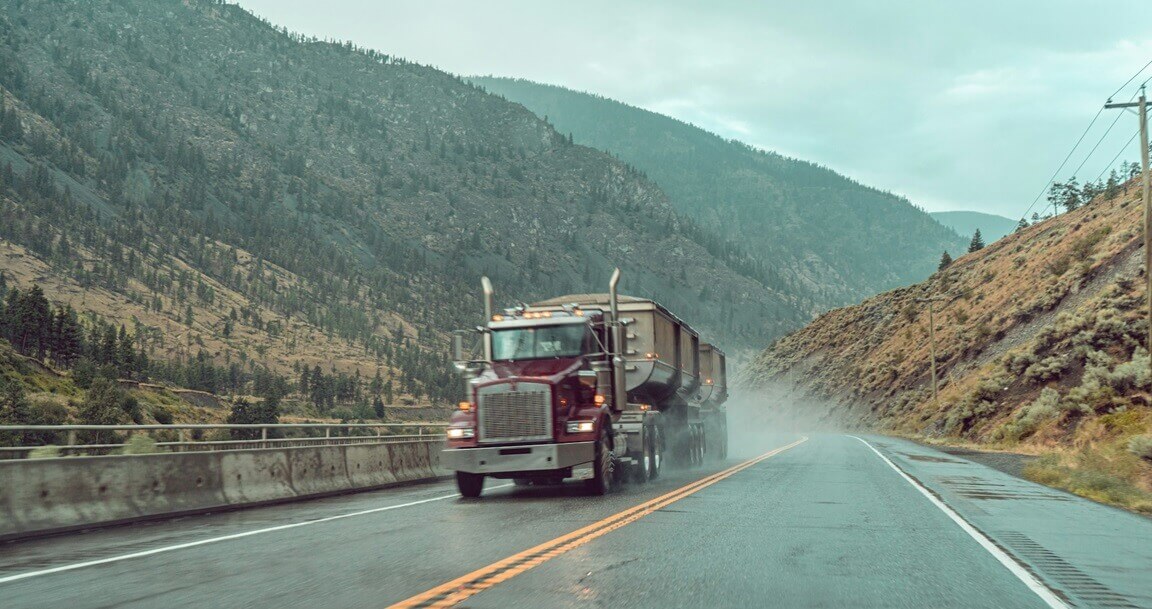
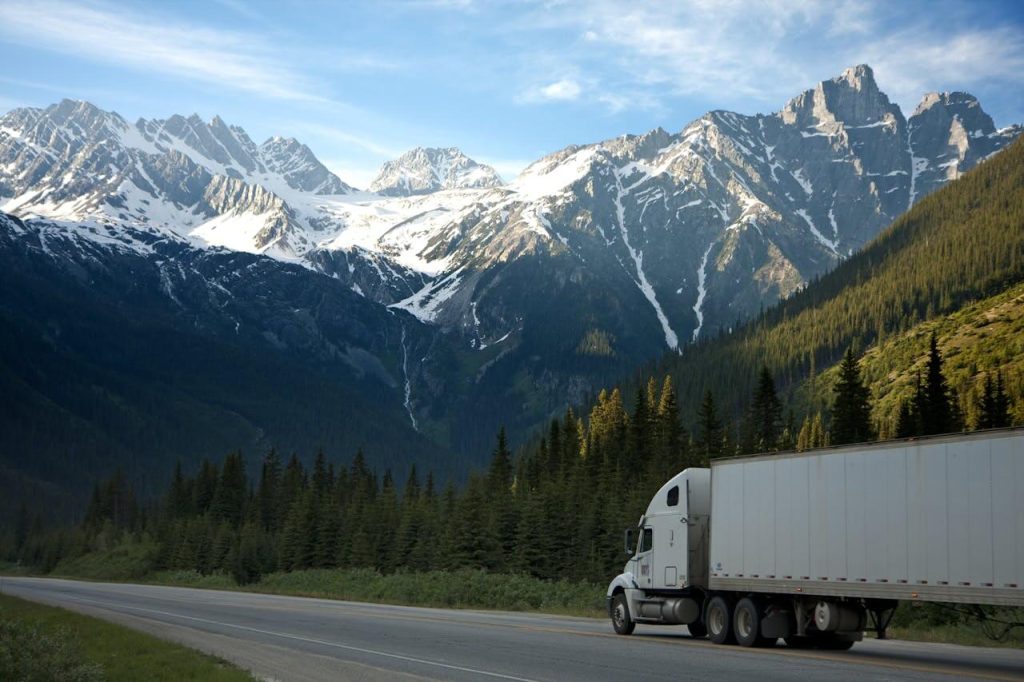
    semi truck driving along a wet highway

    Need a little clarification or education on the Department of Transportation’s Hours of Service rules? At Truck Parking Club, we believe in keeping things as straightforward and simple as possible and have plowed through the rules and regulations in order to present them in an easy-to-grasp way. 

    Through this short guide, you will find the basic elements of the HOS rules, which apply to all commercial truck drivers. But first, for anyone unfamiliar, what are the HOS rules, exactly?

    HOS Rules & Regulations

    The DOT Hours of Service regulations are a key set of rules created to ensure the safety and general well-being of our nation’s truck drivers. The DOT hours of service rules set clear limits on how long drivers can drive their rigs. 

    In the most basic of terms, the HOS rules dictate how long drivers can be on duty, including driving time and regular rest periods. Given that truckers often drive long distances for extended periods, the risk of fatigue is pretty high. These regulations, therefore, serve as guidelines and intended safeguards, with the goal of improving road safety for both truckers and other road users.

    Under the rules, scheduled breaks must be taken in addition to limiting the maximum number of driving hours in a workday and workweek. The presumption is that if drivers have adequate rest and recuperation time, the likelihood of accidents caused by tiredness will be reduced. 

    Effectiveness of HOS Regulations

    Whether the rules work or not is open for debate, however. Many would argue that the rules have improved driver safety by reducing their exposure to fatigue. You could also argue, as many truckers do, that the HOS regulations make little difference to driver fatigue and have done nothing to address driver safety.

    Opinions are quite mixed on whether the HOS rules are a help or a hindrance to truckers. The point of this article is to explain what the HOS rules entail, so we shall abstain from offering an opinion of our own and simply convey the rules in easy-to-follow terms. 

    Who Must Comply With HOS Rules?

    The DOT Hours of Service rules apply to a certain category of vehicles and drivers, mostly those who are operating commercial motor vehicles (CMV) in the United States. Any driver operating a CMV in interstate commerce must adhere to HOS rules. 

    A CMV is defined by several criteria: 

    • Vehicles weighing more than 10,000 pounds (with or without a load), 
    • Vehicles transporting hazardous materials 
    • vehicles designed to transport a certain number of passengers 

    It is worth noting that these rules are not confined to traditional long-haul trucking only. For example, a driver operating a bus designed to carry 16 or more passengers, even if only for short distances, is also subject to HOS regulations.

    Interstate Vs. Intrastate

    Before we address the actual specific hours of service, we need first to consider one aspect of the regulations that make things slightly more complicated: the difference between interstate and intrastate. Both are regulated slightly differently, so let’s quickly look at that before moving on to the actual regulations.

    Interstate Commerce refers to any transportation of goods or passengers that crosses state lines or involves more than one state, even if the actual driving doesn’t involve crossing a state border. If the goods are part of a journey that began or will end in another state, for example, it still falls under interstate commerce. In such cases, drivers must follow federal DOT HOS regulations at all times, which include (among other things) maintaining proper driving hours logs and taking mandated rest breaks as per the HOS rules.
    Intrastate Commerce, on the other hand, refers to transportation within a single state’s borders, and while federal HOS rules generally apply, each state may have its own set of regulations, which can sometimes differ (and usually do) from federal rules. For example, certain states might have slightly different rules regarding the number of driving hours or rest breaks.

    an American highway

    Key Elements of HOS Rules 

    Now that we have the basic framework out of the way let’s look at the specifics of the actual DOT hours of service rules that govern your time on the road as a truck driver.

    1. 14-Hour Shift Limit:

    This rule states that a driver cannot drive beyond the 14th consecutive hour after coming on duty, following ten consecutive hours off duty. This 14-hour window includes driving time and any other work-related activities, while breaks or off-duty time do not extend these 14 hours. Basically, once the 14 hours are up, drivers must then take another ten consecutive hours off before driving again.

    2. 11-Hour Driving Limit:

    Within that 14-hour window, a driver is allowed a maximum of 11 total hours of driving time, meaning that drivers can be on duty for 14 hours in a day but can only spend 11 of those hours actually driving. The remaining time should be used for rest breaks or other non-driving tasks. 

    3. 60/70-Hour Limit:

    These weekly driving limits are based on a rolling seven or eight-day period. If a carrier operates vehicles every day of the week, the driver is subject to a 70-hour limit over eight days. If the carrier does not operate every day, however, a 60-hour limit over seven days then applies. This limit includes all driving and on-duty time.

    4. 34-Hour Restart:

    This rule allows drivers to reset their weekly 60 or 70-hour clocks. By taking a consecutive 34-hour off-duty period, drivers can restart their weekly hour calculation, providing an opportunity for extended rest and recovery.

    5. Rest Breaks:

    Drivers must take a 30-minute break if they have driven for eight cumulative hours without at least a 30-minute interruption. The break can be spent off duty, in the sleeper berth, or on duty not driving.

    6. Split Sleeper Berth Rule:

    This rule offers greater flexibility for drivers to split their required 10-hour off-duty time into two periods. One period must be at least seven consecutive hours in the sleeper berth, and the other must be at least two consecutive hours either off duty, in the sleeper berth, or a combination of both. Neither period counts against the 14-hour driving window, however. 

    DOT Hours of Service Exemptions & Exceptions

    While the DOT Hours of Service regulations are fairly comprehensive, they do allow for some exemptions and exceptions. Knowing them can help drivers better plan their routes and manage their driving time. 

    1. 30-Minute Break Exception

    As noted, drivers must take a 30-minute break after eight hours of driving. However, if you are a short-haul driver within a 150-mile radius and meet certain conditions, this break may not be mandatory.

    2. 16-Hour Short-Haul Exception

    This exception extends the 14-hour driving window to 16 hours for short-haul drivers, although to qualify, drivers must start and end their shifts at the same location for five consecutive days (and must not have used this exception in the previous six days).

    3. 150 Air-Mile Exemption

    Drivers operating within 150 air miles of their starting location and returning to the same location after each shift are exempt from maintaining a detailed log of their hours.

    4. Adverse Driving Conditions Exemption

    This allows for an extension of the driving window by up to two hours in unexpected adverse conditions. Drivers must not have been aware of these conditions before starting their trip, however (so make sure you are clear on stating that if need be).

    Tips and Best Practices 

    Once you get into the habit of following the rules, they really aren’t too complicated. The biggest inconvenience probably relates to finding truck parking spaces to comply with the rules more than anything (more on that towards the end of this guide).

    However, if you could use a little help with HOS compliance, you might find the following tips useful:

    • Accurate Logging: Keep your electronic logging device (ELD) updated and correct any errors quickly.
    • Trip Planning: Plan your routes, including rest breaks and fuel stops, to sync with HOS regulations (although we appreciate that isn’t always straightforward).
    • Combining Stops: Efficiently manage the DOT hours of service rules by combining necessary stops with rest breaks, like meals and refueling, for example.
    • Track Time Diligently: Try and monitor both driving and non-driving on-duty time to avoid any violations.
    • Understand Off-Duty Criteria: Be extremely clear about what qualifies as off-duty time, especially during your waiting periods.

    Anticipate the Unexpected: Plan for unforeseen delays and always strive to arrive early, wherever possible.

    empty highway with mountains in the distance

    Bottom Line

    Generally speaking, understanding the DOT Hours of Service rules is pretty straightforward once you know the essentials. Most drivers would say the biggest challenge lies in finding suitable truck parking to comply with these regulations. 

    Prior to the launch of the ELDs (electronic logging devices) in 2019, compliance was a little easier as drivers could be somewhat flexible in their reporting of hours. With the ELDs in place, all hours are now recorded precisely. 

    The problem is compounded by the current truck parking crisis. With only one parking space available for every ten trucks, drivers are pulling into truck stops and rest areas with only minutes to spare before their HOS forced break is due to commence, only to find no parking spaces available. It’s not always easy to comply with forced HOS breaks when finding a parking spot is so challenging.

    There Is an Easier Way to Comply

    Our Truck Parking Club offers huge relief from the strict HOS regulations, enabling drivers to book truck parking spaces ahead of time and avoid the desperate search for a spot at the eleventh hour. 

    The days of pulling into crowded truck stops, circling in hope, and silently pleading for divine intervention from the truck parking gods are over. With our increasingly popular service, you don’t need to rely on luck (or a higher power), you just need our Truck Parking Club app

    Our club not only aids in HOS compliance but also ensures a safer, more predictable journey. Join Truck Parking Club today for stress-free trip planning and keep your focus on driving and not on where to park!

    The information published herein is for general informational purposes only. Truck Parking Club does not make any representations or warranties about the completeness, reliability, legality, and accuracy of this information. Any reliance placed on such material is strictly at the user’s own risk. Truck Parking Club shall not be responsible for any losses or damages incurred in connection with the information published herein.
  • Trucking in the City: Driving & Parking Tips

    Trucking in the City: Driving & Parking Tips

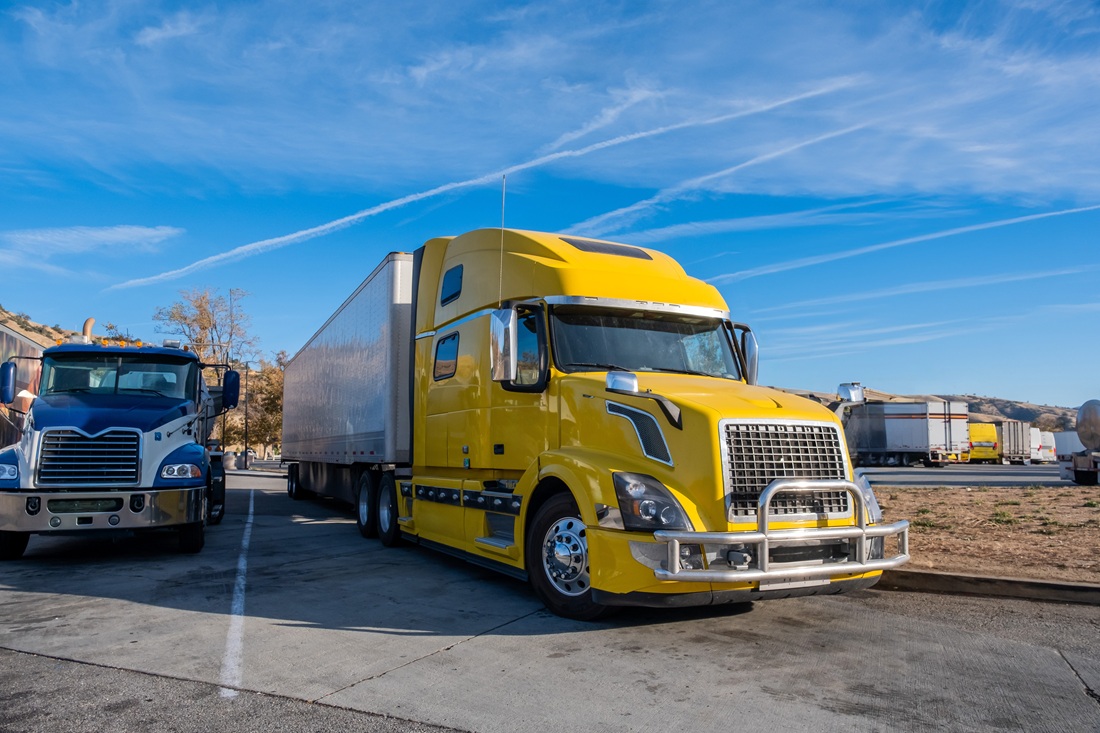
    truck in the city

    Driving a truck in the city can be a truly intimidating experience for even the most experienced truck drivers. From navigating through multi-lane highways to managing rush hour traffic, drivers face many challenging situations on the road every single day. However, since big cities are an unavoidable part of a trucker’s life, it is crucial to know how to efficiently navigate these urban environments.

    In this guide, we will explore tips on how to manage busy city streets with confidence and minimize the risks associated with driving in major cities. From planning your route to dealing with parking, we will cover everything you need to know to enhance your safety when driving a truck in the city.

    1. Make Sure to Plan Ahead

    The first and most important rule of trucking in the city is to plan ahead. Get the most of various tools and resources, such as Google Maps satellite view, and familiarize yourself with your route into and out of your destination. It is also crucial that you check your dispatch information for any additional details regarding the pick-up or delivery. Often, you’ll need to take specific roads or gates into a facility, and this information is usually provided in the dispatch.

    If you still have doubts or need more information, don’t hesitate to reach out to your dispatcher. They may be able to provide you with additional details or connect you with another truck driver who has been to the same facility. Also, keep in mind that you may encounter potential traffic backups and rush hour delays – allowing yourself extra time to reach your destination will come in handy in such situations. 

    2. Inspect Your Vehicle Before the Trip 

    As a truck driver, you need to make sure your vehicle is fully functioning, especially when driving in a city environment. The last thing you want is to experience a mechanical failure or breakdown on a busy city highway with limited options for parking your truck.

    Take the time to thoroughly inspect your truck before embarking on your journey. Check the tires, brakes, lights, and other critical components to ensure everything is in proper working order. If possible, stop at a rest area or truck stop on the outskirts of the city to give your truck an extra look before entering the heavier traffic. 

    3. Be Patient 

    When driving in the city, it’s important to keep your cool amidst the chaos. The aggressive behavior of other drivers can be frustrating, but it’s essential to maintain your composure for your own safety. Expect to be tailgated, cut off, and honked at. Inattentive drivers may change lanes without looking, leading to near misses. It’s important that you respond calmly and responsibly.

    In any challenging situation, the best course of action is to slow down and create distance between your truck and the vehicle that is causing the issue. Reacting aggressively or impulsively will only increase the risk of accidents. Remember, your safety and the safety of others should always be your top priority.

    4. Pay Attention to Road Signs

    While it may seem obvious, paying attention to road signs is essential, especially in big urbanizations. Cities have more low passes and weight-restricted routes compared to other areas. If you come across a road sign that prohibits trucks, it means that the road is not suitable for large vehicles. 

    Ignoring road signs can lead to unnecessary complications and often disastrous consequences, such as getting stuck under low passes or collapsing bridges. Always obey road signs and plan your route accordingly to get to your final destination with no mishaps.

    5. Keep Your Eyes on the Road

    When driving a truck in a city environment, it’s important to always maintain focus and avoid distractions. While distractions are always a concern, they become even more critical when you’re surrounded by bumper-to-bumper traffic. To ensure your safety and the safety of others, keep your full attention on the road.

    Turn down the radio, end phone calls, and eliminate any other distractions that may divert your attention. Be fully aware of your surroundings and the actions of other drivers so that you will be able to react promptly and avoid potential accidents. Remember, a momentary lapse in concentration can have serious consequences.

    6. Use a CB Radio

    Despite the advancements in technology, CB radios remain an invaluable tool for truck drivers. By installing a CB radio in your truck, you can stay connected with other drivers and receive important information regarding road conditions and potential hazards.

    CB radios provide real-time updates and allow truck drivers to share valuable information with each other. Knowing about a traffic backup ahead of time or receiving a workable detour route can make a significant difference in your journey, so it’s worth making use of this tool.

    7. Adjust Your Driving According to Weather Conditions

    Driving in a city during inclement weather requires extra caution and adjustments to your driving habits. Precipitation can make the roads slicker, particularly in big cities where there is a higher amount of residual oil on the highways. Even a light rain can make the road far slicker than a heavy rain under the right conditions.

    To ensure your safety, slow down and give yourself extra room to stop and maneuver. Maintain your lane at all times, and remember to turn on your headlights and marker lights to enhance your visibility to other vehicles. If you encounter snow or ice, familiarize yourself with best practices for driving in winter weather and follow the advice of experienced drivers.

    8. Be Alert for Road Debris

    Road debris is a common occurrence on big city roadways due to the large number of vehicles in close proximity. When driving a truck, remember to maintain your lane and avoid sudden lane changes. Watching for debris on the road and slowing down in a careful manner can prevent damage to your truck and reduce the risk of turning debris into a projectile that may harm other drivers.

    Always prioritize safety and maintain your focus on the road ahead. Your vigilance and responsible driving can prevent accidents and ensure a smoother journey for yourself and others sharing the road.

    9. Secure a Suitable Parking Spot

    Another challenge that truck drivers need to face in large urbanizations is city truck parking. Finding suitable parking for big trucks in most large cities is often a tough mission. It is crucial to plan ahead and give yourself enough time to secure a parking space in the right area, such as a truck stop or rest area. Keep in mind that truck stops in busy metropolitan areas tend to fill up quickly, especially during peak hours. If you haven’t finished your day by early afternoon, you may have difficulty finding a spot to park. 

    The persistent shortage of truck parking spaces is one of the primary obstacles that truck drivers in the United States encounter on a daily basis. However, there’s no need for you to spend long hours searching for a suitable parking spot. By joining the Truck Parking Club, you’ll have the opportunity to access a diverse selection of secure and well-equipped locations to comfortably take your next break.

    Join the Truck Parking Club and never worry about finding a truck parking space again.

    The Bottom Line

    Regardless of the city, driving a truck is challenging and requires a high level of skill and attention. It is crucial to approach city driving with caution, planning ahead, and prioritizing safety. By adopting good driving practices and being mindful of the unique challenges of city driving, you can navigate the city streets with confidence and ensure a successful journey.

    The information published herein is for general informational purposes only. Truck Parking Club does not make any representations or warranties about the completeness, reliability, legality, and accuracy of this information. Any reliance placed on such material is strictly at the user’s own risk. Truck Parking Club shall not be responsible for any losses or damages incurred in connection with the information published herein.
  • Must-Know Semi-Truck Parking Laws for Truckers

    Must-Know Semi-Truck Parking Laws for Truckers

    image of a rulebook spread open

    Familiarity with semi-truck parking laws and regulations is important for truck drivers to stay safe and comply with the law. 

    The problem is that no single publication consolidates all semi-truck parking laws in the United States. They vary depending on federal and state guidelines, meaning various laws and regulations are spread throughout different sources.

    If you have a spare day or two, an unlimited supply of turbo-strength coffee, and possibly even a couple of toothpicks to keep your eyes wedged open, you are more than welcome to research the ‘official’ truck parking laws by wading through the FMCSA and NHTSA websites, in addition to a whole bunch of local sources.

    If that doesn’t sound like a potentially joyful experience, we have a much better idea. Instead of typing out several long, arduous, sleep-inducing pages of text relating to semi-truck parking laws, we will present the most salient parts in a friendly, easy-to-digest, jargon-free FAQ format. 

    In other words, these are the main parking FAQs for your average semi-truck driver. Let’s get to it, starting with the most recent law change about HOS.

    What Are the Hours-of-Service Regulations for Semi-Truck Parking?

    Semi-truck drivers can drive up to 11 hours after a 10-hour rest but not beyond 14 hours after starting duty. Rest breaks are required if more than 8 hours have passed since their last break. Weekly, drivers can’t exceed 60 hours in 7 days or 70 hours in 8 days, resettable by a 34-hour rest period.

    Can I Park My Semi-Truck in Residential Areas?

    Parking a semi-truck in residential areas is restricted. These zones often prohibit or limit the time a large commercial vehicle like a semi-truck can park, mainly to ensure neighborhood safety and reduce congestion.

    What Should I Know About Parking at Rest Areas?

    Designated rest areas are a requirement for long-haul drivers (although spaces are exceedingly hard to find these days). While these areas offer a space to rest, specific rules govern their use, such as time limits for parking to ensure availability for other drivers.

    Can I Park in Public Spaces?

    Many public spaces, including truck stops and highway rest areas, have maximum parking durations. Exceeding these limits can result in fines, depending on the area and rules of each truck stop.

    What Are the Weight and Size Limits for Semi Truck Parking?

    Truck dimensions, including weight and size, determine parking rules, while larger trucks may face restrictions in certain areas due to their size.

    What Are the Hazardous Material Transport Parking Laws?

    Trucks carrying hazardous materials have specific safety-related parking regulations. Those regulations differ by state – seek compliance with local authorities for further information.

    Are There Any Time-of-Day Restrictions for Semi Truck Parking?

    Some areas have time-specific parking regulations, including night curfews or daytime-only parking for semi trucks. Always check local rules.

    What About Semi Truck Parking on Private Property?

    When parking on private property, obtaining permission from the property owner is mandatory – failure to do so can result in trespassing laws being enforced. At the same time, unauthorized parking can also lead to legal issues or vehicle towing.

    Can I Use Emergency Shoulders for Parking?

    Parking a semi-truck on highway emergency shoulders is generally prohibited unless in an emergency. Obviously, this practice is unsafe and can lead to legal consequences. 

    What Are the Street Parking Regulations for Semi Trucks

    In urban areas, street parking for semi trucks often has specific restrictions, including designated zones and time limits – check local signage (or consult city ordinances if you have time) to avoid violations.

    What About Overnight Parking on Commercial Property?

    Truckers sometimes use commercial establishment parking lots for overnight stays. It is necessary to seek permission from the establishment as policies vary, and unauthorized parking might lead to towing or fines, especially in the current climate, as many stores, malls, and casinos have clamped down lately.

    Are There Any Weather-Related Parking Restrictions?

    Certain regions implement seasonal parking restrictions for semi trucks, particularly during severe weather conditions or snow-prone areas. 

    Can I Park Near Residential Areas?

    Truckers are faced with strict regulations when parking semi trucks near residential areas. Noise, size, and safety concerns lead many localities to restrict or prohibit such parking. Always verify local ordinances to follow compliance.

    What About No-Parking Zones?

    No-parking zones are clearly marked and must be strictly followed. Parking in these zones – even on a short basis – can lead to unwanted fines and even impounding of the vehicle, in some cases.

    What Are the Best Practices in Emergency Situations?

    In emergencies such as mechanical breakdowns, drivers are allowed to park in normally restricted areas, although proper signaling with hazard lights and notifying authorities is recommended to avoid potential penalties.

    a highway at night

    There Is An Easier Way…

    Unfortunately, due to the current truck parking shortage, many drivers are being forced to disregard some of these rules due to a distinct lack of options.

    With just one parking space available for every 11 truckers (on average), many drivers are racing against the clock, violating HOS rules, and parking on dangerous shoulders to find good parking spots. 

    It doesn’t have to be this way….Join the Truck Parking Club revolution today, and truck parking will become a whole lot easier!

    Browse our live listings for convenient private truck parking all over the states through our simple-to-use app, and you will find great parking spots at affordable rates right now! Friendly Property Members, affordable rates, and thousands of parking spots are just a few clicks away, with Truck Parking Club!

    The information published herein is for general informational purposes only. Truck Parking Club does not make any representations or warranties about the completeness, reliability, legality, and accuracy of this information. Any reliance placed on such material is strictly at the user’s own risk. Truck Parking Club shall not be responsible for any losses or damages incurred in connection with the information published herein.