

Category: Tips For Truckers

  • Are Trucks Allowed to Park In Residential Areas?

    Are Trucks Allowed to Park In Residential Areas?

    truck parked in residential area

    In simple terms, the answer to this question is that it varies based on your region. Different districts, states, and even municipalities may have vastly different approaches to truck parking, including whether or not trucks may legally park in residential areas. 

    In this article, we’ll take a closer look at some of the different aspects of the contentious matter of parking a semi truck in a residential area.

    Parking Regulations

    While seeing a commercial truck parking in a residential area isn’t as uncommon as you might think, there are many things to consider regarding parking regulations.

    While there are valid reasons to allow truck drivers to park in residential areas (like the truck parking shortage), it can also be incredibly inconvenient for the residents in those areas.

    For this reason, much like sleeping on highway off-ramps or the shoulder of a road, some states strongly discourage truck drivers from parking in residential areas. Of course, a truck may sometimes park in a residential area for a short time, but this is usually a truck driver making a delivery or visiting someone in a personal capacity.

    In terms of legality, it carries significantly from one area to the next. Some municipalities may be okay with trucks parked in residential areas if specific guidelines are met. 

    Parking a semi truck in a residential area may be illegal in other municipal districts. If you’re considering parking in a residential area, it’s best to read up on the local bylaws before you do.

    Semi-Truck Parking in Residential Areas: Pros and Cons

    While many truck drivers would tout the advantages of being allowed to park in residential areas, the practice has both advantages and disadvantages. 

    In terms of truckers, being allowed to park in a residential area is often immensely convenient. It’s usually within easy reach of amenities, and residential areas are often much safer than the outskirts of towns (where truck stops are typically located).

    It may also benefit residents of these areas, as they may receive their deliveries earlier the following day than they otherwise would have. 

    However, the disadvantages of parking a semi-truck in a residential area are manifold and almost certainly outweigh the benefits. 

    For one thing, trucks are far larger than the vehicles that most inhabitants of residential areas drive. Consequently, these areas aren’t typically designed with this type of vehicle in mind. As a result of their size, trucks can lead to congestion and may even prevent people from using their driveways. 

    Trucks are also much louder than most cars, producing far more emissions than most vehicles. Both of these factors can lead to an unwelcome experience for residents, especially considering the late and early hours that truck drivers often keep.

    If trucks park in a residential area regularly, the unsightly vehicles may even lead to a decrease in the value of the properties in the area.

    Do We Recommend Parking a Semi Truck in a Residential Area?

    No, we definitely don’t recommend this practice. While it may seem like an easy solution, there are many potential complications, both in terms of legalities and in terms of inconvenience for the area’s residents. 

    It’s much better and safer for truck drivers to park their trucks at designated areas such as truck stops or certain commercial parking lots.

    Services like Truck Parking Club are useful ways to find truck parking in any given area without spending a lot of time or effort trying to find available spaces.

    Final Thoughts

    Allowing commercial truck parking in a residential area is a tricky issue, with many different opinions about it. In some neighborhoods, residents may be genuinely okay with trucks parking there. 

    Often, these areas are inhabited by people who work in the industrial arena and understand the necessity of trucks and trucking. However, in other neighborhoods, residents may not want to see semi-truck parking in their residential area.

    The truth is, there’s no right or wrong answer here. Each neighborhood is unique, and that’s why there are such significant differences between the regulations in different areas. The key here is to find a solution that works for both groups of people.

    Fortunately for truck drivers, there’s no need to struggle with parking that may not be suitable. With Truck Parking Club, you can quickly and easily find available truck parking in your area through the TPC website or application. We have access to a lot of parking spaces not listed elsewhere.

    Register for free today, and find your next parking spot with the click of a button!

    The information published herein is for general informational purposes only. Truck Parking Club does not make any representations or warranties about the completeness, reliability, legality, and accuracy of this information. Any reliance placed on such material is strictly at the user’s own risk. Truck Parking Club shall not be responsible for any losses or damages incurred in connection with the information published herein.
  • How Long Can You Park at a Truck Parking Lot?

    How Long Can You Park at a Truck Parking Lot?

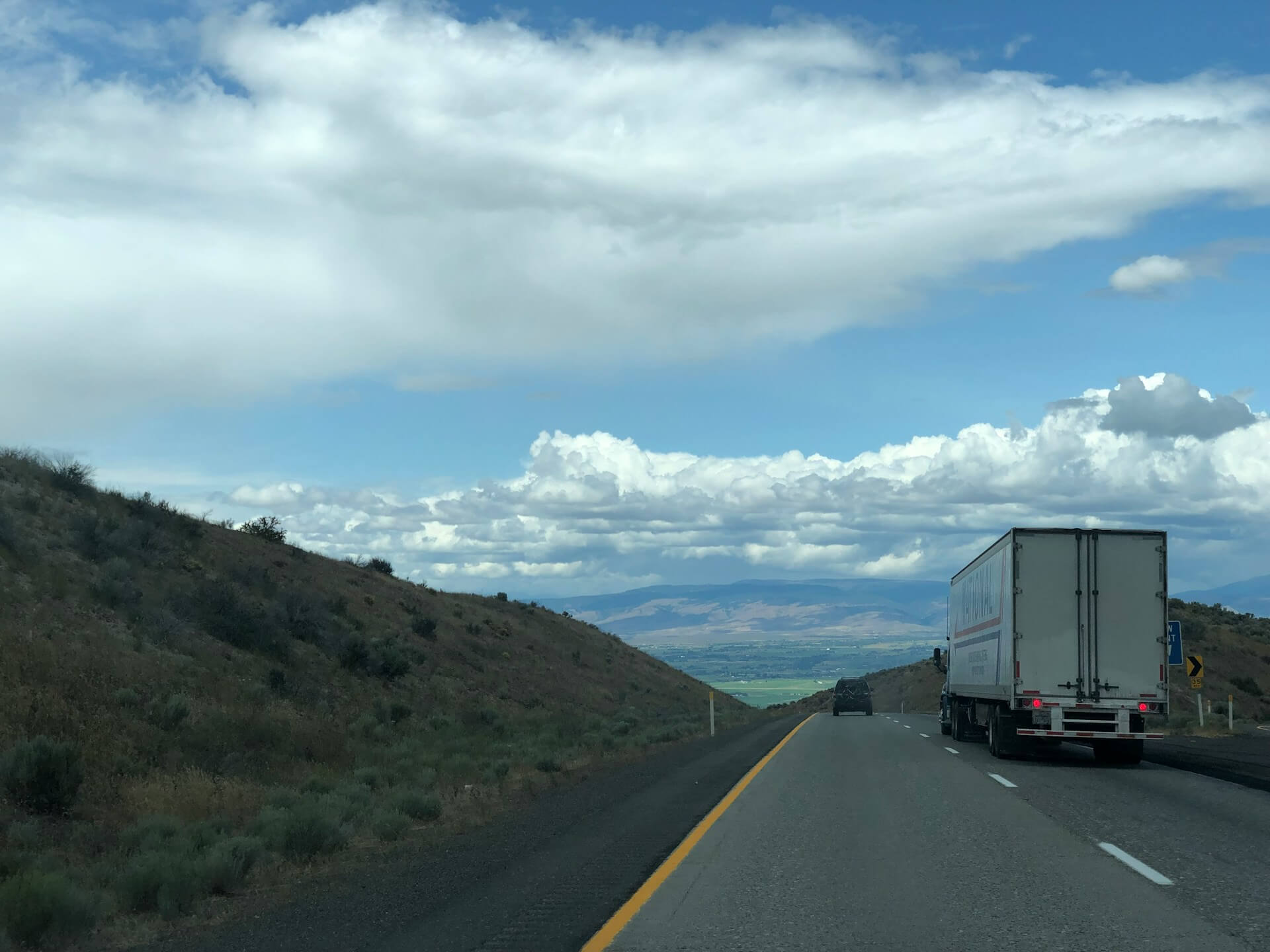
    freight truck on the highway

    Alright, truckers, let’s talk turkey about one of the biggest headaches in our line of work – parking that rig of yours. You’ve been rolling for hours, your eyes are heavier than your payload, and all you want is a spot to catch some rest. But here’s the million-dollar question: how long can you actually park before you’re in hot water?

    Well, settle in because we’re about to unravel the mystery of how long you can park that truck of yours without ending up on the wrong side of the law.

    The Lay of the Land

    Truck parking lots come in all shapes and sizes, from sprawling truck stops off the interstate to compact urban lots squeezed between warehouses. Each one has its own set of rules, but there are some common threads we can pull on.

    The General Rule of Thumb

    Now, wouldn’t it be nice if there was one simple answer to how long you can park?

    Unfortunately, it’s not always that straightforward. But here’s a general breakdown to get us started:

    • Quick Pit Stop 2-4 hours – Perfect for when you need to grab a bite, take a power nap, or update your logbook.
    • Mid-Range Rest 8-12 hours – Ideal for that mandatory 10-hour break or when you’re waiting on a load.
    • Long-Haul 24 hours or more – The golden ticket for reset periods or extended waits.

    These are just ballpark figures. The real answer to “How long can I park here?” is always going to be “It depends.” But I’m going to discuss exactly what it depends on next.

    Factors That Affect Your Parking Time

    Public vs. Private Lots

    Public rest areas, those government-run spots you find along the highways, often have stricter time limits. They’re designed for short breaks and quick naps, not extended stays. You might see limits as short as 2 hours in some places.

    Private truck stops, on the other hand, tend to be more flexible. Many allow overnight parking, and some even cater to drivers needing multiple days of parking, as with Truck Parking Club.

    Location, Location, Location

    • Urban Areas: City parking spots often have shorter time limits due to high demand and local regulations. You might be looking at 2-4 hours max in some places.
    • Suburban Zones: These can be a mixed bag. Some are more driver-friendly with longer limits, while others might restrict parking to discourage overnight stays.
    • Rural Areas: Generally, rural truck stops and rest areas are more accommodating to longer stays. It’s not uncommon to find 24-hour or even multi-day parking in these areas.
    • Highway Rest Areas: These vary widely by state, but many limit stays to 8 hours or less to keep a steady turnover.

    State and Local Regulations

    Cross a state line, and the rules can change fast. Some states are known for being truck-friendly, while others… well, let’s just say they could use a lesson in hospitality.

    State-by-State Variations

    • California: Known for strict regulations, the Golden State limits rest area parking to 8 hours within any 24-hour period. They’re serious about enforcement, too.
    • Texas: Everything’s bigger in Texas, including parking allowances. Many Texas rest areas permit up to 24 hours of parking.
    • Florida: The Sunshine State is pretty draconian with its 3-hour cap at rest areas.

    Local regulations can throw another wrench in the works. Some towns and cities have ordinances restricting truck parking, especially parking overnight. Always keep an eye out for signs indicating local rules.

    Specific Truck Stop Policies

    Even within the same chain or state, individual lot policies can vary. Some factors that might influence a lot’s policy include:

    • Size of the truck spot
    • Proximity to major trucking routes
    • Local agreements or restrictions
    • Management’s discretion

    When Life Throws You a Curveball

    Sometimes, stuff happens. Breakdowns, blizzards, or that stomach bug you caught at the last diner. Many lot managers understand and might cut you some slack in emergencies. But don’t push your luck – always try to communicate if you need to overstay.

    Here are some special circumstances to consider:

    Mechanical Issues

    If your rig breaks down, many lot managers will be understanding – to a point. Always communicate with management if you’re stuck due to mechanical problems. They might be willing to extend your stay, especially if you can show you’re actively working on getting repairs done.

    Weather-Related Delays

    Mother Nature doesn’t care about parking limits. During severe weather events, many locations will relax their parking rules. Safety comes first, and no one wants to see a truck jackknifed on an icy highway because the driver was forced to leave a safe parking spot.

    HOS Compliance

    If moving your truck would violate Hours of Service regulations, explain this to the lot manager. Many will be understanding, as they’d rather have truck drivers parked safely than risk a violation or accident.

    The Price of Overstaying Your Welcome

    Now, let’s talk about what happens if you ignore those time limits. Trust me, it’s not pretty:

    Fines

    These can range from a slap on the wrist to “How am I going to make my truck payment this month?” levels. Some places start at $50 for minor infractions, while others can hit you with hundreds of dollars in fines.

    Towing

    The dreaded hook. Not only is getting towed expensive, but it’s also a massive waste of time and can put you behind on deliveries. Try explaining to your dispatcher why your rig is in an impound lot!

    Loss of Privileges

    Many truck stops and parking areas keep records. Consistently overstaying your welcome could result in being banned from that location—or even an entire chain of stops.

    Increased Scrutiny

    Some areas might increase patrols or enforcement if they see a pattern of drivers overstaying. Don’t be the reason your fellow drivers lose a good parking spot.

    Stay Smart, Park Smart

    So, how do you navigate this maze of parking rules and avoid the pitfalls? 

    It’s actually very simple – Sign up as a Truck Member at Truck Parking Club. 

    Why Truck Parking Club?

    We’re your solution if you’re tired of the parking lot hustle. We take the guesswork out of finding safe, legal spots for your truck. As a member, you can book your parking beforehand, so you’ve always got a place to rest when needed. No more circling lots or hoping for vacancies – real-time availability lets you know exactly what’s available. 

    Each lot’s amenities are clearly detailed, so you know what to expect when you roll in. You can adapt to your schedule and save some cash with flexible booking options for daily, weekly, or monthly stays. And if you ever need a question answered, the Truck Parking Club team is just a call away.

    Create Your Free Truck Member Account Today!

    The information published herein is for general informational purposes only. Truck Parking Club does not make any representations or warranties about the completeness, reliability, legality, and accuracy of this information. Any reliance placed on such material is strictly at the user’s own risk. Truck Parking Club shall not be responsible for any losses or damages incurred in connection with the information published herein.
  • Choosing Between Recaps and 34-Hour Resets: Deciding Your Rest Strategy

    Choosing Between Recaps and 34-Hour Resets: Deciding Your Rest Strategy

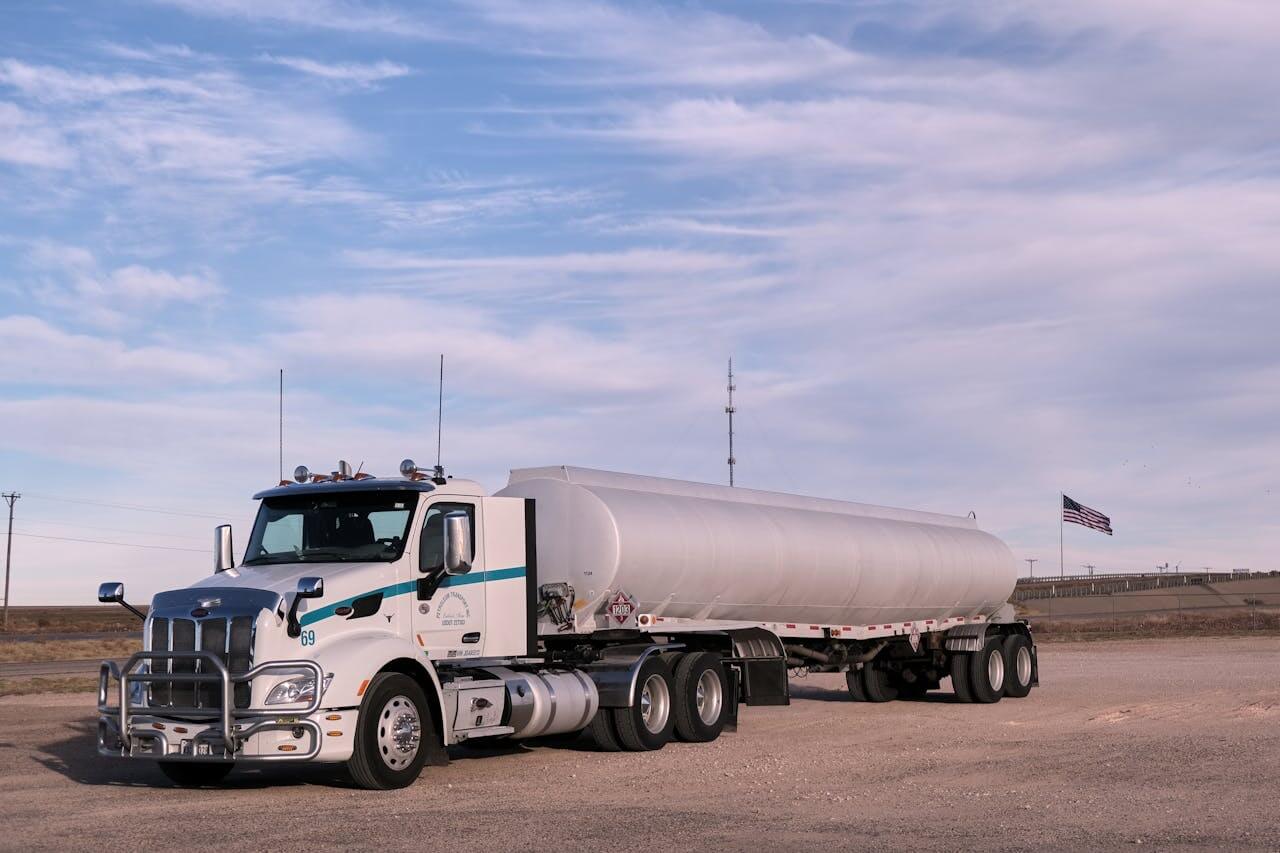
    white truck on a parking

    If you’ve been driving a truck for any length of time, you’re probably familiar with the concepts of recaps and 34-hour resets. However, we’re often still overrun with questions like, “how long do truck drivers have to rest,” and “how long can truck drivers drive without rest?”

    In this article, we’ll take a closer look at how much rest is required and the benefits of 32-hour resets vs. recaps.

    How Long Do Truck Drivers Have to Rest?

    By law, according to Hours of Service (HoS) regulations set by the Federal Motor Carrier Safety Administration (FMCSA), a truck driver may do the following:

    • Truckers can drive for up to 11 hours in a single day. However, their total shift must include an additional 3 hours for non-driving activities.
    • Truckers can work up to 70 hours in any given week, not just from Sunday to Saturday. 
    • After reaching the 70-hour workweek limit, truckers must take a break of at least 34 consecutive hours before resuming work. 
    • Before hitting the eight-hour mark of a shift, truckers must take a 30-minute break.

    Recaps vs. 34-Hour Reset Defined

    If you’re new to the trucking industry, then these two terms may be somewhat confusing. Let’s attempt to unravel them so you can understand the difference between them.

    A 34-hour reset is when you take a full 34 hours off driving after you’ve reached your 70-hour workweek limit. You may take this time to do whatever you like, even if that means you spend it at a truck stop catching up on laundry and watching movies.

    A recap is slightly more complicated to explain. As a trucker, your workweek does not run from a given day to a given day. Instead, it works on the concept of the last eight cycles of 24 hours, however they may fall on the days.

    In other words, at the end of any given day, your hours “refresh.” The number of hours you have worked over the last eight days get calculated and, if they’re less than 70 you’re free to drive.  

    Let’s say that you’ve driven 65 hours in the last eight days, but five of them were on the first day. At the end of the day, when those five hours fall away, you’re free to drive for ten hours since that’s what you have left in your 70-hour window.

    In short, a 34-hour reset gives you 34 hours of rest. A recap gives you as many hours as there happens to be between the end of your shift and the end of the day. 

    Company Policies

    When trying to decide between a 34-hour reset and recaps, it’s essential to remember that individual trucking companies usually have specific policies about rest periods. 

    At some companies, depending on the load frequency, they may prefer to keep you on recaps for as long as possible. This is mainly because they need to get as many loads delivered as soon as possible and have a limited number of drivers.

    Other companies may insist upon 34-hour recaps because they believe it is the safe, responsible thing to do and they have plenty of drivers.

    In the end, your preferences will always be subject to company policy.

    Why Some Drivers Prefer Recaps

    Some drivers try to work recaps almost continuously. It’s a valid approach as long as you drive less than nine hours a day. 

    The benefit to this approach is that you don’t get stuck spending 34 hours in a random location. You’re consistently busy, which is ideal if you’re someone who doesn’t deal well with inactivity.

    The Downsides to Recaps

    The downside here is that you never really get much time to fully unwind, relax, and do your own thing. While that isn’t a major problem if you’re only away from home for short periods, it can be problematic if you’re spending weeks on the road.

    The other problem is that you have to keep your hours shorter to allow for the continuous recap cycle. This means that you may have to cut your days shorter than you’d like to.

    Why Some Drivers Prefer 34-Hour Resets

    The advantage to resets is that you get a full day to yourself, and you’re also likely to be better rested than you otherwise would be.

    It also gives you improved flexibility over how you want to plan your routes the next week. If you like to run more miles in a day, then you can do that with a 34-hour reset. Recaps are far more limiting.

    Another advantage is that this approach gives you time to explore a new area and maybe do a few activities. Either way, you’ll be able to get out of your truck for a well-deserved break.

    Downsides to 34-Hour Resets

    There are also a few disadvantages to 34-hour resets. For one thing, not every place where you are will be a nice place to spend 34 hours. Some truck stops are in the middle of nowhere and have no amenities.

    Another thing is that it might mess up your schedules for a few days. If you have a tight delivery schedule after your break it might be more tiring than it would have been to go without the break.

    Final Thoughts

    In the end, it all comes down to personal preference. You need to find out which option, or combination of options, works best for you.
    No matter which option you prefer, you can rely on Truck Parking Club to help you find a parking spot in the area where you’ll be resting. Register for free today.

    The information published herein is for general informational purposes only. Truck Parking Club does not make any representations or warranties about the completeness, reliability, legality, and accuracy of this information. Any reliance placed on such material is strictly at the user’s own risk. Truck Parking Club shall not be responsible for any losses or damages incurred in connection with the information published herein.
  • Ease Back Stiffness: Tips for Comfortable Rest Breaks at Truck Parking Lots

    Ease Back Stiffness: Tips for Comfortable Rest Breaks at Truck Parking Lots

    a man with a back pain

    Truck drivers often experience lower back pain from driving. While it may not be life-threatening, it is painful and can have a significant impact on the quality of their lives. In this article, we’ll take a closer look at some of the root causes of this problem. We’ll also discuss what you can do to help prevent or alleviate lower back pain from driving.

    Lower Back Pain From Driving: Causes

    There are many potential causes for lower back pain when you’re driving, but some of the most common include the following:

    Sitting for Extended Periods of Time

    Truck drivers often spend many hours seated in the same position. This puts a lot of strain on their bodies and is one of the primary causes of lower back pain from driving. 

    Mainly, this is because subjecting your body to one position for a long time leads to muscle fatigue and compresses your spinal discs. 

    The same is true if you’re not getting good sleep on a quality mattress.

    Bad Posture

    Very few people manage to successfully maintain an appropriate posture. Many truck drivers either slouch or lead forward in their seats. This leads to imbalances in their muscles and puts additional strain on their lower backs.

    Exposure to Constant Vibrations

    Because they spend so much time on the road, truckers are consistently exposed to the vibrations caused by the road and the engine. This can quickly lead to discomfort and pain. Unfortunately, it also has a tendency to turn into chronic back pain, rather than just a temporary bout of pain.

    Improper Lifting Techniques

    Depending on the contract they have, and their general personality, truck drivers may be involved in loading and unloading their trucks. As a truck driver, you’re often responsible for transporting heavy cargo and freight. If you don’t know how to lift correctly, this can easily lead to back damage.

    These are just a few of the things that lead to lower back pain from driving. Unfortunately, there are many other habits and mistakes that can easily lead to back pain.

    Common Symptoms of Lower Back Pain

    While you may think that this seems like a fairly obvious list, lower back pain from driving doesn’t present the same way in everybody. Here’s a list of common symptoms to look out for:

    • Lower back pain: This can range from a sharp stabbing feeling to a dull ache or throbbing discomfort.
    • Muscle tightness and aches: This pain can be felt around the muscles that support your spine.
    • Sciatica: This radiating pain travels down one or both legs, often into the buttocks.
    • Numbness or tingling: This can be felt in your legs, feet, or buttocks.
    • Reduced movement in your back and hips: This stiffness might make it harder to bend, twist, or stand up straight.
    • Possible signs of disc problems: This includes bulging or herniated discs in your spine.

    How to Prevent Lower Back Pain from Driving

    Fortunately, back pain is an enemy that can be conquered. Here are some tips that you can take to help ensure that your back suffers as little pain and discomfort as possible.

    Practice Good Posture

    Bad posture is one of the major culprits when it comes to back pain. If you can teach yourself to sit upright, without slouching or leading forward, it will significantly reduce the strain on your back. 

    Unfortunately, sitting habits are often the result of years of thoughtless action. This can make them difficult to correct. However, if you can’t manage to sit correctly of your own volition, you can always use a posture brace. This tool fits over your shoulder and around your waist, pulling your back into an upright and correct posture.

    Proper Mirror Adjustment

    If you’re constantly having to bend your back and neck at odd angles to see in your mirrors, it can easily have an adverse effect on your back and spine. That’s why it’s so vital to ensure that your mirrors are correctly set before you leave on your route.

    Take Regular Breaks and Exercise

    It’s important to take regular breaks, even if it’s not time for sleeping. These should be active breaks, involving movement, not sitting or standing in one place. This allows your back to stretch out and helps alleviate pain. Having a targeted stretching routine for your back will also help.

    It’s worth considering a regular exercise routine for when you’re not on the road, as it may help strengthen your muscles and make you more limber.

    How to Treat Lower Back Pain from Driving

    If you do experience back pain from driving, there are several ways you can treat it.

    Heat Packs or Ice Packs

    Heat and ice packs are both effective means of combating back pain. Alternating between the two will likely give you the best results. The heat packs relax your muscles while the ice packs help to ease any inflammation in the spinal area.

    Painkillers and Anti-Inflammatory Medication

    Over-the-counter painkillers and anti-inflammatories may be required in cases of moderate to severe back pain. However, there’s always a risk of addiction, and it’s best not to turn to medication until after you’ve seen a medical professional.

    Use Lumbar Support and Compression Devices

    Compression garments and lumbar braces can give your back a boost by providing extra support. This can help prevent injuries from heavy lifting and even improve your posture while driving.

    You may also consider using ergonomic seat cushions and backrests to make your drive more comfortable.

    Final Thoughts

    Lower back pain from driving is a common problem in the trucking industry. However, with a few basic changes you can combat it successfully.

    One way of doing this is by getting good sleep during your resting hours. You can turn to Truck Parking Club to help you find parking spaces with amenities. Getting quality sleep is essential in the trucking industry, and it’s worth trying a truck lot or stop that has more amenities you can use. You can also consider sleeping in hotels or motels.

    The information published herein is for general informational purposes only. Truck Parking Club does not make any representations or warranties about the completeness, reliability, legality, and accuracy of this information. Any reliance placed on such material is strictly at the user’s own risk. Truck Parking Club shall not be responsible for any losses or damages incurred in connection with the information published herein.

  • Preventing Common Health Issues in Truck Drivers

    Preventing Common Health Issues in Truck Drivers

    A truck driver in an orange vest stands before a fleet of semi trucks

    Taking certain precautions and strategies to mitigate work-related health risks is important in any profession – including truck drivers. 

    Due to the nature of this occupation, drivers face numerous challenges in staying healthy on the road.

    With long driving hours, a sedentary lifestyle, and sometimes limited access to healthy foods as a part of a job description, professional truck drivers can benefit greatly from learning how to prevent some common health problems that are the direct or indirect result of truck driving.

    Let’s learn them now!  

    #1 Sleep Deprivation

    One of the most common problems drivers struggle with is tiredness due to the lack of sleep or an irregular sleeping schedule. This can lead to a multitude of health complications, including:

    • Increased Risk of Accidents: Drowsiness can be a major contributor to truck accidents. Studies have shown that sleep deprivation can impair alertness, reaction time, and decision-making skills as much as alcohol intoxication!
    • Chronic Health Conditions: Long-term sleep disruption is linked to an increased risk of developing heart disease, stroke, diabetes, and obesity.
    • Mental Health Issues: Irregular sleep can also exacerbate anxiety, depression, and mood swings.

    Tips to Mitigate It

    What can you do to achieve better rest?

    • Sticking to a Schedule: As much as possible, try to go to bed and wake up at consistent times, even on off days. This helps regulate your body’s internal clock.
    • Creating Good Sleep Conditions: Invest in blackout curtains or a sleep mask to block out light. Earplugs can also help, reducing noise disruptions. Consider bringing a comfortable pillow and familiar bedding to create a sense of normalcy. 
    • Diet and Exercise: Maintain a healthy diet and regular exercise routine. Avoid heavy meals and caffeine close to bedtime, as they can disrupt sleep. Regular exercise can improve sleep quality, but avoid strenuous activity right before bed.

    #2 Dehydration

    The long stretches of highway and the climate-controlled cabs of trucks can lull drivers into a false sense that they drink enough water. Dehydration can sneak up quickly, though, especially during hot weather or with physical exertion. Even mild dehydration can lead to decreased alertness and focus, fatigue, or even headaches and dizziness.

    Tips to Mitigate It

    • Carry a Reusable Water Bottle: We advise you to invest in a high-quality, insulated water bottle to keep water cool throughout the day.
    • Sip Frequently: Don’t wait until you’re thirsty to drink. Make a conscious effort to take regular sips of water throughout your shift.
    • Limit Dehydrating Drinks: While coffee and sugary drinks may seem appealing, they can actually worsen dehydration. Even if you depend on those to get you through the day, from time to time opt for water or water-based beverages with electrolytes.

    #3 Mental Health Challenges

    The solitary nature of truck driving, coupled with the demanding schedules and constant pressure to meet deadlines, can take a significant toll on a driver’s mental well-being. Those mental struggles can relate to loneliness and isolation, chronic stress, or even depression.

    Mental health is not a topic that should be brushed off or ignored. Some strategies you may try to find help are as follows.

    Tips to Mitigate It

    • Manage Stress: Develop healthy coping mechanisms for stress, such as relaxation techniques like deep breathing or meditation. Regular exercise can also be a great way to manage stress and improve mood.
    • Seek Help: Don’t be afraid to seek professional help if you are struggling with mental health challenges. Many resources are available for truck drivers, such as confidential hotlines and mental health support programs.

    Remember – there’s no shame in asking for support when you need it. 

    #4 Poor Diet

    The easy availability of fast food and limited access to fresh groceries often lead to poor dietary choices. This reliance on convenient, calorie-laden meals can, unfortunately, have significant health consequences, like:

    • Increased Risk of Chronic Disease: A diet high in processed foods, unhealthy fats, and sugar is linked to an increased risk of developing heart disease, stroke, type 2 diabetes, and some types of cancer.
    • Weight Gain and Obesity: The combination of a sedentary lifestyle and unhealthy eating habits can lead to weight gain and obesity, further increasing the risk of chronic diseases.
    • Fatigue and Decreased Alertness: Sugary and processed foods can cause energy crashes, leading to fatigue and decreased alertness. In its extreme forms, it is a major safety concern while driving.

    Tips to Mitigate It

    While eating a balanced diet might be more challenging on the road, it’s still important to try to choose the best products and foods available to you. 

    • Meal Planning and Prep: Planning meals and prepping healthy snacks in advance can help you resist the temptation of unhealthy fast food.
    • Invest in a Cooler: A good cooler is a life-saver. It will allow you to pack fresh fruits, vegetables, and yogurt for healthy on-the-go meals. 
    • Healthy Snacking: Pack nuts, seeds, whole-grain crackers, and dried fruits for nutritious and satisfying snacks to avoid reaching for sugary treats.

    #5 Sedentary Lifestyle

    Among the biggest health problems with truck driving is the sedentary lifestyle and its adverse consequences on the body. For one, sitting for long periods can slow down blood circulation, increasing the risk of blood clots and varicose veins.

    It can also lead to muscle loss and decreased flexibility, which in turn can contribute to pain, discomfort, and increased risk of injuries.

    Tips to Mitigate It

    • Move More Throughout the Day: If your schedule allows it, take regular breaks to get out of the cab and move around. Walk around the truck stop, do some stretches, or perform light exercises like jumping jacks. If you can only take one 30-minute break, make sure it includes some physical movement. 
    • Factor in Gym Availability When Planning Your Route: While it might not always be feasible to prioritize every stop that includes a gym or offers one in the vicinity, including a few along the way can make a big difference.

    Final Words

    If you’re a truck driver, you already know how difficult and stressful this profession can be. That is without the added burden of health issues such as poor mental health, dehydration, or physical discomfort due to prolonged hours spent sitting behind the wheel. 

    As always, prevention is the best strategy to minimize many health complications and ensure you’re in the best shape to work and enjoy the free time with family and friends. 

    We’re here to make your job easier! Use the Truck Parking Club app that comes with filter options to identify truck stop locations with chosen amenities, such as showers, repair shops and restaurants nearby. With our app or website, you will be able to quickly access and book truck parking spaces at your desired locations, saving you time and many headaches of looking for each stop manually. Test it yourself and feel the difference! 

    The information published herein is for general informational purposes only. Truck Parking Club does not make any representations or warranties about the completeness, reliability, legality, and accuracy of this information. Any reliance placed on such material is strictly at the user’s own risk. Truck Parking Club shall not be responsible for any losses or damages incurred in connection with the information published herein.

  • Helpful Truck Parking Tips During Summer

    Helpful Truck Parking Tips During Summer

    semi truck on the road during summer

    As summer rolls in and days become longer and hotter, truck drivers face the unique challenge of dealing with high temperatures on the road.

    This might not seem like a massive challenge at first, but managing your truck and finding the right parking spots can make a huge difference in staying comfortable and avoiding potential issues during hot summer days. 

    Here are ten essential truck parking tips to help you navigate the summer heat and ensure your truck stays in top condition.

    #1 Look for Shaded Spots

    Finding shaded areas to park your truck can significantly reduce the temperature inside your cab and trailer. 

    Whenever possible, look for trees, buildings, or other structures that can provide some respite from the direct sunlight. This not only keeps the interior cooler but also helps protect your equipment from heat damage. 

    #2 Choose Parking Locations with the Right Amenities

    Finding shaded spots is one thing. Another is ensuring that the parking facility you choose has the right amenities to help you stay cool and comfortable. 

    Opt for truck parking spots with showers. Locations with bars or stores are also a great option, allowing you to cool yourself in an air-conditioned interior and stay hydrated with cold drinks. 

    Finding such spots, however, can be tricky, so be sure to leverage Truck Parking Club and browse the best parking spots by filtering by trucker-friendly amenities. 

    #3 Use Sunshades

    Sunshades or windshield covers are invaluable during the summer months. By blocking out direct sunlight, they help reduce the temperature inside your truck and protect your dashboard and seats from sun damage. 

    They are an easy and effective way to keep your cab more comfortable, coming in handy, especially when you can’t find a shaded spot to park your rig. 

    #4 Utilize Reflective Covers

    Reflective covers can be placed on your truck’s exterior and windows to deflect sunlight and reduce heat absorption. These covers are especially useful for long stops, as they help keep your truck’s overall temperature down and protect it from the intense summer sun.

    #5 Park on Cooler Surfaces

    Whenever possible, opt for parking on grass or gravel instead of asphalt. These surfaces tend to be cooler and can reduce the amount of heat radiating into your truck. This is a small change, but it can have a significant difference in the overall temperature inside your rig. 

    #6 Keep Your Cooling Systems in the Best Shape

    Your truck’s cooling system is your best friend during the summer. Regularly check the radiator, coolant levels, and other components of the cooling system to prevent overheating. Keeping your cooling system in good shape is essential for avoiding breakdowns and ensuring your engine runs smoothly.

    #7 Keep Your Windows Slightly Open at Night

    Leaving a small gap in your windows can facilitate ventilation, allowing hot air to escape and cooler air to circulate. This simple step can significantly reduce the heat buildup inside your truck at night, making sleeping inside more comfortable and bearable. 

    #8 Stay Hydrated

    Hydration is key to maintaining your focus and health on the road. Always have a sufficient supply of water in your cab and park in locations with bars, gas stations, or nearby stores where you can quickly replenish your supply. Drinking water regularly helps you stay alert and reduces the risk of heat-related illnesses.

    #9 Use Auxiliary Power Units (APUs)

    Auxiliary Power Units (APUs) can be a lifesaver during hot weather. They allow you to power air conditioning and other electrical systems without running the main engine. This not only saves fuel but also reduces wear and tear on your truck while keeping you cool and comfortable when parked. 

    #10 Plan Your Stops Wisely

    Timing is everything when it comes to planning your breaks. Aim to take your breaks during the cooler parts of the day, such as early morning or late evening. Avoiding the peak heat helps reduce the stress on both you and your truck, making your journey safer and more pleasant.

    Stay Cool in the Summer with Truck Parking Club

    The hot and long summer days can be incredibly challenging for truck drivers. However, applying the above tips should be more than enough to make those difficult months much more comfortable when parking your rig. 

    Create your trucker member account with Truck Parking Club today and improve your summer parking strategy by finding appropriate truck parking spots!

    The information published herein is for general informational purposes only. Truck Parking Club does not make any representations or warranties about the completeness, reliability, legality, and accuracy of this information. Any reliance placed on such material is strictly at the user’s own risk. Truck Parking Club shall not be responsible for any losses or damages incurred in connection with the information published herein.

  • How to Defend Your Truck Against Cargo Theft at the Truck Parking Lot

    How to Defend Your Truck Against Cargo Theft at the Truck Parking Lot

    security cameras

    Cargo theft has long been a pressing issue for the wider trucking industry, often resulting in notable losses and huge operational disruptions. Last year alone, an alarming $44 million of cargo theft was recorded – and not for the whole of 2023 but for a single quarter.

    While attention to detail and good old-fashioned common sense are the trucker’s greatest allies, there are a few specific measures to reduce the chances of being burglarized. 

    Through this blog post, we shall explore the various nuances of cargo theft and examine actionable strategies to protect cargo in truck parking lots. But first, what is cargo theft, exactly? Let’s take a look before moving on to the strategies.

    What Is Cargo Theft?

    In layman’s terms, cargo theft refers to the unauthorized taking of goods in transit or temporarily storing in areas such as truck parking lots. This type of theft affects the immediate value of stolen goods and disrupts supply chains, leading to further financial setbacks for companies and consumers on a border scale. The ripple effect of cargo theft can be quite significant.

    Generally speaking, the methods employed by thieves can vary widely, from sophisticated schemes involving fraudulent documentation and identity theft to more traditional, brazen, and sometimes even aggressive approaches like breaking into parked trucks. 

    At the risk of stating the obvious, thieves are fond of expensive things, and many trucks contain valuable cargo that, once stolen, can be quickly sold on the black market. High-risk items mostly include the usual products such as electronics, pharmaceuticals, and consumer goods.

    The risks are increased in many truck parking lots, where security measures can sometimes be minimal. Thieves take advantage of the relative isolation of parked trucks, particularly in lots that lack adequate lighting or surveillance. 

    The theft often occurs at night when visibility is low, and fewer people are around to witness the act. Parking on hard shoulders, exit ramps, and abandoned properties is a recipe for disaster, and with parking spaces at a premium owing to the truck parking crisis, many are forced to do just that.

    By recognizing the common tactics used by cargo thieves and locations most vulnerable to these crimes, truckers and trucking companies can better prepare to safeguard their assets. Let’s see how.

    Building a Network Against Cargo Theft

    Creating a strong network is arguably your most important step in defending against cargo theft. Collaboration between truckers, parking lot managers, local authorities, and other drivers can massively improve security measures. 

    To do so, make an extra effort to engage with local trucking communities and law enforcement to share information and stay updated on the latest security threats. Attending workshops and training sessions can equip drivers with the skills needed to recognize and react to potential theft.

    Communication should not be overlooked, although it commonly is. Setting up a system where drivers can quickly report suspicious activities deters potential thieves and helps apprehend them if a theft occurs. Working together, the trucking community can create a safer environment that makes it difficult for thieves to operate.

    Measures to Prevent Cargo Theft

    To counteract the evolving tactics of increasingly clever cargo thieves, you might want to consider the following actionable steps derived from common challenges and solutions noted in the industry:

    1. Vet Information Thoroughly: Especially on high-risk days like Fridays when cargo theft incidents spike due to shipping deadlines. Ensure all paperwork and IDs are verified before loading or handing over cargo.
    1. Enhance Verification Processes: Whenever a new delivery direction arrives, particularly from a supposed freight forwarder, confirm the information directly with known contacts before proceeding.
    1. Leverage Technology: Implement GPS tracking on all cargo and trailers to monitor their route from departure to arrival. Advanced technology and data analytics can also help predict and identify unusual patterns that might suggest theft.
    1. Training and Awareness: Regularly train employees on the latest cargo theft schemes and encourage them to report any suspicious behavior they notice. Knowledge about the identity theft of legitimate truckers and fake freight forwarders can prevent them from falling victim to these schemes.
    1. Security Best Practices: Collaborate continuously with all stakeholders, including law enforcement and industry groups, to maintain high standards of security practices and stay informed about new threats.

    On-Road Cargo Theft Prevention for Truck Drivers

    Ensuring your truck’s and its cargo’s safety while parked at truck stops requires a more direct, hands-on approach. Here are five practical tips to enhance security when you’re on the road:

    1. Double-Check Locking Mechanisms: Ensure all doors and access points are double-locked when parked. Use high-quality padlocks, deadbolts, and electronic locks that provide strong physical barriers against unauthorized entry.
    1. Install Reliable Alarm Systems: Fit your truck with a reliable alarm system that triggers a loud siren and sends alerts to your phone if any unauthorized access or movement is detected. Consider systems that integrate with your GPS tracking for real-time monitoring.
    1. Utilize Anti-Theft Devices: Equip your vehicle with anti-theft devices such as steering wheel, brake, and tire locks. These devices act as an additional deterrent, making it physically harder for thieves to move your truck.
    1. Park in Well-Lit, Secure Areas: Always aim to park in well-lit areas under surveillance cameras. Visibility plays a crucial role in deterring potential thieves. If possible, park in designated secure parking lots that offer monitored entry and exit points.
    1. Conduct Regular Security Checks: Conduct a thorough security check before settling in for the night or leaving your truck unattended. Ensure all security devices are active and functioning. Check the vicinity for any suspicious activities and report them if necessary.

    Bottom Line

    Even accounting for the millions of dollars lost each year, cargo theft is still relatively rare in the grand scheme of things. However, it can happen, and it is definitely on the rise. Be vigilant, aware, and diligent, and you will significantly reduce your chances of becoming a victim of cargo theft.

    You can avoid a great deal of cargo theft by using a service like Truck Parking Club to find convenient, private truck parking spaces. Through our network of private property members all over America, we have thousands of spaces available in private lots. 

    If security is a concern, simply browse for a truck parking lot with a gated perimeter, good lighting, and security measures. You can do that by checking the amenities of the real-time listings. 

    Sign up at Truck Parking Club to become a Trucker Member today!

    The information published herein is for general informational purposes only. Truck Parking Club does not make any representations or warranties about the completeness, reliability, legality, and accuracy of this information. Any reliance placed on such material is strictly at the user’s own risk. Truck Parking Club shall not be responsible for any losses or damages incurred in connection with the information published herein.

  • Downhill and Uphill Truck Parking Safety Tips

    Downhill and Uphill Truck Parking Safety Tips

    steep road

    Parking on a slope can be a nail-biting experience for newer drivers, requiring a great deal of attention to detail. However, most truck drivers would not describe it as difficult; you simply need to know the basic steps for parking on a hill.

    All truck drivers will learn about parking on a slope as part of their commercial driver’s license (CDL) training. Once taught, knowing how to park a truck properly on hills becomes almost second nature – an effortless task most drivers can do on autopilot.

    But what are the steps for parking on a hill, exactly? If you have never set foot inside a cab before and are unfamiliar with the essential elements of truck driving, this article has you covered. Throughout it, we shall offer a few tips and techniques for parking a truck on a hill or gradient. 

    So, go slam on the air brake and stick it in park as we quickly run through how to park up and down a hill.

    Basics of Hill Parking for Trucks

    As you may have suspected, parking on a slope involves more than just stopping and applying the brakes. First and foremost, when parking downhill, always turn your wheels toward the curb. This prevents the truck from rolling into traffic if the brakes fail. 

    By the same token, turn the wheels away from the curb when parking uphill. This way, if the truck starts to roll, it will be directed into the curb instead of the roadway. Trucks are heavier and more challenging to control than smaller vehicles. Proper wheel positioning is crucial when parking on a slope to keep the truck from moving unintentionally. 

    Always ensure your truck is parked in the correct gear and the parking or air brake is firmly applied. These are the first steps for parking on a hill, which are vital to maintaining safety and preventing unwanted movement.

    Preparing Your Truck for Hill Parking

    Before parking on a slope, take some preparatory steps. First, choose a spot that allows you to maneuver your vehicle safely. Avoid areas with high traffic or poor visibility. Next, ensure your truck is fully stopped and put it in neutral while keeping your foot on the brake. Have an assistant place tire chocks under the wheels. These chocks act as an additional safeguard against rolling.

    Once the chocks are in place, release the brake gently until the truck rests on the chocks. Apply the parking brake and shift the truck into first gear if it’s a manual transmission (or into park if it’s automatic). Turning off the engine should be your final step. Following these steps greatly minimizes the risk of your truck moving when parked on an incline.

    How to Park a Truck | General Techniques

    Mastering how to park a truck on a slope involves a series of deliberate actions. Let’s reiterate the key techniques involved and get you parked safely:

    1. Parking Downhill with a Curb: Turn your wheels toward the curb and let the truck roll slowly until the front tire touches the curb gently. This creates a physical barrier that prevents the truck from moving forward when parking on a slope.
    1. Parking Uphill with a Curb: Turn your wheels away from the curb and allow the truck to roll back slowly until the back tire gently rests against it. Using the curb as a stopper helps keep the truck in place.
    1. Parking on a Hill without a Curb: When there’s no curb, turn your wheels toward the side of the road, regardless of whether you’re facing uphill or downhill. This ensures the truck rolls off the road rather than into traffic if it starts to move.
    1. Use of Tire Chocks: Always carry tire chocks and use them when parking on a slope. Place them under the wheels closest to the downhill side to provide extra stability.
    1. Checking Surroundings: After parking on a slope but before exiting the truck, check your surroundings for potential hazards. Ensure the area is clear of other vehicles and pedestrians – especially when parking at night. 

    Bottom Line

    Mastering how to park a truck on a slope is all about preparation and practice. By using tire chocks, properly positioning your wheels, and working with an assistant when needed, you can ensure your truck remains safe, stable, and well-paid. These steps for parking on a hill are vital for every truck driver, so if you are new to truck driving, pay extra attention to them, and you will be fine.

    For obvious reasons, it’s best to avoid parking on a slope for rest breaks. While your truck is more than likely safe, leaving it parked on a slope for several hours is never the brightest idea. 

    Instead, use a proper parking area like those offered by our very own Truck Parking Club! Our platform allows you to easily browse for truck parking spots in real-time to find safe and level spaces. This ensures your truck is secure, and you can rest without worry. 

    Join Truck Parking Club today for a hassle-free parking experience every time.

    The information published herein is for general informational purposes only. Truck Parking Club does not make any representations or warranties about the completeness, reliability, legality, and accuracy of this information. Any reliance placed on such material is strictly at the user’s own risk. Truck Parking Club shall not be responsible for any losses or damages incurred in connection with the information published herein.

  • Sleep Hygiene Tips Every Truck Driver Needs to Follow Now

    Sleep Hygiene Tips Every Truck Driver Needs to Follow Now

    trucker sleeping in his truck

    Knowing how to sleep in a truck is essential to build a career as a truck driver. This doesn’t just mean knowing how to be comfortable sleeping in a truck; it also refers to the hygienic requirements of this kind of arrangement.

    In this article, we’ll discuss some of the essential knowledge you need about how to sleep in a truck.

    Why Getting Quality Sleep is Important

    There are many benefits to getting sufficient quality sleep. One of the foremost is that a well-rested driver is more alert and can better handle sudden changes and the need to make snap judgments. According to AAA, approximately 17% of all fatal car crashes between 2017 and 2021 involved a drowsy driver. This is partially because insufficient rest can lead to compromised decision-making. Lack of sleep can significantly impact your ability to think clearly and coordinate. Being awake for 18 hours can impair you as much as having a blood alcohol content (BAC) of 0.05%.

    Obstacles to Getting Quality Sleep

    Knowing how to sleep in a truck consists partly of recognizing the obstacles you face and knowing how to deal with them. As a truck driver, you face many unique challenges that most people never have to consider. Some of these challenges may include the following:

    The lack of a consistent sleep schedule: Because truck drivers often have to drive through the night and regularly change shifts, it can be difficult for them to establish a routine. As a result, their bodies often have little to no circadian rhythm, making sleep harder.

    Insufficient access to basic hygiene and amenities: Many truckers find that truck stops and rest areas may not provide the necessary amenities. Fortunately, it depends greatly on your chosen truck stop or rest area. Some facilities have amenities like showers and other requirements.

    The nature of truck stops and rest areas: Truck stops and rest areas for truckers tend to be loud and busy. From the sound of engines running to people talking and the coming and going of truck headlights, it can be really difficult to sleep well in this environment.

    Anxiety and stress: The trucking industry can be really stressful, thanks to tight deadlines, the stress of the road, and dealing with traffic. These things can make it hard for a truck driver to unwind at the end of the day.

    You can do some things to help mediate some of these obstacles. For instance, you can buy sunscreens to help you block out the intruding headlights. You can also sleep with noise-canceling headphones.

    The trick to amenities is to choose the right facility. For example, many of the facilities available on the Truck Parking Club App offer a wide range of amenities.

    Tips for Establishing Good Sleeping Habits

    There isn’t much to knowing how to sleep in a truck. The real trick lies in establishing healthy sleep habits that help you sleep even when conditions aren’t perfect.

    Try to Sleep on a Schedule

    One of the most important things is to try to establish a sleeping routine. Whether it’s a holiday, weekday, or weekend, it’s important to establish a routine that you can live with.

    Try to wake up and go to sleep at the same time every day. Of course, if your shifts change regularly, this might not be easy. However, having some kind of circadian rhythm is better than having none.

    It’s also important to establish how much sleep you need. Aim for seven to nine hours, and keep track of the results. When you find several hours that work for you, stick to it.

    If you get an option about which shipments you’re driving and which schedule you prefer, try to consistently pick roughly the same time slots. Doing so will allow your body to establish a basic circadian rhythm.

    Avoid Drinking Caffeine and Other Stimulants Before Bed

    One mistake that people often make is that they overload on stimulants in the time leading up to bedtime. This can make it difficult for their minds and bodies to come to rest when they settle down for the night.

    If you want a good night’s sleep, try to avoid any stimulants, including caffeine, in the hours before bed.

    How to Sleep in a Truck

    Here’s a full list of instructions for how to sleep in a truck.

    • Choose the right place to sleep: Sleeping becomes much easier when you pick an appropriate place, especially when the facility offers useful amenities.
    • Upgrade your mattress: You’ll be surprised just how much difference a soft mattress can make to your sleep schedule.
    • Buy appropriate bedding: You’ll likely never make your sleeper truck truly comfortable. But by customizing your space with decent bedding, like weighted comforters, you can easily make sleeping more comfortable.
    • Install sunshades: Investing in window shades to block out sunlight and headlights (depending on your driving shift) can make sleeping easier.
    • Block out the noise: Try using noise-canceling headphones, foam earplugs, or a white noise generator to help block out intruding noises.
    • Silence your phone completely: Don’t just turn your phone on vibrate; silence it completely. This will help ensure that your sleep is uninterrupted.
    • Stay away from technology before bed: Technology can lead to hyperactivity in your mind. Avoid using your phone, tablet, and other technology before bed.
    • Have a bedtime routine: Even if you’re unable to sleep at the same time every day, establishing a routine that you practice every day before bed will help signal your body that it’s time to sleep.

    Get a Good Night’s Rest with Truck Parking Club

    We realize that knowing how to sleep in a truck means very little if you don’t have a good place to park your truck. With the Truck Parking Club website and app, this doesn’t have to be a problem.

    Whether you’re looking for a parking area with amenities or just a place to park, Truck Parking Club can help. Register today and get access to many truck parking opportunities that aren’t listed elsewhere.

    The information published herein is for general informational purposes only. Truck Parking Club does not make any representations or warranties about the completeness, reliability, legality, and accuracy of this information. Any reliance placed on such material is strictly at the user’s own risk. Truck Parking Club shall not be responsible for any losses or damages incurred in connection with the information published herein.

  • How to Reverse Your Truck in a Tight Parking Lot?

    How to Reverse Your Truck in a Tight Parking Lot?

    a group of red arrows on a black surface

    While they often make it look incredibly easy, reversing a truck can be one of the most challenging tasks for truck drivers, especially in tight parking lots. While most people learn to reverse a standard vehicle effortlessly, learning how to reverse park a truck weighing 100,000 pounds is a different matter entirely.

    Understanding how to reverse park a truck and using effective truck backing-up techniques is one of the first things you are taught as a new truck driver. Reversing is a seriously important aspect of trucking in terms of safety and damage avoidance, especially when parking at night with poor visibility.

    Knowing that many of our trucker members are quite new to the job, we figured a little refresher might help. So, this short blog post will provide a few reminder tips for how to reverse park a truck, starting with one of the most important truck backing-up techniques – the dreaded blind spot.

    How to Reverse Park a Truck | Blind Spots

    Obviously, trucks have much larger blind spots compared to regular vehicles. These areas can hide entire cars or obstacles, making it risky to reverse without proper awareness. Before attempting to back up, you need to identify and understand these blind spots. 

    Walk around your truck to inspect the area where you plan to park. This fundamental aspect of truck backing-up techniques is something you should do every time, without fail, to help you identify any potential obstructions. 

    While reversing, make frequent stops to get out of the truck and reassess the surroundings. This habit might seem time-consuming to many people, but it is extremely important for safety. Constantly checking your blind spots reduces the risk of collisions and helps you maneuver more confidently. 

    Making the most of your mirrors effectively and maintaining a vigilant lookout for pedestrians or other vehicles is another essential aspect of parking your truck

    How to Reverse Park a Truck | Positioning 

    Proper positioning before reversing is fundamental to making the task easier. Start by pulling a few feet ahead of your intended parking spot. This forward movement allows you to create a better angle for reversing. The more space you have between your truck and other vehicles, the easier it will be to line up your truck correctly.

    Avoid making sharp turns that complicate the maneuver when positioning your truck. Instead, aim for a wide, sweeping motion that gives you more control over the truck’s rear end. This technique helps you straighten your vehicle more effectively and reduces the likelihood of scraping against other parked cars. Always remember that taking a few extra seconds to position your truck correctly can save you from potential damage and stressful situations!

    How to Reverse Park a Truck | Patience

    When reversing a truck, patience is key. Moving slowly allows you to maintain control and reduce the risk of accidents. Keep your window down to better hear any potential warnings or obstacles, and use your mirrors frequently to monitor your surroundings and make minor adjustments as needed. By taking your time and not rushing, you ensure a far safer and smoother parking experience.

    How to Reverse Park a Truck | Swinging the Cab 

    To successfully reverse into a tight spot, you need to swing the cab out wide. Turn the wheel in the direction of the parking spot, allowing the front end of the cab to move outward. 

    This maneuver helps align the truck’s rear end with the parking space. Once the rear end is positioned correctly, turn the wheel slightly away from the spot to straighten the cab. If the angle isn’t perfect, don’t hesitate to pull forward and try again.

    How to Reverse Park a Truck | Practice Makes Perfect

    Learning how to reverse park a truck requires practice to become truly proficient. Find a safe and open area to practice your truck backing-up techniques, not a dangerous truck parking spot. With consistent practice and given enough time, you will become familiar with the truck’s movements and improve your confidence. 

    With dedication to the cause, you will easily develop the skills needed to reverse park a truck. Patience and persistence are your main allies in mastering this essential driving skill!

    Bottom Line

    Learning how to reverse park a truck, especially in tight parking lots, can be challenging at times, but with the right techniques, it becomes second nature. By identifying blind spots, positioning your truck correctly, moving slowly, and practicing regularly, you can master how to reverse park a truck safely. These truck backing-up techniques are essential for any driver who wants to improve their skills and avoid accidents.

    It certainly helps if you have more room to work with! Remember, traditional truck stops and rest areas often have tight parking spaces because they are often rammed full. Selecting a Truck Parking Club space at one of our private and affordable parking lots often means finding less crowded options. 

    To make your parking experience even smoother, you can browse for truck parking spots in real time on our user-friendly platform. If you are looking for a convenient and stress-free solution to truck parking, you have it right here at Truck Parking Club. 

    Become a trucker member today and make your life on the road easier and stress-free!

    The information published herein is for general informational purposes only. Truck Parking Club does not make any representations or warranties about the completeness, reliability, legality, and accuracy of this information. Any reliance placed on such material is strictly at the user’s own risk. Truck Parking Club shall not be responsible for any losses or damages incurred in connection with the information published herein.