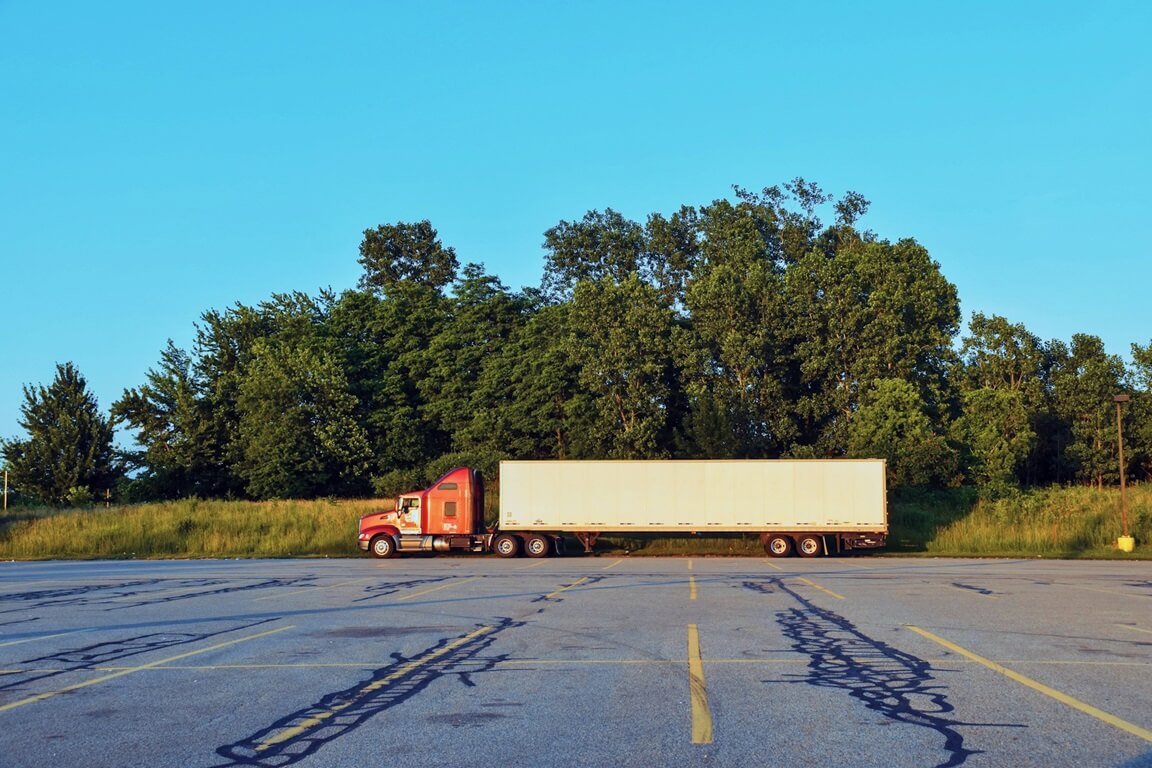
A recent WDSU story highlighted a growing problem in New Orleans East: big rigs are turning residential neighborhoods into makeshift truck stops, creating frustration for residents and safety concerns for everyone involved.
The situation perfectly illustrates the nationwide truck parking shortage. As Commelita McKee, Chairman of the New Orleans East Task Force, told WDSU: “I don’t want that on my street, and I don’t want that on your street.” Meanwhile, truck driver Dejon Smith explained the harsh reality drivers face: “I was running out of time. I was going to have to park on the side of the road.”
The Real Problem: Not Enough Legal Options
Smith, who has been driving for five years, pointed out that New Orleans doesn’t have as many truck stops as other cities. Federal regulations require truckers to rest after 11 hours of driving, often leaving them with no choice but to park illegally in residential areas when legal options aren’t available.
Both residents and truckers agree this creates safety hazards and isn’t sustainable. As McKee noted, “We want them to be able to do their business, but until the laws are changed we cannot allow you to park or drop a trailer anywhere.”
There Is a Solution
While waiting for new truck stop construction (which can take years and cost $100,000-$200,000 per space), existing properties can be converted to truck parking in days, not years.
For Truckers: Legal, safe parking is available right now in the New Orleans area. Instead of risking fines and safety concerns in residential neighborhoods, drivers can book confirmed truck parking spots online with instant reservations.
For Property Owners: If you have unused space in the New Orleans area – whether you’re a trucking company, storage facility, repair shop, or warehouse – you can monetize that space with no upfront costs while helping solve this community problem.
The story shows both sides want the same thing: safe, legal places for truckers to park that don’t disrupt residential neighborhoods. By bringing more properties online quickly, we can create that “happy medium” both residents and truckers are hoping for.