Author: Evan Shelley

  • How to Evaluate Truck Parking Lot Safety Features

    How to Evaluate Truck Parking Lot Safety Features

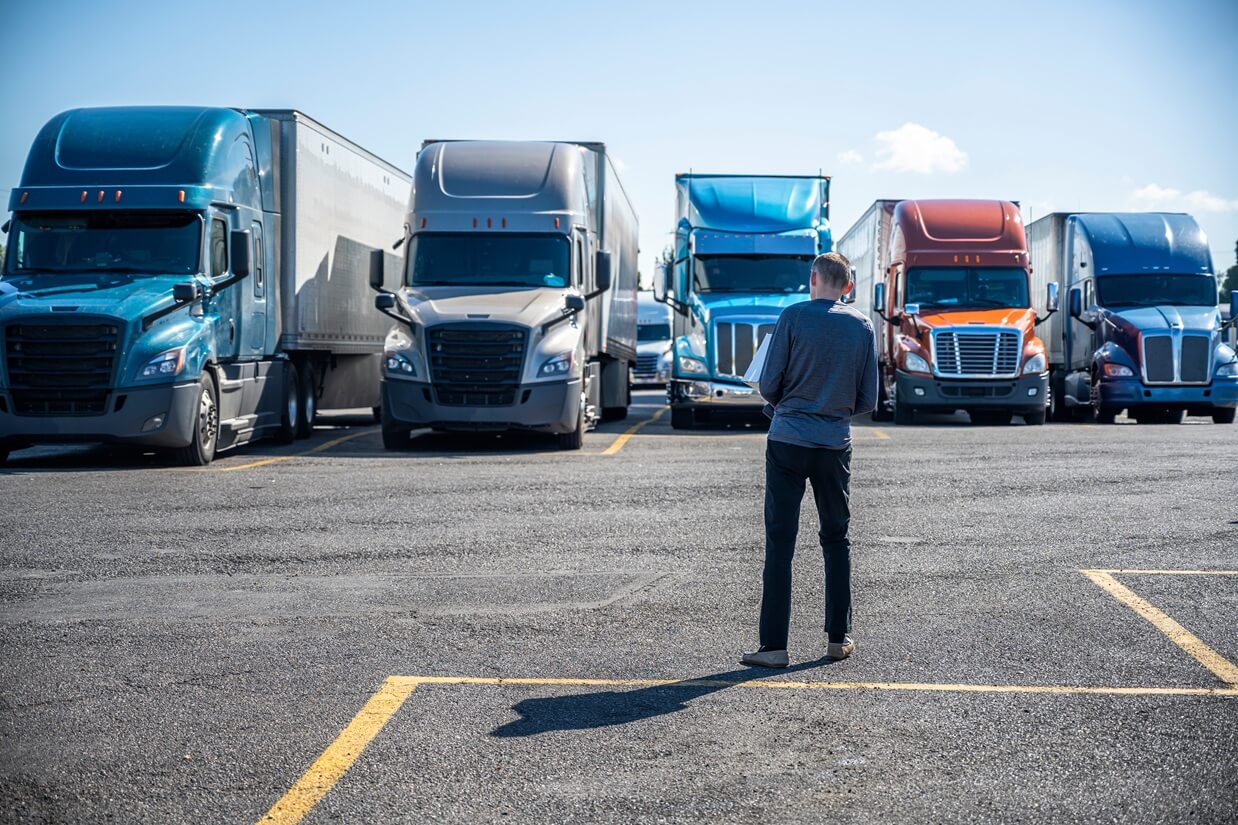
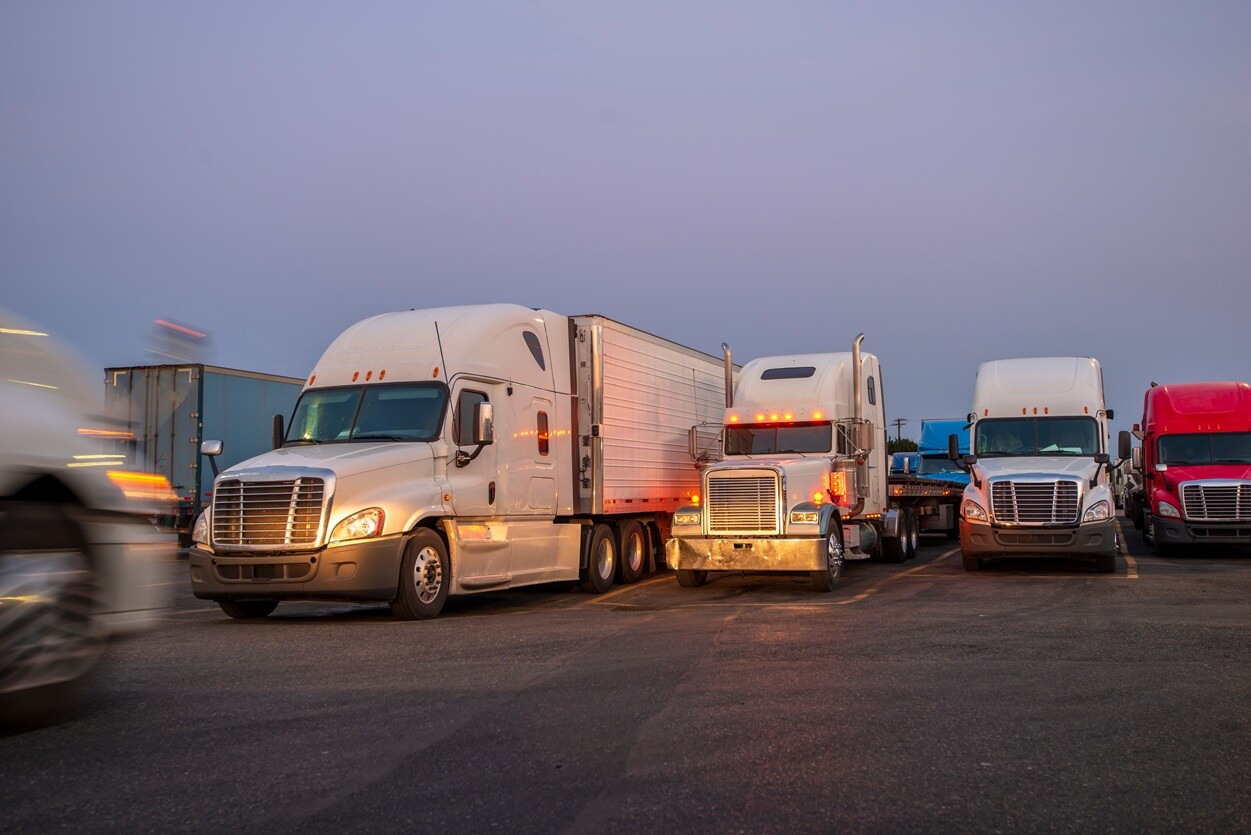
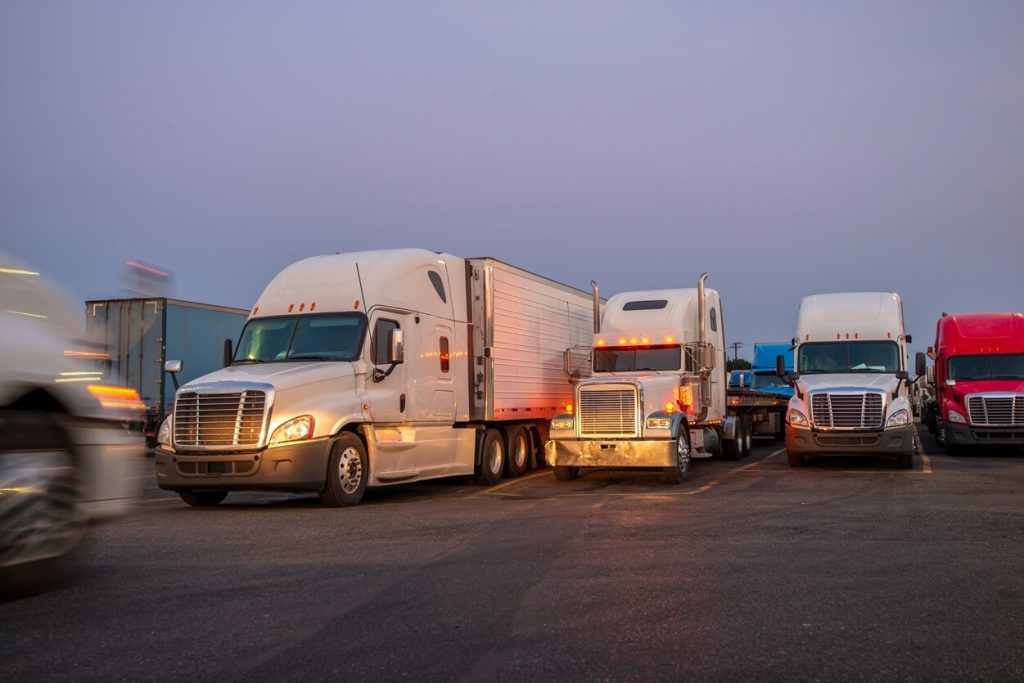
    trucks at twilight in parking lot

    For truckers, a secure parking spot is a top priority. It’s about protecting yourself and your cargo during rest periods. This article will help you spot the most important security features in truck parking lots.

    Today, technology makes finding parking easier. Services like Truck Parking Club help drivers locate available spaces across the US, from the busy corridors of New York to the open roads of Arizona.

    But it’s still important to know what makes a lot truly secure.

    We’ll cover essential elements of a well-protected parking area – from good lighting to reliable surveillance. By the end, you’ll know exactly what to look for when choosing where to park your rig.

    Ready to learn about truck parking security? Let’s get started.

    Lighting and Visibility

    Good lighting is the foundation of parking lot security. It deters potential criminals and helps you spot any suspicious activity. Well-lit areas make it easier for you to maneuver your truck safely and check your surroundings. Proper lighting also reduces the risk of accidents and makes your overall parking experience more comfortable.

    What to Look For:

    • Adequate illumination throughout the lot: The entire parking area should be evenly lit. Dark spots or shadows can be risky.
    • Working light fixtures: All lights should be functioning properly. Broken or dim lights are a red flag.
    • Motion-activated lights: These can provide an extra layer of security, alerting you to movement in the area.
    • Well-lit entrance and exit points: Clear visibility at these points helps you enter and leave safely.
    • Security lights near parked trucks: Look for dedicated lighting in the actual parking spaces. This helps you check on your truck easily.

    Surveillance Systems

    Surveillance systems act as a deterrent to potential criminals and a valuable tool for investigating any incidents. 

    What to Look For:

    • Visible security cameras with full coverage: Look for cameras that are clearly visible and positioned to cover the entire lot. They should be placed at entrances, exits, and throughout the parking area. Visible cameras send a clear message that the area is being watched.
    • Signage indicating 24/7 surveillance: Clear signs alerting people to the presence of surveillance cameras can be a powerful deterrent. These signs should be prominently displayed at entrances and throughout the lot.
    • Extended footage storage: It’s worth asking how long the parking lot keeps its surveillance footage. Longer storage periods (30 days or more) are better, as they allow for investigation of incidents that may not be immediately discovered.

    Access Control and Perimeter Security

    Effective access control and perimeter security keeps unauthorized individuals out of the parking area. These measures create a controlled environment, reducing the risk of theft, vandalism, or other security issues.

    What to Look For:

    • Gated entry/exit points: Look for parking lots with gates at all entry and exit points. These gates should be sturdy and in good working condition. They act as a physical barrier, controlling who can enter or leave the lot.
    • Staffed security checkpoints: Some high-security lots have personnel at entry points. They might check IDs, verify reservations, or simply monitor who’s coming and going. 
    • Secure, well-maintained fencing: The entire perimeter should be fenced off. Check that the fencing is tall enough (at least 6-8 feet), in good repair, and without any gaps or damage. Barbed wire or other deterrents at the top can provide extra security.
    • Natural barriers (e.g., vegetation, terrain): Some lots use landscape features as part of their security. Dense shrubs or steep slopes can make it harder for unauthorized people to enter the property. 

    Lot Layout and Design

    Good layout and design mean easier maneuvering, better visibility, and more effective security monitoring.

    What to Look For:

    1. Clear sight lines: The lot should have an open layout without blind spots or hidden areas. Look for minimal obstructions that could block your view. You should be able to see your truck from various points in the lot.
    2. Well-marked parking spaces: Check for clearly painted lines designating each parking spot. There should be adequate space between spots for easy maneuvering. An easy-to-read numbering or lettering system for spaces is also helpful.
    3. Proper traffic flow: Look for one-way lanes clearly marked with arrows. The lot should have separate entrance and exit points, and the lanes should be wide enough for trucks to turn comfortably.

    Proximity to Services

    Easy access to facilities means you’re less likely to leave your truck vulnerable for extended periods. Help is also nearby if you need it, adding an extra layer of safety to your rest stop.

    What to Look For:

    • Nearby truck stops, restrooms, or repair shops: Look for parking lots that are within walking distance of these amenities. The closer they are, the less time you’ll spend away from your truck. Some secure lots even have these facilities on-site.
    • Emergency services access points: Check how close the lot is to hospitals, police stations, or fire departments. In case of an emergency, you’ll want help to arrive quickly.  Lots should have emergency contact numbers provided.
    • Walking paths to facilities: If services aren’t on-site, there should be well-lit, clearly marked paths to reach them. Look for sidewalks or designated walking areas that keep you safely separated from vehicle traffic.

    💡Tip: Before settling in for your rest period, take a quick walk around to familiarize yourself with the location of nearby services. This can save you time and stress later, especially if you need something in the middle of the night.

    Secure Payment Systems

    Secure payment systems reduce the risk of theft or fraud associated with cash transactions and are a convenient option for reserving and paying for your parking spot.

    What to Look For:

    • Cashless payment options: Look for lots that accept credit cards, debit cards, or mobile payments. These methods are generally more secure than carrying large amounts of cash and provide a record of your transaction.
    • Verified and trusted apps like Truck Parking Club’s platform: Use reputable apps or websites for booking and payment. Truck Parking Club’s platform, for example, is a secure way to find and pay for parking spots across the country.
    • Clear display of payment methods and fees: The lot should clearly communicate accepted payment methods and all associated fees. This transparency helps you avoid unexpected costs and can pay without issues.

    Take Action for Safer Parking

    Ready to put this knowledge into practice? Truck Parking Club makes finding parking spots that prioritize your security easy. With our platform, you can:

    • Browse lots with information about their security features and amenities
    • Reserve spots in advance, ensuring you have a secure place to park
    • Pay securely through our trusted app

    Don’t leave your next parking spot to chance. Download the Truck Parking Club app or Sign up as a Truck Member Today to find secure parking options for your next trip.

    The information published herein is for general informational purposes only. Truck Parking Club does not make any representations or warranties about the completeness, reliability, legality, and accuracy of this information. Any reliance placed on such material is strictly at the user’s own risk. Truck Parking Club shall not be responsible for any losses or damages incurred in connection with the information published herein.


  • 10 celebrities who were professional truck drivers

    10 celebrities who were professional truck drivers

    Charles Bronson sitting in the cab of a truck in ‘Mr. Majestyk’.
    Michael Ochs Archives // Getty Images

    10 celebrities who were professional truck drivers

    Celebrities, they’re just like us! Many came from humble backgrounds and did what was necessary to make ends meet while honing their craft. Their odd jobs can get pretty odd—actor Sean Connery once worked as a coffin polisher—but several artists, including Connery, took up truck driving before making it big.

    To some, sitting behind the wheel of a big rig may seem like a peculiar job for creatives, but it’s actually a good fit. Truckers spend countless hours on the road, meaning more time alone with their thoughts. Filmmaker James Cameron spent his time on routes thinking up screenplays, pulling over to write down the good ones. Other truckers-turned-celebrities, like Jason Aldean, have found the lifestyle inspiring.

    “My grandfather was a truck driver. Going all the way back, even on my first album there was a song called ‘Asphalt Cowboy’ that talked about that,” Aldean told Billboard magazine in a 2019 interview. “It’s one of those professions that [is] underappreciated.”

    Truck Parking Club compiled a list of 10 celebrities who worked as truck drivers before they rose to fame. Read to learn more about their early careers.

    PARK YOUR TRAILER WITH NO HASSLE

    Store your trailer in a safe place with a state-of-the-art platform that locates trailer parking near me.

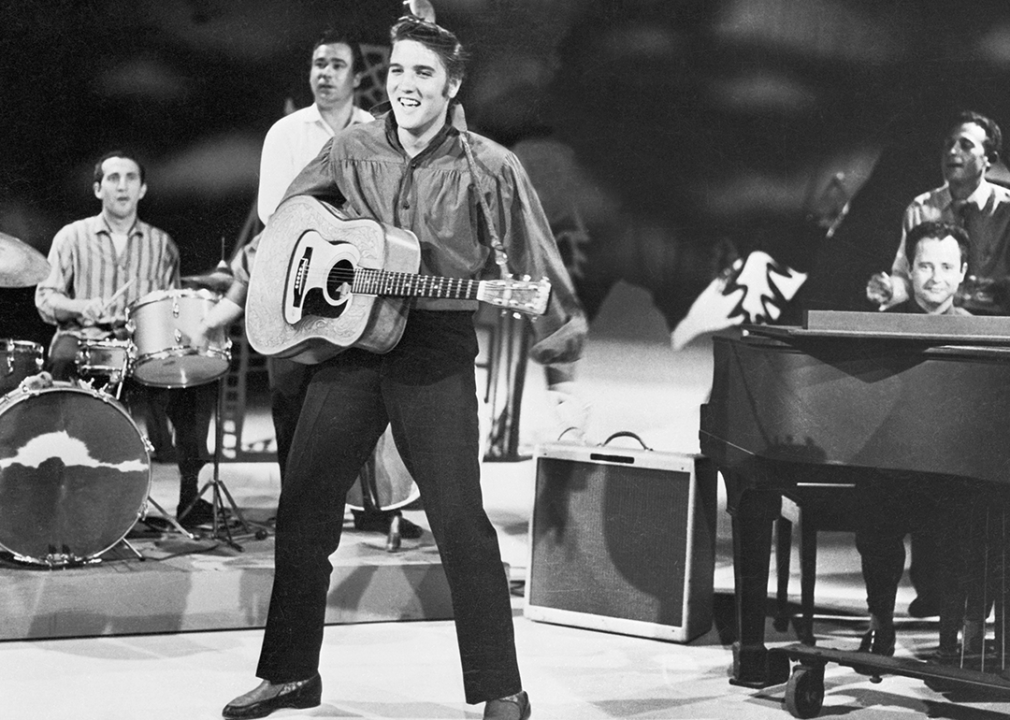
    Elvis Presley with guitar rehearses for performance.
    Bettmann // Getty Images

    Elvis Presley

    – Primary career: Singer and actor
    – Birth year: 1935 (deceased)
    – Trucking experience: Truck driver for Crown Electric

    Before being crowned the King of Rock ‘n’ Roll, Elvis Presley followed in his father’s footsteps and got a job driving for Crown Electric in 1954. That same summer, the teenager took his first shot in the music industry—and it did not go well. Presley auditioned for rockabilly icon Eddie Bond, and he was not impressed.

    Bond told him to stick to driving a truck because he was “never going to make it as a singer,” according to the fellow Memphis musician’s obituary. Of course, Bond ended up eating his words: Presley became far more famous than he ever did.

    James Cameron speaks at a press conference.
    Stephane Cardinale – Corbis/Corbis via Getty Images

    James Cameron

    – Primary career: Filmmaker
    – Birth year: 1954 (age 70)
    – Trucking experience: Truck driver in Southern California

    James Cameron has written and directed some of the biggest blockbusters in box-office history, from “Titanic” to “Avatar.” Before his big break came, though, he was a truck driver. During his routes, the aspiring filmmaker would think of screenplay ideas, and—after watching “Star Wars” in 1977—quit his job after the iconic sci-fi movie inspired him to go all-in on filmmaking.

    Liam Neeson attends the ‘Marlowe’ premiere during 70th San Sebastian International Film Festival.
    Carlos Alvarez // Getty Images

    Liam Neeson

    – Primary career: Actor
    – Birth year: 1952 (age 72)
    – Trucking experience: Forklift truck driver for Guinness Brewery

    Long before he was driving 18-wheeler Kensworths across the frozen tundra in “The Ice Road,” actor Liam Neeson was driving forklift trucks at the Guinness bottling plant. Neeson, who also starred in the Oscar-winning “Schindler’s List,” recalled his truck driving experience during a 2021 Den of Geek interview promoting “The Ice Road.”

    Neeson revealed that Kensworth experts instructed him on maneuvering the massive rigs, which were driven on real ice during production. “Actually being on the ice, which then was about 30 to 40 inches thick—so it was fairly safe, but still scary—and driving these things was an amazing experience,” he told the movie review site.

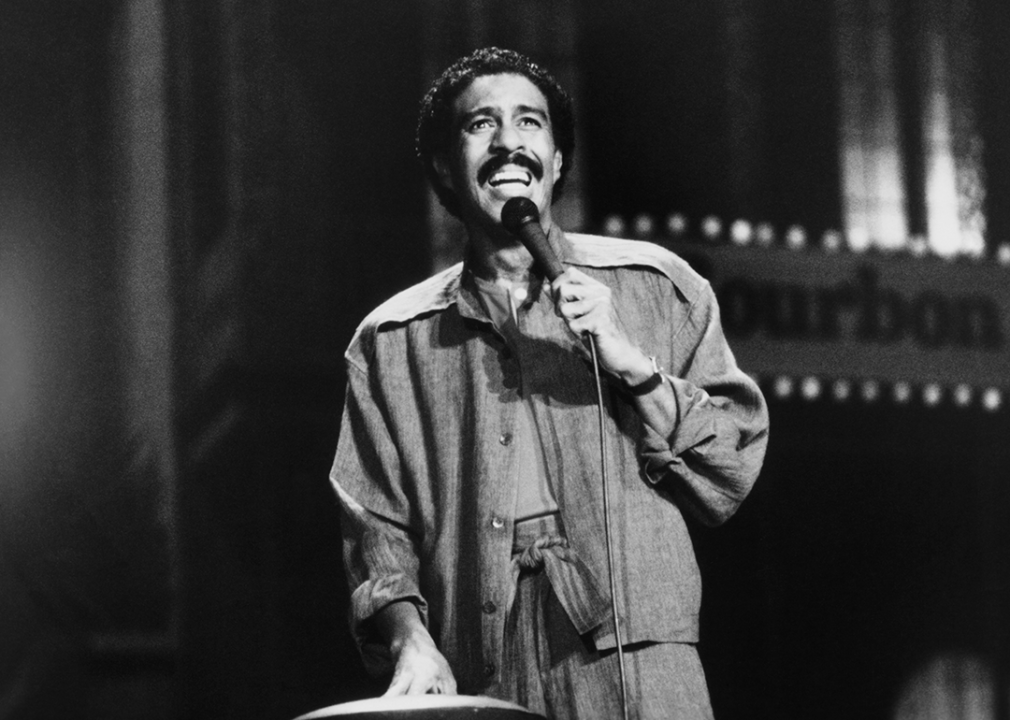
    Richard Pryor performing on stage in ‘Here and Now’.
    Bettmann // Getty Images

    Richard Pryor

    – Primary career: Comedian and actor
    – Birth year: 1940 (deceased)
    – Trucking experience: Truck driver

    Richard Pryor will go down in history as one of the most influential comedians ever. Long before winning five Grammys for his stand-up sets, the funnyman drove trucks. Pryor also served in the Army between 1958 and 1960, performing numerous amateur shows. He went on to star in classic comedies like “Stir Crazy” and “Brewster’s Millions.”

    Jason Aldean performs onstage.
    Joshua Applegate // Getty Images

    Jason Aldean

    – Primary career: Country singer
    – Birth year: 1977 (age 47)
    – Trucking experience: Pepsi delivery driver

    Country star Jason Aldean is famous for championing trucker culture, and that’s because he knows firsthand what goes into the job. Before getting his big break in the mid-aughts, Aldean worked as a delivery driver for Pepsi in Georgia. He’s opened up about the job in the past, recalling how he’d take off Thursdays and Fridays to play gigs in Florida. Aldean paid tribute to the profession on his 2005 self-titled debut album with a song called “Asphalt Cowboy.”

    FIND DAILY TRUCK PARKING IN NEARLY EVERY STATE

    On the road and looking for a daily truck parking space? Find the closest daily parking spot in a

    matter of seconds.

    Sean Connery poses as James Bond next to his Aston Martin DB5.
    Michael Ochs Archives // Getty Images

    Sean Connery

    – Primary career: Actor
    – Birth year: 1930 (deceased)
    – Trucking experience: Truck driver in Scotland; milkman

    Sean Connery is perhaps best known as the original James Bond in the long-running 007 film franchise. But before becoming an Oscar-winning actor, the late star followed in his father’s footsteps as a trucker in his birthplace of Scotland. Before acting, he was also in the Navy, working as a lifeguard, milkman, and an artist model, among others.

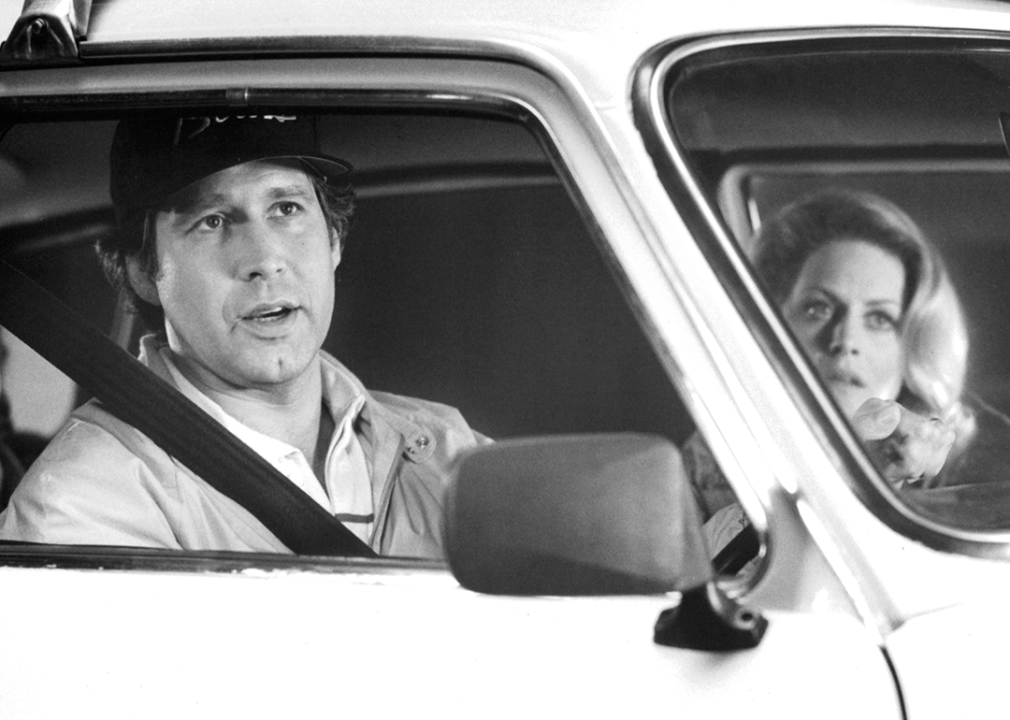
    Chevy Chase and actress Beverly D'Angelo in National Lampoon's "European Vacation”.
    Michael Ochs Archives // Getty Images

    Chevy Chase

    – Primary career: Comedian and actor
    – Birth year: 1943 (age 81)
    – Trucking experience: Semitruck driver

    One of Chevy Chase’s most iconic characters is Clark Griswold from the “National Lampoon’s Vacation” franchise. Before he played the station wagon-driving dad, the comedian drove semitrucks as a delivery driver. It was one of many jobs Chase worked until getting his big break on “Saturday Night Live” in 1975.

    Robert Duvall poses for a portrait in a film editing suite.
    Chuck Fishman // Getty Images

    Robert Duvall

    – Primary career: Actor
    – Birth year: 1931 (age 93)
    – Trucking experience: Truck driver

    Picture this: Robert Duvall and Gene Hackman splitting the rent in a New York City apartment, where Dustin Hoffman occasionally slept on the kitchen floor. Although all three became hugely successful actors, they had humble beginnings as classmates at New York City’s famed Neighborhood Playhouse. During his time at acting school, Duvall worked a handful of odd jobs that included driving a truck.

    Viggo Mortensen on the red carpet at Rome Film Fest 2024.
    Massimo Insabato/Mondadori Portfolio via Getty Images

    Viggo Mortensen

    – Primary career: Actor
    – Birth year: 1958 (age 66)
    – Trucking experience: Truck driver in Denmark.

    Viggo Mortensen was born in New York; however, his father was Danish. Before pursuing a career in acting, he drove trucks and sold flowers in Denmark. Mortensen got his first movie role in 1985 and eventually became immortalized as Aragorn in the “Lord of the Rings” film trilogy. Mortensen is a man of many talents and has also produced volumes of poetry, music, photography, and paintings.

    PREVIOUSLY INACCESSIBLE TRUCK PARKING

    Take care of your truck and trailer parking needs with new locations added daily. 

    Charles Bronson seated on the banks of the East River.
    Bettmann // Getty Images

    Charles Bronson

    – Primary career: Actor
    – Birth year: 1921 (deceased)
    – Trucking experience: Army and civilian truck driver

    After driving Army trucks during World War II, Charles Bronson tried out various jobs and eventually became a civilian truck driver. Eventually, he got hired at a theater company and pursued a career in acting. That ended up being a good move, as the film legend went on to star in movies like “Death Wish” and “Once Upon a Time in the West.”

    Story editing by Alizah Salario. Additional editing by Kelly Glass. Copy editing by Paris Close.

    Written by: Katrina Sirotta

  • Here’s why US electric vehicle infrastructure has tripled in 5 years, and where it’s most common

    Here’s why US electric vehicle infrastructure has tripled in 5 years, and where it’s most common

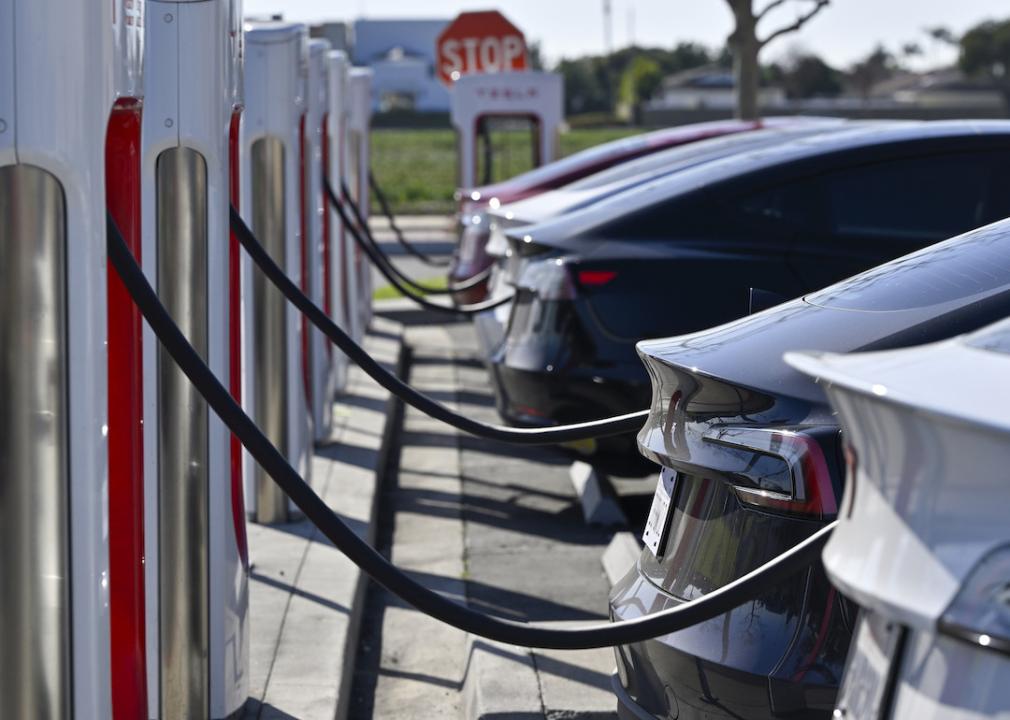
    Drivers charge their Teslas in Fountain Valley, California.
    Jeff Gritchen/MediaNews Group/Orange County Register via Getty Images // Getty Images

    Here’s why US electric vehicle infrastructure has tripled in 5 years, and where it’s most common

    Car buyers weary of electric vehicles often share the same concern: “What if I run out of juice and there’s nowhere to charge my car?”

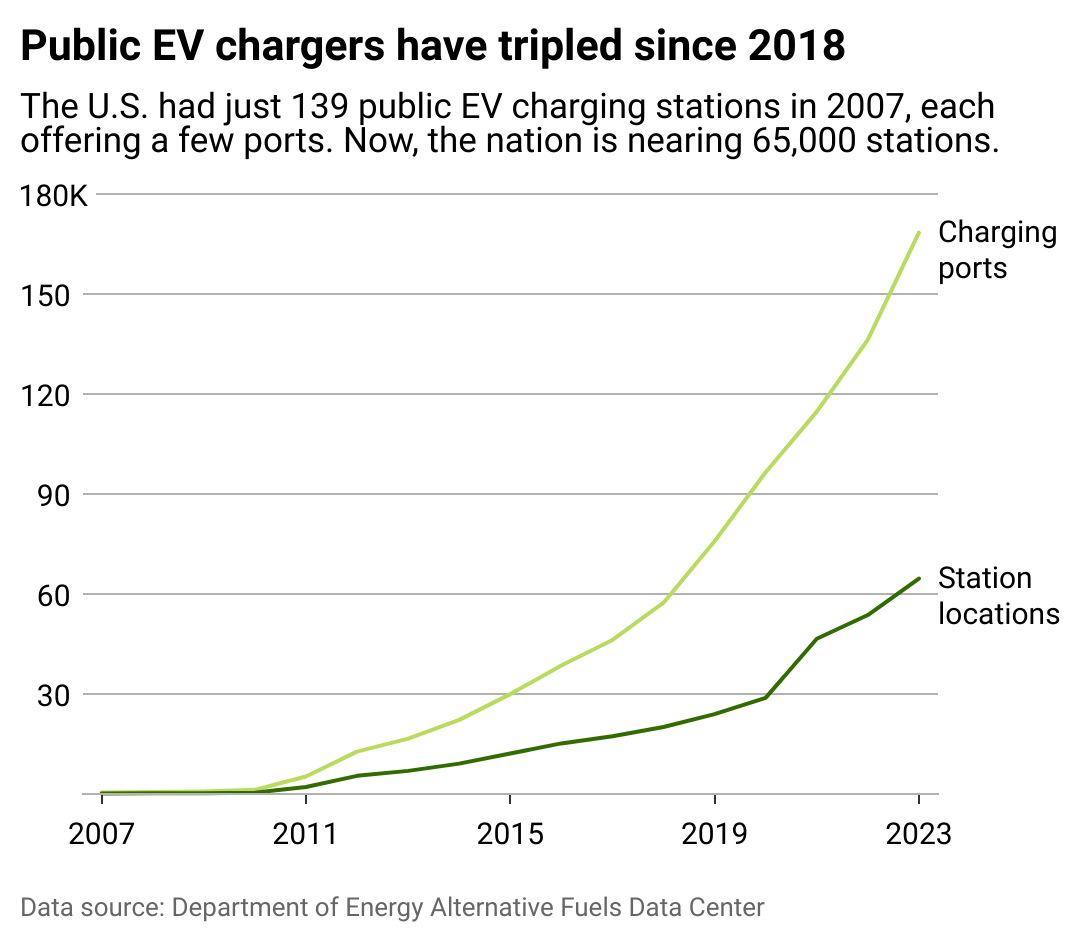
    That was a fair question in 2007. At the time, there were only 139 public EV charging stations. But in the years since, public and private entities have invested billions into building out charging infrastructure to make EVs a more practical option.

    As of 2023, there are over 64,000 public EV charging stations across the U.S.—more than twice the number in 2020 and three times the number in 2018. Some areas have particularly high concentrations of stations, including in the California Bay Area and Seattle metro, where EVs are more popular than in many other parts of the country.

    To provide a broader picture of U.S. electric vehicle charging infrastructure, Truck Parking Club tapped into the Department of Energy’s Alternative Fuels Data Center and White House investments data to chart its considerable expansion.

    EV infrastructure has expanded under the Biden administration, with recent funding continuing to enhance EV adoption spurred by funds allocated in the 2021 Bipartisan Infrastructure Law and 2022 Inflation Reduction Act. However, President-elect Donald Trump has vowed to roll back clean-energy initiatives, including the $7,500 tax credit for Americans buying EVs. It’s unclear whether the president-elect would cut infrastructure expansion funds.

    FIND DAILY, WEEKLY, AND MONTHLY TRUCK PARKING

    On the road and looking for a daily truck parking space? Operated by truckers, we source the best parking spots across the nation to ease your trip planning.

    A line chart showing the number of public EV charging stations and ports over time.
    Truck Parking Club

    EV infrastructure grows exponentially

    While most EV owners will predominantly charge their vehicles at home, public charging can save them in a pinch. At the same time, the presence of public chargers generates positive opinions of EVs among those who live nearby, Pew Research polling shows.

    The biggest year for new public EV stations was 2021, when more than 17,700 public stations were added to the national footprint. That was the same year the Bipartisan Infrastructure Law provided $7.5 billion for states and communities to build out their charging infrastructure. However, the first BIL-funded EV charger didn’t break ground until 2023, Politico reports.

    Currently, much of the U.S. public EV infrastructure is privately owned—largely by EV market leader Tesla. Of EV stations mapped in the alternative fuels database, most didn’t have owner information. Those that did mostly listed private ownership. Of 22,000 public fast chargers in the U.S. in 2022, nearly 3 in 5 were Tesla superchargers, according to the International Energy Agency’s 2022 Global EV outlook.

    EV companies have incentive to build out public infrastructure, as accessibility is a major draw for potential customers. Despite a slow start to government projects, other federal efforts have incentivized these expansions, such as IRA-funded tax credits for individuals and businesses to install EV chargers in certain areas.

    PREVIOUSLY INACCESSIBLE TRUCK PARKING

    Take care of your truck and trailer parking needs with new locations added daily. 

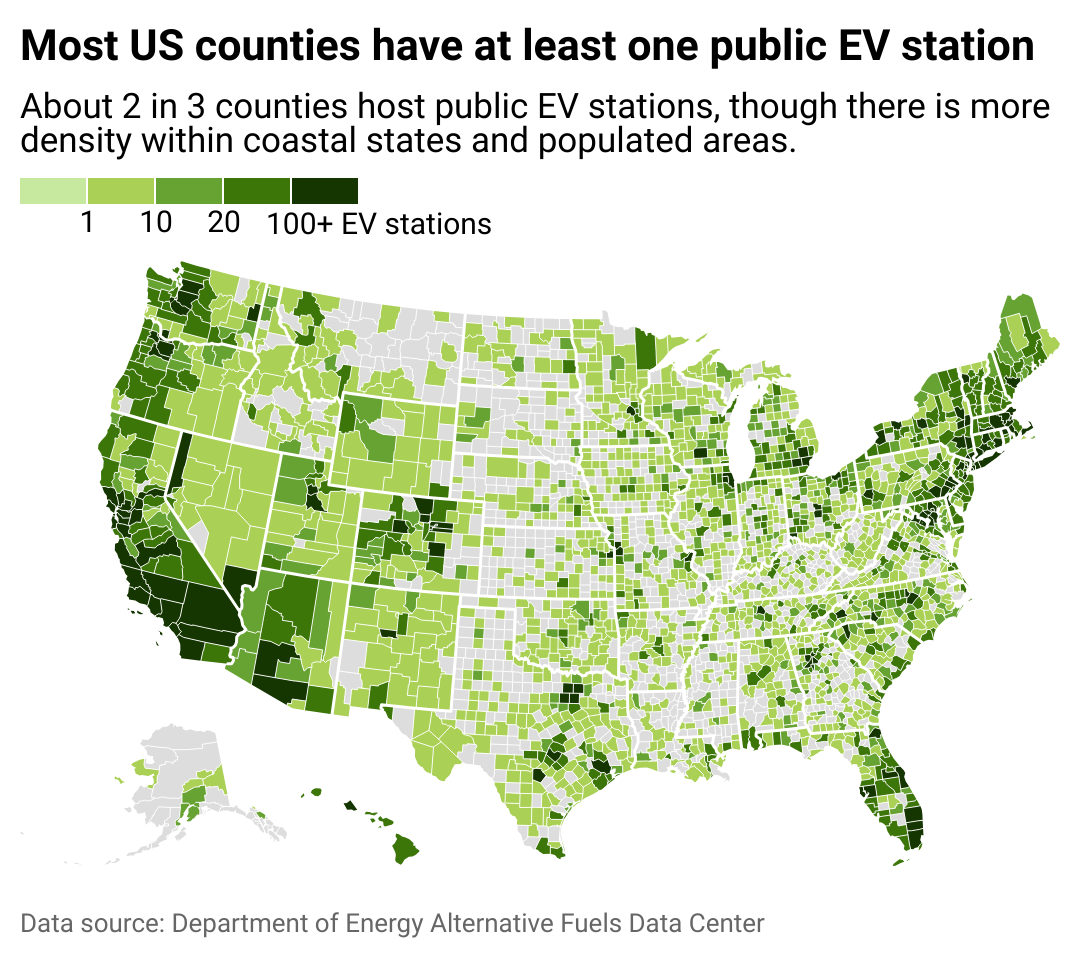
    A heat map showing the number of public EV charging stations by county in 2024.
    Truck Parking Club

    Mapping public EV charging

    A majority of counties in the U.S. host public EV charging—a huge feat for a relatively new phenomenon. Several counties even boast over 1,000 public stations, including a few in California and the most populous counties in Washington and Massachusetts.

    About 64% of Americans live within 2 miles of a public charging station, according to Pew. These individuals are more likely to own an electric or hybrid vehicle, consider buying one, and favor phasing out new gasoline car production—even when accounting for partisanship or community type, its research shows.

    Still, substantial gaps remain in EV charging access, which both reflects and reinforces EV hesitancy. Pew Research data from 2024 shows that while 60% of urban residents live within a mile from the nearest public EV charger, that figure drops to 41% for suburban Americans and just 17% for rural Americans.

    DOE data shows similar trends, with large gaps in EV charging infrastructure in the central U.S. and Alaska, largely rural areas where EVs are unpopular at best. The IRA tax credit targeted these areas in particular for charging incentives, and in turn charging station growth has been slightly faster in rural areas than in urban areas since 2022. Further public investments, if they remain on the table, intend to supercharge those areas and widen the range for EVs.

    PARK YOUR TRAILER WITH NO HASSLE

    Store your trailer in a safe place with a state-of-the-art platform that locates trailer parking near me.

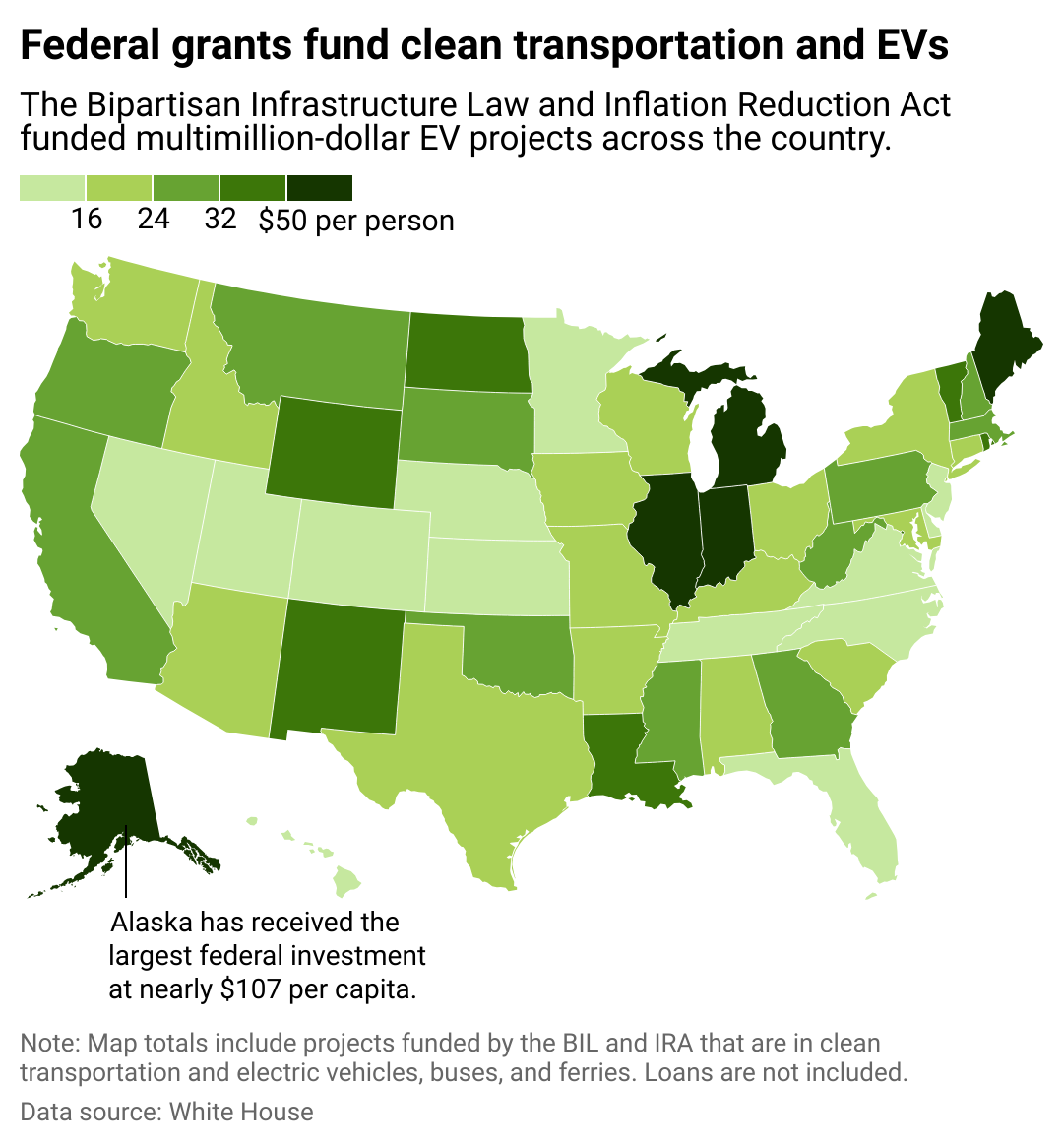
    A heat map showing continued investments in clean transportation infrastructure and electric vehicles, trucks, and ferries from the Bipartisan Infrastructure Law and Inflation Reduction Act.
    Truck Parking Club

    Continued investments

    Funds from the IRA and BIL are still being doled out for clean transportation and EV projects across the nation. Alaska, which has some of the most sparse EV infrastructure in the nation, is slated to receive the most federal funding per capita among projects announced so far. That includes $31.5 million for EV infrastructure projects.

    Other highlights for ongoing federal funding include several of the states surrounding Lake Michigan, which joined into an agreement to build out EV charging infrastructure along the lake’s coastline for seamless EV travel and tourism. Maine is another major recipient, with funds largely centered around electrifying its school bus fleets.

    The laws providing these funds came to fruition under the Biden administration, but ultimately received bipartisan support. Meanwhile, President-elect Trump has been vocal on the campaign trail about reversing EV initiatives. His plan to eliminate the tax credit for people who buy EVs is supported by some oil industry leaders, as well as Tesla CEO Elon Musk, as it would hurt competitors in the EV space, according to New York Times reporting. However, major organizations representing U.S. carmakers and auto workers oppose eliminating the credit.

    Reuters reports that Trump and his energy allies think some clean energy policies will be more challenging to cut, as they are pumping money into Republican-run states where Trump won at the polls—with infrastructure projects in Trump-supporting Alaska, Michigan, and Indiana chief among them.

    Musk has scorned federal EV infrastructure spending in the past, despite Tesla being the recipient of substantial funds from the National Electric Vehicle Infrastructure program. At the moment, it remains unclear where the incoming administration will land on funding for EV charging.

    Regardless, any cuts to Biden-era EV policies will raise costs for EV owners and slow their adoption. With less government support for EVs in general, it’s unlikely that infrastructure will continue to follow the current growth trajectory. Maintenance of existing public chargers could also drop off as subsidies and industry growth stalls.

    Overall, current trends may lead to a much bleaker picture for EV charging in four years’ time.

    Story editing by Alizah Salario. Additional editing by Kelly Glass. Copy editing by Tim Bruns.

    Written by: Paxtyn Merten

  • 6 Best Truck Parking Lots with Hotels

    6 Best Truck Parking Lots with Hotels

    As a trucker, finding a reliable and secure place to park your rig overnight is crucial for your safety and peace of mind. Hotels with truck parking offer the perfect blend of comfort and security, ensuring that you can rest well and keep your vehicle safe. 

    Combining top-notch lodging with spacious parking facilities, these establishments cater specifically to the needs of truck drivers. Let’s explore the best truck parking hotels available, helping you make informed decisions for your next journey. Let’s dive into the top options that provide exceptional services tailored just for you.

    Top Reviews: Best Truck Parking Lots with Hotels

    When selecting the best trucker hotels, our top recommendations stand out for their outstanding facilities and strategic locations.

    148 E 5th St., Bayonne, New Jersey

    Located in the heart of Bayonne, the truck parking lot with a hotel at 148 E 5th St. offers a secure and spacious environment for your truck. The facility features robust security measures, including 24/7 surveillance and gated access, ensuring your vehicle remains safe overnight. 

    The on-site hotel provides comfortable rooms with essential amenities like high-speed Wi-Fi and a hearty breakfast to start your day right.

    2269 Randall Rd, Lithonia, Georgia

    In Lithonia, Georgia, truck parking hotels at 2269 Randall Rd are designed to meet truckers’ needs. The parking area is well-lit and monitored around the clock, providing peace of mind during your stay. 

    The accompanying hotel offers spacious rooms with modern conveniences, including complimentary breakfast and fitness facilities.

    838 US-190, Port Allen, Louisiana

    Hotels for truckers at 838 US-190 in Port Allen, Louisiana, combine ample parking space with top-tier hotel accommodations. The expansive parking lot allows easy maneuvering and secure overnight stays. 

    The hotel features clean, comfortable rooms with free Wi-Fi, laundry services, and a relaxing lounge area.

    413 Monticello Road, Orangeburg, South Carolina

    Truck parking hotels blend security and comfort at 413 Monticello Road in Orangeburg, South Carolina. The well-maintained parking facilities offer ample space and easy access for large trucks. 

    The hotel boasts comfortable bedding, a complimentary breakfast, and an on-site restaurant where you can enjoy a meal without leaving the premises.

    2020 Bohlke Boulevard, Fairfield, Ohio

    Fairfield’s hotels with truck parking at 2020 Bohlke Boulevard are perfect for truckers traveling through the Midwest. 

    The parking area is secure and covered, protecting your truck from the elements. The hotel offers a range of amenities, including a fitness center, comfortable lounges, and high-speed internet, ensuring a restful and productive stay.

    10026 North Carolina 33, Whitakers, North Carolina

    In Whitakers, North Carolina, hotels for truckers at 10026 North Carolina 33 provide extensive parking options with enhanced security features such as surveillance cameras and on-site personnel. 

    The hotel accommodations are tailored for long-haul drivers, featuring ergonomic beds and quiet environments to ensure a good night’s sleep.

    Key Features of Hotels with Truck Parking

    Certain features are essential when choosing hotels with truck parking to ensure a comfortable and secure stay. Enhanced security measures are a top priority, with many establishments offering 24/7 surveillance, gated access, and on-site security personnel to keep your vehicle safe. 

    Spacious and accessible parking areas are also crucial, as well as providing designated spots for trucks and ensuring easy maneuverability within the facility. Amenities tailored specifically for truckers make a significant difference in your stay. 

    Facilities such as showers, laundry services, high-speed Wi-Fi, and dining options are often available, allowing you to maintain your routine and stay connected while on the road. 

    Proximity to major highways and routes is another crucial factor, as it ensures convenient access and quick departure when you’re ready to hit the road again.

    Affordable pricing and flexible booking options are also important considerations. Many truck parking hotels offer competitive rates, availability guarantees, and the ability to reserve your spot in advance, providing you with peace of mind and financial flexibility.

    How to Select the Best Hotels with Truck Parking

    classic rigs parked at a truck parking lot

    Selecting the best hotels for truckers involves assessing several essential factors to meet your needs. 

    Start by evaluating the location and accessibility of the hotel. Proximity to major routes and ease of access are critical for minimizing travel time and ensuring a smooth departure.

    Next, assess the quality of the parking facilities. Look for spacious, well-maintained parking areas that can comfortably accommodate your truck. The layout should allow for easy maneuvering, and the overall maintenance of the parking lot is a good indicator of the hotel’s commitment to providing a safe environment.

    Discover the Best Truck Parking Lots with Hotels

    At Truck Parking Club, we cater to truckers and parking lot owners, ensuring a seamless experience for everyone involved. Truckers can easily find convenient spots to park and relax, ensuring they have a comfortable place to stay overnight. 

    Our hosts are reliable parking space providers, ready to assist with any inquiries. Additionally, our dedicated team is always here to support you. Should you encounter any issues or need further assistance, don’t hesitate to call us at (888) 899-7275 or use our online contact form

    We are committed to making your stay comfortable and hassle-free, enhancing your travels every step of the way.

    The information published herein is for general informational purposes only. Truck Parking Club does not make any representations or warranties about the completeness, reliability, legality, and accuracy of this information. Any reliance placed on such material is strictly at the user’s own risk. Truck Parking Club shall not be responsible for any losses or damages incurred in connection with the information published herein.
  • The Nation’s Truck Parking Crisis: ATRI Research Validates Why We Created Truck Parking Club

    The Nation’s Truck Parking Crisis: ATRI Research Validates Why We Created Truck Parking Club

    As a team of former drivers and supply chain professionals, we’ve watched the truck parking crisis grow increasingly dire. The latest research from the American Transportation Research Institute (ATRI) confirms what we already knew from experience – truck parking ranks as the second most pressing concern in the industry overall, and it’s the number one concern for drivers themselves.

    We created Truck Parking Club because we knew there had to be a better way. While the government works on long-term solutions, truckers need help now. They’re the backbone of our supply chain, yet every day they waste precious time and fuel searching for safe places to rest. We couldn’t sit back and wait for new parking lots to be built.

    Yes, there’s progress on the traditional infrastructure front, which we are in full support of. The U.S. Department of Transportation recently awarded over $292 million in grants for parking expansion, and there’s a bipartisan bill in Congress that could provide $755 million more. But here’s the reality: building new parking facilities takes years, tremendous capital investment, and navigation through endless red tape.

    That’s why we took a different approach. Instead of waiting for new lots to be built, we developed technology that connects truckers with property owners who have suitable unused space for truck parking. Our platform allows drivers to instantly reserve spots, eliminating the stress and uncertainty of parking searches at the end of their day.

    The industry’s proposed solutions, according to ATRI’s analysis, focus on three main approaches:

    • Creating dedicated federal funding for parking expansion (supported by 35.4% of respondents)
    • Reducing local regulatory barriers to building new facilities (27.4%)
    • Supporting state DOT applications for federal grants (26.6%)

    While these are all valuable long-term strategies, they don’t help the driver who needs a parking spot tonight. That’s where we come in. Our solution activates existing infrastructure immediately, turning underutilized spaces into valuable parking assets for the industry.

    We’re not just a technology company – we’re a team that understands trucking. Our experience as drivers and supply chain professionals has shaped every aspect of our platform. We know that excellent customer service isn’t just a nice-to-have in this industry; it’s essential. That’s why we’re laser-focused on providing an outstanding experience for both drivers and property owners.

    The parking shortage isn’t just about convenience – it’s a critical safety issue that affects drivers’ quality of life and their ability to comply with hours-of-service regulations. While the industry continues to push for more permanent infrastructure, we’re proud to offer an immediate solution that helps drivers today.

    Our mission goes beyond just connecting drivers with parking spots. We’re working to transform the way the industry thinks about truck parking. By making better use of existing infrastructure, we can help solve this crisis faster than waiting for traditional solutions alone.

    We invite property owners with suitable space and drivers in need of reliable parking to join us in this mission. Become a Property Member today!

    Drivers & fleets with parking needs can easily book parking using our website and Android / iOS apps.

    The truck parking crisis won’t be solved overnight, but we believe that innovative solutions like ours, combined with traditional infrastructure expansion, can make a real difference. One parking spot at a time, we’re working to ensure that no driver has to worry about where they’ll safely rest at the end of their day.

  • 5 Truck Lots with Free Showers

    5 Truck Lots with Free Showers

    After a long-haul ride, there is nothing more relaxing than taking a hot-steamed shower to wash off the sweat of work and the tiredness of driving. There is just one but, and it is ‘But does your truck parking stop have a free shower?’  

    Showers for truck drivers, especially the ones free of charge, are unfortunately not a given in most truck parking lots. Hence, it’s always worth giving a call or scanning the description of your chosen location to find out what it has to offer. 

    At Truck Parking Club, we simplify the process and let you filter the truck parking lots by amenities and more! But to save you some time, here is a list of the best truck parking lots with free showers:

    Elgin, MN Truck & Trailer Parking 

    Pricing: $25/day; $75/week; $200/month

    Address: 720 Industrial Dr SE, Elgin, MN 55932

    Elgin, MN, truck parking is a 24/7 accessible location near Highway 42 that offers free showers, restrooms, and laundry facilities. Open Monday-Thursday, it’s convenient for drivers with nearby dining options like The BlackTop Bar & Grill and the Jazz Shepard Coffee Shop. Additional amenities include on-site cameras, snow removal, and nearby rideshare services.

    Isleton, CA Truck & Trailer Parking at River Storage

    Pricing: $1/hour; $25/day; $100/week; $225/month

    Address: 301 H St, Isleton, CA 95641

    Located near highways 160, 12, and 84, Isleton, CA Truck & Trailer Parking spot offers free showers from 9:00 AM-6:00 PM, along with kayak access and views of the Sacramento River. The Delta Queen Lodge offers discounted rates to Truck Parking Club members, and rideshare services are available. 

    East Dundee, IL Truck and Trailer Parking at Pal Truck Park

    Pricing: $40/day; $175/week

    Address: 201 Christina Dr, Dundee Township, IL 60118

    Located 2 miles from I-90, East Dundee, IL Truck and Trailer Parking is an expansive park that offers free showers, security, and 24/7 access. The park features over 20 truck repair shops, rental services, and nearby food and fuel options. Perfect for short or long-term stays.

    Calhoun, GA Truck and Trailer Parking on US-41

    Pricing: $20/day; $100/week; $150/month

    Address: 2652 US-41, Calhoun, GA 30701

    Calhoun, GA Truck and Trailer Parking is a secure and fenced parking spot that offers free showers and is located less than a mile from Exit 318 on I-75. Close to local restaurants and hotels, it provides flexible reservations, cameras, and lighting for added safety.

    Logan, UT Truck and Trailer Parking at Blue Creek

    Pricing: $20/day; $120/week; $250/month

    Address: 1020 W 200 N, Logan, UT 84321

    Located behind LW’s Truckstop, Logan, UT Truck and Trailer Parking is a secure, paved, and well-lit parking area that offers free showers and 24/7 surveillance. A full-service repair shop is available on-site, offering everything from tire changes to emergency repairs. Convenient amenities include nearby dining options and rideshare services, along with snow removal and a truck wash.

    How to Get Free Showers at Truck Stops

    Finding truck parking spots with free showers is easy with Truck Parking Club. Simply sign up as a Trucker Member, then use the app or web version to filter parking stops by the amenities you need.

    Best of all, our platform is completely free for truck drivers, ensuring you find a safe, comfortable spot to rest without any hassle.

    Book a Truck Lot with Free Showers and Other Amenities 

    Securing a truck parking spot with free showers doesn’t have to be a challenge. With locations all over the U.S., you can easily find a monitored, gated, or even guarded parking lot with everything you need to feel rested and comfortable. 

    With Truck Parking Club, you can finally feel refreshed during your journey, knowing you are in a maintained and trusted lot with your fellow drivers. 

    Become a Truck Member now and prioritize your comfort on the road by choosing parking lots that meet your needs! 

    The information published herein is for general informational purposes only. Truck Parking Club does not make any representations or warranties about the completeness, reliability, legality, and accuracy of this information. Any reliance placed on such material is strictly at the user’s own risk. Truck Parking Club shall not be responsible for any losses or damages incurred in connection with the information published herein.

  • Truck Parking Club Hits 1000 Locations in 46 states

    Truck Parking Club Hits 1000 Locations in 46 states

    Evan Shelley, Co-founder & CEO – Chattanooga, Tennessee – Thursday, November 21, 2024

    I am very excited to announce that Truck Parking Club has added our 1000th Property Member location. We now have truck parking locations in 46 states with 24,000 spaces!

    When I started this company two years ago, I had no idea the amount of work it would take to get to this point. It took months to add our first few locations, and to earn the trust of a handful of drivers to the point where they would book with us. Because of the hard work of our tremendous team, half of which are former drivers, we’re able to celebrate this milestone on the way to helping solve the truck parking shortage.

    The thing is though, while 1000 might seem like a big number, it’s not. There are many areas where we have few, if any, locations. Drivers should not have to go miles out of route to find parking. The average driver takes 56 minutes to find parking on a daily basis, our goal is to have drivers spend 10 minutes or less. Saving billions in inefficiencies. Our ambition is to give drivers an option no matter where they are. Suffice to say, we have a long way to go. Our next target is 10,000 locations.

    I want to say thank you to our tens of thousands of Trucker Members for continuing to trust us to provide the parking they need. Thank you to our Property Members for opening their locations up to countless drivers and fleets and thank you to our fantastic team for their tireless work to make this all possible.

    We’re just getting started. Next stop, 10,000 locations!

    Check out our website to learn more and book truck parking at one of our 1000+ locations across the US.

    Have extra space suitable for truck parking on your property? Become a Property Member.

    If someone you know has property suitable for truck parking, refer them to us.

    About Truck Parking Club

    Truck Parking Club is a network of instantly reservable hourly, daily, weekly and monthly truck parking locations throughout the US. Truck Parking Club helps connect truckers to truck parking locations throughout the US via truckparkingclub.com and our mobile app. Our network is made up of property owners that have locations adequate for truck parking to list on the platform: this includes trucking companies, truck repair shops, tow truck companies, storage companies, CDL Schools, trailer leasing companies, real estate investors, truck stops, truck parking operators and more!

    Media Contact

    Reed Loustalot

    CMO – Truck Parking Club

    [email protected]

    423-275-4999

    truckparkingclub.com

  • How Often Should You Stop Throughout a Day?

    How Often Should You Stop Throughout a Day?

    Truck driver carries a shopping box in his hands and goes to his big rig semi truck parked on the truck stop parking lot

    As a truck driver, you’ve likely experienced the demands of long hours on the road. Whether you’re just starting out or you’ve been driving for years, one thing remains constant: knowing when to stop can make or break your day. 

    It’s not just about ticking off breaks to follow the rules – it’s about your safety, your health, and keeping things running smoothly on the road. 

    In this guide, we’ll walk through how often you should stop during the day, why it matters, and how Truck Parking Club can help you find great places to take those much-needed breaks.

    Why Regular Breaks Matter

    Taking regular breaks when on the road is a must. Seasoned truckers know that better than anyone, but if you’re just getting started in trucking, you might feel brave or obliged to drive for as long as possible. 

    Want our advice? Don’t. Here’s why taking regular breaks matters:

    Keeping Safe on the Road

    Driving a truck isn’t just about going from point A to point B – it’s about doing it safely. One of the biggest risks out there is fatigue. 

    After hours of staring at the road, your body and mind get tired, and that’s when mistakes happen. Regular stops aren’t just a nice break – they’re crucial for your driver fatigue management, keeping you sharp behind the wheel

    When you’re well-rested and alert, you can react faster and make better decisions, keeping both yourself and other drivers safe.

    Staying Within Legal Limits

    The Federal Motor Carrier Safety Administration (FMCSA) has set some strict rules on how long truck drivers can be on the road before taking a break. Here’s a quick breakdown of the HOS (Hours of Service) rules:

    • 11-Hour Driving Limit: You can drive a maximum of 11 hours after taking 10 consecutive hours off.
    • 14-Hour Rule: After 14 hours on duty (including driving and non-driving tasks), you have to stop driving, regardless of how much time you spend behind the wheel.
    • 30-Minute Break: If you’ve been driving for 8 hours straight without any off-duty time, you need to take a 30-minute break before continuing.
    • 60/70-Hour Weekly Limit: You can’t be on duty for more than 60 hours over 7 days or 70 hours over 8 days.

    These regulations are designed to keep everyone safe. It’s important to plan your stops with these rules in mind. Not just to avoid fines but to make sure you’re driving at your best.

    Taking Care of Your Health

    Driving a truck means sitting for long periods of time, and that can take a toll on your health if you’re not careful. Regular stops are your chance to stretch your legs, get your blood flowing, and avoid back pain or stiffness. 

    A quick walk, some stretching, and maybe even a short jog can do wonders for your body after hours of sitting. Plus, stopping gives you a chance to eat healthy, hydrate, and keep your mind fresh.

    How Often Should You Stop?

    Knowing why to stop is a good beginning. The real question is, however, how often should you stop when driving your rig?

    The short answer is that you should aim for a stop every 2-3 hours. While the law requires you to stop for a 30-minute break after 8 hours of driving, most experienced truckers will tell you that stopping more frequently is the way to go. 

    A good rule of thumb is to stop every 2-3 hours. These shorter breaks (10-15 minutes) help you stay energized and focused, preventing both physical and mental fatigue.

    You don’t need a long stop – just a few minutes to get out, stretch, and reset your focus will help you drive more safely and stay alert.

    Planning Your Stops for Maximum Efficiency

    One of the keys to a smooth day on the road is planning your stops ahead of time. Whether it’s a quick break or an overnight rest, knowing where and when you’ll stop can help you stay on schedule and avoid last-minute stress. 

    This is where Truck Parking Club can be a lifesaver. Our app connects you with private truck parking facilities along your route, so you don’t have to worry about overcrowded truck stops or scrambling for a spot at the last minute.

    With Truck Parking Club, you can:

    • Avoid Busy Truck Stops: Many public truck stops fill up quickly, especially during peak hours. Using a platform like Truck Parking Club allows you to find private lots with more availability.
    • Save Time: Instead of wasting time searching for parking, you can reserve a spot ahead of time and keep your day on track.
    • Feel Secure: Many private lots offer better security and peace of mind, so you can rest without worrying about your rig or cargo.

    Making the Most of Your Breaks

    It’s not just about stopping—it’s about making your stops count. Here are a few tips to maximize your breaks:

    • Stay Active: Even light activity during your stops can help you stay alert and reduce stiffness. A short walk or stretch can make a big difference.
    • Rest Your Eyes: Try to take breaks where you’re not staring at a screen. Give your eyes and brain a real break from focusing on the road.
    • Stay Hydrated: Keep water handy, and make sure you’re drinking enough throughout the day. It’s easy to forget, but dehydration can make you feel tired and sluggish.

    Final Thoughts

    Driving a truck is demanding work, and knowing when and where to stop is a big part of staying safe and productive. 

    Regular breaks, planned ahead of time, can make all the difference in your day – keeping you alert, within legal limits, and in good health. With tools like our very own Truck Parking Club, finding a safe and convenient spot to park is easier than ever, so you can focus on the road and leave the stress behind. Safe travels!

    BECOME A TRUCKER MEMBER

    The information published herein is for general informational purposes only. Truck Parking Club does not make any representations or warranties about the completeness, reliability, legality, and accuracy of this information. Any reliance placed on such material is strictly at the user’s own risk. Truck Parking Club shall not be responsible for any losses or damages incurred in connection with the information published herein.

  • TPC Guide to CSA Scores: What Is a CSA Score & How to Lower It

    TPC Guide to CSA Scores: What Is a CSA Score & How to Lower It

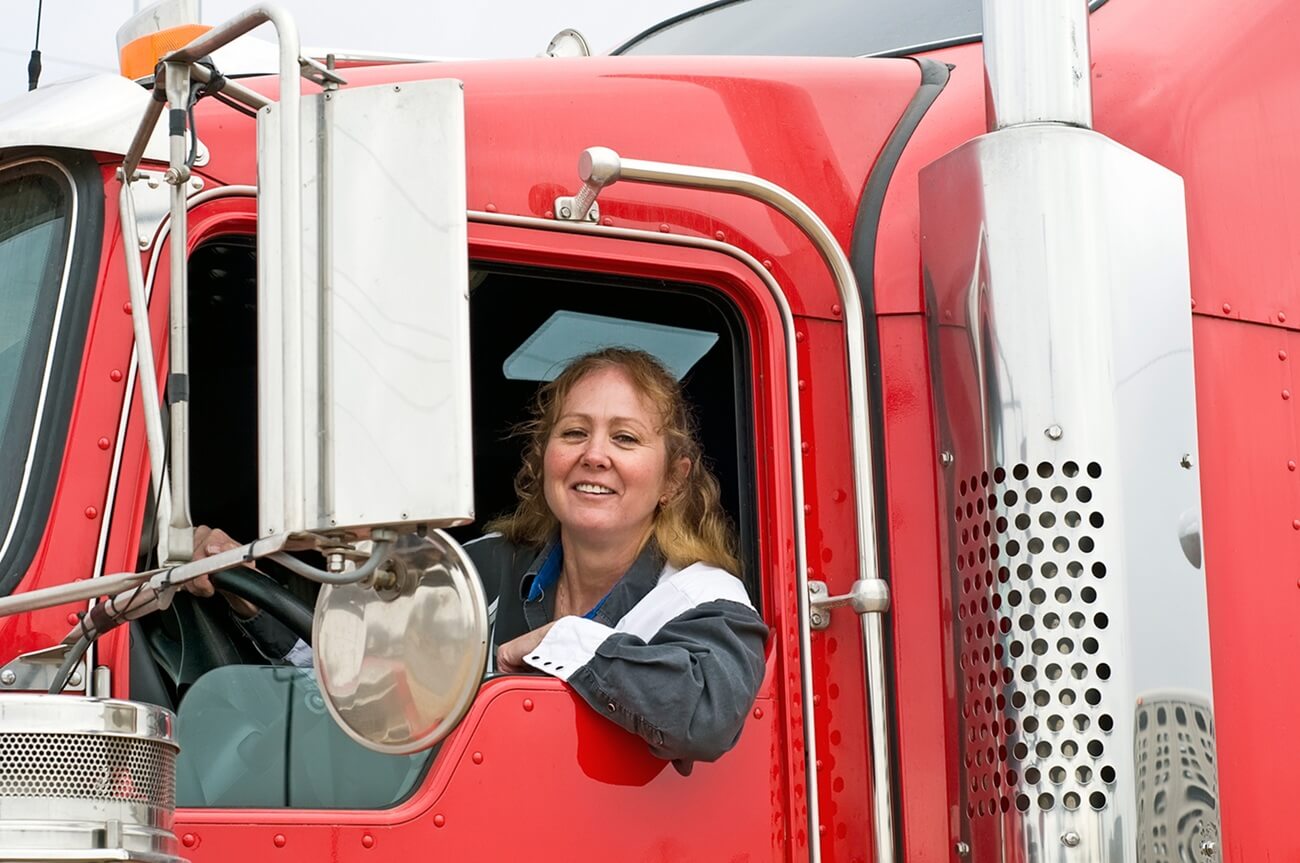
    female truck driver in a truck

    Compliance, Safety, and Accountability (CSA) is a crucial score that reflects your safety performance as a motor carrier. A high CSA score signals poor adherence to safety regulations and suggests a need for improvement. 

    If you want to build a reputation as a reliable truck driver who follows the rules, we’ve got some practical tips for you. The good news is that lowering your CSA score is entirely achievable with the right steps.

    Read on to learn more about what CSA is, the ideal score you should aim for, and how to improve it effectively.

    What Is a CSA score?

    A CSA score stands for Compliance, Safety, and Accountability. The Federal Motor Carrier Safety Administration (FMCSA) uses it to monitor and evaluate the safety performance of vehicle drivers. 

    Simply put, the CSA score is used to check how well you drive and how consistent you are with regulations set to prevent accidents on the road. 

    Your personal CSA score depends on the reports of crashes, inspections, and violations you’ve had. The lower the score is, the better your performance on the road is. 

    How to Check Driver CSA Score?

    You can access your CSA score through the FMCSA’s Safety Measurement System (SMS) website, where you need to log in with your USDOT number and PIN. 

    Next, you can check what CSA score you currently have, including any available reports of crashes, violations, and inspections. 

    If any of the reports have been filed incorrectly, you can dispute them through the DataQs system. 

    What Is a Good CSA Score?

    A “good” CSA score is one that stays as low as possible. There is no ideal number, except for the fact that it shouldn’t be high. The CSA score ranges from 0 to 100, so the closer your score is to zero, the better it is. 

    It is important to stick to regulations and safety on the road because you can potentially attract unwanted attention from the FMCSA and go through inspections or receive warnings if your CSA is above 65. 

    This is especially crucial for truck drivers who are looking for a new company to work for or have direct contact with clients. Both employers and clients can check your CSA score, which may play a negative role in your reputation and future business opportunities. 

    How to Lower Your CSA Score?

    Lowering your CSA score is possible, and here is how you can do it: 

    1. Regular Vehicle Inspection

    Performing thorough vehicle inspections before and after trips is critical. Regular inspections help catch maintenance issues early on, preventing violations during roadside checks. Ensure that all components—brakes, tires, lights, and coupling devices—are functioning properly and that your vehicle is road-ready before hitting the highway.

    1. Training and Education

    Ongoing training and education are key to maintaining safety standards. Both drivers and carriers should invest in regular safety training sessions to stay up-to-date on regulations, safe driving techniques, and how to handle roadside inspections.

    1. Quick Resolution of Violations 

    When violations do occur, addressing them promptly is crucial. Correct the issue as quickly as possible and ensure that it doesn’t happen again. You can monitor your records and make sure there are no incorrect reports added to your account. 

    1. Safety Protocols 

    Establishing strong safety protocols ensures drivers are well-prepared for the road. This includes planning for rest breaks and finding safe, comfortable places to park. Using services like Truck Parking Club allows drivers to locate verified parking spots with amenities like free showers, clean restrooms, and food options. 

    Having a restful place to stop can improve driver alertness and reduce the risk of fatigue-related incidents, ultimately helping to keep CSA scores low.

    1. Implement Technology Solutions 

    Leveraging technology can be a game-changer for improving your CSA score. Consider using Electronic Logging Devices (ELDs), telematics, and fleet management software to track driving behaviors, monitor vehicle maintenance, and ensure compliance with hours-of-service regulations. 

    Use different tools to help you track real-life data and make informed decisions any time of the day. 

    Final Words 

    Maintaining a good CSA score is essential for ensuring safety, staying compliant with regulations, and securing your reputation as a reliable trucker or motor carrier. A low CSA score reduces the risk of fines, penalties, and costly interventions while positioning your business as a trusted partner in the industry. 

    Using resources like Truck Parking Club not only provides drivers with restful places to stop but also helps ensure they’re well-rested and alert on the road—further supporting your goal of maintaining a strong CSA score. 

    By prioritizing regular inspections, training, prompt resolution of violations, and leveraging technology, you can keep your CSA score in check and stay on the road with confidence.

    The information published herein is for general informational purposes only. Truck Parking Club does not make any representations or warranties about the completeness, reliability, legality, and accuracy of this information. Any reliance placed on such material is strictly at the user’s own risk. Truck Parking Club shall not be responsible for any losses or damages incurred in connection with the information published herein.
  • Fall Trucking and Parking Safety Tips for Truckers

    Fall Trucking and Parking Safety Tips for Truckers

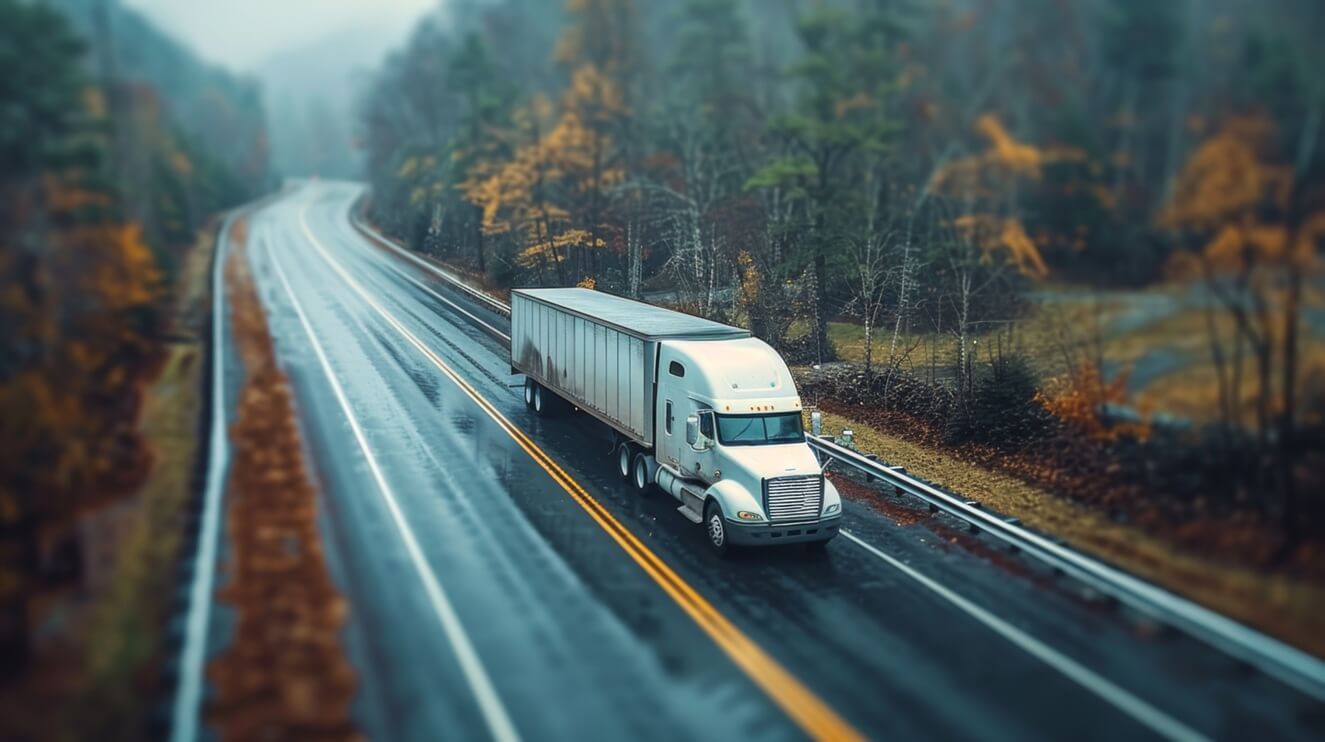
    Fall is a beautiful time to be on the road, but it comes with its own set of challenges for truckers. The crisp air, changing leaves, and shorter days are just the start of what you’ll be dealing with. If you’re not careful, fall can sneak up on you, bringing everything from slippery roads to sudden weather changes that can catch even the most seasoned drivers off guard.

    Whether you’re out on long hauls or just trying to find a safe spot to park for the night, these tips will help you prepare for the unpredictable fall month, especially when it comes to trucking and parking safely.

    1. Pre-Trip Inspections (Don’t Skip This Step!)

    Pre-trip inspections are always important, but in the fall, they become even more critical. The weather can change on a dime, and early morning frost, heavy rain, or even an early snowstorm can make the roads treacherous.

    So, before you set out on the road, inspect the following:

    • Tire Check: Good tread and proper inflation are key for traction, especially in wet and cold conditions. Make sure your tires are in top shape.
    • Brake Inspection: Colder weather can affect braking, and slick roads mean you’ll need your brakes to be spot-on.
    • Lights, Lights, Lights: With the days getting shorter, you’ll spend more time driving in the dark. Check all your lights—headlights, taillights, brake lights—to make sure you’re visible to other drivers.

    Taking the time for a thorough pre-trip inspection can save you a world of trouble. The extra 10 minutes you spend checking your rig can mean the difference between a smooth ride and a dangerous situation.

    2. Keep an Eye on the Weather

    Fall weather is anything but predictable. One minute, you’re cruising in perfect conditions, and the next, you’re driving through rain, fog, or even snow.

    Our advice? Well, first and foremost, stay updated on forecasts before you hit the road. Check the weather for your entire road and plan accordingly. 

    The second thing is to prepare for the unexpected. Even if the weather forecast seems fine, pack cold-weather gear, just in case. Blankets, gloves, and a good jacket should be in your truck by the time October rolls around. If you’re driving up north, it’s not a bad idea to have chains handy, too.

    Weather is one of the biggest wild cards in the fall. Being proactive can keep you ahead of the game. Be also sure to have a list of available nearby truck stops and parking lots, just in case. Our Truck Parking Club app will come in handy here. 

    3. Beware of Leaf-Covered Roads

    The sight of a road covered in colorful leaves might be beautiful, but don’t let it fool you. Leaves, especially when they’re wet, can be as slick as ice. They also tend to hide dangers like potholes, road debris, and animals.

    That said, slow down on leaf-covered roads. Take your turns slowly and carefully to avoid losing traction. Be also sure to watch for hidden hazards. Leaves can mask road damage, so don’t assume everything is clear under that colorful layer. Keep an eye out for any potential issues.

    4. Safe Parking in the Fall

    When you’re out on the road, finding a safe place to park can make a big difference, especially when fall weather starts acting up. Rain, wind, and even early snow can affect your parking options.

    If you’re tired of dealing with crowded truck stops or unsure about the conditions, consider using Truck Parking Club

    Our platform connects truckers with private truck parking owners so you can park in reliable, well-maintained areas without the hassle. Plus, you won’t have to worry about competing for space with other drivers or parking in unsafe conditions. 

    5. Adjust Your Driving Style for Fall Conditions

    Fall driving can be a lot trickier than the summer months. Roads are busier with back-to-school traffic and tourists checking out the fall foliage. Plus, with the weather shifting constantly, you’ve got to be ready to adjust how you drive.

    The three pieces of advice we can give are these:

    • Give Yourself Space: More cars on the road means more chances for sudden stops. Make sure you leave plenty of room between your truck and the vehicle in front of you.
    • Watch Out for Wildlife: Deer season is in full swing during fall, especially in October and November. They’re most active around dawn and dusk, so be extra cautious in those early and late hours.
    • Slow Down in Rain and Fog: When visibility drops, so should your speed. Slower speeds will give you more time to react if something happens, and they help prevent hydroplaning or skidding on wet roads.

    6. Get Ready for Winter (Yes, Already!)

    Fall is the perfect time to start prepping for winter. Don’t wait until the first snowstorm to make sure your rig is ready for colder weather.

    So, don’t try to be smart and winterize your truck early. Check your antifreeze, wiper blades, and heaters before the cold really hits. You’ll thank yourself later when the temperatures drop.

    Be also sure to inspect your tires if your routes take you through northern states. You might need to switch to winter tires sooner than expected.

    Packing some extra gear also won’t hurt. By the time fall rolls around, you should have cold-weather gear, extra food, and a first-aid kit in your truck. If you get stuck or stranded, having these supplies can be a lifesaver.

    7. Take Care of Your Health

    Fall isn’t just the start of cooler weather – it’s also flu season. Staying healthy is essential when you’re spending long hours behind the wheel.

    The easiest way to keep yourself warm and cozy is packing the right clothes.  Fall mornings can be freezing, but afternoons might warm up. Layering your clothes will help you stay comfortable no matter what the temperature.

    Also, remember to stay hydrated. It’s easy to forget to drink water when it’s cold out, but staying hydrated is just as important in fall as it is in summer. Keep healthy snacks on hand, too, to keep your energy levels up.

    Wrapping Up

    Fall is a great time to be out on the open road, but it brings its own set of challenges that require extra preparation and caution. From unpredictable weather and leaf-covered roads to finding the right parking spot, taking these steps can help you stay safe and stress-free during the season.

    So gear up, stay alert, and enjoy the ride! And remember, whenever you find yourself in the urgent need to find reliable truck parking, we’re here to help. Join our trucking community today, browse available spaces, and have peace of mind there’s always a spot for your rig, no matter the weather. 

    BECOME A TRUCKER MEMBER

    The information published herein is for general informational purposes only. Truck Parking Club does not make any representations or warranties about the completeness, reliability, legality, and accuracy of this information. Any reliance placed on such material is strictly at the user’s own risk. Truck Parking Club shall not be responsible for any losses or damages incurred in connection with the information published herein.