
Author: Evan Shelley

  • Pre-Road Checklist for Truckers: What to Check Before Hitting the Road

    Pre-Road Checklist for Truckers: What to Check Before Hitting the Road

    Every truck driver should prioritize caring for their vehicle, and a key part of that is performing a thorough pre-trip inspection. This, along with regular maintenance, ensures a smooth and safe drive while protecting both you and your cargo. 

    Plus, keeping your truck in top shape can help reduce insurance costs. In this article, we provide a comprehensive pre-trip inspection checklist to help you catch potential issues early. Bookmark this page and dive in to stay prepared for every journey!

    What Is a Pre-Trip Inspection?

    A pre-trip inspection is when you conduct a thorough examination of your vehicle right before hitting the road. The point of a pre-trip inspection is to find potential mechanical problems that may get you stuck in the middle of the trip. 

    In fact, truck drivers must record at least one pre-trip inspection a day, ensuring their truck is in good condition and doesn’t pose a risk to other drivers on the road. 

    Why Should You Have a Truck Driver Safety Checklist?

    There are numerous benefits of having a truck driver checklist, but one of the most important reasons is undoubtedly your safety. The earlier you learn about a mechanical problem, the sooner you will be back on track with your deliveries. 

    Other benefits include:

    • With a checklist, you can identify mechanical problems and reduce long and costly repairs, prevent delays, and get back to your family as soon as your shift is over. 
    • A pre-trip inspection is a regulation that you should adhere to, ensuring you do your job diligently. 
    • Each time you go through your checklist, you prevent breakdowns, and hence, your schedule remains the same. 
    • A pre-inspection ensures fuel efficiency is top-notch since your truck’s tires are well-inflated and the engine runs well. 

    Truck Driver Safety Checklist – A 15-Minut Pre-Road Inspection

    1. Tire Inspection

    Check tire pressure and tread depth on all tires. Ensure there are no visible cuts, bulges, or excessive wear that could compromise your safety on the road. Check if there are no foreign objects between the wheels that could pose a risk on the road. Note that insufficient threads may make it harder to control the steering, especially on wet or icy surfaces.  

    1. Lights and Reflectors Check 

    Test all lights, including headlights, brake lights, turn signals, and reflectors. Make sure they are clean, functional, and bright enough to ensure visibility. Reflectors should be free of any cracks and debris. 

    1. Brake Check 

    Inspect the brakes by ensuring proper air pressure levels, checking for worn pads, and testing the brake system’s responsiveness to avoid any unexpected issues. If possible, take a slack adjuster to check the correct adjustments of the brakes and inspect whether brake linings are of the correct thickness. Don’t forget to check the airlines for any visible damage or leaks. 

    1. Engine Check

    Examine the engine for any signs of leaks, frayed belts, or loose hoses. Ensure the engine starts smoothly and there are no unusual sounds or odors. If you know your way around the engine, you can look under the hood and check other components like the radiator, water pump, belts, etc. 

    1. Windshield Condition 

    Inspect the windshield for cracks, chips, or debris that could obstruct your view. Ensure windshield wipers are in good condition to handle inclement weather. Make sure to replace worn-out wipers, as they will significantly reduce visibility during rainy or snowy days. 

    1. Fluid Inspection

    Check all essential fluids, including engine oil, coolant, brake fluid, and windshield washer fluid. Top off any low levels to prevent breakdowns or malfunctions. Don’t skip this step because, as you know well enough, low fluid levels may cause system failure, which you surely want to avoid when driving long-distance. 

    1. Trailer Coupling

    Always ensure and double-check that your trailer is securely coupled to the truck. Check the locking mechanisms, chains, and connections to guarantee they are secure and working properly. 

    1. Presence of Safety Equipment 

    Each truck should always have the necessary safety equipment, such as fire extinguishers, flares, first-aid kit, and emergency reflectors, all in good condition and easily accessible. We are sure you are an experienced driver, but the road conditions (or other drivers’ conditions) may always surprise you, even if you have driven the same route many times.

    1. Cabin and Trailer Check 

    Inspect the cabin and trailer interior for any loose items that could shift during transit. Don’t forget to also check the mirrors and smaller things like seat belt, seat position, steering wheel, etc. These little details can seem strange for your check since you will be using them when driving – however, ensuring everything works perfectly will save you a ton of time when you leave for your destination.

    Trailer is another part of the checklist you shouldn’t ignore. Make sure to secure all cargo and ensure load distribution is balanced. If the cargo hasn’t been loaded, spend a few minutes looking for holes, bents, or cracks in the trailer. 

    1. Lodge to Rest

    What any truck driver knows better than any other casual car traveler is that reserving a place to rest is a must before you hit the road. When you’re ready to rest, use Truck Parking Club to easily find a parking spot for an hour, a day, or even book a spot for the entire week or month. Prioritize comfort with verified locations designed to meet your needs with various amenities.

    Stay Safe and Prepared on Your Journey 

    Follow our 15-minute pre-road checklist and ensure that every trailer you drive is road-ready and secure. It takes only 15 minutes to minimize the risk of breakdowns and incidents on the road. 

    And if you ever find it hard to complete the final step, register at Truck Parking Club to become a Trucker Member of our community. Search for available truck parking lots for free and plan ahead with ease! 

    The information published herein is for general informational purposes only. Truck Parking Club does not make any representations or warranties about the completeness, reliability, legality, and accuracy of this information. Any reliance placed on such material is strictly at the user’s own risk. Truck Parking Club shall not be responsible for any losses or damages incurred in connection with the information published herein.
  • Biggest Truck Stops in the US

    Biggest Truck Stops in the US

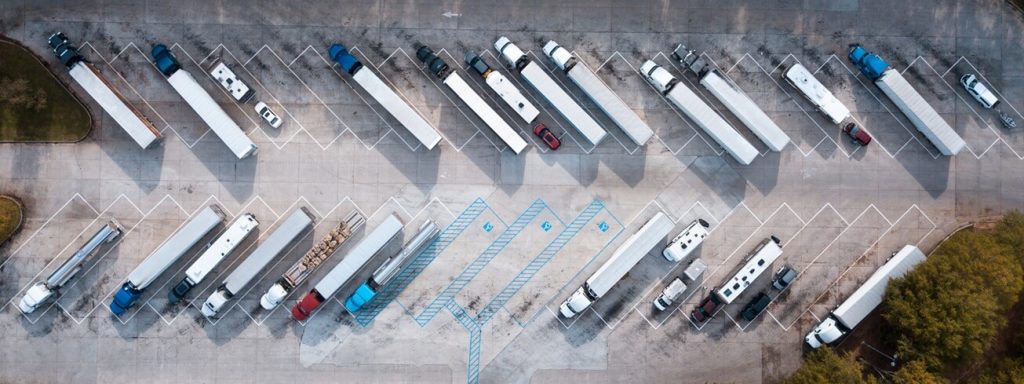
    When you’re on the road for hours, the best truck stops in the US can feel like a second home. Let’s see some of the biggest truck stops in the US that offer exceptional services and amenities, making them the top truck stops in the US.

    Iowa 80 Truck Stop, Walcott, Iowa

    Known as the “World’s Largest Truck Stop,” Iowa 80 is a must-visit. It offers amenities like a dentist, barbershop, movie theater, and trucking museum. Here, you can take care of personal needs and enjoy some downtime, making it one of the best truck stops in the US.

    Jubitz Travel Center, Portland, Oregon

    The Jubitz Travel Center provides luxury accommodations in Portland, including a hotel, cinema, lounge, and a full-service truck maintenance shop. It’s a stop where you can rest comfortably and ensure your rig is in top condition, solidifying its place among the top truck stops in the US.

    Petro Truck Stop, Reddick, Florida

    Renowned for its extensive parking and variety of dining options, the Petro Truck Stop in Florida includes a fitness center and laundry facilities. It caters to your well-being on the road and is considered one of the best truck stops in the US for its comprehensive services.

    Whiskey Pete’s, Primm, Nevada

    Whiskey Pete’s combines a truck stop with a casino resort, offering entertainment and dining all in one place—a perfect spot to unwind after long hours of driving. Its unique blend of services makes it one of the biggest truck stops in the US in terms of offerings.

    South of the Border, Hamer, South Carolina

    This unique stop in South Carolina features amusement attractions, overnight parking, and multiple restaurants. It’s one of the top truck stops in the US, where you can take a break from the monotony of the road and enjoy some fun activities.

    Benefits of Stopping at the Largest Truck Stops in the US

    Visiting the biggest truck stops in the US provides you with comprehensive services all in one location. You can fuel up, enjoy a hearty meal, rest in comfortable facilities, and take care of vehicle maintenance without making multiple stops. 

    These truck stops often have showers, laundromats, and rest lounges, ensuring you have everything you need to stay refreshed and alert. They also offer opportunities for community and networking. 

    You can meet fellow truckers, share experiences, and even participate in trucker events and promotions. Safety and security are prioritized, with well-lit parking areas and security patrols giving you peace of mind while you rest.

    How to Find Accurate Information on Truck Stops Online

    In today’s digital age, finding accurate information about the best truck stops in the US is at your fingertips. By utilizing our trusted platform and app dedicated to truck stop information, you can access up-to-date listings for amenities and services. 

    Reading reviews and ratings from other truckers provides valuable insights into their experiences, helping you make informed decisions about where to stop. Planning is essential. 

    By mapping out your route with planned stops, you avoid surprises and ensure that the truck stops you choose meet your needs. Confirming details beforehand saves you time and reduces stress on the road.

    Why Choose Private Parking Lots Over Traditional Truck Stops

    Private parking lots offer a range of benefits that traditional truck stops often can’t match. One of the biggest advantages is guaranteed availability. 

    With private parking, you can reserve your spot ahead of time, avoiding the frustration of arriving at a fully occupied truck stop after a long day on the road. Time efficiency is another key benefit, as you can head directly to your reserved spot without wasting time searching for parking.

    Security is also enhanced, as many private lots offer controlled access and are monitored, ensuring the safety of your vehicle and cargo. Additionally, private lots often provide cost-effective options, especially if you do not need all the extra amenities traditional truck stops offer.

    Let’s Help You Find the Ideal Truck Stop

    At Truck Parking Club, we believe in connecting you—whether you’re a trucker or a property member—to create a seamless parking experience. If you have any questions regarding your booked space, we encourage you to contact your host directly using the provided number; they’re trusted partners ready to assist you. 

    We’re here for you throughout the process. If you encounter any issues or have additional reservation inquiries, please contact us at (888) 899-7275 or through our online contact form

    Together, we’re enhancing the journey for everyone on the road by taking care of your parking needs so you can focus on what you do best.

    The information published herein is for general informational purposes only. Truck Parking Club does not make any representations or warranties about the completeness, reliability, legality, and accuracy of this information. Any reliance placed on such material is strictly at the user’s own risk. Truck Parking Club shall not be responsible for any losses or damages incurred in connection with the information published herein.
  • Landslides are a threat to US infrastructure and safety. Here’s where they pose the biggest threat.

    Landslides are a threat to US infrastructure and safety. Here’s where they pose the biggest threat.

    Home destroyed by a landslide.
    IrinaK // Shutterstock

    Landslides are a threat to US infrastructure and safety. Here’s where they pose the biggest threat.

    Hurricane Helene wrought devastation across the Southeast. The storm’s high winds and flooding killed more than 230 people, and the damage to property, infrastructure, and other economic impacts is estimated to be worth tens of billions of dollars.

    But heavy rains and destructive winds weren’t the only natural disasters out in force: The hurricane also activated nearly 2,000 landslides, of which over half have impacted roads, rivers, and structures, according to early estimates.

    Even on their own, landslides are a deadly and costly natural disaster. There were 310 fatal landslides globally in the first half of 2024 alone, which killed 2,315 people—unusually high numbers compared to previous years. In the U.S., 25 to 50 people on average are killed by landslides each year, according to the Department of Interior.

    Landslides from Hurricane Helene alone killed 20 people in North Carolina, which endured the worst of the storm’s landslides. A combination of fast-moving mud and water destroyed roads, rail links, water access, homes, and businesses across the state.

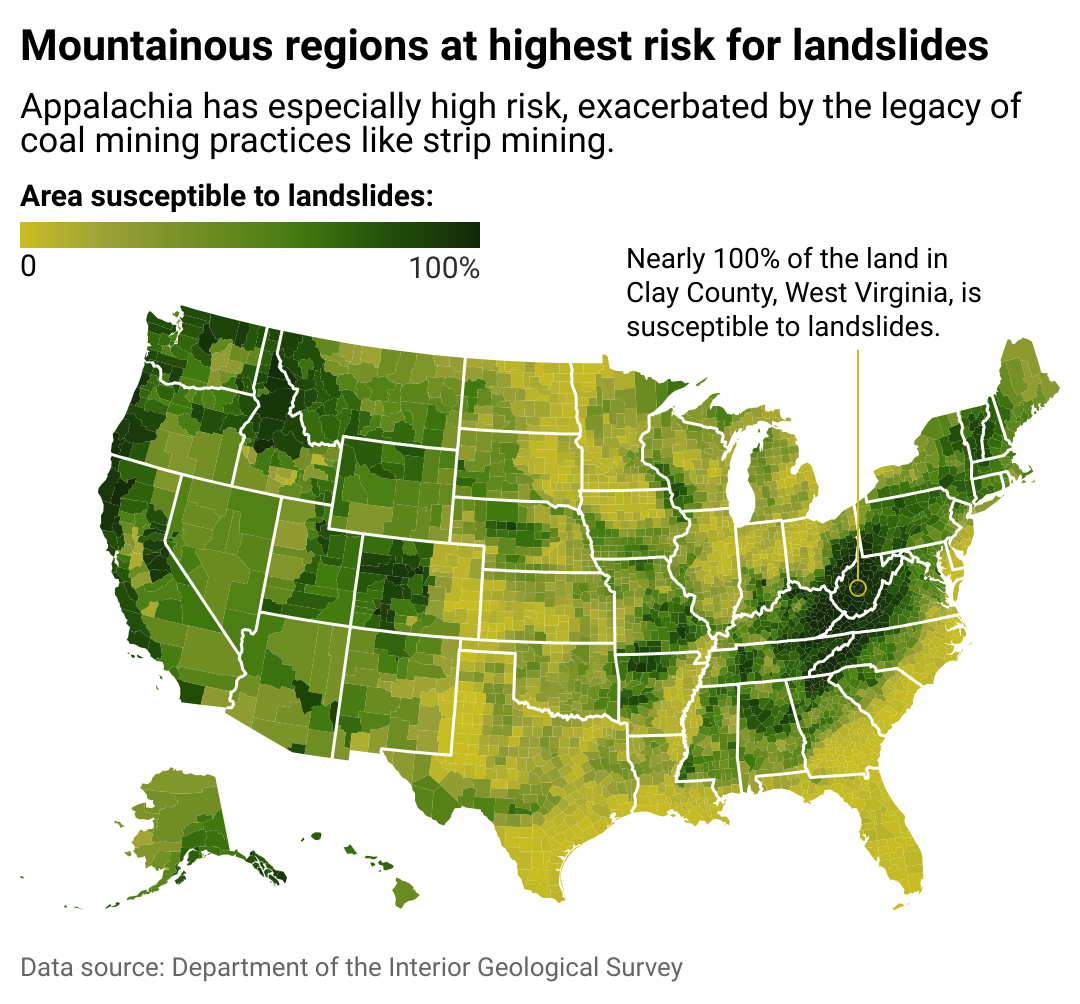
    As climate change strengthens hurricanes and increases the frequency and severity of extreme rain events, the risk of landslides is also rising. To get a clearer picture of where the risk is greatest, Truck Parking Club mapped county-level data from the Department of the Interior Geological Survey, published in September 2024. Counties are displayed by the share of their land area that is susceptible to landslides.

    PARK YOUR TRAILER WITH NO HASSLE

    Store your trailer in a safe place with a state-of-the-art platform that locates trailer parking near me.

    A heat map showing the share of land in each U.S. county that is susceptible to landslides.
    Truck Parking Club

    Counties within mountain ranges have high landslide susceptibility

    A landslide occurs when rock, debris, or earth moves down a slope. Inclines like hills and bluffs are a critical component of slides, meaning mountainous regions are at higher risk. Typically, landslides are triggered by other forces like heavy rainfall, snowmelt, earthquakes, volcanic activity, human activities, or some combination of factors. They’re often impossible to predict.

    According to the Geological Survey, places where weak or fractured earth materials sit on steep slopes are likely to experience landslides—for example, areas with a history of strip mining. In Appalachia, about 1,400 square miles of land are scarred by strip mining within the Ohio River basin, according to an Inside Climate News analysis of satellite imagery. Together, the “waste rock” left behind, increasing stream flows, and heavy rainfalls brought on by climate change create a deadly recipe for landslides. This part of Appalachia is also near the Gulf of Mexico, where fast-warming waters stir up exceptionally wet and fast-growing storms, as was the case with Hurricane Helene.

    FIND DAILY, WEEKLY, AND MONTHLY TRUCK PARKING

    On the road and looking for a daily truck parking space? Operated by truckers, we source the best parking spots across the nation to ease your trip planning.

    Combined, these elements create the highest vulnerability to landslides in the region. Much of West Virginia, in particular, is at risk: In 47 of the state’s 55 counties, more than 90% of the land is susceptible to slides. Parts of Virginia, Kentucky, Ohio, Tennessee, and North Carolina are also exceedingly vulnerable.

    The California coast has also been plagued by high-profile landslides. Earlier this year, a rockslide destroyed part of Highway 1 along the state’s famed Big Sur. The earth below the highway isn’t sturdy, and wetter storms are further weakening it and contributing to more frequent and severe landslides. It’s an iconic road trip and tourism destination, where the highway winds along cliffs above the Pacific Ocean, but it was forced to close to most traffic and still offers just one lane of traffic at some points.

    Other landslide risk factors include population growth, rapid land use changes, urbanization, heavy logging and deforestation, and inappropriate use of lands—slopes in particular. Wildfires also generate landslide hazards, leaving behind excess debris to get dragged down during floods, as Big Sur has experienced.

    The heightened frequency and severity of landslides are a direct consequence of logging, mining, and climate change, with massive repercussions for safety and critical infrastructure in the U.S. and across the world.

    Hazard maps like those from the Geological Survey are a tool that federal, state, and local governments can use to identify landslide vulnerabilities and prepare for them. Preparation and mitigation efforts might include landslide drills, evacuation plans, improved drainage systems, and slope stabilization. Governments in susceptible areas can adopt disaster-resilient building codes and standards, as well as restrictions on mining and logging.

    In some cases, such as Highway 1, there are no conceivable solutions to fully protect against landslides. Still, with increased awareness and response plans, people can make more informed decisions on where to live (or safely visit) and can prepare themselves for landslides and their aftermath.

    PREVIOUSLY INACCESSIBLE TRUCK PARKING

    Take care of your truck and trailer parking needs with new locations added daily. 

    Story editing by Carren Jao. Additional editing by Kelly Glass. Copy editing by Tim Bruns. 

    Written by: Paxtyn Merten

  • Truck Routing & Parking Guide for Fleet Owners

    Truck Routing & Parking Guide for Fleet Owners

    Truck routing is a crucial aspect of truck driving. It ensures you plan your route efficiently with scheduled stops for rest and refueling. By selecting the right highways and choosing reliable parking lots, you can help ensure timely deliveries with minimal delays. Whether you’re an independent driver or working for a company, effective truck routing, and parking are responsibilities that directly impact your success.

    This guide covers essential tips and strategies for improving your truck routing and parking, helping you boost your reliability and reputation in the industry.

    What Is Truck Routing and Parking?

    Truck routing and parking differ significantly from planning a car trip. While personal vehicles can travel on most roads, trucks face unique restrictions and regulations. When planning a truck route, drivers must consider road limitations, weight restrictions, and legal regulations that dictate where and how trucks can travel.

    The goal is to choose the safest and most efficient route to ensure the timely delivery of cargo. Given that trucks vary in size and type, drivers must account for height, weight, and speed restrictions, as well as the necessity of scheduled breaks to stay alert and comply with safety standards.

    How to Plan Truck Routes Effectively 

    Most commercial truck drivers rely on route planning software that factors in the truck’s specifications and cargo load to determine the optimal route. These platforms are user-friendly and save valuable time, allowing drivers to focus on essential inspections and preparations.

    Truck planning apps use real-time data to account for various factors like road conditions, traffic, and weather, helping drivers choose the best possible route. Additionally, many of these tools let you personalize preferences, such as avoiding congested roads or setting estimated delivery times.

    However, one limitation of some of these apps is the lack of parking information. Many can’t provide details on operating truck parking lots, including spot availability, prices, and amenities. Fortunately, there’s a solution, which we’ll explore later in this article.

    Tips to Improve Your Truck Routing and Parking 

    These tips will help you improve your truck route planning skills and ensure you always have a place to rest while on the road:

    1. Use Truck Parking Club: Our intuitive application provides effective parking solutions across states that allow truckers to find a parking lot packed with amenities to meet their comfort needs and budget. 
    2. Consider vehicle specifications: When planning routes, always account for your truck’s size, weight, and height restrictions. This ensures that you avoid obstacles like low-clearance bridges or weight-limited roads, which can cause costly detours and delays.
    3. Optimize fuel consumption: Effective route planning allows you to reach your destination on time or even earlier while minimizing fuel usage. Route planning software can identify the best roads to avoid traffic and reduce delays, helping you save fuel and time.
    4. Monitor real-time traffic conditions: It’s worth investing in an application that detects congested roads and reroutes your map so that you don’t waste your time in a traffic jam. 
    5. Always check your routes: Even if you’re familiar with a route, it’s essential to review it regularly for potential changes or unexpected road conditions. Adopting a flexible approach allows you to adjust your route when necessary, ensuring smoother travels when your usual path encounters issues.

    Why Should You Prioritize Truck Routing and Parking?

    Truck routing and parking are about much more than just finding your way. Proper planning ensures that your truck stays on safe, accessible roads, allowing you to optimize fuel consumption, avoid rough terrain that can damage your vehicle, and, most importantly, safeguard both yourself and your cargo. But are those the only benefits? Not really: 

    • Truck routing can save you costs on fuel by avoiding busy roads 
    • You can enhance your comfort by knowing where to stop for a break and where the road conditions are adequate. 
    • You can increase efficiency and your reputation by cutting down on mileage and fuel costs while delivering cargo on time. 

    Commercial Truck Routine Made Simple 

    Simplifying truck routing is essential for improving the overall performance of your fleet. With tools like Truck Parking Club and route optimization software, planning routes and parking stops has never been easier. 

    By prioritizing safety, efficiency, and convenience, you ensure that you are supported, your deliveries are on time, and your reputation as a reliable carrier is solidified.

    Become a Trucker Member today and unlock the full range of benefits tailored to make your journey smoother and more efficient!

    The information published herein is for general informational purposes only. Truck Parking Club does not make any representations or warranties about the completeness, reliability, legality, and accuracy of this information. Any reliance placed on such material is strictly at the user’s own risk. Truck Parking Club shall not be responsible for any losses or damages incurred in connection with the information published herein.

  • Best US Truck Freight Corridors & How to Find Truck Parking Throughout Them

    Best US Truck Freight Corridors & How to Find Truck Parking Throughout Them

    You’re the unsung hero powering America’s economy, tirelessly steering through the nation’s busiest freight corridors to keep goods moving and shelves stocked. 

    Yet, despite conquering countless miles along these vital trucking corridors, you often face a familiar roadblock: finding safe and reliable truck parking when you need it most. We understand that the open road brings enough challenges without the stress of hunting for a resting place. 

    That’s why we’re here—to guide you through the best US truck freight corridors and how to find convenient truck parking throughout them. Let us help make your journeys smoother, your stops easier, and your hauls more profitable.

    The Benefits of Navigating Top Freight Corridors

    Choosing suitable freight corridors can transform your trucking experience. Focusing on the most efficient routes reduces transit times, allowing you to complete deliveries faster and take on more jobs. 

    This efficiency not only satisfies clients but also boosts your earnings. Fuel efficiency is another advantage; well-planned routes on major trucking corridors mean fewer detours and less idling, saving you money at the pump. Access to high-demand markets is a significant benefit of these key freight corridors. 

    You’ll find increased freight opportunities with better rates because of the volume of goods moving along these paths. Improved safety and infrastructure are also hallmarks of top trucking corridors.

    Well-maintained roads minimize wear and tear on your vehicle, and the abundance of services—like repair shops and rest areas—means you’re never far from assistance when needed.

    Top US Freight Corridors with Reliable Truck Parking Options

    Let’s explore some of the most significant freight corridors in the US and how you can find truck parking along them.

    I-95 Freight Corridor

    Running along the East Coast from Maine to Florida, I-95 is one of the busiest trucking corridors in the country. You encounter a diverse range of climates and traffic conditions. Finding truck parking here can be competitive due to heavy traffic. 

    Using our intuitive app, you can find many truck parking stops along the route where you can recharge your batteries and spend time well. 

    I-40 Freight Corridor

    Connecting the East and West from North Carolina to California, I-40 offers a cross-country journey with scenic views and ample parking in rural areas. Weather conditions can vary, especially in mountainous regions. 

    Our platform provides updates on real-time weather and parking availability, ensuring you’re prepared for any situation.

    I-10 Freight Corridor

    Stretching from Florida to California along the southern border, I-10 is ideal for avoiding harsh winter weather. With numerous 24-hour truck stops, you have flexibility in planning your rest breaks. 

    Truck Parking Club can assist you in identifying the best parking locations so you spend less time searching and more time moving.

    I-80 Freight Corridor

    Spanning from New York City to San Francisco, I-80 is a vital link between the East and West. Large rest areas in Midwestern states offer plenty of parking options. Seasonal closures can occur, so staying informed is crucial. 

    We provide the latest information on road conditions and parking, keeping your journey along this freight corridor smooth and efficient.

    I-70 Freight Corridor

    Running from Maryland to Utah, I-70 is another essential trucking corridor. Frequent rest stops with amenities make it convenient for long hauls. 

    Road work and closures are typical, so real-time updates are invaluable. Our services keep you informed about the best parking options and any potential delays.

    How to Find Accurate Information on Truck Parking Along Freight Corridors

    yellow and black truck parked in a lot

    Finding accurate and up-to-date information on truck parking is essential for a successful trip along these freight corridors. While official Department of Transportation websites provide some details, they often lack real-time updates. Browsing trucking forums and blogs can offer insights, but information can be outdated or unreliable. 

    That’s where we come in. At the Truck Parking Club, we specialize in providing you with the most current and accurate information on truck parking lots so that you can reserve a spot and drive knowing you have a guaranteed place to rest. 

    Our user-friendly platform lets you quickly locate available parking spots, saving time and reducing stress. Using our services lets you find parking and become part of a community. 

    Connect with other drivers, share experiences, and gain valuable insights that enhance your journey along these freight corridors.

    Discover the Best Truck Freight Corridors

    Navigating the nation’s top freight corridors doesn’t have to be daunting. You can make your journeys more efficient and less stressful with the right resources. 

    Whether you’re a trucker member seeking reliable parking along busy trucking corridors or a property member offering spaces, we’re here to support you every mile of the way. 

    The information published herein is for general informational purposes only. Truck Parking Club does not make any representations or warranties about the completeness, reliability, legality, and accuracy of this information. Any reliance placed on such material is strictly at the user’s own risk. Truck Parking Club shall not be responsible for any losses or damages incurred in connection with the information published herein.

  • Best & Worst States to Drive & Park In: A Quick Guide for Truckers

    Best & Worst States to Drive & Park In: A Quick Guide for Truckers

    Curious if your state ranks among the best or worst for working in the trucking industry? If you’re a seasoned driver who’s logged countless miles across the country, you might have a hunch about which states are top contenders. But the actual results could surprise even you! 

    There are numerous factors, from road quality to regulatory policies, that impact a state’s rank. Keep reading to see if your state makes the list, and discover what makes these rankings stand out in the trucking world. Stay tuned for the details!

    10 Best States to Drive Through

    By analyzing various states, we have understood that it is quite difficult to identify the 10 best states to drive through because each offers different benefits. First, we want to highlight what are the best states overall, and then further group them by different factors. This way, you will have a good idea if you are lucky enough to be working in those regions. 

    Here is our list of the top 10 states truckers love driving through

    1. Texas 

    Known for its extensive roadways and large trucking hubs, Texas offers smooth routes and diverse landscapes that make long hauls more enjoyable. In addition, Texas boasts a large number of truck parking lots, high-speed limits, and lots of restaurant choices for late-night drivers. 

    1. Montana

    With its open roads and stunning mountain views, Montana provides truckers with a tranquil driving experience and plenty of space. This is exactly why truck drivers love driving through Montana; however, they can’t say the same about driving through the state in winter. 

    1. Arizona

    Arizona’s well-maintained highways and picturesque desert scenery make it a favorite for truckers looking for a mix of efficiency and beauty. Overall, it is quite easy to drive through Arizona with occasional bumpy roads. 

    1. Oregon

    Featuring scenic routes like the I-84 along the Columbia River, Oregon offers truckers a pleasant drive through lush forests and coastal views. Apart from picturesque views, Oregon is famous for its kept roads, which make it a breeze to drive long distances. 

    1. Virginia

    Virginia’s mix of rolling hills and well-planned routes make it a smooth ride for truckers, with easy access to major East Coast destinations. Apart from being banned from driving through the Blue Ridge Parkway, truckers can enjoy smooth roads near it with a great view of the mountains. 

    1. Colorado

    Known for its mountainous terrain and breathtaking landscapes, Colorado provides a challenging yet rewarding driving experience with beautiful views. Despite being difficult and somewhat dangerous to drive in bad weather, Colorado provides truckers with plenty of parking lots and food options. 

    1. Florida

    Florida’s flat and straight highways, combined with its warm weather, make for a comfortable and easy drive, particularly during the winter months. Moreover, Florida offers many truck parking stops for those who want to take a break and enjoy the warm sun of the Sunshine State. 

    1. Utah 

    Utah’s expansive highways and dramatic desert landscapes offer truckers a unique and enjoyable drive, with well-maintained roads throughout. Although it may get challenging to drive in winter, the roads are well-kept and ploughed throughout the seasons. 

    1. Nebraska

    With its long, straight roads and minimal traffic congestion, Nebraska provides a straightforward and efficient driving experience for truckers.

    1. Wyoming

    Wyoming’s wide-open spaces and scenic highways make it a favorite for truckers who appreciate a clear, unobstructed drive and breathtaking natural beauty. 

    5 States with Least Congested Roads 

    If you prefer to avoid traffic jams and enjoy open roads, you’ll appreciate the free-flowing routes in these states:

    • North Dakota
    • South Dakota 
    • Montana 
    • Nebraska
    • Wyoming 

    5 States with the Least Expensive Prices 

    On a tight budget? You’ll find affordable prices in these states:

    • South Dakota
    • Nebraska
    • Wisconsin
    • New Hampshire
    • North Dakota

    5 States with the Most Truck Parking Lots 

    You never have to worry about finding an available truck parking slot in: 

    • Idaho 
    • California 
    • Florida
    • Georgia 
    • Tennessee

    10 Worst States to Drive Through

    Here is our list of the top 10 states truckers love driving through

    1. New York

    Heavy traffic and poor road conditions, especially around New York City, create a stressful and challenging environment for truckers. 

    1. California

    With slow speed limits, strict regulations, and constant traffic congestion, California is notorious for its difficult driving conditions.

    1. New Jersey

    Endless traffic backups on routes like the New Jersey Turnpike make it a frustrating state for truckers with heavy loads.

    1. Michigan

    Worn-down roads filled with potholes and harsh winters make Michigan a tough state for truckers to navigate.

    1. Illinois 

    Chicago’s intense traffic and potholes, combined with harsh winters, pose significant challenges for truck drivers.

    1. Pennsylvania 

    Steep, uphill routes and icy roads in winter make Pennsylvania’s routes difficult and somewhat dangerous for truckers.

    1. Washington 

    Gloomy, wet weather and icy, winding roads create dangerous driving conditions for truckers in Washington State.

    1. Indiana 

    Neglected roads and frequent potholes in Indiana can cause vehicle damage and make driving challenging for truckers.

    1. Rhode Island

    Poor infrastructure and frequent road issues make Rhode Island a problematic state for long-distance trucking.

    1. New Mexico

    Hazardous driving conditions in New Mexico, including isolated stretches and unpredictable weather, can be dangerous for truckers.

    5 States with Most Congested Roads 

    If you are about to cross these states, you should get ready to spend some time in traffic jams:

    • New Jersey 
    • Maryland 
    • California 
    • Florida 
    • Massachusetts 

    5 States with the Most Expensive Prices 

    Planning a route through these states? It’s wise to budget more for expenses:

    • Maryland 
    • Oregon
    • New York
    • Florida
    • California 

    5 States with the Least Truck Parking Lots 

    When driving through the following states, booking your slot in a truck parking lot is a must: 

    • Alaska
    • Oregon
    • Connecticut
    • West Virginia
    • Maine

    Improve Your Driving Experience with Truck Parking Club

    Navigating the complexities of truck routing and finding secure parking can significantly impact your driving experience. With Truck Parking Club, you can streamline your journey by accessing a comprehensive network of parking lots across the states. 

    Moreover, you can book in advance to ensure you have a guaranteed spot, allowing you to focus on the road with peace of mind. 

    Register as a Trucker Member to elevate your driving experience and enjoy the convenience Truck Parking Club offers.

    The information published herein is for general informational purposes only. Truck Parking Club does not make any representations or warranties about the completeness, reliability, legality, and accuracy of this information. Any reliance placed on such material is strictly at the user’s own risk. Truck Parking Club shall not be responsible for any losses or damages incurred in connection with the information published herein.
  • Overcapacity and the Truck Parking Shortage: Dual Challenges Facing the Trucking Industry

    Overcapacity and the Truck Parking Shortage: Dual Challenges Facing the Trucking Industry

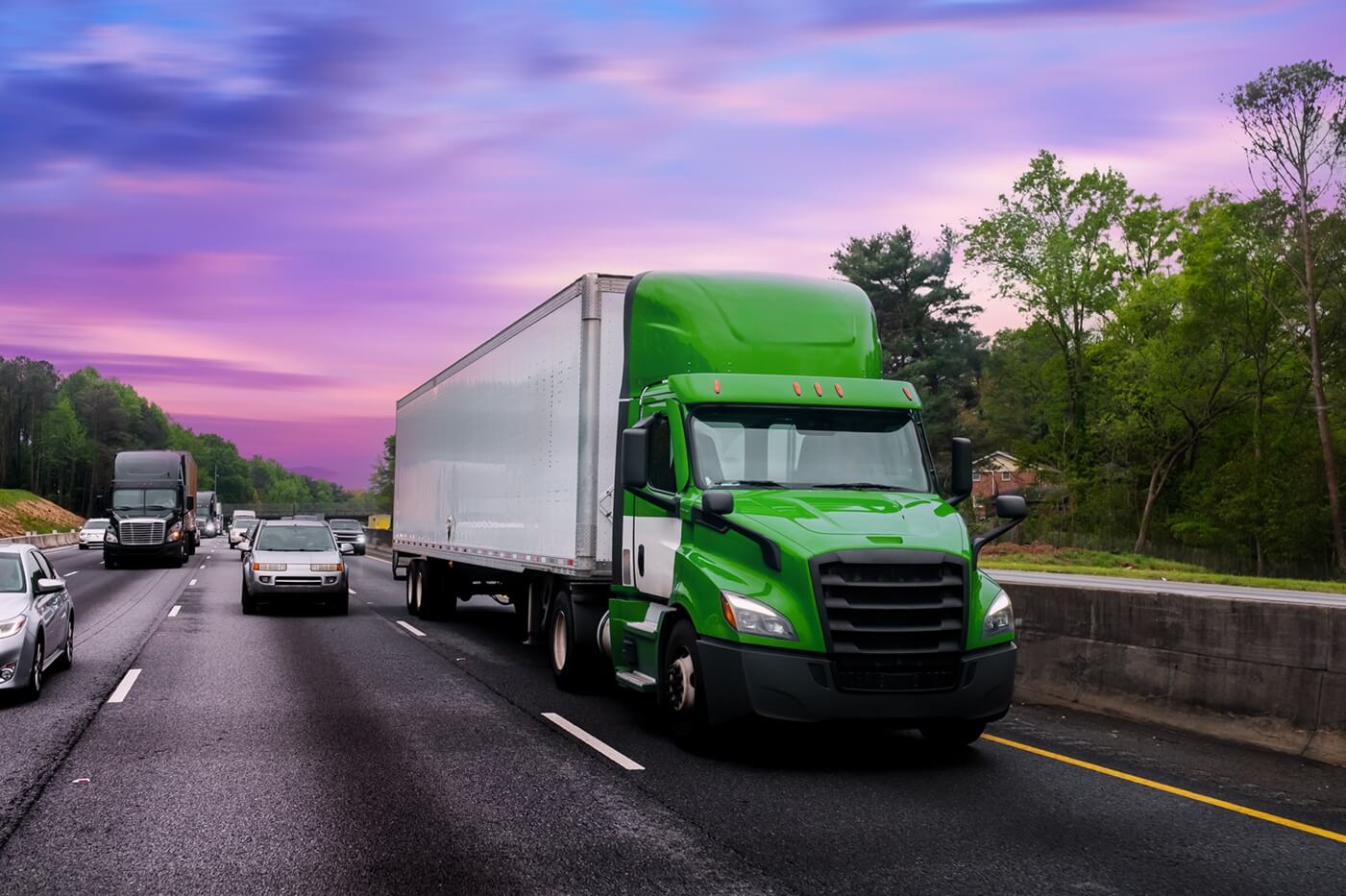
    semi trucks on a highway

    The trucking industry in North America is facing a confluence of challenges that threaten to disrupt the supply chain and impact operations’ safety and efficiency. 

    According to Trimble’s latest Transporeon report, overcapacity remains a critical issue, exacerbated by the ongoing nationwide truck parking shortage. The growing trend of nearshoring operations to Mexico also adds fuel to the ongoing discussion around the state of the US trucking industry. 

    These dual challenges strain the industry and highlight the need for urgent solutions to ensure the continued flow of goods across the continent.

    Overcapacity: A Persistent Issue

    The Transporeon report, released in August 2024, sheds light on the current state of the truckload transportation sector. 

    It reveals that overcapacity continues to plague the industry, with the number of new carriers entering the market during the pandemic creating an oversupply that has yet to stabilize. Despite a decline in new carrier registrations from the peak in March 2022, the levels remain above pre-2020 averages, leading to increased competition and downward pressure on rates.

    This oversupply of capacity, combined with relatively weak domestic manufacturing demand, has created a challenging environment for carriers. The report emphasizes that while imports saw a solid increase in early 2024, freight demand has not kept pace, further intensifying the overcapacity issue.

    The Truck Parking Shortage: A Growing Concern

    While overcapacity presents one set of challenges, the nationwide truck parking shortage adds another layer of complexity to the trucking industry’s woes. 

    The lack of safe and accessible parking has been a long-standing issue that impacts not only truck drivers but also public safety. With more trucks on the road due to overcapacity, the demand for parking has only increased, exacerbating the shortage.

    Truck drivers often face the difficult choice of parking in unsafe locations or continuing to drive while fatigued, risking violations of federal hours-of-service regulations. 

    Nearshoring to Mexico: Shifting Dynamics in Supply Chain

    The report also highlights another significant trend impacting the trucking industry: nearshoring to Mexico. As companies seek to mitigate supply chain risks and reduce reliance on China, Mexico has emerged as a key source of U.S. imports. 

    This shift has led to increased cross-border trucking activity, with over 7.35 million trucks entering the U.S. from Mexico in 2023, marking a 1.4% increase from the previous year.

    The growing importance of Mexico as a manufacturing and distribution hub is expected to continue, with significant investments being made in industrial infrastructure. However, this increased cross-border activity further strains the already limited truck parking infrastructure, particularly in border states like Texas, where the port of Laredo saw nearly 3 million incoming trucks from Mexico in 2023.

    Addressing the Dual Challenges: A Path Forward

    The dual challenges of overcapacity and the truck parking shortage require a coordinated and comprehensive approach. 

    The trucking industry must work with policymakers to address these issues, including the passage of legislation like the Truck Parking Safety Improvement Act, which aims to expand truck parking capacity across the country. 

    Moreover, the industry must continue to monitor and adapt to shifting supply chain dynamics, particularly the rise of nearshoring to Mexico. By recognizing these trends and investing in the necessary infrastructure, stakeholders can help ensure the long-term sustainability of the truckload transportation sector.

    This is something that Truck Parking Club has been advocating for years. Standing at the forefront of the truck parking industry, TPC has become the beacon for truckers seeking reliable parking spots in the US.

    Join our community today and connect with private truck parking owners across the country to ensure you always have a spot to park your rig!

    BECOME A TRUCKER MEMBER

    Sources: 

    1. https://www.freightwaves.com/news/overcapacity-remains-key-challenge-trimble-transporeon-report-finds
    2. https://www.transporeon.com/en_US/reports/the-road-ahead 

    The information published herein is for general informational purposes only. Truck Parking Club does not make any representations or warranties about the completeness, reliability, legality, and accuracy of this information. Any reliance placed on such material is strictly at the user’s own risk. Truck Parking Club shall not be responsible for any losses or damages incurred in connection with the information published herein.
  • 10 classic trucking movies

    10 classic trucking movies

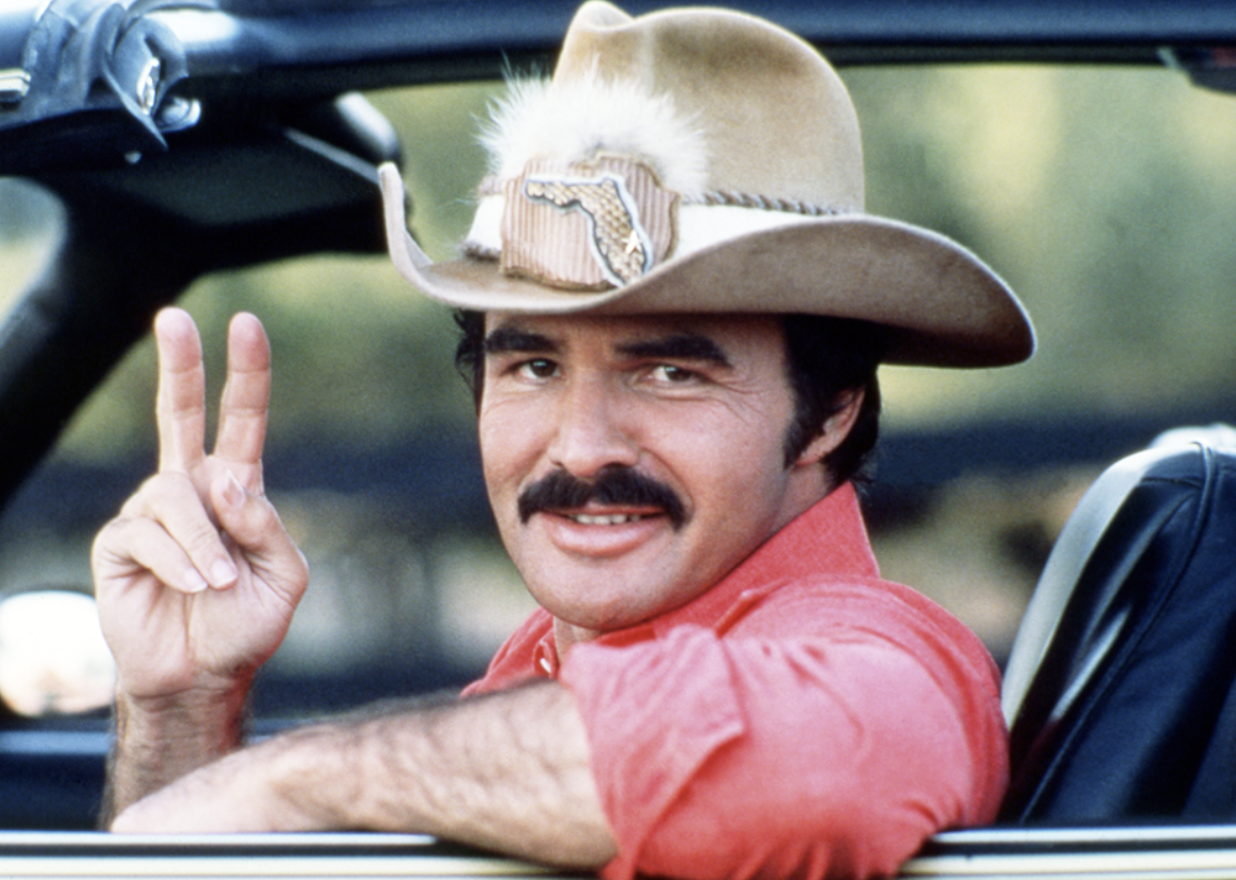
    Burt Reynolds as Bo 'Bandit' Darville in 'Smokey and the Bandit'
    Silver Screen Collection // Getty Images

    10 classic trucking movies

    Trucking is an integral part of American culture. These drivers haul and deliver goods all over the country, and the occupation is one of the most common in the U.S.

    Though normalized over the years, truckers are often perceived in pop culture as rebellious wanderers of the open road, akin to modern-day cowboys. It was the 1970s that saw a burst of interest in the lifestyle. People were fascinated by the camaraderie and thrill of the trucking community, and citizens band radios, or CB radios, were all the rage. Trucking films also saw a boom during that decade with iconic ’70s films like “Smokey and the Bandit” and “Convoy.”

    The CB radio craze fizzled out in the 1980s with the rise of cell technology, but truckers continue to be unlikely protagonists in the film world.

    Truck Parking Club analyzed numerous film databases to compile a list of 10 classic movies paying homage to the trucking industry. The releases range from the 1930s through the 2020s; however, it’s worth noting that 2 in 5 items on this list came from trucking culture’s heyday in the ’70s.

    FIND DAILY TRUCK PARKING IN NEARLY EVERY STATE

    On the road and looking for a daily truck parking space? Find the closest daily parking spot in a

    matter of seconds.

    Ralph Byrd, Doris Weston, and Ward Bond in ‘Born to Be Wild.'
    LMPC via Getty Images

    Born to Be Wild (1938)

    Ralph Byrd and Ward Bond star as truck drivers Steve Hackett and Bill Purvis, respectively, in “Born to Be Wild.” The action film begins with the two truckers getting fired after they decide not to shift to a lower gear while driving downhill on a steep grade. After losing their jobs, Hackett and Purvis’ boss asks them to haul what they’re told is a load of lettuce for a whopping $1,000. The cargo ends up being dynamite, and the duo ends up on an unsuspecting adventure to help save a town from ruin.

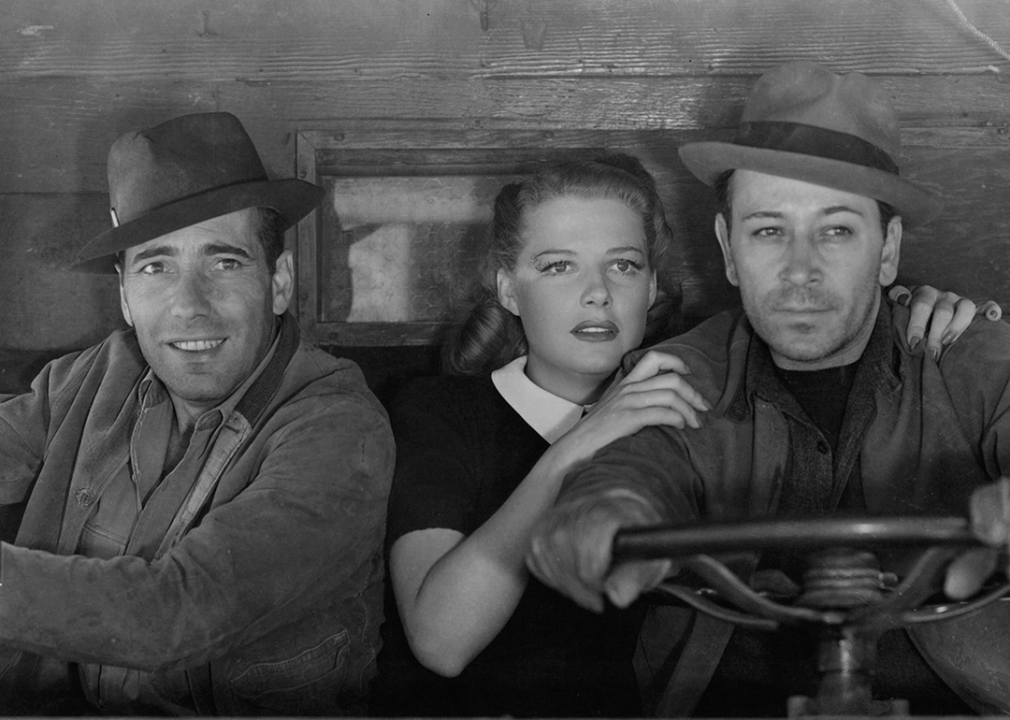
    Humphrey Bogart, Ann Sheridan, and George Raft in ‘They Drive By Night.'
    Warner Brothers // Getty Images

    They Drive by Night (1940)

    “They Drive by Night” was one the last movies featuring Humphry Bogart in a supporting role before his career blew up as a lead actor. It’s also one of his most underrated. The film noir stars George Raft as Joe Fabrini and Bogart as his brother, Paul Fabrini. The siblings work as delivery truck drivers with dreams of owning their own business. One night, Paul falls asleep at the wheel and loses his arm in an accident. Joe then gets offered a job with another trucking company. Things go awry when the owner’s wife (Ida Lupino) falls for him and kills her husband. She then frames Paul for murder when he refuses to be with her. “They Drive by Night” has stood the test of time and has a 92% Tomatometer on Rotten Tomatoes taken from 26 reviews.

    Burt Reynolds and Sally Field in the film 'Smokey and the Bandit'.
    Michael Ochs Archives // Getty Images

    Smokey and the Bandit (1977)

    Burt Reynolds stars as a truck-driving bootlegger nicknamed Bandit in this action comedy. The adventure begins when Bandit agrees to smuggle beer over state lines and heats up when he picks up hitchhiker Carrie (Sally Field), gaining the attention of Sheriff Buford T. Justice. “Smokey and the Bandit” was the second-highest-grossing film of 1977 and spawned two sequels.

    Chuck Norris in ‘Breaker! Breaker!’.
    LMPC via Getty Images

    Breaker! Breaker! (1977)

    Trucking culture’s heyday was in the ’70s, and “Breaker! Breaker!” glorifies everything about the public’s romanticized perception of truck drivers. The movie stars Chuck Norris as J.D. Dawes—a big rig driver searching for his brother, who disappeared in a desert town run by a corrupt, trucker-hating judge. The film’s title also plays to the love of CB radios at the time (“breaker, breaker” is what truckers say when they want to speak on a channel). In typical Norris fashion, the villains get what’s coming to them in a harsh way.

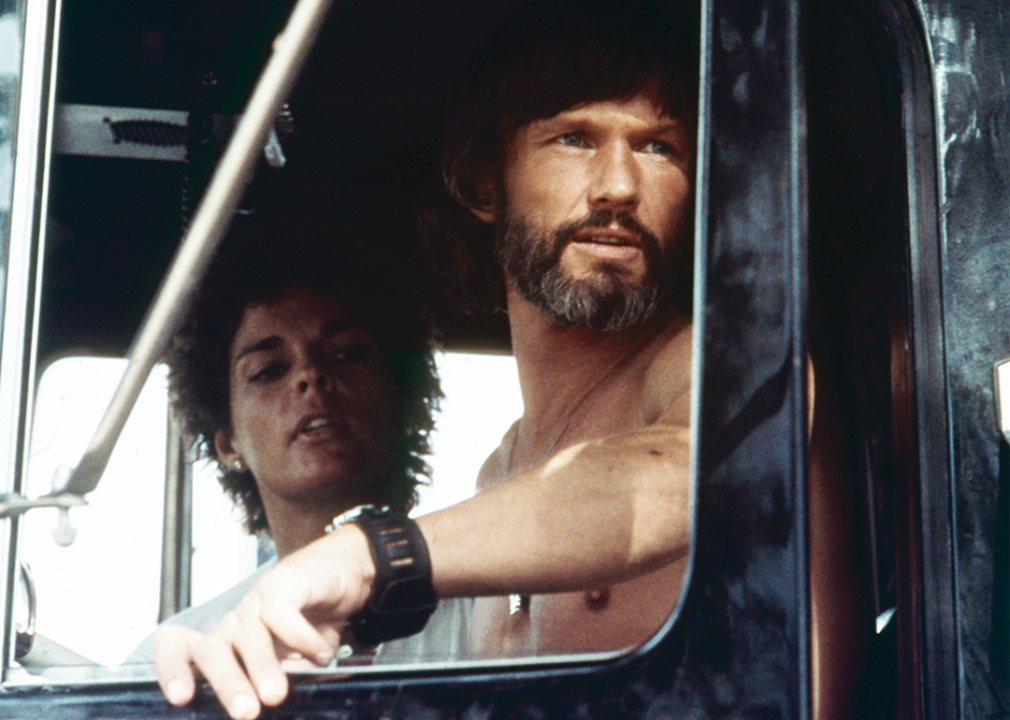
    Kris Kristofferson and Ali MacGraw in ‘Convoy’.
    Silver Screen Collection // Getty Images

    Convoy (1978)

    Rarely does a theme song predate a movie, but “Convoy” is based on C.W. McCall’s 1975 chart-topping country anthem of the same name. The film stars Kris Kristofferson as trucker Martin “Rubber Duck” Penwald and leans heavily on the decade’s fascination with trucking culture and CB radios. When a devious sheriff begins tricking drivers using their CB radios to alert each other about police presence, a group of truckers led by Rubber Duck use them to form a milelong convoy in protest.

    PREVIOUSLY INACCESSIBLE TRUCK PARKING

    Take care of your truck and trailer parking needs with new locations added daily. 

    Sylvester Stallone portrait.
    Michael Putland // Getty Images

    Over the Top (1987)

    “Over the Top” is a fitting title for Sylvester Stallone’s foray into trucking culture. The famed actor stars as Lincoln Hawk—a trucker striving to rekindle his relationship with his son after his estranged wife dies. Hawk’s other goal is to prevail at the arm wrestling championship and win enough money to buy a new semi. This film takes Stallone’s classic underdog archetype to new levels and sees him square off against some over-the-top rivals, including one who drinks a can of motor oil before their big arm wrestling match.

    Liam Neeson attends premiere.
    Samuel de Roman/WireImage // Getty Images

    The Ice Road (2021)

    “The Ice Road” turns trucking into a rescue mission in this action thriller. Liam Neeson stars as Mike McCann, an ice road big rig driver who helps lead a team of truckers over a frozen lake in an attempt to save workers who’ve been trapped after a diamond mine collapses in a remote area of northern Canada. Laurence Fishburne also stars in the Netflix movie as Jim Goldenrod, the trucker who leads the risky mission.

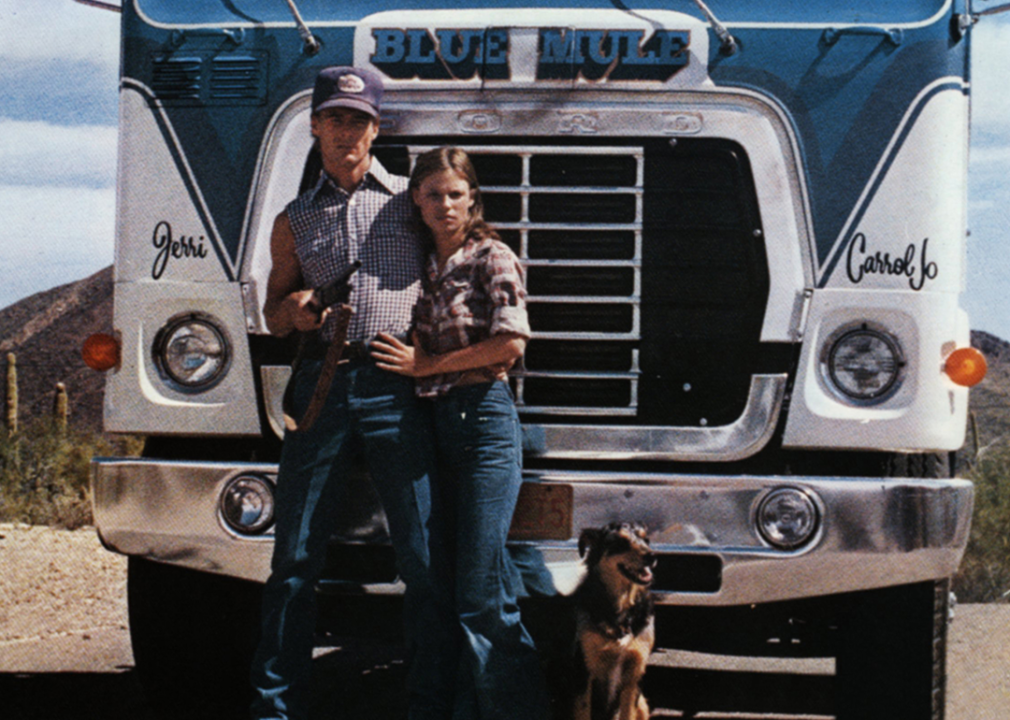
    Jan-Michael Vincent and Kay Lenz in a scene from ‘White Line Fever’.
    FilmPublicityArchive/United Archives via Getty Images

    White Line Fever (1975)

    Jan-Michael Vincent stars in “White Line Fever” as a Vietnam veteran-turned-independent-long-haul trucker Carrol Jo Hummer. After borrowing money for his own truck, Hummer is told he must repay his debt by smuggling goods on his drives. The young hero is appalled by the corruption and risks his life to stop it.

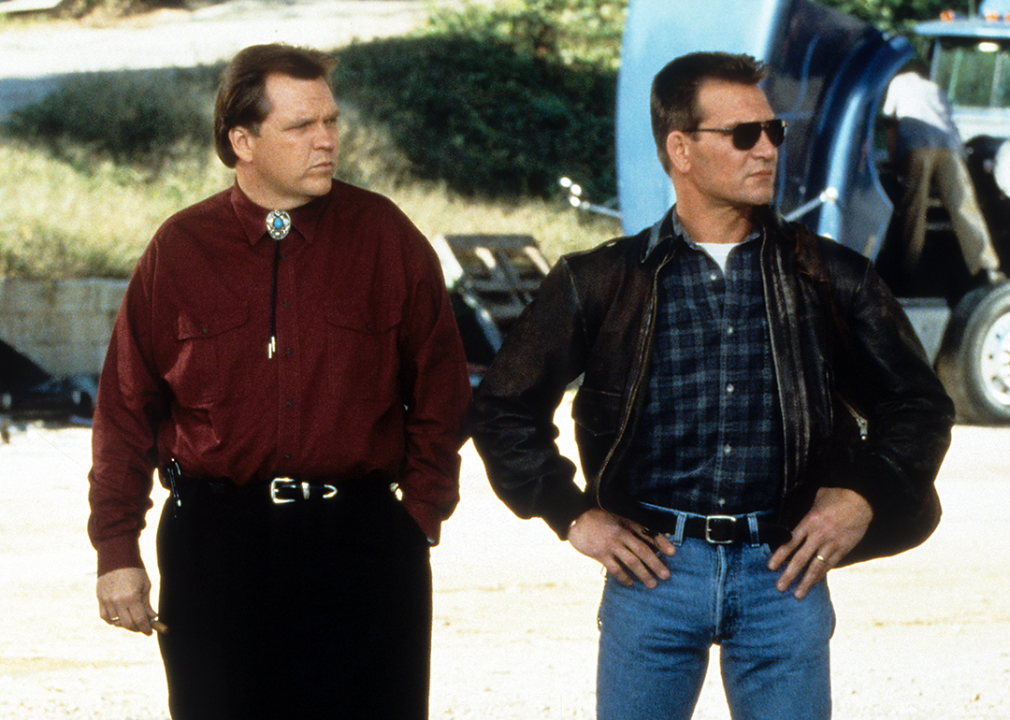
    Meat Loaf and Patrick Swayze in a scene from the film 'Black Dog’.
    Universal Pictures // Getty Images

    Black Dog (1998)

    Formerly incarcerated trucker Jack Crews (Patrick Swayze) takes a dangerous cash job to support his family in “Black Dog.” When he realizes the truck is filled with assault weapons, Crews knows the stakes are high. The action thriller’s climax comes in the form of a high-speed chase that includes a convoy of 18-wheelers and some impressive truck driving.

    PARK YOUR TRAILER WITH NO HASSLE

    Store your trailer in a safe place with a state-of-the-art platform that locates trailer parking near me.

    James Mottern, Michelle Monaghan, Jimmy Bennett, Joey Lauren Adams and Brandon Hanson attend the premiere of “Trucker".
    Scott Wintrow // Getty Images for Tribeca Film Festival

    Trucker (2008)

    In an industry dominated by men, “Trucker” stars Michelle Monaghan as Diane Ford, a woman trucker living life on the open road. Her world turns upside down when she is forced to reunite with her 11-year-old son, whom she deserted as an infant. The drama explores Ford’s inner struggle to balance her carefree life with raising a child and illuminates the challenges many truckers face with a life on the road.

    Story editing by Carren Jao. Additional editing by Kelly Glass. Copy editing by Paris Close.

    Written by: Katrina Sirotta

  • Trucking Sector Revs Up – Signs of Recovery Emerge After Prolonged Slump

    Trucking Sector Revs Up – Signs of Recovery Emerge After Prolonged Slump

    Truck on the road

    Early Signs of Recovery

    In a welcome turn of events for the US trucking industry, the first signs of recovery are starting to appear after what many consider one of the most challenging periods in its history. While demand is on the upswing, the road to full recovery remains bumpy, with lingering issues of excess capacity and fierce competition keeping a lid on prices.

    Recent data from logistics intelligence firm FreightWaves paints a cautiously optimistic picture. The second quarter of 2024 saw a 9% year-over-year increase in shipment requests, while tender rejections – a key indicator of carriers’ willingness to accept loads – inched up by 1.3%. This subtle shift suggests that truckload capacity is gradually tightening, potentially signaling the beginning of the end of the industry’s prolonged downturn.

    Bob Costello, chief economist for the American Trucking Associations, echoes this sentiment. “I do think the worst is behind us,” he remarked, hinting at a light at the end of what has been a very long tunnel for the sector.

    The Pandemic’s Lasting Impact

    The industry’s current predicament can be traced back to the pandemic’s whiplash effect. An initial surge in consumer demand led to one of the largest upswings in trucking history. However, this boom was short-lived. As inflationary pressures took hold in 2022, consumer spending declined, triggering what industry insiders dubbed a “freight recession.” The result? A market flooded with trucks but starved of cargo.

    Michael Castagnetto, president of North American surface transportation for logistics firm CH Robinson, didn’t mince words when describing the situation. “Rates went into free fall,” he said, adding, “We’re seeing an extended trough.”

    Ongoing Challenges

    This oversupply continues to cast a long shadow over the industry. Major players like JB Hunt are still feeling the pinch, with the company reporting a 24% decline in operating income compared to the same period last year. JB Hunt cited underutilized assets and stagnant pricing as the primary culprits behind their lackluster revenue.

    Yet structural challenges persist. Rising business insurance and maintenance costs, coupled with high interest rates and new technology investments, are squeezing margins, particularly for smaller fleet owners. Tony Mulvey, a senior analyst at FreightWaves, noted that these costs have surged by a third, creating significant pressure on small- to mid-sized operators.

    A Unique Industry Structure

    The industry’s unique structure adds another layer of complexity. With over 85% of the market comprising carriers with fewer than five trucks, competition for limited freight loads is fierce. The rise of digital platforms allowing drivers to independently source loads has further intensified this dynamic.

    As the industry navigates these choppy waters, a game of chicken is unfolding. Larger players are holding off on capacity reductions, anticipating that smaller firms will exit the market first. This strategic waiting game is slowing the reduction of industry oversupply.

    Cautious Optimism for the Future

    Despite these hurdles, forecasters remain cautiously optimistic. As consumer demand steadily climbs, industry analysts are eyeing 2025 for potential rate gains. Avery Vise, vice president of trucking for FTR Transportation Intelligence, suggests that if interest rates decrease, “We could be back by, say, the middle of next year, late next year, to something that is very comfortable for carriers.”

    As supply gradually aligns with demand, rate improvements appear to be on the horizon. “Exits are happening,” Mulvey observed. “From a shipper perspective, if you’re looking for cost savings, that time has largely passed.”

    Addressing the Parking Challenge with Truck Parking Club

    As the trucking industry shows signs of revival, one persistent challenge remains: finding reliable and secure parking. 

    While the industry recalibrates, Truck Parking Club is helping solve this long-standing issue. 

    Truck Parking Club is a user-friendly platform for finding and booking secure parking spaces across the US. With flexible hourly, daily, weekly, and monthly options, drivers from Texas to Wisconsin have a place to rest, no matter their schedule or route.

    By joining Truck Parking Club, drivers can focus on what they do best – keeping America’s goods moving – without the added stress of hunting for parking. As the industry gears up for a potential upswing, now is the perfect time for drivers to explore smarter parking solutions.

    Sign Up for Free at Truck Parking Club Today

    At the same time, property owners with unused space can tap into a new revenue stream. You can list your property and turn your vacant lots into an income-generating space.

    List Your Space on Truck Parking Club

    The information published herein is for general informational purposes only. Truck Parking Club does not make any representations or warranties about the completeness, reliability, legality, and accuracy of this information. Any reliance placed on such material is strictly at the user’s own risk. Truck Parking Club shall not be responsible for any losses or damages incurred in connection with the information published herein.
  • Texas Expands Truck Parking on I-10, But Is It Enough?

    Texas Expands Truck Parking on I-10, But Is It Enough?

    New Rest Areas Offer Respite, But Truck Parking Crisis Persists

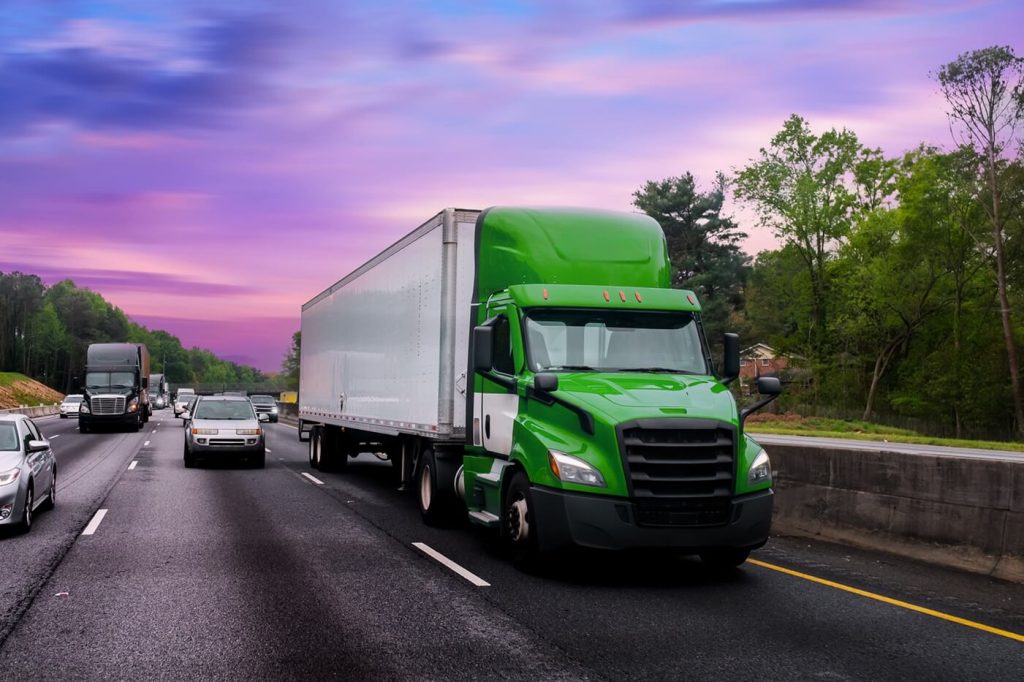
    The Texas Department of Transportation (TxDOT) has unveiled two new rest areas along Interstate 10 near Van Horn, providing much-needed parking for 116 trucks. The facilities, located 9 miles east and west of Van Horn, Texas, replace older rest stops and boast amenities such as Wi-Fi, restrooms, vending machines, and walking trails.

    This expansion comes as a welcome relief for truck drivers navigating the busy I-10 corridor, a vital artery for freight movement connecting Texas to the rest of the country. The strategic location of the new rest areas near the intersection of major highways and the Presidio border crossing underscores their importance in accommodating the high volume of commercial traffic in the region.

    Addressing Fatigue and Safety Concerns

    TxDOT’s investment in these rest areas highlights a growing recognition of the critical role truck parking plays in ensuring driver safety. Fatigue is a major contributor to truck accidents, and providing adequate rest areas encourages drivers to take breaks and avoid pushing their limits. The inclusion of a law enforcement room further emphasizes the commitment to safety and security along this crucial stretch of highway.

    A Drop in the Bucket?

    While the addition of 116 truck parking spaces is commendable, many drivers will be left wondering if it’s merely a band-aid solution to a much larger problem. The truck parking shortage in America is a well-documented crisis, with drivers often forced to park in unsafe or illegal locations due to a lack of available spaces.

    The new rest areas, while certainly beneficial, hardly make a dent in the overwhelming demand for truck parking. Only time will tell if these occasional developments are a classic case of too little, too late. 

    The trucking industry continues to grapple with the consequences of inadequate infrastructure, and these new facilities, though appreciated by local drivers, serve as a stark reminder of the work that remains to be done.

    The Road Ahead

    As the trucking industry evolves and freight volumes continue to rise, the need for safe and accessible truck parking will only become more pressing. TxDOT’s efforts to address this issue are laudable, but they also underscore the urgent need for a more comprehensive and coordinated approach to truck parking infrastructure development.

    The question remains: Will these new rest areas be enough to stem the tide of the truck parking crisis? Or are they simply a temporary reprieve in a long and arduous battle for adequate parking solutions? Only time will tell.

    A Glimmer of Hope Amidst the Parking Crisis

    While the expansion of truck parking in Texas offers some relief to weary drivers, the industry clearly needs more comprehensive solutions to address the ongoing parking shortage. As the trucking sector gears up for a potential resurgence, the demand for safe and accessible parking will only intensify.

    In the face of this challenge, Truck Parking Club provides hope for truckers and property owners.  By connecting drivers with secure parking options across the US, Truck Parking Club empowers them to focus on their crucial role in the supply chain.

    Join the Truck Parking Revolution

    For truckers tired of the endless search for parking, Truck Parking Club provides peace of mind with flexible booking options and a nationwide network of secure spaces.

    For property owners, Truck Parking Club offers an opportunity to transform unused space into a profitable venture, contributing to the solution while reaping financial benefits.

    Take the Next Step

    Don’t let the parking shortage hinder your progress. Sign up for free at Truck Parking Club today and experience the difference. List your space and become part of the solution. Together, we can build a more efficient and driver-friendly trucking industry.

    Are you a property owner with unused space? You can tap into a new revenue stream by listing your property and turning your vacant lots into a highly lucrative income-generating space.

    List Your Space on Truck Parking Club

    The information published herein is for general informational purposes only. Truck Parking Club does not make any representations or warranties about the completeness, reliability, legality, and accuracy of this information. Any reliance placed on such material is strictly at the user’s own risk. Truck Parking Club shall not be responsible for any losses or damages incurred in connection with the information published herein.