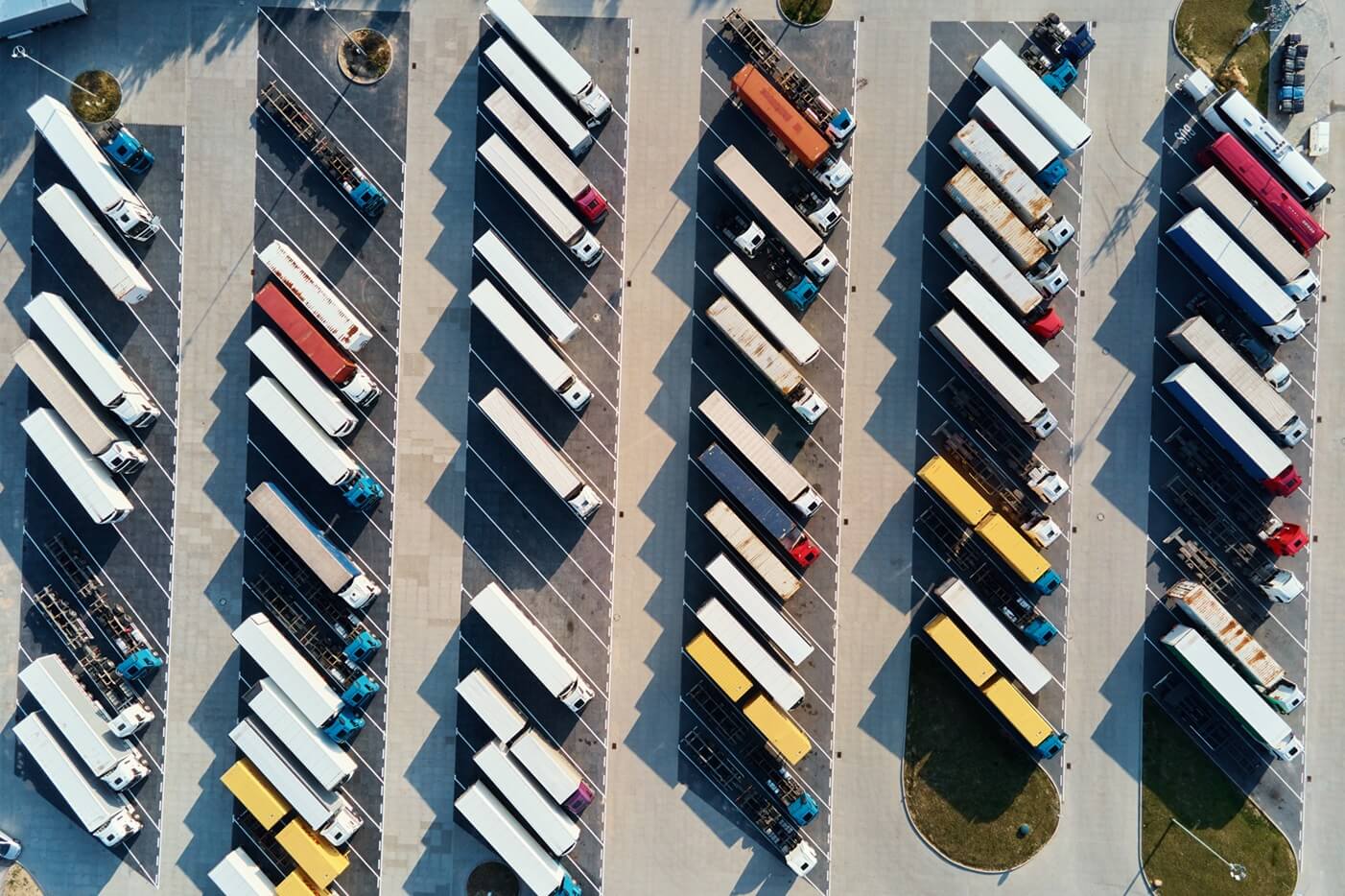
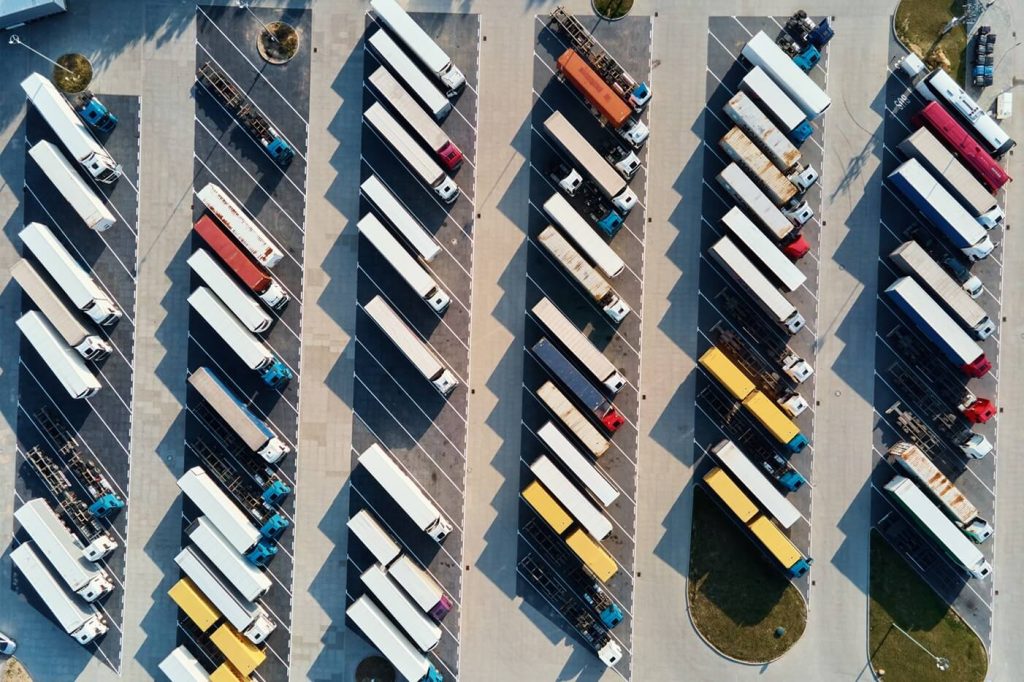
The growing truck parking crisis in the U.S. has led over a dozen trucking industry stakeholders, spearheaded by the Owner-Operator Independent Drivers Association (OOIDA), to call on the House of Representatives to vote on the Truck Parking Safety Improvement Act (HR2367).
This legislation, which has been stalled since passing the committee last May, would provide $755 million over three years to expand truck parking capacity across the country.
Why the Truck Parking Bill Matters
The shortage of safe and accessible parking for truck drivers is a significant safety concern. Truckers often face the tough choice between parking in unsafe locations or violating federally mandated hours of service by continuing to drive while fatigued. This situation endangers not only truckers but also other motorists on the road.
The Truck Parking Safety Improvement Act seeks to address this issue by funding truck parking projects that are publicly accessible and free of charge, ensuring that drivers have safe options while they rest. Importantly, the bill prohibits the inclusion of paid parking in any funded projects, making it clear that all new parking must be free to use.
A Unified Push for Action
On July 29, 2024, a coalition of trucking associations sent a letter to House Speaker Mike Johnson and Minority Leader Hakeem Jeffries, urging them to move forward with HR2367. The letter emphasized that truck parking is a national safety issue that affects everyone on the road.
The coalition also highlighted a recent high-profile crash involving a Greyhound bus and trucks parked on the shoulder of an exit ramp in Illinois, resulting in three deaths and 14 injuries. This tragic incident underscores the urgent need for more secure truck parking solutions.
Funding Without New Spending
One key point in the coalition’s letter was that HR2367 would not lead to increased federal spending. Instead, it allocates funds already available through the annual appropriations process, making it a fiscally responsible solution to a critical safety issue.
The coalition argues that passing the bill would demonstrate Congress’s commitment to improving highway safety and addressing the daily challenges faced by truck drivers.
Many in the trucking industry feel that while they operate under strict federal regulations, lawmakers have largely ignored their concerns about safety and parking.
Industry Support
Led by OOIDA, the coalition includes a diverse group of organizations from across the trucking industry, including the American Trucking Associations, Women in Trucking, the North American Punjabi Trucking Association, and the National Association of Small Trucking Companies.
These groups represent a wide array of stakeholders who understand the impact of the truck parking shortage on safety, efficiency, and the overall supply chain.
How to Get Involved
As of July 30, 2024, HR2367 has garnered 49 co-sponsors, with a nearly even split between Republicans and Democrats. However, more support is needed to push the bill to the House floor for a vote. Truckers and supporters can make their voices heard by visiting FightingForTruckers.com and sending a letter directly to their representatives, urging them to support this critical piece of legislation.
The Future of the Truck Parking Safety Improvement Act
The Truck Parking Safety Improvement Act has been in limbo for over a year despite overwhelming bipartisan support from the committee.
Moving this bill forward is essential not only for improving the lives of truck drivers but also for enhancing safety on America’s highways. With continued pressure from industry groups and grassroots supporters, the hope is that the House will finally bring HR2367 to the floor for a vote.
As of today, however, the truck parking shortage remains a key issue for the industry. Truck Parking Club works hard with private truck parking owners to improve the situation.
Whenever you need a reliable truck parking spot, TPC is your go-to platform. We connect truckers with pre-vetted truck parking owners, ensuring you always have a place to park your rig wherever the road takes you.
The information published herein is for general informational purposes only. Truck Parking Club does not make any representations or warranties about the completeness, reliability, legality, and accuracy of this information. Any reliance placed on such material is strictly at the user’s own risk. Truck Parking Club shall not be responsible for any losses or damages incurred in connection with the information published herein.
On the road and looking for a daily truck parking space? Operated by truckers, we source the best parking spots across the nation to ease your trip planning.
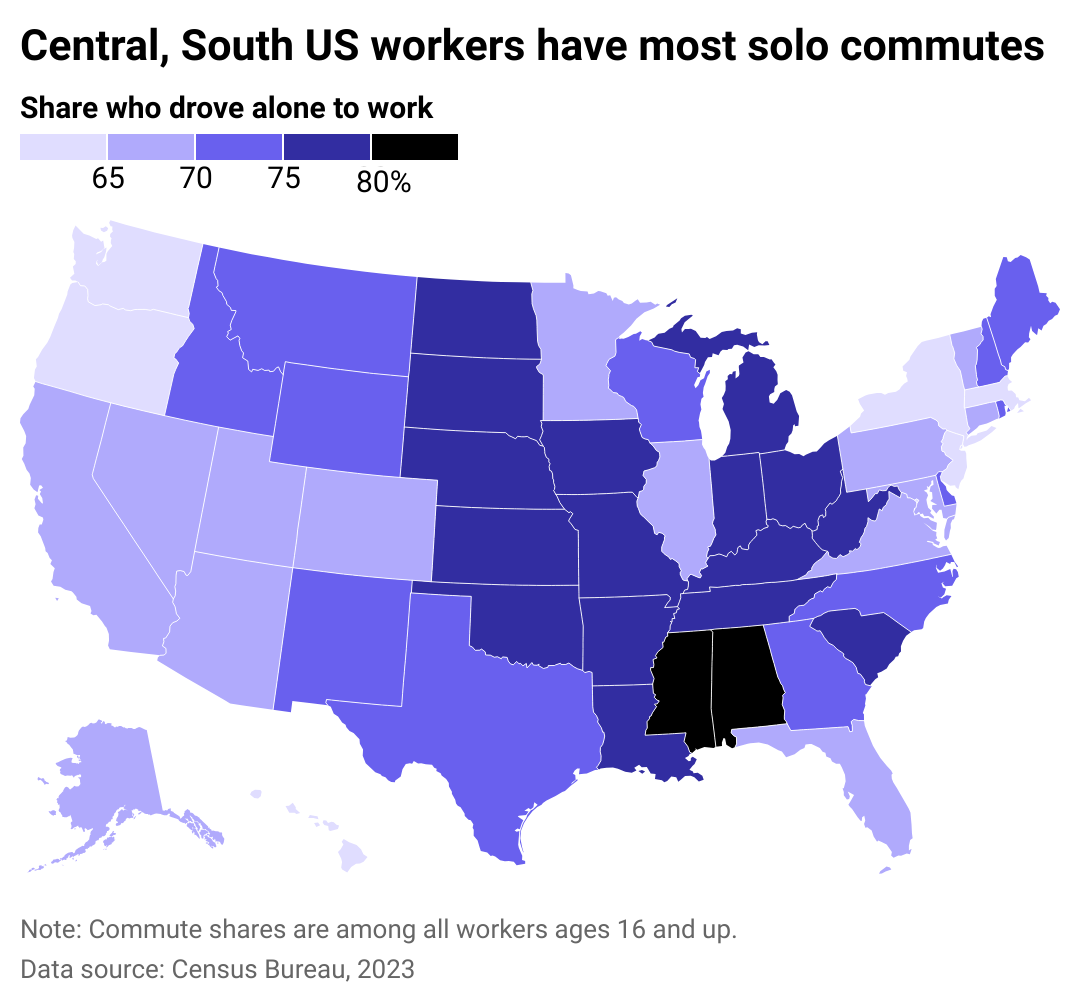
Lonely road: These are the states where people drive to work alone the most
Rush hours are infamous for densely packed streets, seas of brake lights, and raging commuters—all products of a population that mostly drives alone.
About 7 in 10 Americans drive alone to work. That marks a new standard for the country in the wake of the COVID-19 pandemic, which caused drive-alone commutes to drop as telecommuting became more widespread. Even so, driving alone remains the primary commuting method in the nation.
To identify areas where solo commutes remain most common, Truck Parking Club used Census Bureau data to map states by the share of people who drive to work alone. The analysis draws on other surveys and research to identify why these areas have more solo commuters and how it impacts individuals and their communities.
Americans drive alone to work more than their counterparts in peer nations. Across a selection of six countries, including China, Germany, and Brazil, the share of U.S. commuters who drove alone led the other nations by at least 10 percentage points in 2022, according to Statista’s Global Consumer Survey. Research published by Nature in 2021 shows that most American cities have less access to jobs by walking or cycling than in European cities, and transit access to jobs falls behind other major cities throughout the world.
Driving is often the fastest commute method. However, research shows that these driving habits often lead to physical inactivity, stress, anxiety, air-quality related health concerns, and higher car accident risk. Large volumes of people driving their own cars also creates congestion, which comes at a cost. Americans lost $733 worth of time on average in 2023 while spending 42 hours in traffic, according to data from transportation research company Inrix. Some U.S. city economies lost billions in productivity and supply chain delays.
U.S. drive-alone rates hovered between 76% to 78% for decades, but dropped in step with COVID-19 pandemic remote work habits, falling to 68% in 2021. The rates have continued to hover below 70% through 2023, mitigating the adverse effects of driving alone. What’s more, younger Americans acquire driver’s licenses less often than previous generations, according to an analysis of Census data by the Washington Post published in 2023, meaning there are fewer drivers among the working-age population.
Still, the drop in drive-alone commutes has not happened evenly. Read on to see where Americans continue driving alone to work at the highest—and lowest—rates.
PREVIOUSLY INACCESSIBLE TRUCK PARKING
Take care of your truck and trailer parking needs with new locations added daily.
In the Northwest and mid-Atlantic, people drive to work alone at the lowest rates
In general, states in the central part of the country had the highest rates of drive-alone commutes, between the central South and Midwest. Mississippi and Alabama were the top states for solo commutes, with about 8 in 10 people driving alone to work. They were followed closely by neighboring Louisiana and Arkansas, where 78.7% and 78.3% of commuters drove alone, respectively.
As of 2023, these states had below-average rates of remote work as compared to the rest of the nation. In Mississippi, for instance, only 5.5% of people worked from home, compared to 15.2% nationally. Lacking opportunities to work remotely, commuters in these states maintained their solo drives.
Most leading states also have below-average gas prices, making drive-alone commutes more affordable. And with lower population density, there is more space between homes and workplaces, making other transportation modes less feasible.
Meanwhile, states in the Northeast and Northwest have lower drive-alone rates. In New York, fewer than half of workers drive alone to work. Solo drivers comprise between 62% and 65% of commuters in Massachusetts, New Jersey, Hawai’i, Oregon, and Washington. Each has some combination of population density, heightened environmental consciousness, existing or expanding infrastructure for public transit, cycling, and walkability, and incentives for carpooling. As a result, residents of the Northeast and Northwest are more likely to use alternative commute methods.
Additionally, the Northeast and Northwest offer plentiful jobs in business, finance, information, and other professional services—industries with more capabilities for remote work, per 2023 data from the Bureau of Labor Statistics. Most employers in these industries increased telework after the pandemic’s onset and continue to offer it at higher rates than the economy overall, BLS data shows. This further minimizes the need for drive-alone commutes in those areas.
Remote work opportunities have fallen since the pandemic’s peak, and some have reverted back to their former driving habits. However, as the return of heavy traffic harms people’s health, the economy, and the planet, and as gas prices in most areas of the country remain high, individuals and communities may continue seeking ways to cut down on their driving trips.
In a recent development, the Pennsylvania Senate has taken a step towards addressing what some claim is a critical shortage in the trucking industry. On July 17, 2024, senators voted 31-19 to adopt a resolution urging the U.S. Congress to allow drivers between 18 and 20 years old with commercial driver’s licenses (CDLs) to engage in interstate commerce.
The Case for Younger Drivers
The resolution, SR258, is backed by the Pennsylvania Motor Truck Association and championed by Senator Greg Rothman, R-Mechanicsburg.
Rothman argues that current federal restrictions are “arbitrary and are contributing to driver shortages, shipping delays and higher prices for consumers.” He points out the paradox in the current regulations: “We have well-trained CDL drivers who are safely and successfully driving across Pennsylvania, from Erie to Philadelphia and back – but are prohibited from driving the same truck with the same load across the state line.”
Proponents of the resolution cite alarming statistics, claiming the nation faces a shortage of nearly 78,000 drivers, a number they expect to increase. The resolution suggests that allowing younger drivers to cross state lines could help alleviate this shortage and provide more job opportunities in the trucking industry.
Challenging the Shortage Narrative
However, the very existence of a truck driver shortage is a matter of debate. Research from the OOIDA Foundation challenges this notion, stating that “real-world facts have demonstrated there are more trucks on the road than there is freight to haul.” This contradiction raises questions about the true nature of the industry’s challenges.
Adding to the skepticism is Michael Belzer, an economics professor at Wayne State University with over two decades of experience studying the trucking industry. Belzer asserts that there isn’t a driver shortage but rather a problem with recruitment and retention.
He suggests that the real issue lies in the industry’s ability to attract and keep drivers rather than a lack of available workers.
The Retention Puzzle
Belzer’s perspective sheds light on a different aspect of the problem. He notes that potential drivers often make rational decisions to pursue other career paths when they realize the demands of the job may not align with the compensation offered. This view shifts the focus from a simple shortage of drivers to more complex issues of job satisfaction and fair compensation within the industry.
Looking Ahead
While non-binding, the Pennsylvania Senate’s resolution serves as a call to action for federal lawmakers. If heeded, it could lead to significant changes in interstate trucking regulations. Copies of the resolution will be sent to key figures, including the U.S. Transportation Secretary, the Federal Motor Carrier Safety Administration administrator, and members of Congress from Pennsylvania.
As this debate unfolds, it’s clear that the trucking industry faces multifaceted challenges. While lowering the age limit for interstate drivers might increase the pool of available workers, it may not address the underlying issues of driver retention and job satisfaction.
The industry and policymakers alike will need to grapple with these complex issues to ensure a sustainable future for trucking in America.
As Pennsylvania takes this bold step, eyes across the nation will be watching to see how federal authorities respond and what impact, if any, this push for younger interstate drivers will have on the trucking industry.
While lawmakers debate driver shortages, one pressing issue unites the trucking community nationwide: the scarcity of convenient parking spots.
Truck Parking Club addresses this challenge head-on, offering drivers a user-friendly platform to locate and reserve parking spaces with ease.
For property owners USA-wide, it presents an opportunity to convert unused land into parking areas to generate additional income.
Join Truck Parking Club for free today to be part of the solution, whether you’re behind the wheel or have space to spare.
The information published herein is for general informational purposes only. Truck Parking Club does not make any representations or warranties about the completeness, reliability, legality, and accuracy of this information. Any reliance placed on such material is strictly at the user’s own risk. Truck Parking Club shall not be responsible for any losses or damages incurred in connection with the information published herein.
What a brief port strike on the East Coast means for your holiday shopping
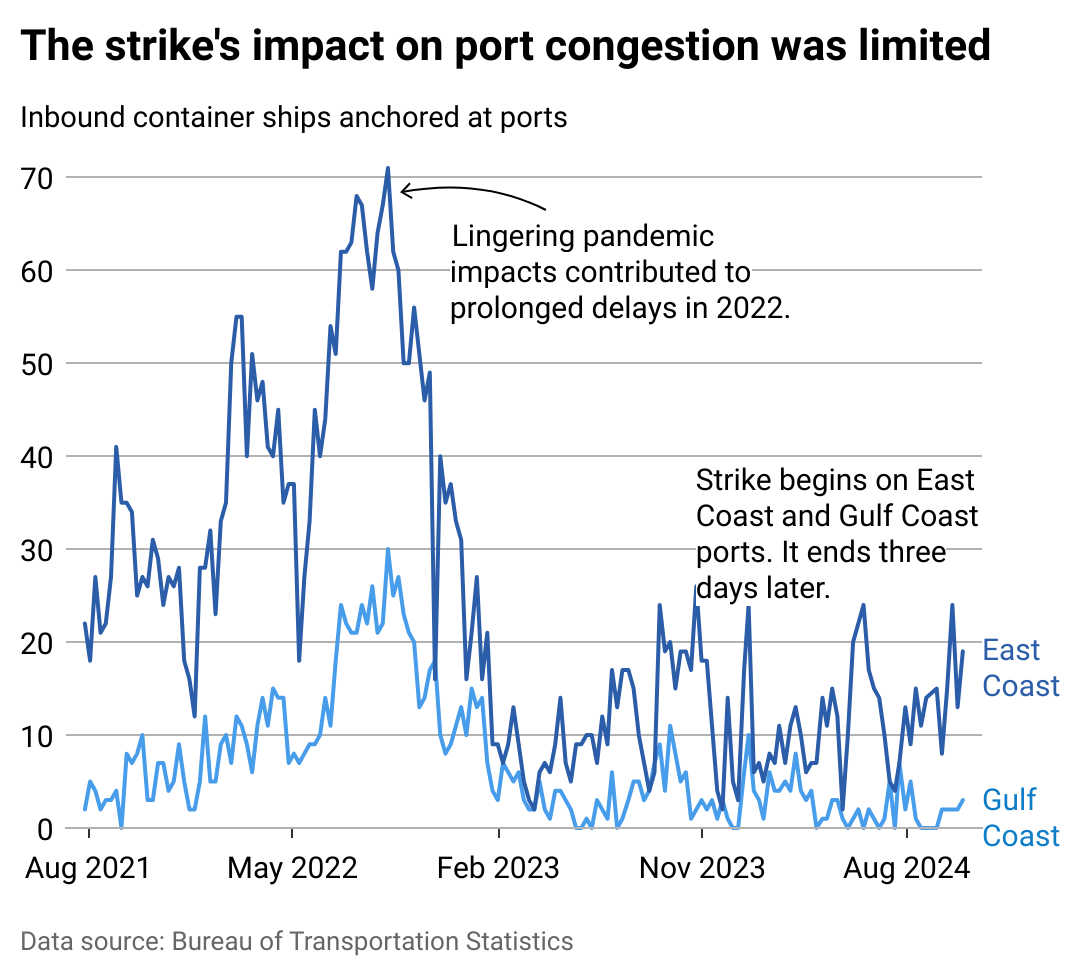
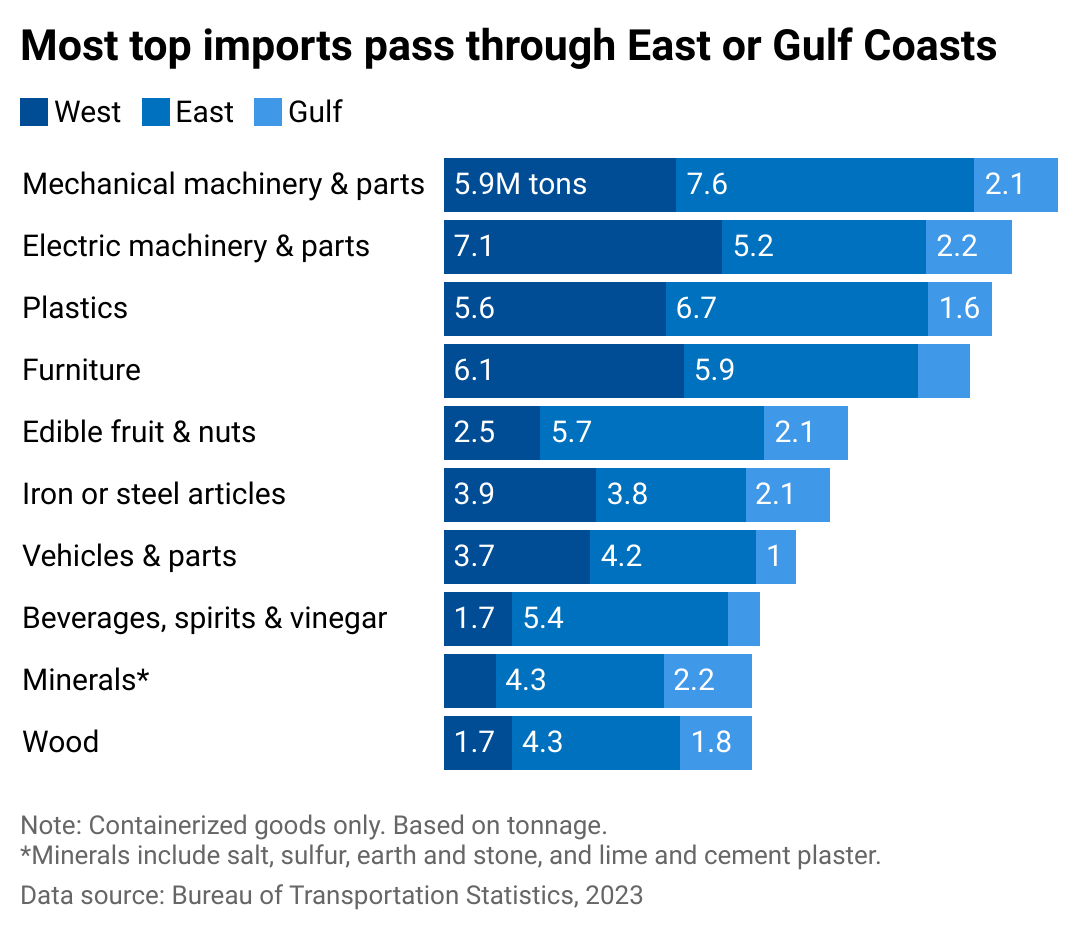
On Oct. 1, thousands of dockworkers with the International Longshoremen’s Association, the union overseeing dockworkers across East Coast and Gulf Coast ports in the U.S., went on strike. Forecasts warned it could cost the U.S. economy billions of dollars a day and cause supply chain disruptions at a time when retailers are stocking up for the holiday season. However, within three days, the strike had been suspended, and goods ranging from fruit to furniture were again being moved in and out of the ports, which account for over half of all container imports to the U.S.
While the strike’s short length may have caused a sigh of relief among supply chain managers, it still left ripple effects on U.S. trade. Truck Parking Club examined data from the Bureau of Transportation Statistics to uncover the impact of the dockworkers strike on the supply chain.
“The U.S. port strike has ended, but the impacts are far from over,” Mia Ginter, director of North American Ocean Shipping at the logistics company C.H. Robinson, told Supply Chain Dive. “A week of disruption typically leads to at least a month of delays at the ports, and these delays increase as you move inland.”
Fortunately, retailers’ bulking up on inventories and the stoppage’s quick resolution may have helped avoid the worst outcomes for holiday shoppers. Even so, read on to understand how this interruption in operations works its way up to consumers.
PARK YOUR TRAILER WITH NO HASSLE
Store your trailer in a safe place with a state-of-the-art platform that locates trailer parking near me.
Delays were mostly avoided
In 2022, port congestion and supply chain backups reached high levels. Across ports on all coasts, ships spent longer time awaiting berths, and more ships were anchored near ports. Still, logistics professionals may have learned their lesson from the prolonged backups in the aftermath of the COVID-19 pandemic.
McKinsey surveys among supply chain leaders showed more were bulking up inventories and relying on multiple sources for raw materials to maximize resilience in the aftermath of the pandemic.
Similarly, leading up to the October 2024 strike, more companies ramped up their stock before a stoppage was officially announced. This front-loading of imports was a reaction to both a looming deadline for an ILA contract and a way to cushion any effects from the latest round of tariff increases on imports from China.
Major toy manufacturers Hasbro and Mattel, which routed most of their goods through West Coast ports, hit peak production and shipments during August and September, meaning the strike will likely have little impact on hot 2024 holiday toys.
As the risk of a strike progressed, some companies also leaned more on West Coast ports. Costco and Levi Strauss & Co. were among the brands that shifted imports to West Coast ports from the East Coast.
Amid front-loading and rerouting, the Ports of Los Angeles and Long Beach, California, experienced their busiest month on record in July and August, respectively, handling over 900,000 20-foot equivalent containers each. Officials say the Port of Los Angeles has the capacity to handle 1.2 million containers a month, and data shows there hasn’t yet been a bump in the number of container ships awaiting berths.
Across the West Coast, officials aren’t forecasting delays that would impact holiday shopping. Rerouted imports would likely arrive as peak shipping season is wrapping up, meaning ports will be more prepared to absorb any additional goods.
Still, efficient ports are just one part of the supply chain.
Matt Smith, head analyst at the trade data and analytics firm Kpler, told Stacker: “It’s not just about getting the container ship in, it’s all of the other logistics that are set up as a series of dominoes to be actioned once that cargo is discharged.”
Front-loading and redirected ships added warehousing and transportation costs to goods that otherwise would’ve been shipped later on the East Coast.
In the aftermath of the strike, load-to-truck ratios—an indicator of how many shipments there are relative to trucks—increased at the national level but cooled the following week. Spot rates, what shippers pay to move goods, are up slightly in October, but still below rates seen at the start of the peak season.
These increases may be partially connected to the strike but are also likely tied to the simultaneous arrivals of two major hurricanes in the Southeast.
Luckily for consumers, the disruptions are expected to be minimal. The National Retail Federation expects no impact from the strike on the holiday shopping season.
PREVIOUSLY INACCESSIBLE TRUCK PARKING
Take care of your truck and trailer parking needs with new locations added daily.
Which goods come through each coast?
East Coast and Gulf Coast ports already account for more than half (56%) of container imports, but their dominance is even more pronounced for certain goods. When it comes to minerals, beverages, wood, and fruits or nuts, the two regions account for over 75% of imports, meaning prolonged disruptions could have had stark effects on those goods.
While a prolonged strike was avoided, the ILA and the United States Maritime Alliance haven’t technically agreed on a new contract. Their October agreement set new wages and extended the current contract until Jan. 15, 2025. Supply chain managers will likely be watching the negotiations closely to prepare for future potential stoppages.
Even if a new contract is signed by January, the risks of supply chain backups are never far away. Whether it’s the Red Sea crisis, a drought in the Panama Canal, or devastating hurricanes, a number of geopolitical and natural forces can impact trade and port congestion.
“There’s a whole manner of different things that can cause supply chain disruptions. Some are visible, and some you just cannot prepare for,” Smith said.
Story editing by Carren Jao. Additional editing by Kelly Glass. Copy editing by Paris Close. Photo selection by Clarese Moller.
In a significant move to address one of the trucking industry’s long-standing challenges, a fiscal 2025 House committee-approved transportation funding bill has earmarked $200 million to expand parking availability for truck drivers across the nation.
This development is a crucial step toward enhancing safety and efficiency in the supply chain, directly benefiting the millions of truck drivers who keep America moving.
Expanding Truck Parking: A Safety Priority
The lack of adequate truck parking has been a pressing issue for the industry, often forcing drivers to park in unsafe or illegal locations.
The $200 million allocation, managed by the Nationally Significant Multimodal Freight and Highway Projects program, will prioritize rural corridors where the need for parking is most critical. The bill emphasizes collaboration between the Department of Transportation (DOT), private sector partners, and state and metropolitan planning organizations to tackle this issue head-on.
A Broader Focus on Transportation Safety
Beyond truck parking, the fiscal 2025 transportation funding bill reflects a comprehensive approach to transportation safety. The legislation, backed by Republican lawmakers, focuses on ensuring the safety and efficiency of all transportation modes, from highways to airways.
It also underscores the importance of maintaining a safety net for vulnerable populations, including veterans and the elderly.
Support for the Trucking Industry
The bill dedicates $909 million to the Federal Motor Carrier Safety Administration (FMCSA), reinforcing the agency’s role in regulating the trucking industry and ensuring safety on the roads. This funding will support critical programs like the compliance, safety, and accountability program, which plays a pivotal role in enforcing safety standards across the industry.
Moreover, the bill includes several provisions aimed directly at supporting truck drivers. These include blocking the enforcement of electronic logging devices for carriers transporting livestock or insects, prohibiting inward-facing cameras in commercial driver apprenticeships, and pausing rulemaking on speed-limiting devices for commercial vehicles.
Addressing Predatory Towing Practices
One of the bill’s most welcomed aspects by the trucking community is the provision targeting predatory towing practices. The bill urges FMCSA to develop guidelines that protect truck drivers from excessive towing fees and the holding of cargo hostage by unscrupulous towing companies.
This move has been strongly supported by the American Trucking Association (ATA), which has been advocating for reforms to improve transparency and fairness in the system.
The Road Ahead
While the House committee’s approval of the fiscal 2025 transportation funding bill is a significant milestone, it is just the beginning. The bill must still pass through both chambers of Congress and receive the President’s signature before becoming law. Failure to enact the bill by October 1 could result in a partial federal shutdown, adding urgency to the legislative process.
As the trucking industry continues to evolve, the support provided by this funding bill is a positive step toward addressing some of the most critical challenges faced by truck drivers today.
From expanding parking availability to cracking down on predatory towing, the fiscal 2025 transportation funding bill promises to meaningfully impact the lives of truck drivers and the broader transportation industry.
Looking for a truck parking near you? Leverage Truck Parking Club and connect with private parking owners across the US!
The information published herein is for general informational purposes only. Truck Parking Club does not make any representations or warranties about the completeness, reliability, legality, and accuracy of this information. Any reliance placed on such material is strictly at the user’s own risk. Truck Parking Club shall not be responsible for any losses or damages incurred in connection with the information published herein.
In the ever-evolving sphere of trucking, convenience stores are stepping up their game to cater to the needs of professional drivers. Both 7-Eleven and Sheetz are expanding their networks to include locations with truck-friendly features like high-flow diesel pumps, DEF, truck parking, scales, and fleet payment options.
Diesel Network Accelerates Growth
7-Eleven’s 7Fleet Diesel Network, launched in 2022, has experienced rapid expansion, growing from 240 to over 375 locations in just two years. With plans to add even more sites in 2025, the network is set to become a major player in the convenience store landscape for truckers.
Beyond fueling and convenience items, 7Fleet locations also provide essential amenities for truck drivers, including over 4,500 truck parking spaces, restaurants, and a dedicated sales team. The network’s focus on truck-specific needs sets it apart from traditional convenience stores, recognizing the unique demands of the trucking industry.
Sheetz Joins the Race with New Truck-Diesel Locations
Not to be outdone, Sheetz is also expanding its truck-friendly offerings. With four new stores featuring truck diesel lanes opening in August, Sheetz is demonstrating its commitment to serving the trucking community. Each new location will provide high-flow diesel, DEF, truck scales, and free overnight parking, catering to the essential needs of truck drivers on the road.
The Parking Puzzle: A Lingering Challenge
While these expanded services are certainly welcome, the persistent issue of truck parking remains a significant concern. The industry continues to grapple with a shortage of safe and accessible parking spaces, forcing many drivers to park in unsafe locations or risk violating hours-of-service regulations.
Although initiatives like 7Fleet and Sheetz’s truck-diesel locations are a step in the right direction, they only scratch the surface of the problem. The need for more comprehensive solutions to the truck parking crisis remains urgent.
Industry Collaboration Key to Unlocking Solutions
The challenges faced by the trucking industry, particularly the truck parking shortage, require collaborative efforts from various stakeholders. Convenience store chains, trucking companies, technology providers, and government agencies all have a role to play in developing comprehensive and sustainable solutions.
Partnerships between convenience stores and truck parking lots demonstrate the potential for industry collaboration. By leveraging technology and shared resources, these partnerships can create a more efficient and driver-friendly trucking ecosystem.
Addressing the Parking Challenge with Truck Parking Club
The trucking industry is showing signs of recovery, but the persistent challenge of finding reliable and secure parking remains.
Truck Parking Club is a user-friendly platform that connects drivers with secure parking spaces across the US. With flexible hourly, daily, weekly, and monthly options, drivers can find a place to rest, regardless of their schedule or route.
Join the Truck Parking Revolution
Byjoining Truck Parking Club, drivers can prioritize their well-being and safety without the added stress of searching for parking.
By the same token, property owners with unused space can turn their vacant lots into income-generating assets by signing up to become property members.
Sign up for free at Truck Parking Club today. Together, we can build a more efficient and driver-friendly trucking industry.
The information published herein is for general informational purposes only. Truck Parking Club does not make any representations or warranties about the completeness, reliability, legality, and accuracy of this information. Any reliance placed on such material is strictly at the user’s own risk. Truck Parking Club shall not be responsible for any losses or damages incurred in connection with the information published herein.
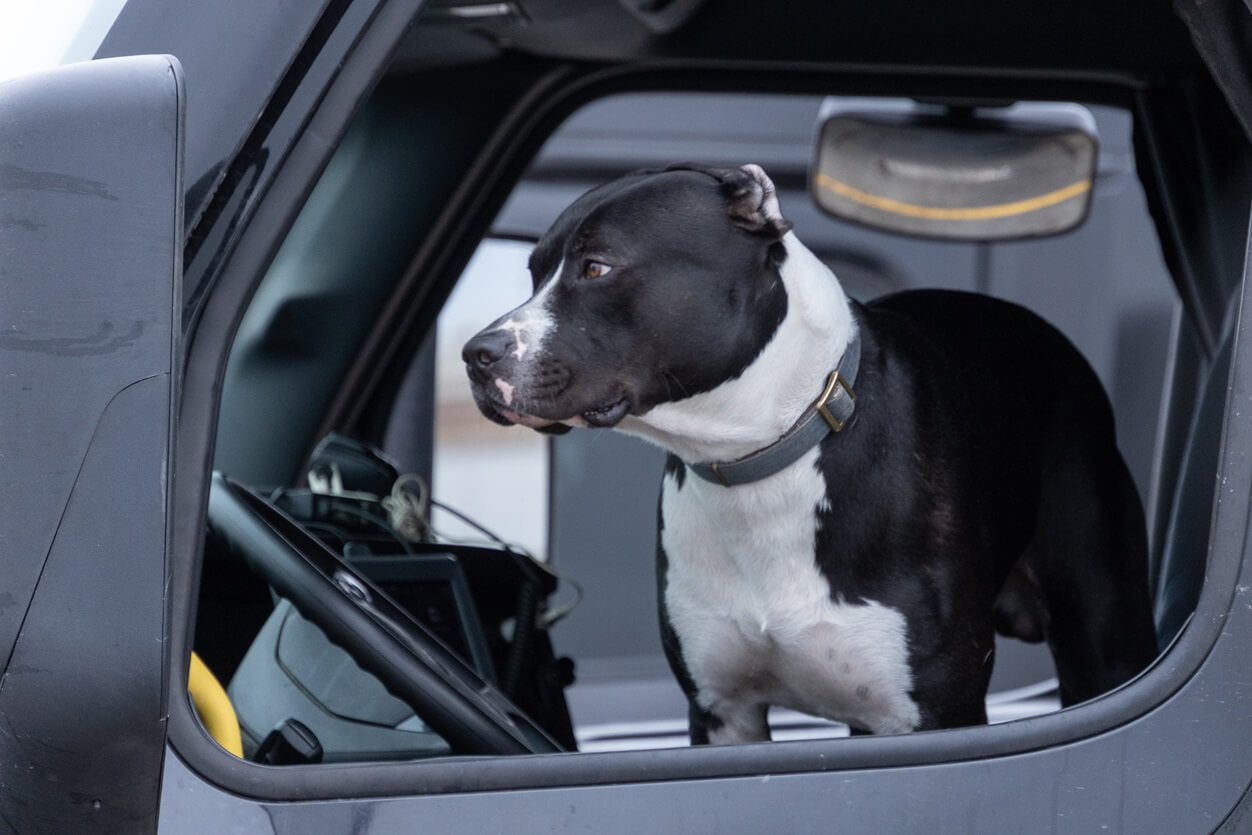
If you’re a trucker who crosses borders with your canine companion, heads up: the rules of the road have changed. Since August 1, 2024, the Centers for Disease Control and Prevention (CDC) has new regulations in place for dogs entering or re-entering the United States. Let’s break down what this means for you and your four-legged friend.
The New Reality at the Border
The CDC’s aim? Keeping canine rabies out of the U.S. It’s a Noble goal, but it does add a few steps to your border crossing routine. These rules apply to all pets— everyday pets, service dogs, and even dogs born right here in the USA.
What You Need to Know
Here’s the checklist for your pup:
Age: Must be at least six months old.
ID: Needs an approved microchip.
Health: Your dog should look healthy when you roll up to the border.
Paperwork: You’ll need a CDC Dog Import Form receipt.
The CDC Dog Import Form
This form is now essential when crossing borders with your dog. Here’s the lowdown:
It’s good for six months.
You can use it for multiple crossings (unless your dog visits a high-risk country).
Each dog needs its own form.
It’s free to fill out and submit.
Staying on Top of It
Fill out that CDC form well before hitting the road.
Keep form receipts on your phone for easy access.
Making sure their dog’s microchip is good to go.
Keep up with those vet check-ups.
Adapting to Change
These new regulations may seem like an extra hurdle, but they’re designed to keep both human and canine travelers safe. A well-prepared trucker is an efficient trucker. Keep your dog’s documents as organized as your logbook, and you’ll have no issues.
It often seems like there’s always one more regulation to keep track of. From hours of service to emissions standards and now pet travel requirements, the list keeps growing. It’s part of the job to stay on top of these changes and adapt accordingly. But while regulations may come and go, one constant remains the need for reliable, convenient parking during your hauls.
Simplify Your Journey with Truck Parking Club
While you’re dealing with new regulations, finding a parking spot to rest shouldn’t add to your stress. Long hauls are tough enough without worrying about where you’ll park for the night.
Truck Parking Club has a network of parking spots across North America. Our user-friendly app lets you find and reserve spaces in advance, giving you one less thing to worry about on the road.
But we’re not just for drivers. Property owners, got unused land? Turn that space into a steady revenue stream. By joining our network, you’re not just making money—you’re supporting the backbone of America’s supply chain. It’s a win-win: drivers get the secure parking they need, and you get to capitalize on your unused property.
The information published herein is for general informational purposes only. Truck Parking Club does not make any representations or warranties about the completeness, reliability, legality, and accuracy of this information. Any reliance placed on such material is strictly at the user’s own risk. Truck Parking Club shall not be responsible for any losses or damages incurred in connection with the information published herein.
The trucking industry in New Jersey is sounding the alarm over impending electric vehicle regulations set to take effect in 2025. Industry organizations are urging legislative leaders to hold hearings and address the potential impact of these regulations on the state’s trucking sector and the wider economy.
At the heart of the issue lies the Advanced Clean Truck (ACT) rule, which mandates zero-emission truck sales starting in 2025. While aimed at reducing greenhouse gas emissions, industry leaders argue that the regulation’s rapid implementation and the high cost of electric trucks could cripple the trucking industry and drive up consumer prices.
Cost and Infrastructure Concerns
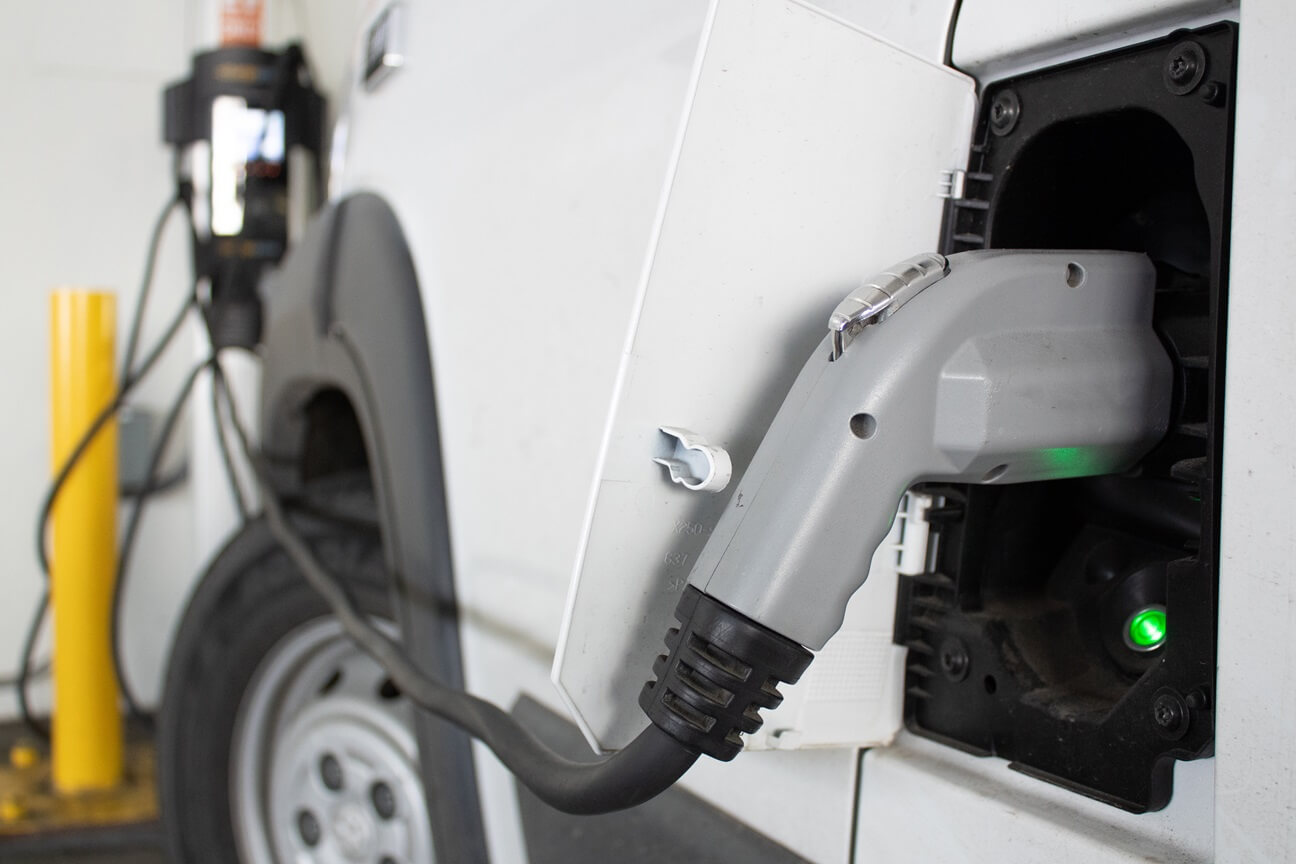
Electric Class 8 trucks, the backbone of long-haul trucking, currently cost about three times more than their diesel counterparts. This significant price difference, coupled with concerns about payload capacity and the lack of charging infrastructure, has sparked fears that the regulation could force smaller trucking companies out of business.
The industry also highlights the challenge of establishing a robust charging network for heavy-duty vehicles. The cost of building such infrastructure is substantial, and the state’s power grid may not be equipped to handle the increased demand.
This creates a Catch-22 situation, where the lack of charging stations discourages the adoption of electric trucks, while the low adoption rate hinders investment in charging infrastructure.
Impact on Dealerships and Consumers
The ACT rule could also have a ripple effect on the wider trucking industry, including truck dealerships. If customers are reluctant to purchase the more expensive electric trucks, the move could potentially push them out of business. The ripple effect extends further, impacting municipalities, counties, and ultimately taxpayers, as the regulation covers all vehicles over 8,500 pounds, including work trucks and vans.
A Call for Legislative Action
Industry groups are calling for legislative hearings to examine the potential consequences of the ACT rule and ensure that the transition to electric trucks is feasible and sustainable for the New Jersey trucking industry. They argue that the current regulations were implemented without proper legislative approval and could have a devastating impact on the state’s economy.
As the debate over the ACT rule heats up, one thing remains clear: the transition to electric vehicles will be a complex and challenging process for the trucking industry. While the long-term benefits for the environment are undeniable, the immediate economic and logistical hurdles cannot be ignored.
Navigating Change with Truck Parking Club
As the trucking industry juggles the various complexities of regulatory changes and technological advancements, Truck Parking Club remains a solid, reliable partner for truckers and property owners. By providing a platform to connect drivers with secure and accessible parking options, Truck Parking Club helps alleviate one of the industry’s most persistent challenges.
Whether you’re a trucker seeking peace of mind on the road or a property owner looking to generate income from unused space, Truck Parking Club offers solutions that benefit everyone.
Join the Truck Parking Revolution
Don’t let the challenges of the trucking industry hold you back. Sign up for Truck Parking Club today for convenient, affordable truck parking.
Alternatively, if you are a property owner, you can list your space and become part of the solution to the truck parking crisis while creating a healthy additional revenue stream in the process.
The information published herein is for general informational purposes only. Truck Parking Club does not make any representations or warranties about the completeness, reliability, legality, and accuracy of this information. Any reliance placed on such material is strictly at the user’s own risk. Truck Parking Club shall not be responsible for any losses or damages incurred in connection with the information published herein.
A trucker needs to be prepared for everything. The road can be unpredictable, so staying alert is necessary.
Today, we’d like to talk a bit more about safe driving during those severe summer storms. These storms can bring heavy rain, strong winds, hail, and lightning, all of which can create hazardous driving conditions.
At Truck Parking Club, we’re committed to ensuring that our community of truck drivers stays safe and well-prepared on the road. Here are some essential tips to help you navigate severe summer storms effectively and safely.
1. Stay Informed
Staying up to date on all weather conditions and forecasts is a must. So, before you hit the road, always check the weather forecast on your route. Use reliable weather apps and services to get real-time updates. Knowing what to expect can help you plan your journey better and avoid the worst of the storm.
2. Adjust Your Driving Speed
Unfortunately, forecasts aren’t always accurate.
There will be instances when a summer storm hits unexpectedly, significantly reducing visibility and traction on the road. If that happens, it’s crucial to reduce your speed to match the conditions.
Driving slower gives you more time to react to sudden changes and helps prevent accidents caused by hydroplaning or losing control on slippery surfaces.
3. Maintain a Safe Following Distance
In heavy rain or during strong winds, it’s essential to increase the distance between your truck and the vehicle ahead. This extra space allows for safer braking and more reaction time if the vehicle in front suddenly stops or swerves. This is more than true for heavy-loaded trucks.
4. Use Your Lights
Turn on your headlights to improve visibility, both for yourself and for other drivers. In heavy rain, fog lights can also be helpful. Avoid using high beams in foggy conditions, as they can reflect off the fog and reduce your visibility further.
5. Watch for Standing Water
Flooded roads and standing water can be extremely dangerous for heavy trucks. Hydroplaning is a real risk, which can cause you to lose control.
Avoid driving through deep water, as it can also damage your truck’s electrical systems and brakes. If you must drive through water, do so slowly and steadily to reduce the risk of hydroplaning.
6. Be Cautious of High Winds
High winds can be especially hazardous for large trucks, which have a larger surface area that can act like a sail.
If the wind hits, reduce your speed and be extra cautious when driving over bridges, open stretches of road, and in areas where wind can be funneled through gaps in the landscape.
If winds are too strong, find a safe place to park and wait it out.
7. Secure Your Cargo
If you expect a more severe storm to hit when you’re on the road, double-check if all cargo is properly secured.
High winds and sudden stops can shift unsecured loads, making your truck unbalanced and increasing the risk of accidents. Regularly check your load during breaks and make adjustments as necessary.
8. Use Rest Areas and Truck Parking
Sometimes, it’s better to wait things out, even if it means missing your shipment delivery deadline. If the storm is too extreme, pull over and wait for it to pass.
Try to use designated rest areas and truck parking facilities to ensure you’re not obstructing traffic or putting yourself in danger. At Truck Parking Club, we provide a platform to connect you with private truck parking owners, ensuring you have a safe and convenient place to wait out the storm.
9. Stay Calm and Focused
Driving in severe weather can be stressful, but it’s crucial to stay calm and focused. Avoid distractions, keep both hands on the wheel, and stay alert for any sudden changes in road conditions. If you feel overwhelmed, find a safe place to stop and take a break.
10. Communicate Your Plans
Inform your dispatcher or fleet manager about the weather conditions and your plan of action. Keeping your team informed ensures that they are aware of any delays and can assist you if needed. Communication is key in ensuring your safety and managing expectations.
Driving through severe summer storms requires caution, preparation, and the ability to adapt to changing conditions. By following these tips, you can enhance your safety and that of others on the road.
And remember, Truck Parking Club is here to support you with convenient and secure parking options, ensuring you have a safe place to wait out any storm. Simply open our app, quickly browse available parking spaces nearby, and book your spot.
The information published herein is for general informational purposes only. Truck Parking Club does not make any representations or warranties about the completeness, reliability, legality, and accuracy of this information. Any reliance placed on such material is strictly at the user’s own risk. Truck Parking Club shall not be responsible for any losses or damages incurred in connection with the information published herein.
Take care of your truck and trailer parking needs with new locations added daily.
How and why states are committing to electric vehicles
States across the country are paving the way for electric vehicles. This green topic is also harshly divided along red and blue lines—which is to say, it’s heavily politicized. In North Carolina and Virginia, Republican leaders have rolled back or stunted EV initiatives adopted by Democrats.
Former President Donald Trump, the Republican nominee for the 2024 presidential election, has criticized EVs and federal EV policies under current President Joe Biden. However, he has softened his tone in recent months after receiving an endorsement from Tesla CEO Elon Musk. But if elected, Trump still intends to undo Biden-era EV incentives.
To provide an account of current EV incentives and get a sense of the impact that rollback could have, Truck Parking Club compiled information from the Department of Energy to illustrate EV regulations and support in states across the nation.
This analysis only includes public incentives and policies and does not include efforts by private entities or utility providers. It lists major incentives and laws listed on the DOE website as of Oct. 1, which in many cases incentivize other alternative fuels like biodiesel and ethanol in addition to EVs. This list intends to be comprehensive but not necessarily all-encompassing.
In the U.S., transportation is the leading source of pollution, contributing about 28% of greenhouse gas emissions in 2022. Three-quarters of Americans drive a car to work, most of them alone, and trucks transfer over 60% of freight. As a result, passenger vehicles and freight trucks offer a major opportunity to reduce pollution within the transportation sector.
California has led the charge to reduce vehicular greenhouse gas emissions, adopting legislation in 2022 that will require all new vehicles sold within its borders to be electric or plug-in hybrids by 2035. Medium- and heavy-duty vehicles like box trucks and semitrucks will follow suit in 2045. In the aftermath of this decision, 16 other states have adopted similar mandates with varying timelines and EV sales quotas.
States have adopted monetary incentives to promote EV adoption as well. Over half of the country’s states provide such incentives to install EV chargers and adopt electric or other alternative fuel buses. Meanwhile, 18 states and Washington D.C. provide monetary incentives for individual residents to purchase EVs. These efforts and others are funded in part by Volkswagen settlement funds, through which the company has paid $2 billion into EV charging infrastructure and $2.9 billion into a state mitigation trust fund in damages for cheating federal emissions tests on nearly 600,000 diesel vehicles.
On a national level, the Infrastructure Investment and Jobs Act is set to invest $7.5 billion in a network of EV charging stations, aiming to add 500,000 chargers across the country. The law includes formulaic state-by-state EV infrastructure funding each year between 2022 and 2026, estimated to total $4.2 billion in all.
Additionally, the 2022 Inflation Reduction Act provides Americans with a $7,500 tax credit for buying new EVs and $4,000 for used EVs, plus credits for commercial clean vehicles, EV charging station properties, continued development and manufacturing of clean energy and transportation technologies, and more.
Many of these efforts may face the chopping block if Trump wins this year’s presidential election. The Republican nominee has said he will not allow states to ban gas-powered cars or trucks and may end the national EV tax credit. Meanwhile, Democratic nominee and current Vice President Kamala Harris has supported EV expansion efforts from within the current administration, even casting the tie-breaking vote on the pro-EV Inflation Reduction Act.
The election is likely to have major implications for EV adoption and automobile regulation throughout the country. Read on to see current EV incentives, goals, policies, and privileges in each state, offering a deeper sense of efforts across the nation—and which states may be most affected by federal swings.
Monetary incentives: – Grants for public and other light-duty EV chargers
Canva
Alaska
No notable efforts listed.
Canva
Arizona
Privileges, protections, and exemptions: – Alternative fuel vehicles, including EVs, can park in designated carpool spots – Exempts alternative fuel vehicles from HOV lane occupancy restrictions – Only EVs may park in EV charging spaces – Exempts alternative fuel vehicles from emissions inspections
Canva
Arkansas
Monetary incentives: – Grants to install EV charging stations – Grants to replace buses with electric and other alternative fuel buses – Grants to repower or replace medium-duty trucks, heavy-duty trucks, and buses with alternative fuel technologies, including EVs
Canva
California
Government goals, policies, and requirements: – By 2030, aims to have 5 million zero-emission vehicles on the road – By 2025, aims to have 200 hydrogen fueling stations and 250,000 EV chargers – By 2035, all sales of new light-duty passenger vehicles must be zero-emission vehicles – By 2045, all sales of new medium- and heavy-duty vehicles must be zero-emission vehicles – By 2035, airport shuttle fleets must adopt 100% zero-emission vehicles – Starting in 2035, school districts may only purchase or lease zero-emission buses – By 2040, public transit agencies must adopt 100% zero-emission bus fleets – Nearly all privately owned heavy-duty diesel vehicles must be retrofitted or replaced to meet updated emissions standards – Requires transportation network companies to predominantly use zero-emission vehicles and to develop emission reduction plans – Requires new construction to equip parking spaces with prewiring for EV charging stations, including residential, commercial, and public buildings – Requires cities and counties to create expedited and streamlined permitting processes for EV charging stations
Monetary incentives: – Grants to purchase or lease new and preowned EVs, plug-in hybrids, and fuel cell EVs (for income-qualifying residents) – Grants and vouchers to purchase zero-emission buses – Grants to replace heavy-duty vehicles with lower-emission alternatives – Grants to install fueling infrastructure for medium- and heavy-duty zero-emission vehicles – Grants to install EV chargers (businesses, nonprofits, local governments, and tribal governments) – Vouchers to purchase electric, hybrid, or natural gas trucks and buses – Vouchers for larger transit projects in low-income, disadvantaged communities, and tribal areas – Rebates to replace batteries, fuel cells, or other related vehicle components in eligible used zero- and near-zero-emission vehicles – Financial incentives to develop and deploy alternative and renewable fuels and advanced transportation technologies – Locally administered grants and rebates for EV purchases, EV charging stations, and other projects (available in Bay Area, Antelope Valley, El Dorado County, South Coast, and San Joaquin Valley) – Sales and use tax exclusion for manufacturers of advanced transportation products, components, or systems that reduce pollution and energy use, through 2025 – Property owner loan program for energy improvements, including EV charging stations
Privileges, protections, and exemptions: – Exempts natural gas, hydrogen, electric, and plug-in hybrid electric vehicles from HOV lane occupancy restrictions, through specified dates – Only actively charging EVs may park or stop in EV charging spaces – Renters at residential and commercial properties and residents at multifamily properties must be allowed to install EV charging stations in their designated parking spaces
External collaborations: – Multi-State Zero-Emission Vehicle Task Force
Other: – Provides funding and guidance for property owners to develop their own EV charging station incentive programs
Canva
Colorado
Government goals, policies, and requirements: – By 2050, electrify all light-duty vehicles and transition all medium- and heavy-duty vehicles be zero-emission, with incremental goals in the meantime – By 2032, will mandate that 82% of new passenger vehicles sold in Colorado be zero-emission – Beginning in 2027, will require manufacturers to sell zero-emission trucks as an increasing share of their annual sales
Monetary incentives: – Tax credit for owners of EVs and hydrogen fuel cell EVs – Grants to establish EV charging plazas and stations – Grants for fleets to buy new alternative fuel vehicles, convert existing fleet vehicles, and install EV charging infrastructure – Grants to replace diesel vehicles and equipment with all-electric or hybrid-electric equivalents, including things like tractors and construction equipment – Grants for projects that reduce emissions from industrial and manufacturing operations, including transportation electrification – Grants for electric school buses and charging infrastructure – Grants for advanced industry companies, including those working on vehicle and component manufacturing and biofuels
Privileges, protections, and exemptions: – Multifamily housing occupants must be allowed to install EV chargers in their parking spaces – Exempts EVs from state emissions inspections – Until 2030, exempts owners of EV charging stations from paying property tax on them – Only actively charging EVs may park in EV charging spaces
External collaborations: – Multi-State Zero-Emission Vehicle Task Force
Other: – Provides coaching services to residents, local governments, workplaces, and multifamily housing developments to help them identify EV benefits, including monetary savings and grant opportunities – Created a career program to provide education and training for high-paying jobs that support clean transportation, including manufacturing and maintenance of zero-emission vehicles and developing alternative clean fuels
Canva
Connecticut
Government goals, policies, and requirements: – New public, commercial, and multiunit buildings of certain sizes must install or have wiring to support EV chargers – By 2030, requires at least 30% of new transit buses to be zero-emission and bans the purchase of diesel transit buses
Monetary incentives: – Grants to install public EV charging stations – Matching funds for the purchase or lease of zero-emission school buses and chargers – Rebates for residents to purchase or lease EVs, fuel cell EVs, or plug-in hybrids – Low-interest loans for EV drivers to install home EV chargers
Privileges, protections, and exemptions: – Multifamily housing occupants and rental tenants must be allowed to install EV chargers in their parking spaces – Exempts EVs from state emissions inspections – Only EVs may park in EV charging spaces
External collaborations: – Multi-State Zero-Emission Vehicle Task Force
Canva
Delaware
Government goals, policies, and requirements: – Requires new single-family homes to be built with at least one EV-capable parking spot – Requires new multifamily housing developments to be built with some EV charging stations installed and prewiring for more – Requires a growing share of school bus purchases to be electric
Monetary incentives: – Rebates to purchase or lease new EVs or plug-in hybrids for residents, businesses, organizations, and government entities – Rebates to install public, fleet, or workplace EV charging ports – Rebates to install EV charging ports at new and existing multifamily housing sites
Canva
Florida
Monetary incentives: – Local governments may offer funding or other financing to property owners for EV charger installations, but the state itself does not have an established program
Privileges, protections, and exemptions: – Exempts low-emission and hybrid electric vehicles from HOV lane occupancy restrictions – Condominium occupants must be allowed to install EV chargers in their parking spaces – Only EVs may park in EV charging spaces – Bans insurance companies from imposing surcharges on EVs based on factors such as new technology, passenger payload, weight-to-horsepower ratio, and manufacturing materials
Canva
Georgia
Monetary incentives: – Grants to replace diesel school buses with alternative fuel or zero-emission buses – Five-year tax credit for businesses that manufacture alternative energy products for use in batteries, biofuel, and EVs – Income tax credit for businesses that install EV chargers – Income tax credit for those who convert a vehicle to natural gas, electricity, propane, or hydrogen
Privileges, protections, and exemptions: – Exempts alternative fuel vehicles from HOV lane occupancy restrictions and tolls
Canva
Hawaii
Government goals, policies, and requirements: – By 2030, reduce greenhouse gas emissions by 50% from 2005 levels – By 2045, achieve zero emissions across all transportation sectors – By 2035, state agencies must transition all of their light-duty fleets to zero-emission vehicles – Requires all public parking facilities with at least 100 parking spaces to install at least one EV charging spot
Monetary incentives: – Rebates to replace medium- and heavy-duty diesel vehicles with zero-emission vehicles, including charging infrastructure – Provides state government entities a revolving credit line to purchase or lease EVs and install EV chargers
External collaborations: – Multi-State Zero-Emission Vehicle Task Force
Canva
Idaho
Monetary incentives: – Rebates to replace medium- and heavy-duty diesel vehicles with new diesel or alternative fuel vehicles, including trucks, buses, and cargo handling equipment
Canva
Illinois
Government goals, policies, and requirements: – Anywhere the state’s toll highway authority has partnered with motor fuel service stations and facilities, garages, stores, or restaurants, it must also construct and maintain at least one EV charging station – Any gasoline-powered vehicles purchased with state funds must be flex fuel vehicles or hybrid EVs – All new or renovated residential developments must include a certain number of EV-capable parking spaces, depending on their size
Monetary incentives: – Rebates for residents to purchase new or preowned EVs – Grants to install and maintain public EV charging stations – Tax credits for manufacturers of EVs, component parts, and charging stations – Grants for projects that reduce diesel emissions – Reimbursements for school districts to convert buses to alternative fuel engines
Privileges, protections, and exemptions: – Exempts battery EVs from state emissions inspections – Exempts EVs from user fee on fleets with 10 or more vehicles – Only EVs may park or stop in EV charging spaces – Condominium occupants and rental property tenants must be allowed to install EV chargers in their parking spaces
External collaborations: – The Lake Michigan EV Circuit Tour memorandum of understanding, which aims to create an EV charging corridor along the Lake Michigan coastline – REV Midwest memorandum of understanding, which aims to accelerate vehicle electrification in the Midwest
Canva
Indiana
Government goals, policies, and requirements: – State entities must purchase or lease clean energy vehicles
Monetary incentives: – Grants to replace or convert medium- and heavy-duty diesel vehicles, including trucks, buses, and cargo-handling equipment – Grants for projects that reduce diesel emissions, including alternative fuel conversions – Grants and loans to support economic development in high-technology industries, including alternative fuel technologies and fuel-efficient vehicle production
External collaborations: – The Lake Michigan EV Circuit Tour memorandum of understanding, which aims to create an EV charging corridor along the Lake Michigan coastline – REV Midwest memorandum of understanding, which aims to accelerate vehicle electrification in the Midwest
Canva
Iowa
Government goals, policies, and requirements: – At least 10% of new state vehicle purchases must be alternative fuel vehicles
Monetary incentives: – Grants to install public EV charging stations – Grants to replace, retrofit, or convert medium- and heavy-duty diesel vehicles to alternative fuels – Grants for projects that support the implementation of the Iowa Energy Plan, including the purchase of EVs and other alternative fuel vehicles – Loans for energy infrastructure projects that facilitate electricity, biofuel, and renewable natural gas transmission, storage, or distribution – Demonstration grants for individuals who purchase alternative fuel vehicles in order to conduct research connected with the fuel or vehicle. In these cases, the Department of Natural Resources retains the title of the research vehicle.
Canva
Kansas
Other: – Conducted a study including EV topics, such as charger rate design, charger service deregulation, and the benefits of improving access to EVs and public charging stations.
Canva
Kentucky
Government goals, policies, and requirements: – By 2026, the state must replace at least 50% of light-duty fleet vehicles with alternative fuel or other low-emission vehicles
Monetary incentives: – Grants to replace school buses with newer diesel or alternative fuel buses – Offers government agencies a 50% cost match for EV chargers
Canva
Louisiana
Other: – Has a statute stating it must support the development of a statewide EV charging network by improving EV charging station infrastructure, improving consumer experiences, encouraging a cost structure for public charging stations, and encouraging the deregulation of EV charging stations
Canva
Maine
Government goals, policies, and requirements: – By 2025, 50% of state light-duty fleet acquisitions must be zero-emission vehicles and plug-in hybrids. This increases to 100% by 2030. The state encourages municipalities to do the same by 2035. – Starting in 2035, 75% of school bus acquisitions must be zero-emission vehicles
Monetary incentives: – Rebates to purchase or lease new EVs or plug-in hybrids – Provides zero- and low-interest loans for alternative fuel vehicle projects, including purchases of EVs, fuel cell EVs, zero-emission vehicles, and associated charging and fueling infrastructure
External collaborations: – Multi-State Zero-Emission Vehicle Task Force
Other: – Developing a pilot program to provide incentives for commercial entities to purchase or lease medium- and heavy-duty EVs
Canva
Maryland
Government goals, policies, and requirements: – Beginning with model year 2027, will require manufacturers to sell zero-emission trucks as an increasing percentage of their annual sales in Maryland. – By 2031, will adopt 100% zero-emission passenger vehicles in the state fleet. Will do the same for all other light-duty vehicles by 2036. – The Maryland Transit Administration may only purchase zero-emission buses for state transit – Beginning in 2025, county boards of education may only purchase zero-emission school buses – New construction of homes with a garage, carport, or driveway must include an EV charger or prewiring to support one
Monetary incentives: – Grants to local governments for transportation projects, including EV purchases and charger installations – Rebates to install EV chargers (available to individuals, businesses, multifamily housing, and state or local government entities) – Excise tax credit to those purchasing EVs and fuel cell EVs – Grants to install solar arrays on existing public facilities and infrastructure, including solar canopies that support EV chargers – Grants to purchase zero-emission school buses and install charging infrastructure – Grants to purchase new zero-emission medium- and heavy-duty vehicles
Privileges, protections, and exemptions: – Exempts alternative fuel vehicles from emissions inspections – Multifamily housing occupants must be allowed to install EV chargers in their parking spaces – Only actively charging EVs may park in EV charging spaces – Exempts low-emission and hybrid EVs from HOV lane occupancy restrictions
External collaborations: – Multi-State Zero-Emission Vehicle Task Force – The Mid-Atlantic Electrification Partnership, which supports the deployment of EVs and EV chargers throughout the region
Other: – Administering a pilot program to deploy electric school buses
Canva
Massachusetts
Government goals, policies, and requirements: – Set infrastructure requirements to gradually increase zero-emission vehicles in state fleets, mandate new vehicle acquisitions be zero-emission, and add hundreds of EV charging stations to state properties – Requires state vehicle purchases to be hybrid electric or alternative fuels to the maximum extent feasible – By late 2030, will require new bus purchases by the Massachusetts Bay Transportation Authority to be zero-emission vehicles – By late 2040, will require all MBTA buses to be zero-emission – Beginning with model year 2025, will require manufacturers to sell zero-emission trucks as an increasing percentage of their annual sales in Massachusetts – Requires any new commercial construction with over 15 parking spots to include at least one that is prewired for EV charging – Requires transportation network companies to reduce emissions and adopt EVs
Monetary incentives: – Rebates to purchase or lease new zero-emission vehicles, all-electric and hydrogen fuel cell electric trucks, buses, vans, pickups, and other light-duty vehicles (for residents, nonprofits, and businesses) – Rebates to purchase or lease preowned zero-emission vehicles (for low-income residents) – Provides some residents with free or discounted EV chargers – Grants for projects that reduce diesel emissions in Massachusetts, including alternative fuel engine conversions, exhaust retrofits, and new vehicle purchases – Grants to install EV charging stations at workplaces, educational campuses, multifamily housing developments, and other public access areas – Grants to purchase or lease qualified EVs and zero-emission motorcycles (for local governments, public universities and colleges, and state agencies)
Privileges, protections, and exemptions: – Exempts EVs from state emissions inspections
External collaborations: – Multi-State Zero-Emission Vehicle Task Force
Other: – When forging new and renewed transportation department contracts, will require fuel providers on the Massachusetts Turnpike to offer alternative fuels – Developed a website to provide the public with information on EVs
Canva
Michigan
Government goals, policies, and requirements: – By 2023, will require 100% of light-duty vehicles in the state fleet to be zero-emission – By 2040, will require 100% of medium- and heavy-duty vehicles in the state fleet to be zero-emission
Monetary incentives: – Grants to install EV charging stations (for public or private organizations) – Grants to replace medium- and heavy-duty diesel vehicles and equipment with hybrid, alternative fuel, and zero-emission vehicles – Grants for mobility and electrification companies to deploy their technology in Michigan, including EVs and charging stations – Property tax exemptions for industrial properties used for high-technology activities, including those related to EVs, hybrid EVs, or alternative fuel vehicles and their components
Privileges, protections, and exemptions: – Exempts alternative fuel vehicles from state emissions inspections
External collaborations: – The Lake Michigan EV Circuit Tour memorandum of understanding, which aims to create an EV charging corridor along the Lake Michigan coastline – REV Midwest memorandum of understanding, which aims to accelerate vehicle electrification in the Midwest
Canva
Minnesota
Government goals, policies, and requirements: – Adopted California motor vehicle emissions standards and compliance requirements specified in Title 13 of the California Code of Regulations
Monetary incentives: – Rebates to purchase or lease new or preowned EVs or plug-in hybrids (for residents) – Toll lane credits for EV drivers – Grants to purchase new electric school buses or to convert existing school buses to electricity, plus matching funds for federal grants toward the same purpose – Grants to replace off-road diesel equipment, such as trailer refrigeration units and terminal tractors
External collaborations: – REV Midwest memorandum of understanding, which aims to accelerate vehicle electrification in the Midwest
Canva
Mississippi
Other: – The state treasury is required to create a fund to provide grants or loans to EV battery manufacturing and assembly projects
Canva
Missouri
Government goals, policies, and requirements: – Requires state agency fleets of 15 or more vehicles to ensure that at least 50% of new vehicle purchases can operate on alternative fuels
Privileges, protections, and exemptions: – Exempts alternative fuel passenger vehicles, buses, and commercial vehicles from the state motor fuel tax – Exempts alternative fuel vehicles from state emissions inspections
Canva
Montana
Monetary incentives: – Grants to replace medium- and heavy-duty diesel buses and airport ground support vehicles with all-electric and alternative fuel vehicles
Canva
Nebraska
Monetary incentives: – Low-cost loans for alternative fuel projects, such as replacing conventional vehicles with alternative fuel vehicles
Canva
Nevada
Government goals, policies, and requirements: – Adopted the California motor vehicle emissions and compliance requirements specified in Title 13 of the California Code of Regulations – Requires state agencies to transition light-duty vehicle fleets to zero-emission vehicles by 2040, and to do the same with medium- and heavy-duty vehicles by 2050
Monetary incentives: – Grants to replace or convert medium- and heavy-duty diesel vehicles – Grants for clean energy projects, including programs, technologies, products, or services that support alternative fuel vehicles and related infrastructure
Privileges, protections, and exemptions: – Exempts alternative fuel and hybrid electric vehicles from state emissions inspections – Only actively charging EVs may park in EV charging spaces
External collaborations: – Multi-State Zero-Emission Vehicle Task Force
Canva
New Hampshire
Government goals, policies, and requirements: – When purchasing fleet vehicles, state agencies must pursue EV opportunities and install EV charging stations
Monetary incentives: – Grants to reduce diesel emissions by converting engines to alternative fuels, retrofitting exhaust controls, or purchasing new alternative fuel vehicles
Privileges, protections, and exemptions: – Only EVs may park in EV charging spaces
Canva
New Jersey
Government goals, policies, and requirements: – By 2040, aims for 85% of all new light-duty vehicles sold in the state to be EVs, with incremental goals in the meantime to add millions of registered light-duty EVs in the state; shift all light-duty state fleets to EVs; add thousands of EV charging stations; increase EV charging infrastructure at multifamily residential properties and overnight lodging; and increase the share of zero-emission transit buses – Beginning with model year 2025, will require manufacturers to sell zero-emission trucks as an increasing percentage of their annual sales in New Jersey – Mandates single-family property developers to offer to install an EV charging station for prospective owners – Requires new multifamily housing and commercial developments with designated parking to prewire some spots for EV charging
Monetary incentives: – Rebates to purchase or lease EVs (for residents, local and state governments) – Grants to install EV charging stations at multifamily housing developments, tourism sites, landmarks, workplaces, government agency buildings, and nonprofits – Grants to replace diesel medium- and heavy-duty vehicles and buses with all-electric vehicles, including charging infrastructure – Grants to increase electric mobility solutions for residents in underserved areas, including car-share, ride-share, and ride-hailing services – Sales and use tax exemption for zero-emission vehicles that were sold or leased before Oct. 1, 2024 – Toll discounts for EVs during off-peak hours on the New Jersey Turnpike and Garden State Parkway
Privileges, protections, and exemptions: – Exempts plug-in electric vehicles from HOV lane occupancy restrictions – Condominium occupants must be allowed to install EV chargers in their parking spaces
External collaborations: – Multi-State Zero-Emission Vehicle Task Force
Other: – To pilot a voucher program to cover up to 100% of costs on zero-emission medium- and heavy-duty vehicles for commercial, industrial, or institutional organizations – Will implement an Electric School Bus program to research the viability of electric school buses, which will include providing grants to districts to purchase electric school buses and charging infrastructure
Canva
New Mexico
Government goals, policies, and requirements: – State agencies must purchase EVs, plug-in hybrid EVs, or fuel cell EVs when acquiring new vehicles, when available. All state fleet vehicles must be these types by 2035. – Beginning with model year 2027, manufacturers will be required to sell zero-emission trucks as an increasing percentage of their annual sales – Beginning with model year 2026, manufacturers must meet the California-defined greenhouse gas emissions standard and the zero-emission vehicle production and sales requirements. These regulations apply to new passenger cars, light-duty trucks, and SUVs. – At least 75% of light-duty vehicles purchased by the state government and educational institutions must be hybrid EVs, bi-fuel, or alternative fuel vehicles
Monetary incentives: – Grants to replace heavy-duty diesel vehicles with EVs or convert existing vehicles – Tax credit to residential and commercial properties to install prewiring for EV chargers – Tax credit to manufacturers of alternative energy products, including hydrogen and fuel cell vehicle systems, EVs, and hybrids – State excise tax exemption for alternative fuels distributed by or used for government or tribal purposes
Canva
New York
Government goals, policies, and requirements: – By 2035, all sales or leases of new light-duty passenger vehicles must be zero-emission vehicles – By 2035, all sales of new off-road vehicles and equipment must be zero-emission vehicles – By 2045, all sales or leases of new medium- and heavy-duty vehicles must be zero-emission vehicles – Allocated up to $250 million to support EVs and address charging infrastructure gaps throughout the state, including interstate EV charging, airport charging hubs, and EV model communities – Beginning with model year 2025, manufacturers will be required to sell zero-emission trucks as an increasing percentage of their annual sales – Beginning in July 2027, school districts may only acquire zero-emission school buses – By the end of 2035, all state agency light-duty fleet vehicles must be zero-emission, with medium- and heavy-duty vehicles following suit by 2040 – New construction of non-residential and publicly funded parking facilities with 50-200 spaces must prewire 20% for EV charging
Monetary incentives: – Rebates to purchase or lease new EVs – Rebates to install EV charging stations at public parking facilities, workplaces, and multiunit dwellings – Vouchers for all-electric and hydrogen fuel cell electric heavy-duty trucks and buses – Vouchers for zero-emission school buses – Funds to replace or convert diesel medium- and heavy-duty vehicles – Rebates to purchase or lease zero-emission vehicles and grants to install related fueling infrastructure (for cities, towns, villages, counties, and New York City boroughs) – Funding for projects that research or develop advanced technologies to enhance mobility, improve efficiency, reduce congestion, and diversify transportation methods and fuels
Privileges, protections, and exemptions: – Exempts EVs from state emissions inspections – Multifamily housing occupants and owners within homeowners associations must be allowed to install EV chargers in their parking spaces – Only actively charging EVs may park in EV charging spaces – Exempts EVs from HOV lane occupancy restrictions
External collaborations: – Multi-State Zero-Emission Vehicle Task Force
Canva
North Carolina
Government goals, policies, and requirements: – Developed a plan to increase the number of zero-emission vehicles in the state to 80,000 by 2025; and to register 1.25 million zero-emission vehicles and increase their share of new passenger vehicle sales to 50% by 2030 – Requires state fleets to prioritize zero-emission vehicles in new purchases and to use these vehicles for agency travel when possible. Established a goal that 75% of new or replacement state government light-duty cars and trucks be alternative fuel or low-emission vehicles. Also requires state-owned fleets to increase the use of alternative fuels and fuel-efficient vehicles.
Monetary incentives: – Funding to replace or convert heavy-duty diesel fleet vehicles to alternative fuels – Grants to install public and private EV charging stations – Grants for projects that will reduce transportation-related emissions in certain areas – Retail sales and use tax exemption for retail sale, use, storage, and consumption of alternative fuels
Privileges, protections, and exemptions: – Exempts EVs, dedicated natural gas vehicles, and fuel cell EVs from HOV lane occupancy restrictions – Exempts EVs and fuel cell EVs from state emissions inspections
External collaborations: – Multi-State Zero-Emission Vehicle Task Force
Other: – Established a fund for state agencies to offset the cost of purchasing alternative fuels, vehicles, and related infrastructure
Canva
North Dakota
Monetary incentives: – Grants to replace or convert medium- and heavy-duty diesel vehicles with new diesel or alternative fuel vehicles – Authorized to provide EV charging station grants
Canva
Ohio
Government goals, policies, and requirements: – Requires all newly acquired state agency vehicles to be capable of using an alternative fuel and to use that alternative fuel if it is available and reasonably priced
Monetary incentives: – Grants to replace or convert medium- and heavy-duty diesel vehicles with alternative fuel vehicles, including supporting infrastructure – Grants for projects that retire and replace diesel public transit buses
Privileges, protections, and exemptions: – Exempts alternative fuel vehicles from state emissions inspections after a one-time verification
Canva
Oklahoma
Monetary incentives: – Grants for public EV charging stations – Rebates to replace or convert diesel school buses to alternative fuel – Tax credit to install commercial alternative fueling infrastructure
Other: – Signed a memorandum of understanding to support advanced mobility solutions, including EVs, AVs, and battery manufacturing
Canva
Oregon
Government goals, policies, and requirements: – Beginning with model year 2025, manufacturers will be required to sell zero-emission trucks as an increasing percentage of their annual sales – Beginning in 2025, require all new light-duty state agency vehicle acquisitions to be electric, plug-in hybrid electric, or hydrogen fuel cell vehicles to the maximum extent possible. When not possible, the vehicles must be of other alternative fuel or low-emission. – Requires 20% of parking spaces at new commercial, mixed-use, and certain multifamily developments to include prewiring to support EV chargers – Requires new residential construction to be able to support EV chargers
Monetary incentives: – Grants to develop community renewable energy projects, including public EV chargers (for tribal entities, local governments, port and irrigation districts, and consumer-owned utilities) – Grants to replace or convert school buses to reduce diesel emissions – Rebates to install EV chargers (for businesses, multifamily housing developments, and state, local, and tribal governments) – Rebate to purchase new or preowned EVs and public hybrids between April 3 and June 4, 2024 (for residents) – Low-interest loans for projects that develop alternative fueling infrastructure, production facilities, and fleets
Privileges, protections, and exemptions: – Multifamily housing occupants must be allowed to install EV chargers in their parking spaces – Only actively fueling alternative fuel vehicles may park in designated fueling spaces – Exempts natural gas and all-electric vehicles from equipping with certified pollution control systems
External collaborations: – Multi-State Zero-Emission Vehicle Task Force
Other: – Plans to use up to 15% of VW Environmental Mitigation Trust funds to support vehicle electrification, including development and maintenance of EV chargers – Has a Parks and Recreation Transportation Electrification Fund to install public EV chargers at state parks – Provides Governor’s Awards to dealerships to encourage EV sales
Canva
Pennsylvania
Government goals, policies, and requirements: – By 2025, state agencies required to replace 25% of passenger car fleets with EVs
Monetary incentives: – Rebates to purchase new or preowned alternative fuel vehicles – Grants for diesel emission reduction projects – Grants to convert or replace ferries, tugboats, and freight switcher locomotives with new diesel, alternative fuel, or all-electric equivalents – Grants to replace medium- and heavy-duty trucks with zero-emission electric or hydrogen fuel cell electric trucks – Grants to replace equipment with all-electric substitutes, including airport ground support, forklifts, and port cargo handling equipment – Grants for advanced fuel and technology projects to convert vehicles for alternative fuels, purchase new alternative fuel vehicles and necessary infrastructure, or conduct research, training, development, and demonstrations of new alternative fuel vehicle technologies (for school districts, municipal authorities, political subdivisions, nonprofits, and private entities)
External collaborations: – Multi-State Zero-Emission Vehicle Task Force
Canva
Rhode Island
Government goals, policies, and requirements: – By 2025, requires 25% of state vehicle acquisitions to be zero-emission by 2025. Requires 75% of acquisitions to be alternative fuel vehicles and 25% to be hybrid electric. – Beginning with model year 2027, manufacturers will be required to sell zero-emission trucks as an increasing percentage of their annual sales – Adopted an EV charging station plan for state infrastructure needs
Monetary incentives: – Grants to replace medium- and heavy-duty diesel vehicles with new diesel, alternative fuel, and zero-emission vehicles (for fleet operators, businesses, local and state government entities, schools districts, and other qualifying entities) – Rebates to purchase or lease zero-emission and plug-in hybrid vehicles (for residents) – Rebates to purchase or lease new and preowned zero-emission vehicles (for small businesses, nonprofits, state and local government agencies, school districts, and public libraries)
Privileges, protections, and exemptions: – Exempts alternative fuel vehicles from state emissions inspections – Only actively charging EVs may park in EV charging spaces
External collaborations: – Multi-State Zero-Emission Vehicle Task Force
Canva
South Carolina
Government goals, policies, and requirements: – Requires state agencies to give preference to hybrid, plug-in hybrid electric, biodiesel, hydrogen, fuel cell, or flexible fuel vehicles when purchasing new vehicles
Monetary incentives: – Grants for alternative fuel demonstration projects (for state agencies, local governments, public colleges and universities, K-12 public schools, and nonprofits) – Grants for projects that reduce diesel emissions, including those that retrofit engines or replace vehicles and equipment (for universities, private organizations, businesses, and local government entities) – Low-interest loans for energy efficiency improvements, including alternative fuel vehicle conversions and purchases
Canva
South Dakota
Monetary incentives: – Grants for bus diesel emission reduction projects
Canva
Tennessee
Government goals, policies, and requirements: – At least 25% of passenger motor vehicles that the state procures in designated areas must be alternative fuel or all-electric vehicles, if available
Monetary incentives: – Grants to convert or replace buses and freight trucks with alternative fuel or all-electric models – Grants to install EV charging stations (for private, public, and nonprofits)
Canva
Texas
Government goals, policies, and requirements: – Requires state agency fleets to purchase vehicles that use alternative fuels. Within these fleets, half of vehicles must be able to run on alternative fuel and must use these fuels during at least 80% of driving time.
Monetary incentives: – Grants to purchase or lease new light-duty alternative fuel vehicles – Grants to replace fleet vehicles with alternative fuel vehicles or hybrid EVs – Grants to build alternative fueling facilities for natural gas, hydrogen, biodiesel, propane, electricity, and methanol – Grants to replace or convert drayage and cargo handling equipment with electric equipment and other low-emission alternatives – Grants to replace heavy-duty, diesel-powered vehicles with newer vehicles powered by diesel, natural gas, propane, methanol, hydrogen, or electricity, or to convert existing vehicles – Grants for clean air projects, including those that replace, retrofit, or convert heavy-duty vehicles, build and use alternative fuel infrastructure, and expand electrification infrastructure – Grants to replace school buses or install emission-reducing equipment on existing buses
Privileges, protections, and exemptions: – Exempts EVs from state emissions inspections
Canva
Utah
Monetary incentives: – Tax credits to purchase heavy-duty alternative fuel vehicles – Rebates to install EV charging stations (for businesses, nonprofits, and government entities) – Grants to purchase alternative fuel vehicles or convert existing vehicles to run on these fuels (for businesses and government entities)
Privileges, protections, and exemptions: – Exempts propane and electricity used to operate motor vehicles from state motor fuel taxes – Exempts alternative fuel vehicles from HOV lane occupancy restrictions until September 2025 – Exempts electric vehicles from state emissions inspections
Other: – Authorized to establish a large-scale EV charging station program of up to $50 million
Canva
Vermont
Government goals, policies, and requirements: – Established goal to deploy one public EV charging port within a mile of all interstate and highway exits and within 25 miles of other chargers along state highways – Beginning with model year 2026, manufacturers will be required to sell zero-emission trucks as an increasing percentage of their annual sales – Requires at least 75% of state-purchased vehicles to be EVs or hybrids
Monetary incentives: – Grants to purchase or lease new EVs (for low- and moderate-income residents, local and state governments, businesses, and nonprofits) – Grants to replace personal vehicles with new or preowned all-electric or plug-in hybrid vehicles – Grants for projects focused on reducing emissions from heavy-duty diesel engines and buses, including converting or replacing vehicles (for local, state, and regional agencies or departments, businesses, institutions, and nonprofits) – Grants to install EV chargers (for workplaces, multifamily housing developments, and other public charging locations) – Low-interest loans to finance public EV chargers and natural gas fueling stations (for municipalities, regional development corporations, political subdivisions, and private companies)
External collaborations: – Multi-State Zero-Emission Vehicle Task Force
Other: – The state transportation agency is required to administer a pilot program to install EV chargers at multifamily and affordable housing units
Canva
Virginia
Government goals, policies, and requirements: – Adopted California motor vehicle emissions and compliance requirements specified in Title 13 of the California Code of Regulations, which apply to all passenger cars, light-duty trucks, and medium-duty vehicles – Requires new executive branch agencies and institutions constructing buildings over 5,000 square feet or doing costly renovations to include EV charging infrastructure, unless in interstate system right-of-way. Requires localities constructing similarly-sized buildings to support projected EV charging demand over the first 10 years following its occupancy.
Monetary incentives: – Grants to purchase alternative fuel vehicles or convert existing vehicles (for state agencies and local governments) – Grants to install EV charging stations in rural or underserved communities (for businesses and public-private partnerships)
Privileges, protections, and exemptions: – Exempts alternative fuel vehicles from state emissions inspections – Condominium occupants and owners within homeowners associations must be allowed to install EV chargers in their parking spaces – Only actively charging EVs may park in EV charging spaces – Exempts alternative fuel vehicles from HOV lane occupancy restrictions in specified areas
External collaborations: – Multi-State Zero-Emission Vehicle Task Force – The Mid-Atlantic Electrification Partnership, which supports the deployment of EVs and EV chargers throughout the region
Canva
Washington
Government goals, policies, and requirements: – By model year 2030, all new light-duty vehicles sold, purchased, or registered in Washington must be EVs – Beginning with model year 2025, will require manufacturers to sell zero-emission trucks as an increasing percentage of their annual sales – Requires state executive and small-cabinet agency fleets to acquire EVs at increasing rates, and will require all new fleet vehicles to be EVs by 2040 – Requires state agencies to use 100% biofuels or electricity to operate publicly owned vehicles, to the extent possible – All new buildings must prewire at least one parking space, or 10% of all parking spaces, for EV chargers – Requires regional transportation organizations in large-population areas to collaborate on efforts to promote EV use – Requires jurisdictions to adopt regulations for permitting EV infrastructure and battery charger use in most areas – State required to install EV chargers and fueling stations in certain areas
Monetary incentives: – Grants to install EV chargers at public, workplace, tribal, and multifamily housing locations and along highway corridors – Grants to replace or convert medium- and heavy-duty diesel vehicles to zero-emission vehicles, including refuse trucks, street sweepers, freight switcher locomotives, port cargo handling equipment, and forklifts – Grants to design and create zero-emission vehicle car-share programs in underserved and low-to-moderate income communities (for nonprofits and local governments) – Grants to replace diesel school buses with zero-emission school buses, including fueling infrastructure – Grants for projects that reduce carbon intensity in state transportation, including fleet electrification, upgrades to electrical transmission and distribution systems, and construction of charging and fueling infrastructure (for transit authorities) – Business tax credits to purchase new and used alternative-fuel medium- and heavy-duty vehicles, and to install related fueling infrastructure – Sales and use tax exemption for new and used alternative fuel passenger vehicles and light-duty trucks – Sales and use tax exemption for EV and fuel cell EV infrastructure and battery sales, labor, installation, and related property – Leasehold excise tax exemption for public lands used to install, maintain, and operate EV chargers
Privileges, protections, and exemptions: – Exempts alternative fuel vehicles from state emissions inspections – Multifamily housing occupants must be allowed to install EV chargers in their parking spaces
Other: – Plans to use 15% of VW Environmental Mitigation Trust funds to install, operate, and maintain zero-emission vehicle charging infrastructure – Developing a zero-emission drayage truck demonstration project to guide the transition to zero-emission seaport cargo fleets
Canva
West Virginia
External collaborations: – The Mid-Atlantic Electrification Partnership, which supports the deployment of EVs and EV chargers throughout the region
Canva
Wisconsin
Monetary incentives: – Grants to replace public transit buses with new replacement diesel or alternative fuel buses – Grants for projects that reduce diesel emissions, including new vehicle purchases or engine conversions for school and transit buses, nonroad engines, equipment, and other diesel vehicles (for businesses, nonprofits, and public entities) – Grants to support renewable energy and energy storage technology development, including planning for fleets and EVs – Refunds state fuel tax payments for taxis using alternative fuels – Exempts alternative fuels from excise, license, privilege, or occupational taxes – Tax credits for corporations conducting vehicle battery and engine research
External collaborations: – Part of the REV Midwest memorandum of understanding to accelerate vehicle electrification in the Midwest – Part of the Lake Michigan EV Circuit Tour memorandum of understanding to create an EV charging corridor along the Lake Michigan coastline
Canva
Wyoming
No notable efforts listed.
Canva
PARK YOUR TRAILER WITH NO HASSLE
Store your trailer in a safe place with a state-of-the-art platform that locates trailer parking near me.
Washington D.C.
Government goals, policies, and requirements: – Aims to achieve 25% zero-emission vehicle registrations by 2030 – Starting in 2026, requires government entities to only acquire zero-emission vehicles, unless there are no equivalent models available – Requires 70% of certain new fleet purchases to be clean fuel vehicles – Executive office of the mayor to establish a transportation electrification program, which will require all buses, large private fleets, commercial motor carriers, limo services, and taxis to be zero-emission vehicles by 2045 – Requires transportation network companies to complete emissions reduction plans, including increasing zero-emission vehicles among drivers
Monetary incentives: – Offers income tax credit for equipment and labor costs to convert vehicles to alternative fuel, or to purchase and install alternative fuel infrastructure (for businesses and individuals) – Exempts some EVs from excise tax on certificate of title, including original and subsequent purchasers
Privileges, protections, and exemptions: – Exempts certified clean fuel vehicles from time-of-day and day-of-week restrictions and commercial vehicle bans, if part of a fleet of at least 10 vehicles in D.C. – Allows EV owners to utilize curbside charging if they don’t have designated off-street parking
External collaborations: – The Mid-Atlantic Electrification Partnership, which supports the deployment of EVs and EV chargers throughout the region – Multi-State Zero-Emission Vehicle Task Force
Other: – Department of Transportation required to install at least 15 public EV charging stations throughout the district and collect data on their use
Story editing by Chris Compendio. Additional editing by Kelly Glass and Elisa Huang. Copy editing by Tim Bruns. Photo selection by Lacy Kerrick.