
Category: Tips For Truckers

  • Trucker Sleeping Tips: How to Get a Good Night’s Sleep on the Road

    Trucker Sleeping Tips: How to Get a Good Night’s Sleep on the Road

    truck driver sleeping on cabin's bed at night

    Have you ever noticed how people love complaining about their sleep? Even those with memory foam mattresses, blackout curtains, and perfect thermostats still toss and turn.

    Now imagine trying to get quality shut-eye while parked at a truck stop, with reefer units humming and lot lights blazing through your windows. Compound that with irregular schedules, changing time zones, and the constant challenge of finding quiet parking spots, catching those Z’s can feel like an Olympic sport.

    The good news? We’ve put together some solid strategies for getting proper rest on the road.

    Where Do Truck Drivers Sleep?

    A sleeper cab is more than just a bunk – it’s a bedroom, living room, and sanctuary all rolled into one.

    Rest areas might offer a quick place to park, but between the constant coming and going of vehicles, time limits, and lack of facilities, they’re not exactly built for quality sleep.

    But many drivers spend their nights at truck stops and parking lots, and for good reason. Modern truck stops and parking lots are like small towns built specifically for drivers, offering everything you need for a good night’s rest.

    The best truck stops combine convenience with comfort. You’ll find clean showers, decent food options, and often extras like laundry facilities. There’s also something reassuring about being parked among fellow drivers who understand the importance of respecting quiet hours.

    Modern sleeper cabs come equipped with the basics – a mattress, storage, and climate control. But turning that space into somewhere you can actually rest takes some know-how. Every inch matters when you’re setting up for sleep.

    Managing Heat, Light, and Sound

    First up: temperature. Your body needs to cool down for quality sleep, but that doesn’t mean freezing yourself out. Most drivers find their sweet spot between 65 and 68 degrees. Running your APU or inverter fan on low creates white noise that helps mask outside sounds while keeping the air moving.

    Light control makes a huge difference. Those lot lights that keep your truck secure can also keep you wide awake. Invest in good window covers – not just the factory curtains. Some drivers swear by custom-fit blackout shades, while others get creative with heavy-duty windshield sunshades.

    Sound is trickier to control, but you’ve got options. Earplugs work for some, but if you’re not comfortable blocking out sound completely, a white noise app or small fan can help drown out the stop’s background buzz. Park smart, too – try to avoid spots near reefer units or the fuel islands if you can.

    Smart Sleep Habits on the Road

    Your pre-sleep routine matters as much as your setup. Try to wind down the same way each night, even if you’re not hitting the bunk at the same time. Give yourself 30 minutes without looking at your phone – that blue light tells your brain it’s still daytime.

    What you eat and drink makes a difference too. Heavy meals right before sleep can keep you tossing and turning. And while that last coffee might seem tempting, caffeine can affect your sleep quality for hours after your last sip. Keep water handy instead – but not so much that you’ll need a mid-sleep pit stop.

    Setting Up Your Sleep Space

    Let’s talk real truck sleep setup – no fantasy bedroom stuff. Start with what you’re sleeping on. That factory mattress might do the job, but a thin memory foam topper can make a big difference without eating up precious space. Even a 1-inch topper can help smooth out a firm mattress.

    Bedding needs to be practical in a tight space. Light layers work better than one thick blanket – you can adjust easily as the temperature changes. Keep it simple with one spare set of sheets that packs down small. 

    Keep your sleep essentials (eye mask, earplugs, water bottle) in a small bag that hangs right by your bunk. Nothing worse than having to climb out of bed to find what you need.

    Managing Irregular Schedules

    For many long-distance truck drivers, there’s no such thing as a “normal” sleep schedule. One day you’re running days; the next, you’re flipping to nights. 

    When you’re crossing from California to Texas, your body clock doesn’t just have to handle time zones – it’s got to deal with those early morning warehouse appointments in El Paso after a late-night run through Phoenix.

    The trick isn’t fighting your irregular schedule – it’s working with it. If you know you’ve got a schedule flip coming up, start adjusting a few hours each day instead of trying to force a complete switch overnight. Your body handles small changes better than big ones.

    Meal timing plays a bigger role than most realize. When you eat is like setting a clock for your body. Try to keep some routine with your meals, even when your sleep schedule is all over the place. A light snack about an hour before sleep can help, but skip anything heavy that’ll keep your engine running when you’re trying to shut down.

    Naps can be your secret weapon, but timing is everything. A 20-30 minute power nap can refresh you without leaving you groggy. Just be strategic about when you take them – a nap too close to your main sleep can mess with your rest more than help it.

    Planning Ahead for Better Sleep

    This is where a bit of strategy comes in handy. Knowing where you’ll park at the end of your run takes one major stress off your mind. The last thing you need is to waste time circling packed truck stops when you’re ready to get some rest.

    Think about your regular routes. That busy stretch between Georgia and Florida on I-95? Those spots fill up fast, especially during snowbird season. And anyone who’s tried to find parking near New Jersey ports knows that showing up without a plan isn’t going to end well.

    This is where Truck Parking Club makes the difference. Book your spot in advance, knowing exactly which truck stops have the amenities you need.

    Speaking of facilities, a good pre-sleep routine is easier when you’ve got access to the right amenities. A hot shower before bed can make a world of difference to your sleep quality.

    Rest Easier Tonight

    Getting quality sleep on the road isn’t just about the right mattress or the perfect room temperature – it’s about knowing your spot is waiting for you. 

    Ready to take the stress out of finding your next sleep spot? Visit Truck Parking Club today and join thousands of drivers who’ve already discovered the peace of mind that comes with guaranteed parking.

    Sign Up Free & Become a Trucker Member Today

    The information published herein is for general informational purposes only. Truck Parking Club does not make any representations or warranties about the completeness, reliability, legality, and accuracy of this information. Any reliance placed on such material is strictly at the user’s own risk. Truck Parking Club shall not be responsible for any losses or damages incurred in connection with the information published herein.


  • 10 Must-Have Trucking Tools: Assemble Your Ultimate Trucker Toolkit

    10 Must-Have Trucking Tools: Assemble Your Ultimate Trucker Toolkit

    male driver sitting in his truck, using his tablet

    Gone are the days when a basic tool kit and a dog-eared road atlas were all you needed in your truck. Modern trucking demands modern solutions – from smart apps that find you parking to reliable tools that keep you rolling.

    Every minute counts when you’re on the road, and having the right tools at the right time can turn a potential disaster into a quick fix. We’ve put together this guide to the ten essential tools that should be in every truck.

    Digital Tools Every Driver Needs

    1. Navigation and Route Planning Apps

    Navigation and route planning have come a long way from paper maps and road atlases. Today’s GPS tools do more than just show you the way – they account for bridge heights, truck restrictions, and real-time traffic patterns. Integration with weather services means you’ll know about that snowstorm in Colorado long before you hit the mountains. Many offer CB radio integration and real-time traffic alerts from other truckers.

    1. Truck Parking Apps

    But finding your way is only half the battle. Finding a place to rest when your hours run low is just as important. The Truck Parking Club app for Android and iOS takes the guesswork out of parking. With instant reservations and real-time availability updates, you’ll know exactly where you’re parking before you start your day. 

    The app shows you all available amenities – from shower facilities to restaurants – and lets you filter spots based on what you need. Real-time updates mean no more arriving to find that last spot just filled up.

    1. ELD and Logging Apps

    Electronic logging is another game-changer. Modern ELD apps do more than just track your hours – they handle IFTA calculations, maintenance schedules, and inspection reports all in one place. No more shuffling through paperwork or trying to remember your fuel stops from three states ago.

    Essential Physical Tools

    1.  Basic Maintenance Kit

    Every truck needs a reliable set of basic tools. A comprehensive socket set with both metric and standard sizes forms the foundation of your kit. Add quality wrenches that can handle stubborn bolts, a set of both flathead and Phillips screwdrivers for various applications, and sturdy pliers for those hard-to-reach spots. Store these in a durable, organized toolbox where you can find what you need quickly.

    1. Emergency Equipment

    When you’re miles from the nearest service station in Montana, good emergency equipment becomes invaluable. Keep a powerful flashlight with backup batteries, DOT-approved warning triangles, and a reliable jump starter in an easily accessible spot. Ensure your first aid kit is well-stocked and regularly checked – replace expired items and restock used supplies. These basics of emergency preparedness can make a big difference when help is hours away.

    1. Tire Tools

    Your tires are literally where the rubber meets the road. A quality tire pressure gauge that you can trust is essential – digital ones offer precise readings but keep a stick gauge as backup. Add a reliable tread depth gauge to monitor wear patterns, and invest in a good portable air compressor that can handle truck tires. These tools pay for themselves by preventing just one roadside service call.

    Comfort and Convenience Tools

       7. Climate Control Tools

    Managing your cab environment makes all the difference in driver comfort and alertness. A powerful portable fan helps circulate air and reduces APU runtime. Quality window covers aren’t just for sleeping – they help maintain comfortable temperatures year-round. Keep your APU running efficiently with basic maintenance accessories like filters and belts, protecting your investment in comfort.

       8. Power and Connectivity 

    Today’s trucker needs reliable power for multiple devices. A pure sine wave inverter provides clean power for sensitive electronics, while a quality charging station keeps everything from phones to tablets ready to go. A good WiFi booster ensures you stay connected even in remote areas, essential for both work and downtime. Consider a backup power bank, too – it’s a small investment that can keep your devices running during unexpected delays or when you can’t run your truck.

        9. Organization Tools

    A well-organized truck is an efficient workplace. Install storage solutions that make sense to you – document organizers for paperwork, secure storage for valuable tools, and dedicated spaces for everyday items. Think about frequently accessed items versus emergency supplies – keeping daily necessities within arm’s reach while maximizing the use of overhead storage for less-used items. 

    Cargo securing equipment also requires its own organized space, with straps, chains, and binders easily accessible when you need them. Consider magnetic strips for frequently used tools and clear containers to easily spot what you need.

      10. Health and Safety Tools

    Long-haul driving demands attention to personal well-being. Stock up on weather-appropriate gear for loading and unloading in Michigan winters or Texas summers. Keep personal protection equipment like work gloves and safety glasses within easy reach.

    Basic hygiene supplies, including cleaning materials for your cab, help maintain a professional and healthy workspace. Don’t forget items like a good-quality mattress topper and blackout curtains – quality rest is part of safety, too.

    Ready for the Road?

    Having the right tools isn’t just about being prepared – it’s about being professional and efficient. From digital solutions that save time to physical tools that keep you rolling, each item in this list earns its place in your truck.

    Start with one of the most important tools in your arsenal: download the Truck Parking Club app today. Join thousands of drivers who’ve discovered how much easier life on the road becomes when you can secure reliable parking with just a few taps.

    Download the App and Book Your Space Here

    The information published herein is for general informational purposes only. Truck Parking Club does not make any representations or warranties about the completeness, reliability, legality, and accuracy of this information. Any reliance placed on such material is strictly at the user’s own risk. Truck Parking Club shall not be responsible for any losses or damages incurred in connection with the information published herein.

  • Understanding Cargo Theft in the US

    Understanding Cargo Theft in the US

    an empty truck container

    With advancing technologies, you might think cargo theft is a thing of the past. However, that couldn’t be further from the truth. According to CargoNet, a company that records cargo theft, there were about 692 incidents reported across the US and Canada in 2023, an increase of 59% from the previous year.  

    The outlook for 2024 isn’t promising either, with crime rates continuing to rise. That’s why it’s more important than ever to understand how to prevent cargo theft and ensure your goods reach their destination safely.

    In this article, we’ll share effective cargo theft prevention tips to help you feel more secure while on the road.

    What Is Cargo Theft?

    Cargo theft is the illegal act of stealing goods that are transported by trucks, trailers, and other vehicles. Cargo theft can happen at any point during the transportation process, including at rest stops, parking lots, or even in transit. 

    Thieves target different kinds of cargo, but high-value items are often a primary target. These can include electronics, consumer goods, or pharmaceuticals. Having said that, any cargo can be at risk, regardless of value. 

    4 Ways Cargo Gets Stolen 

    Knowing how thieves operate will help you know what to expect and how to be prepared in case of cargo theft. Here are some of the most common ways cargo may get stolen: 

    Trailer Theft

    Thieves often target entire trailers, hitching them to their own trucks and driving off with the cargo. This type of theft usually occurs in unsecured parking lots or isolated areas, making secure parking critical. 

    You can purchase a GPS tracking device for the trailer, which may be a useful deterrent and aid in recovery if it is stolen.

    Break-ins When You’re Not Around

    Thieves carefully monitor your truck if they plan to target it. The moment you leave your rig unattended, they seize the opportunity to break in and steal your cargo.

    These thefts typically happen at rest stops or during long breaks, especially in poorly lit or unsupervised areas. Regularly inspecting your truck and minimizing stops in high-risk locations can help reduce the risk.

    Forced Entry 

    Thieves may use tools like crowbars to force their way into trucks or trailers, even in crowded or secure areas. This can happen quickly, often without drawing attention. That’s why it is so important to invest in heavy-duty locks and alarm systems. Moreover, parking in well-monitored areas can even further discourage thieves from attempting cargo theft. 

    Fake Trucking Companies 

    Fraudsters may pose as legitimate carriers, accepting loads and disappearing with the cargo before delivery. This type of theft is often orchestrated through fake credentials and unverified logistics platforms. 

    Always remember to verify the credentials of carriers and use trusted platforms to avoid falling victim to these schemes.

    Cargo Theft Prevention Tips 

    Cargo theft is undoubtedly a growing concern for truckers and the whole supply chain, especially during busy seasons like the holidays. Taking proactive steps to secure your load can significantly reduce the risk and provide you peace of mind. 

    Here is how to prevent cargo theft: 

    Find a Reliable Truck Parking Lot 

    The best thing you can do is find a reliable parking lot. But how can you be sure the spot you choose has everything to prevent cargo theft? That’s where Truck Parking Club comes in!

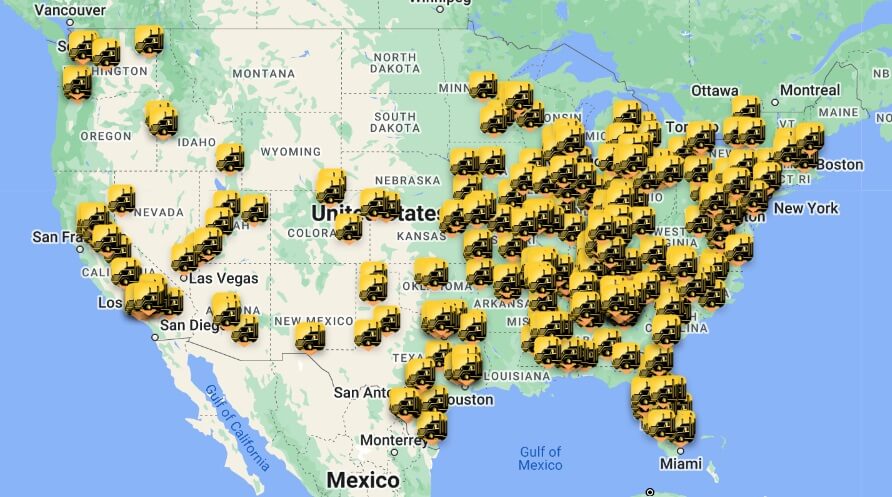
    By registering as a Trucker Member, you gain access to a nationwide map of truck parking lots. Our platform allows you to filter locations by amenities, including gated security and surveillance cameras, making it easy to find the safest options.

    Truck Parking Club is dedicated to helping truckers park in well-lit, secure locations so you never have to risk parking on highway shoulders or in poorly lit, unsecured areas. With us, parking becomes safer and more convenient, even during the busiest seasons.

    Invest in Security Equipment 

    Purchase a dash camera, GPS tracker, alarm system, or any other security equipment to make your truck a safer place for yourself and the cargo. 

    While a heavy-duty lock for doors will safeguard your cargo, a dash cam will record any suspicious activity around your rig. 

    Protect Confidential Information

    No matter what you’re delivering, keeping your cargo and route details confidential is essential. 

    Never share specifics about your load, destination, or planned stops on social media or in public spaces. Thieves often rely on insider information, so ensure you only discuss logistics with trusted personnel. 

    Using technology to encrypt communications can also enhance your security.

    Stay Vigilant 

    Staying aware of your surroundings at all times, day or night, is key to preventing cargo theft. Always inspect your truck and trailer for signs of tampering before departing and during stops. 

    When making a stop or before leaving your truck, keep an eye on your surroundings, especially in crowded or unfamiliar areas. Additionally, look out for vehicles or individuals behaving suspiciously near your truck. 

    Final Words

    Cargo theft is real and poses a big risk to truckers and the whole supply chain. Staying vigilant, investing in security equipment, and not sharing trip details are all great ways of preventing cargo theft. However, one of the most important tips is finding a reliable truck parking lot.

    Fortunately, reserving a spot in a well-lit and monitored parking is possible with Truck Parking Club. As a Trucker Member, you will have access to reliable parking lots nationwide and reserve the one that suits your needs and security level.  

    Register now and access the truck parking lot map for free

    The information published herein is for general informational purposes only. Truck Parking Club does not make any representations or warranties about the completeness, reliability, legality, and accuracy of this information. Any reliance placed on such material is strictly at the user’s own risk. Truck Parking Club shall not be responsible for any losses or damages incurred in connection with the information published herein.

  • Financial & Business Tips for Truck Drivers: Maximize Your Revenue

    Financial & Business Tips for Truck Drivers: Maximize Your Revenue

    a white rig standing near the warehouse

    Many truck drivers work hard to meet tight deadlines and ensure timely deliveries for their clients. However, despite their dedication, many experienced drivers struggle financially, often living paycheck to paycheck. While on-time deliveries boost the reliability of your company, it unfortunately does not have the same effect on a stable financial future. 

    Whether you work independently or for a freight company, establishing a solid financial or business structure can help you avoid unnecessary expenses and stay focused on maximizing your earnings.

    In this article, we will share insightful tips on how to save money and reduce costs when delivering goods. 

    5 Financial and Business Tips for Truck Drivers

    Earning a good living wage is possible for any truck driver who sets clear goals and understands how to manage expenses effectively. Increasing your income doesn’t mean skipping food or stopping at parking lots without any amenities–on the contrary, the key is in smart cost-cutting and strategic planning for your truck driver business.

    Here are the top 5 pieces of advice truck drivers should take seriously: 

    Use Tools for Truck Drivers 

    You should equip yourself with platforms that help you manage your spending, from budgeting tools to truck parking apps. 

    Downloading a budgeting app on your phone will help you analyze your expenses. Some apps allow you to scan receipts so that you can see what you pay for and how much. Every purchase you make matters–from buying food to toiletries–because your software will organize each bill by category and calculate how much money goes for essentials and how much goes for purchases that could have been saved. 

    While gas, lodge, and food costs are unavoidable, things you could have taken from home but didn’t may sink your budget. As we all know, getting a good deal on the road is challenging. 

    A truck parking tool is also a must for truck drivers who want to save costs and get a good night’s sleep. The leading platform connecting truckers with parking lots is undoubtedly the Truck Parking Club. We offer an extensive selection of truck parking lots where you can check the fee and detailed description, as well as reserve space for your rig in advance or on the spot. 

    Watch Your Spendings 

    No matter how long you’re on the road, a truck driver’s Hours of Service (HOS) dictate when it’s time to stop. These breaks often lead to spending money at gas stations or stores on items you might not actually need. While it’s tempting to indulge in desserts or entertainment during downtime, keeping a close eye on your spending is crucial for managing your finances effectively.

    What professional truck drivers do is set a budget they can spend on the road and try to keep their spending within the limits. Others purchased cooking equipment and learned simple and quick recipes to avoid spending money in restaurants. While these changes might seem minor, they can add up significantly, helping drivers save hundreds of dollars over time.

    Monitor Fuel Costs 

    It may be hard to predict how much money you will spend on fuel, but you can influence how much you will need by planning your route ahead. When you have all the delivery details added to the system, you can strategically choose the best and least congested route to save money on gas expenses. 

    Start an LLC

    This tip applies to self-employed truck drivers, but drivers hired by a freight company could use it for their future career plans.  

    Independent truck drivers are usually responsible for everything that goes on in their business, from paying fees to representing their companies in court. However, if you switch to an LLC, you will gain legal and financial protection that a regular business structure lacks. 

    As an LLC freight company, in case of a lawsuit against you, your home, assets, bank accounts, and cars will be protected. Any legal proceedings will be targeted at your business assets rather than personal ones. 

    Preventive Maitenance 

    If you thought preventative maintenance was a hassle–think again! Staying on top of your truck’s upkeep isn’t just about safety but also a financial move that can save you a lot of money in the long run. 

    By regularly checking and maintaining your rig, you can avoid costly repairs and unexpected breakdowns that could leave you out of work or stranded on the road. 

    Besides, a well-maintained truck also runs more efficiently, which means better fuel economy. If you ever would like to sell your truck, a clean service record can boost your truck’s resale value.  

    Conclusion

    To increase your income from your truck driving business, you don’t need to make major changes. It’s enough to plan your budget and route and download applications on your smartphone that help you manage your spending and parking spaces. 

    Parking can be a significant expense for truck drivers, especially when they stop at the first available lot without researching prices. Often, just a few miles down the road, drivers could find more affordable parking options with better amenities. 

    At Truck Parking Club, you can join our trucking community as a Trucker Member and access numerous parking lots across the country with prices suitable for any budget and amenities in mind. 

    Register now and streamline your truck parking planning! 

    The information published herein is for general informational purposes only. Truck Parking Club does not make any representations or warranties about the completeness, reliability, legality, and accuracy of this information. Any reliance placed on such material is strictly at the user’s own risk. Truck Parking Club shall not be responsible for any losses or damages incurred in connection with the information published herein.
  • Is Truck Parking Tax Deductible? Breaking Down Tax Deductions for Truckers

    Is Truck Parking Tax Deductible? Breaking Down Tax Deductions for Truckers

    semi tractor trailer truck drives on the Interstate in california

    Truck parking taxes and tax legislation is a conversation among truckers that seems to cause quite a stir.

     Details such as identifying allowable operating costs, how to minimize tax outlay, and following the letter of the tax laws as observed by the Internal Revenue Service are important to truckers who want to run efficient financial systems or bolster their financial base. 

    Let’s discuss the taxonomy of trucking tax deductions and give you some tips to assist you in making wiser financial choices.

    Tax Breaks for Truck Drivers: Maximizing Your Savings

    Truck drivers are capable of cutting their taxable amount by making use of wide-ranging tax allowances for their transport costs. Here are some key deductions that truck drivers may be able to claim:

    • Per Diem Deduction: Truck drivers away overnight for work-related purposes may be eligible to claim a per diem deduction. This deduction allows them to deduct a set daily amount to cover expenses such as meals and incidental costs incurred while on the road. 
    • Travel Expenses: Truck drivers can also deduct travel expenses, such as lodging, parking fees, tolls, and transportation costs. These expenses can add up quickly for truck drivers constantly on the road.
    • Vehicle Expenses: Truck drivers can also deduct expenses related to their vehicles, such as fuel, maintenance, insurance, and depreciation. By keeping a detailed record of these expenses, truck drivers can ensure that they can claim the maximum deduction allowed by the IRS.
    • Cell Phone and Internet Expenses: Truck drivers who use their cell phones and internet for work-related purposes can deduct a portion of these expenses on their tax return. 
    • Tools and Equipment: Truck drivers may also be able to deduct the cost of purchasing and maintaining tools and equipment necessary for their job. This includes GPS devices, safety equipment, and load securement supplies.

    Eligibility for Tax Deductions

    Employee vs. Owner/Operator

    Truck drivers who are classified as employees of a trucking company and receive a W-2 form are not allowed to deduct work-related expenses on their tax return. This is because, under the Tax Cuts and Jobs Act of 2017, unreimbursed employee expenses are no longer deductible for employees. However, if a truck driver is an owner/operator working as a freelancer, then they have more options when it comes to claiming deductions for work-related expenses.

    Deductions for Owner/Operators

     As an owner/operator, independent contractor, or self-employed truck driver, you can potentially deduct a variety of expenses related to your business. These deductions can include fuel, maintenance, insurance, truck loan interest, permits, licensing fees, tolls, weigh station fees, and other expenses directly related to the operation of your trucking business. These deductions can be claimed on Schedule C (Form 1040) or other appropriate tax forms.

    Understanding Tax Regulations

     Truck drivers must have a good understanding of tax regulations and how they impact the deductions available to them. Tax laws and regulations can be complex and change frequently, so it is important to stay informed and seek professional assistance if needed to ensure compliance and maximize tax savings.

    Documentation and Record-Keeping

     Truck drivers, especially owner-operators, need to maintain accurate records and documentation throughout the year to claim deductions for work-related expenses. This includes keeping receipts, logs, mileage records, and any other relevant information to substantiate their deductions in case of an IRS audit.

    Tax Planning

    Since tax regulations can significantly impact a truck driver’s financial situation, it is advisable to engage in tax planning and consult with a tax professional or accountant. By proactively planning and strategizing, truck drivers can optimize their tax situation, minimize their tax liability, and take full advantage of the deductions available to them.

    Common Truck Driver Tax Deductions: Optimizing Your Savings

    There are various categories that truck drivers can claim for various costs that may apply to their taxes. Conventional allowances include:

    • Charges for club and membership dues associations
    • Business use of cell phones and computers
    • Specialized clothing or required uniforms
    • Educational expenses to improve specific skills
    • Equipment, instruments, and insurance premiums
    • Feeding costs and traveling expenses
    • Medical examinations
    • Supplies and materials used in the job
    • Personal items and paraphernalia
    • Subscriptions, taxes, and license fees
    • Vehicle expenses

    Some costs are not allowed, including ordinary clothing, fares, home telephone lines, and personal journeys.

    Note: Consult a tax professional to determine which deductions apply to your specific situation.

    Taking Control of Your Parking Situation

    While tax obligations are inevitable, finding secure and reliable truck parking doesn’t have to be unpredictable. Just as smart tax planning can save you money, smart parking planning can save you time, stress, and, ultimately, your bottom line. That’s where Truck Parking Club comes in.

    Don’t let parking uncertainty add to your daily challenges. access a nationwide network of parking spots. 

    Become a Trucker Member Today

    The information published herein is for general informational purposes only. Truck Parking Club does not make any representations or warranties about the completeness, reliability, legality, and accuracy of this information. Any reliance placed on such material is strictly at the user’s own risk. Truck Parking Club shall not be responsible for any losses or damages incurred in connection with the information published herein

  • How Early Should You Start Looking for Truck Parking?

    How Early Should You Start Looking for Truck Parking?

    trucks parked in a lot

    In an industry where timing is absolutely everything, finding a convenient place to park your truck can mean the difference between success and failure. Well-rested truck drivers who haven’t wasted several hours each week looking for spaces tend to service their routes far better than those who don’t.

    But with truck parking spaces in the U.S. at a critical low – and some reports suggesting just one parking space exists for every ten trucks on the road – finding a spot is becoming increasingly farcical. 

    As a result, many truckers need to start looking for a space incredibly early in the day. But how early are we talking? In this short blog post, we will take a look. Toward the end, we will present a far better solution, one that means you never need to worry about looking for a parking space ever again.

    But first, a quick explanation as to why we are in this mess. 

    What’s Behind the Truck Parking Crisis?

    Over the last decade or so, the truck parking crisis has caused woefully inadequate levels. As the number of trucks on the road has continued to surge every year, the available parking spaces simply haven’t kept up at an adequate pace. 

    There are a few reasons for this:

    1. Increased Commerce: In simple terms, the boom in e-commerce and the subsequent growing supply chain have resulted in more trucks on the road than ever before. It’s great that business is booming, but the number of designated truck parking spaces hasn’t followed suit, and that’s not so terrific for the wonderful truckers of America, many of whom are starved of parking. 
    1. Lack of Investment in Truck Stops: Despite the increase in trucks, the government hasn’t expanded infrastructure anywhere near quickly enough. As a result, many truckers are left scrambling to find parking each evening, often resorting to dangerous alternatives like abandoned gas stations or even dangerous exit ramps. In the worst case, truckers are literally losing their lives while parked in unsafe areas.
    1. Stricter Hours of Service Regulations: Changes in federal hours of service regulations a few years ago have forced truckers to adhere to even stricter rules regarding their driving windows. This lack of flexibility leaves many drivers desperately searching for parking as their hours run out, unable to push on to find a safe location.

    While other factors exist, these three issues are the main precursors for turning truck parking into a relentless daily battle. For many drivers, it’s not uncommon to start looking for a space as early as mid-afternoon – that means less priority is afforded to the routes they are working, which, in turn, has a direct effect on the industry as a whole.

    When Should You Start Looking?

    So, at what time of the day should you start to find truck parking? Realistically, the answer depends on various factors, mostly pertaining to your route and schedule. Having said that, there is a general approach that most experienced drivers seem to be following these days.

    Suggested Search Times for Different Types of Drivers:

    1. Long-Haul Drivers: If you are an OTR driver, you may want to start searching for a spot as early as 3:00 p.m. to 4:00 p.m. Assuming you start mid-afternoon, you should find truck parking within a couple of hours. While that is by no means ideal, with most truck stops filling up by early evening, beginning your search in mid-afternoon is your best option.
    1. Shorter Routes or Day Drivers: Drivers covering shorter routes may have a bit more flexibility, but the earlier you start, the better. If you aim to secure a spot by 5:00 p.m., you are simply more likely to find parking at popular stops if you start mid-afternoon.
    1. Drivers Near Major Hubs: If you want to find truck parking near large cities or major distribution centers, you should probably start looking for truck parking even earlier – sometimes as early as 2:00 p.m. Parking near these busy areas tends to fill up quickly due to heavy traffic and increased demand. 

    Starting this early in the day may seem a little extreme to some, but if you work a busy route, you will know it is necessary to avoid being stuck without a spot at the end of a long day. 

    There Is a Better Way…

    Despite the truck parking situation that has plagued the industry for some time, it really doesn’t have to be this way. Many truckers are now turning to private parking solutions like Truck Parking Club, which provides an effective alternative to the headache of public truck stops through convenient private parking.

    a map with truck parking lots

    Contrary to popular belief, private parking is now quite affordable and much more accessible than it used to be. Through Truck Parking Club, truckers can easily book a spot in advance or find truck parking on the go using the app. With thousands of private locations available, it takes the pressure out of securing a safe place to park.

    You simply browse for a space, book it, and enjoy your day knowing you have secured a comfortable place to park. No more risking it at abandoned gas stations or dealing with the stress of timing regulations – just convenient, affordable parking.

    Bottom Line

    Ultimately, if you want to find truck parking in this current climate, you have little option but to plan way ahead and start your search really early. 

    But with popular services like Truck Parking Club, truckers have a convenient way to secure parking without endless frustration. Why not make things easier on yourself? Avoid the drama, book a spot, and hit the road knowing your parking is already sorted.

    Register With Truck Parking Club Today

    The information published herein is for general informational purposes only. Truck Parking Club does not make any representations or warranties about the completeness, reliability, legality, and accuracy of this information. Any reliance placed on such material is strictly at the user’s own risk. Truck Parking Club shall not be responsible for any losses or damages incurred in connection with the information published herein.
  • Truck Routing Apps vs. Truck Parking Finder Apps: Key Differences & Benefits

    Truck Routing Apps vs. Truck Parking Finder Apps: Key Differences & Benefits

    truck on the road

    Truck drivers are like tech-savvy navigators on wheels, leveraging modern tools to reach their destinations efficiently. Beyond using GPS navigation and logging into ELD devices, drivers benefit from mobile apps like routing tools and truck parking finders. 

    Truck routing apps and parking finders are the right hands of truck drivers, helping them locate the least congested routes and the lots with the most available spaces. 

    In this article, we’ll compare two popular apps, exploring whether one stands out or if they’re best used together for optimal results.

    Truck Parking App vs. Truck Routing App: Key Differences

    The app names alone indicate their main difference: one focuses on route guidance, while the other locates available truck parking. However, just because each app serves a unique purpose doesn’t mean a single app can’t meet truckers’ needs—actually, combining features could offer greater ease and convenience.

    Having that said, we are here to convince you of the opposite and list reasons why keeping these two platforms separate is actually a smarter choice: 

    Reduced Data Clutter

    Each app is created to provide specific information without clutter and distractions. However, using a single app for both routing and parking could overwhelm drivers with excessive data, making it harder to quickly find relevant details. Imagine yourself searching for the fastest route while parking lots keep popping up on your screen. 

    Faster Updates

    A separate truck routing app can focus solely on route updates, traffic changes, and navigation adjustments, while a truck parking app can prioritize real-time parking availability. Combined features may lead to slower updates or increased lag, impacting accuracy and response time. Moreover, depending on your smartphone, the performance of your phone may decrease when you need it the most, such as when changing the route. 

    Better Server Performance

    Each app’s server is optimized for its specific purpose, which is either to find routes or parking lots. This way, truck drivers can enjoy faster and more reliable performance. However, combining these apps would require far more data processing, which may potentially cause delays, crashes, or reduced responsiveness.

    Faster Customer Support

    Some apps that offer subscriptions also come with a dedicated customer support line. Support teams are usually trained to assist with the app’s unique functionality, and by combining apps, there is a risk of busier support lines. As a result, truckers wouldn’t get timely assistance for the issues they are having on the road. 

    Battery and Data Efficiency

    Two specialized apps are often more battery and data-efficient than a single, multifunctional one. Running all features in one app could drain the battery faster and consume more data, which is particularly important on long hauls. Charging the phone is no longer an issue in trucks, but it may damage the battery capacity of your smartphone in the long run. 

    Focused User Experience

    Finally, the biggest issue for truckers can be user experience. When on the road, drivers focus on their driving and shouldn’t be distracted by apps that only cause confusion. This may be the case for combined apps that may fail to deliver a cleaner interface. On the contrary, dedicated apps for finding routes and parking are created with intuitive designs that don’t require unnecessary steps, improving overall safety and ease on the road.

    Benefits of Truck Parking App and Truck Routing App

    Why should you use both the truck parking app and the truck routing app? Well, there are many reasons, but the biggest ones include: 

    User-friendliness

    When using a dedicated app, it’s arguably easier to navigate it with just a few taps. A truck routing app focuses on map displays and traffic conditions, while a truck parking app provides detailed information about amenities and parking availability of each lot. 

    Real-time Updates

    Each app is optimized to deliver timely and relevant updates about parking availability or route conditions. Truck drivers can get faster route calculations and traffic alerts when using a truck routing app, while a truck parking app will instantly show changes in free parking spaces and fees. 

    Extensive Search Options

    The biggest advantage of using these apps separately is the search options. When driving in new places, a professional truck routing app will guide you through the area to your destination, warning you about route limitations and traffic. The same can be said about a truck parking app that provides drivers with available parking lots in the vicinity.  

    Best Truck Parking App and Truck Routing App for 2024 

    Some of the best truck routing apps available today include Google Maps and TruckMap. Google Maps is a free platform that shows real-time data on traffic and route conditions and shows alternative routes. Truck Map does the same and even more! It provides information about route limitations and updates from the driver community. 

    As for a truck parking app, there is no better solution than Truck Parking Club. Truck drivers can download a free application to their devices and navigate to the nearest truck parking lot. In addition to that, Trucker Members can filter lots by amenities and fees so that the lodge fits all the requirements. The best part is that the app is free of charge and allows its members to book a space at any location for short and long-term stays. 

    Wrapping Up

    Using separate truck routing and parking apps benefits not only drivers but also their mobile devices. Dedicated apps make it easier to navigate and quickly access all the information you need—whether it’s finding the best route or locating the ideal parking spot.

    For familiar routes, for instance, a dedicated truck parking app like Truck Parking Club simplifies finding nearby truck stops that meet your needs. With an intuitive map view and filtering options, you can quickly sort through parking options and find the best fit based on criteria like amenities, security, and availability.

    Become a Trucker Member now and join a growing community of truck drivers now! 

    The information published herein is for general informational purposes only. Truck Parking Club does not make any representations or warranties about the completeness, reliability, legality, and accuracy of this information. Any reliance placed on such material is strictly at the user’s own risk. Truck Parking Club shall not be responsible for any losses or damages incurred in connection with the information published herein.

  • Parking Safety Tips for Female Truckers

    Parking Safety Tips for Female Truckers

    young female truck driver

    According to the FMCSA’s 2022 Crime Prevention for Truckers Study, female truck drivers often encounter harassment at truck stops, fueling stations, and rest areas. Moreover, these places are frequently labeled high-risk areas due to insufficient security and monitoring. 

    Given the current truck parking landscape, female truckers may find themselves in locations with limited fencing, security personnel, or surveillance. For those facing a shortage of secure parking options, here are the practical tips to help ensure your safety and peace of mind on the road:

    Find Parking in Advance 

    Reserving space at a parking lot is undoubtedly a good way to get a good night’s sleep, but choosing the right location is key to staying safe. By joining a trucker community at Truck Parking Club, you will be able to search the truck parking lot by the availability of: 

    • Cameras
    • Lights 
    • Gate 
    • Roaming security 
    • And more! 

    With these options, female truck drivers can find secure parking tailored to their needs and enjoy greater peace of mind.

    Work on Your Situational Awareness

    While every truck driver needs to stay focused on the road, female truckers must also prioritize safety when parked. Practicing situational awareness means staying vigilant and regularly scanning your surroundings for anything unusual.

    This awareness includes observing the body language, expressions, and actions of others nearby. Often, your intuition will guide you in steering clear of potentially uncomfortable or unsafe situations. Listening to these instincts can be one of the most valuable tools in ensuring safety on the road.

    Carry Protective Equipment 

    Deciding whether to carry self-protective equipment is a personal choice, but if you do, be sure to learn how to use it effectively. Pepper spray, for example, is popular for its compact size and ease of use. Keep it easily accessible so you can act quickly if faced with a threatening situation, helping you to safely and swiftly leave danger behind. 

    You can opt for a different self-protective equipment, but what’s more important is knowing how to use it properly. Hence, spend some time familiarizing yourself with how the self-defense tool works before taking it with you on the road. 

    Do Not Share Your Location

    Social media platforms are great for keeping in touch with friends and family, but the information you share can be used by total strangers. Despite your job requiring you to travel across the country, you should still avoid sharing your live location with the public. 

    Overall, if you want to protect yourself while at work, review your privacy settings and ensure your account is private and that your friend list contains only the people you personally know. 

    Lock the Doors When Sleeping 

    As a woman, you might see hacks on how to lock the hotel door to prevent anyone from opening it and entering your room. Use the same techniques for locking your truck doors when sleeping. 

    To do that, you can attach the tarping strap to the door to give it this extra layer of protection. You can also install a door alarm for added peace of mind. These precautions help create a secure environment, allowing you to sleep more soundly, knowing your truck is well-protected. 

    Change Your Working Hours 

    Switching to earlier hours of work can be another good idea for female truckers to stay safe and sound. Hitting the road earlier will prevent you from looking for a place to stay at night, and you may even finish your work or secure a parking place before it gets dark. 

    If you plan your route carefully, you can arrive at a safe spot with plenty of daylight left, which reduces risks and allows you to settle in comfortably. Additionally, working early also means avoiding traffic and reaching your destinations quicker.  

    Adopt a Dog

    For many female truck drivers, having a dog onboard provides both companionship and an added sense of security. Dogs are naturally protective and can alert you to any suspicious activity nearby. 

    Beyond the security benefits, a dog makes for a wonderful travel partner, offering friendship and a sense of home on long hauls. Having a dog also encourages breaks for exercise, which is certainly useful for both the mental and physical health of any truck driver. 

    Taking a dog onboard also helps reduce feelings of loneliness and boosts morale, making long trips more enjoyable and less isolating.

    Final Thoughts 

    Incorporating these safety parking tips will help female truckers have an easier and more confident experience on the road. Selecting the right parking location, starting your work earlier, and even getting a dog onboard can greatly improve female truck drivers’ personal safety. 

    No matter what self-defense equipment you carry, being aware of your surroundings and listening to your intuition are key to avoiding risky situations.

    Take notes of these parking safety tips and join Truck Parking Club to find parking locations that fit your criteria. Become a Trucker Member and be a part of a growing community of truck drivers in the U.S. 

    The information published herein is for general informational purposes only. Truck Parking Club does not make any representations or warranties about the completeness, reliability, legality, and accuracy of this information. Any reliance placed on such material is strictly at the user’s own risk. Truck Parking Club shall not be responsible for any losses or damages incurred in connection with the information published herein.

  • Winter Trucking Safety Tips

    Winter Trucking Safety Tips

    Even the most experienced truck drivers know that winter weather changes everything on the road. When temperatures drop, and the snow starts falling, the margin for error gets as thin as black ice. 

    It’s not just about driving differently – it’s about being ready before you ever put the key in the ignition.

    These aren’t your typical safety tips that tell you to “slow down in bad weather.” Instead, we’re talking about real-world preparation that makes a difference when you’re facing a January run through the mountains or an overnight park in freezing temperatures.

    Let’s walk through the ten essential areas of winter preparation that savvy truck drivers focus on before the first snowflake falls.

    1. Battery and Electrical Systems

    Winter puts extra strain on your electrical system. Your battery loses about half its cranking power when the temperature hits zero. At the same time, the cold engine needs about twice as much power to turn over. 

    So yes, a dead battery in cold weather is more than just an inconvenience.

    Start with a thorough battery check – looking for corrosion, checking connections, and testing the charge. If your battery is more than three years old, consider replacing it before the winter months arrive. Clean terminals and tight connections become crucial when every amp counts.

    Don’t forget your alternator and starter. A marginal alternator might keep you running in summer, but winter’s extra electrical demands – heated mirrors, extra lights, plug-in heaters – can push it past its limits.

    2. Fuel System Care

    Most truck drivers learn about diesel fuel behavior in winter conditions the hard way. As temperatures drop, paraffin in diesel fuel begins to crystallize, turning your fuel into a gel that can clog filters and stop you cold.

    Switch to winter-blend fuel when temperatures start dropping, and keep anti-gel additives on hand. And don’t wait until you’re already having problems using them. Treat your fuel before you hit the cold weather, and keep your tanks as full as possible to minimize condensation.

    3. Tire and Chain Preparation

    Winter driving demands more from your tires than any other season. Check your tread depth regularly – what’s legal in summer might not cut it on snow-packed roads. Don’t forget to adjust tire pressure frequently, as every 10-degree drop in temperature means a drop in pressure.

    Keep your chains easily accessible, too, and practice installing them before you need them. Nothing’s worse than figuring out chain placement for the first time in a snowstorm on the side of the road. Check for wear, missing links, and broken tensioners while the weather’s still good.

    4. Brake System Maintenance

    Your brake system needs extra attention during cold temperatures. Moisture in air lines can freeze, turning your brake system into a mess of problems. Check your air dryer regularly and drain those tanks daily – even if you think you don’t need to.

    Make sure your drums, shoes, and linings are within spec before cold weather hits. A brake adjustment that’s marginal in summer becomes dangerous when ice enters the equation. Check gladhand seals and replace any that show signs of cracking or have broken edges.

    5. Emergency Kit Essentials

    Every professional driver knows the basics, but winter demands extra preparation. Beyond the usual flashlights and tools, pack essentials that could save your day – or your life – in extreme weather. A sleeping bag rated for below-zero temperatures, extra warm clothing, and high-calorie snacks are all winter-season must-haves.

    Pack a folding shovel, extra windshield washer fluid, and sand or cat litter for traction. A good first aid kit, backup phone charger, and emergency flares round out your winter survival gear. Remember – help might be hours away in bad weather.

    6. Route Planning

    Planning your winter routes means thinking three steps ahead. Monitor weather patterns along your entire route, not just your destination. Know where the safe havens are – places with reliable parking, facilities, and shelter if conditions deteriorate.

    Keep alternative routes in mind, especially around mountain passes like in Colorado and Wyoming. Having a Plan B (and C) already mapped out saves critical time when the weather forces you to change course.

    Winter weather can change fast, so build extra time into your schedule for unexpected delays.

    7. Secure Winter Parking

    Finding safe parking becomes especially challenging in winter weather. This is where Truck Parking Club makes a real difference. Rather than wasting time and fuel hunting for spots in crowded lots or risking getting stuck in an unplowed area, you can reserve spots at reliable facilities that maintain their lots throughout winter.

    With access to secured, well-lit locations and 24/7 facilities, you can focus on your route instead of worrying about where you’ll park.

    8. Load Management

    Winter weather changes how you need to think about your load. Weight distribution requires extra attention on slick winter roads. Take extra time securing your cargo when you’re dealing with ice and snow.

    Pay special attention to temperature-sensitive freight. A thorough pre-trip inspection becomes essential, especially checking your tarps and cargo protection from the elements. Know your load’s cold weather requirements and plan stops accordingly. Double-check your equipment – tarps need to be in good condition, and you might need extra straps or chains depending on your cargo.

    9. Communication Protocol

    Staying connected takes on new importance during winter months. Keep dispatch updated on your location and conditions more frequently than usual. Weather can change rapidly, so regular check-ins aren’t just procedure – they’re a lifeline if things go wrong.

    Set up weather alerts on your phone, and keep a backup communication device charged. CB radio becomes invaluable when cell service gets spotty in remote areas or in bad weather. Make sure your emergency contact list includes local authorities and repair services along your regular routes.

    10. Personal Preparedness

    Taking care of your truck is only half the equation. You also must take care of yourself. Pack high-energy snacks and extra water in case you get stranded during adverse weather conditions. Layer your clothing instead of relying on one heavy coat, and keep spare warm gear easily accessible, not buried in your storage.

    Stay rested and alert. Winter driving demands more concentration and quick decision-making. Give yourself extra time for breaks, and don’t push through deteriorating conditions just to make up time. A thermos of hot coffee might keep you warm, but it won’t make up for proper rest.

    Ready for Winter’s Challenges?

    These tips for truck drivers aren’t just about getting through winter – they’re about staying ahead of it. Smart planning and proper preparation can turn a challenging season into a manageable one.

    As any experienced truck driver knows, winter success starts long before the first snowfall. From maintaining your equipment to securing reliable parking, each step you take toward preparation helps ensure you’ll keep rolling safely when others are stuck.

    Take one major winter worry off your mind. Discover how easy it is to guarantee your spot throughout the season – BECOME A TRUCKER MEMBER TODAY.

    The information published herein is for general informational purposes only. Truck Parking Club does not make any representations or warranties about the completeness, reliability, legality, and accuracy of this information. Any reliance placed on such material is strictly at the user’s own risk. Truck Parking Club shall not be responsible for any losses or damages incurred in connection with the information published herein.

  • Winter Driving Hazards: A Guide for Truck Drivers

    Winter Driving Hazards: A Guide for Truck Drivers

    Mother Nature doesn’t play favorites in winter. That perfectly clear stretch of highway can transform into a dangerous mix of black ice and blowing snow faster than you can downshift. When weather reports talk about “challenging conditions,” they’re usually understating what you’ll actually face on the road.

    Understanding winter hazards isn’t just about watching for the obvious, like snow and ice. It’s about spotting the sneaky ones: steam from industrial plants freezing on bridges, drainage problems creating isolated slick spots, or snow plows inadvertently creating wind tunnels between lanes. 

    These hazards rarely make the evening forecast. And today, we’ll discuss how to spot them. 

    Black Ice: The Invisible Threat

    Black ice isn’t really black at all – it’s a crystal-clear layer of ice that makes the road surface look deceptively bare and wet. What makes it particularly treacherous is how it forms: moisture or light snow melts during the day, then freezes into a paper-thin sheet when temperatures drop. 

    You won’t see it until you’re on it, and sometimes not even then.

    Watch for black ice in predictable places: bridge decks that get cold from above and below, shaded sections of road, areas near lakes or rivers, and the bottom of hills where water collects. In Minnesota, where black ice is a winter regular, drivers know their biggest risk comes when temperatures hover just below freezing, especially around dawn and dusk.

    If you hit black ice, avoid sudden movements. Don’t hit the brakes! Ease off the throttle and keep your steering wheel straight. Slight steering adjustments are fine, but overcorrection will make things worse. Let the truck slow naturally until you feel traction return.

    Snow-Packed Roads

    Snow-packed roads aren’t just about reduced traction – they’re about how that traction changes as you drive. Fresh snow acts differently from compacted snow, and what starts as powder can turn to polish under heavy traffic. 

    Those wheel ruts that seem to guide your truck? They can grab your tires and pull you off your intended path.

    Watch for sudden changes in surface texture. Dark patches might mean ice underneath, while dull white areas often provide a better grip. The real danger comes when changing lanes – breaking free from those ruts requires careful timing and steady steering.

    Reduced Visibility: When Winter Hides the Road

    Winter throws multiple challenges at your visibility – dense fog, heavy snow, freezing rain, and blowing snow can all turn a clear view into a guessing game.

    Each type of precipitation affects your vision differently: fog creates a wall of white, snow can hypnotize with its constant motion, and freezing rain builds up on your windshield faster than wipers can clear it.

    Your visibility strategy starts with proper lighting. Low beams work better than high beams in snow and fog, lighting up the road without reflecting back into your eyes. Keep your windshield clear inside and out, and remember that speed ratings for conditions assume clean wipers and working defrosters. If conditions deteriorate, trust your judgment about when to find a safe haven and wait it out.

    Bridges and Overpasses

    The signs warning “Bridge Freezes Before Road” aren’t just there for decoration. Bridges and overpasses lose heat from both above and below, making them prime spots for ice formation even when regular roads stay clear. Add in wind exposure from all angles, and you’ve got a recipe for rapidly changing conditions.

    Expansion joints – those metal gaps in bridge surfaces – deserve extra attention. They can collect moisture and freeze, creating unexpected bumps that can throw off your steering just when you need control most. What looks like a perfectly clear bridge deck can hide patches of ice around these joints.

    Traffic Hazards: Everyone’s Driving a Different Winter

    Winter brings out different driving styles – from the over-confident speeders to the white-knuckle crawlers. Four-wheelers dart between lanes looking for the clearest path, while some drivers park themselves in the middle of two snow-cleared tracks, blocking both lanes.

    Snow plows create their own challenges. That wall of snow they throw can temporarily blind you, and the mix of salt and sand they spread can pepper your windshield without warning. The real trick isn’t just watching the traffic you can see – it’s anticipating sudden moves from vehicles battling the same conditions you are.

    Mountain Driving

    Mountain passes add a whole new dimension to winter hazards. What starts as rain in the valley can be heavy snow at higher elevations, and conditions can change dramatically between sunny and shaded slopes. Experience teaches drivers to watch for subtle signs of deteriorating conditions like snow starting to stick to guardrails or changes in the sound of their tires.

    Those steep grades through Wyoming’s high country demand extra respect in winter. Keep your speed in check on downgrades, stay in the right gear before you need it, and remember that momentum on upgrades is crucial – once you lose it on slick roads, it’s hard to get back. Watch for changing conditions near the summit, where wind and elevation often combine to create the worst conditions.

    Strong Winds and Blowing Snow

    The wind might not seem like a typical winter hazard, but add snow or ice to the equation, and everything changes. Empty trailers become sail-like targets in strong gusts, while packed snow suddenly airborne across open plains can blind you in seconds. What makes wind especially tricky is how it can change from a steady push to violent gusts without warning.

    Crosswinds demand constant steering correction, but overcorrecting when that gust suddenly stops can lead to jackknifing. The key is smooth, steady movements. Quick steering corrections make the trailer swing worse. 

    Keep both hands firmly on the wheel, maintain a steady speed, and watch for telltale signs: snow snakes across the road, drifting patterns in open areas, or trucks ahead taking a slight sideways stance.

    Overnight Parking in Cold Weather

    Winter parking isn’t just about finding a space – it’s about picking a spot where you won’t be stuck until spring thaw. Low spots that collect snow, areas where plows pile up drifts, or spaces where wind creates deep snow banks can all turn your parking spot into a trap.

    This is where Truck Parking Club’s network of well-maintained facilities makes a real difference. When temperatures plummet and parking spots become scarce, having a guaranteed space at a maintained facility isn’t just convenient – it’s essential.

    Stay Ahead of Winter’s Challenges

    Winter hazards don’t announce themselves with flashing lights and sirens. Each one requires awareness, preparation, and respect. Understanding these challenges is your first step toward handling them safely.

    Join Truck Parking Club and always have a well-maintained spot waiting, no matter what winter throws your way.  

    BECOME A TRUCKER MEMBER TODAY!

    The information published herein is for general informational purposes only. Truck Parking Club does not make any representations or warranties about the completeness, reliability, legality, and accuracy of this information. Any reliance placed on such material is strictly at the user’s own risk. Truck Parking Club shall not be responsible for any losses or damages incurred in connection with the information published herein.