
Category: Tips For Truckers

  • How to Stay Entertained During Long Parking Stops

    How to Stay Entertained During Long Parking Stops

    truck driver leaning by his vehicle and using phone

    Truck drivers, we’ve all been there. You’ve been cruising down the highway for hours, and suddenly, you’re faced with a long parking stop. If you’ve nothing to entertain you, these stops can feel like they stretch on forever.

    But these downtimes don’t have to be a drag. A bit of fun can refresh your mind, boost your mood, and make those long hauls feel more manageable. If you often find yourself twiddling your thumbs or staring at the ceiling of your cab, it’s time to shake things up.

    We’ve got a truckload of ideas to keep your mind engaged and your spirits high during those inevitable parking lot pit stops.

    Podcasts and Audiobooks

    Let’s start with the obvious – podcasts and audiobooks. Sure, you might’ve been listening to these on that long haul from California to Texas, but hear us out. If you’ve been tuning in for hours on the road, you might be ready for a change of pace during your stop. But for those who can’t get enough, there’s a whole world of content out there.

    True crime addicts can dive into the latest unsolved mysteries. For industry insights, trucking lifestyle podcasts offer a treasure trove of tips and stories from the road. If you’re looking to expand your knowledge, educational podcasts can turn your cab into a classroom on wheels.

    Switching up your listening material during stops can keep things fresh and give your ears a break from what you’ve been hearing on the road.

    Mobile Gaming

    When you’re parked up and looking for some quick entertainment, your smartphone can be a pocket-sized arcade. As data isn’t always plentiful on the road, we’ve got some game suggestions that won’t eat up your monthly allowance.

    Offline puzzle games like Sudoku and Crosswords can also keep your mind sharp without needing a signal. 

    For a laugh, why not try out a truck-driving simulation game? If backing up your rig into tight spots is your superpower and you want to show off your virtual skills, games like Truck Parking Simulator or Euro Truck Simulator might be right up your alley. 

    Still, you might have had enough of staring at highways for one day – in that case, how about strategy games like Mini Metro or Polytopia that don’t have heavy data usage?

    A quick game can be a great way to relax and reset your mind, but don’t let it eat into your rest time. Set a timer if you need to. While that “one more level” might be tempting, your rig isn’t going to drive itself tomorrow. At least, not until those self-driving trucks take over – but until then, it’s up to you to hit the road refreshed and ready to roll.

    Mindfulness & Meditation Apps

    A truck driver’s job can be seriously stressful. Long hours, tight deadlines, and unpredictable road conditions can take their toll. A long truck stop gives you the time to unwind and decompress.

    Meditation and mindfulness apps like Headspace or Calm can be surprisingly effective, even for the most skeptical truck driver. These aren’t about floating away on a cloud – they’re practical tools to help you clear your mind and reduce stress. Start with just five minutes of guided breathing or body scan meditation. You might be surprised how much clearer your head feels afterward.

    If meditation isn’t your style, give ASMR videos or recordings a shot. These soothing sounds can range from gentle whispers to the satisfying crinkle of paper. It might sound odd, but many find these sounds incredibly relaxing. Pop in your earbuds, close your eyes, and let the calming audio wash over you.

    Workouts Outside Your Truck

    After sitting in your cab all day, your body is probably screaming for some movement. Those long hours behind the wheel can take a toll on your health, but a quick workout during your stops can make all the difference.

    Start with some simple stretches to get your blood flowing. Resistance bands are a trucker’s best friend – they’re lightweight, take up minimal space, and can give you a full-body workout right next to your rig. Don’t have equipment? No problem. Bodyweight exercises like push-ups, squats, and lunges can be just as effective.

    Take advantage of that vast parking lot with a brisk walk or light jog around the perimeter for a change of scenery. Just be sure to watch out for other trucks – you’re aiming for fitness, not a game of real-life Frogger!

    Fitness apps can be great motivators. They track your progress and offer quick, trucker-friendly workouts. Apps like Iron Trucker Fitness are designed with your lifestyle in mind.

    Your body will thank you for breaking up all that seat time, and you might even find yourself looking forward to these active breaks.

    Learn Unexpected Skills on the Road

    Who says you can’t teach an old truck driver new tricks? Long stops are the perfect opportunity to pick up a hobby you’ve always been curious about but never had the time for. There’s a whole world of hobbies out there, and everyone’s interests are different, but here are a few ideas to get your creative engines running:

    Ever thought about juggling? It’s not just for circus performers. Learning to keep three balls in the air can improve hand-eye coordination and provide a fun way to impress fellow drivers at rest stops.

    Or how about trying your hand at stand-up comedy? Use your downtime to jot down those funny observations from life on the road. Who knows, you might become the next great trucking comedian, turning your CB handle into a stage name.

    The beauty of picking up a new hobby is that it gives you something to look forward to while breaking up the routine of life on the road. So go ahead and surprise yourself (and your fellow drivers) with your newfound talents.

    Wrapping Up

    From podcasts to push-ups, comedy to juggling, there’s no shortage of ways to make your downtime enjoyable and productive. These stops don’t need to be idle time—they’re opportunities to recharge, learn, and even discover new passions.

    Speaking of making the most of your stops, why not book a lot with all the amenities you need?

    Truck Parking Club connects drivers with available parking spaces across the United States, many of which offer a range of facilities to make your stay more comfortable. 

    Create a free account and book a space as a Trucker Member here

     If you’re a property owner with extra space, why not turn that unused land into a lucrative opportunity and list it with us?

    Become a Property Member Here

    The information published herein is for general informational purposes only. Truck Parking Club does not make any representations or warranties about the completeness, reliability, legality, and accuracy of this information. Any reliance placed on such material is strictly at the user’s own risk. Truck Parking Club shall not be responsible for any losses or damages incurred in connection with the information published herein.
  • Can You Park Your Semi in a Reserved Place?

    Can You Park Your Semi in a Reserved Place?

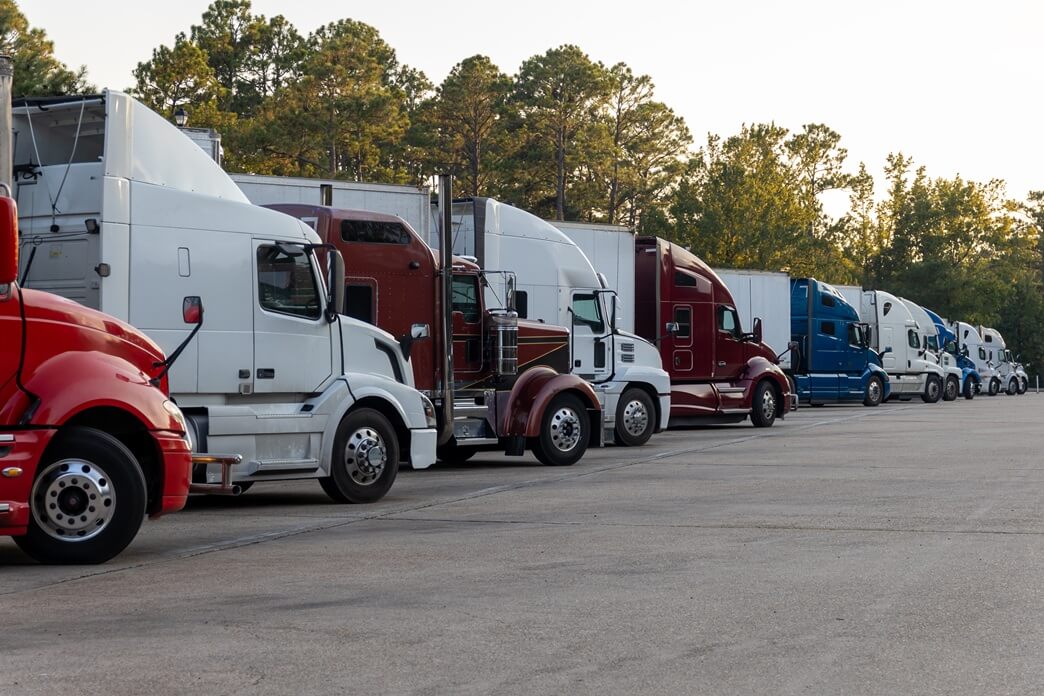
    semi trucks parked in at a truck parking facility

    If you’ve spent any time on the road as a trucker, you know that finding a parking spot can be one of the most frustrating parts of the job. After a long day behind the wheel, nothing is worse than pulling into a truck stop, seeing that “full” sign lit up, and realizing you’re out of time on your clock. In those moments, you might notice a few empty reserved parking spots and think, “Should I just park here?”

    Before you make that decision, it’s important to understand how reserved parking works, why it exists, and what the consequences are if you park there without paying. This guide will walk you through everything you need to know.

    What Is Reserved Truck Parking?

    Reserved truck parking is pretty much what it sounds like – parking spaces set aside for truckers who pay in advance. These spaces are typically located at truck stops, rest areas, and private parking facilities, offering a guaranteed place to park when the general parking area fills up. Think of it as a “fast pass” for parking: you pay ahead of time, and you’re guaranteed a spot when you arrive.

    Reserved parking can be a lifesaver for drivers who are running low on hours and want to avoid the stress of searching for a space. It’s especially helpful in high-traffic areas or during peak hours when parking fills up fast.

    Why Reserved Parking Exists

    Reserved parking was created to help drivers who plan ahead. The idea is simple: truck stops realized that parking was becoming increasingly scarce, so they set aside a few spots for drivers who wanted to guarantee they’d have a place to park when their driving hours ran out.

    These reserved spots are particularly useful for long-haul drivers who need to manage their hours of service (HOS) and can’t afford to keep driving around looking for parking. It’s about safety, legality, and convenience—ensuring you can park when you need to and stay within your hours.

    🚛How to Reserve a Spot with Truck Parking ClubMake your stop planning a breeze with Truck Parking Club. Browse our available private parking facilities and easily reserve your spot in advance in just a few simple steps to ensure you won’t be left circling the lot at the end of a long shift, hoping for a miracle. Find Truck Parking

    What Happens If You Park in a Reserved Spot Without Paying?

    Parking in a reserved spot without paying might seem harmless at first, but it can lead to some pretty big problems.

    In the best-case scenario, you’ll only be asked to move your rig if the driver who paid for the spot shows up. Still, imagine you’ve just settled in for the night, and suddenly, you’re being asked to leave. You’ll have to get back on the road and find another spot, which might be even harder at that point.

    Things, however, can get uglier. Some truck stops and parking facilities enforce these reserved spots pretty strictly. If you park there without paying, they could issue a fine or even have your truck towed. 

    Also, it’s not really fair to other drivers. When you park in a reserved spot without paying, you’re taking a space away from someone who did. That driver planned ahead, paid for the spot, and might be in the same desperate situation as you. 

    It’s frustrating for everyone involved when the system doesn’t work as intended. Plus, it goes against the basic parking etiquette. 

    Alternatives to Parking in a Reserved Spot Without Paying

    So, what do you do when you’re out of hours and there’s nowhere to park? Here are a few tips to avoid parking in a reserved spot without paying:

    • Plan Your Parking Ahead: One of the best things you can do as a driver is plan your parking in advance. If you struggle with that, Truck Parking Club will come in handy, helping you find and reserve parking spots along your route so you don’t have to scramble at the last minute.
    • Check for Nearby Parking: Sometimes, if a truck stop is full, there might be a private lot, rest area, or warehouse nearby where you can park. Again, Truck Parking Club can help here. Simply open our app and find alternative options nearby that might not be on your usual apps.
    • Talk to the Truck Stop Staff: If you’re in a real bind, it’s always worth asking the truck stop staff if they can help. They might know when a space will open up or have suggestions for where you can park safely overnight.

    Why Paying for Reserved Parking Can Be Worth It

    I get it—nobody likes paying extra for parking. But in some cases, reserved parking can be a smart investment. Here’s why:

    • It Guarantees You a Spot: When you pay for reserved parking, you eliminate the stress of wondering whether you’ll find a place to park at the end of your shift. You can plan your route, drive confidently, and focus on the road, knowing you’ll have a safe, legal spot to park when you’re done.
    • It’s Safer: Desperately searching for parking at the end of a long day is not just stressful – it’s dangerous. When you reserve a spot, you can park, rest, and get back on the road fully refreshed without the risk of driving tired or violating HOS rules.
    • It Saves Time: Think about how much time you’ve spent circling truck stops, looking for a spot. With a reserved space, you pull in, park, and you’re done. No wasting fuel, no wasted time, and no unnecessary stress.

    Reserve Your Truck Parking with Truck Parking Club

    While the temptation to park in a reserved spot without paying is real, it’s rarely worth the risk. Not only could you face fines, towing, or being asked to move, but it’s also unfair to other drivers who rely on those spots. 

    Don’t take any chances. Join our community here at Truck Parking Club today and have peace of mind there’s always a spot waiting for you whenever and wherever the road takes you. 

    By using Truck Parking Club, you can:

    • Search for parking based on your location.
    • Reserve a spot in advance so you know you’ll have a place to park.
    • Avoid the stress of parking in unauthorized or reserved spots without paying.

    It’s a simple, effective way to ensure you’re never left scrambling at the end of a long day on the road. Stay safe, plan ahead, and keep the rubber side down!

    BECOME A TRUCKER MEMBER

    The information published herein is for general informational purposes only. Truck Parking Club does not make any representations or warranties about the completeness, reliability, legality, and accuracy of this information. Any reliance placed on such material is strictly at the user’s own risk. Truck Parking Club shall not be responsible for any losses or damages incurred in connection with the information published herein.

  • Truck Parking for Long-Haul vs. Short-Haul Drivers

    Truck Parking for Long-Haul vs. Short-Haul Drivers

    two semi-trucks crossing the bridge

    Truck driving is no easy job, especially when you have to adjust your day according to your working schedule. While short-haul drivers can typically expect to be home sooner, long-haul drivers have more complex needs and challenges to navigate.

    In this article, we will explore the main differences between parking for long-haul and short-haul truck drivers in detail. Whether you’re considering one of these career paths or are a seasoned trucker looking to better understand the parking landscape, keep reading to learn more.

    Hourly vs. Overnight Parking at Truck Stops

    Parking for short- and long-haul truck drivers is rather different than what you might have thought. There is a huge distinction between stopping for an hour to stretch your legs before embarking on the road and actually finding a spot to leave your rig on for the night. 

    The difference lies not only in the price of this respite, as some truck parking lots are completely free, and others may charge as little as $1 per hour and $10 per day, but also in the availability of spots. 

    It’s no secret that it is significantly easier to find a parking place for a few hours versus for the entire night, especially during peak hours.

    Unbalanced Lifestyle

    Although not every company assigns ideal schedules, short-haul drivers generally have it easier when it comes to maintaining a balanced lifestyle. In fact, long-haul drivers transporting valuable goods across the country don’t always have access to basic needs of adequate quality. Here, we’re talking about the number of fast food restaurants serving fatty, unhealthy meals and sometimes the lack of hotels or motels to get a good night’s sleep

    Short-haul drivers face similar issues occasionally, but long-haul truckers tend to deal with these challenges more frequently due to their extended time on the road.

    Truck Parking Lot Amenities 

    Another important difference lies in the amenities offered at truck stops. Short-haul drivers typically don’t rely on these amenities as much because their trips are shorter, and they don’t need to stop as often. Long-haul drivers, however, depend on truck stops to provide essential services such as showers, restaurants, and secure parking.

    Unfortunately, not all parking lots are equipped to support a healthy lifestyle for truckers. Some truck stops may lack showers, have poor food choices, or be located in areas with insufficient security. For long-haul drivers, planning stops that offer these necessary amenities is crucial to maintaining comfort and well-being during extended trips.

    Safety Risks 

    Both short-haul and long-haul truck drivers should be aware of their surroundings and choose parking stops wisely, judging by the amenities and CCTV cameras available. 

    Short-haul drivers, with their shorter shifts, often don’t need to worry about overnight stops. However, long-haul truckers face a greater risk as they need sufficient rest to safely continue driving the next day. Fatigue can lead to accidents, but it can be difficult to get a good night’s sleep if a driver feels unsafe or stressed about potential theft or other threats while parked.

    To mitigate these risks, long-haul drivers can avoid vulnerable areas by planning ahead and choosing secure, gated truck parking lots. Apps like Truck Parking Club can help locate gated and trusted parking stops, allowing drivers to focus on rest without worrying about security.

    Planning Ahead for Your Own Comfort

    Both short-haul and long-haul truck drivers face different challenges when it comes to parking and lifestyle. Long-haul drivers should prioritize planning ahead their routes to access monitored parking lots with necessary amenities. Short-haul drivers can enjoy better flexibility in their choices but should always be mindful of parking options, even for a few 

    hours during peak time. 

    Whether you prefer to be a short- or long-haul driver, understanding the parking landscape is important. To avoid problems with finding a spot for your rig and ensure a smoother experience, register at Truck Parking Club. As a Trucker Member, you will be able to search for the nearest parking locations and filter them by the price and amenities you want to have. 

    Become a Truck Member now to speed up your route planning

    The information published herein is for general informational purposes only. Truck Parking Club does not make any representations or warranties about the completeness, reliability, legality, and accuracy of this information. Any reliance placed on such material is strictly at the user’s own risk. Truck Parking Club shall not be responsible for any losses or damages incurred in connection with the information published herein.

  • 6 Best Truck Parking Lots with Hotels

    6 Best Truck Parking Lots with Hotels

    As a trucker, finding a reliable and secure place to park your rig overnight is crucial for your safety and peace of mind. Hotels with truck parking offer the perfect blend of comfort and security, ensuring that you can rest well and keep your vehicle safe. 

    Combining top-notch lodging with spacious parking facilities, these establishments cater specifically to the needs of truck drivers. Let’s explore the best truck parking hotels available, helping you make informed decisions for your next journey. Let’s dive into the top options that provide exceptional services tailored just for you.

    Top Reviews: Best Truck Parking Lots with Hotels

    When selecting the best trucker hotels, our top recommendations stand out for their outstanding facilities and strategic locations.

    148 E 5th St., Bayonne, New Jersey

    Located in the heart of Bayonne, the truck parking lot with a hotel at 148 E 5th St. offers a secure and spacious environment for your truck. The facility features robust security measures, including 24/7 surveillance and gated access, ensuring your vehicle remains safe overnight. 

    The on-site hotel provides comfortable rooms with essential amenities like high-speed Wi-Fi and a hearty breakfast to start your day right.

    2269 Randall Rd, Lithonia, Georgia

    In Lithonia, Georgia, truck parking hotels at 2269 Randall Rd are designed to meet truckers’ needs. The parking area is well-lit and monitored around the clock, providing peace of mind during your stay. 

    The accompanying hotel offers spacious rooms with modern conveniences, including complimentary breakfast and fitness facilities.

    838 US-190, Port Allen, Louisiana

    Hotels for truckers at 838 US-190 in Port Allen, Louisiana, combine ample parking space with top-tier hotel accommodations. The expansive parking lot allows easy maneuvering and secure overnight stays. 

    The hotel features clean, comfortable rooms with free Wi-Fi, laundry services, and a relaxing lounge area.

    413 Monticello Road, Orangeburg, South Carolina

    Truck parking hotels blend security and comfort at 413 Monticello Road in Orangeburg, South Carolina. The well-maintained parking facilities offer ample space and easy access for large trucks. 

    The hotel boasts comfortable bedding, a complimentary breakfast, and an on-site restaurant where you can enjoy a meal without leaving the premises.

    2020 Bohlke Boulevard, Fairfield, Ohio

    Fairfield’s hotels with truck parking at 2020 Bohlke Boulevard are perfect for truckers traveling through the Midwest. 

    The parking area is secure and covered, protecting your truck from the elements. The hotel offers a range of amenities, including a fitness center, comfortable lounges, and high-speed internet, ensuring a restful and productive stay.

    10026 North Carolina 33, Whitakers, North Carolina

    In Whitakers, North Carolina, hotels for truckers at 10026 North Carolina 33 provide extensive parking options with enhanced security features such as surveillance cameras and on-site personnel. 

    The hotel accommodations are tailored for long-haul drivers, featuring ergonomic beds and quiet environments to ensure a good night’s sleep.

    Key Features of Hotels with Truck Parking

    Certain features are essential when choosing hotels with truck parking to ensure a comfortable and secure stay. Enhanced security measures are a top priority, with many establishments offering 24/7 surveillance, gated access, and on-site security personnel to keep your vehicle safe. 

    Spacious and accessible parking areas are also crucial, as well as providing designated spots for trucks and ensuring easy maneuverability within the facility. Amenities tailored specifically for truckers make a significant difference in your stay. 

    Facilities such as showers, laundry services, high-speed Wi-Fi, and dining options are often available, allowing you to maintain your routine and stay connected while on the road. 

    Proximity to major highways and routes is another crucial factor, as it ensures convenient access and quick departure when you’re ready to hit the road again.

    Affordable pricing and flexible booking options are also important considerations. Many truck parking hotels offer competitive rates, availability guarantees, and the ability to reserve your spot in advance, providing you with peace of mind and financial flexibility.

    How to Select the Best Hotels with Truck Parking

    classic rigs parked at a truck parking lot

    Selecting the best hotels for truckers involves assessing several essential factors to meet your needs. 

    Start by evaluating the location and accessibility of the hotel. Proximity to major routes and ease of access are critical for minimizing travel time and ensuring a smooth departure.

    Next, assess the quality of the parking facilities. Look for spacious, well-maintained parking areas that can comfortably accommodate your truck. The layout should allow for easy maneuvering, and the overall maintenance of the parking lot is a good indicator of the hotel’s commitment to providing a safe environment.

    Discover the Best Truck Parking Lots with Hotels

    At Truck Parking Club, we cater to truckers and parking lot owners, ensuring a seamless experience for everyone involved. Truckers can easily find convenient spots to park and relax, ensuring they have a comfortable place to stay overnight. 

    Our hosts are reliable parking space providers, ready to assist with any inquiries. Additionally, our dedicated team is always here to support you. Should you encounter any issues or need further assistance, don’t hesitate to call us at (888) 899-7275 or use our online contact form

    We are committed to making your stay comfortable and hassle-free, enhancing your travels every step of the way.

    The information published herein is for general informational purposes only. Truck Parking Club does not make any representations or warranties about the completeness, reliability, legality, and accuracy of this information. Any reliance placed on such material is strictly at the user’s own risk. Truck Parking Club shall not be responsible for any losses or damages incurred in connection with the information published herein.
  • 5 Truck Lots with Free Showers

    5 Truck Lots with Free Showers

    After a long-haul ride, there is nothing more relaxing than taking a hot-steamed shower to wash off the sweat of work and the tiredness of driving. There is just one but, and it is ‘But does your truck parking stop have a free shower?’  

    Showers for truck drivers, especially the ones free of charge, are unfortunately not a given in most truck parking lots. Hence, it’s always worth giving a call or scanning the description of your chosen location to find out what it has to offer. 

    At Truck Parking Club, we simplify the process and let you filter the truck parking lots by amenities and more! But to save you some time, here is a list of the best truck parking lots with free showers:

    Elgin, MN Truck & Trailer Parking 

    Pricing: $25/day; $75/week; $200/month

    Address: 720 Industrial Dr SE, Elgin, MN 55932

    Elgin, MN, truck parking is a 24/7 accessible location near Highway 42 that offers free showers, restrooms, and laundry facilities. Open Monday-Thursday, it’s convenient for drivers with nearby dining options like The BlackTop Bar & Grill and the Jazz Shepard Coffee Shop. Additional amenities include on-site cameras, snow removal, and nearby rideshare services.

    Isleton, CA Truck & Trailer Parking at River Storage

    Pricing: $1/hour; $25/day; $100/week; $225/month

    Address: 301 H St, Isleton, CA 95641

    Located near highways 160, 12, and 84, Isleton, CA Truck & Trailer Parking spot offers free showers from 9:00 AM-6:00 PM, along with kayak access and views of the Sacramento River. The Delta Queen Lodge offers discounted rates to Truck Parking Club members, and rideshare services are available. 

    East Dundee, IL Truck and Trailer Parking at Pal Truck Park

    Pricing: $40/day; $175/week

    Address: 201 Christina Dr, Dundee Township, IL 60118

    Located 2 miles from I-90, East Dundee, IL Truck and Trailer Parking is an expansive park that offers free showers, security, and 24/7 access. The park features over 20 truck repair shops, rental services, and nearby food and fuel options. Perfect for short or long-term stays.

    Calhoun, GA Truck and Trailer Parking on US-41

    Pricing: $20/day; $100/week; $150/month

    Address: 2652 US-41, Calhoun, GA 30701

    Calhoun, GA Truck and Trailer Parking is a secure and fenced parking spot that offers free showers and is located less than a mile from Exit 318 on I-75. Close to local restaurants and hotels, it provides flexible reservations, cameras, and lighting for added safety.

    Logan, UT Truck and Trailer Parking at Blue Creek

    Pricing: $20/day; $120/week; $250/month

    Address: 1020 W 200 N, Logan, UT 84321

    Located behind LW’s Truckstop, Logan, UT Truck and Trailer Parking is a secure, paved, and well-lit parking area that offers free showers and 24/7 surveillance. A full-service repair shop is available on-site, offering everything from tire changes to emergency repairs. Convenient amenities include nearby dining options and rideshare services, along with snow removal and a truck wash.

    How to Get Free Showers at Truck Stops

    Finding truck parking spots with free showers is easy with Truck Parking Club. Simply sign up as a Trucker Member, then use the app or web version to filter parking stops by the amenities you need.

    Best of all, our platform is completely free for truck drivers, ensuring you find a safe, comfortable spot to rest without any hassle.

    Book a Truck Lot with Free Showers and Other Amenities 

    Securing a truck parking spot with free showers doesn’t have to be a challenge. With locations all over the U.S., you can easily find a monitored, gated, or even guarded parking lot with everything you need to feel rested and comfortable. 

    With Truck Parking Club, you can finally feel refreshed during your journey, knowing you are in a maintained and trusted lot with your fellow drivers. 

    Become a Truck Member now and prioritize your comfort on the road by choosing parking lots that meet your needs! 

    The information published herein is for general informational purposes only. Truck Parking Club does not make any representations or warranties about the completeness, reliability, legality, and accuracy of this information. Any reliance placed on such material is strictly at the user’s own risk. Truck Parking Club shall not be responsible for any losses or damages incurred in connection with the information published herein.
  • How Often Should You Stop Throughout a Day?

    How Often Should You Stop Throughout a Day?

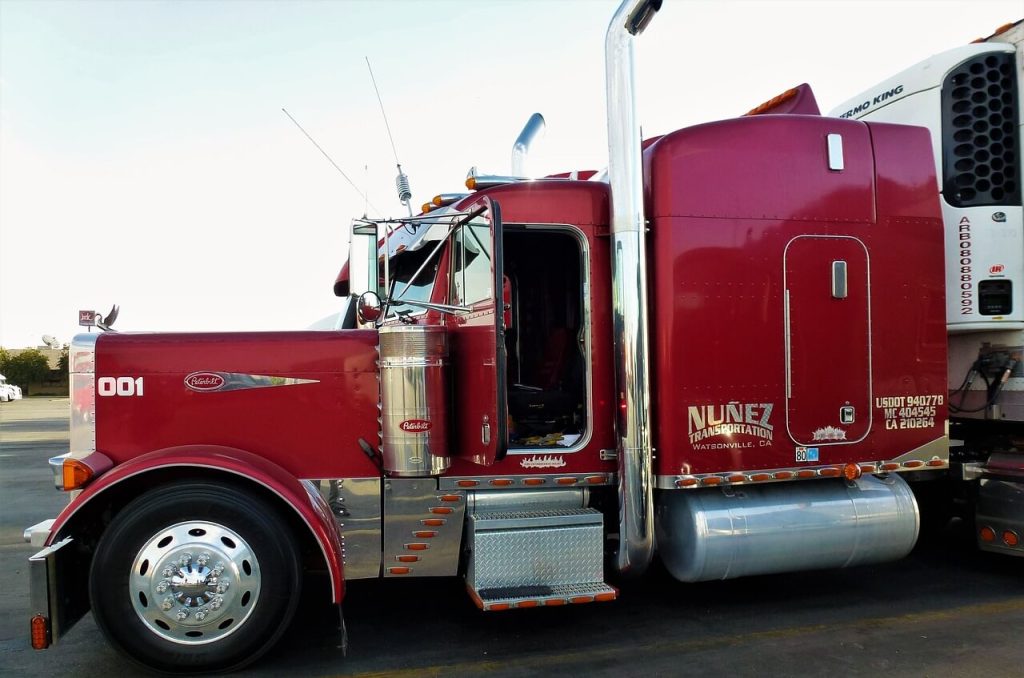
    Truck driver carries a shopping box in his hands and goes to his big rig semi truck parked on the truck stop parking lot

    As a truck driver, you’ve likely experienced the demands of long hours on the road. Whether you’re just starting out or you’ve been driving for years, one thing remains constant: knowing when to stop can make or break your day. 

    It’s not just about ticking off breaks to follow the rules – it’s about your safety, your health, and keeping things running smoothly on the road. 

    In this guide, we’ll walk through how often you should stop during the day, why it matters, and how Truck Parking Club can help you find great places to take those much-needed breaks.

    Why Regular Breaks Matter

    Taking regular breaks when on the road is a must. Seasoned truckers know that better than anyone, but if you’re just getting started in trucking, you might feel brave or obliged to drive for as long as possible. 

    Want our advice? Don’t. Here’s why taking regular breaks matters:

    Keeping Safe on the Road

    Driving a truck isn’t just about going from point A to point B – it’s about doing it safely. One of the biggest risks out there is fatigue. 

    After hours of staring at the road, your body and mind get tired, and that’s when mistakes happen. Regular stops aren’t just a nice break – they’re crucial for your driver fatigue management, keeping you sharp behind the wheel

    When you’re well-rested and alert, you can react faster and make better decisions, keeping both yourself and other drivers safe.

    Staying Within Legal Limits

    The Federal Motor Carrier Safety Administration (FMCSA) has set some strict rules on how long truck drivers can be on the road before taking a break. Here’s a quick breakdown of the HOS (Hours of Service) rules:

    • 11-Hour Driving Limit: You can drive a maximum of 11 hours after taking 10 consecutive hours off.
    • 14-Hour Rule: After 14 hours on duty (including driving and non-driving tasks), you have to stop driving, regardless of how much time you spend behind the wheel.
    • 30-Minute Break: If you’ve been driving for 8 hours straight without any off-duty time, you need to take a 30-minute break before continuing.
    • 60/70-Hour Weekly Limit: You can’t be on duty for more than 60 hours over 7 days or 70 hours over 8 days.

    These regulations are designed to keep everyone safe. It’s important to plan your stops with these rules in mind. Not just to avoid fines but to make sure you’re driving at your best.

    Taking Care of Your Health

    Driving a truck means sitting for long periods of time, and that can take a toll on your health if you’re not careful. Regular stops are your chance to stretch your legs, get your blood flowing, and avoid back pain or stiffness. 

    A quick walk, some stretching, and maybe even a short jog can do wonders for your body after hours of sitting. Plus, stopping gives you a chance to eat healthy, hydrate, and keep your mind fresh.

    How Often Should You Stop?

    Knowing why to stop is a good beginning. The real question is, however, how often should you stop when driving your rig?

    The short answer is that you should aim for a stop every 2-3 hours. While the law requires you to stop for a 30-minute break after 8 hours of driving, most experienced truckers will tell you that stopping more frequently is the way to go. 

    A good rule of thumb is to stop every 2-3 hours. These shorter breaks (10-15 minutes) help you stay energized and focused, preventing both physical and mental fatigue.

    You don’t need a long stop – just a few minutes to get out, stretch, and reset your focus will help you drive more safely and stay alert.

    Planning Your Stops for Maximum Efficiency

    One of the keys to a smooth day on the road is planning your stops ahead of time. Whether it’s a quick break or an overnight rest, knowing where and when you’ll stop can help you stay on schedule and avoid last-minute stress. 

    This is where Truck Parking Club can be a lifesaver. Our app connects you with private truck parking facilities along your route, so you don’t have to worry about overcrowded truck stops or scrambling for a spot at the last minute.

    With Truck Parking Club, you can:

    • Avoid Busy Truck Stops: Many public truck stops fill up quickly, especially during peak hours. Using a platform like Truck Parking Club allows you to find private lots with more availability.
    • Save Time: Instead of wasting time searching for parking, you can reserve a spot ahead of time and keep your day on track.
    • Feel Secure: Many private lots offer better security and peace of mind, so you can rest without worrying about your rig or cargo.

    Making the Most of Your Breaks

    It’s not just about stopping—it’s about making your stops count. Here are a few tips to maximize your breaks:

    • Stay Active: Even light activity during your stops can help you stay alert and reduce stiffness. A short walk or stretch can make a big difference.
    • Rest Your Eyes: Try to take breaks where you’re not staring at a screen. Give your eyes and brain a real break from focusing on the road.
    • Stay Hydrated: Keep water handy, and make sure you’re drinking enough throughout the day. It’s easy to forget, but dehydration can make you feel tired and sluggish.

    Final Thoughts

    Driving a truck is demanding work, and knowing when and where to stop is a big part of staying safe and productive. 

    Regular breaks, planned ahead of time, can make all the difference in your day – keeping you alert, within legal limits, and in good health. With tools like our very own Truck Parking Club, finding a safe and convenient spot to park is easier than ever, so you can focus on the road and leave the stress behind. Safe travels!

    BECOME A TRUCKER MEMBER

    The information published herein is for general informational purposes only. Truck Parking Club does not make any representations or warranties about the completeness, reliability, legality, and accuracy of this information. Any reliance placed on such material is strictly at the user’s own risk. Truck Parking Club shall not be responsible for any losses or damages incurred in connection with the information published herein.
  • Fall Trucking and Parking Safety Tips for Truckers

    Fall Trucking and Parking Safety Tips for Truckers

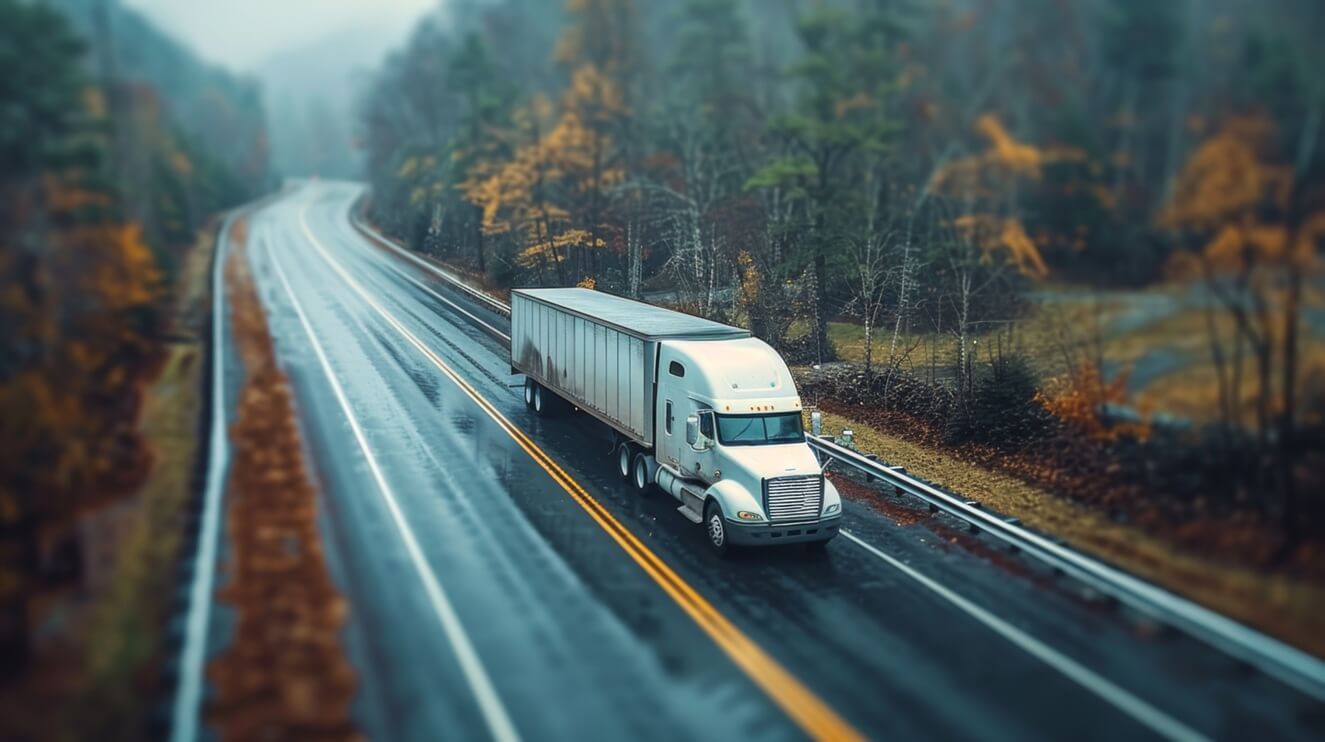
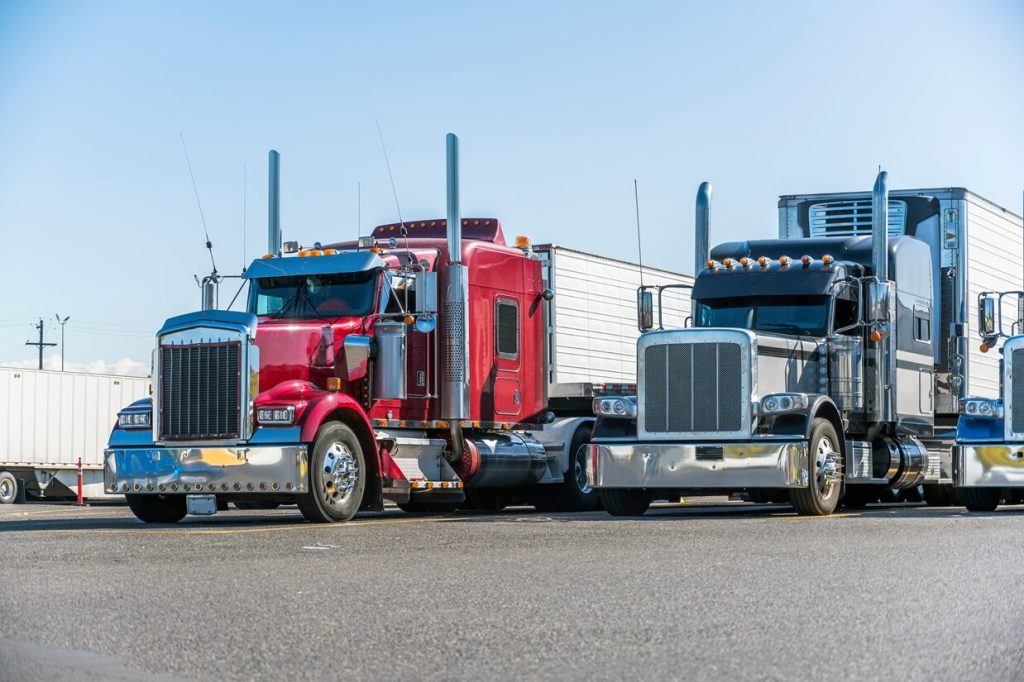
    Fall is a beautiful time to be on the road, but it comes with its own set of challenges for truckers. The crisp air, changing leaves, and shorter days are just the start of what you’ll be dealing with. If you’re not careful, fall can sneak up on you, bringing everything from slippery roads to sudden weather changes that can catch even the most seasoned drivers off guard.

    Whether you’re out on long hauls or just trying to find a safe spot to park for the night, these tips will help you prepare for the unpredictable fall month, especially when it comes to trucking and parking safely.

    1. Pre-Trip Inspections (Don’t Skip This Step!)

    Pre-trip inspections are always important, but in the fall, they become even more critical. The weather can change on a dime, and early morning frost, heavy rain, or even an early snowstorm can make the roads treacherous.

    So, before you set out on the road, inspect the following:

    • Tire Check: Good tread and proper inflation are key for traction, especially in wet and cold conditions. Make sure your tires are in top shape.
    • Brake Inspection: Colder weather can affect braking, and slick roads mean you’ll need your brakes to be spot-on.
    • Lights, Lights, Lights: With the days getting shorter, you’ll spend more time driving in the dark. Check all your lights—headlights, taillights, brake lights—to make sure you’re visible to other drivers.

    Taking the time for a thorough pre-trip inspection can save you a world of trouble. The extra 10 minutes you spend checking your rig can mean the difference between a smooth ride and a dangerous situation.

    2. Keep an Eye on the Weather

    Fall weather is anything but predictable. One minute, you’re cruising in perfect conditions, and the next, you’re driving through rain, fog, or even snow.

    Our advice? Well, first and foremost, stay updated on forecasts before you hit the road. Check the weather for your entire road and plan accordingly. 

    The second thing is to prepare for the unexpected. Even if the weather forecast seems fine, pack cold-weather gear, just in case. Blankets, gloves, and a good jacket should be in your truck by the time October rolls around. If you’re driving up north, it’s not a bad idea to have chains handy, too.

    Weather is one of the biggest wild cards in the fall. Being proactive can keep you ahead of the game. Be also sure to have a list of available nearby truck stops and parking lots, just in case. Our Truck Parking Club app will come in handy here. 

    3. Beware of Leaf-Covered Roads

    The sight of a road covered in colorful leaves might be beautiful, but don’t let it fool you. Leaves, especially when they’re wet, can be as slick as ice. They also tend to hide dangers like potholes, road debris, and animals.

    That said, slow down on leaf-covered roads. Take your turns slowly and carefully to avoid losing traction. Be also sure to watch for hidden hazards. Leaves can mask road damage, so don’t assume everything is clear under that colorful layer. Keep an eye out for any potential issues.

    4. Safe Parking in the Fall

    When you’re out on the road, finding a safe place to park can make a big difference, especially when fall weather starts acting up. Rain, wind, and even early snow can affect your parking options.

    If you’re tired of dealing with crowded truck stops or unsure about the conditions, consider using Truck Parking Club

    Our platform connects truckers with private truck parking owners so you can park in reliable, well-maintained areas without the hassle. Plus, you won’t have to worry about competing for space with other drivers or parking in unsafe conditions. 

    5. Adjust Your Driving Style for Fall Conditions

    Fall driving can be a lot trickier than the summer months. Roads are busier with back-to-school traffic and tourists checking out the fall foliage. Plus, with the weather shifting constantly, you’ve got to be ready to adjust how you drive.

    The three pieces of advice we can give are these:

    • Give Yourself Space: More cars on the road means more chances for sudden stops. Make sure you leave plenty of room between your truck and the vehicle in front of you.
    • Watch Out for Wildlife: Deer season is in full swing during fall, especially in October and November. They’re most active around dawn and dusk, so be extra cautious in those early and late hours.
    • Slow Down in Rain and Fog: When visibility drops, so should your speed. Slower speeds will give you more time to react if something happens, and they help prevent hydroplaning or skidding on wet roads.

    6. Get Ready for Winter (Yes, Already!)

    Fall is the perfect time to start prepping for winter. Don’t wait until the first snowstorm to make sure your rig is ready for colder weather.

    So, don’t try to be smart and winterize your truck early. Check your antifreeze, wiper blades, and heaters before the cold really hits. You’ll thank yourself later when the temperatures drop.

    Be also sure to inspect your tires if your routes take you through northern states. You might need to switch to winter tires sooner than expected.

    Packing some extra gear also won’t hurt. By the time fall rolls around, you should have cold-weather gear, extra food, and a first-aid kit in your truck. If you get stuck or stranded, having these supplies can be a lifesaver.

    7. Take Care of Your Health

    Fall isn’t just the start of cooler weather – it’s also flu season. Staying healthy is essential when you’re spending long hours behind the wheel.

    The easiest way to keep yourself warm and cozy is packing the right clothes.  Fall mornings can be freezing, but afternoons might warm up. Layering your clothes will help you stay comfortable no matter what the temperature.

    Also, remember to stay hydrated. It’s easy to forget to drink water when it’s cold out, but staying hydrated is just as important in fall as it is in summer. Keep healthy snacks on hand, too, to keep your energy levels up.

    Wrapping Up

    Fall is a great time to be out on the open road, but it brings its own set of challenges that require extra preparation and caution. From unpredictable weather and leaf-covered roads to finding the right parking spot, taking these steps can help you stay safe and stress-free during the season.

    So gear up, stay alert, and enjoy the ride! And remember, whenever you find yourself in the urgent need to find reliable truck parking, we’re here to help. Join our trucking community today, browse available spaces, and have peace of mind there’s always a spot for your rig, no matter the weather. 

    BECOME A TRUCKER MEMBER

    The information published herein is for general informational purposes only. Truck Parking Club does not make any representations or warranties about the completeness, reliability, legality, and accuracy of this information. Any reliance placed on such material is strictly at the user’s own risk. Truck Parking Club shall not be responsible for any losses or damages incurred in connection with the information published herein.

  • Pre-Road Checklist for Truckers: What to Check Before Hitting the Road

    Pre-Road Checklist for Truckers: What to Check Before Hitting the Road

    Every truck driver should prioritize caring for their vehicle, and a key part of that is performing a thorough pre-trip inspection. This, along with regular maintenance, ensures a smooth and safe drive while protecting both you and your cargo. 

    Plus, keeping your truck in top shape can help reduce insurance costs. In this article, we provide a comprehensive pre-trip inspection checklist to help you catch potential issues early. Bookmark this page and dive in to stay prepared for every journey!

    What Is a Pre-Trip Inspection?

    A pre-trip inspection is when you conduct a thorough examination of your vehicle right before hitting the road. The point of a pre-trip inspection is to find potential mechanical problems that may get you stuck in the middle of the trip. 

    In fact, truck drivers must record at least one pre-trip inspection a day, ensuring their truck is in good condition and doesn’t pose a risk to other drivers on the road. 

    Why Should You Have a Truck Driver Safety Checklist?

    There are numerous benefits of having a truck driver checklist, but one of the most important reasons is undoubtedly your safety. The earlier you learn about a mechanical problem, the sooner you will be back on track with your deliveries. 

    Other benefits include:

    • With a checklist, you can identify mechanical problems and reduce long and costly repairs, prevent delays, and get back to your family as soon as your shift is over. 
    • A pre-trip inspection is a regulation that you should adhere to, ensuring you do your job diligently. 
    • Each time you go through your checklist, you prevent breakdowns, and hence, your schedule remains the same. 
    • A pre-inspection ensures fuel efficiency is top-notch since your truck’s tires are well-inflated and the engine runs well. 

    Truck Driver Safety Checklist – A 15-Minut Pre-Road Inspection

    1. Tire Inspection

    Check tire pressure and tread depth on all tires. Ensure there are no visible cuts, bulges, or excessive wear that could compromise your safety on the road. Check if there are no foreign objects between the wheels that could pose a risk on the road. Note that insufficient threads may make it harder to control the steering, especially on wet or icy surfaces.  

    1. Lights and Reflectors Check 

    Test all lights, including headlights, brake lights, turn signals, and reflectors. Make sure they are clean, functional, and bright enough to ensure visibility. Reflectors should be free of any cracks and debris. 

    1. Brake Check 

    Inspect the brakes by ensuring proper air pressure levels, checking for worn pads, and testing the brake system’s responsiveness to avoid any unexpected issues. If possible, take a slack adjuster to check the correct adjustments of the brakes and inspect whether brake linings are of the correct thickness. Don’t forget to check the airlines for any visible damage or leaks. 

    1. Engine Check

    Examine the engine for any signs of leaks, frayed belts, or loose hoses. Ensure the engine starts smoothly and there are no unusual sounds or odors. If you know your way around the engine, you can look under the hood and check other components like the radiator, water pump, belts, etc. 

    1. Windshield Condition 

    Inspect the windshield for cracks, chips, or debris that could obstruct your view. Ensure windshield wipers are in good condition to handle inclement weather. Make sure to replace worn-out wipers, as they will significantly reduce visibility during rainy or snowy days. 

    1. Fluid Inspection

    Check all essential fluids, including engine oil, coolant, brake fluid, and windshield washer fluid. Top off any low levels to prevent breakdowns or malfunctions. Don’t skip this step because, as you know well enough, low fluid levels may cause system failure, which you surely want to avoid when driving long-distance. 

    1. Trailer Coupling

    Always ensure and double-check that your trailer is securely coupled to the truck. Check the locking mechanisms, chains, and connections to guarantee they are secure and working properly. 

    1. Presence of Safety Equipment 

    Each truck should always have the necessary safety equipment, such as fire extinguishers, flares, first-aid kit, and emergency reflectors, all in good condition and easily accessible. We are sure you are an experienced driver, but the road conditions (or other drivers’ conditions) may always surprise you, even if you have driven the same route many times.

    1. Cabin and Trailer Check 

    Inspect the cabin and trailer interior for any loose items that could shift during transit. Don’t forget to also check the mirrors and smaller things like seat belt, seat position, steering wheel, etc. These little details can seem strange for your check since you will be using them when driving – however, ensuring everything works perfectly will save you a ton of time when you leave for your destination.

    Trailer is another part of the checklist you shouldn’t ignore. Make sure to secure all cargo and ensure load distribution is balanced. If the cargo hasn’t been loaded, spend a few minutes looking for holes, bents, or cracks in the trailer. 

    1. Lodge to Rest

    What any truck driver knows better than any other casual car traveler is that reserving a place to rest is a must before you hit the road. When you’re ready to rest, use Truck Parking Club to easily find a parking spot for an hour, a day, or even book a spot for the entire week or month. Prioritize comfort with verified locations designed to meet your needs with various amenities.

    Stay Safe and Prepared on Your Journey 

    Follow our 15-minute pre-road checklist and ensure that every trailer you drive is road-ready and secure. It takes only 15 minutes to minimize the risk of breakdowns and incidents on the road. 

    And if you ever find it hard to complete the final step, register at Truck Parking Club to become a Trucker Member of our community. Search for available truck parking lots for free and plan ahead with ease! 

    The information published herein is for general informational purposes only. Truck Parking Club does not make any representations or warranties about the completeness, reliability, legality, and accuracy of this information. Any reliance placed on such material is strictly at the user’s own risk. Truck Parking Club shall not be responsible for any losses or damages incurred in connection with the information published herein.

  • Best US Truck Freight Corridors & How to Find Truck Parking Throughout Them

    Best US Truck Freight Corridors & How to Find Truck Parking Throughout Them

    You’re the unsung hero powering America’s economy, tirelessly steering through the nation’s busiest freight corridors to keep goods moving and shelves stocked. 

    Yet, despite conquering countless miles along these vital trucking corridors, you often face a familiar roadblock: finding safe and reliable truck parking when you need it most. We understand that the open road brings enough challenges without the stress of hunting for a resting place. 

    That’s why we’re here—to guide you through the best US truck freight corridors and how to find convenient truck parking throughout them. Let us help make your journeys smoother, your stops easier, and your hauls more profitable.

    The Benefits of Navigating Top Freight Corridors

    Choosing suitable freight corridors can transform your trucking experience. Focusing on the most efficient routes reduces transit times, allowing you to complete deliveries faster and take on more jobs. 

    This efficiency not only satisfies clients but also boosts your earnings. Fuel efficiency is another advantage; well-planned routes on major trucking corridors mean fewer detours and less idling, saving you money at the pump. Access to high-demand markets is a significant benefit of these key freight corridors. 

    You’ll find increased freight opportunities with better rates because of the volume of goods moving along these paths. Improved safety and infrastructure are also hallmarks of top trucking corridors.

    Well-maintained roads minimize wear and tear on your vehicle, and the abundance of services—like repair shops and rest areas—means you’re never far from assistance when needed.

    Top US Freight Corridors with Reliable Truck Parking Options

    Let’s explore some of the most significant freight corridors in the US and how you can find truck parking along them.

    I-95 Freight Corridor

    Running along the East Coast from Maine to Florida, I-95 is one of the busiest trucking corridors in the country. You encounter a diverse range of climates and traffic conditions. Finding truck parking here can be competitive due to heavy traffic. 

    Using our intuitive app, you can find many truck parking stops along the route where you can recharge your batteries and spend time well. 

    I-40 Freight Corridor

    Connecting the East and West from North Carolina to California, I-40 offers a cross-country journey with scenic views and ample parking in rural areas. Weather conditions can vary, especially in mountainous regions. 

    Our platform provides updates on real-time weather and parking availability, ensuring you’re prepared for any situation.

    I-10 Freight Corridor

    Stretching from Florida to California along the southern border, I-10 is ideal for avoiding harsh winter weather. With numerous 24-hour truck stops, you have flexibility in planning your rest breaks. 

    Truck Parking Club can assist you in identifying the best parking locations so you spend less time searching and more time moving.

    I-80 Freight Corridor

    Spanning from New York City to San Francisco, I-80 is a vital link between the East and West. Large rest areas in Midwestern states offer plenty of parking options. Seasonal closures can occur, so staying informed is crucial. 

    We provide the latest information on road conditions and parking, keeping your journey along this freight corridor smooth and efficient.

    I-70 Freight Corridor

    Running from Maryland to Utah, I-70 is another essential trucking corridor. Frequent rest stops with amenities make it convenient for long hauls. 

    Road work and closures are typical, so real-time updates are invaluable. Our services keep you informed about the best parking options and any potential delays.

    How to Find Accurate Information on Truck Parking Along Freight Corridors

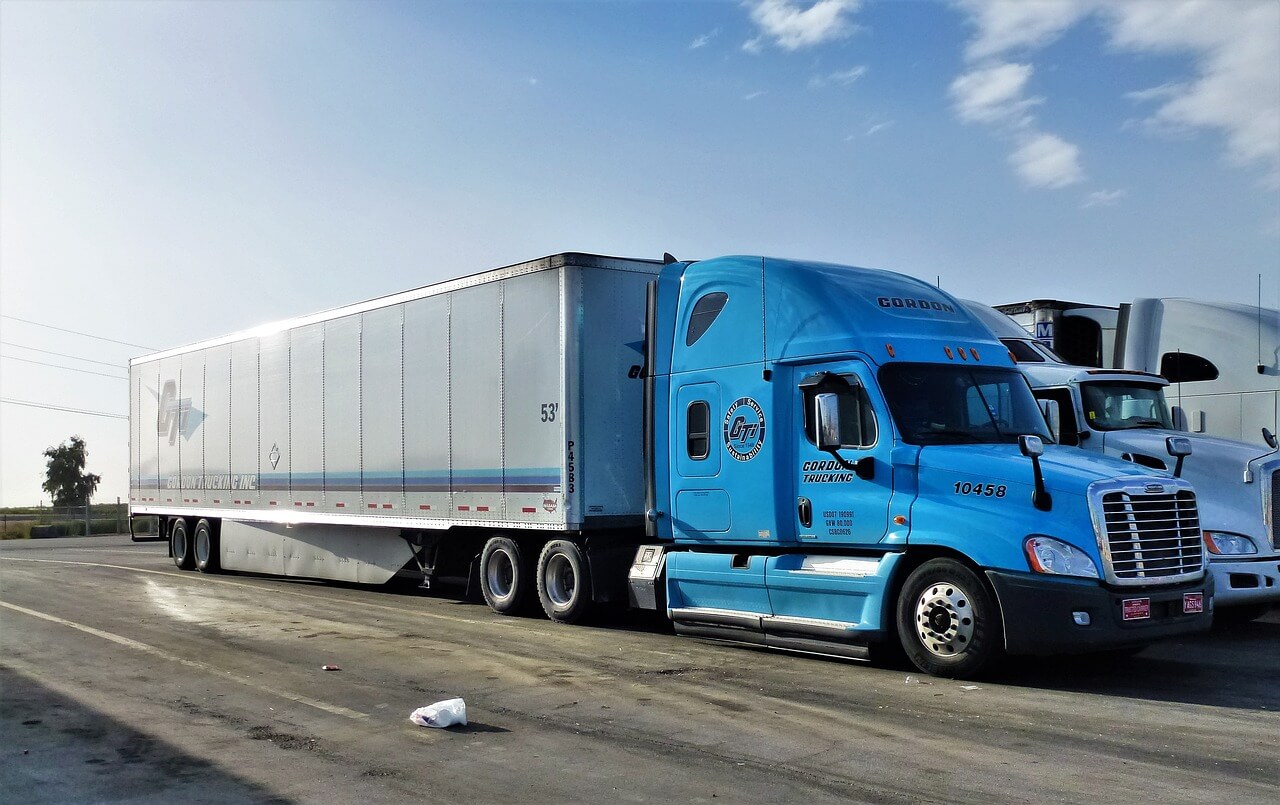
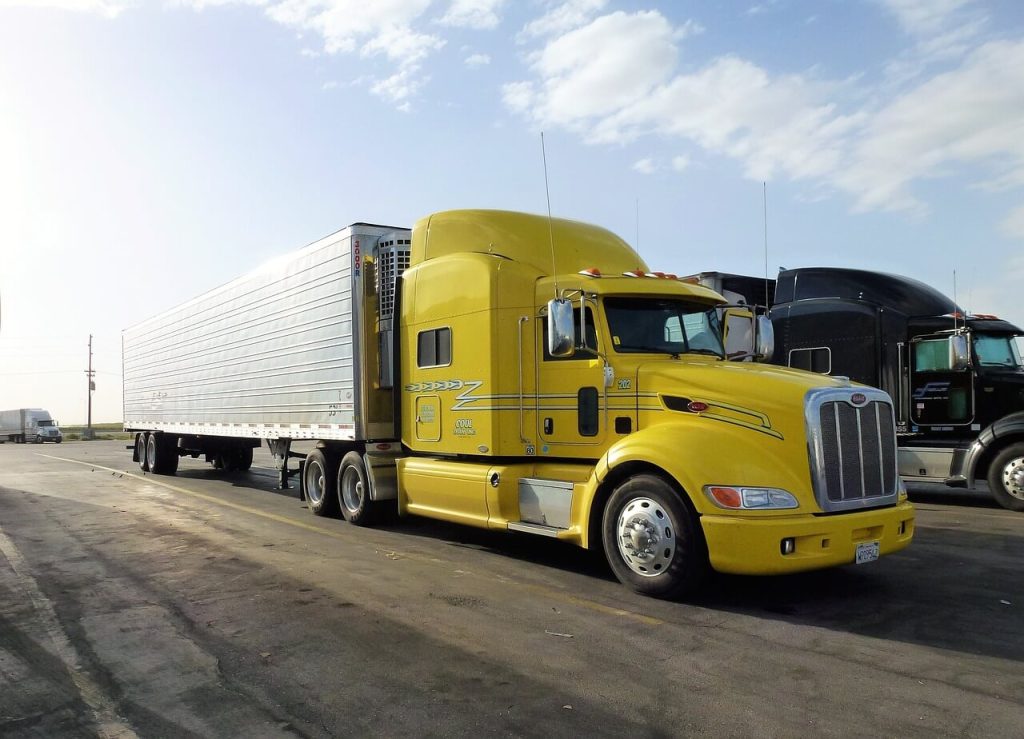
    yellow and black truck parked in a lot

    Finding accurate and up-to-date information on truck parking is essential for a successful trip along these freight corridors. While official Department of Transportation websites provide some details, they often lack real-time updates. Browsing trucking forums and blogs can offer insights, but information can be outdated or unreliable. 

    That’s where we come in. At the Truck Parking Club, we specialize in providing you with the most current and accurate information on truck parking lots so that you can reserve a spot and drive knowing you have a guaranteed place to rest. 

    Our user-friendly platform lets you quickly locate available parking spots, saving time and reducing stress. Using our services lets you find parking and become part of a community. 

    Connect with other drivers, share experiences, and gain valuable insights that enhance your journey along these freight corridors.

    Discover the Best Truck Freight Corridors

    Navigating the nation’s top freight corridors doesn’t have to be daunting. You can make your journeys more efficient and less stressful with the right resources. 

    Whether you’re a trucker member seeking reliable parking along busy trucking corridors or a property member offering spaces, we’re here to support you every mile of the way. 

    The information published herein is for general informational purposes only. Truck Parking Club does not make any representations or warranties about the completeness, reliability, legality, and accuracy of this information. Any reliance placed on such material is strictly at the user’s own risk. Truck Parking Club shall not be responsible for any losses or damages incurred in connection with the information published herein.

  • Best & Worst States to Drive & Park In: A Quick Guide for Truckers

    Best & Worst States to Drive & Park In: A Quick Guide for Truckers

    Curious if your state ranks among the best or worst for working in the trucking industry? If you’re a seasoned driver who’s logged countless miles across the country, you might have a hunch about which states are top contenders. But the actual results could surprise even you! 

    There are numerous factors, from road quality to regulatory policies, that impact a state’s rank. Keep reading to see if your state makes the list, and discover what makes these rankings stand out in the trucking world. Stay tuned for the details!

    10 Best States to Drive Through

    By analyzing various states, we have understood that it is quite difficult to identify the 10 best states to drive through because each offers different benefits. First, we want to highlight what are the best states overall, and then further group them by different factors. This way, you will have a good idea if you are lucky enough to be working in those regions. 

    Here is our list of the top 10 states truckers love driving through

    1. Texas 

    Known for its extensive roadways and large trucking hubs, Texas offers smooth routes and diverse landscapes that make long hauls more enjoyable. In addition, Texas boasts a large number of truck parking lots, high-speed limits, and lots of restaurant choices for late-night drivers. 

    1. Montana

    With its open roads and stunning mountain views, Montana provides truckers with a tranquil driving experience and plenty of space. This is exactly why truck drivers love driving through Montana; however, they can’t say the same about driving through the state in winter. 

    1. Arizona

    Arizona’s well-maintained highways and picturesque desert scenery make it a favorite for truckers looking for a mix of efficiency and beauty. Overall, it is quite easy to drive through Arizona with occasional bumpy roads. 

    1. Oregon

    Featuring scenic routes like the I-84 along the Columbia River, Oregon offers truckers a pleasant drive through lush forests and coastal views. Apart from picturesque views, Oregon is famous for its kept roads, which make it a breeze to drive long distances. 

    1. Virginia

    Virginia’s mix of rolling hills and well-planned routes make it a smooth ride for truckers, with easy access to major East Coast destinations. Apart from being banned from driving through the Blue Ridge Parkway, truckers can enjoy smooth roads near it with a great view of the mountains. 

    1. Colorado

    Known for its mountainous terrain and breathtaking landscapes, Colorado provides a challenging yet rewarding driving experience with beautiful views. Despite being difficult and somewhat dangerous to drive in bad weather, Colorado provides truckers with plenty of parking lots and food options. 

    1. Florida

    Florida’s flat and straight highways, combined with its warm weather, make for a comfortable and easy drive, particularly during the winter months. Moreover, Florida offers many truck parking stops for those who want to take a break and enjoy the warm sun of the Sunshine State. 

    1. Utah 

    Utah’s expansive highways and dramatic desert landscapes offer truckers a unique and enjoyable drive, with well-maintained roads throughout. Although it may get challenging to drive in winter, the roads are well-kept and ploughed throughout the seasons. 

    1. Nebraska

    With its long, straight roads and minimal traffic congestion, Nebraska provides a straightforward and efficient driving experience for truckers.

    1. Wyoming

    Wyoming’s wide-open spaces and scenic highways make it a favorite for truckers who appreciate a clear, unobstructed drive and breathtaking natural beauty. 

    5 States with Least Congested Roads 

    If you prefer to avoid traffic jams and enjoy open roads, you’ll appreciate the free-flowing routes in these states:

    • North Dakota
    • South Dakota 
    • Montana 
    • Nebraska
    • Wyoming 

    5 States with the Least Expensive Prices 

    On a tight budget? You’ll find affordable prices in these states:

    • South Dakota
    • Nebraska
    • Wisconsin
    • New Hampshire
    • North Dakota

    5 States with the Most Truck Parking Lots 

    You never have to worry about finding an available truck parking slot in: 

    • Idaho 
    • California 
    • Florida
    • Georgia 
    • Tennessee

    10 Worst States to Drive Through

    Here is our list of the top 10 states truckers love driving through

    1. New York

    Heavy traffic and poor road conditions, especially around New York City, create a stressful and challenging environment for truckers. 

    1. California

    With slow speed limits, strict regulations, and constant traffic congestion, California is notorious for its difficult driving conditions.

    1. New Jersey

    Endless traffic backups on routes like the New Jersey Turnpike make it a frustrating state for truckers with heavy loads.

    1. Michigan

    Worn-down roads filled with potholes and harsh winters make Michigan a tough state for truckers to navigate.

    1. Illinois 

    Chicago’s intense traffic and potholes, combined with harsh winters, pose significant challenges for truck drivers.

    1. Pennsylvania 

    Steep, uphill routes and icy roads in winter make Pennsylvania’s routes difficult and somewhat dangerous for truckers.

    1. Washington 

    Gloomy, wet weather and icy, winding roads create dangerous driving conditions for truckers in Washington State.

    1. Indiana 

    Neglected roads and frequent potholes in Indiana can cause vehicle damage and make driving challenging for truckers.

    1. Rhode Island

    Poor infrastructure and frequent road issues make Rhode Island a problematic state for long-distance trucking.

    1. New Mexico

    Hazardous driving conditions in New Mexico, including isolated stretches and unpredictable weather, can be dangerous for truckers.

    5 States with Most Congested Roads 

    If you are about to cross these states, you should get ready to spend some time in traffic jams:

    • New Jersey 
    • Maryland 
    • California 
    • Florida 
    • Massachusetts 

    5 States with the Most Expensive Prices 

    Planning a route through these states? It’s wise to budget more for expenses:

    • Maryland 
    • Oregon
    • New York
    • Florida
    • California 

    5 States with the Least Truck Parking Lots 

    When driving through the following states, booking your slot in a truck parking lot is a must: 

    • Alaska
    • Oregon
    • Connecticut
    • West Virginia
    • Maine

    Improve Your Driving Experience with Truck Parking Club

    Navigating the complexities of truck routing and finding secure parking can significantly impact your driving experience. With Truck Parking Club, you can streamline your journey by accessing a comprehensive network of parking lots across the states. 

    Moreover, you can book in advance to ensure you have a guaranteed spot, allowing you to focus on the road with peace of mind. 

    Register as a Trucker Member to elevate your driving experience and enjoy the convenience Truck Parking Club offers.

    The information published herein is for general informational purposes only. Truck Parking Club does not make any representations or warranties about the completeness, reliability, legality, and accuracy of this information. Any reliance placed on such material is strictly at the user’s own risk. Truck Parking Club shall not be responsible for any losses or damages incurred in connection with the information published herein.