
Category: Truck Parking News

  • College Station Adopts Controversial Truck Parking Ban

    College Station Adopts Controversial Truck Parking Ban

    the flag of Texas

    In what many may view as an unsympathetic move, the Texas city of College Station has passed a local ordinance prohibiting all commercial truck parking throughout the city. Following a majority vote held by College Station City Council members, the action is expected to take effect in September 2024. 

    Currently, truck parking is restricted on designated city streets during specific hours. The new rules will restrict all areas of the city, forcing truck drivers to park outside the city limits to meet driver hours of service regulations. 

    The sweeping action addresses ongoing road safety concerns, although many will see the new regulations as unnecessary and inhibiting for truck drivers, most of whom are already severely hindered by a nationwide truck parking crisis. Those with a more cynical view might assume they are a sudden, thinly veiled attempt at improving city aesthetics at the expense of truckers’ livelihoods. 

    New Ordinance

    Under the law, any vehicle used mainly for transporting goods or passengers that also meets a specific, governed weight threshold will be prohibited from parking within College Station city limits. 

    For clarity, this includes vehicles with a gross combination weight or rating over 26,001 pounds and towed units exceeding 10,000 pounds. Considering most trucks fall outside this criteria, one could argue the law affects the vast majority of heavy transport vehicles. 

    Implications

    Officials have previously argued that the city’s streets, like Ponderosa Drive and Birmingham Road, have seen apparent problems with unattended trucks and trailers. The ordinance aims to clear up the issue, improving the aesthetics and safety of the community. 

    The actual severity of these issues may be open to interpretation, however, with no obvious evidence suggesting the city experienced prior unacceptable levels of unattended parking.

    The regulation also extends to banning unattached trailers (a practice already prohibited in residential zones) and introduces a requirement that commercial vehicles must not park within 30 feet of driveways.

    City officials hope that the blanket ban will simplify enforcement and prevent the inconsistent application of rules, which had previously allowed some areas to become inadvertent parking havens.

    Public Response

    Acknowledging the serious impact it could have on local businesses and truck operators, the city council has proposed a transition period of grace, intended to last between six and twelve months. In a glaring display of optimism, councilors believe those affected should have enough time to find alternative truck parking solutions and adjust to the new regulations.

    With rest areas and truck stops at a premium in the local area, how well truckers will adjust remains to be seen. Unless new facilities are provided this year – a prospect that seems extremely unlikely, if not impossible – drivers will have very few options available to them. 

    Many locals suggest the move is necessary to reduce the number of trucks within the city, while others take a more empathetic view, mindful of the essential role that commercial vehicles fill. Those who support the legislation may form a different opinion if and when retail deliveries are affected further down the line. 

    With a vast number of truckers unable to meet tight schedules owing to new driver regulations introduced a few years ago – in addition to the aforementioned HOS regulations and existing truck parking issues – you would be forgiven for assuming the new ordinance could be a nail in the coffin for transport efficiency, locally.  

    Moving Forward

    As College Station prepares to implement this ordinance, city leaders are considering establishing designated parking areas where truckers could pay to park overnight. This solution aims to negate some of the challenges presented by the ban and support the needs of the trucking industry in an era plagued with severe truck parking issues

    While this measure meets with broader trends in urban areas to regulate large vehicle parking, it also raises questions about the balance between city development and the necessities of commerce and transportation that rely heavily on these vehicles. There certainly seems to be a striking disparity between the two currently.

    Private Sector Alternatives

    The transport industry will hope other cities do not follow a similar trend, though signs are not too encouraging at present. Various state council authorities are rumored to be working towards more regulated environments. As they do, the availability of good truck parking facilities will become even more pressing.

    In the meantime, drivers and logistics managers looking for reliable parking solutions will find much needed alternative options in the form of Truck Parking Club, specializing in convenient private truck parking through a vast national network. 

    Becoming a Trucker Member

    Truck Parking Club enables drivers to schedule parking spots either in advance or at the last minute by browsing real-time truck parking listings for available spaces in any area of their choosing. Good parking spots can be secured for an affordable nightly rate, with many locations providing useful driver facilities. 
    If any of these issues sound familiar, become a trucker member today for affordable, convenient, stress-free parking solutions.

    The information published herein is for general informational purposes only. Truck Parking Club does not make any representations or warranties about the completeness, reliability, legality, and accuracy of this information. Any reliance placed on such material is strictly at the user’s own risk. Truck Parking Club shall not be responsible for any losses or damages incurred in connection with the information published herein.
  • FHWA Launches Third Nationwide Survey on Truck Parking Challenges

    FHWA Launches Third Nationwide Survey on Truck Parking Challenges

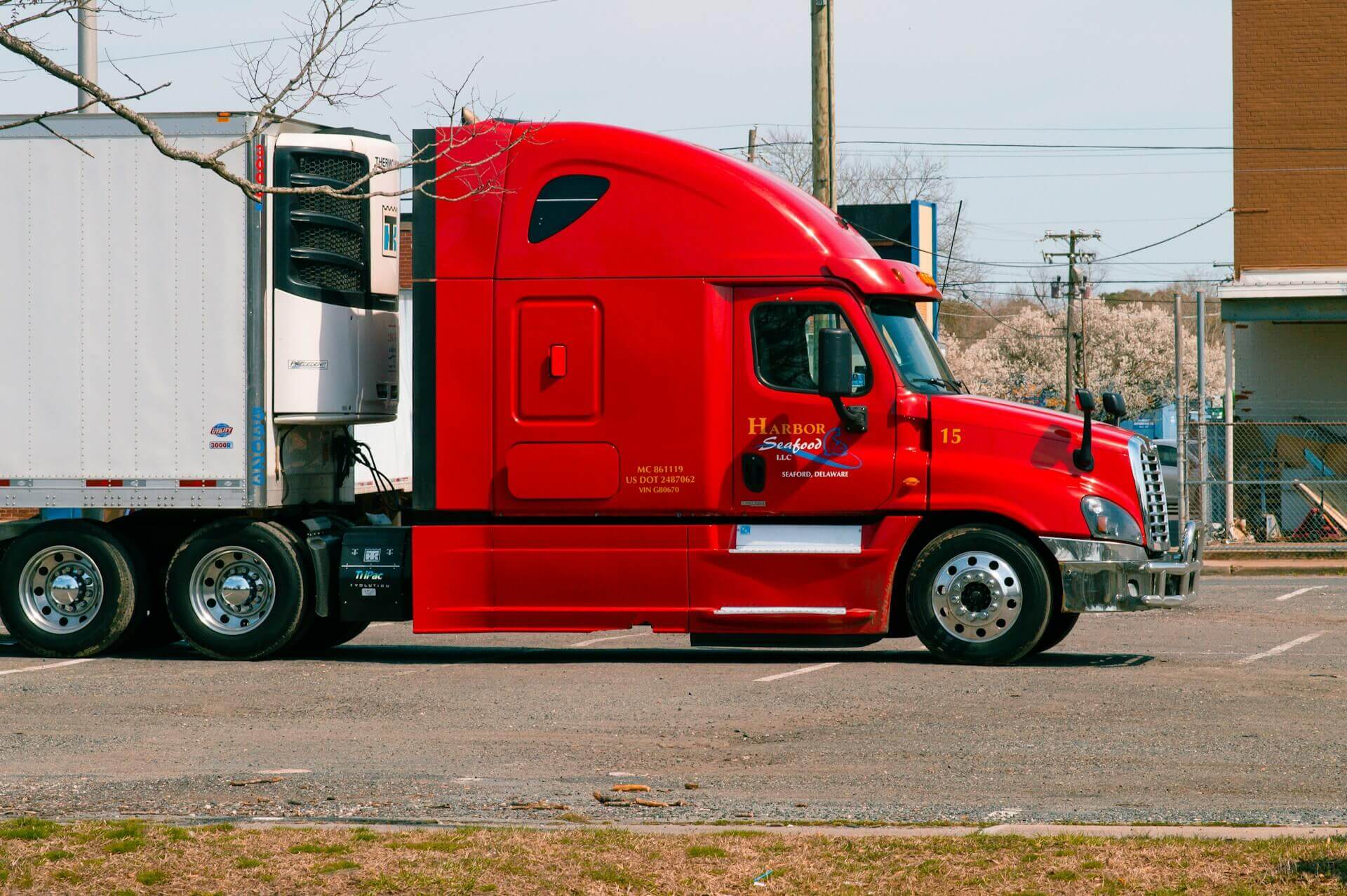
    a parked semi truck

    The Federal Highway Administration (FHWA) has initiated steps to conduct its third nationwide survey under Jason’s Law, focusing on truck parking issues across the United States. The move is being seen as a continued effort to address the critical shortages in truck parking, which have been a longstanding concern for truck drivers and fleet operators.

    The upcoming survey aims to gather detailed information from various stakeholders who play essential roles in providing and managing truck parking facilities. These stakeholders include state transportation and enforcement officials, port authorities, private facility owners, and truckers themselves. 

    The goal is to create a comprehensive picture of the current parking infrastructure and identify pressing needs and gaps that could be targeted for future improvements.

    Survey Objectives 

    You would be forgiven for assuming this is a routine check, but it is actually a mandated requirement under the MAP-21 transportation funding enactment, first passed in 2012. The law requires periodic assessments of truck parking facilities nationwide to ensure that there are enough safe, accessible parking spots to meet the industry’s demands.

    The FHWA plans to explore the frequency and location of parking shortages, drivers’ perceptions of future truck parking needs, and the availability of parking capacity information. The survey will also examine drivers’ challenges in accessing these facilities and their broader implications for their safety and transportation efficiency.

    State Responses

    Since the enactment of Jason’s Law, named after Jason Rivenburg – a trucker who tragically lost his life due to inadequate parking – the FHWA has been tasked with shedding further light on the critical issue of truck parking. The initial survey results, released in 2015 before a subsequent report was created in 2020, have both highlighted the relentless problem of inadequate truck parking, which hasn’t seen measurable improvement over the years.

    Several states have responded to the earlier findings by taking steps to improve their truck parking facilities, although many in the logistics industry would dismiss the efforts as box-ticking, designed to appease the community. 

    That said, some states have demonstrated progress. New Jersey and Indiana, for example, are actively working to expand the number of available parking spots, while Georgia has recently passed legislation aimed at developing a long-term freight and logistics plan, which includes increasing truck parking capacity.

    Future Directions

    Public participation is a crucial component of this survey process, an assertion that is reflected by the FHWA opening a public comment period and inviting all interested parties’ feedback. This feedback will hopefully play an important role in shaping the final survey and ensuring that it accurately reflects the current state of truck parking.

    The deadline for comments is set for June 27, 2024. 

    With the deadline looming, Truck Parking Club encourages drivers and transport managers to share their experiences and insights. Your input is valuable and will not only contribute to the final report but also guide future policy and funding decisions aimed at alleviating the truck parking crisis.

    Bottom Line

    The outcomes of this survey could lead to significant changes in how truck parking is managed across the nation, potentially easing the burden on truckers and improving the overall flow of goods and services. 

    Jason’s passing is profoundly tragic, yet it compels us to act. By providing feedback before the June 27th deadline, we can contribute to meaningful changes that can improve truck parking safety in this country. 

    While the public sector works to evaluate truck parking facilities, the private sector offers immediate solutions in the form of Truck Parking Club. 

    Truck Parking Club specializes in providing convenient and secure truck parking through a vast national network, helping drivers find and reserve truck parking spaces in real time. For truckers facing the ongoing challenge of finding reliable parking, joining Truck Parking Club could be the key to simpler and stress-free travel.

    The information published herein is for general informational purposes only. Truck Parking Club does not make any representations or warranties about the completeness, reliability, legality, and accuracy of this information. Any reliance placed on such material is strictly at the user’s own risk. Truck Parking Club shall not be responsible for any losses or damages incurred in connection with the information published herein.
  • New Jersey Department of Transportation Seeks Driver Input on Truck Parking Issues

    New Jersey Department of Transportation Seeks Driver Input on Truck Parking Issues

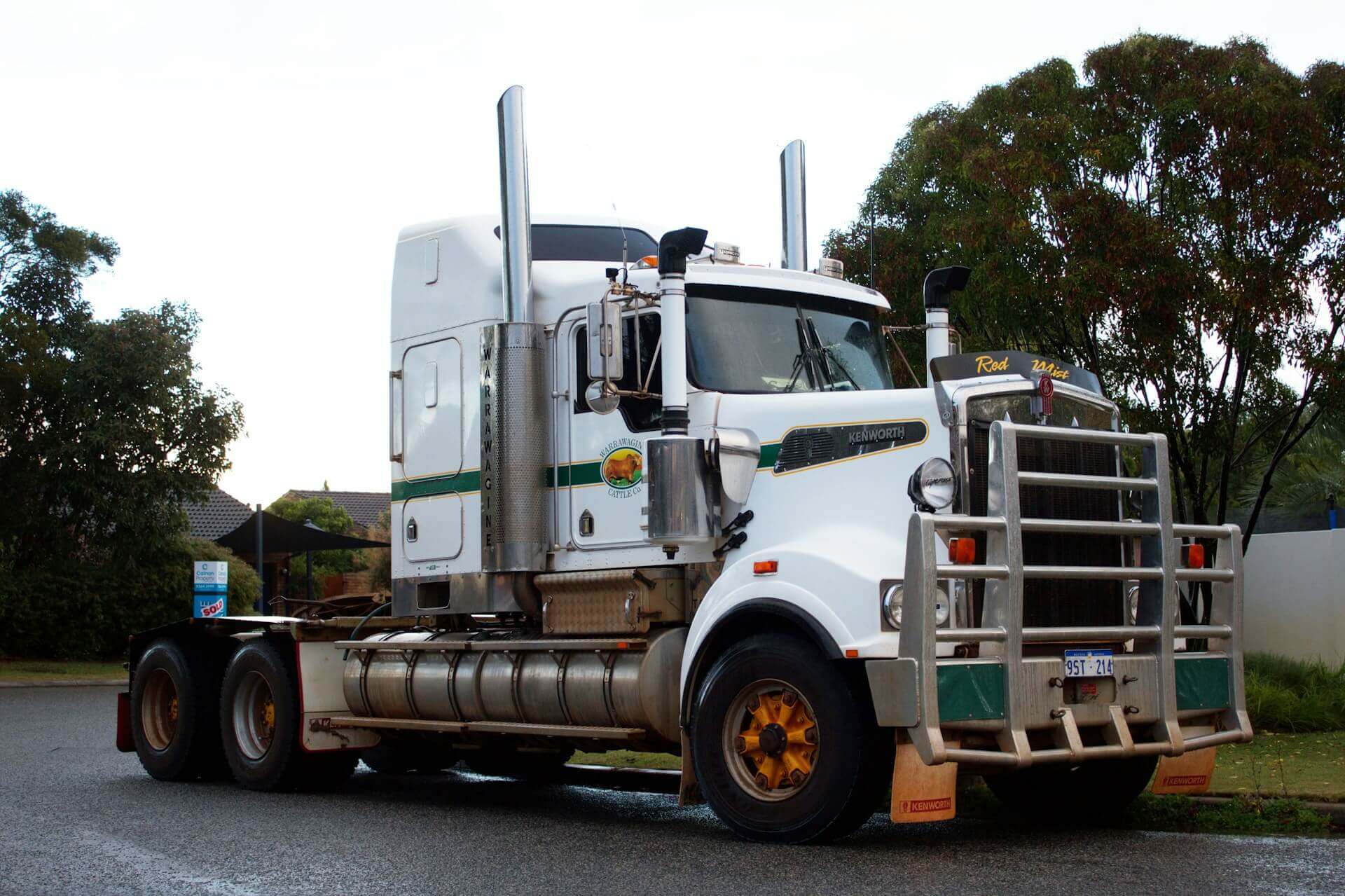
    white semi truck

    Truck parking has become a critical issue across the United States, with New Jersey being no exception. 

    To address this, the New Jersey Department of Transportation (NJDOT) is actively seeking feedback from both short-haul and long-haul truck drivers through two comprehensive surveys. These surveys are designed to gather valuable insights into truck drivers’ parking needs and help develop effective solutions.

    What Are the Surveys About?

    The New Jersey DOT has launched two separate surveys aimed at understanding the specific parking challenges faced by short-haul and long-haul truck drivers. 

    The goal is to provide the department with crucial data on the current state of truck parking in New Jersey and highlight the areas that require immediate attention.

    The surveys delve into various aspects of truck parking, including:

    • Parking Needs: Drivers are asked to detail their specific parking requirements.
    • Search Patterns: Insights into how drivers search for parking spots.
    • Time to Park: Data on how long it typically takes for drivers to find a parking spot.

    The surveys are open to all truck drivers and industry stakeholders until June 16, 2024. So, if you want to have your say on the matter, we suggest doing so fast. 

    Addressing New Jersey’s Freight Bottleneck

    New Jersey is home to the nation’s top freight bottleneck in Fort Lee.

    The NJDOT aims to collaborate with industry stakeholders to identify and implement effective solutions. The survey is expected to help them decide on the effectiveness of various potential solutions, such as:

    • Adding more parking spaces to existing facilities.
    • Utilizing technology to improve parking efficiency.
    • Allowing more on-street parking options.
    • Exploring the feasibility of paid parking options.
    • Modifying delivery hours to alleviate parking congestion.

    Truckers are asked to rate these solutions, which, in theory at least, should help New Jersey officials decide which ones to pursue. 

    Wrap Up

    As the truck parking shortage continues to wreak havoc in the industry, more and more states are showing proactive steps toward addressing this crisis. The NJDOT’s survey is a perfect example of that. 

    By gathering data and feedback from truck drivers, the department aims to develop targeted solutions that will benefit the entire trucking community. 

    If you are a truck driver or industry stakeholder, make sure to participate in the surveys before the June 16 deadline to have your voice heard and contribute to improving truck parking in New Jersey.

    And for now, whenever you find yourself searching for available truck parking spots in New Jersey, be sure to use Truck Parking Club. 

    Become a trucker member today, browse available truck parking in New Jersey, and rest assured you always have a spot to park your rig when cruising through the Garden State. 

    BECOME A TRUCKER MEMBER

    Link to the original article: https://www.truckingdive.com/news/new-jersey-truck-parking-short-haul-long-haul-surveys/717036/ 

    Link to the survey: https://njtruckparkingsurvey.mysocialpinpoint.com/ 

    The information published herein is for general informational purposes only. Truck Parking Club does not make any representations or warranties about the completeness, reliability, legality, and accuracy of this information. Any reliance placed on such material is strictly at the user’s own risk. Truck Parking Club shall not be responsible for any losses or damages incurred in connection with the information published herein.
  • Florida Truckers Sue Palm Beach County Over Controversial Residential Truck Parking Ban

    Florida Truckers Sue Palm Beach County Over Controversial Residential Truck Parking Ban

    residential area in florida

    Two truckers from Palm Beach County, Florida, have filed a lawsuit against the county, challenging a recent ordinance prohibiting them from parking their trucks at their homes. 

    The Florida truckers see This new regulation as an unfair and targeted campaign to push out blue-collar residents in favor of wealthy newcomers.

    Truck Parking in The Acreage

    For nearly two decades, truck drivers Jorge Alfaro and Clare Dougal have parked their commercial trucks at their homes in The Acreage, a rural section of Palm Beach County. 

    This practice was permissible due to specific exemptions in the county’s Unified Land Development Code, which excluded agricultural residential zones from parking ordinances that applied to residential districts.

    The Turning Point

    In recent years, changes to the Unified Land Development Code have stripped The Acreage of its exemptions.

    Starting in 2019, the county amended the code, removing the exclusion that allowed truck parking in agricultural residential zones. This change led to a surge in enforcement actions against truckers like Alfaro and Dougal, who began receiving fines for illegal parking.

    The Lawsuit

    The lawsuit, filed in the 15th Judicial Circuit Court of Florida, alleges that the new truck parking ban violates their rights as property owners. 

    Jorge and Clare argue that the ordinance changes are part of a “targeted campaign of rural gentrification” aimed at displacing blue-collar residents to attract white-collar residents.

    They claim that the ordinance constitutes a “regulatory taking” of their property. 

    By prohibiting them from parking their trucks at their homes, the county has effectively taken away the primary use of their property without providing compensation. This, they argue, is a violation of their rights.

    The lawsuit also highlights the broader impact of the parking ban. 

    Truckers in The Acreage face a severe shortage of available truck parking spaces. There are only two dedicated lots in the area, and these lots are often full, forcing truckers to wait for hours or pay high fees for dedicated spots. 

    As a result, Alfaro and Dougal claim that the new regulations have devalued their property and jeopardized their livelihoods.

    County’s Position and Reactions

    In February 2024, the Palm Beach County Board of Commissioners clarified truck parking rules, denying a request to allow two 80,000-pound trucks per lot in The Acreage. 

    Instead, the county amended the code to permit two 16,000-pound vehicles at any home-based business in the area, a rule set to take effect on July 1. 

    As the lawsuit progresses, it underscores a growing tension between rural and suburban development in Palm Beach County. The outcome of this case could have significant implications for property rights and residential zoning laws in the region and beyond.

    Final Thoughts

    The lawsuit filed by Jorge Alfaro and Clare Dougal against Palm Beach County highlights the challenges faced by truckers in rural communities amid changing zoning laws. 

    As they seek justice and the right to park their trucks at their homes, this case brings to light the broader issues of regulatory overreach and the impact of gentrification on long-standing residents.

    This case also highlights the nationwide truck parking problem and the federal and state government’s inability to resolve it. 

    Fortunately, private solutions like our very own Truck Parking Club help truckers find available parking spots across the US, whether in Florida or any other state. 

    However, until government officials start doing more to resolve the truck parking crisis, more truckers will likely follow Jorge and Clare’s example and try to fight for their right to park their trucks close to their homes. 

    BECOME A TRUCKER MEMBER TODAY

    Link to the original article: https://landline.media/truckers-sue-the-acreage/ 

    The information published herein is for general informational purposes only. Truck Parking Club does not make any representations or warranties about the completeness, reliability, legality, and accuracy of this information. Any reliance placed on such material is strictly at the user’s own risk. Truck Parking Club shall not be responsible for any losses or damages incurred in connection with the information published herein.

  • How Florida Is Addressing the Truck Parking Shortage: Recent Expansions, Developments, and Solutions

    How Florida Is Addressing the Truck Parking Shortage: Recent Expansions, Developments, and Solutions

    Semi truck parked next to palm trees

    The national truck parking shortage has led to an array of different challenges and intuitive solutions. Many changes have been implemented in Florida to help mitigate the effects. Below, we’ll take a closer look at some specific actions that have been implemented. 

    The Truck Parking Availability System (TPAS)

    The Truck Parking Availability System, or TPAS, is a significant new implementation along certain interstates in Florida. The Florida Department of Transport, or FDoT, is spearheading this initiative in an effort to help truck drivers have up-to-date information regarding parking availability.

    Significant improvement has been made in states like Texas, where this system has already been implemented. But what is TPAS, and how does it work?

    TPAS is an as-it-happens update system that tracks available truck parking and transmits this information to truck drivers and other interested parties. This makes it considerably easier for drivers to keep track of available parking spaces.

    The system uses sensors placed in parking spaces at parking lots and rest stops to accurately determine the number of spaces available. As a result, truckers across the nation can safely and easily navigate routes and easily access rest stops when they need them.

    According to the Florida Department of Transport, the implementation of the TPAS system will be a three-part process.

    They’ll be implementing the technology at state-owned facilities, which will then give them the data they need to accurately assess truck parking availability (and share it with truck drivers and other stakeholders). They’ll also use this information to accurately predict and analyze future parking availability.

    900+ New Parking Spaces  

    Florida government has also promised to produce at least 900 new parking spaces along Central Florida’s Interstate 4. This will go a long way toward reducing pressure on the already overburdened transportation industry in the state.

    EV Charging

    Many of the new truck parking facilities will also incorporate electric vehicle charging ports. This will help to lighten the environmental impact of the trucking industry in the state while simultaneously helping to ease pressure on the petroleum industry. 

    Bipartisan Infrastructure Law

    Another relevant aspect of the attempt to add at least 900 additional truck parking spaces is the influx of funds from the bipartisan infrastructure law. This law is funnelling an additional $180,000,000 towards the problem of truck parking shortages in Florida.

    This shows how resolved the government is to tackle Florida’s parking issues. The $180 million is just a portion of nearly $5 billion earmarked for transportation projects.

    Incorporating Private Parking Locations

    Florida’s government has seen the need for significant parking expansion in the state, and therefore aims to incorporate more private parking locations. Doing so can have a significant impact on the amount of parking available.

    Tools like Truck Parking Club are one way to keep track of how many parkings are available at these new private locations. Get easy and immediate access to a list of parking spots available in your area.

    Significance of these Developments

    The truck parking shortage has been an ongoing problem throughout much of the United States. At the same time, however, truck drivers need to adhere to Hours of Service regulations. 

    This means that they often have to stop in places that were not designed as truck rest areas. Some drivers may even park illegally on road shoulders in order to adhere to their Hours of Service requirements.

    This new system of management TPAS will allow drivers to know in advance where there’s space available for them to park at a designated resting area. By cutting down on the number of truck drivers parking on road shoulders and in other illegal areas, these developments will make roads safer.

    Easier access to information about where truck parking is available will also help to ensure that truck drivers can move through their routes faster. This will help improve delivery times for just-in-time deliveries, among other things.

    By incorporating this new technology, there will be one other significant change. Instead of having some truck parking stops filled to overflow while others are underutilized, drivers will know exactly where there’s space for them. This should mean that all parking stops are used equally, easing pressure on overburdened stops and cutting down on wait times.

    Final Thoughts

    Whether you consider the addition of the Truck Parking Availability System, the addition of over 900 new truck parking spaces, or the large investment made by the Bipartisan Infrastructure Law, truck parking in Florida is moving in the right direction.

    That doesn’t mean you can’t help improve your chances even more, though. As a truck driver, you can quickly and easily register with Truck Parking Club.

    As a property owner, you can register your land and make it available as a truck parking area. This can help alleviate the strain on an already strained truck parking system.

    The information published herein is for general informational purposes only. Truck Parking Club does not make any representations or warranties about the completeness, reliability, legality, and accuracy of this information. Any reliance placed on such material is strictly at the user’s own risk. Truck Parking Club shall not be responsible for any losses or damages incurred in connection with the information published herein.

  • Indiana DOT Aims to Double Truck Parking Space: A Closer Look at the $600 Million Plan

    Indiana DOT Aims to Double Truck Parking Space: A Closer Look at the $600 Million Plan

    indiana state capitol

    In November 2022, the Indiana Department of Transportation (INDOT) announced its ambitious 10-year plan to nearly double the state’s rest and truck parking areas. Named the Rest Area & Welcome Center Improvement Plan, this initiative is designed to significantly enhance the availability of truck parking spaces across the state, particularly along vital interstate corridors.

    Current Status and Progress

    As of 2024, Indiana has made commendable strides in this extensive project. With 1,400 truck parking spaces already designated across the state’s 26 rest areas, the plan’s impact is becoming tangible. 

    One of the major milestones achieved under this initiative is the completion of the Kankakee rest area conversion on I-65. This project not only added 113 new truck parking spaces but also introduced upgraded facilities, including restrooms and vending areas, enhancing comfort and convenience for drivers.

    Ongoing and Upcoming Projects

    The focus now shifts to other key projects within the plan. The Lebanon rest areas conversion, which began in June 2023, is anticipated to conclude by fall, adding an impressive 109 spaces. 

    Furthermore, although there have been slight delays, the Lizton and Nancy Hanks rest area projects are expected to provide new timelines this summer, with an estimated addition of 61 spaces. 

    Meanwhile, the Taylorsville rest areas are on schedule, with completion aimed for the coming years, promising to add 69 spaces.

    The Project’s Impact on Truckers and Interstate Commerce

    This proactive approach by Indiana aims to address the chronic shortage of reliable truck parking, which is a significant issue for the trucking industry nationwide. 

    By nearly doubling the parking capacity, INDOT not only aims to improve the safety and efficiency of truck operations but also to support the well-being of truck drivers by providing them with more accessible and secure resting options. 

    This, in turn, contributes to smoother interstate commerce and enhances supply chain reliability.

    Final Thoughts

    Indiana’s investment in improving truck parking facilities is a testament to the state’s commitment to supporting the trucking industry and ensuring the safety of its highways. 

    As these projects progress, they are set to offer substantial benefits not just to truck drivers but also to the broader logistics and transportation sectors. 

    With strategic planning and continued execution, Indiana sets a benchmark for other states wrestling with similar challenges, potentially inspiring a nationwide enhancement of truck parking infrastructure.

    Looking for truck parking in Indiana? Become a trucker member at Truck Parking Club and seamlessly browse and book available truck parking across Indiana!

    BECOME A TRUCKER MEMBER TODAYLink to the original article:https://landline.media/indiana-dot-gives-update-on-truck-parking-conversion-projects/

    The information published herein is for general informational purposes only. Truck Parking Club does not make any representations or warranties about the completeness, reliability, legality, and accuracy of this information. Any reliance placed on such material is strictly at the user’s own risk. Truck Parking Club shall not be responsible for any losses or damages incurred in connection with the information published herein.
  • Women Truck Drivers Push for Better Parking and Restroom Facilities

    Women Truck Drivers Push for Better Parking and Restroom Facilities

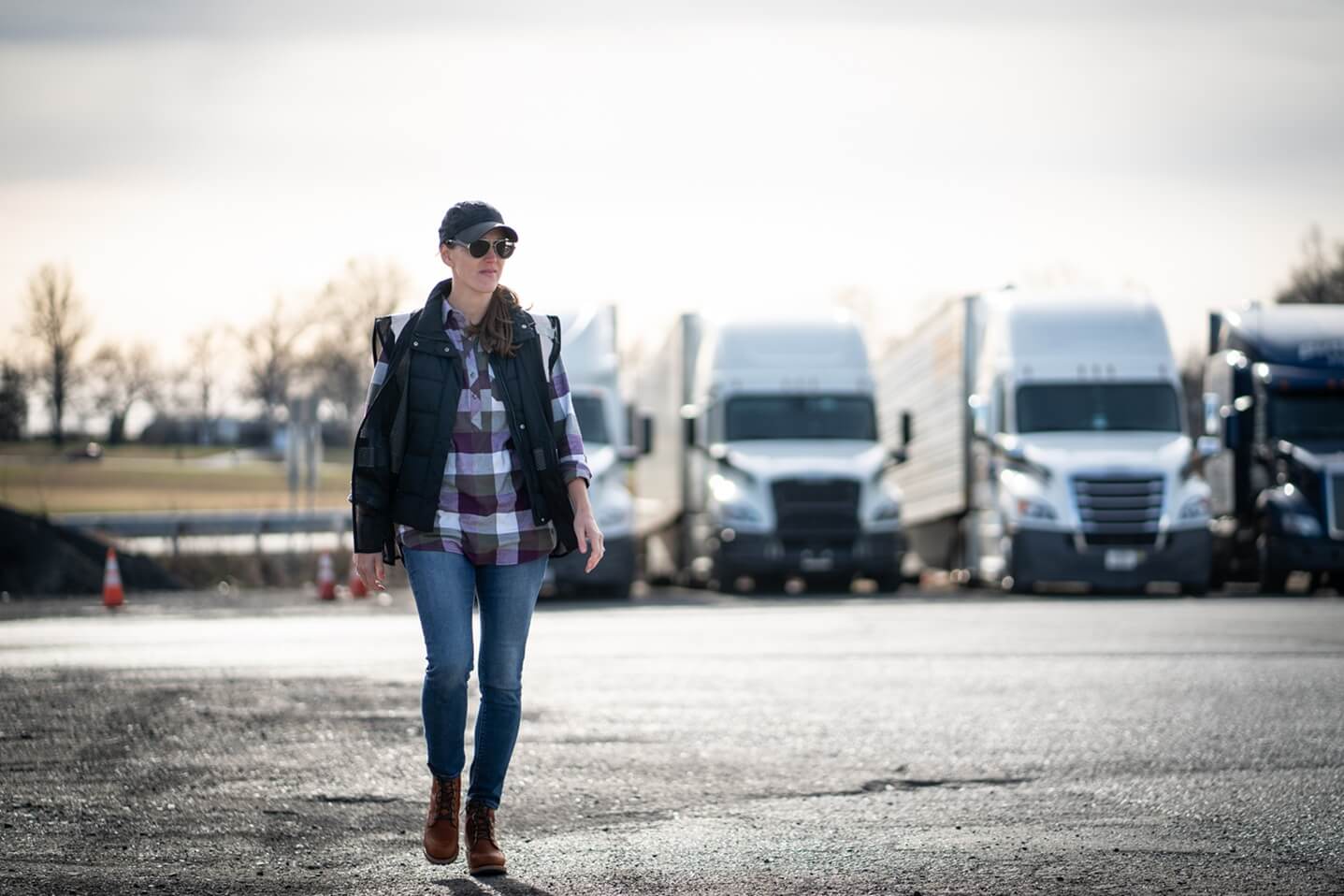
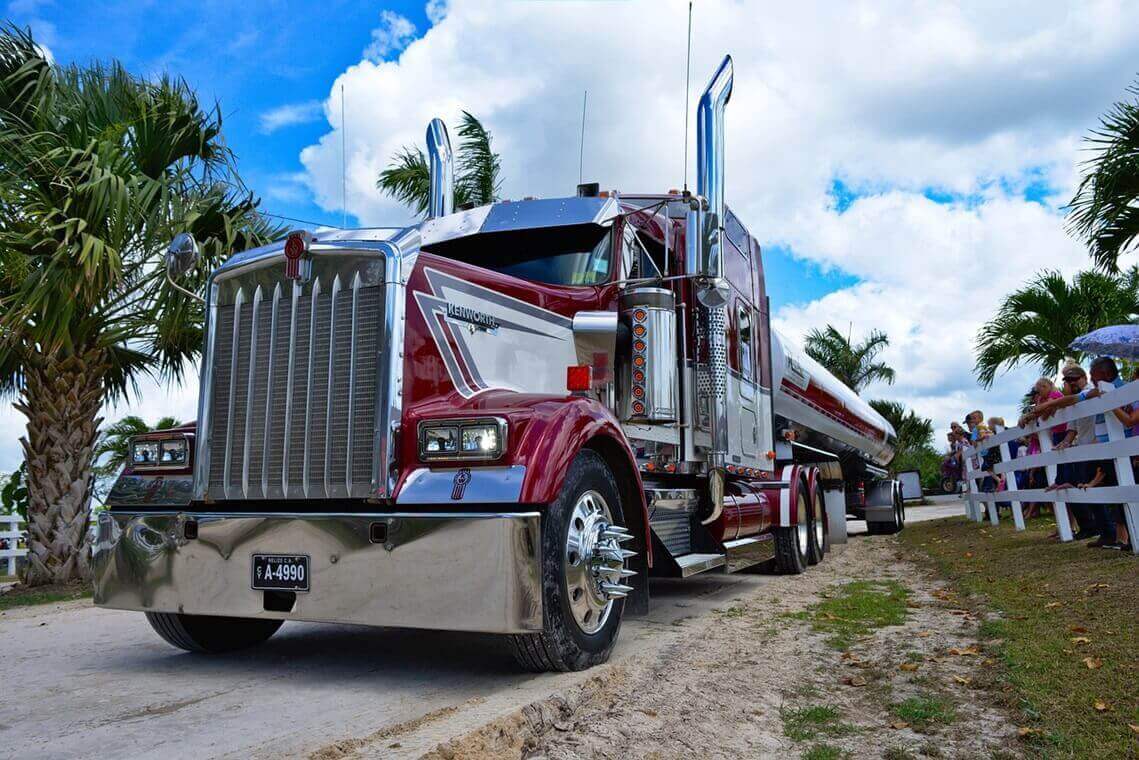
    woman commercial truck driver walking in trucking yard

    The lack of adequate truck parking is the number one issue for most truck drivers. However, even more so for female truckers, who face significant safety risks on the job. In recent years, more and more women drivers have come forward to speak about this issue. 

    Parking Safety Concerns for Female Truck Drivers

    For Tina Klein, becoming a truck driver has been a lifelong passion. “I’ve wanted to be a professional truck driver since I was seven years old,” said Klein. With over two decades of experience behind the wheel, she continues to love her career. Similarly, Rhonda Hartman has been a truck driver for more than 40 years. “I learned really right away that this is what I wanted to do,” Hartman shared.

    Despite their passion for the job, both women face significant safety risks. To address these concerns, they recently visited Capitol Hill to urge lawmakers to take action. This effort is part of the American Trucking Association’s (ATA) “Women in Motion” campaign, which promotes policies that empower women in the trucking industry.

    The Parking Problem

    One of the biggest challenges these women face is the lack of adequate truck parking. “As a woman, I like to park in a well-lit area and know that it’s a safe place for me to be outside of my truck and go use the facilities,” Klein explained. 

    Unfortunately, this is often not an option. According to the ATA, there is only one available parking space for every eleven drivers. “It is very difficult to do our jobs,” said Hartman. Klein added, “For us to be professional and safe drivers, we need to have adequate safe areas for us to park.”

    Legislative Solutions

    To address these issues, Congress is proposing to invest millions in more truck parking. The “Truck Parking Safety Improvement Act” aims to create a grant program dedicated to increasing truck parking spots across the country. 

    Another bill, the “Trucker Bathroom Access Act,” focuses on providing more restroom access for truck drivers. Advocates highlight that nearly 80% of drivers choose parking spots based on the availability of restrooms and showers, a factor that is even more critical for women truck drivers.

    “It’s crazy that we even have to talk about it or pass a law, but I don’t think anyone would want to do their job if they had no access to a ladies’ room,” Hartman remarked.

    Bipartisan Support

    Both bills have garnered bipartisan support in the House and Senate, though it remains unclear when they will come up for a full vote. The support from both sides of the aisle underscores the importance of improving safety and working conditions for all truck drivers, particularly women.

    As the debate continues, Klein, Hartman, and other advocates remain hopeful that these legislative efforts will lead to meaningful improvements in the trucking industry, making it safer and more accessible for women and all drivers.

    In the meantime, the best shot for truck drivers to find adequate truck parking remains Truck Parking Club. Using our app, drivers can seamlessly filter facilities by amenities and quickly book available parking spaces to ensure they have a reliable spot to spend the night when on the road. 

    BECOME A TRUCKER MEMBER TODAY

    Link to the full article: https://www.wftv.com/news/local/women-truck-driving-industry-advocate-more-parking-restroom-access/AUL3NM56ORD4BJOJ7FPVULQ6M4/ 

    The information published herein is for general informational purposes only. Truck Parking Club does not make any representations or warranties about the completeness, reliability, legality, and accuracy of this information. Any reliance placed on such material is strictly at the user’s own risk. Truck Parking Club shall not be responsible for any losses or damages incurred in connection with the information published herein.
  • San Antonio City Council to Discuss Proposed Ban on Overnight Semi Truck Parking

    San Antonio City Council to Discuss Proposed Ban on Overnight Semi Truck Parking

    San Antonio

    The San Antonio City Council is set to deliberate a new ordinance that would prohibit semi truck parking on city streets overnight. This discussion took place during the Council B Session on May 15 at 2 p.m. in San Antonio, Texas.

    Current Semi Truck Parking Regulations

    Currently, semi trucks are banned from parking on residential roads in San Antonio. However, residents are advocating for stricter regulations, including a 1,000-foot buffer zone on commercial streets near neighborhoods. 

    John Wood, chairman of the Oakland Heights Homeowner’s Association, highlighted the ongoing issues caused by semi truck parking in residential areas. He believes that drivers use these spaces for free truck parking and have family members or an Uber to come to pick them up as they don’t even live in the city.

    Safety Concerns Raised by Residents

    Residents have raised significant safety concerns due to the presence of parked semi trucks. This was also emphasized by Wood, who discussed the trucks obstructing the view and causing hazards for cars and children walking to school.

    He also raised the concern about parked trucks potentially blocking fire hydrants and mentioned the damage such trucks do to the streets they’re parked on. 

    Parking Challenges for Truck Drivers

    There is, of course, the other side of the coin. Trucking advocates argue that the proposed ban would create significant challenges for truck drivers, who already face limited parking options in San Antonio. 

    At a Public Safety Committee meeting in March, David Olson, co-founder of the truck parking chain Riggy’s, shared staggering statistics from a survey conducted by the Federal Highway Administration, American Trucking Association, and Owner-Operator Independent Drivers Association.

    According to this survey, there’s currently only one parking spot for every 11 truck drivers on the road. He also quoted the Trucker Path study that revealed that  75% of drivers have admitted to violating their DOT Hours of Service to find parking, and 96% admitted to parking illegally.

    Response from the Texas Trucking Association

    The Texas Trucking Association (TXTA) has responded to the proposed ordinance, expressing empathy for the City Council’s concerns but urging for a more comprehensive solution. 

    As stated in their press release: 

    “While we can empathize with the San Antonio City Council’s concerns over unauthorized or unsafe parking, continuing to ban truckers from parking in the very neighborhoods they live in is not the answer. Instead, TXTA and its member companies would like to see actions that address the problem – not just the symptoms. And this includes access to safe and secure parking for the one out of 14 citizens in Bexar County that work in the trucking industry.”

    Seeking Balanced Solutions

    District 8 Councilman Manny Pelaez stressed the importance of finding a balanced solution. He said that while solving the truck parking problem is very important, they also need to look at this issue from the homeowners’ perspective. 

    One of his proposed solutions was to incentivize truckers to take their trucks out to the privately owned lots or find facilities within city limits to be able to facilitate truck parking and make it easier for drivers.

    John Wood echoed this sentiment, expressing support for the trucking industry while advocating for safer parking solutions: 

    Next Steps

    If the ordinance is approved, it will proceed to the city council for a final vote in the coming months. One thing is for certain. The outcome of this decision will have significant implications for both residents and truck drivers in San Antonio. 

    For now, truckers seeking available parking in San Antonio and Texas can find it through Truck Parking Club. Browse our available Texas truck parking facilities and seamlessly book your spot using our app. 

    BECOME A TRUCKER MEMBER TODAY

    Link to the full article: https://cdllife.com/2024/san-antonio-to-discuss-displacing-1000s-of-trucks-with-parking-ban/ 

    The information published herein is for general informational purposes only. Truck Parking Club does not make any representations or warranties about the completeness, reliability, legality, and accuracy of this information. Any reliance placed on such material is strictly at the user’s own risk. Truck Parking Club shall not be responsible for any losses or damages incurred in connection with the information published herein.

  • The trucking Industry Is Waiting for the Update on Proposed Legislation to Improve Truck Parking in the US

    The trucking Industry Is Waiting for the Update on Proposed Legislation to Improve Truck Parking in the US

    capitol in washington dc

    Remember the Truck Parking Safety Improvement Act? Proposed by government officials in 2023, the legislation officially known as HR2367 was crafted to tackle the pressing issue of the nationwide truck parking shortage by allocating $755 million over three years to expand the truck parking capacity.

    Well, as we enter the second half of 2024, the trucking industry is still waiting for the government’s next move…

    The Truck Parking Shortage Keeps Disrupting the Industry

    As of now, the trucking industry is grappling with a parking ratio of merely one spot for every 11 drivers. This alarming statistic not only highlights the dire scarcity but also underscores the potential safety hazards and operational inefficiencies stemming from this shortage. 

    Drivers are often forced to park in unauthorized and unsafe locations, such as highway shoulders and off-ramps, increasing the risk of accidents and reducing compliance with federal regulations.

    Legislative Efforts: The Current Status of the Truck Parking Safety Improvement Act

    HR2367, or the Truck Parking Safety Improvement Act, sparked a wave of optimism across the trucking sector. 

    Passed in 2023 by the House Committee on Transportation and Infrastructure with an overwhelming majority, the act is currently awaiting further action. 

    David Heller, Senior Vice President of the Truckload Carriers Association, emphasizes ongoing efforts to garner support for the bill. “Our goal is to secure 20 to 25 co-sponsors in the Senate to ensure the bill’s passage and avoid its entanglement in larger, less focused legislative packages,” he stated.

    Industry Support

    The American Trucking Association (ATA) and other influential groups have supported the proposed bill. Chris Spear, CEO of ATA, pointed out that this legislation, along with other initiatives, is crucial for addressing foundational issues in supply chain dynamics and enhancing the overall safety and resilience of freight transportation. 

    Moreover, organizations like the Institute for Safer Trucking and Road Safe America have expressed their endorsement, highlighting the act’s potential to significantly boost driver well-being and safety.

    All these organizations believe that implementing the Truck Parking Safety Improvement Act would not only enhance safety by providing more legal and secure parking options but would also improve operational efficiency within the industry. 

    By ensuring that drivers have ample opportunities to rest and comply with Hours of Service regulations, the act is expected to foster a more efficient supply chain and elevate road safety for all users. When it will be finally introduced, however, remains unclear. 

    Final Remarks

    The Truck Parking Safety Improvement Act represents (or was expected to represent) a pivotal step in resolving one of the most persistent challenges in the trucking industry. 

    By focusing on the safety and efficiency of truck operations, HR2367 promises to bring about long-term benefits, not only for truck drivers but also for the broader spectrum of road users and the U.S. economy at large. 

    As the industry and its stakeholders continue to advocate for this critical legislation, the hope is that it will soon pass, bringing much-needed relief and improvement to the nation’s freight transportation system.

    For now, however, the number of available truck parking spots across the US remains scarce. Luckily, apps like our very own Truck Parking Club exist to help truckers find and book parking spots for their rigs. 

    Become a trucker member today and discover the Truck Parking Club difference!

    Link to the original article: https://www.thetrucker.com/trucking-news/truckload-authority/government-affairs/industry-awaits-next-move-on-proposed-legislation-to-improve-truck-parking-in-the-us 

    The information published herein is for general informational purposes only. Truck Parking Club does not make any representations or warranties about the completeness, reliability, legality, and accuracy of this information. Any reliance placed on such material is strictly at the user’s own risk. Truck Parking Club shall not be responsible for any losses or damages incurred in connection with the information published herein.

  • The Rise of On-Demand Truck Parking Apps

    The Rise of On-Demand Truck Parking Apps

    an app icon on a smartphone

    In today’s busy transport industry, the logistics sector faces an ongoing challenge of finding reliable and accessible parking for truck drivers. The incredible scarcity of parking has intensified pressures across all transportation networks. 

    The truck parking shortage has caused havoc on our nation’s roads in recent years. With only one parking space available for every ten working trucks, the situation is becoming desperate for truckers.

    However, the introduction of on-demand truck parking apps has revolutionized how truckers manage their parking needs, making it easier to secure spots ahead of time through convenient apps for truckers. Truck Parking Club is spearheading this innovation, providing a clever solution to an age-old dilemma: how can truckers park conveniently?

    The Shift to Digital

    The transition to digital parking solutions stems from the need to address the critical shortage of truck parking spaces. Truckers often lose valuable rest time searching for available spots, resorting to dangerous exit ramping parking when spaces are unavailable.

    On-demand parking apps like Truck Parking Club offer a real-time solution to this issue, displaying available parking spaces across extensive private networks. This not only saves time but also reduces the stress associated with long hauls. Through truck parking apps like TPC, our customers are able to search in real-time for available spaces – or book spaces in advance.

    The days of relying on old handwritten notes listing good truck parking spots are a thing of the past. The digital revolution is providing apps for truckers that enable far more reliable, extensive parking solutions.

    But how do apps for truckers work, exactly, and are they difficult to use? Let’s take a look.

    How On-Demand Parking Apps Work

    On-demand truck parking apps are designed with user experience in mind. TPC, for example, allows truckers to view, book, and pay for parking spaces directly from their smartphones. TPC is easily one the most user-friendly apps for truckers available with a whole host of features.

    Generally speaking, here’s how apps for truckers improve the truck parking experience:

    • Real-Time Availability: Truck parking apps like TPC use state-of-the-art GPS and real-time data to show available spots along planned routes.
    • Advanced Booking: Drivers can secure their spot well in advance with truck parking apps, ensuring they have a place to rest without the hassle of last-minute searches.
    • Diverse Payment Options: Secure online transactions remove the uncertainty of finding a spot and managing payments on the go. 
    • Enhanced Safety Features: Many truck parking apps, including TPC, incorporate safety protocols and vetting processes to ensure that the parking locations are reliable.

    The Benefits for Truckers

    Truck Parking Club not only simplifies the booking process but also provides a range of options to suit different needs. Whether it’s a last-minute daily parking spot or a longer-term monthly reservation, truck parking apps assist with various requirements. 

    The benefits of truck parking apps are clear. Drivers can plan better, meet their schedules, and adhere to strict HOS driving regulations without compromising on rest periods. This last point is key – too many drivers are facing heavy HOS fines for reasons beyond their control.

    The main benefit of apps for truckers is convenience and reliability. Gone are the days of endlessly circling parking lots, looking for spots that don’t exist.

    Community and Support

    One of the main features of TPC is its community-oriented approach. The platform encourages feedback and interaction among its users, helping improve the service. Additionally, TPC’s customer support is readily available to assist with bookings, inquiries, or issues on the road, ensuring that drivers have support whenever they need it.

    TPC: A Case Study in Innovation

    You might say that Truck Parking Club demonstrates truck parking apps can solve practical problems in traditional industries. By leveraging real-time data and mobile technology, apps for truckers provide a useful solution that not only meets the immediate needs of truck drivers but also addresses broader issues like safety and regulatory compliance.

    Truckers using TPC report huge improvements in their routine, from reduced stress about finding a spot to better overall compliance with rest breaks. Property owners also benefit from this system. By listing unused parking spaces on TPC, they generate additional income and contribute to solving the parking crisis.

    Looking Ahead

    The future of truck parking lies in the expansion of truck parking apps like TPC. With each update and new feature, apps for truckers are becoming more skilled at handling the subtle nuances of truck parking. 

    Predictive analytics, for example, and more interactive maps are all incredibly useful features on truck parking apps – even integration with autonomous trucking is a probability with apps for truckers at some point. 

    Either way, these advancements promise to improve the parking process further and deliver a better driving experience. 

    Join the Revolution

    Ready to take the hassle out of finding truck parking? Join Truck Parking Club today and discover how easy parking management can be. Let TPC handle your parking needs so you can focus on the road ahead! Once registered, you can easily browse for truck parking spaces, book in real-time, and take the pressure off your day, knowing you have a convenient spot guaranteed.

    The information published herein is for general informational purposes only. Truck Parking Club does not make any representations or warranties about the completeness, reliability, legality, and accuracy of this information. Any reliance placed on such material is strictly at the user’s own risk. Truck Parking Club shall not be responsible for any losses or damages incurred in connection with the information published herein.