Category: Truck Parking News

  • Understanding Commercial Truck Parking Regulations in Residential Areas

    Understanding Commercial Truck Parking Regulations in Residential Areas

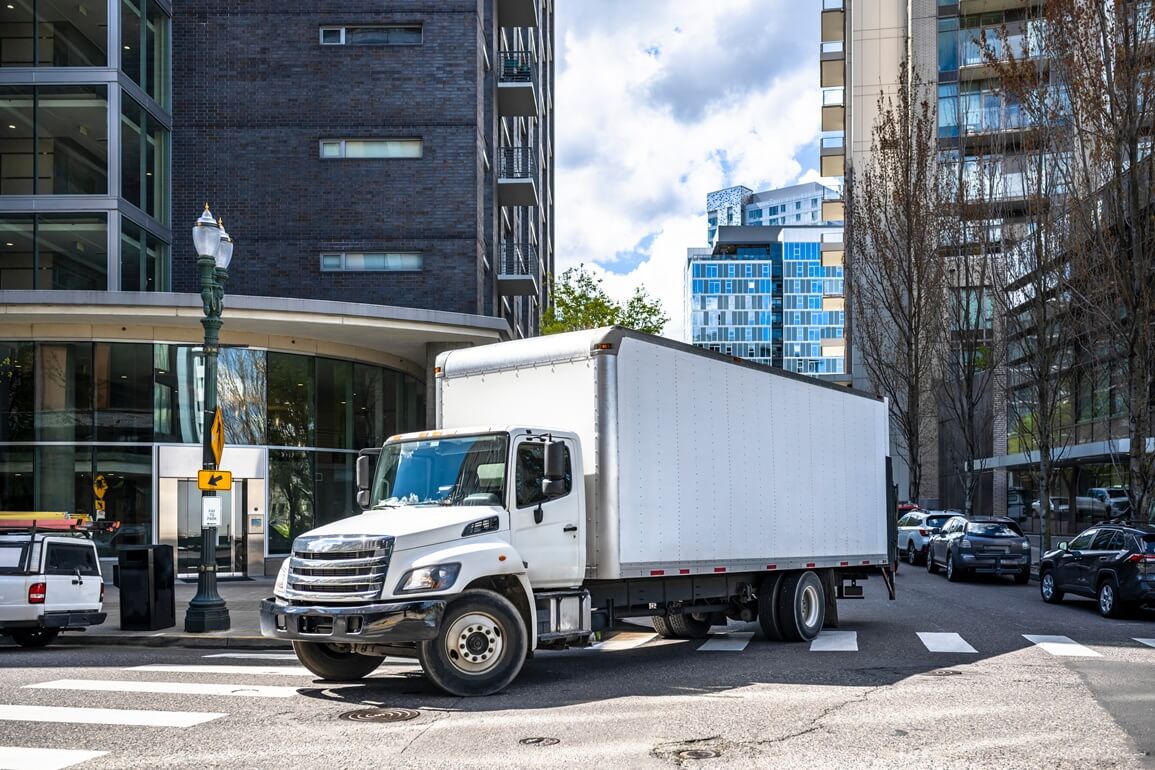
    semi-truck in the city

    As cities continue to evolve and grow, managing commercial truck parking in residential areas becomes an increasingly important issue. On August 14, 2024, the Public & Traffic Safety Committee discussed these concerns, specifically focusing on the challenges that large vehicles pose when parked on local streets in Oregon.

    Truck Parking Regulations

    According to Police Chief and Interim City Manager Jason Ogden, the city’s municipal code prohibits heavy motor trucks from parking on residential streets unless they are on established truck routes. However, there are several key exceptions to this rule:

    • Public and emergency vehicles
    • Trucks on detour routes
    • Vehicles picking up or dropping off goods
    • Unloaded trucks returning to a driver’s residence

    These exceptions provide flexibility for drivers who may need to park in residential areas temporarily, but they also raise safety concerns.

    Addressing Safety Risks

    During the meeting, Committee Member Vince Adams raised concerns about the impact of log trucks in residential areas, citing how they obstruct visibility for drivers, pedestrians, and animals. Although Adams wasn’t present at the August meeting, his earlier points remain a significant topic for ongoing discussions. Large vehicles can limit sightlines at intersections and crosswalks, creating hazardous conditions.

    Next Steps for Safer Streets

    The Committee also focused on pedestrian safety, discussing the need to repaint or enhance crosswalks to make them more visible to drivers. Chair Frank Gallagher highlighted several areas, including 2nd Avenue on Holley Road, where improved crosswalk visibility is needed. Public Works will be identifying areas where these improvements can be made.

    Conclusion

    Managing commercial truck parking and pedestrian safety in residential areas requires a balance between accommodating transportation needs and ensuring community safety. The city’s ongoing efforts to revisit truck parking codes and improve crosswalk visibility reflect its commitment to maintaining safer streets. Future discussions and feedback from residents and officials will shape the policies that support both drivers and pedestrians in the city.

    By keeping these concerns at the forefront, communities can develop more effective solutions to reduce traffic risks and improve the quality of life for everyone.

    BECOME A TRUCKER MEMBER 

    Source: Traffic Committee Looks at Commercial Truck Parking Code

    The information published herein is for general informational purposes only. Truck Parking Club does not make any representations or warranties about the completeness, reliability, legality, and accuracy of this information. Any reliance placed on such material is strictly at the user’s own risk. Truck Parking Club shall not be responsible for any losses or damages incurred in connection with the information published herein.
  • Federal Government Takes Major Steps to Address Truck Parking Crisis

    Federal Government Takes Major Steps to Address Truck Parking Crisis

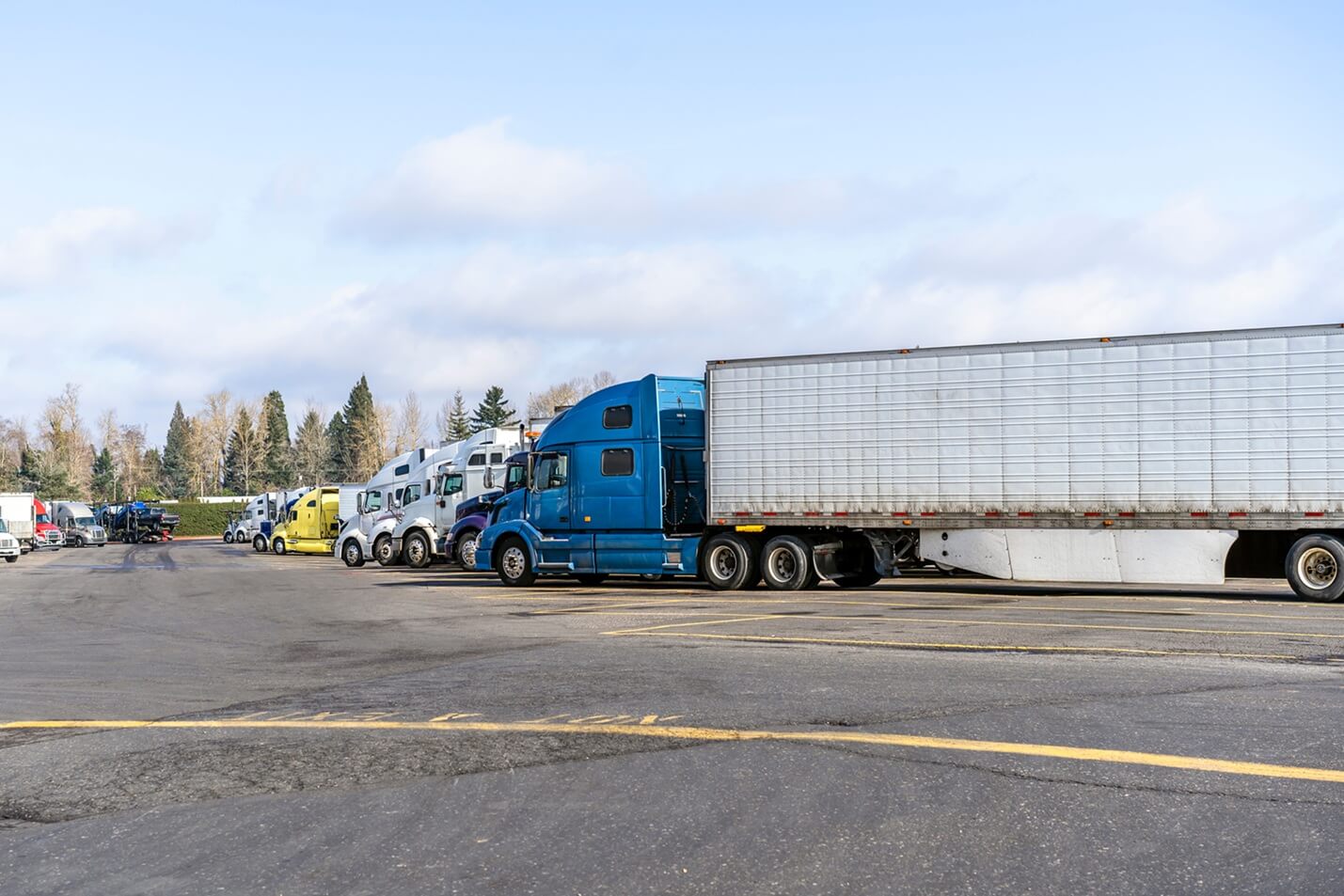
    big rig semi trucks parked in a private lot

    The U.S. House Transportation Appropriations Subcommittee recently announced a $200 million allocation for truck parking, bringing the issue into the national spotlight. As the federal government expands parking capacity, truckers can expect improvements to safety, efficiency, and working conditions.

    Federal Funding to Expand Truck Parking 

    In late June 2024, Congressional leaders introduced a provision in the House funding bill (HR 9028) to allocate $200 million for truck parking projects. The bill was placed on the House calendar on July 12, signaling significant progress in the effort to resolve the nationwide truck parking shortage. This funding will be used to provide competitive grants aimed at building public parking for commercial motor vehicles and enhancing the safety of truck drivers.

    The grants will be available to a range of entities, including states, tribal governments, local governments, and metropolitan planning organizations. Importantly, these grants must be used for projects located on federal-aid highways or facilities with reasonable access to highways or freight corridors.

    Key Criteria for Truck Parking Grants 

    For an entity to receive funding, the project must meet certain criteria established by the U.S. Department of Transportation (USDOT):

    1. Addressing Truck Parking Shortages: The project must be located in a corridor where there is a known shortage of truck parking capacity.
    2. Collaboration with Stakeholders: Eligible entities must consult with motor carriers, truck drivers, public safety officials, and private parking providers to ensure the project’s effectiveness.
    3. Improving Safety and Efficiency: The project must contribute to increasing parking availability, enhancing freight movement, and improving highway safety, congestion, and air quality.
    4. Sustainable Operations: Entities must demonstrate that they have the capacity to maintain and operate the parking facilities once they are built.

    This allocation builds on the success of the 2021 Bipartisan Infrastructure Law, which has already helped fund the construction of 2,000 truck parking spaces nationwide.

    Truck Parking Safety Improvement Act 

    In addition to the $200 million in funding, other legislative efforts are underway to tackle the parking shortage. The Truck Parking Safety Improvement Act, if passed, would allocate $755 million over three years to expand truck parking capacity. This act is currently making its way through Congress and has garnered widespread support from trucking associations and industry leaders.

    The Truckload Carriers Association (TCA) is closely monitoring the progress of both the funding bill and the Truck Parking Safety Improvement Act. TCA’s Manager for Government Affairs, Hailey Betham, emphasized the urgent need for truck parking, noting that safe, accessible parking is essential to preventing road accidents and ensuring driver safety, particularly for female truck drivers.

    Industry Support for Truck Parking Initiatives 

    Leaders across the trucking industry have voiced their strong support for the federal government’s efforts to address the parking shortage. American Trucking Associations (ATA) President and CEO Chris Spear praised the funding proposals, calling them a significant step forward in alleviating the parking crisis.

    “The severe shortage of truck parking places an enormous burden on truck drivers, who often don’t know if they will be able to find a safe place to sleep when they finish their shift,” Spear said. “This significant investment to expand parking capacity would help alleviate stress on truck drivers, move freight more efficiently, and make the roadways safer for all motorists.”

    Spear also thanked the House Transportation Appropriations Subcommittee for prioritizing truck parking funding, highlighting Congressman Steve Womack’s 

    What the Future Holds

    The federal government’s focus on solving the truck parking crisis is a significant win for the industry. With $200 million in funding earmarked for truck parking projects and the potential passage of the Truck Parking Safety Improvement Act, truckers can look forward to more parking options and safer conditions on the road. 

    As these initiatives gain momentum, Truck Parking Club will continue to provide drivers with reliable parking solutions to keep them moving and compliant with regulations. Using our app, you gain access to over 600 private parking facilities located throughout the US, ensuring you always have a place to park your rig wherever the road takes you. 

    BECOME THE TRUCKER MEMBER

    Source: All eyes are on truck parking issue as feds work on funding proposals – TheTrucker.com 

    The information published herein is for general informational purposes only. Truck Parking Club does not make any representations or warranties about the completeness, reliability, legality, and accuracy of this information. Any reliance placed on such material is strictly at the user’s own risk. Truck Parking Club shall not be responsible for any losses or damages incurred in connection with the information published herein.

  • Survey Asks Truckers to Share Top Industry Concerns

    Survey Asks Truckers to Share Top Industry Concerns

    The American Transportation Research Institute (ATRI) has opened its annual survey, inviting trucking industry stakeholders to rank the most critical issues facing the industry. Respondents are asked to select their top three concerns from a list of 26, with options spanning safety, operational, and regulatory challenges. Notable issues include:

    • Hours of service
    • Safe truck parking
    • Detention/delay at customer facilities
    • Marijuana legalization

    Survey participants can also submit additional concerns not on the list, providing a comprehensive view of the industry’s current priorities. The survey is a key part of the American Trucking Associations’ (ATA) research efforts, which aim to guide industry strategies and address the most pressing challenges.

    Importance of the Survey

    ATA Chair Andrew Boyle emphasized the significance of the survey, stating, “For the past two decades, the industry has relied on the annual Top Industry Issues Survey to highlight the challenges facing our nation’s supply chain.” He noted that ATRI’s research allows professionals—from drivers to executives—to contribute to shaping the industry’s future.

    The deadline to complete the survey is Sept. 27, and the results will be shared at the 2024 ATA Management Conference in Nashville, TN, on Oct. 12. Safety concerns like truck parking, driver distraction, and driver detention were top issues in 2023, and are expected to feature prominently again this year.

    Conclusion

    The ATRI’s annual survey provides an invaluable platform for the trucking industry to voice its most pressing concerns. As challenges such as safe truck parking, hours of service, and detention/delay at customer facilities continue to impact the daily operations of truckers and companies, the survey ensures these issues remain at the forefront of discussions. 

    With contributions from drivers, carriers, and executives alike, this survey helps shape strategies that address both current and future obstacles, fostering a safer and more efficient trucking environment.

    Participating in the survey not only gives stakeholders a chance to highlight the real-world problems they face but also enables them to influence the direction of potential solutions. The annual results, released during the ATA Management Conference, serve as a critical resource for industry decision-makers and policymakers, helping to inform regulations and best practices. 

    As the trucking industry navigates evolving challenges like marijuana legalization and supply chain disruptions, the insights gained from this survey will play a pivotal role in shaping the future of the nation’s trucking operations. Stakeholders are encouraged to take part and ensure their voices are heard by the Sept. 27 deadline.

    BECOME A TRUCKER MEMBER 

    Source: https://www.safetyandhealthmagazine.com/articles/25872-survey-asks-truckers-to-share-their-biggest-industry-concerns 

    The information published herein is for general informational purposes only. Truck Parking Club does not make any representations or warranties about the completeness, reliability, legality, and accuracy of this information. Any reliance placed on such material is strictly at the user’s own risk. Truck Parking Club shall not be responsible for any losses or damages incurred in connection with the information published herein.

  • Federal Government Invests Millions to Strengthen Trucking Workforce

    Federal Government Invests Millions to Strengthen Trucking Workforce

    truck on interstate I-10

    The U.S. Department of Transportation has announced a substantial investment in trucking workforce programs to bolster America’s supply chains and support the trucking industry. On August 26, 2024, the Federal Motor Carrier Safety Administration (FMCSA) revealed grants totaling nearly $3.5 million to enhance the commercial driving sector.

    Investing in Safety and Opportunity

    The funding, distributed through the Commercial Motor Vehicle Operator Safety Training (CMVOST) Grant Program, will benefit 27 colleges and commercial driver’s license (CDL) training programs across the nation. This initiative aims to enhance road safety by providing additional training for current CDL holders and creating new career pathways in the commercial motor vehicle industry.

    U.S. Transportation Secretary Pete Buttigieg emphasized the importance of this investment, stating, “These investments in training and support for Commercial Driver’s License holders will help meet the nation’s growing demand for truck drivers and better prepare for the future.”

    Three-Pronged Approach

    The CMVOST grant program focuses on three primary goals:

    1. Expanding the number of CDL holders with enhanced operator safety training
    2. Providing opportunities for current or former members of the U.S. Armed Forces (including National Guard members and reservists) and their family members to enter the trucking or busing industry as drivers
    3. Increasing training opportunities for candidates from rural, refugee, and underserved communities

    This multi-faceted approach addresses the current shortage of qualified drivers and aims to diversify the workforce and improve overall road safety.

    Addressing Industry Challenges

    The trucking industry has faced numerous challenges in recent years, including driver shortages, retention issues, and the need for improved safety standards. This funding initiative is part of a broader Trucking Action Plan, which seeks to strengthen America’s supply chains and support the workers who keep the economy moving.

    FMCSA Deputy Administrator Vinn White underscored the agency’s commitment to safety, stating, “At FMCSA, our job is all about safety—that includes the safety of the roadways and the safety of our nation’s commercial motor vehicle drivers. We are proud to make this funding available and are committed to working with the awardees to put it to good use, making it easier for drivers to enter into and stay in the CMV industry.”

    Looking Ahead

     By investing in training, safety, and workforce development, the government is taking proactive steps to address the industry’s challenges while also creating new opportunities for diverse communities.

    The success of these programs will likely have far-reaching effects on the efficiency of supply chains, road safety, and economic growth across the United States. As more trained and safety-conscious drivers enter the workforce, the trucking industry is poised for positive transformation in the years to come.

    Streamline Your Trucking Experience with Truck Parking Club

    While the government addresses workforce challenges, individual drivers can enhance their work experience by solving another persistent problem: parking. Truck Parking Club offers an innovative solution, allowing you to browse real-time listings and secure parking spots in advance.

    Benefits include access to a wide network of nationwide locations, affordable rates, and essential driver facilities. Experience hassle-free parking on your routes. Drive smarter, park easier – with Truck Parking Club.

     Become a Trucker Member Today

    Source

    https://www.transportation.gov/briefing-room/biden-harris-administration-provides-millions-boost-trucking-workforce-programs

    The information published herein is for general informational purposes only. Truck Parking Club does not make any representations or warranties about the completeness, reliability, legality, and accuracy of this information. Any reliance placed on such material is strictly at the user’s own risk. Truck Parking Club shall not be responsible for any losses or damages incurred in connection with the information published herein.
  • Montana’s Efforts to Tackle the Nationwide Truck Parking Shortage

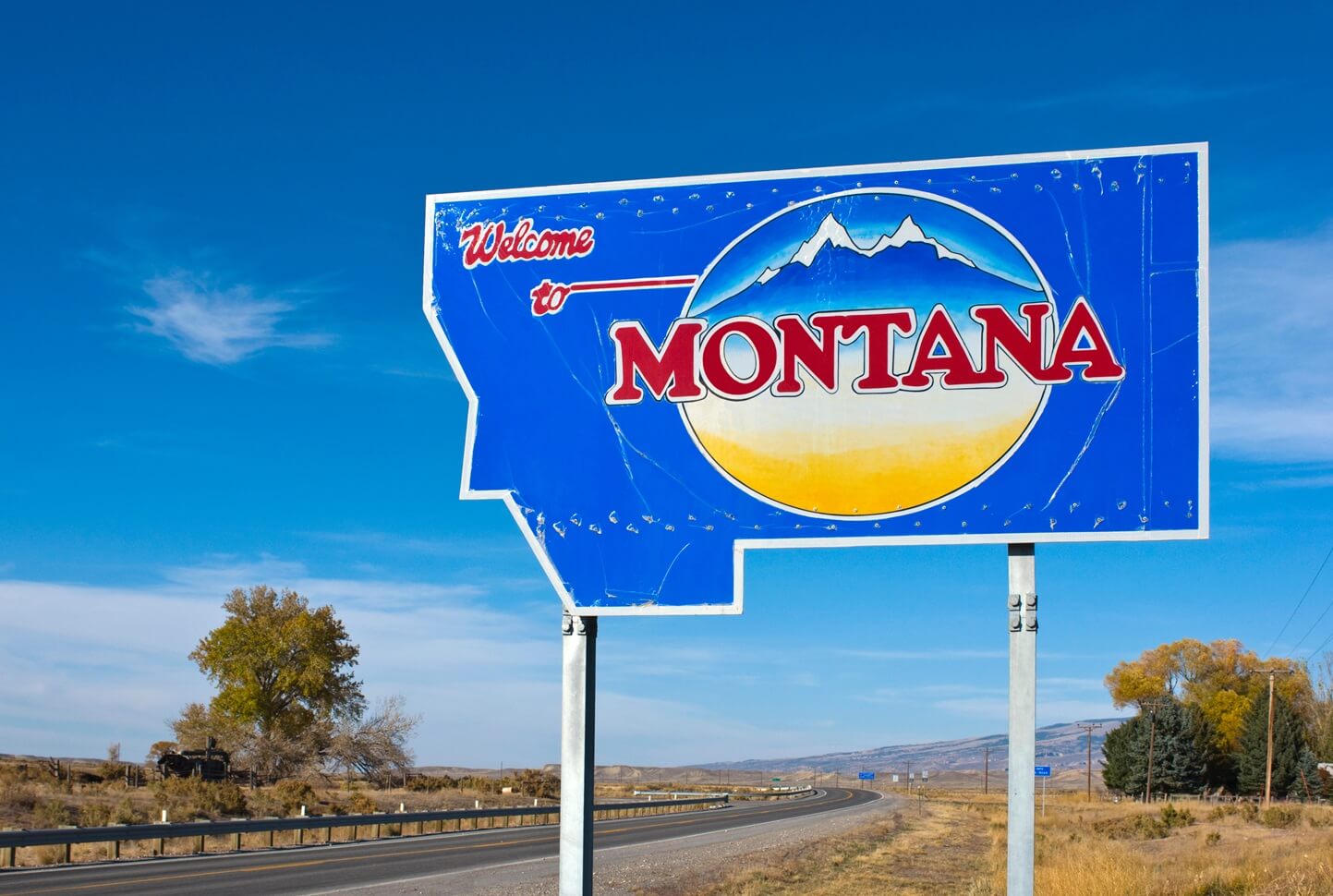
    Montana’s Efforts to Tackle the Nationwide Truck Parking Shortage

    Truck parking is one of the most pressing issues facing the U.S. trucking industry today. With rest stops filling up quickly and truckers left scrambling to find safe, legal parking, this shortage puts drivers at risk and impacts their ability to rest and operate efficiently. Montana is the latest state to step up, launching initiatives to expand truck parking facilities and improve the overall experience for truckers.

    Montana Expands Truck Parking Along I-90 

    In an effort to alleviate the truck parking shortage, Montana’s Department of Transportation began a major restoration project along Interstate 90 near Billings. This project, which began in the spring of 2024, is focused on improving the Hardin Rest Area, a key stop for truckers traveling through the state. 

    Once completed in May 2025, the renovation will provide 58 additional truck parking stalls spread across two rest stops – 30 spaces on the westbound side and 28 spaces on the eastbound side.

    This expansion couldn’t come at a better time. With truck drivers facing constant challenges in finding safe parking spots, these new spaces will offer much-needed relief for those traveling through Montana.

    Federal Funding and Truck Parking Solutions 

    Montana’s efforts are part of a larger, nationwide push to tackle the truck parking shortage. Federal funding from the 2021 Bipartisan Infrastructure Law is being used to support truck parking initiatives across the country, with $200 million earmarked specifically for increasing parking capacity for U.S. truck drivers. 

    These investments are crucial in addressing what has become a significant pain point for the trucking industry.

    Improved Facilities for Drivers 

    In addition to expanding parking, the Hardin Rest Area project includes several other enhancements designed to improve the overall experience for truckers. 

    Restrooms at both sites will be upgraded, addressing one of the key concerns that drivers frequently raise. The lack of clean and accessible restrooms has long been a challenge for truckers, and these renovations aim to provide better, more reliable facilities.

    Another major improvement is the addition of enhanced security measures, including more lighting and surveillance cameras. Safety at rest stops is a top priority for truckers, particularly female drivers, who often report feeling unsafe at under-lit or poorly monitored facilities.

    The Ongoing Truck Parking Crisis 

    While Montana’s efforts and federal funding are steps in the right direction, the truck parking crisis remains a significant issue across the U.S. Rest stop parking stalls fill up quickly, often forcing truckers to resort to unsafe or illegal alternatives. It’s not uncommon to see trucks parked along highway shoulders or on residential streets, which poses both safety risks and legal challenges.

    In these desperate situations, truckers may be fined, have their trucks towed, or face other penalties simply because they couldn’t find a safe, legal place to park. This not only impacts their livelihood but also exacerbates the overall stress of an already demanding profession.

    Truck Parking Club to the Rescue

    At Truck Parking Club, we understand the challenges truckers face when it comes to finding safe, convenient parking. Our app connects truckers with private truck parking owners across the U.S., including Montana, offering a reliable solution to the parking shortage. 

    By partnering with property owners, we aim to provide truck drivers with safe, legal parking options, helping them avoid the dangers and legal issues associated with roadside or unauthorized parking.

    Whether you’re traveling through Montana or any other part of the country, Truck Parking Club is here to help you find the parking space you need – so you can focus on driving and get the rest you deserve.

    BECOME THE TRUCKER MEMBER

    Source: Montana Plays Part in Addressing Nationwide Truck Parking Shortage 

    The information published herein is for general informational purposes only. Truck Parking Club does not make any representations or warranties about the completeness, reliability, legality, and accuracy of this information. Any reliance placed on such material is strictly at the user’s own risk. Truck Parking Club shall not be responsible for any losses or damages incurred in connection with the information published herein.
  • Truck Parking During Holidays

    Truck Parking During Holidays

    big rigs parked next to each other

    The holidays may be the busiest time of the year for truckers, working hard to deliver the festive mood to stores all over the country. You, along with millions of other truckers, hit the road during Christmas and New Year, ensuring shelves are stocked, and celebrations go off without a hitch. However, for many, the holiday season also means getting stuck in traffic, finding a free space in crowded parking lots, and spending time away from the family. 

    In this article, we share practical tips for truck drivers working through the holidays. At Truck Parking Club, our mission is to make life on the road easier and help truckers navigate the busiest time of the year with less stress.

    Find and Book a Safe Truck Parking Lot 

    Planning a day ahead is not only recommended to add to your working routine but also a must during holidays. Without proper planning, you risk parking on the shoulder of the highway, choosing truck parking lots without good amenities, and spending nights in discomfort, all of which can be easily avoided. 

    Despite high traffic and crowded parking lots, you can book parking spaces ahead of time without having to overpay on the spot. Moreover, you will avoid the headache of finding a place to rest last minute. 

    Monitor Your Hours of Service 

    The next important tip is to pay attention to the hours of service. While every truck driver wants to reach the destination as soon as possible and return home ASAP, the only thing that could really spoil your mood is a violation. 

    Pick Truck Parking Lots with Good Amenities

    Just because most truck parking lots will be packed with rigs, it doesn’t mean you should stop at any lot. Using our free-of-charge app or official website, you can search for a truck parking place with the amenities that will make your stay comfortable and restful. From free showers to laundry machines and more, you can filter the truck parking lots by favored amenities. 

    Avoid Unsafe Parking Locations

    Avoiding parking on the shoulder of the highway or offramps is a rule you’ve likely heard often—and for good reason. Parking in unsafe areas can put both your cargo and your safety at risk, especially during the holidays when the hustle and bustle might lower your guard.

    It’s enough to register at Truck Parking Club for free and reserve a spot in the nearest location–and we add new parking lots almost weekly!  

    Lock Your Rig Before Sleeping 

    No matter how safe-looking, gated, and monitored the parking lot is, you shouldn’t leave your rig unattended, especially before sleeping. Always lock all doors and windows, hide away valuables, and make sure your cargo is secure before you rest your eyes. 

    At Truck Parking Club, you can find truck parking lots equipped with CCTV cameras for maximum security. Alternatively, consider investing in a dash cam, which can act as a deterrent for potential thieves.

    How Truck Parking Club Can Help Truckers During Holidays 

    The holiday season can be a challenging time for truckers, but Truck Parking Club is here to make things easier. Our app is completely free for truckers, and signing up as a Trucker Member is quick and simple.

    Once registered, members gain access to an extensive network of truck parking lots across the country. Whether you need a secure spot for a day, a week, or even a month, our platform lets you find and reserve parking with ease.

    With Truck Parking Club, you can focus on delivering the holiday cheer, knowing your truck and cargo are safe and secure. Join today and take the stress out of parking this holiday season!

    Final Words

    Finding reliable truck parking during the holidays can be challenging, especially with the increased demand from the busy trucking season. However, Truck Parking Club is here to make it easier. With our free app, you can access a wide network of secure parking spots and reserve them hassle-free, whether for a day, a week, or longer.

    Don’t let crowded lots slow you down—join Truck Parking Club today and make your holiday hauls smoother and safer!

    The information published herein is for general informational purposes only. Truck Parking Club does not make any representations or warranties about the completeness, reliability, legality, and accuracy of this information. Any reliance placed on such material is strictly at the user’s own risk. Truck Parking Club shall not be responsible for any losses or damages incurred in connection with the information published herein.
  • Top Destinations for Rhode Island Freight: Where Are All the Trucks Headed?

    Top Destinations for Rhode Island Freight: Where Are All the Trucks Headed?

    truck on the freeway

    Have you ever wondered where the trucks you see on the highways are taking all their cargo? For trucks starting their journeys in Rhode Island, the answer may surprise you. A recent analysis using data from the Bureau of Transportation Statistics reveals the top destinations for freight originating in Rhode Island. As part of a broader national study, this analysis focuses exclusively on domestic freight.

    Rhode Island’s Unique Freight Patterns

    Unlike most U.S. states, where the majority of freight stays within state lines, Rhode Island is an exception. As the smallest state in the country, it lacks the internal infrastructure and destinations to keep freight local. This means that Rhode Island’s trucks often hit the open road destined for other states across the nation.

    Changing Dynamics of Freight

    The nature of freight deliveries has been shifting in recent years. The rise of e-commerce, particularly with companies like Amazon, has shortened average haul distances. More regional warehouses and distribution centers mean trucks no longer need to cover vast distances to get products to consumers. The COVID-19 pandemic accelerated this trend, with supply-chain disruptions and an increase in online shopping, making quick, regional deliveries the norm.

    Top 20 Freight Destinations from Rhode Island

    Here’s a look at where Rhode Island’s freight is headed:

    1. Massachusetts – $17.8 billion in freight (28.4%)
    2. Rhode Island (in-state) – $15.6 billion (24.9%)
    3. Connecticut – $6.2 billion (9.8%)
    4. New York – $2.6 billion (4.1%)
    5. Texas – $1.8 billion (2.8%)
    6. New Jersey – $1.8 billion (2.8%)
    7. New Hampshire – $1.6 billion (2.6%)
    8. California – $1.3 billion (2.1%)
    9. Pennsylvania – $1.2 billion (2.0%)
    10. Ohio – $1.2 billion (1.8%)
    11. Florida – $1.1 billion (1.8%)

    These destinations represent key economic hubs across the United States, and it’s no surprise that states like Massachusetts and New York rank so highly given their proximity to Rhode Island and their bustling economies, not to mention the availability of truck parking lots for truckers.

    Key Drivers of Rhode Island Freight

    The types of goods transported from Rhode Island reflect national trends. Trucks commonly carry construction materials, gas and oil, food products, and agricultural goods. Regional demand for these essential commodities plays a significant role in determining where freight is sent. Rhode Island’s economy, driven in part by its ports and manufacturing, also contributes to the flow of goods to various parts of the country.

    Why Massachusetts Leads the Pack

    With nearly 28.4% of Rhode Island’s freight heading to Massachusetts, this neighboring state is the top destination. Massachusetts’ proximity, robust economy, and large population create an ideal environment for receiving a wide range of products. Whether it’s raw materials, goods for retailers, or food products, trucks from Rhode Island are frequent visitors to the Bay State.

    Conclusion

    Trucks leaving Rhode Island travel far and wide, with destinations ranging from nearby Massachusetts to distant Texas and California. As e-commerce continues to shape the logistics landscape, the flow of freight from Rhode Island remains a key part of the broader U.S. economy. 

    Whether delivering critical goods or supporting local industries, these trucks help keep the wheels of commerce turning. Truck Parking Club makes it even easier by helping drivers not only find but also reserve parking spots at nearby locations, ensuring they have a secure and convenient place to rest while on the road.

    BECOME A TRUCKER MEMBER 

    Source: Where are all these trucks headed? The top destinations for Rhode Island freight

    The information published herein is for general informational purposes only. Truck Parking Club does not make any representations or warranties about the completeness, reliability, legality, and accuracy of this information. Any reliance placed on such material is strictly at the user’s own risk. Truck Parking Club shall not be responsible for any losses or damages incurred in connection with the information published herein.
  • DC Takes Action to Crack Down on Predatory Towing

    DC Takes Action to Crack Down on Predatory Towing

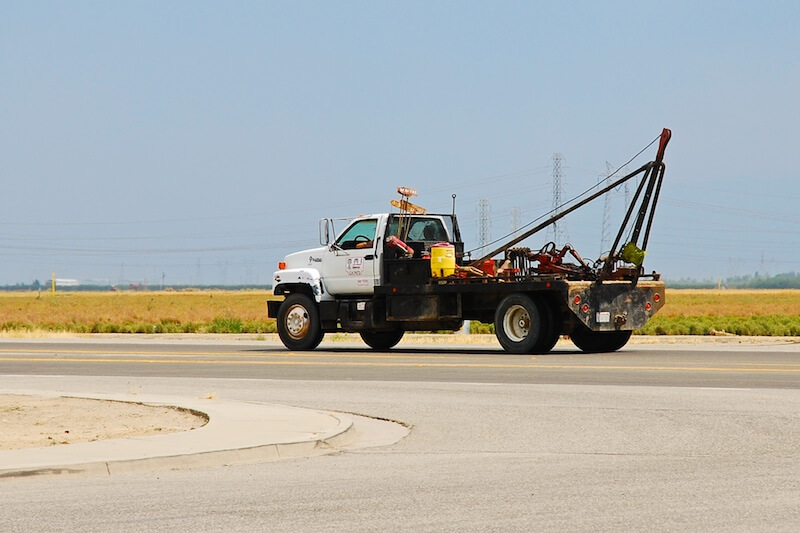
    a tow truck on a highway

    Predatory towing has long been a problem for the trucking industry, with carriers often facing outrageous charges, delays in retrieving their trucks and cargo, and other unfair practices. The good news is that change is on the horizon.

    Recent efforts by the federal government aim to address this issue, providing much-needed relief for truckers and the companies they work for.

    The Federal Response: Cracking Down on Predatory Towing 

    On July 10, 2024, the House Appropriations Committee took a major step forward by advancing a bill aimed at curbing predatory towing practices. 

    The bill, part of the fiscal year 2025 transportation funding package, seeks to empower the Federal Motor Carrier Safety Administration (FMCSA) to work with local and state governments, as well as private stakeholders, to establish uniform towing regulations nationwide.

    This legislation couldn’t come at a better time. Truckers across the country have suffered from towing companies that charge exorbitant fees, delay the release of vehicles and cargo, and operate without proper oversight. 

    According to a study by the American Transportation Research Institute, 82.7% of motor carriers have experienced excessive towing rates, while 81.8% have dealt with unjustified extra service charges.

    FMCSA and FTC Join Forces Against Predatory Towing 

    The FMCSA is also working alongside the Federal Trade Commission (FTC) to combat these unfair practices. In 2023, the FTC proposed a ban on “junk fees,” which includes many of the hidden and unjust towing charges truckers often face. FMCSA officials have expressed strong support for the FTC’s proposal and have even offered additional suggestions for protecting truckers.

    Some of these recommendations include:

    • Banning Junk Fees for Unnecessary Services: Towing companies should not charge for equipment they already own or services that provide no additional value.
    • Limiting Excessive Fee Practices: FMCSA suggests restricting the number and cost of towing fees to prevent financial exploitation.
    • Treating Each Violation Individually: FMCSA encourages the FTC to treat each illegal junk fee as a separate violation to hold companies accountable.

    These efforts are backed by major industry voices, including U.S. Transportation Secretary Pete Buttigieg, who has called for an end to the predatory practices that harm truckers’ livelihoods.

    How Predatory Towing Impacts Truckers 

    Truckers depend on their vehicles to earn a living, and when their trucks are towed, they can’t work until they get them back. Predatory towing not only affects drivers but can also cause significant disruptions to the supply chain. Trucking companies have reported instances where cargo is held hostage by towing companies, creating costly delays and logistical nightmares.

    As David Heller, Senior VP of Safety and Government Affairs for the Truckload Carriers Association, noted, some towing bills are so high that they exceed the value of the truck itself. This leaves truckers and companies at the mercy of towing operators with little recourse.

    Industry Leaders Push for Reform 

    The Truckload Carriers Association and the American Trucking Associations (ATA) have both expressed strong support for the government’s efforts. ATA President Chris Spear emphasized that reforms are essential to creating more transparency and fairness in the towing industry and highlighted the importance of holding unscrupulous towing companies accountable for their actions.

    What This Means for Truckers 

    For truckers and fleet managers, these efforts signal hope for a future with fewer headaches related to towing. With clearer regulations and stronger enforcement, drivers can focus more on what they do best: keeping America moving.

    At Truck Parking Club, we understand the challenges truckers face on the road. As a trusted partner for truck parking solutions, we’re committed to helping drivers avoid unnecessary complications and get the support they need. 

    As the industry moves toward reform, Truck Parking Club is here to provide reliable parking solutions and help drivers stay focused on what matters most.

    BECOME A TRUCKER MEMBER TODAY

    Link to the original article: https://www.thetrucker.com/trucking-news/truckload-authority/government-affairs/work-is-underway-in-dc-to-lower-the-boom-on-predatory-towing 

    The information published herein is for general informational purposes only. Truck Parking Club does not make any representations or warranties about the completeness, reliability, legality, and accuracy of this information. Any reliance placed on such material is strictly at the user’s own risk. Truck Parking Club shall not be responsible for any losses or damages incurred in connection with the information published herein.
  • UConn Develops App to Combat Truck Parking Problems in the Northeast

    UConn Develops App to Combat Truck Parking Problems in the Northeast

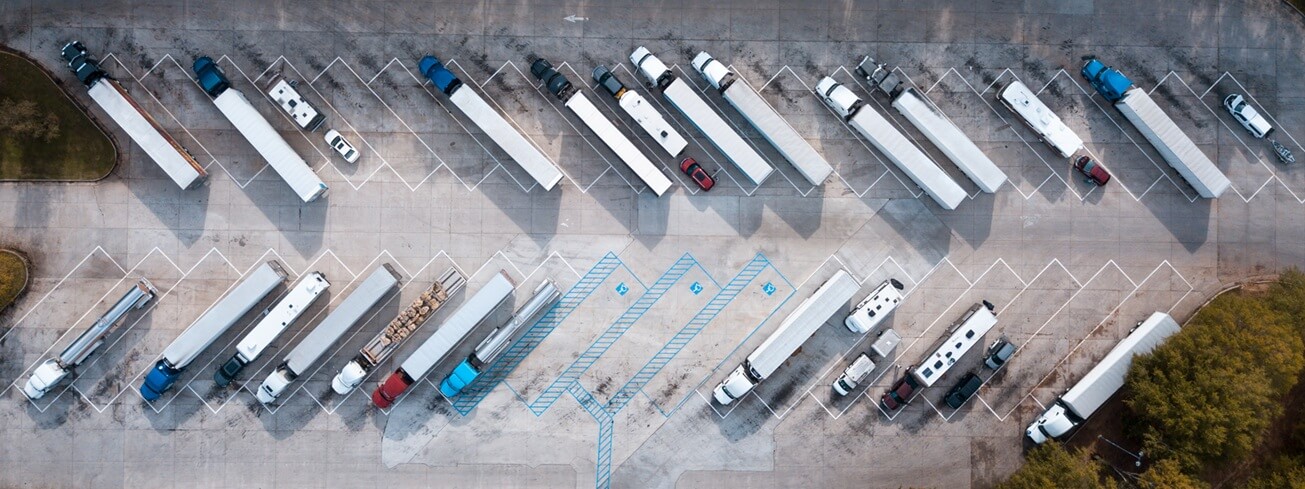
    top view of a truck parking lot

    The shortage of safe parking for commercial motor vehicle (CMV) drivers is a critical issue, especially in the densely populated northeast U.S. As highways become increasingly congested and the demand for goods rises, truck drivers face significant challenges in finding parking spots that meet federal rest requirements

    Addressing this problem head-on, researchers from the Connecticut Transportation Safety Research Center (CTSRC) at UConn are working to develop a solution: a real-time app that helps truck drivers locate safe parking spots.

    The Parking Shortage Crisis

    The shortage of truck parking has become a national concern, impacting driver safety and road efficiency. In the northeast, this issue is compounded by limited space and high real estate costs. As highways were originally built in the 1950s, the infrastructure hasn’t kept up with the growing demands of today’s trucking industry. According to Eric Jackson, director of CTSRC, “Parking in the northeast has always been an issue because our interstates were built in more densely populated areas.”

    The lack of parking forces truck drivers to either park illegally on highway shoulders or ramps or continue driving past their regulated hours in search of a safe spot. This not only poses safety risks but also puts drivers at risk of violating FMCSA hours-of-service (HOS) regulations, which are designed to ensure drivers remain well-rested and alert on the road.

    UConn’s Solution: A Smart Parking App

    To alleviate this issue, UConn researchers, led by Eric Jackson and Mohammad Razaur Rahman Shaon, are developing a Truck Parking Information Management System (TPIMS) app. This app, funded by a $1.46 million federal grant from the U.S. Department of Transportation (DOT) and additional funding from the Connecticut DOT, will provide real-time data on available parking spots for truckers in the northeast.

    The system will collect data from a variety of sources, including video cameras, infrared sensors, and radar installed at key locations, and process it using an advanced traffic management system. The app will then disseminate parking availability information to drivers via mobile apps, in-cab electronic logging devices (ELDs), and digital message boards, allowing them to make informed decisions about where to park and rest safely.

    Why Technology is Key

    As the trucking industry continues to grow—72.5% of domestic goods were transported by truck in 2019—the need for smarter parking solutions has become apparent. By integrating cutting-edge technology like Dedicated Short Range Communication (DSRC) units, UConn’s app will provide real-time parking updates to truckers, reducing the time they spend searching for parking and minimizing the risk of unsafe parking practices.

    As Shaon puts it, “If we can provide parking information beforehand, drivers may decide they want to take a break before they get to Connecticut. This will allow them to make more informed decisions about their itinerary, routes, and connections.” The app will not only help truckers in Connecticut but will also integrate parking information from neighboring states, making it a regional solution to a national problem.

    A Critical Step Forward for Truck Parking

    The development of UConn’s smart parking app is a significant step toward solving the truck parking shortage in the northeast. By providing real-time parking information, the app will enhance safety for truck drivers and help them comply with federal regulations, reducing stress and improving overall road safety. 

    While the UConn app is still in development, Truck Parking Club is already fully operational, providing truck drivers with convenient access to nearby parking locations. Our user-friendly, driver-focused app allows truckers to easily search for parking spots that offer the amenities they need for a comfortable rest. With just a few taps, drivers can find the perfect place to relax and recharge, making Truck Parking Club the go-to solution for on-the-road convenience.

    BECOME A TRUCKER MEMBER 

    Source: Reducing Big Rig Parking Problems

    The information published herein is for general informational purposes only. Truck Parking Club does not make any representations or warranties about the completeness, reliability, legality, and accuracy of this information. Any reliance placed on such material is strictly at the user’s own risk. Truck Parking Club shall not be responsible for any losses or damages incurred in connection with the information published herein.
  • The Nation’s Truck Parking Crisis: ATRI Research Validates Why We Created Truck Parking Club

    The Nation’s Truck Parking Crisis: ATRI Research Validates Why We Created Truck Parking Club

    As a team of former drivers and supply chain professionals, we’ve watched the truck parking crisis grow increasingly dire. The latest research from the American Transportation Research Institute (ATRI) confirms what we already knew from experience – truck parking ranks as the second most pressing concern in the industry overall, and it’s the number one concern for drivers themselves.

    We created Truck Parking Club because we knew there had to be a better way. While the government works on long-term solutions, truckers need help now. They’re the backbone of our supply chain, yet every day they waste precious time and fuel searching for safe places to rest. We couldn’t sit back and wait for new parking lots to be built.

    Yes, there’s progress on the traditional infrastructure front, which we are in full support of. The U.S. Department of Transportation recently awarded over $292 million in grants for parking expansion, and there’s a bipartisan bill in Congress that could provide $755 million more. But here’s the reality: building new parking facilities takes years, tremendous capital investment, and navigation through endless red tape.

    That’s why we took a different approach. Instead of waiting for new lots to be built, we developed technology that connects truckers with property owners who have suitable unused space for truck parking. Our platform allows drivers to instantly reserve spots, eliminating the stress and uncertainty of parking searches at the end of their day.

    The industry’s proposed solutions, according to ATRI’s analysis, focus on three main approaches:

    • Creating dedicated federal funding for parking expansion (supported by 35.4% of respondents)
    • Reducing local regulatory barriers to building new facilities (27.4%)
    • Supporting state DOT applications for federal grants (26.6%)

    While these are all valuable long-term strategies, they don’t help the driver who needs a parking spot tonight. That’s where we come in. Our solution activates existing infrastructure immediately, turning underutilized spaces into valuable parking assets for the industry.

    We’re not just a technology company – we’re a team that understands trucking. Our experience as drivers and supply chain professionals has shaped every aspect of our platform. We know that excellent customer service isn’t just a nice-to-have in this industry; it’s essential. That’s why we’re laser-focused on providing an outstanding experience for both drivers and property owners.

    The parking shortage isn’t just about convenience – it’s a critical safety issue that affects drivers’ quality of life and their ability to comply with hours-of-service regulations. While the industry continues to push for more permanent infrastructure, we’re proud to offer an immediate solution that helps drivers today.

    Our mission goes beyond just connecting drivers with parking spots. We’re working to transform the way the industry thinks about truck parking. By making better use of existing infrastructure, we can help solve this crisis faster than waiting for traditional solutions alone.

    We invite property owners with suitable space and drivers in need of reliable parking to join us in this mission. Become a Property Member today!

    Drivers & fleets with parking needs can easily book parking using our website and Android / iOS apps.

    The truck parking crisis won’t be solved overnight, but we believe that innovative solutions like ours, combined with traditional infrastructure expansion, can make a real difference. One parking spot at a time, we’re working to ensure that no driver has to worry about where they’ll safely rest at the end of their day.