
Category: Truck Parking News

  • JB Hunt Completes Fleet-Wide Installation of Inward-Facing Cameras Despite Industry Debate

    JB Hunt Completes Fleet-Wide Installation of Inward-Facing Cameras Despite Industry Debate

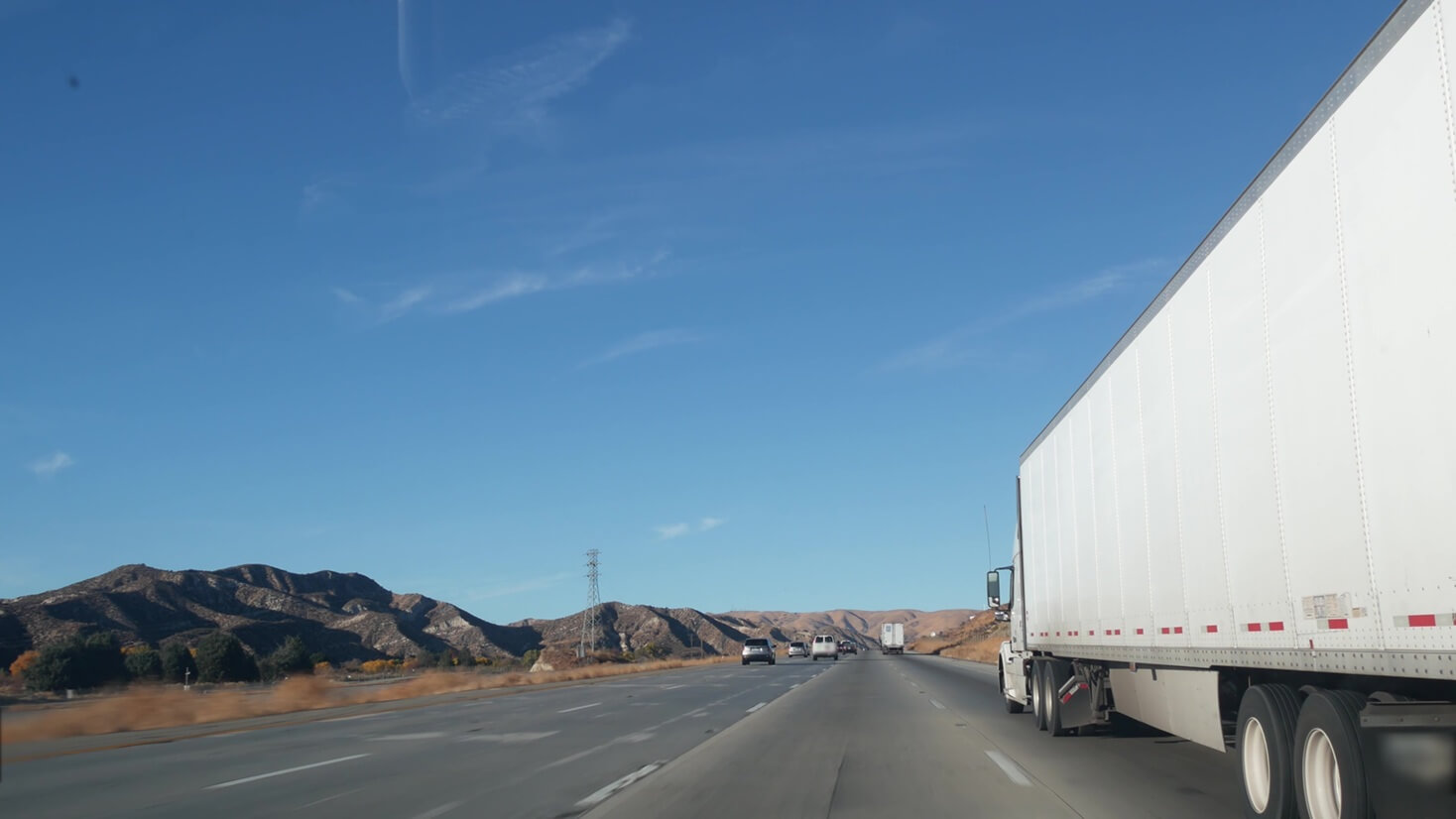
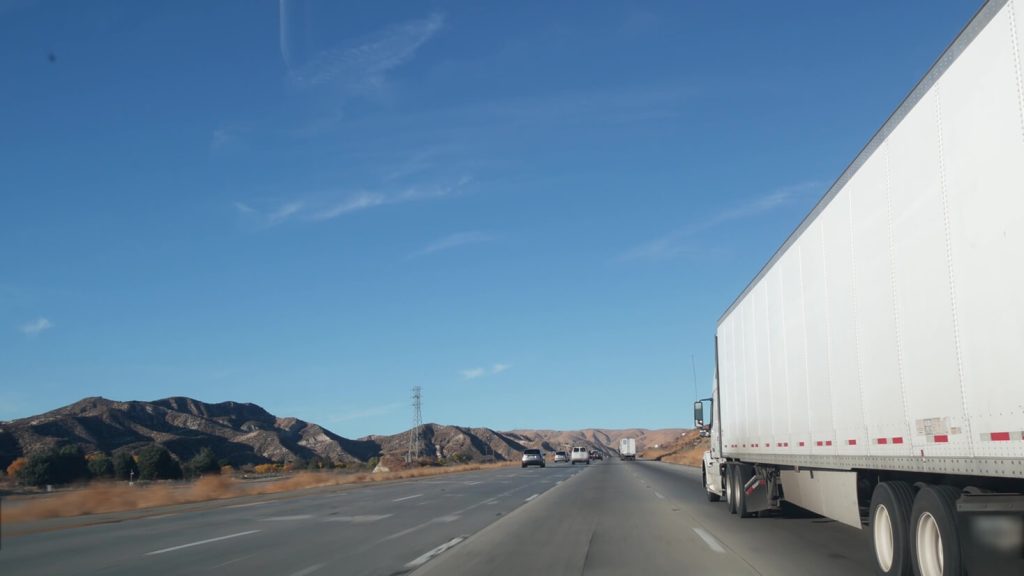
    semi truck on highway hauling freight, nevada

    Key Takeaways:

    • J.B. Hunt reports a 20% reduction in claims costs with camera technology
    • Major unions successfully negotiate bans on inward-facing cameras
    • Privacy concerns persist despite safety benefits
    • The industry is divided between safety advantages and driver autonomy
    • The trend suggests growing adoption among large carriers

    J.B. Hunt Transport Services has announced the completion of its fleet-wide inward-facing camera installation program, marking a significant move in the ongoing industry debate over driver monitoring technology.

    Cost Benefits

    According to Chief Operating Officer Nick Hobbs during a recent earnings call, the Lowell, Arkansas-based carrier reported a 20% reduction in claims-related costs for trucks equipped with the technology. “These cameras are just one of many innovative safety initiatives we have rolled out that continues to contribute to our safety culture and performance,” Hobbs stated.

    Industry Divided

    The implementation of inward-facing cameras has emerged as a contentious issue in the trucking industry, highlighting the delicate balance between safety monitoring and driver privacy. The debate over inward-facing cameras highlights the tension between safety monitoring and driver autonomy, which mirrors other industry challenges like secure parking availability and compliance with zoning regulations.

    Notable resistance came from unionized sectors, with both ABF Freight and TForce Freight’s recent labor agreements explicitly prohibiting the use of such technology.

    Growing Adoption Despite Concerns

    Despite driver pushback, major carriers continue to embrace the technology. Prime Inc. joins the trend, announcing plans to install dual-function cameras that monitor both driver behavior and road conditions ahead. This industry shift suggests a growing consensus among large carriers about the technology’s value in risk management.

    Technology Benefits

    Proponents of in-cab cameras cite several advantages:

    • Real-time driver coaching opportunities
    • Protection against fraudulent insurance claims
    • Enhanced safety through behavior monitoring
    • Reduced liability exposure
    • Documentation for accident investigations

    Technology Drawbacks

    Critics highlight significant concerns:

    • Driver privacy invasion
    • Increased workplace stress and anxiety
    • Potential for micromanagement
    • Impact on driver retention
    • Risk of footage misuse
    • Additional pressure on drivers

    Historical Context

    J.B. Hunt’s journey with the technology began in 2018 with a pilot program demonstrating a methodical approach to implementation. The company’s reported success with the program may influence other carriers considering similar technology adoption.

    Industry Impact

    The technology’s expansion among major carriers could set new standards for fleet safety management, potentially influencing insurance rates and safety regulations across the industry. Smaller carriers may face increasing pressure to adopt similar technologies to remain competitive in safety metrics and insurance costs.

    Balancing Act

    The industry continues to wrestle with finding the right balance between leveraging technology for safety and maintaining driver autonomy. As more fleets adopt these systems, the focus shifts to implementing them in ways that respect driver dignity while achieving safety objectives.

    Safety Solutions Beyond Technology

    While in-cab cameras represent one approach to safety management, industry experts emphasize the importance of comprehensive safety strategies. These strategies include technological solutions as well as focusing on driver wellbeing and secure operating conditions.

    Speaking of driver safety, one crucial aspect often overlooked is secure parking. While cameras monitor on-road safety, Truck Parking Club ensures safety during mandatory rest periods by providing access to vetted, secure parking locations nationwide.

    Join the Truck Parking Club Network Today

    For Drivers: Looking for secure parking? Access our nationwide network of parking locations and experience true peace of mind on the road.

    Sign up for free today!

    For Property Owners: Have unused space? Turn your property into a revenue-generating asset while contributing to driver safety and security. 

    List your space with Truck Parking Club!

    The information published herein is for general informational purposes only. Truck Parking Club does not make any representations or warranties about the completeness, reliability, legality, and accuracy of this information. Any reliance placed on such material is strictly at the user’s own risk. Truck Parking Club shall not be responsible for any losses or damages incurred in connection with the information published herein.
  • California Police Thwart Cargo Theft Operation, Recover $23,000 in Stolen Goods

    California Police Thwart Cargo Theft Operation, Recover $23,000 in Stolen Goods

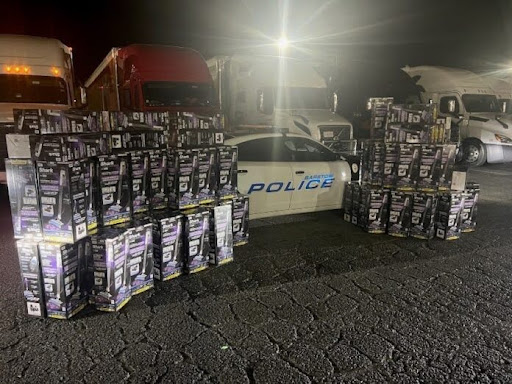
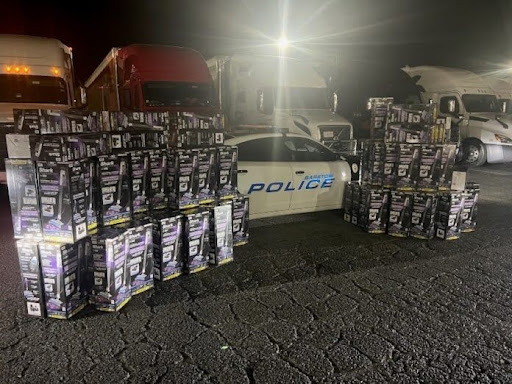
    Barstow Police Department successfully interrupted an active cargo theft, arresting seven suspects and recovering more than 100 stolen Shark vacuums valued at over $23,000.

    Swift Response and Capture

    The incident began when an alert truck driver contacted police after witnessing multiple individuals stealing cargo from his trailer at a truck stop on Lenwood Road. The swift police response triggered a sequence of events that would involve multiple law enforcement units.

    “As they approached the semi-truck, they were spotted by the subjects, who entered their van and fled the location,” reported the Barstow Police Department. The subsequent pursuit ended in a desert area near Osbourne Road and Agate Road when the suspects abandoned their vehicle and attempted to escape on foot.

    Coordinated Law Enforcement Response

    The operation showcased effective multi-agency cooperation, involving Barstow Police Department’s K9 unit Boyke and the San Bernardino County Sheriff’s Department Aviation Unit. Their coordinated efforts in searching the desert terrain led to the successful apprehension of all seven suspects without further incident, demonstrating the effectiveness of cross-agency collaboration in combating cargo theft.

    Suspects Identified

    The alleged theft ring included Victor Ramirez, 62, who faces multiple charges including vehicle burglary, grand theft, felony evading, and driving in opposing lanes while evading. His six accomplices – Jim Espinoza, Manuel Guerrero, Juan Guzman, Jose Rodriguez-Lozano, Piero Tobar, and Geovany Washington – all Los Angeles residents ranging in age from 26 to 37, face charges of burglary, grand theft, and conspiracy to commit burglary.

    Industry Impact and Prevention

    This incident highlights the ongoing challenges faced by the trucking industry regarding cargo security. According to industry experts, cargo theft continues to pose a significant threat to supply chain integrity, with truck stops and parking areas remaining particularly vulnerable to organized theft operations. The sophistication of theft rings, often involving multiple perpetrators and vehicles, emphasizes the need for enhanced security measures and driver vigilance.

    Safety Implications

    The successful intervention demonstrates the importance of immediate reporting and driver awareness. The truck driver’s quick action in alerting authorities proved crucial in preventing the theft and apprehending the suspects. Law enforcement officials note that such rapid response coordination between drivers and police can significantly impact the outcome of theft attempts.

    Strategic Prevention Measures

    Cargo theft attempts frequently target parked trucks during vulnerable periods, with thieves often conducting surveillance of common parking locations. Industry experts recommend implementing multiple security layers, including:

    • Strategic parking choices in well-lit, monitored areas
    • Enhanced surveillance systems and tracking technology
    • Regular security training for drivers
    • Coordination with local law enforcement
    • Implementation of secure parking solutions

    Secure Your Truck with Truck Parking Club

    While this incident had a positive outcome, it underscores the real importance of secure parking. Truck Parking Club offers vetted, secure parking locations nationwide, helping protect drivers and their cargo from theft attempts.

    Book safe, reliable parking spaces and protect your valuable cargo.

    Visit Truck Parking Club Today

    The information published herein is for general informational purposes only. Truck Parking Club does not make any representations or warranties about the completeness, reliability, legality, and accuracy of this information. Any reliance placed on such material is strictly at the user’s own risk. Truck Parking Club shall not be responsible for any losses or damages incurred in connection with the information published herein.

  • Small Trucking Companies Lead the Way in Female Driver Employment, New Study Reveals

    Small Trucking Companies Lead the Way in Female Driver Employment, New Study Reveals

    Young female driver sitting in cabin of big modern truck

    The latest Women In Trucking (WIT) Index for 2024-25 has revealed a surprising trend: smaller trucking companies are leading the charge in female driver recruitment, challenging industry assumptions about gender diversity in transportation.

    Size Matters in Gender Diversity

    The groundbreaking study shows that companies with fewer than 500 employees report 12.5% of their CDL-holding drivers are women, significantly outpacing their larger counterparts. Medium to large enterprises (500-4,999 employees) follow with 10.5%, while major corporations exceeding 5,000 employees report just 7% female drivers.

    Leadership Gains Momentum

    Women are making substantial inroads into trucking’s executive ranks, with the study revealing encouraging statistics. “About 28% in C-Suite/executive positions are women,” notes the WIT Index, while supervisory leadership roles show even stronger representation at 34.5%. Board participation remains solid at 29.5%, indicating a steady progression toward gender balance in decision-making positions.

    Operational Roles Show Mixed Progress

    The most striking presence of women appears in human resources and talent management, where they constitute 74.5% of the workforce. Dispatcher and safety roles each show 38.5% female representation, demonstrating significant progress in operational positions.

    However, technical roles remain a challenge. “Only 4% of truck diesel technicians are women,” the report indicates, highlighting an area requiring focused recruitment efforts.

    Industry Response and Future Outlook

    Jennifer Hedrick, president and CEO of WIT, emphasizes the importance of measurement in driving improvement. The study, which surveyed approximately 350 organizations, provides crucial benchmarking data for the industry’s ongoing diversity initiatives.

    “These findings challenge our traditional understanding of gender diversity in trucking,” notes an industry analyst. “Smaller companies are proving more agile in adapting to changing workforce demographics, potentially offering insights for larger carriers.”

    Challenges and Opportunities

    The data suggests that while progress is being made, significant opportunities remain for increasing female participation across all company sizes. The study specifically focused on CDL holders operating medium to heavy-duty commercial trucks, providing a clear picture of women’s roles in core trucking operations.

    Building on Progress

    With women demonstrating strong representation in leadership and operational roles, the industry appears poised for further evolution in its workforce composition. The success of smaller companies in attracting female drivers may offer valuable lessons for larger organizations seeking to enhance their diversity initiatives.

    Industry Implications

    These findings come at a crucial time for the trucking sector, as it continues to address driver shortages and seeks to broaden its talent pool. “Women generally possess strong multi-tasking and organizational skills and typically are safe drivers,” notes WIT, highlighting the untapped potential for further industry growth and development through increased gender diversity.

    Supporting Women in Trucking: Truck Parking Club

    As the industry works to attract more women to trucking careers, safe, accessible parking remains a critical concern. Truck Parking Club addresses this need by providing secure, bookable parking spaces nationwide. Drivers and carriers committed to safety and convenience should join our growing network of trusted parking locations.

    Visit Truck Parking Club Today 

    The information published herein is for general informational purposes only. Truck Parking Club does not make any representations or warranties about the completeness, reliability, legality, and accuracy of this information. Any reliance placed on such material is strictly at the user’s own risk. Truck Parking Club shall not be responsible for any losses or damages incurred in connection with the information published herein.

  • Trump’s Return to White House Signals Major Policy Shifts for Trucking Industry

    Trump’s Return to White House Signals Major Policy Shifts for Trucking Industry

    In a historic victory making him only the second president to reclaim the White House after losing reelection, Donald Trump’s return to the presidency alongside running mate J.D. Vance has sparked optimistic reactions from the trucking industry, with major associations anticipating sweeping changes to transportation policy and regulation.

    Industry Leaders Welcome Pro-Business Agenda

    The American Trucking Associations (ATA) led industry response, with President and CEO Chris Spear highlighting Trump’s previous track record with the sector. “President Trump made trucking a priority throughout his first term and partnered with us to enact policies that strengthened the supply chain, grew the economy, and delivered for all Americans,” Spear noted, adding that the second term “offers an historic opportunity to build upon that record.”

    Environmental Regulations Take Center Stage

    Among the most immediate impacts anticipated is a dramatic shift in environmental policy. The trucking industry has been particularly focused on the EPA’s Phase 3 emissions rule, which has faced significant opposition since its March finalization. 

    The rule, which would impose stricter emission limits on model year 2027 trucks and beyond, appears likely to undergo substantial revision under the new administration.

    David Owen, President of the National Association of Small Trucking Companies, expressed particular optimism about potential changes to emissions regulations. “I think it’s a great day for trucking,” Owen stated, emphasizing the need to address what he described as “bloated federal agencies” that have impacted industries reliant on fossil fuels.

    Tax Reform and Equipment Costs

    The industry is also eyeing potential tax reforms, with particular attention on the federal excise tax (FET) – a century-old 12% sales tax on new equipment that has long been a target for reform. With the Tax Cuts and Jobs Act set to expire next year, industry leaders see an opportunity for comprehensive change.

    Speed Limiter Mandate Faces Uncertain Future

    Another significant policy shift may come in the form of transportation safety regulations. The Owner-Operator Independent Drivers Association (OOIDA), representing 150,000 small business truckers, has highlighted the incoming administration’s potential to block the controversial speed limiter mandate.

    “Studies and research have already proven what we were all taught long ago in driver’s ed classes — that traffic is safest when vehicles all travel at the same relative speed,” noted OOIDA President Todd Spencer, arguing against speed limiters.

    The organization’s position appears to have found a sympathetic ear in Vice President-elect Vance, who co-sponsored the DRIVE Act aimed at preventing such mandates.

    Infrastructure and Parking Initiatives

    The transition also brings renewed focus on infrastructure improvements, particularly regarding truck parking – a critical issue for the industry. Vice President-elect Vance’s previous support for the Truck Parking Safety Improvement Act signals potential movement on this long-standing concern.

    Looking Ahead

    As the industry prepares for the transition, organizations are already positioning themselves to work with the new administration. The Truckload Carriers Association’s David Heller emphasized the need for continued engagement across the political spectrum: “Regardless of any outcome of the election, we would continually have to work with members of Congress in both the House and Senate, as well as the White House.”

    With Trump securing 51% of the popular vote and 277 electoral votes, the transportation sector anticipates significant transformations in environmental policy, business operations, and infrastructure development. The coming months will prove crucial in determining how these changes will manifest and their lasting impact on American trucking operations.

    Immediate Solutions Available Through Truck Parking Club

    While the industry anticipates policy changes under the new administration, Truck Parking Club offers immediate parking solutions for America’s truckers. Our platform connects drivers with secure parking spaces nationwide, providing flexible booking options that keep supply chains moving efficiently.

    For drivers wanting access to verified parking locations across major freight corridors. 

    Sign Up for Free to Become a Trucker Member Today

    For Property Owners looking to turn your unused space into revenue by listing with Truck Parking Club.

    Sign Up to Become a Property Member Here

    The information published herein is for general informational purposes only. Truck Parking Club does not make any representations or warranties about the completeness, reliability, legality, and accuracy of this information. Any reliance placed on such material is strictly at the user’s own risk. Truck Parking Club shall not be responsible for any losses or damages incurred in connection with the information published herein.

  • California Truck Stop Closure to Impact Truck Parking Availability

    California Truck Stop Closure to Impact Truck Parking Availability

    a truck entering a Californian highway

    Truck drivers traveling through Corning, California, will soon have one less option for rest and parking. The TravelCenters of America (TA) truck stop located off I-5 closed permanently on October 15th, 2024. 

    This eliminated 254 truck parking spaces from the area, potentially exacerbating the already challenging parking situation for truckers owing to the ever-increasing truck parking crisis that has gripped the industry.

    The reason for the closure remains unclear, but the loss of this facility will undoubtedly be felt by drivers who rely on truck stops for essential services and amenities. The TA Corning location offered a wide range of services, including showers, laundry facilities, a CAT Scale, DEF, and dining options.

    Increased Strain on Remaining Truck Stops

    With the closure of the TA truck stop, the nearby truck parking lots will likely see increased demand for their services and parking spaces. However, with limited truck parking spaces available, this will unlikely fully compensate for the loss of the TA facility. This could lead to increased congestion and competition for parking, potentially forcing drivers to park in unsafe locations.

    The closure of the TA Corning truck stop once again demonstrates the ongoing challenges faced by truck drivers in finding safe and legal parking. The shortage of truck parking is a nationwide issue, and the loss of even a single facility can have a significant impact on drivers and the flow of goods.

    The Importance of Planning Ahead

    With yet another major truck stop closing, it’s more important than ever for truck drivers to plan their routes and truck parking stops carefully. Taking advantage of truck stop locators, mobile apps, and online resources can help drivers identify available parking spaces and avoid delays or safety risks associated with unauthorized parking.

    That’s where Truck Parking Club can help. With thousands of spaces all over the US, we connect truck drivers with convenient, affordable private truck parking.

    Find Your Truck Parking Solution Today

    • Drivers: Browse for a space and find your truck parking spot by booking in advance through our user friendly app, designed for busy truckers.
    • Property Owners: Become a property member by signing up with Truck Parking Club and creating a new revenue stream from your vacant, unused land.

    The information published herein is for general informational purposes only. Truck Parking Club does not make any representations or warranties about the completeness, reliability, legality, and accuracy of this information. Any reliance placed on such material is strictly at the user’s own risk. Truck Parking Club shall not be responsible for any losses or damages incurred in connection with the information published herein.

  • Truck Parking Crisis Tops Driver Concerns in ATRI’s 2024 Industry Report

    Truck Parking Crisis Tops Driver Concerns in ATRI’s 2024 Industry Report

    a truck parking lot with several trailers parked in a row

    The American Transportation Research Institute (ATRI) has released its annual “Critical Issues in the Trucking Industry” report for 2024, revealing pressing challenges faced by truck drivers and the industry at large. With insights from nearly 4,000 stakeholders, including drivers, carriers, and industry experts, the report paints a comprehensive picture of the sector’s most urgent issues.

    2024 Truck Driver Top Concerns

    The report highlights the following top concerns for truck drivers in 2024:

    1. Truck Parking
    2. Driver Compensation
    3. Economy
    4. Detention/Delay at Customer Facilities
    5. Speed Limiters
    6. Broker Issues
    7. ELD Mandate
    8. Fuel Prices
    9. Autonomous Trucks
    10. Driver Training Standards

    This ranking provides a clear snapshot of the issues that weigh most heavily on drivers’ minds as they face industry challenges.

    Truck Parking Remains #1 Concern for Drivers

    For the second consecutive year, the lack of available truck parking tops the list of concerns for truck drivers. Despite recent federal investments, including $300 million allocated for four projects in January, the crisis persists. The report highlights the need for dedicated federal funding, such as the proposed Truck Parking Safety Improvement Act, to address this critical issue.

    “The ongoing truck parking shortage not only impacts driver safety and well-being but also affects the efficiency of our entire supply chain,” said an ATRI spokesperson.

    Economic Pressures and Driver Compensation

    While the overall economy shows signs of improvement, the trucking industry continues to grapple with a freight recession entering its third year. For truck drivers, this economic uncertainty translates directly to their livelihoods, with driver compensation ranking as their second-highest concern.

    The report notes that trucking operational costs are rising while industry employment declines, putting additional pressure on driver wages and job security.

    Regulatory Challenges and Safety Concerns

    Speed limiters have emerged as a significant concern for drivers, ranking fifth on their list of top issues. The potential implementation of speed-limiting devices has sparked debate about safety and operational efficiency.

    Additionally, the Electronic Logging Device (ELD) mandate and concerns about autonomous trucks continue to dominate drivers’ minds.

    Detention Time and Its Impact

    Delays at customer facilities, ranking fourth among driver concerns, continue to be a significant issue. ATRI’s report indicates that drivers lost 135.9 million hours of productivity in 2023 due to detention, resulting in over $11 billion in lost revenue.

    Implications for Parking Lot Owners

    The report underscores both challenges and opportunities for truck parking facility owners and operators. The persistent demand for parking spaces highlights the potential for expanding and improving existing facilities.

    “Parking lot owners have a unique opportunity to address a critical industry need,” noted an industry analyst. “By investing in expanded capacity and improved amenities, they can play a crucial role in solving this ongoing crisis.”

    Looking Ahead: Industry Solutions

    The ATRI report outlines several strategies to address these concerns, including:

    1. Advocating for dedicated federal funding for truck parking expansion
    2. Supporting state DOT applications for grants to increase parking capacity
    3. Encouraging local governments to reduce regulatory barriers hindering parking facility development.

    A Call for Collaborative Action

    As the industry grapples with these challenges, collaboration between drivers, carriers, parking facility owners, and policymakers is crucial. The ATRI report serves as a roadmap for addressing the most pressing issues facing the trucking industry in 2024 and beyond.

    Interested parties can access the full report and gain deeper insights by downloading the ATRI report for free here.

    Addressing the Parking Challenge Now

    While the industry works on long-term solutions, Truck Parking Club is tackling the parking crisis head-on. This platform helps drivers find and book secure parking spaces across the US.

    For drivers, it means less stress and more rest. For lot owners, it’s a chance to put empty spaces to good use. Truck Parking Club offers a practical answer to one of the industry’s biggest problems.

    Drivers: Find safe parking at Truck Parking Club

    Property Owners: List your space on Truck Parking Club

    The information published herein is for general informational purposes only. Truck Parking Club does not make any representations or warranties about the completeness, reliability, legality, and accuracy of this information. Any reliance placed on such material is strictly at the user’s own risk. Truck Parking Club shall not be responsible for any losses or damages incurred in connection with the information published herein.
  • Wisconsin Invests in Truck Parking and Road Safety with $12.5 Million Federal Grant

    Wisconsin Invests in Truck Parking and Road Safety with $12.5 Million Federal Grant

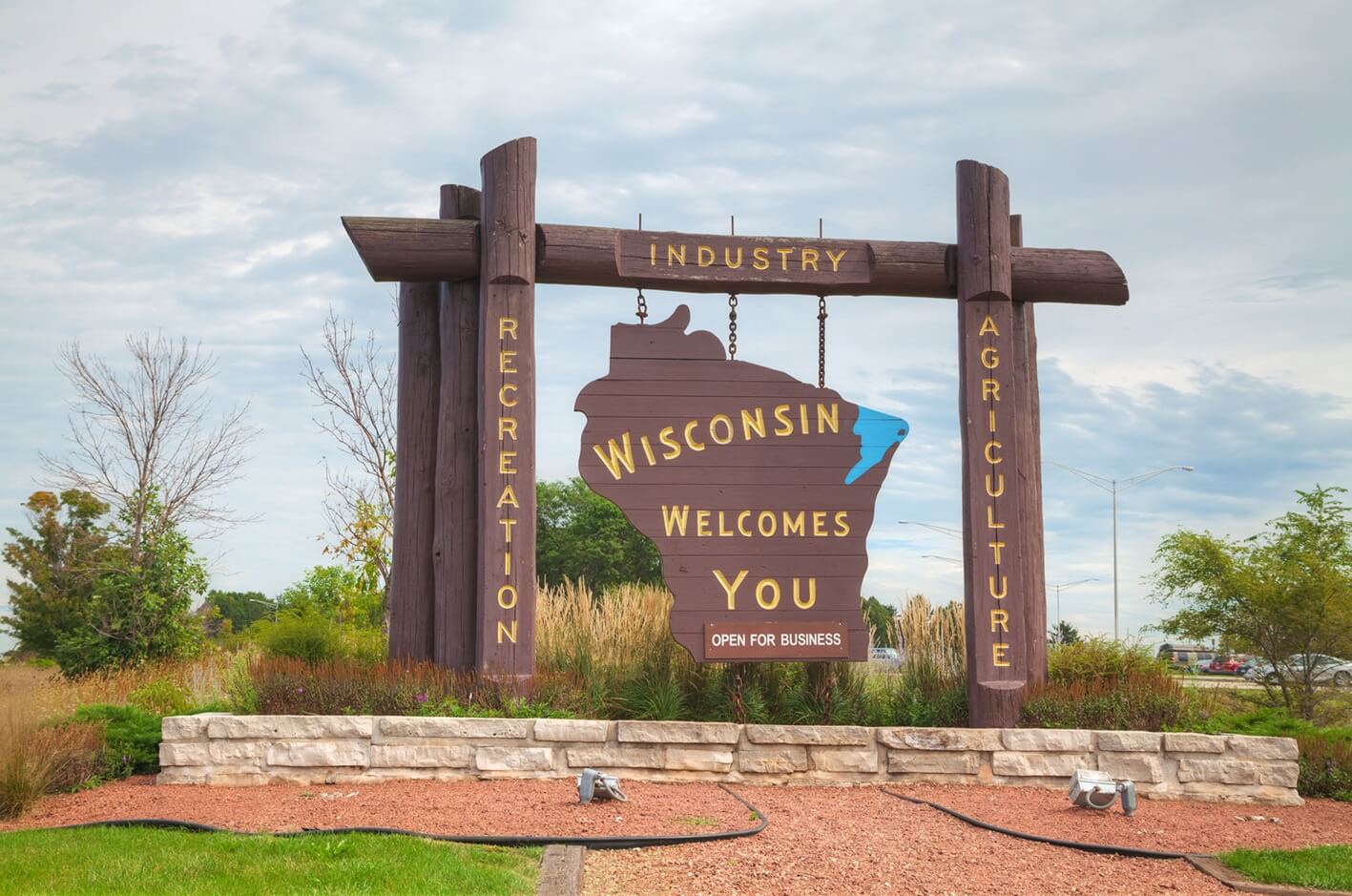
    Wisconsin signage

    Wisconsin is taking a huge step towards improving road safety and addressing the truck parking shortage with a $12.5 million federal grant. Governor Tony Evers recently announced the funding, awarded by the U.S. Department of Transportation’s Infrastructure for Rebuilding America program, will be used to revitalize two aging rest areas along the busy I-43 corridor.

    The project focuses on reconstructing and modernizing the Maribel and Denmark rest areas, which are over 40 years old. The upgrades will not only improve safety and accessibility for all travelers but also greatly expand truck parking capacity by almost 300%, adding over 70 new spaces for commercial vehicles.

    This investment comes as a welcome relief for truck drivers who often struggle to find convenient truck parking along this crucial freight route. The lack of adequate truck parking has been a persistent issue nationwide, forcing drivers to park in unsafe locations or risk violating hours-of-service regulations.

    Modernizing Rest Areas for the Future

    Aside from expanding truck parking, the project will also bring much-needed improvements to the rest areas. Both facilities will be made fully ADA-compliant, with the addition of universal charging stations. The upgrades will also address roadway deficiencies, improve lighting for improved security, and add an oversized/overweight staging area for trucks hauling large loads.

    These modernization efforts aim to create a more welcoming and accommodating environment for all travelers, including truck drivers who rely on rest areas for breaks and overnight stays.

    A Collaborative Effort to Enhance Safety and Efficiency

    This project is a testament to the collaborative efforts of state and federal agencies, with strong advocacy from U.S. Senator Tammy Baldwin playing a crucial role in securing the funding. The investment highlights a growing recognition of the importance of infrastructure improvements, particularly in addressing the truck parking crisis and enhancing safety for the trucking industry.

    As the I-43 corridor continues to see increased traffic, these upgrades will benefit truck drivers and contribute to the overall convenience and safety of the transportation network. By providing adequate and well-maintained rest areas, Wisconsin is demonstrating its commitment to supporting the trucking industry and ensuring the smooth flow of goods and services across the state.

    Bottom Line: Wisconsin’s Investment is a Step in the Right Direction

    Wisconsin’s commitment to expanding truck parking is commendable, but it highlights the ongoing need for more parking solutions nationwide. Truck Parking Club is helping to fill this gap by connecting truck drivers with convenient private truck parking across the US.

    Find Your Truck Parking Solution Today

    • Drivers: Browse for a space and secure your parking spot with Truck Parking Club.
    • Property Owners: Become a property member by signing up with Truck Parking Club and earning extra income from your vacant land.

    The information published herein is for general informational purposes only. Truck Parking Club does not make any representations or warranties about the completeness, reliability, legality, and accuracy of this information. Any reliance placed on such material is strictly at the user’s own risk. Truck Parking Club shall not be responsible for any losses or damages incurred in connection with the information published herein.
  • $80 Million in Grants to Enhance Truck Parking and Highway Safety Across the U.S.

    $80 Million in Grants to Enhance Truck Parking and Highway Safety Across the U.S.

    semi-trucks parked in the rest area

    The Biden-Harris Administration has announced over $80 million in new grants to improve highway safety and truck parking access. 

    This funding, distributed by the Federal Motor Carrier Safety Administration (FMCSA) and supported by the Bipartisan Infrastructure Law, focuses on critical areas such as increasing parking spaces for truck drivers, implementing advanced technology, and enhancing overall road safety. 

    With expanded parking solutions and high-tech advancements, this initiative aims to reduce commercial vehicle crashes and improve the quality of life for truckers nationwide.

    Expanding Truck Parking Access Nationwide

    Among the significant aspects of this funding is a 65% increase in truck parking projects over last year. Truck drivers face a daily shortage of safe parking spaces, leading to increased stress and safety risks. 

    To tackle this, the FMCSA is supporting innovative solutions like real-time parking availability updates along key highways in Kentucky, Delaware, and Indiana. 

    Drivers will be alerted to available spaces through dynamic highway signs, helping them find safe rest areas promptly, reducing driver fatigue, and boosting compliance with Hours-of-Service (HOS) regulations.

    Highlighted parking projects benefiting from this funding include:

    • Caldwell County, Texas: Receiving a $22.9 million RAISE grant, this project will develop a truck parking plaza featuring both short- and long-term parking options with amenities like lighting, fencing, restrooms, shower facilities, and 24-hour security.
    • Caldwell Parish, Louisiana: A $10.5 million grant will go toward a parking facility for 50 trucks and 100 cars, equipped with electric vehicle (EV) charging stations and auxiliary power to reduce idling and emissions.
    • I-4 Corridor, Florida: A $15 million INFRA grant will support a 120-space truck parking facility between Tampa and Orlando. It will feature electric charging stations and pedestrian pathways to nearby commercial amenities.
    • I-40, Near Memphis, Tennessee: A $22 million INFRA grant will add 125 parking spaces along this key freight route and upgrade bridge infrastructure, enhancing safety and capacity for freight movement.

    Broader Safety and Educational Initiatives

    In addition to infrastructure improvements, part of this funding will support initiatives that address human trafficking. Given their extensive travel and time on the road, truck drivers are in a unique position to recognize and report suspicious activity, playing a key role in combating trafficking. Outreach and education programs will train drivers to recognize and safely report incidents, leveraging their presence on highways as an asset to public safety.

    A Step Toward Safer Roads and Enhanced Trucking Conditions

    This $80 million investment is part of the Biden-Harris Administration’s National Roadway Safety Strategy, which aims to eliminate roadway fatalities. 

    By improving infrastructure and equipping truck drivers with real-time data, these grants address long-standing industry challenges while advancing safety goals. As U.S. Secretary of Transportation Pete Buttigieg stated, “We depend on truck drivers every day, and we have a national responsibility to support their safety and job quality.”

    Increased funding for truck parking and cutting-edge technology will help alleviate the stress that truckers experience when searching for safe rest areas. 

    This funding will also improve adherence to safety regulations, reduce fatigue-related incidents, and create a more secure driving environment for all road users.

    Sign Up for Free at Truck Parking Club Today

    For property owners, listing their lots on the platform is an opportunity to turn unused space into a revenue stream.

    List Your Space on Truck Parking Club

    Source: https://www.transportation.gov/briefing-room/biden-harris-administration-announces-more-80-million-grants-improve-highway-safety 

    The information published herein is for general informational purposes only. Truck Parking Club does not make any representations or warranties about the completeness, reliability, legality, and accuracy of this information. Any reliance placed on such material is strictly at the user’s own risk. Truck Parking Club shall not be responsible for any losses or damages incurred in connection with the information published herein.

  • New Federal Funding Adds Critical Truck Parking Across the U.S.

    New Federal Funding Adds Critical Truck Parking Across the U.S.

    With the ongoing shortage of truck parking, the federal government’s recent allocation of $4.2 billion for infrastructure upgrades promises significant relief for the trucking industry. 

    This funding, derived from the National Infrastructure Project Assistance (Mega) grant and the Infrastructure for Rebuilding America (INFRA) grant, is set to create 260 much-needed truck parking spaces nationwide. Enhanced by the Bipartisan Infrastructure Law, these initiatives aim to boost safety, mobility, and economic growth through vital infrastructure projects.

    Federal Investment in Truck Parking Safety

    Transportation Secretary Pete Buttigieg announced that the funding round would support 44 key infrastructure projects designed to enhance transportation safety and efficiency. Along with bridge and port expansions, a notable portion of these funds is dedicated specifically to new and upgraded truck parking facilities.

    Here are some of the highlighted projects expected to make a big impact:

    1. Ohio Truck Parking Expansion Project

    Ohio will receive $17.9 million to convert two former rest areas into new truck parking facilities in Trumbull and Preble Counties. The locations, one on I-70 eastbound near New Paris and another on I-80 eastbound near Hubbard, will offer a total of 138 parking spaces. 

    Both sites will include video surveillance and integrate with the Truck Parking Information Management System (TPIMS), providing truckers with real-time parking availability updates while also enhancing safety and convenience.

    2. Wisconsin I-43 Truck Parking Expansion

    Wisconsin will benefit from a $12.5 million investment in two rest area facilities along I-43 in Manitowoc County. Rest Area 51 in Maribel and Rest Area 52 in Denmark will see improvements, including new buildings, maintenance garages, and an additional 72 truck parking spaces

    The project will also improve lighting, roadway conditions, and pavement while integrating TPIMS technology, allowing drivers to check parking availability remotely.

    3. Nevada I-80 Lane Addition and Truck Parking

    A $275 million project in Washoe County, Nevada, will widen I-80 between Vista Boulevard and USA Parkway, adding an additional lane in each direction and expanding shoulders to create 50 new truck parking spaces. 

    This development not only increases truck parking availability but also eases congestion, benefiting overall traffic flow.

    A Critical Step Toward Solving Truck Parking Challenges

    The recent funding allocation marks a major step toward resolving the severe truck parking shortage that has long plagued the industry. 

    Todd Spencer, President of the Owner-Operator Independent Drivers Association (OOIDA), underscored the importance of this initiative: 

    “The lack of safe truck parking has been a top concern for truckers for decades,” Spencer said. “Truck drivers are often left with difficult choices — either park in unsafe areas or drive while fatigued, putting themselves and others at risk. This funding will alleviate some of these pressures, providing safer options.”

    The Broader Impact of New Truck Parking

    In addition to safety improvements, expanded truck parking has far-reaching benefits, including compliance with Hours-of-Service (HOS) regulations. Under HOS rules, truckers are required to stop driving after a set number of hours, often leading to a search for safe parking with limited options. 

    These new facilities will reduce the risk of violations and support drivers in following federal safety guidelines.

    The Bipartisan Infrastructure Law has provided a critical funding boost, and with projects like those in Ohio, Wisconsin, and Nevada, truckers can look forward to safer, more accessible parking options across the nation. 

    For an industry that delivers essential goods across the country, this increase in parking availability is a long-overdue step in the right direction, supporting the well-being of drivers and the efficiency of supply chains.

    As these projects progress, drivers will gain access to real-time parking data and added security features, ultimately enhancing their work environment and promoting a safer highway network.

    Sign Up for Free at Truck Parking Club Today

    For property owners, listing their lots on the platform is an opportunity to turn unused space into a revenue stream.

    List Your Space on Truck Parking Club

    Source: https://truckdriversus.com/federal-funding-creates-260-new-truck-parking-spots-for-truck-drivers/ 

    The information published herein is for general informational purposes only. Truck Parking Club does not make any representations or warranties about the completeness, reliability, legality, and accuracy of this information. Any reliance placed on such material is strictly at the user’s own risk. Truck Parking Club shall not be responsible for any losses or damages incurred in connection with the information published herein.

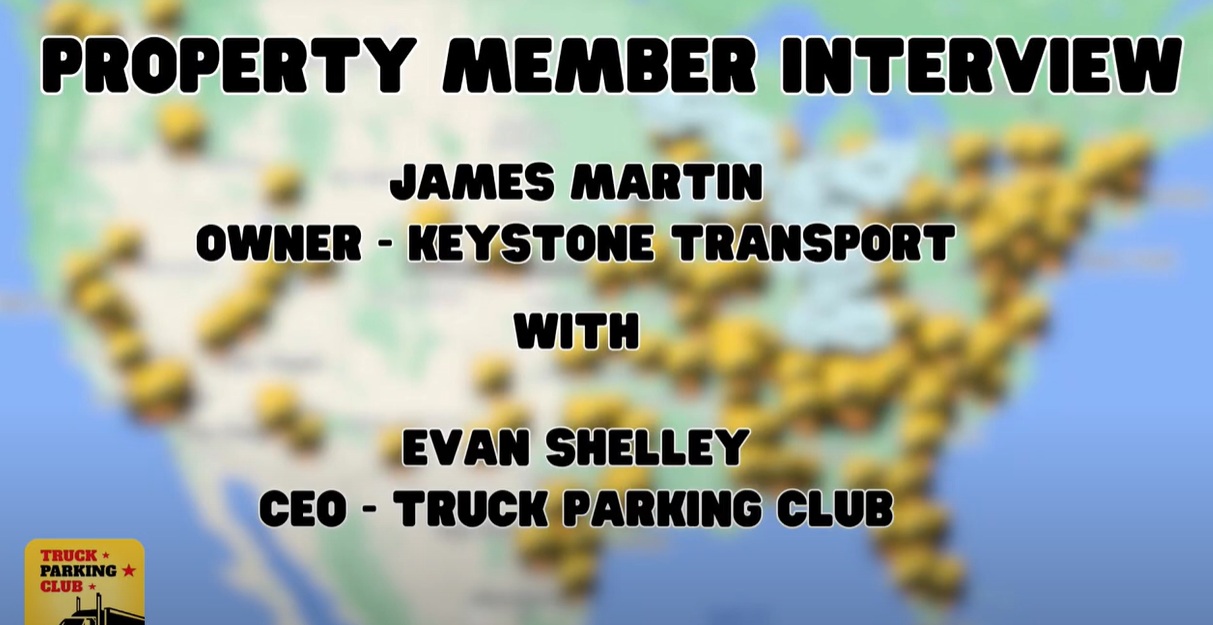
  • Truck Parking Club Member Interview with James Martin of Keystone Transport

    Truck Parking Club Member Interview with James Martin of Keystone Transport

    In this installment of our Member Interview series, we spoke with James Martin of Keystone Transport, one of Truck Parking Club’s earliest property members, who shared his experience with the platform and insights into its growth.

    What’s In This Interview?

     In this conversation, James and Evan discuss:

    • How as someone who owns a fleet and commercial property with extra space, James was naturally interested in optimizing the use of his property. Upon discovering Truck Parking Club, he decided to give it a try. His decision turned out to be beneficial as the platform began to gain traction.
    • How James has seen significant growth and numerous benefits from using Truck Parking Club. He highlighted its automated functionality that makes the process hassle-free for both property owners and drivers.
    • James’s background is in furniture manufacturing, which later evolved into running a transport company. His entrepreneurial spirit extended to offering drivers parking spaces at his facility, coupled with access to repair services and self-storage units.
    • How positive feedback James received from truck drivers underscores the success of the Truck Parking Club.
    • A new marketing approach to provide property owners with custom links to promote their spaces independently offering significant rate discounts for self-generated bookings while maintaining full platform support.
    • James showed particular interest in integrating these marketing features with his existing systems, recognizing the potential to streamline his operations while maintaining marketing control.
    • James praised the responsiveness of Truck Parking Club’s support team. He specifically commended team member Jess for her outstanding service.
    • James and Evan discussed the critical parking challenges in the Northeast region and how Truck Parking Club is successfully addressing this significant demand.
    • Evan revealed Truck Parking Club’s goal to reach critical mass by expanding to over 10,000 locations. 

    BECOME A PROPERTY MEMBER TODAY

    The information published herein is for general informational purposes only. Truck Parking Club does not make any representations or warranties about the completeness, reliability, legality, and accuracy of this information. Any reliance placed on such material is strictly at the user’s own risk. Truck Parking Club shall not be responsible for any losses or damages incurred in connection with the information published herein.