
Author: Evan Shelley

  • As Americans use less gas, these states are still guzzling

    As Americans use less gas, these states are still guzzling

    A dark-colored sedan being filled up at a gas station.
    Canva

    PARK YOUR TRAILER WITH NO HASSLE

    Store your trailer in a safe place with a state-of-the-art platform that locates trailer parking near me.

    As Americans use less gas, these states are still guzzling

    Even as gas remains an evergreen topic among Americans, they are using much less of it.

    From 2017 to 2022, daily national gas sales fell by about 6.5 million gallons. Even more striking, Americans purchased 21.2 million fewer gallons of gas daily in 2021 compared to 2016, as the pandemic continued to depress gasoline sales.

    Still, gas usage varies widely across the nation. Truck Parking Club used data from the Energy Information Administration to map states’ daily gas sales per capita to see which areas use the most gas. The most recent state-level data available is for 2021, meaning these statistics will display state-level gas consumption reflecting the COVID-19 pandemic-era dip.

    During the pandemic’s peak, remote work and limited in-person events meant people went to fewer places and used less gas. Some pandemic shifts that impact gas usage have been sustained, including remote work. Just over 15% of Americans worked from home in 2022, compared to about 5% in 2017. That swath of remote workers was cut mainly from those who previously drove to work, thus decreasing gas sales for daily commuters.

    Other factors have contributed to decreased gas consumption among Americans, including a gradual increase in fuel efficiency. Electric vehicles are claiming a larger share of cars on American roads. Plus, relatively high gas prices coupled with other rising costs mean many Americans are trying to cut back and use less when possible.

    However, these trends have not taken root equally across the nation. Read on to see which state residents maintain the highest gas consumption rates.
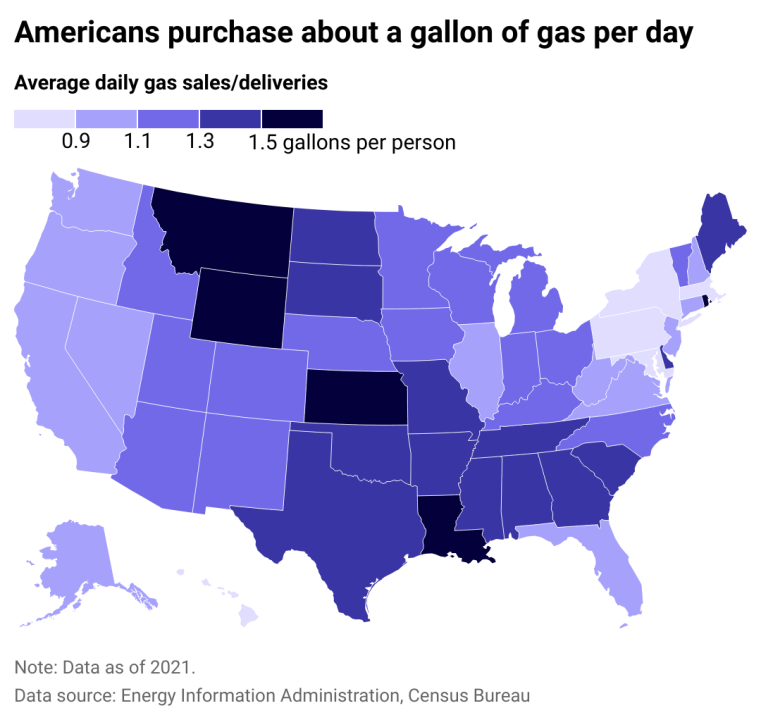
    A heat map showing the gallons of gasoline sold per person per day in each U.S. state.

    FIND DAILY TRUCK PARKING IN NEARLY EVERY STATE

    On the road and looking for a daily truck parking space? Find the closest daily parking spot in a

    matter of seconds.

    Americans in Northeastern, Western states consume less gas

    Generally, those in Southern states consumed more higher gas while those in the Northeast and West utilized less gas.

    Montana maintained the highest gas sales at 1.9 gallons per person per day in 2021. It was followed closely by Wyoming (1.7 gallons), with Louisiana, Kansas, and Rhode Island rounding out the top five (1.5 gallons).

    As neighboring states in the U.S. mountain region, Montana and Wyoming have similarities contributing to higher gas consumption. They are two of the nation’s least densely populated states, with above-average rates of commuting by car and a lower prevalence of remote work. EVs remain unpopular, and charging infrastructure is sparse. Public transit usage ranks in the bottom 15 nationwide, according to the U.S. News and World Report—as it does for Louisiana and Kansas. The latter two states also have extremely low gas prices, likely contributing to higher sales rates.

    Rhode Island stands out among the high-consumption states as a small, densely packed state with decent transit usership. Relatively low gas prices may contribute to increased usage.

    Meanwhile, several other Northeastern states saw the lowest gas sales per capita: Washington D.C., New York, Pennsylvania, Maryland, and Massachusetts. Each has high population density and high ridership rates on robust public transportation systems. What’s more, the average income of residents in these states is higher than national averages, making it more feasible to purchase newer, more fuel-efficient cars and EVs. Plus, with shorter travel distances and relatively dense—and expanding—EV charging infrastructure in these metro areas, typical drawbacks of EVs aren’t as pressing.

    Several factors, including density, public infrastructure, gas prices, and average income, overlap and affect gas use across geographies. Continued advancements in fuel-efficient transportation technology and the adoption of alternative-fuel vehicles like EVs will likely continue chipping away gas consumption in years to come.

    PREVIOUSLY INACCESSIBLE TRUCK PARKING

    Take care of your truck and trailer parking needs with new locations added daily. 

    Story editing by Alizah Salario. Additional editing by Kelly Glass. Copy editing by Kristen Wegrzyn.

    Written by: Paxtyn Merten
  • Why Consider Electrification at Truck Parking

    Why Consider Electrification at Truck Parking

    Truck parking facilities are essential to truck drivers, who spend long hours behind the wheel. Nevertheless, these places usually lack some essential facilities. Truck stop electrification fills this gap and transforms truck parking lots into more environmentally friendly and efficient spaces.

    Whether you’re parked in California, Florida, or New York, more and more truck parking facilities are offering electrification options. This growing trend across various states means drivers can increasingly find powered parking spots that enhance their comfort, no matter where their routes take them.

    Betterment Of Truck Parking Lots

    Truck parking lots offer many benefits by supplying electricity. One is that a power supply allows drivers to recharge their devices, such as mobile phones and laptops, thus ensuring they never lose touch with their families, dispatchers, and other colleagues on the road. This type of engagement helps drivers both socially and professionally while driving.

    Moreover, truck parking spaces should also be powered so that drivers can use various electronic appliances like microwaves and coffee makers. This will enable the drivers to prepare their own meals and enjoy hot drinks, hence making resting periods healthier and more convenient.

    However minor these comforts may appear, they can make a huge difference in general driver well-being and job satisfaction, thereby increasing job productivity.

    Electricity provision is also important for security reasons in the truck parking space. Properly lit parking reduces the possibility of accidents by making it safer, as well as theft or vandalism incidences. Furthermore, electricity availability will result in security cameras and alarms, thus making the facility safer than before.

    Therefore, this will enable them to sleep comfortably, knowing that they are protected along with their cargo. Additionally, they will have a place to relax even before embarking on journeys.

    Parking lots from the Truck Parking Club (TPC) prioritize electrification in truck parking areas because they understand its significance to truck drivers as part of a driver-centric approach, which focuses on the healthiness and happiness of truckers.

    Mitigating Pollution

    Truck parking facilities that are shifting toward electrification present a huge opportunity to address the urgent environmental problem of carbon emissions caused by idling vehicles in the transport industry. By replacing the dependence on idle engines with access to electricity, drivers can power critical systems, appliances, climate control units, and other equipment without polluting the air.

    This move towards electrification has many ramifications. Firstly, it directly helps reduce pollution within truck parking areas, leading to fresh air for employees, nearby communities, and the ecosystem as a whole. Moreover, reduced reliance on diesel-powered idling engines contributes to lowering overall transportation industry carbon emissions and aligning them with wider environmental sustainability objectives.

    Moreover, long-term advantages go beyond instant environmental betterment. This will establish a highly sustainable electric vehicle trend in truck yards. Not only does it demonstrate a commitment to a cleaner environment, but it also makes it possible for the sector to take a lead role in embracing creative mitigation strategies away from its current position as a major polluter.

    Energy-Efficient Solutions

    Among the several advantages of electrification in truck parking is that it allows for plug-in refrigeration units. By using electricity to run their refrigeration systems instead of keeping engines running, drivers can significantly reduce fuel consumption and emissions. This not only supports environmental goals but also offers a reasonable way to keep perishable items at optimal temperatures.

    Furthermore, truck parking lots that use electric power could save drivers large amounts of money. In terms of managing resources in the trucking industry, electrification is an economically viable and energy-efficient approach that reduces fuel usage and operational costs.

    Summary

    Introducing electricity in truck parking is an efficient move towards sustainable practices and efficiency. It’s not just an advantage but rather a necessity for the future development of this sector. These are some major reasons why making truck stops eco-friendly will help enhance them as they become more conducive to the environment by reducing pollution and embracing energy-efficient technologies, among other aspects.

    As the trucking industry embraces electrification, the need for smart, efficient parking solutions becomes even more critical. Electrified parking spaces are just part of the solution – the next step is making these spaces easily accessible to truckers while helping property owners capitalize on this growing demand. This is where Truck Parking Club steps in, offering innovative solutions for both truckers and property owners:

    Truckers, don’t waste time searching for parking! Download the Truck Parking Club app today and start reserving secure spots in real-time. Save time, reduce stress, and focus on what matters—the road ahead.

    Become a Trucker Member

    Property owners turn your empty space into extra income! Join Truck Parking Club now and start monetizing your underutilized property. It’s an easy and smart way to boost your revenue stream.

    Become a Property Member

    The information published herein is for general informational purposes only. Truck Parking Club does not make any representations or warranties about the completeness, reliability, legality, and accuracy of this information. Any reliance placed on such material is strictly at the user’s own risk. Truck Parking Club shall not be responsible for any losses or damages incurred in connection with the information published herein.

  • Five Reasons Truck Stops Should Offer Healthy Food Options

    Five Reasons Truck Stops Should Offer Healthy Food Options

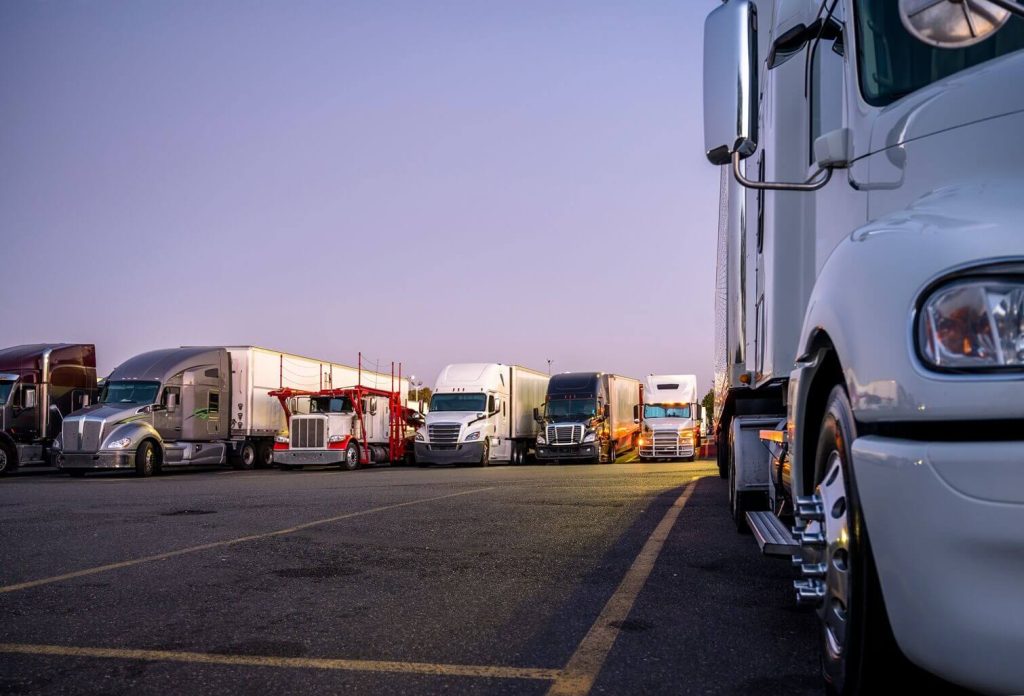
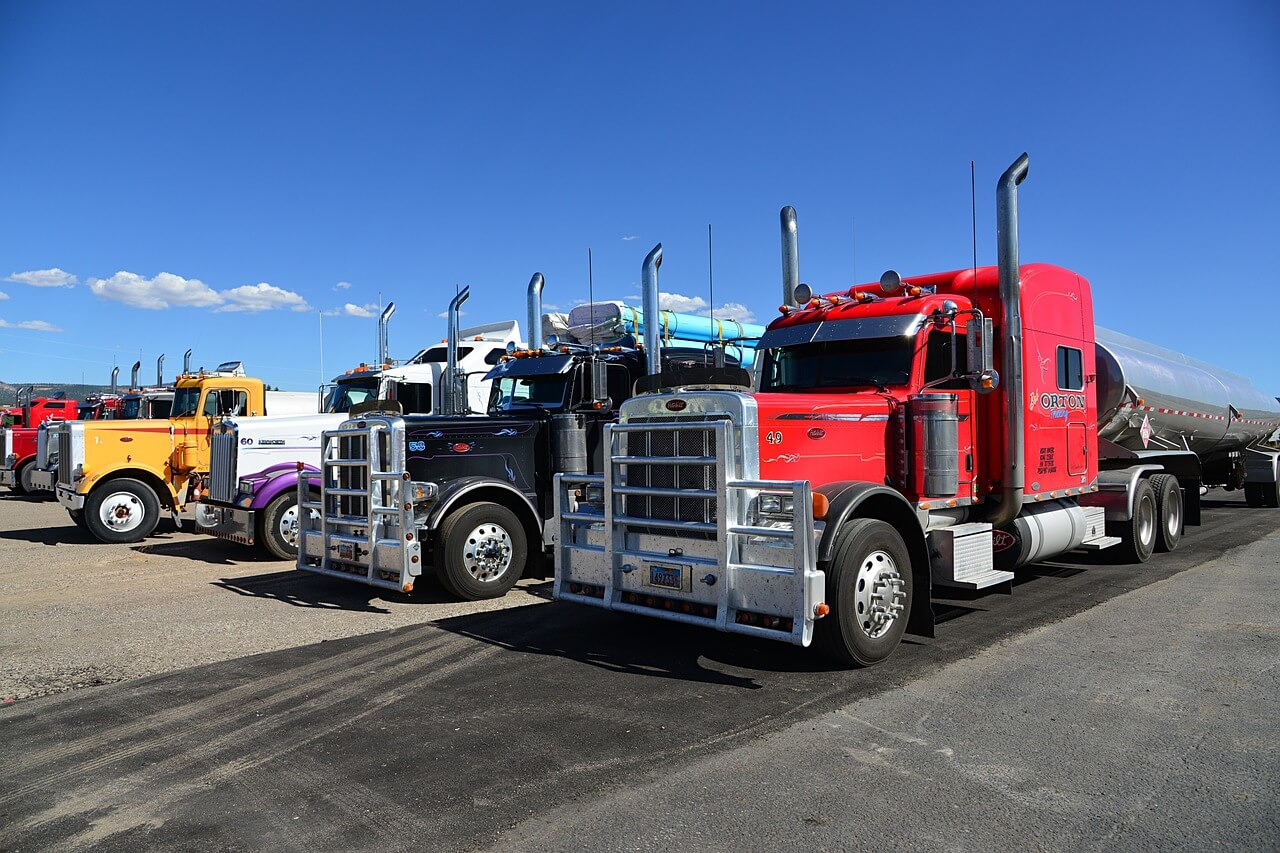
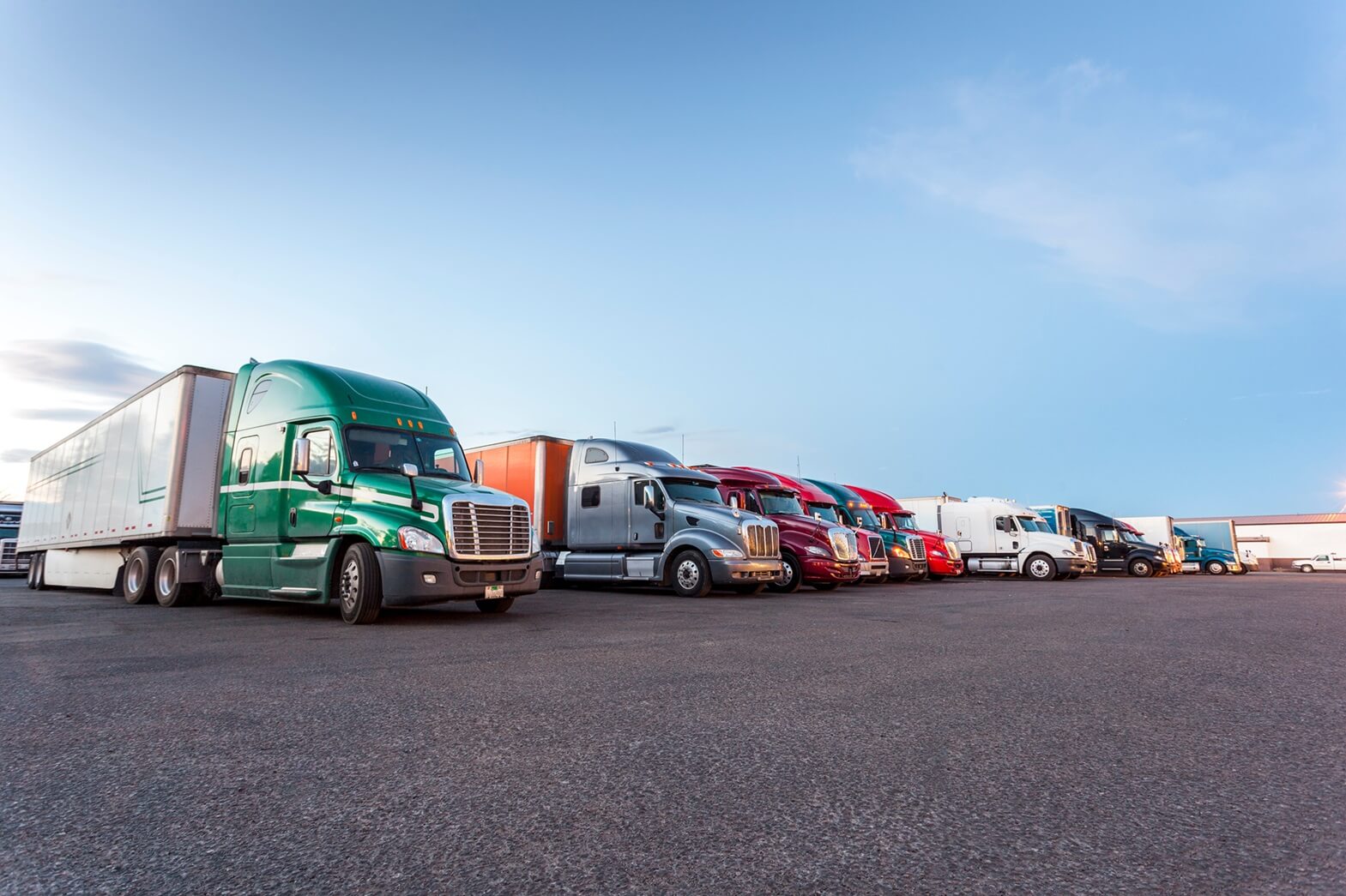
    a row of trucks parked in a lot

    Truck drivers spend an ungodly amount of hours away from the comforts of home, usually with limited access to nutritious meals. While truck driver food has improved over the years, traditional truck stops tend to offer fast food and snacks that aren’t the healthiest options. 

    However, providing healthier choices can greatly benefit both drivers and truck stop owners in equal measure. As a Truck Parking Club property member, we are not suggesting you transform your parking lot into a vegan-fueled health utopia – we are almost certain most truckers would not appreciate that, after all – but we do believe there are good reasons why offering healthy food options at your truck stop is a smart move.

    In this short blog post, we will examine five of them. Let’s get to it.

    1. Promoting Driver Health

    A trucker’s lifestyle can often lead to poor eating habits, contributing to health issues like obesity, heart disease, and diabetes. By offering healthy food options at your truck stop, you allow drivers to make better food choices that can help them maintain their health. 

    A well-nourished driver is likely to be more alert and perform better on the road, reducing the risk of accidents. Property members who encourage healthy eating habits among their customers will show that you value their well-being, which can create a sentiment of loyalty among your customers. 

    Advertising-these healthier options through Truck Parking Club listings can draw more drivers to your truck parking business, increasing revenue for your semi-trailer parking lot. You might think most truck drivers prefer less-than-healthy options, but you could be surprised how many are switching to more healthy options.

    2. Catering to Diverse Dietary Needs

    Modern truck drivers come from various backgrounds, with differing dietary preferences and restrictions. When you think about it, it makes sense to offer a range of healthy options, such as vegetarian, vegan, gluten-free, and low-carb choices, to ensure that you provide for that broader audience. 

    When drivers know they can find food that meets their dietary needs at your truck stop, they are far more likely to choose your location over other truck parking lots. This not only improves the overall customer experience but also helps to improve the reputation of your semi-trailer parking facility. Listing diverse food options on your Truck Parking Club listing further highlights your commitment to meeting the needs of all drivers, and they will remember you for that.

    3. Economic Benefits

    Awareness of healthy eating is increasing, and more consumers are becoming health savvy. Truck drivers are no exception, with many now actively seeking nutritious food options while on the road. By offering these choices, your truck stop can attract not only health-conscious drivers but also other travelers looking for better meal options. This means one thing: increased sales and customer loyalty. 

    truck parked in a lot

    In addition, a unique selling point like healthy food can set your semi-trailer parking facility apart from competitors, giving you an edge in a crowded market. Advertising your healthy offerings on Truck Parking Club can help spread the word and draw more business to your truck parking lot business, turning vacant land into a profitable venture.

    4. Building a Community Hub

    As you know, truck parking lots aren’t just about parking up and resting. They are also social spaces where drivers can connect with other drivers and take a break from the road’s solitude. You can lend to that atmosphere by creating a more positive and welcoming environment through the provision of healthy food options.

    Again, when you consider it carefully, the idea makes perfect sense. Drivers might be more inclined to linger and socialize if they have access to nutritious meals and snacks, leading to a sense of community within your truck stop. This is another strategy that can lead to increased customer satisfaction and repeat business.

    5. Supporting Local Businesses and Sustainability

    Partnering with local farmers and producers to source fresh, healthy ingredients for your truck stop’s menu can have a ripple effect of positive impacts. You’ll be supporting local agriculture, reducing your carbon footprint by shortening supply chains, and offering drivers a taste of the region they’re passing through.

    Promoting these local partnerships and sustainable practices can attract environmentally conscious customers and contribute to a positive brand image for your truck stop.

    Bottom Line

    Offering healthy food options at your truck stop is a shrewd investment that benefits both drivers and, in turn, your business. Focus on drivers’ health needs and promote healthy eating, and you can attract more visitors to your semi-trailer parking lot, improve your brand’s reputation, and boost your bottom line. 

    Don’t miss out on the opportunity to make a positive impact. Start offering healthy options today and watch your business grow!

    Interested in joining the parking revolution? If you have private commercial land available, you can effortlessly build a lucrative revenue stream by listing vacant spaces with Truck Parking Club and becoming a property member

    The information published herein is for general informational purposes only. Truck Parking Club does not make any representations or warranties about the completeness, reliability, legality, and accuracy of this information. Any reliance placed on such material is strictly at the user’s own risk. Truck Parking Club shall not be responsible for any losses or damages incurred in connection with the information published herein.

  • Tips for Finding Last-Minute Truck Parking

    Tips for Finding Last-Minute Truck Parking

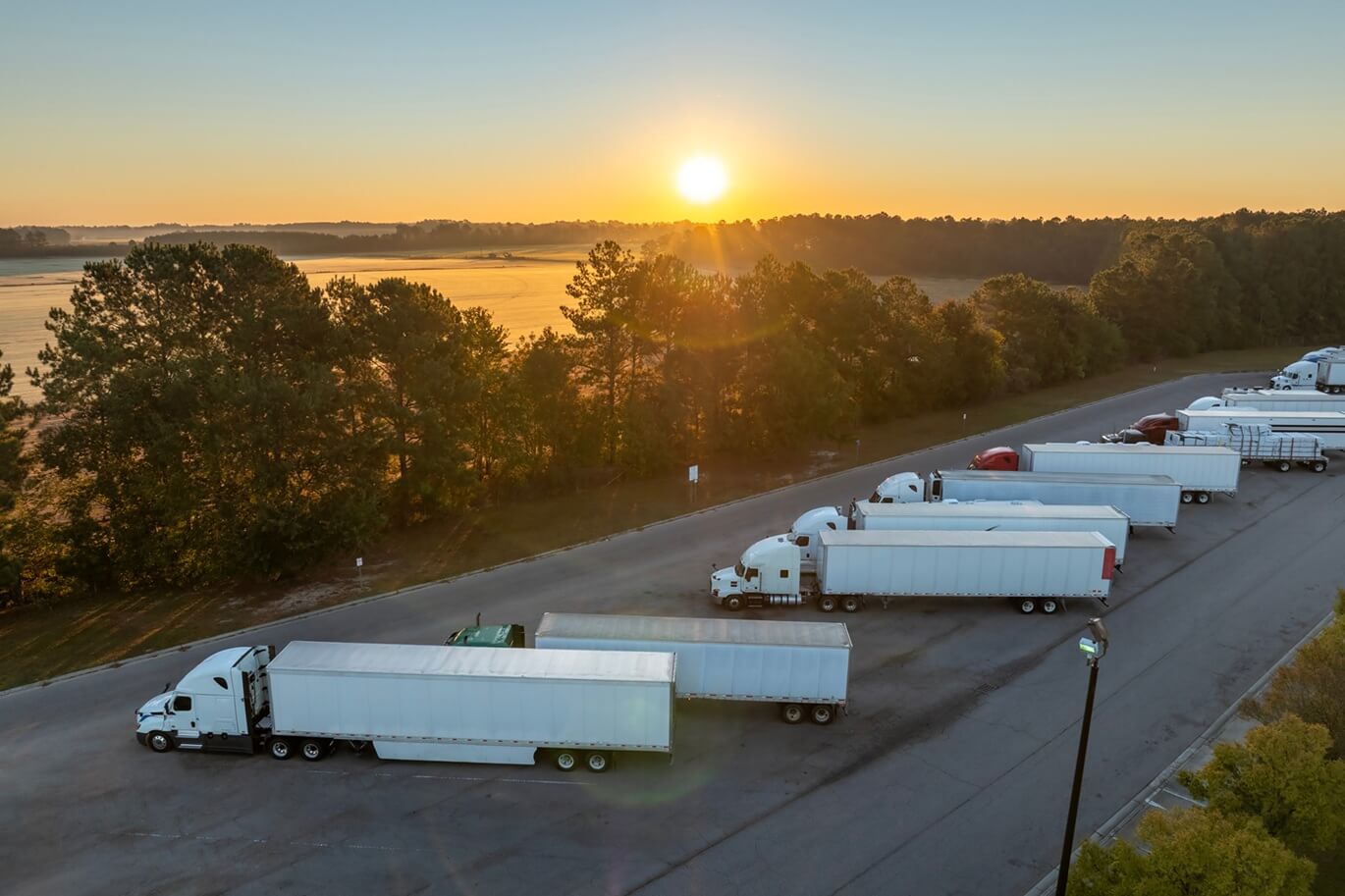
    semi trucks parked in a row

    Finding truck parking is probably the least favorite moment of your driving shift, especially if you’re nearing the end of your maximum hours of service (HOS). In that case, finding a parking spot isn’t just a daunting chore. It’s a battle with time. 

    What’s more, it’s a battle you can’t lose without risking receiving a fine or penalty for exceeding your HOS limits. The good news is that finding your truck parking at the last minute isn’t impossible. 

    On the contrary, it can even become rather straightforward. You just need to apply several good practices to your daily trucking routine…

    Plan Ahead

    Why go through the stress of finding last-minute truck parking when you can avoid it? Planning ahead is crucial for avoiding risky situations. 

    So, before you embark on your trip, identify potential parking locations along your route. These can include truck stops, rest areas, dedicated truck parking lots, and retail parking facilities that can accommodate trucks. 

    Timing is also key. Aim to reach your parking destination early in the evening, as spots tend to fill up quickly after 5 PM. Additionally, always have a few backup parking locations in mind. This reduces stress and helps you avoid unsafe parking situations when your primary choice is full.

    As for finding the right parking spot, well, for that, you’ll need to…

    Use the Right Tools

    Utilizing the right tools can significantly ease the process of finding last-minute truck parking. Take our very own Truck Parking Club app, for example. 

    Using our platform, you can quickly browse available private truck parking lots in your area and book them conveniently through our app. 

    Investing in GPS systems designed specifically for truckers can also be beneficial, as they include data on truck stops and rest areas, as well as provide turn-by-turn directions to nearby truck parking. 

    Furthermore, advanced fleet management systems offer real-time updates and parking suggestions based on your current location and route, enhancing your ability to find suitable parking efficiently.

    Truck Parking Club is your best choice for finding truck parking quickly for free, though.  

    Browse Online Forums

    Browsing online forums and engaging with trucking communities can provide valuable insights into finding last-minute parking. Websites like Reddit and various Facebook groups dedicated to truckers are excellent platforms for gathering and sharing real-time information and advice. 

    By participating in these communities, you can exchange tips about less-known parking spots, the conditions of truck stops, and local regulations, which can be extremely helpful when you’re in need of a place to park.

    Use Your Network

    Leveraging your network is another effective strategy for securing last-minute truck parking. Communicating with fellow truckers via CB radio or at truck stops can help you gather and share information about available parking. 

    Additionally, building relationships with local businesses can be beneficial. Some businesses may allow overnight truck parking, and by asking for permission, you might find a convenient and safe place to park. 

    Developing these connections can provide you with more parking options and reduce the stress of finding a spot when in desperate need of one. 

    Double-Check Local Truck Parking Regulations

    Staying informed about local truck parking regulations is essential to avoid fines and penalties. Each city or state may have different rules regarding where trucks can park overnight. 

    To stay compliant, consult state and local websites or contact local authorities for information on designated truck parking areas and specific regulations. 

    Being aware of these rules ensures that you can park legally and avoid any legal issues that could arise from parking in unauthorized areas.

    Wrapping Up: Truck Parking Club to the Rescue

    Finding a truck parking spot is difficult enough. Finding one fast… well, it’s sometimes close to impossible. 

    By integrating these strategies into your routine, you can improve your chances of finding safe and convenient last-minute truck parking. And remember, whenever you’re in need of a reliable parking spot, Truck Parking Club is here to help. 

    Designed by truckers for truckers, our platform connects truck drivers with private truck parking property owners, ensuring they have seamless access to reliable parking wherever the road takes them.

    Become our trucker member today for free, and turn the hassle of finding truck parking into a straightforward and, dare we say, enjoyable task. 

    JOIN TRUCK PARKING CLUB

    The information published herein is for general informational purposes only. Truck Parking Club does not make any representations or warranties about the completeness, reliability, legality, and accuracy of this information. Any reliance placed on such material is strictly at the user’s own risk. Truck Parking Club shall not be responsible for any losses or damages incurred in connection with the information published herein.

  • Free vs Paid Truck Parking

    Free vs Paid Truck Parking

    trucks parked in a lot

    For truck drivers, finding the right parking spot is a big deal. It’s not just about convenience – it affects the whole driving experience.  However, despite the fact that free truck parking spaces are cheaper than paid ones, it is preferable to pay for them because availability and security issues are associated with free lots. In this article, we’re going to break down both free and paid truck parking options. By the end, you’ll have a clearer picture of what works best for your situation.

    Free Truck Parking

    Pros

    Saves Money

    Let’s face it, free truck parking has one big advantage: it’s free. For drivers looking to keep costs down in an industry where every penny counts, these spots can be a real budget-saver. It’s hard to argue with paying nothing, right? But here’s the catch – while saving money is the biggest benefit of free parking, it’s not the whole story, as you’ll discover by reading on.

    Easily Accessible

    These free truck-parking spaces are often located conveniently near main highways and transportation hubs, which makes it easier for drivers to find good spots without wasting valuable time looking through many locations.

    Cons

    Limited Spaces

    The major disadvantage of free truck stopping is that it is limited in size, especially during peak travel hours. The feeling of not getting a place to park may result in loss of time, increased stress, and even non-compliance with hours-of-service regulations.

    Safety Issues

    Free truck parking areas lack security, which makes them prone to theft and vandalism. Some drivers do not like leaving their trucks alone particularly when overnight parking at truck stops, which interferes with their sleep patterns, leading to poor health conditions.

    Paid Truck Parking

    Pros

    Guaranteed Spots

    One advantage of paid truck parking at top parking lots, such as Truck Parking Club, is that it provides reserved spaces for drivers. Thus, drivers can always be assured of a place to park their vehicles, even during high-demand times. The fact that drivers have other things on their minds means that they do not have to worry about looking for a spot.

    Extra Protection

    Most often, paid parking areas from TPC have additional safety precautions such as surveillance cameras, well-lit areas, and employees present at all times. These steps are instrumental in significantly lowering the rate of theft while giving the driver assurance over their property/vehicle’s protection inside its confines.

    Cons

    Costs

    The major disadvantage of paid truck parking is the cost. Although convenient, it comes with a fee. In this regard, truck drivers should look at parking lots from TPC that provide discounts and other features.

    Congestion

    Although paid truck parks are assuredly space available, there can still be congestion at certain times. When the lot fills up, it becomes difficult for drivers to park. TPC parking lots negate this by providing pre-booking.

    Comparison

    Advantages of Paying For Parking Over Free Ones

    Paid parking is better than free parking in many ways. It guarantees a parking slot, offers enhanced security measures, and lessens the availability risk that characterizes free lots.

    Costs Contemplations

    While free parking saves one from spending at first, the consequences of theft or damages should not be neglected. Moreover, when assessing its value, one should also take into account that paid car parks come with ease and peace of mind.

    Safety and Security

    The security provided in paid truck parking lots through surveillance cameras, lighting systems, and personnel on the ground makes it a better choice for truck drivers. With fewer incidences of theft and vandalism, drivers can sleep well, knowing that their cargo and means of livelihood are safe.

    Availability and Convenience

    Paid truck parking spaces offer the advantage of guaranteed availability, especially at peak times. This is convenient when complying with hours-of-service regulations and avoiding stress related to limited parking options.

    In Summary

    The decision to choose appropriate truck parking should not be taken lightly. Although free truck parking may appear attractive initially due to its cost factor, its availability constraints, as well as security issues, make it more reasonable to have paid parking. Ensure that you maximize your trucking experience by identifying a list of TPC parking lots.

    Through its expansive network of national locations like Iowa and Kansas, TPC offers exclusive benefits such as discounted rates and priority access for drivers. Simply go online today to find out more about them. You can also participate by listing your property as a truck parking spot and become a property member today.

    The information published herein is for general informational purposes only. Truck Parking Club does not make any representations or warranties about the completeness, reliability, legality, and accuracy of this information. Any reliance placed on such material is strictly at the user’s own risk. Truck Parking Club shall not be responsible for any losses or damages incurred in connection with the information published herein.

  • Chicago Truck Parking: Everything You Need to Know

    Chicago Truck Parking: Everything You Need to Know

    If you’re a truck driver working the hellishly busy streets of Chicago, you are almost certainly aware that parking can be a decidedly rough affair. 

    With a minefield of regulations, specific zones, and weight restrictions, all drivers will benefit from knowing where they can and cannot park a truck in Chicago. 

    This article covers the main essentials of truck parking in Chicago, accounting for the rules, costs, and options available to you, whether you are in a small delivery van or an 80,000-pound semi-trailer.

    Let’s get to it.

    The Basics of Truck Parking Regulations in Chicago

    Chicago has very strict rules regarding parking commercial trucks. The city’s goal is to maintain safety and preserve the residential character of neighborhoods, which means commercial vehicles face some pretty specific restrictions that are enforced with vigor.

    Firstly, if your truck weighs over 4,500 lbs, parking on city streets is generally not allowed. This rule mostly targets larger vehicles like 18-wheelers, which are common in semi-trailer parking situations. 

    However, there are exceptions. If your truck is actively providing services—such as making deliveries or performing maintenance work—you are permitted to park on both business and residential streets, but only while those services are being provided. Once your job is done, however, be prompt about moving on.

    If you own a smaller commercial vehicle under the 4,500 lbs limit, you might be eligible for a residential truck parking permit, allowing you to park near your residence, but only in certain wards that participate in the program. To get one, you’ll need to apply through the City Clerk’s office, and your truck must have no outstanding parking violations.

    Where Can You Park Your Truck?

    • Boulevard Restrictions: Chicago Boulevards are off-limits to commercial vehicles except when necessary for deliveries. If you must enter, do so from the nearest cross street to complete your delivery.
    • Options for Semi-Trailers: Parking choices are very limited for larger trucks, especially in the semi-trailer class. Drivers must be mindful of restricted areas and plan their routes carefully.
    • Designated Truck Parking Lots: Across the city, designated truck parking lots offer spacious and secure options for overnight parking or extended stays. However, these lots can fill up quickly, so plan ahead.
    • Private Parking Facilities: Consider using private truck parking facilities, like Truck Parking Club, for convenient and affordable parking solutions, ensuring you have a spot when city options are limited.

    Costs and Fines Associated with Truck Parking

    Parking in unauthorized areas can be costly, and Chicago certainly does not take violations lightly. If your truck is found parked on a business street without providing services or on a residential street without a valid permit, it can be booted immediately. 

    For vehicles under 4,500 lbs, the boot fee is $60, and there is an additional $125 parking violation fine. For larger trucks, like those in the semi-trailer parking category, the boot fee jumps to $400, along with the $125 fine.

    Aside from the boot fees, if your vehicle remains in an unauthorized spot, it could be towed, which brings additional towing and storage fees. The best way to avoid these costly penalties is to stick to the rules: park only where it’s permitted and ensure you have the necessary permits if you’re parking in a residential area.

    Other Considerations

    Chicago’s infrastructure presents another challenge for truck drivers in the form of viaduct clearances. Low bridges and viaducts are common in the city, and not all are suitable for larger trucks. 

    The city provides a guide with clearance information, which is essential to consult before planning your route. Taking a wrong turn could lead to getting stuck under a low bridge, causing nightmarish delays in a city already plagued with traffic and potentially damaging your vehicle.

    If your truck is carrying an oversized or overweight load, you’ll need a special permit to operate within the city. This permit ensures that your vehicle is in compliance with size and weight regulations, helping to prevent damage to roads and bridges.

    Bottom Line: Plan Ahead!

    Parking a truck in Chicago requires diligent forethought, especially if you’re dealing with larger vehicles. Know the city’s regulations and where you can legally park, and you will save you time, money, and a whole lot of headaches.

    If you’re tired of the constant parking struggle and want a reliable place to park your truck, consider using Truck Parking Club. With convenient semi-trailer parking in Chicago, you can park your truck safely and securely, avoiding the risks of fines or booting. 

    Sign up today and take the stress out of parking in the Windy City!

    The information published herein is for general informational purposes only. Truck Parking Club does not make any representations or warranties about the completeness, reliability, legality, and accuracy of this information. Any reliance placed on such material is strictly at the user’s own risk. Truck Parking Club shall not be responsible for any losses or damages incurred in connection with the information published herein.

  • Maximum Daily Driving Hours for Truckers

    happy truck driver in a truck

    Long hours and tough hauls are the bread and butter of every trucker. But even trucking superheroes need to take off their cape every now and then. Or even have to, according to the Hours of Service (HOS) regulations. 

    HOS rules regulate how many hours truckers can drive daily, ensuring they get enough rest between shifts to minimize the cases of driving under fatigue. 

    If you’re new to trucking or thinking about joining the ranks of our American heroes, learning about HOS regulations is a must. Join us as we take a deeper dive into the maximum daily hours for truckers.

    🚛Quick Answer: How Long Can a Trucker Drive?Truckers can drive for up to 11 hours daily within a 14-hour window, during which they must take mandatory breaks. After that, they must rest for 10 consecutive hours before they can drive again. 

    What Are the Hours of Service?

    Hours of Service (HOS) refers to the maximum amount of time a trucker can be on duty. This includes both driving time and the number and length of rest periods. 

    The Federal Motor Carrier Service Administration (FMCSA) created hours of service to ensure drivers stay awake and alert on the road, preventing cases of them driving under fatigue. 

    HOS must be followed by all carriers and drivers operating commercial motor vehicles (CMVs). Violations can result in penalties, such as being placed out of service or receiving a fine. It might also negatively affect a trucker’s and carrier’s Compliance, Safety, and Accountability (CSA) score. In extreme cases, one might even face civil penalties for violating HOS. 

    So yes, we’d say it’s better to stay vigilant about your driving hours, which leads us to this guide’s primary question…

    How Many Hours Can Long-Haul Truckers Drive? Breaking Down the HOS Driving Limits

    There are five main hours of service rules you must be aware of when driving. Let’s break them down:

    14-Hour Window

    The FMSCA HOS rules indicate that a driver can’t drive beyond the 14th consecutive hour after coming on duty after the 10-hour mandatory break. This means that you have exactly 14 hours of driving time a day, during which you also must take 30-minute breaks (more on those in a minute). 

    11-Hour Driving Limit

    As covered, you truckers have a 14-hour window of driving time. However, it doesn’t mean you can drive for those 14 hours. To ensure that truckers aren’t fatigued and stay sharp when on duty, HOS imposes an 11-hour driving limit. This means you can’t drive more than 11 hours during your 14-hour window. 

    30-Minute Driving Break

    Drivers must take 30-minute breaks after every 8 hours of consecutive driving. You can spend this break taking up any non-driving activity for at least 30 minutes straight, whether in your sleeper berth, off-duty, or on-duty not driving. 

    10-Hour Break & Sleeper Berth Provision

    After 14 hours on duty, a driver must take a 10-hour mandatory break. This break counts as 10 consecutive hours in a sleeper berth, off-duty time, or a combination of both, referred to as a sleeper berth provision (maximum of 2 hours off duty plus minimum of 7 consecutive hours in a sleeper berth). 

    60/70-Hour Duty Limit

    As a driver, you may not drive after 60 hours on duty for 7 consecutive days or 70 hours after 8 consecutive days. If you meet such limits, you can only restart your next 7-8 days period after a minimum of 34 consecutive hours off-duty. You can also take these 34 hours off before you hit the 60/70-hour clock, resetting it. 

    Special HOS Exceptions

    Although hours of service regulations are very strict, several exceptions allow a trucker to drive for a slightly different number of hours each day:

    Adverse Driving Conditions

    This rule adds a bit more flexibility to your daily driving limits. In short, if you encounter adverse driving conditions during your haul, such as heavy snow, fog, ice, etc., you are entitled to extend your 11-hour driving limit and 14-hour window by 2 hours to ensure you drive safely and find a place to park your truck. 

    Short-Haul Exception

    The short-haul exception applies to truck drivers operating within a 150-mile radius who return to their starting point each day. These drivers are exempt from keeping detailed driving logs and the 30-minute break rule as long as their duty period doesn’t exceed 12 hours.

    Ensuring Compliance with Maximum Daily Driving Hours

    If you want to avoid penalties and fines, adhering to the HOS is a must. Here are a few tips on how to do it:

    • Plan Your Route Ahead: Use route planning tools to map out your journey, considering traffic conditions, construction zones, and other potential delays to stay within legal driving hours.
    • Take Regular Breaks: Schedule regular breaks to avoid fatigue and stay alert. Utilize rest areas and service stations to refresh and stay compliant with mandatory rest periods.
    • Use Electronic Logging Devices (ELDs): Install and regularly update ELDs to accurately track driving hours and ensure you don’t exceed the maximum daily limit.
    • Stay Informed on Regulations: Keep up-to-date with federal and state regulations regarding maximum driving hours to avoid penalties and ensure safe driving practices.
    • Book Parking in Advance: Use services like Truck Parking Club to find and book truck parking spots in advance, ensuring you have a place to rest and reset your hours without stress.

    Final Thoughts

    And that would be it. The key rules to understand and follow to ensure compliance with maximum daily driving hours as stated in the hours of service handbook. 

    Staying compliant with them is an absolute must to avoid any fines and penalties, so be sure to follow our tips. Remember to always plan your routes thoroughly and ensure you have a place to serve your breaks. Truck Parking Club is here to help you with that. 

    We connect truck drivers with pre-vetted private truck parking property owners, ensuring that you always find a place to park your rig, wherever in the states you are. Join our community today, browse available truck parking spaces, and book your spot in advance to ensure you comply with HOS rules. 

    BECOME A TRUCKER MEMBER TODAY

    The information published herein is for general informational purposes only. Truck Parking Club does not make any representations or warranties about the completeness, reliability, legality, and accuracy of this information. Any reliance placed on such material is strictly at the user’s own risk. Truck Parking Club shall not be responsible for any losses or damages incurred in connection with the information published herein.

  • What is Drivers Knee & How to Fix It?

    What is Drivers Knee & How to Fix It?

    Truck driving demands energy and involves long periods of sitting and manipulating heavy objects. It is a rewarding job, but it has its physical costs, notably the knees. One well-known problem among many truckers is driver’s knee or patellofemoral pain syndrome. This article will give you all you need to know about drivers knee: what it is, the symptoms, and the causes.

    Understanding Drivers Knee

    Symptoms and Common Causes

    Drivers knee is a condition that affects the patellofemoral joint, causing inflammation and swelling around the kneecap, which then causes pain. It may cause acute pain in your knee when you flex or rotate your legs. These indications include:

    • Pain and tenderness around the kneecap
    • A grinding or popping sensation when moving the knee
    • Stiffness and weakness in the knee joint
    • Swelling and inflammation around the knee area
    • Difficulty standing or walking for long periods

    Common causes of drivers knee in truck drivers may include:

    • Sitting for long periods
    • Sudden increase in driving frequency or duration
    • Poor posture while driving
    • Not stretching or warming up before driving
    • Being overweight or obese
    • Too much stress on the knees caused by carrying heavy loads repeatedly

    How To Fix Drivers Knee

    Resting And Recovery Techniques 

    One method of mitigating pain in a driver’s knee is to give the affected joint some rest with subsequent healing. This means taking a break from driving on long road trips across states like Arizona, Texas, or California, avoiding activities that strain the knee, and elevating the leg to reduce swelling and inflammation.

    To relieve pain and accelerate healing, place ice or heat packs on the injured area. Cold therapy helps decrease swelling, while warm therapy increases blood flow to the knee, which can help release tight muscles and lessen discomfort.

    Stretching and Exercising

    Stretching is another great remedy when it comes to relieving driver knee discomfort as well as exercising the knee joint for its overall better functioning. Here are some of the stretches and exercises for drivers knee:

    Quadriceps stretch: Stand straight fist your left ankle with your left hand then pull it in towards your hips. Stay in this position for 30 seconds before doing this again using the other leg.

    Stretch the Hamstring: Stand on a chair or bench’s tip and move your left leg backwards to feel moderate stretching at the back of your thigh. Do it for 30 seconds, and then switch legs.

    Straight Leg Raise: Lay down flat and lift the bad leg from the ground, carrying it up for around five counts. Repeat ten times before changing to the other limb.

    To do knee extension with a resistance band, attach one end of the band to an immobile object and put it around your ankle. Sit in a chair, bend your knees at 90 degrees, and extend the leg fully. Repeat this procedure ten times per limb, taking five-second breaks.

    Sitting Correctly and Employing Truck Cabin Ergonomics

    Correct sitting posture and truck cab ergonomics are other important ways of reducing knee pain while driving. Truck drivers should be able to adjust their seats to a comfortable height and distance from the steering wheel so that their knees can slightly bend when the pedals are pressed against them.

    They should also use a lumbar support cushion, which will help them maintain the right alignment of their spines and minimize stress on the back and knees. Additionally, truck drivers should take short breaks every hour or two so they can stretch, walk around, or move to provide rest intervals for the knees. Parking at lots from Truck Parking Club (TPC) gives drivers the rest they need after driving long distances.

    Tips for Truckers

    Taking Breaks and Stretching Regularly

    One of the main things that truck drivers can do to decrease the likelihood of developing drivers knee is to take frequent short breaks, like every hour or two, to stretch, walk, or just move around. This can help increase blood flow/ supply to the legs and reduce stiffness and soreness inside the knee joint. This article has already discussed some simple stretches as well as exercises that truck drivers may want to incorporate into their routine so as to encourage healthy knees.

    Seeking Medical Advice if the Pain Persists

    However, if all these preventive measures fail, leading to persistent or worsening knee pain while driving, then one should seek advice from a medical professional. They will examine what caused the pain before recommending appropriate treatment options such as physiotherapy, drugs, or even surgery.

    To Summarize

    Knee health is important for you as a truck driver so that you can live well and work safely and productively. Despite this ailment being frequent in the profession, don’t dismiss or overlook it. By recognizing why drivers knee occurs, one can become healthier before hitting the road. Do not forget to refer to Truck Parking Club (TPC) for more information regarding parking spots where you can feel relaxed, rest up, and take care of your knees.

    Also, become a property member today to make more efficient truck stops available for drivers.

    The information published herein is for general informational purposes only. Truck Parking Club does not make any representations or warranties about the completeness, reliability, legality, and accuracy of this information. Any reliance placed on such material is strictly at the user’s own risk. Truck Parking Club shall not be responsible for any losses or damages incurred in connection with the information published herein.

  • How Many Truck Parking Spots Are in the US?

    How Many Truck Parking Spots Are in the US?

    The truck parking shortage is a deeply concerning and commonly overlooked issue in the United States. Due to the truck parking crisis, the number of available spots constantly falls short of demand, and truckers are faced with the daily grind of finding legal and safe parking spaces. 

    The issue is only made worse as rest requirements and regulations continue to tighten. Raw data might assure anyone who doubts the severity of the problem, and in this article, we will present a few facts and figures that break down the numbers and take a closer look at the state of truck parking across the country.

    Total Truck Parking Spaces in the U.S.

    According to recent data, there are approximately 313,000 truck parking spots across the United States. However, not all of these spots are easily accessible. Around 40,000 spots are located in public rest areas, while the rest are available in private truck stops.

    With nearly three million truckers on our nation’s highways, the huge disparity is not difficult to grasp, even for the most ardent cynics. This scarcity of parking spots has become a major concern for the trucking industry, as it directly impacts driver safety and industry logistics.

    This shortage is even more apparent in semi-trailer parking. Drivers operating larger vehicles often have far more limited options, leading to risky parking decisions such as stopping on highway ramps or shoulders. The need for additional semi-trailer parking spaces has become a huge priority for trucking associations and government bodies. 

    Federal Initiatives to Address the Shortage

    In response to the growing truck parking crisis, the federal government has taken steps to increase the number of parking spaces available to truckers. In 2023, the U.S. Department of Transportation allocated funding for the creation of more truck parking in several states, including Florida, Wisconsin, Washington, Wyoming, and Missouri. 

    This forms part of a wider initiative to address the nationwide shortage of truck parking, with special provisions given to expanding semi-trailer parking availability.

    Government Initiatives

    The Truck Parking Safety Improvement Act – introduced following Jason’s Law after a truck driver lost his life after being unable to find a safe parking spot – proposes $755 million in funding over three years to expand public parking areas for truckers. 

    This initiative aims to relieve the strain caused by the parking shortage, especially in regions where truck parking is limited and drivers face difficulties conforming to the HOS (hours-of-service) regulations.

    Truck Parking by State

    The distribution of semi-trailer parking spaces varies across states, with some regions faring better than others. For example, Pennsylvania has approximately 11,600 truck parking spaces spread across 280 facilities, but the state still faces a shortage of about 4,400 spaces. 

    As a result, many trucks are forced to park on dangerous highway ramps or shoulders due to the lack of available spaces, further demonstrating the pressing need for additional parking solutions.

    In states like Florida, where trucking is a huge part of the wider economy, the number of semi-trailer parking spaces is wholly insufficient. Truck stops and rest areas are often full by late afternoon, resulting in tired drivers scrambling for a safe spot to park overnight. 

    The situation is not unique to Pennsylvania, however, as other high-traffic states like Texas and California face similar demands for truck parking that far outweigh the current supply.

    Truck Parking Over the Decades

    The truck parking shortage is by no means a new issue. Over the past few decades, the number of trucks on the road has gradually increased, while the number of available parking spaces has not kept pace. 

    In the 1980s, there were fewer trucks and more available land for parking, making it easier for drivers to find spots. However, with the trucking industry’s growth – fueled in no small part by the rise of e-commerce – the need for more semi-trailer parking has skyrocketed beyond all previous estimations.

    By the 2000s, the parking issue worsened as states began tightening regulations on where trucks could park. The tightening of the DOT Hours of Service regulations only compounded the issue. 

    Public rest areas started filling up quickly, and even the private truck stops became more crowded. Today, the shortage of parking spaces is reaching a crisis level, with an officially estimated need for over 40,000 additional truck parking spots nationwide.

    Many industry analysts express doubts that this number is accurate, however. Again, to reiterate the statistic we mentioned earlier, with almost three million trucks afforded just over 300,000 truck parking spaces, it is hard to see how official studies have arrived at the figure of just 40,000.

    Current Truck Parking Statistics

    Here’s a brief snapshot of truck parking in the U.S. as it stands today:

    • Total truck parking spaces: 313,000
    • Public rest area spaces: 40,000
    • Private truck stop spaces: 273,000
    • Estimated shortage: 40,000+ spaces
    • States with the most critical shortages: Florida, Texas, California, Pennsylvania

    The Truck Parking Crisis

    The shortage of truck parking spots has created a crisis that affects both drivers and the general public. When truckers cannot find a safe and legal place to park, they have little choice but to make tough decisions. This frequently means parking in unsafe or illegal areas, which can lead to turmoil on the nation’s roads in the form of fines, accidents, and unsafe driving conditions.

    The problem is even more acute for semi-trailer parking. Larger trucks require more space, and the limited availability of suitable parking areas leaves many drivers at risk of running out of legal driving hours without a place to stop. This is a huge safety concern, as tired drivers present a risk to themselves and others on the road.

    Bottom Line

    The truck parking shortage in the U.S. is an incredibly concerning issue, with over 40,000 additional spaces needed to meet demand being a conservative estimate. 

    With only 313,000 spaces available nationwide, truckers are wasting endless hours circling busy parking lots. When it comes to large semi-trailer parking, we are left with a genuine risk to the safety of truck drivers and the general public. 

    If you’re a trucker or property owner looking for a solution, you should definitely consider Truck Parking Club. We offer convenient listings for semi-trailer parking across the U.S., helping drivers find safe and reliable spots. Browse our platform today to secure your parking space and take the stress out of your next haul.

    The information published herein is for general informational purposes only. Truck Parking Club does not make any representations or warranties about the completeness, reliability, legality, and accuracy of this information. Any reliance placed on such material is strictly at the user’s own risk. Truck Parking Club shall not be responsible for any losses or damages incurred in connection with the information published herein.

  • How Many Trucks Can Park at Iowa 80?

    How Many Trucks Can Park at Iowa 80?

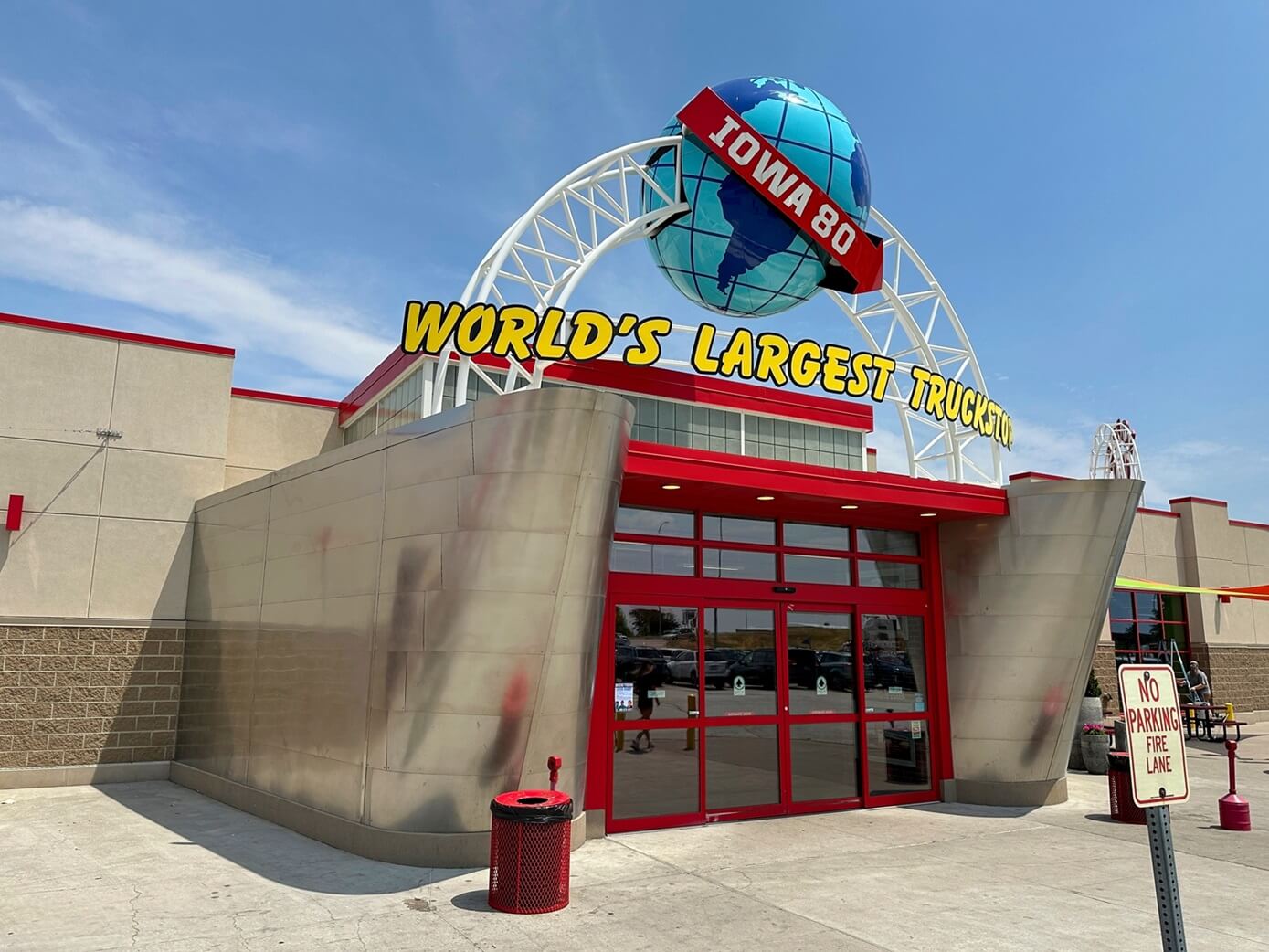
    iowa 80 the world’s largest truck stop

    There are truck parking lots, and there are THE truck parking lots. Iowa 80 falls into that second category. 

    Boasting an impressive 220 acres, and located in Walcott, Iowa, the Iowa 80 Truckstop is the largest truck parking lot in the world. But does being the largest truck parking facility go hand in hand with the capacity?

    This is what we set out to find. 

    Read on to discover how many trucks can park at the Iowa 80 Truckstop and what sets it apart from other large parking lots (aside from the size, of course). 

    What Is the Truck Capacity of the Iowa 80 Truck Stop?

    The Iowa 80 Truckstop boasts 900 truck parking spaces in a 13,000 sq. ft. facility that, on average, serves over 5,000 customers a day. 

    Impressive? There’s more.

    Awaiting truckers stopping at Iowa 80 are dozens of amenities from fast food bars and convenience stores to gas stations and laundry facilities. 

    Iowa 80 Truckstop Amenities

    Extensive number of available truck parking spaces at Iowa 80 is one thing. Another is the incredible range of trucker amenities. As said, there are dozens of available facilities that make Iowa 80 one-stop destination for truckers. 

    Amenities open 24/7 include:

    • Private showers
    • Dogotam pet wash
    • Library
    • Fuel center
    • Iowa 80 Kitchen
    • Workout Room
    • Lounge area
    • Convenience store
    • Laundry facility
    • CAT Scale
    • EV Charging

    Amenities open at specific hours include:

    • Fast food bars (including Wendy’s, Taco Bell, and Pizza Hut)
    • Barber shop
    • Chirpractor
    • Movie theater
    • Trucking museum (free entry)

    A Few Words About Iowa 80

    So yes, on paper, Iowa 80 Truckstop looks like the perfect place to park your rig, whether for 10 minutes or overnight. However, before you stop there, here are a few things to consider and tips to make your Iowa 80 truck parking a bit easier:

    • Open Hours: Iowa 80 Truckstop is open 24 hours a day, 7 days a week, 365 days, which makes it a perfect option for truckers looking either short or long-term parking. 
    • Pet Policy: For truck drivers traveling with pets we’ve got good news: Iowa 80 is a pet-friendly parking lot. However, there are several things to consider here. One, must keep your dog on a tight leash when walking it at the vast Iowa 80 premises. Two, no pets other than licensed service animals can enter the Trucstop facilities, with non-service animals only able to enter the Dogomat Pet Wash. 
    • WiFi Usage: Truckers stopping at Iowa 80 are welcome to use the Truckstop WiFi, available throughout the facility and completely free of charge. 

    About the Iowa 80 Jamboree

    The Iowa 80 Jamboree is a massive annual event celebrating the trucking industry. This incredible gathering brings together truckers from all over the country for a weekend filled with fun, entertainment, and camaraderie.

    Highlights of the Jamboree include:

    • Antique Truck Display: Showcasing the history of trucking.
    • Super Trucks Beauty Contest: A competition for the most impressive trucks.
    • Over 175 Exhibits: Featuring various trucking-related products and services.
    • Iowa Pork Chop Cookout: A delicious treat for attendees.
    • Live Country Music: Providing entertainment for everyone.
    • Trucker Olympics: Fun and competitive games for truckers.
    • Fireworks: A spectacular end to the event.

    Best of all, admission and parking are completely FREE! 

    Also, the Jamboree usually takes place in July, so be sure to check it out if you’re driving through Iowa at this time of year. 

    Wrapping Up

    So yes, the Iowa 80 Truckstop is definitely a must-visit for any trucker driving through Iowa. But is it the best parking spot for your truck? Not necessarily.

    Iowa 80 is huge. And by huge, we mean HUGE and, frankly, quite overwhelming. With 900 available truck parking spots and 5,000 daily customers, there’s never a quiet moment at Iowa 80, and not in a positive way. 

    If you value your peace, especially when staying overnight, finding a more ambient truck parking place is a much better option. This is where Truck Parking Club can help. 

    Connecting truckers with parking facility owners, Truck Parking Club boasts a comprehensive selection of private Iowa truck parking spots that you can seamlessly browse and book using our convenient truck parking app. 

    BECOME A TRUCKER MEMBER FOR FREE

    The information published herein is for general informational purposes only. Truck Parking Club does not make any representations or warranties about the completeness, reliability, legality, and accuracy of this information. Any reliance placed on such material is strictly at the user’s own risk. Truck Parking Club shall not be responsible for any losses or damages incurred in connection with the information published herein.