
Author: Evan Shelley

  • The Impact of Weather Conditions on Parking Lot Maintenance

    The Impact of Weather Conditions on Parking Lot Maintenance

    truck on a road during winter

    As a property member, the parking lot is the heart of your business. With a steady stream of truckers supplied through our popular truck parking app, there aren’t too many things that can cause disruption to your monthly revenues, especially with the current truck parking crisis driving demand.

    However, even the most successful truck parking business can be vulnerable to the unpredictable nature of weather if unprepared. From extreme heat to torrential downpours, harsh weather can potentially inflict damage on your asphalt investment, leading to unexpected costs and disruptions to your business.

    Again, this applies only to the unprepared. Being aware of a few things and knowing how to respond can completely negate unexpected costs and disruptions. 

    This short blog post will show you how. But first, how can bad weather affect your truck parking lot business? Let’s take a quick look before moving on to a few strategies. 

    How Weather Can Cost You

    The financial impact of weather-related damage on a truck parking lot is often underestimated and commonly overlooked. Just one solitary season of neglect can result in a nasty domino effect of costly problems, the most common of which is intense summer heat that can cause asphalt to soften and deform.

    This can lead to rutting and undulated depressions that harm your lot’s appearance and functionality. Heavy rainfall can erode unsealed surfaces, creating potholes and cracks that pose risks to trucks and drivers, and it can happen really quickly.

    To make matters worse, winter’s freeze-thaw cycles can compound these issues, causing further deterioration and expanding existing damage. 

    The problem is that repairing this damage is not only horribly inconvenient but also surprisingly expensive.  Beyond the cost of patching potholes and resurfacing, you could even face additional expenses like:

    • Loss of Revenue: A damaged lot may need to be closed for repairs, resulting in lost income from parking fees.
    • Liability Issues: If a truck driver or pedestrian is injured due to poor lot conditions, you could be held liable for damages.
    • Decreased Property Value: A poorly maintained parking lot reflects negatively on your property’s overall value, damaging your brand with bad reviews

    The best approach is to be mindful of the problem and acknowledge the potential threat of it transpiring. Be diligent and keep a close eye on the surface, investing in basic upkeep and addressing weather-related issues quickly.

    The key message here is to respond to issues early before they grow into something costly. To do so, you need to be aware of how the different seasons can pose separate issues.

    Seasonal Maintenance Checklist

    Again, taking a proactive approach to truck parking lot maintenance is your best defense against costly weather-related damage. With that in mind, we have prepared a seasonal truck parking checklist to help you stay ahead of the issue:

    Spring

    As the snow melts and April showers arrive, your focus should be on drainage, so clear out any debris that has accumulated in drains and gutters over the winter months. You might be surprised how much they build up if neglected. This will be a huge help in preventing water from pooling on the surface, which can weaken the asphalt and lead to potholes. 

    Now is also an ideal time to handle any potholes and cracks that developed during the winter freeze-thaw cycles. Patching them quickly prevents further damage and keeps your lot safe from truck traffic. If your seal coating is looking a bit worn, consider a touch-up to protect against the upcoming summer sun.

    Summer

    The scorching summer sun is no friend to asphalt. The intense heat can soften the surface surprisingly quickly and lead to rutting, especially under the weight of heavy trucks. Again, regularly inspect your lot for signs of deformation and address any issues immediately.

    As the mercury rises, cracks can expand, so it’s important to seal them before they become worse. Don’t forget about dust control, though – a dusty lot can be a nuisance to drivers and neighbors in equal measure. Dust suppressants are inexpensive and can really help keep things under control.

    maple leaf in a pothole

    Fall

    As the leaves start to fall, so does your parking lot revenue if you’re not prepared. Clearing drains of leaves and debris should be a priority to prevent clogging and ensure proper drainage during fall rains. 

    This is also the time to start thinking about winter, so go ahead and stock up on de-icing materials and ensure your snow removal equipment is in good working order. Just a little preparation in the fall can save you relentless headaches come winter.

    Winter

    Winter brings the most obvious weather issue in the form of snow and ice, depending on where your parking lot business is located, of course. If you are based in a frequently icy climate such as Alaska, you will already be well prepared for winter weather. If you are not, regular snow removal is a habit you need to become familiar with in areas with cold winters. 

    Battling ice is simple enough – just choose a de-icing agent that won’t damage your asphalt and apply it according to manufacturer instructions. Also, be mindful of where snow is piled: excessive weight in one area can lead to structural issues. As a side note, keep plenty of salt or grit on hand for icy conditions. 

    Additional Weather Considerations

    Wind: A stiff breeze might seem harmless, but it can turn your lot into a collection zone for debris like tree branches and litter. Not only does this look unprofessional, but it can also create hazards for trucks and drivers. Regular clean-up is required, and if you’re in an especially windy area, consider investing in a few windbreaks or barriers.

    Lightning: If your truck parking lot has lighting or other electrical systems, you need to protect them from lightning strikes. While rare, a direct hit can cause serious damage, leaving you in the dark and potentially liable for any resulting accidents. 

    Flooding: A heavy downpour can quickly overwhelm a poorly designed drainage system, leaving your truck parking business underwater and pretty much unusable. Get into the habit of inspecting and maintaining your drainage systems to ensure they are free of debris and functioning properly. 

    If your lot is in a flood-prone area, you might wish to consider additional measures like raised curbs or even permeable paving.

    Regional Variations: Weather patterns vary significantly from region to region. Some areas experience extreme heat and drought, while others face heavy snowfall and freezing temperatures. 

    Either way, you should create a maintenance plan that reflects your specific climate. Think about essential elements like temperature range, precipitation levels, and the likelihood of severe weather events like hurricanes or blizzards in your area. 

    Bottom Line

    Ultimately, defending a truck parking lot against harsh weather conditions boils down to good common sense. Provided you get into the habit of regular checks, protecting your business against the extremities shouldn’t pose too much of an issue.

    Interested in becoming a property member with Truck Parking Club? If you have private land available, there has never been a better time to take advantage of the shortage in truck parking across America. 

    Sign up with Truck Parking Club today and learn how we can help you turn your land into a healthy, reliable income stream, no matter what the forecast holds!

    The information published herein is for general informational purposes only. Truck Parking Club does not make any representations or warranties about the completeness, reliability, legality, and accuracy of this information. Any reliance placed on such material is strictly at the user’s own risk. Truck Parking Club shall not be responsible for any losses or damages incurred in connection with the information published herein.


  • 5 Strategies to Maximize Your Earnings as a Truck Driver

    5 Strategies to Maximize Your Earnings as a Truck Driver

    six wheels truck

    As a truck driver, you’re always on the move, delivering goods across the country and keeping the economy rolling. However, with rising costs and industry challenges, it’s essential to find ways to raise your income and make the most of your time on the road. 

    By implementing smart strategies, you can significantly increase your earnings and build a more profitable career in trucking. Let’s explore five effective approaches to help you maximize your earnings as a truck driver.

    1. Choose Profitable Routes

    One of the most impactful ways to increase your earnings is by selecting routes that offer higher rates per mile. To do this effectively, you’ll need to become savvy at using load boards and other resources to find the most lucrative opportunities. 

    These tools can help you identify high-paying loads and minimize deadhead miles, which are the unpaid miles you drive without cargo. When planning your routes, focus on efficiency and profitability. Look for opportunities to chain together multiple loads in a single trip, reducing empty miles and maximizing your earning potential. 

    Additionally, consider using route planning apps and software that can help you optimize your journey, factoring in factors like fuel costs, traffic patterns, and rest stops. 

    2. Utilize Smart Truck Parking Solutions

    Parking might not be the first thing that comes to mind when thinking about maximizing earnings, but it can have a substantial impact on your financial success. 

    If not managed effectively, truck parking challenges can lead to wasted time, fuel, and money. This is where solutions like Truck Parking Club (TPC) come into play. 

    We partner with private lot owners who use our platform to list their parking lots to maximize their earnings while providing truckers with easy access to reliable truck parking and helping them save time and money on finding parking spaces. 

    As a Trucker Member of TPC, you gain access to a network of reliable parking locations, reducing the stress and financial burden of finding places to rest.

    By utilizing smart parking solutions, you can:

    • Reduce the time spent searching for parking
    • Minimize the risk of parking violations and associated fines
    • Improve your overall efficiency and productivity
    • Ensure the security of your vehicle and cargo

    Efficient truck parking management allows you to focus more on driving and less on worrying about where you’ll park, ultimately contributing to higher earnings and a smoother operation.

    3. Invest in Continuing Education and Certifications

    Staying updated on industry news is vital for maximizing your earning potential. Investing in continuing education and obtaining additional certifications can open doors to higher-paying opportunities and make you more valuable to employers or clients.

    Consider pursuing endorsements such as hazardous materials (hazmat) or tanker certifications. These specialized skills often come with premium pay rates, allowing you to earn more for your expertise. 

    Additionally, staying updated on industry trends, regulations, and best practices can help you operate more efficiently, further boosting your earning potential. Look for educational opportunities through industry associations, online courses, or local trucking schools. 

    Most of these programs offer flexible learning options that can accommodate your busy schedule. Remember, the knowledge and skills you gain are investments in your future earning power.

    4. Maintain Your Equipment in Top Shape

    Regular maintenance of your truck is not just about keeping it running smoothly; it’s a critical factor in maximizing your earnings. Well-maintained equipment helps prevent costly breakdowns, reduces downtime, and ensures you can consistently meet your delivery commitments.

    Cultivate a proactive maintenance routine that includes regular check-ups, oil changes, and tire rotations. Pay attention to your truck’s performance and tackles any issues quickly before they escalate into major problems. 

    While maintenance costs might seem like an expense, they’re actually an investment in your earning potential. Investing in quality parts and services can also pay off in the long run. Higher-quality components often last longer and perform better, reducing the frequency of repairs and replacements. 

    This approach not only saves money over time but also keeps you on the road earning instead of in the shop waiting for repairs.

    5. Manage Your Expenses Wisely

    To truly maximize your earnings, it’s not just about how much you make but also how much you keep. Smart expense management is crucial for increasing your net income as a truck driver.

    Start by monitoring your expenses carefully. This includes fuel costs, maintenance expenses, food, lodging, and any other costs associated with your work. By having a clear picture of your finances, you can pinpoint what you can reduce or find more cost-effective alternatives.

    Consider using fuel cards that offer discounts and rewards programs to save money on one of your biggest expenses. Plan your meals and consider packing food from home to reduce restaurant expenses on the road. 

    When it comes to lodging, look for trucking-friendly hotels or consider investing in sleeper cab amenities to reduce hotel costs.

    Drive Your Success Forward

    As you drive your success forward, remember that Truck Parking Club is here to support both property members and trucker members every step of the way. Whether you have questions about your booked space or need assistance with your reservation, don’t hesitate to reach out. 

    Contact your host directly for space-specific inquiries, or get in touch with our dedicated team at (888) 899-7275 or through our online form. Together, we’re committed to maximizing your earnings and enhancing your trucking experience.

    BECOME A PROPERTY MEMBER TODAY

    The information published herein is for general informational purposes only. Truck Parking Club does not make any representations or warranties about the completeness, reliability, legality, and accuracy of this information. Any reliance placed on such material is strictly at the user’s own risk. Truck Parking Club shall not be responsible for any losses or damages incurred in connection with the information published herein.

  • Building Your Network in the Trucking Industry

    Building Your Network in the Trucking Industry

    truck driver

    Networking is a vital part of success in the trucking industry. As a truck driver, developing a robust professional network opens doors to exciting job opportunities, provides valuable industry insights, and fosters career growth. 

    The ability to connect with others in your field is more important than ever in today’s competitive landscape. By actively engaging in networking activities, you can expand your horizons and create a support system that will serve you throughout your career.

    Here are some of our best tips on how to effectively network in today’s trucking industry. 

    Attend Industry Events

    One of the most effective ways to build your network in the trucking industry is by attending industry events. These gatherings, which include trucking conferences, job fairs, and trade shows, bring together professionals from various sectors of the industry. 

    By participating in these events, you’ll have the chance to meet potential employers, learn about the latest industry trends, and discover new job opportunities.

    To make the most of these events, come prepared with business cards and engage in meaningful conversations with other attendees. After the event, follow up with your new connections to solidify the relationships you’ve started. 

    Join Online Trucking Communities and Forums

    In today’s digital age, online communities and forums play a significant role in professional networking. For truck drivers, these platforms offer a way to connect with experienced peers, industry experts, and fellow graduates from truck driving schools. 

    By joining trusted truckers network communities and forums, you can get involved in discussions, ask questions, and share your knowledge with others in the field.

    These online spaces often serve as valuable sources of information, including job postings, company reviews, and insights about different routes. Active involvement in such communities can help you stay informed about industry developments and potentially lead to new career opportunities.

    Utilize Social Media Platforms

    Social media has changed the way experts connect and communicate, and the trucking industry is no exception. Platforms like LinkedIn are designed specifically for professional networking and can be powerful tools for building your trucking network. Set up a professional profile that spotlights your experience, skills, and career goals.

    You should also join trucking-related groups on these platforms and follow industry influencers to be updated on the latest news and trends. Participate in relevant discussions and share informative content to showcase your knowledge and interest in the trucking industry. 

    Having an interesting and professional social media presence can help you attract the attention of potential employers and expand your network of industry contacts.

    Go to Trucking Association Meetings

    Local and regional trucker associations frequently organize seminars, meetings, and networking events that are incredibly helpful for building your professional network. By joining these associations, you gain access to a wealth of industry knowledge and opportunities to connect with other professionals in your area.

    These events frequently feature guest speakers who provide observations on industry trends, best practices, and regulations. 

    Actively participate in association meetings; they not only broaden your network but also showcase your commitment to continuous learning and professional growth. These relationships can be priceless as you advance in your trucking career.

    Connect with Trucking Company Recruiters

    Building relationships with trucking company recruiters can give you a significant advantage when seeking employment opportunities. Many trucking companies organize career fairs specifically to connect with qualified and motivated drivers. 

    Attending these events lets you interact directly with recruiters who are actively seeking candidates. Before you attend a career fair, research the companies you’re interested in and prepare thoughtful questions. Have a brief introduction ready that highlights your skills and experience. 

    After the event, follow up with recruiters to express your gratitude for their time and reiterate your interest in potential opportunities. These relationships can prove invaluable when you’re ready to make a career move or explore new options in the industry.

    Navigating Your Way to Success with Truck Parking Club

    Building a strong network in the trucking industry is a continuing journey that opens doors to numerous opportunities. Engage in industry events, online communities, social media, and association meetings, and connect with recruiters.

    This way, you’re investing in your long-term success. Remember, networking isn’t just about finding your next job – it’s about creating a support system and continuously growing as a professional.

    At Truck Parking Club, we’re committed to supporting your networking efforts. Our platform provides a special opportunity to connect with fellow trucking professionals, exchange insights, and expand your professional circle. 

    Whether you’re a property member offering parking spaces or a trucker member seeking connections, we facilitate those valuable interactions.

    If you have questions about your booked space or need assistance with your networking journey, don’t hesitate to reach out. Our trusted hosts are always ready to help with space-related inquiries, and you can contact them directly using the provided number. 

    For any other questions or issues with your reservation, the Truck Parking Club team is just a phone call away at (888) 899-7275. You can also use our online contact form for support. We’re here to ensure your experience with us is smooth and beneficial, helping you build a robust network in the trucking industry.

    BECOME A TRUCKER MEMBER TODAY

    The information published herein is for general informational purposes only. Truck Parking Club does not make any representations or warranties about the completeness, reliability, legality, and accuracy of this information. Any reliance placed on such material is strictly at the user’s own risk. Truck Parking Club shall not be responsible for any losses or damages incurred in connection with the information published herein.

  • The Ultimate Guide to Fatigue Management for Truck Drivers

    The Ultimate Guide to Fatigue Management for Truck Drivers

    Driving a commercial truck is a demanding job that requires long hours and can take a toll on a driver’s physical and mental health. Fatigue is a common issue that truck drivers face, and it poses a severe risk to the safety of everyone on the road. 

    Driver fatigue can have detrimental effects on reaction times, decision-making abilities, and attention levels, potentially leading to accidents or even falling asleep while driving. 

    This article offers a comprehensive guide on strategies for truck drivers to manage fatigue and improve overall safety effectively.

    Understanding the Problem of Truck Driver Fatigue

    Truck driver fatigue is a detrimental physical and mental condition that significantly hinders a driver’s capability to operate a commercial vehicle safely. 

    Exhaustion sets in due to prolonged hours behind the wheel, irregular sleep cycles, and insufficient breaks for rest. When drivers are tired, their reflexes slow down, their decision-making skills are compromised, and they may struggle with lapses in concentration or even doze off while driving. 

    These symptoms greatly increase the risk of road accidents, jeopardizing the safety of both the driver and other road users. 

    But just how severe is this issue? Let’s look at the numbers.

    Based on data from the Federal Motor Carrier Safety Administration (FMCSA), approximately 13% of all large truck crashes in the U.S. are linked to driver fatigue. Furthermore, a study by the National Highway Traffic Safety Administration (NHTSA) revealed that driver fatigue contributed to 31% of fatal crashes involving large trucks. 

    Additionally, a survey by the American Transportation Research Institute (ATRI) indicated that 65% of truck drivers admitted to experiencing fatigue while driving, with 13% reporting incidents of falling asleep at the wheel at least once within the past month.

    One effective solution for combating exhaustion among truck drivers is to utilize Truck Parking Club, a service connecting truckers and property owners, to provide truck drivers with seamless access to private truck parking facilities throughout America. 

    By simply locating the nearest parking lot and taking a break when needed, drivers can proactively address fatigue and ensure safer journeys for themselves and others on the road.

    Laws and Regulations on Truck Driver Fatigue

    Federal DOT regulations on Hours of Service (HOS)  are specific state rules designed to tackle the issue of truck driver fatigue head-on. 

    These regulations dictate the maximum number of hours commercial truck drivers are allowed to operate their vehicles daily and weekly. The primary objective behind these regulations is to combat truck driver fatigue effectively and enhance overall road safety.

    The regulations stipulate that drivers are restricted to a maximum of 11 hours of driving per day, following a minimum 10-hour off-duty period. Within a 24-hour period, drivers are limited to 14 hours of on-duty time, encompassing both driving time and other work-related activities. To ensure adequate rest, drivers are obligated to take a mandatory 30-minute break after 8 hours of driving. 

    Additionally, drivers are prohibited from driving beyond the 14th consecutive hour after starting their duty, assuming they have completed a required 10-hour off-duty period. To prevent fatigue buildup, drivers are subject to a maximum of 60/70 hours of on-duty time over 7/8 consecutive days. 

    Drivers are required to utilize electronic logging devices (ELDs) that automatically track and record driving time to accurately record hours of service and ensure compliance with these regulations.

    Aside from the Hours of Service (HOS) regulations, various other legal provisions address truck driver fatigue. For instance, the Federal Motor Carrier Safety Regulations (FMCSR) mandate carriers establish and implement fatigue management programs, provide drivers with sufficient rest breaks, and ensure they have ample off-duty time. 

    Furthermore, state-specific laws may impose additional requirements concerning truck driver fatigue and necessary rest periods.

    Failure to adhere to these regulations and laws can lead to penalties, fines, and even the potential loss of a carrier’s operating privileges. It is essential for drivers and carriers to comprehend and abide by HOS regulations and related laws to uphold safety on the roads, as well as to evade potential legal and financial repercussions.

    Policies and Rules for Managing Truck Driver Fatigue

    A fatigue management policy is essential for trucking companies that want to ensure the safety of their drivers and the public. Promoting good driving practices can help prevent accidents caused by driver fatigue, which can be deadly on the road. Improving driver well-being can enhance the driver’s physical and mental health, leading to better decision-making and stress management.

    The fatigue management policy should include the following factors:

    • Scheduling: Scheduling should incorporate rest breaks and prevent overworking drivers.
    • Training: The training should cover topics like identifying signs of fatigue while driving and the importance of rest breaks.
    • Monitoring: Monitoring should be implemented to help identify potential fatigue, such as ELDs, talking to drivers, and scheduling check-ins.

    By following these regulations and procedures, drivers can help ensure compliance with the HOS regulations and promote safety on the road. Remember that fatigue management is critical for your well-being and the safety of others on the road.

    Technologies for Monitoring Truck Driver Fatigue

    Emerging technologies are being developed to help monitor for the signs of fatigue while driving. These technologies can provide drivers with real-time feedback on their driving, alert them to take breaks, and even measure heart rate and pupil dilation to identify fatigue levels. 

    Examples of these technologies include:

    • Fatigue Detection Systems: A detection system monitors the driver’s eye movements, watching for signs that their eyes are closing to indicate that the driver is getting drowsy. An alert will then encourage the driver to take a break.
    • Smartwatches: Smartwatches allow drivers to track their rest periods and amounts of sleep. The watch measures heart rate and sleep quality and can provide feedback on sleeping patterns.
    • Smartphone Apps: Smartphone apps can be used to monitor driving patterns and hours of service in compliance with HOS regulations.

    Drive Safe, Not Sleepy

    Managing truck driver fatigue is crucial to promote safety on the road. With laws and regulations on truck driver fatigue, policies and rules for managing fatigue, and technologies for monitoring driver fatigue, drivers can take the proper steps to remain alert on the road. 

    Remember to always follow the steps of scheduling, training, and monitoring to ensure truck driver fatigue management and the implementation of emerging technology, which can help prevent accidents and keep drivers and motorists in control. 

    By practicing fatigue management, truck drivers can stay alert while on the road, reduce legal and financial risks, and maintain a good reputation as a drivers. 

    And remember, whenever you’re too tired to continue, parking at one of the parking lots by Truck Parking Club is the ideal way to stay relaxed and rejuvenated. Become a Trucker Member and browse available spaces today!

    BECOME A TRUCKER MEMBER

    The information published herein is for general informational purposes only. Truck Parking Club does not make any representations or warranties about the completeness, reliability, legality, and accuracy of this information. Any reliance placed on such material is strictly at the user’s own risk. Truck Parking Club shall not be responsible for any losses or damages incurred in connection with the information published herein.

  • The Importance of Secure Parking for Trucks

    The Importance of Secure Parking for Trucks

    Truck drivers keep the wheels of commerce turning, but long hours and tight deadlines can take a toll. When it’s time to rest, a safe and secure parking spot is crucial. But not all truck stops are created equal. 

    Let’s explore why secure parking is essential for the trucking industry, looking at how it benefits drivers, protects cargo, and keeps the entire transportation system running smoothly.

    Why Should You Try and Park in a Secure Car Park?

    Truck drivers are subject to strict regulations regarding their hours of service (HOS). These regulations mandate rest periods to combat driver fatigue, a major contributor to road accidents. However, finding safe and secure parking during these mandatory breaks can be a challenge.

    Insecure parking areas expose drivers to a variety of threats, including:

    • Physical assault: Truck stops in isolated locations or with poor lighting can become targets for robbery or violence.
    • Cargo theft: Unsecured trailers are easy pickings for criminals, leading to financial losses for both drivers and companies.
    • Vehicle theft: Trucks themselves can be valuable targets, especially newer models equipped with advanced technology.

    Secure parking facilities provide a much-needed haven for drivers, offering peace of mind and allowing them to rest properly. These facilities typically boast features like:

    • Fenced perimeters: Physical barriers deter unauthorized access and create a sense of security.
    • Gated entry with access control: Only authorized vehicles and personnel can enter, further reducing the risk of intrusion.
    • 24/7 surveillance: Cameras and security guards deter potential criminals and provide valuable evidence in case of incidents.
    • Well-lit parking areas: Good lighting discourages crime and improves visibility for drivers navigating the facility.

    Protecting Valuable Cargo

    The value of goods transported by trucks can range from essential supplies to high-end electronics. Cargo theft is a major concern within the industry, resulting in substantial financial losses. Insecure parking areas are prime targets for criminals looking for easy opportunities.

    Secure parking facilities offer several layers of protection for cargo:

    • Reduced risk of break-ins: The physical barriers and security measures significantly deter theft attempts.
    • Monitoring and surveillance: Constant vigilance by security personnel and cameras deters criminals and allows for prompt intervention if suspicious activity is detected.
    • Controlled access: Only authorized personnel have access to parked vehicles, minimizing the risk of inside jobs.

    Efficiency and Cost Reduction

    While the initial cost of using secure parking facilities may appear higher, the long-term benefits outweigh these expenses:

    • Reduced insurance premiums: Many insurance companies offer discounts for companies that utilize secure parking facilities, recognizing the reduced risk of theft and damage.
    • Improved logistics: Knowing the availability of secure parking allows for better route planning and reduces wasted time searching for safe rest areas.
    • Reduced downtime: The efficient recovery of stolen cargo or vehicles minimizes downtime and operational disruptions.

    Furthermore, secure parking facilities often offer additional amenities that contribute to driver efficiency:

    • On-site amenities: Facilities may offer showers, laundry services, and rest areas, allowing drivers to maximize their rest periods and return to the road feeling refreshed.
    • Fueling stations: Convenient access to fueling options eliminates the need for detours, saving time and fuel costs.
    • Truck maintenance services: Some facilities offer on-site mechanics or easy access to repair shops, minimizing downtime for minor truck issues.

    Find Secure Parking with Truck Parking Club 

    Secure parking is a vital component of a safe and efficient trucking industry. But finding secure parking spaces can be a challenge, especially for drivers on unfamiliar routes. Luckily, we offer a solution to this problem.

    Here at Truck Parking Club, we are dedicated to providing truck drivers with access to a network of high-quality, secure parking facilities across the country. Our extensive database provides detailed information about each facility, including security features, amenities, and pricing. On top of that, our mobile app allows drivers to easily locate secure parking on the go, making route planning more efficient.

    Ready to prioritize your safety and convenience? Join Truck Parking Club today and experience the difference.

    The information published herein is for general informational purposes only. Truck Parking Club does not make any representations or warranties about the completeness, reliability, legality, and accuracy of this information. Any reliance placed on such material is strictly at the user’s own risk. Truck Parking Club shall not be responsible for any losses or damages incurred in connection with the information published herein.

  • Can You Work on Your Truck in a Truck Parking Lot?

    Can You Work on Your Truck in a Truck Parking Lot?

    a truck driver on the phone in a truck

    When truck maintenance or repairs are needed, the question arises: is it permissible to work on your truck in a parking lot? This article aims to clarify this topic by delving into the rules, regulations, and considerations involved.

    To understand the permissibility of working on your truck in a parking lot, it is crucial to consider the type and extent of the repairs necessary. Major repairs are generally not allowed in parking lots, but routine tasks such as changing tires, replacing wiper blades, or adding oil are typically acceptable. 

    Factors to Consider 

    When it comes to working on your truck in a parking lot, the permissibility largely depends on the nature and scale of the repairs necessary. 

    Major repairs, which involve extensive dismantling or require specialized equipment, are typically not allowed in parking lots. To ensure safety and proper execution, these repairs are best left to professional workshops and repair shops.

    However, routine maintenance tasks that do not interfere with the parking lot’s operation or pose a hazard to others are usually permitted. These tasks include changing a tire, replacing wiper blades, adding oil, or other minor repairs that truck drivers themselves can safely carry out. Such activities are commonly seen as part of regular maintenance and often require minimal space and tools.

    It is essential to be aware of any signs or regulations posted in the parking lot, particularly the presence of “No Repairs” signs. These signs indicate that vehicle maintenance or repairs are strictly prohibited within the premises. 

    Ignoring such signs can result in fines or even having your vehicle towed. Therefore, it is crucial to respect the rules and regulations set by the parking lot owner or management.

    Truck Repair Techniques: Tips & Good Practices for Working on Your Truck in a Parking Lot

    Before starting any repair work in a parking lot, especially when working on a truck, safety should be the top priority. Here are details on ensuring a safe and well-equipped environment for your repair job:

    Cordon off the Area: Before beginning any repair work, it’s crucial to ensure that the parking spot is cordoned off with proper safety barriers, cones, or signs. This will prevent other trucks and drivers from accidentally entering the work area and potentially causing accidents or injuries. It’s also important to follow any rules or regulations set by the parking lot management to ensure the safety of everyone in the vicinity.

    Necessary Tools and Equipment: Having the right tools and equipment on hand is essential for a successful repair job. This includes items such as jack stands, wrenches, screwdrivers, sockets, and safety equipment like gloves, safety goggles, and protective clothing. It’s important to ensure that all tools are in good working condition before starting the repair, as damaged or faulty tools can lead to accidents or errors during the repair process.

    Accessibility to Equipment: Many parking lots provide all the necessary equipment required for truck maintenance and repair. This includes access to jacks, air compressors, power tools, and hand tools, allowing you to carry out the repair job efficiently and safely. Having such equipment readily available can save time and reduce the hassle of transporting heavy tools to the repair location. Browse Truck Parking Club to quickly find available parking lots that provide such amenities whenever you might need them. 

    Avoid Rushing: Rushing through a repair job can lead to mistakes, incomplete repairs, and potentially unsafe conditions. It is essential to thoroughly assess the repair needs, gather the correct tools and materials, and work methodically to complete the repair correctly. 

    Permission and Support: Working in such a parking lot also ensures you have the necessary permission and support to carry out the repair work. This includes access to designated repair areas, facilities, and assistance if needed. Having the proper support from the parking lot management can contribute to a safer and more controlled environment for any repair work being undertaken.

    Only Repair Where Permitted

    The permissibility of working on your truck in a parking lot depends on various factors, including the scale of repairs, specific rules and regulations set by the parking lot owner or management, and the presence of “No Repairs” signs. 

    While major repairs are generally not allowed, routine maintenance tasks such as changing tires, replacing wiper blades, or adding oil are usually acceptable.

    Respect the parking lot rules and regulations and consider the implications of performing maintenance tasks in public spaces. Familiarize yourself with any specific regulations posted in the parking lot, and prioritize your comfort and safety during truck maintenance activities. 

    To find whether your chosen truck parking lot allows repairs or even provides access to necessary tools or vehicle maintenance amenities, carefully browse spaces available through Truck Parking Club. 

    BECOME A TRUCKER MEMBER TODAY

    The information published herein is for general informational purposes only. Truck Parking Club does not make any representations or warranties about the completeness, reliability, legality, and accuracy of this information. Any reliance placed on such material is strictly at the user’s own risk. Truck Parking Club shall not be responsible for any losses or damages incurred in connection with the information published herein.

  • Truck Parking Lot Profits: What to Expect

    Truck Parking Lot Profits: What to Expect

    semi trucks at a truck parking lot

    Truck parking lot businesses are increasingly seen as a promising investment in the transportation and logistics sector. With the demand for these facilities growing, understanding what factors contribute to profitability is essential. 

    This article will explore the potential truck parking business income, delve into key factors influencing profits, and explain how Truck Parking Club can enhance your business operations.

    Exploring the Profitability of Truck Parking Lots

    Truck parking lots represent a niche but increasingly lucrative area in real estate investment. These facilities cater specifically to the logistics sector, offering truck drivers a place to rest and manage their operations safely and conveniently. 

    The profitability of a truck parking lot can be impressive. For example, a well-placed lot with robust facilities can see annual revenues exceeding $500,000, depending on the number of spaces and services offered. 

    Industry analyses indicate that high-demand lots can generate significant income from parking fees alone.

    Revenue Estimates: Understanding the Numbers

    Generally, parking lot revenue varies greatly depending on associated factors like location, size, and the kind of services provided. For truck parking lots, introducing specialized amenities such as dedicated cargo areas and on-site maintenance services can dramatically enhance revenue potential.

    In particular, truck parking lots situated near major logistics hubs or along well-trafficked interstate exits typically see higher utilization rates, reflecting their strategic importance. These locations often report robust earnings because they serve as essential stopping points for long-haul truckers.

    Understanding these dynamics is important for investors and property owners considering entering this market. Comprehensive market analysis and accessibility to current industry data are crucial for forecasting potential earnings and making informed investment decisions. 

    Factors Driving Truck Parking Lot Profits

    Capacity and Layout

    The layout and number of parking spaces directly affect revenue potential. Optimizing space usage to accommodate more trucks without compromising accessibility is key.

    Strategic Location

    Proximity to logistical hubs, major highways, and urban centers is crucial. A well-located parking lot can serve as a critical node in the supply chain, increasing its usage and profitability.

    Enhanced Amenities and Services

    Offering additional services such as 24-hour security monitoring, truck washing, and repair services can differentiate a parking lot and boost truck parking business income.

    Efficient Management Practices

    Implementing efficient management practices and technology, like online booking systems and automated access controls, can reduce operational costs and enhance customer satisfaction.

    Robust Security Measures

    Ensuring a secure environment is paramount. Investing in surveillance systems and gated access not only attracts more truck drivers but also allows for premium pricing.

    Leveraging Truck Parking Club for Enhanced Visibility and Revenue

    Truck Parking Club serves as a pivotal platform for property owners looking to promote their facilities to a vast network of truckers. By listing your parking lot on TPC, you gain access to targeted marketing tools and analytics designed to increase occupancy and revenue.

    Additionally, TPC’s community features allow owners to receive direct feedback from truckers, which can be invaluable in fine-tuning services and facilities to better meet customer needs. Engaging with this community boosts visibility and fosters a loyal customer base.

    Marketing Strategies for Sustained Growth

    Implementing effective marketing strategies is key to the success of any truck parking lot. Promotions like loyalty discounts, referral bonuses, and flexible pricing for different times of the day or week can attract a wider clientele. An engaging social media presence and partnerships with trucking companies can also drive substantial traffic to your lot.

    The Future of Truck Parking Investments

    The potential for growth in the truck parking sector is significant. With the ongoing expansion of e-commerce and the corresponding increase in freight traffic, the need for truck parking facilities is expected to grow. Investors have the opportunity not only to meet a critical market need but also to scale their operations by acquiring or developing additional locations.

    Discover More at Truck Parking Club

    To learn more about how you can maximize your truck parking business income, explore Truck Parking Club

    Become a Property Member today and join the ever-growing trucking community, gain access to industry insights, and explore tools designed to take your truck parking business to the next level. 

    Whether you’re aiming to expand your current operations or start a new venture, Truck Parking Club is your go-to platform for success.

    BECOME A PROPERTY MEMBER

    The information published herein is for general informational purposes only. Truck Parking Club does not make any representations or warranties about the completeness, reliability, legality, and accuracy of this information. Any reliance placed on such material is strictly at the user’s own risk. Truck Parking Club shall not be responsible for any losses or damages incurred in connection with the information published herein.

  • 8 Ways to Boost Your Parking Lot Revenue

    8 Ways to Boost Your Parking Lot Revenue

    trucks parked in a truck stop

    Elevate your truck parking business income by implementing strategic upgrades and innovations tailored to your parking lot. With the right approach, your space can transform from a simple parking area into a robust revenue generator. Explore these top strategies to maximize profitability at your lot.

    1. Optimize Pricing with Strategic Flexibility

    Implement variable pricing to better manage the balance between demand and pricing effectively. Adjust your rates based on peak times, special events, or even seasonal fluctuations to optimize your revenue. 

    By adapting prices in real-time, you can capitalize on high-demand periods without alienating customers during slower times. This approach maximizes profitability and ensures a steady flow of truckers throughout varying market conditions.

    2. Upgrade User Experience with Truck Parking Club

    Enhance the functionality and management of your parking lot by utilizing Truck Parking Club. Our platform provides Property Members with crucial insights into occupancy, usage patterns, and financial transactions, which are essential for making informed operational decisions.

    TPC’s tools are designed to streamline operations, reduce overhead, and improve the overall satisfaction of Trucker Members. With access to real-time data and important analytics, you can adjust your services dynamically to meet the changing demands of the market, ensuring your lot remains a preferred destination for truckers. 

    Most importantly, though, Truck Parking Club connects you with a trucker community, ensuring a steady flow of truck drivers parking at your facility throughout the year. 

    3. Expand Accessibility with Multiple Payment Options

    Offer multiple digital payment options to meet the modern consumer’s needs for convenience. From mobile payments to cryptocurrencies, offering diverse payment solutions attracts a broader customer base and streamlines transactions, boosting your truck parking business income.

    By incorporating a variety of payment methods, including popular platforms like Apple Pay, Google Wallet, and even digital wallets that accept Bitcoin or Ethereum, you ensure that every truck driver can pay in the way that suits them best. This flexibility greatly enhances the user experience and positions your parking lot as a forward-thinking, customer-oriented facility.

    4. Foster Customer Loyalty with Incentives

    Create a Loyalty Program to build long-term relationships with truckers. Tailored rewards encourage repeat visits and can transform occasional users into loyal customers, significantly enhancing your revenue potential. 

    By designing a loyalty program that offers points, discounts, or exclusive perks for frequent use, you actively incentivize truck drivers to choose your lot repeatedly. 

    This boosts customer satisfaction and turns your parking lot into a hub where truckers prefer to stop, enhancing the overall reputation and profitability of your business.

    5. Enhance Security Measures

    Enhance security measures by investing in comprehensive surveillance and lighting. 

    A well-monitored parking lot is more appealing to truckers, ensuring their return and reducing potential revenue losses from vandalism. Enhanced lighting improves visibility, making the lot more navigable at night and deterring potential security risks. 

    6. Forge Strategic Alliances with Local Businesses

    Partner with local businesses to tap into a wider customer base. Collaborations in various states can provide consistent traffic to your parking lot, especially during off-peak hours, boosting overall utilization and profitability. 

    By aligning with nearby companies such as restaurants, retail stores, and entertainment venues, you can offer mutually beneficial deals, such as validated parking for customers of these businesses. 

    This strategy not only drives more truck drivers to your lot but also strengthens community ties, creating a network of support that enhances visibility and access to your services.

    7. Embrace the Future with EV Charging Stations

    Add more charging stations for electric semi trucks to cater to the growing demographic of EV owners. This proactive approach serves an emerging market and encourages longer parking durations as drivers charge their vehicles. 

    By equipping your parking lot with the necessary infrastructure to support electric vehicles, you not only attract a forward-thinking customer base but also capitalize on the increased time they spend at your location.

    8. Maximize Space Utilization with Advertising

    Sell ad space to create an additional revenue stream. Utilizing your parking lot as a prime advertising location for businesses captures the attention of both drivers and pedestrians, thereby maximizing the use of your space for profit. 

    By strategically placing billboards, digital displays, or banner ads within your lot, you can generate significant income from advertisers looking to reach a captive audience.

    Take Action Today: Transform Your Parking Lot into a Profit Powerhouse

    By adopting these innovative strategies, you can transform your parking lot into a high-performing asset that meets the needs of modern consumers and significantly boosts your truck parking business income. 

    Ready to put these ideas into action? Become a Property Member today and maximize your chances of attracting more drivers to your truck parking lot. 

    With Truck Parking Club, you’ll be able to boost your parking lot revenue and start paving the way to a more profitable future.

    BECOME A PROPERTY MEMBER

    The information published herein is for general informational purposes only. Truck Parking Club does not make any representations or warranties about the completeness, reliability, legality, and accuracy of this information. Any reliance placed on such material is strictly at the user’s own risk. Truck Parking Club shall not be responsible for any losses or damages incurred in connection with the information published herein.
  • Why Investing in a Truck Parking Lot Is a Smart Business Move Today

    Why Investing in a Truck Parking Lot Is a Smart Business Move Today

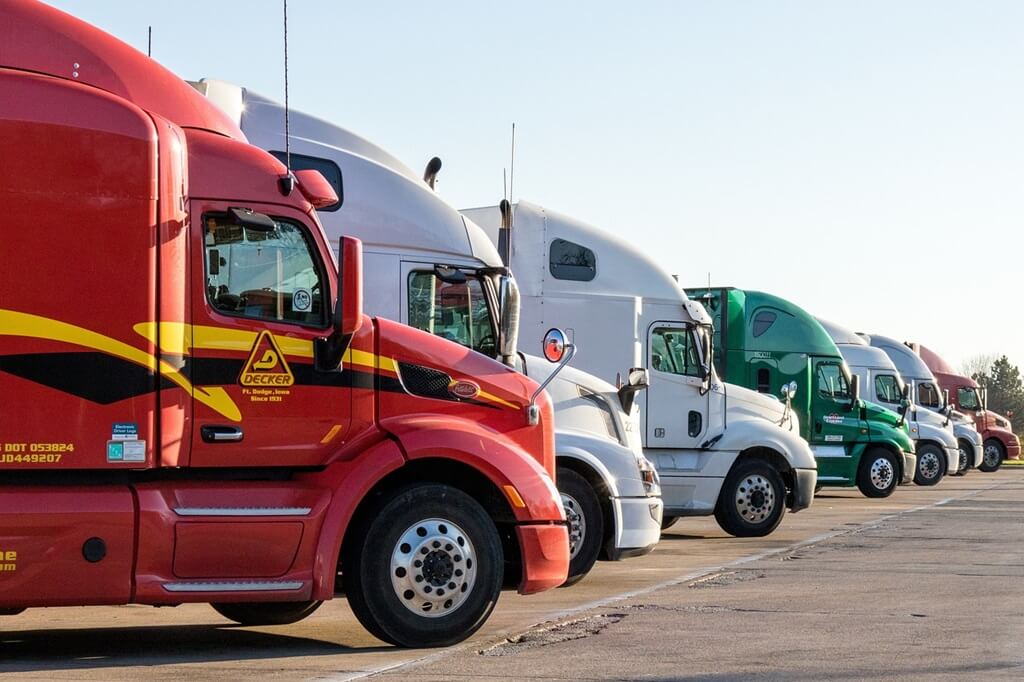
    The trucking industry faces a critical challenge that offers a unique business opportunity for smart entrepreneurs. With a severe shortage of accessible parking for commercial trucks across the United States, starting a truck parking business has become an increasingly attractive venture.

    Let’s explore why investing in a semi-truck parking lot is a smart move in today’s market and provide insights on how to start a truck parking lot business.

    Overview of the Truck Parking Shortage

    The current truck parking crisis in the U.S. is significantly impacting the trucking industry. According to past reports, truck drivers were losing an average of 56 minutes per day and $4,600 in direct lost compensation due to the difficulty of finding parking.

    This shortage affects drivers’ productivity and poses safety risks, as truckers are often forced to park in unsafe locations like highway shoulders or exit ramps. Accessible trucker parking is crucial for maintaining efficient supply chains and ensuring driver safety. 

    As the demand for truck transportation continues to grow, the need for adequate parking facilities becomes even more pressing. This situation creates a prime opportunity for entrepreneurs looking to enter the truck parking business.

    Understanding the Truck Parking Shortage

    The growing demand for truck parking can be attributed to several factors. The number of trucks on the road has significantly increased, driven by the growth of e-commerce and the overall expansion of the logistics industry. 

    However, this increase has not been matched by a corresponding growth in parking facilities. Many existing rest areas have been closed, further exacerbating the problem.

    The impact of this shortage extends beyond truckers themselves. It affects the entire economy, as delays in shipping and increased costs for trucking companies are ultimately passed on to consumers. 

    By solving this problem, a semi-truck parking lot business can play a crucial role in sustaining the transportation industry and the broader economy.

    Benefits of Investing in a Truck Parking Lot

    The truck parking industry offers multiple potential benefits and opportunities for property owners. One of the primary advantages of starting a truck parking business is the high demand and relatively low competition in the market. 

    With the current shortage of parking spaces, your facility is likely to see consistent usage, especially if strategically located near major transportation routes and marketed effectively. 

    This high demand translates into a steady income stream for your business. Unlike some seasonal or trend-dependent ventures, the need for truck parking remains constant throughout the year, providing a stable and predictable revenue flow. 

    This long-term profitability makes it an attractive investment option for those looking to enter the transportation services sector.

    How to Start a Truck Parking Lot Business

    To begin your journey in the truck parking business, thorough research and planning are essential. 

    Begin by researching the market to identify the best locations for your parking lot, considering factors like proximity to major highways and areas with high truck traffic. Plan your layout carefully to maximize space efficiency while ensuring easy maneuverability for large vehicles.

    Understanding and adhering to local zoning regulations is imperative. Many municipalities have specific regulations governing truck parking facilities, often restricting them to industrial zones. Familiarize yourself with these laws and obtain all necessary permits before construction.

    Key Features of a Successful Truck Parking Lot

    When designing your semi truck parking lot, prioritize space and accessibility. Ensure that your parking spaces can accommodate the largest commercial trucks, typically requiring at least 53 feet in length. Easy access from major highways is also crucial for attracting drivers.

    To be unique in the market, consider offering amenities that cater to truckers’ needs. Basic facilities like clean restrooms and showers are essential. Additional services such as fuel stations, convenience stores, or repair shops can make your lot more attractive to drivers and increase revenue streams.

    Cost Considerations and Funding Options

    Starting a truck parking business involves significant upfront costs. These include land acquisition, construction expenses, and permitting fees. Ongoing operational costs like maintenance, security, and utilities should also be factored into your business plan.

    To finance your venture, explore various funding options. Traditional bank loans, Small Business Administration (SBA) loans, or investments from private equity firms are potential sources of capital. Some entrepreneurs also consider crowdfunding or partnerships with existing trucking companies.

    You can also take advantage of numerous incentives and funding opportunities introduced by the US and state governments. With the truck parking shortage increasing over the years, many states have decided to introduce incentives for truck parking owners and businesses to help resolve the issue. 

    Marketing Your Truck Parking Lot

    In today’s digital age, establishing a robust online presence is essential for drawing clients to your truck parking business. 

    Create a user-friendly site and use social media platforms to reach potential customers. Consider listing your facility on popular truck parking apps, like our very own Truck Parking Club, to increase visibility.

    Building partnerships with trucking companies and logistics firms can provide a steady stream of customers. Networking with industry associations and attending trade shows can help you promote your business and stay informed about industry trends.

    Using TPC for Effective Truck Parking Management

    Use Truck Parking Club (TPC) to enhance the management of your semi-truck parking lot. Our platform offers a convenient way for truckers to find parking spots with or without amenities. 

    Becoming a Property Member on TPC can streamline your operations and attract more truckers to your facility. Our platform benefits property and trucker members, making it easier to manage reservations and payments. 

    This can significantly improve your parking lot’s efficiency and enhance your customers’ overall experience.

    Your Next Steps to Start a Truck Parking Lot Business

    Starting a truck parking business is a smart move in today’s market, addressing a critical need while offering the potential for steady income. Whether you’re a property owner looking to maximize your land’s potential or a trucker seeking reliable parking, Truck Parking Club is here to support you. 

    For property members, we offer a platform to connect with truckers and efficiently manage your lot. For trucker members, we provide access to a network of secure parking spots nationwide.

    At Truck Parking Club, we’re committed to making truck parking easier and more accessible for everyone in the industry.

    BECOME A PROPERTY MEMBER TODAY

    The information published herein is for general informational purposes only. Truck Parking Club does not make any representations or warranties about the completeness, reliability, legality, and accuracy of this information. Any reliance placed on such material is strictly at the user’s own risk. Truck Parking Club shall not be responsible for any losses or damages incurred in connection with the information published herein.
  • The Ultimate Truck Stop Guide: Parking, Amenities, and More

    The Ultimate Truck Stop Guide: Parking, Amenities, and More

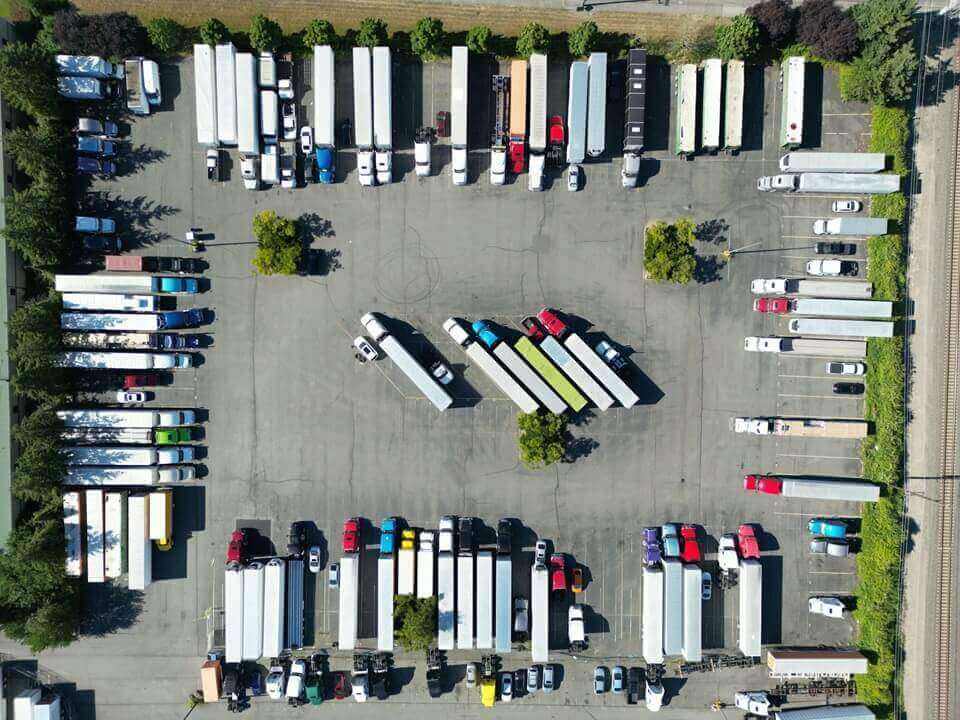
    semi trucks parked at a truck stop

    Long-haul truckers rely heavily on truck stops as essential waypoints during their journeys. These oases along the highway provide much-needed rest, refueling, and amenities to keep drivers comfortable on the road. 

    From necessities like fuel and restrooms to more luxurious offerings such as showers, restaurants, and entertainment, top truck stops have evolved to meet the diverse needs of today’s truckers. 

    This comprehensive truck stop guide aims to help you navigate the world of truck stops, find the best parking options, and make the most of available amenities during your travels.

    What is a Truck Stop? Understanding the Basics

    So, what is a truck stop? It’s a specialized service station designed to cater to the particular requirements of commercial truck drivers and other long-haul travelers. 

    These facilities provide a range of basic services and amenities, typically including fuel stations, restrooms, showers, food options, and parking areas specifically sized for large trucks and trailers.

    Truck stops come in various forms, from independently operated local establishments to large chain-operated centers found across national highways. While independent truck stops may offer a more personalized experience, chain truck stops provide consistency and reliability across multiple locations.

    Planning Your Route: Essential Tips for Finding the Best Truck Stops

    Effective trip planning is crucial for ensuring convenient and timely stops during your journey. Utilize mapping tools and specialized sites like Truck Parking Club to access real-time data on truck parking locations and parking availability along your route. 

    These resources can help you identify potential parking spots, truck stops, and rest areas well in advance, reducing stress and improving your overall driving experience. When planning your route, consider factors such as distance between stops, driving time regulations, and your personal preferences for amenities and rest. 

    It’s advisable to have at least two potential stopping points in mind for each leg of your journey – one at the outermost limit of your daily driving range and another 2–3 hours closer. This strategy provides flexibility in case of unexpected delays or changes in your schedule.

    Researching Truck Stops: Key Factors to Consider

    Before embarking on your trip, take time to research the truck stops along your planned route. Key factors to consider include:

    • Location: Ensure the truck stop is conveniently located and easily accessible from your route. 
    • Amenities: Look for stops that offer the services you need, such as showers, laundry facilities, or sit-down restaurants. 
    • Parking availability: Check if the truck stop has ample parking spaces that can accommodate your vehicle’s size.
    • Costs: Consider any fees associated with parking or using certain amenities.

    Utilize online reviews and ratings from other truckers to gauge the quality and reliability of different truck stops. These firsthand reports can provide helpful insights into the cleanliness and overall experience at each location.

    Parking at Truck Stops: Best Practices and Tips

    When it comes to parking at truck stops, following best practices can help ensure a stress-free experience. 

    For starters, always back into parking spots when possible, as this makes for an easier departure. Be aware of your truck’s dimensions and choose parking spots that can comfortably accommodate your vehicle.

    Take your time when maneuvering in the parking area, use your mirrors, and proceed slowly to avoid accidents. If possible, arrive at truck stops earlier in the day to secure a spot before they fill up, especially in busy areas or during peak travel times.

    Some truck stops offer truck stop parking reservations, which can be a valuable option for ensuring you have a guaranteed spot, particularly in high-traffic areas or during busy travel seasons. While there may be a fee associated with reserved parking, the peace of mind it provides is worth it.

    When parking overnight, be mindful of your surroundings and take the necessary precautions to ensure your security and that of your cargo. Choose well-lit areas when possible, and consider using added security efforts such as wheel locks or alarm systems.

    Amenities at Truck Stops: What to Look For

    Modern truck stops offer a wide range of amenities designed to make life on the road more comfortable. Look for stops that provide:

    • Clean showers and restroom facilities 
    • Free Wi-Fi access 
    • Diverse dining options, including sit-down restaurants and grab-and-go meals 
    • Laundry facilities 
    • Pet-friendly areas for those traveling with animal companions

    These amenities can substantially enhance your quality of life on the road, allowing you to refresh, recharge, and stay connected while you travel.

    Making the Most of Your Truck Stop Experience

    trucks parked in a line

    To maximize your time at truck stops, plan your activities efficiently. Use your rest breaks to take care of multiple needs at once, such as showering, doing laundry, and enjoying a meal. 

    Engage with other truckers when appropriate; this can be a great way to build community and gather useful tips about the road ahead. Remember that truck stops are more than just places to park and refuel. 

    They offer opportunities for rest, which is crucial for maintaining your health and comfort as a driver. If available, take advantage of amenities like fitness areas or walking trails to stretch your legs and stay active during long trips.

    Many truck stops host events or have common areas where drivers can socialize. These can be great opportunities to combat the isolation that often comes with long-haul trucking. Engaging in these events helps you establish a support network of fellow drivers and makes your time on the road more enjoyable.

    If you’re traveling with a co-driver or family members, look for truck stops that offer entertainment options such as movie rooms, game areas, or even small theaters. These amenities can provide a welcome diversion during longer rest periods.

    Truck Parking Made Simple

    If you’re using Truck Parking Club for your parking needs, our team is here to help. For any questions about using TPC or issues with reservations, don’t hesitate to contact us at (888) 899-7275

    You can also reach out to our customer support team through our online contact form for assistance in finding the perfect parking spot for your needs.

    And remember, when searching for the best truck parking spot throughout the US, Truck Parking Club is your go-to app. Become a trucker member for free today and enjoy hassle-free truck parking wherever you are!

    The information published herein is for general informational purposes only. Truck Parking Club does not make any representations or warranties about the completeness, reliability, legality, and accuracy of this information. Any reliance placed on such material is strictly at the user’s own risk. Truck Parking Club shall not be responsible for any losses or damages incurred in connection with the information published herein.