Author: Evan Shelley

  • As semi-trucks face parking crisis, the scramble is on to find solutions

    As semi-trucks face parking crisis, the scramble is on to find solutions

    fleet of blue truck
    Canva

    PARK YOUR TRAILER WITH NO HASSLE

    Store your trailer in a safe place with a state-of-the-art platform that locates trailer parking near me.

    As semi-trucks face parking crisis, the scramble is on to find solutions

    While car parking is required in most local ordinances and integral to basic community or city design, commercial truck parking is often illegal in those same areas. With insufficient or nonexistent sanctioned commercial truck parking, illegal parking in dense areas like Queens, New York, is commonplace (and highly controversial).

    For many commercial truckers, the only alternative to illegal parking is to keep driving—oftentimes further than the 11-hour limit set by the Federal Motor Carrier Safety Administration. To solve the crisis, more truck parking is needed. But whose responsibility is it to figure that out—and pay for it? Truck Parking Club dug into the semi-truck parking crisis in the U.S. and explored who’s responsible for coming up with—and paying for—the solutions.

    Every day, the average American uses products that were at some point transported by a semi-truck. These trucks travel hundreds of miles, accounting for moving more than 73% of goods in the U.S. by value. Despite being vital to the nation’s economy, however, these inconveniently large vehicles are kept out of sight and out of mind. That means when it comes to parking (and resting), the drivers responsible for transporting essential goods are faced with significant challenges.

    Two red large trucks on the highway.
    Canva

    PREVIOUSLY INACCESSIBLE TRUCK PARKING

    Take care of your truck and trailer parking needs with new locations added daily. 

    A parking double standard

    Some of the highest traffic areas for long-haul trucks are those that are the least accommodating for practical solutions. Rural states are typically better at meeting the demands of big-rig truck parking, but in more urban areas, the calculus flips, according to data from the Bureau of Transportation Statistics analyzed by Stacker. Massachusetts has about 35.5 parking spaces for every 100,000 truck miles traveled, while New York has about 57.1 spaces. Compare this with New Hampshire, where 230 parking spaces exist for every 100,000 truck miles.

    In places like New York City, where more than 70% of goods are transported by trucks, semis can only rest at very few commercial parking lots which are typically bursting to capacity. In Clark County, Nevada, there have been reports of residents placing dirt piles on vacant lots to prevent trucks from parking—an example of residents opposing infrastructure adjustments in their immediate area despite the amenities trucks provide them on a daily basis.

    In his book, “Paved Paradise: How Parking Explains the World,” Henry Grabar, a Slate journalist, argues that far too much space and resources are devoted to residential parking in the United States, a large contributing factor in the national semi-truck parking shortage. “The core distinction between the truck parking and car parking is that car parking is required by law in most jurisdictions for most land uses,” Grabar told freight market reporting agency FreightWaves. “Truck parking has become something that nobody wants in their neighborhood ever.”

    As it stands, there are over 11 truck drivers for every parking space, and a leading concern is safety. In a 2020 survey, the Federal Highway Administration found that 98% of drivers struggle to find safe parking for their trucks. In addition, they spend an average of 56 minutes a day to ensure a safe spot, according to a study from the American Trucking Associations. When they can’t find suitable parking, more than half admit to taking a risk and parking in unauthorized or undesignated spots at least three times a week. These risks can sometimes have fatal consequences: In July 2023, three passengers were killed and 14 injured when a Greyhound bus crashed into three tractor-trailers parked along an exit ramp along Interstate 70 near St. Louis.

    While there aren’t yet concrete solutions for commercial parking, things have gotten more complicated for the truckers who are looking. Drivers are only allowed to drive a maximum of 11 hours within a 14-hour window before they’re required to take a 10-hour break, according to the FMCSA. These hours of service regulations have been around since 1937, but a 2017 mandate to use electronic logging devices has made it more difficult for drivers to work around these hours and yielded no significant safety benefits. According to a study of 2017 through 2018 data, it may have even caused the opposite effect, increasing the frequency of unsafe driving for truckers in a hurry.

    For truck drivers, every minute of moving counts. Their wages rely on the miles logged each day, so limited time coupled with scarce parking has created a headache for America’s 2 million long-haul truckers.
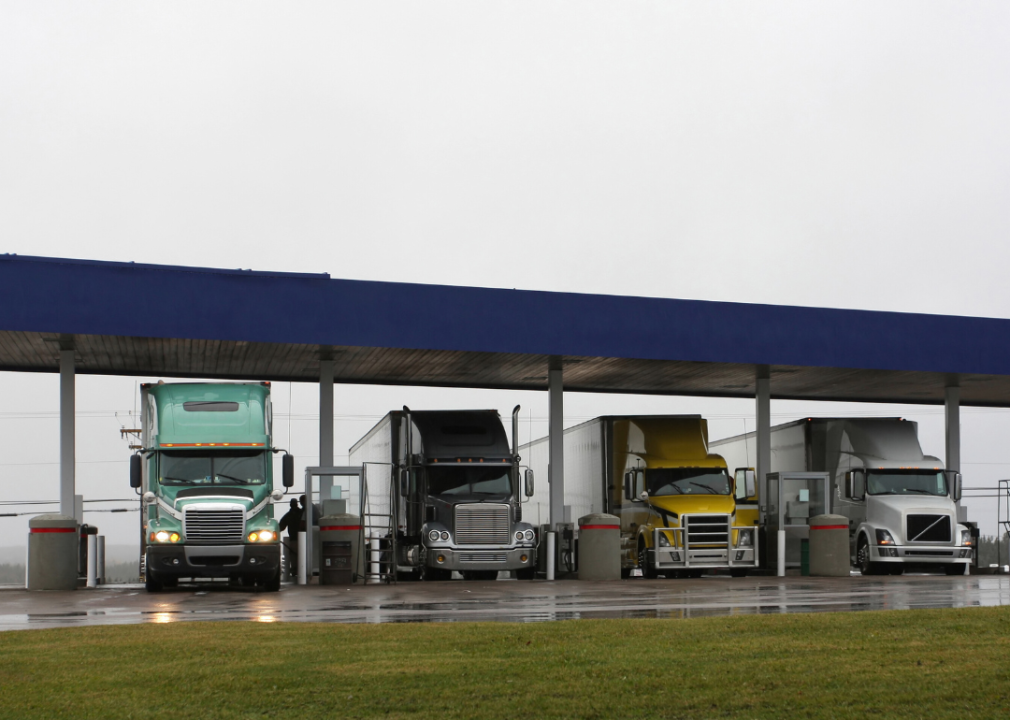
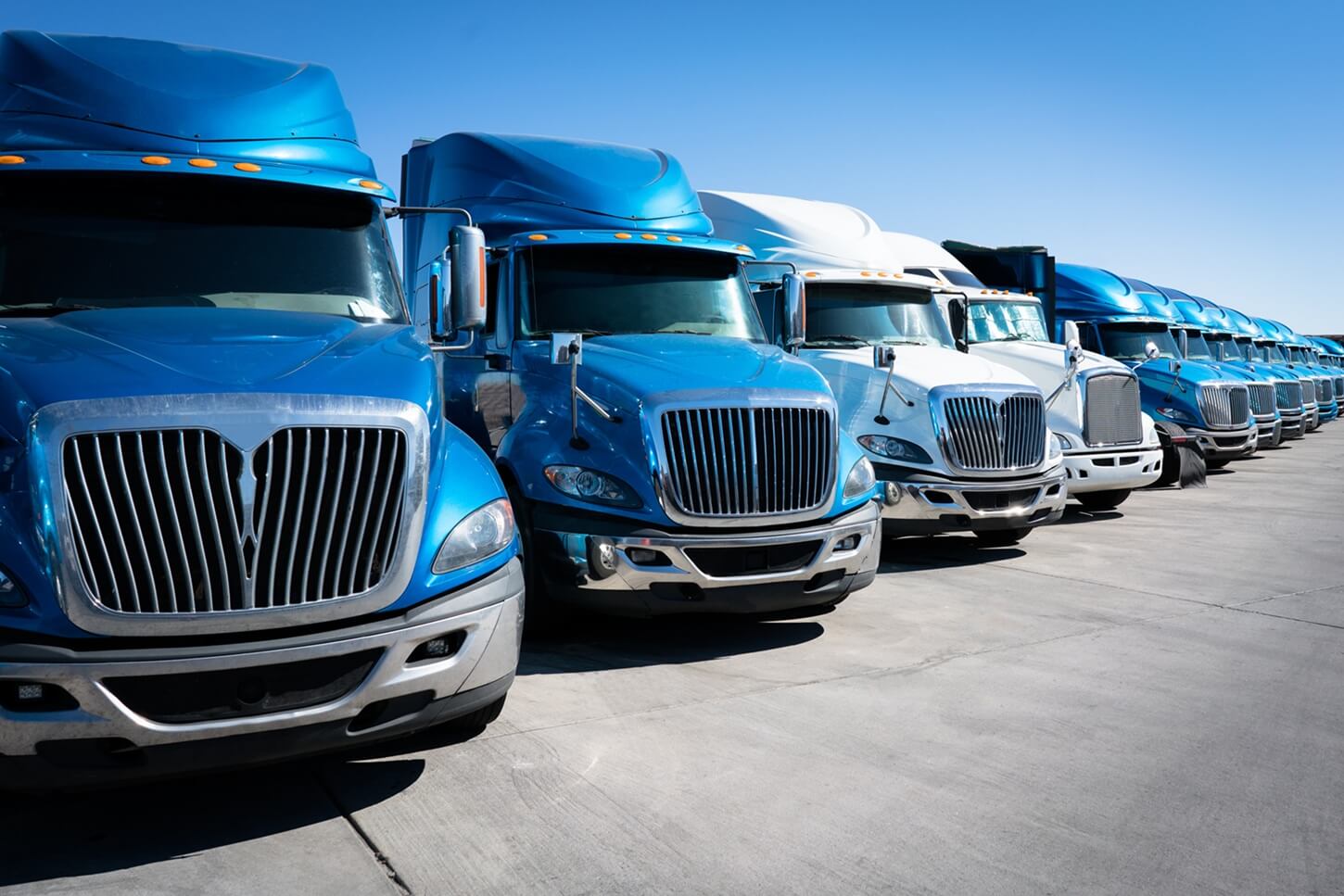
    Four large trucks parked outdoors under the blue roof.
    Canva

    FIND DAILY TRUCK PARKING IN NEARLY EVERY STATE

    On the road and looking for a daily truck parking space? Find the closest daily parking spot in a

    matter of seconds.

    Where responsibilities lie

    It’s important to remember that parking isn’t just finding a space for the truck itself. Of the lucky truckers who are able to find a space at a stop, it’s where they will eat, shower, and sleep. Beyond being considered “a national safety concern,” this is a quality-of-life issue.

    An obvious solution is to simply increase the amount of parking offered to truck drivers. What that looks like—and more specifically, who will pay for it—has yet to be determined. There are existing publicly owned rest areas and travel centers, but parking is getting harder and harder to find at these stops.

    According to survey findings shared by the Department of Transportation, many commercial truck stops typically operate at more than 100% capacity overnight, on weekdays, and between May and October. Without more public land dedicated to providing safe overnight parking and resources for truck drivers, this issue is likely to get worse. The same survey also found that about 87% of all truck parking is at private truck stops, which may cost $10 to $50 per night—a relatively steep fee for an industry working with razor-thin margins.

    Some entrepreneurs are building on this demand for parking by developing apps that allow truck drivers to book and secure their spots. If successful, this business model could become attractive, potentially resulting in more parking. Venture capitalists are skeptical, however. “We aren’t convinced these are technology businesses that can generate venture-scale returns,” Santosh Sankar, co-founder of venture capital firm Dyanmo Ventures, told FreightWaves. “It instead feels like a real estate investment that has some technology strapped on top of it for discovery and payment.”

    While the economics have yet to be threshed out, solutions are being sought at all levels of the government.

    After the passing of Jason’s Law—named after Jason Rivenburg, who was murdered while parked in an unsanctioned spot in South Carolina—lawmakers have tried to introduce a bill that aims to allot $755 million for truck parking. It has been introduced to the House, but an analysis by GovTrack only gives it a slim 35% chance of passing.

    There have been wins, too. The American Trucking Association recently praised Republican Rep. Steve Womack for including $200 million in the House Transportation Appropriations Subcommittee funding bill dedicated to expanding truck parking. The Department of Transportation also has five federal projects that will add about 1,000 parking spaces for drivers along key corridors in Florida, California, and Wisconsin. These were funded by the Bipartisan Infrastructure Law that passed Congress in 2021 and allocated through the Infrastructure for Rebuilding America program.

    States have similarly sought solutions within their jurisdiction. Washington state, for example, has directed its Department of Transportation and an investment board to study parking needs and identify opportunities to partner with cities, counties, ports, and private entities. This Truck Parking Implementation Plan is due to be submitted by Dec. 1, 2024.

    Cities have also started to make some accommodations. In New York City, city council member Nantasha Williams introduced the Trucks Resting in Urban Communities Act, which allows overnight curbside parking in 21 industrial and manufacturing zones throughout locations like Brooklyn Navy Yard, Jamaica, and the Northshore of Staten Island. In an opinion piece for Queens Daily Eagle, Williams and Kendra Hems, president of the Trucking Association of New York, advocated for the legislation by writing, “It’s the kind of smart urban planning that can keep our city and residents moving forward.”

    While pieces of legislation like these make their way through the system, residents can expect to see parked trucks in perhaps unsafe or inadvisable places—a less-than-desirable side effect of a consumer industry run on wheels.

    Story editing by Carren Jao. Additional editing by Kelly Glass. Copy editing by Tim Bruns.

    Written by: Sydney Angove

  • Interesting Trucking Industry Statistics to Keep an Eye On

    Interesting Trucking Industry Statistics to Keep an Eye On

    statistics on a laptop

    The trucking industry is the backbone of the American economy. It keeps the wheels of commerce thundering along by moving a wide range of goods across the country. The simple truth is that our nation would grind to a halt without trucks.

    If you are in the truck parking lot business, you will know that grasping trucking statistics is an important aspect of your thinking. Being fully informed of the various stats available will help you make informed, forward-thinking decisions.

    This article will examine the most important, relevant trucking industry statistics, offering a full overview of the current state of trucking and its impact on the economy and, ultimately, your truck parking lot business.

    General Trucking Industry Statistics

    The numbers behind the trucking industry paint a clear and obvious picture of its scale and significance on the American economy. Here are the broader statistics of the trucking industry:

    • Number of Trucks: Over 10.77 million trucks are registered in the United States.
    • Economic Contribution: The industry hauls goods worth around $791 billion annually.
    • Employment: Approximately 9.2 million people are employed in trucking-related jobs across the country.
    • Freight Movement: Trucks transport about 72.5% of the nation’s freight by weight.
    • Revenue: In 2021, the industry generated over $875 billion in revenue.
    • Small Businesses: Most trucking companies are small, with 95.8% operating ten or fewer trucks.

    Importance of the Trucking Industry

    The trucking industry is the unsung hero of our daily lives, ensuring that the shelves are stocked, medical supplies are available, and businesses run smoothly. It supports the economy in numerous ways, making it indispensable. 

    • Supply Chain: Trucks are responsible for transporting essential goods, from food and medical supplies to raw materials.
    • Employment: The industry provides jobs for millions, supporting families and communities nationwide.
    • Economic Growth: The movement of goods fuels economic activity and growth.
    • Connectivity: Trucks connect different parts of the country, making even remote areas accessible.

    Income and Employment

    The trucking industry offers a wide range of income opportunities, with truck drivers often earning more than the average American worker. Here’s a breakdown:

    • Average Salary: Light and delivery service truck drivers earn around $41,960 annually, while heavy and tractor-trailer drivers make about $46,370.
    • Full-Time Earnings: Full-time truckers earn $100 more weekly than the average full-time American worker.
    • Wages: The average hourly wage for truck drivers in the U.S. is $22.66.

    Taxes and Expenses

    The trucking industry is a major contributor to state and federal tax revenues, playing a huge role in funding public services and infrastructure. Here are some key figures that demonstrate its financial impact:

    • Diesel Tax: As of January 2023, the average state fuel tax for diesel was 32.7 cents per gallon.
    • Gasoline Tax: For gasoline, the state fuel tax averaged 31 cents per gallon.
    • Federal Tax: The federal tax on diesel fuel was about 24.4 cents per gallon, while gasoline was taxed at 18.4 cents per gallon.
    • Highway Use Tax: Trucking companies pay a federal highway use tax, which can range up to $550 per year for vehicles weighing 55,000 pounds or more. This tax supports the maintenance and construction of highways.
    • Toll Fees: Trucks often incur significant toll fees, with costs varying by location. For example, a typical toll for a commercial truck on the Pennsylvania Turnpike can be as high as $100 for a full-length trip.
    • Registration Fees: Trucks are subject to state and federal registration fees, which can total up to $1,500 annually, depending on the weight of the vehicle and the state of registration. These fees contribute to the administrative costs of managing transportation systems and ensuring road safety.

    Challenges in the Trucking Industry

    Again, the trucking industry is the backbone of commerce, but it is not without its hurdles. From fluctuating fuel prices to a persistent shortage of drivers, these challenges can greatly impact operations and profitability. Here are some key challenges faced by the trucking industry:

    • Fuel Prices: Rising fuel costs are a significant concern, making up 28% of all trucking-related expenses in 2022.
    • Driver Shortage: There is a persistent shortage of drivers, with the industry needing 54% of new hires to replace retiring drivers.
    • Truck Parking: The truck parking shortage is a pressing issue, ranking as the second-highest concern for truckers in 2023.
    • Insurance Costs: Insurance premiums have risen from $12,000 to $14,000 annually between 2019 and 2022.

    Regional Statistics

    The trucking industry exhibits distinct characteristics across different regions, shaped by unique economic activities and transportation demands. Each region’s infrastructure, regulations, and market conditions contribute to the diverse landscape of trucking operations. Here are some key regional statistics that highlight these variations:

    • Top Border Ports: Laredo, TX (USD 20 billion), Detroit, MI (USD 10.7 billion), and Port Huron, MI (USD 6.9 billion) are the busiest truck border ports.
    • Freight Value: In North America, freight transported was valued at USD 85.5 billion in 2022, up from USD 73.9 billion in 2021.
    • Regional Employment: The Midwest region employs the highest number of truck drivers, with over 900,000 drivers, followed by the South, with approximately 800,000 drivers.
    • Infrastructure Investment: The Northeast region invests significantly in road infrastructure, with annual expenditures exceeding USD 15 billion to support heavy truck traffic.
    • Goods Transported: The West Coast region leads in transporting agricultural products, accounting for over 60% of the nation’s produce transport.
    picture of a highway

    Owner Operators

    Independent drivers often run their own small businesses, facing tough challenges and reaping the rewards of their hard work through generally higher wages. Here are some key statistics and insights about owner-operators in the trucking industry:

    • Number of Owner Operators: There are about 400,000 owner-operators in the industry.
    • Income: The average median net income for owner-operators is around $70,000.
    • Military Background: 34% of owner-operators have served in the military.
    • Experience: Many have been driving for over 20 years, with an average age of 46.

    Demographics and Diversity

    The trucking industry is diverse, with a range of drivers from different backgrounds:

    • Gender: 86% of truck drivers are male, while 14% are female.
    • Ethnicity: 72% of truckers are white, 12% are black, and 8% are Hispanic or from other ethnic backgrounds.
    • Age: The majority of truck drivers fall into the 35-54 age range, with 8% aged 16-24, 17% aged 25-34, 21% aged 35-44, 26% aged 45-54, 21% aged 55-64, and 7% aged 65 and over.

    Types of Goods Transported

    Trucks are the lifeline of the economy, moving an impressive range of goods that keep various sectors thriving. From everyday essentials to specialized products, the diversity of items transported by trucks hints at their crucial role in maintaining the flow of commerce. Here are some key statistics and insights about the types of goods transported by the trucking industry:

    • Top Goods: Clothing, food, furniture, machinery, and electrical goods are among the top transported items.
    • Refrigerated Trucks: 90% of food in the U.S. is transported by refrigerated trucks.
    • Freight Weight: 72.5% of the freight moved in the U.S. is transported by trucks.
    • Agricultural Products: Over 60% of agricultural products, including grains, vegetables, and fruits, are transported by trucks, ensuring fresh produce reaches markets nationwide.
    • Medical Supplies: Trucks play a critical role in the healthcare sector, transporting medical supplies and pharmaceuticals, which make up a significant portion of the freight moved.

    Costs in the Trucking Industry

    Various costs are associated with running a trucking business:

    • Driver Wages: Currently account for 32% of all trucking-related costs.
    • Fuel Costs: Fuel represents 28% of expenses for typical trucking companies.
    • Insurance: Rising truck parking business insurance premiums are a significant expense.
    • Miscellaneous Costs: These include mechanical, logistical, maintenance, permits, and tolls.
    • Truck and Trailer Payments: Payments for purchasing or leasing trucks and trailers make up about 14% of the total costs.
    • Driver Benefits: Health insurance, retirement plans, and other benefits account for roughly 10% of the expenses.
    • Repair and Maintenance: Regular maintenance and unexpected repairs can account for a significant portion of the budget, ensuring that trucks remain in good working condition.
    • Licensing and Regulatory Fees: Compliance with various state and federal regulations requires payment of licensing and regulatory fees, which can be substantial for trucking companies.

    Industry Trends and Forecast

    The trucking industry is continuously evolving, with several trends shaping its future:

    • Technology: The adoption of trucking technology, such as electronic logging devices (ELDs) and telematics systems, is improving operations and compliance.
    • Sustainability: There is a growing shift towards greener practices, including the use of electric and hybrid trucks.
    • Automation: Autonomous trucking technologies are being developed for long-haul transportation.
    • Driver Safety: Increasing investment in driver training programs and improved working conditions.

    Bottom Line

    While the trucking and transport industry faces challenges like driver shortages and rising costs, the general outlook remains positive through various innovations and growth in specific areas. With advancements in transport industry technology and a wider focus on sustainability, the future of trucking looks really quite promising. 

    Either way, whether you’re already operating a parking lot or have unused space, Truck Parking Club can help you maximize your property’s potential. By listing your lot with us, you can provide truckers with reliable parking solutions while generating additional income. 

    Join our community today and turn your parking space into a valuable resource for the trucking industry.

    The information published herein is for general informational purposes only. Truck Parking Club does not make any representations or warranties about the completeness, reliability, legality, and accuracy of this information. Any reliance placed on such material is strictly at the user’s own risk. Truck Parking Club shall not be responsible for any losses or damages incurred in connection with the information published herein.

  • Is the solution to the truck parking shortage as simple as an app?

    Is the solution to the truck parking shortage as simple as an app?

    Vitpho // Shutterstock

    PARK YOUR TRAILER WITH NO HASSLE

    Store your trailer in a safe place with a state-of-the-art platform that locates trailer parking near me.

    With trucks carrying more than 70% of America’s freight by weight, they’re an essential part of the nation’s transportation of goods. The long-haul drivers behind the wheel, who are responsible for getting those goods from point A to point B, are also essential. They often have grueling routes that require them to sleep in their cabs while driving cross-country—if, that is, they can find a place to park.

    Confronted with strict work and rest hours regulations, many truckers, unable to find safe parking, resort to parking on the side of highways. Those who choose not to do so are forced to continue driving with the risk of fatigue and drowsiness-related accidents.

    The nation’s truck parking shortage has become a severe problem, with 98% of drivers reporting difficulty in finding safe parking spots, according to the Department of Transportation. But truck parking isn’t just an industry issue. Providing ample parking for truck drivers can ease congestion, improve safety for all motorists, and help communities comply with zoning ordinances as e-commerce and the transportation of goods becomes an increasingly important part of the economy.

    To help tackle parking challenges for truck drivers, Truck Parking Club compiled examples of technology solutions for safe semitruck parking in the United States.

    Awareness of the shortage of truck parking was raised in 2012 by “Jason’s Law”, enacted and named in honor of a driver who was murdered while spending the night at an abandoned gas station. The law prompted a national survey and assessment for truck parking while expanding federal funding potentially devoted to truck parking. Parking issues still persist—but high-tech solutions are on the horizon.

    So far, industry leaders and state transportation departments have proposed innovative solutions. Adding parking spots along busy trucking corridors such as I-90, taking advantage of existing parking infrastructure that isn’t being utilized 24/7, and using vacant land along mountain passes for truck parking are among some of the current proposals from the Washington State DOT.

    A trucker consults his smartphone inside his truck.
    Hakase 420 // Shutterstock

    FIND DAILY TRUCK PARKING IN NEARLY EVERY STATE

    On the road and looking for a daily truck parking space? Find the closest daily parking spot in a

    matter of seconds.

    Technology presents real-time solutions for truckers

    Both federal and state governments are offering grants to help researchers develop solutions for truck parking shortages. These initiatives are often driven by new technology and data-driven insights, giving commercial truck drivers greater visibility into available parking spots.

    Researchers at the University of Connecticut’s Transportation Safety Research Center are developing an app to help truckers find a spot for their vehicles while they rest. The project is backed by a $1.46 million federal grant. If successful, this app could significantly reduce the number of truckers parking in unsafe conditions along the shoulder and on highway entrance and exit ramps, improving safety for all motorists.

    Researchers hope the application will offer users real-time information on the availability of commercial vehicle parking through data gathered from in-ground and infrared sensors, video cameras, radar, and laser scanners.

    The National Center for Sustainable Transportation at the University of California, Davis, under a DOT grant, has been working on a series of algorithms that will aid trucking industry planners with planning trips to better ensure that truck drivers are more evenly distributed across available rest areas, alleviating competition for parking.

    The algorithms operate as a coordinating system, allowing planners to proceed with their choice of parking spots should supply meet demand. Should supply not meet demand, the system would use dynamic pricing to incentivize planners to opt for other low-priced parking spots, easing demand for popular parking spots and encouraging better planning.

    The system relies on on-demand information from industry planners and parking availability information from parking spot managers to function.

    The Center for Transportation Studies at the University of Minnesota has developed a comprehensive multiview camera-based system for assessing truck parking availability 24/7. The nonintrusive detection system is complemented by a notification infrastructure that notifies parking facility managers and other stakeholders of traffic upstream, with a reported accuracy of more than 90%. Drivers are notified of parking availability down the routes they’re traveling.

    As part of the Bipartisan Infrastructure Law, the Biden administration announced in 2023 the earmarking of $80 million in grant awards toward research to mitigate issues caused by truck parking shortages.

    While technology-based solutions can bridge information gaps between supply and demand, they only ease the symptoms of the problem—a lack of available parking spots in areas with high truck parking demand (such as the Northeast). Industry officials and regulators must also push for supply-side changes to finance the construction of more parking facilities.

    PREVIOUSLY INACCESSIBLE TRUCK PARKING

    Take care of your truck and trailer parking needs with new locations added daily. 

    Story editing by Alizah Salario. Additional editing by Kelly Glass. Copy editing by Tim Bruns.

    Written by Andrew Jose

  • Truck Parking Availability in 2021 vs. 2023

    Truck Parking Availability in 2021 vs. 2023

    truck during the sunset

    In recent years, the national truck parking shortage has received considerable attention. Insufficient truck parking, combined with the Hours of Service regulations, has inconvenienced truck drivers and sometimes even forced them into dangerous situations.

    Since truck drivers may only legally drive a certain number of hours each day, they must stop at some point, regardless of whether or not there is space for them at the local truck stop.

    Have we seen any improvement in truck parking availability over the last few years? Let’s find out.

    Truck Parking Availability in 2021

    In 2021, truck parking was at a particular low. The national average for availability was 40.7% between 11:00 and 14:00. However, it’s worth mentioning that only specific truck drivers seek parking during those hours. Even though this number is high, it’s ludicrously low compared to the figures for peak hours.

    Between the hours of 19:00 and 22:00 when many more truckers are taking their sleeper berths, the national truck parking availability dropped to only 17.1%. 

    Some states had better availability than others, with Montana having up to 82.5% availability between 11:00 and 14:00. During those same hours, Nevada only had an availability of 58.5%.

    The same was true during the evening hours, with Montana’s truck parking availability at 69.7% between 19:00 and 22:00. During the same timeframe, Florida’s was only 27%.

    Truck Parking Availability in 2023

    In 2023, the truck parking shortage saw some significant improvements. The average national truck parking availability between 11:00 and 14:00 improved by an impressive 16.3%, bringing it up to 64%.

    Between 19:00 and 22:00, the improvement was even more significant, at nearly 22%. This brought it up to 38%, which, while still not great, is much better than 17%.

    In 2023, the number of truck drivers unable to find a parking space dropped to 9% (during the 11:00-14:00 time slot), a decline of 7.7% from 2021. The 19:00 to 20:00 time slot dropped nearly 25%, bringing it down from 50.6% to 26%.

    As far as state specifics are concerned, some states still performed better than others. For instance, Montana had 73.9% availability between 11:00 and 14:00, while Montana had 82.5%. It’s certainly less of a dichotomy, but it’s there nonetheless. Between 19:00 and 22:00, Montana had 69.7% availability, while Oregon only had 58.6%.

    The inevitable conclusion is that truck parking availability increased between 2021 and 2023. But why? We’ll examine the factors below.

    Factors Causing an Increase in Truck Parking Availability

    Over the last five years, government-owned and private initiatives have worked hard to solve the truck parking shortage. But what are some of the factors leading to the difference in results between 2021 and 2023? Let’s look into it.

    A Boom in Privately-Owned Truck Parking

    Since it became apparent that the truck parking shortage was a significant problem, many private individuals have stepped up to the plate and opened up unused land and parking spaces for use by truck drivers. 

    Not only has this helped to alleviate the truck parking shortage, but it has also boosted local economies by providing an additional source of income for local residents.

    One way that people are doing this is by using the Truck Parking Club App to register their available properties for use by truck drivers. In so doing, truck drivers have been given access to a myriad of parking spaces that they can’t access elsewhere. 

    This type of privately owned parking initiative has made a considerable dent in the parking shortage.

    New Government Initiatives

    Several new initiatives are currently in the works to help alleviate the truck parking problem, and they are slowly coming into effect. 

    For instance, Florida has been implementing a Truck Parking Information System in the form of the Truck Parking Availability System, or TPAS, which lets truck drivers know where space is available before they ever arrive.

    Other initiatives have included the construction of several additional truck parking areas along Interstates.

    A Decrease in Freight Volume

    In 2021, many businesses and regions were in recovery mode. As a result, many places were ordering, and sending, immense volumes of stock. However, in 2023 the freight volumes were lower, leading to more abundant truck parking availability.

    Final Thoughts

    It’s clear that there has been a significant increase in truck parking availability over the last few years. However, we’re still nowhere near where we need to be in terms of having sufficient truck parking availability.

    If you want to ensure that you have the best possible chances of finding truck parking in your area, register for Truck Parking Club. Registration is free, and you will have access to a wide range of truck parking spots that aren’t listed elsewhere.

    The information published herein is for general informational purposes only. Truck Parking Club does not make any representations or warranties about the completeness, reliability, legality, and accuracy of this information. Any reliance placed on such material is strictly at the user’s own risk. Truck Parking Club shall not be responsible for any losses or damages incurred in connection with the information published herein.

  • Trucker’s Guide to Improving Mental Health

    Trucker’s Guide to Improving Mental Health

    truck driver

    The life of a trucker is one of freedom and responsibility. But this independence comes with a unique set of challenges. Long stretches of solitude, irregular sleep patterns, and the pressure of tight deadlines can all take a toll on your mental well-being.

    This guide is designed to equip you with the tools and strategies to prioritize your mental health while on the road. Learn about the proactive steps you can take to navigate the challenges and ensure a safe and productive journey.

    Challenges for Truck Drivers’ Mental Health

    Truck drivers are more susceptible to mental health concerns compared to the general population. Studies have shown higher rates of depression, anxiety, and stress among drivers. This can be attributed to several factors:

    • Isolation and loneliness: Spending long hours alone in the cab can lead to feelings of isolation and loneliness. Social interaction is crucial for human well-being, and its absence can contribute to negative emotions.
    • Irregular sleep patterns: The demands of the job often disrupt healthy sleep patterns. Shift work, long hauls, and unpredictable rest stops can all interfere with getting the quality sleep your body needs, creating fatigue and impacting mood.
    • Stress and pressure: Meeting tight deadlines, navigating challenging road conditions, and dealing with traffic congestion can contribute to significant stress. Financial pressures and job insecurity can add to this burden.
    • Unhealthy habits: Maintaining a healthy lifestyle can be difficult on the road. Limited access to fresh food options, long periods of sitting, and a lack of time for exercise can lead to unhealthy eating habits and decreased physical activity.

    These challenges can manifest in various ways, including:

    • Difficulty concentrating
    • Irritability and anger
    • Changes in appetite or sleep patterns
    • Fatigue and low energy
    • Feelings of sadness, hopelessness, or worthlessness
    • Difficulty managing stress

    Mental Health and Truck Drivers: Strategies for a Healthy Mind

    The good news is there are a number of strategies you can incorporate into your daily routine to improve your mental health:

    Prioritize sleep

    Aim for 7-8 hours of quality sleep each night. Develop a consistent sleep schedule, even when your route changes. Create a relaxing bedtime routine and ensure your sleeping environment is dark, quiet, and cool. Consider using meditation apps or relaxation techniques to unwind before bed.

    Fuel your body with healthy food

    While fast food might seem convenient, focus on eating healthy meals. Include plenty of fruits, vegetables, whole grains, and lean protein sources. Staying hydrated is also essential, so carry a reusable water bottle and refill it regularly.

    Embrace physical activity

    Find ways to incorporate regular exercise into your routine. Simple stretches and bodyweight exercises can be done at rest stops or even in your cab. Consider investing in resistance bands to add variety to your workouts. When possible, take walks at rest stops or explore new towns on foot during longer layovers.

    Stay connected

    Social interaction is vital for mental well-being. Stay connected with loved ones through phone calls, video chats, or texting. Connect with fellow truckers through online forums or social media groups specifically for truckers.

    Practice mindfulness

    Mindfulness exercises can help you manage stress and stay present in the moment. Meditation apps offer guided meditations that can be done during breaks or when you’re parked for the night. Simple breathing exercises like box breathing can also help to calm your mind and reduce anxiety.

    Create a sense of routine

    While your schedule might be unpredictable, establishing routines for sleep, meals, and exercise can help create a sense of normalcy and reduce stress.

    Seek professional help

    Don’t hesitate to seek professional help if you’re struggling. There are mental health professionals who specialize in working with truck drivers and understand the unique challenges you face.

    Use available resources

    Many trucking companies and associations offer mental health resources for their drivers. These resources could include access to Employee Assistance Programs (EAPs), confidential counseling services, and online resources.

    Create a comfortable truck environment

    Your truck is your home on the road. Make it a comfortable and inviting space. Bring along personal items that remind you of home, invest in a comfortable seat cushion, and keep your cab clean and organized.

    Find a Safe Parking Space for Your Peace of Mind with Truck Parking Club

    Finding a safe and secure place to park your truck at the end of a long haul is crucial for both your physical and mental well-being. Here’s where Truck Parking Club comes with a solution. We provide you with information about truck parking facilities across the country. With well-lit lots, security measures, on-site amenities like showers and laundry facilities, and even discounts for members, you can enjoy all the perks of top-notch parking locations without wasting your time and fuel on finding them. 

    With Truck Parking Club, you can take the stress out of finding a parking spot, allowing you to rest and recharge in a safe environment, ultimately contributing to your overall mental and physical health. Join us today and discover the benefits of hassle-free parking space search!

    The information published herein is for general informational purposes only. Truck Parking Club does not make any representations or warranties about the completeness, reliability, legality, and accuracy of this information. Any reliance placed on such material is strictly at the user’s own risk. Truck Parking Club shall not be responsible for any losses or damages incurred in connection with the information published herein.

  • Trucker Member Interview

    Trucker Member Interview

    In today’s episode of our Truck Parking Club Interview series, Evan sits down with Robert and Sharon Porter, a trucking power couple who have been in the trucking industry for 40 years combined! The conversation focuses on their experiences with Truck Parking Club, its benefits, and potential improvements.

    What’s Today’s Episode About?

    In the third episode of our Interview Series, Evan, Robert, and Sharon talk about:

    • The origins of Truck Parking Club and the role it plays in helping truckers find reliable parking.
    • The Truck Parking Club offers exceptional customer support, and the company’s approach to customer service ensures that customers have the best experience. 
    • Robert and Sharon share some of their suggestions for the app, such as Google Earth integration, adding nearby amenities like restaurants and showers, and possibly incorporating a routing feature within the app.
    • Robert and Sharon also mention the potential benefits of including shuttle services and partnerships with food trucks for additional convenience.
    • Evan, Robert, and Sharon discuss the possibility of adding free parking locations to the app, with a focus on setting clear guidelines to prevent misuse. 
    • Evan shares plans for integrating more free parking locations and user-updated availability.

    BECOME A TRUCKER MEMBER TODAY

  • How to Stay Cool In the Summer: Tips & Good Practices for Truck Drivers

    How to Stay Cool In the Summer: Tips & Good Practices for Truck Drivers

    a semi-truck in the sun

    It might seem like a dream job to many, and it certainly does have its fair share of perks. Thundering along America’s highways with no one to answer to, surrounded by monumental scenery while listening to your favorite tunes, trucking is a vocation unlike any other. 

    But there are also a few drawbacks to driving a truck. Aside from the usual problems, such as a national shortage of parking, annoying roadworks, and unforgiving schedules, a more seasonal issue is the relentless summer heat. Despite the god given creation that is air conditioning, the heat can sometimes be a huge drag for many truck drivers. 

    Beat the Heat

    We happen to be quite fond of our trucker members here at Truck Parking Club. We would prefer it if you didn’t wither away this summer, especially given the heat wave we are experiencing right now. So, we put together a little guide on how to stay cool in the summer, with a few tips and practices for all truck drivers out there.

    Let’s get to it, starting with the most obvious tip of them all – plenty of guzzling.

    Stay Hydrated 

    Keeping hydrated is one of the most important summer driving safety tips for truck drivers, although many of you fail to drink enough of the wet stuff. Aim for at least 64 ounces, but listen to your body – you might need more in extreme heat. Carry a large water bottle with you and take frequent sips to stay hydrated.

    Avoid sugary drinks and caffeine, as they can further dehydrate you. Look for signs of dehydration, such as dry mouth, dizziness, or dark urine accompanied by a nasty whiff. If you notice any of these symptoms, increase your water intake immediately. 

    Remember, thirst is not the sole indicator of being dehydrated, so don’t wait until you feel parched to have a drink.

    Take Regular Breaks 

    When temperatures soar, your body needs time to cool down. So, plan to stop every couple of hours, especially during the hottest parts of the day. Look for rest areas and truck parking spots with shade where you can relax and cool off. 

    Even a short break can help lower your body temperature and reduce the risk of heat exhaustion, so try to use these breaks to stretch your legs, rehydrate, and rest. Slowing down and taking it easy can prevent overheating and keep you focused. Remember, your safety and comfort are more important than racing against the schedule, so don’t hesitate to pull over when you need a break.

    Use Sun Protection 

    Protecting yourself from the sun is another crucial summer driving safety tip for truck drivers. Using visors and sunshades in your cab can make a big difference: they help block out the harsh rays, keeping the interior cooler and reducing glare. Don’t forget sunscreen, especially on your face and arms. Even through the windshield, UV rays can be harmful. 

    Wear light-colored, breathable clothing to reflect sunlight and stay cooler. Some fabrics even offer extra UV protection, while hats and sunglasses are also good options to shield your face and eyes. It might seem like a chore, but regularly applying sunscreen and staying covered helps prevent sunburn and long-term skin damage. 

    Keep Your Cab Cool 

    Air conditioning is a trucker’s best friend in the summer, but not everyone has it or likes to use it constantly. If you prefer a different approach, try using fans to circulate the air. Finding good truck parking can also make a huge difference in temperature. 

    Consider using window coverings or sunshades to block out direct sunlight. This keeps your cab from turning into an oven when parked. Another tip is to crack the windows slightly to allow hot air to escape while parked. These methods are all part of summer driving safety tips for truck drivers, helping you stay cool and focused on the road. It’s all about finding what works best for you and your truck.

    Dress Appropriately 

    Wearing the right clothes can make a big difference in staying cool in a truck. Light-colored, loose-fitting clothes are your best bet for reflecting sunlight and allowing air to circulate. Fabrics designed to wick away sweat and provide UV protection are ideal. Keeping an extra set of clothes in your cab can be helpful for those particularly scorching days. 

    Comfort is king, and dressing appropriately is an important part of summer driving safety tips for truck drivers. Stay cool, stay safe, and enjoy the journey, even in the heat.

    Summer Driving Safety Tips for Truck Drivers – Final Word

    Staying cool during summer trucking is all about preparation and smart choices. There really isn’t much more to it. Just stay hydrated, take regular breaks, use sun protection, keep your cab cool, and dress appropriately. Do those things, and you should find the tough summer heat is more bearable. 

    Ready to make things even easier this summer? With our popular, easy-to-use platform, truck drivers can browse available parking spots and book thousands of parking spaces across America.

    After all, real peace of mind comes with knowing your next stop is secured, and you don’t have to waste precious time endlessly circling busy truck stops for spaces that don’t exist. Sign up to become a Trucker Member today!

    The information published herein is for general informational purposes only. Truck Parking Club does not make any representations or warranties about the completeness, reliability, legality, and accuracy of this information. Any reliance placed on such material is strictly at the user’s own risk. Truck Parking Club shall not be responsible for any losses or damages incurred in connection with the information published herein.

  • A Quick Guide to Truck Parking Striping

    A Quick Guide to Truck Parking Striping

    yellow striping paint

    Clear parking lines are an important feature of a well-managed truck parking lot, although they are quite often neglected and overlooked. Correctly laid parking lines ensure safety and organization, making it easier for truckers to park and navigate. Without clean lines, your parking lot may look shabby (at best) or completely haphazard and even dangerous (at worst).

    Regular maintenance, including the task of parking lot striping, is a basic prerequisite of any truck parking business. Those lines must be visible and effective. Without proper markings, lots can become chaotic and dangerous, leading to accidents and frustration. 

    This guide will cover everything you need to know about parking striping, from DIY tips to when it’s best to hire a professional. Getting to grips with how to strip a parking lot will help you maintain a functional and safe space for trucks, and if you adhere to these tips, you will have a much more efficiently organized parking system in your lot.

    Why Truck Parking Striping Matters 

    Despite common belief, clear striping in truck parking lots is more than just a visual aid – it also helps direct traffic flow and reduce accidents. Trucks require wider spaces and clear directional arrows to navigate safely. Proper striping ensures that each truck has enough room, minimizing the risk of collisions and damage. Additionally, faded lines can lead to confusion and inefficient use of space. 

    Regular parking lot striping helps maintain order and maximizes the available parking area. For truck parking lots, this is even more important due to the larger vehicles and higher traffic. To that end, ensuring that lines are clearly visible and correctly positioned is fundamental to keeping the truck parking lot business functional and safe.

    DIY Striping vs. Hiring a Professional 

    When it comes to parking lot striping, you have two main options to consider: doing it yourself or hiring a professional. DIY striping can be cost-effective if you have a smaller lot and some time on your hands, but you will need the right tools, such as a line striping machine and high-quality paint. 

    However, there’s a learning curve, and mistakes can lead to uneven lines and wasted materials. In theory, the premise of striping doesn’t sound overly challenging, but in reality, it can be a little tricky.

    By the same token, hiring a professional offers several advantages. Professionals obviously have the experience and equipment to complete the job quickly and accurately, while they can also handle larger lots and ensure compliance with local regulations. 

    While it might be more expensive upfront, professional striping often saves time and reduces long-term maintenance costs. For large truck parking lots, the benefits of professional expertise usually outweigh the initial investment.

    How to Strip a Parking Lot

    Should you tackle the project yourself, the following procedures will help you successfully complete parking lot striping.

    Step 1: Decide on Parking Lot Markings 

    Any truck parking lot must have clear and precise markings, including parking lines, directional arrows, crosswalks, and reserved spots. 

    For truck parking, spaces need to be wider to accommodate larger vehicles and designated loading zones should be marked with large Xs or angled lines. Remember handicap stalls and fire lanes, which must comply with local regulations. 

    The cost of these markings can vary. Directional arrows might cost $15-$20 each, while handicap stalls can range from $50-$75, so plan your budget accordingly. Your truck parking lot insurance may cover the total cost, depending on the policy. Either way, the expense is worth it: proper parking lot striping not only helps organize the lot but also ensures safety and compliance with legal standards.

    Step 2: Surface Cleaning 

    Before starting any parking striping, you will need to prepare the surface properly. Begin by using an industrial blower to remove debris like leaves and dirt from the parking lot. This clean foundation is needed for the paint to adhere to the surface correctly. 

    Additionally, seal any cracks to prevent further damage. You can hire contractors for this task, in which case you should expect $1-$3 per square foot. Alternatively, purchase DIY materials from hardware stores like pothole filler and crack sealer. Either way, don’t skimp on this part of the process: proper surface cleaning will help the striping process remain smooth, and the paint lasts longer.

    a workman doing parking striping

    Step 3: Parking Lot Line Striping Begins 

    Once the surface is clean, you can start the striping process. This step involves using high-quality traffic paint and a line striping machine. New lines usually take a few hours to paint, while touch-ups can be quicker. 

    Again, be prepared for a learning curve if you’re doing it yourself. Precision is paramount to achieving straight lines and clear markings, and professionals often use specialized equipment with features like laser guides to ensure accuracy. Once again, we suggest an outside team is a better option here. 

    In terms of drying time, depending on the paint used, the lot should be ready for use within four hours. Plan for potential delays and downtime if you’re tackling a large area. 

    Choosing the Right Materials and Equipment 

    As a general rule, start with high-quality traffic paint. Water-based paints are great for indoor parking and dry quickly, while solvent-based paints offer durability for outdoor lots. For areas with high traffic or exposure to oil and gasoline, consider chlorinated rubber paint or thermoplastic paint, which provide extra resistance.

    Investing in a good line striping machine can make the job easier and more precise. It may seem like an unwarranted expense, but basic models are quite affordable (although they might lack features like laser guides and spray shields). Renting a high-end machine can be a cost-effective option for larger projects, allowing for professional-level results without the hefty price tag. 

    Additional tools like brushes, rollers, and stencils are essential for detailed work, ensuring every part of your lot is clearly marked and easy to work around. 

    How to Maintain Your Parking Lot

    After initial striping, inspect the lot occasionally (once each year should do it) for fading lines or damaged areas. Seasonal maintenance, like using eco-friendly deicers in winter, should help protect the paint and surface. If lines start to fade, touch them up quickly to maintain visibility and safety. 

    Regular assessments will help you determine when it’s time to re-stripe, ensuring the lot remains well-organized and easy to navigate. This is definitely something you need to get into the habit of – you might be surprised how often truck parking lot striping is neglected because of a failure to stay on top of it.

    Bottom Line

    Clear, well-maintained striping should be an insistent feature of your parking lot. It ensures safety, maximizes space, and provides a professional appearance – all of which are key to running a successful business.

    Our recommendation is to hire professionals to do the job. Those lines are extremely difficult to measure and paint accurately, and while it may seem like a simple job, it really isn’t. That said, you should be able to do a decent job yourself if you exercise patience and caution and use the right tools.

    Ready to make the most of your property? With Truck Parking Club, you can list your lot and attract more truckers looking for reliable parking. Sign up today and see how easy it is to monetize your space!

    The information published herein is for general informational purposes only. Truck Parking Club does not make any representations or warranties about the completeness, reliability, legality, and accuracy of this information. Any reliance placed on such material is strictly at the user’s own risk. Truck Parking Club shall not be responsible for any losses or damages incurred in connection with the information published herein.

  • Are Trucks Allowed to Park In Residential Areas?

    Are Trucks Allowed to Park In Residential Areas?

    truck parked in residential area

    In simple terms, the answer to this question is that it varies based on your region. Different districts, states, and even municipalities may have vastly different approaches to truck parking, including whether or not trucks may legally park in residential areas. 

    In this article, we’ll take a closer look at some of the different aspects of the contentious matter of parking a semi truck in a residential area.

    Parking Regulations

    While seeing a commercial truck parking in a residential area isn’t as uncommon as you might think, there are many things to consider regarding parking regulations.

    While there are valid reasons to allow truck drivers to park in residential areas (like the truck parking shortage), it can also be incredibly inconvenient for the residents in those areas.

    For this reason, much like sleeping on highway off-ramps or the shoulder of a road, some states strongly discourage truck drivers from parking in residential areas. Of course, a truck may sometimes park in a residential area for a short time, but this is usually a truck driver making a delivery or visiting someone in a personal capacity.

    In terms of legality, it carries significantly from one area to the next. Some municipalities may be okay with trucks parked in residential areas if specific guidelines are met. 

    Parking a semi truck in a residential area may be illegal in other municipal districts. If you’re considering parking in a residential area, it’s best to read up on the local bylaws before you do.

    Semi-Truck Parking in Residential Areas: Pros and Cons

    While many truck drivers would tout the advantages of being allowed to park in residential areas, the practice has both advantages and disadvantages. 

    In terms of truckers, being allowed to park in a residential area is often immensely convenient. It’s usually within easy reach of amenities, and residential areas are often much safer than the outskirts of towns (where truck stops are typically located).

    It may also benefit residents of these areas, as they may receive their deliveries earlier the following day than they otherwise would have. 

    However, the disadvantages of parking a semi-truck in a residential area are manifold and almost certainly outweigh the benefits. 

    For one thing, trucks are far larger than the vehicles that most inhabitants of residential areas drive. Consequently, these areas aren’t typically designed with this type of vehicle in mind. As a result of their size, trucks can lead to congestion and may even prevent people from using their driveways. 

    Trucks are also much louder than most cars, producing far more emissions than most vehicles. Both of these factors can lead to an unwelcome experience for residents, especially considering the late and early hours that truck drivers often keep.

    If trucks park in a residential area regularly, the unsightly vehicles may even lead to a decrease in the value of the properties in the area.

    Do We Recommend Parking a Semi Truck in a Residential Area?

    No, we definitely don’t recommend this practice. While it may seem like an easy solution, there are many potential complications, both in terms of legalities and in terms of inconvenience for the area’s residents. 

    It’s much better and safer for truck drivers to park their trucks at designated areas such as truck stops or certain commercial parking lots.

    Services like Truck Parking Club are useful ways to find truck parking in any given area without spending a lot of time or effort trying to find available spaces.

    Final Thoughts

    Allowing commercial truck parking in a residential area is a tricky issue, with many different opinions about it. In some neighborhoods, residents may be genuinely okay with trucks parking there. 

    Often, these areas are inhabited by people who work in the industrial arena and understand the necessity of trucks and trucking. However, in other neighborhoods, residents may not want to see semi-truck parking in their residential area.

    The truth is, there’s no right or wrong answer here. Each neighborhood is unique, and that’s why there are such significant differences between the regulations in different areas. The key here is to find a solution that works for both groups of people.

    Fortunately for truck drivers, there’s no need to struggle with parking that may not be suitable. With Truck Parking Club, you can quickly and easily find available truck parking in your area through the TPC website or application. We have access to a lot of parking spaces not listed elsewhere.

    Register for free today, and find your next parking spot with the click of a button!

    The information published herein is for general informational purposes only. Truck Parking Club does not make any representations or warranties about the completeness, reliability, legality, and accuracy of this information. Any reliance placed on such material is strictly at the user’s own risk. Truck Parking Club shall not be responsible for any losses or damages incurred in connection with the information published herein.

  • How Long Can You Park at a Truck Parking Lot?

    How Long Can You Park at a Truck Parking Lot?

    freight truck on the highway

    Alright, truckers, let’s talk turkey about one of the biggest headaches in our line of work – parking that rig of yours. You’ve been rolling for hours, your eyes are heavier than your payload, and all you want is a spot to catch some rest. But here’s the million-dollar question: how long can you actually park before you’re in hot water?

    Well, settle in because we’re about to unravel the mystery of how long you can park that truck of yours without ending up on the wrong side of the law.

    The Lay of the Land

    Truck parking lots come in all shapes and sizes, from sprawling truck stops off the interstate to compact urban lots squeezed between warehouses. Each one has its own set of rules, but there are some common threads we can pull on.

    The General Rule of Thumb

    Now, wouldn’t it be nice if there was one simple answer to how long you can park?

    Unfortunately, it’s not always that straightforward. But here’s a general breakdown to get us started:

    • Quick Pit Stop 2-4 hours – Perfect for when you need to grab a bite, take a power nap, or update your logbook.
    • Mid-Range Rest 8-12 hours – Ideal for that mandatory 10-hour break or when you’re waiting on a load.
    • Long-Haul 24 hours or more – The golden ticket for reset periods or extended waits.

    These are just ballpark figures. The real answer to “How long can I park here?” is always going to be “It depends.” But I’m going to discuss exactly what it depends on next.

    Factors That Affect Your Parking Time

    Public vs. Private Lots

    Public rest areas, those government-run spots you find along the highways, often have stricter time limits. They’re designed for short breaks and quick naps, not extended stays. You might see limits as short as 2 hours in some places.

    Private truck stops, on the other hand, tend to be more flexible. Many allow overnight parking, and some even cater to drivers needing multiple days of parking, as with Truck Parking Club.

    Location, Location, Location

    • Urban Areas: City parking spots often have shorter time limits due to high demand and local regulations. You might be looking at 2-4 hours max in some places.
    • Suburban Zones: These can be a mixed bag. Some are more driver-friendly with longer limits, while others might restrict parking to discourage overnight stays.
    • Rural Areas: Generally, rural truck stops and rest areas are more accommodating to longer stays. It’s not uncommon to find 24-hour or even multi-day parking in these areas.
    • Highway Rest Areas: These vary widely by state, but many limit stays to 8 hours or less to keep a steady turnover.

    State and Local Regulations

    Cross a state line, and the rules can change fast. Some states are known for being truck-friendly, while others… well, let’s just say they could use a lesson in hospitality.

    State-by-State Variations

    • California: Known for strict regulations, the Golden State limits rest area parking to 8 hours within any 24-hour period. They’re serious about enforcement, too.
    • Texas: Everything’s bigger in Texas, including parking allowances. Many Texas rest areas permit up to 24 hours of parking.
    • Florida: The Sunshine State is pretty draconian with its 3-hour cap at rest areas.

    Local regulations can throw another wrench in the works. Some towns and cities have ordinances restricting truck parking, especially parking overnight. Always keep an eye out for signs indicating local rules.

    Specific Truck Stop Policies

    Even within the same chain or state, individual lot policies can vary. Some factors that might influence a lot’s policy include:

    • Size of the truck spot
    • Proximity to major trucking routes
    • Local agreements or restrictions
    • Management’s discretion

    When Life Throws You a Curveball

    Sometimes, stuff happens. Breakdowns, blizzards, or that stomach bug you caught at the last diner. Many lot managers understand and might cut you some slack in emergencies. But don’t push your luck – always try to communicate if you need to overstay.

    Here are some special circumstances to consider:

    Mechanical Issues

    If your rig breaks down, many lot managers will be understanding – to a point. Always communicate with management if you’re stuck due to mechanical problems. They might be willing to extend your stay, especially if you can show you’re actively working on getting repairs done.

    Weather-Related Delays

    Mother Nature doesn’t care about parking limits. During severe weather events, many locations will relax their parking rules. Safety comes first, and no one wants to see a truck jackknifed on an icy highway because the driver was forced to leave a safe parking spot.

    HOS Compliance

    If moving your truck would violate Hours of Service regulations, explain this to the lot manager. Many will be understanding, as they’d rather have truck drivers parked safely than risk a violation or accident.

    The Price of Overstaying Your Welcome

    Now, let’s talk about what happens if you ignore those time limits. Trust me, it’s not pretty:

    Fines

    These can range from a slap on the wrist to “How am I going to make my truck payment this month?” levels. Some places start at $50 for minor infractions, while others can hit you with hundreds of dollars in fines.

    Towing

    The dreaded hook. Not only is getting towed expensive, but it’s also a massive waste of time and can put you behind on deliveries. Try explaining to your dispatcher why your rig is in an impound lot!

    Loss of Privileges

    Many truck stops and parking areas keep records. Consistently overstaying your welcome could result in being banned from that location—or even an entire chain of stops.

    Increased Scrutiny

    Some areas might increase patrols or enforcement if they see a pattern of drivers overstaying. Don’t be the reason your fellow drivers lose a good parking spot.

    Stay Smart, Park Smart

    So, how do you navigate this maze of parking rules and avoid the pitfalls? 

    It’s actually very simple – Sign up as a Truck Member at Truck Parking Club. 

    Why Truck Parking Club?

    We’re your solution if you’re tired of the parking lot hustle. We take the guesswork out of finding safe, legal spots for your truck. As a member, you can book your parking beforehand, so you’ve always got a place to rest when needed. No more circling lots or hoping for vacancies – real-time availability lets you know exactly what’s available. 

    Each lot’s amenities are clearly detailed, so you know what to expect when you roll in. You can adapt to your schedule and save some cash with flexible booking options for daily, weekly, or monthly stays. And if you ever need a question answered, the Truck Parking Club team is just a call away.

    Create Your Free Truck Member Account Today!

    The information published herein is for general informational purposes only. Truck Parking Club does not make any representations or warranties about the completeness, reliability, legality, and accuracy of this information. Any reliance placed on such material is strictly at the user’s own risk. Truck Parking Club shall not be responsible for any losses or damages incurred in connection with the information published herein.