
Author: Evan Shelley

  • Connecticut Turns to Technology to Address Truck Parking

    Connecticut Turns to Technology to Address Truck Parking

    a highway in Connecticut

    In stark contrast to several states that seem to lack urgency regarding the issue, Connecticut is beginning to make strides with innovative technology to address truck parking challenges that drivers face throughout the state and potentially beyond its borders. 

    The state’s initiative reflects a gradually increasing trend of using tech solutions to improve transportation infrastructure and safety throughout the industry. While many will greet the news with cautious optimism, the effort shows a proactive step toward addressing a longstanding, troublesome issue.

    Connecticut’s Innovative Approach

    The state is developing a truck parking app that will assist drivers traveling through Connecticut by informing them of available parking spots in real-time. While the private sector has been developing technology aimed at solving the truck parking crisis for several years, there has been less momentum on the public side until now. Connecticut’s initiative shows an interesting (if not slightly unexpected) shift, demonstrating governmental recognition of the urgent need to support truck drivers.

    The project, led by researchers at the University of Connecticut’s College of Engineering, received a substantial grant totaling $1.72 million in 2022, with the majority funded by the Federal Motor Carrier Safety Administration. This technological initiative is part of a three-year pilot project designed to create a Truck Parking Information Management System. 

    Data Driven

    The app will utilize data from the Connecticut Department of Transportation’s (CTDOT) truck parking inventory, which currently lists 30 sites and 1,224 truck parking spots, to guide truckers to available spaces. This effort not only aids drivers in planning their stops more efficiently but also contributes to their safety by reducing the time spent searching for parking – time that often leads to drivers parking in potentially unsafe conditions.

    Connecticut’s initiative reflects efforts in other regions, such as the system implemented by the Mid-America Association of State Transportation Officials (MAASTO). The MAASTO system, which involves states like Indiana and Ohio, uses digital signs along highways to indicate available parking and feeds this data into various apps and transportation websites.

    Strategic Directions

    Despite the innovative strides, expanding physical truck parking facilities in Connecticut remains challenging due to the high costs and limited availability of land, particularly near major urban areas like New York City. However, the state is exploring alternative strategies, such as encouraging private investments and public-private partnerships to increase parking availability.

    Researchers believe that insightful data gathered from GPS tracking and other sources could lead to strategic decisions about where parking expansions might be most effective. Whether this belief proves to be effective remains to be seen. Either way, this type of data could help identify current unofficial parking spots that could be formalized to improve safety and accessibility.

    Private Sector Offers Better Solution?

    Connecticut’s approach to solving truck parking problems through technology finally shows a critical shift in thinking toward the nationwide truck parking issue by integrating digital solutions into transportation management.

    However, while Connecticut’s app will likely focus on traditional locations like truck stops and rest areas, Truck Parking Club has long enabled drivers to browse for truck parking spots in real-time, including at smaller, privately owned properties, vastly increasing available options. 

    Become a trucker member today and find convenient parking spots at affordable prices with Truck Parking Club.

    The information published herein is for general informational purposes only. Truck Parking Club does not make any representations or warranties about the completeness, reliability, legality, and accuracy of this information. Any reliance placed on such material is strictly at the user’s own risk. Truck Parking Club shall not be responsible for any losses or damages incurred in connection with the information published herein.


  • Truck Parking is the Focus of New Laws in Multiple States

    Truck Parking is the Focus of New Laws in Multiple States

    gravel and flag of USA

    Across the United States, truck parking has been declared a priority for legislative action as many states acknowledge the growing need for safe and adequate parking facilities for truck drivers. This development follows the increasing concerns about truck parking shortages highlighted in national surveys and reports.

    Recently, the subject has been afforded greater attention in several states, as various government agencies and state councils debate the subject with a view to enacting new laws and regulations. 

    Recent State Legislative Advances

    In Minnesota, the issue of truck parking has gained significant attention, with the allocation of $7.75 million as part of a major spending bill signed into law by Governor Tim Walz. This funding is set for the fiscal year 2025 and aims to construct and expand truck parking facilities along Interstate 94, specifically at the Big Spunk Lake and Enfield Rest Areas. 

    An additional $4.8 million is dedicated to improving truck parking safety in the Minneapolis and St. Paul areas, supporting drivers who face challenges adhering to allotted driving hours.

    Georgia has also taken notable steps by instituting a statewide freight and logistics implementation plan that includes provisions for truck parking. The plan outlines a 20-year strategy with annual updates, focusing on widening roads and improving commercial vehicle parking and safety. A Senate study committee dedicated to examining how trucking impacts the state’s economy and supply chain spurred this legislative effort.

    New Jersey and New York Take Action

    Further east, New Jersey is considering a bill that would mandate adequate on-site parking for tractor-trailers at large warehouse developments. This bill aims to address the overflow of truck parking into local neighborhoods and integrate truck parking considerations into preliminary site planning for new developments.

    Multiple bills in New York aim to regulate truck parking more strictly by increasing fines for illegal parking in specific areas, especially in New York City. These legislative efforts seek to improve the quality of life in residential areas while addressing the parking needs of the trucking community.

    Bottom Line

    As these states demonstrate a proactive approach to resolving truck parking issues, the overall landscape of trucking logistics continues to evolve. The recognition of the necessity for improved truck parking facilities hints at a slow but much-needed shift towards better supporting the needs of truck drivers and the logistics sector.

    At Truck Parking Club, we understand the daily challenges truckers face. Our mission is to provide secure and convenient truck parking spaces across the country. 

    Become a trucker member today and discover how easy and stress-free finding great truck parking can be, ensuring you’re supported wherever the road takes you.

    The information published herein is for general informational purposes only. Truck Parking Club does not make any representations or warranties about the completeness, reliability, legality, and accuracy of this information. Any reliance placed on such material is strictly at the user’s own risk. Truck Parking Club shall not be responsible for any losses or damages incurred in connection with the information published herein.

  • Advocating for Better Parking and Facilities for Women in Trucking

    Advocating for Better Parking and Facilities for Women in Trucking

    female truck driver

    For many women truck drivers, the road to equality in the trucking industry involves more than just equal pay and opportunities; it also encompasses the availability of safe parking and accessible restroom facilities. As the industry sees an increasing number of female truck drivers, the demand for improvements in these areas is becoming more vocal.

    Challenges on the Road

    While many female truckers have always been passionate about truck driving, most would say they face challenges that their male counterparts might not consider. One of the major issues is the severe shortage of truck parking spaces, which complicates finding a safe place to rest.

    Other female drivers would probably share this concern. Most women emphasize the need for well-lit, secure parking locations where they feel safe exiting their vehicles and accessing essential facilities. Currently, the scarcity of such spaces forces drivers to park in less secure, poorly lit areas, increasing their vulnerability. Safer truck parking spaces are needed for female truck drivers more than ever.

    Legislative Actions and Campaigns

    The situation has prompted actions on Capitol Hill, with initiatives like the American Trucking Association’s “Women in Motion” campaign. This campaign advocates for policies that enhance the working conditions for women in the industry, focusing particularly on parking and restroom access.

    Efforts are underway to address these issues through proposed legislation. The “Truck Parking Safety Improvement Act” seeks to establish a grant program to expand truck parking facilities nationwide. Concurrently, the “Trucker Bathroom Access Act” aims to increase the availability of restrooms, a facility critically needed by drivers during long hauls.

    Impact on Women Truckers

    Statistics from the ATA indicate that only one parking spot is available for every eleven drivers. This shortage affects the overall efficiency of trucking operations – not to mention the drivers’ ability to maintain professional and safe working conditions. The challenge is compounded for women, making the need for more dedicated truck parking spaces urgent.

    Final Thoughts

    As the trucking industry evolves with various technologies, it is absolutely imperative that it becomes more inclusive and accommodating for drivers of all genders. By investing in better parking infrastructure and facilities, the industry can ensure that women truckers perform their jobs in safer and more dignified conditions.

    For women drivers seeking reliable and secure parking, Truck Parking Club offers numerous convenient and safe locations. Our service ensures that you can browse for truck parking spots not only in large truck stops but also in smaller, cozier, privately owned properties.

    All listings are presented in real-time and cover thousands of locations across the United States. Bookings can be made at the last minute or up to one month in advance, and if you have never used the service before, you might be surprised at how reasonably priced it is. 

    Join Truck Parking Club today and experience the ease of finding convenient, affordable truck parking spots.

    The information published herein is for general informational purposes only. Truck Parking Club does not make any representations or warranties about the completeness, reliability, legality, and accuracy of this information. Any reliance placed on such material is strictly at the user’s own risk. Truck Parking Club shall not be responsible for any losses or damages incurred in connection with the information published herein.

  • Georgia Explores Trucking Infrastructure with Freight Plan

    Georgia Explores Trucking Infrastructure with Freight Plan

    trailer truck on road

    Georgia has introduced a comprehensive freight and logistics implementation plan in a strategic move to improve transportation infrastructure, encourage road safety, and address supply chain issues related to the current truck parking crisis. On May 6, 2024, Governor Brian Kemp signed a pivotal bill that outlines a 20-year initiative designed to upgrade critical transport facilities, including truck parking.

    Comprehensive Approach to Transportation

    The newly signed legislation mandates annual reports to state lawmakers detailing progress on key projects. These projects encompass widening interstates, enhancements to non-interstate arterial roads, and upgrades to multimodal transport capacities. A focal point of the initiative is the expansion of commercial vehicle parking, addressing a crucial need for more truck parking spaces within the trucking industry.

    This legislative development originated from a Senate study committee dedicated to examining the broader implications of trucking issues on Georgia’s economy and supply chain networks. The committee’s extensive discussions culminated in a detailed report laying the groundwork for the new law.

    Focus on Truck Parking

    One of the primary concerns highlighted by the committee was the inadequate supply of truck parking in Georgia, which poses a huge challenge for drivers who often struggle to find safe resting spots. The new law aims to solve this issue by enhancing truck parking facilities across the state, improving the safety and productivity of freight operations.

    The Georgia Department of Transportation is set to collaborate closely on this initiative, focusing on expanding truck parking capabilities and reducing instances of unauthorized parking. This move is expected to support truck drivers by providing more accessible and safer parking options.

    Georgia’s action may serve as a model for other states dealing with similar challenges. Its comprehensive approach highlights a proactive commitment to supporting the trucking industry, which is vital for maintaining the flow of goods and services throughout the country.

    Improved Connectivity and Collaboration

    As Georgia advances its freight and logistics implementation plan, there is a growing emphasis on improving cooperation and connectivity among different sectors within the transportation industry. This effort aims to streamline processes and ensure that truck parking expansions and safety improvements are well-coordinated across various agencies. By strengthening relationships with local governments and private sector partners, Georgia aims to build a more cohesive network. 

    These partnerships are crucial for pinpointing areas that need improvement, such as underused locations that could be developed into valuable truck parking facilities. This comprehensive strategy strengthens the state’s infrastructure and promotes a sustainable development path for the trucking industry.

    Final Thoughts

    Georgia’s new freight and logistics plan is a much-needed step toward modernizing its transportation infrastructure to better serve the trucking industry’s needs. By expanding truck parking facilities and increasing road safety, the state hopes to set a precedent for future transportation policies nationwide.

    Truck Parking Club offers a wide range of options for truck drivers looking for reliable parking solutions. Our platform helps drivers browse for available parking spots across numerous locations, ensuring they have access to secure and convenient parking. 

    Join Truck Parking Club today for stress-free truck parking solutions at affordable rates.

    The information published herein is for general informational purposes only. Truck Parking Club does not make any representations or warranties about the completeness, reliability, legality, and accuracy of this information. Any reliance placed on such material is strictly at the user’s own risk. Truck Parking Club shall not be responsible for any losses or damages incurred in connection with the information published herein.

  • Helpful Truck Parking Tips During Summer

    Helpful Truck Parking Tips During Summer

    semi truck on the road during summer

    As summer rolls in and days become longer and hotter, truck drivers face the unique challenge of dealing with high temperatures on the road.

    This might not seem like a massive challenge at first, but managing your truck and finding the right parking spots can make a huge difference in staying comfortable and avoiding potential issues during hot summer days. 

    Here are ten essential truck parking tips to help you navigate the summer heat and ensure your truck stays in top condition.

    #1 Look for Shaded Spots

    Finding shaded areas to park your truck can significantly reduce the temperature inside your cab and trailer. 

    Whenever possible, look for trees, buildings, or other structures that can provide some respite from the direct sunlight. This not only keeps the interior cooler but also helps protect your equipment from heat damage. 

    #2 Choose Parking Locations with the Right Amenities

    Finding shaded spots is one thing. Another is ensuring that the parking facility you choose has the right amenities to help you stay cool and comfortable. 

    Opt for truck parking spots with showers. Locations with bars or stores are also a great option, allowing you to cool yourself in an air-conditioned interior and stay hydrated with cold drinks. 

    Finding such spots, however, can be tricky, so be sure to leverage Truck Parking Club and browse the best parking spots by filtering by trucker-friendly amenities. 

    #3 Use Sunshades

    Sunshades or windshield covers are invaluable during the summer months. By blocking out direct sunlight, they help reduce the temperature inside your truck and protect your dashboard and seats from sun damage. 

    They are an easy and effective way to keep your cab more comfortable, coming in handy, especially when you can’t find a shaded spot to park your rig. 

    #4 Utilize Reflective Covers

    Reflective covers can be placed on your truck’s exterior and windows to deflect sunlight and reduce heat absorption. These covers are especially useful for long stops, as they help keep your truck’s overall temperature down and protect it from the intense summer sun.

    #5 Park on Cooler Surfaces

    Whenever possible, opt for parking on grass or gravel instead of asphalt. These surfaces tend to be cooler and can reduce the amount of heat radiating into your truck. This is a small change, but it can have a significant difference in the overall temperature inside your rig. 

    #6 Keep Your Cooling Systems in the Best Shape

    Your truck’s cooling system is your best friend during the summer. Regularly check the radiator, coolant levels, and other components of the cooling system to prevent overheating. Keeping your cooling system in good shape is essential for avoiding breakdowns and ensuring your engine runs smoothly.

    #7 Keep Your Windows Slightly Open at Night

    Leaving a small gap in your windows can facilitate ventilation, allowing hot air to escape and cooler air to circulate. This simple step can significantly reduce the heat buildup inside your truck at night, making sleeping inside more comfortable and bearable. 

    #8 Stay Hydrated

    Hydration is key to maintaining your focus and health on the road. Always have a sufficient supply of water in your cab and park in locations with bars, gas stations, or nearby stores where you can quickly replenish your supply. Drinking water regularly helps you stay alert and reduces the risk of heat-related illnesses.

    #9 Use Auxiliary Power Units (APUs)

    Auxiliary Power Units (APUs) can be a lifesaver during hot weather. They allow you to power air conditioning and other electrical systems without running the main engine. This not only saves fuel but also reduces wear and tear on your truck while keeping you cool and comfortable when parked. 

    #10 Plan Your Stops Wisely

    Timing is everything when it comes to planning your breaks. Aim to take your breaks during the cooler parts of the day, such as early morning or late evening. Avoiding the peak heat helps reduce the stress on both you and your truck, making your journey safer and more pleasant.

    Stay Cool in the Summer with Truck Parking Club

    The hot and long summer days can be incredibly challenging for truck drivers. However, applying the above tips should be more than enough to make those difficult months much more comfortable when parking your rig. 

    Create your trucker member account with Truck Parking Club today and improve your summer parking strategy by finding appropriate truck parking spots!

    The information published herein is for general informational purposes only. Truck Parking Club does not make any representations or warranties about the completeness, reliability, legality, and accuracy of this information. Any reliance placed on such material is strictly at the user’s own risk. Truck Parking Club shall not be responsible for any losses or damages incurred in connection with the information published herein.

  • Charlotte Battles With Truck Parking Issues as Residents Voice Concerns

    Charlotte Battles With Truck Parking Issues as Residents Voice Concerns

    Charlotte, United States

    In Charlotte, North Carolina, the chronic shortage of truck parking has escalated tensions between truck drivers seeking rest and local residents dismayed by the large vehicles crowding their streets. This ongoing nationwide problem has triggered repeated calls for action, showing a growing struggle over urban space juxtaposing the truck parking crisis engulfing the trucking industry.

    Residents of Charlotte have been vocal about their concerns regarding tractor-trailers parking in residential neighborhoods and along the entry ramps to interstates, branding these large vehicles as “eyesores” and citing safety risks. Susie Taylor, president of the Pawtucket Community Association, expressed her frustration, noting the longstanding requests for ‘No Parking’ signs that seem to vanish into bureaucratic limbo. 

    “We’ve just been told that someone’s going to look into it. No one ever looks into it,” Taylor lamented. By the same token, truck drivers would likely argue that very little is being done to address the parking shortage.

    City Aware of Issues

    The city has acknowledged these problems, with a spokesperson from the Charlotte Department of Transportation (CDOT) stating, “The city is looking at that location to see what options there may be.” However, existing zoning laws already prohibit large commercial vehicles from parking in residential areas, a regulation echoed by the North Carolina Department of Transportation’s (NCDOT) stance that parking on highway on-ramps is illegal. However, the lack of enforcement leaves much to be desired.

    Truck driver Clarissa Rankin highlighted the practical challenges faced by drivers daily. “If you don’t like where we gotta park, then make somewhere for us to park!” she argued. Rankin’s sentiment captures the essence of the issue: a growing cityscape that prioritizes residential and commercial development while neglecting essential infrastructure for the trucking industry, such as adequate parking facilities.

    A Broader Problem

    The narrative in Charlotte’s west side, particularly along Old Little Rock Road, mirrors a far broader problem. Homeowner Ashley Tate pointed out the physical damage caused by the frequent parking of heavy trucks, including a significant pothole that posed hazards to unaware drivers. “If you don’t know it’s there, you don’t know it’s there,” Tate said, illustrating the daily risks that culminate in more than just aesthetic displeasure.

    Both truck drivers and residents would be forgiven for viewing the city response as underwhelming. While some residents have seen minor improvements, such as repairing a notorious pothole shortly after media coverage, many believe these are merely temporary fixes to a persistent problem. “If the problem is they don’t have enough parking, make that happen so this can be cleared out for us, and we can feel more safe and comfortable in our community,” Tate urged.

    Ever Increasing Demand for Truck Parking

    It remains to be seen whether the city will take substantial steps to resolve the truck parking crisis or if truckers will continue to face a scarcity of legal parking options, forcing them into precarious situations. As the city grows and the demand for trucking services increases, finding a balance between urban living and the logistical needs of truck transportation is becoming more critical than ever.

    With another discussion on this topic scheduled for the next Charlotte City Council meeting, truckers and residents are keenly waiting to see if their concerns will finally drive tangible changes or if they will once again be met with promises yielding little real-world impact.

    Alternative Solution

    Truck Parking Club offers a reliable alternative for truck drivers feeling the strain of inadequate parking options. With access to secure and strategically located truck parking spots in Charlotte and beyond, Truck Parking Club not only eases the burden of finding legal parking but also improves the quality of rest for drivers on long hauls. 
    Don’t let parking challenges slow you down. Become a member today and discover how we make parking easier and safer, one spot at a time.

    The information published herein is for general informational purposes only. Truck Parking Club does not make any representations or warranties about the completeness, reliability, legality, and accuracy of this information. Any reliance placed on such material is strictly at the user’s own risk. Truck Parking Club shall not be responsible for any losses or damages incurred in connection with the information published herein.

  • How to Defend Your Truck Against Cargo Theft at the Truck Parking Lot

    How to Defend Your Truck Against Cargo Theft at the Truck Parking Lot

    security cameras

    Cargo theft has long been a pressing issue for the wider trucking industry, often resulting in notable losses and huge operational disruptions. Last year alone, an alarming $44 million of cargo theft was recorded – and not for the whole of 2023 but for a single quarter.

    While attention to detail and good old-fashioned common sense are the trucker’s greatest allies, there are a few specific measures to reduce the chances of being burglarized. 

    Through this blog post, we shall explore the various nuances of cargo theft and examine actionable strategies to protect cargo in truck parking lots. But first, what is cargo theft, exactly? Let’s take a look before moving on to the strategies.

    What Is Cargo Theft?

    In layman’s terms, cargo theft refers to the unauthorized taking of goods in transit or temporarily storing in areas such as truck parking lots. This type of theft affects the immediate value of stolen goods and disrupts supply chains, leading to further financial setbacks for companies and consumers on a border scale. The ripple effect of cargo theft can be quite significant.

    Generally speaking, the methods employed by thieves can vary widely, from sophisticated schemes involving fraudulent documentation and identity theft to more traditional, brazen, and sometimes even aggressive approaches like breaking into parked trucks. 

    At the risk of stating the obvious, thieves are fond of expensive things, and many trucks contain valuable cargo that, once stolen, can be quickly sold on the black market. High-risk items mostly include the usual products such as electronics, pharmaceuticals, and consumer goods.

    The risks are increased in many truck parking lots, where security measures can sometimes be minimal. Thieves take advantage of the relative isolation of parked trucks, particularly in lots that lack adequate lighting or surveillance. 

    The theft often occurs at night when visibility is low, and fewer people are around to witness the act. Parking on hard shoulders, exit ramps, and abandoned properties is a recipe for disaster, and with parking spaces at a premium owing to the truck parking crisis, many are forced to do just that.

    By recognizing the common tactics used by cargo thieves and locations most vulnerable to these crimes, truckers and trucking companies can better prepare to safeguard their assets. Let’s see how.

    Building a Network Against Cargo Theft

    Creating a strong network is arguably your most important step in defending against cargo theft. Collaboration between truckers, parking lot managers, local authorities, and other drivers can massively improve security measures. 

    To do so, make an extra effort to engage with local trucking communities and law enforcement to share information and stay updated on the latest security threats. Attending workshops and training sessions can equip drivers with the skills needed to recognize and react to potential theft.

    Communication should not be overlooked, although it commonly is. Setting up a system where drivers can quickly report suspicious activities deters potential thieves and helps apprehend them if a theft occurs. Working together, the trucking community can create a safer environment that makes it difficult for thieves to operate.

    Measures to Prevent Cargo Theft

    To counteract the evolving tactics of increasingly clever cargo thieves, you might want to consider the following actionable steps derived from common challenges and solutions noted in the industry:

    1. Vet Information Thoroughly: Especially on high-risk days like Fridays when cargo theft incidents spike due to shipping deadlines. Ensure all paperwork and IDs are verified before loading or handing over cargo.
    1. Enhance Verification Processes: Whenever a new delivery direction arrives, particularly from a supposed freight forwarder, confirm the information directly with known contacts before proceeding.
    1. Leverage Technology: Implement GPS tracking on all cargo and trailers to monitor their route from departure to arrival. Advanced technology and data analytics can also help predict and identify unusual patterns that might suggest theft.
    1. Training and Awareness: Regularly train employees on the latest cargo theft schemes and encourage them to report any suspicious behavior they notice. Knowledge about the identity theft of legitimate truckers and fake freight forwarders can prevent them from falling victim to these schemes.
    1. Security Best Practices: Collaborate continuously with all stakeholders, including law enforcement and industry groups, to maintain high standards of security practices and stay informed about new threats.

    On-Road Cargo Theft Prevention for Truck Drivers

    Ensuring your truck’s and its cargo’s safety while parked at truck stops requires a more direct, hands-on approach. Here are five practical tips to enhance security when you’re on the road:

    1. Double-Check Locking Mechanisms: Ensure all doors and access points are double-locked when parked. Use high-quality padlocks, deadbolts, and electronic locks that provide strong physical barriers against unauthorized entry.
    1. Install Reliable Alarm Systems: Fit your truck with a reliable alarm system that triggers a loud siren and sends alerts to your phone if any unauthorized access or movement is detected. Consider systems that integrate with your GPS tracking for real-time monitoring.
    1. Utilize Anti-Theft Devices: Equip your vehicle with anti-theft devices such as steering wheel, brake, and tire locks. These devices act as an additional deterrent, making it physically harder for thieves to move your truck.
    1. Park in Well-Lit, Secure Areas: Always aim to park in well-lit areas under surveillance cameras. Visibility plays a crucial role in deterring potential thieves. If possible, park in designated secure parking lots that offer monitored entry and exit points.
    1. Conduct Regular Security Checks: Conduct a thorough security check before settling in for the night or leaving your truck unattended. Ensure all security devices are active and functioning. Check the vicinity for any suspicious activities and report them if necessary.

    Bottom Line

    Even accounting for the millions of dollars lost each year, cargo theft is still relatively rare in the grand scheme of things. However, it can happen, and it is definitely on the rise. Be vigilant, aware, and diligent, and you will significantly reduce your chances of becoming a victim of cargo theft.

    You can avoid a great deal of cargo theft by using a service like Truck Parking Club to find convenient, private truck parking spaces. Through our network of private property members all over America, we have thousands of spaces available in private lots. 

    If security is a concern, simply browse for a truck parking lot with a gated perimeter, good lighting, and security measures. You can do that by checking the amenities of the real-time listings. 

    Sign up at Truck Parking Club to become a Trucker Member today!

    The information published herein is for general informational purposes only. Truck Parking Club does not make any representations or warranties about the completeness, reliability, legality, and accuracy of this information. Any reliance placed on such material is strictly at the user’s own risk. Truck Parking Club shall not be responsible for any losses or damages incurred in connection with the information published herein.

  • Downhill and Uphill Truck Parking Safety Tips

    Downhill and Uphill Truck Parking Safety Tips

    steep road

    Parking on a slope can be a nail-biting experience for newer drivers, requiring a great deal of attention to detail. However, most truck drivers would not describe it as difficult; you simply need to know the basic steps for parking on a hill.

    All truck drivers will learn about parking on a slope as part of their commercial driver’s license (CDL) training. Once taught, knowing how to park a truck properly on hills becomes almost second nature – an effortless task most drivers can do on autopilot.

    But what are the steps for parking on a hill, exactly? If you have never set foot inside a cab before and are unfamiliar with the essential elements of truck driving, this article has you covered. Throughout it, we shall offer a few tips and techniques for parking a truck on a hill or gradient. 

    So, go slam on the air brake and stick it in park as we quickly run through how to park up and down a hill.

    Basics of Hill Parking for Trucks

    As you may have suspected, parking on a slope involves more than just stopping and applying the brakes. First and foremost, when parking downhill, always turn your wheels toward the curb. This prevents the truck from rolling into traffic if the brakes fail. 

    By the same token, turn the wheels away from the curb when parking uphill. This way, if the truck starts to roll, it will be directed into the curb instead of the roadway. Trucks are heavier and more challenging to control than smaller vehicles. Proper wheel positioning is crucial when parking on a slope to keep the truck from moving unintentionally. 

    Always ensure your truck is parked in the correct gear and the parking or air brake is firmly applied. These are the first steps for parking on a hill, which are vital to maintaining safety and preventing unwanted movement.

    Preparing Your Truck for Hill Parking

    Before parking on a slope, take some preparatory steps. First, choose a spot that allows you to maneuver your vehicle safely. Avoid areas with high traffic or poor visibility. Next, ensure your truck is fully stopped and put it in neutral while keeping your foot on the brake. Have an assistant place tire chocks under the wheels. These chocks act as an additional safeguard against rolling.

    Once the chocks are in place, release the brake gently until the truck rests on the chocks. Apply the parking brake and shift the truck into first gear if it’s a manual transmission (or into park if it’s automatic). Turning off the engine should be your final step. Following these steps greatly minimizes the risk of your truck moving when parked on an incline.

    How to Park a Truck | General Techniques

    Mastering how to park a truck on a slope involves a series of deliberate actions. Let’s reiterate the key techniques involved and get you parked safely:

    1. Parking Downhill with a Curb: Turn your wheels toward the curb and let the truck roll slowly until the front tire touches the curb gently. This creates a physical barrier that prevents the truck from moving forward when parking on a slope.
    1. Parking Uphill with a Curb: Turn your wheels away from the curb and allow the truck to roll back slowly until the back tire gently rests against it. Using the curb as a stopper helps keep the truck in place.
    1. Parking on a Hill without a Curb: When there’s no curb, turn your wheels toward the side of the road, regardless of whether you’re facing uphill or downhill. This ensures the truck rolls off the road rather than into traffic if it starts to move.
    1. Use of Tire Chocks: Always carry tire chocks and use them when parking on a slope. Place them under the wheels closest to the downhill side to provide extra stability.
    1. Checking Surroundings: After parking on a slope but before exiting the truck, check your surroundings for potential hazards. Ensure the area is clear of other vehicles and pedestrians – especially when parking at night. 

    Bottom Line

    Mastering how to park a truck on a slope is all about preparation and practice. By using tire chocks, properly positioning your wheels, and working with an assistant when needed, you can ensure your truck remains safe, stable, and well-paid. These steps for parking on a hill are vital for every truck driver, so if you are new to truck driving, pay extra attention to them, and you will be fine.

    For obvious reasons, it’s best to avoid parking on a slope for rest breaks. While your truck is more than likely safe, leaving it parked on a slope for several hours is never the brightest idea. 

    Instead, use a proper parking area like those offered by our very own Truck Parking Club! Our platform allows you to easily browse for truck parking spots in real-time to find safe and level spaces. This ensures your truck is secure, and you can rest without worry. 

    Join Truck Parking Club today for a hassle-free parking experience every time.

    The information published herein is for general informational purposes only. Truck Parking Club does not make any representations or warranties about the completeness, reliability, legality, and accuracy of this information. Any reliance placed on such material is strictly at the user’s own risk. Truck Parking Club shall not be responsible for any losses or damages incurred in connection with the information published herein.

  • More Truck Parking Spots Is a Good Thing. But Is It Enough?

    More Truck Parking Spots Is a Good Thing. But Is It Enough?

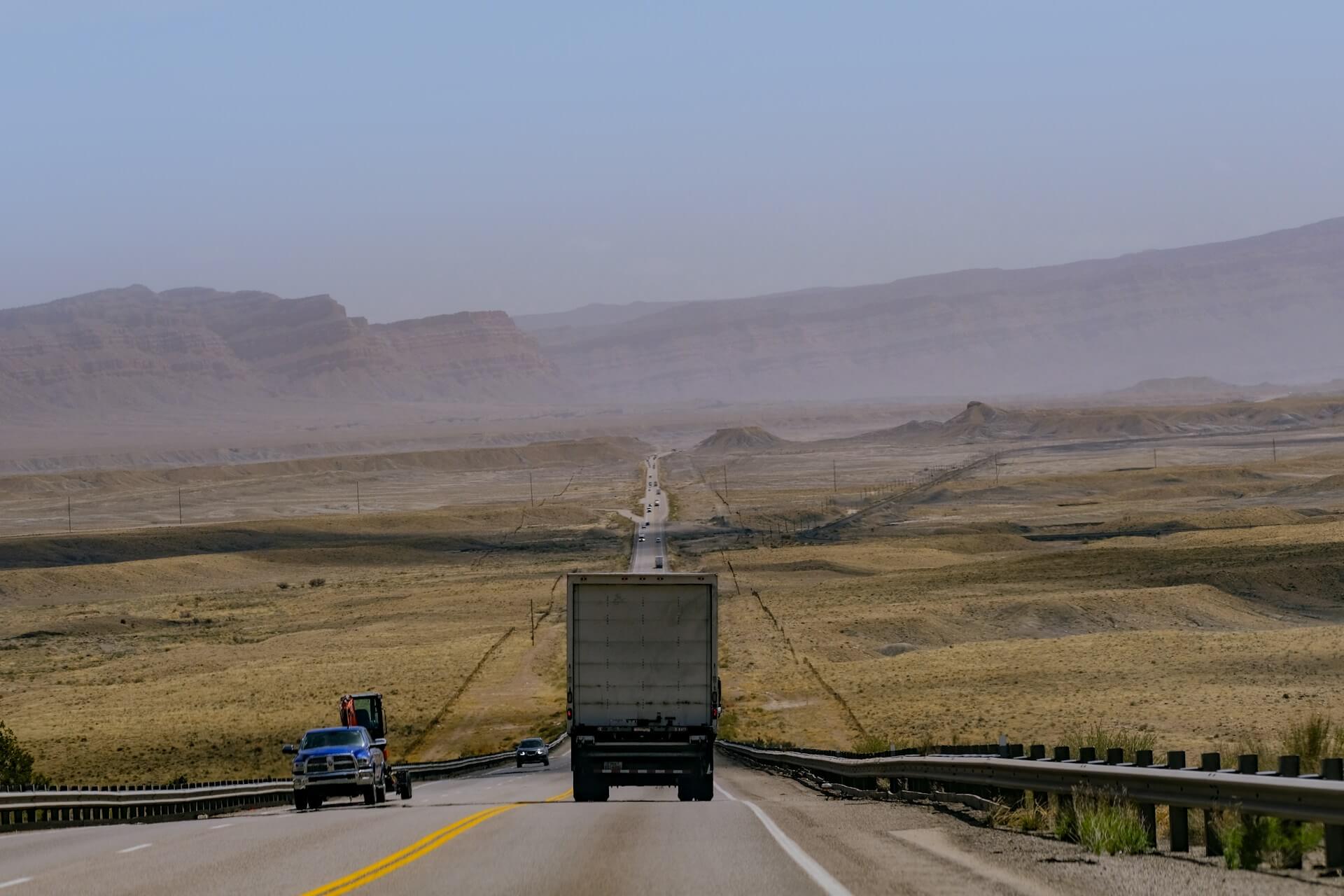
    truck on a highway

    Pilot Flying J, North America’s largest travel center operator, recently announced its ambitious plans to add 35 new locations and over 500 new truck parking spaces in 2024. The news is undoubtedly a welcome development in an industry plagued by a chronic shortage of safe and reliable truck parking.

    However, while any increase in available parking must only be viewed as a positive step, it’s important to put this news into perspective. Given that the American Trucking Association estimates a nationwide shortfall of over 11,000 truck parking spaces – equating to one parking space for every ten trucks on the road – many will argue that 500 additional spaces make very little difference to the overall issue.

    A Break With Tradition?

    You could also argue that truck stops of this nature aren’t always the ideal solution for drivers seeking rest. Constant noise, bright lights, and the general hustle and bustle of these busy hubs can make it difficult to get quality sleep. Congestion and competition for limited amenities can also lead to stress and frustration. 

    Some of the larger truck stops can also present security concerns for drivers who prioritize safety, with incidents of theft and vandalism not uncommon. More truck stops are needed urgently, but not at the expense of quality or safety. This is where a greater number of private truck stops are required. 

    Is Private Parking the Way Forward?

    Companies such as Truck Parking Club offer a fundamentally different experience, focusing on truck drivers’ well-being and peace of mind by providing quieter locations away from the grind, a type of parking that is becoming increasingly popular. Most drivers would state that smaller, more intimate truck parking lots offer an improved experience over traditional truck stops. 

    More private parking companies, providing smaller parking lots but in far greater numbers, will benefit the industry greatly, rather than the occasional overhaul of existing truck stops. Clearly, adding a few hundred spaces to large truck stops every year or two is not addressing the issue. What is needed is lots of smaller truck parking lots in multiple locations. 

    More Suitable Alternatives to Traditional Truck Stops

    While Truck Parking Club also offers a vast number of traditional truck stops available for pre-booking, listings also contain an equal number of smaller, more peaceful private parking spots, with locations that are strategically situated away from the noise and chaos of major highways in many (but not all) cases. 

    In addition, many of the Truck Parking Club locations also offer a range of amenities tailored to drivers’ needs. From clean restrooms and showers to laundry facilities and Wi-Fi access (check listings for amenities), TPC locations offer a comfortable and convenient home away from home for those on the road.

    Bottom Line

    The truck parking shortage is a deeply complex issue with no easy solutions. But as industry leaders and local councils take steps to address the shortfall, we at Truck Parking Club remain committed to providing an established alternative that puts drivers first.

    If you’re tired of the noise and stress of truck stops, consider becoming a trucker member and experience the difference a dedicated truck parking space can make. 

    The information published herein is for general informational purposes only. Truck Parking Club does not make any representations or warranties about the completeness, reliability, legality, and accuracy of this information. Any reliance placed on such material is strictly at the user’s own risk. Truck Parking Club shall not be responsible for any losses or damages incurred in connection with the information published herein.

  • States Grapple with Truck Parking Crisis, Seek Solutions

    States Grapple with Truck Parking Crisis, Seek Solutions

    no parking sign

    The nationwide shortage of safe and accessible truck parking has been slowly approaching boiling point for several years, prompting states across the country to take action. Recent legislative and regulatory efforts in several states highlight the growing urgency to address this critical issue for the trucking industry.

    In Georgia, a new bill awaiting the governor’s signature aims to tackle the parking problem head-on. However, it remains to be seen how effective the potential new bill may be, as previously enacted bills have proven ineffective.

    The legislation mandates a comprehensive, 20-year plan for freight and logistics improvements, including expanded truck parking facilities along key transportation corridors. This much-needed initiative follows a year-long study by a Senate committee that examined the economic impact of trucking and identified parking shortages as a major concern for drivers and the supply chain as a whole.


    Legislative Actions and Industry Responses


    Many industry professionals would say that passing legislation is only the first step. The Owner-Operator Independent Drivers Association (OOIDA), a leading advocate for truck drivers, has once again emphasized the need for concrete action. “We need more than just promises,” stated OOIDA spokesperson George O’Connor recently. “Truck drivers need actual spaces to park, not just words on paper.”

    The urgency of the issue is evident in all other states as well, as the truck parking crisis continues to plague every square mile of the country. In New Jersey, a bill is under consideration to require new warehouse developments to include adequate truck parking. While there is evidence of some depots, warehouses, and large facilities extending greater courtesy to truck driver parking in recent years, the industry would benefit from a broader approach in this regard.
    Harsh Enforcement Tactics?
    Meanwhile, New York is taking a less sympathetic approach, proposing increased fines for illegal truck parking in residential areas. The city, particularly Manhattan, is notorious for its lack of truck parking options, forcing drivers into risky situations or hours-long searches for a legal spot.

    This punitive measure speaks to a desperate need for more parking infrastructure in a city heavily reliant on the trucking industry for goods and services. On balance, increased fines seem unfair to an industry already suffering from the truck parking shortage.

    While these strategies reflect the complexity of the truck parking problem and the various ways policymakers are attempting to find solutions, the common thread is that the lack of parking is not just an inconvenience for drivers but a serious safety issue. Fatigued drivers forced to park in unsafe locations pose a risk to themselves and others on the road.

    The Truck Parking Club Solution


    For truck drivers struggling with this challenging environment, Truck Parking Club offers a solution that many will find extremely useful. Our network of secure, private truck parking facilities provides a reliable alternative to overcrowded rest stops and risky roadside parking.

    With Truck Parking Club, drivers can browse for truck parking spots in real time or book in advance, guaranteeing a convenient, restful, affordable spot.

    While legislative and regulatory measures are crucial, private-sector initiatives like Truck Parking Club are playing a huge role in providing immediate relief for drivers. Many see the service as an essential support system during this harsh parking climate.

    Become a trucker member today and enjoy the peace of mind that comes with knowing you have a convenient, comfortable haven whenever you need it.

    The information published herein is for general informational purposes only. Truck Parking Club does not make any representations or warranties about the completeness, reliability, legality, and accuracy of this information. Any reliance placed on such material is strictly at the user’s own risk. Truck Parking Club shall not be responsible for any losses or damages incurred in connection with the information published herein.