Category: Parking Tips

  • How to Streamline Your Fleet’s Parking Logistics

    How to Streamline Your Fleet’s Parking Logistics

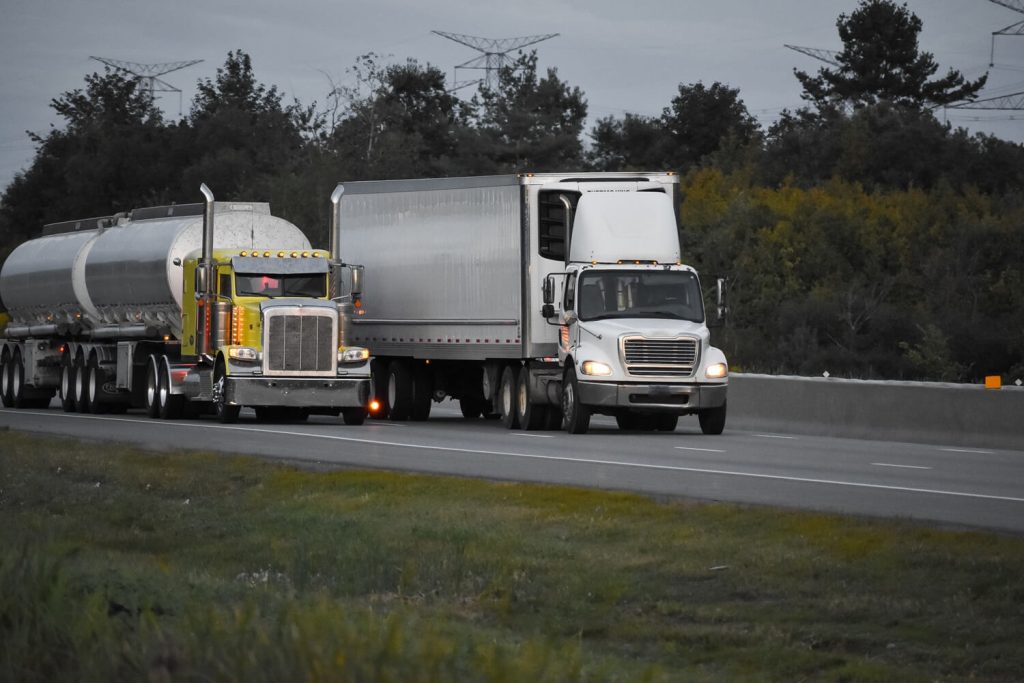
    semi truck on highway at sunset

    Parking logistics have always been a major challenge for fleet managers. As trucks fill the highways and parking spots, vanish, finding safe places for your fleet takes more planning than ever.

    While Truck Parking Club’s network of instantly reservable locations can relieve fleet managers of a huge burden, a comprehensive parking strategy needs to address everything from route planning to keeping your drivers satisfied.

    Your parking strategy touches every part of your operation – costs, compliance, security, and driver retention all hang on getting it right. Let’s look at how to turn parking from your daily puzzle into your competitive edge.

    Common Fleet Parking Challenges

    Managing parking for multiple trucks brings unique challenges that solo operators rarely face. When you’re coordinating an entire fleet, seemingly small issues can quickly multiply into major problems.

    Last-minute scrambles for spots waste fuel and eat into drive time. Drivers circle full lots while their hours tick away, turning tight schedules into impossible ones. Without reliable parking, even the best-planned routes fall apart.

    Security varies wildly between locations. Some lots offer top-tier protection, while others leave your equipment and cargo exposed. Inconsistent security standards across different locations mean fleet managers must constantly weigh convenience against risk.

    Cost control becomes tricky when your trucks park at multiple locations. Different rates, payment systems, and booking methods create a maze of paperwork. Tracking expenses across various locations and payment types can turn accounting into a nightmare.

    Driver satisfaction takes a hit when parking is uncertain. Nobody wants to end their day searching for a spot, especially when their hours are running low. The stress of uncertain parking affects driver retention and recruitment.

    Planning and Preparation

    Successful fleet parking starts with solid planning. Route analysis shouldn’t stop at delivery points – reliable parking options along the way need to be included. Looking at historical data helps identify where your trucks typically need stops and for how long.

    When possible, time your routes around peak parking periods. Just like rush hour traffic, certain times see fuller lots. If you know a particular area fills up by mid-afternoon, schedule your trucks to arrive earlier or plan alternate locations.

    Consider seasonal factors in your planning:

    • Winter weather might close some lots
    • Summer construction can block access to others
    • Tourist seasons affect availability in certain regions
    • Major events can fill parking for miles around

    Flexible booking options make planning easier. Having access to hourly, daily, weekly, and monthly reservations lets you match parking to your specific business requirements. Drop yards and relay points can transform your route planning, especially for longer hauls or multi-stop deliveries.

    Budget planning means more than comparing lot rates. Look at the total cost:

    • Fuel spent searching for spots
    • Time lost to parking issues
    • Driver overtime from delays
    • Potential cost of lot security incidents

    When searching for truck parking lots, consider what amenities your drivers need. Some routes might require basic overnight parking, while others need facilities for longer stays. Having up-front information for security features and amenities streamlines this process.

    Technology Solutions

    Modern fleet management demands modern solutions. Paper logs and phone calls to find parking spots belong in the past. Today’s technology puts reliable parking at your fingertips.

    Online booking platforms give you instant access to available spots across a wide network of locations. Instead of drivers making individual arrangements, fleet managers can oversee parking reservations and track where their equipment is parked at any time.

    Features to look for:

    • Real-time availability updates
    • Secure online payment processing
    • Clear documentation for accounting
    • Searchable amenity filters
    • Multiple booking options (hourly to monthly)

    When your parking solution connects with your operation’s needs, you spend less time coordinating stops and more time optimizing routes. Digital platforms mean faster booking, clearer records, and better visibility of your parking expenses.

    Cost Management

    Understanding your true parking costs means looking beyond basic lot rates. Hidden expenses pop up when parking isn’t properly managed – from wasted fuel searching for spots to lost hours that could be spent moving freight.

    Smart cost control starts with visibility. When you can track exactly where and when your trucks park, patterns emerge. Some routes might benefit from weekly or monthly parking contracts, while others might need flexible hourly spots near urban delivery points.

    Consider these cost factors:

    • Base parking rates
    • Fuel used while finding spots
    • Driver time spent parking
    • Security incidents and damage
    • Late delivery penalties
    • Administrative overhead

    Centralized booking helps control these expenses. Instead of dealing with multiple payment systems and variable rates, you get consistent pricing and clear documentation. This makes budgeting more accurate and helps identify where you can cut costs without compromising safety or efficiency.

    Safety and Security

    Choosing secure parking protects more than just your equipment – it safeguards your drivers, cargo, and reputation. Not all parking facilities offer the same level of protection, and knowing what to look for makes a big difference.

    Professional lots invest in comprehensive security systems. Good lighting, controlled access, and active surveillance form the foundation of a secure facility. 

    The location also matters. Urban centers might offer convenience but can bring increased risks. Industrial parks often provide better protection but might require longer trips off main routes. 

    Keep clear records of where your trucks park. When incidents do occur, proper documentation proves valuable if you ever need to file insurance claims or investigate incidents. Always consider security as an investment rather than an expense.

    Driver Support

    Your drivers are on the front lines of parking challenges. Clear policies and good communication help them make better parking decisions and reduce stress on the road. When drivers know exactly where they’ll park at the end of their shift, they can focus on driving instead of worrying about finding spots.

    Regular feedback from drivers helps refine your parking strategy. They know which lots work best and where improvements could help. Their experience with different facilities provides valuable insights for future planning.

    Support goes beyond just telling drivers where to park. They need to know what to do when plans change, or emergencies arise. Having backup options and clear procedures for different situations gives them the confidence to handle unexpected challenges. 

    Training matters too. New drivers especially benefit from understanding your parking procedures and knowing how to use booking systems effectively.

    Fleet Parking Done Right

    Running a fleet means juggling countless details, but parking doesn’t have to be one of your daily challenges. A well-planned parking strategy keeps your equipment secure, your drivers satisfied, and your deliveries on schedule. For fleet teams managing route planning, vehicle maintenance, and driver coordination, tools like fleet.care can help streamline operations and improve efficiency across the board.

    Whether you’re managing a handful of trucks or a major fleet, the principles remain the same. Plan ahead, use reliable locations, and maintain clear communication with your drivers this will keep your fleet rolling smoothly.

    Ready to streamline your fleet’s parking logistics? 

    We help fleet managers secure reliable parking across the nation. With instant bookings, real-time availability, and flexible reservation options from hourly to monthly

    Visit Truck Parking Club’s Fleet Parking page today and discover how you can improve your logistics management.

    The information published herein is for general informational purposes only. Truck Parking Club does not make any representations or warranties about the completeness, reliability, legality, and accuracy of this information. Any reliance placed on such material is strictly at the user’s own risk. Truck Parking Club shall not be responsible for any losses or damages incurred in connection with the information published herein.

  • Avoiding Predatory Truck Towing: Tips and Best Practices

    Avoiding Predatory Truck Towing: Tips and Best Practices

    a tow truck towing a semi truck

    For truckers and fleet owners, getting towed is already a time-consuming headache best avoided. Throw predatory towing into the mix, and it can soon turn into an extortion-fueled nightmare. 

    Potential situations range from unfair towing fees to impounded trucks or even a parking scam designed to set you up. Whatever the case, predatory towing is one of many truck parking scams that seem to be growing in the industry. 

    Knowing the signs of predatory towing and how to avoid it can save truckers and fleet owners from unnecessary extra expenses and lost time on the road. More importantly, finding reliable truck parking areas can prevent these situations before they even happen.

    What is Predatory Towing?

    Predatory towing is when a towing company removes a vehicle without proper authorization, usually inflating charges and making it difficult to retrieve the vehicle. 

    This can happen in private lots with misleading signage, at rest stops where trucks are legally parked but still towed, or through aggressive towing practices that leave truckers little recourse. 

    Rather cleverly, some companies even scan public records for expired registrations, towing vehicles under the pretense of legal compliance while racking up storage fees. The remit and scope of these scammers seem to know no bounds.

    Many truckers assume that as long as they follow parking rules, they won’t be targeted. Unfortunately, this isn’t always the case. 

    Some of these companies operate in legal gray areas, using fine-print clauses or vague truck parking ordinances and zoning to justify towing a truck from a truck parking area that should have been safe.

    Knowing the Signs of Predatory Towing

    While it’s not always possible to predict when a truck will be towed, knowing the warning signs of predatory towing can help truckers and fleet managers avoid bad situations.

    One major red flag is unclear or deceptive signage. Some lots advertise free or temporary parking but leave out the small print that allows towing after a certain number of hours. Others may place restrictions in difficult-to-see locations, making it nearly impossible to know when parking is allowed.

    Another common tactic is aggressive enforcement. If a tow truck appears within minutes of a driver pulling into a space, especially at night or on weekends, there’s a good chance the lot is being monitored for quick, high-fee removals.  

    If the tow operator refuses to release a truck on-site and insists on taking it to an impound lot, that’s a strong indication of predatory intent.

    Parking in Safe Areas

    The best way to avoid predatory towing is to park in reliable truck parking areas. Truck stops, designated rest areas, and private truck parking lots are generally safer than unregulated parking spaces.

    Rest stops and truck stops tend to be more regulated, with clear guidelines on where trucks can park and for how long. However, even in these locations, some truckers have reported unexpected towing due to miscommunication between property owners and enforcement agencies.

    Private truck parking areas are becoming a more attractive option because they offer security and clear parking agreements. Platforms like Truck Parking Club allow truckers to find and reserve parking spaces at verified locations, reducing the risk of unexpected towing incidents.

    What to Do If Your Truck Is Targeted

    Even if you are fully aware of the phenomenon, predatory towing can still occur. If you fall victim, the first step is to stay calm and gather as much information as possible. Find out where the truck was taken, request a full itemized bill, and check for any irregularities in the charges.

    Most states have laws regulating towing fees, and some areas even require tow companies to provide detailed explanations of their pricing. 

    If the fee seems excessive or the tow was unjustified, drivers can often dispute it through local regulatory agencies. In some (but certainly not all) cases, filing a police report can also help challenge the legitimacy of a tow.

    Another important step is to document everything. Take photos of the parking area, including any signage, and keep receipts for any parking fees that were paid. Having clear evidence can make a difference if a dispute needs to be escalated.

    Bottom Line

    Predatory towing is a frustrating reality for truckers, but knowing what it is and how to avoid it can save time and money. The best way to stay ahead of these scams is to use reputable truck parking areas with clear policies and security. 

    Truck Parking Club helps truckers find reliable spaces, reducing the risk of predatory towing. Browse for truck parking spots now and keep your truck where it belongs – on the road.

    The information published herein is for general informational purposes only. Truck Parking Club does not make any representations or warranties about the completeness, reliability, legality, and accuracy of this information. Any reliance placed on such material is strictly at the user’s own risk. Truck Parking Club shall not be responsible for any losses or damages incurred in connection with the information published herein.

  • Common Semi Truck Parking Liability Concerns & How to Handle Them

    Common Semi Truck Parking Liability Concerns & How to Handle Them

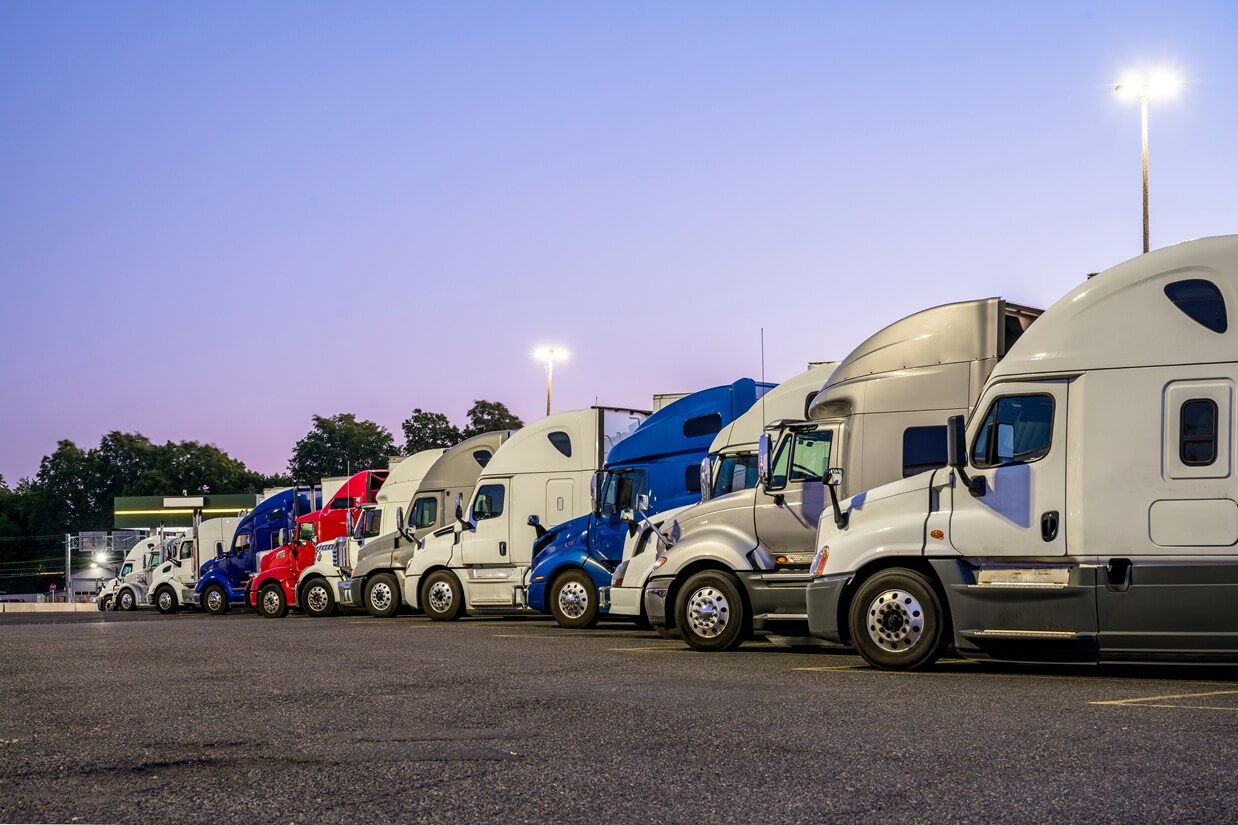
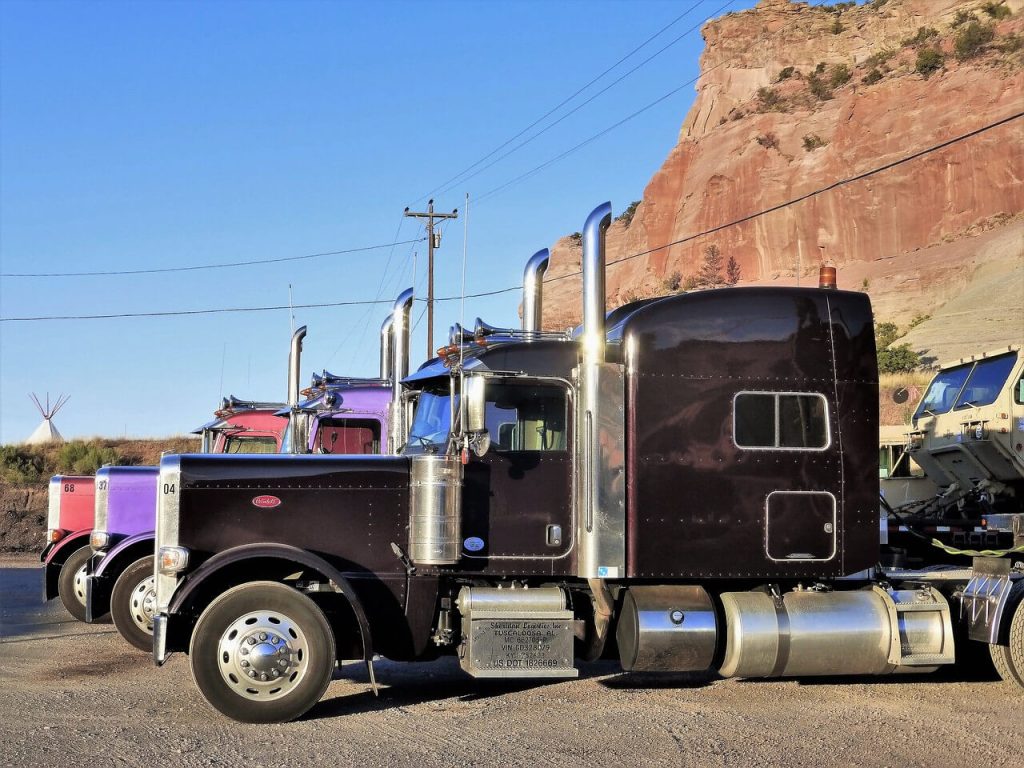
    semi trucks with semi-trailers standing in row on truck stop parking lot

    Running a truck parking lot can be highly profitable – but one accident, theft, or injury can quickly eat into those earnings. While most days might run smoothly, property owners need to prepare for those moments when things go wrong.

    Parking lot liability takes many forms. Knowing the risks and taking steps to prevent them protects your business and your customers. In the parking business, an ounce of prevention is worth a pound of cure.

    Common Liability Concerns

    These are the main issues you need to watch for and address.

    1. Slip and Fall Risks

    Every crack, hole, and uneven spot in your pavement creates the potential for accidents. Winter brings ice patches, rainy seasons leave standing water, and poor maintenance lets small problems grow into serious hazards. Most claims start with something simple that could have been prevented.

    Successful lot owners tackle these issues head-on. Regular inspections catch problems early – focusing especially on loading zones and entry points where foot traffic concentrates. Quick repairs save both money and reputation. 

    Good drainage design prevents water accumulation, while proper snow removal and de-icing plans keep winter risks under control.

    2. Vehicle Damage and Collisions

    Space makes all the difference in a truck lot. Without proper design, accidents pile up quickly. Scraped trailers, bent gates, and damaged dock equipment cost money and customers. Poor lighting and unclear markings turn simple parking into risky operations, especially during night shifts or bad weather.

    A well-planned layout forms the foundation of accident prevention. Wide turning radiuses and clear space markings help drivers navigate confidently, while designated pull-through spots reduce risky backup maneuvers. 

    Protective barriers around vulnerable equipment and high-visibility directional signs guide traffic smoothly through your property, creating a natural flow that reduces collision risks.

    3. Property Security

    A truck lot without proper security might as well post an invitation to thieves. Professional criminals can empty a trailer in minutes, while vandals often strike without warning, leaving costly damage in their wake. Dark corners and weak access controls create perfect opportunities for crime.

    A safe trucking parking lot starts with layered protection. Strong perimeter fencing and automated gates control entry points, while strategic lighting eliminates hiding spots throughout the property.

    Modern camera systems provide 24/7 monitoring, capturing clear footage of every vehicle and visitor. The combination of physical barriers, technology, and active monitoring creates a security web that protects equipment and cargo.

    4. Environmental Problems

    Those rainbow swirls in puddles signal trouble beneath the surface. What starts as a small fluid leak can quickly become an environmental hazard, especially when rain spreads contamination across your property. Without proper containment, simple spills turn into expensive cleanup operations.

    Professional containment systems and quick response protocols prevent most environmental issues. Strategically placed spill kits and proper staff training ensure immediate action when leaks occur.

    Regular surface inspections and documented maintenance procedures protect both your property and the local environment, while building relationships with cleanup contractors prepares you for larger incidents.

    5. Weather Risks

    Nature tests every aspect of your lot’s design. Winter storms create dangerous ice patches, summer heat buckles pavement, and heavy rains find every drainage flaw in your property. Each season brings unique challenges that can shut down operations or create hazardous conditions.

    Comprehensive seasonal planning prevents most weather-related problems. Early contracts with snow removal services and dedicated storage areas for snow piles keep winter operations running smoothly.

    Proper drainage design and regular maintenance handle spring rains, while summer inspections catch heat-related pavement issues before they expand. Year-round weather preparation costs far less than emergency responses.

    6. Lighting Issues

    Shadows do more than make drivers nervous – they create perfect conditions for accidents and crime. Good lighting design eliminates dark corners while guiding traffic safely through your lot. Modern LED systems can cut energy costs while providing better coverage than older lighting methods. 

    Dark spots in your lot threaten both safety and security. Poor visibility leads to accidents, encourages theft, and makes drivers uncomfortable about overnight stays. Inadequate lighting affects every aspect of lot operations, from basic safety to customer satisfaction.

    Place lights to eliminate shadows, not just brighten spaces. Focus on entrance and exit points, walking paths, and areas where trucks need to maneuver. Use timers and motion sensors to save energy without sacrificing safety. Keep spare bulbs on hand and replace dim lights immediately.

    7. Access Management

    Controlling who enters your lot protects everyone. Professional access systems create accountability and help prevent unauthorized use. Many successful lots combine automated gates with camera monitoring, giving them complete records of lot activity. 

    Modern access control combines convenience with security. Automated gates and card systems speed up entry for authorized users while logging all lot activity. Camera systems capture license plates and container numbers, creating clear records of every vehicle. 

    Steering Toward a Safer Truck Parking Lot

    Running a truck parking lot comes down to balancing convenience with protection. Addressing these common liability concerns makes your lot more appealing to drivers while safeguarding your business. Good maintenance, solid security, and proper planning reduce risks and increase profitability.

    Ready to join property owners who run professional, well-maintained lots?

    Truck Parking Club helps you connect with drivers looking for secure, reliable parking. List your property for free, choose when to host trucks, and start earning from your investment.

    Become a Property Member Today

    The information published herein is for general informational purposes only. Truck Parking Club does not make any representations or warranties about the completeness, reliability, legality, and accuracy of this information. Any reliance placed on such material is strictly at the user’s own risk. Truck Parking Club shall not be responsible for any losses or damages incurred in connection with the information published herein.

  • How to Improve Your Commercial Truck Parking Lot

    How to Improve Your Commercial Truck Parking Lot

    big rig semi trucks and trailers at a truck parking lot

    Transforming a commercial truck parking lot into a secure, efficient, and well-organized space requires strategic planning and the right upgrades. A safe and functional lot enhances visitor satisfaction and protects vehicles and the surrounding infrastructure.

    By incorporating advanced features and making smart improvements, you can optimize your parking facility without major construction. Here’s how you can achieve an effective commercial lot.

    Begin with Access Control Solutions

    The entrance is the gateway to a safe and orderly parking lot. Access control barriers are an essential tool for managing entry and exit points, ensuring only authorized vehicles gain access. These barriers come in manual and automatic options, catering to different needs.

    Manual barriers are cost-effective and versatile, perfect for seasonal or intermittent traffic scenarios. They’re especially useful in situations requiring human oversight, as attendants can visually inspect vehicles at entry points. On the other hand, automatic barriers streamline access, reducing wait times and improving the overall flow of vehicles.

    By installing these barriers, you set the tone for a well-regulated parking area, enhancing security and convenience for truck drivers and facility staff.

    Define Spaces with Bollards and Parking Posts

    Strategically placed bollards and parking posts are vital for controlling vehicle access and protecting key areas. These features help designate parking zones, prevent unauthorized access, and safeguard pedestrians and structures.

    Permanent bollards are anchored into the ground and offer durable protection for sensitive areas, like building entrances or storefronts. Retractable bollards, however, add flexibility, allowing you to adapt to changing needs. 

    Maintain Order with Traffic Control Measures

    Managing traffic flow is crucial in any commercial parking facility. Speed ramps and traffic flow plates are effective tools for reducing risks and improving navigation within the lot.

    Speed ramps encourage drivers to maintain safe speeds, preventing accidents and ensuring pedestrian safety. These can be positioned at critical points, such as entrances, exits, or high-traffic zones. Traffic flow plates further enhance organization by guiding vehicles along designated paths and minimizing congestion.

    Protect Structures with Column Shields and Hoop Barriers

    The structural integrity of your parking lot is just as important as its usability. Columns and other architectural elements are vulnerable to accidental collisions, which can result in costly repairs. Column protectors act as a buffer, absorbing impact and minimizing damage.

    Hoop barriers offer an additional layer of protection while also serving to guide traffic and define pedestrian walkways. Removable options make it easy to adapt layouts for events or maintenance, providing a versatile solution for managing space effectively.

    Enhance Security with Better Lighting and Surveillance

    Visibility and security go hand in hand when it comes to truck parking lots. High-quality lighting deters potential threats and ensures drivers can navigate safely, even at night. Combining this with surveillance systems enhances safety and offers peace of mind to visitors.

    Cameras strategically placed throughout the lot can monitor activity, reducing vandalism and theft. These systems are invaluable assets for maintaining a secure and safe parking lot and encouraging repeat visits from satisfied customers.

    Embrace Technology with Modern Payment Solutions

    Truck drivers value convenience, and offering multiple payment options can significantly enhance their experience. From mobile payment apps to contactless credit card systems, integrating parking lot improvements ensures a smooth transaction process.

    Providing various payment methods attracts a wider audience, meets the expectations of tech-savvy users, and streamlines your facility’s operations.

    Cater to the Future with EV Charging Stations

    As the number of electric trucks increases, adding EV charging stations can set your parking lot apart. These stations accommodate a growing demographic and encourage longer stays as drivers charge their vehicles.

    Investing in this infrastructure demonstrates forward-thinking and positions your facility as a leader in adapting to industry changes.

    Maximize Space with Strategic Advertising

    Unused areas of your parking lot can become a valuable source of income. By installing advertising displays, such as billboards or digital screens, you can generate revenue while providing visibility for local truck parking lot businesses.

    Strategically placed ads capture the attention of both truck drivers and pedestrians, turning your parking lot into a multi-functional space.

    Leverage Your Space with Property Membership Opportunities

    Unused parking spaces can provide more than just functionality—they can generate income. Truck Parking Club enables property owners to monetize underutilized parking areas by becoming Property Members.

    By listing your space on Truck Parking Club, you offer truckers secure and convenient parking while contributing to a critical need in the trucking industry. The process is straightforward:

    1. Create an account on our platform.
    2. Add your location and describe your space’s features, such as size and available amenities (e.g., security, electrical hookups, or nearby facilities).
    3. Manage bookings with notifications about reservations and easy payment processing via Stripe.

    Wrapping Up

    Ultimately, a successful commercial truck parking lot combines functionality, safety, and a positive user experience. From regulating access to offering convenient amenities, each improvement contributes to a cohesive and efficient operation.

    Property owners who invest in these upgrades enhance their facilities and create valuable spaces that serve the growing needs of the trucking industry.

    Ready to put your parking lot to work? Join Truck Parking Club as a Property Member today

    Looking for truck parking? Become a Trucker Member.

    The information published herein is for general informational purposes only. Truck Parking Club does not make any representations or warranties about the completeness, reliability, legality, and accuracy of this information. Any reliance placed on such material is strictly at the user’s own risk. Truck Parking Club shall not be responsible for any losses or damages incurred in connection with the information published herein

  • Common Owner Operator Expenses

    Common Owner Operator Expenses

    About 1.7 million truck drivers in the United States are owner-operators. That’s roughly one in every seven drivers who’ve decided to take control of their own rig and their own business.

    If you’re thinking about joining their ranks – or you’re already managing your own operation – you know it’s not just about the freedom of being your own boss. It’s about watching every dollar, understanding your costs, and making smart decisions that keep your business rolling.

    From that monthly truck payment to that midnight coffee receipt, every expense counts when you’re running your own show. Let’s break down what you really need to know about the costs of being an owner-operator.

    Fixed Costs

    These are the expenses you can set your watch by – the ones that show up whether your truck’s rolling or sitting. First up is that truck payment. Whether you’re financing or leasing, it’s probably the biggest number on your monthly statement, typically running anywhere from $1,500 to $3,000, depending on your truck.

    Insurance isn’t far behind. You’re looking at several types: primary liability (required), physical damage (protects your investment), cargo (for what you’re hauling), and bobtail (for when you’re running empty). Combined, these can easily hit $2,000 or more per month.

    Then there’s the paperwork. Your annual registration, permits, UCR fees, and IFTA reporting might not be monthly bills, but you need to budget for them like they are. Spread across 12 months, you’re usually looking at a few hundred dollars per month to stay legal and compliant.

    Variable Operating Costs

    This is where savvy owner-operators can really make a difference to their bottom line. Unlike those fixed costs we just talked about, this is one area where your choices behind the wheel make a real difference.

    Fuel leads the pack, eating up about 30-40% of your revenue. Fuel prices tell different stories across the country. What you pay in California can be dollars more per gallon than in Oklahoma.

    That $250 oil change might sting, but it’s much cheaper than a blown engine. Set aside at least 10-15 cents per mile for maintenance, and don’t forget to budget for the big stuff like tires, which can run you $4,000 or more for a full set.

    Speaking of tires, they’re their own special category of expense. Even with good driving habits and regular rotation, you’ve got to consider replacing them every 100,000 miles or so. And let’s be real – it’s never just one tire that needs attention!

    Daily Operation Expenses

    Here’s where a lot of new owner-operators get caught off guard. It’s not the big bills that surprise you – it’s the small ones you least expect. Scale tickets, tolls, DEF fluid, truck washes. Seems small when you’re swiping the card, but check your statement at the end of the month, and these “little” expenses can add up to hundreds.

    Parking is another sneaky expense that catches people off guard. Finding spots can be challenging – often, you’ll either waste fuel circling truck stops or end up paying premium rates for last-minute parking at private facilities

    This is where services like Truck Parking Club start to make sense. Knowing your spot is reserved means you can plan your stops around your route, not around parking availability.

    Business Operation Costs – The Back Office Stuff

    Even when you’re not behind the wheel, your business keeps spending. A good accountant isn’t cheap, but they’re cheaper than an IRS audit. Plan on $200-400 a month for accounting services, more during tax season. And speaking of taxes – setting aside money for those quarterly payments isn’t optional.

    Load boards and broker fees take another bite. Sure, there are free load boards out there, but the good ones with consistent, quality loads? They’ll run you $30-100 per month. In credit checks and factoring fees (2-5% of each load), and suddenly finding work has its own price tag.

    Your mobile office needs juice too. Phone plans, tablet data, and ELD subscriptions might seem small individually, but bundle them together, and you’re looking at another couple hundred monthly. And don’t forget about the software you need to run your business – accounting programs, route planning tools, and fleet management apps all add up.

    Making Every Dollar Count

    This is where the rubber meets the road – turning all these expenses into a profitable operation. The most successful owner-operators treat fuel stops like a strategy game. They’re not just filling up wherever they happen to be empty; they’re planning routes around the best fuel prices and making sure they’ve got guaranteed parking at the end of their run.

    Think about this: every time you waste 30 minutes looking for parking, you burn fuel, hours of service tick away, and money evaporates. Successful operators plan their entire route, including rest stops, before putting the key in the ignition.

    Maintenance is another place where thinking ahead pays off. That “minor” issue you can hear in your engine? It’s not going to fix itself, and it’s definitely not going to get cheaper. The most profitable owner-operators have a maintenance fund and a schedule – they’re not waiting for things to break.

    The Not-So-Obvious Costs

    Success isn’t just about covering the obvious bills. Your truck’s value drops every mile you drive – that’s depreciation eating away at your investment. Set aside money for the day you’ll need to upgrade or replace equipment.

    Personal insurance hits harder than most expect. Not just health coverage, but disability insurance too – because if you can’t drive, you can’t earn. And those “quick” doctor visits? They mean lost driving time on top of the medical bills.

    And here’s one that catches even experienced operators off guard: building and maintaining business credit. Good credit scores mean better insurance rates, easier financing for your next truck, and more favorable fuel card terms. However, building that credit often means higher initial costs and security deposits.

    Making It All Add Up

    Running a successful operation isn’t just about knowing your costs – it’s about controlling them. Smart spending, strategic planning, and cutting waste can mean the difference between surviving and thriving as an owner-operator.

    Take parking expenses, for example. The cost isn’t just the spot itself – it’s the wasted fuel hunting for spaces, the lost driving time, and the stress of uncertain availability. 

    Trucker members know that guaranteed parking isn’t an expense – it’s an investment in efficiency.

    Ready to cut one major cost from your operation? See how much time and money you could save with guaranteed parking spots nationwide.

    Sign up with Truck Parking Club Today

    The information published herein is for general informational purposes only. Truck Parking Club does not make any representations or warranties about the completeness, reliability, legality, and accuracy of this information. Any reliance placed on such material is strictly at the user’s own risk. Truck Parking Club shall not be responsible for any losses or damages incurred in connection with the information published herein.
  • Tips & Best Practices for Truck Driving at Night

    Tips & Best Practices for Truck Driving at Night

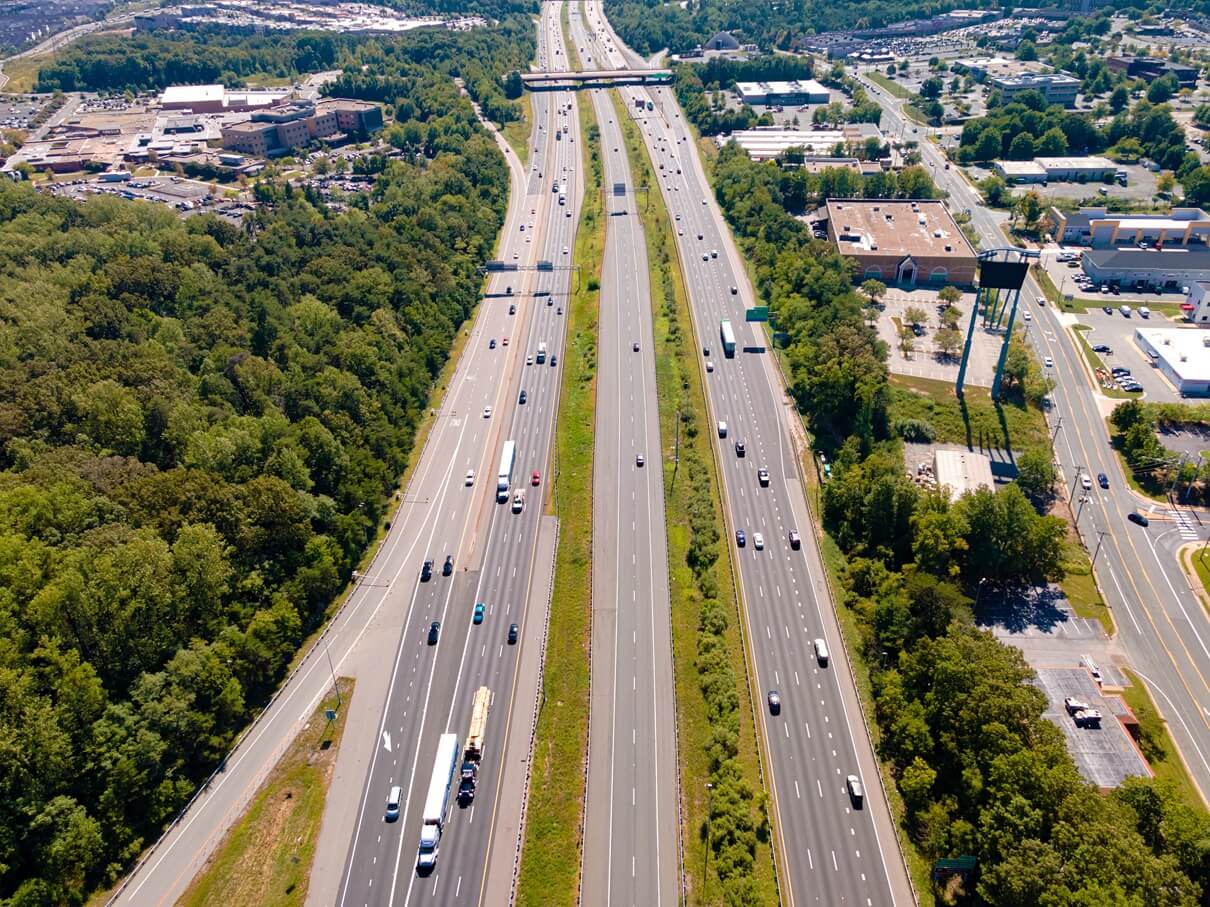
    underpass at night on busy interstate highway

    It’s 2 AM on I-80, and the highway belongs to you. The daytime chaos of four-wheelers and rush hour traffic is replaced by a peaceful rhythm of white lines and tail lights. For many truckers, this is the sweet spot – when the open road truly opens up.

    But as any experienced driver knows, the night shift comes with its own playbook. From managing your body clock to finding safe parking in unfamiliar places, nighttime driving demands a different approach. 

    Whether you’re a seasoned night owl or just starting your after-dark shifts, here’s your comprehensive guide to mastering the night shift safely and efficiently.

    Pre-Trip Preparation: Setting Yourself Up for Success

    Your night shift success starts before you even turn the key. Think of pre-trip prep as building your foundation – rush it, and everything that follows gets shakier.

     Here’s how to start your night run right:

    The Night-Ready Truck Check

    Don’t just kick the tires – give your truck the attention it deserves:

    • Lights: Clean every light until it shines – headlights, markers, taillights, and reflectors. A quick wipe-down isn’t enough; bring those LEDs back to showroom bright.
    • Glass and Visibility: Your windshield and mirrors are your lifeline after dark. Clean them inside and out, checking for chips or cracks that might catch glare.
    • Tires: Check the pressure when the rubber’s cold, and give those treads an extra thorough inspection – what you might notice during the day becomes invisible at night.
    • Brakes: Test your brakes with extra attention to any pulling or noise. Night driving means less reaction time, so your stops need to be perfect.

    Smart Route Planning

    Before you roll, take 15 minutes to plan your night like a chess master:

    • Construction Zones: Night work zones can pop up with little warning. Check your route for overnight road work and plan alternatives.
    • Weather Watch: Pull up an hour-by-hour forecast for your entire route. Night weather can change fast, especially in mountain passes.
    • Parking Strategy: Don’t leave this to chance. Use Truck Parking Club to reserve your spots in advance, especially in busy corridors like the Northeast (New York, New Jersey, Pennsylvania).

    Essential Night Driving Techniques

    Every professional driver knows the night shift has its own rhythm. Even with thousands of miles under your belt, it never hurts to fine-tune your night game. Here are some field-tested techniques that veteran drivers swear by.

    Mastering Your Visual Game

    Your eyes are your first line of defense after dark. Keep your gaze moving and scan wider than you would during daylight hours. Watch for the reflection of animals’ eyes along the shoulder – they’ll show up long before you spot the actual creature. When approaching hills or curves, train your eyes on the highway markers rather than oncoming headlights to maintain your lane position.

    The Space Race

    Distance is your best friend at night. That safe following distance you maintain during the day? Add another 20-30% after dark. Your stopping distance doesn’t change, but your reaction time might. Plus, those shadows and dark spots can hide road debris or sudden obstacles that pop up in your path.

    Light Strategy

    Think of your lights as a conversation with other drivers. High beams are great on empty stretches but remember to dim them at least a quarter-mile before meeting oncoming traffic. In fog or heavy rain, low beams actually work better – high beams will just create a glare wall right in front of you.

    Urban Night Navigation

    City driving requires its own playbook after dark. Keep your speed a bit below the limit – this gives you extra reaction time for pedestrians or cyclists who might dart out wearing dark clothing. Watch for vehicles pulling out of dark side streets and driveways where drivers might not spot your truck immediately.

    💡Trucker Tip

     If you’re feeling any eye strain, try adjusting your dashboard lights. Bright cab interior lights can create windshield reflections that compete with your view of the road. Keep them dimmed just enough to read your gauges clearly.

    Staying Sharp Through the Night

    Night driving isn’t just about handling your rig – it’s about managing yourself. Seasoned night runners know the difference between pushing through and pushing too far. Here’s how to keep your edge when the miles start to blur.

    Your best defense is a solid offense. Load up on protein-rich snacks rather than sugar hits, and keep water within easy reach. Those energy drinks might seem like your friend, but they’re more like a frenemy – the crash hits harder than the boost helps.

    Take your breaks before you need them. A 15-minute power nap beats a 2-hour recovery stop every time. And when you do stop, a quick walk around your truck does more for your alertness than an extra cup of coffee.

    If you start seeing those highway signs twice, it’s not a new route feature. That’s your brain telling you it’s time for a break.

    Night Shift Self-Reliance

    A 3 AM, on a cold dark night, you’re pretty much on your own out there. While dispatch is just a call away, night support can be limited, and roadside assistance might take twice as long to reach you. 

    Keep your emergency kit night-ready with extras like a heavy-duty flashlight (with spare batteries), a reflective vest, and a headlamp that leaves both hands free for repairs. Having basic tools and the know-how to handle simple fixes can save your schedule and your sanity.

    Store contacts in multiple places – not just your phone. Keep a written list of 24-hour repair shops, tow services, and trusted truck stops along your regular routes. And speaking of regular routes, build relationships with the night shift at your usual stops. Those connections can be golden when you need a hand at odd hours.

    Night Parking Know-How

    Finding safe, legal parking gets trickier after dark. That perfect spot you counted on might be full, or worse, it might have turned into a no-parking zone since your last run. Smart drivers don’t leave this to chance.

    This is where Truck Parking Club becomes your night shift ally. Instead of circling truck stops or risking questionable spots, book your parking in advance. You’ll save time and fuel, and most importantly, your HOS clock won’t tick away while you’re hunting for a spot.

    Ready to Take the Stress Out of Night Parking?

    Night driving might be challenging, but it’s also one of trucking’s special skills. With the right preparation, techniques, and tools, you can make the night shift work for you instead of against you.

    Truck Parking Club helps thousands of professional drivers secure safe, reliable parking spots across major routes nationwide. Stop burning time and fuel looking for parking when you could be logging miles or getting rest.

    Visit Truck Parking Club Today & Book Your Spot

    The information published herein is for general informational purposes only. Truck Parking Club does not make any representations or warranties about the completeness, reliability, legality, and accuracy of this information. Any reliance placed on such material is strictly at the user’s own risk. Truck Parking Club shall not be responsible for any losses or damages incurred in connection with the information published herein.
  • Breaking Down Monthly Truck Parking Costs

    Breaking Down Monthly Truck Parking Costs

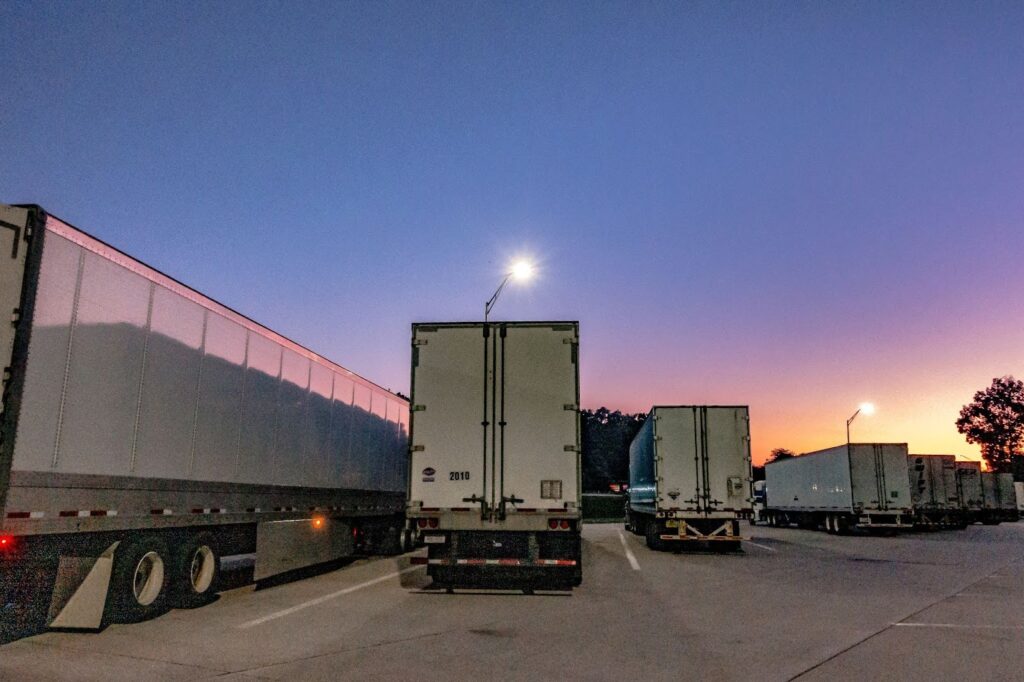
    rigs at truck parking lot

    Truck drivers spend significant expenses on food, tolls, fuel, personal needs, and truck parking. Naturally, when so much money goes toward these essentials, finding ways to save and capitalize on discounts becomes a priority. While some restaurants offer special deals for truckers and gas stations provide loyalty cards, the cost of truck parking varies greatly.

    This article explores what influences the price of truck parking lots and what are the practical ways to bring it down. 

    How Much Is Truck Parking?

    When you’re on the road for hours nearing your break time, you want to leave your rig at the closest truck parking lot. Often, without knowing the price or amenities, you can be charged a lot of money per month for a place without being aware of other more affordable locations. 

    But why is the place where you stopped so expensive? Well, there are a few factors that should be taken into account: 

    Location of Truck Parking Lot 

    The location of a parking lot has a significant impact on the fees you’ll pay. Urban parking spots often come with premium pricing due to high land and operating costs in cities. 

    Rural parking lots, in comparison, are typically more affordable since expenses like land and maintenance are lower. 

    Hence, regional demand also plays a role – areas with heavy truck traffic or limited parking availability will naturally charge higher fees compared to regions with less demand.

    Amenities of Truck Parking Lot 

    Parking lots offering added conveniences such as showers, laundry facilities, WiFi, and lounges are undoubtedly appealing for long-haul truckers. These amenities can make your time more comfortable and efficient. 

    However, this convenience comes with a cost. Parking fees at these lots are often higher to cover because of the expenses of maintaining these services. 

    Security of Truck Parking Lot 

    Parking lots with robust security measures often charge higher fees, but truck drivers are willing to pay for this. Surveillance cameras, on-site guards, well-lit areas, and secure fencing add significant value and protect guests with their rigs and cargo. 

    While the added expense may be a drawback, many truckers find the peace of mind worth the investment, especially in areas where theft or vandalism is a concern.

    Size and Type of Truck Parking Lot 

    The size and type of parking space you need can also affect the cost. Larger parking facilities often have lower per-spot fees because they can accommodate more vehicles. On the other hand, smaller lots with limited spaces tend to charge a premium. However, this is not always the case. 

    Demand for Truck Parking Lot 

    Parking costs often reflect the level of demand in a given area. In regions near major shipping hubs, truck stops, or highly trafficked highways, demand for parking spots is high, driving up prices. 

    Meanwhile, less crowded areas with fewer trucks on the road typically offer more affordable parking options. 

    However, it doesn’t mean you have to start looking for deals in low-demand locations. In fact, we have a much better solution to finding affordable parking lots that we will reveal later in this article. 

    How Much Is Truck Parking Per Month?

    Failing to plan ahead and parking at the first available truck lot could cost you up to $500 a month. The expense alone is one thing, but when the parking lot doesn’t offer good value for the price, it can severely impact the quality of your rest and downtime. Comfortable, secure, and well-equipped parking is essential for staying refreshed on the road, making careful planning a priority.

    Best Way to Bring Down Monthly Truck Parking Costs 

    There are many ways to lower the truck parking fees, including planning ahead, choosing less-crowded lots, and obtaining loyalty cards if available. However, the most effective one is with Truck Parking Club. Our platform enables truckers to search for and reserve truck parking at 1000+ locations across the US.

    Moreover, each location is listed with a detailed description of amenities, fees, and more. Before hitting the road or when at work, you can find the truck parking lot easily on your phone, where you can reserve a spot that suits your budget and be sure no one will take your space. 

    Final Words

    Parking your rig doesn’t have to be expensive with Truck Paring Club. We streamline the process of reserving your space so that you don’t have to worry about where to stay for a night or even just a few hours.

    Our platform connects you with affordable and convenient parking options suitable for your route. Whether you’re looking for basic parking or a lot with premium amenities, we’ve got you covered. With Truck Parking Club, you can save time, reduce stress, and focus on the road ahead.

    Register now as the Trucker and never worry about finding a truck parking lot.

    The information published herein is for general informational purposes only. Truck Parking Club does not make any representations or warranties about the completeness, reliability, legality, and accuracy of this information. Any reliance placed on such material is strictly at the user’s own risk. Truck Parking Club shall not be responsible for any losses or damages incurred in connection with the information published herein.

  • Common Dangerous Truck Driving Behaviors & How to Avoid Them

    Common Dangerous Truck Driving Behaviors & How to Avoid Them

    Nobody knows the challenges of the road better than professional drivers. With millions of miles of collective experience, truckers understand the complex mix of factors that can turn a routine run into a risky situation. However, between tight schedules and unpredictable traffic, the pressures of the job can sometimes push even the most skilled drivers toward habits they know they should avoid.

    The numbers tell a sobering story: around 500,000 truck accidents happen each year on U.S. roads. Federal studies show that 87% of these incidents stem from decisions and reactions behind the wheel, not mechanical failures or road conditions.

    We’re not here to teach you how to drive. Instead, let’s review some common situations that can sneak up on even the most experienced truckers and look at practical ways to handle them.

    1. Following Too Closely

    That “safe following distance” you learned about in training? It’s based on real physics, not overcautious rule-making. A loaded truck at highway speed needs nearly two football fields to stop in ideal conditions – and that distance can double or triple when the weather turns bad.

    The challenge isn’t knowing the right following distance but rather maintaining it when traffic keeps filling that space. Better to deal with a few cars merging in front of you than to end up with nowhere to go when traffic suddenly stops.

    2. Speed Management

    Speed limits are just part of the equation. The real skill is matching your speed to what’s happening right now: your load type, road conditions, traffic patterns, and weather. What’s safe and legal in Pennsylvania mountain curves might be too fast for the same curves in rain or snow.

    It’s about finding that sweet spot where you maintain momentum without pushing the envelope. Sometimes that means running under the limit, but you’ll make up that time by avoiding sudden stops and starts.

    3. Trip Planning Pressure

    Even the best-planned trips can go sideways when you’re dealing with traffic through New Jersey or unloading delays in Atlanta. The real pressure isn’t just making your appointment times. It’s managing your hours, finding parking, and dealing with unexpected delays all at once.

    This is where services like Truck Parking Club become more than just convenience. Knowing exactly where you’ll park means one less variable in your day. Instead of burning time and fuel hunting for spots or risking HOS violations, you can focus on handling the delays you can’t control.

    4. Distraction Creep

    Let’s get real – nobody starts their day planning to drive distracted. But between dispatch messages, GPS updates, and necessary communication, technology demands attention. The trick isn’t eliminating these tools; they’re part of the job. It’s about managing them so they help rather than hinder.

    5. Fighting Fatigue

    You know your body’s rhythms better than anyone. Those times when your eyes feel heavy aren’t about being a “bad driver.” They’re your body sending signals that need attention. The pressure to push through might be real, but so are the consequences of ignoring those warnings.

    Small adjustments often work better than drastic measures. A brief rest stop before fatigue hits hard beats, trying to power through with that third cup of coffee. Try to spot those personal warning signs early when you still have options.

    6. Lane Change Challenges

    Four-wheelers might dart around like they’re playing a video game, but professional drivers know each lane change needs to be deliberate and planned. The challenge isn’t just checking your mirrors; it’s anticipating how traffic patterns around you might change while you’re making your move.

    7. Maintenance Matters

    Small issues can cascade into major problems with frightening speed. That minor air leak or worn brake pad might hold up for now, but experience tells us how quickly “manageable” problems can turn into roadside emergencies.

    Smart maintenance means making tough calls. An hour at the shop now often saves a full day broken down later. We all know which one costs more in the long run.

    8. Weather Adjustment

    Weather changes everything without warning. Those clear roads in Michigan can transform instantly when lake-effect snow kicks in. Time-sensitive loads add extra pressure to keep moving, but sometimes waiting out the worst of a storm saves more time than battling through it.

    Reading conditions early gives you options. A decision to park before the weather deteriorates beats having that decision made for you by road conditions.

    9. Loading and Unloading Rush

    Every minute counts at the dock, but rushing through pre and post-trip inspections can cost hours later. Taking time to check your securement might feel like a delay, but loose loads and shifting freight create bigger problems down the road.

    A thorough inspection now prevents those radio calls no driver wants to make. Clear communication with dock workers and a systematic approach usually save more time than rushing through your procedures.

    10. Last-Minute Parking Scrambles

    Running until your clock forces you to stop puts you at the mercy of whatever parking you can find. Truck Parking Club members know the value of planning ahead – having guaranteed spots at well-maintained facilities eliminates one of the biggest stresses in your day.

    Securing your parking in advance allows you to focus on your route and conditions instead of wondering where you’ll sleep tonight. Plus, you’ll save fuel and time by avoiding frustrating searches for available spots.

    Making the Right Calls

    Every driver on the road today has developed skills and habits from countless miles of experience. Sometimes the difference between a routine run and a problem isn’t about knowing what to do. It’s about having the right conditions to do it.

    That’s where platforms like Truck Parking Club make a real difference. When you know your parking is guaranteed, you can focus on making better decisions about everything else in your day.

    Ready to eliminate one daily stress?

    BECOME A TRUCKER MEMBER TODAY

    Sources

    1. https://www.fmcsa.dot.gov/safety/research-and-analysis/large-truck-crash-causation-study-analysis-brief

    The information published herein is for general informational purposes only. Truck Parking Club does not make any representations or warranties about the completeness, reliability, legality, and accuracy of this information. Any reliance placed on such material is strictly at the user’s own risk. Truck Parking Club shall not be responsible for any losses or damages incurred in connection with the information published herein.

  • Trends Facing the Trucking Industry in 2025

    Trends Facing the Trucking Industry in 2025

    The trucking industry forecast 2025 reveals a landscape of rapid innovation and significant transformation for stakeholders across the United States. As the backbone of the nation’s economy, the trucking sector is set to experience substantial changes driven by technological advancements, regulatory updates, and evolving market demands. 

    Staying informed about these trucking industry trends is essential for fleet managers, drivers, and businesses aiming to maintain competitiveness and operational efficiency. This article explores the key trends shaping the trucking landscape in 2025, with a particular emphasis on truck parking and the increasing role of technological solutions like the Truck Parking Club.

    Navigating the Future: The Evolution of Truck Parking

    One of the most significant trucking trends for 2025 is the increasing demand for truck parking. As freight volumes surge, ample, strategically located parking spaces become increasingly critical for drivers and fleet managers. 

    Truckers frequently face difficulty locating suitable parking, resulting in driver fatigue, operational delays, and decreased productivity. The limited availability of parking options affects driver well-being and hampers the overall efficiency of trucking operations. 

    To overcome these obstacles, the industry is embracing innovative solutions that enhance parking accessibility and convenience. Advanced truck parking facilities are being developed with superior amenities, optimal locations, and cutting-edge security features to cater to the evolving needs of the trucking community. 

    Technology-driven platforms like the Truck Parking Club are revolutionizing how truckers find and reserve parking spots, ensuring drivers spend less time searching and more time on the road.

    Why You Should Invest in Advanced Truck Parking Technologies

    Embracing advanced technologies is pivotal to the trucking industry trends shaping 2025. Investing in smart parking solutions can significantly optimize truck parking management, ensuring you make the most of available resources. 

    Platforms like the Truck Parking Club offer cutting-edge tools that simplify parking, enabling drivers to easily find and reserve spots. These technological solutions enhance accessibility, bolster security, and maximize the utilization of parking spaces. 

    Furthermore, data analytics are crucial in refining parking strategies, allowing fleet managers to make informed decisions that boost operational efficiency and minimize downtime. By leveraging these technologies, you can ensure a smoother, more reliable trucking operation that meets the demands of today’s dynamic market.

    The Rise of Smart Infrastructure in Trucking

    Smart infrastructure is at the forefront of the trucking industry forecast for 2025, fundamentally transforming how the sector operates. Integrating advanced technologies into infrastructure creates more efficient and responsive systems as part of the latest trucking industry trends. 

    In truck parking, smart facilities are equipped with Internet of Things (IoT) devices and real-time monitoring systems, providing up-to-the-minute information on parking availability and facility status. 

    These innovations enable fleet managers to track parking usage, optimize space allocation, and ensure drivers can access the most efficient routes and parking options. Additionally, smart infrastructure enhances security through automated surveillance and access controls, reducing the risk of theft and unauthorized access. 

    Maintenance is also streamlined with predictive analytics that anticipate and address issues before they escalate, minimizing downtime and disruptions. For truckers, the benefits include smoother operations, reduced wait times, and improved overall productivity. 

    As trucking trends evolve, adopting smart infrastructure will be crucial in driving operational excellence and sustaining growth within the industry. Embracing these technologies not only boosts efficiency but also positions businesses to meet the future demands of the trucking landscape with confidence and agility.

    Sustainable Practices: Embracing Green Truck Parking Solutions

    Sustainability has become a pivotal aspect of the trucking trends shaping 2025. The industry is increasingly adopting eco-friendly truck parking solutions that help reduce the carbon footprint and deliver substantial economic advantages. 

    Solar-powered parking facilities and electric charging stations are emerging as standard features, offering drivers access to renewable energy sources and supporting the shift toward electric and hybrid trucks. These green initiatives significantly lower operational costs by decreasing energy consumption and minimizing reliance on fossil fuels. 

    Sustainable truck parking solutions also play a crucial role in environmental preservation, aligning with broader corporate social responsibility objectives and regulatory requirements. By integrating these sustainable practices, the trucking industry can enhance its operational efficiency while contributing positively to the environment. 

    Embracing green truck parking meets the growing demand for environmentally conscious operations and positions businesses as leaders in sustainability, fostering long-term viability and compliance with evolving environmental standards.

    Discover the Best Truck Parking Solutions for Your Needs

    As you navigate these transformative trucking industry trends, finding the right truck parking solution is essential. At Truck Parking Club, we provide comprehensive parking options tailored to truckers and property members.

    Whether you’re a driver seeking convenient, technologically optimized parking or a property owner offering trusted parking spaces, our platform connects you seamlessly. 

    Become a Trucker Member Today

    The information published herein is for general informational purposes only. Truck Parking Club does not make any representations or warranties about the completeness, reliability, legality, and accuracy of this information. Any reliance placed on such material is strictly at the user’s own risk. Truck Parking Club shall not be responsible for any losses or damages incurred in connection with the information published herein

  • How to Drive Traffic to Your Truck Parking Lot: 10 Proven Techniques

    How to Drive Traffic to Your Truck Parking Lot: 10 Proven Techniques

    trucks parked in a lot

    If you run a truck parking lot business or are considering starting one, you are probably aware of the high demand for reliable, convenient parking spaces. The truck parking crisis shows no signs of abating, and with just one space available for every ten trucks on the road, there has never been a greater urgency for more parking lot businesses. 

    Unfortunately, the ongoing crisis isn’t enough to keep those spots filled. You need a solid, forward-thinking strategy to draw truckers to your parking lot and ensure they favor your location over the competition. 

    This is a subject we happen to be very familiar with, and in this short guide, we will present ten proven, dependable techniques to boost your parking lot advertising and bring in more business.

    1. List Your Lot on Truck Parking Club

    One of the easiest (and most obvious) ways to advertise your truck parking lot is by listing on Truck Parking Club. Our popular platform connects truckers with available parking spaces, meaning that truckers will find your lot whenever they need a space in the area. 

    By creating a free Property Member account, you will instantly put your lot on the radar of truckers searching for a place to park. Adding a detailed description of amenities (if any) and clear photos of the lot can also help your lot stand out from the competition.

    2. Use Eye-Catching Signage

    Clear and professional signage can be highly effective in attracting truckers. Make sure your lot is well-labeled from the road so drivers can easily spot it from a distance. Consider adding a few signs that speak to your lot’s amenities, such as security features, showers, and food services (if any). 

    This type of parking lot advertising is most effective when linked with a solid online presence to ensure truckers know where they’re headed, and while it may sound like a basic strategy, you would be surprised how many parking lot businesses fall short in this regard, displaying old signage or even none at all.

    3. Take Advantage of Local Radio Ads

    Never underestimate the power of radio advertising – it can be a useful tool for promoting your truck parking lot. Most truckers listen to the radio for hours each day, and many tune into local radio for the latest local traffic news. 

    For a cost-effective way to ensure your parking lot advertising reaches the right audience, think about targeting ads on stations popular with truck drivers in your area.

    4. Create a Simple, Optimized Website

    Having an easy-to-navigate, no-nonsense website can go a long way in helping truckers find your lot. Make sure your website includes vital information such as rates, amenities, and the exact location of your lot, and think about loud, bold creatives with simple messaging.

    Optimizing your website for search engines is huge also. Truckers can find you when they search for a parking lot business in your area with simple search terms like ‘truck parking Charlottesville,’ for example. The problem is that other parking lot businesses might occupy a stronger presence and draw most of the eyeballs if your website isn’t optimized for search.

    5. Take Advantage of Social Media

    Social media platforms are another essential way to boost your parking lot advertising, and if you are not making the most of TikTok, Facebook, Twitter and Instagram (to name a few), you are losing customers.

    Get into the habit of sharing updates, promotions, or even behind-the-scenes content about your parking lot as often as possible—several times each week, if possible. Engage with truckers by offering discounts for first-time customers or hosting giveaways. 

    Building an online presence not only keeps your lot visible but also helps create a loyal customer base. 

    6. Offer Loyalty Programs

    Another way to ensure truckers keep coming back to your parking lot business is to offer trucker loyalty programs. Create a system where returning customers can earn discounts or even perks for using your lot regularly. With rising fuel costs, truckers always appreciate the opportunity to save a few bucks; a well-structured loyalty program might keep them choosing your lot over local competition.

    7. Get Listed on Google My Business

    To increase your online presence, make sure your lot is listed on Google My Business. This makes your location easily accessible through Google Search and Google Maps, presenting the important details about your business instantly. Accurate listings (with great reviews) are another solid form of parking lot advertising.

    8. Build Partnerships with Local Businesses

    Forming community partnerships with nearby businesses, such as restaurants or gas stations, can help steer more truckers to your parking lot. You could offer exclusive discounts for truckers who visit partnered businesses or provide them with flyers advertising your parking lot. 

    Community partnerships are a more traditional way of promoting your business – especially when compared to more modern, digital counterparts, but there are good reasons why many truck stops partner with local businesses; it is a strategy that works.

    9. Use Flyers at Important Locations

    Other traditional advertising methods, like flyer distribution, can also be incredibly effective. Leave flyers at truck stops, gas stations, and rest areas near your lot to attract the attention of drivers who may need parking in the area in the future. A well-designed flyer with a solid call to action is a solid parking lot advertising strategy. 

    Pro Tip: avoid mundane creativity and copy – think outside the box and throw in a little humor and mild satire to grab your prospect’s attention. Life is hard for many truckers at the moment – they will appreciate the fact you made them smile. 

    10. Promote Special Offers and Seasonal Discounts

    Again, trucking is quite challenging at the moment, with tight margins and growing overheads. As a result, truckers are always on the lookout for good deals. Offer special promotions, such as discounted rates for long-term parking or reduced fees during the off-peak seasons. Promote these deals through your website, social media (or even those local radio ads we mentioned earlier) for a solid parking lot advertising strategy. 

    Bottom Line

    While these tips are well-established and qualified, they do require time, effort, and financial resources to implement. In an ideal world, truck parking businesses would have truckers visiting their lot without having to juggle various advertising strategies.

    But if you join Truck Parking Club today, you will have instant access to thousands of truckers who are starved of convenient parking and need solutions instantly.

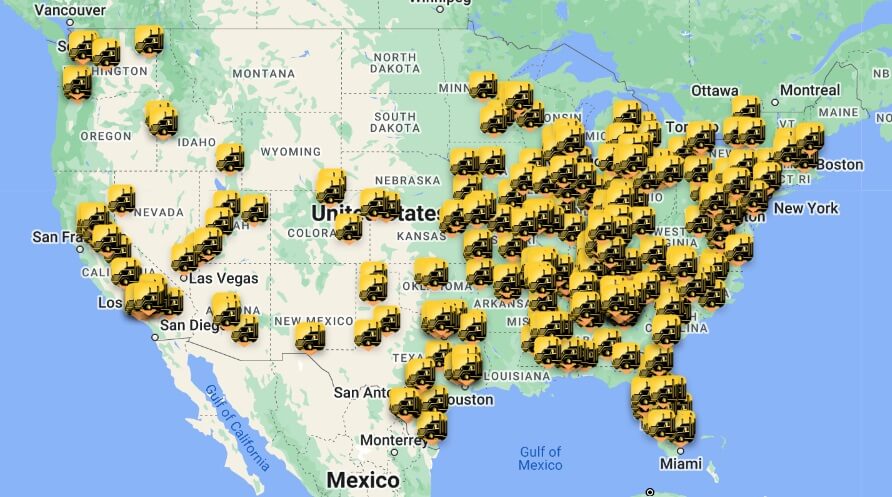
    a map with truck parking lots

    By using our platform, truckers actively search for truck parking in your area, meaning you don’t have to stress about finding customers – Truck Parking Club does most of the work for you.

    Ready to start? Become a property member today and watch your bookings grow almost instantly with Truck Parking Club.

    The information published herein is for general informational purposes only. Truck Parking Club does not make any representations or warranties about the completeness, reliability, legality, and accuracy of this information. Any reliance placed on such material is strictly at the user’s own risk. Truck Parking Club shall not be responsible for any losses or damages incurred in connection with the information published herein.