
Category: Parking Tips

  • How to Build a Smart Truck Parking System

    How to Build a Smart Truck Parking System

    a truck driver checking his checklist

    Smart parking technology has utterly transformed the way truck parking lots operate their businesses and interact with customers. Over the last decades or so, it has become far easier for lot owners to keep things organized and truckers to find a safe place to park. 

    With the ongoing truck parking crisis causing a mass scramble for parking spots, upgrading to a smart system is a clever, forward-thinking move for lot owners. Some would even argue it is becoming a necessity. 

    In this brief blog post, we will take a look at the essential steps to set up an efficient and reliable smart truck parking system, step by step. Let’s get to it.

    1. Understand the Basics of Smart Parking

    Smart parking may seem like a radical, complicated improvement, but the premise and execution are actually quite simple. Smart parking is simply about designing a system that helps truckers find spaces quickly, pay easily, and have the peace of mind they need. 

    Ultimately, for truck parking lot owners, this means adopting technology that simplifies the entire process—from booking to billing and everything in between.

    To begin with, you need to define your lot’s specific needs and goals. How many spaces do you have, for example, and what’s the layout? Are there any unique challenges, like tight corners or mixed vehicle types? Once you have this fundamental grasp, you will be better prepared to choose the right tech.

    2. Define Your Requirements and Select the Right Tech

    Start by conducting a simple survey of your existing infrastructure. This allows you to identify which core elements of your parking lot business are ready for upgrades and where you’ll need new installations. You should be considering the following elements:

    • Vehicle detection sensors to track space availability.
    • Real-time availability displays that show truckers which spaces are open.
    • License plate recognition cameras for smooth entry and exit.
    • Advanced payment options through apps or secure kiosks.

    Once you’ve mapped out your needs, you should then select the right technology. Keep in mind that integrating with popular parking apps is a central part of a smart parking system – this helps truckers locate your lot and secure a spot quickly, making your lot a more appealing option in a sea of competitors.

    3. Install and Configure Your Smart Parking Hardware

    The next step involves the installation of hardware like sensors, displays, and cameras. Proper installation will ensure your system runs smoothly from day one. However, there are a few key things to be mindful of here:

    • Power Reliability: Ensure that all hardware has dependable power sources with backups in place.
    • Positioning and Calibration: Place sensors and cameras in locations that maximize coverage. Blind spots lead to inefficient monitoring.
    • Weatherproofing: Protect any outdoor components from the elements to avoid long-term issues.

    As always, thorough planning and careful placement will save you from a lot of future headaches.

    4. Implement and Test the Software

    Once your hardware is in place, you can implement the software that runs the show. This software should integrate seamlessly with your chosen hardware and be able to connect with third-party platforms like Truck Parking Club’s app. Conduct several tests to confirm that the data is flowing correctly and that parking space availability updates in real-time.

    Troubleshoot before going live to avoid and contend with hiccups. A smooth rollout is paramount to maintaining trust with your team and the drivers using your lot.

    5. Rollout and Optimize Your Smart System

    After testing, your smart parking system is ready to be rolled out. But the work doesn’t stop here. Regularly monitor the data generated by your system and look for opportunities to fine-tune it. Is traffic flowing efficiently? Are payments being processed without a hitch? Keep tweaking things to enhance both profitability and customer satisfaction.

    This ongoing optimization will not only help you run a more efficient lot but will also future-proof your business, setting you up for success ahead.

    Bottom Line

    Successful truck parking lot businesses usually share a common belief when it comes to the industry as a whole: they believe that smart parking, in whatever form that takes, is the future of the industry. 

    It makes sense to embrace smart parking. With the right system in place, you will offer truckers a smooth, hassle-free experience and make your lot a popular choice in a crowded market. 

    However, if you really want to maximize your investment, partnering with Truck Parking Club can take things even further.

    If you have vacant commercial land, the benefits of starting a parking lot business with Truck Parking Club are incredibly lucrative. Our platform connects property members with truckers actively searching for parking, helping you fill those spaces effortlessly. 

    Interested? Sign up today and be part of the next generation of smart parking solutions with Truck Parking Club.

    The information published herein is for general informational purposes only. Truck Parking Club does not make any representations or warranties about the completeness, reliability, legality, and accuracy of this information. Any reliance placed on such material is strictly at the user’s own risk. Truck Parking Club shall not be responsible for any losses or damages incurred in connection with the information published herein.


  • How to Increase Your Truck Parking Lot Revenue

    How to Increase Your Truck Parking Lot Revenue

    trailers in a truck stop

    While running a truck parking business is relatively straightforward, a successful operation consists of more than just offering a place for truckers and their rigs to rest. Savvy operators will maximize every opportunity to increase revenue and keep truckers happy.

    As you might imagine, this is a subject we happen to be extremely familiar with. Through this article, we shall look at how to increase the profitability of your truck parking business with strategies you may want to consider. Let’s get to it.

    1. Offer Flexible Price Rates

    One of the simplest ways to increase your revenue is by launching a flexible pricing model. With many truck parking businesses charging different rates based on peak and off-peak hours, weekends, or even seasons, if you are not embracing the same tactic, your revenue is possibly suffering as a result. 

    The premise is quite straightforward. Weekday rates, for example, might be higher due to increased demand, while discounts during weekends or late-night hours can attract truckers when business is a little slower. It sounds like a simple approach, but you might be surprised at how many empty spaces you will fill during quieter times by making specific rates more appealing.

    2. Invest in Quality Amenities

    To encourage repeat business, think about investing in higher-quality amenities. Consider adding features like 24-hour security, Wi-Fi, shower facilities, or even small convenience stores. For the latter, we mean nothing overboard – just the essentials like snacks and hygiene products. 

    These extra touches can set your truck parking business apart and give drivers a reason to choose your lot over others. The cost of installing these amenities isn’t usually too extreme and usually pays off fairly quickly in the form of increased customer satisfaction and return visits.

    3. Use Technology to Streamline Operations

    Adopting technology like parking management software or connecting with truck parking apps is always a lucrative move for your truck parking business. With real-time monitoring and advanced booking capabilities, this software lets you track occupancy, manage pricing, and optimize your lot’s operations. 

    Integrating with parking apps like Truck Parking Club makes it easier for truckers to find and book spaces at your lot. Not only does this improve bookings, but it also opens up your business to a much larger audience. In this day and age, parking apps are a pre-requisite for any truck parking business. 

    4. Implement a Loyalty Program

    Not enough truck parking businesses make the most of this strategy, but they should. Repeat customers are important to any business, and truck parking is no exception. Implementing a loyalty program where drivers can earn discounts or points for each stay encourages them to return regularly. 

    Aside from increasing revenue, this also builds a base of loyal customers who are more likely to recommend your business to others in the industry. Over time, you will also build a marketing list, meaning you can reach out to loyalty customers with special offers.

    5. Adjust and Review Your Rates Regularly

    It’s easy (and very tempting) to set rates and forget about them, but it’s important to stay competitive. To that end, keep an eye on what other lots in your area are charging and adjust your prices accordingly. You might also consider offering monthly truck parking rates, which can provide a steady source of income and attract truckers who need more permanent parking solutions.

    6. Increase Security Features

    A well-secured lot is a key aspect of attracting and retaining customers. Unfortunately, industry crime is on the rise, and drivers need to know that their rigs and cargo will be safe overnight. Adding features like surveillance cameras, well-lit areas, and secure entry gates can make a huge difference in building trust. 

    When truckers feel secure, they’re more likely to choose your lot. They may even pay a premium for that peace of mind. Many truckers are now avoiding supermarket lots and abandoned properties, as they simply do not feel safe anymore. Capitalize on this by making your truck parking business appear more secure. 

    7. Diversify Your Revenue Streams

    Thinking outside the box is fundamental to maximizing your truck parking business revenue. For example, you might consider selling ad space on your lot or partnering with local businesses. Nearby restaurants, truck stops, or repair shops will almost certainly be interested in reaching your customers, creating a symbiotic relationship. 

    8. Make Booking and Payment Simple

    Offering multiple digital payment options, such as credit cards, mobile apps, and contactless payments, can help speed up transactions. The idea is to minimize friction among tired drivers who just want to get their spots booked without hassle or hindrance. Using online booking tools ensures truckers can easily find a spot in your lot without unnecessary hassle or delays, so make sure you are connected with a popular truck parking app.

    9. Promote Your Lot Effectively

    Effective marketing should be a priority for increasing revenue in any business. For your truck parking business, this could mean listing your lot on popular apps like Truck Parking Club, using social media to promote your various amenities, and even running local radio ads. The goal is to get the word out about your lot and highlight why it’s the best choice for drivers in the area.

    10. Monitor Customer Feedback and Adjust

    Finally, listen to your customers! Monitor online reviews and actively seek feedback to understand what truckers appreciate and where you can improve. A few small changes based on their input could lead to more business and a better overall reputation for your lot.

    Bottom Line

    Increasing your truck parking business revenue takes less effort than you might imagine. Ultimately, this is a simple but lucrative business that only requires basic strategies. Either way, careful planning, strategic investments, and a focus on customer satisfaction should be among your priorities. 

    Adopt these basic practices, and you will soon be driving towards a more profitable and successful lot. Seriously, it will make a real difference.

    If you are a property owner with unused land, there’s an even easier way to maximize your bookings: become a property member with Truck Parking Club.

    Truck Parking Club connects you with truckers actively searching for parking, helping you turn your spare land into a steady revenue stream. Register today to begin listing your lot and reap the financial rewards of this underserved market!

    The information published herein is for general informational purposes only. Truck Parking Club does not make any representations or warranties about the completeness, reliability, legality, and accuracy of this information. Any reliance placed on such material is strictly at the user’s own risk. Truck Parking Club shall not be responsible for any losses or damages incurred in connection with the information published herein.

  • How to Optimize Your Truck Parking Business Costs

    How to Optimize Your Truck Parking Business Costs

    aerial view of parking with trucks

    Your truck parking lot may seem more crowded than ever before due to the lack of sufficient places for truckers to stay for a few hours or a night. However, that may not be the case for your budget if it doesn’t seem to show any spikes in revenue. 

    Some of the reasons why your earnings aren’t increasing, despite accommodating more truckers, may be due to the way you run your business. 

    No need to worry—this article covers the essential tips to boost profitability in your truck parking business. Implement these strategies, and watch your revenue grow with confidence.

    List Your Truck Parking at Truck Parking Club

    Become a Property Member at Truck Parking Club to raise awareness about your business and help truckers find you easily through our intuitive app. Our mobile application is used by numerous Trucker Members who utilize our map on a daily basis to find a lodge to rest and recharge. 

    As a Property Member, you can set your own price and handle incoming bookings with ease. Make sure to add all the necessary information, along with photos, mention what amenities truckers can use, and wait for your first requests. 

    Go Paperless

    Joining Truck Parking Club is your first step toward digitizing your business. If you’re currently using paper for every task, transitioning to digital methods can significantly cut costs and streamline operations!

    Going digital doesn’t mean investing in pricey software—you can use free tools like Excel to log bookings and essential details efficiently. Most truckers don’t need paper confirmations and seldom keep physical receipts, preferring instead to store info on their smartphones. By going paperless, you’ll align with their preferences while making your business more efficient.

    Keep Your Amenities Clean

    Truckers are more likely to pay for parking lots that regularly maintain amenities like showers, cafes, motels, and more. By keeping these facilities clean and well-stocked, you’ll attract more truckers willing to stay—and increase revenue through additional purchases.

    Not only can you boost your earnings, but you’ll also keep your parking lot in high demand by building a positive reputation. Clean, well-maintained facilities encourage repeat visits and positive word-of-mouth among truckers, making your lot the preferred choice on their routes.

    Automate Lightning 

    Switching to automated lighting is an effective way to reduce electricity costs while enhancing security in your truck parking lot. 

    You should consider installing motion-sensor lights to ensure that areas are only illuminated when they’re in use. This way, you can cut down on wasted energy and save some costs.

    A nice suggestion is to switch to solar-powered options that are both environmentally friendly and cost-effective. Automated lighting not only reduces utility bills but also creates a safer environment for truckers, making your lot more appealing.

    Alternatively, you can switch to LED bulbs and install low-flow toilets to save up costs on your bills. 

    Optimize Staffing

    Strategic staffing is key to controlling labor costs without sacrificing service quality. 

    To do that, you should start by analyzing peak and off-peak hours, which will help you adjust schedules so that you’re fully staffed only when demand is highest. This way, you’re paying for the right level of support at all times. 

    Additionally, cross-training staff members in multiple roles can provide coverage flexibility and allow your team to handle busier periods more effectively, keeping operational costs in check.

    If you own a smaller-sized parking lot, you can try to manage the business by yourself during off-peak hours and hire help during busier times. 

    Offer Discounts for Long-Term Stays

    One way to encourage truckers to stay multiple nights is by offering a discount. It’s a win-win for your customers and your business. 

    By creating discounts, loyalty points, or packages for long-term stays, you can increase occupancy rates and build a steady, reliable stream of income. Long-term guests are also more likely to purchase additional amenities, like showers or meals, generating extra revenue. 

    This approach not only helps stabilize your cash flow but also fosters customer loyalty, making truckers more likely to return to your lot in the future.

    Wrapping Up

    Optimizing the revenue of your truck parking lot business is possible if you follow our tips. Even the smallest changes like switching to solar-powered and automated lightning options can make a big difference on your bills. 

    Other tips are a proven method to retain your customers and maintain a steady flow of revenue even during the holiday season. Offering discounts for multi-night stays can be as effective as ensuring the meals are fresh and showers are clean in your lodge. 

    Finally, what will enhance the effects of these tips is registering your business at Truck Parking Club and promoting your business to a wider audience. 

    The information published herein is for general informational purposes only. Truck Parking Club does not make any representations or warranties about the completeness, reliability, legality, and accuracy of this information. Any reliance placed on such material is strictly at the user’s own risk. Truck Parking Club shall not be responsible for any losses or damages incurred in connection with the information published herein.

  • Truck Parking Business Cybersecurity Risk: Learn How to Protect Your Parking Lot

    Truck Parking Business Cybersecurity Risk: Learn How to Protect Your Parking Lot

    truck parked in a truck parking lot

    Trucking is the backbone of America, with drivers delivering essential goods nationwide. Unfortunately, this importance makes truckers and truck parking lots prime targets for hackers seeking to steal sensitive information or disrupt deliveries.

    With the growing number of apps and software, even a single risky link can compromise a whole workday. Every cybersecurity threat—big or small—can have serious consequences and should be treated with caution. Many drivers may unknowingly open dangerous links, risking significant financial losses.

    Before you look at your privacy settings, let’s go over the common cybersecurity threats in trucking and explore ways to protect your data and stay secure on the road.

    Truck Parking Business Cybersecurity Risks 

    Here are some of the common truck parking business cybersecurity risks that may disrupt operations and cost you a lot of money: 

    Office Software

    Having a truck parking lot means you have software where you store the details of your customers–the truck drivers. Hence, there is a risk of exposing your office system to malware risks, such as viruses, spyware, and trojans. 

    That said, you shouldn’t worry about them too much as long as you keep your software updated and licensed. Additionally, you can install antivirus software that will detect and block malware. 

    Phishing and Smishing 

    Phishing and smishing are two very common cybersecurity threats you can easily avoid if you know how to detect them. Let’s first explain what each threat means.

    Phishing is done via email, while smishing is done via SMS. These attacks involve sending a message that prompts receivers to click on a link, which is, as you might have understood by now, infected with a virus. Alternatively, some messages may ask for sensitive information. 

    What should you do when you receive a suspicious message? First of all, inform your employees to always verify the requests or hover over the link to check the URL before clicking on it. Secondly, enable two-factor authentication to protect accounts. 

    Identity Fraud 

    When you promote your truck parking lot on different websites, sooner or later, you may encounter identity fraud. Hackers may impersonate truck drivers or employees to try to access sensitive data. 

    Fortunately, this cybersecurity threat is easily avoidable if you implement a strict identity verification process. Your clients might need to provide you with more details (e.g., their email or phone number), and you can consider biometric verification for your employees. 

    Ransomware

    Ransomware is not a frequently encountered cybersecurity threat in truck parking lot business, but you should still know what to do to avoid it. So, what is this threat about? Ransomware is an attack that aims at locking some critical files and demanding a ransom to release the data. Truck parking businesses are vulnerable because attackers may target their reservation systems, payment processing, or customer data.

    The solution is quite simple: back up the data regularly and store it offline. This will ensure that your trucking business does not have a weak spot. 

    Man-in-the-Middle (MitM) Attacks

    MitM attacks occur when hackers intercept communication between two parties, such as when customers connect to your public Wi-Fi. This type of attack allows hackers to access sensitive information like login credentials or payment details.

    You may lose some customers if they are hacked and connected to your website or Wi-Fi, so it’s in your interest to use secure, encrypted connections like HTTPS. Additionally, you can warn your employees not to connect to public Wi-Fis when using work devices or when logged in to company emails. 

    Denial-of-Service (DoS) Attacks

    Finally, there is a DoS attack that targets a network with excessive traffic. What it does is weaken the service and prevent your website from accepting reservations from customers. Sadly, these attacks can result in lost revenue and frustrated truckers. 

    However, there is a way to fight DoS attacks back, and one solution is to hire a cybersecurity provider that will work to minimize service interruptions. 

    Cybersecurity in Trucking: Truck Parking Lot Business Solution

    Taking proactive steps to address the aforementioned cybersecurity risks is essential, and they don’t have to be costly. Investing in strong security measures is good, but promoting your business in the right places is even more important. 

    Truck Parking Club is the ideal platform for truck parking lot owners to promote their services. By registering as a Property Member, you can easily create a detailed listing with descriptions, fees, photos, and amenities, ensuring truck drivers know exactly what to expect. Make sure to include your contact information and highlight security features like lighting or surveillance to attract truckers who prioritize safety. This approach keeps your business secure and ensures it reaches those who need it most.

    Wrapping Up

    Maintaining strong cybersecurity is essential for protecting both your business’s sensitive information and your customers’ data. With robust measures in place, you’re not only protecting your operations but also building trust with clients who rely on your services. 

    From implementing secure systems to promoting your business on platforms like Truck Parking Club, a proactive approach to security will help keep threats at bay. Staying informed about cybersecurity risks and consistently updating your practices will ensure your business remains resilient, reliable, and secure.

    The information published herein is for general informational purposes only. Truck Parking Club does not make any representations or warranties about the completeness, reliability, legality, and accuracy of this information. Any reliance placed on such material is strictly at the user’s own risk. Truck Parking Club shall not be responsible for any losses or damages incurred in connection with the information published herein.

  • How to Evaluate Truck Parking Lot Safety Features

    How to Evaluate Truck Parking Lot Safety Features

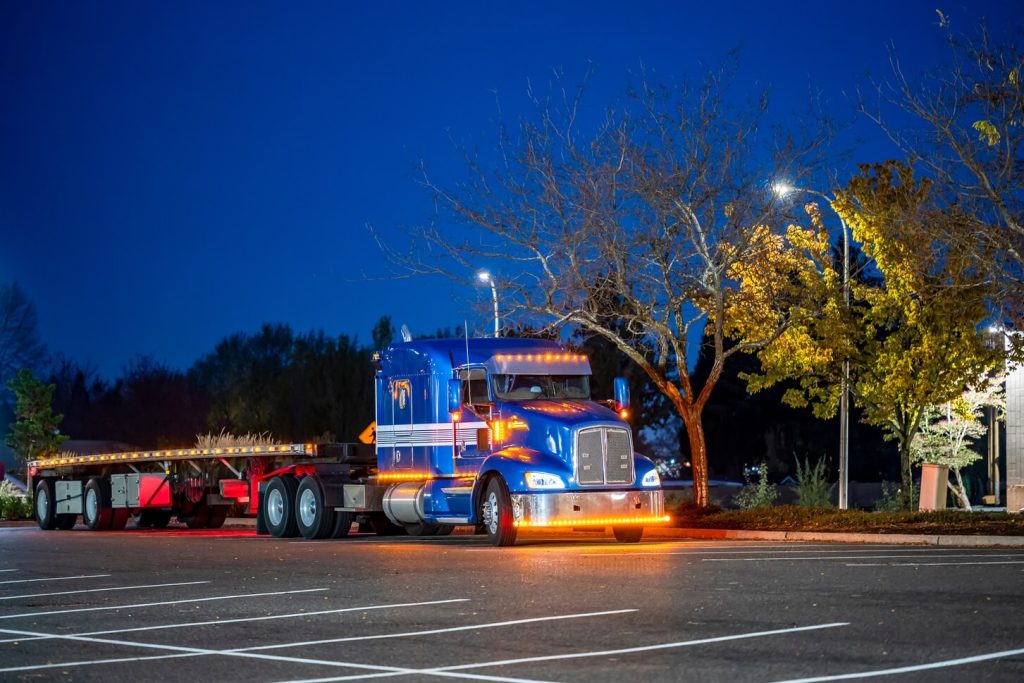
    trucks at twilight in parking lot

    For truckers, a secure parking spot is a top priority. It’s about protecting yourself and your cargo during rest periods. This article will help you spot the most important security features in truck parking lots.

    Today, technology makes finding parking easier. Services like Truck Parking Club help drivers locate available spaces across the US, from the busy corridors of New York to the open roads of Arizona.

    But it’s still important to know what makes a lot truly secure.

    We’ll cover essential elements of a well-protected parking area – from good lighting to reliable surveillance. By the end, you’ll know exactly what to look for when choosing where to park your rig.

    Ready to learn about truck parking security? Let’s get started.

    Lighting and Visibility

    Good lighting is the foundation of parking lot security. It deters potential criminals and helps you spot any suspicious activity. Well-lit areas make it easier for you to maneuver your truck safely and check your surroundings. Proper lighting also reduces the risk of accidents and makes your overall parking experience more comfortable.

    What to Look For:

    • Adequate illumination throughout the lot: The entire parking area should be evenly lit. Dark spots or shadows can be risky.
    • Working light fixtures: All lights should be functioning properly. Broken or dim lights are a red flag.
    • Motion-activated lights: These can provide an extra layer of security, alerting you to movement in the area.
    • Well-lit entrance and exit points: Clear visibility at these points helps you enter and leave safely.
    • Security lights near parked trucks: Look for dedicated lighting in the actual parking spaces. This helps you check on your truck easily.

    Surveillance Systems

    Surveillance systems act as a deterrent to potential criminals and a valuable tool for investigating any incidents. 

    What to Look For:

    • Visible security cameras with full coverage: Look for cameras that are clearly visible and positioned to cover the entire lot. They should be placed at entrances, exits, and throughout the parking area. Visible cameras send a clear message that the area is being watched.
    • Signage indicating 24/7 surveillance: Clear signs alerting people to the presence of surveillance cameras can be a powerful deterrent. These signs should be prominently displayed at entrances and throughout the lot.
    • Extended footage storage: It’s worth asking how long the parking lot keeps its surveillance footage. Longer storage periods (30 days or more) are better, as they allow for investigation of incidents that may not be immediately discovered.

    Access Control and Perimeter Security

    Effective access control and perimeter security keeps unauthorized individuals out of the parking area. These measures create a controlled environment, reducing the risk of theft, vandalism, or other security issues.

    What to Look For:

    • Gated entry/exit points: Look for parking lots with gates at all entry and exit points. These gates should be sturdy and in good working condition. They act as a physical barrier, controlling who can enter or leave the lot.
    • Staffed security checkpoints: Some high-security lots have personnel at entry points. They might check IDs, verify reservations, or simply monitor who’s coming and going. 
    • Secure, well-maintained fencing: The entire perimeter should be fenced off. Check that the fencing is tall enough (at least 6-8 feet), in good repair, and without any gaps or damage. Barbed wire or other deterrents at the top can provide extra security.
    • Natural barriers (e.g., vegetation, terrain): Some lots use landscape features as part of their security. Dense shrubs or steep slopes can make it harder for unauthorized people to enter the property. 

    Lot Layout and Design

    Good layout and design mean easier maneuvering, better visibility, and more effective security monitoring.

    What to Look For:

    1. Clear sight lines: The lot should have an open layout without blind spots or hidden areas. Look for minimal obstructions that could block your view. You should be able to see your truck from various points in the lot.
    2. Well-marked parking spaces: Check for clearly painted lines designating each parking spot. There should be adequate space between spots for easy maneuvering. An easy-to-read numbering or lettering system for spaces is also helpful.
    3. Proper traffic flow: Look for one-way lanes clearly marked with arrows. The lot should have separate entrance and exit points, and the lanes should be wide enough for trucks to turn comfortably.

    Proximity to Services

    Easy access to facilities means you’re less likely to leave your truck vulnerable for extended periods. Help is also nearby if you need it, adding an extra layer of safety to your rest stop.

    What to Look For:

    • Nearby truck stops, restrooms, or repair shops: Look for parking lots that are within walking distance of these amenities. The closer they are, the less time you’ll spend away from your truck. Some secure lots even have these facilities on-site.
    • Emergency services access points: Check how close the lot is to hospitals, police stations, or fire departments. In case of an emergency, you’ll want help to arrive quickly.  Lots should have emergency contact numbers provided.
    • Walking paths to facilities: If services aren’t on-site, there should be well-lit, clearly marked paths to reach them. Look for sidewalks or designated walking areas that keep you safely separated from vehicle traffic.

    💡Tip: Before settling in for your rest period, take a quick walk around to familiarize yourself with the location of nearby services. This can save you time and stress later, especially if you need something in the middle of the night.

    Secure Payment Systems

    Secure payment systems reduce the risk of theft or fraud associated with cash transactions and are a convenient option for reserving and paying for your parking spot.

    What to Look For:

    • Cashless payment options: Look for lots that accept credit cards, debit cards, or mobile payments. These methods are generally more secure than carrying large amounts of cash and provide a record of your transaction.
    • Verified and trusted apps like Truck Parking Club’s platform: Use reputable apps or websites for booking and payment. Truck Parking Club’s platform, for example, is a secure way to find and pay for parking spots across the country.
    • Clear display of payment methods and fees: The lot should clearly communicate accepted payment methods and all associated fees. This transparency helps you avoid unexpected costs and can pay without issues.

    Take Action for Safer Parking

    Ready to put this knowledge into practice? Truck Parking Club makes finding parking spots that prioritize your security easy. With our platform, you can:

    • Browse lots with information about their security features and amenities
    • Reserve spots in advance, ensuring you have a secure place to park
    • Pay securely through our trusted app

    Don’t leave your next parking spot to chance. Download the Truck Parking Club app or Sign up as a Truck Member Today to find secure parking options for your next trip.

    The information published herein is for general informational purposes only. Truck Parking Club does not make any representations or warranties about the completeness, reliability, legality, and accuracy of this information. Any reliance placed on such material is strictly at the user’s own risk. Truck Parking Club shall not be responsible for any losses or damages incurred in connection with the information published herein.

  • Why Consider Electrification at Truck Parking

    Why Consider Electrification at Truck Parking

    Truck parking facilities are essential to truck drivers, who spend long hours behind the wheel. Nevertheless, these places usually lack some essential facilities. Truck stop electrification fills this gap and transforms truck parking lots into more environmentally friendly and efficient spaces.

    Whether you’re parked in California, Florida, or New York, more and more truck parking facilities are offering electrification options. This growing trend across various states means drivers can increasingly find powered parking spots that enhance their comfort, no matter where their routes take them.

    Betterment Of Truck Parking Lots

    Truck parking lots offer many benefits by supplying electricity. One is that a power supply allows drivers to recharge their devices, such as mobile phones and laptops, thus ensuring they never lose touch with their families, dispatchers, and other colleagues on the road. This type of engagement helps drivers both socially and professionally while driving.

    Moreover, truck parking spaces should also be powered so that drivers can use various electronic appliances like microwaves and coffee makers. This will enable the drivers to prepare their own meals and enjoy hot drinks, hence making resting periods healthier and more convenient.

    However minor these comforts may appear, they can make a huge difference in general driver well-being and job satisfaction, thereby increasing job productivity.

    Electricity provision is also important for security reasons in the truck parking space. Properly lit parking reduces the possibility of accidents by making it safer, as well as theft or vandalism incidences. Furthermore, electricity availability will result in security cameras and alarms, thus making the facility safer than before.

    Therefore, this will enable them to sleep comfortably, knowing that they are protected along with their cargo. Additionally, they will have a place to relax even before embarking on journeys.

    Parking lots from the Truck Parking Club (TPC) prioritize electrification in truck parking areas because they understand its significance to truck drivers as part of a driver-centric approach, which focuses on the healthiness and happiness of truckers.

    Mitigating Pollution

    Truck parking facilities that are shifting toward electrification present a huge opportunity to address the urgent environmental problem of carbon emissions caused by idling vehicles in the transport industry. By replacing the dependence on idle engines with access to electricity, drivers can power critical systems, appliances, climate control units, and other equipment without polluting the air.

    This move towards electrification has many ramifications. Firstly, it directly helps reduce pollution within truck parking areas, leading to fresh air for employees, nearby communities, and the ecosystem as a whole. Moreover, reduced reliance on diesel-powered idling engines contributes to lowering overall transportation industry carbon emissions and aligning them with wider environmental sustainability objectives.

    Moreover, long-term advantages go beyond instant environmental betterment. This will establish a highly sustainable electric vehicle trend in truck yards. Not only does it demonstrate a commitment to a cleaner environment, but it also makes it possible for the sector to take a lead role in embracing creative mitigation strategies away from its current position as a major polluter.

    Energy-Efficient Solutions

    Among the several advantages of electrification in truck parking is that it allows for plug-in refrigeration units. By using electricity to run their refrigeration systems instead of keeping engines running, drivers can significantly reduce fuel consumption and emissions. This not only supports environmental goals but also offers a reasonable way to keep perishable items at optimal temperatures.

    Furthermore, truck parking lots that use electric power could save drivers large amounts of money. In terms of managing resources in the trucking industry, electrification is an economically viable and energy-efficient approach that reduces fuel usage and operational costs.

    Summary

    Introducing electricity in truck parking is an efficient move towards sustainable practices and efficiency. It’s not just an advantage but rather a necessity for the future development of this sector. These are some major reasons why making truck stops eco-friendly will help enhance them as they become more conducive to the environment by reducing pollution and embracing energy-efficient technologies, among other aspects.

    As the trucking industry embraces electrification, the need for smart, efficient parking solutions becomes even more critical. Electrified parking spaces are just part of the solution – the next step is making these spaces easily accessible to truckers while helping property owners capitalize on this growing demand. This is where Truck Parking Club steps in, offering innovative solutions for both truckers and property owners:

    Truckers, don’t waste time searching for parking! Download the Truck Parking Club app today and start reserving secure spots in real-time. Save time, reduce stress, and focus on what matters—the road ahead.

    Become a Trucker Member

    Property owners turn your empty space into extra income! Join Truck Parking Club now and start monetizing your underutilized property. It’s an easy and smart way to boost your revenue stream.

    Become a Property Member

    The information published herein is for general informational purposes only. Truck Parking Club does not make any representations or warranties about the completeness, reliability, legality, and accuracy of this information. Any reliance placed on such material is strictly at the user’s own risk. Truck Parking Club shall not be responsible for any losses or damages incurred in connection with the information published herein.

  • Five Reasons Truck Stops Should Offer Healthy Food Options

    Five Reasons Truck Stops Should Offer Healthy Food Options

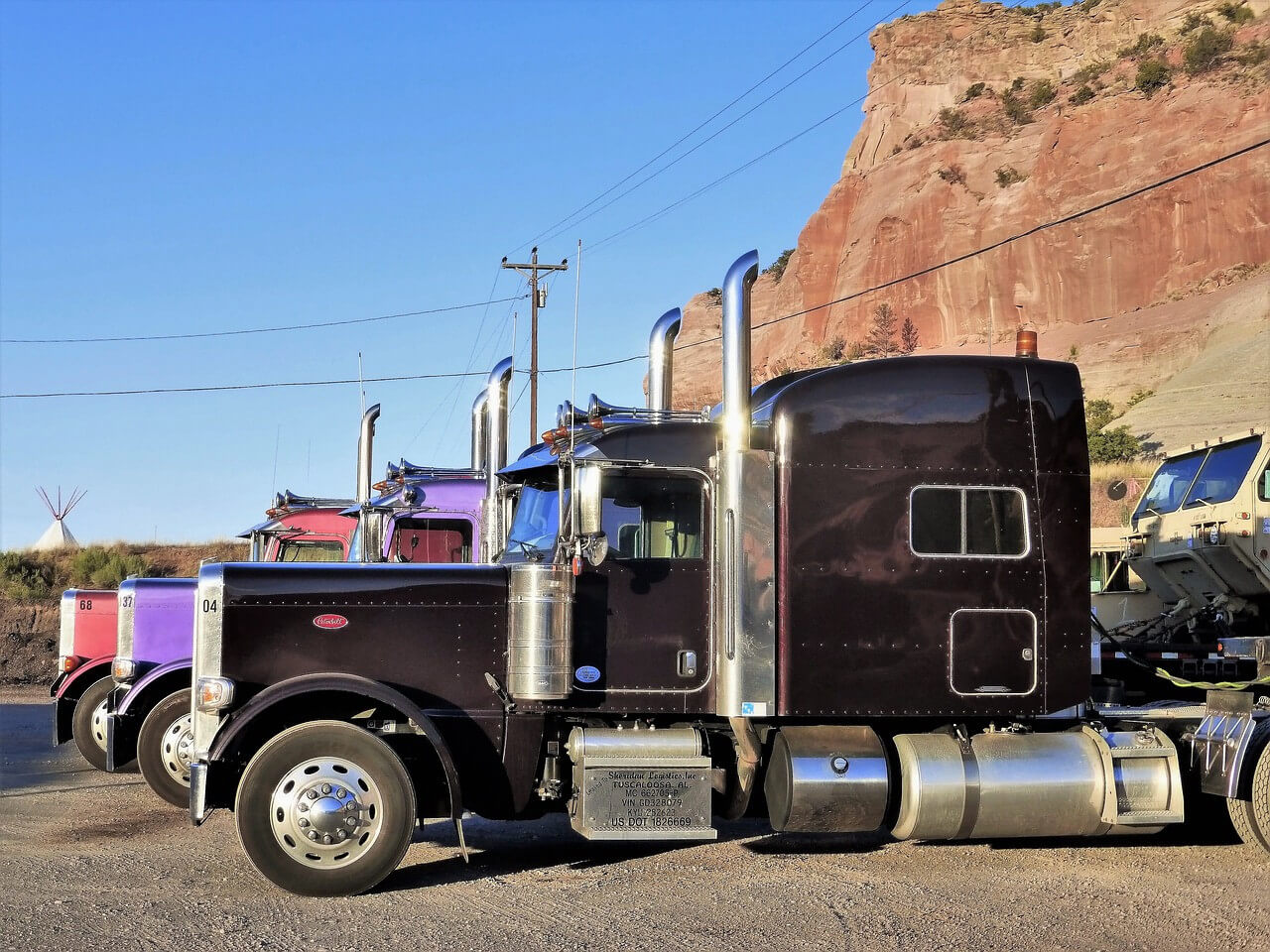
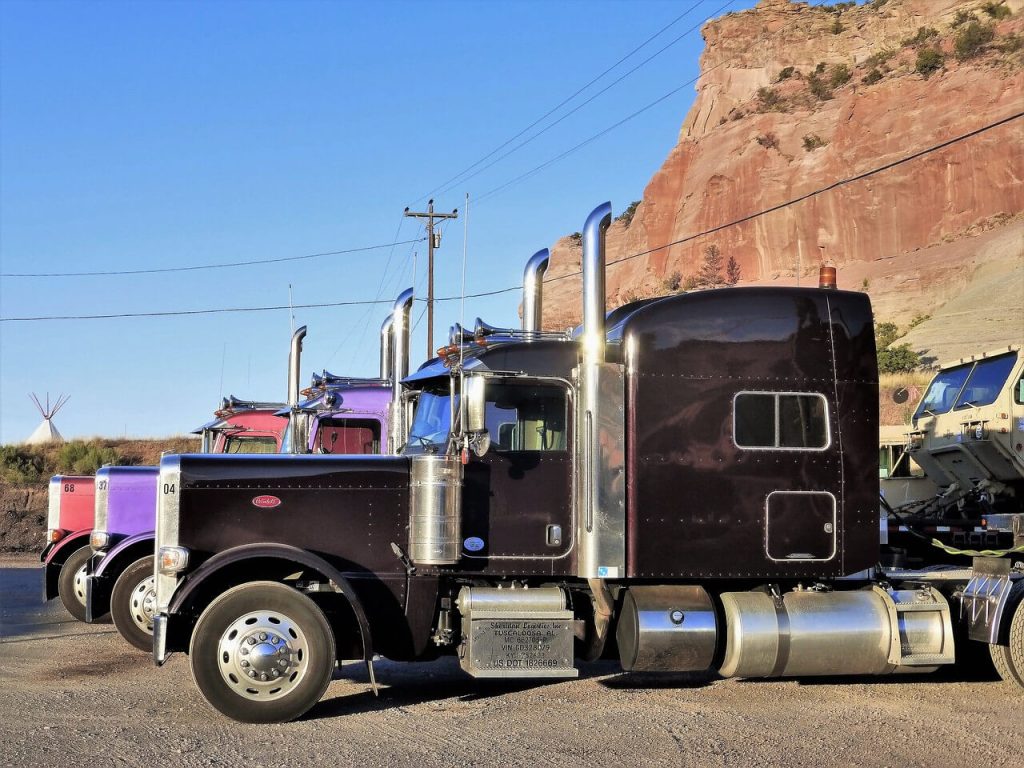
    a row of trucks parked in a lot

    Truck drivers spend an ungodly amount of hours away from the comforts of home, usually with limited access to nutritious meals. While truck driver food has improved over the years, traditional truck stops tend to offer fast food and snacks that aren’t the healthiest options. 

    However, providing healthier choices can greatly benefit both drivers and truck stop owners in equal measure. As a Truck Parking Club property member, we are not suggesting you transform your parking lot into a vegan-fueled health utopia – we are almost certain most truckers would not appreciate that, after all – but we do believe there are good reasons why offering healthy food options at your truck stop is a smart move.

    In this short blog post, we will examine five of them. Let’s get to it.

    1. Promoting Driver Health

    A trucker’s lifestyle can often lead to poor eating habits, contributing to health issues like obesity, heart disease, and diabetes. By offering healthy food options at your truck stop, you allow drivers to make better food choices that can help them maintain their health. 

    A well-nourished driver is likely to be more alert and perform better on the road, reducing the risk of accidents. Property members who encourage healthy eating habits among their customers will show that you value their well-being, which can create a sentiment of loyalty among your customers. 

    Advertising-these healthier options through Truck Parking Club listings can draw more drivers to your truck parking business, increasing revenue for your semi-trailer parking lot. You might think most truck drivers prefer less-than-healthy options, but you could be surprised how many are switching to more healthy options.

    2. Catering to Diverse Dietary Needs

    Modern truck drivers come from various backgrounds, with differing dietary preferences and restrictions. When you think about it, it makes sense to offer a range of healthy options, such as vegetarian, vegan, gluten-free, and low-carb choices, to ensure that you provide for that broader audience. 

    When drivers know they can find food that meets their dietary needs at your truck stop, they are far more likely to choose your location over other truck parking lots. This not only improves the overall customer experience but also helps to improve the reputation of your semi-trailer parking facility. Listing diverse food options on your Truck Parking Club listing further highlights your commitment to meeting the needs of all drivers, and they will remember you for that.

    3. Economic Benefits

    Awareness of healthy eating is increasing, and more consumers are becoming health savvy. Truck drivers are no exception, with many now actively seeking nutritious food options while on the road. By offering these choices, your truck stop can attract not only health-conscious drivers but also other travelers looking for better meal options. This means one thing: increased sales and customer loyalty. 

    truck parked in a lot

    In addition, a unique selling point like healthy food can set your semi-trailer parking facility apart from competitors, giving you an edge in a crowded market. Advertising your healthy offerings on Truck Parking Club can help spread the word and draw more business to your truck parking lot business, turning vacant land into a profitable venture.

    4. Building a Community Hub

    As you know, truck parking lots aren’t just about parking up and resting. They are also social spaces where drivers can connect with other drivers and take a break from the road’s solitude. You can lend to that atmosphere by creating a more positive and welcoming environment through the provision of healthy food options.

    Again, when you consider it carefully, the idea makes perfect sense. Drivers might be more inclined to linger and socialize if they have access to nutritious meals and snacks, leading to a sense of community within your truck stop. This is another strategy that can lead to increased customer satisfaction and repeat business.

    5. Supporting Local Businesses and Sustainability

    Partnering with local farmers and producers to source fresh, healthy ingredients for your truck stop’s menu can have a ripple effect of positive impacts. You’ll be supporting local agriculture, reducing your carbon footprint by shortening supply chains, and offering drivers a taste of the region they’re passing through.

    Promoting these local partnerships and sustainable practices can attract environmentally conscious customers and contribute to a positive brand image for your truck stop.

    Bottom Line

    Offering healthy food options at your truck stop is a shrewd investment that benefits both drivers and, in turn, your business. Focus on drivers’ health needs and promote healthy eating, and you can attract more visitors to your semi-trailer parking lot, improve your brand’s reputation, and boost your bottom line. 

    Don’t miss out on the opportunity to make a positive impact. Start offering healthy options today and watch your business grow!

    Interested in joining the parking revolution? If you have private commercial land available, you can effortlessly build a lucrative revenue stream by listing vacant spaces with Truck Parking Club and becoming a property member

    The information published herein is for general informational purposes only. Truck Parking Club does not make any representations or warranties about the completeness, reliability, legality, and accuracy of this information. Any reliance placed on such material is strictly at the user’s own risk. Truck Parking Club shall not be responsible for any losses or damages incurred in connection with the information published herein.
  • How Much Space Do Trucks Need?

    How Much Space Do Trucks Need?

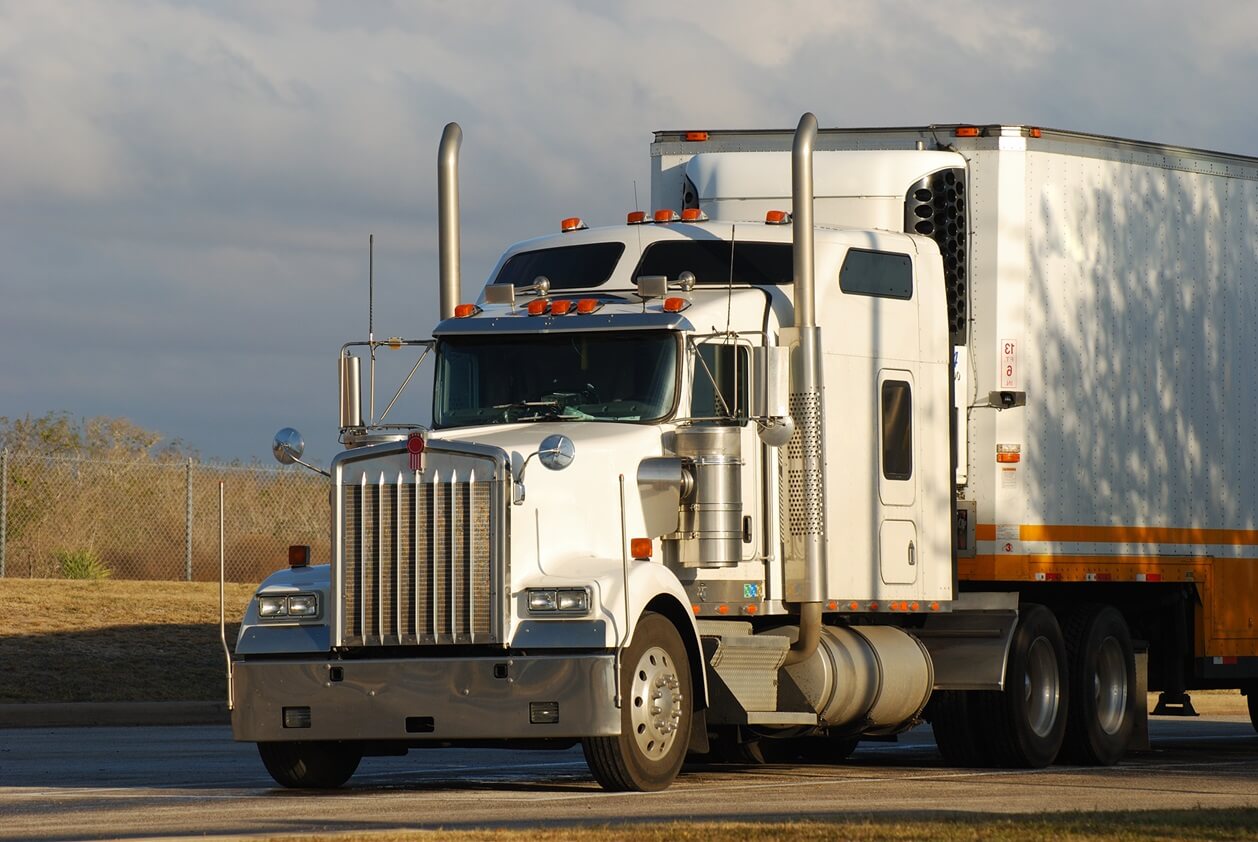
    big semi-truck

    One of the most important aspects of logistics is efficient truck transportation. For this reason, it is necessary to understand the spatial requirements of trucks prior to designing and planning for parking facilities. Besides safety concerns, trucks need spacious areas for their operations to be effective. This blog explores the realm of truck parking and looks at how much space will be enough for a single truck.

    Understanding Parking Spot Dimensions For Trucks

    The dimensions of the parking spaces are critical in designing facilities for semi-trailer parking and commercial truck parking lots, as they ensure the functionality and safety of the lot. The sizes of these parks have a significant impact on how trucks move about or stop, which makes it necessary to consider the specific width or length requirements of these vehicles.

    The first thing to consider is that the parking slot in a commercial truck parking lot must be wide enough. Trucks, such as semi-trailers, need to have enough width to enter and leave their respective slots comfortably. The minimum space needed is 15 feet, which accommodates the measurement of most trucks and trailers, leaving enough distance on each side. This makes it easy to park and also reduces the chances of accidentally hitting other vehicles.

    The length of parking spaces is equally significant as their widths for catering to the different sizes of trucks. Various commercial trucks have a variety of lengths, ranging from basic tractor-trailer configurations to long combination vehicles. The length of a parking space ideal for a truck normally ranges between 30 and 40 feet. The range accommodates different sizes of trucks that are usually found in commercial motor freight, therefore ensuring that various trucks have enough space to park and maneuver within a parking area.

    Truck Parking Club (TPC) has parking lots that enable efficient truck operation. This is due to the presence of enough space that allows drivers to turn their trucks safely without congesting the parking area. Additionally, it ensures a secure environment for truck drivers as well as other users of such parking lots.

    Different Trucks’ Space Requirements

    Trucks are the transportation industry workhorses, and they require different spatial considerations in terms of parking and maneuvering, whether in Arkansas or Iowa. One type of truck that is commonly encountered is a semi-trailer, which consists of a truck cab and a trailer meant for carrying goods. In this regard, you should be interested in knowing how much space these semi-trailers need to make good parking facilities.

    A typical semi-trailer requires quite a bit of storage space. For purposes of parking and storage provision, the trailer alone should be allocated an area measuring 55 feet long by 14 feet wide, considering its length and width measurements. This space is designed to ensure that no trailers can block other users or pose risks within the parking lot. It also allows for smooth movement and ease of offloading operations.

    When accommodating the truck and trailer, a larger space measuring 75 ft by 14 ft should be provided. This takes into consideration the overall length of the truck plus that of the trailer. It provides enough room for parking and nose swinging (maneuvering). The extra length helps align properly with one another on any given plot, thus minimizing damage risk and ensuring safe operation inside the facility.

    Further Considerations

    Apart from providing sufficient space for trucks, parking facilities must also meet trucker’s requirements. It means setting aside areas where drivers can park their trucks while resting. The lot should also provide conditions for safe and comfortable resting. In addition, drivers need about 100 feet of clearance behind them when they back out of a parking place.

    During turning maneuvers, a medium-sized semi-truck making a 180-degree turn requires an outer turning radius of at least 40 feet. This is significant since it promotes smooth vehicle operations and reduces any risks faced during maneuvering.

    To Summarize

    Understanding the spatial requirements of trucks is essential for designing efficient and safe parking facilities in the logistics industry. By providing adequate space for various types of trucks, considering factors like backing space and turning radius, and accommodating the needs of truck drivers, parking facilities can enhance operational efficiency and safety. 

    Incorporating these dimensions and requirements ensures that truck parking spaces are optimized for the smooth flow of operations and contributes to a more productive and organized trucking environment. Look for parking lots from TPC to ensure your truck has the space it needs. You can also become a property member and help truck drivers find the best space for their trucks, regardless of size.

    The information published herein is for general informational purposes only. Truck Parking Club does not make any representations or warranties about the completeness, reliability, legality, and accuracy of this information. Any reliance placed on such material is strictly at the user’s own risk. Truck Parking Club shall not be responsible for any losses or damages incurred in connection with the information published herein.
  • How Many Trucks Can Be Parked in an Acre?

    How Many Trucks Can Be Parked in an Acre?

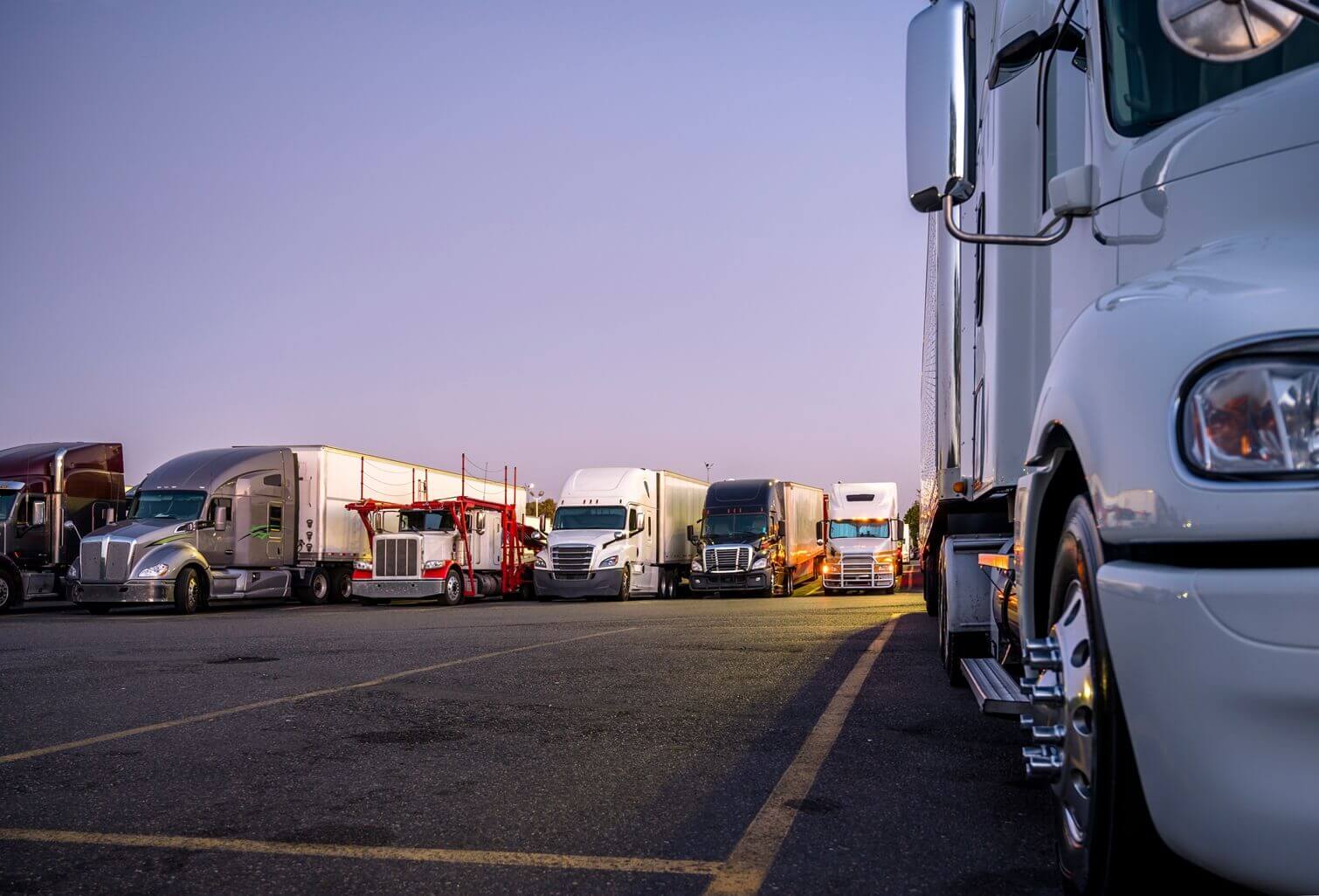
    Row of semi trucks lined up at dusk in a truck stop parking area

    The trucking industry depends on a network of parking areas to keep drivers safe and deliveries on schedule. So, the question is, how many parking spaces per acre? By maximizing parking space utilization, the total logistics process can be improved.

    Factors Affecting Parking Space Utilization

    Layout And Design

    The layout and design of a truck parking area greatly determine the number of trucks that can fit on a given acreage. Different types of parking layouts, such as angle, perpendicular, and parallel parking, have varying benefits and factors to consider when designing for efficiency in space use.

    Angle Parking

    Angle parking is a common choice for truck parks due to its balance between compactness and maneuverability. Trucks are parked at an angle with respect to the driving aisle so as to provide greater visibility when entering or leaving the lot. Parking lot planners achieve great numbers on limited spaces while keeping drivers safe by using this kind of approach.

    Perpendicular Parking

    Parking trucks at right angles to the drive-throughs is referred to as perpendicular parking. This design allows for more truck parking, but drivers may need more expertise and precision when they want to park or even go out. This system can further hinder truck maneuvering, especially in limited spaces.

    Parallel Parking

    Linear or elongated truck parking areas usually employ parallel parking. This permits a higher concentration of trucks parked in a straight line, thereby making the best use of space. Nevertheless, compared to angle or perpendicular layouts, parallel parking has a balanced trade-off between maximizing space and maneuverability but can be less efficient in accommodating the largest number of trucks.

    Type and Size of Trucks

    What sort and size of tracks determine how many cars can fit within a truck car park? Different types, such as semi-trailers, box trucks, or flatbeds, have various sizes and spatial requirements that affect the total capacity within a compound.

    Semi-trailers are the largest trucks in truck parking. Since they are long and tall, you need to ensure there are enough parking spaces per acre to accommodate both the cab and trailer units.

    The design of a parking facility intended to hold semi-trailers must include provisions for the turning radius, maneuvering space, and overall dimensions of these types of vehicles so that the maximum number of parking spaces can be achieved.

    Box Trucks

    Compared with semi-trailers, box trucks are smaller but still require adequate parking space and room for maneuvering. Thus, during the planning stage of a truck parking layout, one also has to take into account the size of the truck, in terms of length or height, so that the available land resource is used well.

    Flatbed Trucks

    Parking flatbeds differ from other types because they have an open motor home freight carrier. Parking lots meant for flatbeds must have accommodations at the rear end that cater to this feature while allowing drivers safe access to their parked cars.

    To ensure that there is sufficient parking space available within a truck lot, one needs to optimize flatbed trailer lengths along with widths and clearance requirements.

    Determining How Many Trucks Can Fit on a Square Acre

    Calculation of Available Parking Space: The size and shape of an acre can greatly affect the number of trucks it can hold, yet estimates usually range from 34 to 40 trailers per acre without considering the truck’s cab.

    • A bare-bones lot with minimal amenities and tight spacing might fit up to 40 trucks per acre.
    • A more spacious layout with lots of amenities might only accommodate 15-20 trucks per acre.

    When planning a truck parking area, it’s best to balance maximum capacity with driver safety, comfort, and regulatory compliance. While fitting more trucks per acre can seem advantageous, it’s often better to aim for a number in the middle of the range to ensure a functional, safe, and driver-friendly parking facility.

    Factors Influencing the Number of Trucks Parked

    • Parking Lot Configuration
    • Size of Vehicles
    • Mixed Vehicle Size
    • Space Used for Additional Amenities
    • Local Regulations

    To Summarize

    Efficient parking space utilization, whether in Iowa or Minnesota, is essential for the trucking industry to streamline operations and ensure the well-being of drivers. By understanding the factors influencing truck parking capacity and implementing best practices, you can maximize the number of trucks parked per acre.

    Become a property member and help increase the number of efficient parking lots across North America.

    If you are a driver, you can sign up as a Truck Member and take advantage of truck parking throughout the USA.

    The information published herein is for general informational purposes only. Truck Parking Club does not make any representations or warranties about the completeness, reliability, legality, and accuracy of this information. Any reliance placed on such material is strictly at the user’s own risk. Truck Parking Club shall not be responsible for any losses or damages incurred in connection with the information published herein.
  • The Impact of Weather Conditions on Parking Lot Maintenance

    The Impact of Weather Conditions on Parking Lot Maintenance

    truck on a road during winter

    As a property member, the parking lot is the heart of your business. With a steady stream of truckers supplied through our popular truck parking app, there aren’t too many things that can cause disruption to your monthly revenues, especially with the current truck parking crisis driving demand.

    However, even the most successful truck parking business can be vulnerable to the unpredictable nature of weather if unprepared. From extreme heat to torrential downpours, harsh weather can potentially inflict damage on your asphalt investment, leading to unexpected costs and disruptions to your business.

    Again, this applies only to the unprepared. Being aware of a few things and knowing how to respond can completely negate unexpected costs and disruptions. 

    This short blog post will show you how. But first, how can bad weather affect your truck parking lot business? Let’s take a quick look before moving on to a few strategies. 

    How Weather Can Cost You

    The financial impact of weather-related damage on a truck parking lot is often underestimated and commonly overlooked. Just one solitary season of neglect can result in a nasty domino effect of costly problems, the most common of which is intense summer heat that can cause asphalt to soften and deform.

    This can lead to rutting and undulated depressions that harm your lot’s appearance and functionality. Heavy rainfall can erode unsealed surfaces, creating potholes and cracks that pose risks to trucks and drivers, and it can happen really quickly.

    To make matters worse, winter’s freeze-thaw cycles can compound these issues, causing further deterioration and expanding existing damage. 

    The problem is that repairing this damage is not only horribly inconvenient but also surprisingly expensive.  Beyond the cost of patching potholes and resurfacing, you could even face additional expenses like:

    • Loss of Revenue: A damaged lot may need to be closed for repairs, resulting in lost income from parking fees.
    • Liability Issues: If a truck driver or pedestrian is injured due to poor lot conditions, you could be held liable for damages.
    • Decreased Property Value: A poorly maintained parking lot reflects negatively on your property’s overall value, damaging your brand with bad reviews

    The best approach is to be mindful of the problem and acknowledge the potential threat of it transpiring. Be diligent and keep a close eye on the surface, investing in basic upkeep and addressing weather-related issues quickly.

    The key message here is to respond to issues early before they grow into something costly. To do so, you need to be aware of how the different seasons can pose separate issues.

    Seasonal Maintenance Checklist

    Again, taking a proactive approach to truck parking lot maintenance is your best defense against costly weather-related damage. With that in mind, we have prepared a seasonal truck parking checklist to help you stay ahead of the issue:

    Spring

    As the snow melts and April showers arrive, your focus should be on drainage, so clear out any debris that has accumulated in drains and gutters over the winter months. You might be surprised how much they build up if neglected. This will be a huge help in preventing water from pooling on the surface, which can weaken the asphalt and lead to potholes. 

    Now is also an ideal time to handle any potholes and cracks that developed during the winter freeze-thaw cycles. Patching them quickly prevents further damage and keeps your lot safe from truck traffic. If your seal coating is looking a bit worn, consider a touch-up to protect against the upcoming summer sun.

    Summer

    The scorching summer sun is no friend to asphalt. The intense heat can soften the surface surprisingly quickly and lead to rutting, especially under the weight of heavy trucks. Again, regularly inspect your lot for signs of deformation and address any issues immediately.

    As the mercury rises, cracks can expand, so it’s important to seal them before they become worse. Don’t forget about dust control, though – a dusty lot can be a nuisance to drivers and neighbors in equal measure. Dust suppressants are inexpensive and can really help keep things under control.

    maple leaf in a pothole

    Fall

    As the leaves start to fall, so does your parking lot revenue if you’re not prepared. Clearing drains of leaves and debris should be a priority to prevent clogging and ensure proper drainage during fall rains. 

    This is also the time to start thinking about winter, so go ahead and stock up on de-icing materials and ensure your snow removal equipment is in good working order. Just a little preparation in the fall can save you relentless headaches come winter.

    Winter

    Winter brings the most obvious weather issue in the form of snow and ice, depending on where your parking lot business is located, of course. If you are based in a frequently icy climate such as Alaska, you will already be well prepared for winter weather. If you are not, regular snow removal is a habit you need to become familiar with in areas with cold winters. 

    Battling ice is simple enough – just choose a de-icing agent that won’t damage your asphalt and apply it according to manufacturer instructions. Also, be mindful of where snow is piled: excessive weight in one area can lead to structural issues. As a side note, keep plenty of salt or grit on hand for icy conditions. 

    Additional Weather Considerations

    Wind: A stiff breeze might seem harmless, but it can turn your lot into a collection zone for debris like tree branches and litter. Not only does this look unprofessional, but it can also create hazards for trucks and drivers. Regular clean-up is required, and if you’re in an especially windy area, consider investing in a few windbreaks or barriers.

    Lightning: If your truck parking lot has lighting or other electrical systems, you need to protect them from lightning strikes. While rare, a direct hit can cause serious damage, leaving you in the dark and potentially liable for any resulting accidents. 

    Flooding: A heavy downpour can quickly overwhelm a poorly designed drainage system, leaving your truck parking business underwater and pretty much unusable. Get into the habit of inspecting and maintaining your drainage systems to ensure they are free of debris and functioning properly. 

    If your lot is in a flood-prone area, you might wish to consider additional measures like raised curbs or even permeable paving.

    Regional Variations: Weather patterns vary significantly from region to region. Some areas experience extreme heat and drought, while others face heavy snowfall and freezing temperatures. 

    Either way, you should create a maintenance plan that reflects your specific climate. Think about essential elements like temperature range, precipitation levels, and the likelihood of severe weather events like hurricanes or blizzards in your area. 

    Bottom Line

    Ultimately, defending a truck parking lot against harsh weather conditions boils down to good common sense. Provided you get into the habit of regular checks, protecting your business against the extremities shouldn’t pose too much of an issue.

    Interested in becoming a property member with Truck Parking Club? If you have private land available, there has never been a better time to take advantage of the shortage in truck parking across America. 

    Sign up with Truck Parking Club today and learn how we can help you turn your land into a healthy, reliable income stream, no matter what the forecast holds!

    The information published herein is for general informational purposes only. Truck Parking Club does not make any representations or warranties about the completeness, reliability, legality, and accuracy of this information. Any reliance placed on such material is strictly at the user’s own risk. Truck Parking Club shall not be responsible for any losses or damages incurred in connection with the information published herein.