Category: Parking Tips

  • Public-Private Partnerships for Truck Parking Development

    Public-Private Partnerships for Truck Parking Development

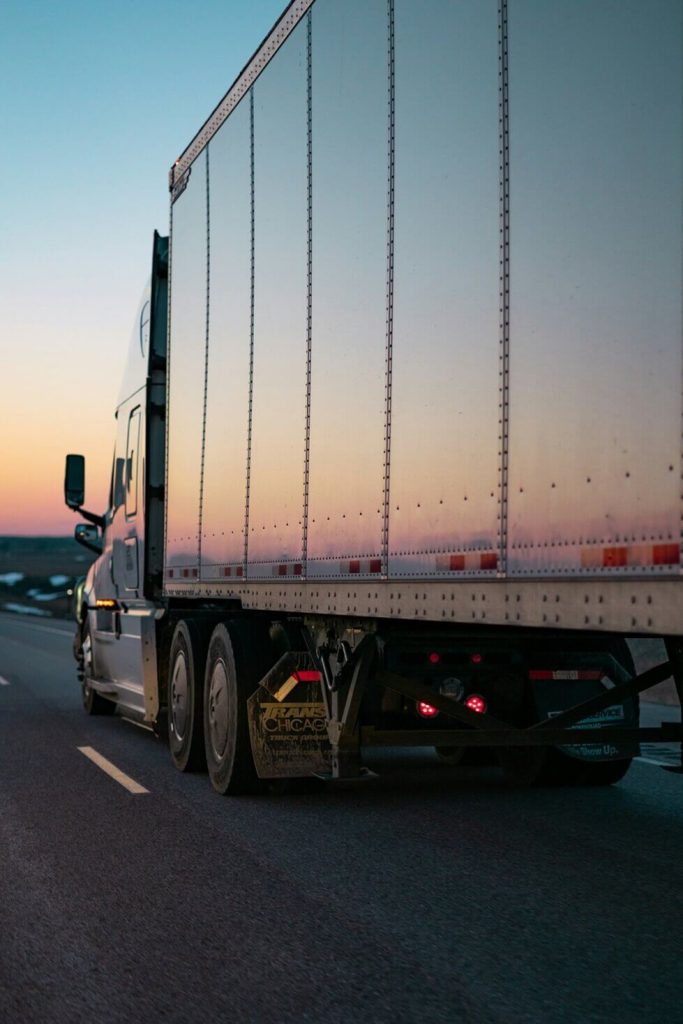
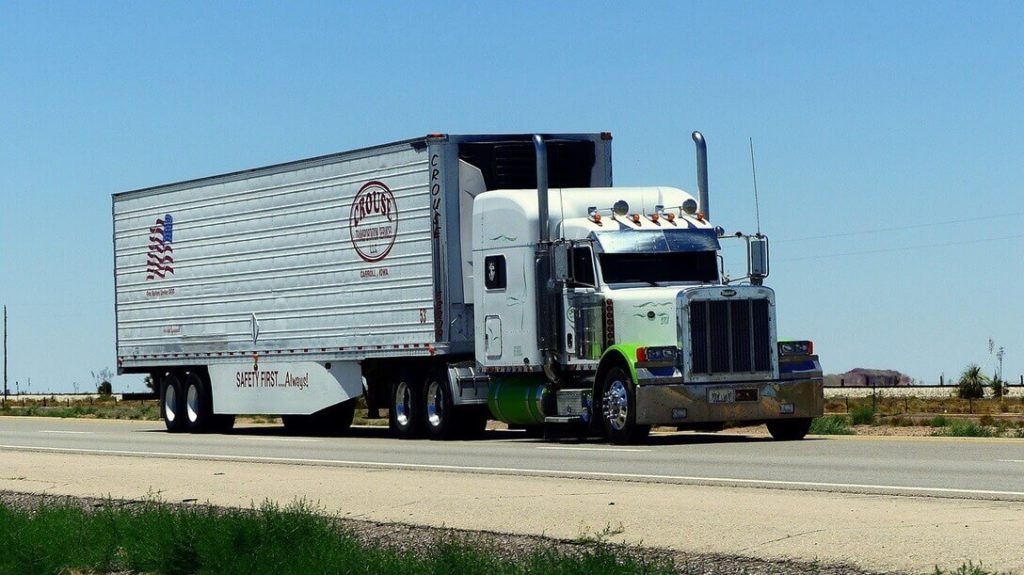
    truck on highway

    Public-private partnerships (PPPs) have become an increasingly popular approach to addressing public infrastructure challenges. These collaborations between government entities and private sector companies can effectively pool resources, expertise, and innovation to tackle complex issues. 

    One such issue is the growing need for truck parking facilities across the United States. PPPs offer a promising solution to the nationwide truck parking shortage, ensuring that truck drivers have access to safe, secure, and convenient parking options.

    Understanding the Challenge

    The scarcity of truck parking in urban and semi-urban areas poses significant safety and logistical challenges for truck drivers. Finding a place to rest, use amenities, and comply with hours-of-service regulations can be difficult, especially in high-traffic regions. There’s a real mismatch between truck parking demand and availability, and the projected growth in truck traffic may further strain the limited supply of parking facilities.

    Public and Private Contributions

    PPPs allow the public and private sectors to contribute their unique strengths to address the truck parking shortage. Governments can provide land, regulatory support, and initial funding for parking projects. Meanwhile, private companies bring innovation, management expertise, and additional capital to the table. 

    By combining these resources, PPPs can develop and operate truck parking facilities more efficiently and effectively than either sector could alone.

    Underutilized City-Managed Parking

    Cities often have parking assets that could be repurposed for truck parking. These may include excess airport parking, city-owned staging areas, stadium parking, government building parking lots, transit or maintenance yards, major shopping malls, government-owned sites awaiting development, warehouses, or other shipping/receiving points. By reviewing their available parking inventory, cities can identify opportunities to create truck parking through PPPs.

    Characteristics of Good Truck Parking

    Well-designed truck parking facilities should be strategically located to support efficient goods movement. They should offer amenities such as restrooms, food options, and safe, secure environments for drivers to rest. Parking solutions must accommodate both short-term needs, such as staging for deliveries, and longer-term requirements for mandated breaks and overnight stays. Inadequate parking can lead to illegal or unofficial parking on shoulders, ramps, and local streets, compromising safety and community relations.

    Benefits of PPPs in Truck Parking

    PPPs have the potential to transform underutilized public spaces into profitable and efficient truck parking facilities. By leveraging the strengths of both the public and private sectors, these partnerships can improve safety, generate revenue for cities, and provide better services for truckers. PPPs can also foster innovation in parking management, such as the use of technology to optimize utilization and improve the driver experience.

    Economic Impact of Improved Truck Parking Facilities

    Public-private truck parking partnerships also contribute to the local and national economy.

    Improved Logistics Efficiency

    Strategically located truck parking facilities streamline supply chain operations, allowing for more efficient route management and reduced operational costs.

    Reducing Cargo Theft

    Well-equipped truck parking facilities with security measures like surveillance and lighting decrease the risk of cargo theft. Secure parking spots protect goods and lower insurance claims, maintaining the integrity of the supply chain.

    Decreasing Idle Time for Truck Drivers

    Improved parking facilities reduce idle time by providing ample and accessible spaces, which helps drivers comply with hours-of-service regulations more efficiently. This reduction in idle time decreases fuel consumption and vehicle wear, enhancing operational efficiency.

    Impact on Local Economies

    Truck parking can generate direct employment in construction, maintenance, and security and promote local business through additional services like dining and retail.

    Truck Parking Club as a Solution

    Truck Parking Club exemplifies an innovative approach to addressing truck parking shortages. This platform connects drivers seeking parking with property owners who have available space.

    Features

    • Property members can list their available spaces on our online platform making it visible to truck drivers in need of parking.
    • The platform automates the reservation, booking, customer service, and payment processes, simplifying the experience for both drivers and property owners.
    • Owners have the autonomy to set and modify pricing based on demand and other factors, allowing them to maximize their revenue.

    Benefits for Property Members

    • Property Members can generate additional income by monetizing their unused spaces for truck parking.
    • They can control the availability and pricing of their property.
    • The process to become a member and list a property can be completed in 15 minutes or less, making it very accessible.

    Benefits for Trucker Members

    • Drivers can easily search for and book parking spots in advance, ensuring they have a safe and secure place to rest.
    • The platform offers a wide range of locations across the United States, providing options near major highways, urban centers, and other strategic locations.
    • With customer support and an easy-to-use platform, drivers can rely on Truck Parking Club for consistent service.

    How It Works For Property Owners

    Sign Up – Create an account to list your property.

    List Your Space – Add details about the space, set the pricing, and publish your listing.

    Manage Bookings – Receive notifications of bookings, manage your listings, and interact with customers directly if needed.

    Wrapping Up

    Public-private partnerships (PPPs)can greatly impact addressing infrastructure challenges within the trucking industry, particularly in solving the truck parking crisis.

    By combining public resources and private sector innovation, these partnerships can deliver effective truck parking solutions that benefit truck drivers and individuals or organizations with unused spaces.

    Truck parking partnerships, facilitated through platforms like Truck Parking Club, illustrate the transformative potential of PPPs. These types of partnerships utilize underused public and private properties and ensure that truck drivers have access to safe, secure, and strategically located parking facilities.

    Discover how easy it is to get started:

    Free Sign-up For Property Members Here

    Free Sign-up For Truck Members Here

    The information published herein is for general informational purposes only. Truck Parking Club does not make any representations or warranties about the completeness, reliability, legality, and accuracy of this information. Any reliance placed on such material is strictly at the user’s own risk. Truck Parking Club shall not be responsible for any losses or damages incurred in connection with the information published herein.


  • How to Make Your Truck Parking Lot Eco-Friendly

    How to Make Your Truck Parking Lot Eco-Friendly

    green parking lot

    Over the last few decades, the reality of climate change and global warming has sunk in. People and businesses everywhere are slowly realizing that they need to contribute towards positive environmental change.

    The trucking industry is no exception, and efforts to make it more green have led to terms like “eco-friendly parking lot” and “sustainable truck parking lot.” In this article, we’ll discuss some of the steps you can take to make your lot a greener place. Let’s take a look at how to create a green and sustainable parking lot.

    How to Create an Eco-Friendly Truck Parking Lot

    Choose Your Paint Wisely

    Painting your truck parking lot is essential. WIthout appropriate markings and demarcations, you’d have chaos and likely see a fair number of accidents.

    However, if you use the wrong type of paint, it can have a disastrous effect on the environment. That’s why it’s so important to choose an environmentally conscious paint brand.

    Paints are some of the most common types of air pollutants, and may contain an array of different atoxic gases. Some of the most common include Volatile Organic Compounds (which have a fairly disastrous effect on the environment). Glycol, ammonia, and xylene are just a few examples of VOCs.

    The best way to paint a sustainable parking lot for trucks is to use biodegradable paint. These paints typically contain little to no VOCs and exclude most other noxious gases. They’re typically also non-toxic, meaning they won’t poison any nearby habitats or water sources. 

    These paints usually consist of natural materials, so they may need to be applied more regularly. Alternatively, you can seal them with a safe, non-toxic sealant to ensure that they give you the longevity you need.

    Incorporate Vegetation Into Your Truck Parking Lot

    One of the big problems with unsustainable truck parking lots is that they consist almost entirely of concrete, cement, and tarmac. As a result, they are unable to process any of the greenhouse gases produced by the trucks.

    They also become “heat sinks,” where the heat becomes trapped and doesn’t easily go through the natural cycle of heating and cooling.

    One way to alleviate these effects is to incorporate trees and other vegetation into the parking lot design. For instance, you could plant a tree every 15 meters or so. Not only will the trees help process and eliminate some of the carbon dioxide created by the trucks, but they’ll also sequester carbon in the soil.

    Of course, the design for the tree planters has to be well-planned to ensure that tree roots don’t lift your tarmac. Alternatively, you can opt for small tree species or large bushes instead.

    Another idea is to separate different areas of your sustainable parking lot with large planters, which you can fill with small bushes, shrubs, or flowers.

    Water Management is Key  

    People often don’t put much thought into water management when planning a commercial space, but water is one of our most valuable commodities. If you want to have a sustainable truck parking lot, having a thorough plan for managing water is essential.

    Rainfall may be severe in some areas, and badly planned water flow may lead to erosion, standing water, and other undesirable outcomes. For this reason, you need to pay careful attention to water management. There are key ways of doing this in an eco-friendly truck parking lot.

    The first is directing stormwater runoff well. Knowing where to send stormwater is vital. You want to avoid erosion and preferably avoid directing water away from natural watercourses. Consider speaking to a consultant in your area who can tell you which way is best to direct the water.

    The second is using a permeable driving surface. There are two possibilities in this regard. 

    The first is to use pervious or permeable concrete. This material is suitable even for the heavy use encountered in truck parking lots, but it doesn’t keep all the water in one place. Instead, it allows water to slowly filter through into the soil below. This helps to ensure that groundwater aquifers get fed with rainwater and keeps your parking lot nice and dry.

    Permeable pavers are another option with similar benefits. The only difference is that your sustainable truck parking lot will then consist of thousands of individual pavers rather than one sheet of material.

    Final Thoughts

    It is entirely possible to have a positive impact on the environment, even as the owner of a truck parking lot. Eco-friendly truck parking lots are an excellent way to lower your carbon footprint while still earning an income through the trucking industry.

    And you don’t have to break the bank either. Many of the steps highlighted in this article are fairly cost-effective, making it easier to go green. 

    Do you already have a sustainable truck parking lot? Are you looking for more clientele? Consider registering with Truck Parking Club to make your lot accessible to thousands of truck drivers nationwide.

    The information published herein is for general informational purposes only. Truck Parking Club does not make any representations or warranties about the completeness, reliability, legality, and accuracy of this information. Any reliance placed on such material is strictly at the user’s own risk. Truck Parking Club shall not be responsible for any losses or damages incurred in connection with the information published herein.

  • Understanding California Commercial Truck Parking Laws & Regulations [2024 Update]

    Understanding California Commercial Truck Parking Laws & Regulations [2024 Update]

    California traffic

    As any seasoned trucker knows, navigating the Golden State’s highways and byways requires more than just a firm grip on the wheel. Understanding state regulations and restrictions on truck parking is not just about compliance; it’s a vital aspect of ensuring the safety of all road users. 

    In California, where bustling cities meet sprawling landscapes, knowing where to safely park your rig isn’t just a matter of convenience—it’s a necessity. 

    California is not one of the best states to find an ample amount of parking spaces for a truck, and with restrictions in place, it becomes even more difficult to find a spot on the go. 

    Knowing California commercial vehicle laws will not only help you avoid fines but minimize the risks of accidents and help you have a smoother working experience within the state. 

    California Truck Parking Restrictions

    According to the California Department of Transportation, most truck ban requests are filed mainly because of the noise. If you were a resident of a highly noisy street, you would probably understand the reasoning behind the complaint; however, there is only so much a truck driver can do to carry important goods throughout the country. 

    Besides the basic restrictions regarding the specifications of a truck, we will mainly focus on the parking problem. The very first restriction you might have predicted is a prohibition of parking in certain areas, such as near fire hydrants or on residential streets. If allowed, you may park a commercial truck for no more than 30 minutes and only between 10 PM and 6 AM. 

    Instead of finding a sweet spot to leave your rig and stretch your leg on an empty residential street, you should instead try your luck in locating areas for commercial vehicles. These can include areas such as loading zones or designated areas for trucks. Once you find an empty spot, California will thank you. 

    Unfortunately, the problem of finding the right place to park your truck does not end there. In California, commercial parking areas are usually priced and have a time limit. There is a chance your respite from the road may turn out to be a truly short one and expensive. 

    How to Secure a Truck Parking Spot in California?

    Finding a truck parking spot in California can be easier than sticking to a 55 mph speed limit – and Truck Parking Club is the solution you need.

    Our smart platform helps fellow truckers find and secure a parking place for their truck in a well-equipped rest area or a secured parking zone. You can easily navigate a map and see what places are available on the route, sometimes without the need to extend your journey. 

    To access the California Truck Parking Club locations, you only need to register. The filter allows you to narrow down your search for places to sleep and rest with or without amenities and additionally, you can access other information, such as whether there is a CCTV camera and staff working at night if you need anything. 

    When you become an official Truck Member of our club, you won’t have to worry about finding an empty stop when your energy levels deplete. Moreover, you will have the freedom to choose parking locations that come with a shower, toilet, cafeteria, and sometimes even a hotel or motel. 

    Our map is filled with multiple locations all over the US, so if your next route takes to a neighboring state, Truck Parking Club is always ready to help find a designated spot for your rig. 

    Park Your Truck in California with Ease

    California may not be the most truck-friendly state with its restrictions and time limits on parking places. Given how crowded the place is, even if you know a location for truckers, there is no guarantee you will find an empty spot for yourself. 

    You don’t have to love California commercial vehicle laws, but they are here for a reason: to protect both you and other drivers and residents. One thing you can do is equip yourself with a tool like our Truck Parking Club, where a map will guide you to the nearest free parking spot. 

    As soon as the mountains and heavy traffic wear you out, open our platform and save a significant chunk of planning your rest time in just a few clicks. 

    The information published herein is for general informational purposes only. Truck Parking Club does not make any representations or warranties about the completeness, reliability, legality, and accuracy of this information. Any reliance placed on such material is strictly at the user’s own risk. Truck Parking Club shall not be responsible for any losses or damages incurred in connection with the information published herein.

  • Truck Parking Incentives for Businesses and Landowners

    Truck Parking Incentives for Businesses and Landowners

    a truck parking lot

    The trucking industry is a fundamental component of the U.S. economy, yet it faces a pressing challenge with seriously inadequate truck parking spaces. With only one parking space available for every ten trucks on our nation’s highways, the issue is wreaking havoc on the industry for various reasons. 

    This shortage not only affects truck drivers’ ability to follow mandatory Hours of Service rest periods but also impacts road safety and the efficient movement of goods. With drivers under pressure to find parking spots – having wasted time endlessly circling busy parking lots, desperate to find spaces that do not exist – many are resorting to dangerous exit ramps and abandoned properties for their truck parking. 

    There is some hope, however. In response to the issue, federal and state governments (along with some local entities) have introduced truck parking grants and other incentives to encourage the development of truck parking facilities.

    The Recent Surge of Truck Parking Grants

    Recent federal initiatives have injected quite substantial funding in the form of truck parking grants into infrastructure. The initiative is aimed at expanding and improving truck parking facilities. 

    One notable example, in particular, includes a multimillion-dollar allocation by the U.S. Department of Transportation, which targets key freight corridors to increase parking availability and, as a result, improve the supply chain issues that are emerging owing to the truck parking shortage. 

    These projects are essential in negating the current deficits in truck parking spaces and are designed to improve safety and reduce the logistical bottlenecks that impede the transportation sector.

    State and Local Level Incentives

    Aside from the federal initiatives, state and local governments have also recognized the need to support the trucking industry through specific grants for truck parking. Various states are adopting a wide range of approaches for the initiatives.

    • Florida has seen significant investments, with plans to add over 900 truck parking spaces along crucial interstate segments.
    • Missouri has focused on upgrading facilities and integrating advanced information systems to improve parking availability.
    • Wisconsin’s efforts include expanding existing rest areas and incorporating technology to manage parking space availability effectively.

    These investments reflect a targeted approach to support truck drivers and the broader logistics network, ensuring that the backbone of the American supply chain remains reliable and responsive.

    Benefits to Businesses and Landowners

    Investing in a truck parking business, with or without the support of truck parking grants, offers a host of benefits for businesses and landowners. Increased property value, additional revenue from parking fees, and a key role in supporting the logistics industry are among the top advantages. Other advantages may exist, specific to the investor. 

    Additionally, these projects can lead to greater community development and improved public safety by reducing the need for truck drivers to park in undesignated and potentially unsafe locations. Those exit ramps and abandoned properties we mentioned earlier should not be an option for drivers. With the support of truck parking grants, they can be heavily reduced. 

    The Grant Application Process

    For anyone interested in exploiting truck parking grants, having a firm grasp on how to navigate the government grants for truck parking application process is essential to the success of the application process. Here are some steps to consider:

    • Research: Identify the most relevant grants offered at federal, state, or local levels.
    • Proposal Development: Craft a compelling proposal that clearly outlines the benefits and feasibility of your truck parking project.
    • Compliance and Execution: Once a grant is secured, adhering to the stipulated guidelines and effectively executing the project is essential for success and future funding.

    Technological Innovations and Truck Parking Grants

    The application of technology in truck parking facilities is a growing trend, with real-time parking availability systems being funded to help drivers find spots efficiently, reducing unnecessary travel and emissions. 

    These technologies include sensors and digital boards that display open parking spaces, integrated with mobile apps to provide updates directly to drivers’ devices. While this does not benefit potential entrepreneurs directly, it does offer an indication of the intent shown by the government to correct the truck parking issue through adequate funding.

    A Closer Look at Successful Initiatives

    An exemplary case of these initiatives in action is the recent development in Florida, where grant money facilitated the creation of over 900 new truck parking spaces. This not only eased the parking crisis but also leveraged technology to enhance accessibility and security. 

    Similarly, Missouri’s integration of information systems has set a benchmark in utilizing grants to fuse technology with practical solutions, improving the operational aspect of parking facilities along major freight corridors.

    These examples demonstrate the impact of targeted financial support through truck parking grants, hinting at a substantial improvement in addressing the truck parking shortage and driver welfare. By examining these cases and others, potential investors and developers can better understand the strategic application of funds and the direct benefits derived from these projects.

    Bottom Line

    The introduction of truck parking grants and incentives for developing facilities is a much-needed step toward resolving one of the significant challenges facing the trucking industry: a desperate shortage of truck parking. These efforts not only support the economic framework of trucking but also improve the safety and productivity of freight movement across the country.

    Unlocking Opportunities With Truck Parking Club

    For landowners and entrepreneurs who may be interested in starting a truck parking business, engaging in the development of facilities is a highly opportune business endeavor that also serves a critical need within the trucking industry. Taking advantage of available truck parking grants can lead to successful projects that contribute to the health of the national transportation network.

    Interested in learning more about truck parking grants? Reach out to Truck Parking Club today, and we will happily point you in the right direction. In addition, we can explain the benefits of starting a truck parking business and help you understand how to use our services and become a valued Property Member.

    The information published herein is for general informational purposes only. Truck Parking Club does not make any representations or warranties about the completeness, reliability, legality, and accuracy of this information. Any reliance placed on such material is strictly at the user’s own risk. Truck Parking Club shall not be responsible for any losses or damages incurred in connection with the information published herein.

  • Financing Options for Truck Parking Businesses

    Financing Options for Truck Parking Businesses

    money on a table

    Launching a truck parking business is by no means a complicated endeavor. The main elements are fairly straightforward, mostly pertaining to the simple notion of buying and maintaining a plot of private land – and then charging truckers to park on it. 

    While there are other factors and subtle nuances to take into account, setting up a truck parking lot is not only an increasingly viable business but an extremely straightforward one. With the help of Truck Parking Club pointing weary truckers to your lot, the premise is also relatively free of stress.

    Growing Demand

    With increasing demand for more facilities due to a nationwide shortage of truck parking spaces, venturing into the parking space can be highly lucrative and provide a healthy revenue stream. 

    However, with commercial land at such a premium currently, the financing side of things can be a little anxiety-inducing unless you already have an existing property available to transform into a truck parking business.

    But financing doesn’t need to be implicitly stressful. Through this article, we are going to look at the various financing options available to entrepreneurs in this rapidly growing sector, such as grants, loans, and innovative financial mechanisms aiming to guide your truck parking venture toward success.

    But first, why should you even launch a truck parking business in the first place? Let’s take a look.

    An Increasingly Lucrative Sector

    There was a time when truckers had no issues with parking. Adequate numbers of rest stops and truck stops ensured that truckers had plenty of spaces to park and rest while working our nation’s highways for days or weeks at a time.

    However, over the last decade or two, with a rise in e-commerce sales and the subsequent supporting transportation increase fueled by it, there are far more trucks on our roads. Coupled with that is an issue relating to truck drivers ‘Hours of Service regulations,’ in which drivers must now park and rest for a fixed time at certain periods.

    The ‘One in Ten’ Statistic

    These two developments – the rise of e-commerce and HOS regulations – have caused an increase in trucks and a decrease in the time truckers can spend driving. The problem is that very few additional rest areas have been created, leading to a desperate parking shortage.

    Current estimates and studies suggest that only one parking space exists for every ten trucks on our roads. Faced with such an overwhelming shortage of truck parking, drivers are resorting to exit ramps, abandoned gas stations, and unwelcoming supermarket lots for their parking.

    The situation is less than ideal for truckers but a perfect opportunity for entrepreneurs who are moving into this neglected space by launching truck parking lot businesses.

    In a market brimming with potential, the only caveat that exists for many entrepreneurs is financing. Let’s look at your options.

    Truck Parking Business Financing

    Entering or expanding within the truck parking industry requires substantial capital. The infrastructure needs, such as land acquisition, construction, and compliance with truck parking zoning laws, make it essential to secure adequate funding.

    Understanding the different financing options available can provide a reliable platform for managing your investment and ensuring a lucrative operation. 

    Interested in learning how to start a truck parking lot business? Let’s take a look at your main options for truck parking loans.

    1) Traditional Bank Loans

    One of the most straightforward paths to financing is through traditional bank loans. Banks offer various loan products that can be used for purchasing land, developing infrastructure, or expanding existing facilities. The benefits of bank loans include lower interest rates and longer repayment terms, which can be critical for new ventures needing time to grow their cash flows.

    2) Small Business Administration (SBA) Loans

    SBA loans are another viable option, particularly appealing due to their competitive terms and rates, partly guaranteed by the government. These loans can be used for nearly all business expenses, including the purchase of real estate and equipment. SBA loans are especially useful for those who may not qualify for traditional bank loans due to stringent lending standards.

    3) Grants and Public Funding

    Various federal and state grants are specifically aimed at improving transportation infrastructure, including truck parking facilities. These grants often cover a portion of the total project cost and do not require repayment, making them highly attractive. However, they are competitive and come with specific requirements tied to the grant’s objectives, such as improving safety or reducing traffic congestion.

    close up of a dollar bill

    4) Private Investors and Venture Capital

    Seeking investment from private investors or venture capital firms is another way to support the cost of a truck parking lot business. These organizations look for high-growth opportunities and can provide significant capital in exchange for equity in the business. While this may mean relinquishing some control of the business, it also brings in funds without the burden of debt repayment.

    5) Crowdfunding

    In more recent years, crowdfunding has become a great way to raise funds, particularly for niche markets like truck parking. Platforms like GoFundMe, Kickstarter, or specialized real estate crowdfunding platforms allow entrepreneurs to raise funds directly from the public. This method can also serve as a marketing tool, increasing visibility and customer engagement from the outset.

    6) Revenue-Based Financing

    Revenue-based financing is suitable for businesses with existing revenue streams, where financing is repaid through a percentage of monthly revenues. This method provides flexibility for businesses, as repayment aligns with cash flow variations, which can be particularly advantageous during the initial stages of business expansion.

    7) Truck Parking Business – Credit Lines

    A business credit line offers amazing flexibility, allowing truck parking business owners to borrow only what they need and repay it as they can. The premise is similar to a credit card but typically with a higher credit limit and lower interest rates. This option is excellent for managing cash flow and unexpected expenses during the development and operational phases.

    8) Equipment Financing

    For truck parking businesses that require large investments in security systems, lighting, or other equipment, equipment financing offers a way to spread out the cost of these assets over their useful life. This financing type can be easier to qualify for than unsecured loans because the equipment serves as collateral.

    Comparative Overview of Truck Stop Financing Options

    Analyzing the financials will form a major part of your truck parking lot business plan, and we expect you will do so with extreme diligence. For the unfamiliar, we thought a basic ‘ballpark figure’ overview of the main financing options might help you to decide which financing source would best suit your needs based on interest rates and loan durations.

    Type of FinancingRatesTerms
    Bank5-10%3-8 years
    SBA5-10%3-8 years
    Credit Line5-20%1-4 years
    Alternative6-25%1.4 years
    Cash Advance1.1 – 1.5%3 to 20 years

    How Much Capital Is Required?

    Forming a precise estimate of land costs for a truck parking lot in America is not possible for obvious reasons. There are simply too many variables to take into account. With that being said, approximate figures can be provided. 

    Most truck parking lot businesses are situated outside urban areas, which often makes them more affordable than alternatives closer to cities. Ideally, a lot should be within 15 minutes of a highway to ensure accessibility for truckers. Generally speaking, land for truck parking is reasonably priced if careful selection is exercised.

    On average, a truck parking lot should encompass around five to ten acres to accommodate a healthy number of trucks and necessary amenities. The cost per acre for land suitable for truck parking varies, but you might expect to pay approximately $10,000 to $20,000 per acre in an average area of America. 
    In total, you could be looking at anywhere between $300,000 and $500,000 to launch a standard truck parking business of ten acres with basic facilities. Although your first step in learning how to start a truck parking lot business will be to obtain precise figures in the area of your choosing – these approximations should give you a general idea, however.

    person reading a financial newspaper

    Bottom Line

    Choosing the right financing strategy for a truck parking business involves assessing the amount of capital needed, the costs of different financing options, the business’s cash flow stability, and the entrepreneur’s willingness to share equity. In general, a combination of different funding sources may be the best approach to cover all financial needs without over-relying on one source.

    Either way, securing financing is going to be your most important, decisive step in developing a successful truck parking business. Exploring a range of options—from traditional loans to more creative funding methods—can help build a solid financial foundation for your truck parking business. 

    Once you have funding in place, you should find the rest of the venture less challenging than you might imagine. With such a vast shortage of truck parking spaces and a huge number of truckers looking to fill new parking lots, your chances of making it work and becoming a Truck Parking Club Property Member are very high indeed. 

    The information published herein is for general informational purposes only. Truck Parking Club does not make any representations or warranties about the completeness, reliability, legality, and accuracy of this information. Any reliance placed on such material is strictly at the user’s own risk. Truck Parking Club shall not be responsible for any losses or damages incurred in connection with the information published herein.

  • Truck Parking Etiquette

    Truck Parking Etiquette

    truck on a highway

    We should start this handy little guide by making one thing extremely clear: the vast majority of truck drivers are perfectly well-mannered and respectable when it comes to truck stop etiquette. We know that, because rarely do we receive negative feedback from our vast network of truck parking property members

    Truckers, for the most part, are absolutely great when it comes to etiquette.

    If you could sense a “but” coming after that statement, here it is: there is a small minority of drivers who, according to other trucker drivers, are not conforming to the same truck parking etiquette and might be described as a little inconsiderate at best. There, we said it.

    We don’t blame them, though. Trucking is a stressful job with long hours away from home and busy schedules. Truckers are also faced with a terrible parking shortage, causing them to race against the HOS clock as they scramble from parking lot to rest area, hoping to find a spot.

    As a result, polished courtesy is the last thing on the minds of many truckers. They are simply too busy trying to meet their drops and stay safe on the road. 

    Gentle Reminder

    Having said that, we thought it might be useful to remind the least experienced drivers of the basic ‘bro code’ when it comes to truck parking manners, general conduct, and respect.

    As you will see, most of it is nothing more than basic common sense, but a quick blast through the basics never hurts, so let’s do that. 

    Ready to level up your truck stop etiquette game? Join us as we offer a few basic pointers on truck stop etiquette. The general do’s and don’ts, if you will. 

    Good Truck Stop Etiquette 

    We reached out to several Truck Parking Club members and inquired about the main truck parking etiquette rules that they would like other drivers to be more mindful of. 

    Here is what they came up with.

    Keep the Restrooms & Showers Clean

    Truck stop restrooms and showers are used by a ton of drivers daily – It’s only fair that everyone contributes to their cleanliness. It’s pretty simple, really: after washing your hands, make certain that used towels end up in the bin, not on the floor. Try not to cover the sink area in floods of water, and please, for the love of god, flush the toilet after use!

    Park in a Designated Space

    We know most truck stops are pretty busy these days, forcing drivers to park in areas they probably shouldn’t, but it’s important to use the designated areas only. Avoid parking at fuel islands or spots that could hinder others, make the most of marked parking bays, and adhere to the common practice of backing in and pulling out smoothly.  Do this, and you will help to maintain order and safety in the parking lot.

    Help Fellow Truckers Out

    Solidarity is important in our community! Experienced drivers can often spot a rookie in need of guidance. Offering advice or assistance at truck stops not only creates a sense of community but also helps maintain a smooth flow of operations. 

    Be Friendly & Treat People with Respect

    The Golden Rule of treating others as you wish to be treated is particularly applicable at truck stops. A friendly greeting, a respectful attitude, and small acts of kindness can greatly improve the general atmosphere. 

    Respect the Queue at Fuel Islands

    Nothing annoys truck drivers quite as much as dilly-dallying at fuel islands. Just like a drive-thru, being quick and considerate is the best approach. Refuel, perform any quick checks on your vehicle, and then move along to allow others to use the facilities. If more extensive work on your truck is needed, just go ahead and park elsewhere – a fuel island is not the place to be changing wiper blades or topping up oil, although many do!

    truck on a highway

    Bad Truck Stop Etiquette

    We asked the same drivers what bugs them out the most when it comes to a lack of truck parking etiquette. Let’s take a look.

    Not Driving Carefully in Confined Spaces

    Ease off the accelerator and stay alert in those tight spaces. Truck stops are buzzing hives of activity with vehicles of all sizes and people moving about, so your vigilance is extra important. A cautious approach not only keeps you safe but also protects everyone in your path.

    Not Respecting Personal Boundaries

    Truck stops can be great places to chew the fat with fellow drivers, but remember, not everyone wants to. Some drivers need a little alone time after a brutal day – a chance to kick back, relax, and retreat into a bubble. Try and gauge whether your fellow trucker is up for a chat before doing so. Remember, a friendly nod goes a long way, and sometimes, so does giving someone their space.

    Being Unprofessional

    When others flout the rules of etiquette, it’s tempting to respond in kind. However, always aim to take the higher ground. Encountering unprofessional behavior can be frustrating, but escalating the situation rarely helps. Lead by example instead, and if a situation worsens, it’s better to inform the truck stop staff if necessary.

    Be Indiscreet About Cargo

    Chitchat is part of the truck stop culture, but some things are better left unsaid – like what you’re hauling. Cargo theft is a real danger in this day and age, so discretion is your ally. Keep the conversation light and general, especially if you’re staying overnight. Discretion is about protecting both your load and your livelihood.

    Bottom Line

    Again, most truck parking etiquette boils down to basic common sense. Just show a little respect, be mindful of others using the truck stop facilities, and you will be fine… That’s really all there is to it!

    If you are looking for more convenient truck parking – away from the hustle and bustle of the megas – we have the answer right here at Truck Parking Club. 

    With thousands of private parking spots all over America, our truck parking app offers a wide range of parking with a sense of peace and order that’s sometimes hard to find in the busier public stops. 

    Nothing beats the feeling of pulling into a spot that’s reserved just for you, away from the stress of the big lots, where the facilities are well-maintained, and the atmosphere is calm!

    Interested in securing more convenient parking? Just register with Truck Parking Club, browse our listings for private truck parking, and book your affordable spot. After all, why jostle for space at a crowded truck stop when you can book a private spot with just a few taps on your phone?

    Visit Truck Parking Club today and change your truck parking game!

    The information published herein is for general informational purposes only. Truck Parking Club does not make any representations or warranties about the completeness, reliability, legality, and accuracy of this information. Any reliance placed on such material is strictly at the user’s own risk. Truck Parking Club shall not be responsible for any losses or damages incurred in connection with the information published herein.

  • What Zoning Is Required for Truck Parking?

    What Zoning Is Required for Truck Parking?

    person drafting on a blueprint

    Commercial truck parking aims to ensure rest and safety for drivers and is a commonly overlooked aspect of America’s commerce. Without adequate truck parking, the supply chain would literally grind to a halt. 

    The problem is that there simply isn’t enough truck parking to meet demand. With an estimated one truck parking space for every ten trucks on the road, the basic premise of truck parking has been seriously neglected in recent years. As a result, many savvy entrepreneurs are launching truck parking businesses to help satisfy the demand (if only a little) and reap the benefits.

    One of the most important aspects of launching a truck parking business pertains to the zoning requirements enforced by the local government. Through this article, we are going to take an overview of the main requirements.

    Essential Part of Trucking

    Zoning regulations are an important aspect of truck parking, helping to avoid common problems like noise and traffic congestion. The rules set specific areas for truck-based activities relating to aspects and challenges like vehicle size and safety.

    The lack of sufficient truck parking has become a severe issue of late. Drivers’ welfare has been put at risk as they often face long, demanding hours without suitable parking provisions. The widespread lack of facilities has created a spurt of illegal parking in unsuitable areas, creating a safety risk to truck drivers and, in some cases, widespread residential communities. 

    If you are thinking of launching a truck parking business, the zoning requirements for truck parking are a subject you will need to address at some point. Through this article, we shall look at the various aspects of the regulations, including what kind of zoning for truck parking is required, aiming to serve a general picture of what is involved. 

    Overview of Truck Parking Regulations

    Knowing what zoning is required for truck parking is an important aspect of planning for local authorities to manage land in their areas effectively. They divide land into different zones, each one designated for specific uses like residential, commercial, or industrial activities. This division ensures that differing land uses coexist without any conflicts, hopefully preventing issues like industrial facilities being set up near residential homes.

    The main goal of zoning is to support orderly community development, focusing on health, safety, and overall well-being. It helps manage factors such as noise, traffic, and environmental effects, keeping incompatible land uses separate and establishing important standards. 

    Zoning’s role also relates to controlling urban and regional growth, determining exactly where and how development occurs while also ensuring necessary infrastructure and services meet with land uses. The regulations also help preserve property values by preventing harmful developments that would probably devalue neighboring properties. 

    Different Zoning Designations and Their Relevance to Truck Parking

    For commercial truck parking, it helps to understand what zoning is required for semi-truck parking in areas dedicated to transportation. Zoning classifications dictate where truck and semi-truck parking is allowed. Typically, the most relevant classifications for truck parking include industrial, transportation, or mixed-use areas. These categories generally support activities like warehousing and transportation services.

    Known for their focus on manufacturing, logistics, and transport, industrial areas are often the most suitable for truck parking. This suitability stems from their ample space for large vehicles, strong infrastructure, and minimal nearby residential areas that might be disrupted by truck presence.

    For commercial truck parking (especially semi-trucks), zones dedicated to transportation are the most relevant. Positioned close to major highways or transit hubs, these zones support facilities like truck terminals and distribution centers, offering specific parking areas for commercial vehicles.

    Mixed-use zones are another option for truck parking, particularly when considering what kind of zoning is needed. These areas blend residential, commercial, and industrial uses. 

    Key Zoning Rules for Truck and Semi-Truck Parking

    As an entrepreneur, when thinking about what kind of zoning is required for truck parking, it’s important to focus on the specific zoning rules designed to maintain safety and functionality. These rules often cover vital aspects like the size of parking spaces, how trucks maneuver within the area, entry and exit points, lighting conditions, and even green elements, to some degree. 

    The general intent is to address the unique needs of commercial trucks while also considering their impact on the nearby areas.

    For commercial truck parking, including semi-truck parking, one critical rule is defining the minimum size for each parking spot. This ensures trucks have adequate space to maneuver, helping to avoid traffic blockages or encroachment on adjacent properties. 

    By the same token, designated areas for truck movement are essential, as these spaces allow trucks to move in and out of parking spots with ease, avoiding disruptions or potential property damage.

    Entry and exit locations in truck parking zones are strategically placed to reduce conflicts with local roadways or junctions. This careful placement eases the movement of trucks into and out of parking areas, contributing to smoother overall traffic flow.

    Lighting is also a consideration in truck parking zoning – proper illumination is necessary for the safety and security of both drivers and their vehicles, particularly during nighttime. 

    In addition, incorporating greenery like trees and shrubs can not only improve the visual appeal of truck parking areas but can also act as natural barriers when needed.

    Key Factors for Truck Parking Zoning Requirements

    Understanding what zoning is required for truck parking involves considering several relevant factors, although different localities will have their own specific needs based on available land and transportation infrastructures. 

    Here are some common considerations: (check with your local authorities for specific details)

    • High Truck Traffic: In areas with frequent truck traffic, there’s often a need for larger and more accessible truck parking facilities. This ensures trucks can park and maneuver efficiently without causing congestion.
    • Land Availability: The ownership of land with the right zoning is important for establishing truck parking areas. When land is scarce, more innovative or alternative solutions might be necessary to meet parking needs.
    • Proximity to Major Routes: Truck parking zones should be placed near major highways or arterial roads, ideally. This proximity increases accessibility and reduces unnecessary detours for truck drivers.
    • Attracting Stakeholders: Working closely with trucking companies, logistics firms, and other relevant parties can provide insights into the industry’s needs. This collaboration can help shape effective and practical zoning requirements for truck and semi-truck parking.
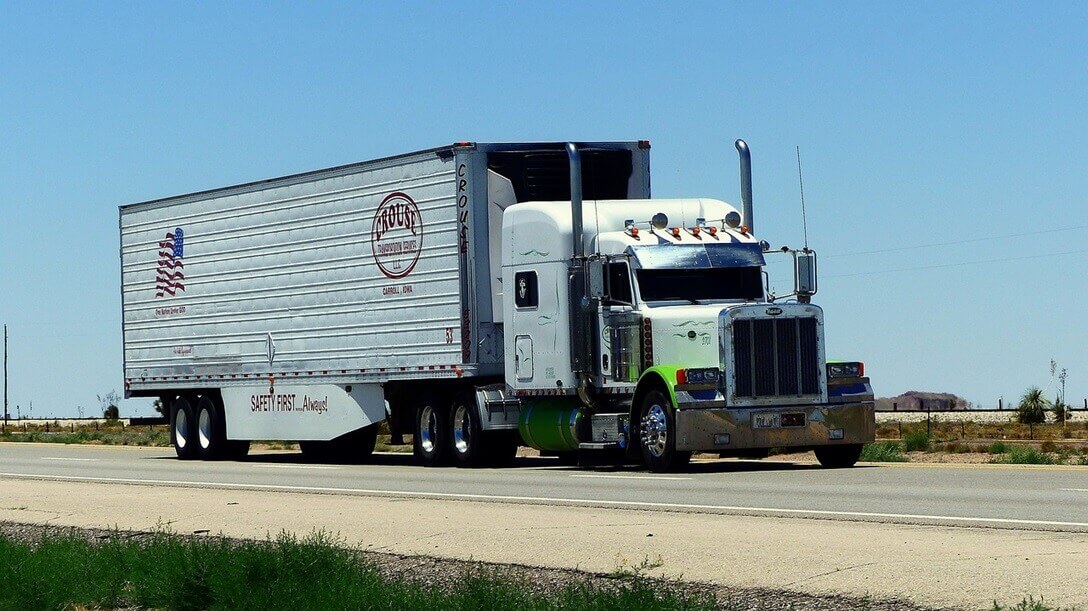
    trailer truck driving on a road

    Local authorities should weigh these factors when defining zoning regulations for truck parking. The goal is to create rules that are realistic, meet truck parking demands, and conform with the community’s broader land use objectives. 

    Common Issues With Establishing Zoning for Truck Parking

    The main challenge in setting up zoning for truck and semi-truck parking is finding large and suitable land areas, especially in densely populated urban regions. Local governments might need to look at alternative solutions like transforming underused or empty spaces, considering shared parking options, or integrating truck parking into larger, mixed-use projects.

    Another hurdle is the strategic placement of these parking areas, as truck drivers require easily reachable parking spots that don’t deviate greatly from their planned routes. Locating these facilities close to major transport pathways or distribution centers is a prerequisite for reducing drivers’ travel time and increasing operational productivity.

    Enforcing parking regulations is also a key aspect. Regular monitoring and consistent enforcement are important to make sure that truck parking follows set regulations. Authorities should implement measures like clear signage, reporting processes, and a system of fines or penalties to maintain order and prevent non-compliant parking practices.

    Addressing Truck Parking Demand

    Addressing the need for truck and semi-truck parking, local authorities can adopt various tactics, including:

    • Partnerships with the Private Sector: Working with private businesses like truck stops and logistics companies can create additional parking spaces.
    • Enhancing Existing Facilities: Upgrading current truck parking areas can boost their capacity and reduce overcrowding.
    • Technology Utilization: Implementing systems to provide real-time information on parking space availability, possibly through truck parking apps, can guide drivers to open spots swiftly.
    • Encouraging Private Development: Offering benefits such as tax breaks or fast-tracked permits to developers who include truck parking in their projects can contribute to a greater availability of parking spaces.
    • Innovative Parking Solutions: Exploring creative options like off-site parking with shuttle services or time-managed parking spaces can maximize land use and accommodate high-demand periods.

    Case Studies

    Let’s examine two examples that better illustrate successful truck parking zoning regulations, highlighting the methods used and the insights gained.

    1. City of Denver, Colorado

    Denver has introduced progressive zoning regulations to meet truck parking requirements while also ensuring a balance with other land uses. A huge step in achieving this is the truck parking design guidelines within industrial zones, setting specific standards for these facilities.

    These guidelines focus on integrating truck parking with the urban environment, including architectural design, buffering strategies, and accommodation for greenery. They also place a high priority on pedestrian safety and access, making sure that truck parking areas do not obstruct pedestrian paths.

    Outcomes Learned:

    • Integrating truck parking within urban areas can improve aesthetics and improve community appeal.
    • Prioritizing pedestrian safety encourages walkability and inclusivity in industrial areas.
    • Establishing clear design standards ensures consistent, high-quality truck parking facilities.
    1. State of Georgia

    Georgia has adopted a comprehensive strategy to tackle truck parking demand, including forming partnerships with private companies and using technology. The Georgia Department of Transportation worked with private truck stop operators to increase parking availability statewide.

    They also launched a digital system offering live data on available truck parking spots, allowing drivers to more efficiently plan their routes, reducing time spent looking for parking, and easing congestion at busy stops.

    Outcomes Learned:

    • Collaboration with the private sector is useful in improving truck parking capacity.
    • Digital systems providing live parking data can streamline truck parking and improve route planning for drivers.
    • Cooperation between government bodies and private companies is needed for an effective and unified approach to truck parking needs.

    These case studies, while brief, demonstrate the need for forward-thinking tactics, collaborative efforts, and an understanding of local requirements in implementing truck parking zoning regulations. A wide-ranging approach relating to the transportation sector, land use, technology, and partnerships is needed to optimize parking solutions.

    In Summary

    Good zoning for truck and semi-truck parking is essential for providing suitable and secure spaces for commercial vehicles. Through appropriate zoning categories and detailed regulations, local authorities can easily meet the specific demands and challenges of truck parking.

    Truck parking rules are also essential for ensuring driver safety, reducing traffic congestion, maintaining the look and feel of communities, and even improving the supply chain. Proper facilities not only offer badly needed rest areas for drivers but also decrease the risk of fatigue-related incidents – thereby improving overall road safety. 

    Regulation of truck parking also helps in reducing illegal parking, traffic infractions, and safety hazards due to incorrect parking.

    Challenges in implementing truck parking zoning include finding suitable land, ensuring easy access, and effective enforcement. Balancing the trucking industry’s needs with other land uses – such as residential areas and community aesthetics – is critical. 

    Wrap Up

    In short, effective zoning regulations for truck parking should never be overlooked for the sake of providing sufficient spaces for commercial trucks – spaces that are needed now more than ever, currently. 

    Good zoning contributes to the safety and smooth running of the transportation industry. By recognizing the unique requirements of trucking, balancing various land uses, and employing creative strategies, local authorities can improve truck parking solutions. 

    In turn, both the drivers and the communities they serve will benefit greatly. 

    The information published herein is for general informational purposes only. Truck Parking Club does not make any representations or warranties about the completeness, reliability, legality, and accuracy of this information. Any reliance placed on such material is strictly at the user’s own risk. Truck Parking Club shall not be responsible for any losses or damages incurred in connection with the information published herein.

  • The Ultimate Guide to Truck Parking Business Insurance

    The Ultimate Guide to Truck Parking Business Insurance

    truck parking lot owner

    As rewarding and profitable as running a truck parking business can be, it’s also surprisingly risky. Commercial truck parking lots are exposed to numerous liability hazards, such as cargo theft, truck damage, or on-premise accidents. 

    If anything happens at your parking lot, whether you believe it’s your fault or not, you can safely bet there will be a lawsuit shortly coming your way. The best way to protect yourself from the financial damage it can cause is to invest in proper truck parking business insurance. 

    But how much does such insurance cost? What types of policies are there, and what do they cover? And finally, how do you choose the right truck parking lot insurance? We’ll answer these and more in the following guide. 

    How Much Is Truck Parking Lot Insurance?

    As much as we’d like to provide you with a specific figure, there’s no one-size-fits-all answer to the cost of truck parking business insurance. 

    The truth is that the final cost of your premiums will depend on numerous factors, including: 

    • Size of your business: When it comes to truck parking insurance, size matters. Larger operations with more parking spaces and trucks will generally pay more, so be aware of that. 
    • Location: Where your parking lot is located will also greatly affect the price of your insurance. Urban areas, for instance, tend to have higher insurance rates than rural ones.
    • Crime rates in your area: The rule here is simple – higher crime areas lead to higher premiums. 
    • Types of coverage you choose: As we’ll cover in a moment, there are several types of insurance policies you can choose from. Those that are more comprehensive will naturally cost more. 

    All these can greatly impact your insurance premiums, making it difficult to calculate the overall specified cost of adding an insurance policy to your truck parking lot business plan

    Common Types of Truck Parking Business Insurance

    You have several types of truck parking lot insurance to choose from. These coverages can cover anything from damages to vehicles and on-premise injuries to cargo theft or even cyber crimes. When it comes to the most common types of commercial truck parking insurance policies, these include:

    • General Liability Insurance: This policy covers a wide range of incidents, including bodily injury, property damage, and personal injury, that occur on your parking lot, protecting you against claims made by truckers or trucking companies.
    • Commercial Property Insurance: This protects the physical assets of your parking lot, including the land, parking structures, office buildings, and any other property you own, covering damages from fires, storms, theft, and vandalism.
    • Garagekeepers Liability Insurance: Specifically important for businesses that store or service vehicles, garagekeepers liability insurance provides protection if a truck is damaged while it’s parked in your lot, under your care. This can cover damages due to events like theft, vandalism, and weather damage.
    • Workers’ Compensation Insurance: If you hire employees, it would be a good idea to include workers’ compensation insurance in your coverage as well. It will cover medical costs and a portion of lost wages for employees who get injured or become ill due to their jobs.
    • Crime Insurance: This is a standard policy that protects against losses related to criminal activities, such as theft by employees, forgery, or fraud.
    • Cyber Liability Insurance: If your truck parking lot business handles sensitive customer information, especially related to payment processing, cyber liability insurance can protect against data breaches and other cyber threats.
    • Business Interruption Insurance: Also known as business income insurance, this type of policy covers the loss of income that your business might suffer after a natural disaster, such as fire, flood, or tornado. It can help pay for ongoing expenses like rent or payroll while your parking lot is closed for repairs.

    Learning about these types of truck parking business insurance is one thing. Another is deciding which one to choose, which leads us to our next question…

    How to Find the Right Insurance for My Truck Parking Lot?

    Given the unique risks associated with parking large vehicles such as semi trucks, including theft, damage, and liability issues, it’s clear that the proper insurance policy is crucial for running a successful truck parking business.  

    Finding the right coverage, however, can get tricky. To make this process less daunting, follow these six simple steps:

    1. Assess Your Risks: Identify the types of risks your parking might be the most exposed to (e.g., theft, damage, natural disasters) and evaluate your assets to understand coverage needs.
    2. Know Insurance Types: Familiarize yourself with essential insurance policies, such as general liability insurance, garagekeeper’s liability insurance, or crime insurance. 
    3. Consult Professionals: Seek advice from insurance brokers or agents with experience in commercial and trucking-related insurance.
    4. Compare Quotes: Obtain multiple quotes for the same levels of coverage and carefully read policies for details on inclusions and exclusions. Compare your options and pick the one that best suits your needs. 
    5. Consider Bundling: Look into bundled packages for potentially lower costs, but ensure they provide adequate coverage.
    6. Review and Adjust Regularly: Conduct annual insurance reviews and adjust coverage as your truck parking business grows or changes.

    By taking a methodical approach to selecting insurance for your semi truck parking lot, you can ensure that you have the right coverage to protect your business against its unique risks. Still, the best idea is to seek professional advice. Working with an experienced insurance agent or broker is your safest bet to make the most informed decision. 

    Minimize Your Truck Parking Business Risks & Losses (and Maximize Your Revenue)

    Investing in insurance can protect your truck parking business against hefty fines and losses. But it won’t make all your liabilities go away. To achieve that, or at least minimize their number, you must invest in proper security measures. 

    This can involve hiring a security company, building a bulky fence, investing in a comprehensive surveillance system, and so on. 

    By keeping your truck parking lot secure, you will not only minimize the risk of something happening, but you will also pay less for your coverage, as you’ll be viewed as a more reliable business in the insurance company’s eyes. 

    It will also help you build trust in the industry and help convince truckers to park their rigs at your parking lot. 

    And to ensure your protected and insured business receives the recognition it deserves, be sure to list it on Truck Parking Club. Become a property member today and watch your investment in security pay off with interest. 

    BECOME A PROPERTY MEMBER

    The information published herein is for general informational purposes only. Truck Parking Club does not make any representations or warranties about the completeness, reliability, legality, and accuracy of this information. Any reliance placed on such material is strictly at the user’s own risk. Truck Parking Club shall not be responsible for any losses or damages incurred in connection with the information published herein.

  • What Makes a Great Truck Parking Lot? Tips on Finding the Best Spot to Park Your Semi-Truck

    What Makes a Great Truck Parking Lot? Tips on Finding the Best Spot to Park Your Semi-Truck

    When you’re trying to choose the right truck parking lot, there are many different things to consider. In this article,  we’ll take a look at some of the many things you should look at when trying to choose the right semi-truck parking lot for your vehicle.

    1- Consider the Lot’s Safety and Security

    Naturally, one of the first things most truckers look at is safety and security. No one wants to park their truck in a lot that may be unsafe. For this reason, it should be one of the priority points. 

    Some of the things you may wish to look into include the following:

    • Is the parking lot well-lit? It’s easier to commit a crime under the cover of darkness.
    • Are there any other security measures in place? I.E. a security service, armed response, or CCTV coverage.

    2- Consider the Available Amenities

    Amenities are one of the next things truckers are likely to look for when considering semi-truck parking lots. It’s always convenient when you can rest for the night and have access to amenities in the same location. 

    While many truck parking lot services offer little more than parking, you may encounter some of these amenities at certain lots:

    • Clean restrooms and showers
    • Laundry facilities
    • Truck washes
    • Restaurants
    • Fuel points  

    3- Consider the Location

    Location is the next thing you want to consider when looking at a truck parking lot. A large part of the convenience of a semi-truck parking lot lies in the location. 

    Here are a few questions you can ask yourself:

    • Is it conveniently located in relation to your route? 
    • Can you easily get to stores or amenities from the location? 
    • Would you consider the parking lot to be located in a safe area?

    Of course, there are many other questions you can ask yourself, but you mainly want the truck parking lot to be located in an area that isn’t too out of the way and where you’ll feel secure.

    4- Ask Yourself if You’re Getting Value for Money

    Another obvious selection criteria is centered around pricing. There are cheap semi-truck parking lots, and there are more expensive ones. However, neither of these ratings necessarily says much about the quality of the lot. 

    What you’re looking for isn’t necessarily a specific price range, but rather value for money. If you book in at a cheap parking lot in a seedy location with no amenities or real lighting, that isn’t really value for money. If you book in at a slightly more expensive truck parking lot, but if it’s in a secure location, well-lit, and near a fuel station with amenities, you’re getting better value for money.

    5- Consider the Parking Availability

    Naturally, you want to use a truck parking lot with enough space. Some of the best lots barely ever have space because they’re so popular. If you can’t get into a semi-truck parking lot, then it isn’t the right fit for you. 

    While this isn’t exactly what one would consider a convenient criterion, it certainly is an important factor. 

    6- Read the Ratings and Reviews

    The last thing you likely want to review before choosing a semi-truck parking lot is what other people have to say about it. If you have the option, it’s a good idea to read through reviews and ratings left by other truck drivers. 

    Always bear in mind that it’s easy for someone to leave a scalding review when they’ve had a bad day or a single bad experience and that their experience isn’t always the rule. If there are multiple reviews, try to see what the average opinion is about the truck parking lot. 

    Conclusion

    If you’re looking for the right semi-truck parking lot for your vehicle, there are a few main things to consider. Start by considering the location since it may not work out well if the lot is too far out of your way. 

    Next, find out if the lot has space. There’s no point in driving to a lot that doesn’t have space for your truck.

    Then, find out how much the lot charges and what facilities it has to offer. Once you’ve determined whether or not the lot is conveniently located, has space, and offers value for money, you can look at other aspects like safety and reputation.

    Of course, phoning hundreds of different semi-truck parking lots can be taxing and take a significant amount of time and effort. It’s much easier to use the Truck Parking Club website or mobile app. 

    It gives you access to instant information, including details like availability, pricing, and which amenities are on offer (if any). Make your life easier; find your next parking space through Truck Parking Club online or on mobile.

    The information published herein is for general informational purposes only. Truck Parking Club does not make any representations or warranties about the completeness, reliability, legality, and accuracy of this information. Any reliance placed on such material is strictly at the user’s own risk. Truck Parking Club shall not be responsible for any losses or damages incurred in connection with the information published herein.

  • How Much Does It Cost to Build a Semi Truck Parking Lot?

    How Much Does It Cost to Build a Semi Truck Parking Lot?

    Transforming your vacant property into a functional semi truck parking lot can be a brilliant business idea. Truck parking lots are in incredibly high demand, and a well-run lot can prove highly profitable. 

    However, before you welcome your first weary trucker into your parking lot, you must first build one. That means investing in the necessary permits, appropriate paving, amenities, security measures, and labor. 

    We won’t pull the wool over your eyes – starting a semi truck parking can get costly. How costly? That depends on several factors…

    Truck Parking Lot Cost Factors

    It’s practically impossible to estimate how much building a truck parking lot would cost. That’s because the costs involved depend on numerous factors, starting with acquiring the necessary permits and ending with building the chosen amenities.

    Local Permits and Approvals

    To start your truck parking lot business, you must first obtain the necessary permits and approvals. Without them, your construction will most likely be shut down, even leading to possible fines. 

    Their number and costs will vary from state to state, so be sure to look into the zoning laws, land use regulations, transportation codes, and local licenses for development, construction, and operation. 

    Truck Parking Size

    The bigger the lot, the more it will cost to build it. On average, you should expect to pay between $3 to $7 per square foot to pave the parking area, depending on the type of paving material you choose. 

    How large should a truck parking lot be? A standard dimension for one semi-trailer parking space is 55 ft x 14 ft (length/width). For a semi-trailer with a truck, these dimensions increase to 75 ft x 14 ft. 

    Use our guide to help calculate the dimensions of your lot. Based on that, it will be much easier to estimate the cost of paving the area along with the expenses of preparing the surface, such as leveling, fencing, space marking, etc. 

    Security Features

    Investing in proper security measures is a must-do. Without ensuring safety, you won’t be able to attract truckers to stay at your parking lot overnight. It will also increase the risk of cargo getting stolen or damaged, exposing you to potential lawsuits and fines. 

    Long story short, we wouldn’t recommend looking for ways to save money here. To keep your truck parking lot secure, be sure to invest in proper fencing, a 24/7 surveillance system, and appropriate lighting. You might also want to hire a security company. Oh, and let’s not forget about investing in proper insurance. 

    All this might seem like a lot. Trust us, though, securing your truck parking lot should be the number one priority. Sure, it will cost you much more, but it will prove invaluable in the long run, helping you attract more truckers and protect you from potential lawsuits and hefty fines. 

    Amenities

    There are many amenities you can include in your semi truck yard. If we were to choose the most important truck parking amenities, these would be a restroom, showers, and a bar or restaurant. Many truck parking lots also have on-site mechanic/service stations, convenience stores, or weigh stations. 

    Naturally, the more amenities you want, the higher the cost of building them. Choose the amenities that you’d like to build carefully. For instance, if your parking lot is located near a larger store or a restaurant, having your own bar or convenience store doesn’t make much sense. 

    The absolute must-haves are restrooms, showers, and security amenities. These are the first-need amenities that every trucker wants from a parking lot. Investing in those practically guarantees truck drivers will park at your lot. 

    You can then gradually expand the variety of amenities offered as your parking lot starts generating a steady income. Don’t rush, especially if you’re on a tight starting budget. 

    Labor 

    We assume you won’t be building your truck parking lot with your own hands. In that case, you will also need to add labor costs to your estimate. These can add a significant amount to your already large pile of required construction costs. 

    How much should you expect to pay? It’s hard to tell as labor rates depend on numerous factors, such as your location or chosen contractor. Our suggestion is to do your research. Look at various contractors in your area and contact them for estimates. Then, create a list and pick the contractor that best fits your needs. 

    Is Building a Truck Parking Lot Worth It?

    Considering all the costs mentioned above, building a truck parking lot can cost well over $500,000. That’s for the basic lot, without fancy amenities. Once we add those in, it’s not uncommon for a semi-truck parking lot to cost over $1 million. 

    So yes, it’s not surprising that you might have second thoughts. However, while it might seem like a lot, building a well-functioning truck parking lot can provide an excellent revenue stream with relatively low maintenance costs. 

    First of all, the ongoing truck parking shortage means reliable truck parking lots are in mighty high demand. This means that even without major investments, you should still be able to attract many truckers and generate a satisfactory income. 

    Secondly, once built, your lot won’t require that much attention. Maintenance fees usually include security, cleaning, and fee collection, whereas marketing costs are minimal compared to many other businesses. 

    Finally, in 2023, the US government introduced the Truck Parking Safety Improvement Act, which aims to tackle the ongoing truck parking shortage crisis by giving out grants to new and existing truck parking businesses. If you play your cards right, you can use this program to minimize the amount you spend on building the parking lot from your pocket. 

    Wrapping Up

    Although starting a semi-truck parking lot business isn’t cheap, running it can be incredibly profitable and rewarding. And to maximize your potential returns, be sure to list your available parking at Truck Parking Club

    Our app connects property owners with truck drivers who can use it to quickly and effortlessly find available parking spots across the US. By listing your parking yard at Truck Parking Club, you will be able to reach more potential truckers, increasing the chances of more drivers opting for parking at your location. 

    Become a Property Member today. Create your free account and maximize the return on your truck parking investment!

    The information published herein is for general informational purposes only. Truck Parking Club does not make any representations or warranties about the completeness, reliability, legality, and accuracy of this information. Any reliance placed on such material is strictly at the user’s own risk. Truck Parking Club shall not be responsible for any losses or damages incurred in connection with the information published herein.