Category: Parking Tips

  • How to Run a Successful Truck Parking Business

    How to Run a Successful Truck Parking Business

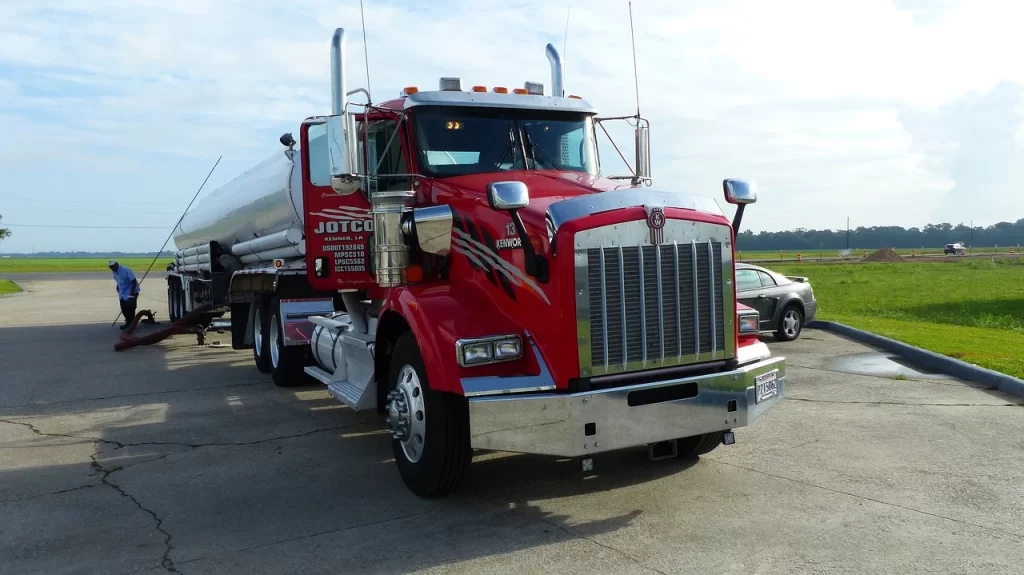
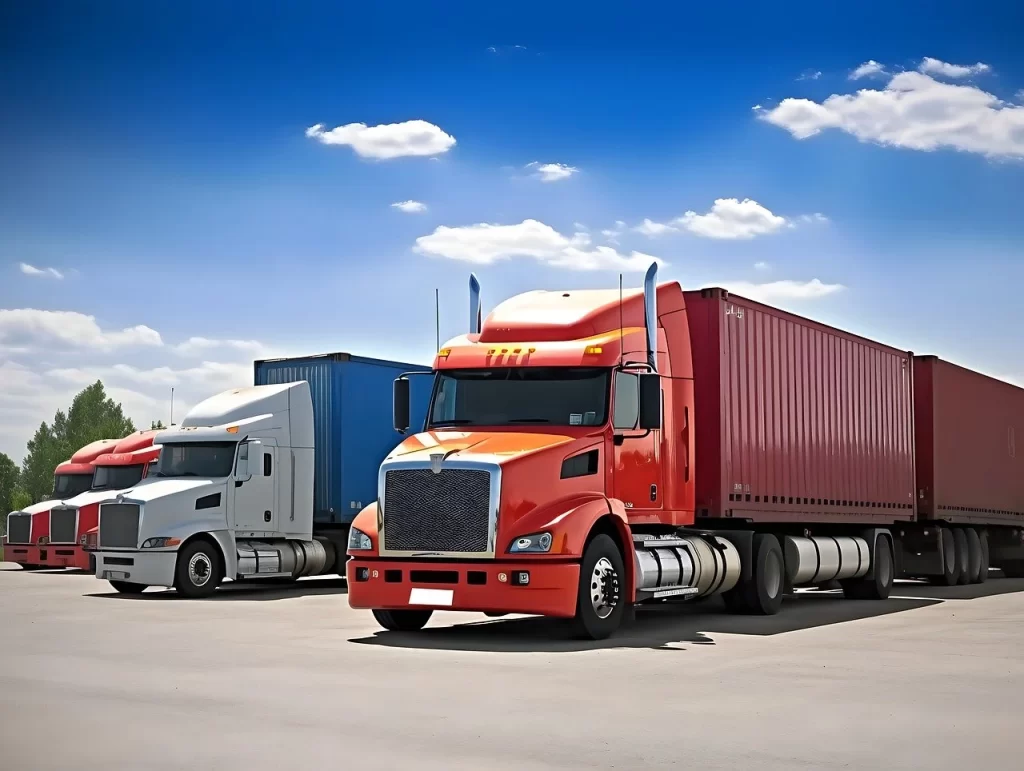
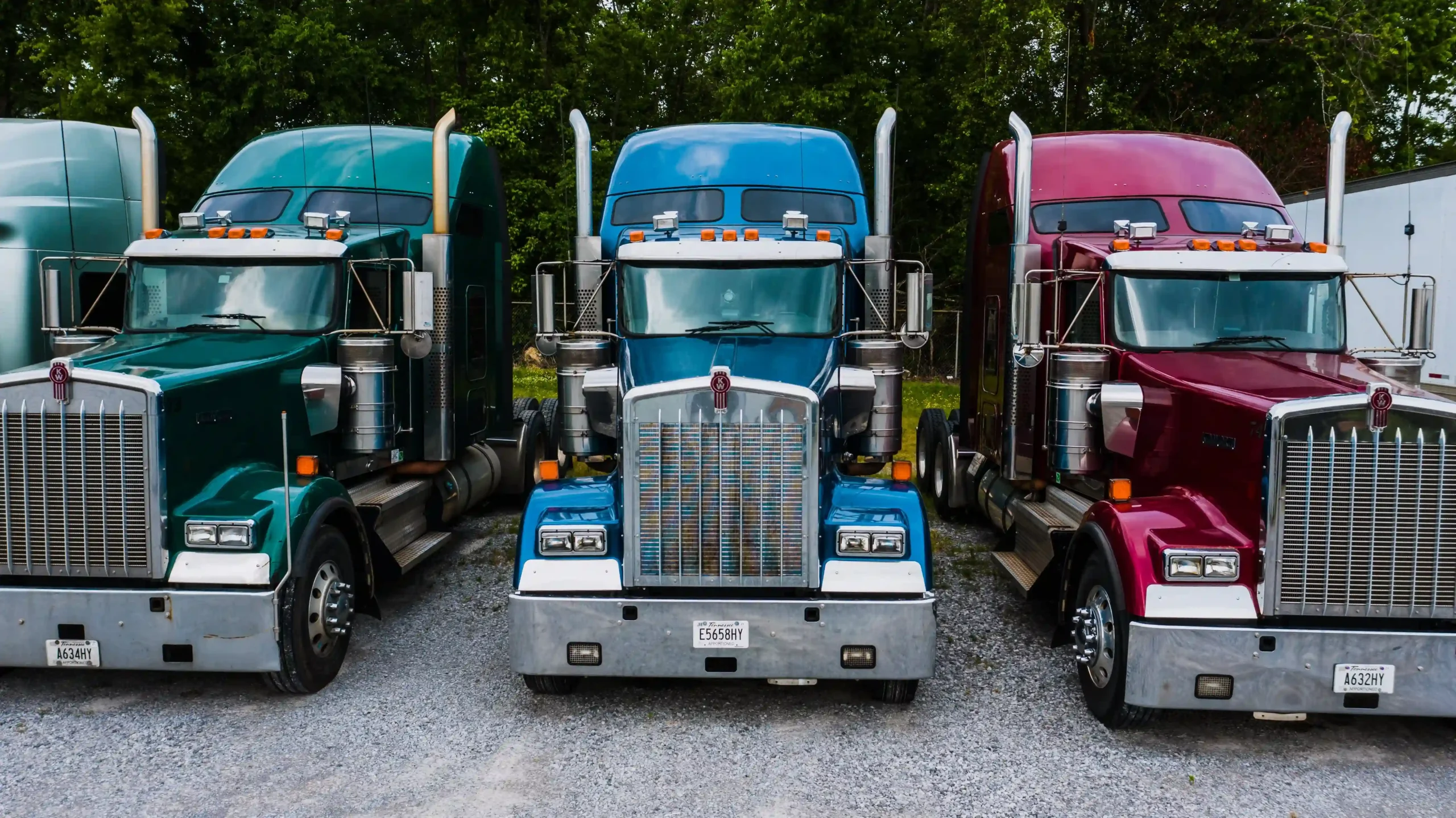
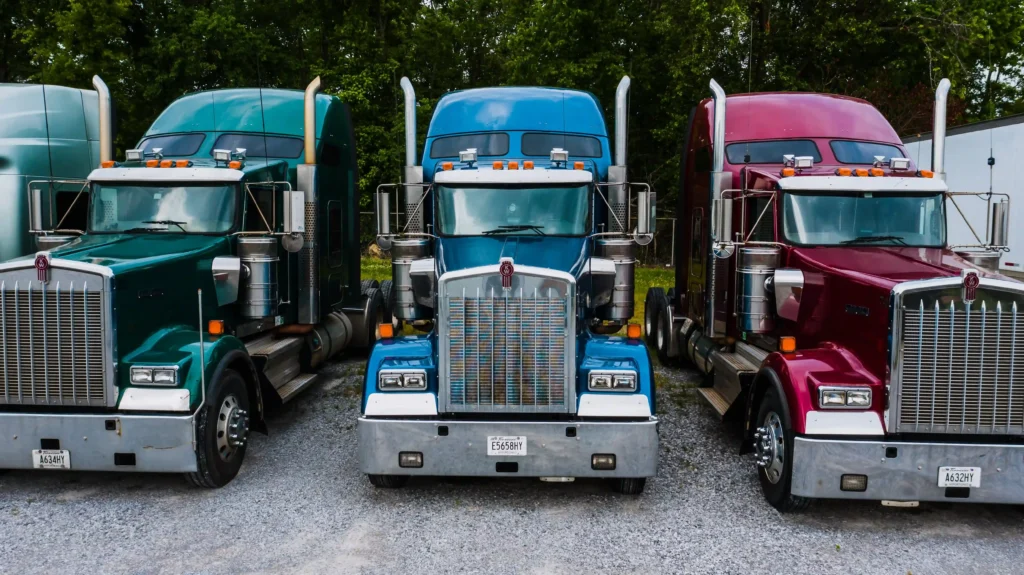
    parked semi-truck

    If you strip away the layers of any business, the operation usually boils down to two core elements: identifying a problem, and providing a solution. From small market stalls to multinational corporate giants, all businesses revolve around this basic premise in some way.

    When identifying a new business opportunity, the ideal scenario is to easily provide a solution to a widespread and neglected problem in a market that isn’t crowded. In other words, if you can identify a glaring problem that isn’t being adequately addressed and provide the solution relatively easily without too much competition, you have the potential to create a thoroughly profitable business with minimal risk.

    Now, if you have vacant commercial land available (or would consider acquiring some), that “ideal scenario” could be right under your nose at this very moment. Many commercial landowners in every corner of America have been quietly profiting from it over the last few years, and you can, too.

    We are referring, of course, to the under-exploited and high-demand business of truck parking.

    The Problem

    The lack of convenient truck parking is a seriously neglected widespread problem and has been for some time. What’s more, the issue is only getting worse.

    Millions of truck drivers throughout America are all perfectly happy to pay for convenient short-term truck parking spaces (mostly overnight). However, the demand is born out of more than convenience alone. To meet strict regulations as part of their normal working day, truckers must take a break of at least 10 hours after driving for up to 11 hours in a shift. 

    However, with under 350,000 overnight truck parking spots accommodating 3.5 million trucks, there simply are not enough parking spaces to go around. OTR truckers are the most affected (those long haul specialists who spend weeks or even months on the road), although the issue plagues most drivers to some degree.

    Why The Shortage?

    The transport industry has boomed over the last decade or so, mostly owing to the rise of e-commerce, and increased global trade. Driver salaries have also been generously climbing (resulting in more new truck drivers) while changes to hours of service regulations mean that drivers must park and rest more frequently and for longer periods.

    There has also been a clampdown on casual parking. Walmarts, for example, used to be quite relaxed toward truck driver parking, but with the increase of trucks on our roads, many of them have clamped down and stopped allowing truckers to park overnight or even for short rest periods. Many other supermarkets, casinos, and malls have followed suit.

    There are simply far too many trucks and not enough truck parking spaces to satisfy the volume. As a result, most truck stops and rest areas are full by mid-afternoon, with countless truckers spending hours each week endlessly circling truck stops looking for truck parking spots. Because of this, many truckers are resorting to dangerous exit ramps, shoulders, and risky urban areas for truck parking.

    Frankly, the industry is in desperate need of more truck parking spaces as an absolute priority.

    The Solution

    The obvious solution, on a federal and local level, would be to build new truck stops. But that simply isn’t happening. Or at least, it isn’t happening quickly enough: 350K truck spaces versus 3.5 million trucks is a staggering disparity to resolve, and the few additional official rest areas being built are barely putting a dent in the problem. The private truck parking sector is currently picking up most of the flack, but more private parking is urgently needed. 

    This is where you come in.
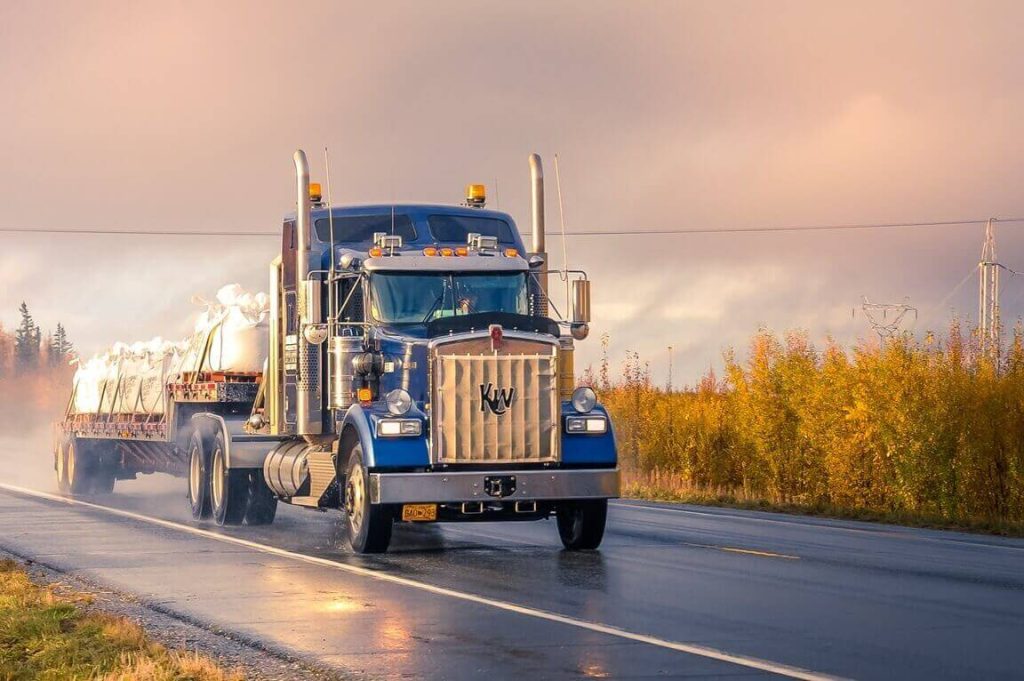
    semi truck driving along a highway

    If you have commercial land available (in whatever form that takes) or would consider investing in some, you might be able to provide a solution by offering spaces to the vast number of truckers who are in need of affordable and convenient truck parking.

    Essentially, you will capitalize by charging truck drivers to park on your land by creating your very own truck parking business.

    Now, at first thought, you might be imagining a gigantic swathe of land teaming with facilities, fuel services, and food options. Creating that level of truck parking is a viable option (should you have the capital and expertise to launch such a multi-faceted operation), but you don’t need to create something of such a colossal scale. All you need is land. 

    A Simple Enterprise

    Most new truck parking businesses are actually quite basic and not even especially large in terms of footprint. While large private truck stops with plenty of facilities would serve the problem very well, they are not essential. What is essential are lots of smaller, more basic parking areas for truckers spread over multiple areas.

    Again, all you need is commercial land in an area that allows for truck parking, and you can effortlessly (and almost immediately) satisfy this essential requirement by transforming your land into a viable truck parking cash cow right now.

    You don’t even need any marketing expertise or an advertising budget: the rise of parking technology such as Truck Parking Club has got that covered for you. Our truck parking app will list your property so that truck drivers can find you in real-time.

    Let’s take a more detailed look at how to launch a truck parking business.

    1) Location

    The location of your truck parking business is going to be an important factor in its success, as you will need land that is easy for truck drivers to access and use. Truckers spend most of their time on highways, and while they will be willing to drive a few miles away from a highway for good truck parking, there are limits.
    To that end, land within a 15-minute drive of major highways would be ideal. Close to rest stops and logistics centers would be even better, for obvious reasons. You are also going to need ample room for a good number of trucks that can move around without any hassle.
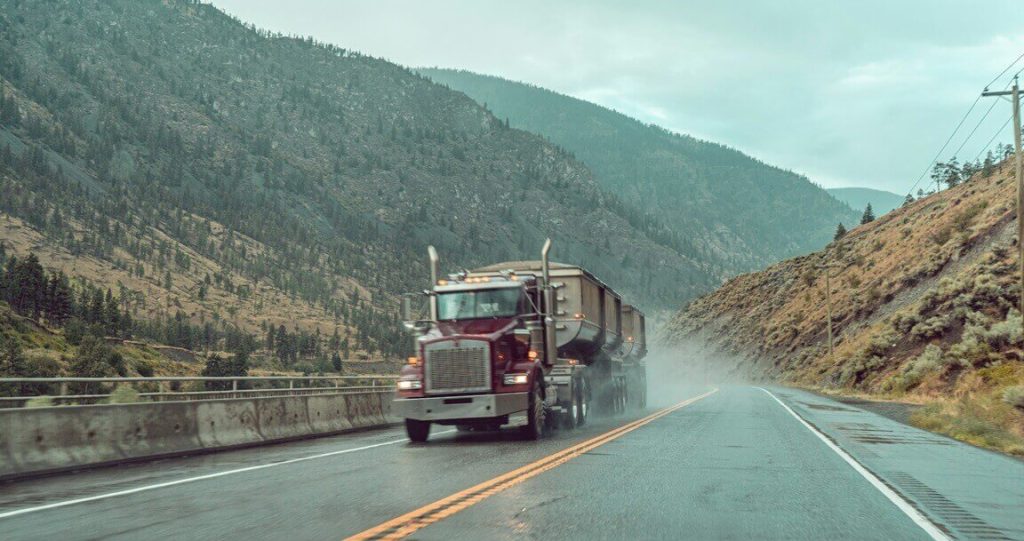
    semi truck driving along a wet highway

    2) Research Local Bylaws

    Nearly every city has specific zoning laws that decide how different areas can be used, typically dividing them into agricultural, industrial, and residential zones. For truck parking businesses, industrial zones are going to be your ideal areas. 

    Parking large trucks in residential neighborhoods is generally off-limits, restricted to temporary stays for smaller trucks only. The rather imposing class eight trucks (basically your typical ‘big rigs’) are almost always a straight no-entry in these zones. 

    To get precise information on the requirements for your location, check out the website of your local municipality and search for zoning regulations, then contact your local planning or zoning department to find out exactly what permits and licenses are needed for your truck parking business. 

    3) Facilities & Infrastructure 

    The next step is setting up the infrastructure, starting with the pavement and markings. You’ll want a sturdy, well-maintained surface that can bear the weight of heavy trucks and withstand various weather conditions while ensuring the parking spaces are clearly marked. This not only helps with driver navigation but also maximizes the use of space available. A standard truck parking spot should measure around 30 feet in length and 15 to 20 feet in width, equating to around 500 square feet, assuming many trucks will include a tractor unit.

    Then, focus on the lighting and drainage. Good lighting is important, especially for operations at night. Proper drainage is another key aspect, as it prevents water buildup, protecting both the trucks and the lot from potential damage. 

    Lastly, don’t overlook the importance of clear signage. Well-placed signs for the entrance, exits, parking areas, and available amenities (if any) contribute to a better experience for the truckers using your facility.

    4) Local Competition

    Had we created this guide 15 years ago, we might have suggested avoiding areas that already provide suitable truck parking. However, with such high demand for truck parking at the moment (and for the foreseeable future), this is almost a moot point: with such a huge nationwide shortage of truck parking spaces, competition isn’t much of a factor here. 

    If you have existing land that is already close to existing truck parking, go ahead and pay them multiple visits to ascertain how often they are full. If you find they are full most of the time, your own truck parking business should not be affected.

    Alternative Solution

    You might have noticed a general theme running through the aforementioned steps, in which we are pointing out a few crucial elements in launching a purpose-built, dedicated truck parking facility.

    However, most (if not all) of these steps can be negated if you already have existing land in a commercial area. While the notion of building a purpose-built truck parking area is, again, perfectly viable – and many commercial landowners are doing just that – you don’t need to fully commit to the endeavor on the same level.

    By listing your existing commercial land on the Truck Parking Club app, you can declare yourself a truck parking lot business without actually launching one. It doesn’t even need to be separate land: many of our Property Members are renting out spaces on land that already serve a purpose, such as company parking lots or unused sections of their business premises.

    You just need sturdy land capable of supporting heavy trucks. While additional facilities like toilets, showers, and food options are good extras, they’re not strictly necessary. Many commercial landowners have successfully listed their bare-bones properties on our parking app and are thriving.

    What truckers primarily seek is straightforward parking space. As long as you can provide that — whether it’s a handful of spots or space for hundreds of trucks — you’re set to enter the exciting, profitable truck parking lot business.

    How It Works
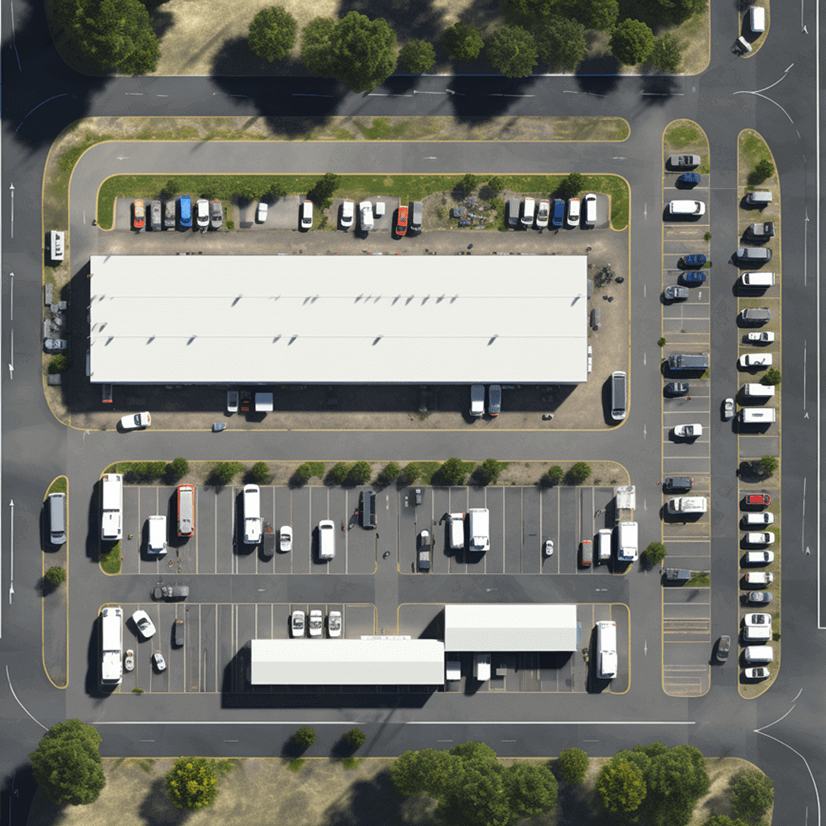
    aerial view of a truck parking lot

    Property owners can become Property Members by listing their industrial land on our Truck Parking Club app. Truck drivers then use the service by searching our listings for truck parking spaces, mostly on an overnight basis. They can book instantly for an immediate arrival or up to one month in advance.

    Drivers who have booked a space can chat with you through the app, if needed, about any specifics regarding their parking. That said, your listing will clearly state-specific information such as amenities (if any), meaning that in most cases, the driver will simply book through the app, confirm with payment, and arrive.

    It’s all rather simple and straightforward. Our service simply provides a way for truck drivers to sync with parking site owners with as little complication as is necessary.

    How to Become a Truck Parking Club Property Member

    1) Start by creating an account on our platform. Once registered and verified, you gain access to a user-friendly dashboard where you can manage your listings and bookings with ease.

    2) The next step is listing your property. Provide details about your parking space, including size, number of spots, and any appealing features, like security, facilities, or nearby conveniences. These details make your listing more attractive to truckers, although they are not a requirement. 

    3) To facilitate any bookings, you will need to connect a Stripe account for secure financial transactions (our customer service team is always ready to help if needed).

    4) Once listed, truckers can reserve a space by searching for available parking in your area. You will be informed about each booking via email and text. 

    Final Thoughts

    Given the shortage of truck parking sweeping America, a truck parking business could be a lucrative move if you have spare commercial land available or would be interested in acquiring some. 

    Hosting through Truck Parking Club also means that many of the usual expenses associated with a traditional truck parking business, such as construction, facilities, advertising, and promotion, are completely negated. Thousands of truck drivers use our service to browse for spots daily, and if you are located within a short drive of a highway, they will find you through our app.

    Become a Property Member for Truck Parking Club and become part of the solution while enjoying potentially substantial profits!

    The information published herein is for general informational purposes only. Truck Parking Club does not make any representations or warranties about the completeness, reliability, legality, and accuracy of this information. Any reliance placed on such material is strictly at the user’s own risk. Truck Parking Club shall not be responsible for any losses or damages incurred in connection with the information published herein.
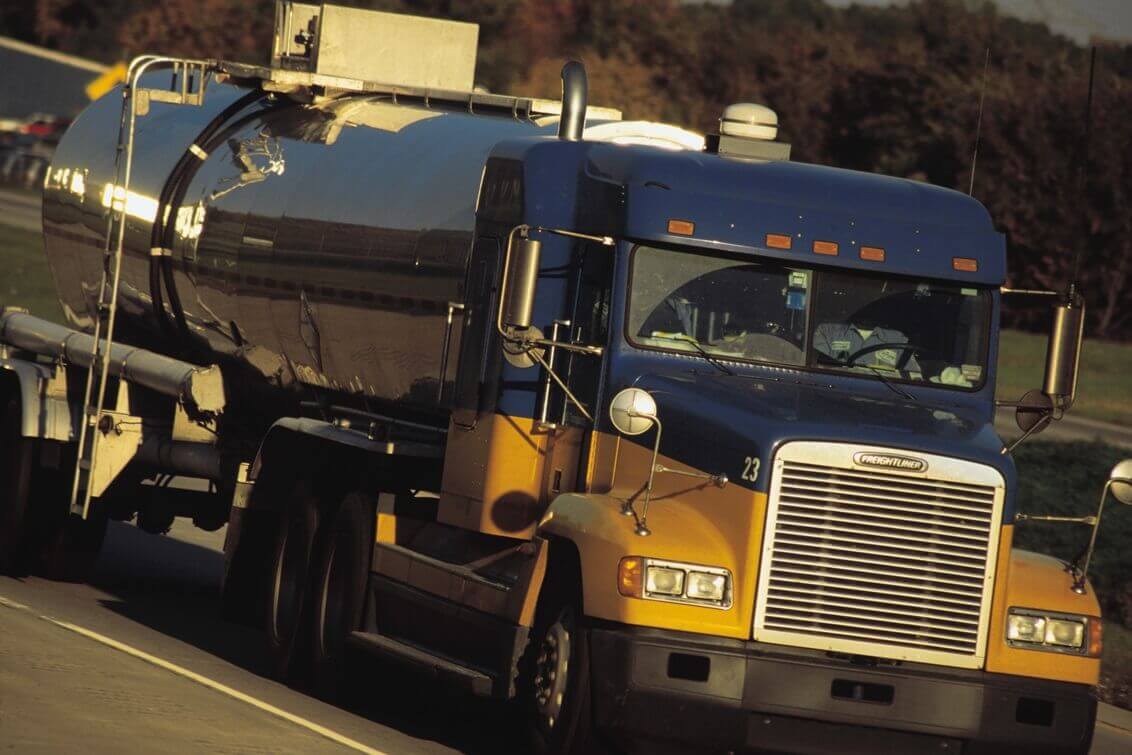
  • 8 Biggest Trucking Industry Challenges for 2024

    8 Biggest Trucking Industry Challenges for 2024

    From truck stop cafes to corporate executive suites, speculation about rising issues has always been rife in the transport sector. While you could say the same about any industry, the transport sector specifically does tend to boast a well-oiled rumor mill, more than most.

    But as we roll towards 2024, predictions about various industry challenges currently seem far more based on concrete data analysis and obvious inevitability. The bottom line is this: there does not appear to be smooth highways ahead for the trucking sector in 2024. If anything, the road ahead looks a little on the bumpy side, with a mixed bag of challenges.

    From economic changes affecting everything from freight rates to the average truck driver salary – and the relentless rise of technology reshaping the industry – there’s a lot on the truck driver’s mind at the moment. 

    Through this article, we shall consider the biggest challenges for the trucking industry as we head into 2024.

    1. Fluctuating Economy

    Currently, the trucking industry finds itself struggling with the uncertainty of an unpredictable economy. But these are not mere numbers on a chart; we can expect tangible, real-world impacts on freight demand and the costs of keeping those big wheels turning along the highways. 

    Freight demand responds in real time to economic shifts. In a booming economy, there’s plenty to haul, but when things slow down, trucks are usually left chasing fewer loads over shorter distances. And then there is the cost of doing business. From the price of truck parts to the average truck driver salary, everything seems to be going upwards at the moment. As a result, the greatest trucking industry challenges will be in dealing with these economic struggles.

    1. Fuel Prices and Operational Challenges

    Fuel prices have been a problem for the industry In recent years, and when fuel costs increase, the trucking industry obviously feels it more than most.

    It isn’t difficult to understand why. Higher fuel costs simply mean that haulage costs increase as a result, and these aren’t insignificant numbers we are talking about – overheads are increasing in a big way. Aside from the large industry titans, the independent operators feel the impact of this the most, most of whom are counting every mile and every drop of diesel. 

    The issue also goes beyond fuel. The rising cost of tires, maintenance, insurance, and a whole host of other expenses all add up and contribute to increasing overheads.

    1. Driver Shortage and Recruitment Efforts

    The industry is facing a familiar problem that seems to be increasing every year: a shortage of truck drivers. It’s an issue that has been idling in the background for years but is becoming more and more problematic. 

    But why the shortage? Essentially, the issue stems from a mix of an aging workforce hanging up their keys for good and a younger generation that’s not quite rushing to replace them. The industry needs to focus on ways to make trucking appealing to the next wave of drivers by tapping into new demographics, like reaching out to more women drivers and younger people. 

    We need to demonstrate that trucking isn’t just a job; it is a viable career that pays very well indeed. Further strategies could range from ramped-up recruitment campaigns to partnerships with training schools in order to fill those driver seats and keep the industry moving forward.

    1. Rising Truck Driver Salary and Retention Strategies

    However, the flip side to this is a rise in the average truck driver salary figures. As the driver shortage continues, companies are paying over and above the usual rates to keep and attract talent. While this is something we applaud, we believe other areas also need to be addressed relating to truck driver incentivization. In other words, throwing money at the problem isn’t a fix-all solution. 

    The industry basically needs to consider what makes drivers want to stay in employment. Is it more time at home? Better routes? A sense of belonging to the company? We need to create a workplace where drivers don’t just come for the paycheck but stay for job satisfaction. It isn’t a complicated notion: a happy driver is a loyal driver, and in an industry that’s running on a tight employment pool, retaining truck drivers will become one of the bigger trucking industry challenges of 2024.

    1. Changing Labor Regulations

    Further trucking industry challenges relate to the new landscape of labor regulations, especially those marked by California’s Assembly Bill 5 – legislation that reframes the distinction between employees and independent contractors – causing change across the industry as a result. 

    For many trucking companies (particularly in California, of course) this means reevaluating their general workforce structure, challenging the traditional model of independent trucking. A real change in how transport companies classify and manage their drivers is expected, meaning a fundamental shift in the business model for many in the sector.

    1. Technological Advancements 

    On the technological front, autonomous trucks are no longer just a concept; they are slowly but surely becoming a reality that will eventually reshape long-haul transport at some point. How long it will take to become widespread, only time will tell – but 2024 should be the year when a marked improvement is made in that type of technology.

    These inevitable self-driving giants offer potential benefits in efficiency and safety, reducing human error and increasing logistics capabilities. But how will the industry adjust? And is it a good or bad thing? Personally, we believe there should be more drivers on the road and less automation, but again, it seems inevitable at some point, so we must find a way to embrace it on some level.

    1. Green Trucking Evolution

    We are also witnessing a green revolution, with green trucking initiatives, including the use of alternative fuels and electric vehicles, gaining ground. Some may view this as an eco-friendly drive and nothing more, but there is also an element of future-proofing here. 2024 might be the year when a greater number of technological changes than ever will be embraced. Whether that will be for better or for worse, only time will tell.

    1. Parking

    Saving the most pressing concern for last, parking is easily one of the biggest challenges for the trucking industry in 2024. An inadequate number of official truck parking spaces is causing incredible harm to the industry, with an estimated 350,000 truck parking spaces available for a staggering 3.5 million trucks on our roads.

    The negative implications of this are everywhere and in plain sight. With the majority of truck stops and rest areas full by mid-afternoon, truckers are spending hours each week needlessly burning fuel and wasting precious time endlessly circling parking lots looking for truck parking spaces that simply don’t exist.

    As a result, less-than-ideal parking spots are sought instead: exit ramps are often nose to tail, unsafe underpasses are being used as a last resort, and the sight of trucks parked in residential areas is becoming more and more common. Traditional trucker-friendly parking lots such as Walmarts and various Casinos are starting to refuse drivers more commonly, forcing them to park in even more dangerous areas.

    This ongoing crisis not only affects individual drivers but also causes harm through the entire supply chain, and with local municipalities and the federal government seemingly doing very little to address the issue, the problem is set to grow worse through 2024. 

    The Truck Parking Club Solution

    Our direct experience with the parking issue is evidenced by the growing popularity of our service, with thousands of truckers now using Truck Parking Club to reserve private parking spaces on commercial land throughout the country.

    With such affordable parking rates in widespread locations, the stress and uncertainty with parking have been reduced for many truckers. While that may sound like a contrived promotional line, we believe it is a genuine reflection of our impact on the industry’s parking crisis. We have helped make a real difference. 

    Truck drivers everywhere are vouching for the effectiveness and reliability of Truck Parking Club, and we are pleased to have made such a positive effect on the parking nightmare that is plaguing our industry.

    Our platform not only simplifies the search for secure parking but also ensures that drivers have access to dependable spots – many with amenities and some with perimeter parking – making their days far more convenient and efficient.

    Register Now For Convenient Truck  Parking

    It takes less than a minute to register, and then once you are a member of our truck parking community, everything is incredibly straightforward and beautifully convenient.

    First Step

    After registering, you will gain access to a nationwide list of convenient and comfortable parking options, most with added amenities. Use the location filter to pinpoint the perfect spot for you.

    Second Step

    Browse and reserve truck parking spaces, either immediately or up to one month in advance. Filter by amenities if you wish. Find your perfect spot. You can even communicate with property owners directly through the app if you have any queries.

    Third Step

    Drive to your reserved parking space. Settle in. Relax. Eat. Enjoy a peaceful night’s sleep, knowing you’re in a convenient and comfortable location

    That’s all there is to it. We didn’t just make Truck Parking Club affordable – we made the whole process streamlined, simple, and fast. 

    With so many trucking industry challenges ahead of us in 2024, the last thing our truckers need is the added headaches of parking spaces. Truck Parking Club is helping to change that.

    Register now for peace of mind, knowing that great parking is just a few clicks away.

    The information published herein is for general informational purposes only. Truck Parking Club does not make any representations or warranties about the completeness, reliability, legality, and accuracy of this information. Any reliance placed on such material is strictly at the user’s own risk. Truck Parking Club shall not be responsible for any losses or damages incurred in connection with the information published herein.

  • Truck Parking Safety Improvement Act: What Is It and How Does It Address the US Truck Parking Shortage?

    Truck Parking Safety Improvement Act: What Is It and How Does It Address the US Truck Parking Shortage?

    truck parking in the us

    After years of negligence, the US government finally became interested in resolving the growing truck parking shortage problem. In March 2023, the Senate introduced the Truck Parking Safety Improvement Act, which aims to increase the number of truck parking spaces within the upcoming years. 

    The new legislation has caused a lot of commotion in the trucking industry. On the one hand, the act has gained a lot of support from truckers and fleet owners. On the other, there are concerns about the act’s effectiveness, with some believing it may not be enough to resolve the nationwide parking crisis. 

    Is Truck Parking Shortage a Concern?

    Before we explain the Truck Parking Safety Improvement Act, let’s lay some background, namely – is the truck parking shortage that severe?

    It is. According to various studies, the lack of available parking spaces is the number one concern for professional truck drivers. According to the Owner-Operator Independent Drivers Association, there’s currently a shortage of over 40,000 parking spaces nationwide. That’s merely 1 space per 11 drivers. 

    That insufficient number of safe truck parking spaces has a detrimental effect on the entire trucking industry, leading to delays, logistical challenges, higher costs for companies, and increased environmental impact. 

    This issue would be much more severe if it weren’t for platforms like our very own Truck Parking Club, which allows truckers to quickly find available private parking lots listed by reliable owners encouraged to transform their vacant properties into truck parking lots. 

    The private sector can’t do it all alone, though, which is why it’s a good thing that the government has finally decided to step in and aid truck parking businesses in their battle for a better future for the trucking industry. 

    What Is the Truck Parking Safety Improvement Act?

    To address the ongoing truck parking shortage, the US Department of Transportation (DOT) introduced the Truck Parking Safety Improvement Act. The legislation aims to allocate a total of $755 million for truck parking projects spread across three fiscal years:

    • $175 million in 2024
    • $260 million in 2025
    • $320 million in 2026

    The legislation will act as a grant program, awarding commercial truck parking projects on a competitive basis. To take advantage of available funding, a truck parking business would need to submit a proposal to DOT, which will then assess it and determine whether to grant them funds. 

    The primary objective of the Truck Parking Safety Improvement Act is to increase the number of safe and secure truck parking spaces across the United States by constructing new parking facilities and converting existing rest areas and weigh stations into functional truck parking lots. 

    The good news is that the federal funding will also supplement truck parking projects that are already underway, both private and public, such as the ongoing Love’s Travel Stops initiative. 

    The program aims to add approximately 1,600 truck spaces throughout its stops across the US by the end of 2023, further expanding this number in the upcoming years. The funds from the Truck Parking Safety Improvement Act will significantly speed up this process. 

    Will It Be Enough? Our Take on the Truck Parking Safety Improvement Act

    And that’s the Truck Parking Safety Improvement Act, the new government’s solution for the ongoing truck parking shortage crisis. Will it be enough? Only time will tell, but it’s definitely a step in the right direction after years of negligence. 

    The program’s grants will undoubtedly significantly help truck parking businesses grow, as well as attract vacant property owners to turn their properties into functional truck parking lots. This, combined with local efforts, should help resolve the truck parking shortage problem. If, of course, the program does its work. 

    There’s, however, a concern that this project hasn’t been given the deserved priority. Some also worry that the program puts too much trust in private parking lot owners, who may misuse these funds or not use them effectively enough.

    Still, despite these concerns, the majority of the trucking industry, including ourselves, has reacted positively to the legislation, hoping it will increase public awareness of the problem truckers face every day. 

    That said, if you were thinking about opening a truck parking lot, now might be the best time to do that, especially with the potential for having your project funded. To help you get started, be sure to use Truck Parking Club to list your available parking lot. Join our trucking community and become the future of the truck parking industry. Create your free property owner account today!

    The information published herein is for general informational purposes only. Truck Parking Club does not make any representations or warranties about the completeness, reliability, legality, and accuracy of this information. Any reliance placed on such material is strictly at the user’s own risk. Truck Parking Club shall not be responsible for any losses or damages incurred in connection with the information published herein.
  • Why Transform Your Property Into a Truck Parking Lot: Benefits of Starting a Truck Parking Business

    Why Transform Your Property Into a Truck Parking Lot: Benefits of Starting a Truck Parking Business

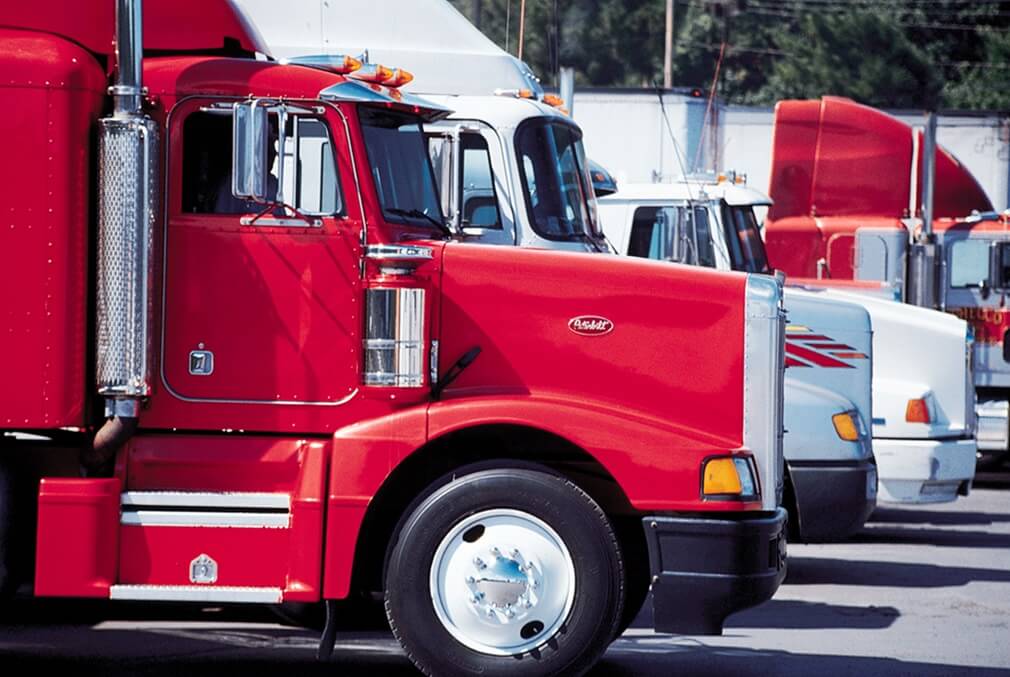
    a row of parked trucks

    As the owner of vacant commercial land, you may have considered various ways to generate revenue from your asset but have yet to arrive at anything ideal.

    You are not short on ideas, but all possibilities seem to require a substantial commitment in terms of time, money, and ongoing management. Construction. Entertainment. Retail Development. Hospitality. The possibilities are endless, but so are the investment, effort, and management requirements.

    As a result, many commercial landowners choose to leave their property in a redundant state, knowing that the asset will increase in value over time. While that is a perfectly reasonable approach, there is usually an unavoidable, nagging fact accompanying that conclusion: in some unknown way, a lucrative revenue stream is probably being left on the table. 

    Release the Potential

    We are going to suggest a way to solve that dilemma and generate immediate ongoing profits from your land through an idea that is proving extremely lucrative for commercial landowners all over America. It is a fairly new concept with extremely high demand, and if you have any experience in business, you will know those two things are something of a holy grail in terms of opportunity. Better still, it requires very little investment (if any at all) and barely any management. 

    We are talking about the next big thing in commercial property capitalization: truck parking. If you aren’t involved, we would like to explain why you probably should be.

    To do so, we need to address three of the most important criteria at the heart of most good business ideas: What is the Problem that needs solving? What is the solution? And How can you provide that solution?

    The Problem

    A truck on the highway at dusk

    The transport industry has been experiencing a severe issue over the last decade or so, with a severe lack of designated truck parking spots. Currently, there are approximately 350,000 truck parking spaces available for 3.5 million commercial trucks, creating a huge disparity that is causing major turmoil in the industry.

    Truckers are governed by strict regulations stating they must park and rest for a minimum of eight hours every eleven hours of driving. To do so, they need to park at a truck stop or a rest area. Given the shortage of truck parking spaces, most truck stops are full by mid-afternoon, which means drivers are forced to seek alternatives, none of which are ideal. 

    Exit ramps, urban underpasses, unsafe urban supermarket car parks, and even highway shoulders are the most common alternatives, each of which poses several issues related to safety and expensive violation ticketing. Truckers want convenient parking options, but they simply aren’t available in adequate numbers. 

    Truck Parking Crunch

    In hindsight, this problem has been years in the making. As e-commerce boomed, so did the number of trucks delivering goods across the country, and while the national fleet grew rapidly, the infrastructure didn’t keep up. Couldn’t keep up. In addition, with the average truck driver’s salary increasing quite generously each year, more new drivers are entering the industry which again means more truck drivers. 

    It’s a simple case of too many trucks chasing too few spots, and the government is simply not addressing the issue effectively.

    The Solution

    A beautiful truck parked

    The obvious solution would be for the government to build more truck stops, and while promises have been made during election campaigns, rarely do they come to fruition. By the same token, the industry probably needs to do more, possibly by collaboratively funding truck stops as an operational expense. But with rising industry overheads, you will forgive them for feeling that this is the government’s responsibility and not theirs. 

    This shifts the attention to the private construction sector, but the idea of developing 30-acre truck stops is often dismissed in favor of more conventional ventures.

    Emerging Niche

    Just as all roads seem exhausted, a new niche has emerged, and with it, we may be in the early days of an extremely lucrative boom.

    Commercial landowners can now monetize their idle land by renting out dedicated parking spaces on an ad-hoc or permanent basis, affording truckers more convenient parking in the process. It is a firm win-win solution, and it’s making a notable dent in the truck parking problem.

    Through our growing network of private landowners – equating to an area the size of a small city – truckers can browse and book truck parking spaces in real-time, while commercial landowners are generating extremely healthy ongoing revenues in the process. 

    How Do You Provide That Solution?

    So, how does this apply to you as a commercial landowner? And are we suggesting you build an actual truck parking lot on your spare land?

    Not really, no. While certain terms and compliance standards must be adhered to, our scheme is easily accessible for truck parking business benefits. If you have commercial land with appropriate surfacing in the form of concrete, gravel, asphalt, or stabilized ground, you probably qualify for instant land monetization by offering it to drivers in need of truck parking spaces for a fee.

    We made the process of joining the program effortless. Just sign up as a host on our platform, add your property details, and connect to a Stripe account during the quick sign-up process, and with that, you are now ready to welcome truckers. Our system handles all bookings and then notifies you via email or text, and if you need to communicate with the driver, you can do so via the Truck Parking Club app.

    You set the terms with daily or monthly parking as suits your schedule, and our support team is always on hand to help with any queries. The whole thing is simple, effortless, and lucrative.

    Benefits

    An empty parking lot

    There are solid, logical reasons why this business model has become popular among landowners across America. Some of the truck parking business benefits include:

    1. Effortless Income Generation

    Turn Idle Land into Profit: Transform land that was previously idle or underperforming into a consistent, reliable source of income.

    Set Your Terms: You control the availability of your land, offering flexibility in daily or monthly parking options.

    Streamlined Process: Our platform handles the bookings and notifications, simplifying the management for you.

    1. Low Investment, High Return

    Minimal Upfront Costs: Joining our program requires little to no initial investment, just the existing infrastructure of your land.

    Steady Revenue Stream: With a high demand for truck parking, your land can quickly become a lucrative asset.

    1. Support and Ease of Use

    User-Friendly Platform: Easy sign-up and simple interface for managing your listings.

    Dedicated Support: Our team is always ready to assist with any questions or concerns, providing a smooth experience for both you and the truckers.

    1. Positive Community Impact

    Aiding the Trucking Industry: You’re providing a much-needed service to truckers, contributing to safer and more efficient logistics.

    Environmental Benefits: Well-located truck stops can reduce unnecessary driving, contributing to lower emissions.

    Bottom Line

    You can make an immediate, positive difference to the truck parking fiasco that has been sweeping America for the last decade or so. By the same token, the potential revenues in this emerging niche are extremely lucrative. Seriously. Landowners are making an incredibly healthy monthly income through Truck Parking Club, right at this very moment.

    Also at this very moment, there are truck drivers in your immediate vicinity who need a truck parking space and are more than happy to pay for it. Capitalizing on this demand makes perfectly logical sense. 

    Again… as you read this, right now, there are probably several truck drivers passing through who are ready to pay you for a space if you would allow them to.
    Join Truck Parking Club and watch as your once idle land becomes a key player in resolving the truck parking crisis while generating notable profits each month, every month, by signing up now. Alternatively, if you need further information, our support desk is on hand to answer any questions you may have.

    The information published herein is for general informational purposes only. Truck Parking Club does not make any representations or warranties about the completeness, reliability, legality, and accuracy of this information. Any reliance placed on such material is strictly at the user’s own risk. Truck Parking Club shall not be responsible for any losses or damages incurred in connection with the information published herein.

  • How to Keep Your Truck Parking Lot Secure?

    How to Keep Your Truck Parking Lot Secure?

    private truck parking lot

    As a truck parking lot owner, you’re responsible for keeping your visiting truckers and the freight they haul safe and sound. If anything bad happens, for example, the cargo gets stolen, you have a lawsuit coming your way. 

    In the best-case scenario, you pay a fine and hope they don’t report the case further. Worst-case scenario, and a more likely one, unfortunately, you lose credibility, truckers avoid your parking lot, and you’re forced to close up shop. 

    That is why investing in proper protection measures is vital to secure your truck parking lot. Doing that will significantly reduce the risk of anything wrong happening, building your credibility within the trucking community. 

    So, if you want your truck parking business to flourish, be sure to invest in the following safety measures.

    Consider Local & State Regulations

    Your truck parking lot needs to meet specific state and local regulations, such as zoning permits and building codes. Furthermore, a truck parking lot needs to follow strict rules regarding layout and dimensions

    You must also ensure that you follow the government fire safety standards and signage. And yes, we know that following all these rules can get annoying when designing your lot. These are, however, absolutely necessary when it comes to increasing your lot’s safety and convenience. 

    Protect Your Property with a Proper Fence

    Your perimeter fence is your first line of defense. It will scare potential intruders and make your parking lot seem more trustworthy to truckers. The fence itself should be high and robust, making it as challenging as possible for intruders to go through to steal cargo or damage parked trucks. 

    Invest In Reliable Surveillance Cameras

    The 24/7 surveillance system is becoming a standard among truck parking businesses. Investing in such a system is a must, as even several strategically placed cameras can make a lot of difference. 

    Of course, how complex your surveillance system should be depends on your location, turnover, and lot size. If you own a bigger lot near a main highway, then it’s best to invest in a robust 24/7 surveillance system with cameras, motion detectors, and on-site security personnel. 

    On the other hand, if you own a small lot that isn’t as close to the main road, a standard set of cameras and basic motion sensors should be more than enough to protect your business. 

    Keep Your Parking Lot Well-Lit

    Lighting plays a vital role in keeping your truck parking lot secure. Yet, many owners underestimate its value, which, once you start thinking about it, is a foolish thing to do. 

    Adequate lighting throughout your parking lot will help deter trespassers, increasing the security of truckers and their rigs. It will also help them navigate better when parking at night, decreasing the risk of accidents. 

    Hire Security Guards

    If you have a large truck parking lot, it’s definitely beneficial to hire on-site security personnel to monitor the security and patrol your premises. This adds an extra layer of protection to your lot, further deterring trespassing.

    On-premise security personnel also works as an incentive for truckers hauling more valuable cargo to park at your lot, even if they need to pay a few extra bucks to stay overnight. 

    Invest in Truck Parking Insurance

    You can own the most secure truck parking lot in the US, but making it 100% bulletproof is impossible. Despite your every effort, accidents will happen. What you can do, however, is minimize the risk of such accidents damaging your finances. This means investing in a proper insurance policy.

    Truck parking insurance will cover any legal costs and pay for damages caused by any on-premise theft, injury, or damages, which can be challenging to handle on your own, especially if you’ve only started your truck parking business

    Grow Your Truck Parking Lot Business with Truck Parking Club

    So, to wrap up, securing your truck parking lot is absolutely necessary. Through proper protection measures, such as a fence, surveillance system, or adequate lighting, you can significantly reduce the risk of cargo theft, truck damage, or trucker injuries. 

    That higher guarantee of safety is more important than you may think. With the right security measures in place, truckers will be more willing to trust you and choose your lot to spend a night, even if they were to pay a few dollars more for a spot. 

    This, combined with great on-site amenities, is a recipe for success in the private truck parking industry. So, don’t try to save a buck when investing in your truck parking security. And once you’re ready to open your lot for business, be sure to work with us.Register your free account at Truck Parking Club, list your parking lot through our platform, and watch your business grow with truckers booking spots at your secure truck parking lot using our app!

    The information published herein is for general informational purposes only. Truck Parking Club does not make any representations or warranties about the completeness, reliability, legality, and accuracy of this information. Any reliance placed on such material is strictly at the user’s own risk. Truck Parking Club shall not be responsible for any losses or damages incurred in connection with the information published herein.
  • NYC Truck Parking Rules

    NYC Truck Parking Rules

    New York City

    It’s top of the heap and king of the hill, according to Frank Sinatra. Robert De Niro thinks it is the most exciting city in the world. Most people, actually, seem to love the place.

    We don’t disagree. But we can only assume that Ol Blue Eyes and Bobby D never had cause to drive a 70-footer with a sticky fourth gear and squeaky brakes through Manhattan or Fifth Avenue. If they had, their Big Apple opinions may have been markedly different.

    While there is no disputing the beauty and buzz of this incredible world-famous city, it can be something of a nightmare from the perspective of a truck driver. 

    Parking? That’s even worse. Basically, NYC truck parking is simply not allowed, period. With a few exceptions, here and there, that is. 

    The Main Rules – Broken Down

    Which brings us to the purpose of this blog post about commercial truck parking in NYC. The truth is, we were tempted to write a two-word article starting with “don’t” and ending with “even,” but we realized that some of you probably have no option but to figure out truck parking in NYC, so we decided a little more effort might be required. 

    With that in mind, we shall address the main rules of NYC truck parking as taken from the official DOT outline, and break them down into digestible terms. But first, what constitutes a ‘truck,’ as far as the DOT is concerned? 

    Commercial Vehicle Definition

    If you have a commercial plate, you are a commercial truck falling into specific truck parking rules in NYC. Rocket science, it most certainly isn’t. 

    Other than that, if your vehicle is modified for transporting goods (with seats and fittings removed), you also fall into the commercial category, as are vehicles with name and address displayed three inches high on both sides of the vehicle, in contrasting colors.

    We doubt you needed that definition, as you probably know what a truck looks like, but there it is, anyway.

    Parking, Standing, and Stopping Rules

    The following stipulations (which are particularly stringent in midtown Manhattan) outline where and how commercial vehicles can park or stand.

    Parking of Unaltered Commercial Vehicles Prohibited

    Commercial truck parking in NYC is not allowed UNLESS the vehicle has been permanently modified by removing all seats and seat fittings behind the front seats. If the vehicle is designed with a separate passenger cab and cargo area, the seats in the cab don’t count towards this rule.

    No Standing Except for Trucks Loading and Unloading

    With NYC truck parking specifically, if you see a sign saying “No Standing Except Trucks Loading and Unloading,” it is basically a special zone just for commercial or service vehicles. These spots are designed for quick stops from 7 am to 7 pm.

    Angle Standing or Parking of Commercial Vehicles

    Commercial vehicles can park or stand at an angle to the curb in designated areas ONLY if necessary for loading or unloading. This is allowed only for the time reasonably needed to perform these activities. 

    Parking of Trailers

    You can’t park trailers or semi-trailers on streets or highways unless they’re actively being loaded or unloaded. However, in industrial zones, trailers or semi-trailers can be parked unattached if signs allow it, but ONLY for the time specified on these signs. 

    Street Storage of Commercial Vehicles Prohibited

    When parking is not otherwise restricted, no commercial truck parking in NYC is allowed in any area, including a residential area, longer than three hours.

    Nighttime Parking of Commercial Vehicles

    Commercial truck parking in NYC is not allowed on residential streets from 9 pm to 5 am. There is a caveat, however: this rule doesn’t apply to vehicles related to gas or oil heat supply, maintenance, or public utilities.

    Vehicles With Platform Lifts

    Commercial vehicles may not be parked on any City street with a platform lift set in a lowered position while the vehicle is unattended.

    Double Parking

    For commercial truck parking in NYC, double parking is usually not allowed in the majority of cases. However, commercial vehicles can briefly double park for pickups, deliveries, or service calls if there’s no free curb space within 100 feet and they follow police or flagperson instructions.

    Bottom Line

    If your truck isn’t altered for cargo transport, you can pretty much forget about commercial truck parking in NYC. Other than that, look for signs that say ‘No Standing Except Trucks Loading and Unloading’ for quick stops. Remember, Midtown Manhattan is extra strict, especially during peak hours. Night parking on residential streets is a no-go for commercial vehicles, and trailers can only park while loading, unloading, or if attached to a truck. 

    Alternatives

    You do have some options, however. There is a truckstop in Kearny, for example, but unless you are using Truck Parking Club to book your space there, they are usually full after 2 pm most days. 

    There are plenty of truck stops in New Jersey, but the same applies: unless you are booking through Truck Parking Club, you might find yourself out of luck. 

    In the worst-case scenario, You might get lucky at one of the service plazas off the turnpike, but only if you are early and enjoy the sight of discarded trash everywhere, along with quite a nasty, distinct toilet-like smell in the air, or so we are told.

    Truck Parking Club

    Either way, your best option is to use Truck Parking Club to browse for truck parking spaces on privately owned land in the NYC or NJ area. Many drivers are turning to our service as an option for NYC truck parking as we have a system that is both affordable and convenient. It just works.

    If you have never used Truck Parking Club before, you will find it useful not only for New York and New Jersey but for the entire country. Just create an account (it takes under a minute) and browse for a convenient parking spot, either as a last-minute option or in advance. 

    Most of our spots come with amenities of various descriptions, many of them are fenced and gated, and all of them are incredibly convenient. 

    We have partnered with private landowners all over the states to bring you truck parking spaces, so you never need to worry about finding a spot again. Just open the app, search for a truck parking space by location, and book your spot. Simple!

    With Truck Parking Club, there is room for everyone.

    The information published herein is for general informational purposes only. Truck Parking Club does not make any representations or warranties about the completeness, reliability, legality, and accuracy of this information. Any reliance placed on such material is strictly at the user’s own risk. Truck Parking Club shall not be responsible for any losses or damages incurred in connection with the information published herein.

  • What Is Jason’s Law in Truck Parking?

    What Is Jason’s Law in Truck Parking?

    Imagine visiting a grocery store for your weekly shop. Faced with an empty cart bay, an attendant springs into view, cheerfully informing you that grocery stores everywhere now have one cart available per ten customers. With eight people waiting ahead of you, it could be a long evening. 

    That would be preposterous, wouldn’t it.

    Let’s further imagine your kids returning home from school complaining of aching feet because each class provides one chair for every ten students. The other nine must stand around all day, hoping for a vacant chair to appear.

    You would be enraged, wouldn’t you.

    If you find neither of those scenarios ridiculous enough, let’s try this: Imagine one truck parking space for every ten trucks in America. This would equate to potentially nine truck drivers without a parking space for every single truck driver who has one. 

    It turns out you need not imagine – because this final scenario is real. 

    More specifically, just under 350,000 truck parking spaces accommodate 3.5 million trucks on our nation’s roads. Drivers waste hours each week looking for designated truck parking spaces, burning fuel needlessly while doing so, often resorting to hazardous off-ramps, abandoned gas stations, or unwelcoming Walmarts (among others) for their legally required rest stop.

    The issue is causing real problems in the trucking industry, danger on our highways, and, in the case of Mr. Jason Rivenburg, profound tragedy.

    Jason Rivenburg

    We will never know what kind of day Jason expected to have on March 5, 2009, but we can confidently assume he didn’t foresee his life being taken while resting in his truck at a deserted gas station after a tough day on the busy roads.

    Jason was one of the statistical nine out of ten who, presumably, couldn’t find a truck parking space along his route. Either that, or he was unwilling to waste expensive fuel and precious time looking for one, knowing they are so elusive. Again, sadly, we will never know.

    What we do know is that Jason was ahead of schedule that day, and his final destination would not receive him until the appointed drop time. They also wouldn’t allow trucks to park and wait on their property. In limbo and starved of adequate truck parking options, he chose to rest at the lonely confines of a gas station 12 miles from his drop. 

    There, he would run into Wille Pelzer. Or rather, Wille Pelzer would run into him. Loitering ominously outside a convenience store, looking for someone to rob, Pelzer noticed the truck parking in the gas station. Recognizing a potential victim, he approached, snaked his way under the greasy belly of the huge truck, and waited. Eventually, he crawled out, climbed onto the cab, and shot the 35-year-old husband and father in the head with a .45 caliber.  

    Pelzer’s ‘reward’ for creating a young widow and leaving three children fatherless was the paltry sum of seven dollars, taken from the dashboard. 

    Jason’s Law

    In the wake of Jason’s tragic murder, his widow, Hope Rivenburg, became an advocate for change, leading to the proposal of Jason’s Law. But this wasn’t a knee-jerk gesture born out of grief. Through Jason’s passing, she learned of the industry’s truck parking issues and committed herself to effect change. This remarkable person campaigned through her grief doggedly, diligently, and without respite to force actual legislation. She was successful in her endeavors. 

    Aimed to address the critical shortage of safe truck parking spaces across the United States, Jason’s Law (officially part of the Moving Ahead for Progress in the 21st Century Act) was enacted in 2012. The act provided federal funding for creating and expanding parking facilities for commercial motor vehicles, aiming to make highways safer for truck drivers who, like Jason, often found themselves in vulnerable situations due to inadequate parking options. 

    But while Hope must be applauded for forcing change, the federal government must do far more. With a record number of truckers on the road and a still woefully underserved truck parking infrastructure, there is an urgent, almost desperate need for increased investment.

    The Problem Continues

    Truckers are the backbone of our supply chain — the lifeblood of commerce, keeping everything stitched together. Without them, the country would simply grind to a halt. With that in mind, you would assume truckers are afforded adequate parking so they can adhere to the various regulations relating to driver hours and rest breaks. 

    They aren’t. Truck stops and rest areas are scarce and mostly full by late afternoons, which is a problem for two reasons. Firstly, an exhausted trucker is not a safe trucker, and secondly, regulations state that drivers must take a mandatory 10-hour rest after 11 hours of driving within a 14-hour workday.

    Without a sufficient number of designated truck parking spaces nationwide, their options are few. Gas stations. Exit ramps. Dark underpasses. Dangerous urban areas. None of the alternatives are legitimately secure, and as such, there has been a rise in the number of crimes and attacks against truck drivers of late.

    A Neglected Industry 

    This happens in no other industry. Pilots, for example, are legally required to take a lengthy break following a long flight. Upon landing at a remote destination, they are not directed toward the nearest park bench to seek rest. Of course not. They are directed toward the nearest hotel, where they can sleep before resuming their job: a job that could be tragic beyond words if a pilot is not suitably rested. 

    It may sound like a far-reaching comparison, and we certainly do not wish to be flippant, but an abandoned gas station or sinister underpass is nothing more than a metaphorical park bench, and our nation’s truck drivers deserve better. We are not suggesting they are given the president suite at the local Marriot after each shift – but an abundance of well-maintained truck stops is surely not too much to ask.

    Final Thoughts

    Jason’s story clearly demonstrates the need for better parking arrangements in our community, and while measures are being taken to improve the situation, more needs to be done. Whichever way you look at it, the awful truth is this: If the transport industry were blessed with adequate parking spaces, Jason might still be alive today.

    In the meantime, Truck Parking Club will continue striving for truck drivers everywhere to have more convenient places to park. No one should have to resort to abandoned gas stations, exit ramps, and dangerous urban areas. At Truck Parking Club, we believe there should be room for everyone.

    Register Now

    If you are a truck driver and haven’t yet tried Truck Parking Club, just know we are here if you need us. Through our vast network of private commercial landowners, truckers can choose convenient, spacious, designated parking over less-than-ideal alternatives.
    The registration process is simple, and our parking app is incredibly user-friendly. Whether planning ahead or needing a spot right now, just browse for a truck parking space, book, and relax.

    The information published herein is for general informational purposes only. Truck Parking Club does not make any representations or warranties about the completeness, reliability, legality, and accuracy of this information. Any reliance placed on such material is strictly at the user’s own risk. Truck Parking Club shall not be responsible for any losses or damages incurred in connection with the information published herein.
  • Most Important Amenities at Truck Parking Locations: Maximize Your Truck Parking Revenues

    Most Important Amenities at Truck Parking Locations: Maximize Your Truck Parking Revenues

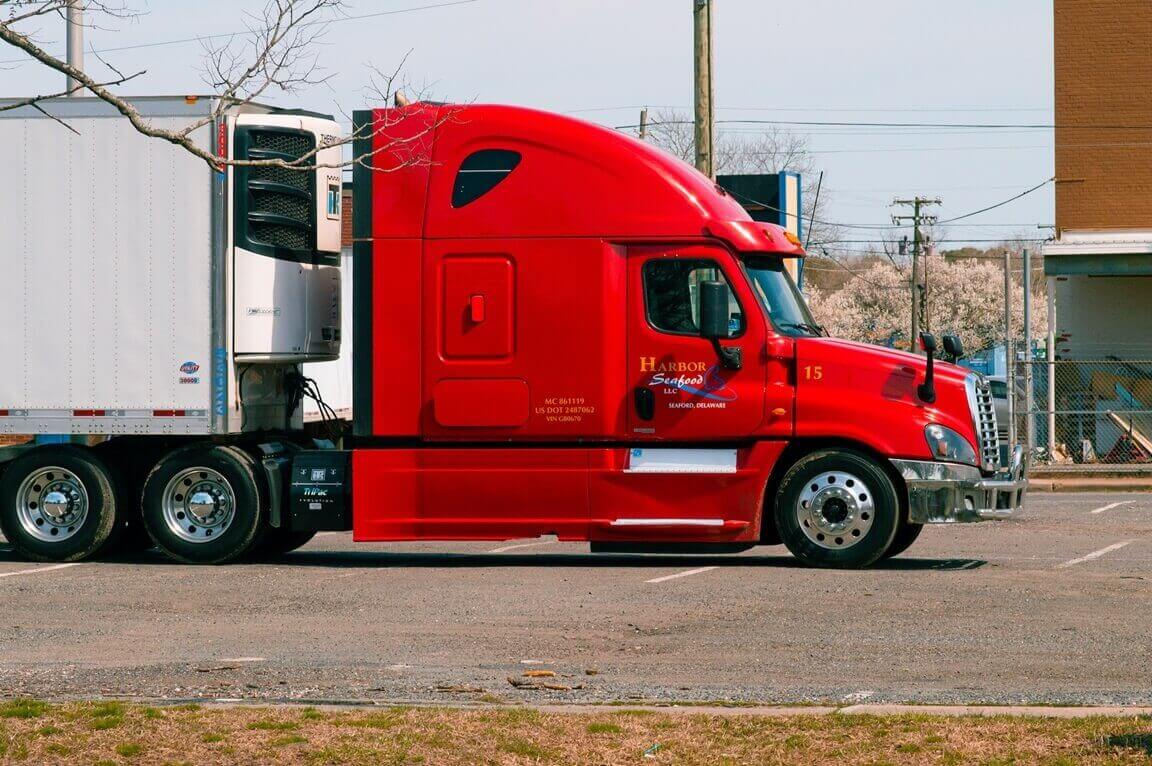
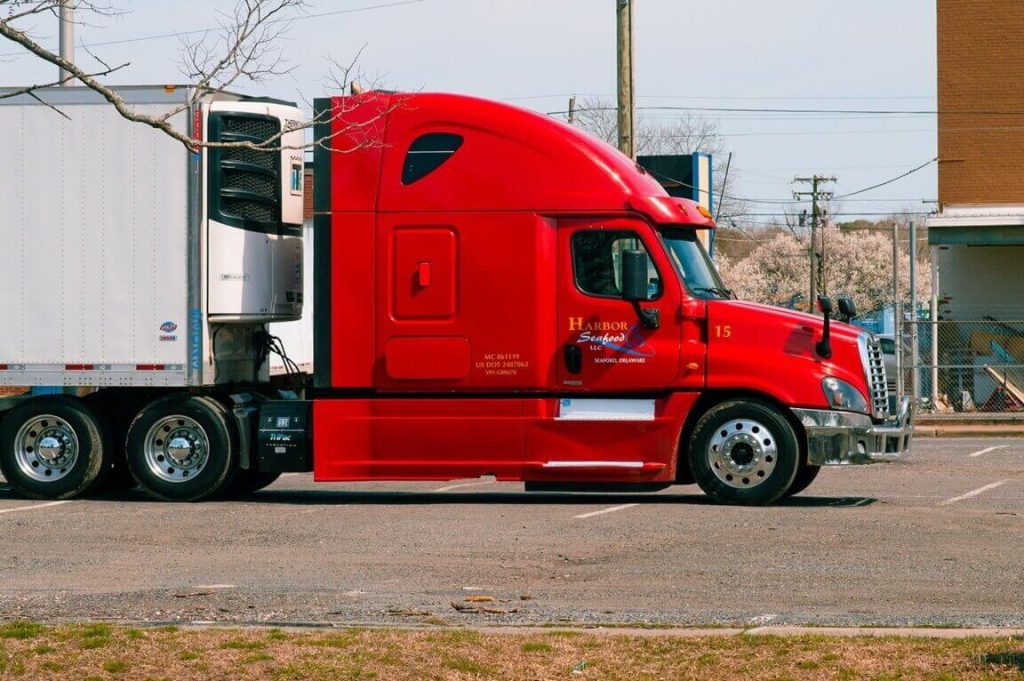
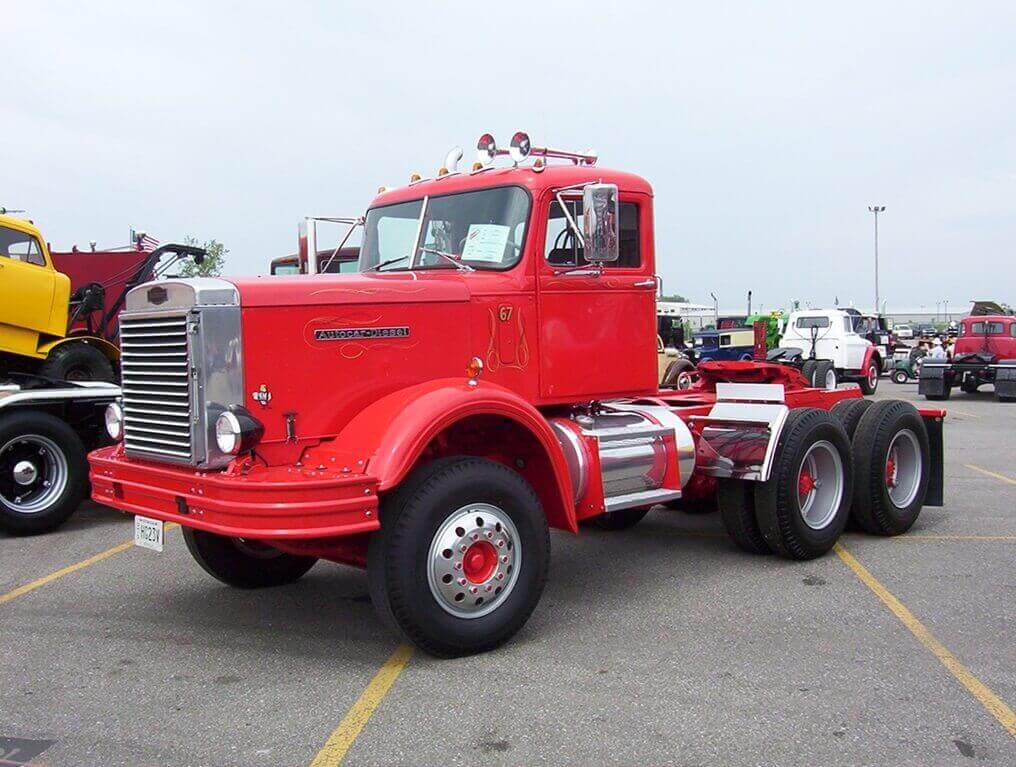
    red truck with white trailer

    Becoming a truck parking owner can be rewarding and highly profitable, especially in today’s trucking industry landscape, where each truck parking space is worth its weight in gold. 

    Indeed, if you have an available property that you can turn into truck parking, now is the time to do it. And while it will require some effort, opening a truck parking spot in the right location can be an incredible source of revenue. 

    Location is one thing, though. If you want to make the most out of your truck parking business, you’ll also need to ensure that truckers receive all the care and attention they need. In other words, you’ll need to invest in the right amenities. 

    And sure, it might seem like an unnecessary effort. After all, a truck driver in despair will park anywhere. However, investing in additional amenities will allow you to – A, charge higher parking rates, and B, attract more drivers (including recurring ones!). 

    Which amenities will help you maximize your truck parking revenues? Let’s take a look.

    #1 Showers

    There’s nothing better than a hot shower after ten hours on the road. Providing truckers with a place where they can shower and satisfy other cleaning and toilet needs is a must-have for any truck parking location. Or, at least, it should be. 

    As for whether you charge for shower services, that depends on you. Many parking lots, for instance, require some kind of a refundable deposit for using showers. One thing for sure is that truckers will more than appreciate a chance to take a refreshing shower, increasing the chances of them stopping at your parking lot.

    #2 Bar/Restaurant

    This one is a no-brainer. If you want to attract more truckers to stop by and park at your lot, investing in a bar or restaurant is one of the best ideas you can have. 

    First of all, it adds a lot of convenience to trucker’s stay, allowing them to enjoy a hot meal or their favorite beverage. Secondly, it provides your lot with an additional source of income, allowing you to charge for meals and drinks in addition to parking fees.

    Plus, of course, having a bar or restaurant works like a magnet, attracting more truckers willing to stay at your lot. So yes, even if it requires more major investment, building a bar or renting a part of your space to accommodate one is an excellent way to maximize your truck parking business earnings. 

    #3 Wireless Internet

    Offering free Wi-Fi should be a standard among truck parking lots and stops. Yet, many locations have yet to introduce it. And while it might seem like an insignificant detail, letting truckers use free Wi-Fi adds another layer of convenience to your parking lot. 

    Using it, truck drivers will be able to relax by watching movies, TV shows, or sports events. They’ll also be able to scroll through social media without sacrificing the data packages needed for their daily navigation and road updates. 

    Furthermore, it’s an amenity that doesn’t require significant investments, providing your truck parking lot with a boost without putting a dent in your finances.

    #4 Laundry Service

    Many truckers spend weeks on the road, and there are only as many clothes as they can fit into their rig. Offering truck drivers a chance to do their laundry while at your parking lot is, therefore, a massive advantage.

    On the one hand, investing in several washing machines, dryers, and folding tables may be costly. On the other hand, it will allow you to earn extra bucks as you can charge a fee for using a laundry service. 

    #5 ATM

    Many truck drivers prefer to have cash on hand for various expenses, such as fuel, food, tolls, and parking fees. An ATM at the truck parking facility allows them to easily withdraw cash without leaving the area, reducing the need to search for nearby ATMs or banks.

    Additionally, truck drivers with ready access to cash are more likely to spend money on services and goods offered at your truck parking lot, such as showers, restaurants, convenience stores, and maintenance services, contributing to your revenue. 

    Take Your Truck Parking Business to the Next Level

    Of course, there are many more amenities you can introduce to your parking lot, such as gas stations, driver lounges, convenience stores, or even a gym. You should also ensure proper security measures and provide truckers with enough parking space. 

    By investing in such amenities, you’ll be attracting more truckers to your parking lot while also diversifying your parking revenue streams. 

    And to take full advantage of your truck parking business, sign up for Truck Parking Club, where you can list your parking lot for truckers to book and join hundreds of other truck parking owners who make our community. 

    Together, we can build a better future for the truck parking landscape!

    The information published herein is for general informational purposes only. Truck Parking Club does not make any representations or warranties about the completeness, reliability, legality, and accuracy of this information. Any reliance placed on such material is strictly at the user’s own risk. Truck Parking Club shall not be responsible for any losses or damages incurred in connection with the information published herein.
  • How to Start a Truck Parking Lot Business?

    How to Start a Truck Parking Lot Business?

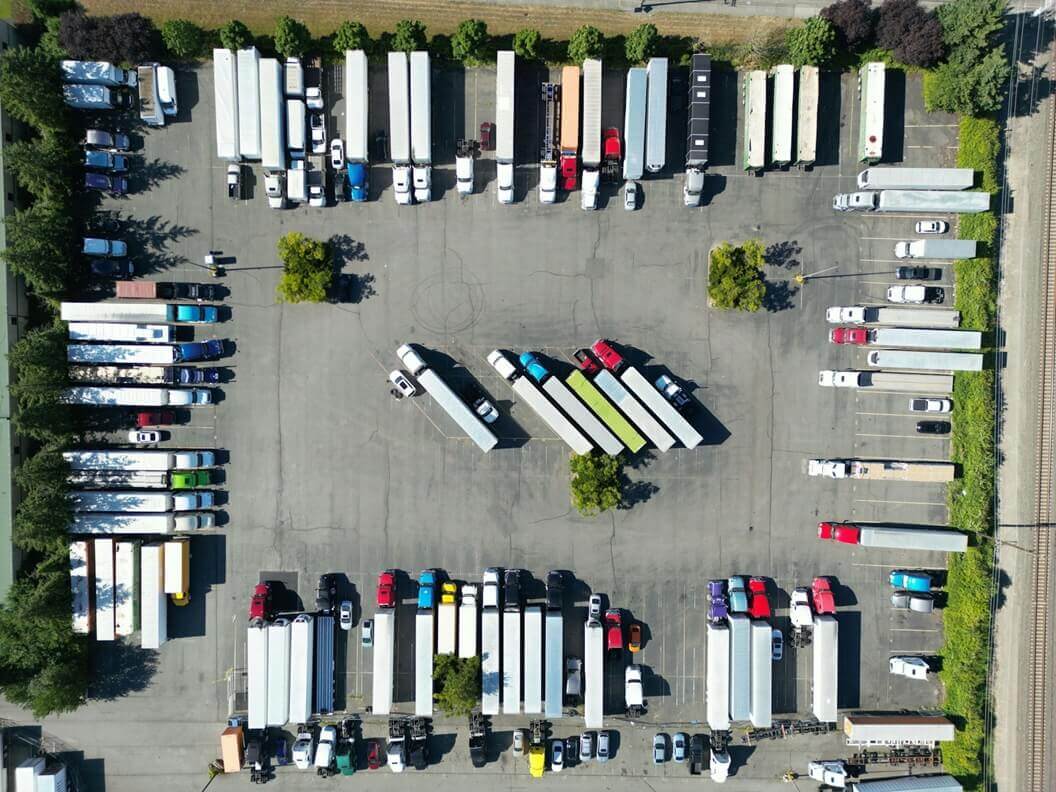
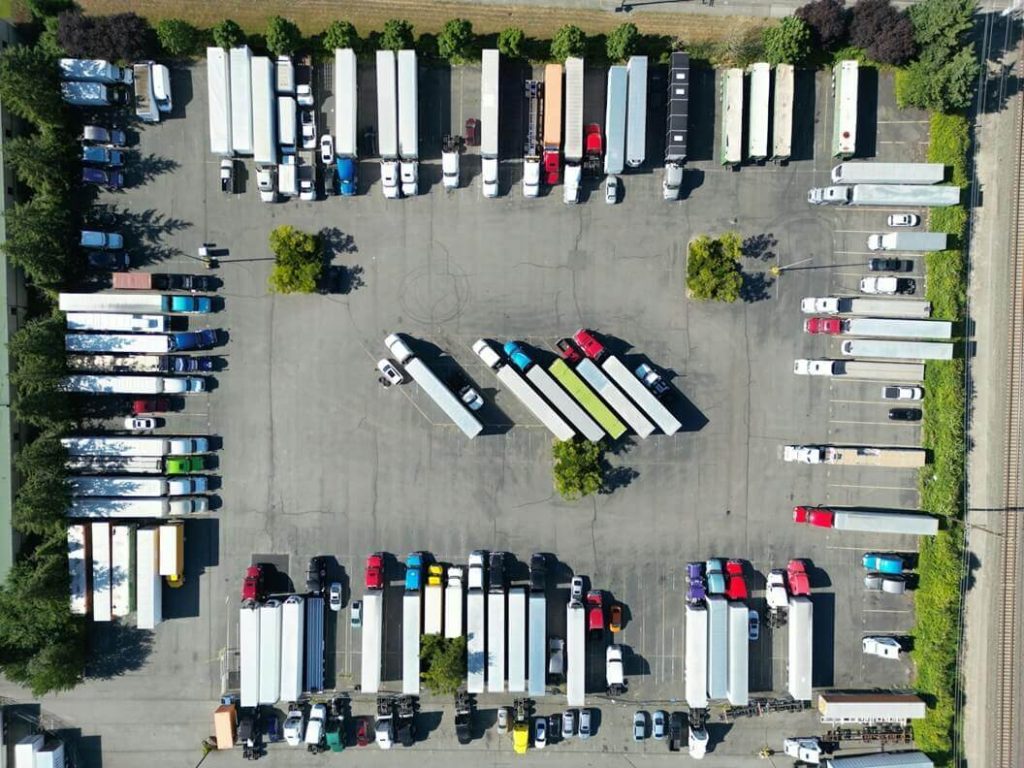
    trucks parked in front

    The trucking industry needs more places for truck drivers to park their rigs and rest during long hauls. With a shortage of truck parking spaces nationwide, drivers often end up in unsafe areas when they can’t find an open spot. This demonstrates the profitable business opportunity of starting a truck parking lot to meet an essential demand.

    Truck parking provides a dedicated place for truckers to park legally and meet federally mandated rest requirements. Lots can be basic paved spaces or full truck stops with amenities. At minimum, they allow drivers to get off the road when tired or out of driving hours.

    In this article, we cover the key steps to launching a successful truck parking business. From scouting locations to establishing facilities, policies, and pricing to marketing your services, you’ll have a roadmap to provide essential parking capacity and serve truck drivers in your community. We’ll also look at how Truck Parking Club connects drivers with alternative parking options.

    By helping truckers keep on trucking safely, you also stand to make some handsome profits – a win-win situation!

    If building a lot from the ground up sounds daunting, the fastest way to start earning is to list existing land for truck parking on a marketplace that already has drivers searching — no construction required to begin.

    The Truck Parking Crisis

    With limited space and swelling numbers of trucks on the highways, parking has become painfully scarce. This crisis is draining driver health, hurting businesses, and risking safety.

    According to the American Transportation Research Institute, nearly two-thirds of drivers struggle to find adequate parking every day. Over 90% say the shortage decreases their quality of life on the road. Without spots to pull over, many end up parked unsafely on highway shoulders and ramps. This provokes accidents, injuries, and fines.

    The Federal Highway Administration estimates a shortage of over 40,000 parking spaces nationwide. With freight demand projected to continue to grow, the lack of rest stops and truck lots will only worsen.

    It’s clear additional parking capacity will provide immense benefits. But major public projects take time. This is why private businesses have an opportunity to fill the gap faster by converting available land into potential truck parking facilities.

    Why Start a Truck Parking Lot Business?

    In business, you’ve got to seize the right opportunity at the right time. And there’s no better time than when demand is high and supply is critically low. That’s exactly the case when it comes to truck parking today.

    As outlined already, the trucking industry is facing a severe shortage of safe, accessible truck parking lots. This imbalance of high demand and constrained supply creates the perfect opening to step into this highly favorable supply-demand gap.

    Reliable Income Stream

    Now that we’ve established this as a likely profitable venture, what other benefits come with this business, you ask? For starters, you can count on a steady stream of income. By providing in-demand parking spaces and charging daily or monthly fees, the cash keeps rolling in reliably each month. It’s not a quick flash-in-the-pan revenue source but a steady, recurring income you can take to the bank.

    Low-Maintenance Business

    There’s also minimal stress and effort involved to keep the operation humming. This isn’t rocket science – it’s parking! While it takes some effort to get up and running, once built, day-to-day operations are pretty straightforward.

    You’ll need a small staff for maintenance, fee collection, and security. But the business itself mostly runs on auto-pilot if you’ve got a good system in place. It doesn’t require complex oversight, and you’ll avoid the hassles and stress of more complicated businesses.

    How Truck Parking Club Can Help

    Truck Parking Club is an innovative new platform launched in 2022 that connects truck drivers with private property owners willing to rent out parking spaces. This allows for better utilization of existing spaces at businesses with extra room.

    • Drivers can search for available parking spots across the country all in one place. Real-time listings show immediate parking availability.
    • Advance reservations can be made from days ahead to the last minute. This gives drivers flexibility and peace of mind, knowing they have a guaranteed spot.
    • Property owners can generate income by renting underutilized land or excess parking capacity to truckers. The site vets and registers participating locations.
    • Owners set their own competitive rates and manage individual bookings and transactions. Reviews help build reputations.
    • The service targets a wide range of property types – trucking companies, industrial sites, storage facilities, vacant land, etc. Thousands of new spaces can be added this way.

    Already Have a Trucking Parking Spot – List It With Us!

    Research the Market

    The first step in starting your truck parking lot business is to thoroughly research the local market. This will help you determine if there is sufficient demand in your area to support a profitable parking lot operation.

    • You’ll want to begin by assessing if there is indeed a shortage of truck parking spaces in your city or region. Look at any data on parking availability, complaints from truckers, and rates of illegal truck parking to gauge the unmet need. Driving major freight transportation routes yourself can also reveal any obvious lack of truck parking lots.
    • Evaluate traffic patterns to estimate the number of trucks passing through daily that could utilize your lot. Proximity to highways, distribution centers, and other freight hubs is ideal.
    • Research existing competitors in the vicinity. Make notes on their location, number of spaces, amenities, condition, and pricing. This can help you identify shortcomings or untapped opportunities in the local market.
    • Interviewing local truckers directly can offer invaluable insight into parking pain points and what they look for in a parking facility.

    Develop a Business Plan

    After researching the viability of your local market, the next step is to put together a comprehensive business plan. This will outline all the key details and financial projections for your proposed truck parking operation.

    • Start by clearly describing your parking lot concept and layout. You’ll need to factor in the number of spaces and on-site amenities as well as requirements like fencing, lighting, and paving.
    • Determine your location criteria based on proximity to major freight routes and hubs. Assess any zoning regulations and permitting requirements for potential sites.
    • Outline your target customers and parking lot policies. Will you cater to long-haul truckers, local deliveries, or a mix? What are your payment terms, and how will you promote occupancy?
    • Project your operating expenses, including land purchase or lease, construction, staffing, maintenance, insurance, taxes, and other ongoing costs. Then, estimate your income from parking fees and other potential revenue streams.
    • Develop financial projections showing expected startup costs, ROI timeframes, and ongoing profit and loss.
    • Also, factor in financing options and a timeline to get up and running. Determine if you need small business loans or investors to fund the launch and initial operating costs.

    Find a Location

    You’ll want to secure a site that’s both affordable and ideally positioned to attract truckers passing through.

    • Look for inexpensive, undeveloped land along major highways and freight routes. Check zoning laws to ensure parking lots are permitted uses for properties you’re considering.
    • Being near freight hubs like industrial parks, distribution centers, and intermodal facilities provides a natural customer base. Proximity to food, fuel, and other trucker amenities is also ideal.
    • The site should allow for easy highway access and exit without requiring tricky maneuvers for big rigs. Make sure there is enough acreage to accommodate your planned parking capacity and on-site facilities.
    • Evaluate noise ordinances, environmental impact rules, and community relations. You may encounter some not-in-my-backyard (NIMBY) resistance that needs addressing.
    • Look into any state or local economic development incentives available for new transportation-related businesses.
    • Survey the site drainage and terrain. Factoring in paving, grading, and lighting costs early allows for more accurate budgeting.
    • Secure any required permits and licenses for development and operation based on local regulations. These may include zoning variances, building permits, or special use allowances.
    • Leverage legal and real estate professionals to review title claims, boundary surveys, purchase agreements, and property leases to protect your interests.

    Set Up Facilities & Operations

    Once you’ve secured the right truck parking lot location, it’s time to set up the physical facilities and standard operating procedures.

    • Start by grading the land and paving the parking surfaces. Asphalt or concrete provide durable options able to withstand heavy truck traffic. Proper drainage is key to avoid pooling water.
    • Install sturdy fencing around the perimeter along with security cameras, lighting, and alarm systems. This keeps the lot and parked trucks safe.
    • Construct any buildings needed for site offices, restrooms, showers, etc. Obtain proper permits and comply with codes.
    • Designate parking spaces with painted lines and numbering. This allows for assigning and tracking specific spots. Consider angles and sizes that optimize capacity.
    • Post clear signage regarding policies, fees, entry & exit points, speed limits, and other usage guidelines. Signs should be visible from the road to direct truckers in.
    • Hire staff for security, maintenance, cleaning, and fee collection.
    • Implement a parking management system to assign spaces, track occupancy, and process payments.
    • Prominently display contact information so drivers can get assistance and provide feedback.
    • Regularly evaluate operations to identify any potential safety risks or areas for improvement. Stay responsive to user feedback.

    Legal and Compliance

    It is vitally important that you get all your legal and compliance boxes ticked before opening up your parking lot.

    • Choose a business structure that offers the right level of liability protection. Common options include sole proprietorship, partnership, corporation, or LLC. Consult professionals to determine the best fit.
    • Register your business name and establish federal and state tax IDs. You may need special licenses and permits to operate a parking facility in your area.
    • Look into zoning laws, land use regulations, environmental impact studies, and transportation codes that could apply to your parking lot.
    • Make sure to obtain necessary permits and licenses for development, construction, and operation. Common ones may include building permits, special use allowances, stormwater management plans, signage approvals, etc.
    • Have lawyers review any business contracts, loan agreements, lease documents, and liability insurance policies. This protects your interests. Consult lawyers experienced in transportation industry laws and regulations.
    • Implement accounting systems to handle taxes, document income/expenses, manage payroll, and track other financials. Stay compliant with regular filings and payments.
    • Maintain adequate insurance policies covering general liability, property damage, worker’s compensation, employer’s liability, and commercial auto. Review annually.

    Market Your Truck Parking Services

    It’s now time to get the word out about your new truck parking facility and attract drivers.

    • Create a website highlighting your location, parking availability, amenities, and fees. This is often the first place truckers will look for parking options.
    • Run ads in trucking publications.
    • Place prominent roadside signage and billboards along highways leading to your lot. These catch the eye of passing truckers.
    • Partner with nearby businesses like distribution centers, truck washes, restaurants, and motels to advertise or offer referral discounts.
    • Leverage social media by creating business pages on Facebook, X (formerly Twitter), etc.
    • Offer promotions like discounted weekly/monthly rates when starting out to build your customer base.
    • Make sure your lot can be easily found on Google Maps and GPS systems that truckers rely on to navigate.
    • Encourage customer reviews on platforms like Yelp to build credibility. Respond promptly to any concerns.
    • Provide referral rewards to existing customers who recommend your lot to other drivers. Strong word-of-mouth is powerful.
    • Stay in contact with regular customers to ensure satisfaction.
    • Leverage platforms like Truck Parking Club to extend your reach.

    Expanding Your Business

    Once your first truck parking lot is up and running smoothly, you’ll have all the knowledge needed to build an empire of trucking parking lots by replicating the process we’ve outlined.

    Maybe you are happy enough with just one truck parking lot, but you can still diversify your offerings if you want more profits. Adding complementary services like a truck wash, repair shop, or food court brings in added revenue streams. 

    Related reading: Cost of Building a Truck Parking Lot · Truck Parking Layout and Dimensions · Truck Parking Zoning

    Wrapping Up

    We’ve covered all the steps needed to start a truck parking lot business – it’s now up to you to put the advice into drive.

    Remember, at Truck Parking Club, we’re always here to support your parking lot venture. Once you’re up and running, join our platform to extend your reach. List your new facility to tap into our vast trucker network, seeking safe parking options.

    The information published herein is for general informational purposes only. Truck Parking Club does not make any representations or warranties about the completeness, reliability, legality, and accuracy of this information. Any reliance placed on such material is strictly at the user’s own risk. Truck Parking Club shall not be responsible for any losses or damages incurred in connection with the information published herein.

    Have land near a freight corridor or industrial area?

    TruckParkingClub turns vacant land into income — we bring the truckers, handle bookings and payments, and offer free mobile-activated access control. Listing takes minutes.

    Become a property member →
  • How Much Does a Truck Parking Space Cost? A Guide to Pricing at Truck Parking Lots

    How Much Does a Truck Parking Space Cost? A Guide to Pricing at Truck Parking Lots

    neatly lined up in a truck parking lot

    Finding a truck parking space in the US can often be extremely frustrating. Many states struggle with truck parking shortages, causing truckers to spend their precious time searching for available parking spaces to spend a night. 

    That need for a parking space can quickly become desperation many parking owners try to exploit. They jack up the prices for overnight parking, forcing desperate truckers to spend their hard-earned money on truck parking that is often far from perfect. 

    Of course, that doesn’t apply to all truck parking lots. At Truck Parking Club, we only cooperate with truck parking operators who offer safe and secure parking at reasonable rates, ensuring truckers don’t overspend when searching for a parking space. 

    However, the exact truck parking costs will depend on numerous factors, such as the location, time of year, demand, etc. How much should you expect to pay when driving through the US? Let’s find out.

    How Much Is Truck Parking? A Quick Answer

    The average truck parking rate in the US ranges from $15-25 per night. These prices, however, will vary depending on the location, demand, and amenities offered, with some truck parking lots charging less or more. 

    What Factors Affect Truck Parking Rates?

    As covered, several factors affect truck parking costs. Namely, its location, seasonal demand, and amenities. Let’s discuss these in more detail:

    Location

    As you drive throughout the states, you’ll notice that truck parking rates depend on the state and area you’re currently in. In general, urban states, such as California or New York, tend to be more expensive than rural locations and states due to higher property prices and increased demand. 

    For instance, truck parking costs in California can reach up to $45-50 per day, with truck parking lots in Texas or Illinois charging $10-15 per night. Keep that in mind when planning your route to ensure you don’t overspend on truck parking when driving through several states. 

    Another location-related factor is where the parking lot is physically located. For instance, truck stops and parking lots near main highways and larger cities will charge higher parking rates than those in more remote areas. 

    Seasonal Demand

    Some times of the year are busier than others. And when it gets busy on the road, the demand for truck parking increases and, with it, parking rates. Indeed, it’s not uncommon for truck parking owners to charge more for truck parking during specific periods, so be sure to keep that in mind when planning your routes to avoid unexpected fees. 

    Amenities & Additional Fees

    Generally, the more exclusive the parking lot and the more amenities it offers, the more you can expect to pay for an overnight stay. However, some truck parking lots may collect lower rates, charging extra for using the available amenities. For instance, a truck parking spot may cost $20, but you’ll have to pay $5 to take a shower or pay an extra fee to access Wi-Fi. 

    States with the Most and Least Expensive Truck Parking Rates

    So yes, as explained, truck parking rates vary from one state to another. But which states are the most expensive when it comes to truck parking? 

    According to the 2022 survey from the American Transportation Research Institute (ATRI), the top five states with the highest truck parking rates are California, New York, Connecticut, Massachusetts, and Oregon. The average cost of an overnight truck parking spot in these states can range from $30 to $40, often exceeding forty dollars. 

    What makes these states so expensive for truck drivers? One reason is that all these states have high population densities and high-traffic urban areas. They also tend to have higher operating costs due to differences in taxes, property values, and higher labor costs. 

    Okay, but what about the states with the least expensive truck parking rates? According to the same survey, the five states with the lowest truck parking costs are South Dakota, North Dakota, Nebraska, Iowa, and Wyoming, where the average truck parking rate ranges from $12 to $15 per night. 

    What are the reasons for these lower rates? Well, opposite to the most expensive states, these aren’t as densely populated. The traffic is, therefore, lower, meaning the demand for truck parking isn’t as high as in more urban states (e.g., California or New York). The operating costs also tend to be lower there, further decreasing truck parking rates.

    Of course, keep in mind that we’re talking averages here. There can be instances where truck parking in Dakota will cost more than in New York. On average, though, you should expect to pay more for truck parking in certain states than others. 

    Fortunately, there are several ways to find more affordable truck parking without sacrificing overall security and convenience. 

    How to Find the Most Affordable Truck Parking Spots?

    What if we told you that finding affordable and reliable truck parking doesn’t have to be challenging? That in a matter of minutes, if not seconds, you’ll be able to find and book available parking spots in any US state?

    All it takes is to use Truck Parking Club. Through our platform, you’ll be able to browse available parking lots across the US, find those with affordable pricing, and then book them in advance for peace of mind that you have a safe spot to spend a night when on the road. 

    As the #1 truck parking app in the US, Truck Parking Club is the perfect solution for truckers searching for safe parking locations nationwide. All you have to do to book your spot is to create a free trucker account. Once you do that, you’ll gain access to all our platform’s features, allowing you to quickly find and book available spots. 

    So yes, using our truck parking app is one solution for finding affordable truck parking. There are more tips you can use to boost your chances of finding a parking spot without putting a dent in your finances. Namely:

    • Plan routes in advance. Although it’s not always possible to plan ahead, if you can, planning your route and stops is the best way to ensure you find a place to serve your mandatory break and that you don’t overspend. For instance, if your route takes you through several states, you can plan your stops strategically and park in states and areas with lower truck parking rates. 
    • Do your research. When in a hurry, it’s natural that you’ll choose the first stop that pops up as an answer to your “truck parking near me” query. We’d spend some time on research, though. There’s a high chance you’ll find a more affordable option in a more remote location or without luxurious amenities.
    • Opt for weekly or monthly parking options. Most locations at Truck Parking Club offer daily, weekly, and monthly truck parking payment options. If you, for instance, drive specific routes regularly, opting for a weekly or monthly parking option will turn out cheaper than paying a daily parking fee. 

    What About Free Truck Parking?

    This is a question many truckers, especially younger ones, ask – can I park my truck for free? The short answer is yes. Some spots, such as truck stops or public parking lots, allow truckers to park for free. Many truckers also go off-road to find some spots where they can sleep. In general, though, it’s not the best option around. 

    First of all, it’s not safe. One of the reasons why dedicated truck parking lots charge extra fees is due to them being more secure. They often come with monitoring and other security measures, ensuring that truckers and their cargo remains safe. It’s also not very convenient, as you don’t have access to even the most basic amenities, such as a toilet or a bar. 

    So yes, while finding free truck parking in the US is possible, it’s not something we’d recommend. If you want to stay safe and relaxed on the road, it’s better to spend those 15/20 bucks and enjoy peace of mind that your cargo is secure and that you can satisfy your basic needs in more civilized conditions. 

    Key Takeaways

    Many truck drivers complain about high truck parking rates in the US. And true, some parking lots charge high rates for overnight parking. These costs, however, heavily depend on the lot’s location and the demand for truck parking spaces. 

    On average, you should expect to pay around 15/25 bucks per night for a truck parking spot in the US. As covered, though, these costs can be higher or lower depending on specific factors. 

    Generally speaking, if you want to ensure you don’t overspend on truck parking while also staying in a secure and reliable lot, the best idea is to use our truck parking app. Using Truck Parking Club, you’ll be able to browse, find, and book secure truck parking spots nationwide, all available at competitive rates from reliable private truck parking owners. Create your free trucker member account today!

    The information published herein is for general informational purposes only. Truck Parking Club does not make any representations or warranties about the completeness, reliability, legality, and accuracy of this information. Any reliance placed on such material is strictly at the user’s own risk. Truck Parking Club shall not be responsible for any losses or damages incurred in connection with the information published herein.