
Category: Tips For Truckers

  • Driving Tips for Truckers in Severe Summer Storms

    Driving Tips for Truckers in Severe Summer Storms

    lightning strikes during a summer storm

    A trucker needs to be prepared for everything. The road can be unpredictable, so staying alert is necessary. 

    Today, we’d like to talk a bit more about safe driving during those severe summer storms. These storms can bring heavy rain, strong winds, hail, and lightning, all of which can create hazardous driving conditions. 

    At Truck Parking Club, we’re committed to ensuring that our community of truck drivers stays safe and well-prepared on the road. Here are some essential tips to help you navigate severe summer storms effectively and safely.

    1. Stay Informed

    Staying up to date on all weather conditions and forecasts is a must. So, before you hit the road, always check the weather forecast on your route. Use reliable weather apps and services to get real-time updates. Knowing what to expect can help you plan your journey better and avoid the worst of the storm.

    2. Adjust Your Driving Speed

    Unfortunately, forecasts aren’t always accurate. 

    There will be instances when a summer storm hits unexpectedly, significantly reducing visibility and traction on the road. If that happens, it’s crucial to reduce your speed to match the conditions. 

    Driving slower gives you more time to react to sudden changes and helps prevent accidents caused by hydroplaning or losing control on slippery surfaces.

    3. Maintain a Safe Following Distance

    In heavy rain or during strong winds, it’s essential to increase the distance between your truck and the vehicle ahead. This extra space allows for safer braking and more reaction time if the vehicle in front suddenly stops or swerves. This is more than true for heavy-loaded trucks. 

    4. Use Your Lights

    Turn on your headlights to improve visibility, both for yourself and for other drivers. In heavy rain, fog lights can also be helpful. Avoid using high beams in foggy conditions, as they can reflect off the fog and reduce your visibility further.

    5. Watch for Standing Water

    Flooded roads and standing water can be extremely dangerous for heavy trucks. Hydroplaning is a real risk, which can cause you to lose control. 

    Avoid driving through deep water, as it can also damage your truck’s electrical systems and brakes. If you must drive through water, do so slowly and steadily to reduce the risk of hydroplaning.

    6. Be Cautious of High Winds

    High winds can be especially hazardous for large trucks, which have a larger surface area that can act like a sail. 

    If the wind hits, reduce your speed and be extra cautious when driving over bridges, open stretches of road, and in areas where wind can be funneled through gaps in the landscape. 

    If winds are too strong, find a safe place to park and wait it out.

    7. Secure Your Cargo

    If you expect a more severe storm to hit when you’re on the road, double-check if all cargo is properly secured. 

    High winds and sudden stops can shift unsecured loads, making your truck unbalanced and increasing the risk of accidents. Regularly check your load during breaks and make adjustments as necessary.

    8. Use Rest Areas and Truck Parking

    Sometimes, it’s better to wait things out, even if it means missing your shipment delivery deadline. If the storm is too extreme, pull over and wait for it to pass. 

    Try to use designated rest areas and truck parking facilities to ensure you’re not obstructing traffic or putting yourself in danger. At Truck Parking Club, we provide a platform to connect you with private truck parking owners, ensuring you have a safe and convenient place to wait out the storm.

    9. Stay Calm and Focused

    Driving in severe weather can be stressful, but it’s crucial to stay calm and focused. Avoid distractions, keep both hands on the wheel, and stay alert for any sudden changes in road conditions. If you feel overwhelmed, find a safe place to stop and take a break.

    10. Communicate Your Plans

    Inform your dispatcher or fleet manager about the weather conditions and your plan of action. Keeping your team informed ensures that they are aware of any delays and can assist you if needed. Communication is key in ensuring your safety and managing expectations.

    Wrap Up

    When talking about summer driving tips, we usually refer to best practices for battling extensive heat. But summer storms are no joke, either. 

    Driving through severe summer storms requires caution, preparation, and the ability to adapt to changing conditions. By following these tips, you can enhance your safety and that of others on the road. 

    And remember, Truck Parking Club is here to support you with convenient and secure parking options, ensuring you have a safe place to wait out any storm. Simply open our app, quickly browse available parking spaces nearby, and book your spot. 

    BECOME A TRUCKER MEMBER TODAY

    The information published herein is for general informational purposes only. Truck Parking Club does not make any representations or warranties about the completeness, reliability, legality, and accuracy of this information. Any reliance placed on such material is strictly at the user’s own risk. Truck Parking Club shall not be responsible for any losses or damages incurred in connection with the information published herein.
  • Tips for Finding Last-Minute Truck Parking

    Tips for Finding Last-Minute Truck Parking

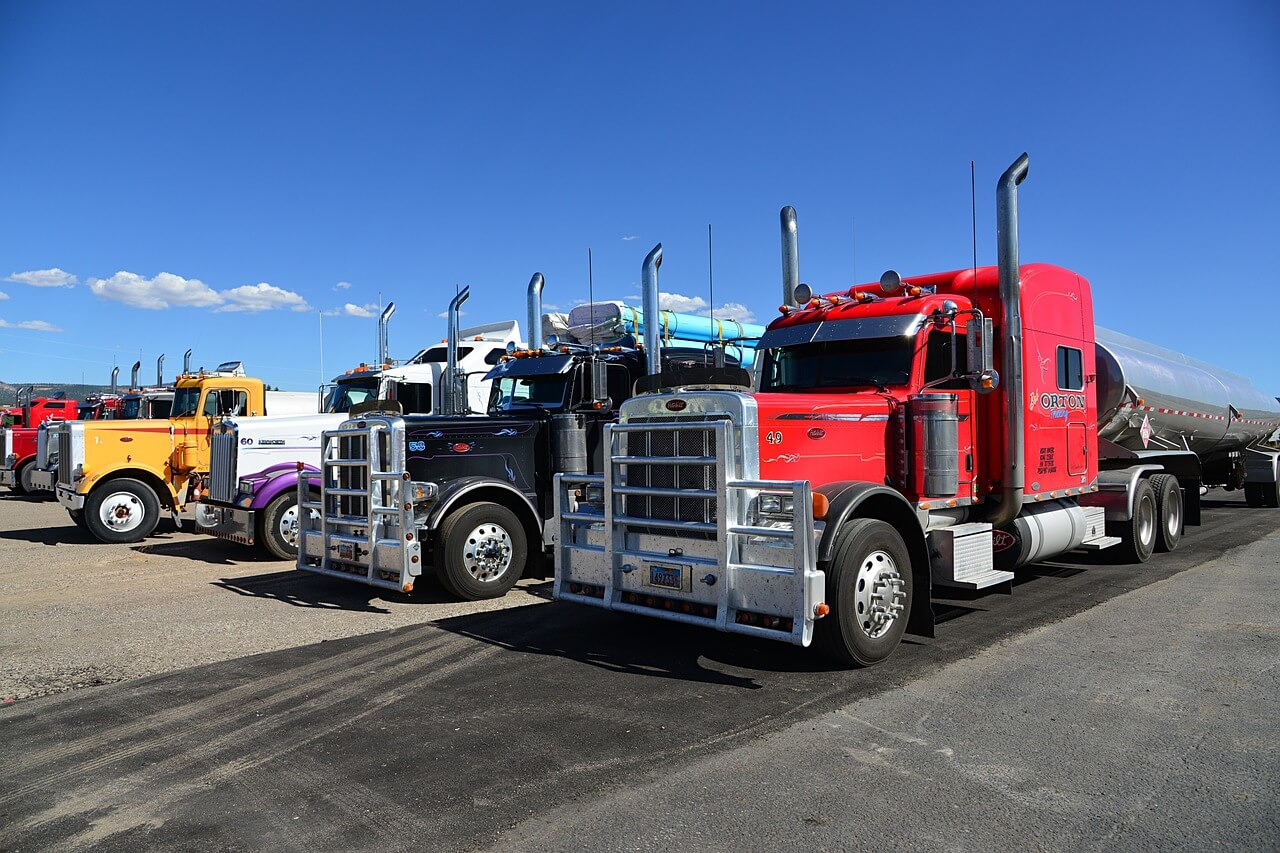
    semi trucks parked in a row

    Finding truck parking is probably the least favorite moment of your driving shift, especially if you’re nearing the end of your maximum hours of service (HOS). In that case, finding a parking spot isn’t just a daunting chore. It’s a battle with time. 

    What’s more, it’s a battle you can’t lose without risking receiving a fine or penalty for exceeding your HOS limits. The good news is that finding your truck parking at the last minute isn’t impossible. 

    On the contrary, it can even become rather straightforward. You just need to apply several good practices to your daily trucking routine…

    Plan Ahead

    Why go through the stress of finding last-minute truck parking when you can avoid it? Planning ahead is crucial for avoiding risky situations. 

    So, before you embark on your trip, identify potential parking locations along your route. These can include truck stops, rest areas, dedicated truck parking lots, and retail parking facilities that can accommodate trucks. 

    Timing is also key. Aim to reach your parking destination early in the evening, as spots tend to fill up quickly after 5 PM. Additionally, always have a few backup parking locations in mind. This reduces stress and helps you avoid unsafe parking situations when your primary choice is full.

    As for finding the right parking spot, well, for that, you’ll need to…

    Use the Right Tools

    Utilizing the right tools can significantly ease the process of finding last-minute truck parking. Take our very own Truck Parking Club app, for example. 

    Using our platform, you can quickly browse available private truck parking lots in your area and book them conveniently through our app. 

    Investing in GPS systems designed specifically for truckers can also be beneficial, as they include data on truck stops and rest areas, as well as provide turn-by-turn directions to nearby truck parking. 

    Furthermore, advanced fleet management systems offer real-time updates and parking suggestions based on your current location and route, enhancing your ability to find suitable parking efficiently.

    Truck Parking Club is your best choice for finding truck parking quickly for free, though.  

    Browse Online Forums

    Browsing online forums and engaging with trucking communities can provide valuable insights into finding last-minute parking. Websites like Reddit and various Facebook groups dedicated to truckers are excellent platforms for gathering and sharing real-time information and advice. 

    By participating in these communities, you can exchange tips about less-known parking spots, the conditions of truck stops, and local regulations, which can be extremely helpful when you’re in need of a place to park.

    Use Your Network

    Leveraging your network is another effective strategy for securing last-minute truck parking. Communicating with fellow truckers via CB radio or at truck stops can help you gather and share information about available parking. 

    Additionally, building relationships with local businesses can be beneficial. Some businesses may allow overnight truck parking, and by asking for permission, you might find a convenient and safe place to park. 

    Developing these connections can provide you with more parking options and reduce the stress of finding a spot when in desperate need of one. 

    Double-Check Local Truck Parking Regulations

    Staying informed about local truck parking regulations is essential to avoid fines and penalties. Each city or state may have different rules regarding where trucks can park overnight. 

    To stay compliant, consult state and local websites or contact local authorities for information on designated truck parking areas and specific regulations. 

    Being aware of these rules ensures that you can park legally and avoid any legal issues that could arise from parking in unauthorized areas.

    Wrapping Up: Truck Parking Club to the Rescue

    Finding a truck parking spot is difficult enough. Finding one fast… well, it’s sometimes close to impossible. 

    By integrating these strategies into your routine, you can improve your chances of finding safe and convenient last-minute truck parking. And remember, whenever you’re in need of a reliable parking spot, Truck Parking Club is here to help. 

    Designed by truckers for truckers, our platform connects truck drivers with private truck parking property owners, ensuring they have seamless access to reliable parking wherever the road takes them.

    Become our trucker member today for free, and turn the hassle of finding truck parking into a straightforward and, dare we say, enjoyable task. 

    JOIN TRUCK PARKING CLUB

    The information published herein is for general informational purposes only. Truck Parking Club does not make any representations or warranties about the completeness, reliability, legality, and accuracy of this information. Any reliance placed on such material is strictly at the user’s own risk. Truck Parking Club shall not be responsible for any losses or damages incurred in connection with the information published herein.

  • Chicago Truck Parking: Everything You Need to Know

    Chicago Truck Parking: Everything You Need to Know

    If you’re a truck driver working the hellishly busy streets of Chicago, you are almost certainly aware that parking can be a decidedly rough affair. 

    With a minefield of regulations, specific zones, and weight restrictions, all drivers will benefit from knowing where they can and cannot park a truck in Chicago. 

    This article covers the main essentials of truck parking in Chicago, accounting for the rules, costs, and options available to you, whether you are in a small delivery van or an 80,000-pound semi-trailer.

    Let’s get to it.

    The Basics of Truck Parking Regulations in Chicago

    Chicago has very strict rules regarding parking commercial trucks. The city’s goal is to maintain safety and preserve the residential character of neighborhoods, which means commercial vehicles face some pretty specific restrictions that are enforced with vigor.

    Firstly, if your truck weighs over 4,500 lbs, parking on city streets is generally not allowed. This rule mostly targets larger vehicles like 18-wheelers, which are common in semi-trailer parking situations. 

    However, there are exceptions. If your truck is actively providing services—such as making deliveries or performing maintenance work—you are permitted to park on both business and residential streets, but only while those services are being provided. Once your job is done, however, be prompt about moving on.

    If you own a smaller commercial vehicle under the 4,500 lbs limit, you might be eligible for a residential truck parking permit, allowing you to park near your residence, but only in certain wards that participate in the program. To get one, you’ll need to apply through the City Clerk’s office, and your truck must have no outstanding parking violations.

    Where Can You Park Your Truck?

    • Boulevard Restrictions: Chicago Boulevards are off-limits to commercial vehicles except when necessary for deliveries. If you must enter, do so from the nearest cross street to complete your delivery.
    • Options for Semi-Trailers: Parking choices are very limited for larger trucks, especially in the semi-trailer class. Drivers must be mindful of restricted areas and plan their routes carefully.
    • Designated Truck Parking Lots: Across the city, designated truck parking lots offer spacious and secure options for overnight parking or extended stays. However, these lots can fill up quickly, so plan ahead.
    • Private Parking Facilities: Consider using private truck parking facilities, like Truck Parking Club, for convenient and affordable parking solutions, ensuring you have a spot when city options are limited.

    Costs and Fines Associated with Truck Parking

    Parking in unauthorized areas can be costly, and Chicago certainly does not take violations lightly. If your truck is found parked on a business street without providing services or on a residential street without a valid permit, it can be booted immediately. 

    For vehicles under 4,500 lbs, the boot fee is $60, and there is an additional $125 parking violation fine. For larger trucks, like those in the semi-trailer parking category, the boot fee jumps to $400, along with the $125 fine.

    Aside from the boot fees, if your vehicle remains in an unauthorized spot, it could be towed, which brings additional towing and storage fees. The best way to avoid these costly penalties is to stick to the rules: park only where it’s permitted and ensure you have the necessary permits if you’re parking in a residential area.

    Other Considerations

    Chicago’s infrastructure presents another challenge for truck drivers in the form of viaduct clearances. Low bridges and viaducts are common in the city, and not all are suitable for larger trucks. 

    The city provides a guide with clearance information, which is essential to consult before planning your route. Taking a wrong turn could lead to getting stuck under a low bridge, causing nightmarish delays in a city already plagued with traffic and potentially damaging your vehicle.

    If your truck is carrying an oversized or overweight load, you’ll need a special permit to operate within the city. This permit ensures that your vehicle is in compliance with size and weight regulations, helping to prevent damage to roads and bridges.

    Bottom Line: Plan Ahead!

    Parking a truck in Chicago requires diligent forethought, especially if you’re dealing with larger vehicles. Know the city’s regulations and where you can legally park, and you will save you time, money, and a whole lot of headaches.

    If you’re tired of the constant parking struggle and want a reliable place to park your truck, consider using Truck Parking Club. With convenient semi-trailer parking in Chicago, you can park your truck safely and securely, avoiding the risks of fines or booting. 

    Sign up today and take the stress out of parking in the Windy City!

    The information published herein is for general informational purposes only. Truck Parking Club does not make any representations or warranties about the completeness, reliability, legality, and accuracy of this information. Any reliance placed on such material is strictly at the user’s own risk. Truck Parking Club shall not be responsible for any losses or damages incurred in connection with the information published herein.

  • Maximum Daily Driving Hours for Truckers

    happy truck driver in a truck

    Long hours and tough hauls are the bread and butter of every trucker. But even trucking superheroes need to take off their cape every now and then. Or even have to, according to the Hours of Service (HOS) regulations. 

    HOS rules regulate how many hours truckers can drive daily, ensuring they get enough rest between shifts to minimize the cases of driving under fatigue. 

    If you’re new to trucking or thinking about joining the ranks of our American heroes, learning about HOS regulations is a must. Join us as we take a deeper dive into the maximum daily hours for truckers.

    🚛Quick Answer: How Long Can a Trucker Drive?Truckers can drive for up to 11 hours daily within a 14-hour window, during which they must take mandatory breaks. After that, they must rest for 10 consecutive hours before they can drive again. 

    What Are the Hours of Service?

    Hours of Service (HOS) refers to the maximum amount of time a trucker can be on duty. This includes both driving time and the number and length of rest periods. 

    The Federal Motor Carrier Service Administration (FMCSA) created hours of service to ensure drivers stay awake and alert on the road, preventing cases of them driving under fatigue. 

    HOS must be followed by all carriers and drivers operating commercial motor vehicles (CMVs). Violations can result in penalties, such as being placed out of service or receiving a fine. It might also negatively affect a trucker’s and carrier’s Compliance, Safety, and Accountability (CSA) score. In extreme cases, one might even face civil penalties for violating HOS. 

    So yes, we’d say it’s better to stay vigilant about your driving hours, which leads us to this guide’s primary question…

    How Many Hours Can Long-Haul Truckers Drive? Breaking Down the HOS Driving Limits

    There are five main hours of service rules you must be aware of when driving. Let’s break them down:

    14-Hour Window

    The FMSCA HOS rules indicate that a driver can’t drive beyond the 14th consecutive hour after coming on duty after the 10-hour mandatory break. This means that you have exactly 14 hours of driving time a day, during which you also must take 30-minute breaks (more on those in a minute). 

    11-Hour Driving Limit

    As covered, you truckers have a 14-hour window of driving time. However, it doesn’t mean you can drive for those 14 hours. To ensure that truckers aren’t fatigued and stay sharp when on duty, HOS imposes an 11-hour driving limit. This means you can’t drive more than 11 hours during your 14-hour window. 

    30-Minute Driving Break

    Drivers must take 30-minute breaks after every 8 hours of consecutive driving. You can spend this break taking up any non-driving activity for at least 30 minutes straight, whether in your sleeper berth, off-duty, or on-duty not driving. 

    10-Hour Break & Sleeper Berth Provision

    After 14 hours on duty, a driver must take a 10-hour mandatory break. This break counts as 10 consecutive hours in a sleeper berth, off-duty time, or a combination of both, referred to as a sleeper berth provision (maximum of 2 hours off duty plus minimum of 7 consecutive hours in a sleeper berth). 

    60/70-Hour Duty Limit

    As a driver, you may not drive after 60 hours on duty for 7 consecutive days or 70 hours after 8 consecutive days. If you meet such limits, you can only restart your next 7-8 days period after a minimum of 34 consecutive hours off-duty. You can also take these 34 hours off before you hit the 60/70-hour clock, resetting it. 

    Special HOS Exceptions

    Although hours of service regulations are very strict, several exceptions allow a trucker to drive for a slightly different number of hours each day:

    Adverse Driving Conditions

    This rule adds a bit more flexibility to your daily driving limits. In short, if you encounter adverse driving conditions during your haul, such as heavy snow, fog, ice, etc., you are entitled to extend your 11-hour driving limit and 14-hour window by 2 hours to ensure you drive safely and find a place to park your truck. 

    Short-Haul Exception

    The short-haul exception applies to truck drivers operating within a 150-mile radius who return to their starting point each day. These drivers are exempt from keeping detailed driving logs and the 30-minute break rule as long as their duty period doesn’t exceed 12 hours.

    Ensuring Compliance with Maximum Daily Driving Hours

    If you want to avoid penalties and fines, adhering to the HOS is a must. Here are a few tips on how to do it:

    • Plan Your Route Ahead: Use route planning tools to map out your journey, considering traffic conditions, construction zones, and other potential delays to stay within legal driving hours.
    • Take Regular Breaks: Schedule regular breaks to avoid fatigue and stay alert. Utilize rest areas and service stations to refresh and stay compliant with mandatory rest periods.
    • Use Electronic Logging Devices (ELDs): Install and regularly update ELDs to accurately track driving hours and ensure you don’t exceed the maximum daily limit.
    • Stay Informed on Regulations: Keep up-to-date with federal and state regulations regarding maximum driving hours to avoid penalties and ensure safe driving practices.
    • Book Parking in Advance: Use services like Truck Parking Club to find and book truck parking spots in advance, ensuring you have a place to rest and reset your hours without stress.

    Final Thoughts

    And that would be it. The key rules to understand and follow to ensure compliance with maximum daily driving hours as stated in the hours of service handbook. 

    Staying compliant with them is an absolute must to avoid any fines and penalties, so be sure to follow our tips. Remember to always plan your routes thoroughly and ensure you have a place to serve your breaks. Truck Parking Club is here to help you with that. 

    We connect truck drivers with pre-vetted private truck parking property owners, ensuring that you always find a place to park your rig, wherever in the states you are. Join our community today, browse available truck parking spaces, and book your spot in advance to ensure you comply with HOS rules. 

    BECOME A TRUCKER MEMBER TODAY

    The information published herein is for general informational purposes only. Truck Parking Club does not make any representations or warranties about the completeness, reliability, legality, and accuracy of this information. Any reliance placed on such material is strictly at the user’s own risk. Truck Parking Club shall not be responsible for any losses or damages incurred in connection with the information published herein.

  • What is Drivers Knee & How to Fix It?

    What is Drivers Knee & How to Fix It?

    Truck driving demands energy and involves long periods of sitting and manipulating heavy objects. It is a rewarding job, but it has its physical costs, notably the knees. One well-known problem among many truckers is driver’s knee or patellofemoral pain syndrome. This article will give you all you need to know about drivers knee: what it is, the symptoms, and the causes.

    Understanding Drivers Knee

    Symptoms and Common Causes

    Drivers knee is a condition that affects the patellofemoral joint, causing inflammation and swelling around the kneecap, which then causes pain. It may cause acute pain in your knee when you flex or rotate your legs. These indications include:

    • Pain and tenderness around the kneecap
    • A grinding or popping sensation when moving the knee
    • Stiffness and weakness in the knee joint
    • Swelling and inflammation around the knee area
    • Difficulty standing or walking for long periods

    Common causes of drivers knee in truck drivers may include:

    • Sitting for long periods
    • Sudden increase in driving frequency or duration
    • Poor posture while driving
    • Not stretching or warming up before driving
    • Being overweight or obese
    • Too much stress on the knees caused by carrying heavy loads repeatedly

    How To Fix Drivers Knee

    Resting And Recovery Techniques 

    One method of mitigating pain in a driver’s knee is to give the affected joint some rest with subsequent healing. This means taking a break from driving on long road trips across states like Arizona, Texas, or California, avoiding activities that strain the knee, and elevating the leg to reduce swelling and inflammation.

    To relieve pain and accelerate healing, place ice or heat packs on the injured area. Cold therapy helps decrease swelling, while warm therapy increases blood flow to the knee, which can help release tight muscles and lessen discomfort.

    Stretching and Exercising

    Stretching is another great remedy when it comes to relieving driver knee discomfort as well as exercising the knee joint for its overall better functioning. Here are some of the stretches and exercises for drivers knee:

    Quadriceps stretch: Stand straight fist your left ankle with your left hand then pull it in towards your hips. Stay in this position for 30 seconds before doing this again using the other leg.

    Stretch the Hamstring: Stand on a chair or bench’s tip and move your left leg backwards to feel moderate stretching at the back of your thigh. Do it for 30 seconds, and then switch legs.

    Straight Leg Raise: Lay down flat and lift the bad leg from the ground, carrying it up for around five counts. Repeat ten times before changing to the other limb.

    To do knee extension with a resistance band, attach one end of the band to an immobile object and put it around your ankle. Sit in a chair, bend your knees at 90 degrees, and extend the leg fully. Repeat this procedure ten times per limb, taking five-second breaks.

    Sitting Correctly and Employing Truck Cabin Ergonomics

    Correct sitting posture and truck cab ergonomics are other important ways of reducing knee pain while driving. Truck drivers should be able to adjust their seats to a comfortable height and distance from the steering wheel so that their knees can slightly bend when the pedals are pressed against them.

    They should also use a lumbar support cushion, which will help them maintain the right alignment of their spines and minimize stress on the back and knees. Additionally, truck drivers should take short breaks every hour or two so they can stretch, walk around, or move to provide rest intervals for the knees. Parking at lots from Truck Parking Club (TPC) gives drivers the rest they need after driving long distances.

    Tips for Truckers

    Taking Breaks and Stretching Regularly

    One of the main things that truck drivers can do to decrease the likelihood of developing drivers knee is to take frequent short breaks, like every hour or two, to stretch, walk, or just move around. This can help increase blood flow/ supply to the legs and reduce stiffness and soreness inside the knee joint. This article has already discussed some simple stretches as well as exercises that truck drivers may want to incorporate into their routine so as to encourage healthy knees.

    Seeking Medical Advice if the Pain Persists

    However, if all these preventive measures fail, leading to persistent or worsening knee pain while driving, then one should seek advice from a medical professional. They will examine what caused the pain before recommending appropriate treatment options such as physiotherapy, drugs, or even surgery.

    To Summarize

    Knee health is important for you as a truck driver so that you can live well and work safely and productively. Despite this ailment being frequent in the profession, don’t dismiss or overlook it. By recognizing why drivers knee occurs, one can become healthier before hitting the road. Do not forget to refer to Truck Parking Club (TPC) for more information regarding parking spots where you can feel relaxed, rest up, and take care of your knees.

    Also, become a property member today to make more efficient truck stops available for drivers.

    The information published herein is for general informational purposes only. Truck Parking Club does not make any representations or warranties about the completeness, reliability, legality, and accuracy of this information. Any reliance placed on such material is strictly at the user’s own risk. Truck Parking Club shall not be responsible for any losses or damages incurred in connection with the information published herein.

  • The most dangerous cities to drive in America

    The most dangerous cities to drive in America

    Two crashed cars and an orange traffic cone on a city street at night.
    Bilanol // Shutterstock

    FIND DAILY TRUCK PARKING IN NEARLY EVERY STATE

    On the road and looking for a daily truck parking space? Find the closest daily parking spot in a

    matter of seconds.

    The most dangerous cities to drive in America

    More than 42,000 Americans died in car crashes in 2022, making these accidents a leading cause of death in the U.S.

    These deaths occurred during over 39,000 crashes that year—about one crash per 10,000 U.S. residents, according to National Highway Traffic Safety Administration tallies. But in some cities, the roads are even more deadly.

    Truck Parking Club used data from the National Highway Traffic Safety Administration to rank the 25 cities with the highest accident rates, measured as accidents per 10,000 residents in 2022. Only cities with at least 10 fatal crashes and 20,000 residents were included in the analysis. Cities without available Census Bureau population estimates were not included.

    Fatal car crash rates fell for several decades as federal and state governments adopted safety regulations for vehicle manufacturers and occupants. But rates went up in 2020 and 2021, with increases in fatalities related to alcohol and speeding. When COVID-19 restrictions decreased the number of cars on the road, many drivers adopted risky driving behaviors that have persisted even as traffic returned to normal. While fatalities decreased in 2022, they remain higher than they’ve been in over a decade.

    Nearly all of the top 25 cities for fatal crashes were in the Southeast. Most were smaller cities: Over half had populations of fewer than 50,000, while only three had more than 100,000 residents. They also tended to be far from major cities. Geographic hazards exist in most, including hilly terrain, winding rivers, and dense forests. Nearly all have some type of waterfront—rivers, lakes, coasts, and the like—which are likely to pose distractions for drivers taking in the view.

    About half of the deadliest cities ranked here are in Georgia—nearly half of which sit within the Atlanta metro area. Though these may be considered suburbs of Atlanta, most are far from the city’s downtown. Few are serviced by Atlanta’s public transit systems, meaning anyone commuting to the city will almost certainly drive for at least part of their trip. In addition, Atlanta ranks as one of the worst highest-populated cities to drive in, according to a 2024 Forbes analysis. These factors add to the risk of accidents.

    Overall, Georgia ranks #14 in traffic fatalities per capita. Georgia Department of Transportation data suggests this is due to speeding, aggressive driving, and people not using seatbelts. Efforts are underway to minimize Georgia’s traffic deaths. The state’s transportation department received a $2.5 million grant to mitigate and decrease crashes, funding car seat distribution, crash data analysis, and education efforts for drivers over 55. Atlanta’s Emory University and Grady Health System also received $4.4 million to study crashes in the metro area and research ways to reduce crashes.

    Still, Georgia isn’t the full story. There were high-ranking cities for traffic fatalities in most U.S. regions. Read on to learn where.

    Aerial view of Downtown Hot Springs.
    Jacob Boomsma // Shutterstock

    #25. Hot Springs, Arkansas

    – Fatal accidents per 10,000 residents: 2.6 (2.2x the national average)
    – Total fatal accidents: 10 (11 fatalities)
    – Most common crash site: U.S. highways (5 fatal accidents)

    A Fort Myers city street lined with palm trees on a sunny day.
    Kristi Blokhin // Shutterstock

    #24. Fort Myers, Florida

    – Fatal accidents per 10,000 residents: 2.7 (2.3x the national average)
    – Total fatal accidents: 26 (29 fatalities)
    – Most common crash site: State highways (11 fatal accidents)

    Strand Historic District with a docked Carnival cruise ship in the background.
    JHVEPhoto // Shutterstock

    #23. Galveston, Texas

    – Fatal accidents per 10,000 residents: 2.8 (2.4x the national average)
    – Total fatal accidents: 15 (19 fatalities)
    – Most common crash site: Local city streets (7 fatal accidents)

    Aerial shot of downtown Albany.
    airwayphoto // Shutterstock

    #22. Albany, Georgia

    – Fatal accidents per 10,000 residents: 2.8 (2.4x the national average)
    – Total fatal accidents: 19 (19 fatalities)
    – Most common crash site: State highways (8 fatal accidents)

    Views along Beachfront Avenue in Fort Lauderdale.
    Todamo // Shutterstock

    #21. Fort Lauderdale, Florida

    – Fatal accidents per 10,000 residents: 2.9 (2.5x the national average)
    – Total fatal accidents: 53 (54 fatalities)
    – Most common crash site: U.S. highways (15 fatal accidents)

    Macon, Georgia, downtown cityscape from a high angle.
    Sean Pavone // Shutterstock

    #20. Macon, Georgia

    – Fatal accidents per 10,000 residents: 2.9 (2.5x the national average)
    – Total fatal accidents: 46 (51 fatalities)
    – Most common crash site: State highways (21 fatal accidents)

    Ocala Marion County Veteran's Memorial Park.
    Sunshower Shots // Shutterstock

    #19. Ocala, Florida

    – Fatal accidents per 10,000 residents: 3.1 (2.6x the national average)
    – Total fatal accidents: 20 (20 fatalities)
    – Most common crash site: State highways (6 fatal accidents)

    Elizabethtown historic masonic temple building in the townscape.
    Sabrina Janelle Gordon // Shutterstock

    #18. Elizabethtown, Kentucky

    – Fatal accidents per 10,000 residents: 3.1 (2.7x the national average)
    – Total fatal accidents: 10 (10 fatalities)
    – Most common crash site: U.S. highways (4 fatal accidents)

    La Grange historic mansion on a sunny morning.
    Sabrina Janelle Gordon // Shutterstock

    #17. LaGrange, Georgia

    – Fatal accidents per 10,000 residents: 3.1 (2.7x the national average)
    – Total fatal accidents: 10 (12 fatalities)
    – Most common crash site: State highways (5 fatal accidents)

    Aerial view of city of Rome, Georgia.
    RodClementPhotography // Shutterstock

    #16. Rome, Georgia

    – Fatal accidents per 10,000 residents: 3.2 (2.7x the national average)
    – Total fatal accidents: 12 (12 fatalities)
    – Most common crash site: State highways (7 fatal accidents)

    A quiet Morristown historical district street.
    Dee Browning // Shutterstock

    #15. Morristown, Tennessee

    – Fatal accidents per 10,000 residents: 3.2 (2.7x the national average)
    – Total fatal accidents: 10 (10 fatalities)
    – Most common crash site: U.S. highways (4 fatal accidents)

    A sign on an elevated catwalk going over a street that reads, Thank you for visiting Daytona Beach.
    Nick Fox // Shutterstock

    #14. Daytona Beach, Florida

    – Fatal accidents per 10,000 residents: 3.2 (2.7x the national average)
    – Total fatal accidents: 25 (25 fatalities)
    – Most common crash site: Local city streets (10 fatal accidents)

    Aerial view of the Atlanta Outer Ring suburb of Lawrenceville, Georgia.
    Jacob Boomsma // Shutterstock

    PREVIOUSLY INACCESSIBLE TRUCK PARKING

    Take care of your truck and trailer parking needs with new locations added daily. 

    #13. Lawrenceville, Georgia

    – Fatal accidents per 10,000 residents: 3.3 (2.8x the national average)
    – Total fatal accidents: 10 (10 fatalities)
    – Most common crash site: State highways (4 fatal accidents)

    Panoramic view of Memphis, Tennessee, with the elevated Hernando de Soto bridge over the Mississippi River.
    Steve Heap // Shutterstock

    #12. Memphis, Tennessee

    – Fatal accidents per 10,000 residents: 3.3 (2.8x the national average)
    – Total fatal accidents: 207 (228 fatalities)
    – Most common crash site: Local city streets (111 fatal accidents)

    Aerial view of Downtown Flint, Michigan, in summer.
    Jacob Boomsma // Shutterstock

    #11. Flint, Michigan

    – Fatal accidents per 10,000 residents: 3.5 (3.0x the national average)
    – Total fatal accidents: 28 (28 fatalities)
    – Most common crash site: Local city streets (24 fatal accidents)

    A sign over a street that reads, thanks for visiting Kingman, Arizona, Historic Downtown, with a Heart of Route 66 emblem.
    Christophe KLEBERT // Shutterstock

    #10. Kingman, Arizona

    – Fatal accidents per 10,000 residents: 3.7 (3.2x the national average)
    – Total fatal accidents: 13 (16 fatalities)
    – Most common crash site: State highways (3 fatal accidents)

    An aerial view of an event with canopy tents set up in Stockbridge, Georgia.
    Christopher V Jones // Shutterstock

    #9. Stockbridge, Georgia

    – Fatal accidents per 10,000 residents: 3.9 (3.3x the national average)
    – Total fatal accidents: 14 (14 fatalities)
    – Most common crash site: Interstates (5 fatal accidents)

    A large water tank that reads, Gainesville, Georgia, poultry capital of the world.
    EQRoy // Shutterstock

    #8. Gainesville, Georgia

    – Fatal accidents per 10,000 residents: 4.0 (3.4x the national average)
    – Total fatal accidents: 18 (19 fatalities)
    – Most common crash site: State highways (14 fatal accidents)

    The old third ward school in Griffin, Georgia.
    Georges_Creations // Shutterstock

    #7. Griffin, Georgia

    – Fatal accidents per 10,000 residents: 4.2 (3.6x the national average)
    – Total fatal accidents: 10 (10 fatalities)
    – Most common crash site: State highways (7 fatal accidents)

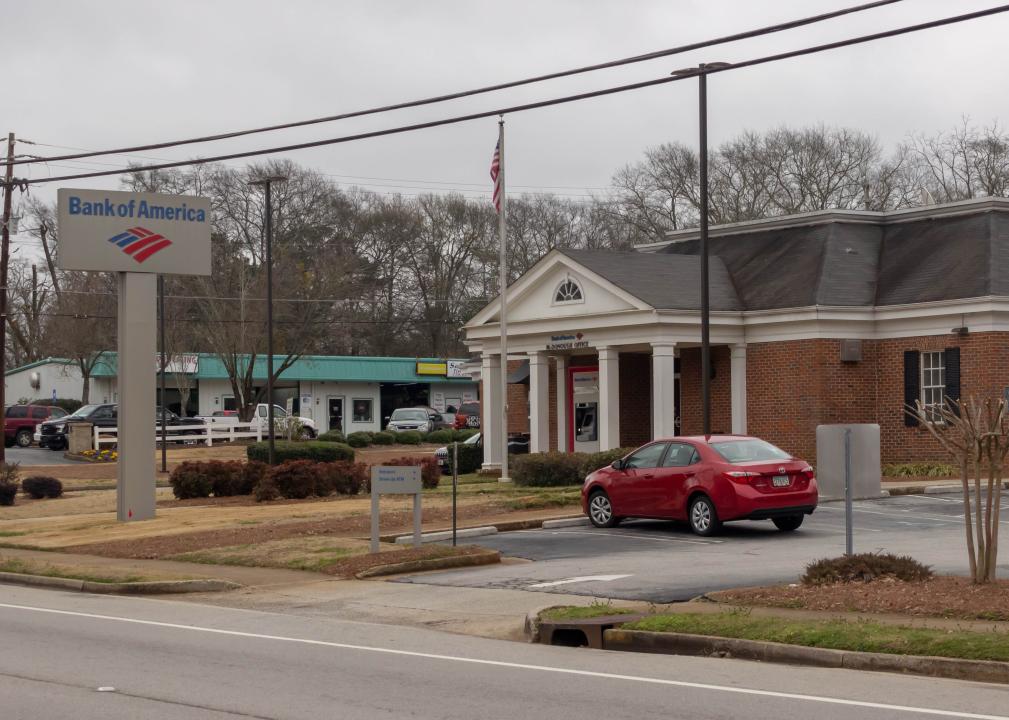
    A view of the front of a Bank of America building.
    Lee Reese // Shutterstock

    #6. Mcdonough, Georgia

    – Fatal accidents per 10,000 residents: 4.3 (3.6x the national average)
    – Total fatal accidents: 13 (16 fatalities)
    – Most common crash site: Local township streets (3 fatal accidents)

    Aerial view of the Atlanta suburb of Marietta, Georgia.
    Jacob Boomsma // Shutterstock

    #5. Marietta, Georgia

    – Fatal accidents per 10,000 residents: 4.6 (3.9x the national average)
    – Total fatal accidents: 29 (29 fatalities)
    – Most common crash site: State highways (7 fatal accidents)

    An aerial view of Decatur Square in Decatur, Georgia, during fall.
    Marcus E Jones // Shutterstock

    #4. Decatur, Georgia

    – Fatal accidents per 10,000 residents: 4.9 (4.2x the national average)
    – Total fatal accidents: 12 (14 fatalities)
    – Most common crash site: County roads (6 fatal accidents)

    Port Lagoon streets and buildings at night.
    GagliardiPhotography // Shutterstock

    #3. Panama City, Florida

    – Fatal accidents per 10,000 residents: 5.2 (4.4x the national average)
    – Total fatal accidents: 18 (19 fatalities)
    – Most common crash site: U.S. highways (7 fatal accidents)

    Aerial shot of a rural road in Georgia.
    RodClementPhotography // Shutterstock

    #2. Cartersville, Georgia

    – Fatal accidents per 10,000 residents: 5.9 (5.0x the national average)
    – Total fatal accidents: 14 (15 fatalities)
    – Most common crash site: State highways (8 fatal accidents)

    Aerial view of the Long Island's south coast.
    Alexandr Junek Imaging // Shutterstock

    FIND DAILY, WEEKLY, AND MONTHLY TRUCK PARKING

    On the road and looking for a daily truck parking space? Operated by truckers, we source the best parking spots across the nation to ease your trip planning.

    #1. Hempstead, New York

    – Fatal accidents per 10,000 residents: 6.0 (5.1x the national average)
    – Total fatal accidents: 35 (35 fatalities)
    – Most common crash site: State highways (18 fatal accidents)

    Story editing by Carren Jao. Additional editing by Kelly Glass. Copy editing by Kristen Wegrzyn. Photo selection by Clarese Moller.

    Written by: Paxtyn Merten

  • 7 Tips for Enhancing Truck Driver Comfort During Long Hauls

    7 Tips for Enhancing Truck Driver Comfort During Long Hauls

    male driver sitting in his truck, using his tablet

    Long-haul journeys can be physically and mentally taxing on truck drivers. However, with the right strategies and techniques, it’s possible to enhance driver comfort and make these journeys more enjoyable. 

    This article will explore a range of indispensable tips that can drastically improve truck driver comfort during long hauls.

    1. Regular Stops at Parking Lots

    Utilizing parking lots allows drivers to pull over safely and take a break from driving, promoting both physical and mental well-being. 

    Taking advantage of these stops enables drivers to stretch their legs and engage in short walks, helping to alleviate any muscle stiffness or discomfort that may arise from prolonged sitting. 

    It is recommended for drivers to stop every two to three hours for at least 15 to 20 minutes, allowing for necessary physical relief and a mental reset.

    Regular breaks help combat the physical toll of long hours of driving, reducing stiffness and promoting better blood circulation throughout the body. These breaks also contribute to maintaining focus and concentration while on the road, preventing driver fatigue, and enhancing overall attentiveness for safe driving.

    Find available truck parking spots with Truck Parking Club, book in advance, and plan your hauls more efficiently. This will ensure you always have a place to park your rig when on the road. 

    2. Temperature, Posture, and Comfort

    Keeping the truck cabin at a comfortable temperature can prevent excess heat or cold from affecting the driver’s comfort and focus. This is especially true during hot summers, enhancing both the comfort and safety of your journey. 

    Effectively utilizing the truck’s climate control systems can help regulate the temperature within the cabin, ensuring a conducive environment for long drives. Proper ventilation can also play a crucial role in maintaining a comfortable temperature and air quality inside the truck, contributing to driver well-being.

    Maintaining a good seating position with proper back support can prevent backaches and discomfort during extended periods of driving. 

    Ensuring that the truck seats are adjustable can help drivers find the optimal position to support their posture and reduce strain on the back and neck. Keeping feet flat on the floor and using footrests, if available, can help maintain a balanced and ergonomic driving posture.

    Additionally, seats with adequate cushioning and support can significantly enhance comfort and reduce the impact of vibrations and bumps on the road. 

    Using seat cushions or built-in lumbar support can provide additional comfort and prevent lower back pain, a common issue for long-haul drivers. Making small adjustments to the seat, steering wheel, and mirrors can improve overall comfort and reduce strain on the body during long drives.

    3. Ergonomic Seating and Cushioning

    Investing in ergonomic seating and cushioning is vital in ensuring driver comfort during long hauls. 

    High-quality truck seats specifically designed for long-distance driving provide excellent lumbar support, adjustable features, and proper weight distribution to alleviate any discomfort caused by extended periods of sitting. 

    The right combination of support and cushioning can make a remarkable difference in driver comfort.

    4. Proper Body Mechanics and Stretching

    Truck drivers often experience muscle stiffness and backaches due to prolonged sitting and repetitive motions. 

    By implementing proper body mechanics and incorporating stretching exercises into their routine, drivers can reduce muscle tension, increase blood circulation, and improve overall comfort. Simple stretches like shoulder rolls, neck stretches, and leg exercises can be done during rest breaks to alleviate any muscle strains.

    5. Healthy Snacks and Hydration

    Maintaining a healthy diet and staying hydrated is crucial for truck drivers’ comfort and well-being on the road. Packing nutrient-rich snacks, such as fruits, granola bars, and nuts, can provide necessary energy and prevent fatigue. 

    It is equally important to stay hydrated by carrying an adequate water supply and limiting the consumption of sugary drinks or caffeine, which can lead to dehydration or energy crashes.

    6. Mindfulness and Mental Well-being

    Long-haul journeys can be mentally exhausting. Practicing mindfulness techniques, such as deep-breathing exercises and meditation, can help reduce stress, increase focus, and improve overall mental well-being. 

    Relaxation techniques during rest breaks, listening to calming music, or engaging in light reading can also create a more pleasant driving experience.

    7. Comfortable Clothing and Footwear

    Choosing comfortable clothing and footwear can significantly impact driver comfort during long hauls. 

    Opting for breathable materials, loose-fitting attire, and supportive footwear can prevent discomfort caused by restricted movement, excessive sweating, and foot pain. Comfortable clothing and footwear are key to maintaining ease and preventing distractions while on the road.

    Take Care of Your Driving Comfort Today

    Truck drivers face numerous challenges during long hauls, particularly in terms of maintaining comfort and well-being. 

    However, by implementing these expert tips and strategies, drivers can drastically enhance their on-road experience. Remember, prioritizing driver comfort plays a significant role in ensuring a more comfortable journey and improving overall safety and productivity during long hauls. 

    So, embrace these tips, make the necessary adjustments, and enjoy a more relaxed and rewarding experience on the road! For a comfortable ride, make regular stops, ensure proper posture, exercise when possible, maintain a healthy diet, and practice mindfulness. 

    And remember, whenever you find yourself searching for the best spot to park your rig and get a good night’s rest, Truck Parking Club is the primary app connecting truckers and private truck parking owners. 

    BECOME A TRUCKER MEMBER TODAY

    The information published herein is for general informational purposes only. Truck Parking Club does not make any representations or warranties about the completeness, reliability, legality, and accuracy of this information. Any reliance placed on such material is strictly at the user’s own risk. Truck Parking Club shall not be responsible for any losses or damages incurred in connection with the information published herein.

  • Essential Items for Truck Drivers: Must-Haves on the Road

    Essential Items for Truck Drivers: Must-Haves on the Road

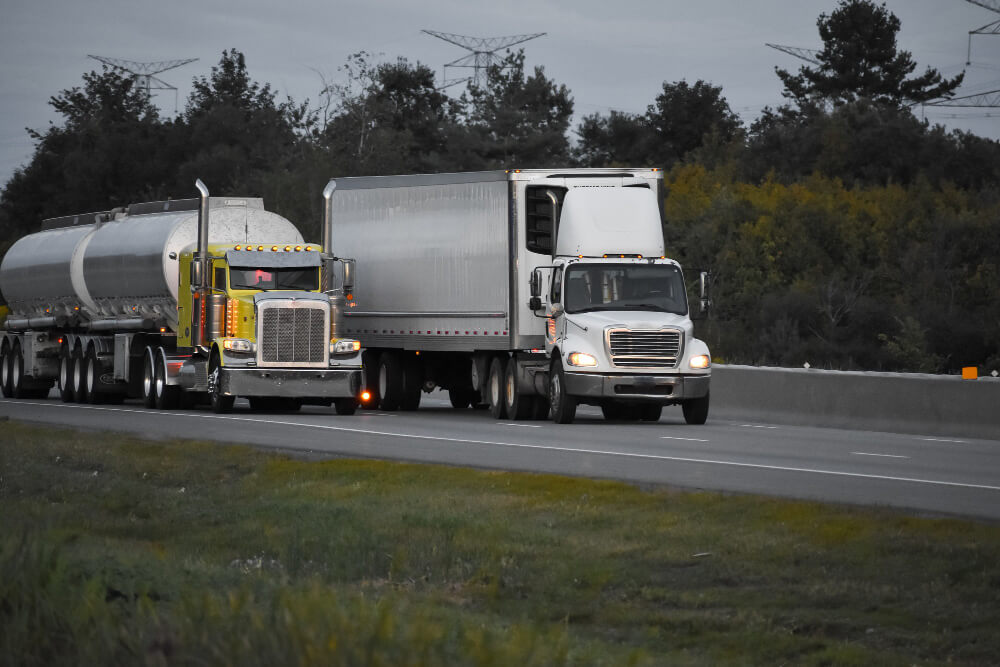
    Trailer trucks driving on the road

    Life on the road for truck drivers can be both challenging and rewarding, filled with long stretches of highway and ever-changing landscapes. 

    To ensure a smooth and comfortable journey, truck drivers must be well-prepared with a range of essential items. From clothing and food supplies to personal care products and emergency tools, having the right gear can make all the difference in a driver’s experience on the open road. 

    This comprehensive guide will highlight the must-have things truck drivers need on the road, emphasizing their importance in enhancing safety, health, and overall well-being during long-haul trips.

    Must-Haves on the Road

    As truck drivers embark on their journeys, whether to Nevada or Alaska, there are several key items that are indispensable for their safety, comfort, and convenience. Here are some essential trucker must-haves on the road:

    Clothing and Accessories

    • Weather-Appropriate Clothing: Truck drivers should have a variety of clothing options to suit different weather conditions. Breathable, moisture-wicking fabrics are ideal for hot climates, while thermal wear and insulating layers are essential for colder months to maintain comfort and regulate body temperature.
    • Functional Footwear: Proper footwear is crucial for truckers who spend extended hours on their feet. Durable boots with slip-resistant soles provide stability and protection, especially when navigating various terrains. Comfortable sneakers or shoes are also important for driving long distances and ensuring driver comfort throughout the journey.
    • Accessories for Comfort and Safety: Truck drivers should equip themselves with accessories that enhance comfort and safety on the road. Protective gloves are essential for handling cargo and equipment, while sunglasses help reduce glare and protect eyes from UV rays. Hats serve a dual purpose by offering protection from the sun and shielding the eyes from glare, ensuring clear visibility while driving.

    Food and Cooking Supplies

    • Compact Refrigerator: A small refrigerator in the truck can help store perishable items like meats, dairy products, and fruits, ensuring access to fresh food on the go.
    • Portable Stove: A portable stove allows truck drivers to cook meals whenever they want, providing a cost-effective alternative to frequent fast food joints.
    • Utensils: Basic kitchen utensils such as a knife, cutting board, pots, and pans are essential for preparing meals conveniently in the truck cabin.
    • Non-Perishable Snacks: Stocking up on items like nuts, granola bars, and dried fruits ensures access to quick and healthy snacks during the journey.
    • Protein Sources: Including protein-rich foods like canned tuna, jerky, or protein bars helps truck drivers stay full and alert on long drives.
    • Fresh Produce: Carrying fresh fruits and vegetables can provide essential nutrients and a refreshing break from packaged foods, contributing to overall health and well-being while on the road.

    Toiletries and Personal Care

    • Hygiene Essentials: Basic personal care kit, shower caddy, wet wipes, and hand sanitizer promote proper hygiene and cleanliness on the road.
    • Medicines and Medical Supplies: First aid kit, routine medication, and vitamins ensure preparedness for any health needs that may arise.

    Sleep Comfort and Tools

    • Bedding and Sleep Comfort: Quality mattresses, pillows, bedding, and sleep-enhancing accessories promote restful sleep during stopovers.
    • Tools and Emergency Equipment: A simple tool kit, road safety gear, and tire pressure gauge equip truck drivers for minor repairs and emergencies on the road.

    Technology and Entertainment

    • Gadgets and Connectivity: Smart devices, mobile hotspots, GPS navigation, and dashcams enhance connectivity and safety during long hauls.
    • Entertainment for Downtime: Audio entertainment, e-readers, gaming consoles, and portable Bluetooth speakers provide relaxation and leisure activities during breaks.

    Take Your Essentials With You!

    Having the right essentials on hand is crucial for truck drivers to easily navigate the challenges of long-haul trips. From clothing and food supplies to personal care products and emergency tools, each item plays a vital role in ensuring safety, comfort, and well-being on the road. 

    When in need of replenishing supplies or taking a break, truck drivers can rely on the amenities available at private parking lots available at the Truck Parking Club app to refuel and recharge before continuing their journey. 

    By prioritizing these must-have items, truck drivers can enjoy a smoother and more rewarding experience on the open road, making their travels more efficient and enjoyable. 

    Remember, whether it’s truckers’ essentials or must-have items for truck drivers, being well-equipped and prepared is key to a successful and memorable journey on the road. 

    And when you find yourself searching for reliable truck parking, be sure to browse our available amenities. Join Truck Parking Club today and take the hassle out of truck parking. 

    BECOME A TRUCKER MEMBER

    The information published herein is for general informational purposes only. Truck Parking Club does not make any representations or warranties about the completeness, reliability, legality, and accuracy of this information. Any reliance placed on such material is strictly at the user’s own risk. Truck Parking Club shall not be responsible for any losses or damages incurred in connection with the information published herein.

  • Essential Guide to Truck Driver Pre/Post-Trip Inspections in Parking Lots

    Essential Guide to Truck Driver Pre/Post-Trip Inspections in Parking Lots

    toolbox for vehicle inspection

    As a truck driver, you will know that safety is a chief aspect of your role. Being in control of a 40-ton vehicle thundering around the highways of America entails a certain amount of responsibility, not least of which is the general condition of the truck you are in control of. 

    After all, a poorly maintained truck equates to a dangerous truck, and a safe journey lies in those seemingly routine pre- and post-trip inspections that you must undertake from time to time. 

    While rigorous, thorough checks are non-negotiable, a good truck driver also knows how to carry out a few essential checks when he or she is on the road.

    For most of you, these checks are baked into your driver DNA, but we figured a little refresher might be helpful for anyone who feels they need it. So, ladies and gents, we bring you the Truck Parking Club guide for pre-and post-trip inspections while parked in one of our property member truck parking lots.

    Pre and Post-Trip Inspections: Why They Matter

    It may be tempting for some (but certainly not all) drivers to become a little relaxed about inspections, but let’s be clear: skipping them is downright dangerous. One or two loose locking nuts or a damaged air hose could spell disaster in the extreme, while a burnt-out tail light could lead to a traffic violation or safety citation during roadside checks.

    Pre- and post-trip inspections are a truck driver’s first line of defense against mechanical failures, safety hazards, and costly delays. By the same token, as a side note for property members, providing a safe, well-maintained lot will play a huge part in attracting and retaining reliable drivers who keep your business thriving.

    What Is a Post Trip Inspection?

    A post-trip inspection is your opportunity to assess any wear and tear that may have occurred during your journey.  Did you hit a particularly nasty pothole?  Notice any strange noises or vibrations?  This is your chance to catch those issues early on before they turn into major problems. What better opportunity than when you are parked up in a Truck Parking Club parking lot?

    The Quick Inspection Checklist

    While a comprehensive inspection is ideal, you are going to lack the tools (or, indeed, the time) to undergo a thorough inspection while parked at a parking lot. Again, this guide is more of a gentle refresher on what you should be looking for when on the road. Let’s take a look.

    1. Tires: Check for proper inflation, tread wear, and damage, such as cuts or bulges. Quick visual inspections can unearth potential problems before they leave you stranded on the side of the road. Underinflated or worn tires not only compromise safety but also affect fuel economy over time.
    1. Lights: Walk around your truck and ensure all lights—headlights, taillights, brake lights, and turn signals—are functioning properly. A burned-out bulb is an easy fix in the lot but a potential nightmare out on the highway (and a potential safety hazard).
    1. Brakes: Run a brief brake test to ensure responsiveness and listen for any unusual noises – if something feels off, it’s obviously better to address it before you hit the road, as compromised brakes can have pretty serious consequences.
    1. Fluids: Quickly check your engine oil, coolant, and washer fluid levels. Top them off if necessary – it’s a small investment that can prevent major problems like engine overheating or compromised visibility.
    1. Mirrors and Windshield: Make sure your mirrors are clean and adjusted properly for ultimate visibility before checking your windshield for cracks or chips that could hinder your vision and become a safety issue.
    1. Cargo Securement: Be double sure that your load is properly secured. Loose cargo can shift during transit, causing a great deal of instability and danger, not to mention damage to the actual cargo.

    What to Check During a Post-Trip Inspection

    A post-trip inspection looks deeper into the condition of your truck after a long haul. Here’s what you should add to your checklist:

    1. Leaks: Check under your truck for any signs of fluid leaks. Oil, coolant, or fuel leaks can indicate serious problems that need immediate attention.
    1. Damage: Look for any new dents, scratches, or other damage that may have occurred during your trip. Addressing these promptly can prevent further deterioration.
    1. Brakes (Detailed): Go further than a basic brake test if you can. Check the air pressure in your brake system and inspect the brake lines for any leaks or wear.
    man holding spanner

    The Benefits of Pre & Post Trip Inspections

    By always performing pre-and post-trip inspections, not only will you comply with regulations, but you will also invest in your safety and long-term success as a truck driver. 

    Regular inspections can help you:

    • Prevent Breakdowns: Identifying and fixing minor issues before they become major problems can save you time and money on the road.
    • Improve Safety: A well-maintained truck is a safer truck, reducing the risk of accidents and injuries.
    • Improve Productivity: Proper maintenance can improve fuel economy and reduce wear and tear, leading to long-term cost savings.
    • Maintain Professionalism: A well-kept truck shows that you take pride in your work and care about the safety of yourself and others.

    Remember, pre-and post-trip inspections shouldn’t take more than half an hour each. That’s quite a small investment that could produce big returns. Get into the habit of running through them whenever you are at a truck parking lot, and it will pay dividends in the long haul.

    Bottom Line

    Of course, the overwhelming majority of you will carry out these basic tests as second nature. For those who may take it less seriously, we urge you to consider prioritizing pre-and post-trip inspections on your truck whenever you park it in a truck parking lot.

    If you are looking for a convenient place to park for the evening, look no further than Truck Parking Club. 

    We have thousands of private parking lots located all over America, so you are never too far from a spot to conduct your inspections and rest up. 

    Check out our easy-to-use platform today, browse for a truck parking spot, and see how we can make your life on the road a little easier!

    The information published herein is for general informational purposes only. Truck Parking Club does not make any representations or warranties about the completeness, reliability, legality, and accuracy of this information. Any reliance placed on such material is strictly at the user’s own risk. Truck Parking Club shall not be responsible for any losses or damages incurred in connection with the information published herein.

  • 5 Strategies to Maximize Your Earnings as a Truck Driver

    5 Strategies to Maximize Your Earnings as a Truck Driver

    six wheels truck

    As a truck driver, you’re always on the move, delivering goods across the country and keeping the economy rolling. However, with rising costs and industry challenges, it’s essential to find ways to raise your income and make the most of your time on the road. 

    By implementing smart strategies, you can significantly increase your earnings and build a more profitable career in trucking. Let’s explore five effective approaches to help you maximize your earnings as a truck driver.

    1. Choose Profitable Routes

    One of the most impactful ways to increase your earnings is by selecting routes that offer higher rates per mile. To do this effectively, you’ll need to become savvy at using load boards and other resources to find the most lucrative opportunities. 

    These tools can help you identify high-paying loads and minimize deadhead miles, which are the unpaid miles you drive without cargo. When planning your routes, focus on efficiency and profitability. Look for opportunities to chain together multiple loads in a single trip, reducing empty miles and maximizing your earning potential. 

    Additionally, consider using route planning apps and software that can help you optimize your journey, factoring in factors like fuel costs, traffic patterns, and rest stops. 

    2. Utilize Smart Truck Parking Solutions

    Parking might not be the first thing that comes to mind when thinking about maximizing earnings, but it can have a substantial impact on your financial success. 

    If not managed effectively, truck parking challenges can lead to wasted time, fuel, and money. This is where solutions like Truck Parking Club (TPC) come into play. 

    We partner with private lot owners who use our platform to list their parking lots to maximize their earnings while providing truckers with easy access to reliable truck parking and helping them save time and money on finding parking spaces. 

    As a Trucker Member of TPC, you gain access to a network of reliable parking locations, reducing the stress and financial burden of finding places to rest.

    By utilizing smart parking solutions, you can:

    • Reduce the time spent searching for parking
    • Minimize the risk of parking violations and associated fines
    • Improve your overall efficiency and productivity
    • Ensure the security of your vehicle and cargo

    Efficient truck parking management allows you to focus more on driving and less on worrying about where you’ll park, ultimately contributing to higher earnings and a smoother operation.

    3. Invest in Continuing Education and Certifications

    Staying updated on industry news is vital for maximizing your earning potential. Investing in continuing education and obtaining additional certifications can open doors to higher-paying opportunities and make you more valuable to employers or clients.

    Consider pursuing endorsements such as hazardous materials (hazmat) or tanker certifications. These specialized skills often come with premium pay rates, allowing you to earn more for your expertise. 

    Additionally, staying updated on industry trends, regulations, and best practices can help you operate more efficiently, further boosting your earning potential. Look for educational opportunities through industry associations, online courses, or local trucking schools. 

    Most of these programs offer flexible learning options that can accommodate your busy schedule. Remember, the knowledge and skills you gain are investments in your future earning power.

    4. Maintain Your Equipment in Top Shape

    Regular maintenance of your truck is not just about keeping it running smoothly; it’s a critical factor in maximizing your earnings. Well-maintained equipment helps prevent costly breakdowns, reduces downtime, and ensures you can consistently meet your delivery commitments.

    Cultivate a proactive maintenance routine that includes regular check-ups, oil changes, and tire rotations. Pay attention to your truck’s performance and tackles any issues quickly before they escalate into major problems. 

    While maintenance costs might seem like an expense, they’re actually an investment in your earning potential. Investing in quality parts and services can also pay off in the long run. Higher-quality components often last longer and perform better, reducing the frequency of repairs and replacements. 

    This approach not only saves money over time but also keeps you on the road earning instead of in the shop waiting for repairs.

    5. Manage Your Expenses Wisely

    To truly maximize your earnings, it’s not just about how much you make but also how much you keep. Smart expense management is crucial for increasing your net income as a truck driver.

    Start by monitoring your expenses carefully. This includes fuel costs, maintenance expenses, food, lodging, and any other costs associated with your work. By having a clear picture of your finances, you can pinpoint what you can reduce or find more cost-effective alternatives.

    Consider using fuel cards that offer discounts and rewards programs to save money on one of your biggest expenses. Plan your meals and consider packing food from home to reduce restaurant expenses on the road. 

    When it comes to lodging, look for trucking-friendly hotels or consider investing in sleeper cab amenities to reduce hotel costs.

    Drive Your Success Forward

    As you drive your success forward, remember that Truck Parking Club is here to support both property members and trucker members every step of the way. Whether you have questions about your booked space or need assistance with your reservation, don’t hesitate to reach out. 

    Contact your host directly for space-specific inquiries, or get in touch with our dedicated team at (888) 899-7275 or through our online form. Together, we’re committed to maximizing your earnings and enhancing your trucking experience.

    BECOME A PROPERTY MEMBER TODAY

    The information published herein is for general informational purposes only. Truck Parking Club does not make any representations or warranties about the completeness, reliability, legality, and accuracy of this information. Any reliance placed on such material is strictly at the user’s own risk. Truck Parking Club shall not be responsible for any losses or damages incurred in connection with the information published herein.