

Category: Tips For Truckers

  • The Ultimate Guide to Fatigue Management for Truck Drivers

    The Ultimate Guide to Fatigue Management for Truck Drivers

    Driving a commercial truck is a demanding job that requires long hours and can take a toll on a driver’s physical and mental health. Fatigue is a common issue that truck drivers face, and it poses a severe risk to the safety of everyone on the road. 

    Driver fatigue can have detrimental effects on reaction times, decision-making abilities, and attention levels, potentially leading to accidents or even falling asleep while driving. 

    This article offers a comprehensive guide on strategies for truck drivers to manage fatigue and improve overall safety effectively.

    Understanding the Problem of Truck Driver Fatigue

    Truck driver fatigue is a detrimental physical and mental condition that significantly hinders a driver’s capability to operate a commercial vehicle safely. 

    Exhaustion sets in due to prolonged hours behind the wheel, irregular sleep cycles, and insufficient breaks for rest. When drivers are tired, their reflexes slow down, their decision-making skills are compromised, and they may struggle with lapses in concentration or even doze off while driving. 

    These symptoms greatly increase the risk of road accidents, jeopardizing the safety of both the driver and other road users. 

    But just how severe is this issue? Let’s look at the numbers.

    Based on data from the Federal Motor Carrier Safety Administration (FMCSA), approximately 13% of all large truck crashes in the U.S. are linked to driver fatigue. Furthermore, a study by the National Highway Traffic Safety Administration (NHTSA) revealed that driver fatigue contributed to 31% of fatal crashes involving large trucks. 

    Additionally, a survey by the American Transportation Research Institute (ATRI) indicated that 65% of truck drivers admitted to experiencing fatigue while driving, with 13% reporting incidents of falling asleep at the wheel at least once within the past month.

    One effective solution for combating exhaustion among truck drivers is to utilize Truck Parking Club, a service connecting truckers and property owners, to provide truck drivers with seamless access to private truck parking facilities throughout America. 

    By simply locating the nearest parking lot and taking a break when needed, drivers can proactively address fatigue and ensure safer journeys for themselves and others on the road.

    Laws and Regulations on Truck Driver Fatigue

    Federal DOT regulations on Hours of Service (HOS)  are specific state rules designed to tackle the issue of truck driver fatigue head-on. 

    These regulations dictate the maximum number of hours commercial truck drivers are allowed to operate their vehicles daily and weekly. The primary objective behind these regulations is to combat truck driver fatigue effectively and enhance overall road safety.

    The regulations stipulate that drivers are restricted to a maximum of 11 hours of driving per day, following a minimum 10-hour off-duty period. Within a 24-hour period, drivers are limited to 14 hours of on-duty time, encompassing both driving time and other work-related activities. To ensure adequate rest, drivers are obligated to take a mandatory 30-minute break after 8 hours of driving. 

    Additionally, drivers are prohibited from driving beyond the 14th consecutive hour after starting their duty, assuming they have completed a required 10-hour off-duty period. To prevent fatigue buildup, drivers are subject to a maximum of 60/70 hours of on-duty time over 7/8 consecutive days. 

    Drivers are required to utilize electronic logging devices (ELDs) that automatically track and record driving time to accurately record hours of service and ensure compliance with these regulations.

    Aside from the Hours of Service (HOS) regulations, various other legal provisions address truck driver fatigue. For instance, the Federal Motor Carrier Safety Regulations (FMCSR) mandate carriers establish and implement fatigue management programs, provide drivers with sufficient rest breaks, and ensure they have ample off-duty time. 

    Furthermore, state-specific laws may impose additional requirements concerning truck driver fatigue and necessary rest periods.

    Failure to adhere to these regulations and laws can lead to penalties, fines, and even the potential loss of a carrier’s operating privileges. It is essential for drivers and carriers to comprehend and abide by HOS regulations and related laws to uphold safety on the roads, as well as to evade potential legal and financial repercussions.

    Policies and Rules for Managing Truck Driver Fatigue

    A fatigue management policy is essential for trucking companies that want to ensure the safety of their drivers and the public. Promoting good driving practices can help prevent accidents caused by driver fatigue, which can be deadly on the road. Improving driver well-being can enhance the driver’s physical and mental health, leading to better decision-making and stress management.

    The fatigue management policy should include the following factors:

    • Scheduling: Scheduling should incorporate rest breaks and prevent overworking drivers.
    • Training: The training should cover topics like identifying signs of fatigue while driving and the importance of rest breaks.
    • Monitoring: Monitoring should be implemented to help identify potential fatigue, such as ELDs, talking to drivers, and scheduling check-ins.

    By following these regulations and procedures, drivers can help ensure compliance with the HOS regulations and promote safety on the road. Remember that fatigue management is critical for your well-being and the safety of others on the road.

    Technologies for Monitoring Truck Driver Fatigue

    Emerging technologies are being developed to help monitor for the signs of fatigue while driving. These technologies can provide drivers with real-time feedback on their driving, alert them to take breaks, and even measure heart rate and pupil dilation to identify fatigue levels. 

    Examples of these technologies include:

    • Fatigue Detection Systems: A detection system monitors the driver’s eye movements, watching for signs that their eyes are closing to indicate that the driver is getting drowsy. An alert will then encourage the driver to take a break.
    • Smartwatches: Smartwatches allow drivers to track their rest periods and amounts of sleep. The watch measures heart rate and sleep quality and can provide feedback on sleeping patterns.
    • Smartphone Apps: Smartphone apps can be used to monitor driving patterns and hours of service in compliance with HOS regulations.

    Drive Safe, Not Sleepy

    Managing truck driver fatigue is crucial to promote safety on the road. With laws and regulations on truck driver fatigue, policies and rules for managing fatigue, and technologies for monitoring driver fatigue, drivers can take the proper steps to remain alert on the road. 

    Remember to always follow the steps of scheduling, training, and monitoring to ensure truck driver fatigue management and the implementation of emerging technology, which can help prevent accidents and keep drivers and motorists in control. 

    By practicing fatigue management, truck drivers can stay alert while on the road, reduce legal and financial risks, and maintain a good reputation as a drivers. 

    And remember, whenever you’re too tired to continue, parking at one of the parking lots by Truck Parking Club is the ideal way to stay relaxed and rejuvenated. Become a Trucker Member and browse available spaces today!

    BECOME A TRUCKER MEMBER

    The information published herein is for general informational purposes only. Truck Parking Club does not make any representations or warranties about the completeness, reliability, legality, and accuracy of this information. Any reliance placed on such material is strictly at the user’s own risk. Truck Parking Club shall not be responsible for any losses or damages incurred in connection with the information published herein.

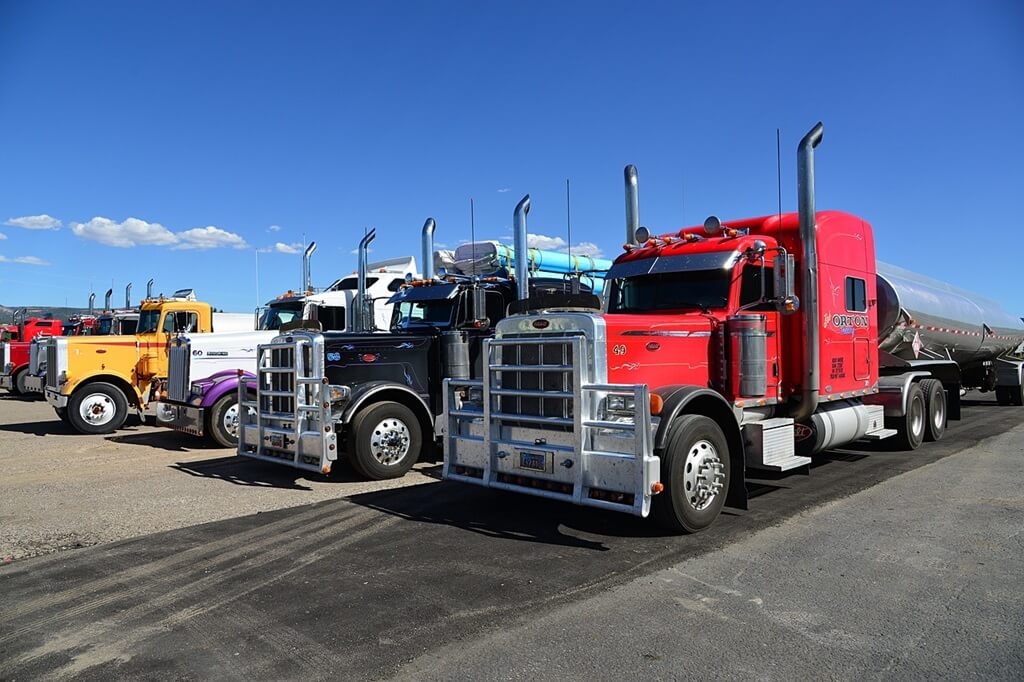
  • Can You Work on Your Truck in a Truck Parking Lot?

    Can You Work on Your Truck in a Truck Parking Lot?

    a truck driver on the phone in a truck

    When truck maintenance or repairs are needed, the question arises: is it permissible to work on your truck in a parking lot? This article aims to clarify this topic by delving into the rules, regulations, and considerations involved.

    To understand the permissibility of working on your truck in a parking lot, it is crucial to consider the type and extent of the repairs necessary. Major repairs are generally not allowed in parking lots, but routine tasks such as changing tires, replacing wiper blades, or adding oil are typically acceptable. 

    Factors to Consider 

    When it comes to working on your truck in a parking lot, the permissibility largely depends on the nature and scale of the repairs necessary. 

    Major repairs, which involve extensive dismantling or require specialized equipment, are typically not allowed in parking lots. To ensure safety and proper execution, these repairs are best left to professional workshops and repair shops.

    However, routine maintenance tasks that do not interfere with the parking lot’s operation or pose a hazard to others are usually permitted. These tasks include changing a tire, replacing wiper blades, adding oil, or other minor repairs that truck drivers themselves can safely carry out. Such activities are commonly seen as part of regular maintenance and often require minimal space and tools.

    It is essential to be aware of any signs or regulations posted in the parking lot, particularly the presence of “No Repairs” signs. These signs indicate that vehicle maintenance or repairs are strictly prohibited within the premises. 

    Ignoring such signs can result in fines or even having your vehicle towed. Therefore, it is crucial to respect the rules and regulations set by the parking lot owner or management.

    Truck Repair Techniques: Tips & Good Practices for Working on Your Truck in a Parking Lot

    Before starting any repair work in a parking lot, especially when working on a truck, safety should be the top priority. Here are details on ensuring a safe and well-equipped environment for your repair job:

    Cordon off the Area: Before beginning any repair work, it’s crucial to ensure that the parking spot is cordoned off with proper safety barriers, cones, or signs. This will prevent other trucks and drivers from accidentally entering the work area and potentially causing accidents or injuries. It’s also important to follow any rules or regulations set by the parking lot management to ensure the safety of everyone in the vicinity.

    Necessary Tools and Equipment: Having the right tools and equipment on hand is essential for a successful repair job. This includes items such as jack stands, wrenches, screwdrivers, sockets, and safety equipment like gloves, safety goggles, and protective clothing. It’s important to ensure that all tools are in good working condition before starting the repair, as damaged or faulty tools can lead to accidents or errors during the repair process.

    Accessibility to Equipment: Many parking lots provide all the necessary equipment required for truck maintenance and repair. This includes access to jacks, air compressors, power tools, and hand tools, allowing you to carry out the repair job efficiently and safely. Having such equipment readily available can save time and reduce the hassle of transporting heavy tools to the repair location. Browse Truck Parking Club to quickly find available parking lots that provide such amenities whenever you might need them. 

    Avoid Rushing: Rushing through a repair job can lead to mistakes, incomplete repairs, and potentially unsafe conditions. It is essential to thoroughly assess the repair needs, gather the correct tools and materials, and work methodically to complete the repair correctly. 

    Permission and Support: Working in such a parking lot also ensures you have the necessary permission and support to carry out the repair work. This includes access to designated repair areas, facilities, and assistance if needed. Having the proper support from the parking lot management can contribute to a safer and more controlled environment for any repair work being undertaken.

    Only Repair Where Permitted

    The permissibility of working on your truck in a parking lot depends on various factors, including the scale of repairs, specific rules and regulations set by the parking lot owner or management, and the presence of “No Repairs” signs. 

    While major repairs are generally not allowed, routine maintenance tasks such as changing tires, replacing wiper blades, or adding oil are usually acceptable.

    Respect the parking lot rules and regulations and consider the implications of performing maintenance tasks in public spaces. Familiarize yourself with any specific regulations posted in the parking lot, and prioritize your comfort and safety during truck maintenance activities. 

    To find whether your chosen truck parking lot allows repairs or even provides access to necessary tools or vehicle maintenance amenities, carefully browse spaces available through Truck Parking Club. 

    BECOME A TRUCKER MEMBER TODAY

    The information published herein is for general informational purposes only. Truck Parking Club does not make any representations or warranties about the completeness, reliability, legality, and accuracy of this information. Any reliance placed on such material is strictly at the user’s own risk. Truck Parking Club shall not be responsible for any losses or damages incurred in connection with the information published herein.

  • The Ultimate Truck Stop Guide: Parking, Amenities, and More

    The Ultimate Truck Stop Guide: Parking, Amenities, and More

    semi trucks parked at a truck stop

    Long-haul truckers rely heavily on truck stops as essential waypoints during their journeys. These oases along the highway provide much-needed rest, refueling, and amenities to keep drivers comfortable on the road. 

    From necessities like fuel and restrooms to more luxurious offerings such as showers, restaurants, and entertainment, top truck stops have evolved to meet the diverse needs of today’s truckers. 

    This comprehensive truck stop guide aims to help you navigate the world of truck stops, find the best parking options, and make the most of available amenities during your travels.

    What is a Truck Stop? Understanding the Basics

    So, what is a truck stop? It’s a specialized service station designed to cater to the particular requirements of commercial truck drivers and other long-haul travelers. 

    These facilities provide a range of basic services and amenities, typically including fuel stations, restrooms, showers, food options, and parking areas specifically sized for large trucks and trailers.

    Truck stops come in various forms, from independently operated local establishments to large chain-operated centers found across national highways. While independent truck stops may offer a more personalized experience, chain truck stops provide consistency and reliability across multiple locations.

    Planning Your Route: Essential Tips for Finding the Best Truck Stops

    Effective trip planning is crucial for ensuring convenient and timely stops during your journey. Utilize mapping tools and specialized sites like Truck Parking Club to access real-time data on truck parking locations and parking availability along your route. 

    These resources can help you identify potential parking spots, truck stops, and rest areas well in advance, reducing stress and improving your overall driving experience. When planning your route, consider factors such as distance between stops, driving time regulations, and your personal preferences for amenities and rest. 

    It’s advisable to have at least two potential stopping points in mind for each leg of your journey – one at the outermost limit of your daily driving range and another 2–3 hours closer. This strategy provides flexibility in case of unexpected delays or changes in your schedule.

    Researching Truck Stops: Key Factors to Consider

    Before embarking on your trip, take time to research the truck stops along your planned route. Key factors to consider include:

    • Location: Ensure the truck stop is conveniently located and easily accessible from your route. 
    • Amenities: Look for stops that offer the services you need, such as showers, laundry facilities, or sit-down restaurants. 
    • Parking availability: Check if the truck stop has ample parking spaces that can accommodate your vehicle’s size.
    • Costs: Consider any fees associated with parking or using certain amenities.

    Utilize online reviews and ratings from other truckers to gauge the quality and reliability of different truck stops. These firsthand reports can provide helpful insights into the cleanliness and overall experience at each location.

    Parking at Truck Stops: Best Practices and Tips

    When it comes to parking at truck stops, following best practices can help ensure a stress-free experience. 

    For starters, always back into parking spots when possible, as this makes for an easier departure. Be aware of your truck’s dimensions and choose parking spots that can comfortably accommodate your vehicle.

    Take your time when maneuvering in the parking area, use your mirrors, and proceed slowly to avoid accidents. If possible, arrive at truck stops earlier in the day to secure a spot before they fill up, especially in busy areas or during peak travel times.

    Some truck stops offer truck stop parking reservations, which can be a valuable option for ensuring you have a guaranteed spot, particularly in high-traffic areas or during busy travel seasons. While there may be a fee associated with reserved parking, the peace of mind it provides is worth it.

    When parking overnight, be mindful of your surroundings and take the necessary precautions to ensure your security and that of your cargo. Choose well-lit areas when possible, and consider using added security efforts such as wheel locks or alarm systems.

    Amenities at Truck Stops: What to Look For

    Modern truck stops offer a wide range of amenities designed to make life on the road more comfortable. Look for stops that provide:

    • Clean showers and restroom facilities 
    • Free Wi-Fi access 
    • Diverse dining options, including sit-down restaurants and grab-and-go meals 
    • Laundry facilities 
    • Pet-friendly areas for those traveling with animal companions

    These amenities can substantially enhance your quality of life on the road, allowing you to refresh, recharge, and stay connected while you travel.

    Making the Most of Your Truck Stop Experience

    trucks parked in a line

    To maximize your time at truck stops, plan your activities efficiently. Use your rest breaks to take care of multiple needs at once, such as showering, doing laundry, and enjoying a meal. 

    Engage with other truckers when appropriate; this can be a great way to build community and gather useful tips about the road ahead. Remember that truck stops are more than just places to park and refuel. 

    They offer opportunities for rest, which is crucial for maintaining your health and comfort as a driver. If available, take advantage of amenities like fitness areas or walking trails to stretch your legs and stay active during long trips.

    Many truck stops host events or have common areas where drivers can socialize. These can be great opportunities to combat the isolation that often comes with long-haul trucking. Engaging in these events helps you establish a support network of fellow drivers and makes your time on the road more enjoyable.

    If you’re traveling with a co-driver or family members, look for truck stops that offer entertainment options such as movie rooms, game areas, or even small theaters. These amenities can provide a welcome diversion during longer rest periods.

    Truck Parking Made Simple

    If you’re using Truck Parking Club for your parking needs, our team is here to help. For any questions about using TPC or issues with reservations, don’t hesitate to contact us at (888) 899-7275

    You can also reach out to our customer support team through our online contact form for assistance in finding the perfect parking spot for your needs.

    And remember, when searching for the best truck parking spot throughout the US, Truck Parking Club is your go-to app. Become a trucker member for free today and enjoy hassle-free truck parking wherever you are!

    The information published herein is for general informational purposes only. Truck Parking Club does not make any representations or warranties about the completeness, reliability, legality, and accuracy of this information. Any reliance placed on such material is strictly at the user’s own risk. Truck Parking Club shall not be responsible for any losses or damages incurred in connection with the information published herein.

  • How to Park a Large Truck: Tips and Techniques for Any Lot

    How to Park a Large Truck: Tips and Techniques for Any Lot

    Parking a large truck can be a challenging task, especially for new drivers or those accustomed to smaller vehicles. Mastering the art of parking a big rig is crucial for safety, efficiency, and maintaining a professional reputation. 

    Whether you’re navigating tight urban spaces or maneuvering in expansive truck stops, the following tips and techniques will help you park your large truck with confidence in any lot.

    Preparing for Parking

    Before you even attempt to park your truck, proper preparation is key. One of the most important aspects of this preparation is inspecting and adjusting your mirrors. Your mirrors are your eyes when maneuvering a large vehicle, so they must be set up correctly. 

    Take the time to adjust all mirrors to minimize blind spots and give you the best possible view of your surroundings. Remember, what you can’t see can hurt you or others, so thorough mirror checks are essential.

    Choosing the right spot is another critical step in the parking process. When you enter a parking lot, take a moment to survey the area and identify suitable spaces for your vehicle. 

    Look for spots that offer enough room not just for your truck’s length but also for the swing of your trailer when turning. 

    If possible, opt for pull-through spots or areas at the back of the lot where there’s less traffic. This not only makes parking easier but also reduces the risk of accidents when you’re ready to leave.

    Techniques for Parking a Large Truck

    Mastering specific parking techniques can make a world of difference when it comes to parking a big truck. One valuable skill to learn is the three-point turn. This maneuver is particularly useful when you need to turn your truck around in a tight space. 

    To execute a three-point turn, start by turning your steering wheel fully to one side and pulling forward as far as possible. Then, back up while turning the wheel in the opposite direction. 

    Finally, pull forward again, straightening out your vehicle. With practice, this technique can help you navigate tricky situations with ease.

    Angle parking is another useful technique, especially in truck stops or designated truck parking areas. When parking at the right angle, approach the spot at the designated angle, usually around 45 degrees. 

    As you near the spot, begin turning your steering wheel towards the direction of the angle. Slowly pull forward, adjusting as necessary, until your truck is centered in the spot. Remember to leave enough room on either side for neighboring vehicles and for you to exit safely.

    Maneuvering in Tight Spaces

    Understanding your truck’s dimensions is crucial when maneuvering in tight spaces. Know your vehicle’s length, width, and height like the back of your hand. 

    This knowledge will help you judge whether you can fit into a particular spot or clear an overhead obstacle. Always factor in extra space for safety margins and the swing of your trailer.

    When maneuvering into a tight spot, the key is to take it slow and steady. Rushed movements often lead to mistakes. Make small, controlled adjustments as you position your truck. 

    Utilizing Technology

    Modern trucks often come equipped with backup cameras and sensors, which can be invaluable parking tools. These technologies provide additional visual information and proximity alerts, helping you avoid obstacles you might not otherwise see. 

    However, while these tools are helpful, they should supplement, not replace, your visual checks and judgment.

    GPS and parking apps like our Truck Parking Club can also be incredibly useful for truck drivers. These tools can help you locate suitable parking spots in advance, reducing stress and saving time. Some apps even offer real-time updates on parking availability, helping you plan your stops more effectively.

    Common Mistakes to Avoid

    One common error to watch out for is undercutting turns. This happens when a driver doesn’t account for the extra space needed for the trailer to clear an obstacle. 

    To avoid this, always remember that your trailer will track to the inside of your turn. Give yourself extra room, especially in tight spaces.

    Overconfidence is another pitfall to avoid. Even experienced drivers can make mistakes, so it’s important to stay alert and cautious. Never assume you know exactly where every part of your truck is without checking. A moment of overconfidence can lead to costly accidents.

    Mastering the Art of Truck Parking: Your Path to Stress-Free Stops

    Mastering the art of parking a large truck takes skill, patience, and practice. By following these tips and techniques, you can confidently handle even the most challenging parking situations. 

    And remember, whenever you seek a great spot to park your big rig, Truck Parking Club is here to help. Using our app, you can browse available parking spots throughout the US, ensuring you always find the right spot for your large truck. 

    BECOME A TRUCKER MEMBER TODAY

    The information published herein is for general informational purposes only. Truck Parking Club does not make any representations or warranties about the completeness, reliability, legality, and accuracy of this information. Any reliance placed on such material is strictly at the user’s own risk. Truck Parking Club shall not be responsible for any losses or damages incurred in connection with the information published herein.

  • How to Stay Awake on the Road: Practical Tips for Truck Drivers

    How to Stay Awake on the Road: Practical Tips for Truck Drivers

    truck on the street at night

    Trucking can be a great way to see the country and make a living. But long hours behind the wheel can lead to a serious problem: fatigue. Drowsiness can sneak up on even the most experienced driver, making it harder to focus and react quickly. This is a major safety hazard, not just for you, but for everyone on the road.

    So, how can you conquer fatigue and remain alert behind the wheel? Check out our comprehensive guide packed with practical tips to help you stay awake on the road. 

    10 Tricks to Stay Awake While Driving

    Drowsy driving is dangerous, so the most important trick is to prioritize your safety. Here are some tips to consider:

    Prioritize sleep

    It all starts before you even get behind the wheel. The best way to stay awake while driving is to get a decent sleep. Aim for a consistent sleep schedule, ideally getting 7-8 hours of quality sleep each night. This means establishing a regular bedtime and wake-up routine, even on your off days. Avoid caffeine and heavy meals before bed, as they can disrupt sleep patterns. If possible, plan your route to allow for ample rest stops during your journey.

    Plan your trip strategically

    Planning goes a long way in combating fatigue. Avoid scheduling long stretches of driving during the night, especially if you’re a natural morning person. Research rest stops with amenities like showers and comfortable seating to ensure you can truly recharge during breaks. Use electronic logbooks (ELDs) effectively to plan routes that comply with hours-of-service regulations and allow for sufficient breaks.

    Fuel your body wisely

    What you eat as a truck driver has a direct impact on your alertness. Ditch the greasy fast food and sugary snacks. Instead, pack healthy meals and snacks rich in protein, complex carbohydrates, and healthy fats. These provide sustained energy and keep your blood sugar levels stable, preventing those dreaded afternoon crashes. Fruits, vegetables, nuts, and yogurt are all great choices. Stay hydrated throughout the day by opting for water over sugary drinks, which can lead to dehydration and fatigue.

    Move your body

    Sitting for extended periods can make drowsiness worse. Combat this by incorporating regular movement into your routine. Schedule breaks every 2-3 hours to get out of the cab and stretch your legs. Simple exercises like jumping jacks, lunges, or push-ups can get your blood pumping and improve alertness. Consider investing in resistance bands to add variety to your rest stop workouts.

    Optimize your cabin environment

    The temperature inside your truck plays a significant role in alertness. Avoid extremes – a sweltering cabin will make you drowsy, while a frigid one can be uncomfortable and distracting. Aim for a comfortable temperature, ideally around 70°F (21°C). Additionally, keep your cabin clean and well-ventilated. Stale air can contribute to drowsiness.

    Stimulate your senses

    Fight monotony by stimulating your senses. Play upbeat music or listen to audiobooks and podcasts. Keep a variety of choices on hand to avoid becoming bored with the same tunes. Open a window for fresh air, especially if you start to feel drowsy. Chewing sugar-free gum can also help keep you alert.

    Embrace the power of light

    Light can significantly influence alertness. During the day, open the curtains and maximize natural light exposure. At night, use bright white overhead lights while driving. Avoid using red or dim lights, as they can have a calming effect. If driving at night for long stretches, consider using a light therapy box during breaks to help regulate your circadian rhythm.

    Plan for power naps

    Sometimes, a short nap is the best way to combat fatigue. However, naps should be strategic. Avoid napping for too long, as you may enter deep sleep which can leave you feeling groggy upon waking. Aim for power naps of 20-30 minutes. Set a timer to ensure you don’t oversleep. Park in a safe and designated location for napping, and avoid napping while parked on the side of the road.

    Know when to pull over

    Despite your best efforts, fatigue may still overpower you. Don’t be a hero. If you find yourself struggling to stay awake, even after implementing these tips, pull over immediately and take a proper rest. Find a safe rest stop, park your truck, and take a longer nap (ideally 1-2 hours) or until you feel fully refreshed.

    Utilize technology

    Technology can be your ally in the fight against fatigue. Many newer trucks come equipped with driver-assistance features like lane departure warnings and drowsiness detection systems. These features can alert you if you start to drift out of your lane or exhibit signs of fatigue. Utilize smartphone apps designed to help truck drivers stay awake and alert. Some apps offer fatigue warnings based on driving patterns, while others provide engaging audio content to keep you focused. 

    The Bottom Line

    So, how do truck drivers stay awake? The key to staying alert on the road is a multi-pronged approach. With these useful tips, you can significantly reduce fatigue and ensure a safe and productive journey for yourself and everyone on the road. Don’t be afraid to experiment and find a combination of strategies that work best for you.

    Power naps turning into parking lot hunts? Truck Parking Club is your ultimate solution. We connect truckers with property owners offering vacant spaces perfect for a good night’s rest. Whether you need a quick recharge or a full eight hours, we boast a diverse network of options nationwide. Join us today and keep yourself energized, ready to conquer the open road once more.

    The information published herein is for general informational purposes only. Truck Parking Club does not make any representations or warranties about the completeness, reliability, legality, and accuracy of this information. Any reliance placed on such material is strictly at the user’s own risk. Truck Parking Club shall not be responsible for any losses or damages incurred in connection with the information published herein.

  • Reefer Parking Etiquette

    Reefer Parking Etiquette

    transport truck at sunset

    For reefer drivers, the open road is a constant hum of activity. But sometimes, the hum coming from their own trailers can disrupt the peaceful lullaby of a truck stop parking lot. Unlike other trucks, refeers require constant power to maintain the optimal temperature for their precious cargo. This means the characteristic rumble of the refrigeration system can be a thorn in the side – or rather, an earache – for fellow truckers seeking a good night’s rest.

    So, how can reefer drivers navigate the parking lot conundrum and be considerate neighbors? Here are some tips to ensure a peaceful rest for everyone.

    Know Your Noise Level

    First things first, understand the noise level of your specific reefer. Not all reefer trucks are created equal. Newer models may be quieter than older ones. Check your owner’s manual for decibel ratings, and if unsure, do a little research online to see what other drivers with the same model say about noise levels.

    Plan Your Park

    Armed with this knowledge, it’s time to find the perfect parking spot. Here’s where some strategic maneuvering comes in:

    • Lay-by areas: Look for designated lay-by areas specifically meant for trucks requiring continuous power. These are usually located away from the main parking lot, allowing your refeers to run freely without disturbing anyone’s sleep.
    • The periphery: If lay-by areas are unavailable, aim for the fringes of the parking lot. This puts distance between your humming fridge and fellow truckers seeking some shut-eye.
    • Consider wind direction: Wind can amplify noise. If possible, park with the prevailing wind blowing away from the main parking area to further minimize disturbance.

    Communicate with Parking Staff

    Be upfront with parking lot staff about your reefer. Let them know you require a spot with access to power and, if possible, explain your efforts to minimize noise. They may have additional guidance or direct you to designated areas for trucks like yours.

    Courtesy Goes a Long Way

    Even with careful planning, there may be times when a quiet spot isn’t available. In such situations, a little courtesy goes a long way:

    • Ask your neighbors: If parking near other trucks, politely inquire if the noise from your refeer will be an issue. Most truckers appreciate a heads-up and will understand your situation.
    • Offer incentives: Consider offering a small token of appreciation to a fellow trucker who is willing to tolerate your parked reefer. This could be sharing a meal, buying them a coffee, or simply offering your company over a friendly chat.

    Invest in Noise Reduction

    For long-term solutions, consider investing in noise reduction strategies for your reefer. Some options include:

    • Sound dampening materials: Explore aftermarket soundproofing materials that can be applied to the sides and top of your trailer to dampen the noise emitted by the refrigeration system.
    • Quieter fans: If your reefer uses particularly loud fans, consider replacing them with quieter models after consulting with a qualified mechanic.

    Beyond Noise

    Being a considerate reefer driver extends beyond noise:

    • Avoid idling: While some older reefers require continuous idling, newer models may have features that allow them to maintain temperature without the engine running. Check your owner’s manual and avoid unnecessary idling to reduce noise and exhaust fumes.
    • Maintain proper upkeep: Regularly maintaining your reefer is vital for its smooth operation and noise reduction. Get regular checkups to ensure all components are working efficiently and not creating additional noise.

    The Bottom Line

    Keeping your reefer humming without disrupting others is all about being a good neighbor on the road. By understanding your truck’s noise level, planning your parking wisely, and showing some simple courtesy, you can ensure a peaceful rest stop for everyone.

    Struggling to find a suitable parking spot for your reefer? Truck Parking Club makes it easy! We connect truck drivers with property owners who have vacant spaces perfect for refeers. 

    Whether you need daily or monthly parking, Truck Parking Club boasts a wide range of options across the United States. Plus, our handy app allows for easy reservation, ensuring you secure a quiet spot with access to power – all with just a few clicks. Join us today for a stress-free and restful journey.

    The information published herein is for general informational purposes only. Truck Parking Club does not make any representations or warranties about the completeness, reliability, legality, and accuracy of this information. Any reliance placed on such material is strictly at the user’s own risk. Truck Parking Club shall not be responsible for any losses or damages incurred in connection with the information published herein.

  • 6 Truck Parking Tips for Reefers

    6 Truck Parking Tips for Reefers

    a truck parked in a parking lot

    Securing a parking spot at a truck stop is challenging for any driver, but it can be particularly stressful for those operating reefers. Despite their crucial role in transporting perishable goods, these drivers encounter unique issues that can be overlooked.

    In this blog post, we’ll share 6 practical tips every reefer driver should know to make their parking experience easier and more worry-free.

    1. Reserve a Parking Spot in Advance 

      It’s no secret that there is a shortage of truck parking lots, so the first thing any driver should do is secure a place beforehand. How can you do that? By finding the best and nearest truck parking spot in Truck Parking Club. Our platform is free to use and has already helped multiple truck drivers find a cozy lot, day or night. 

      Once you’ve reserved your spot, what’s next? Older reefers used to operate loud and noisy, forcing truck drivers to the back of the lot. But that’s a thing of the past!

      Modern reefers, on the other hand, are built to keep temperatures stable for extended periods, eliminating the need for you to park far away and disrupt others with noise. 

      Hence, if you have a spot and drive a modern reefer – chances are you have nothing to worry about. 

      2. Shut Off the Reefer When Idle and Empty

        When parked at a truck parking lot along with other truck drivers, you may face the problem of having your reefer working. What you can do to avoid disturbing others is to switch off the engine when it’s empty.

        In winter, managing your reefer can be simpler. If it comes with insulation, you can turn it off in cold weather when empty. High-quality insulation can maintain the desired temperature for hours, ensuring your reefer maintains the desired temperature when it arrives at the destination. 

        Always consult with your company for guidance on handling specific loads. 

        3. Avoid Parking in Direct Sunlight 

          Reefers are designed to handle various weather conditions, but it’s best not to push their limits. When parking, try to avoid spots in direct sunlight. If that’s not possible, remember that prolonged exposure to the sun can affect the insulation’s ability to keep temperatures cool. This can be especially critical when transporting perishable goods that require consistently low temperatures.

          If you can’t find a shaded spot, consider using sunshades or reflective covers to reduce the amount of heat absorbed by the truck. Leaving the truck parked in sunny conditions for too long is not ideal; monitoring the temperature is crucial. 

          4. Follow Your Checklist

            When parked or before hitting the road, it’s helpful to have a checklist that guides you through the things you need to check to make sure your reefer works properly. This routine helps you catch potential issues early, maintaining the efficiency of your unit and the safety of your cargo.

            Your checklist doesn’t have to be extensive; it should include only the essential steps:

            • Ensure that the temperature remains stable and within the acceptable range throughout your trip.
            • Inspect the airflow settings to ensure they are optimal for maintaining the desired temperature.
            • Perform a visual inspection of the insulation for any visible signs of wear, tear, or damage.
            • Check for any unusual noises or vibrations coming from the unit that might indicate a mechanical issue.

            5. Avoid Blocking Airflow

              The last but not least tip is to ensure optimal ventilation for your unit in order to maintain the desired temperature inside it at all times. 

              If you keep your reefer operational throughout your stay, make sure that there is proper airflow. To do that, simply park in a place where other vehicles or objects won’t block the exhaust vents and ventilation grills. 

              6. Park on Level Ground

                Parking on a level ground can be as important as parking in a shaded area. When transporting valuable cargo, you want to ensure it arrives intact. Parking on an uneven surface can cause your goods to shift, leading to potential damage. 

                Most parking lots at Truck Parking Club will have slots suitable for your reefer, but it won’t hurt to call to double-check the information with the lot owner. 

                Wrapping Up

                Parking your reefer doesn’t have to be a hassle if you follow our 6 practical tips. In addition to good planning, it’s no less important to know how to park your unit to maintain cool temperatures inside and also avoid disturbing your fellow drivers. 

                Before you hit the road, become a member of Truck Parking Club for free and use our intuitive platform to find convenient parking spots at any time of day. 

                The information published herein is for general informational purposes only. Truck Parking Club does not make any representations or warranties about the completeness, reliability, legality, and accuracy of this information. Any reliance placed on such material is strictly at the user’s own risk. Truck Parking Club shall not be responsible for any losses or damages incurred in connection with the information published herein.

              1. Unwritten Rules of Truck Parking Lots

                Unwritten Rules of Truck Parking Lots

                red and white freight truck in parking lot

                If you’ve been in the trucking game for a while, you know that truck parking lots are more than just a place to rest your weary head. They have their own unique ecosystem and a set of rules that keep everything running smoothly. Sure, there are the official regulations that you’ll find posted on signs and bulletins, but those are just the tip of the iceberg.

                To thrive in the asphalt jungle (or a truck stop, as it’s sometimes called!), you must understand the unwritten rules—the secret handbook that every seasoned trucker carries in their heart. These guidelines might not be spelled out in black and white, but they’re just as important as any official policy. 

                Now, I know what you might be thinking. “Hey, most of these unwritten rules are just common sense!” And you’re absolutely right. Things like respecting your neighbor’s space, keeping the noise down, and cleaning up after yourself should be second nature to anyone with a shred of decency.

                But let’s be real – we’ve all come across that one driver who seems to have missed the memo.

                You know the type: the one who parks so close to your rig that you can barely squeeze out of your cab, or the one who thinks 3 AM is the perfect time to rev their engine like they’re at the Daytona 500. It’s drivers like these who make us appreciate the unwritten rules even more. They remind us why we need to look out for each other and hold ourselves to a higher standard.

                If you’re looking in the mirror now and realizing that you might have been “that driver” at some point, don’t worry – it’s never too late to change your ways. Take up the unspoken code of the truck stop, and you’ll find that life on the lot becomes a whole lot easier.

                The Unwritten Rules (now written)

                Respect Thy Neighbor

                Thou Shalt Not Block

                Don’t be a parking lot hog. Leave room for your fellow truckers to maneuver and exit their rigs without playing a game of “Truck Tetris.” If you’re just taking a quick break, don’t park in spots designated for overnight stays. Save those prime locations for the drivers who really need them.

                Silence is Golden

                Keep the noise down during rest hours. Your fellow truckers are trying to catch some much-needed z’s, so resist the urge to rev your engine or blast your tunes in the middle of the night. Be mindful of your volume when chatting with other drivers. Not everyone wants to hear your life story at full volume, especially when they’re trying to unwind after a long day on the road.

                Blinded by the Light

                Be considerate with your parking directions. Aim your headlights away from other trucks to avoid giving your neighbor an unwanted wake-up call. Use curtains or shades to block out any excessive light from your cab. No one wants to feel like they’re sleeping in the middle of a football stadium.

                Cleanliness Is Next to Godliness

                Trash Talk

                Use the designated receptacles for your trash. Don’t leave your garbage lying around for someone else to clean up. Keep the lot clean for your fellow truckers. A tidy truck stop is a happy truck stop.

                The Scoop on Poop

                If you’re traveling with a dog, be a responsible owner. When your furry friend needs to do their business, make sure to clean up after them properly. No one wants to step in a surprise left behind by your furry co-pilot.

                Leak Patrol

                If you notice any fluid leaks from your rig, address them promptly. Not only can they create slippery, hazardous conditions for others, but they can also harm the environment and damage the lot surface. Keep an eye out for any drips or puddles, and take care of them before they become a bigger problem.

                Dance Like No One’s Watching, But Park Like Everyone’s Looking

                The Art of Truck Stop Tetris

                When parking your rig, leave enough space for your neighbors to maneuver and exit their trucks comfortably. No one wants to play a real-life game of Tetris when it’s time to hit the road. Respect the invisible bubble of personal space around each truck, and everyone will be able to coexist peacefully.

                Chatter Matters

                Striking up a conversation with your fellow truckers can be a great way to pass the time and build camaraderie. However, watch for the other person’s body language and cues. If they seem more interested in their phone or are giving you short, clipped responses, it might be time to wrap things up. Not everyone is in the mood for small talk, especially if they’re exhausted from a long day of driving.

                Look, But Don’t Touch

                Admiring another trucker’s rig is one thing, but touching or tampering with their equipment is strictly off-limits. You wouldn’t want someone messing with your truck, so extend that same courtesy to others. Keep your hands to yourself, and if you need to get someone’s attention, use your words, not your hands.

                Keeping Your Haul Under Wraps

                When it comes to discussing your freight, the watchword is discretion. You never know who might be listening in or fishing for information. Loose lips sink ships; in this case, they could also put your cargo at risk. If someone starts asking too many questions about what you’re hauling, politely steer the conversation in another direction.

                The Ebb and Flow of Parking

                The Long Goodbye

                As much as you might enjoy the amenities and camaraderie of a particular truck stop, it’s important to remember that parking spaces are a hot commodity. Don’t linger too long in a spot that could be used by another driver who needs to rest. Be mindful of the time you spend parked, and when it’s time to hit the road again, make like a tree and leave.

                The Space Race

                In the high-stakes game of truck stop parking, every inch counts. When maneuvering your rig into a spot, aim to maximize the available space without encroaching on your neighbors’ turf. Park straight and center, and avoid taking up more room than necessary. The more efficiently you park, the more spaces will be available for your fellow truckers.

                Staking Your Claim: The Art of Reserving a Spot

                In some cases, you may have the option to reserve a parking spot ahead of time. If you know you’ll be needing a place to rest during a busy period or at a popular location, consider making a reservation. This can save you time and frustration later on and ensure that you have a guaranteed spot waiting for you when you arrive.

                You can find and reserve truck parking all across the country with Truck Parking Club. Become a Trucker Member today and reap the benefits of having a reserved spot in a quality truck parking lot.

                Sign up for Free Today

                The Brotherhood of the Road

                Lending a Helping Hand

                We’re all in this together. Don’t hesitate to offer assistance when you see a fellow driver needing it. Whether it’s helping to change a tire or sharing a meal, a little kindness goes a long way. We all face challenges on the road, and by supporting each other, we can make the journey a little easier for everyone.

                The Watchful Eye

                As members of the trucking community, we are all responsible for looking out for one another and keeping our shared spaces secure. If you witness any suspicious or illegal activity at a truck stop, don’t turn a blind eye. Report it to the proper authorities, whether that’s the truck stop management, local law enforcement, or your company’s safety department.

                Wrapping Up

                That’s just about it from me. Just remember that when you pull into a truck stop, you’re not just another anonymous face in the crowd. You’re a member of a brotherhood (and sisterhood!) of the road.

                So, the next time you find yourself at a truck stop, take a moment to appreciate the unspoken code that binds us all together. Give a friendly wave to your neighbor, offer a helping hand when needed, and always remember to leave the lot better than you found it.

                Don’t forget that Truck Parking Club has your back when it comes to finding secure parking. We’ve got a network of quality lots spanning from coast to coast, including popular spots from Alabama to Wisconsin

                Become a Trucker Member Now

                The information published herein is for general informational purposes only. Truck Parking Club does not make any representations or warranties about the completeness, reliability, legality, and accuracy of this information. Any reliance placed on such material is strictly at the user’s own risk. Truck Parking Club shall not be responsible for any losses or damages incurred in connection with the information published herein.
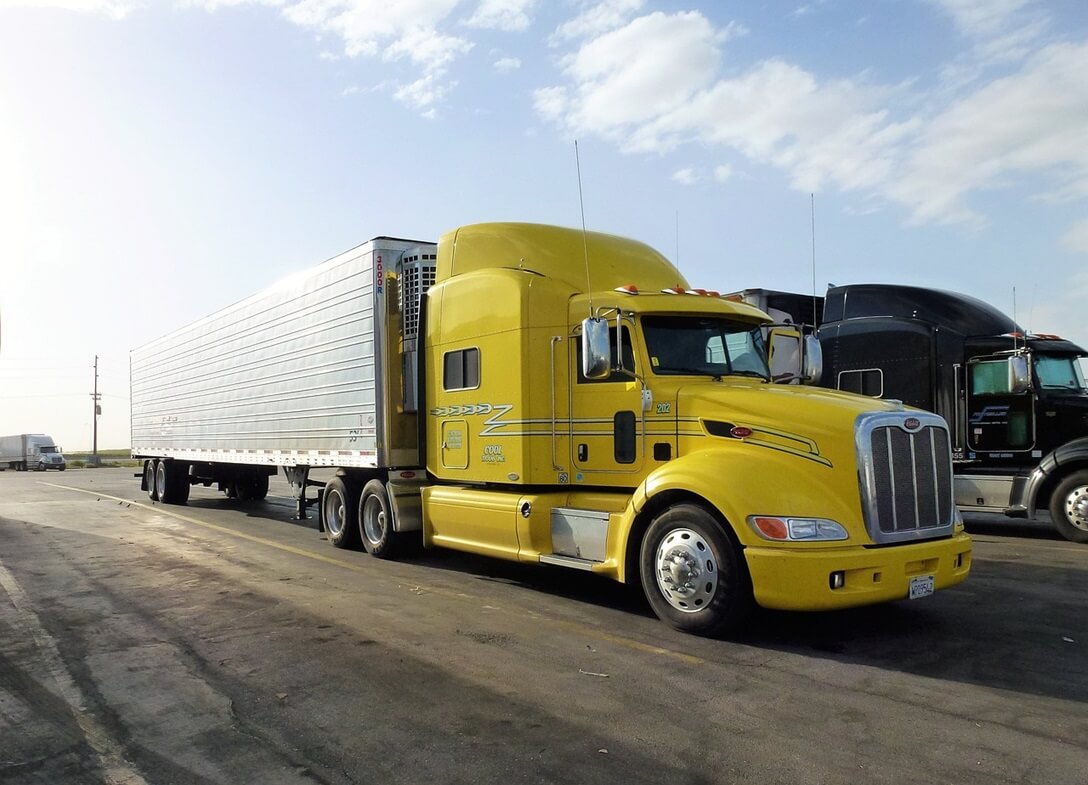
              2. Trucker’s Guide to Improving Mental Health

                Trucker’s Guide to Improving Mental Health

                truck driver

                The life of a trucker is one of freedom and responsibility. But this independence comes with a unique set of challenges. Long stretches of solitude, irregular sleep patterns, and the pressure of tight deadlines can all take a toll on your mental well-being.

                This guide is designed to equip you with the tools and strategies to prioritize your mental health while on the road. Learn about the proactive steps you can take to navigate the challenges and ensure a safe and productive journey.

                Challenges for Truck Drivers’ Mental Health

                Truck drivers are more susceptible to mental health concerns compared to the general population. Studies have shown higher rates of depression, anxiety, and stress among drivers. This can be attributed to several factors:

                • Isolation and loneliness: Spending long hours alone in the cab can lead to feelings of isolation and loneliness. Social interaction is crucial for human well-being, and its absence can contribute to negative emotions.
                • Irregular sleep patterns: The demands of the job often disrupt healthy sleep patterns. Shift work, long hauls, and unpredictable rest stops can all interfere with getting the quality sleep your body needs, creating fatigue and impacting mood.
                • Stress and pressure: Meeting tight deadlines, navigating challenging road conditions, and dealing with traffic congestion can contribute to significant stress. Financial pressures and job insecurity can add to this burden.
                • Unhealthy habits: Maintaining a healthy lifestyle can be difficult on the road. Limited access to fresh food options, long periods of sitting, and a lack of time for exercise can lead to unhealthy eating habits and decreased physical activity.

                These challenges can manifest in various ways, including:

                • Difficulty concentrating
                • Irritability and anger
                • Changes in appetite or sleep patterns
                • Fatigue and low energy
                • Feelings of sadness, hopelessness, or worthlessness
                • Difficulty managing stress

                Mental Health and Truck Drivers: Strategies for a Healthy Mind

                The good news is there are a number of strategies you can incorporate into your daily routine to improve your mental health:

                Prioritize sleep

                Aim for 7-8 hours of quality sleep each night. Develop a consistent sleep schedule, even when your route changes. Create a relaxing bedtime routine and ensure your sleeping environment is dark, quiet, and cool. Consider using meditation apps or relaxation techniques to unwind before bed.

                Fuel your body with healthy food

                While fast food might seem convenient, focus on eating healthy meals. Include plenty of fruits, vegetables, whole grains, and lean protein sources. Staying hydrated is also essential, so carry a reusable water bottle and refill it regularly.

                Embrace physical activity

                Find ways to incorporate regular exercise into your routine. Simple stretches and bodyweight exercises can be done at rest stops or even in your cab. Consider investing in resistance bands to add variety to your workouts. When possible, take walks at rest stops or explore new towns on foot during longer layovers.

                Stay connected

                Social interaction is vital for mental well-being. Stay connected with loved ones through phone calls, video chats, or texting. Connect with fellow truckers through online forums or social media groups specifically for truckers.

                Practice mindfulness

                Mindfulness exercises can help you manage stress and stay present in the moment. Meditation apps offer guided meditations that can be done during breaks or when you’re parked for the night. Simple breathing exercises like box breathing can also help to calm your mind and reduce anxiety.

                Create a sense of routine

                While your schedule might be unpredictable, establishing routines for sleep, meals, and exercise can help create a sense of normalcy and reduce stress.

                Seek professional help

                Don’t hesitate to seek professional help if you’re struggling. There are mental health professionals who specialize in working with truck drivers and understand the unique challenges you face.

                Use available resources

                Many trucking companies and associations offer mental health resources for their drivers. These resources could include access to Employee Assistance Programs (EAPs), confidential counseling services, and online resources.

                Create a comfortable truck environment

                Your truck is your home on the road. Make it a comfortable and inviting space. Bring along personal items that remind you of home, invest in a comfortable seat cushion, and keep your cab clean and organized.

                Find a Safe Parking Space for Your Peace of Mind with Truck Parking Club

                Finding a safe and secure place to park your truck at the end of a long haul is crucial for both your physical and mental well-being. Here’s where Truck Parking Club comes with a solution. We provide you with information about truck parking facilities across the country. With well-lit lots, security measures, on-site amenities like showers and laundry facilities, and even discounts for members, you can enjoy all the perks of top-notch parking locations without wasting your time and fuel on finding them. 

                With Truck Parking Club, you can take the stress out of finding a parking spot, allowing you to rest and recharge in a safe environment, ultimately contributing to your overall mental and physical health. Join us today and discover the benefits of hassle-free parking space search!

                The information published herein is for general informational purposes only. Truck Parking Club does not make any representations or warranties about the completeness, reliability, legality, and accuracy of this information. Any reliance placed on such material is strictly at the user’s own risk. Truck Parking Club shall not be responsible for any losses or damages incurred in connection with the information published herein.
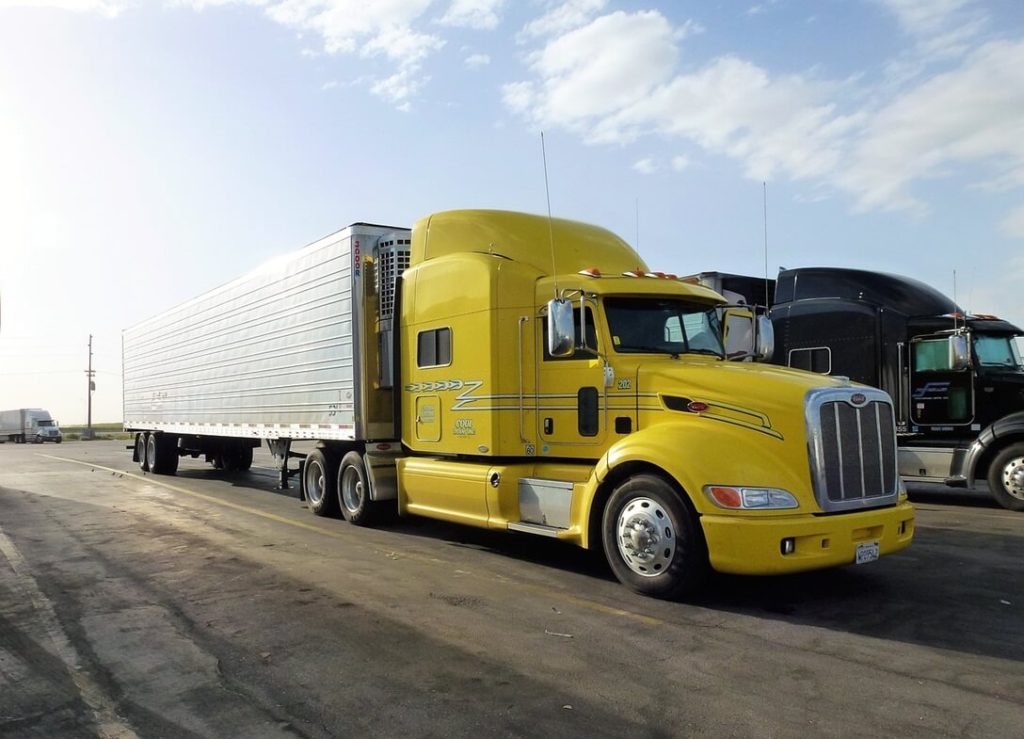
              3. How to Stay Cool In the Summer: Tips & Good Practices for Truck Drivers

                How to Stay Cool In the Summer: Tips & Good Practices for Truck Drivers

                a semi-truck in the sun

                It might seem like a dream job to many, and it certainly does have its fair share of perks. Thundering along America’s highways with no one to answer to, surrounded by monumental scenery while listening to your favorite tunes, trucking is a vocation unlike any other. 

                But there are also a few drawbacks to driving a truck. Aside from the usual problems, such as a national shortage of parking, annoying roadworks, and unforgiving schedules, a more seasonal issue is the relentless summer heat. Despite the god given creation that is air conditioning, the heat can sometimes be a huge drag for many truck drivers. 

                Beat the Heat

                We happen to be quite fond of our trucker members here at Truck Parking Club. We would prefer it if you didn’t wither away this summer, especially given the heat wave we are experiencing right now. So, we put together a little guide on how to stay cool in the summer, with a few tips and practices for all truck drivers out there.

                Let’s get to it, starting with the most obvious tip of them all – plenty of guzzling.

                Stay Hydrated 

                Keeping hydrated is one of the most important summer driving safety tips for truck drivers, although many of you fail to drink enough of the wet stuff. Aim for at least 64 ounces, but listen to your body – you might need more in extreme heat. Carry a large water bottle with you and take frequent sips to stay hydrated.

                Avoid sugary drinks and caffeine, as they can further dehydrate you. Look for signs of dehydration, such as dry mouth, dizziness, or dark urine accompanied by a nasty whiff. If you notice any of these symptoms, increase your water intake immediately. 

                Remember, thirst is not the sole indicator of being dehydrated, so don’t wait until you feel parched to have a drink.

                Take Regular Breaks 

                When temperatures soar, your body needs time to cool down. So, plan to stop every couple of hours, especially during the hottest parts of the day. Look for rest areas and truck parking spots with shade where you can relax and cool off. 

                Even a short break can help lower your body temperature and reduce the risk of heat exhaustion, so try to use these breaks to stretch your legs, rehydrate, and rest. Slowing down and taking it easy can prevent overheating and keep you focused. Remember, your safety and comfort are more important than racing against the schedule, so don’t hesitate to pull over when you need a break.

                Use Sun Protection 

                Protecting yourself from the sun is another crucial summer driving safety tip for truck drivers. Using visors and sunshades in your cab can make a big difference: they help block out the harsh rays, keeping the interior cooler and reducing glare. Don’t forget sunscreen, especially on your face and arms. Even through the windshield, UV rays can be harmful. 

                Wear light-colored, breathable clothing to reflect sunlight and stay cooler. Some fabrics even offer extra UV protection, while hats and sunglasses are also good options to shield your face and eyes. It might seem like a chore, but regularly applying sunscreen and staying covered helps prevent sunburn and long-term skin damage. 

                Keep Your Cab Cool 

                Air conditioning is a trucker’s best friend in the summer, but not everyone has it or likes to use it constantly. If you prefer a different approach, try using fans to circulate the air. Finding good truck parking can also make a huge difference in temperature. 

                Consider using window coverings or sunshades to block out direct sunlight. This keeps your cab from turning into an oven when parked. Another tip is to crack the windows slightly to allow hot air to escape while parked. These methods are all part of summer driving safety tips for truck drivers, helping you stay cool and focused on the road. It’s all about finding what works best for you and your truck.

                Dress Appropriately 

                Wearing the right clothes can make a big difference in staying cool in a truck. Light-colored, loose-fitting clothes are your best bet for reflecting sunlight and allowing air to circulate. Fabrics designed to wick away sweat and provide UV protection are ideal. Keeping an extra set of clothes in your cab can be helpful for those particularly scorching days. 

                Comfort is king, and dressing appropriately is an important part of summer driving safety tips for truck drivers. Stay cool, stay safe, and enjoy the journey, even in the heat.

                Summer Driving Safety Tips for Truck Drivers – Final Word

                Staying cool during summer trucking is all about preparation and smart choices. There really isn’t much more to it. Just stay hydrated, take regular breaks, use sun protection, keep your cab cool, and dress appropriately. Do those things, and you should find the tough summer heat is more bearable. 

                Ready to make things even easier this summer? With our popular, easy-to-use platform, truck drivers can browse available parking spots and book thousands of parking spaces across America.

                After all, real peace of mind comes with knowing your next stop is secured, and you don’t have to waste precious time endlessly circling busy truck stops for spaces that don’t exist. Sign up to become a Trucker Member today!

                The information published herein is for general informational purposes only. Truck Parking Club does not make any representations or warranties about the completeness, reliability, legality, and accuracy of this information. Any reliance placed on such material is strictly at the user’s own risk. Truck Parking Club shall not be responsible for any losses or damages incurred in connection with the information published herein.