Pennsylvania Moves to Tackle Truck Parking Deficit
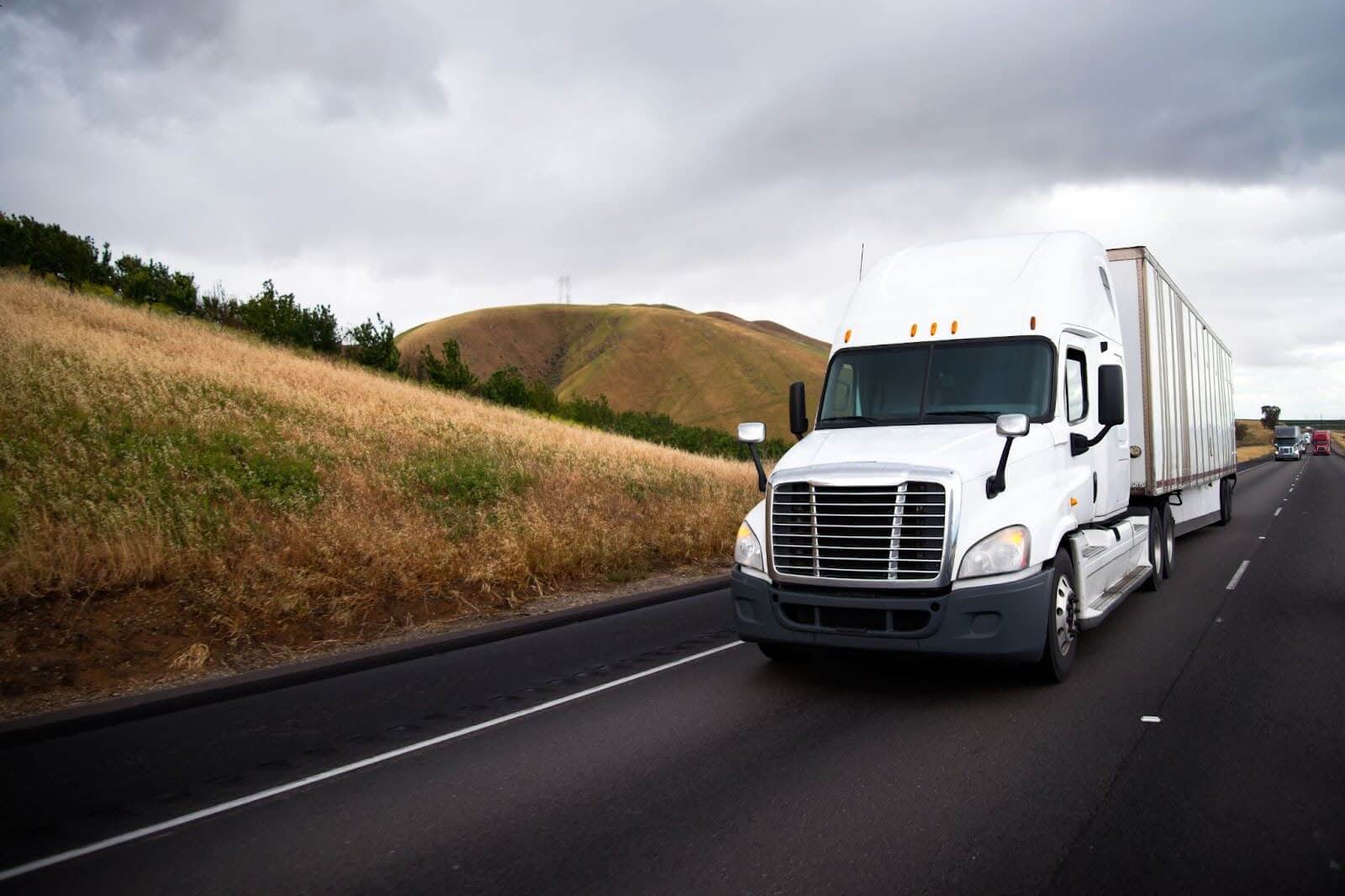
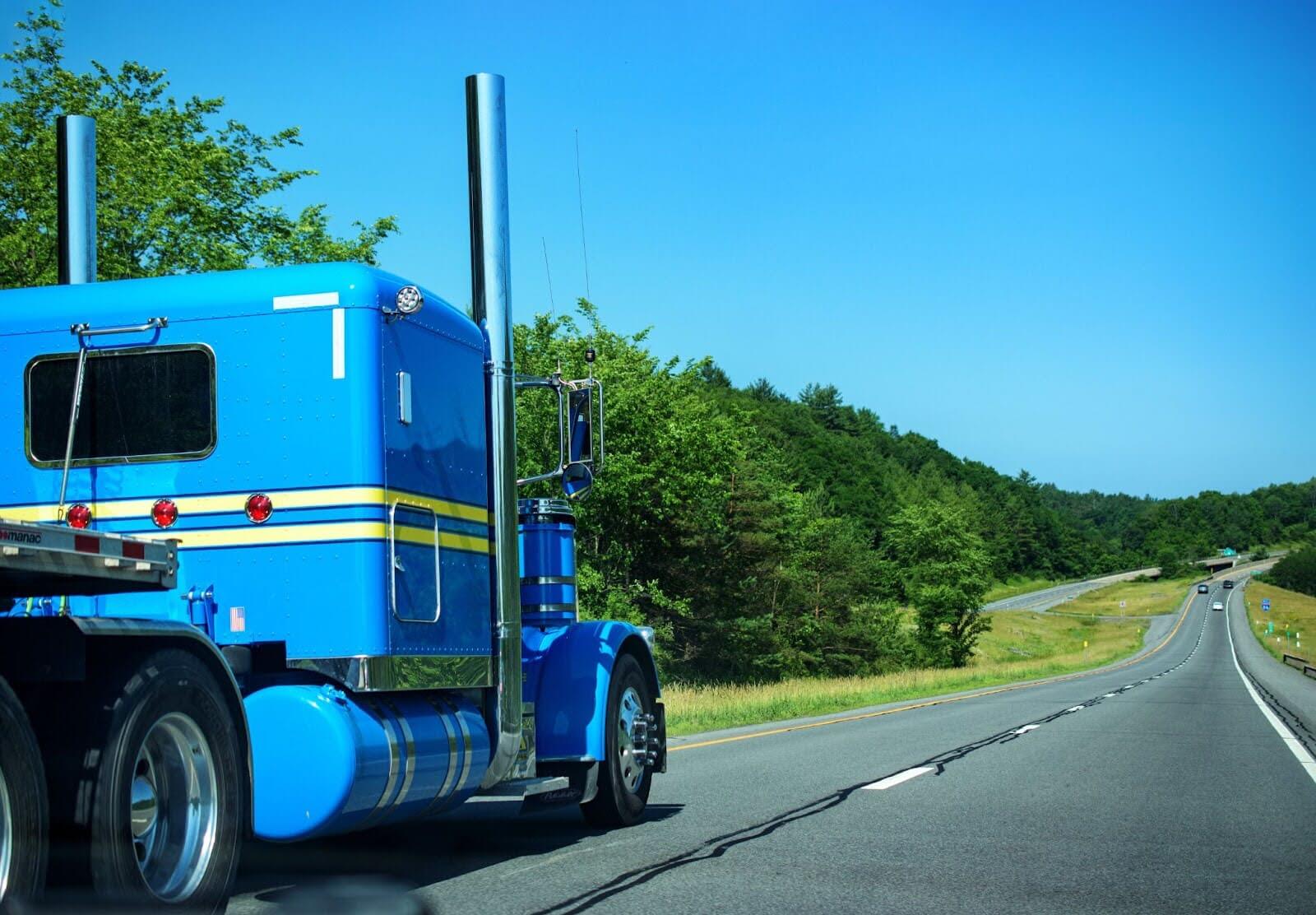
Pennsylvania’s truck parking shortage certainly isn’t a new issue, but it seems to be getting worse. The state has 11,500 truck parking spots, but an estimated 4,400 more are needed. That gap leaves over 1,000 trucks forced to park on shoulders and ramps every night, often dangerously so.
State Rep. Doyle Heffley has introduced HR20, calling for a statewide study on truck parking. The goal reflects a plan that goes beyond short-term fixes. Heffley points to a growing freight industry, stricter idling laws, and limited infrastructure as factors making it harder for drivers to find a legal, safe place to stop.
A similar resolution cleared a committee vote last year but never made it to the House floor. This time, Heffley is pushing harder.
Key Points
Pennsylvania faces a 4,400-space truck parking shortfall, forcing trucks onto shoulders and ramps.
Virginia is studying new truck parking options along I-66 and I-95 to keep rigs out of residential areas.
A New Jersey bill would require warehouses to include truck parking to curb overflow onto public roads.
Virginia Targets Parking Along I-66 and I-95
Virginia lawmakers are focusing on Prince William County, where truck parking is equally scarce and freight traffic is rising. Delegate Rozia Henson has introduced HJR462, which directs the Virginia Department of Transportation to study truck parking expansion along I-66 and I-95.
Henson isn’t just talking about a few extra spaces, however. His resolution highlights the impact of parking shortages on local businesses and residents, noting that without better infrastructure, trucks will keep spilling into residential and mixed-use areas.
The study would assess new rest areas, expanded truck stops, and dedicated parking zones. A final report is due to the Governor and General Assembly by November 30.
New Jersey Bill Ties Truck Parking to Warehouse Projects
New Jersey lawmakers are taking a different approach. Assemblyman Sterley Stanley wants warehouse developers to take responsibility for truck parking before breaking ground.
His bill, A3370, would require new warehouse projects to include adequate parking for trucks servicing the facility. The rule aims to prevent trucks from overflowing into public roads and private properties, a problem that has worsened as e-commerce growth drives up warehouse construction.
The bill has been stuck in committee since last year. But with truck parking concerns ranking high among industry priorities, it could gain traction as the state looks at broader freight infrastructure reforms.
Join Truck Parking Club Today
For Drivers: As parking restrictions tighten across America, finding a legal space is harder than ever. Avoid last-minute headaches—secure a spot through Truck Parking Club’s private network.
For Property Owners: Demand for truck parking is only rising. If you have available space, now’s the time to use it. List your property and connect with truckers in need.
The information published herein is for general informational purposes only. Truck Parking Club does not make any representations or warranties about the completeness, reliability, legality, and accuracy of this information. Any reliance placed on such material is strictly at the user’s own risk. Truck Parking Club shall not be responsible for any losses or damages incurred in connection with the information published herein.
New Partnership Leverages Thousands of Locations, hundreds of thousands of parking data points, and Advanced Sensor Technology to Aid Law Enforcement
Chattanooga, TN – May 2, 2025 – Truck Parking Club and GenLogs today announced a collaboration that will harness their combined technologies to combat the growing threat of freight and equipment theft across America’s supply chain.
The partnership connects Truck Parking Club’s extensive data on hundreds of thousands of commercial vehicles and their movements with GenLogs’ network of sensors tracking equipment location, creating a comprehensive security solution to assist law enforcement investigations.
“By joining forces with GenLogs, we’re leveraging our combined capabilities to assist law enforcement and ultimately make our locations more secure,” said Evan Shelley, CEO of Truck Parking Club. “With hundreds of thousands of commercial vehicles in our system, we can provide critical, real world, data that helps authorities respond effectively to criminal activity.”
Ryan Joyce, CEO of GenLogs, added, “Together with Truck Parking Club, we’re creating a powerful resource for law enforcement that addresses real-world security challenges through our real-time equipment monitoring network.”
The initiative responds to repeated inquiries from law enforcement officials seeking better visibility. Both companies share a commitment to creating a safer supply chain by combating criminal activity. Law Enforcement organizations can request assistance in truck-related crimes by emailing [email protected] or visiting genlogs.io/law-enforcement.
About Truck Parking Club
Truck Parking Club is a network of instantly reservable hourly, daily, weekly and monthly truck parking locations throughout the US. Truck Parking Club helps connect truckers to truck parking locations throughout the US via truckparkingclub.com and our mobile app. Our network is made up of property owners that have locations adequate for truck parking to list on the platform: this includes trucking companies, truck repair shops, tow truck companies, storage companies, CDL Schools, trailer leasing companies, real estate investors, truck stops, truck parking operators and more!
About Genlogs
GenLogs delivers freight intelligence via a nationwide network of sensors, commercial, and open-source datasets in order to unlock another $7 trillion of capacity while fighting $30 billion of fraud and theft. We are building unbreakable supply chains in order to make America safer and stronger.
Across the country, truckers struggle to find legal, safe, and convenient places to park, and there is no sign of the current truck parking crisis abating anytime soon. While the situation is deeply unfortunate for truckers and fleet owners, the crisis presents an opportunity for private landowners with spare, vacant, unused property.
Transforming unused property into a truck parking business has become extremely lucrative, and with Truck Parking Club feeding entrepreneurs with parking-starved truckers, the revenue stream can be very lucrative indeed.
However, knowing where demand is highest can make all the difference to your new venture. Certain regions are desperate for more parking solutions, and the right locations could mean steady business and reliable revenue.
Truck Parking Areas That Need More Spaces
While all regions of America are experiencing a gross shortage of truck parking options, there are ten, in particular, that are becoming increasingly desperate. To that end, here are ten truck parking areas across the US that urgently need more spaces:
1. Southern California – Los Angeles & Inland Empire
With the busiest ports in the country and a seemingly never-ending flow of freight moving inland, Southern California has a massive truck parking shortage. Major distribution centers stretch from Long Beach to San Bernardino, but the infrastructure hasn’t kept up with demand. Industrial zones in Ontario and Fontana are prime locations for truck parking areas, but availability remains scarce.
2. Dallas-Fort Worth, Texas
Another major freight hub with constant trucking activity, DFW, has long suffered from a lack of parking. The region sits at the intersection of multiple interstate highways and is an important stop for truckers moving goods across the country. However, existing truck parking areas are often full by early evening, leaving drivers with few options outside of industrial backroads or illegal parking.
3. Chicago, Illinois
As one of the biggest freight corridors in the US, Chicago has a severe truck parking problem. Congestion and strict city ordinances push truckers toward the outskirts, where truck parking areas remain limited. Locations along I-55 and I-80 see particularly high demand, and landowners near Joliet, Elgin, and Aurora could benefit from offering parking solutions.
4. Atlanta, Georgia
The Southeast’s primary logistics hub has far more trucks passing through than parking spaces available. With a booming industrial sector and a major airport, Atlanta’s high demand for truck parking areas continues to greatly outpace supply. Locations near I-285 and I-75 would be prime spots for new truck parking businesses.
5. New York & New Jersey
Between the Port of New York and the constant flow of freight in and out of the region, parking is an ongoing battle. Many drivers resort to parking on shoulders or in unsafe areas because dedicated truck parking areas are rare. The stretch along the New Jersey Turnpike – particularly near Newark and Elizabeth – is a prime candidate for more facilities.
6. Houston, Texas
Texas’s busiest port and its growing energy sector mean Houston is packed with trucks every day. Parking near major industrial zones is virtually impossible without a reservation. Property owners in areas along I-10 and Beltway 8 would likely see high demand for truck parking areas.
7. Memphis, Tennessee
A core logistics hub with major FedEx and UPS operations, Memphis has a constant flow of trucks. While freight moves relatively efficiently, finding parking is a whole different matter. A prime target for more truck parking areas, the districts around I-40 and I-55 are particularly strained.
8. Miami, Florida
As a major port city and gateway to Latin America, Miami experiences constant heavy truck traffic supporting international trade and regional distribution. Parking options are severely limited, especially near Port Miami and along major logistics corridors. Property owners along I-95, I-75, and the Florida Turnpike could capitalize on a significant market opportunity by providing dedicated truck parking spaces, particularly in areas surrounding the port and airport freight zones.
9. Louisville, Kentucky
As a major distribution hub (particularly for UPS), Louisville is another city with a truck parking shortage. The demand for overnight and long-term parking around key freight corridors is high, and locations near I-65 and I-71 would serve truckers well.
10. Denver, Colorado
With heavy freight traffic moving through the Rockies, Denver has become an essential stop for many long-haul drivers. However, city restrictions and a lack of dedicated truck parking areas force many drivers to park in unsafe areas.
How Truck Parking Club Can Help
Truck Parking Club connects private or commercial landowners with drivers in desperate need of parking spots, offering a streamlined way to list and manage truck parking spaces. If you are thinking of launching a truck parking lot business in a high-demand area or trying to maximize existing space, Truck Parking Club makes it easy to attract truckers in need of reliable parking.
Bottom Line
The demand for truck parking areas certainly isn’t slowing down, and the regions above are just a few examples of where truckers are struggling to find space right now. Property owners willing to invest in truck parking can find extremely profitable opportunities in these high-traffic locations.
Interested in becoming a property member? If you have private land available, you can create your own lucrative truck parking business. Click here to find out more.
The information published herein is for general informational purposes only. Truck Parking Club does not make any representations or warranties about the completeness, reliability, legality, and accuracy of this information. Any reliance placed on such material is strictly at the user’s own risk. Truck Parking Club shall not be responsible for any losses or damages incurred in connection with the information published herein.
Federal regulators have rejected a request from leading autonomous vehicle companies to bypass traditional roadside safety requirements, highlighting ongoing concerns about driverless truck operations on U.S. highways.
Key Highlights:
FMCSA denies exemption for warning device requirements
Companies sought to replace ground-based warnings with cab beacons
Safety and labor groups opposed the exemption
The decision affects future autonomous truck deployments
Traditional safety rules remain in place
Safety Exemption Request
Waymo LLC and Aurora Operations filed petitions seeking exemption from regulations requiring the placement of reflective triangles or flares around stopped commercial vehicles. Instead, they proposed using cab-mounted warning beacons, arguing that traditional warning devices weren’t feasible for autonomous vehicles.
Regulatory Decision
FMCSA Deputy Administrator Vinn White emphasized the lack of sufficient data supporting the companies’ claims. “The limited data presented does not support a likely equivalent level of safety for a national, industry-wide exemption,” White stated in the denial notice.
Safety Concerns
The FMCSA highlighted specific concerns about beacon visibility from behind stopped vehicles. Traditional warning triangles provide rear visibility, while the proposed beacons would be mounted only on the cab, potentially creating dangerous situations for approaching drivers.
Industry Opposition
Safety advocates and labor organizations strongly opposed the exemption. Todd Spencer, President of the Owner-Operator Independent Drivers Association, noted that “Reflective triangles and flares are not reliant on technology systems that are so vulnerable to disruptions.”
Company Profiles
Waymo, a subsidiary of Google’s parent company, Alphabet, is a pioneer in autonomous vehicle technology. The company operates commercial robotaxi services in Phoenix and San Francisco while continuing to test its “Waymo Via” autonomous trucking program.
Aurora, trading publicly on NASDAQ as AUR, continues to pursue autonomous trucking technology. The company has partnered with major manufacturers and aims to deploy its self-driving system commercially, though this regulatory decision may impact its timeline.
Regulatory Environment
The request for exemption highlights the broader challenges facing autonomous vehicle regulation in the United States. Currently, there’s no comprehensive federal framework specifically governing autonomous trucks, leaving companies to navigate a patchwork of state regulations and existing commercial vehicle rules.
Some states, including Texas and Georgia, have already invested heavily in autonomous trucking infrastructure despite the lack of unified federal oversight.
“There are currently no meaningful regulations at the federal or state level to regulate the vehicles,” noted attorney and safety expert Amy Witherite. “Regulators and lawmakers need to wake up to the fact that these companies should not be allowed to police their own operations if they want to share our streets and highways with the public.”
Future Implications
While the FMCSA left room for future applications with more comprehensive data, this decision sets an important precedent. Companies developing autonomous trucks must demonstrate that any proposed alternatives to existing safety measures provide equal or greater protection for all road users. The ruling also suggests that industrywide exemptions for autonomous vehicles will face rigorous scrutiny.
The Transportation Trades Department of the AFL-CIO called the application a “highly unorthodox request,” particularly because it would have applied to all ADS-equipped trucks. FMCSA acknowledged this concern, noting that it grants industrywide exemptions “only on a very limited basis.”
The FMCSA’s decision highlights the complex balance between technological innovation and proven safety measures. While autonomous trucking promises efficiency gains, regulators remain committed to maintaining critical safety standards that protect all highway users. The requirement for ground-based warning devices – a simple but effective safety measure – continues to present a challenge for companies developing driverless trucks.
As the trucking industry evolves with new technology, Truck Parking Club continues to expand its network of parking locations nationwide.
The information published herein is for general informational purposes only. Truck Parking Club does not make any representations or warranties about the completeness, reliability, legality, and accuracy of this information. Any reliance placed on such material is strictly at the user’s own risk. Truck Parking Club shall not be responsible for any losses or damages incurred in connection with the information published herein.
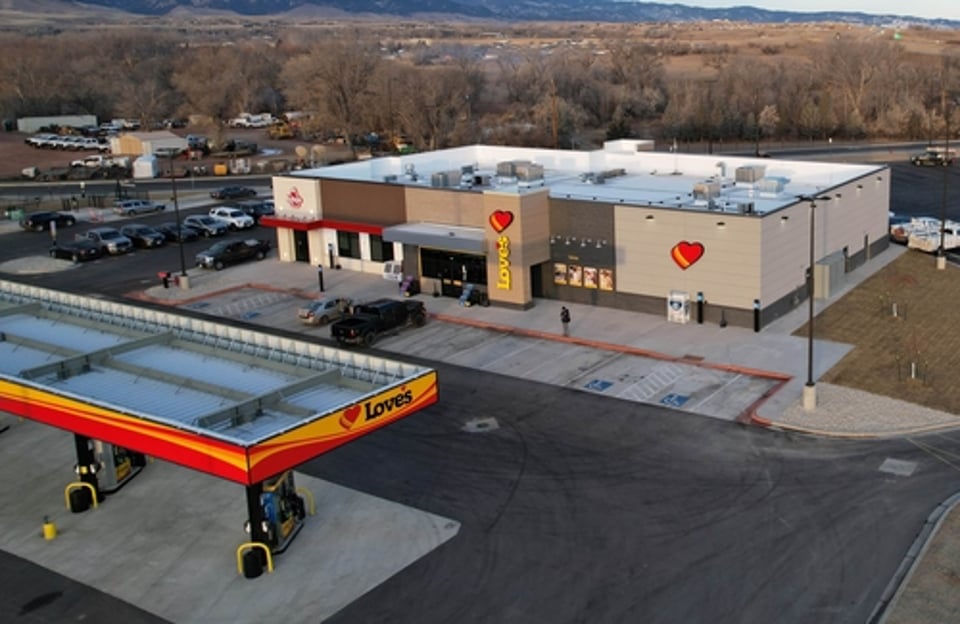
Love’s Travel Stops continues its network expansion with two strategic new locations, adding much-needed parking capacity in Alabama and Wyoming ahead of the holiday season.
Key Highlights:
New facilities in Cullman, AL and Buffalo, WY
A combined addition of 146 truck parking spaces
Full-service amenities at both locations
Strategic placement near major interstate junctions
Emphasis on driver comfort and convenience
Alabama Location Strengthens Southeast Presence
The new Cullman facility, positioned along I-65 between Birmingham and Nashville, brings 82 additional truck parking spaces to this busy corridor. Located at Exit 305, this 15,000-square-foot facility serves as Love’s third location in this high-traffic region.
Wyoming Expansion Targets Northwest Routes
In northern Wyoming, Love’s first regional facility near Buffalo adds 64 parking spaces at a crucial junction of I-90 and I-25. This strategic location supports drivers navigating routes to northwestern national parks and tourist destinations.
Modern Amenities Focus
Both locations reflect modern driver needs with comprehensive facilities including:
Multiple diesel bays
Private shower facilities
Laundry services
CAT scales
Dog parks
Self-checkout options
Restaurant choices
Future-Ready Facilities
Looking toward future transportation needs, both locations include allocated space for EV charging stations, allowing for quick installation when demand increases.
Community Investment
Love’s commitment to local communities shows through $5,000 donations to each area’s service organizations – the Good Hope Volunteer Fire Department in Alabama and Boys & Girls Clubs of Central Wyoming in Buffalo.
Regional Travel Impact
The Cullman facility’s position between Birmingham and Nashville fills a crucial gap along I-65, one of the Southeast’s busiest freight corridors. As Love’s third location in this stretch, it provides drivers with more flexibility in planning their mandatory rest periods. The site’s proximity to Smith Lake and several historic covered bridges also makes it attractive for drivers exploring the region.
Strategic Western Hub
Buffalo’s location marks Love’s first venture into northern Wyoming, offering a vital stopping point for drivers navigating between the Midwest and Northwest. Positioned near the Bighorn Mountains, this facility serves increasing freight traffic to numerous national parks and tourist destinations. The addition of 64 parking spaces here is particularly significant given the limited options previously available in this region.
Facility Specifications
The Cullman location spans more than 15,000 square feet and features eight diesel bays and seven shower facilities, while the Buffalo site, at nearly 11,500 square feet, includes six diesel bays and four showers. Both locations will feature Love’s Fresh Kitchen, with Cullman adding McDonald’s and Subway options, and Buffalo including an Arby’s, all opening December 16.
More Options for Drivers
These openings bring Love’s total presence to 654 locations across 42 states, marking a continued expansion of available truck parking nationwide. The Cullman location benefits from its position between major metropolitan areas, while Buffalo’s placement serves as a strategic rest point for long-haul routes through the Northwest.
Find Secure Parking Nationwide
While Love’s adds these strategic locations to the nation’s parking inventory, Truck Parking Club has grown beyond 1,000 parking spaces, with more added each month. From Alabama to Wyoming and across every state in between, we’re expanding alongside America’s trucking routes. Check our available spaces in real-time and choose from flexible daily, weekly, or monthly rates.
The information published herein is for general informational purposes only. Truck Parking Club does not make any representations or warranties about the completeness, reliability, legality, and accuracy of this information. Any reliance placed on such material is strictly at the user’s own risk. Truck Parking Club shall not be responsible for any losses or damages incurred in connection with the information published herein.
The Department of Homeland Security has announced plans to make an additional 64,716 H-2B visas available for the 2025 fiscal year, potentially offering trucking companies more options to fill empty seats in their trucks.
Key Highlights:
Nearly 65,000 extra H-2B visas for FY 2025
The program targets returning workers and new applicants
Montana, Florida, and Massachusetts lead current H-2B hiring
Visas available from October 2024 through September 2025
Special focus on Latin American and Caribbean countries
Breaking Down the Numbers
About 45,000 of these additional visas will first be offered to workers who have held H-2B status during the past three years. The remaining visas are set aside specifically for workers from seven countries: Colombia, Costa Rica, Ecuador, El Salvador, Guatemala, Haiti, and Honduras.
Homeland Security Secretary Alejandro Mayorkas emphasized the program’s importance: “There are employers across the country that would suffer greatly without H-2B workers. Authorizing these supplemental visas helps U.S. employers fill those positions.”
State-by-State Impact
Last year’s data shows interesting regional patterns in H-2B driver hiring. Montana emerged as a leading state for employing H-2B drivers, followed by Florida and Massachusetts. This geographic spread suggests varying regional needs and could indicate where new visa holders might find opportunities in 2025.
Timeline and Availability
The visa program will roll out in phases throughout the 2025 fiscal year, starting October 1st, 2024. Companies can begin applying for these visas based on when they need workers to start:
First half allocations cover October 2024 through March 2025
Early second half targets April through mid-May 2025
Late second half spans mid-May through September 2025
What Companies Need to Know
Before hiring foreign drivers, trucking companies must prove they’ve tried to hire U.S. workers first. This includes showing they can’t find qualified American drivers and ensuring the hiring won’t affect wages for current U.S. workers.
The Department of Labor requires companies to certify that:
They’ve actively searched for U.S. workers
The jobs offer competitive pay rates
The work truly needs temporary or seasonal help
They’ll protect worker rights and safety
Expanding the Driver Pool
The expansion of the H-2B program could help ease the ongoing driver shortage that has affected supply chains nationwide. However, companies will need to move quickly when applications open, as these visas typically get claimed rapidly.
DHS has also added new protections for workers this year. Companies that have previously broken labor laws will face extra review before getting approved for the program. This step aims to ensure better working conditions for all drivers, both domestic and international.
Industry Response
While the additional visas won’t solve all the industry’s workforce challenges, they offer a promising option for companies struggling to fill positions. Trucking companies in states like Montana have already shown how these visas can help maintain operations during driver shortages.
Infrastructure Needs Expanding
As the U.S. trucking industry prepares to welcome more international drivers, the demand for parking and rest areas grows.
With thousands of new drivers preparing to join America’s highways, Truck Parking Club provides immediate access to over 1,000 (and growing) parking locations nationwide.
Sign up free today to join our network of truck parking locations across the country.
The information published herein is for general informational purposes only. Truck Parking Club does not make any representations or warranties about the completeness, reliability, legality, and accuracy of this information. Any reliance placed on such material is strictly at the user’s own risk. Truck Parking Club shall not be responsible for any losses or damages incurred in connection with the information published herein.
Finding safe and legal truck parking in Florida has become one of trucking’s biggest Challenges. As freight traffic grows on Florida highways, the situation keeps getting worse. While state regulations mandate a strict 10-hour parking limit at rest areas, the reality is that secure parking spots are becoming as rare as a cool Florida day in August.
This parking squeeze is more than just an inconvenience; it forces drivers to choose between breaking hours-of-service rules or risking unsafe parking situations.
The good news is that solutions like Truck Parking Club are making a difference – something we’ll look at along with Florida’s parking rules and how they’re enforced.
The Sunshine State’s Truck Parking Crisis
Florida’s trucks keep America moving. With sixteen deepwater ports, including major hubs in Miami, Jacksonville, and Tampa, plus crucial interstate highways connecting the Southeast to the rest of the country, Florida’s role in the nation’s supply chain is massive. Every day, trucks roll through the state delivering everything from fresh produce to electronics. I-95, I-75, and I-4 serve as vital arteries, handling a significant portion of the Southeast’s commercial traffic.
But this success comes with a price. The same factors that make Florida a freight powerhouse – its strategic location, network of seaports, and extensive highway system – also create intense competition for truck parking. Prime spots near major routes and urban centers fill up fast. During peak shipping seasons or when severe weather hits, finding legal parking can feel like winning the lottery.
The math is straightforward: The state’s public rest areas and service plazas offer only a fraction of the parking spaces needed for today’s freight volume. Private truck stops help fill the gap, but they too reach capacity quickly, especially near major distribution hubs and ports. With freight traffic projected to grow, this parking shortage is becoming more critical each year.
That’s why more drivers are turning to pre-booking Florida truck parking spaces. Instead of hoping to get lucky at the next rest area, they’re securing their spots in advance. This shift makes business and safety sense in one of America’s busiest freight states.
Core Florida Truck Parking Regulations
10-Hour Maximum at Rest Areas
Florida’s rest areas are designed to accommodate the needs of commercial drivers while maintaining safety and order. Under state guidelines, commercial trucks can legally park for a maximum of 10 hours in these designated rest areas.
This policy aligns with typical Hours of Service (HOS) requirements, ensuring that drivers have adequate time to rest before continuing their journey. On-site security strictly enforces this rule, actively monitoring vehicle movements.
Non-commercial vehicles—such as passenger cars and small RVs—are subject to a shorter 3-hour parking limit in the same facilities. This distinction helps manage crowding and ensures that the available parking remains accessible to long-haul truckers who rely heavily on these rest stops.
Penalties for Violations
Enforcement at Florida rest areas is taken seriously, and violating the 10-hour (or 3-hour) time limit can lead to a range of penalties. If a commercial vehicle remains beyond the allocated time, the driver may face fines, and in some cases, towing or impoundment may be employed to clear the space.
Once a truck is towed, additional fees—such as towing and storage charges—can quickly add up, amplifying the financial burden.
Repeated violations not only result in steeper fines but can also tarnish a driver’s safety record, potentially affecting insurance rates and future employment prospects. These consequences underscore the importance of adhering to posted time limits and rest area regulations.
Emergency Provisions
In emergency situations, such as a mechanical breakdown or a serious medical issue, truckers may be granted extra hours beyond the usual limit. However, these exceptions are strictly discretionary and usually require clearance from local law enforcement or direct approval from the rest area’s management.
It’s essential to understand that these provisions are not a guarantee. If a driver experiences a breakdown, for example, notifying authorities promptly and providing evidence of mechanical failure can help secure temporary leniency. Ultimately, the goal of Florida’s rest area managers is to maintain a safe, efficient flow of traffic while still accommodating genuine emergencies.
What Truck Drivers Need to Know
Although some rest areas might appear lenient at times, drivers should remember that 24/7 security personnel are on-site and observing parking durations. Even if enforcement seems lax initially, it’s possible to receive a citation or have your truck towed without warning once time limits are exceeded.
To steer clear of these risks, drivers should plan their routes and schedule rest stops in advance—especially in busier regions where parking can fill up quickly. By mapping out stops that comply with the 10-hour rule and using online parking apps or reservation platforms such as Truck Parking Club, drivers can sidestep penalties, preserve their safety records, and ensure they get the rest they need.
Permits for Special Circumstances
In Florida, as in many other states, there are specific situations where truck parking regulations may be more flexible for those who need extended parking durations.
Construction vehicles, oversized loads, and trucks involved in temporary projects might be eligible for special permits that allow them to remain parked longer than the usual 10-hour limit.
These permits are typically issued by local municipalities or county authorities and often include stipulations such as designated parking zones, limited time frames (for example, only during active construction hours), or the display of a valid permit on the vehicle’s dashboard.
To obtain these permits, it’s best to consult local authorities or check municipal transportation websites for the most accurate and up-to-date information. Regulations can vary across Florida’s diverse counties—what’s permissible in Miami-Dade might differ from what’s allowed in Hillsborough or Orange County.
How Florida Stacks Up Against Other States
Florida: Allows 10 hours at rest areas
California: Typically offers 8 hours in rest areas
Texas: permits up to 24 hours of parking at many rest areas
New York: Often imposes a 3-hour limit on commercial vehicles in busy urban zones, making it more restrictive than Florida.
Illinois: Mirrors Florida’s 10-hour maximum at rest areas, though local rules may introduce variations.
By booking before hitting the road, truck drivers don’t have to worry about these differing regulations. With Platforms like Truck Parking Club, which to date has over 1,200 property member locations nationwide, drivers minimize the risk of overstay fines and avoid overcrowded rest areas.
The Future of Truck Parking in Florida
As freight traffic continues to grow across Florida’s highways and through its seaports, the demand for truck parking will only increase. Smart operators are already shifting away from hoping to find spots in crowded rest areas. Instead, they’re using advance booking to guarantee parking when and where they need it.
At Truck Parking Club, we offer two ways to be part of the parking solution:
For Drivers:
Access to over 1,200 (and growing) secure locations nationwide
The information published herein is for general informational purposes only. Truck Parking Club does not make any representations or warranties about the completeness, reliability, legality, and accuracy of this information. Any reliance placed on such material is strictly at the user’s own risk. Truck Parking Club shall not be responsible for any losses or damages incurred in connection with the information published herein.
A comprehensive new industry study from Fleetworthy, a technology suite provider specializing in fleet safety, compliance, and efficiency optimization, reveals pressing operational and financial issues facing trucking companies of all sizes. Based on surveys of 300 trucking professionals, from large fleet operators to independent owners, the report indicates an industry struggling with rising costs and complex compliance demands.
Key Highlights:
96% of fleets are reducing other costs to cover compliance expenses
35% of owner-operators consider quitting due to rising costs
93% struggle with toll management issues
96% invested in safety equipment in the past year
Nuclear verdicts top concern for midsize fleets
Cost-Cutting Becomes Common
The 2025 Trucking and Fleet Insights Report shows that 96% of respondents had to reduce costs elsewhere to cover compliance-related expenses over the past year. This widespread belt-tightening affects companies of all sizes, from major fleets to independent operators.
Owner-Operators Face Breaking Point
Perhaps most alarming, 35% of independent owner-operators have considered shutting down their operations entirely due to the mounting costs and time demands of managing compliance tasks. The pressure on small operators highlights the growing difficulty of remaining profitable in today’s regulatory environment.
Toll Management Hurdles
The report spotlights widespread issues in toll management. 93% of respondents grapple with multiple transponder systems and unpredictable expenses, adding another layer of complexity to daily operations.
Safety Investment Remains Priority
Despite financial pressures, fleet operators aren’t cutting corners on safety. The report found that 96% of respondents invested in safety equipment over the past year, with in-cab cameras and monitoring systems leading the way at 51% adoption.
Legal Liability Concerns
Midsize fleets express particular concern about “nuclear verdicts” – jury awards exceeding $10 million in accident cases. The report found that 35% of leaders at these operations are very or extremely concerned about such catastrophic legal outcomes, which can devastate smaller operations with limited resources.
Industry Confidence Despite Obstacles
93% of fleet leaders believe their organizations maintain strong safety cultures and good understanding of DOT regulations. Even more striking, 97% of owner-operators consider themselves more aware of safety and compliance best practices than their peers.
Executive Perspective
“With regulations in our industry constantly changing, fleets and owner-operators are spending a lot of time and money ensuring their trucks and company are staying compliant,” said Michael Precia, Fleetworthy President and Chief Strategy Officer. “In many cases, keeping up with compliance-related tasks hampers a trucking company’s ability to grow its business.”
Growth Limitations
The impact on business development is significant, with 95% of respondents indicating that compliance requirements are holding them back from growing their businesses and offering new services.
While compliance and regulatory costs continue to rise, smart operators are finding ways to control expenses where possible. Truck Parking Club offers nationwide, cost-effective, secure parking solutions, helping you manage at least one predictable cost. Sign up free today to start saving on your parking expenses.
The information published herein is for general informational purposes only. Truck Parking Club does not make any representations or warranties about the completeness, reliability, legality, and accuracy of this information. Any reliance placed on such material is strictly at the user’s own risk. Truck Parking Club shall not be responsible for any losses or damages incurred in connection with the information published herein.
Connecticut has initiated an ambitious $31 million statewide project to address trucking’s most pressing challenge: the severe shortage of safe parking spaces. The comprehensive expansion plan will boost the state’s truck parking capacity over the next several years.
Key Highlights:
$31 million investment in truck parking expansion
Five locations targeted for development
180+ new spaces planned by decade’s end
44% increase in state’s public parking capacity
First phase begins at Middletown I-91 rest area
Strategic Expansion Plans
The Connecticut Department of Transportation (CTDOT) has identified five key locations for development: Middletown, Madison, Southington, Southbury, and Vernon. This strategic distribution ensures improved coverage across major freight corridors throughout the state.
First Phase Underway
Construction has already begun at the Middletown rest area along Interstate 91 northbound. This initial phase will add 11 new truck parking spaces, representing a 40% capacity increase at this crucial location. The Middletown project, estimated at $3 million, includes significant infrastructure improvements such as enhanced drainage and stormwater management systems.
Substantial Capacity Increase
Currently, Connecticut provides approximately 420 truck parking spaces at public service plazas and rest areas. Upon completion, this expansion initiative will increase the total to about 600 spaces- a 44% increase in public parking capacity.
State Officials Champion Change
CTDOT Commissioner Garrett Eucalitto emphasized the urgency of the initiative: “During the COVID-19 pandemic, we heard truckers loud and clear when they called for more places to safely park along state highways. We are excited to begin these projects to improve safety for the trucking community, who keep our economy moving.”
Association Leaders Welcome Development
John Blair, President of the Motor Transport Association of Connecticut, praised the initiative: “The truck parking shortage has plagued the trucking industry for decades, and the consequences of insufficient capacity are as wide-ranging as they are severe. The effort here in Connecticut will undoubtedly make our roads safer.”
Parking Solutions Available Now
While Connecticut works to expand its public parking infrastructure, Truck Parking Club offers immediate solutions through its network of secure parking locations across the state and nationwide. Drivers can access parking spaces through the platform, complementing the state’s efforts to address this critical need.
Join Truck Parking Club Today
For Drivers: Don’t wait for construction to complete – access our network of verified parking locations in Connecticut and nationwide. Secure your spot in advance and enjoy peace of mind on the road.
For Property Owners: Connecticut’s investment shows the growing demand for truck parking. Turn your property into a valuable asset by joining our network.
The information published herein is for general informational purposes only. Truck Parking Club does not make any representations or warranties about the completeness, reliability, legality, and accuracy of this information. Any reliance placed on such material is strictly at the user’s own risk. Truck Parking Club shall not be responsible for any losses or damages incurred in connection with the information published herein.
In an ongoing effort to address illegal truck parking across New York City, the NYPD’s 122nd Precinct conducted an enforcement operation on Father Capodanno Boulevard on Staten Island’s East Shore. This operation aimed to alleviate long-standing quality-of-life concerns for residents in the area.
On Tuesday evening, officers patrolled Capodanno Boulevard between Sand Lane and Hunter Avenue, towing 11 illegally parked commercial vehicles and issuing 11 summonses. Additional enforcement also took place at Narrows Road South and Sable Avenue.
“Our Neighborhood Coordination Officers conducted a tow operation to remove illegally parked tractor trailers,” the precinct stated on X (formerly Twitter).
Longstanding Issues with Illegal Truck Parking
Illegal truck parking has become a widespread issue throughout Staten Island and the greater NYC area. While city regulations prohibit overnight parking of commercial vehicles between 9 p.m. and 5 a.m., truckers often park on quiet residential streets to rest or wait for delivery windows.
“Illegal tractor-trailer parking continues to plague certain residential areas on Staten Island,” said Borough President Vito Fossella. “This issue disturbs the quality of life for residents, and we work closely with the NYPD to address complaints.”
Ongoing Citywide Initiatives
This operation is part of a broader initiative launched in 2022 under Mayor Eric Adams’ “Operation Heavy Duty.” The program aims to curb illegal truck parking while exploring alternative parking solutions for truckers, such as the South Brooklyn Marine Terminal and Brooklyn Navy Yard.
Mayor Adams has emphasized the importance of balancing quality of life for residents with the needs of truck drivers. “We want to live in a city where quality of life is paramount no matter where you live,” Adams stated during the program’s launch.
Staten Island’s Enforcement History
Staten Island has seen numerous enforcement efforts targeting illegal truck parking. In the summer of 2023, the NYPD conducted several operations in areas like Graniteville’s Christopher Lane and Clifton’s Front Street waterfront. These initiatives resulted in dozens of towed trucks, booted vehicles, and hundreds of summonses.
Residents and officials have consistently voiced concerns about the disruption caused by these violations. In many cases, truck drivers use city-owned property or residential streets as makeshift parking lots, further straining community relations.
Community Engagement and Future Plans
While enforcement is ongoing, officials acknowledge the need for long-term solutions. Borough President Fossella and other leaders have called for better infrastructure to support truckers while preserving residents’ quality of life.
As enforcement efforts continue, the NYPD remains committed to addressing illegal truck parking with targeted operations and community collaboration.
The information published herein is for general informational purposes only. Truck Parking Club does not make any representations or warranties about the completeness, reliability, legality, and accuracy of this information. Any reliance placed on such material is strictly at the user’s own risk. Truck Parking Club shall not be responsible for any losses or damages incurred in connection with the information published herein.